
Start with the Room, Not the Product
Most houses end up with a mix, so the question is rarely blinds or shades for the whole house. It is which one suits this room, at this window, for the way you use it. A blind is made of slats that tilt, so you can steer the light without raising anything. A shade is a single piece of fabric that raises and lowers, softer to look at and quieter in a room. Neither one is better. Each solves a different problem.
Three questions settle most rooms. How much do you want to control the light through the day? How much does the room need privacy, and when? And does the room deal with steam, damp or salt air? Answer those for each room and the choice usually makes itself.
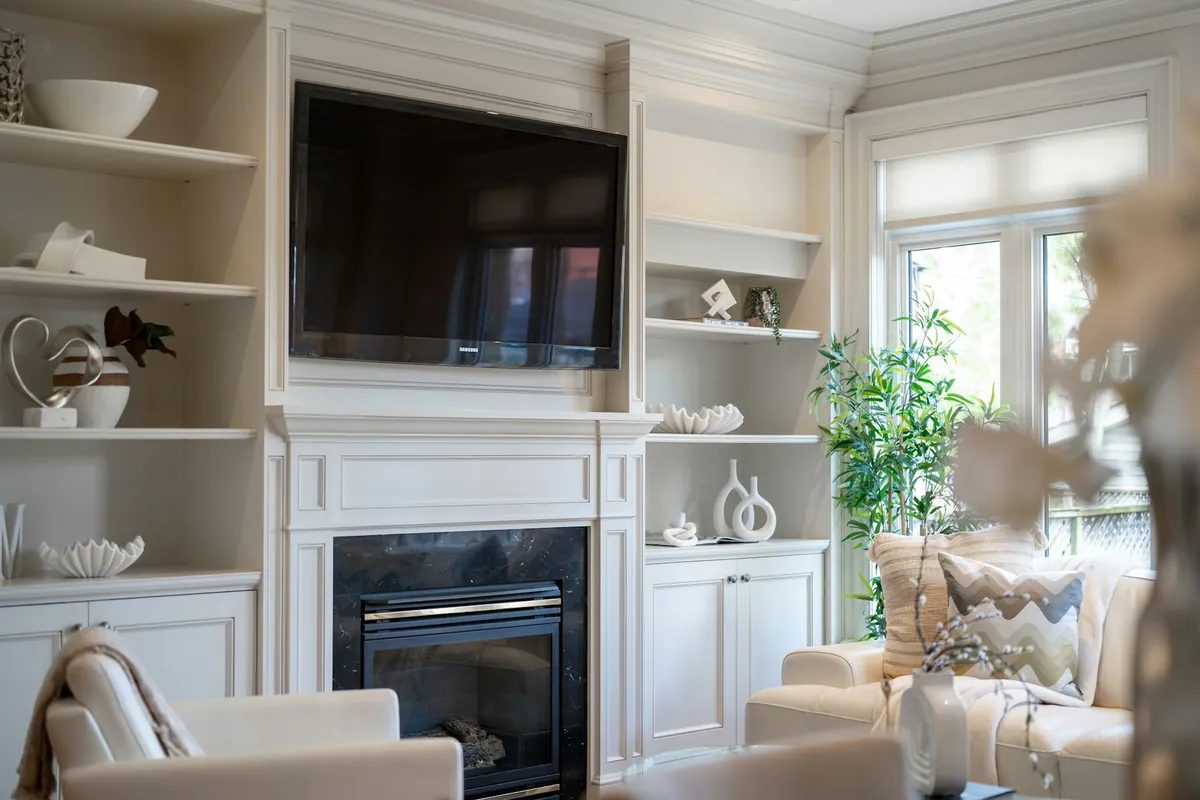
How Slats and Fabric Behave
The difference shows up in daily use. Tilt a blind and the slats turn the light up toward the ceiling or down toward the floor, while you can still see out between them. Close the slats and the room goes dim and private, without the blind moving at all. That fine control is what a slat does well.
A shade does its work by covering the glass. The fabric decides what happens to the light: a sheer weave softens it, a heavier one darkens the room, and a honeycomb cell holds a pocket of air against the window. Raised, a shade folds or rolls away neatly. Lowered, it gives a soft, even look across the whole window.
- Blinds: tilt control, a crisp look, easy to wipe down in faux wood and aluminium
- Shades: softer light, a calmer look, fabric chosen for privacy or warmth
- Both: measured in your home and made to each opening
Kitchens and Bathrooms
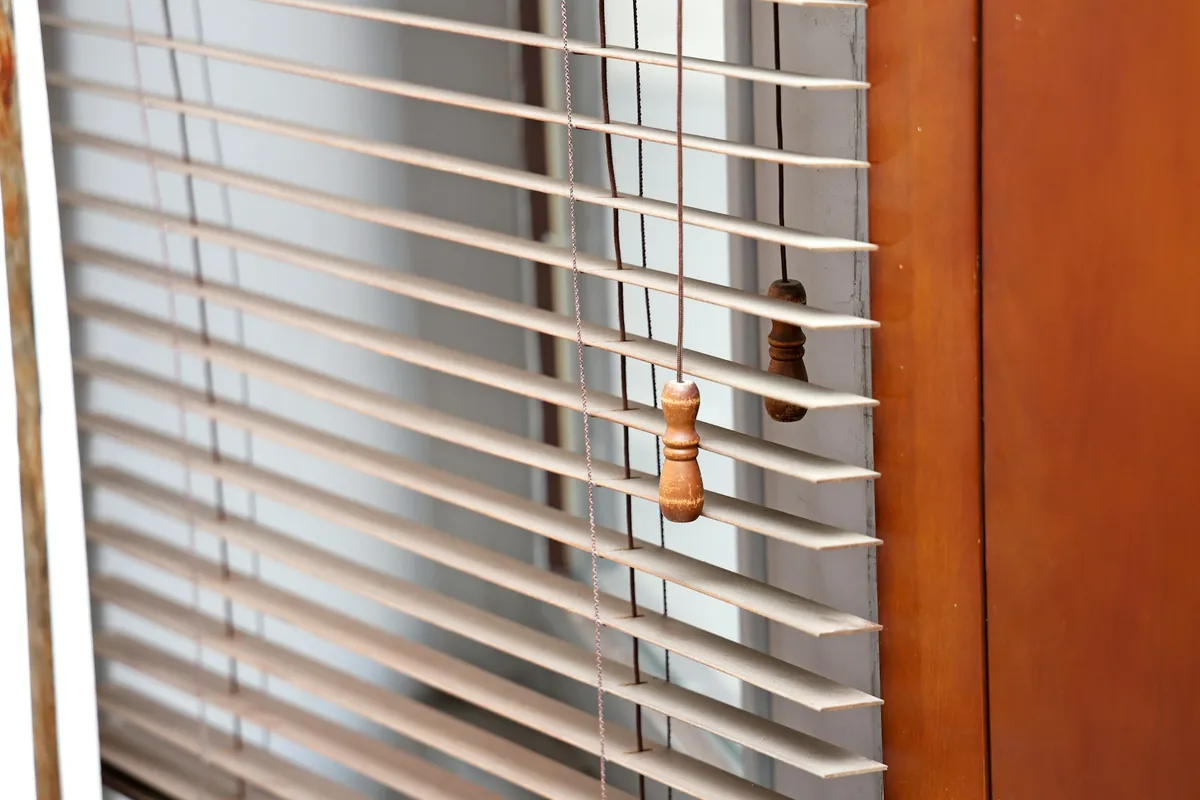
Steam, splashes and grease decide these rooms. Faux wood and aluminium blinds are the usual answer, because they shrug off damp and wipe clean, and they tilt to let light in while blocking the view from a neighbouring window. In a kitchen at the back of a mid-century ranch, a faux wood blind over the sink keeps the room bright and practical.
A shade can still work in a kitchen if it sits away from the sink and the stove. A roller shade in a wipeable fabric suits a breakfast window. Over a bath or shower, slats are usually the safer choice.
Living Rooms and Family Rooms
These rooms change through the day. The morning wants light, the afternoon may bring glare across the television, and the evening needs privacy once the lamps go on. Wood blinds handle that well, since a small turn of the wand changes the room. In the larger Victorians in Fall River and Pawtucket, with tall windows and good trim, a wood blind in a stain that picks up the floors looks at home.
Shades suit a living room that wants a softer feel. A Roman shade adds fabric and colour, and a cellular shade adds warmth on a cold wall. Many living rooms pair a shade with side drapes, which is where blinds or shades stop being the only choice and the window becomes a set of layers.
Bedrooms
Bedrooms are about darkness and privacy. A blind closes tight but lets thin lines of light through at the edges of each slat. A room-darkening shade, mounted to cover the frame, blocks more of the early sun. For anyone who sleeps late or works nights, that difference matters.
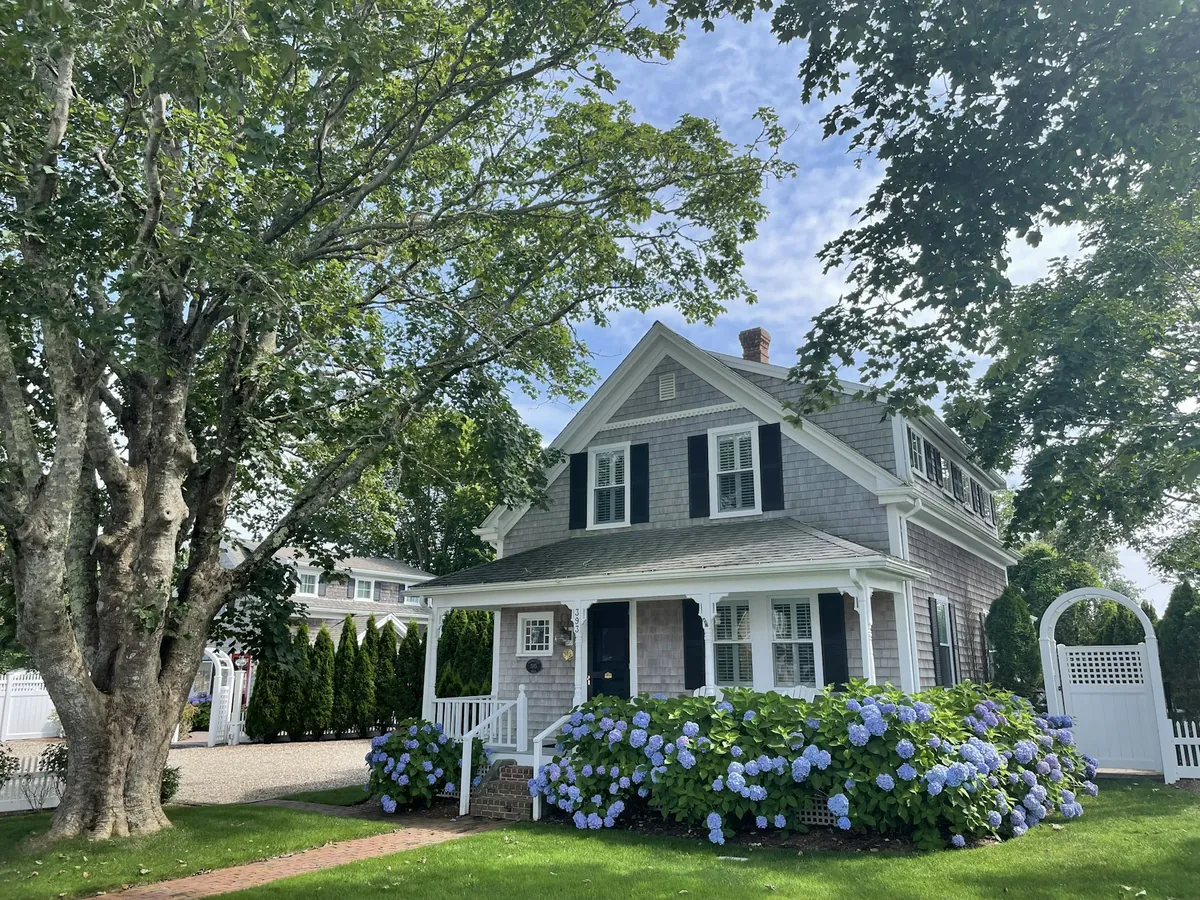
In the shingled capes near Mount Hope Bay and the Sakonnet, upstairs bedrooms often have small windows under a sloped ceiling. A shade that stacks neatly above the glass suits these windows, and a cordless or motorised lift keeps the window tidy. For children’s rooms, we steer you toward cordless and motorised options and talk through what suits the room.
Dining Rooms
A dining room is used for a few hours at a time, often in the evening, so the look counts as much as the light. Wood blinds give a tailored, finished feel and suit a formal room. A Roman shade in a fabric that picks up the chairs or the rug makes the room softer and warmer. In a mid-century cape, where the dining room often opens off the kitchen, matching the slats or the fabric to the kitchen window helps the two rooms read as one.
Home Offices and Sunny Rooms
A desk by a window needs glare control more than darkness. A blind with the slats tilted upward sends daylight to the ceiling and off your screen. A solar shade cuts glare while keeping the view, which suits a room facing the water. If you sit with your back to the window, either works. If you face it, try both in the showroom before you decide.
Older Windows and Historic Sash
The historic sash on College Hill and on Newport’s Point brings its own questions. Old frames vary from window to window, the trim is often worth keeping on show, and some frames are too shallow to hold a blind inside. We measure each window on its own and check the depth before suggesting anything.
Where the frame is deep enough, an inside-mounted blind or shade keeps the woodwork visible. Where it is shallow, a shade mounted above the frame often fits better than a blind, because it needs no room for slats to tilt. Our guide to inside or outside mounts goes into that choice.
Mixing the Two in One House
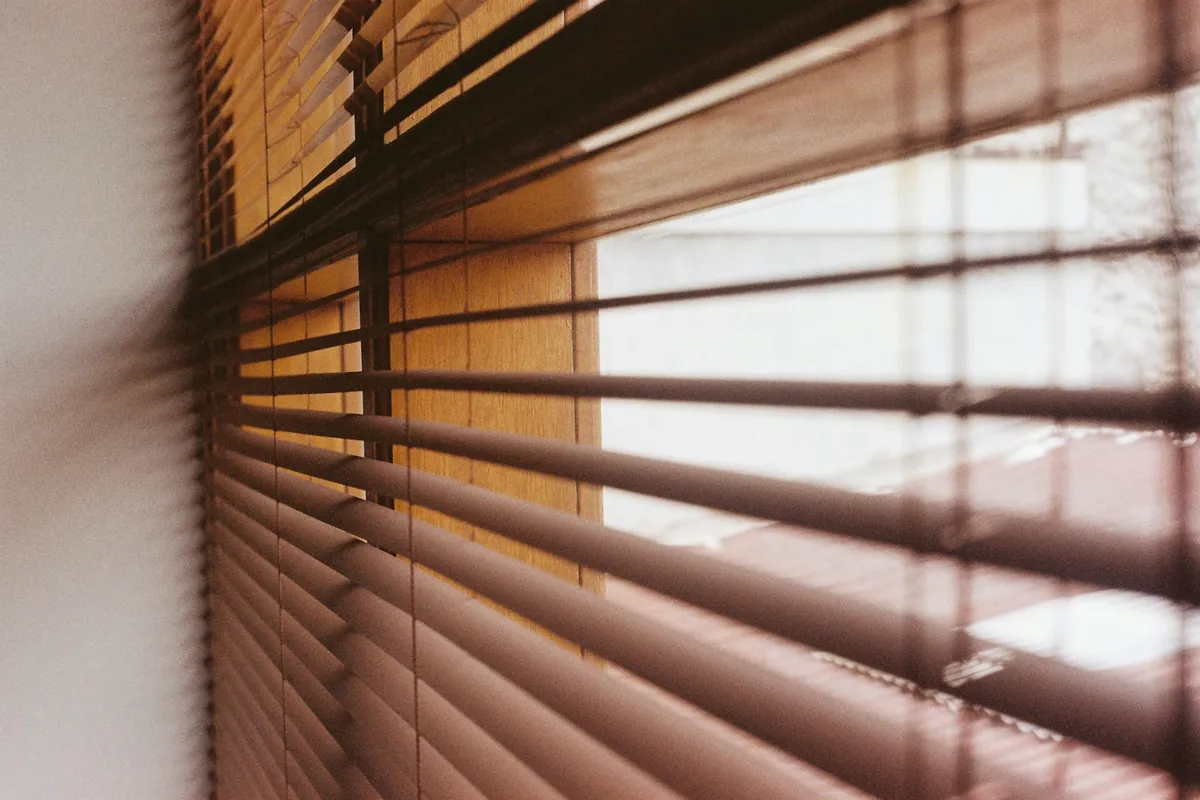
Plenty of homes use both, and a house still looks consistent if you keep the colours and the mounting in step. A common mix is faux wood blinds in the kitchen and bathrooms, wood blinds in the living room, and cellular shades upstairs where the rooms lose heat. Three-deckers often go the same way floor by floor, with each unit choosing what suits its own rooms.
When you visit the Swansea showroom, you can handle slats and fabrics side by side, including the Norman range the store carries, and see how each one looks in the same light.
Blinds and Shades We Make
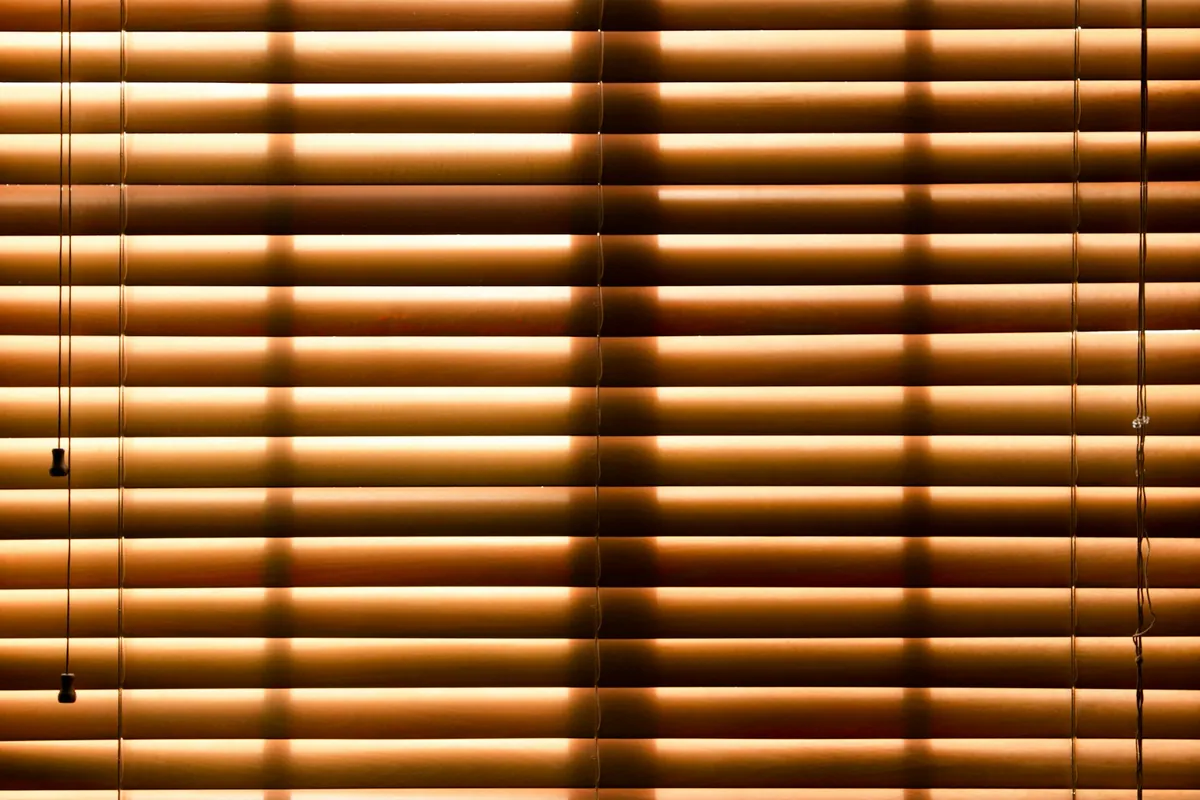
Custom blinds
Wood, faux wood, aluminium and vertical blinds, for rooms where you want to tilt the light.
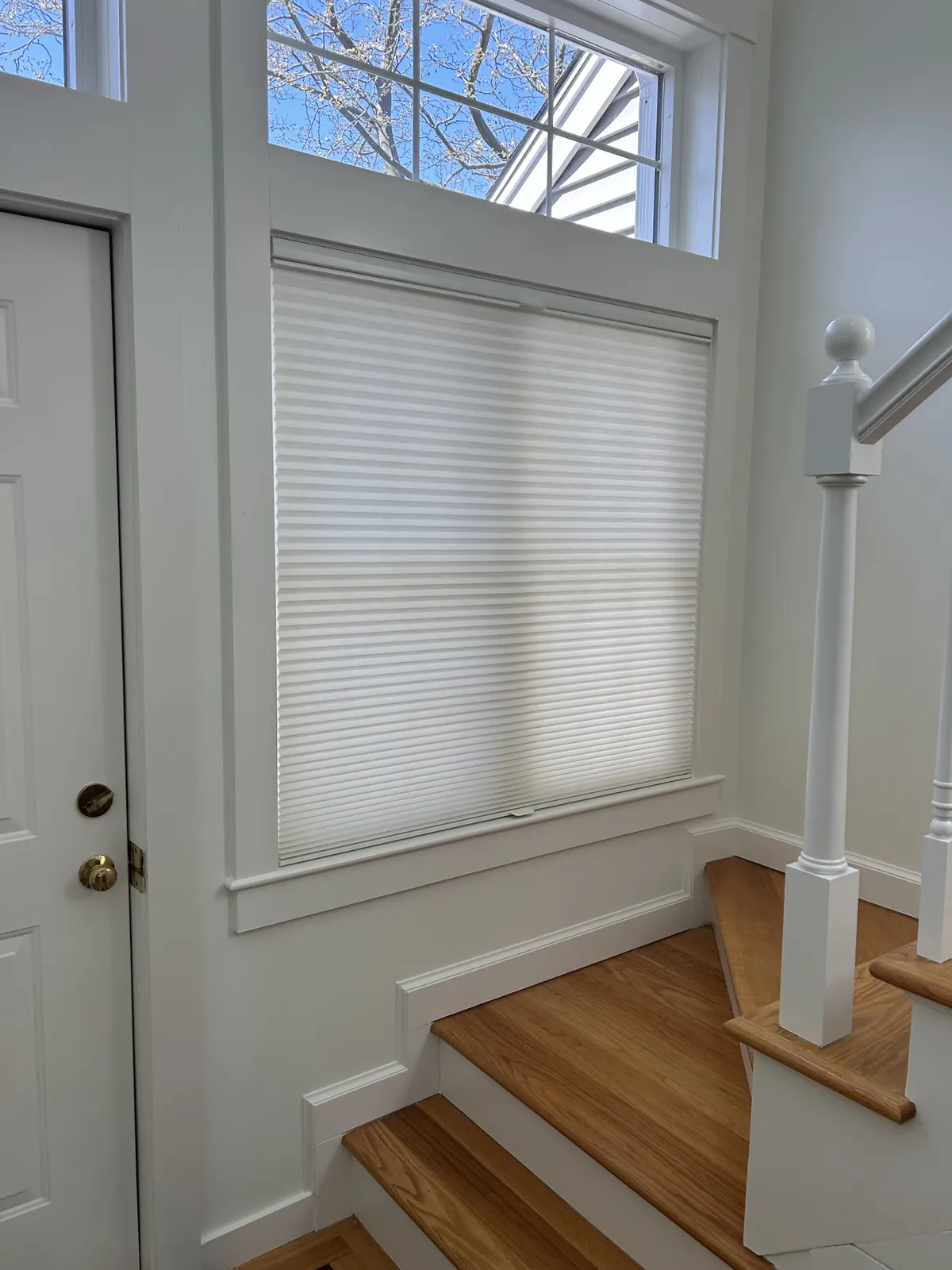
Cellular shades
Single or double cell fabric that holds air at the glass, for rooms that lose heat.
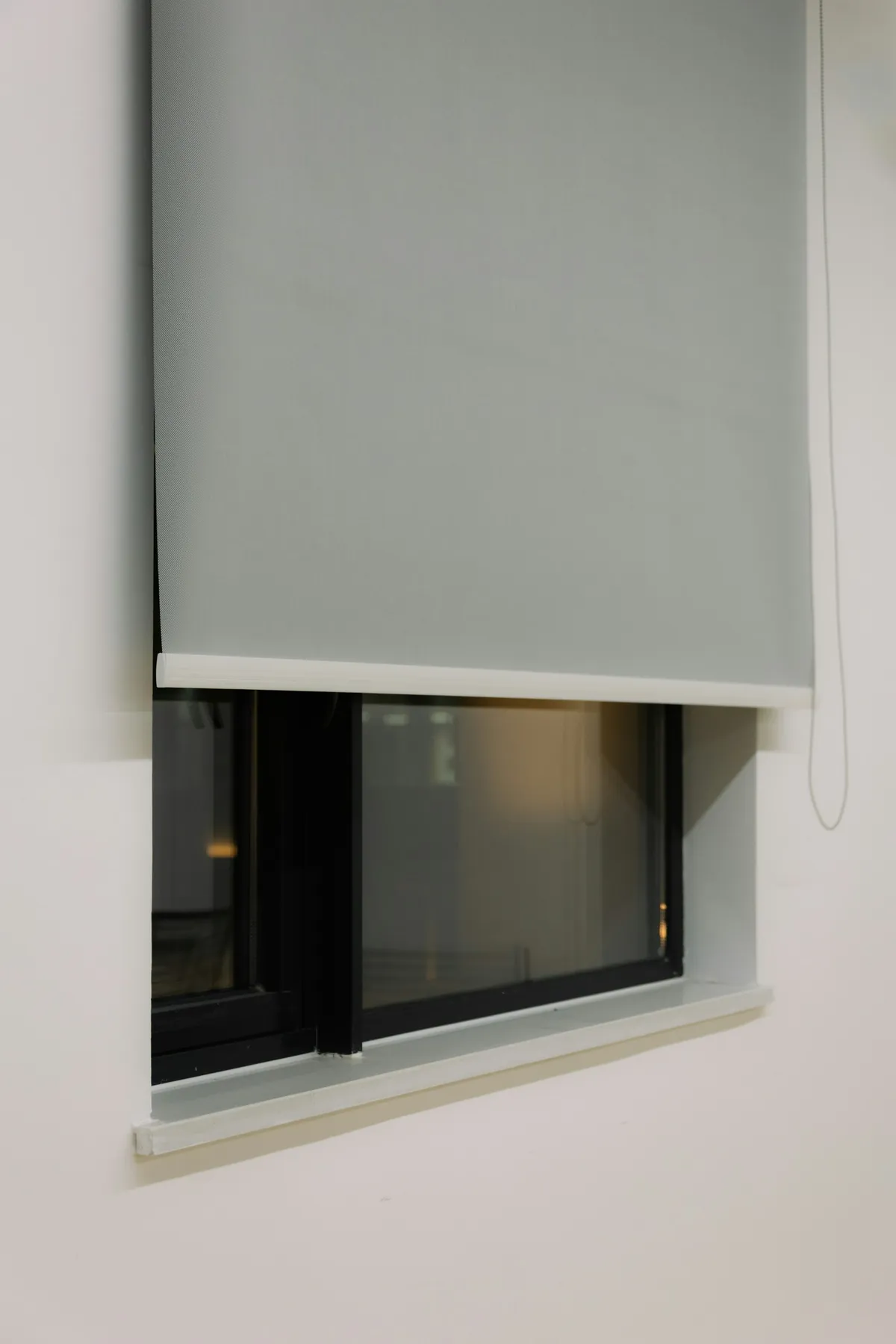
Roller shades
A clean roll of fabric, from light filtering to solar screen.

Roman shades
Soft fabric folds for living rooms, dining rooms and bedrooms.
Questions About Blinds and Shades
Which is easier to keep clean?
Faux wood and aluminium blinds wipe down with a damp cloth. Most fabric shades need only a light dusting, and our fabric shade cleaning guide covers the rest.
Which gives more privacy at night?
Both can, once closed. A shade covers the glass with no gaps between slats, so it is the stronger choice where privacy matters most.
Should every room in the house match?
Not exactly. Keeping colours and mounting consistent lets you choose blinds or shades room by room without the house looking patched together.
What suits a child’s bedroom?
We point you to cordless and motorised options and help you choose what suits the window and the room.
Can I see both before I decide?
Yes. Compare slats and fabrics in the Swansea showroom, or see samples at home when we come out to measure.
Book Your Free Quote
Use the call button to book a free quote, arrange measuring in your home or ask about installation. We will go room by room with you and help you settle on blinds or shades for each window. If you would rather compare in person first, the Swansea showroom has both on display.