
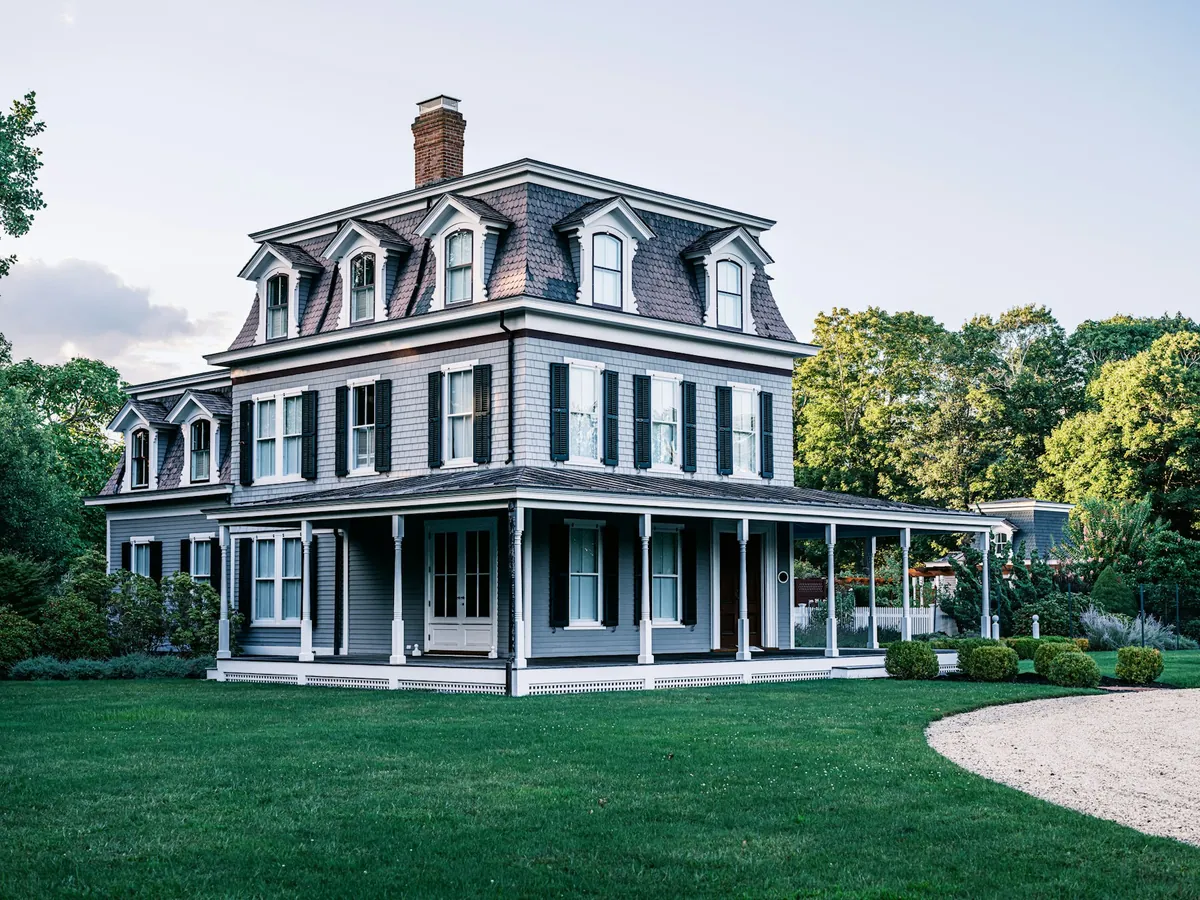
Tall Sash, High Ceilings
On the East Side, three things come up in nearly every house we measure: tall sash, high ceilings and the expectations of the historic district. A Victorian on Blackstone Boulevard or a Colonial Revival on College Hill can have front windows that reach well above head height, in rooms where the ceiling is higher still. Choosing cellular shades in Providence, RI for those rooms is mostly about height: how far the shade has to travel, where it stacks and how you reach it.
Tall glass is also a lot of cold glass. In a high room, warm air rises to the ceiling while the air beside a tall window cools and slides down to the floor, so the room can feel chilly at seat height even with the heat on. A honeycomb shade helps because each of its cells holds a pocket of still air between the glass and the room.
- Single or double cell, decided room by room
- Measured to the full height of each sash
- Hung by our installers, with every fabric on show in Swansea
What We Offer for Providence Windows
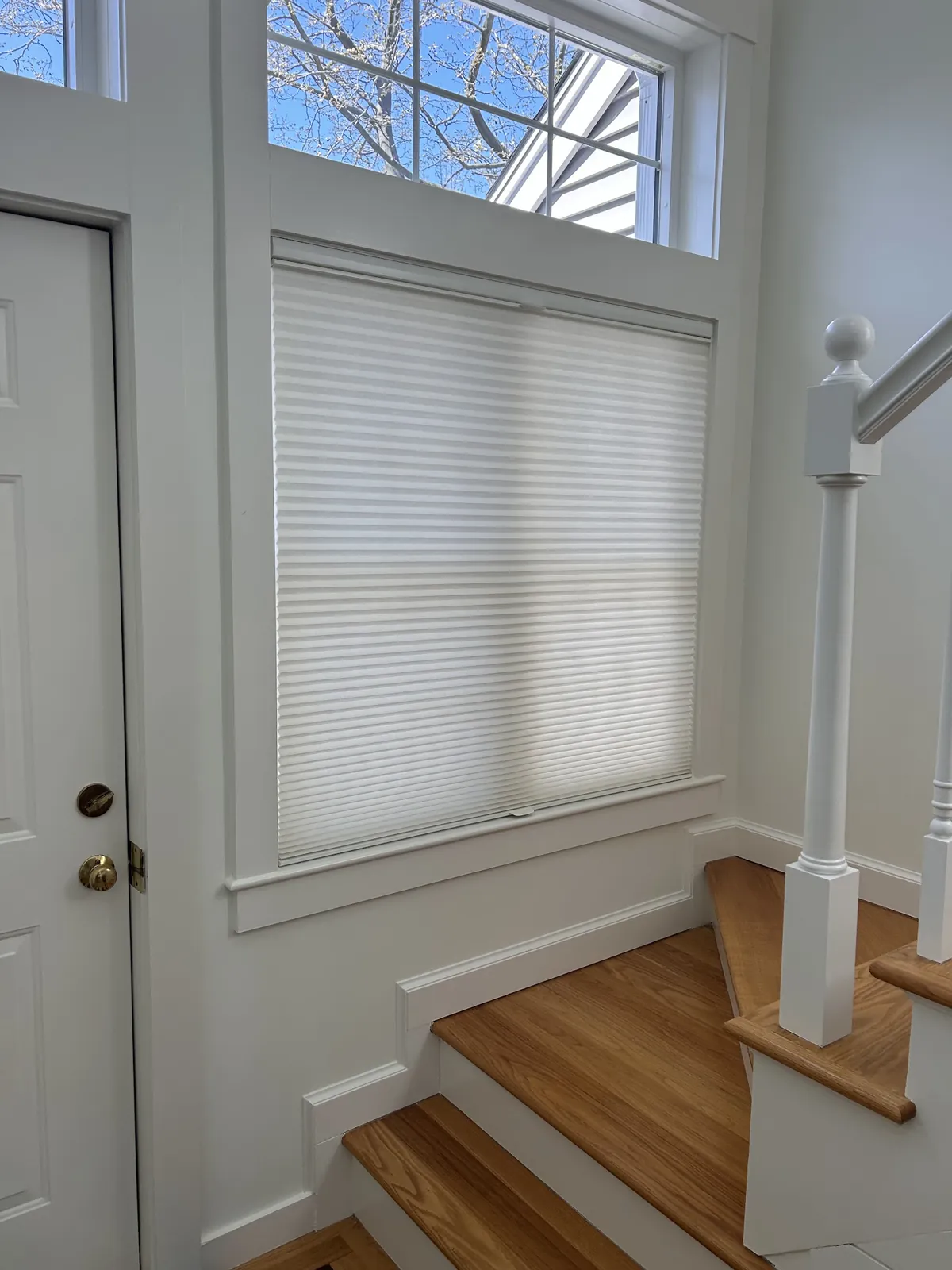
Single cell
A single layer of cells folding into a slim stack. Right for rooms that stay comfortable anyway, and for tall sash where the upper panes should stay open to the sky.
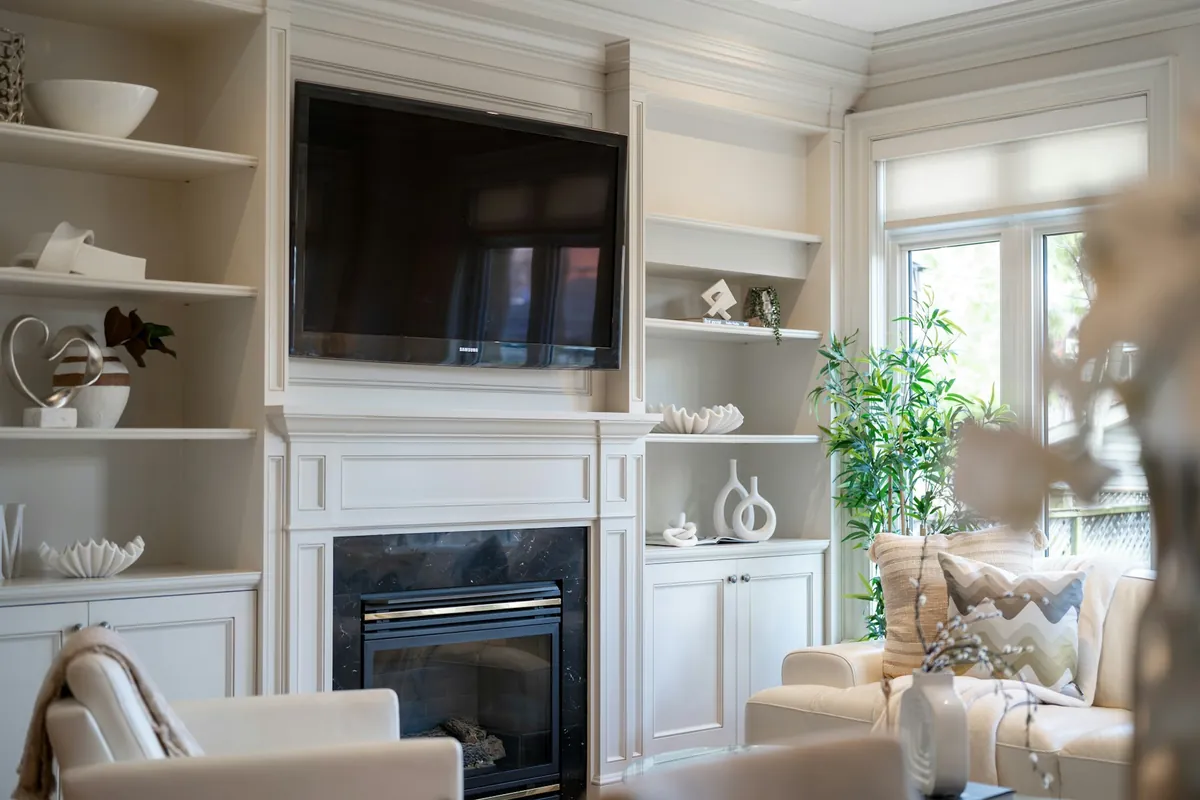
Double cell
Twin layers of cells, twin pockets of still air. Worth it for a front parlour lined with tall sash, a bedroom under the roof or a loose old window.
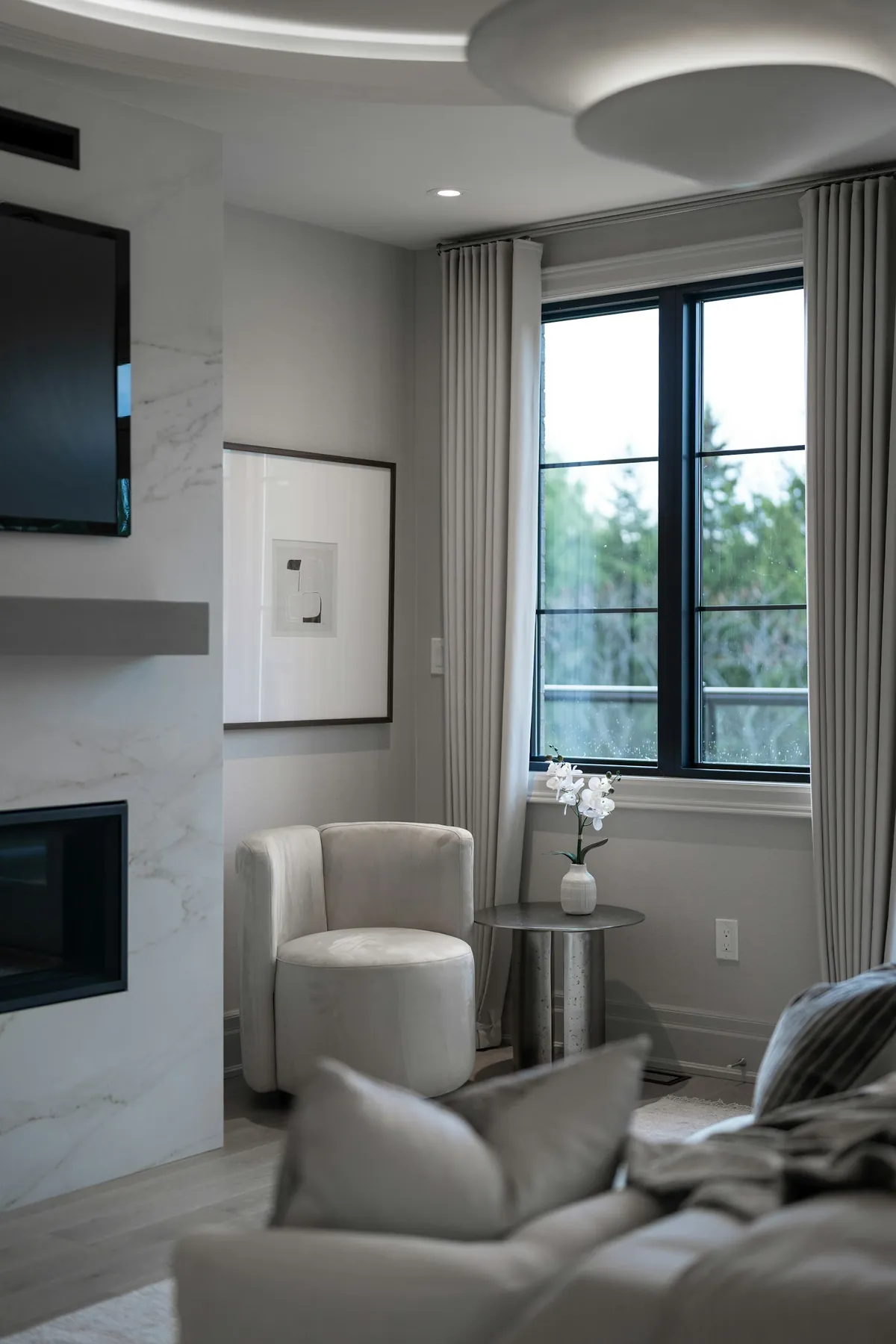
Reaching the top
Where the head of a window is far above reach, a motorised shade goes up and down at the press of a remote or a switch on the wall.
Tall Windows and the Height of the Room
An East Side front room often has sash that starts near the floor and runs most of the way to a high ceiling. A shade for that window has a long way to travel, and when it is raised, all that fabric has to gather somewhere. With a heavy treatment, the stack can cover a good part of the upper glass, which is the part that lets the most daylight into a deep room.
A honeycomb shade folds into a very small stack for its length. Raised, it leaves almost all of a tall window clear, so the room keeps the light it was designed to have. Lowered, it covers the full height evenly, right down to the sill, closing off the bottom of the glass where the cold air collects.
Reaching the shade is the other half of the question. A shade that hangs at the top of a tall window can still be raised and lowered by hand from the bottom rail on most windows. On the very tallest, or on windows behind a radiator, a window seat or a large piece of furniture, motorised blinds and shades put it under a remote or a switch by the door. We look at each window and suggest which suits it, rather than motorising a whole house by default.
How the cells hold warmth in a high room
The physics are simple. Glass passes cold to whatever touches it. In a room with a tall window and a high ceiling, the air beside the glass cools, gets heavier and falls, pulling warmer air from the room toward the window to replace it. That slow loop is why a high-ceilinged parlour can feel draughty even when every window is shut.
A cellular shade breaks the loop. Seen end on, it looks like a strip of honeycomb, and each little chamber traps air. Lowered, the shade lays that trapped air across the whole window. The room’s air now meets fabric, not glass, so it stays warmer and the loop slows right down. Double cell adds a second strip of chambers behind the first, which means a second blanket of air. For a tall window in a high room, that second blanket usually earns its keep.
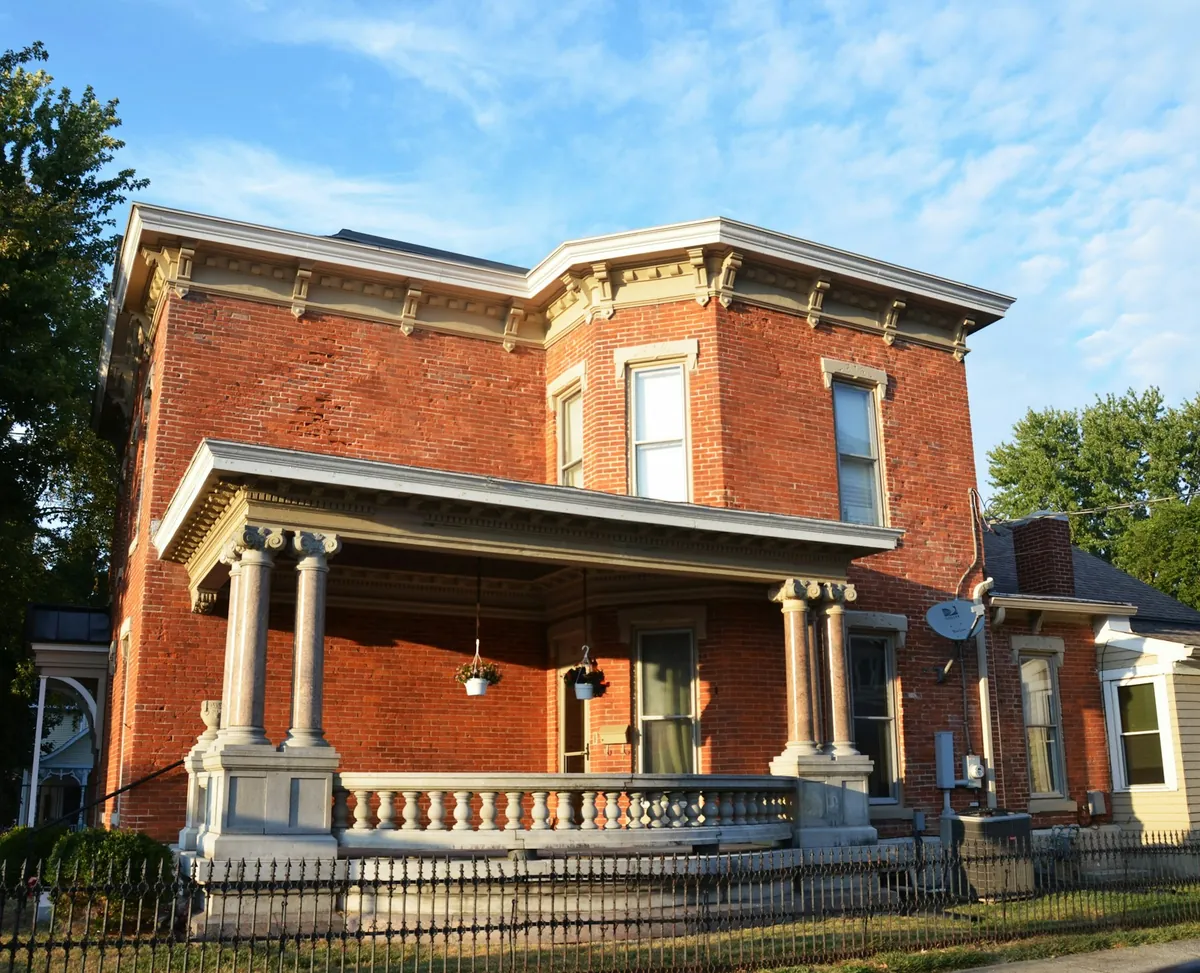
Blackstone Boulevard and College Hill
Victorians and their bays
East Side Victorians often carry a bay on the front or side, three tall windows meeting at angles, and sometimes a pair of tall windows flanking a fireplace. Every pane of a bay is given a shade of its own, cut to that opening, so the corners close up neatly and nothing bunches where two windows meet. Drop the outer two for privacy and keep the middle one raised, or close the whole bay once the evening comes in.
Victorian frames tend to have moved with the house over time. Openings taper, and one jamb can sit deeper than its partner. Our specialist takes several widths and both depths at every window, and the shade is made for the frame as it stands today.
Colonial Revivals and their symmetry
The Colonial Revivals on College Hill and along the boulevard are more regular: evenly spaced windows, often in matching pairs either side of a central door, with painted trim and deep sills. Their front windows are seen as a set from the street, so the shades on them should match in colour and sit at the same height when lowered. Set within the frame, a honeycomb shade keeps that painted trim visible and almost vanishes when pulled up.
Many of these houses gained a sunroom or a glazed side porch at one end. Rooms built that way are largely windows, they cool fast after sunset, and they are where double cell repays itself first.
The historic district and the outside of the house
Much of the East Side lies within historic districts, where changes to the outside of a house are reviewed. A honeycomb shade lives inside the window and does not alter the exterior at all. Raised, it is barely visible from the street. Lowered, it shows as an even panel of colour behind the glass, so a single colour across the whole front keeps the house tidy from the pavement. Cellular shades in Providence, RI houses on the East Side are usually chosen in white, ivory or a soft neutral for the street side, with the rooms behind free to take their own tone.
Stair halls, landings and mansard rooms
A big East Side house has windows in places a smaller house does not: a tall window on the stair landing, a narrow one beside the front door, and up under a mansard roof, dormer windows set deep into the slope. The landing window is often one of the coldest in the house, because the stairwell carries the chill it creates straight down to the hall. A honeycomb shade there, lowered on winter nights, keeps more warmth in the hall without darkening the stairs by day.
Mansard and attic dormers are small, deep openings with walls close on each side. There is no room for drapery, and the window may be the only daylight in the room. A shade set inside the dormer frame fills the opening without taking any space from the room, and folds away to almost nothing when raised. Those top-floor rooms take the weather first, so we usually suggest double cell for them.
Triple-Deckers in Federal Hill and Elmhurst
The triple-deckers through Federal Hill and Elmhurst are a different kind of house, and a different kind of job. Each floor is a full home of its own, usually with the same window layout stacked three times: a bay or a group of windows at the front, a line of windows down each side and a few at the back facing a porch.
The side windows often look straight across a narrow gap into the house next door. Privacy matters on those windows, but they also bring in most of the daylight the middle rooms get. A light-coloured shade in a fabric that lets light through keeps the rooms bright while blocking the view across the gap, and lowered at night, it becomes a solid screen.
The front bay is usually the coldest part of each floor, with the most glass and the most exposure to the street. Fitting double cell to every pane in that bay changes how the front room feels through the winter. Because the floors share a layout, it can make sense to choose the same shades for all three, so the front of the building looks even from the street, but each window is still measured on its own, since no two floors are ever built quite the same. If only one floor is being done now, keep a note of the colour and fabric you chose, and the other floors can be matched to it later, with their own windows measured when the time comes.
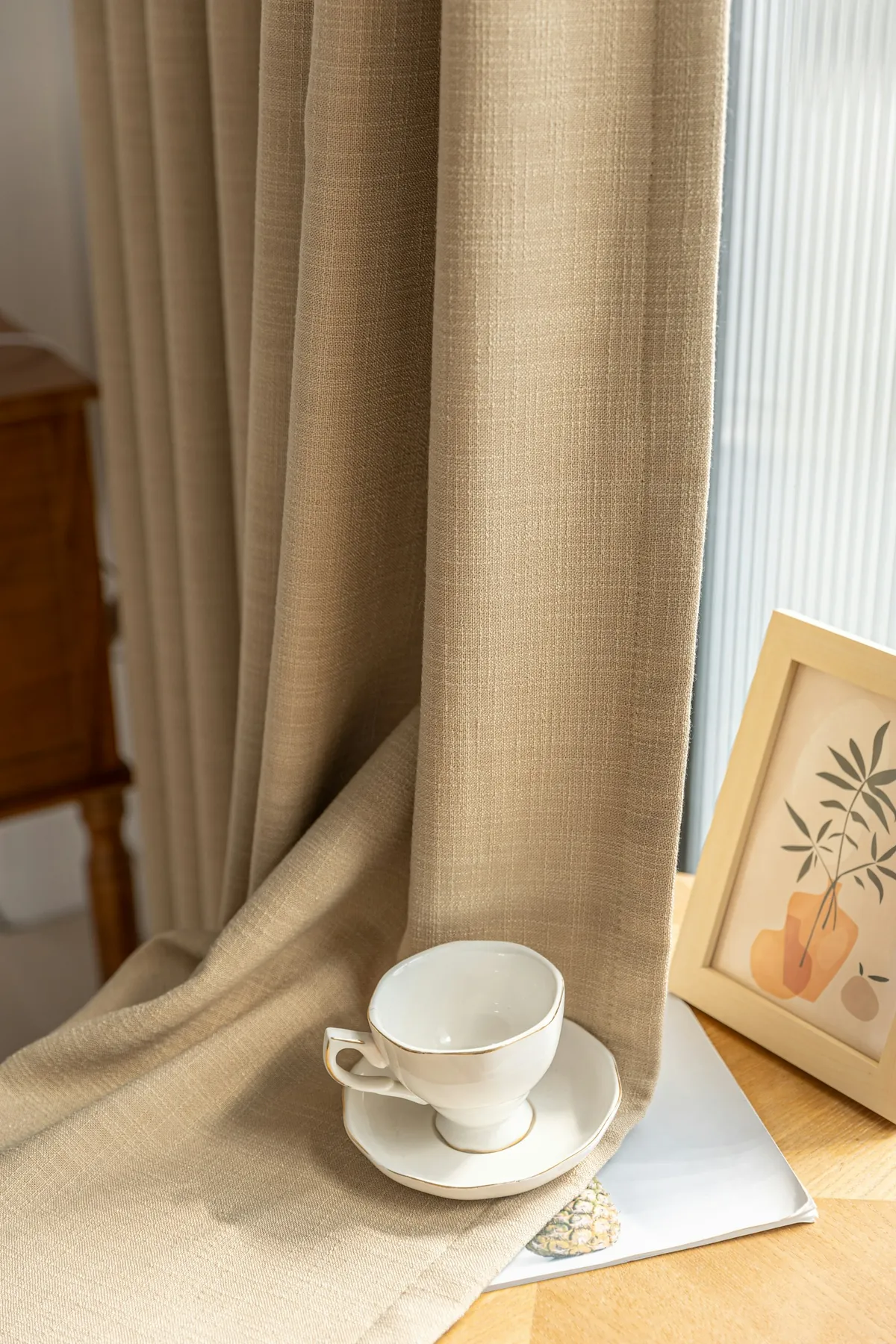
Top floors and back porches
The top floor of a triple-decker sits right under the roof and tends to feel the cold first in winter. The back of each floor often opens onto a porch through a door with a window in it, and sometimes through a small window beside it. Back windows like these are easily forgotten and frequently the coldest in the apartment. A shade set inside each frame seals them off for the night and claims no space in a tight kitchen or back hall.
Ordering Cellular Shades in Providence, RI
Our team keeps in contact throughout, so you never have to chase us for news of your order.
- Phone the store in Swansea through the call button, or fill in the form, and name the rooms or the floors you want covered. That sets up your free quote.
- Our specialist arrives with a tape and a notebook: each sash is measured top to bottom, every frame is checked in more than one place, and radiators, seats and window locks go on the list.
- For each room you pick one cell or two, then a fabric and a colour. The showroom keeps the samples for you to look at and handle.
- A written quote follows, window by window.
- Your shades are made from the figures taken on the visit.
- On installation day each shade is hung, run its whole height to check it, and you are shown how to work it.

Light in a deep, high room
The front rooms of an East Side house are often deep, with daylight coming only from the front windows. Those rooms need all the light they can get, so the fabric matters. Pick a fabric that passes a good deal of light and the room stays bright even with every shade down. Pick a denser one for a bedroom that catches the sunrise or a room facing a busy street. One common plan is a single fabric across the front windows, seen from outside as one, and a heavier cloth in the back bedrooms.
A shade beneath drapery
Formal East Side rooms often hang drapery from just under the ceiling to the floor. Beneath it, a honeycomb shade set in the frame near the glass takes on the everyday jobs of warmth, light and privacy, while the drapery dresses the window and adds an extra layer once drawn for the night. We make drapery too, so the pair is designed together and sized on the same visit. For the drapery half, see custom drapes in Providence.
Cellular shades in Providence, RI rooms with high ceilings and drapery work best when the shade is chosen first and the drapery hung to suit it, so the two never fight for space in the frame.
Through the seasons
A shade only helps when it is down, so timing matters. On a bright winter day, raise the shades on the south side in the morning to let the sun warm the room, then lower every shade in the house before the light fades. On a street-facing floor of a triple-decker, many households keep the front shades part way down through the day for privacy and close them fully at dusk. Rooms you seldom use can stay shaded through the coldest weeks.
Looking after the shades is easy. A soft brush or a vacuum on low, run lightly over the fabric, keeps the dust off, and a small mark usually lifts with a damp cloth. Lower each shade smoothly rather than with a sharp pull. Whether you start with one cold room or plan cellular shades in Providence, RI rooms on every floor at once, later orders can be matched to the first in colour and fabric.
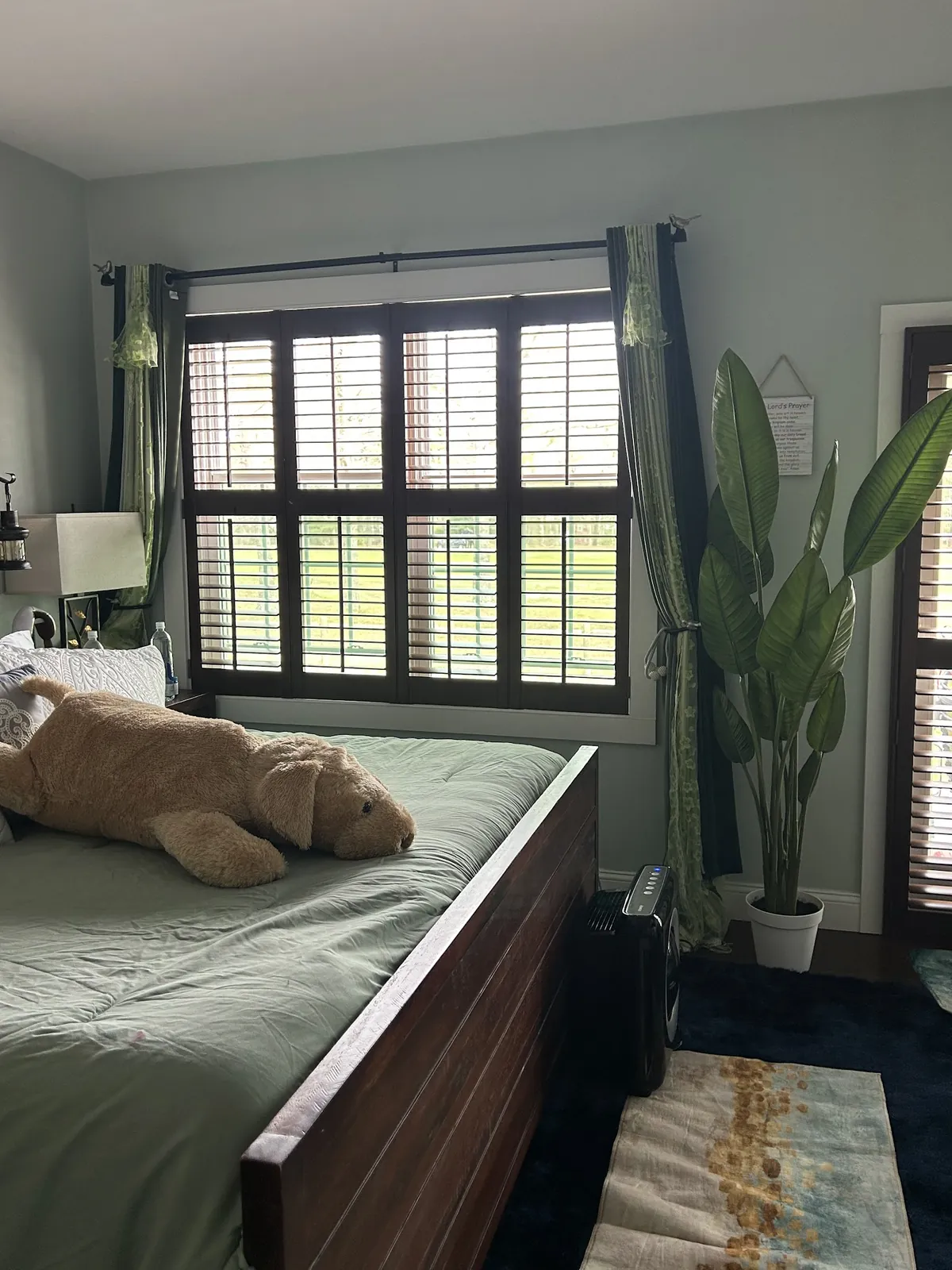
Who We Are
Window Works began in Swansea in 1988 as a family store, and the second generation of that family runs it now. More than 37 years on, our specialists still do the measuring themselves, in homes from the Massachusetts SouthCoast across to the East Bay, and the capital is one of 25 towns on our list.
You deal with an experienced window treatment specialist from the first visit. The shades are put up by our own installers. Warranties come with the products we sell. And we keep talking to you, start to finish, until the work is complete.
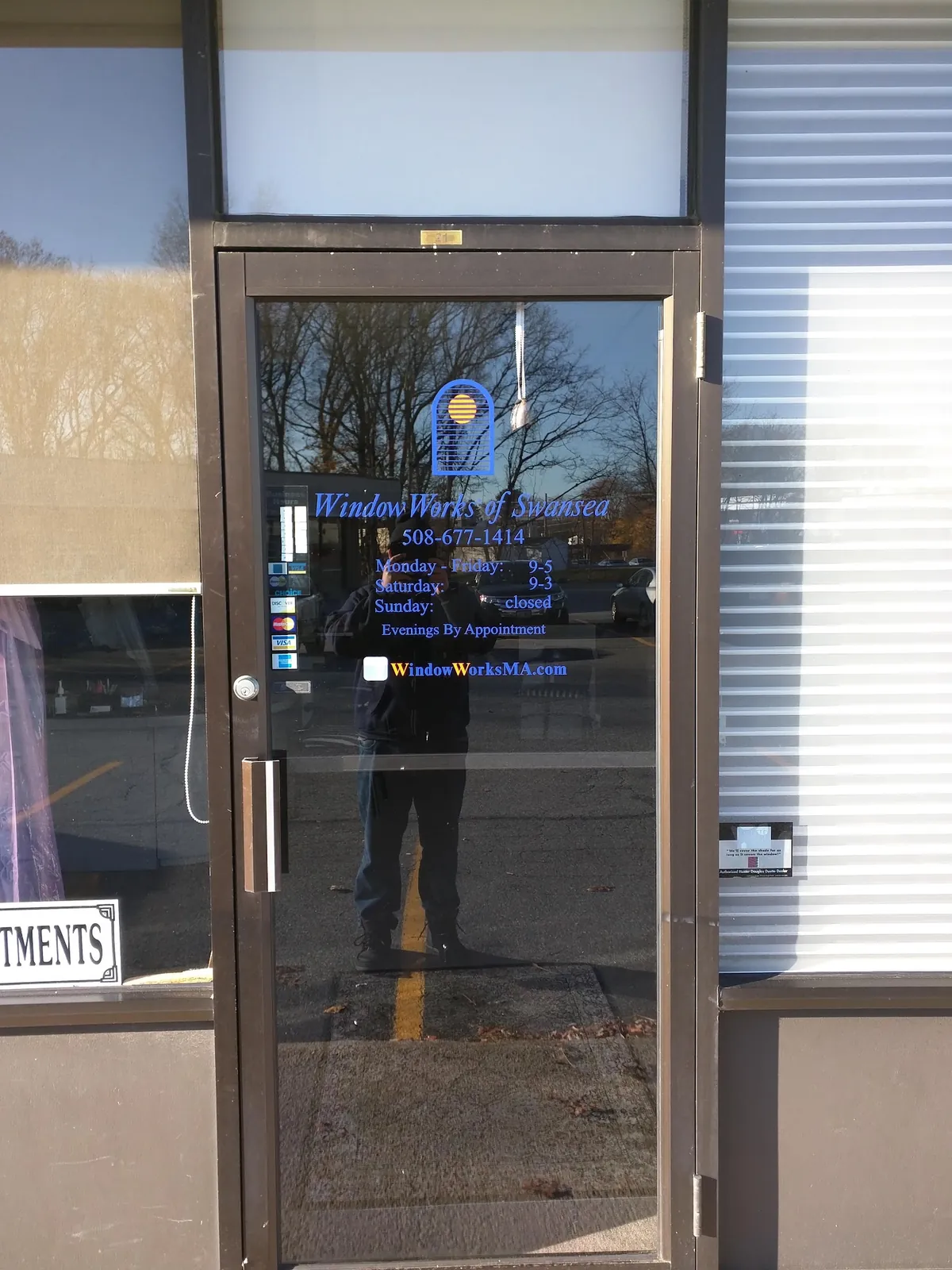
Lay the Samples Side by Side
At the Swansea showroom a single cell sample and a double cell sample can sit next to each other on the counter, and you can see each colour by the light from the street. Norman shades, blinds and shutters are on show as well. A phone photo of your tallest window or a paint card from the room is a great place to begin.
Our Providence window treatments page lists every service we bring to the city, and the main cellular shades page goes into the shades in more depth.
Questions from Providence
How do you handle very tall East Side windows?
Each shade is made to the window’s full height and folds into a small stack when raised, so the upper glass stays clear. On the tallest windows, motorised operation from a remote or a wall switch saves reaching.
Do interior shades affect a house in the historic district?
The shade lives indoors, inside the frame, and leaves the exterior exactly as it was. Keep every front shade the same colour and the house reads as one from outside.
What suits the side windows of a triple-decker?
A light-coloured shade in a fabric that lets daylight through. It blocks the view across to the house next door while keeping the middle rooms bright.
Is double cell worth it for a Victorian bay?
Most of the time. A bay facing north or the street is usually the chilliest corner of the room, and a second strip of cells means a second blanket of air against those panes.
What does a quote cost?
Nothing; quotes are free. Ring through the call button or send the form and we will agree a day to measure.
When You Are Ready
Ring the Swansea store from the call button to set up a free quote, a measuring visit or a talk about installation. Rather browse the fabrics first? Directions to the showroom are on the contact page. Google reviewers give Window Works a 5.0 rating.