
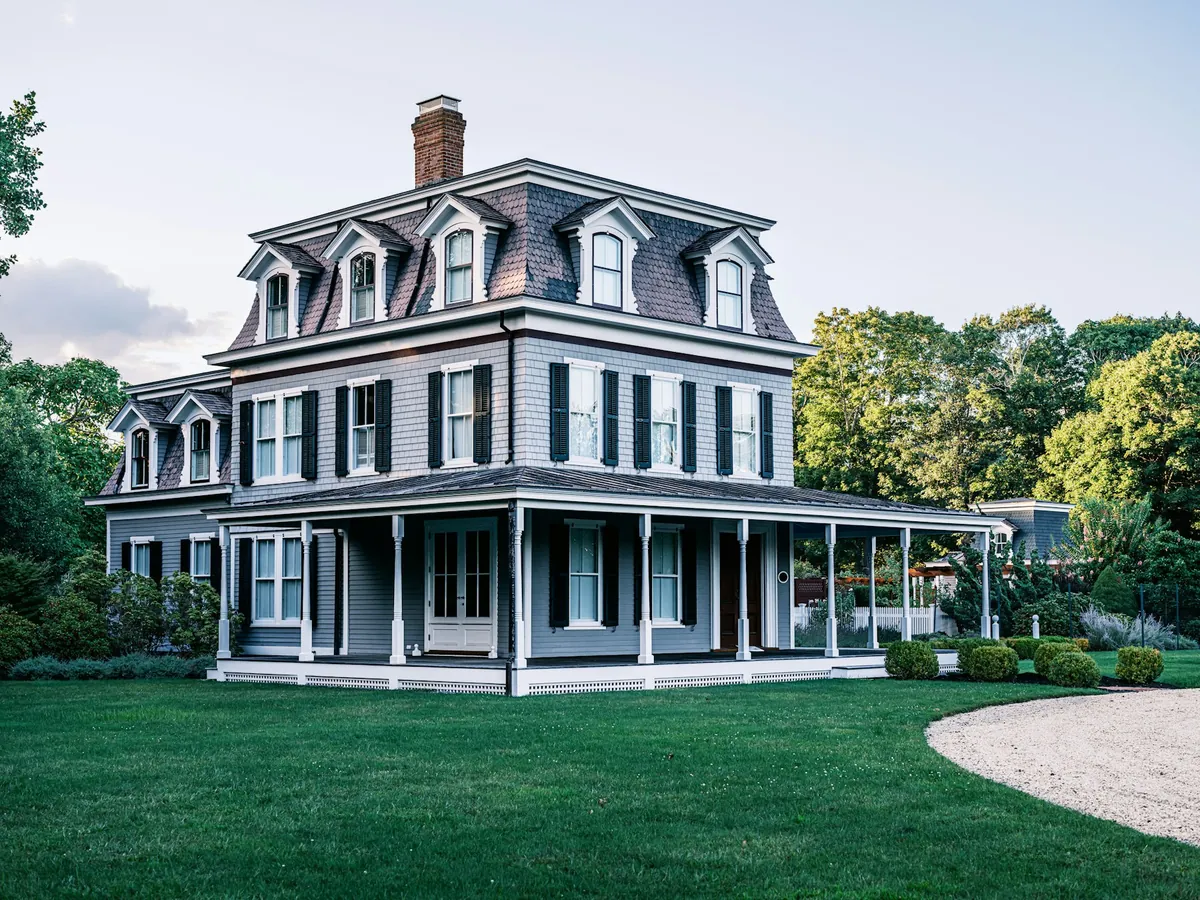
Older Windows Near Downtown and Oak Hill
The Victorians and colonials near downtown and on Oak Hill were built with windows that do not come in stock sizes, and that is where roman shades in Attleboro, MA earn their place. Bay windows bring three or more narrow openings at angles to each other. Transoms sit above doors and windows as separate panes of glass. Sash tends to be tall, with deep, decorative trim around it that is worth keeping in view.
A shade bought off the shelf cannot follow those shapes. A roman shade made for each opening can. It is a flat panel of fabric that folds up into neat layers, so it covers a narrow bay window without bulk and keeps the trim clear when it is mounted inside the frame.
Away from the centre, the town changes. The split-levels off Route 123 and the ranches in South Attleboro have more regular windows, and there a roman shade is about fabric, colour and warmth more than an unusual shape.
Roman Shade Styles for Attleboro Windows
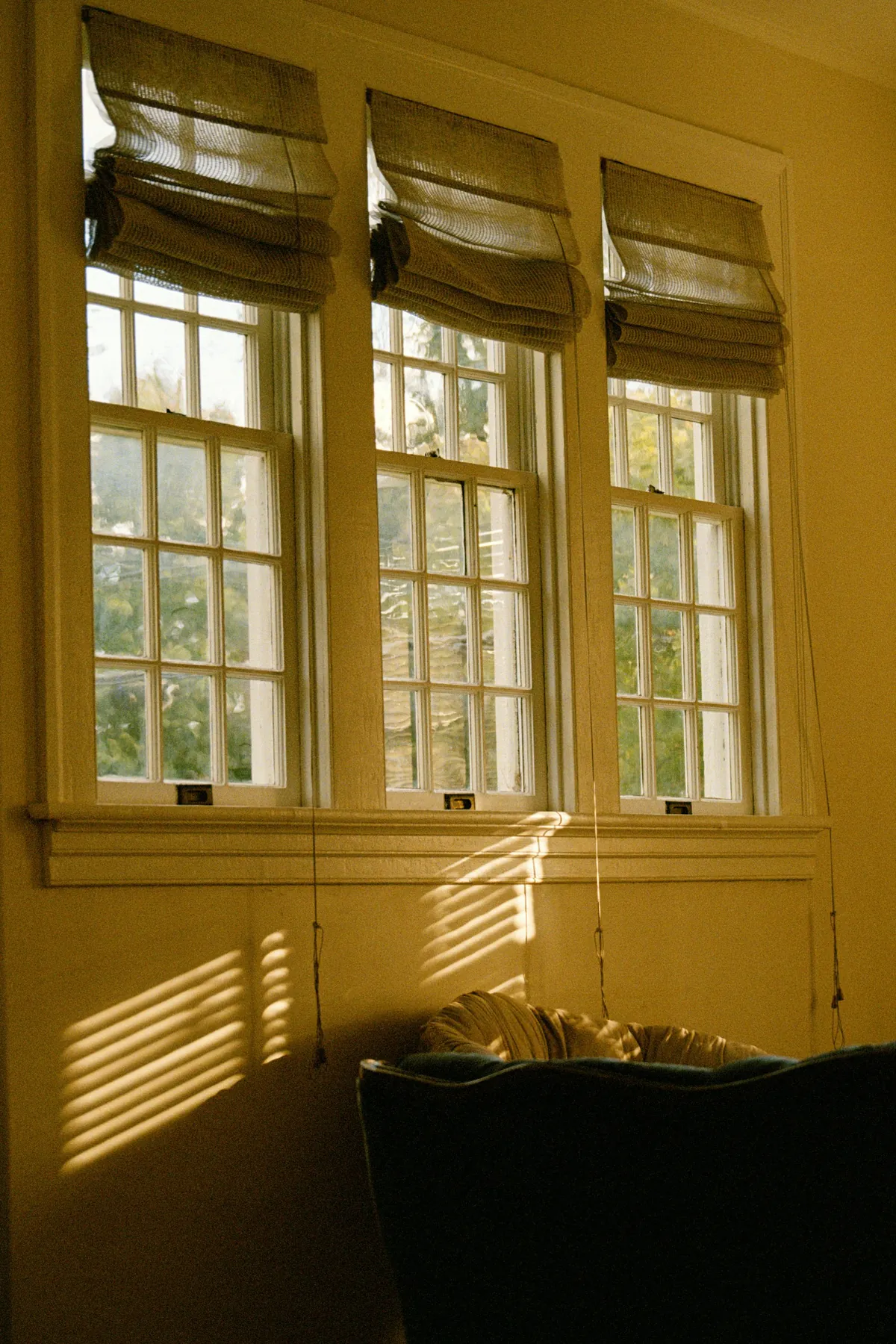
Flat fold
Smooth pleats that lie flat and stack evenly. The tidiest choice for a bay, because each narrow shade stays slim at the top of its own window.

Hobbled fold
Fabric gathered in soft tiers that stay folded even when the shade is down. Rich and full, made for a Victorian parlour or dining room.
Relaxed fold
A plain face with a soft curve at the hem. It reads as casual and suits a split-level family room or a ranch bedroom.
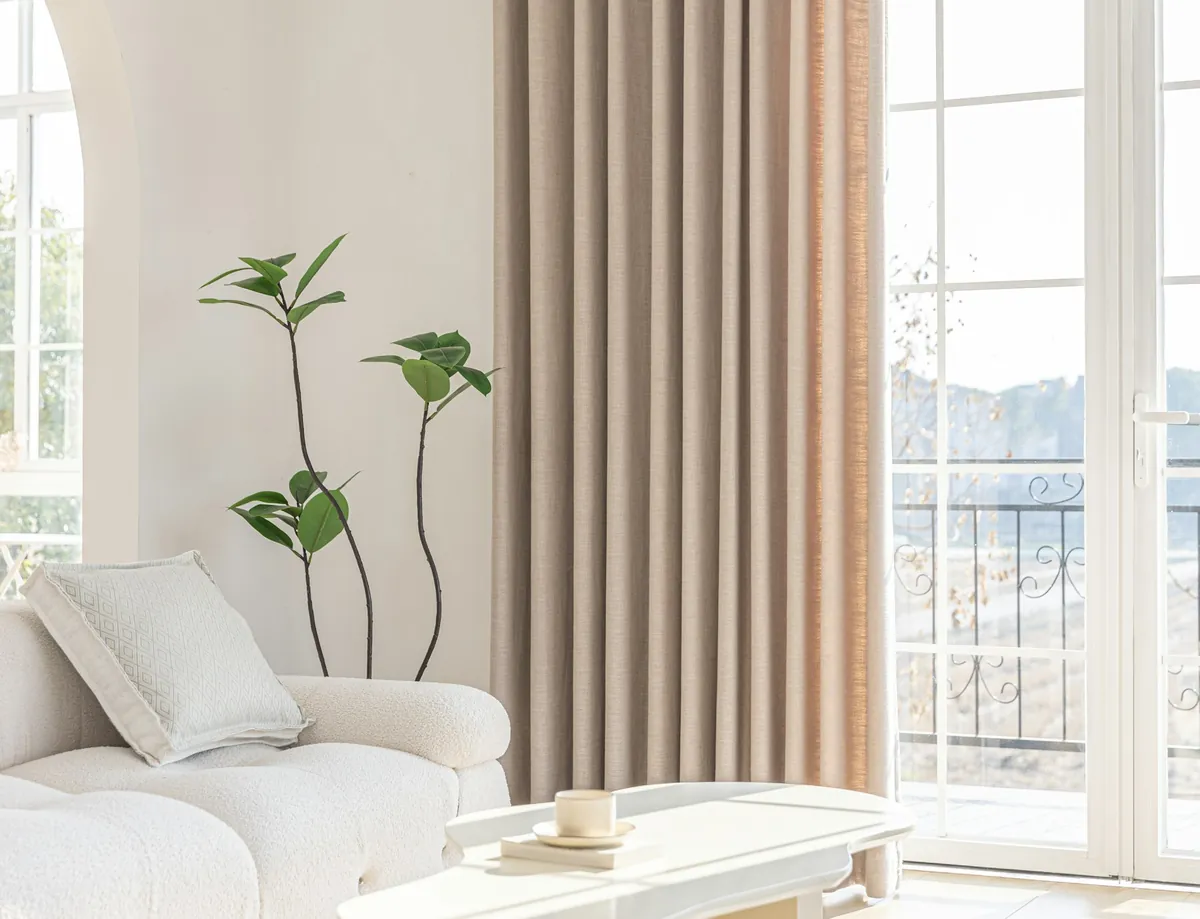
Drapery for the bay
Side panels at either end of a bay can frame a set of roman shades and soften the angles. Drapery is our specialty.
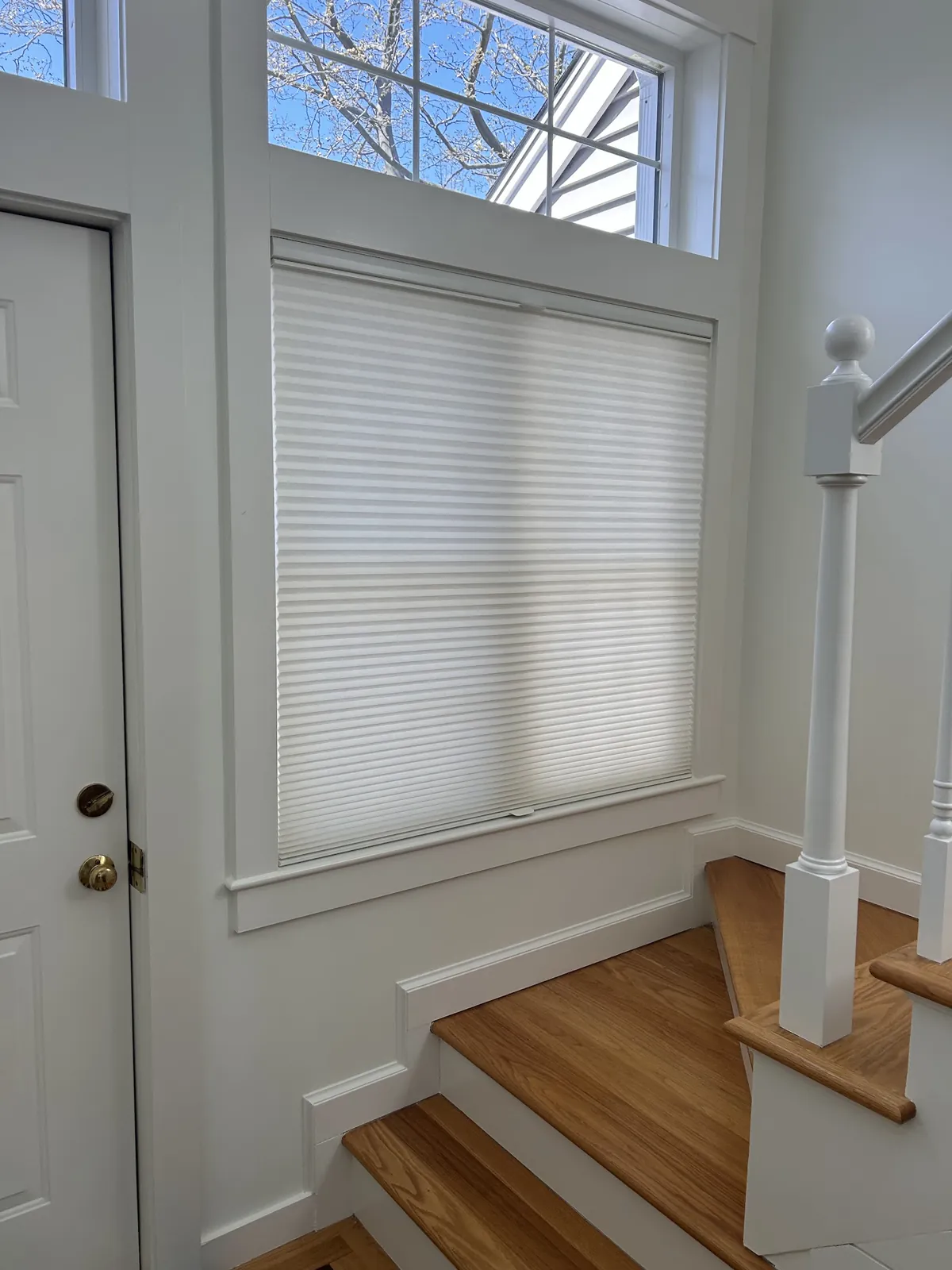
Cellular shades for colder rooms
For a draughty stair hall or a north-facing room, a honeycomb shade traps a layer of air at the glass.
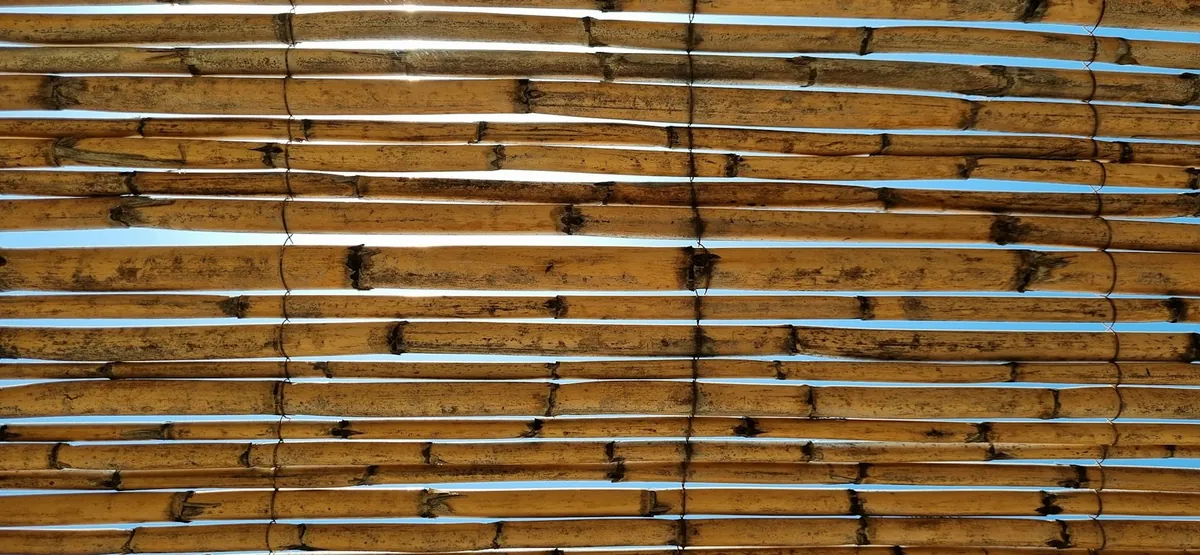
Woven wood alternatives
If you like the way a roman shade folds but want natural texture, woven wood shades lift in a similar way.
Fitting Roman Shades in Attleboro, MA to Bays and Transoms
Getting roman shades in Attleboro, MA right in the older houses comes down to two features: the bay window and the transom. Both are common near downtown and on Oak Hill, both are the reason ready-made treatments fail there, and both need measuring on site.
Bay windows
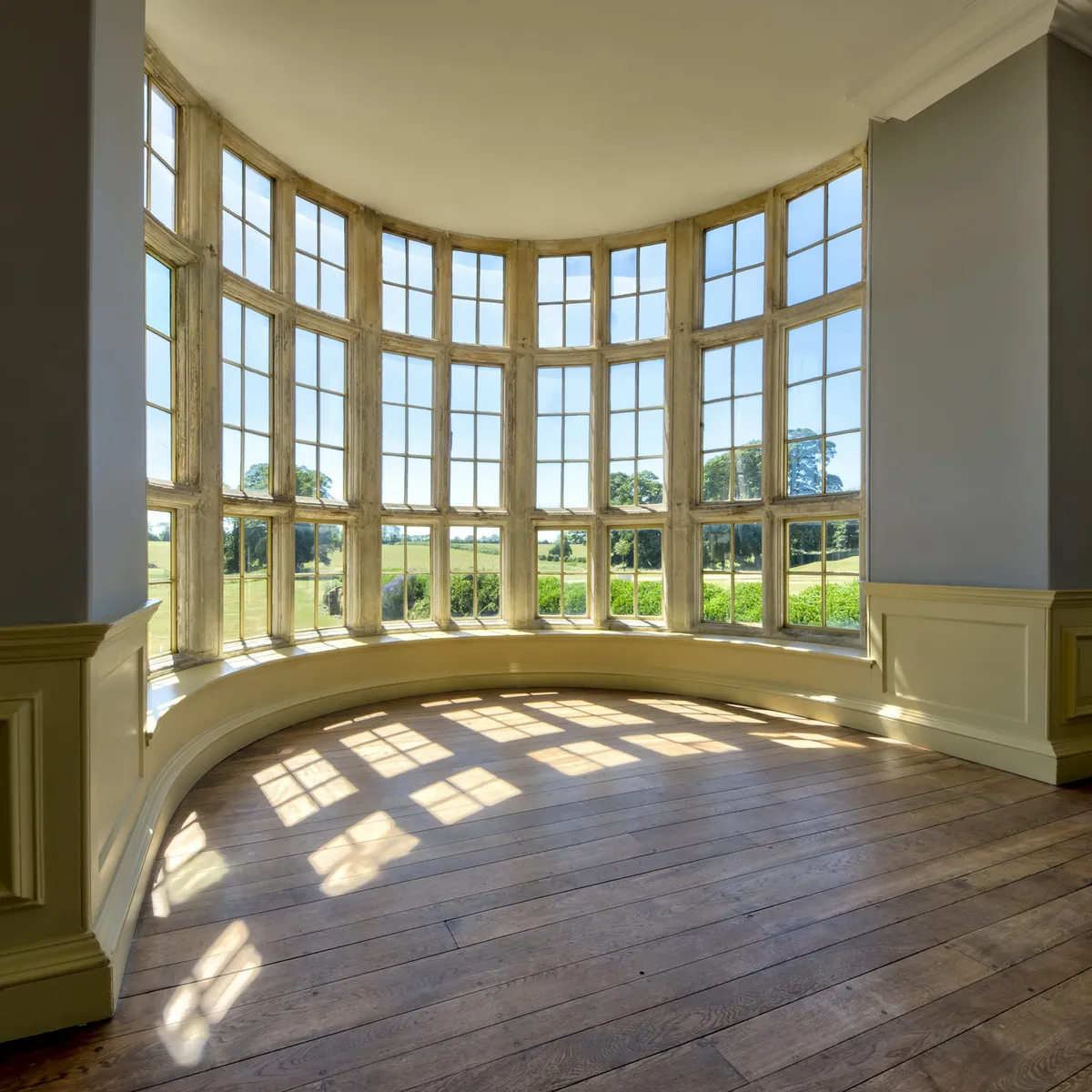
A bay pushes out from the wall in three or more sections, usually a wider centre window with narrower ones on each side, set at an angle. The simplest and neatest way to dress it is a separate roman shade for each window, each mounted inside its own frame. That way each section raises on its own, the angles stay crisp, and the trim between the windows stays visible.
The details matter. Each shade has to stack to the same height so the bay reads as one piece when the shades are up. The headrails have to clear one another at the corners, where the frames meet at an angle. If the frames are shallow, the shades may need to sit just outside them, and then the corners need even more care. We measure each section separately and note the angle, because no two bays are built quite the same.
Fabric for a bay is usually chosen to suit the room as a whole. In a Victorian front parlour, a hobbled fold in a fuller cloth gives the bay presence. In a dining room, a flat fold lets a printed fabric run across all the sections like one picture. Side drapes at each end of the bay are an easy way to add height and frame the whole thing.
Transom windows
Transoms are the small panes set above a door or a larger window, and they are found throughout the older houses near the centre. Many are left bare, and in a lot of rooms that is the right answer, because they bring light deep into a hall or a stair. Where a transom lets in glare or overlooks a neighbour, it can be covered.
A square-topped transom can take a small fixed or lifting shade. Arched or angled transoms are harder, and what is possible depends on the shape. We look at each one when we come to measure and tell you honestly whether a roman shade suits it or whether it is better left clear. Often the best plan is a roman shade on the main window below, with its fabric chosen so the window still looks finished with the transom open above it.
Tall sash and deep trim
The double-hung sash in the downtown Victorians and colonials is often tall, with wide trim and sometimes a deep sill. A roman shade mounted inside the frame leaves that trim fully visible, which is usually what the owners of these houses want. It does need enough depth inside the frame for the headrail and the stack, and on a tall window the stack is bigger, so we work out where it will sit when the shade is fully raised.
On very tall windows, a shade raised to the top can sit high enough that the folds look neat and small from below. Lowered partway, it shades the upper glass and keeps the lower half open to the street or the garden. That flexibility is one reason roman shades suit the older housing near the centre so well.
Colonials near the centre
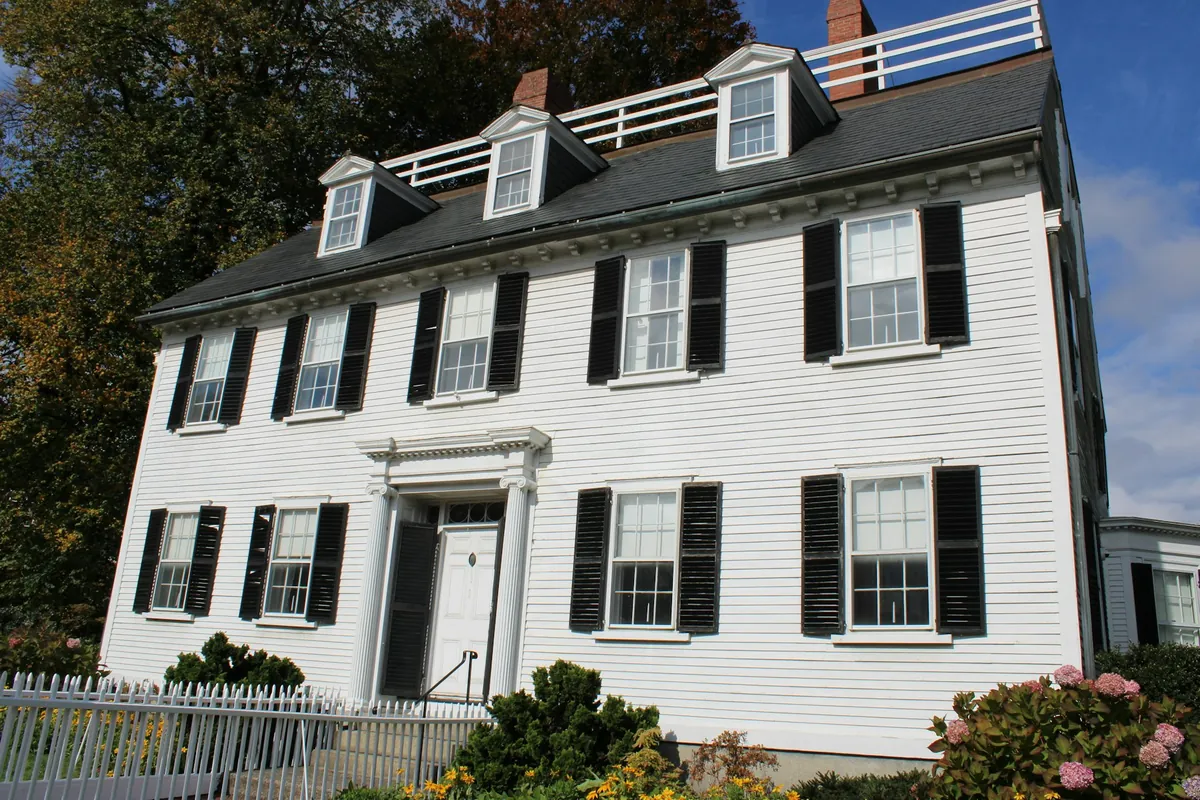
The colonials near downtown are calmer than the Victorians, with windows set in even rows and rooms laid out either side of a central hall. Their windows are more alike from room to room, so the question shifts from shape to consistency. The front of a colonial is symmetrical, and the shades on its street-facing windows should be too: the same fabric colour seen from outside, the same stack height, the same mount.
Behind those front windows, each room can still be different. Many owners keep a plain, light-coloured fabric facing the street and let the colour come from drapery or pillows inside, or choose a lining in a neutral colour so the outside view stays even while the face fabric changes from room to room. A centre-hall colonial also tends to have a window on the stair landing, seen from both floors, which deserves a fabric that sits well with both.
High ceilings and the space above the window
Victorian rooms near downtown often have generous ceiling height, with a gap between the top of the window trim and the ceiling. That space gives you a choice. A roman shade can sit inside the frame and leave the wall above bare, or it can be mounted higher on the wall, above the trim, so the window looks taller and the stacked shade sits clear of the glass entirely. The second approach also lets more daylight into a room that may face a narrow side street or a close neighbour.
Which one suits a room depends on the trim. Where the woodwork around the window is a feature, inside mounting keeps it in view. Where it is plain or has been replaced, mounting high can make a modest window look grander. This is one of the decisions we talk through when we measure roman shades in Attleboro, MA, because it changes both the look and the size of every shade in the room.
Pattern and colour in an older house
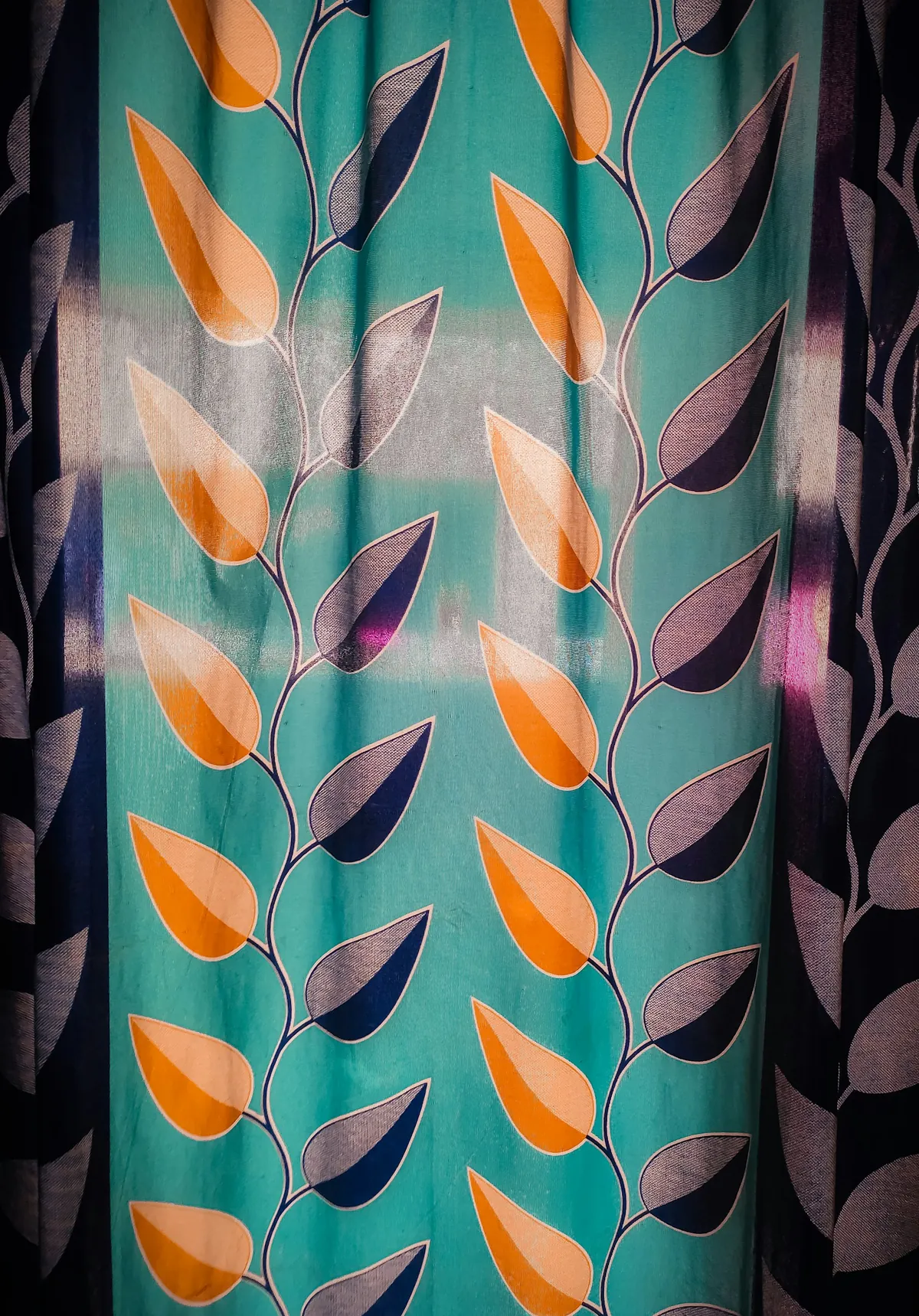
Older houses carry pattern well. A flat fold is the best way to show a printed fabric, because the face of the shade is smooth and the print runs unbroken from top to bottom. A hobbled fold breaks a print into soft tiers, so it is better with a solid colour, a stripe or a textured weave. A relaxed fold sits somewhere between the two.
In a room with wallpaper, the shade can pick up one colour from the paper in a plain cloth rather than competing with a second pattern. In a room with painted walls, the shade is often where the pattern goes. Our showroom fabric range gives you room to try both.
Split-Levels off Route 123 and South Attleboro Ranches
The 1960s split-levels off Route 123 and the ranches in South Attleboro are more straightforward to measure, but they still benefit from a shade made for each window rather than one picked off a shelf.
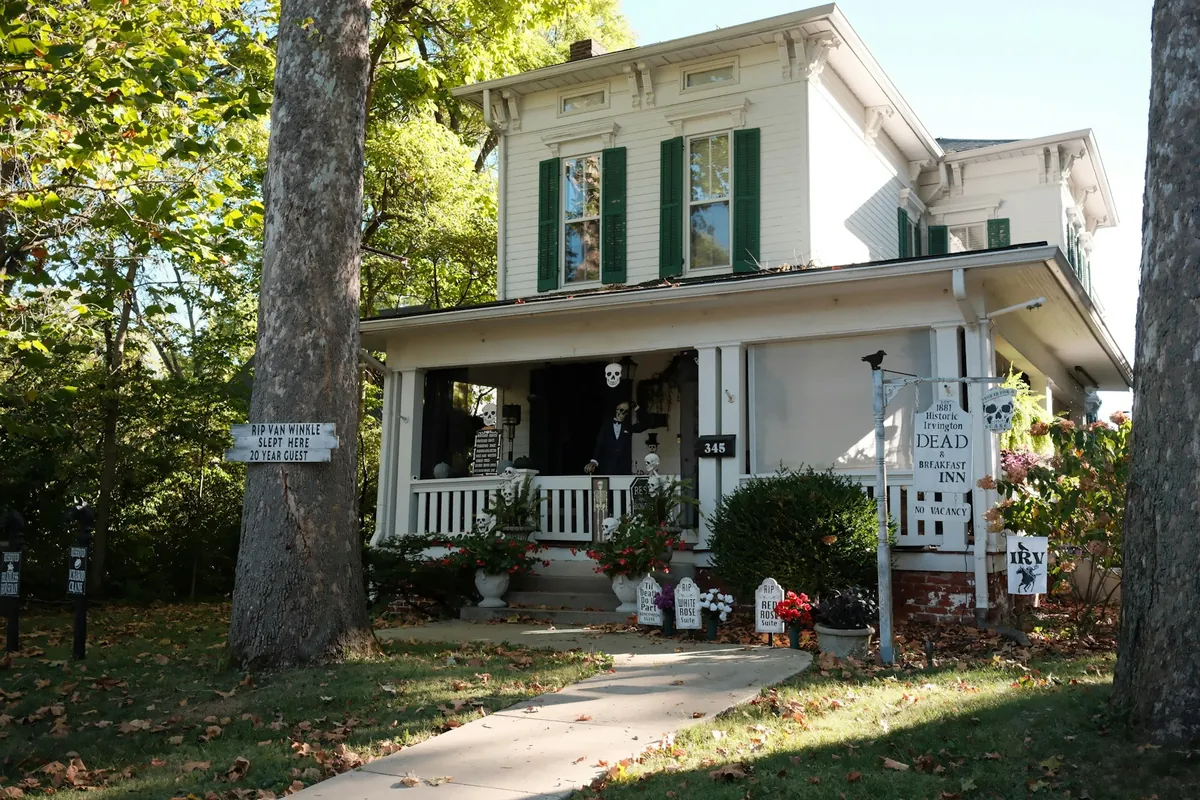
The split-level layout
In a split-level, rooms step up and down half a floor at a time. The upper bedrooms usually have standard double-hung windows. The living room has a wide front window. The lower level sits partly below ground, with shorter windows near the ceiling. Each kind of window asks for a slightly different approach.
The wide front window often works best as two or three shades side by side, so no single shade is too heavy to lift. The upper bedrooms suit a lined shade for sleep. On the short lower-level windows, mounting the shade just above the frame means it lifts clear of the glass and lets the room keep what daylight it has.
South Attleboro ranches
Ranches keep everything on one floor, which makes it easy to use one fabric through a run of rooms and change the fold to suit each one. A flat fold in the living room, a relaxed fold in the bedrooms and a hobbled fold in a dining room can all share a cloth and still feel distinct. From outside, the shades along the front of the house line up at the same stack height and look like a set.
Choosing fabric for a plainer window
Where the window itself is simple, the fabric does the work. A pattern on a flat fold, a nubby weave on a relaxed fold or a strong solid colour can give a plain room a focus. Holding a sample against the real window, in the real light, is the best way to judge it, which is why we bring fabrics to the house and keep the full range at the showroom.
Rooms close to the street
Many split-levels and ranches sit close to the road, with the living room window facing traffic and neighbours across the way. That makes privacy in the evening the main job for roman shades in Attleboro, MA on the front of these houses. A shade lowered partway screens the room at sitting height while letting light in over the top. Lowered fully, a lined shade gives full cover once the lights are on inside.
Bedrooms at the back of a ranch face the yard rather than the street, so they can often take a lighter cloth, with the lining chosen for sleep rather than privacy. A room used as an office may want the opposite: soft daylight through an unlined fabric and nothing heavy enough to make the room feel closed in.
How an Attleboro Order Runs
We keep in contact with you at every stage, from the first question to the last shade hung. A typical order for roman shades runs like this.
- Call the store or use the form, tell us about the rooms, and book a free quote.
- A specialist measures every window in your home, section by section on a bay, and checks frame depths, transoms and stack heights.
- You pick fabric, fold and lining from samples at home or at the showroom.
- You receive a quote that lists each window separately.
- Your shades are made to the measurements taken in the house.
- Our installers hang them, check every shade raises evenly and stacks at the right height, and show you how to use them.
Lined or unlined
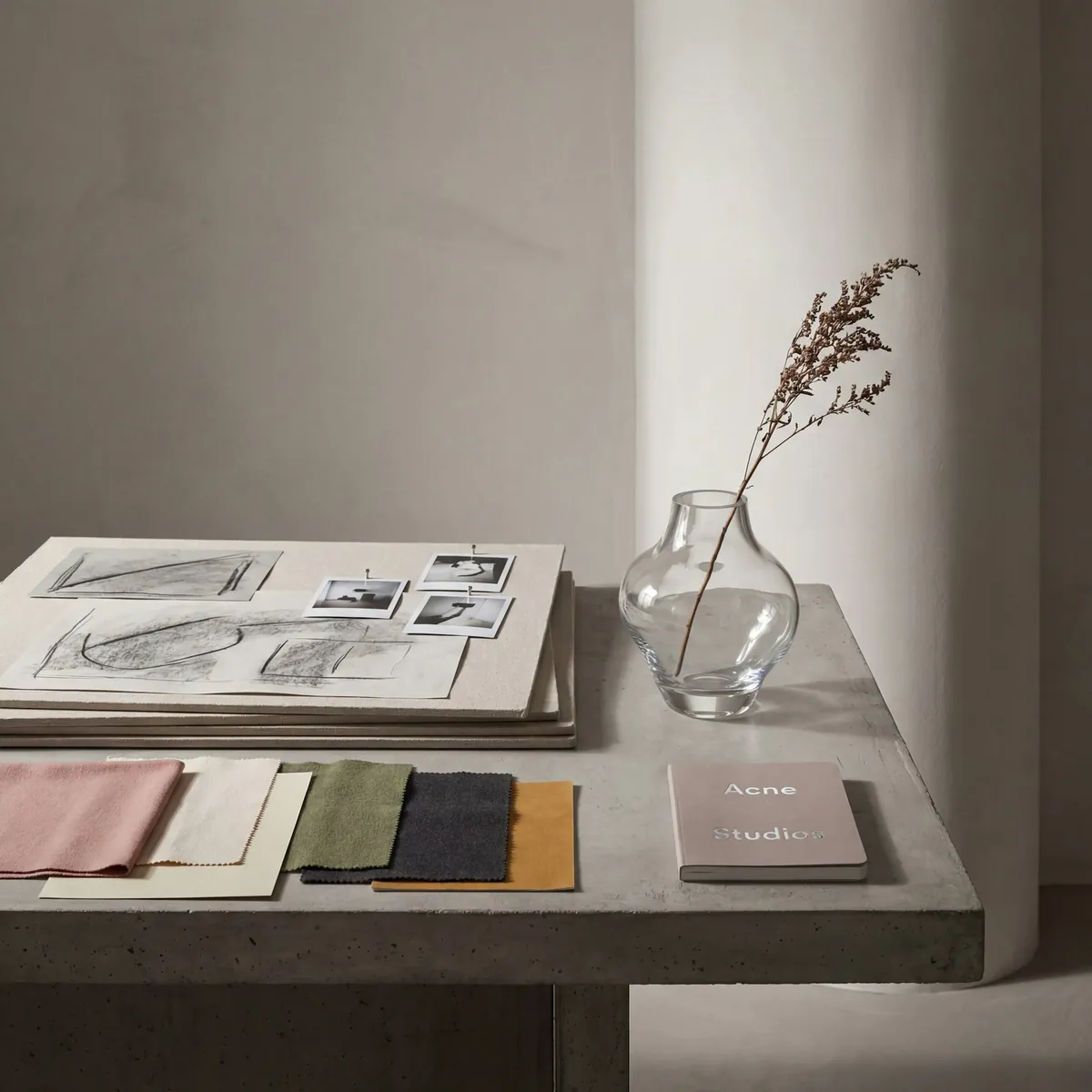
A lining changes how a roman shade behaves. An unlined shade in a light linen glows when the sun is behind it and suits a kitchen or a breakfast room. A lined shade has more body, folds more cleanly and gives a bedroom more privacy and dimness. A lining also helps protect a printed face fabric in a sunny room. We will talk through what each room needs before you choose.
Mixing roman shades with other treatments
Roman shades sit comfortably beside other treatments. In a Victorian bay, they can work alongside drapery. In a split-level, the slider to the deck might take vertical blinds or drapes while the windows take roman shades. A stair hall with a cold draught might suit a cellular shade. You can see everything we offer in town on our Attleboro window treatments page, and our main roman shades page explains the folds and fabrics in more detail.
Looking after them
Dust roman shades with a soft brush or a vacuum on low. Spot clean small marks with a damp cloth, testing a hidden corner first. Avoid washing a shade at home, as it can shrink the fabric and spoil the folds; a professional clean is safer.
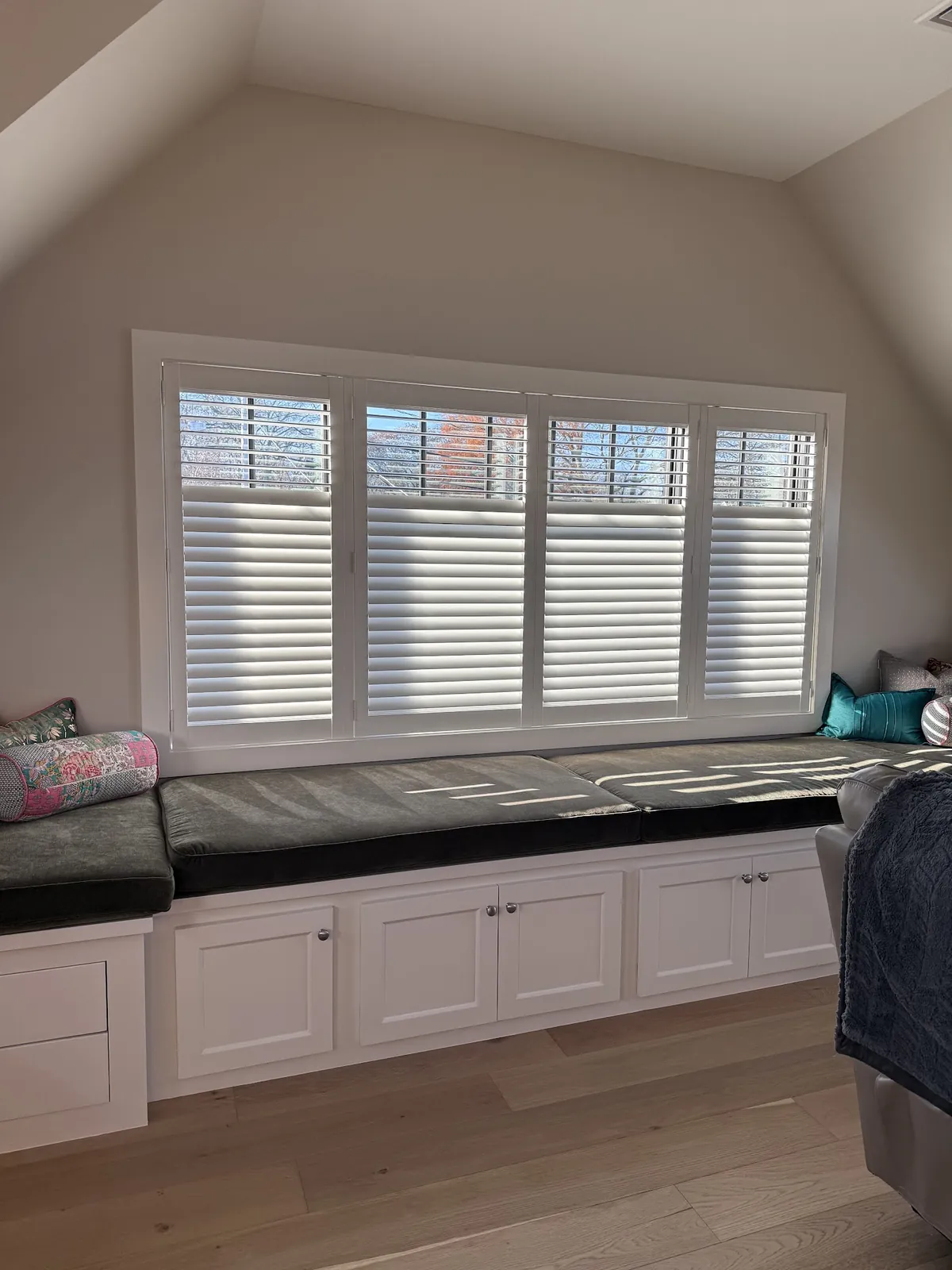
Why Window Works
Window Works opened in Swansea in 1988 and is still a family store, now in its second generation. Over more than 37 years it has served homes across the SouthCoast and the Rhode Island East Bay, and Attleboro is one of the 25 towns on that list.
- An experienced team of window treatment specialists, with drapery and fabric at the heart of the store
- Measuring done at your house, window by window
- Installation by our own team
- Warranties offered on the products we sell
- Kept in the loop from your first question until the work is done
See the Fabrics in Swansea
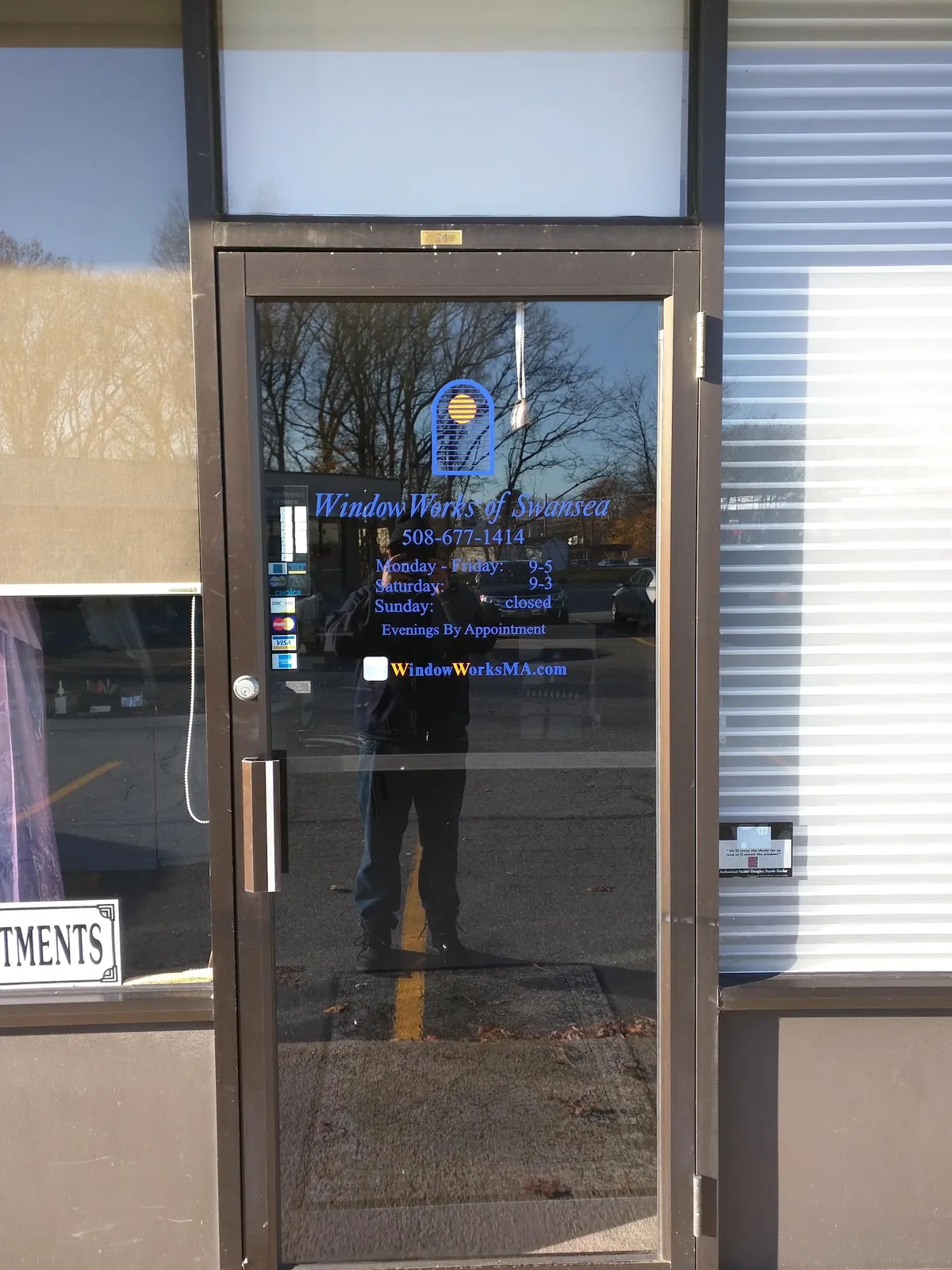
Choosing roman shades for an Attleboro home is easier with the fabric in your hands. The Swansea showroom lets you compare weights and patterns, see the three folds made up and look at colours in daylight. It also carries the Norman range.
Bring a photo of the bay, a paint chip or a cushion from the room, and our specialists will help you narrow it down.
Questions from Attleboro
Can you make roman shades for a bay window?
Yes. We usually make a separate shade for each section of the bay, mounted inside its own frame, so each one raises on its own and the trim between the windows stays visible.
What about the transom above our front door?
It depends on the shape. A square-topped transom can often take a small shade. Arched or angled ones are harder, and many are best left clear. We look at each one when we measure.
Will a roman shade hide the trim on our Victorian windows?
Not if it is mounted inside the frame. We check the depth at each window first; where it is too shallow, we size the shade to sit neatly on the trim instead.
Which fold suits a split-level family room?
A relaxed fold in a softer, heavier fabric is a popular choice for a lower-level family room. A flat fold works well if you want a cleaner line or a printed fabric.
How do I book a quote in Attleboro?
Quotes are free. Use the call button or the form on this page, let us know which rooms you have in mind, and we will arrange a time to measure.
Start with a Free Quote
The simplest way to begin is a free quote. Use the call button to talk to the Swansea store, ask for someone to measure in your home, or ask about installation, or fill in the form and we will get back to you. To see the fabrics before anyone visits, drop into the showroom; directions are on the contact page. Window Works holds a 5.0 rating on Google.