
Bays, Transoms and Openings You Cannot Buy Off a Shelf
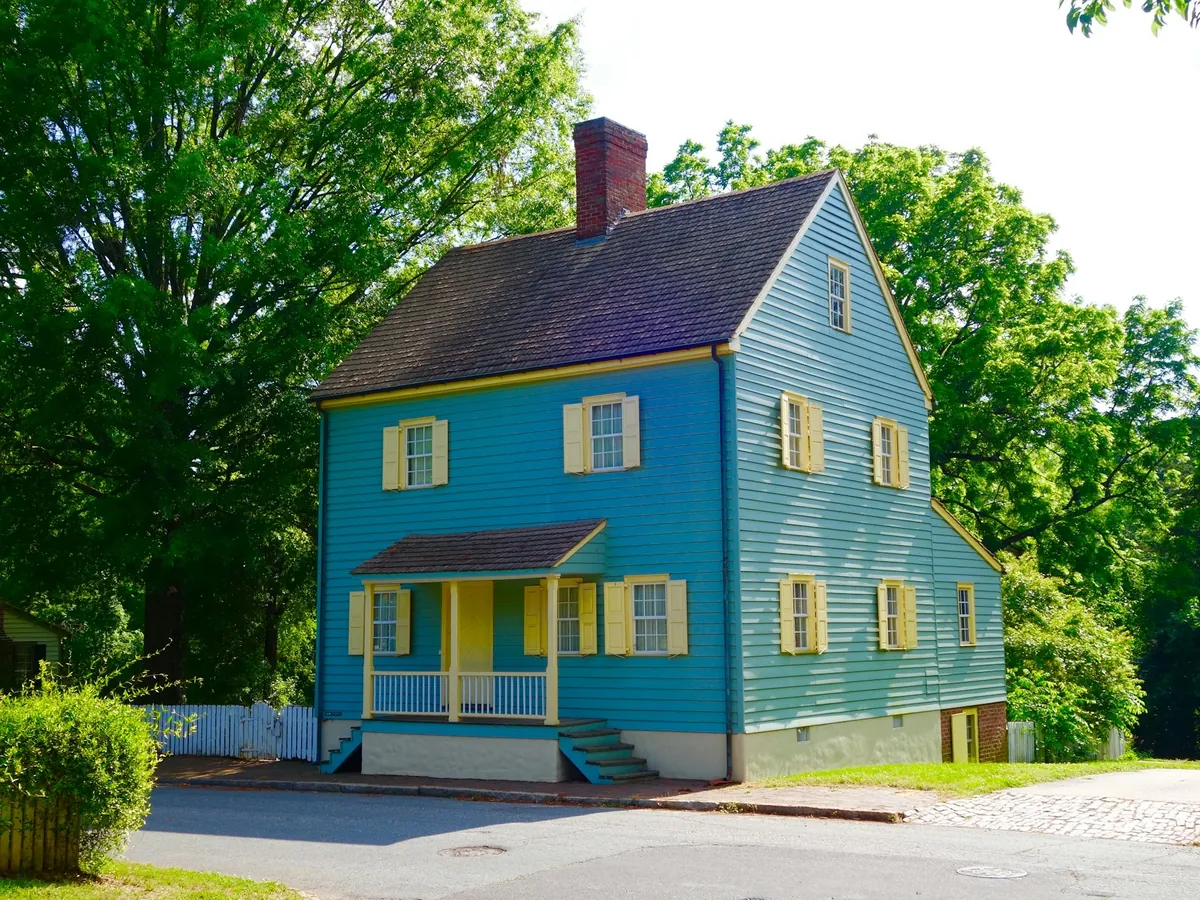
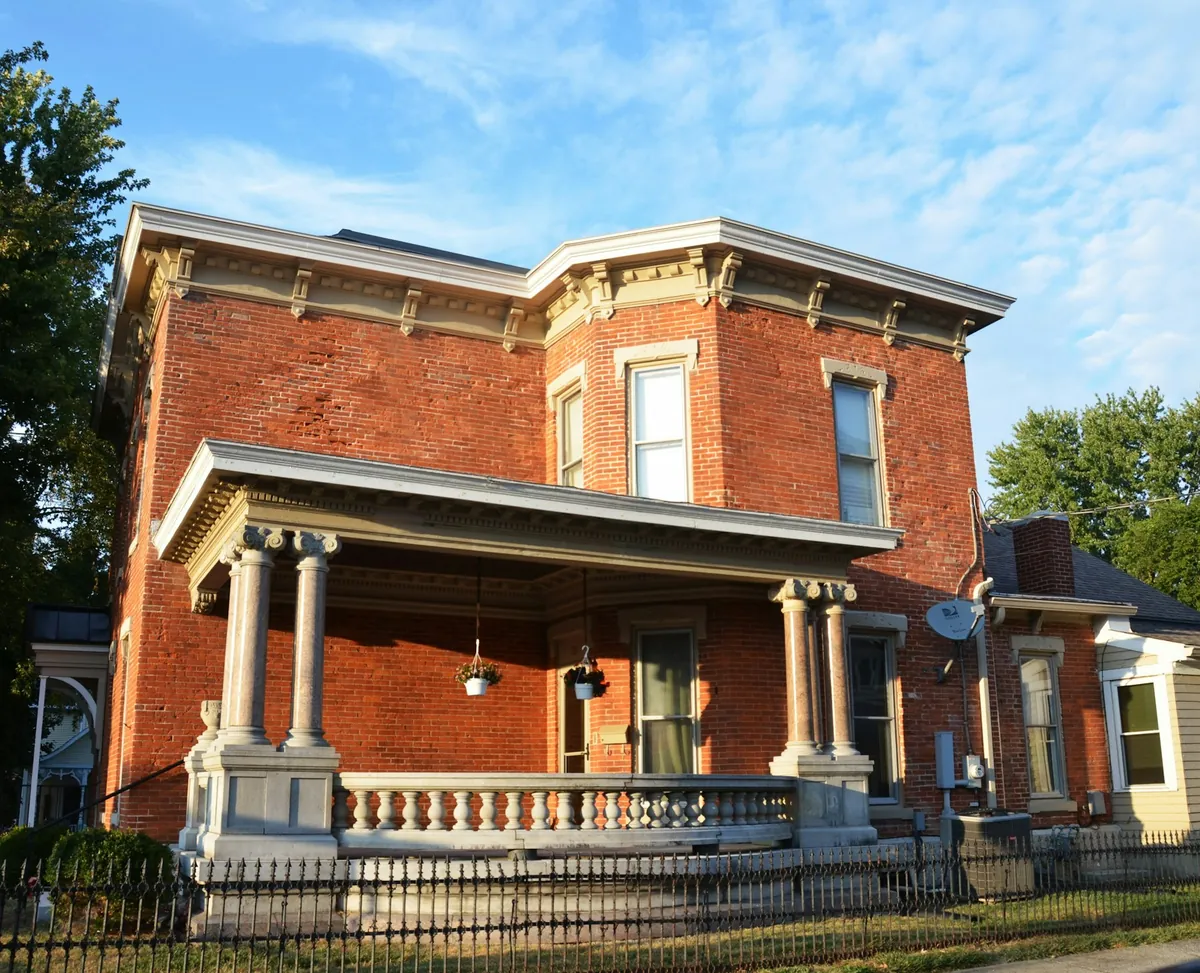
The Victorians and colonials near downtown and up on Oak Hill were built with bay windows that push out from the front rooms and transoms set above doors and windows. Neither comes in a standard size, and both are why custom blinds in Attleboro, MA are made to each opening rather than bought ready-made. A bay is three or more windows at angles to each other. A transom is a narrow band of glass with its own shape. Each needs measuring where it is.
Further out, the 1960s split-levels off Route 123 and the ranches of South Attleboro have simpler windows, but they bring their own mix: wide picture windows, low bedroom windows and sliders to the back yard.
- Wood, faux wood, aluminium and vertical blinds
- Bays measured window by window, angle by angle
- Installed by the Window Works team
Blinds by Type of Opening
Bay windows
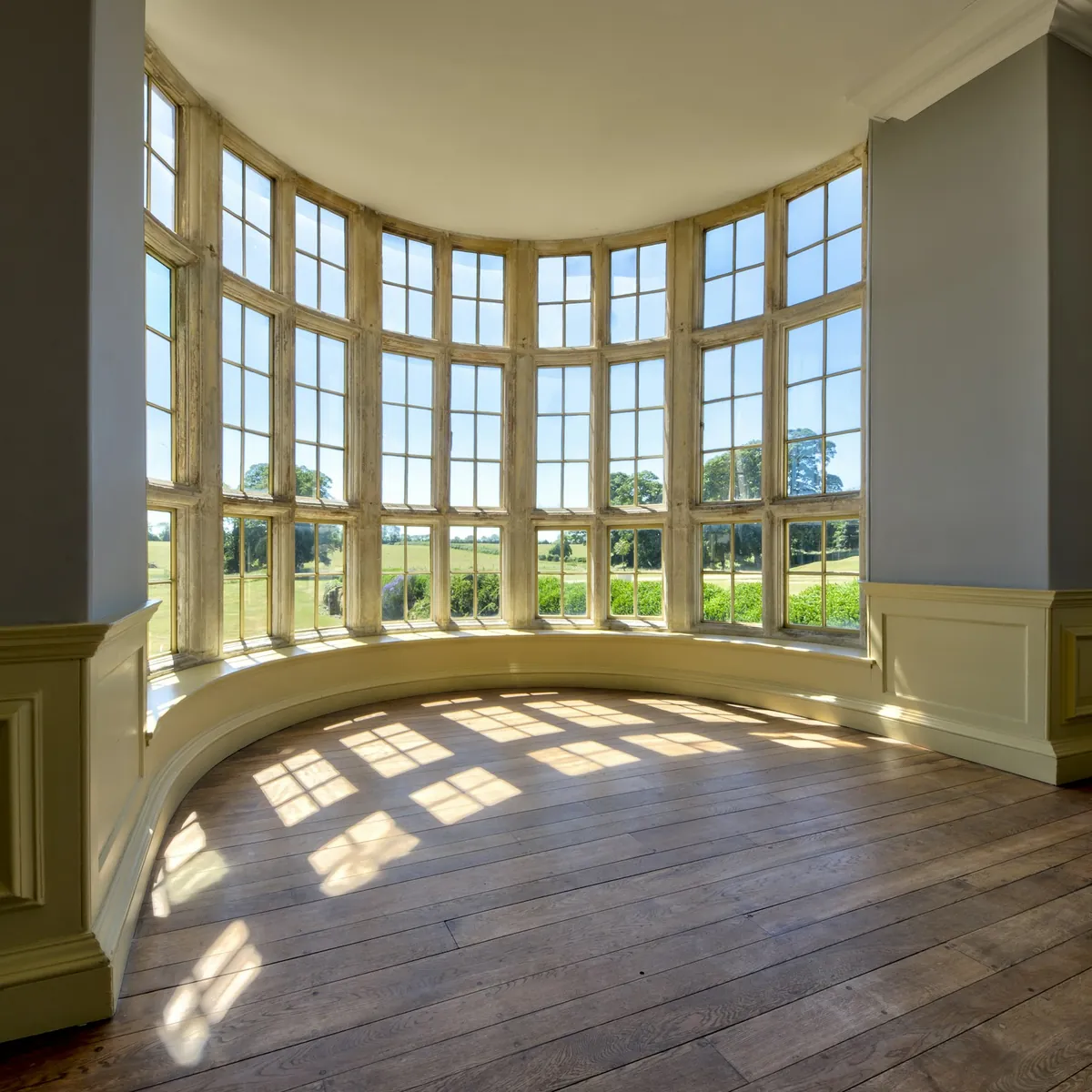
Each window in the bay gets its own blind, made so the headrails meet neatly at the angles and the slats line up across the whole bay.
Transoms
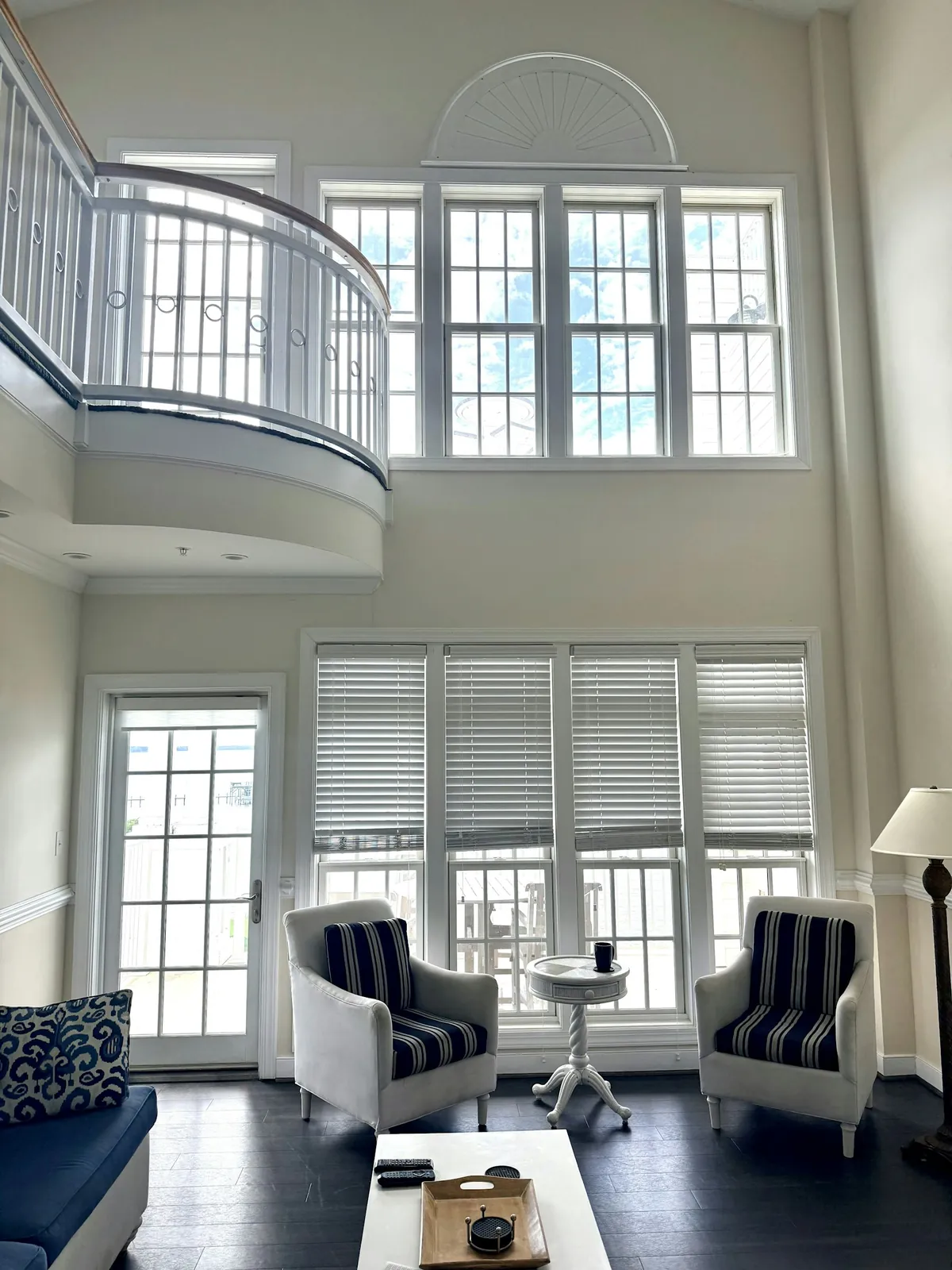
A rectangular transom can take a small blind matched to the one below. A shaped transom is often best left clear, and we will tell you which.
Tall double-hung sash
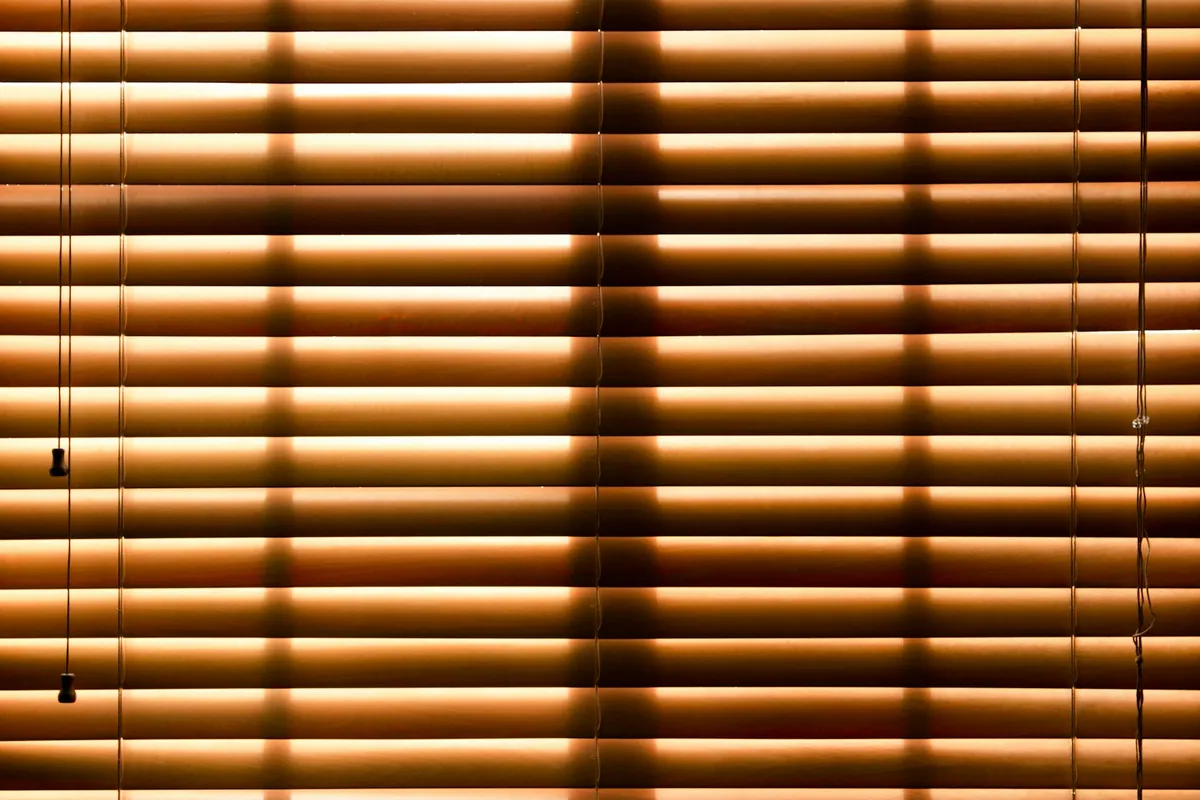
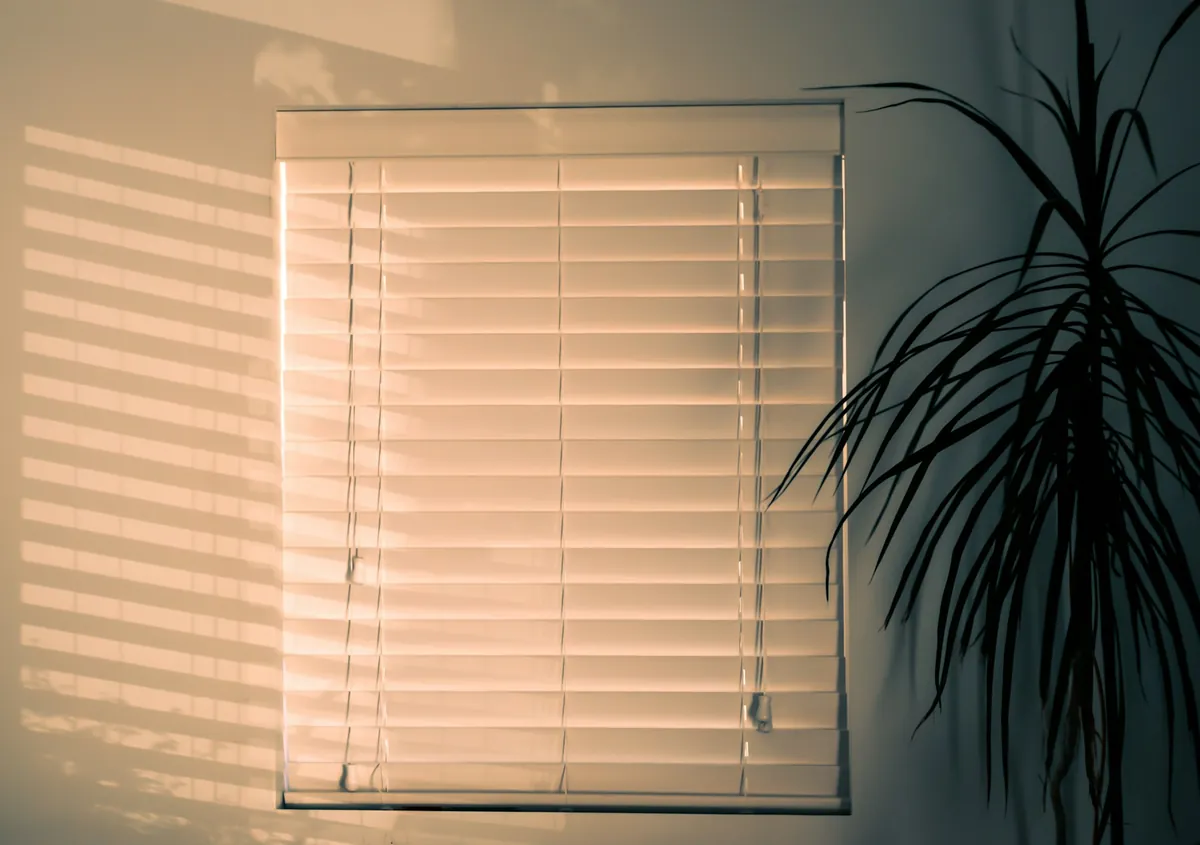
The main windows of the older houses near the centre suit wood blinds fitted inside the frame, where the trim stays on show.
Split-level picture windows
Wide front windows on the Route 123 splits, often covered with two blinds side by side so each half can be raised alone.
Kitchens and bathrooms
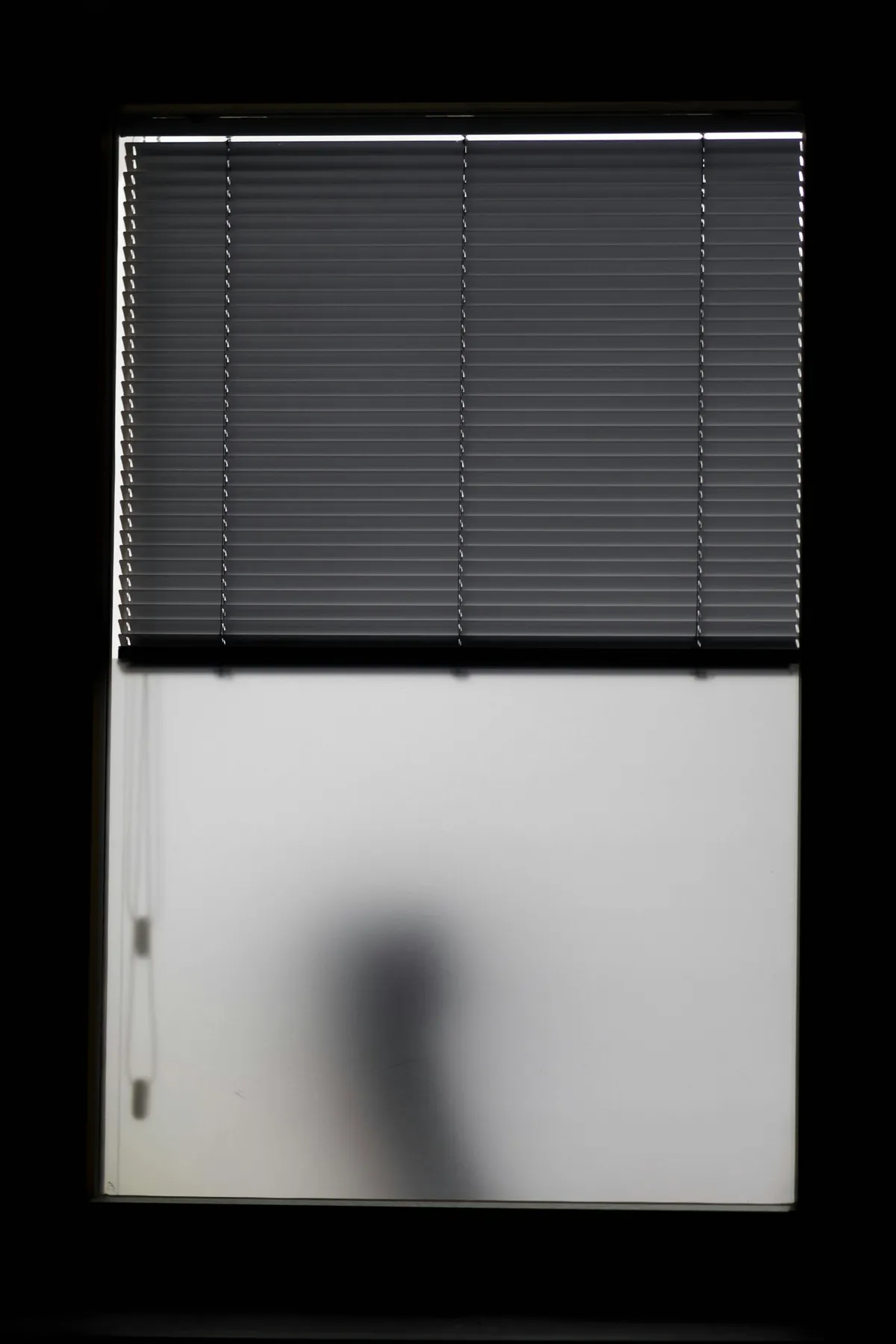
Faux wood for steam and splashes, and slim aluminium for the smallest windows, on every kind of house in town.
Sliders and back doors
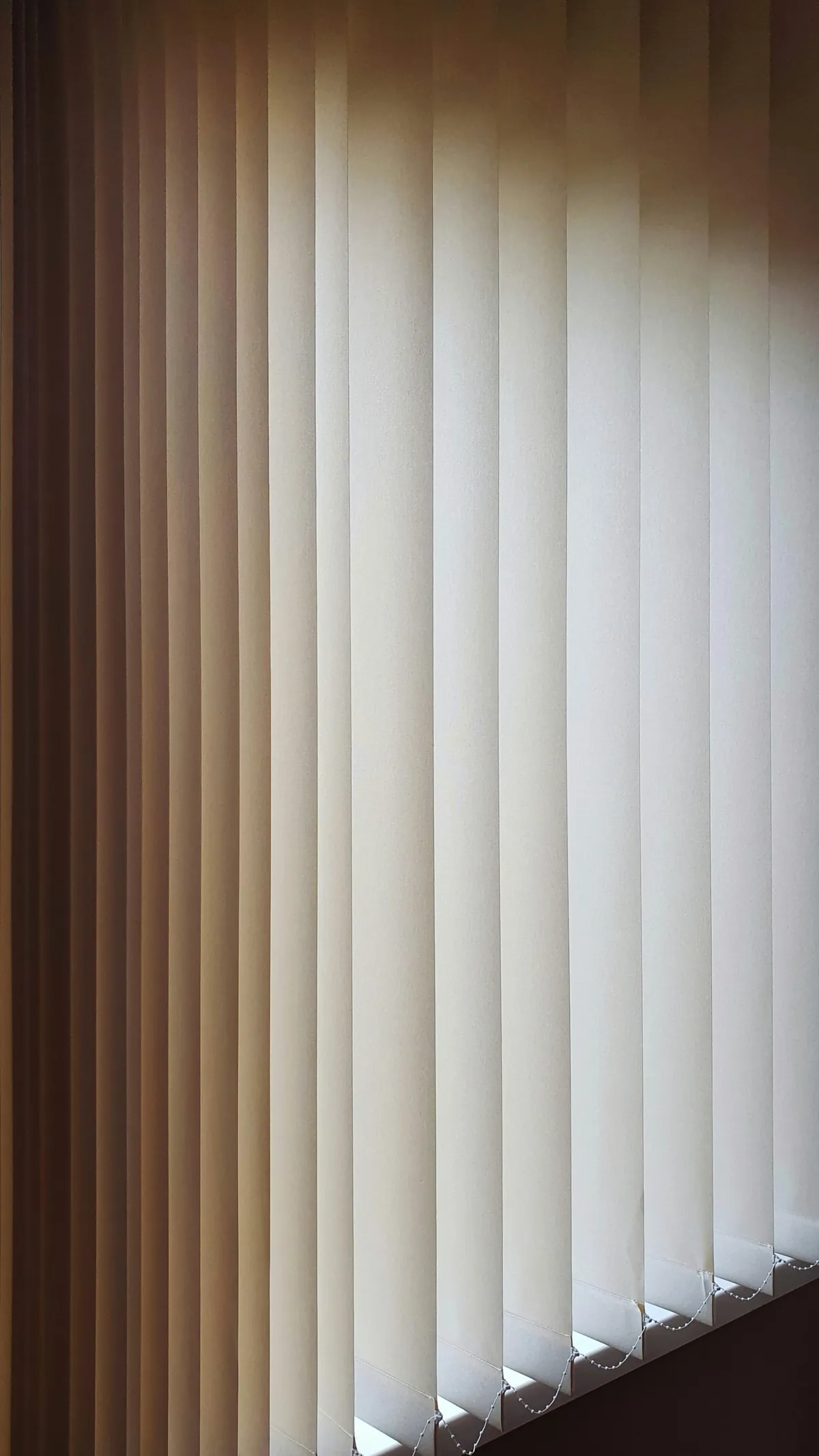
Vertical blinds on one track for the patio doors found on many South Attleboro ranches and split-levels.
How We Fit Blinds in a Bay
A bay window is the room’s best feature and the hardest window in it to dress. Most of the bays near downtown and on Oak Hill have three windows, a wide one facing straight out and two narrower ones angled back to the wall, and some have more. Each one asks for the same care.
One blind per window
We make a separate blind for each window in the bay. One long blind cannot follow the angles, and a single blind across the whole face of the bay would leave gaps at the sides and block the window seat if there is one. With a blind on each window, you can raise the side windows for light while the centre stays down for privacy, or the other way round.
Meeting at the angles
Where the windows meet, the corner posts are often narrow. If each blind is fitted inside its own frame, the headrails sit clear of each other and the corners stay neat. If the frames are too shallow for that, the blinds are mounted on the face of the bay and the headrails are cut so their ends meet at the angle without overlapping or leaving a bright gap. We measure the angle and the depth at each corner before deciding.
Making three blinds read as one
From inside the room and from the street, a bay is seen as a single window. The blinds should behave like one. That means the same slat, the same colour and, just as important, the same height when lowered and the same stack when raised. Because the centre window is usually wider than the sides, we make sure the bottom rails line up across all three when the blinds are down, and that the stacks finish at the same level when they are up.
The controls matter in a bay as well. On a window seat, cords or wands should hang where you can reach them without climbing onto the cushion, and they should sit on the outer edge of each side window so they do not dangle in the middle of the view.
Wood in a bay
Wood blinds are a natural fit for a Victorian bay. The grain sits well against the painted woodwork, and a stained slat can pick up the colour of the floor. Many homeowners pair the blinds with drapes on a rod that follows the shape of the bay, so the blinds handle light and privacy by day and the drapes close across at night. Window Works makes drapes as well, so both can be measured on the same visit.
Light from three directions
Because a bay pushes out from the wall, its windows face three ways at once. The centre window looks straight out, while the side windows catch light from along the street, one side in the morning and the other later in the day. That makes a bay the brightest corner of the room, and it is the main reason to give each window its own blind. You can close the side that has the sun on it, leave the other side open and tilt the centre slats to suit, all without touching the rest. With custom blinds in Attleboro, MA made to each window of the bay, the corner can stay in use through the brightest part of the afternoon instead of being shut up completely.
A bay at the front of the house also faces the street more directly than any flat window. Slats tilted upward in all three blinds keep the view in blocked while the room stays light, which suits a front parlour used through the day.
What to Do with a Transom
Transoms are the other opening that marks out Attleboro’s older houses. You find them above front doors, above interior doors and sometimes above the main windows of a front room. Some are plain rectangles. Others are arched or fan-shaped.
A rectangular transom above a window can take its own small blind, made to match the blind below in colour and slat, and usually left in one position. That keeps the line of the window unbroken. Over a front door, a transom often lets daylight into a hall that has no other window, so many homeowners leave it clear.
An arched or fan-shaped transom is a different matter. A blind is made of straight slats, so it cannot follow a curve neatly. Often the best answer is to leave the arch clear and fit the blind to the rectangular window beneath it, so the shape of the arch stays a feature. If the arch lets in too much sun, another treatment may suit it better than a blind. We will say so plainly and show you what the store offers.
Older Houses near Downtown and Oak Hill
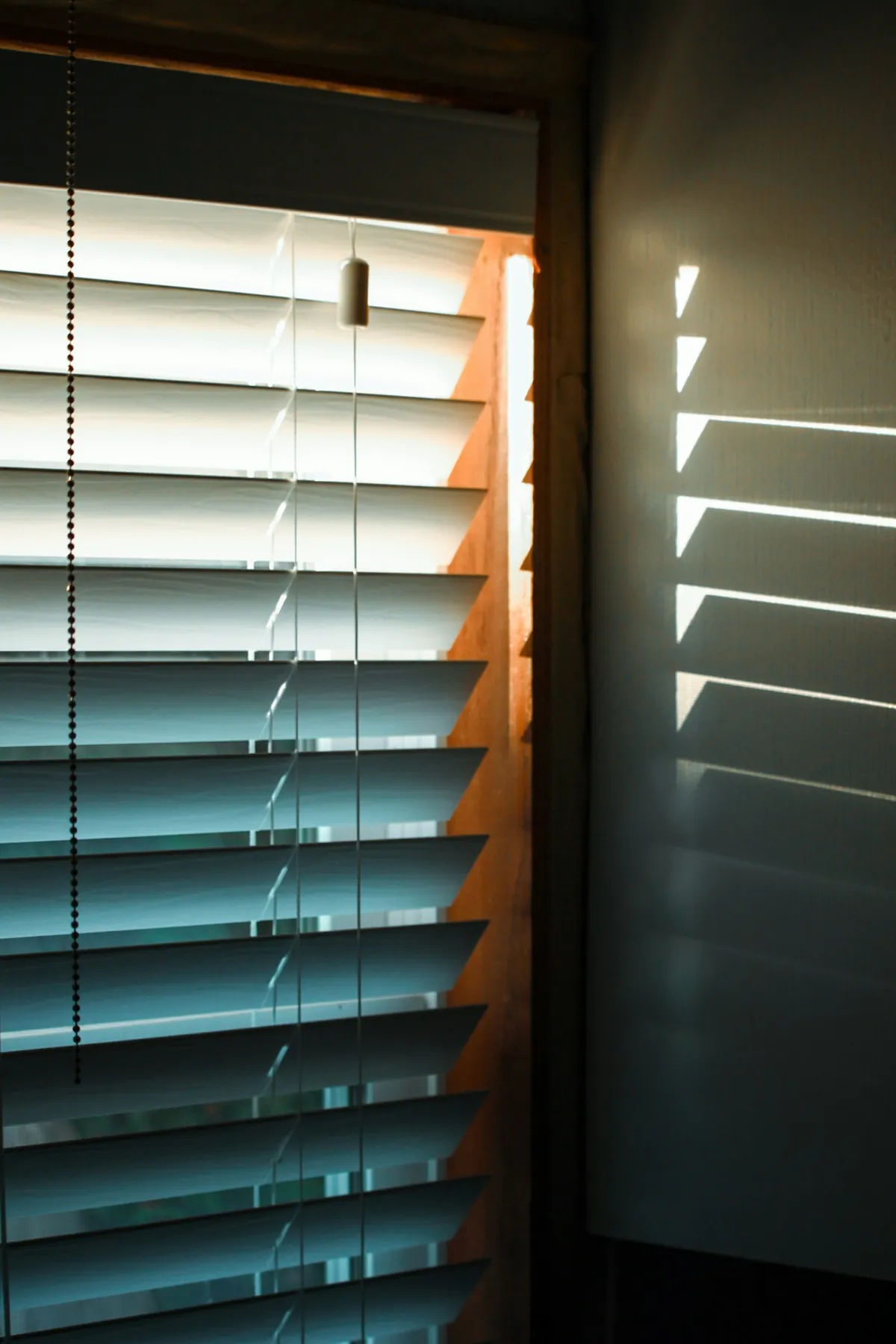
Beyond the bays and transoms, the Victorians and colonials near the centre have tall double-hung windows with deep frames and heavy trim. Custom blinds in Attleboro, MA for these rooms are usually fitted inside the frame, so the trim stays visible, with the depth checked at each window because older frames vary. Where a frame has been changed or is too shallow, the blind goes on the face of the trim, sized to its width.
Old frames are rarely square. We measure top, middle and bottom on every window and make the blind to fit the narrowest point, so it raises and lowers without catching. On a tall window, the stack of a raised blind can cover a fair part of the upper glass, so we look at slat width and mounting height to keep as much daylight as the room needs.
Upstairs, these houses often have smaller windows under the roof or in gables. A compact headrail and a slim slat leave the most glass clear.
Split-Levels off Route 123
The split-levels built in the 1960s off Route 123 follow a pattern: a front living room with a wide picture window, a short stair up to the bedrooms, a short stair down to a family room, and small windows on the landings in between. The windows are regular in size, which makes them simpler than the bays near the centre, but the picture window still needs thought.
That front window is often too wide for one blind to lift comfortably. Two blinds side by side, meeting at a centre post or simply at the middle, are lighter to raise and let you open one half alone. Wood suits a living room, and slats tilted upward keep the room bright while cutting the view from the street.
The lower family room in a split sits partly below ground, with shorter windows high on the wall. Aluminium suits their shallow frames, and faux wood makes sense where the room shares space with a laundry. Landing windows take a small blind that matches the rooms on either side, since they are seen from both floors.
South Attleboro Ranches
The ranches of South Attleboro keep everything on one floor. A living room picture window, a row of bedroom windows, a kitchen window over the sink and, in many houses, a slider to a patio or deck. Because every window faces the yard or the street at eye level, privacy and consistency are the two things to get right.
For consistency, choose one colour and slat for every window facing the road, then vary the material room by room behind it. White faux wood in a front bathroom looks the same from outside as a white wood blind in the living room. For privacy, blinds in bedrooms are fitted close to the frame so they close tight, and in living rooms the slats tilt upward through the day.
The slider is the one opening that needs a different blind. Vertical blinds stack to the fixed side of the door and turn to let in light or close fully, so the doorway stays clear for coming and going. Our vertical blinds in Attleboro page goes into verticals and panel tracks for wide doors.
Planning the Whole House at Once
Many Attleboro houses have more than one type of opening, so it helps to plan before choosing room by room. A Victorian near the centre may have a bay in the front parlour, a transom over the hall door, tall sash in the dining room and a small kitchen window at the back. A split off Route 123 may have a picture window, landing windows and a lower-level slider. Deciding on one colour for every window facing the street, then choosing the right material for each room behind it, keeps the outside even and lets each room work for its own use.
You do not have to do everything in one go. Many orders begin with the bay or the picture window, and other rooms are matched later. A later order for custom blinds in Attleboro, MA can be matched to the colour and slat you chose the first time, so the new blinds sit beside the earlier ones as a set. Keep a note of what you picked, or tell us when you call, and we will work from it when we come back to measure the next rooms.
The Four Materials in Short
When choosing custom blinds in Attleboro, MA, most houses use two or three of these:
- Wood for bays, living rooms, dining rooms and bedrooms. Warm, light to lift, and best away from steam.
- Faux wood for kitchens, bathrooms and laundry rooms. A painted-wood look that handles moisture and wipes clean.
- Aluminium for small, narrow and shallow windows, where a slim slat and a small stack matter most.
- Vertical for sliders and wide openings, where a horizontal blind would be too heavy to raise.
Colour, slat width and controls finish the choice. A narrower slat suits the side windows of a bay. A wider one opens up more of the view on a ranch picture window.

From First Call to Finished Bay
We stay in constant contact with you until the job is done. This is how an order runs.
- Book a free quote with the call button or the form, and tell us about the bay, the transoms or the rooms you want to cover.
- A specialist measures in your home, including each angle and corner of a bay and the shape of any transom.
- You choose material, colour, slat and controls with samples, at home or at the showroom.
- Your quote lists every window, so you can see what is being made for each one.
- The blinds are made to the measurements from your home.
- Our team installs them, lines up a bay’s rails and stacks, and checks every blind works as it should.
- If anything needs another look later, you call the same store.
What Sets Window Works Apart
Window Works has been a family store in Swansea since 1988, now in its second generation. For over 37 years it has worked in homes across the SouthCoast and the Rhode Island East Bay, and Attleboro is one of the 25 towns we cover.
- An experienced team of window treatment specialists
- Measuring in your home, so awkward openings fit properly
- Installation by our own team
- In constant contact with you until the job is done
- Warranties offered on the products we sell
We make shades, shutters, drapes and fabric decor too. See them all on our window treatments for Attleboro homes page, or every blind we offer on the main custom blinds page.
Looking After Your Blinds
Dust slats with a soft cloth, tilting them one way and then the other. Faux wood and aluminium can take a damp cloth. Keep wood dry. In a bay, each blind can be lowered and closed in turn so you reach every slat without leaning across a window seat. Vertical vanes are dusted where they hang.
If a cord frays, a wand stops turning or a headrail sticks on a blind you already own, call us and our team can take a look.
Handle the Samples in Swansea
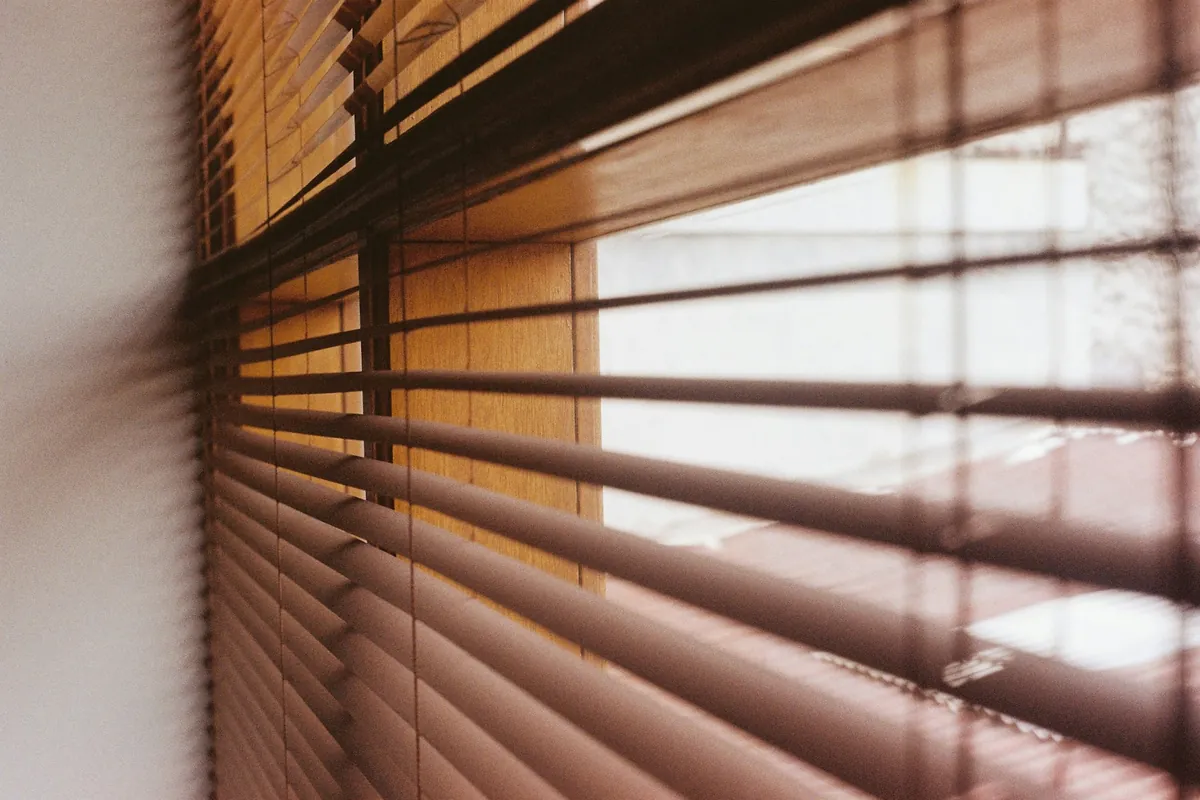
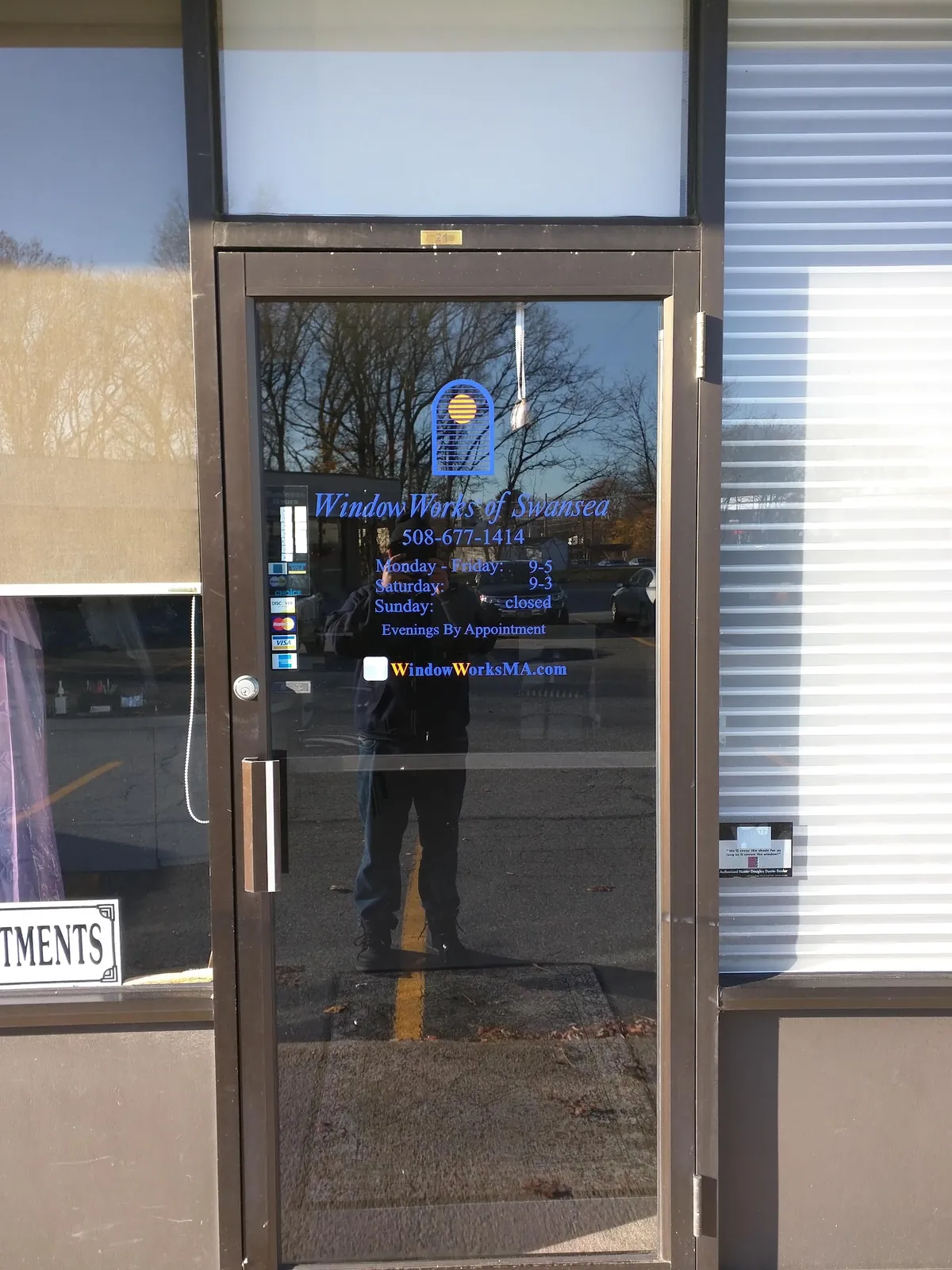
At the Swansea showroom you can compare wood, faux wood, aluminium and vertical blinds side by side, try the controls and see how colours look in daylight. It is a good place to settle the slat and colour for a bay before we measure.
Bring a photo of the window and a paint or trim sample. The showroom carries the Norman range as well.
Questions from Attleboro
Can you fit blinds to a three-sided bay window?
Yes. Each window in the bay gets its own blind, made so the headrails meet cleanly at the angles and the bottom rails line up when the blinds are lowered.
Can a transom have a blind?
A rectangular transom can take a small blind matched to the window below. An arched or fan-shaped one usually cannot be covered neatly by a blind, so we suggest leaving it clear or using a different treatment.
What works on a wide split-level picture window?
Usually two blinds side by side. They are easier to raise than one wide blind, and you can open one half while the other stays closed.
Do you measure and install?
Yes. A specialist measures in your home and our own team installs the finished blinds.
How do I arrange a free quote?
Use the call button or the form on this page. Quotes are free, and we will arrange a time to measure.
Ready When You Are
Begin with a free quote. Use the call button to talk to the Swansea store about measuring in your home or installation, or send the form and we will reply. If you would like to see the blinds first, the contact page has the way to the showroom.