
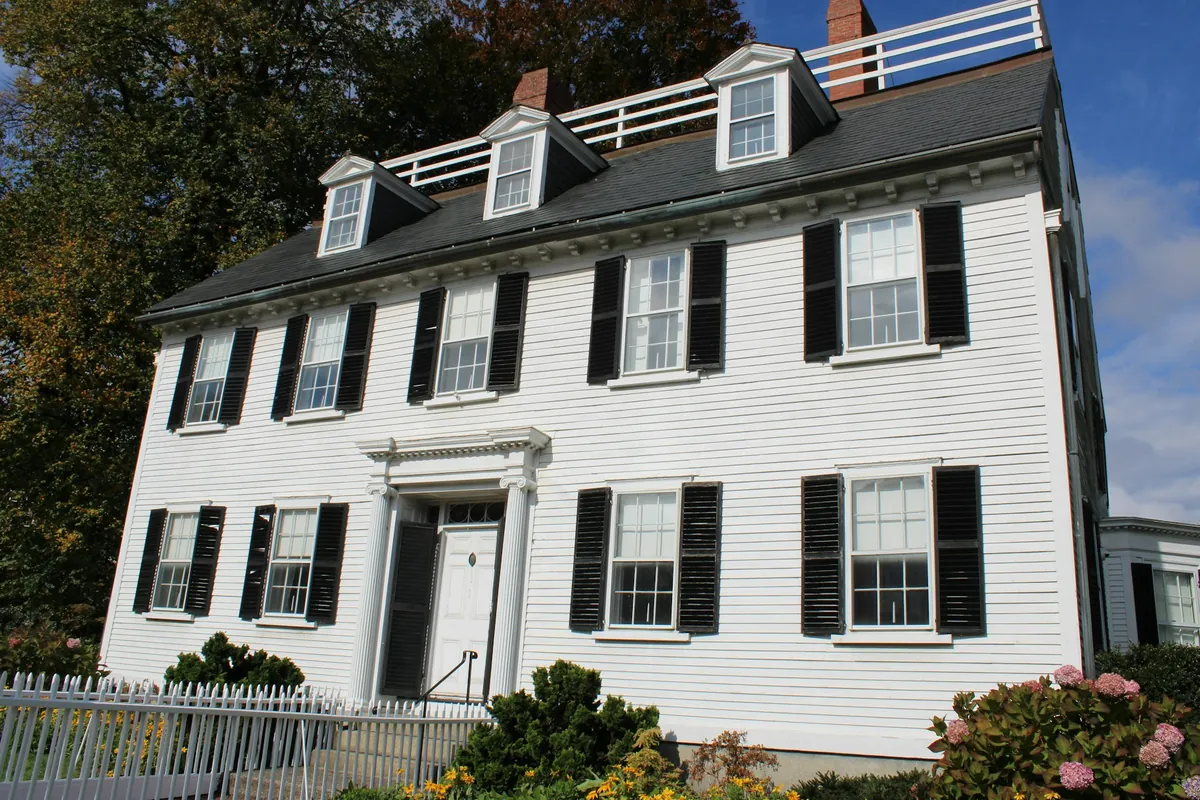
Soft Folds for Somerset Houses
A roman shade is a length of fabric that gathers into folds as it rises, and roman shades in Somerset, MA have plenty of different windows to dress. Up in Somerset Village, colonials keep the slim double-hung sash they were built with. Brayton Point and Riverside hold mid-century capes and ranches, put up between the 1950s and the 1970s on the side roads leading off County Street. Down by the Taunton River, many lots now carry a broad sweep of glass that went in during a later renovation.
That spread is the reason we start with your fabric and your frames rather than a stock size. A shade cut for a tall, slim village sash would look lost on a river window wall. A heavy, generous fold that suits a formal dining room would crowd a small cape bedroom.
- Flat, hobbled and relaxed folds
- Cut from the fabric range in our showroom
- Sized at your windows, then hung by our installers
Three Folds, Many Fabrics
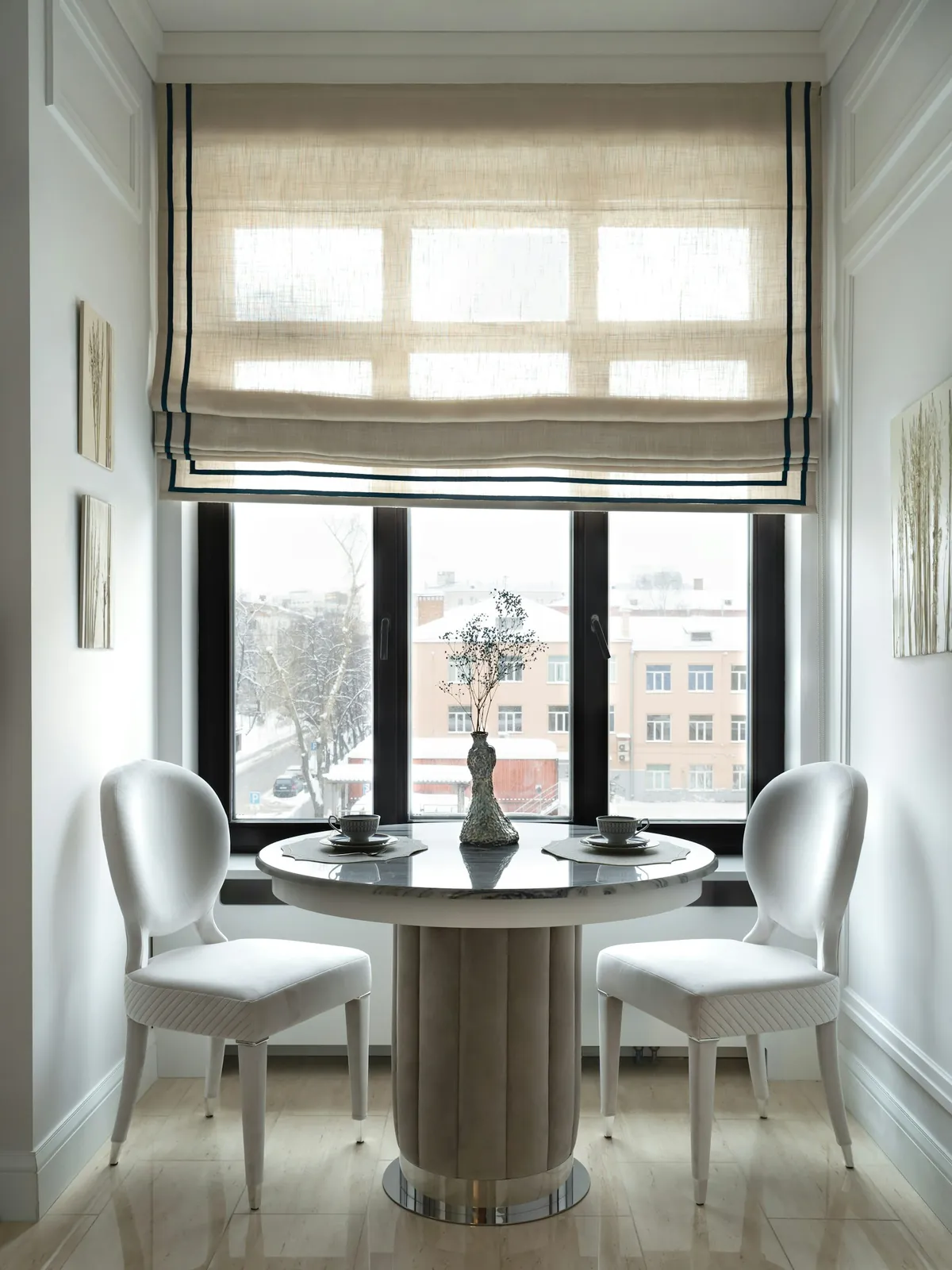
Flat fold
Neat horizontal pleats that stack on top of each other as the shade goes up. When it is down, the cloth hangs smooth, so a print or a stripe reads without a break.

Hobbled fold
Rounded loops of fabric that stay in place down the whole drop, lowered or raised. It takes more cloth and gives a fuller, softer window.
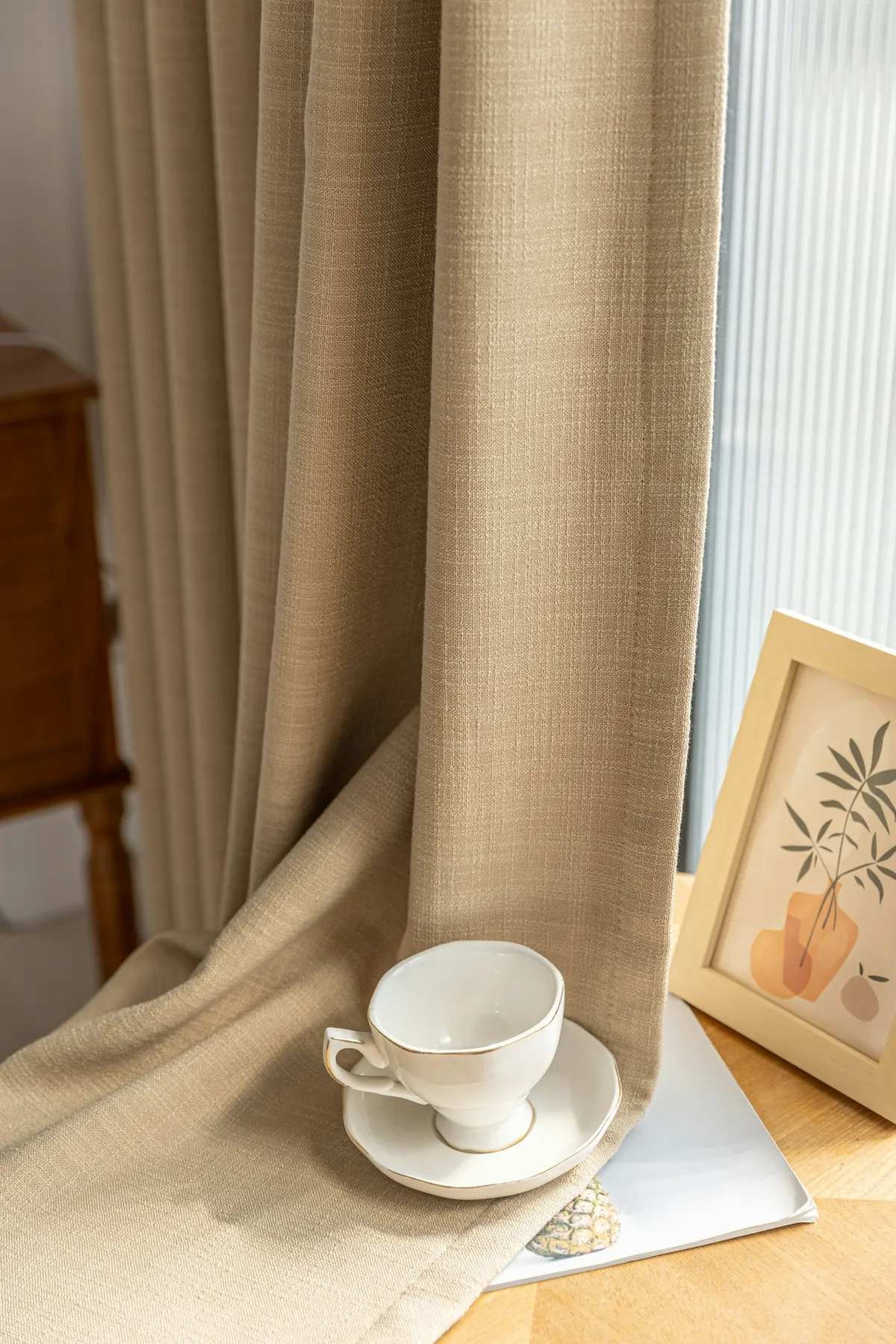
Relaxed fold
A plain face with a soft dip along the hem. It looks easy and unfussy, and it suits a linen or a light cotton in a bedroom or a cape kitchen.
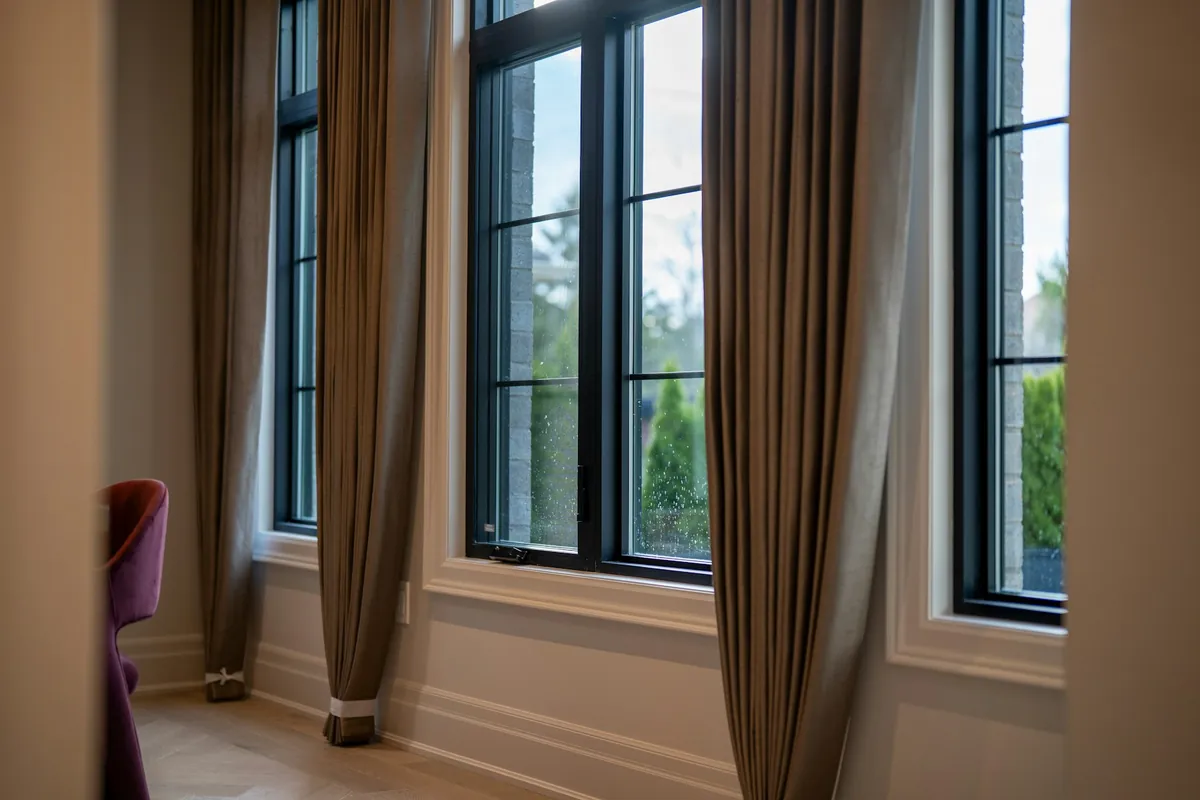
Drapes for the same room
Side panels in a matching or contrasting cloth can frame a roman shade. See our drapery work for the town.
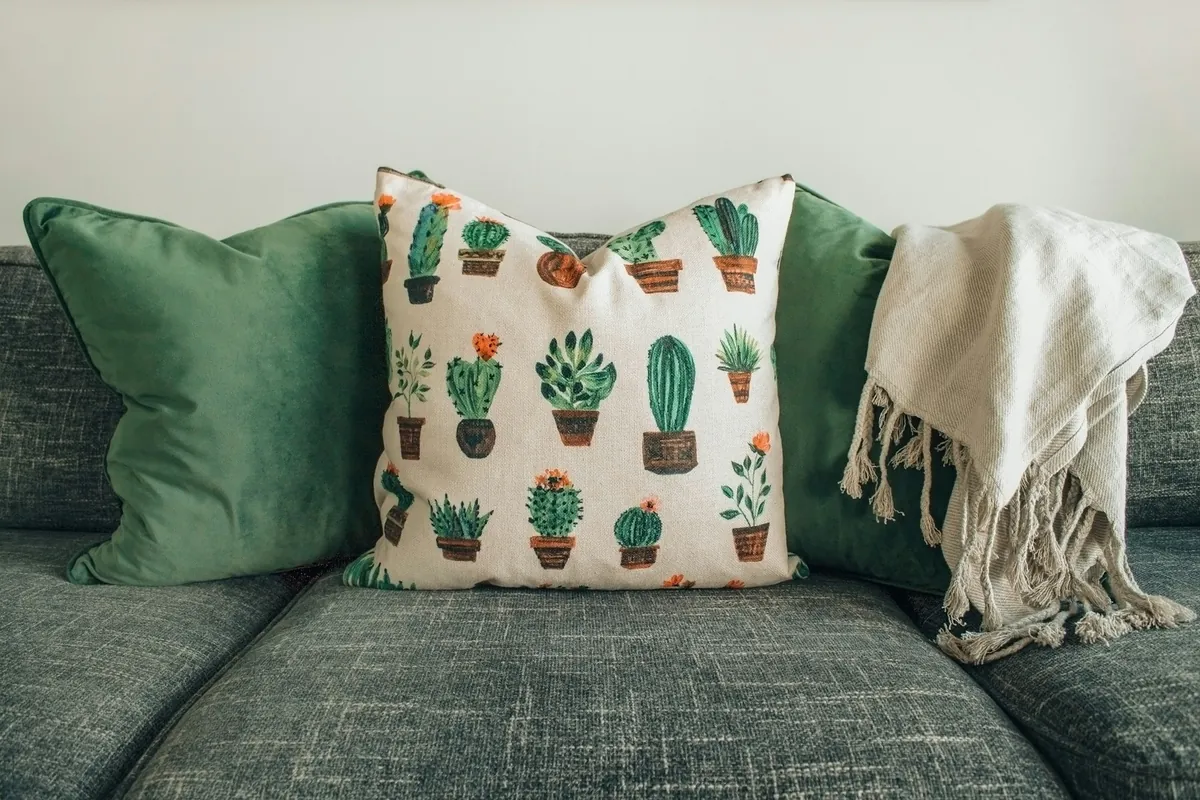
Pillows and bedding
The fabric of a shade can carry on into cushions or a duvet cover, so the room is one scheme.
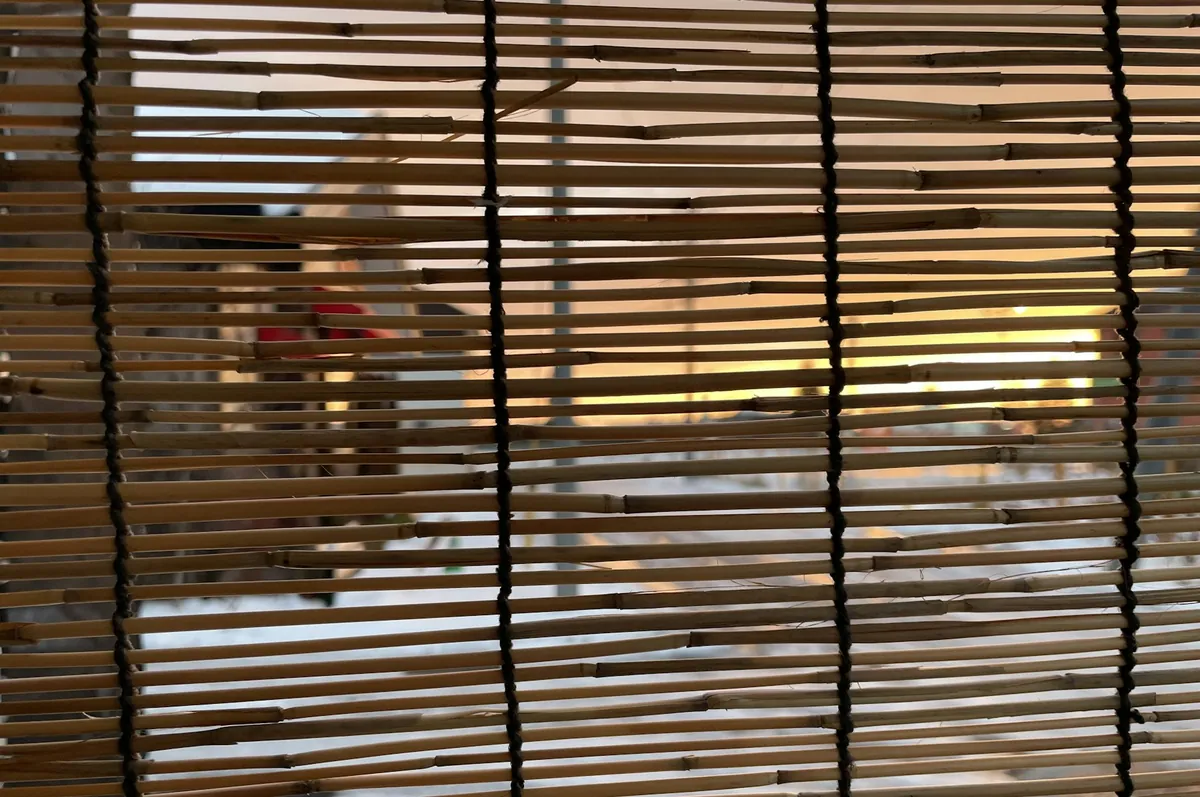
A woven alternative
If you want the same folding look in a natural weave instead of a fabric, woven wood shades are the cousin to look at.
Roman Shades in Somerset, MA, House by House
The best way to plan roman shades in Somerset, MA is to look at what each kind of house in town does with its windows. The fold and the fabric follow from that. Below are the three kinds of house that come up most, and the rooms in each that tend to need some thought.
Somerset Village sash windows
The old double-hung sash in Somerset Village is tall for its width. On a window like that, the proportions of a roman shade matter more than on almost anything else. Each fold is a band across the window, and if the bands are too deep, the shade looks squat and heavy when it is raised. We size the folds to the height of the window, so a raised shade sits as a tidy block at the top and does not hang far down the glass.
These colonials also have trim worth keeping on show, so mounting the shade within the casing is usually where we begin. Old frames are rarely the same depth from one window to the next, and some are shallow, so we check every opening. Where there is not enough room for the shade to stack cleanly inside, it goes on the wall or trim above, sized so it lines up with the casing either side.
A flat fold sits happily against crisp painted woodwork. In a front parlour, a hobbled fold in a richer fabric gives the window more presence. For a pair of sash windows side by side, we match the stack heights so both shades sit at the same line when they are up, which keeps the room calm.
Old houses also bring the odd window that breaks the pattern: a small one on a stair landing, a half window in a pantry, a window squeezed in beside a chimney. Each of these gets its own measurements and often its own fold depth, while the fabric stays the same as the rooms around it, so the house still reads as one.
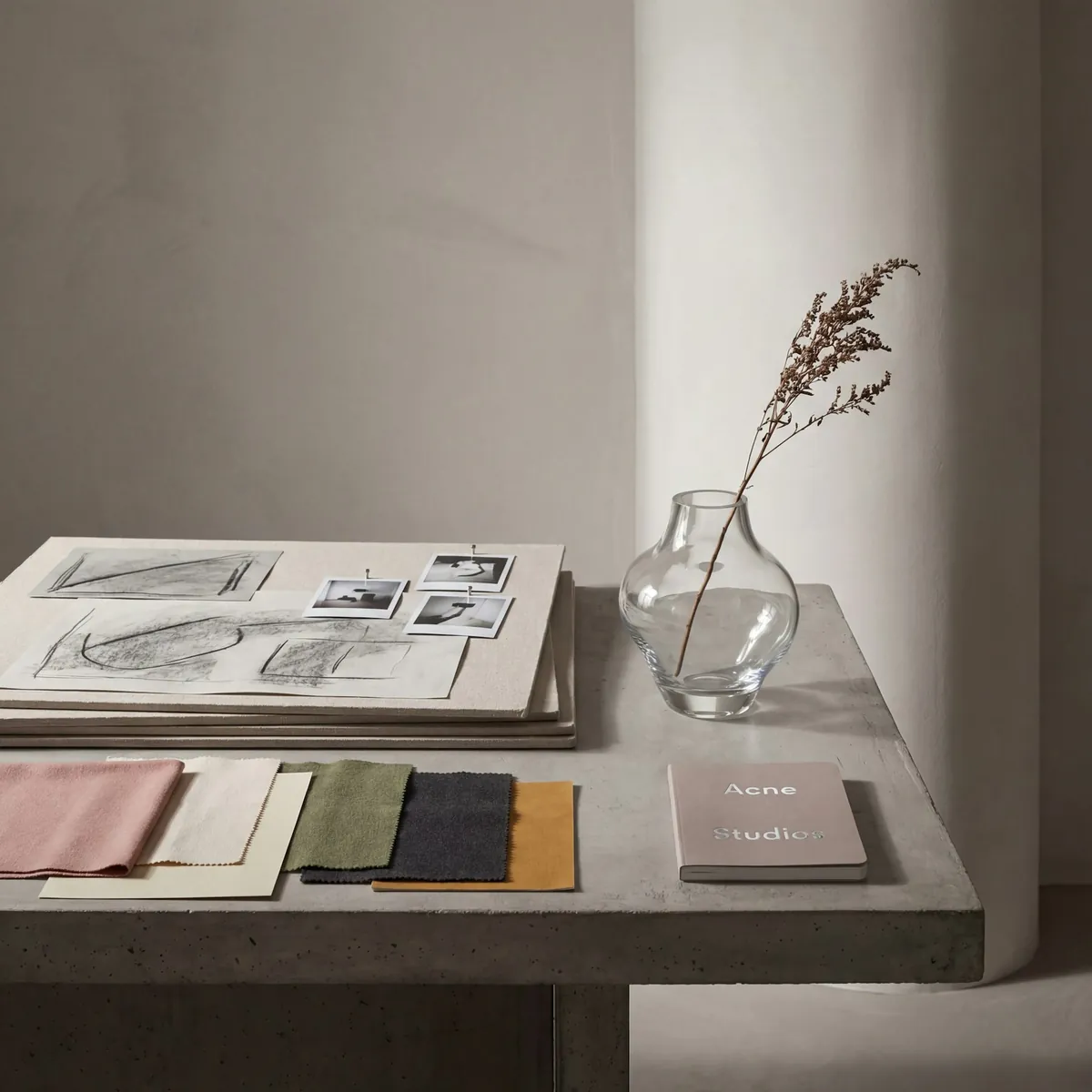
Brayton Point and Riverside, room by room
The mid-century houses near Brayton Point and Riverside have more regular windows than the village, though no house uses just one size. Expect a big front window lighting the living room, ordinary sash in the bedrooms, something small above the sink and, in a cape, dormers tucked under the roof upstairs.
Dormers are where stack height matters most. The window is often the only daylight in the room, and the walls close in around it. A shade mounted on the wall a little above the frame can be raised almost clear of the glass, so the room keeps its light by day. A flat fold stacks the most compactly; a relaxed fold sits softly at the top and suits the low, sloping walls of a cape bedroom.
Out front, that big living room window can carry one shade or be split into two or three that raise separately. Splitting it keeps each shade lighter to lift and lets you lower one part against the afternoon sun while the rest stays up. In a kitchen, a flat fold in a light cloth stays well clear of the counter when raised.
A ranch spreads its rooms along one floor, so several windows are often in view at once from the hallway or the open living area. Using one fabric for the main rooms and a second, quieter one for the bedrooms is a simple way to keep that long view tidy without making every room the same.
Taunton River houses with wide window walls
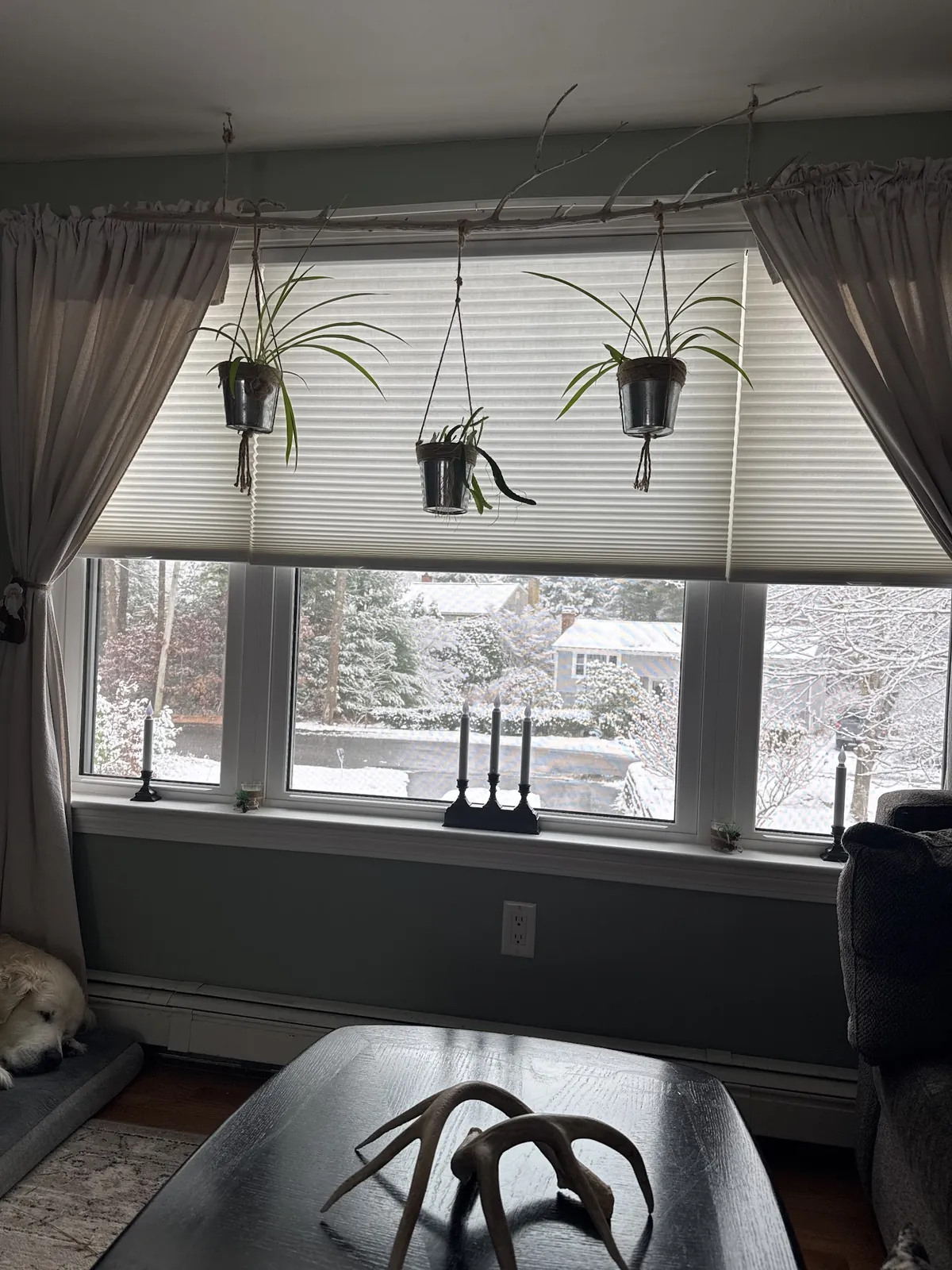
The river lots are where Somerset’s biggest glass is. Glass put in during a renovation opens the room to the water, and it is also the hardest window in the house to dress with fabric. A single roman shade across a very wide opening becomes heavy and awkward, so on these walls we study where the mullions fall and usually make a row of shades, one to each section, all at the same height and fold.
With a row like that, you can raise the shades facing the view and keep others lowered against the low sun on a bright afternoon. A relaxed fold in a pale linen keeps the wall soft without competing with the river. A flat fold in a plain cloth gives a cleaner, more modern line in a newer, open living space.
Where a slider sits in the same wall, a roman shade is not usually the answer for the door itself, because the folds would hang in the way of anyone going in and out. Side drapes on the door, or a vertical blind, are more practical there, with roman shades on the fixed windows beside it.
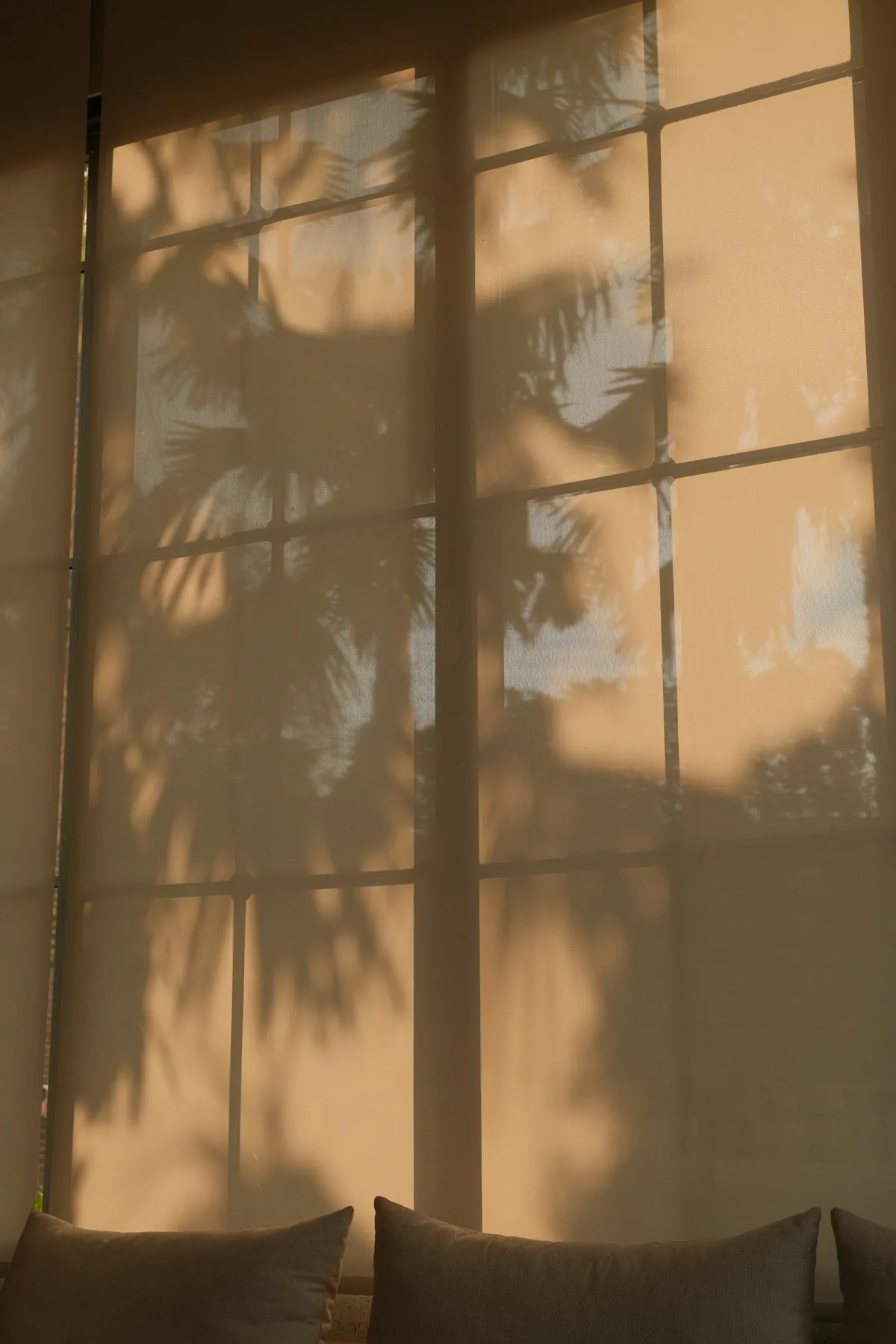
Lined, unlined and the light you want
Every roman shade can be lined or left unlined, and that choice changes the room as much as the fabric. An unlined shade in a light cotton lets daylight glow through the cloth, which can be lovely in a kitchen or a sunny breakfast corner. A lined shade gives the folds more body and shields the face fabric from strong sun, which matters on the river side of a house. A heavier backing helps a bedroom stay dim in the early morning.
We go over each room with you before you choose, because the same cloth can look quite different with and without something behind it, especially once the light is coming through.
Choosing the Fabric First
Fabric is where a roman shade starts, and it is where Window Works is strongest, because drapery has always been part of what the store does. The cloth decides how the folds behave as well as how they look.
A crisp cotton or linen holds a sharp, even flat fold and shows texture well. It suits colonials, kitchens and any room where you want the shade to look tailored.
A softer, heavier fabric falls into rounder folds, which is why it is the usual choice for a hobbled shade. It brings warmth to a dining room, a parlour or the bedroom you use most.
A bold print or a stripe reads best on a flat fold, where the pattern is not broken up by loops of cloth. On a hobbled fold, a plain or small textured fabric usually works better.
A light, plain cloth keeps a relaxed fold easy and casual, and lets the soft curve of the hem do the work.
If you are also having drapes, cushions or a duvet cover made for the same room, the shade can be cut from the same cloth or one chosen to sit beside it. That is much easier to get right when everything comes from one fabric range.
Where the pattern lands
A patterned cloth needs a little planning on a roman shade, because the folds decide which part of the print shows when the shade is half raised. On a flat fold, we centre a large motif on the window so it sits in the middle of the face, and we line up stripes so they run true with the frame. Across a pair of village sash or a row of shades on a river wall, the pattern is matched from one shade to the next, so the repeat flows along the windows instead of jumping at each frame.
On a small dormer or a kitchen window, a big repeat can get lost, so a smaller print or a plain weave often looks better there. These are the details we work through with the fabric in front of us, before anything is cut.
How an Order for Roman Shades Runs
We keep you informed from the first conversation until the last shade is up. Ordering roman shades in Somerset, MA usually follows these steps.
- You get in touch by phone or through the form, mention the rooms you have in mind, and ask for a free quote.
- We come to the house to measure. Each window is measured where it hangs, and we note how deep the frame is, how much room the stacked folds will need, and whether a window lock, an old sash lift or a radiator is in the way.
- You settle on the cloth, the fold and the lining, looking at swatches in your own rooms or visiting the showroom.
- A written quote follows, window by window, so nothing is a surprise.
- Each shade is sewn to the sizes we took on site.
- Our installers put them up, raise and lower every one to check the folds fall evenly, and run through how to use them.
- Should a shade need attention later, ring the store and we look after it.
One lining colour facing the road
Seen from the pavement, the front windows of a colonial or a cape read as one row. When each room inside has its own fabric, a single lining colour behind every front shade keeps that row looking even from outside, while the rooms themselves stay as varied as you like. We point this out when it applies, and you decide. It changes nothing in the rooms themselves, and it is the kind of detail that is easy to miss until the shades are up.
Rooms where a roman shade may not be the right fit
A roman shade is a fabric treatment, and a few spots in a house ask for something else. A shower window is one. A door that is used all day is another. A sunroom with glass on three sides may be easier with a lighter shade. A bathroom window in a ranch, close to the tub, is usually better served by something that copes with steam and splashes, while the bedroom next door takes the fabric. If another treatment would serve a window better, we tell you, and everything we make for the town is gathered on the Somerset window treatments page. For tall windows or ones behind furniture, ask about motorised shades.
Caring for fabric shades
Roman shades need little care. A soft brush or a vacuum on a low setting keeps the folds free of dust. A small mark can often be lifted by dabbing it lightly with a just damp sponge, tried first on a hidden corner. Most fabric shades should not go in a washing machine, because washing can shrink the cloth and spoil the folds. We tell you what suits the fabric you choose when you order.
What Sets Window Works Apart
Window Works opened in Swansea in 1988, and the family running it today is the second generation. For over 37 years the store has dressed windows in Somerset and right across the SouthCoast of Massachusetts and the Rhode Island East Bay.
- Specialists in window treatments, with a real feel for fabric
- Every window measured on site before anything is made
- Shades hung by our own installers
- Warranties offered on what we sell
- Constant contact from your first call until the work is complete
Our main roman shades page covers the service across every town we serve.
See the Fabrics Before You Order
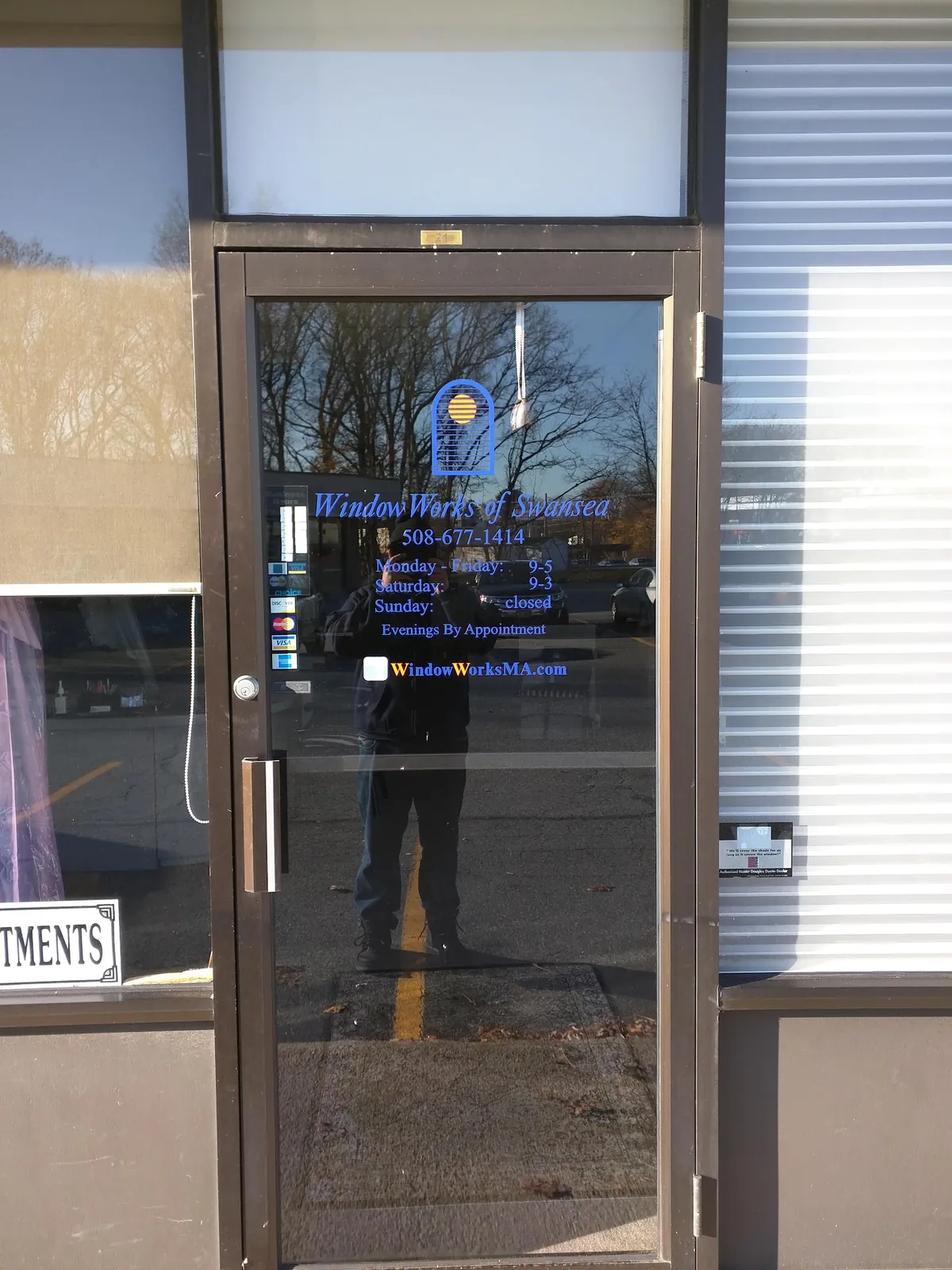
Our Swansea showroom sits a short drive from Somerset. Come in to see the fabric range in daylight, compare a crisp cloth with a soft one, and picture how each fold will look at your windows before you order roman shades in Somerset, MA.
A cushion, a paint chip or a phone snap of the room all help us steer you toward the right cloth. You can see the Norman range there too.
Questions from Somerset
Will a roman shade suit the tall, narrow sash in a village colonial?
Yes, as long as the folds are sized to the window. We set the fold depth to the height of the sash so the raised shade sits neatly at the top, and mount it within the casing wherever the depth allows.
Can you cover a wide window wall on a river house?
Usually with a row of shades, one to each section of glass, at matching heights. One very wide shade becomes a weight to raise, and a row lets you open some and keep others down.
Which fold is best for a small cape bedroom under the roof?
A flat fold stacks the most compactly, and a relaxed fold looks soft against sloping walls. Mounting the shade a little above the frame lets it rise clear of the glass.
Can the shade match drapes or cushions in the same room?
Yes. Because we also make drapes, pillows and duvet covers, the shade can be cut from the same fabric or one chosen to go with it.
How do I get a quote?
The quote costs nothing. Tap the call button or fill in the form with the rooms you are thinking of, and we will set up a visit to measure.
Your Next Step
Start with a free quote. Ring the Swansea store from the call button to book a measuring visit or ask about installation, or fill in the form for a reply. To handle the fabrics first, you will find directions to the showroom on our contact page. Our Google rating stands at 5.0.