
Familiar Windows, Real Choices
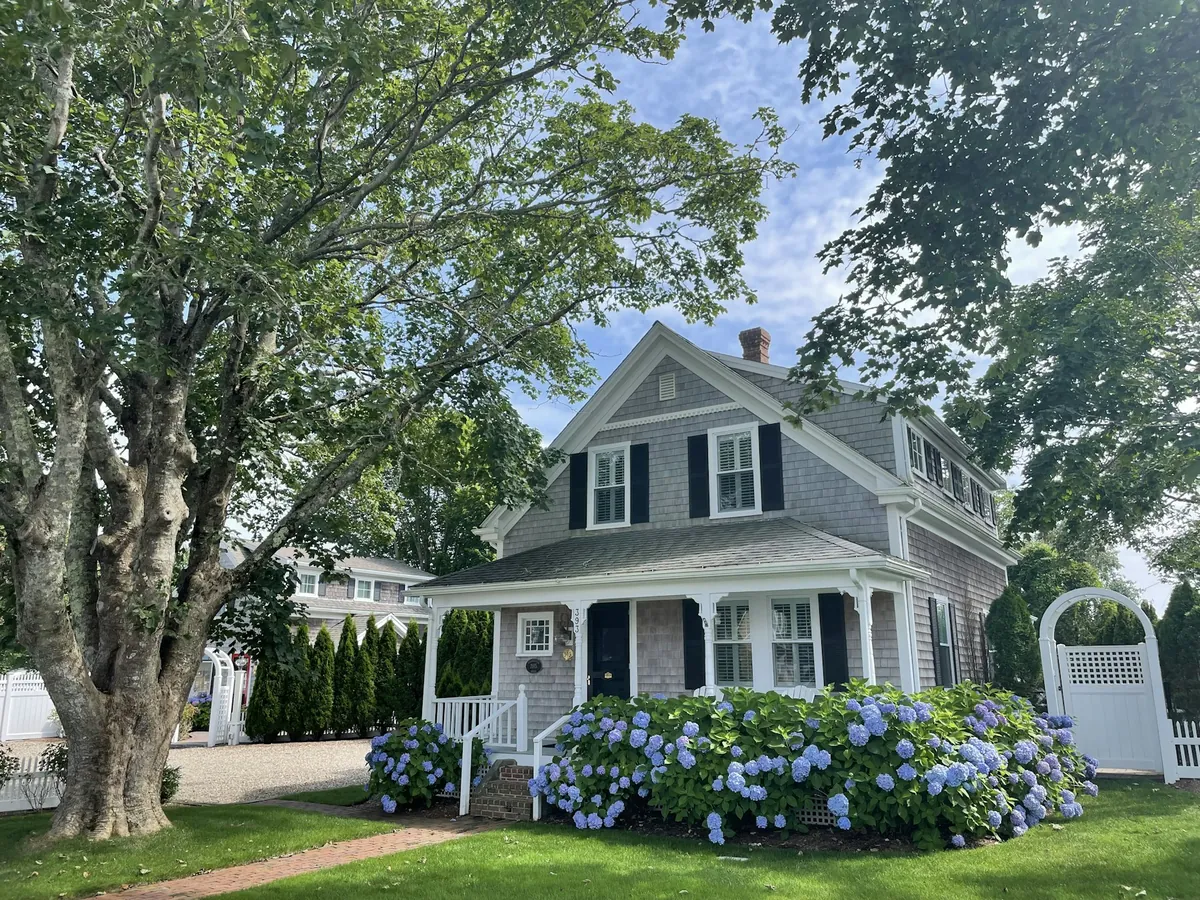
Most of the houses in Centredale and Fruit Hill went up in the years after the war: ranches, capes and split-levels with windows in the sizes builders used everywhere at the time. That makes roman shades in North Providence, RI a slightly different conversation from an older town’s. Fitting the opening is rarely the hard part. The real questions are which fabric suits the room and how the shade should work day to day.
Those questions are worth getting right. A living room picture window, a bedroom window set high on the wall and a split-level’s half-buried lower-level window are all standard sizes, but each one is used differently, and the shade should be chosen for that use.
Toward Greystone, at the edge of town, the housing is older and the frames less predictable, and there we measure with the same care we would anywhere.
Fabric Shades and the Products Beside Them
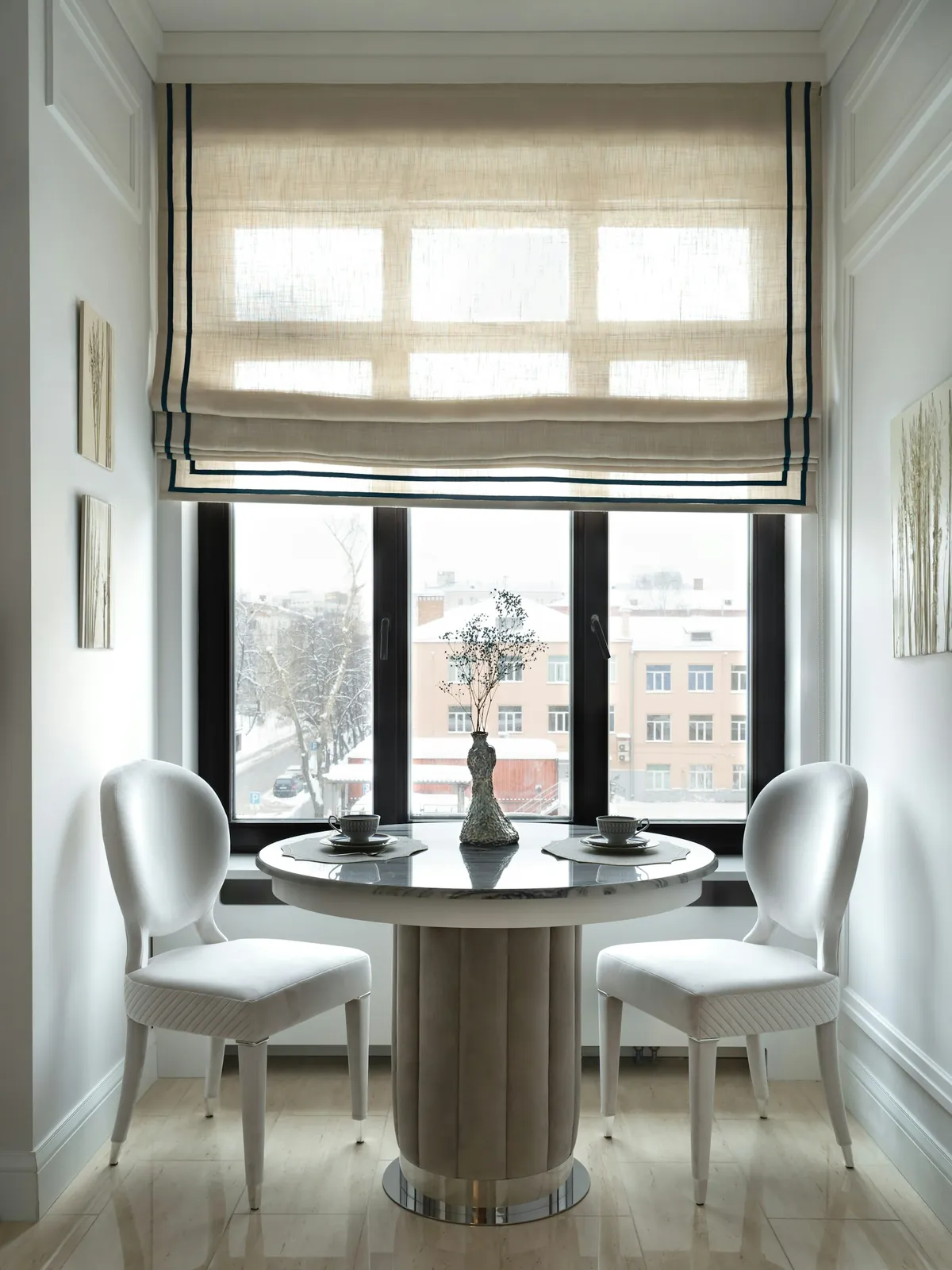
Crisp flat folds
Neat horizontal pleats and a smooth face when down. The most versatile fold for a ranch living room or a kitchen.
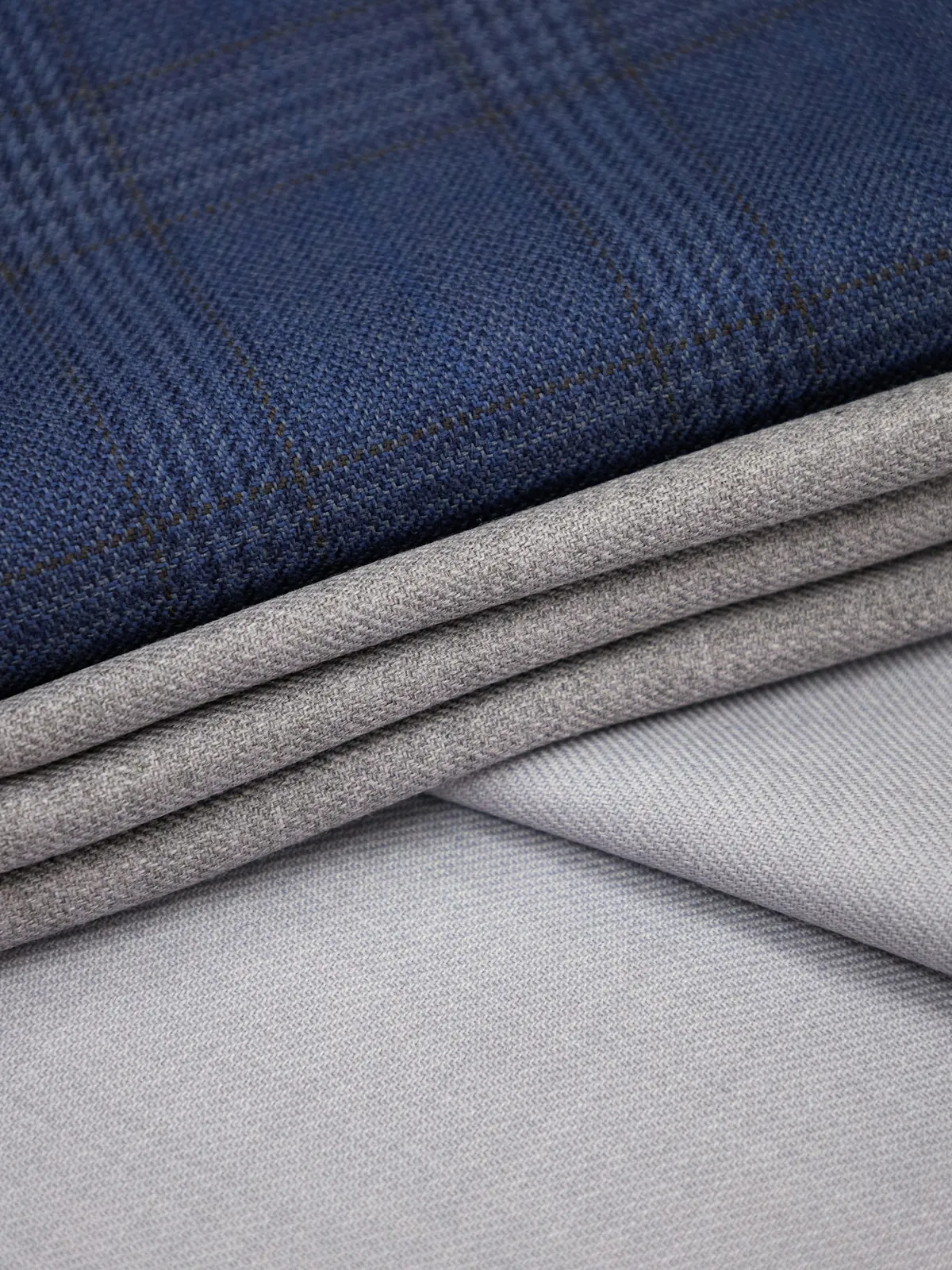
Gathered hobbled folds
Rows of soft, rounded folds that stay even when the shade is lowered. Cosy in a cape’s front room or a den.
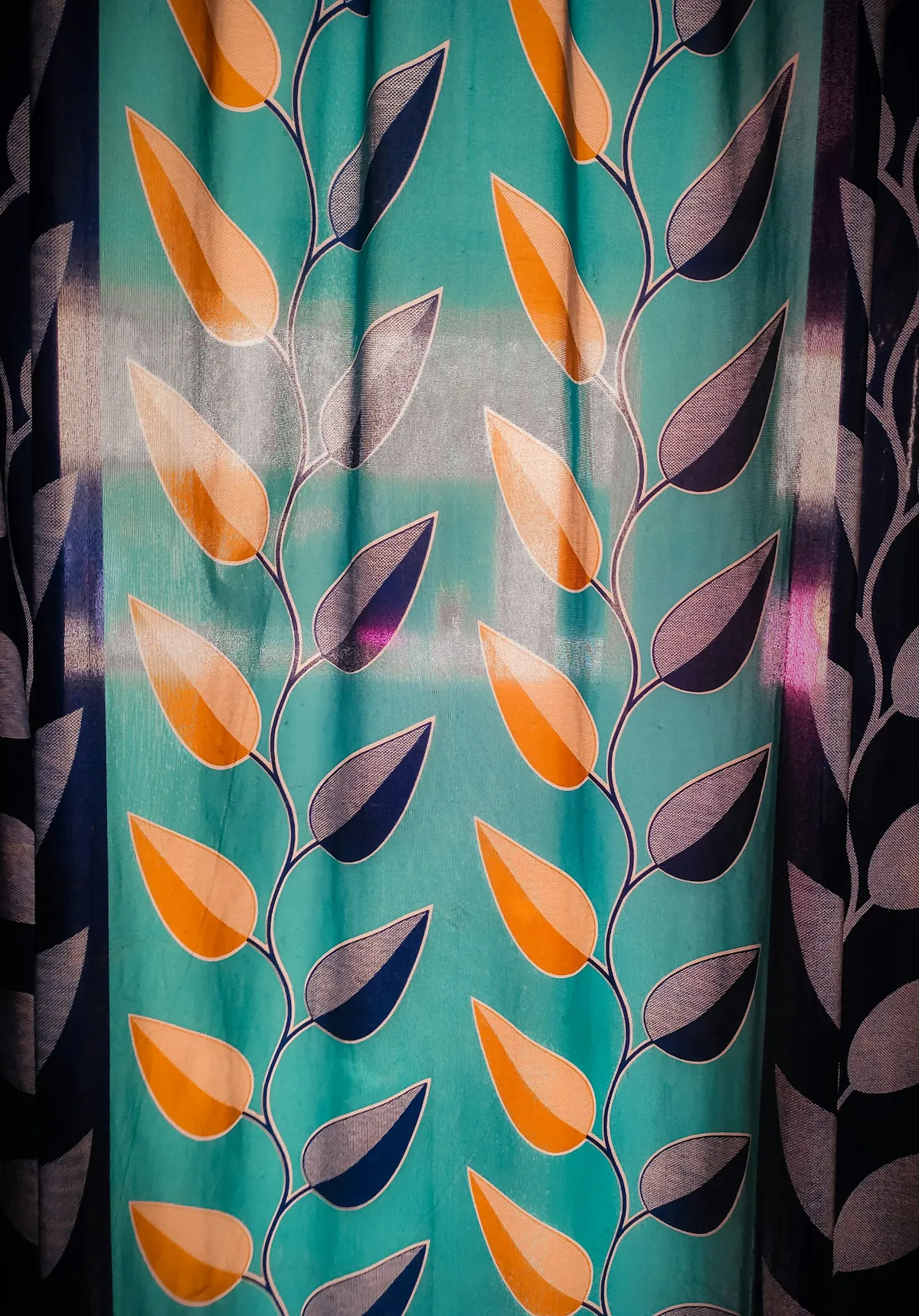
Soft relaxed folds
A plain face with a shallow curve at the hem. Friendly in a child’s room or a guest room.
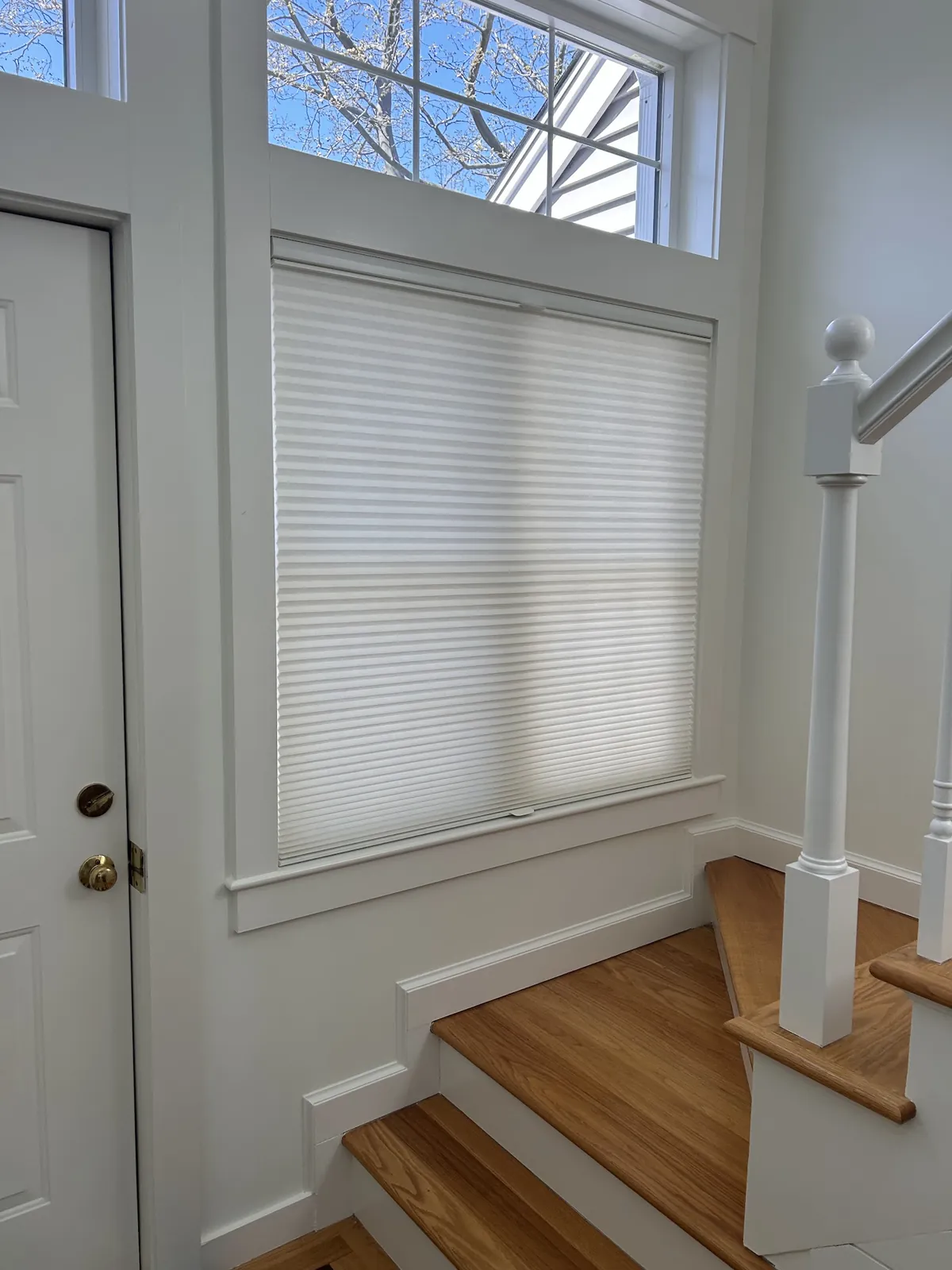
Cellular shades for the lower level
A split-level’s lower rooms run cooler. A honeycomb shade helps keep the warmth in.
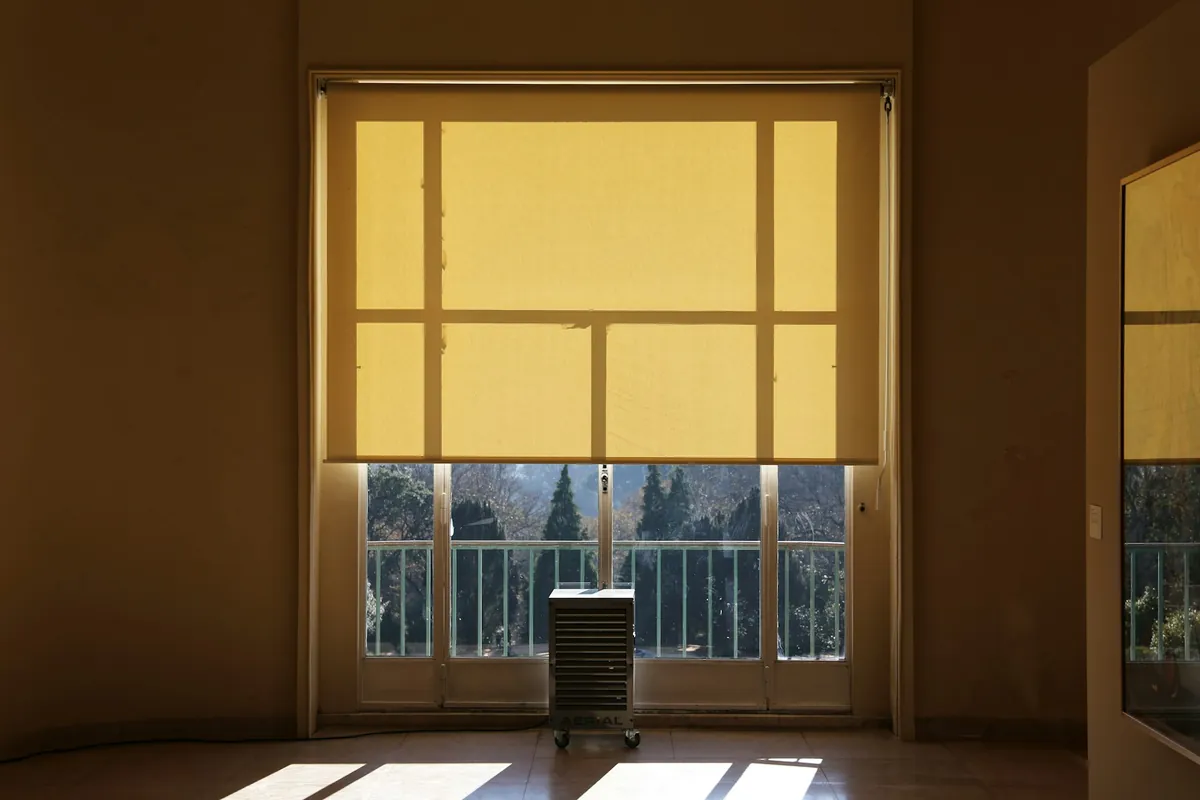
Roller shades for a busy room
A simple roller can sit beside roman shades in a family room or playroom.
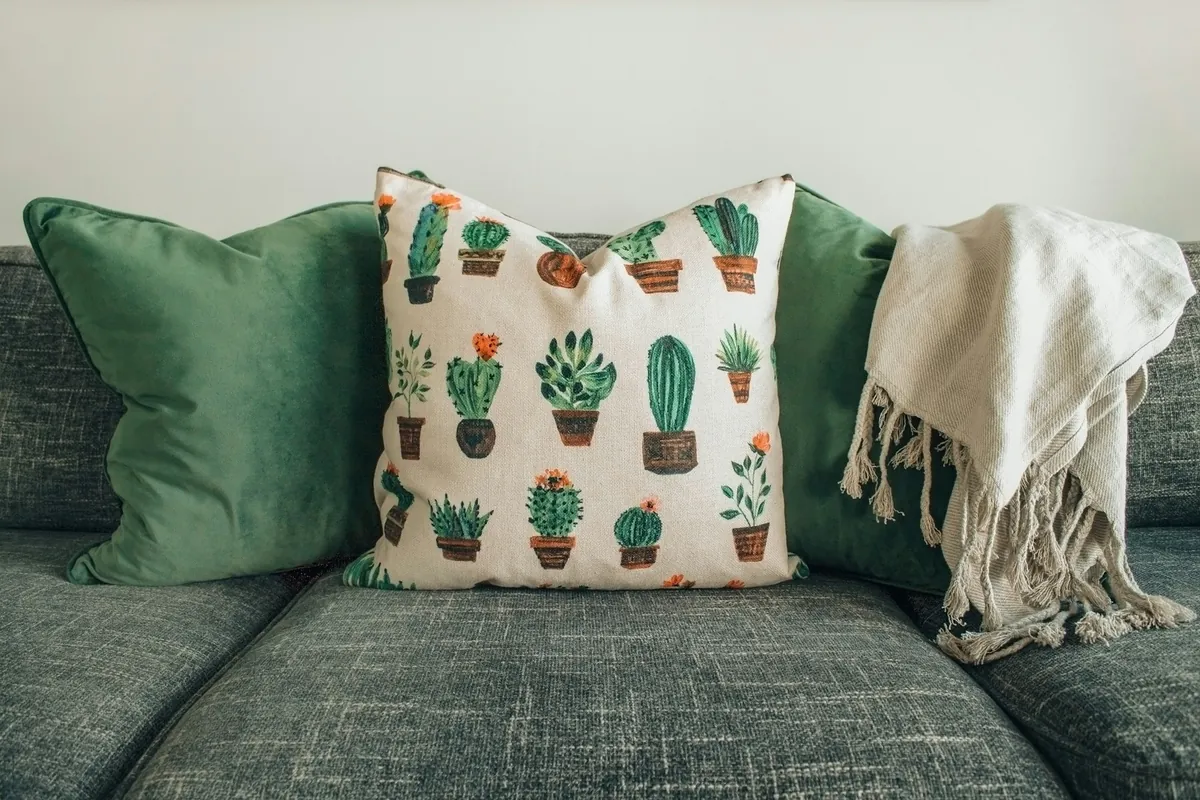
Cushions cut from the same cloth
Pillows in a fabric that ties to the shade make a plain room feel finished.
When the Window Is Standard, the Fabric Decides
With regular frames, the choices that shape roman shades in North Providence, RI move away from the window and onto the cloth. Fabric decides how the shade looks, how much light comes through, how private the room is at night and how the folds hang. Two shades made for identical windows can look and behave completely differently depending on the fabric.
Weight
A light cotton or linen makes a crisp, airy shade that lifts easily and lets soft light glow through. A medium-weight cloth holds its folds well and blocks more of the view. A heavier fabric gives a full, rich look and suits a hobbled fold, but it stacks deeper when raised. On a standard ranch window, a light or medium weight usually works best, because the window is not tall enough to carry a heavy stack without losing too much glass.
Pattern and colour
A plain picture window is a good place for pattern, because the window has little architectural detail of its own. A flat fold shows a print in full; a hobbled fold breaks it into tiers, so it suits solids and textures better. Colour can tie to a sofa, a rug or the walls. In a room where the window is the main feature, a stronger colour or bolder print works; in a room with a busy wallpaper or a lot of furniture, a quieter fabric keeps things calm.
Texture
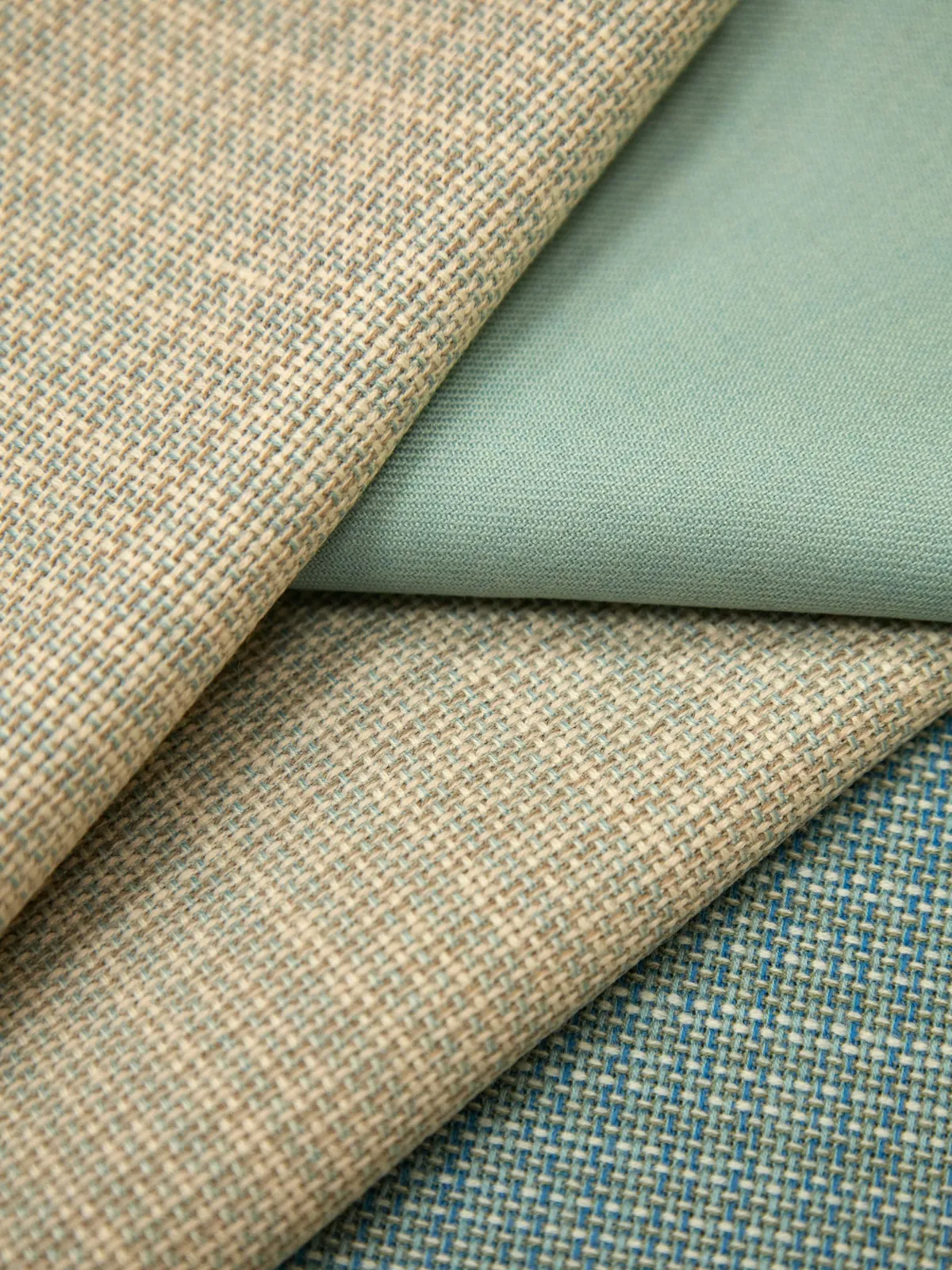
Texture is clearest in a plain colour. A slubbed linen, a woven stripe or a soft boucle-like weave catches the light when the sun is behind it. On a flat fold the texture reads across the whole shade; on a relaxed fold it softens at the curved hem.
Lined or unlined
A lining behind the face fabric changes how the shade works. It adds body, protects the cloth from fading and makes the room darker and more private at night. An unlined shade lets far more daylight through and feels lighter. In most North Providence houses, bedrooms and street-facing living rooms get a lining, while kitchens and back rooms often do without one.
Operation: How a Shade Should Work in Each Room
The other half of the decision is how the shade works. A roman shade is used every day, sometimes several times a day, so how it raises, where the controls sit and how easily you can reach it all matter more than they first seem to.
Reaching the shade
In a ranch living room, the picture window often sits behind a sofa. In a bedroom, the window may be behind a bed or a dresser. We look at what stands in front of each window and set the controls on the side you can reach most easily, so you are not leaning over furniture to lift the shade. Where a window is truly out of reach, we also sell motorised shades run from a remote or a wall switch; see our motorised blinds and shades in North Providence page.
How far it raises
The raised height of a roman shade decides how much of the window stays clear. On a standard window, a flat fold stacks compactly and leaves most of the glass open. A hobbled fold has a fuller stack. Fixing the shade on the wall above the frame lets the stack sit above the glass entirely, which matters on the short, high bedroom windows many ranches have.
Children’s rooms
If a shade is going into a child’s room or a playroom, tell us at the quote. We talk through the lift options for that window and how to keep any controls out of reach, and we suggest fabrics that cope with small hands.
A matched set of controls
When several shades are in one room, the controls should sit in a sensible pattern: the same side on every window, or mirrored on a pair. It is a small detail, but it makes the room easier to use and tidier to look at.
Ranches in Centredale and Fruit Hill
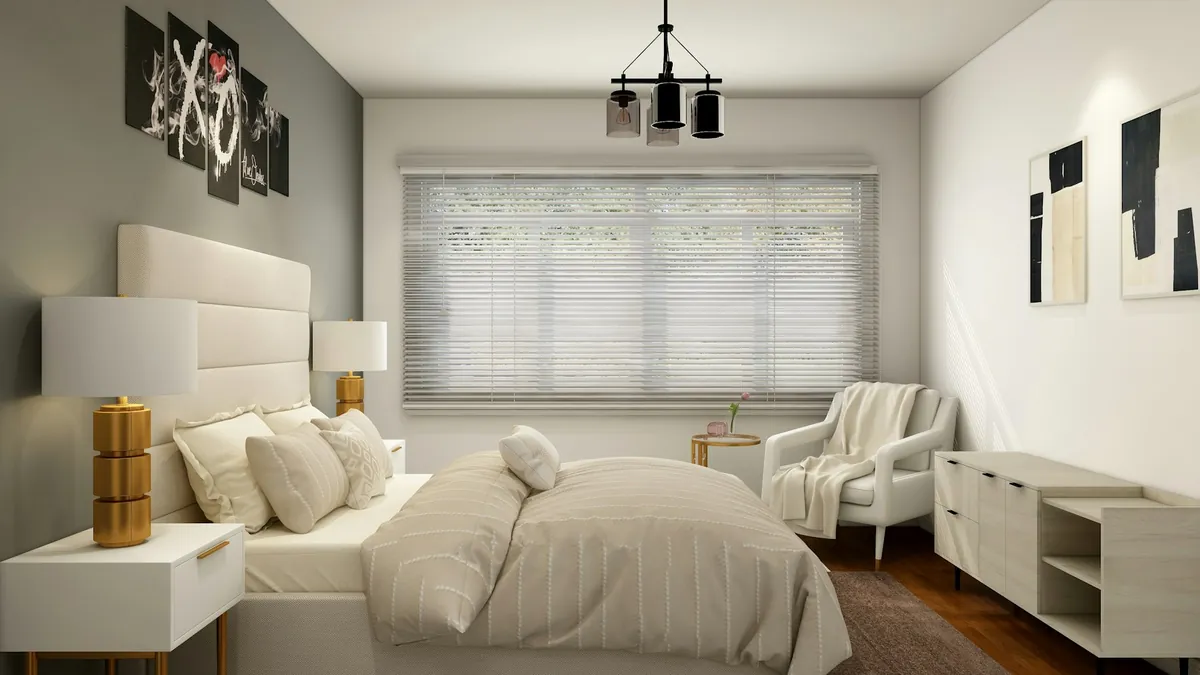
The single-storey ranches are the most common houses in this part of town. Their windows follow a familiar pattern: a broad picture window in the living room, standard double-hung windows in the dining area and kitchen, and smaller windows in the bedrooms, often set higher on the wall.
The picture window
The picture window is the one everyone sees, inside and from the street. If it is made of separate sections, each section can take its own shade, lighter to lift and raised independently. If it is one wide pane, we talk about whether one shade or two suit it better. A flat fold in a fabric with some pattern brings life to a plain ranch living room.
High bedroom windows
Many ranch bedrooms have shorter windows placed high on the wall, above the line of the bed. A shade fixed above the frame stacks clear of the glass, so the small window keeps all its light when the shade is up. A lining makes the room properly dark at night.
Kitchen and dining area
In a ranch, the kitchen and dining area often share one space. Matching shades across both, in one fabric, keep it looking like one room. Over the sink, an unlined flat fold in a light cotton lets the morning light through and stays compact above the counter.
Rooms that face the street
Ranch living rooms sit close to the ground and often only a short lawn from the pavement, so in the evening, with the lamps on, the room is on show. A lined shade lowered at dusk closes it off completely. For daytime, a medium-weight fabric can stay down and still let a soft light in. When choosing roman shades in North Providence, RI for a front room, it helps to think about both times of day and pick a fabric that handles each.
The back of the house
The back of many ranches has a sliding door to a patio or yard, often in the kitchen or family room. A roman shade is not made for a slider, because it lifts rather than draws aside. Vertical blinds in North Providence or drapes handle the door, and their colour can be chosen to sit with the roman shades on the windows nearby.
Capes
The capes of the same era have a symmetrical front, a living room and a bedroom or two downstairs, and dormer bedrooms upstairs under the roof.
Downstairs
The front windows of a cape read as a matched pair from the street, so shades with the same lining colour and raised height keep them even. Inside, a hobbled fold in a warm fabric makes a cape’s front room feel cosy.
Dormer bedrooms
Upstairs, the dormer windows sit in small recesses with the roof sloping close around them. A compact flat fold leaves the most light when raised, and a lining keeps the room darker in the morning. In a dormer, the shade is often the only treatment the window can take, so choosing a fabric you love makes a real difference to the room.
A spare bedroom turned office
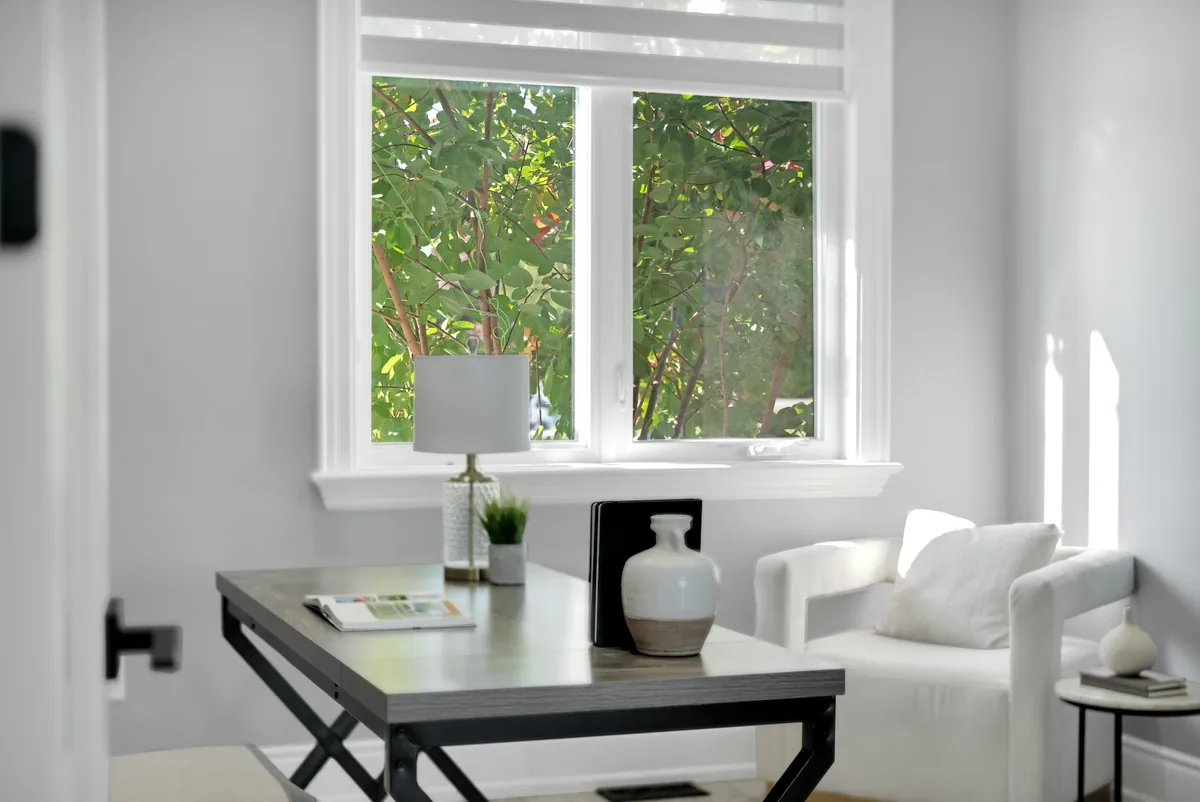
In many of these houses, a small bedroom now does duty as a home office. The window in a room like that usually sits beside or behind the desk, so glare on a screen is the thing to solve. A light-filtering fabric lowered partway shades the top of the window, where the sky is brightest, while the room stays bright enough to work in. A flat fold keeps the stack small, so the window opens up fully at the end of the day. If the room still doubles as a guest room, a lining keeps it dark for visitors at night, and through the working day the shade can simply stay raised or sit partway down. A fabric that suits both uses, plain enough for an office and soft enough for a bedroom, saves choosing twice.
Split-Levels
The split-levels bring the most variety, because their rooms sit at different heights.
The upper level
The living room and bedrooms on the upper level usually have standard windows, often with a picture window at the front. They take the same approach as a ranch: separate shades for separate sections, a lining in the bedrooms.
The lower level
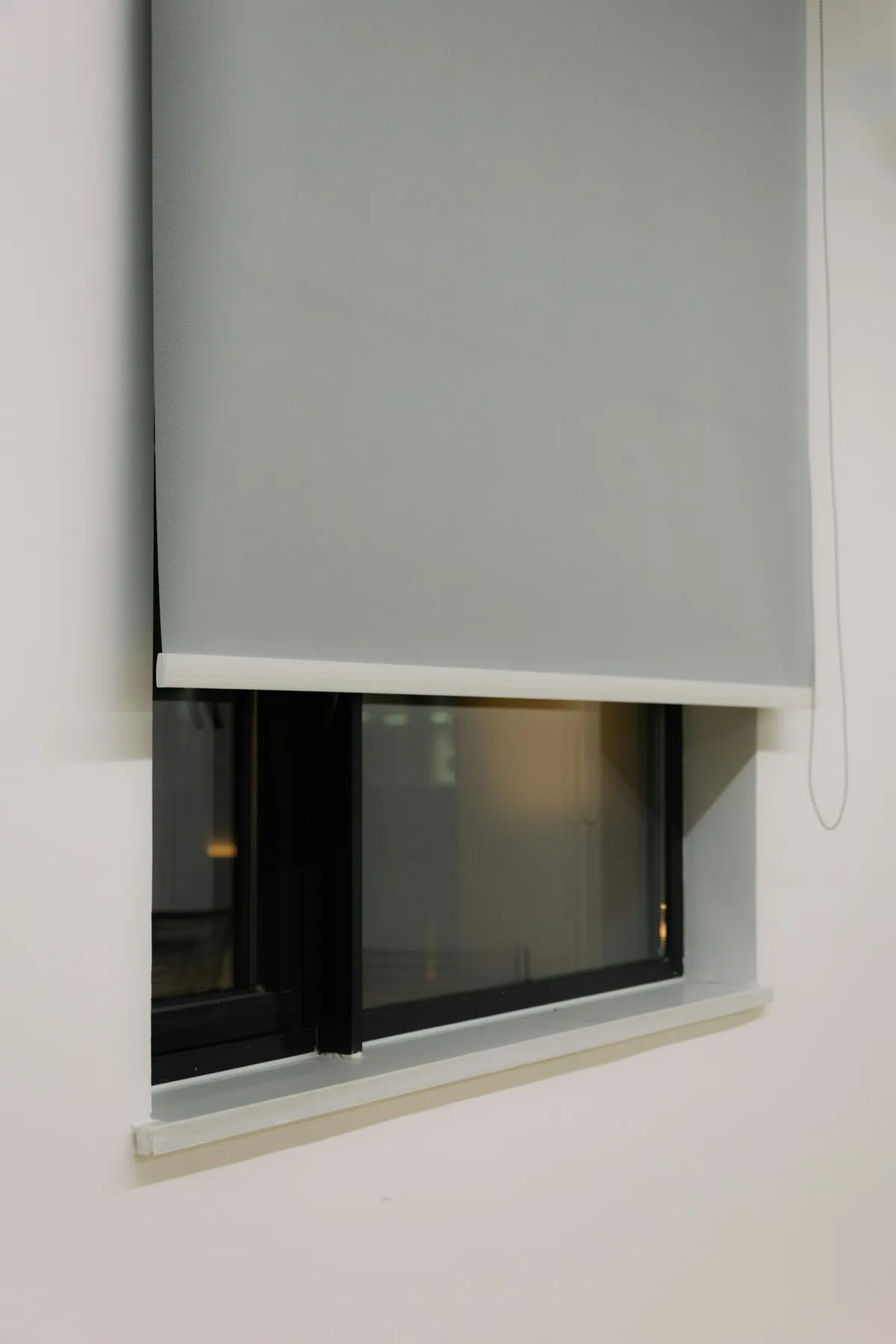
The lower-level family room or den sits partly below ground, with shorter windows set high in the wall, sometimes near the level of the lawn outside. Those rooms are cooler and get less light, so an unlined shade in a light fabric keeps them bright. Fixing the shade above the frame lets it clear the glass when raised, so none of the little daylight the room gets is lost.
The stair
A split-level’s half-flights sometimes pass a window at the landing, seen from two floors. A plain flat fold in a fabric that suits both levels is usually the right choice.
Around Greystone
Toward Greystone the houses are older than the postwar streets, and their frames are less standard. Here we measure every window and check each frame’s depth before deciding whether the shade goes inside the opening or on the trim above it.
Some of these houses have deeper frames, older sash or windows that were replaced at different times, so two windows in one room may not match. Where that happens, we plan the shades so their raised heights line up even if the openings differ, and the room still looks even.
A Fold for Each Room
- Living rooms: a flat fold in a patterned or textured fabric, lined if the room faces the street.
- Dens and lower-level family rooms: an unlined flat or relaxed fold in a light cloth, fixed above the frame.
- Bedrooms: a lined shade, fixed above high windows so it stacks clear of the glass.
- Kitchens: an unlined flat fold in cotton or linen over the sink.
- Cape front rooms: a hobbled fold in a warm fabric for a cosy look.
Planning roman shades in North Providence, RI room by room like this usually means more than one fold in the house, tied together by fabrics that share a colour.
From First Call to Finished Shades
You hear from us at every stage.
- Use the call button or the form to tell us which rooms you want to cover and how you use them.
- A specialist visits to measure each window and looks at what stands in front of it, so the controls can go on the right side.
- You pick the fabric, fold and lining at the Swansea showroom, where you can see each cloth in daylight.
- You receive a quote, window by window.
- Your shades are made to the measurements, and our team installs them and shows you how each one works.
Care
Run a soft brush or the upholstery tool of a vacuum over the shade every so often. Dab, rather than rub, any mark, testing first on a hidden spot. Machine washing tends to shrink fabric and pull the folds out of line, so leave a deep clean to a professional.
Other treatments
Our North Providence window treatments page shows everything we make for the town, and the roman shades page explains each fold and fabric.
Who You Will Be Dealing With
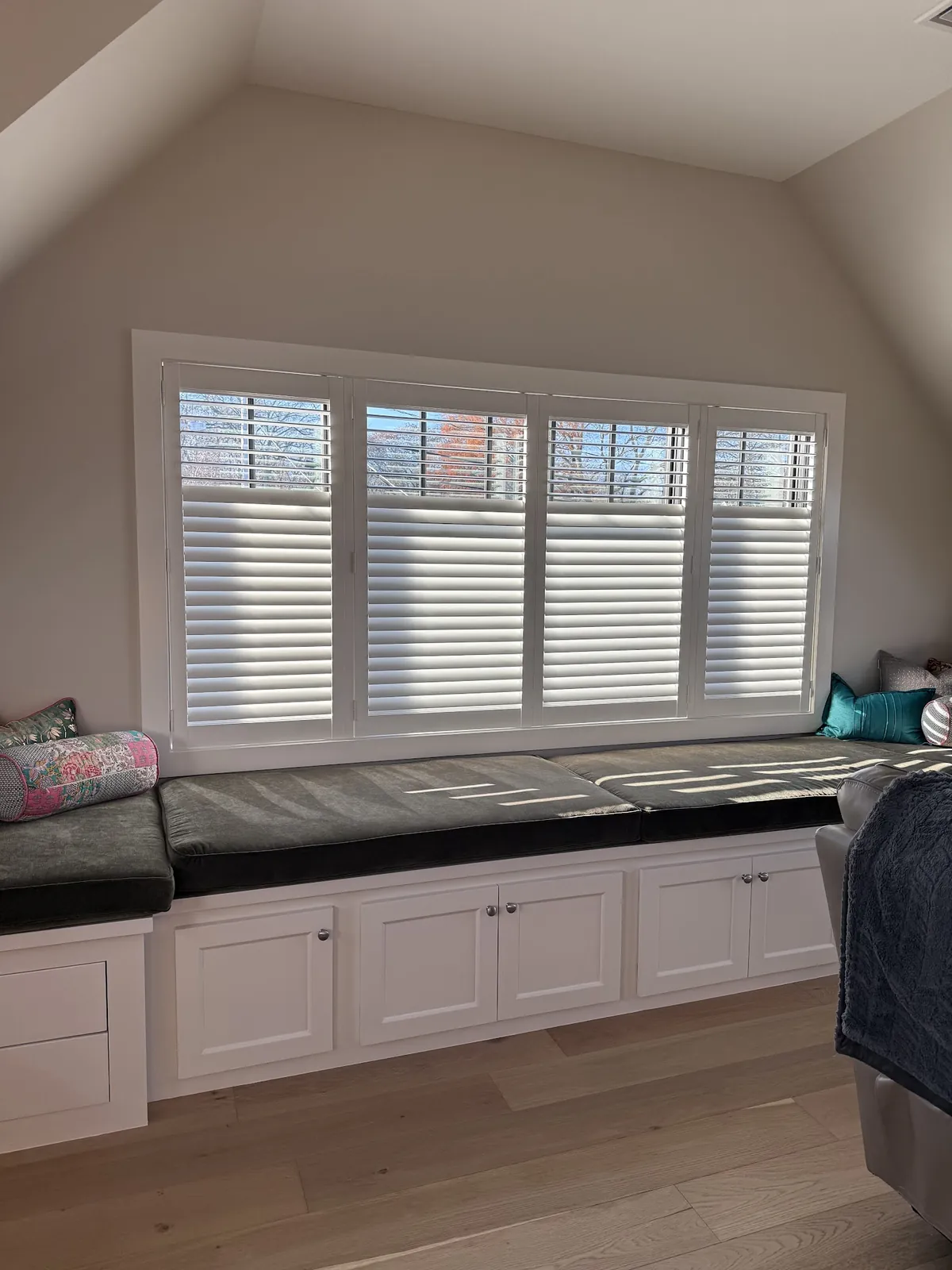
Window Works is a family store in Swansea, open since 1988 and now run by its second generation. Fabric has always been at the centre of the business, which is why roman shades are such a natural part of what we make. For over 37 years we have measured and installed window treatments in homes across the SouthCoast and the Rhode Island East Bay. One experienced team handles your job from measuring to installation, warranties are offered, and we keep in contact until the work is finished.
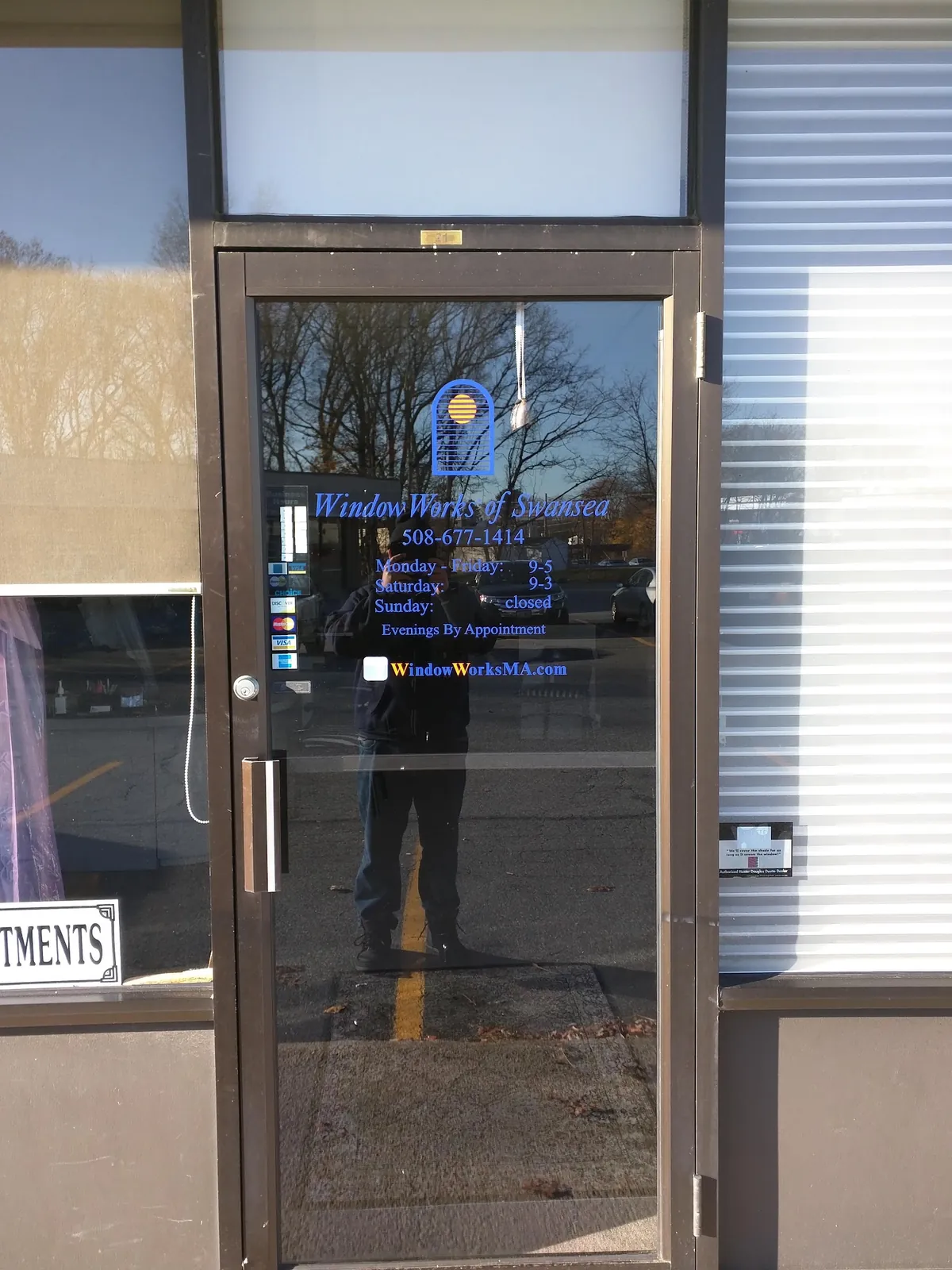
Pick the Fabric in Person
With standard windows, the fabric is the decision, so it is worth seeing the choices properly. In the showroom you can feel the weights, compare folds and see a lining behind a cloth. Bring a cushion or a paint chip and we will help you find a match. The Norman range is on display as well.
Questions from North Providence
My windows are standard sizes. Do I still need them measured?
Yes. Standard sizes vary a little from window to window, and we also note what stands in front of each one, so the controls go on the right side.
Which fabric weight suits a ranch window?
A light or medium weight usually works best, because it stacks compactly and leaves most of the glass clear when raised.
What works on a split-level’s lower-level windows?
An unlined shade in a light fabric, fixed above the frame so it clears the glass, keeps those darker rooms as bright as possible.
Can a shade behind the sofa be easy to use?
Yes. We set the controls on the side you can reach, and for windows truly out of reach we also sell motorised shades.
Do you make shades for a child’s room?
Yes. Tell us at the quote and we will go over the lift options and fabrics that suit a child’s room.
Next Steps
Book a free quote for roman shades in North Providence, RI with the call button, and ask us to arrange measuring in your home or explain how installation works. The form on this page reaches us too. If you would like to begin with the fabrics, the contact page shows how to find the Swansea showroom. Window Works holds a 5.0 rating on Google.