
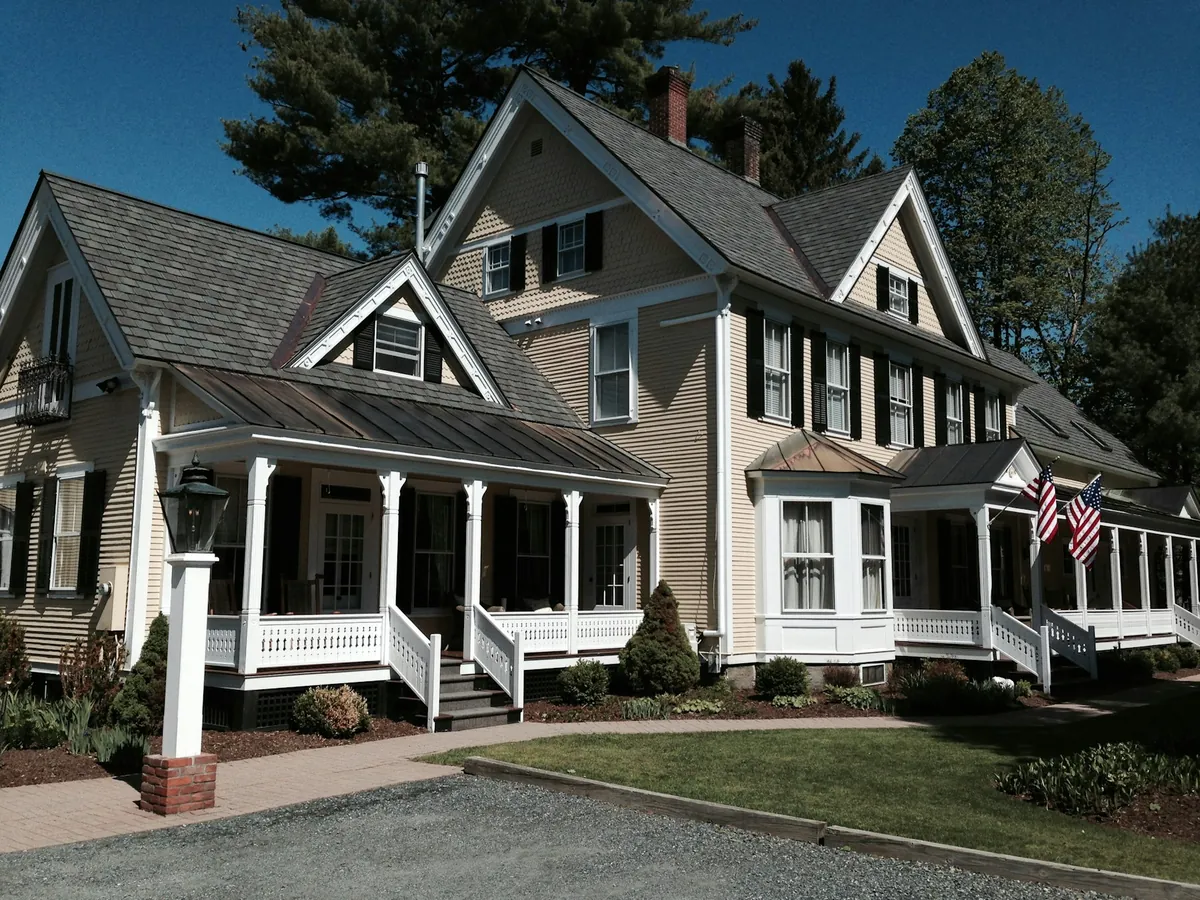
Glass Facing the Sakonnet
Along the Sakonnet River and around Nanaquaket, the rooms that face the water are glazed heavily and take everything the weather sends: strong sun, wind and salt. Tiverton sits on the east bank of the river, so those rooms look west, and the afternoon and evening sun comes straight across the water at them. That makes fabric the first decision for vertical blinds in Tiverton, RI, ahead of colour and even ahead of the choice between vanes and panels.
Inland, the farmhouses and shingled capes around Four Corners are a different kind of house, with smaller original windows and, in many cases, a slider added at the back in a later kitchen or family room. Those sliders are vertical blind openings too, just gentler ones.
- Verticals and panel tracks for sliders and water-facing glass
- Fabrics chosen for the sun and salt each room actually gets
- A specialist to measure in your home, our team to install
Options for Tiverton Sliders and Glass
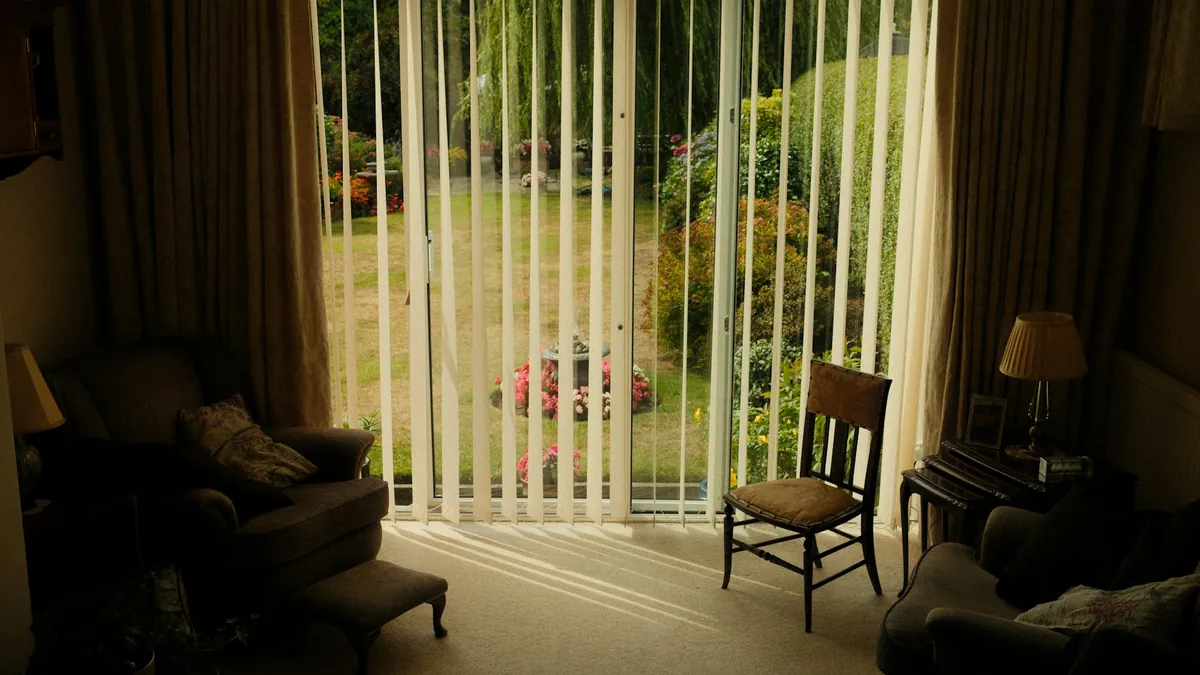
Vertical vanes
Vanes turn to angle the evening sun off the river away from the room, and draw clear when you want the deck or the view.
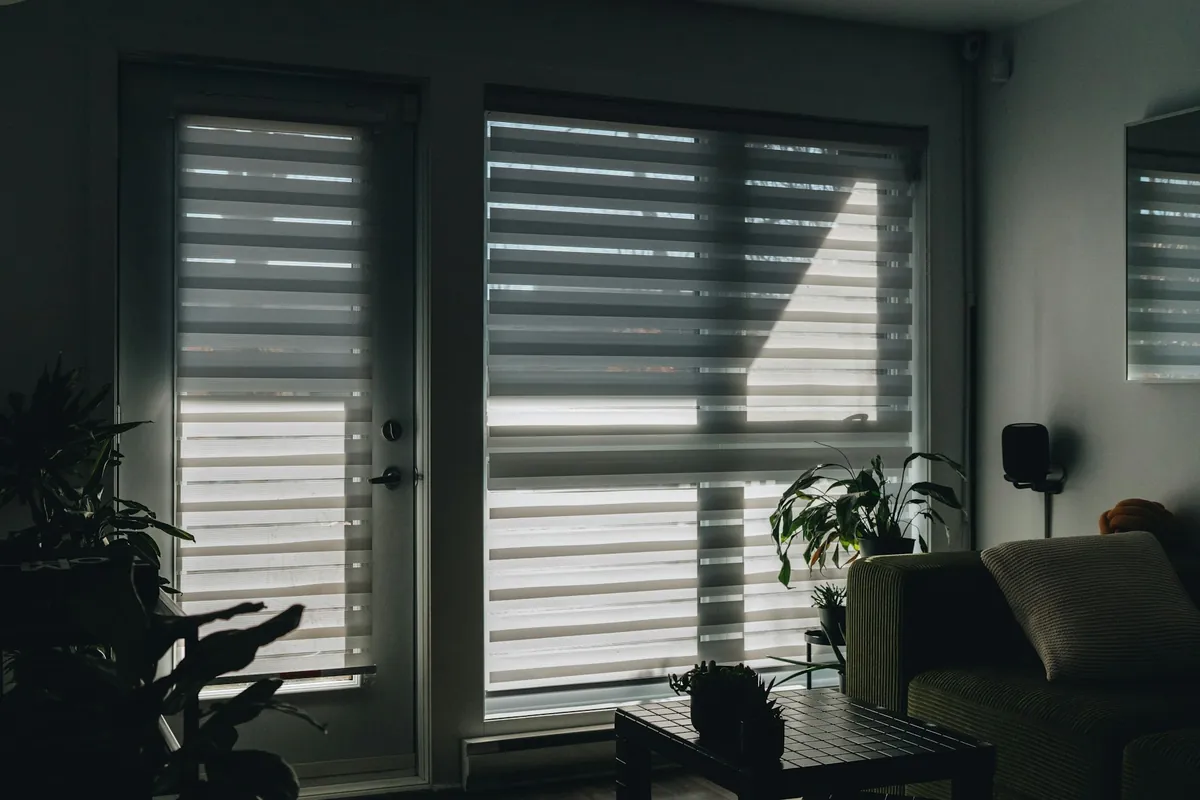
Panel tracks
Wide panels slide across west-facing glass and tuck into a corner, leaving the window wall open when they are not needed.
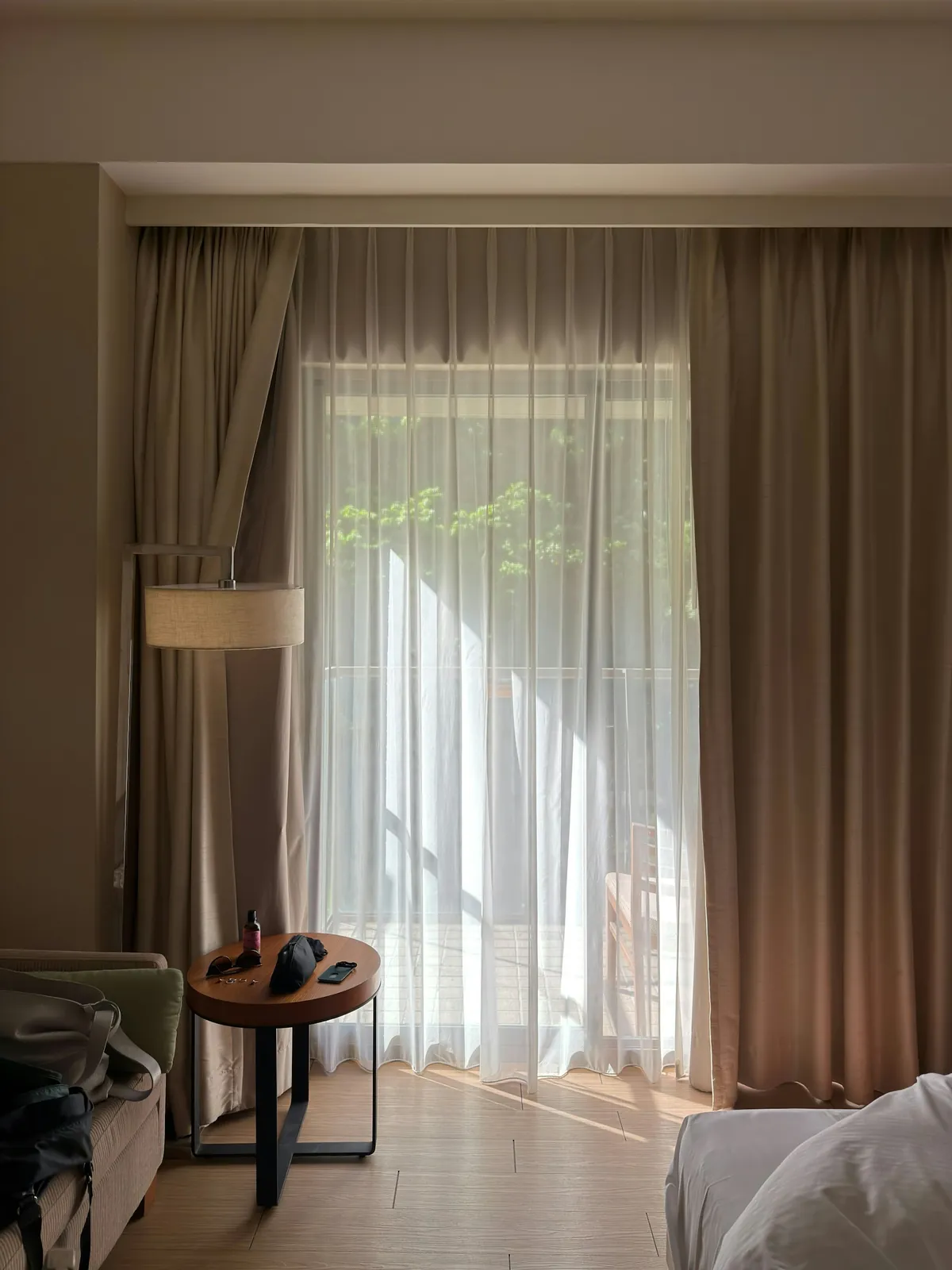
Sheers and side drapes
A sheer layer filters harsh light softly, and heavier side panels frame the glass. We make drapery as well as blinds.
Choosing Fabric for Vertical Blinds in Tiverton, RI
Picking vertical blinds in Tiverton, RI for a water-facing room is mostly about the fabric. A vane or panel that would last happily in a north-facing kitchen inland can look tired after a few summers facing the Sakonnet in the afternoon. Thinking through four things, in order, usually leads to the right choice: how much sun the glass gets, how much salt air comes in, how much of the view you want to keep, and how private the room needs to be.
First question: how much sun?
A room facing west across the river gets the sun from early afternoon until it sets over the water. That light is strong, it comes in low toward evening, and the river reflects it back into the room. Over time, strong sun fades almost any fabric, and it heats a heavily glazed room quickly.
For the sunniest rooms, a denser vane or panel holds back more of the heat and glare when it is closed or turned. A pale colour shows fading far less than a deep one, since there is less colour to lose. In a room that only gets sun for part of the day, a lighter, more open weave keeps the room bright and lets more of the view through when the vanes are turned. We look at which way the glass faces, and at what is outside it, before suggesting a weight.
Second question: how much salt?
Rooms on the Nanaquaket shore or right on the Sakonnet have salt air drifting in every time a slider is open. It settles on vanes and panels as a fine film. Smooth vanes are the most practical here, because a damp cloth takes the film off. Fabric vanes have a softer look but hold more of what drifts in. A panel track in a plain, tight weave sits between the two: easier to keep than a loose, textured fabric, softer-looking than a smooth vane.
The further a room is from the water, and the less often its slider is opened, the more freedom there is to choose a fabric for looks alone.
Third question: how much view?
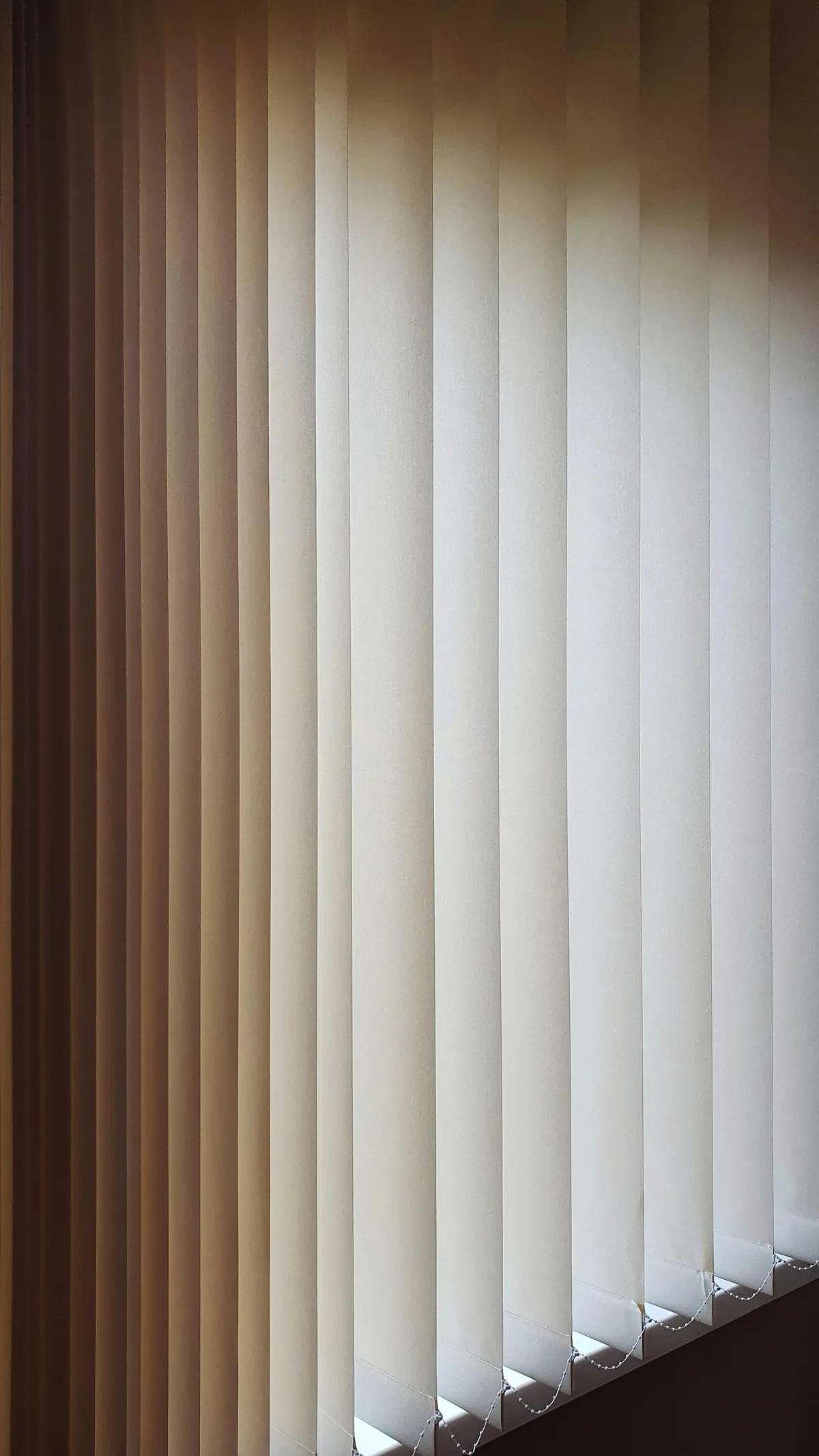
Nobody glazes a river room heavily in order to look at fabric. Whatever goes over that glass should get out of the way the moment it is not working. A set of vanes, rotated so each one points straight out at the river, leaves narrow slots of view all the way across even while the blind is closed. Pulled to the side, the vanes fold together into a slim bundle, and if the track runs a little past the frame, that bundle sits against the wall instead of over the glass.
A whole wall of glass is often better suited to panels. Each panel slides behind its neighbour, the whole set gathers in one corner, and the window is left open from end to end. With a long run, parting the panels or vanes in the middle keeps the best part of the view, usually the centre, clear at all times.
Fourth question: how private?
Many waterfront houses are not overlooked from the land side at all, and privacy on the water side is about boats and the far shore. During the day that rarely matters. At night, with the room lit, the glass becomes a lit window seen from the water, and a reflection from inside. A blind that closes fully is useful even in a room where privacy is otherwise not a concern. Vanes turned shut overlap. A room-darkening panel drawn across gives a solid face.
Nanaquaket houses and the calmer water
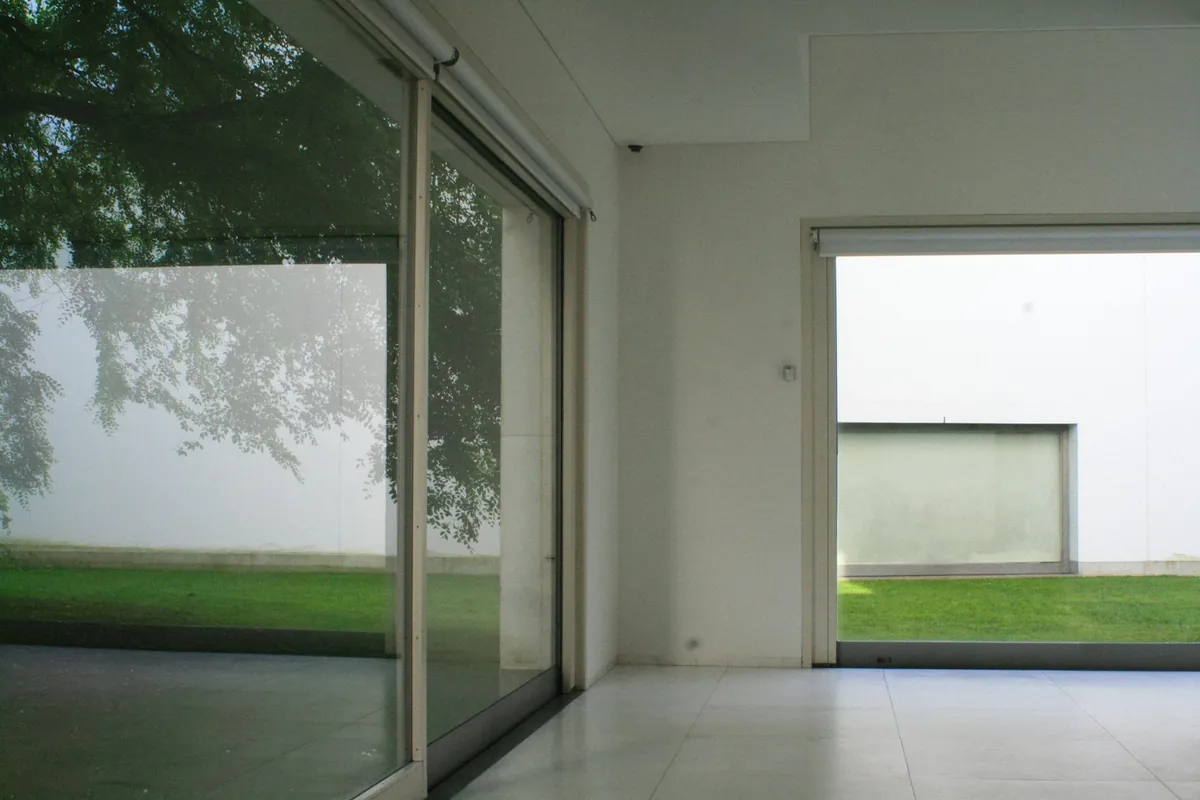
The houses around Nanaquaket face a sheltered salt pond rather than the open river, and the water there is calmer. The light off it is softer than off the Sakonnet, but it still reflects into the room, and the salt is still there. Many of these houses have sliders onto decks right by the water and long runs of glass across the living room.
For those rooms, a light-filtering vane in a pale colour is often the right balance: it eases the brightness without shutting the pond out, and it does not show salt or fading easily. A sheer panel on a panel track is another good option where you want the room to feel open even with the covering drawn.
Sakonnet River houses and the full exposure
Right on the Sakonnet, the exposure is greater. Wind comes across the river, the afternoon sun is strong and low, and the glass on the water side may run the full height of the room. Here the fabric choice leans toward durability: smooth vanes that wipe clean, or a tightly woven panel fabric with enough body to block the evening glare.
Wind matters too. With a slider standing open in a westerly, lightweight vanes flutter and clack. Broad panels have more weight to them and barely stir, and once pulled to the side they are clear of the doorway. If the doors stay open most of the summer, mention it on the measuring visit, because it may tip the choice toward panels.
Sunset over the river
Because the town faces west across the Sakonnet, the sun sets over the water, and the brightest, lowest light of the day arrives just as the kitchen and the living room are busiest. That is the moment the covering earns its keep. Vertical blinds in Tiverton, RI living rooms can be turned a few degrees at a time as the sun sinks, cutting the glare on the table or the screen while the colour of the sky still shows between the vanes. Once the sun is down, open them again and enjoy the last of the light. A panel track works more simply: draw one panel across the brightest section and leave the rest of the glass open.
From Your Call to Installation
You will hear from us at every stage until the work is done. A Tiverton order usually follows these steps.
- Book your free quote through the call button or the form, and tell us which rooms face the water.
- One of our specialists visits to measure each slider or window wall in your home, noting the space beside it and the ceiling or wall above.
- We look together at which way the glass faces and how exposed it is, and suggest a fabric weight and finish.
- You compare vane and panel fabrics at the Swansea showroom, a short drive north.
- Your quote comes in writing, opening by opening.
- Production starts once you approve the quote, using the sizes we took at the house.
- On installation day our team hangs everything, works each blind across its door, and leaves you with a few tips for a salt-air room.
Four Corners farmhouses and capes
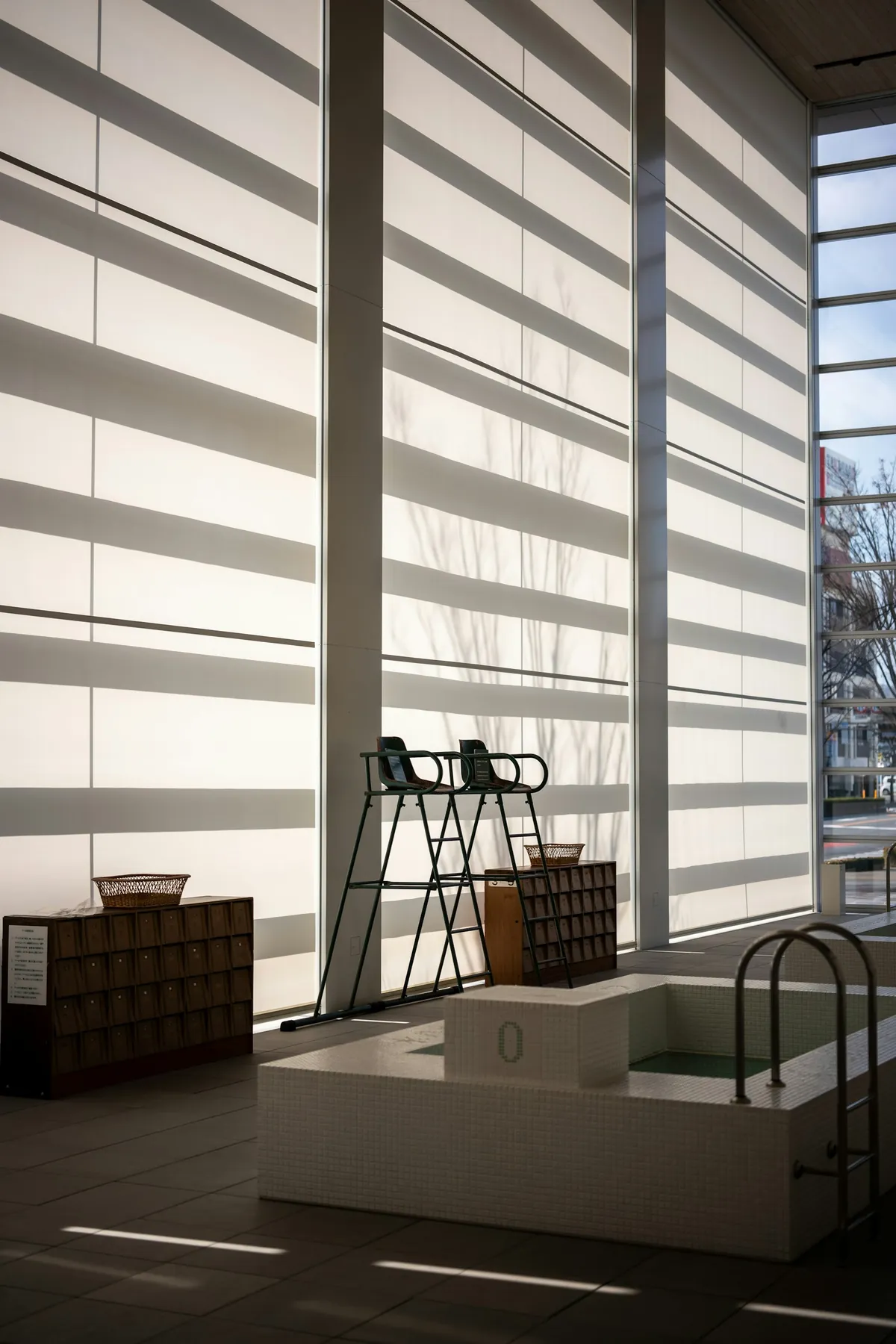
The farmhouses and shingled capes around Four Corners were built with modest double-hung windows, and for those, shades, horizontal blinds or shutters are the natural fit. The vertical blinds belong where a house has gained a slider: a kitchen at the back opened to a deck or patio, or a family room added onto an old ell.
Inland houses do not face the same salt and sun as the shore, so there is more freedom in the fabric. A textured fabric vane in a warm, natural colour suits an older house well, with a look closer to drapery than to an office blind. Matching the colour to the shades or blinds on the original windows keeps the old and new parts of the house looking like one.
Old windows beside new glass
Many shingled houses have had rooms added with far more glass than the original building, and sometimes old sash and a new slider sit in the same room. The slider takes vertical blinds or a panel track, and the old sash takes shades or blinds, both in one colour so the room looks planned. If the room has drapes, the same drape fabric used beside the slider ties the two ends of the room together.
Picking a colour beside the river
The Sakonnet changes the way a colour reads. In bright reflected light, a white turns almost luminous, a cool grey picks up blue from the water and a beige can look flat by midday. The tones that tend to hold up are the quiet ones: oyster, shell, pale stone, the grey of weathered cedar. They let the river stay the main event. Strong or dark colours look striking against a sunset but give away fading and salt film sooner, so they belong in rooms that see less direct sun.
The quickest way to decide is to see the samples in daylight. If you can, take a picture from inside the room looking out, and bring it with you to the showroom.
Covered porches on the water side
Some shore houses have a deep covered porch between the living room and the river. The porch roof shades the slider at midday and softens the light for much of the year, but the low evening sun still gets underneath it. In those rooms, a lighter vane or panel is often enough, because the porch does part of the work. It is one of the reasons we look outside the glass, not just at it, when we measure.
Bedrooms upstairs with a river view
Upper-floor bedrooms on the water often have a slider onto a small balcony, or wide glass looking across the river. Mornings there are gentle, since the sun rises behind the house, but evenings are bright, and some people want the room dark early. A room-darkening panel on a panel track, or a denser vane that closes tightly, gives that, and opens up fully during the day so the view comes back.
Heat in a heavily glazed room
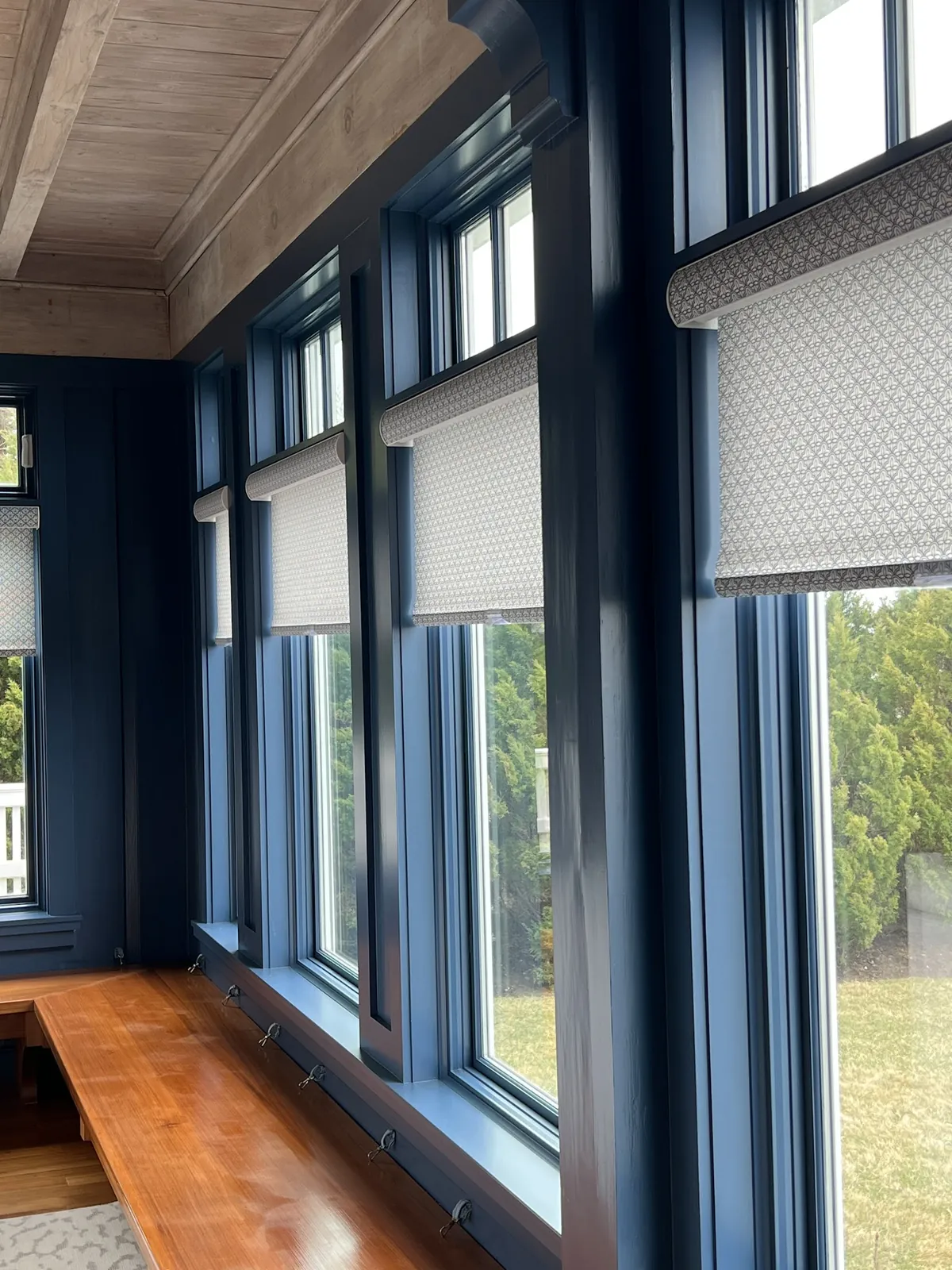
A room with a lot of west-facing glass can become hot on a summer afternoon. Turning the vanes against the sun, or drawing a panel across, helps keep the heat down while the sun is on the glass. A vertical blind is not insulation, though, and on cold winter evenings a lined drape or a heavier lined panel will do more to keep warmth in. We will tell you plainly what each choice can and cannot do.
Looking after blinds in a salt-air room
A little care goes a long way by the river. Pull the vanes right back before sliding the door, so none get caught. Every so often, run a damp cloth over smooth vanes to lift the salt, and give the headrail a wipe at the same time so the carriers keep gliding. If a blind already hanging in the house starts losing vanes or will not tilt, call before replacing it: our team restrings blinds, fits new wands and sorts out headrails on treatments customers already own.
Covering the rest of the house
A river house usually has more than one kind of window: the big glass on the water side, ordinary sash on the road side, perhaps a small bathroom window or a stair window that catches the morning. The water side gets the hardest-wearing fabrics; the land side can be chosen more for looks. Keeping one colour family across both sides means the house reads as one from the river and from the road. Most Tiverton orders cover more than the slider. Bedroom windows, a bay, the small windows in an old cape: all can be measured on the same visit. You can see everything we make for the town on our window treatments for Tiverton page, read about shore houses on our coastal window treatments page, and see the full range for sliders on the main vertical blinds page.
Window Works, from Swansea Since 1988
Window Works is a family store in Swansea, Massachusetts, founded in 1988 and run today by the second generation. For over 37 years we have worked across the SouthCoast of Massachusetts and the Rhode Island East Bay, and Tiverton, just over the state line, has always been part of that.
- An experienced team of window treatment specialists
- Measuring in your home, with sun and salt taken into account
- Our own installers
- In touch with you until the job is done
- Warranties offered on what we sell
At the Swansea showroom you can see vertical blinds for Tiverton, RI rooms beside panel tracks and handle the fabrics in daylight. The drive from Tiverton is short, and the team can set the smooth and fabric vanes side by side so you can compare them for yourself.
Questions from Tiverton
Which vanes cope with a room facing the Sakonnet?
Smooth vanes are the most practical, since they wipe clean of salt film. In a pale colour they also show sun fading less than a deep one.
Will vertical blinds block my view of the water?
No. With the vanes rotated to point outward you still see the river between them, and pulled aside they gather against the wall. Panels can be slid fully into a corner.
My living room faces west over the river. What helps with the evening sun?
Vanes turned against it, or a denser panel drawn across while the sun is low. Both keep the glare and heat down without closing the room off all day.
Do vertical blinds suit an old Four Corners farmhouse?
On a slider in a later addition, yes, in a warm colour and a textured fabric. The original windows usually suit shades or blinds instead.
What does a quote cost?
No. Quotes are free. Use the call button or the form to book one.
Your Next Step
The simplest way forward is a free quote. Press the call button to talk with the Swansea store about your water-facing rooms, and book measuring at the house or ask about installation while you are on the line. The form reaches the same team. To handle the fabrics before deciding, drive up to the showroom; the contact page will point the way. Window Works has a 5.0 rating on Google.