
One House, Two Kinds of Light
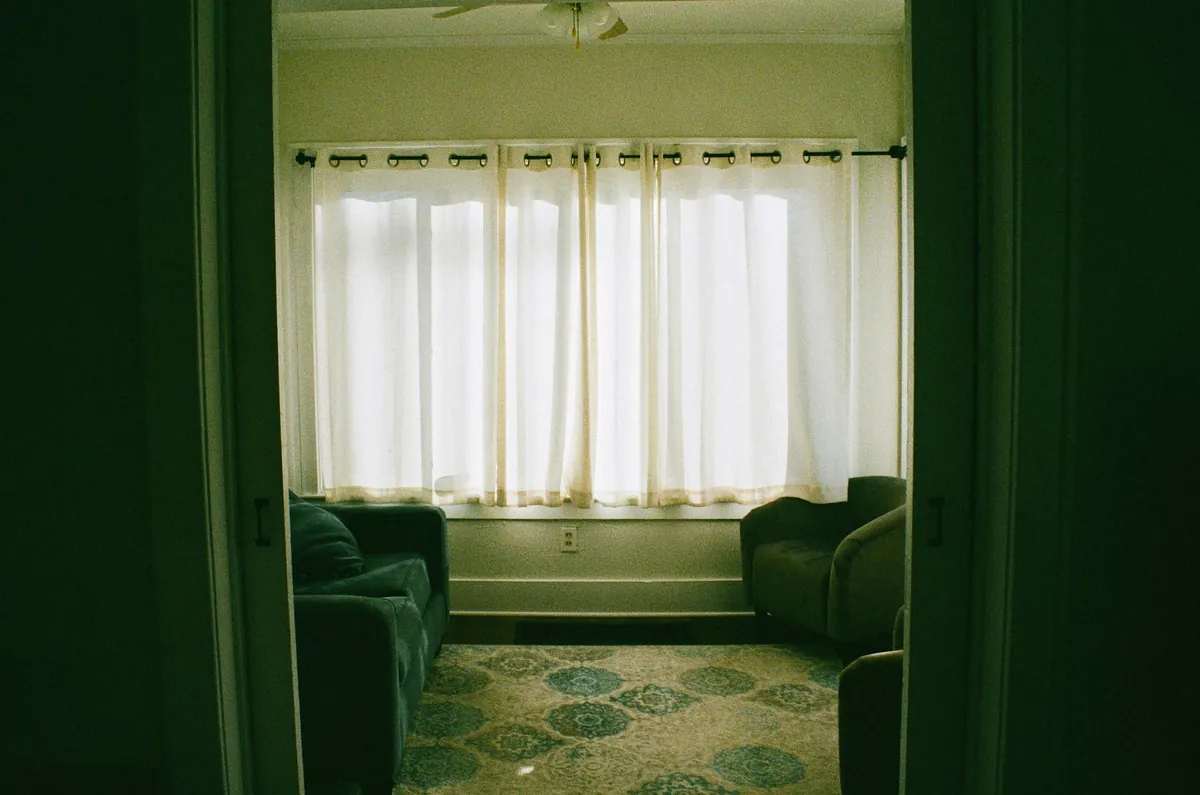
Portsmouth sits on an island with water on both sides, and many houses here turn one face toward the bay and keep the other in shade. The bright side gets open sky and sun reflected off the water. The shaded side looks inland, often toward trees or the house next door, and stays cool and dim. A drape that is right for one side is frequently wrong for the other, which is why custom drapes in Portsmouth, RI are planned side by side, room by room.
Drapery is the specialty at Window Works. We make every order from the fabric up, choosing the cloth first and then working out the lining, heading, rod and length for each window. The small cottages of Island Park and Common Fence Point, the newer colonials off East Main Road and the larger homes toward Carnegie Abbey each give that process a different starting point.
- Curtains and drapes made from the fabric you choose
- Each window measured at your house, bright side and shaded side
- Hung and dressed by our own installers
What We Make for Portsmouth Homes
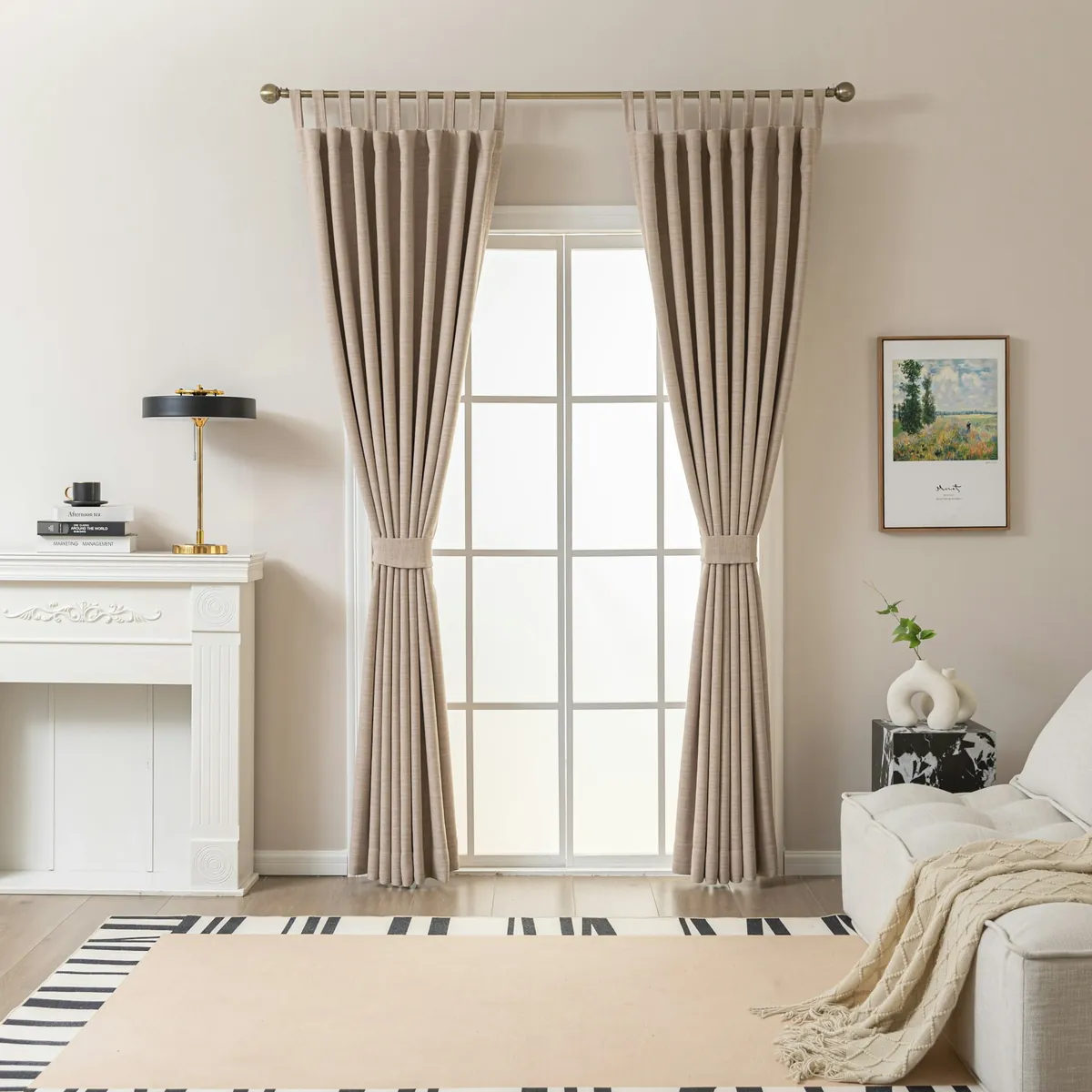
Tailored pleated drapes
Crisp, even folds for a colonial living room or a formal room in one of the larger bay-side homes.
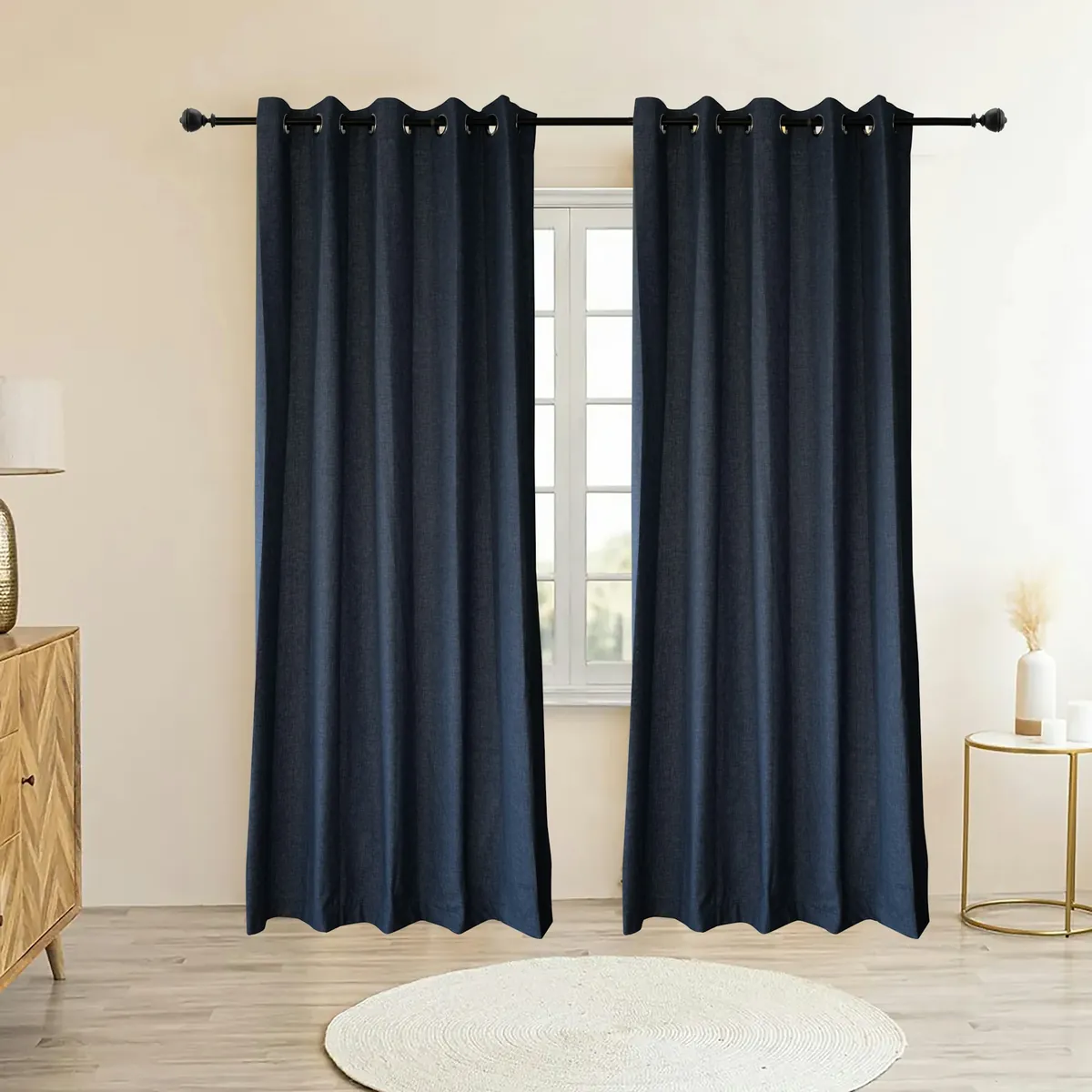
Simple ring-top panels
Easy to slide and easy to live with. A sensible choice for a cottage where the curtains move every day.
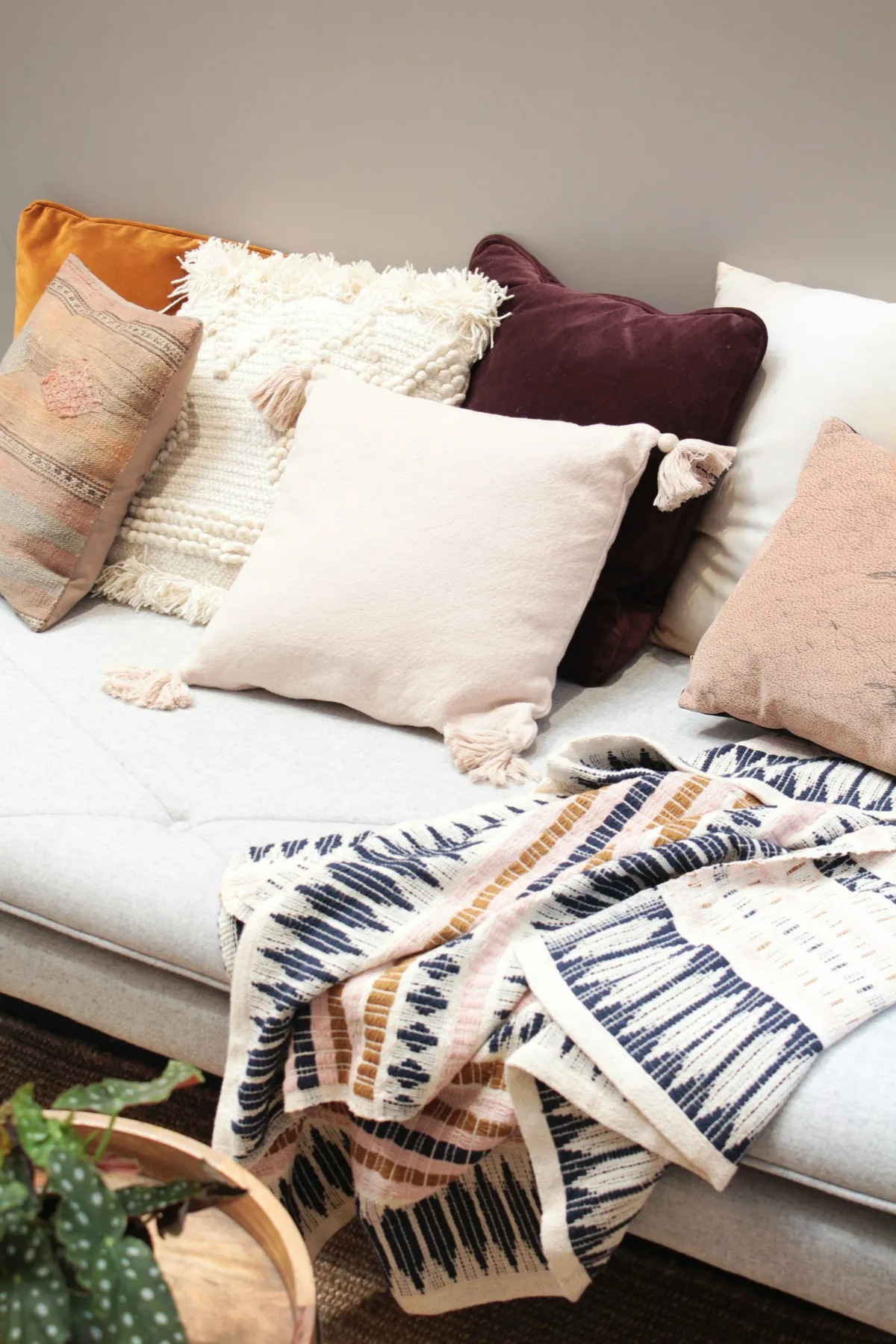
Cushions in the same cloth
Pillows and duvet covers that pick up the curtain fabric, made through our fabric decor service.
Planning for the Bright Side and the Shaded Side
Most Portsmouth houses we visit have a clear split. Rooms facing the bay are flooded with light and need protecting from it. Rooms facing inland need every bit of daylight they can get. Rather than choosing one drape for the whole house, we treat the two sides as two briefs that share a look.
On the bright side
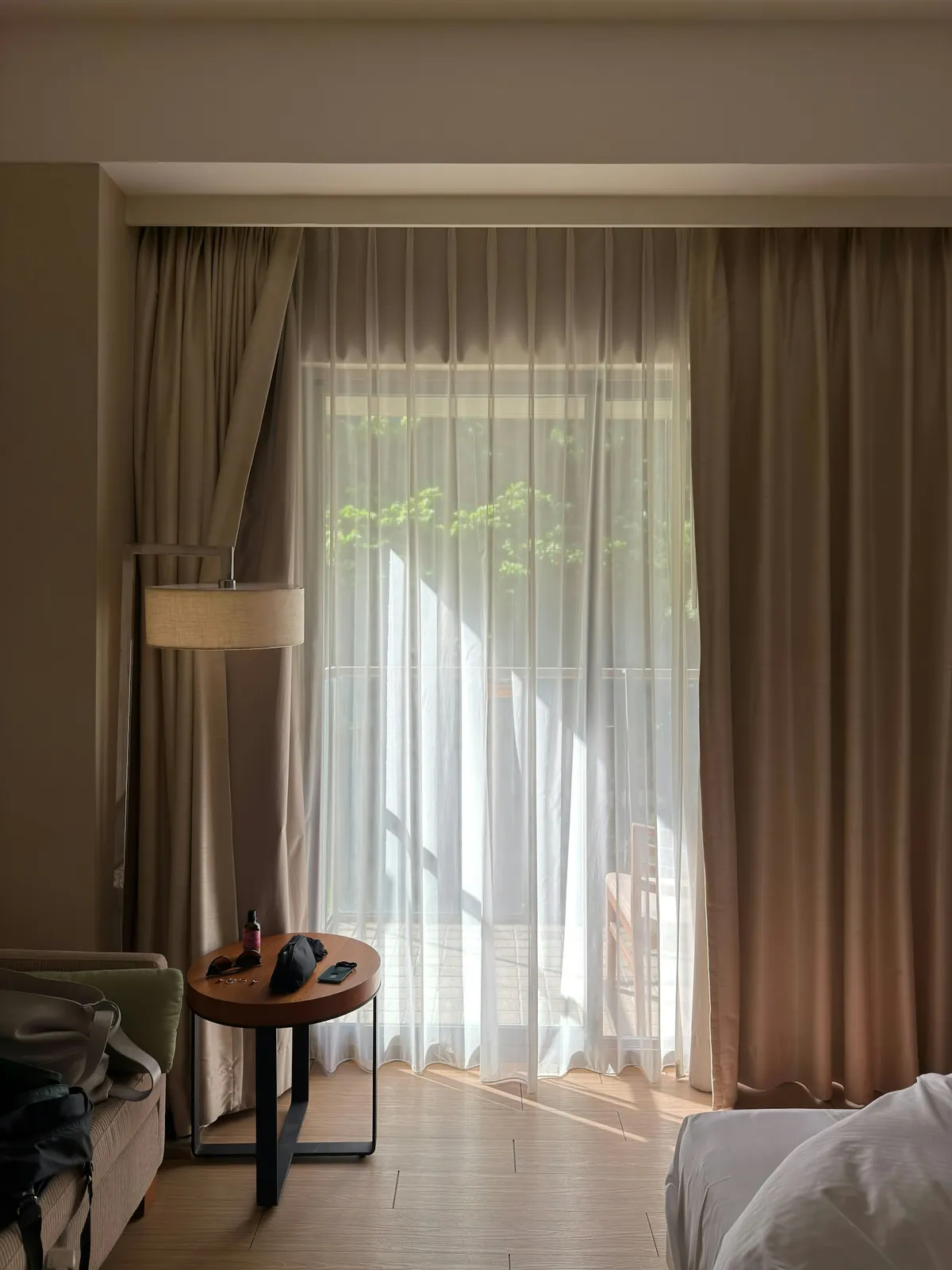
The windows that face the water take strong sun and extra glare off the surface. A sheer drawn across during the brightest hours softens the light without hiding the view. A lined drape protects the face fabric from fading and, drawn across on a hot afternoon, keeps the room cooler. Paler, natural colours hold their look longest here.
On the shaded side
Inland-facing rooms often feel darker than they should. Here the drapes should give light rather than take it away. An unlined or lightly lined panel in a pale fabric lets light glow through, and a rod that runs well past the frame lets the open fabric clear the glass completely. Heavy, dark drapes on this side can make a room feel gloomy even at midday.
Keeping the house consistent
The trick is to make both sides feel like the same house. Using the same face fabric, or fabrics from the same family of colours, on both sides, and changing only the lining, gives you protection where you need it and light where you need it, while the house still reads as one from inside and out.
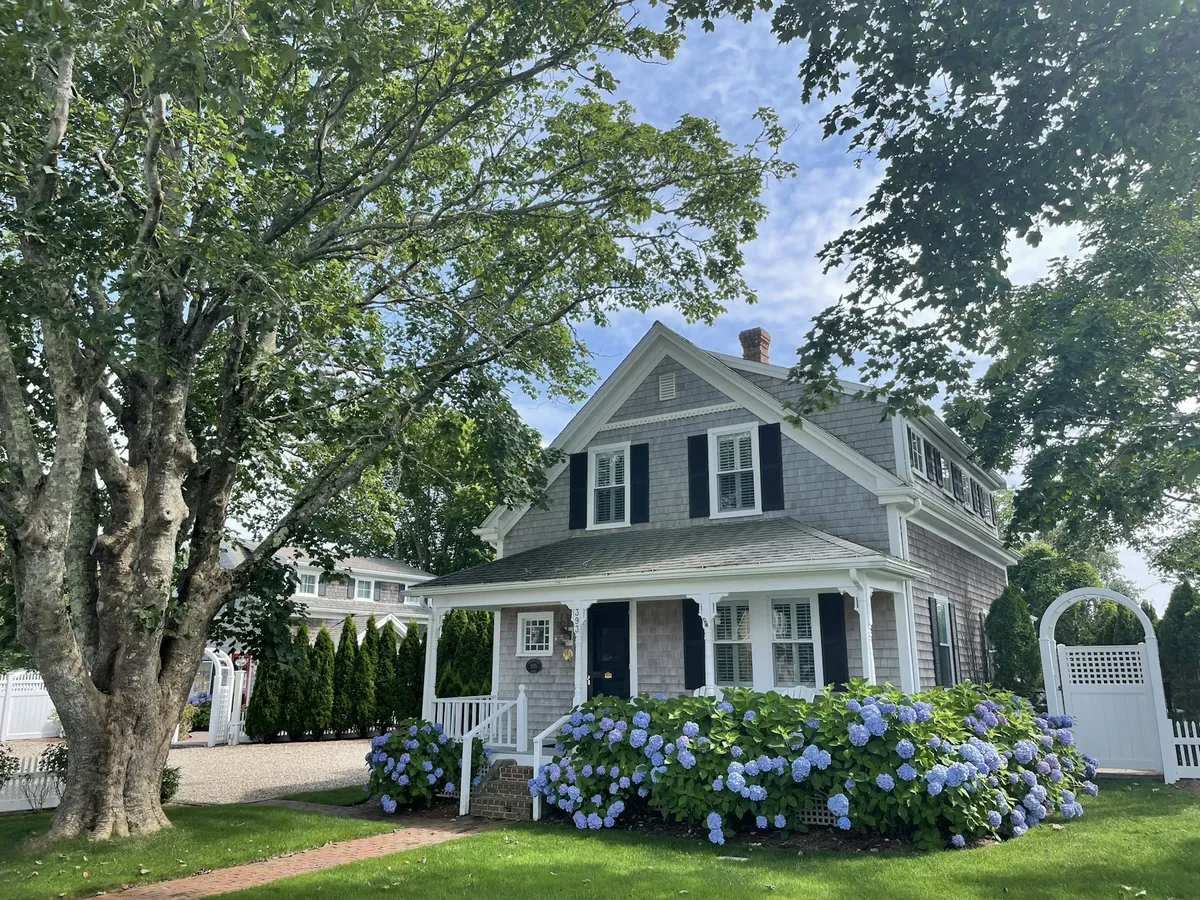
Island Park and Common Fence Point Cottages
The cottages at Island Park and Common Fence Point are compact, often with small rooms, low ceilings and windows set close together. Many sit near the water, and some have been added onto over the years, so window sizes vary from room to room.
Small rooms, light fabric
In a small room, heavy drapery can feel overpowering. Lighter fabrics such as linens, cottons and voiles keep the space airy and still give privacy when drawn. A soft colour close to the wall makes the room feel bigger; a fresh print can give a small room character without crowding it.
Making low ceilings feel higher
Mounting the rod close to the ceiling, rather than just above the window, is the most effective trick in a cottage. Panels that fall from there to the floor stretch the wall and make the room feel taller. Where furniture sits under the window, a curtain that stops at the sill may be more practical.
Windows close together
When two or three windows sit side by side on one wall, a single rod across all of them, with panels at each end, looks calmer than several separate pairs. It also gives the open fabric somewhere to sit on the wall at each end.
Short curtains for kitchens and baths
In cottage kitchens and bathrooms, a short curtain on a slim rod inside the frame keeps the sill and counter clear and can be taken down and washed easily. A café curtain covering just the lower half of the window gives privacy while letting light in over the top.
Colonials off East Main Road
The newer colonials off East Main Road have a familiar plan: formal rooms at the front, a family room and kitchen at the back, bedrooms upstairs. Windows are regular in size and the ceilings comfortable, which leaves plenty of room for drapery to set the tone.
The front rooms face the road, so privacy matters in the evening. Matching drapes on all the front windows keep the house balanced from the street, and a lined panel closes off the living room once the lamps are on. A formal dining room suits a pleated heading in a richer cloth, hung from a rod set high.
At the back, the family room often has a wide window or a slider to the yard. Drapes there are drawn often, so a heading that slides easily and a fabric that wears well make sense. A slider needs a rod that runs past the door frame, so the fabric draws clear of the opening.
Upstairs, bedrooms on the bright side of the house benefit from a darker lining, especially if they face the morning sun. Bedrooms on the shaded side can often manage with a lighter one.
Larger Homes toward Carnegie Abbey
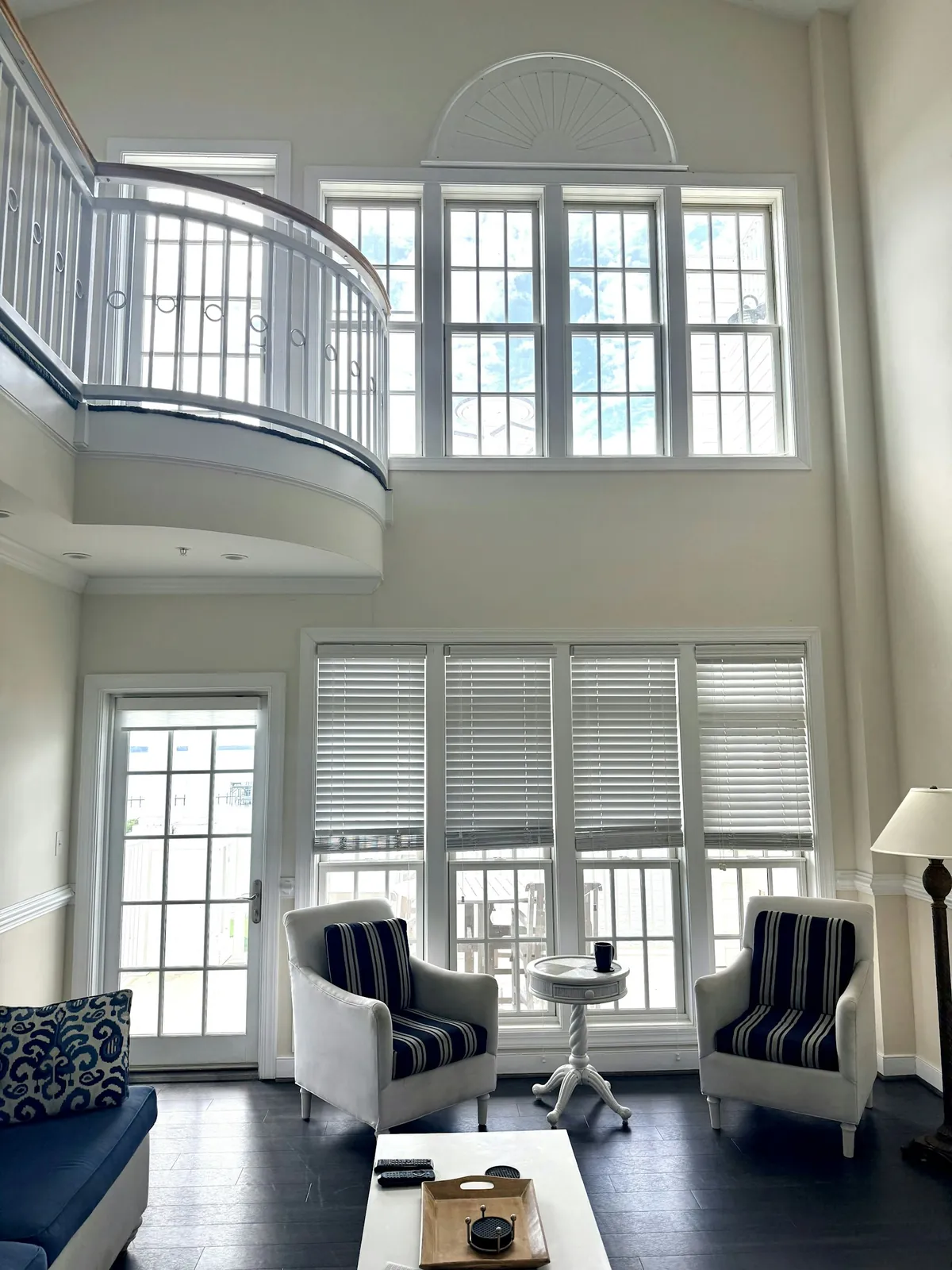
The larger homes toward Carnegie Abbey tend to have big rooms, tall ceilings and wide walls of glass facing the bay. Some have living rooms that rise through two storeys.
Rooms on this scale can carry generous drapery. Floor-length panels hung close to the ceiling give a big room warmth and proportion, and a heavier fabric holds a clean line over a long drop. Where a wall of windows faces the bay, the drapes need somewhere to stack when open, so the rod is planned to run well past the glass, or the panels are fixed at the ends of the wall to frame the view while a shade does the day-to-day work.
For very tall windows that are hard to reach, stationary side panels are often the best answer. They soften the room and frame the glass without needing to be drawn. A traversing system can make wide, heavy drapes much easier to open and close where they do need to move.
Choosing the Fabric First
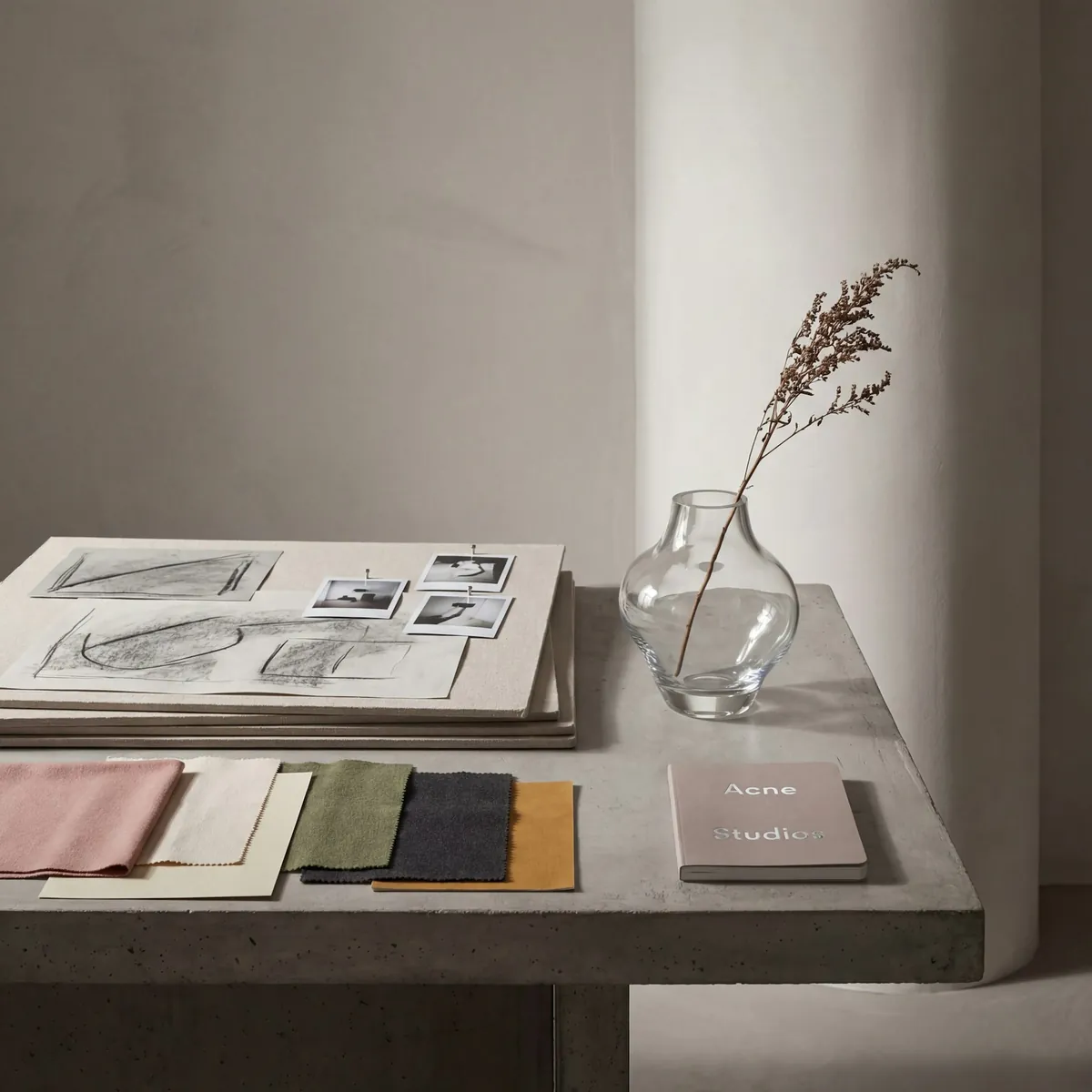
Every set of custom drapes in Portsmouth, RI starts with the cloth. The fabric decides how the drape hangs, how it handles light and how it wears. On a house with two very different sides, it pays to see fabrics in both kinds of light before deciding.
- Linens and cottons suit cottages and relaxed rooms, and look good in both bright and soft light.
- Heavier weaves and velvets suit formal rooms and large spaces, and give warmth in winter.
- Sheers and voiles soften bright bay-side light without blocking the view.
- Prints and patterns can lift a shaded room, where fading is less of a concern.
The Swansea showroom has the fabric range to see and handle in daylight. It helps to bring photos of a room on each side of the house.
Colours That Work in Both Lights
A colour can look completely different on the two sides of a Portsmouth house. In the strong, cool light off the bay, warm neutrals can look washed out and whites can look stark. In the soft, indirect light of an inland room, the same white may look grey and a cool blue can feel cold.
Fabrics with a little warmth in them, a cream rather than a brilliant white, a soft sand rather than a cool grey, tend to behave well on both sides. Texture helps too: a linen or a slubbed weave catches the light and looks rich in a bright room, and keeps a plain colour from looking flat in a shaded one. If you are carrying one fabric through the whole house, it is worth seeing a large piece of it in both kinds of light before you commit, and that is the main reason we suggest spending time with the fabric in the showroom when choosing custom drapes in Portsmouth, RI.
Pattern behaves differently too. A print that looks lively in the shade may disappear in the glare of a bay-side room, so a bolder pattern is often best saved for the inland side.
Bays and Angled Walls
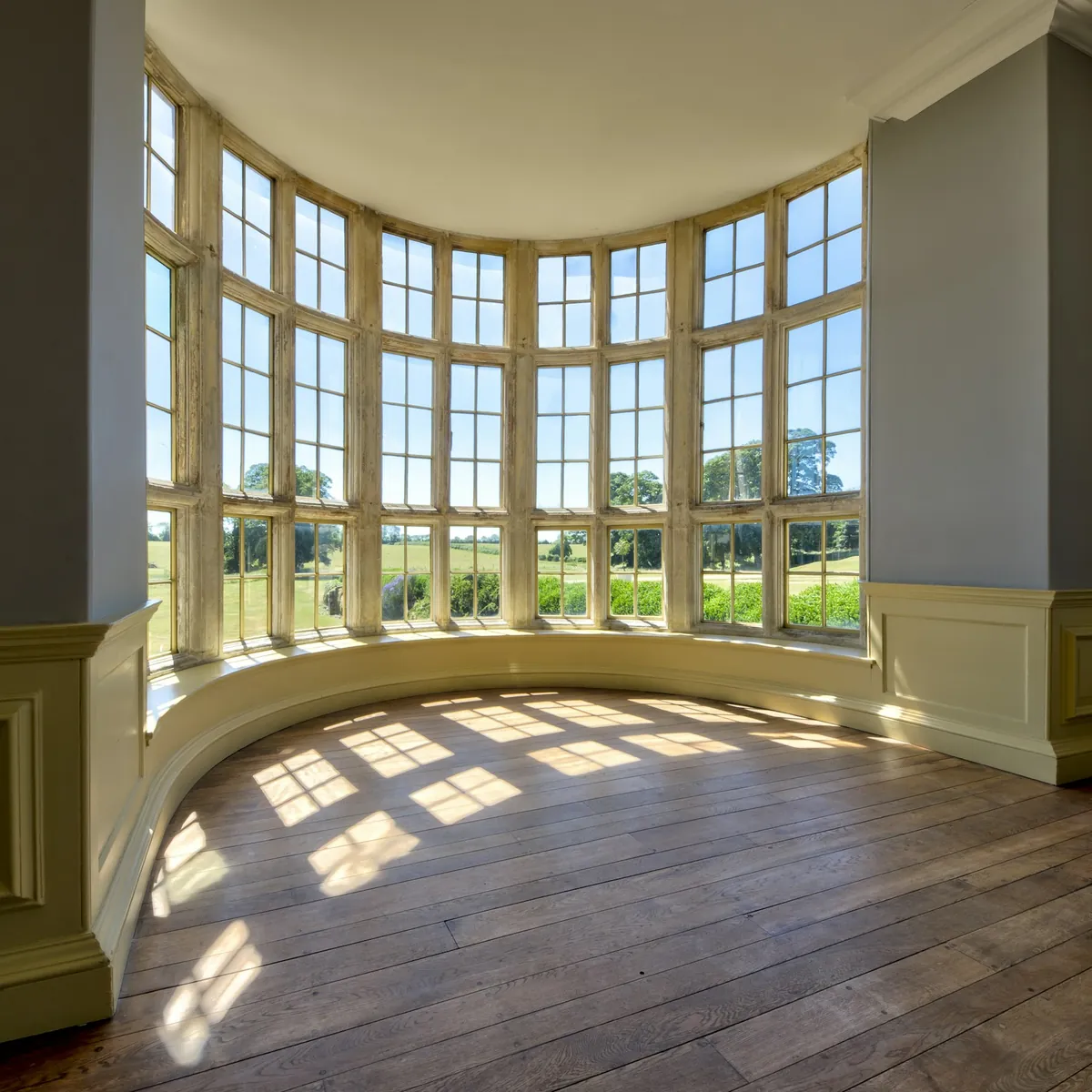
Some Portsmouth houses, particularly the larger ones and some renovated cottages, have bay windows or angled walls of glass facing the water. A bay needs a rod that follows its angles, or drapes hung across the mouth of the bay, or stationary panels at each end with shades on the windows between. Which works best depends on whether the bay has a seat, how deep it is and how much you want to close it off at night.
We measure every angle as well as every width, so the drapes follow the shape of the bay exactly. In a cottage bay, where space is tight, a single rod across the mouth with light panels often suits better than fabric wrapped around each angle.
Wind, Weather and the Island
Being surrounded by water brings breezes and, at times, salt in the air. In rooms facing the bay, fabrics that breathe stay fresher than very dense ones, and a lining helps the face fabric keep its colour and shape. Lighter curtains on windows you open often benefit from a slightly heavier hem, so they hang down rather than billowing every time the breeze picks up.
A soft brush on the vacuum now and then lifts dust and salt from the folds. Lined drapes are usually best cleaned by a professional, so the face and lining do not shrink unevenly. We will tell you how to look after the fabric you choose, so your custom drapes in Portsmouth, RI stay looking right through every season on the island.
Hems, Floors and Furniture in a Cottage
In a small cottage room, every inch of floor is in use, and that changes how long the curtains should be. A sofa pushed under the living room window, a bed against the wall beneath a bedroom window, a radiator or a baseboard heater along the outside wall: each argues for a curtain that stops at the sill or just below it, rather than a full-length drape that has to drape over furniture.
Where the wall below the window is clear, full-length panels look more finished and make a low room feel taller. A hem that floats just clear of the floor is easiest in a cottage, where sand and grit come in on shoes from the beach, and it keeps the fabric from catching as you walk past. On a door out to a deck, the same applies, with the rod run far enough past the frame that the panel clears the door completely.
Ordering Your Drapes
Here is how an order runs, with a note from us at every turn.
- Get in touch by phone or the form and we will book your free quote, so mention which rooms you have in mind and whether they face the bay.
- Our specialist visits to measure, recording each window, how much wall there is to stack the open fabric, the ceiling height and the light on that side.
- You pick the fabric at the showroom, and with our help decide on linings, headings and lengths, which may differ between the two sides of the house.
- A quote arrives in writing, set out room by room.
- Your custom drapes in Portsmouth, RI are sewn to the measurements taken at the house.
- Our installers put up the rods, hang everything and set the folds so they fall straight.
A Shade for the Sunny Side
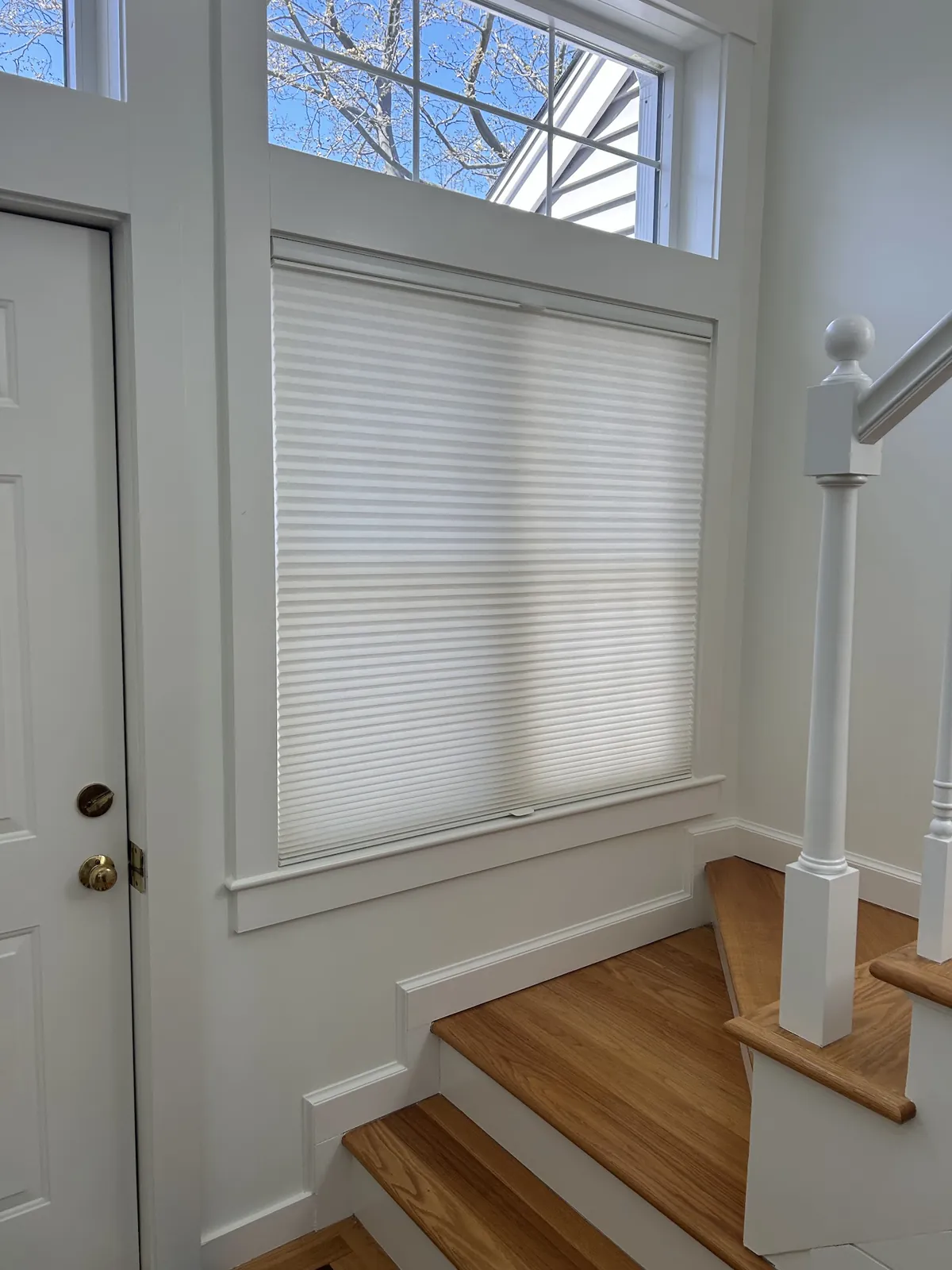
Bay-facing windows often do best with a hard-working layer behind the fabric. A shade near the glass deals with glare and daytime privacy, and the drapes take over in the evening, adding warmth and colour. On a winter night with the wind coming off the water, a cellular shade under lined drapes keeps a room noticeably snugger. On the inland side, where light is short, a pale shade with side panels to frame it may be all a window needs.
Shades, blinds and shutters are part of what we make, so the two layers are designed as a pair and measured in one visit. Pillows and duvet covers in the curtain fabric come from custom fabric decor in Portsmouth.
From Swansea to the Island
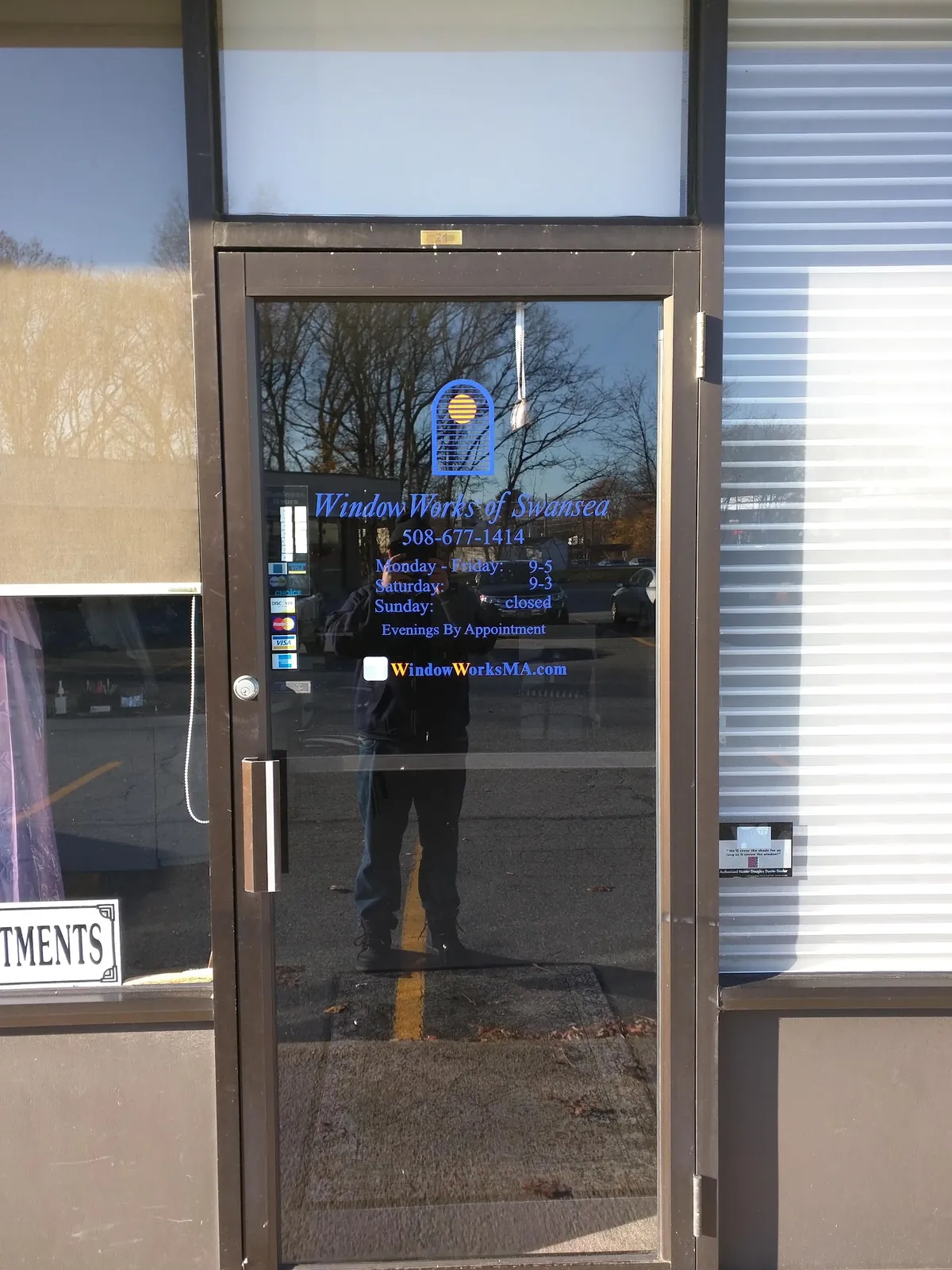
Window Works opened its doors in Swansea, Massachusetts in 1988, and today the second generation of the family is in charge. Drapery has been central to the store for more than 37 years, on both sides of the state line.
- Specialists who spend every day on window treatments
- We measure at your house, and our own installers hang the drapes
- The fabric range is on display at the showroom
- Warranties come with the products we sell
- You hear from us right up until the job is finished
The custom drapes page says more about our drapery as a whole, and the Portsmouth window treatments page covers everything else we offer on the island.
Questions from Portsmouth
Should drapes on the bay side match those on the shaded side?
The face fabric can match so the house feels consistent, but the lining usually differs: heavier on the bright side, lighter or none on the shaded side.
What works in a small Island Park cottage?
Light fabrics, a rod mounted close to the ceiling to add height, and a single rod across windows that sit close together.
Can drapes work on a wall of glass facing the bay?
Yes. We plan where the open fabric will stack, or use stationary side panels with a shade behind so the view stays clear.
Do you make short curtains for cottage kitchens?
Yes. A short curtain on a slim rod inside the frame keeps the counter clear, and a café curtain covers just the lower half of the window.
Is there a charge for the quote?
None. Quotes are free; ring the store or fill in the form.
Book Your Free Quote
Whenever you are ready, ask for a free quote. The call button connects you to the store in Swansea, where we can fix a time to measure at your house or explain how installation works, and the form is always an option. To see the fabrics first, make the short trip to the showroom; the contact page has the way. The store’s Google rating is 5.0.