
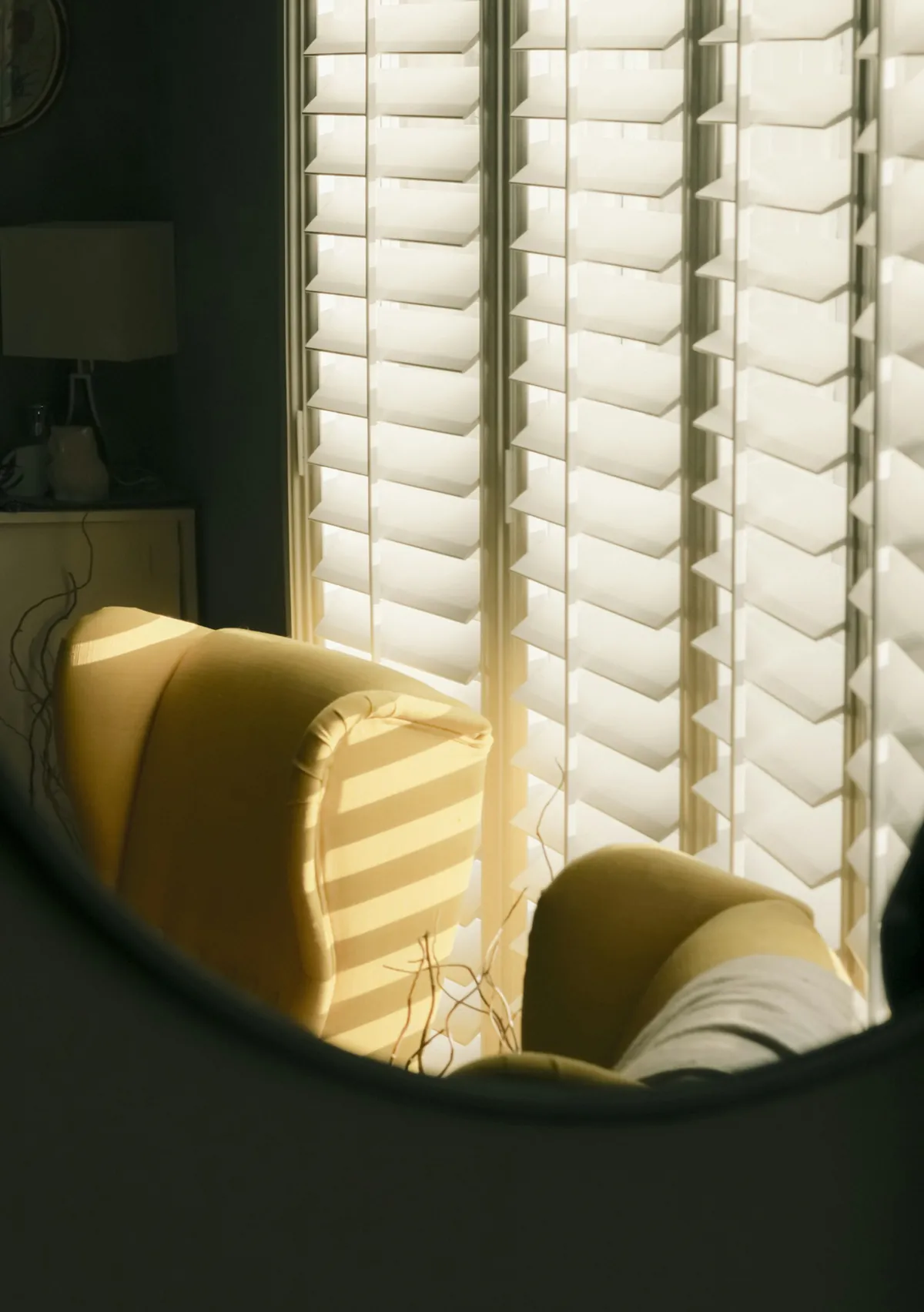
Narrow Mill Openings, Many-Windowed Colonials
Lincoln’s houses fall into a few clear groups, and each one shapes the shutter differently. In Lonsdale and Manville, the mill housing keeps its original narrow openings, often with old frames that have moved over the years. Around Lincoln Woods and Breakneck Hill, newer colonials have standard window sizes, and more of them. Off Great Road, large-lot houses sit back from the road with rooms that face open ground.
Plantation shutters in Lincoln, RI are therefore two quite different jobs. On a mill house, the work is fitting a slim, older opening well. On a newer colonial, it is shuttering a large number of similar windows so the whole house looks consistent and every room works the way you want it to.
- Fitted inside the house, never on the exterior
- Old narrow sash and long runs of standard windows both covered
- One team measures, orders and installs
What a Lincoln Shutter Order Might Include
Mill house sash
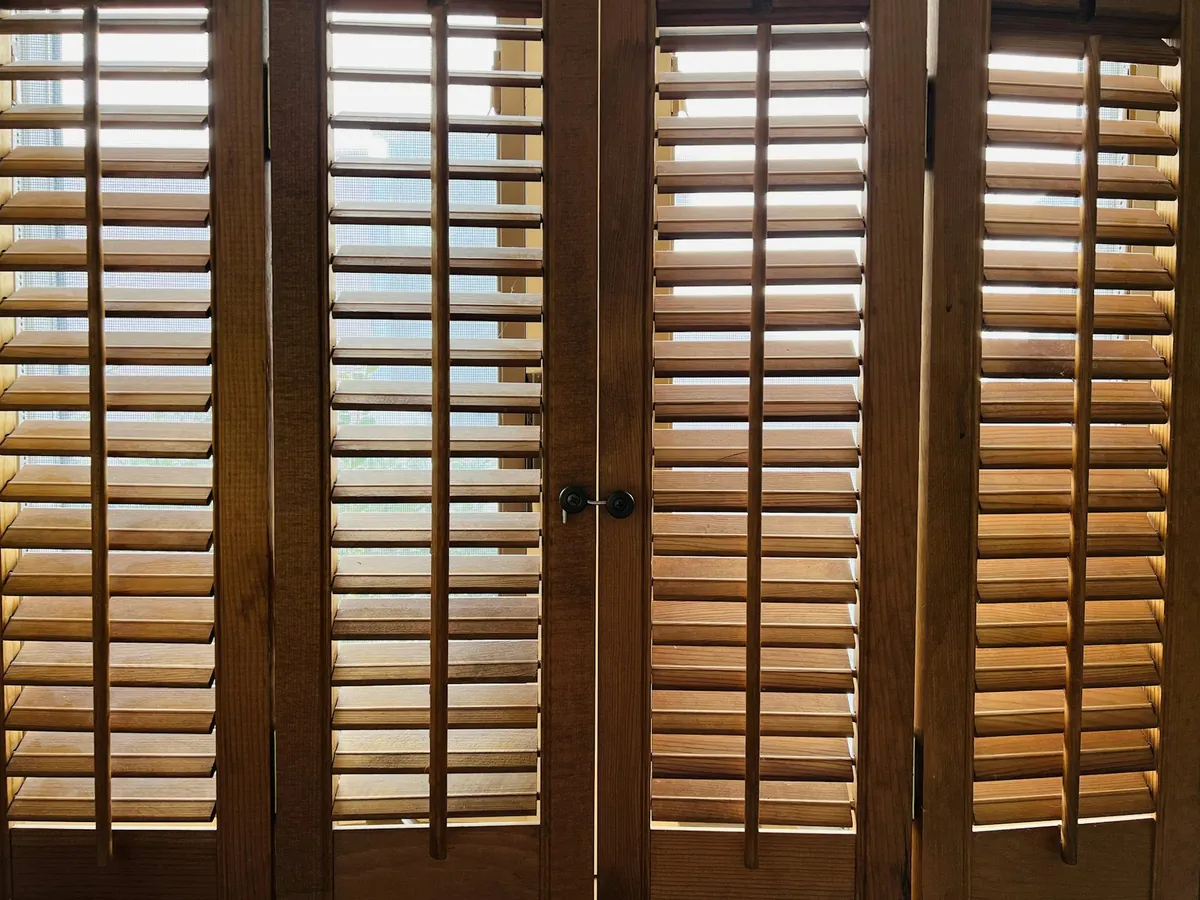
A single panel or a slim pair on an original narrow opening, with a louvre sized so the panel looks balanced.
A whole colonial
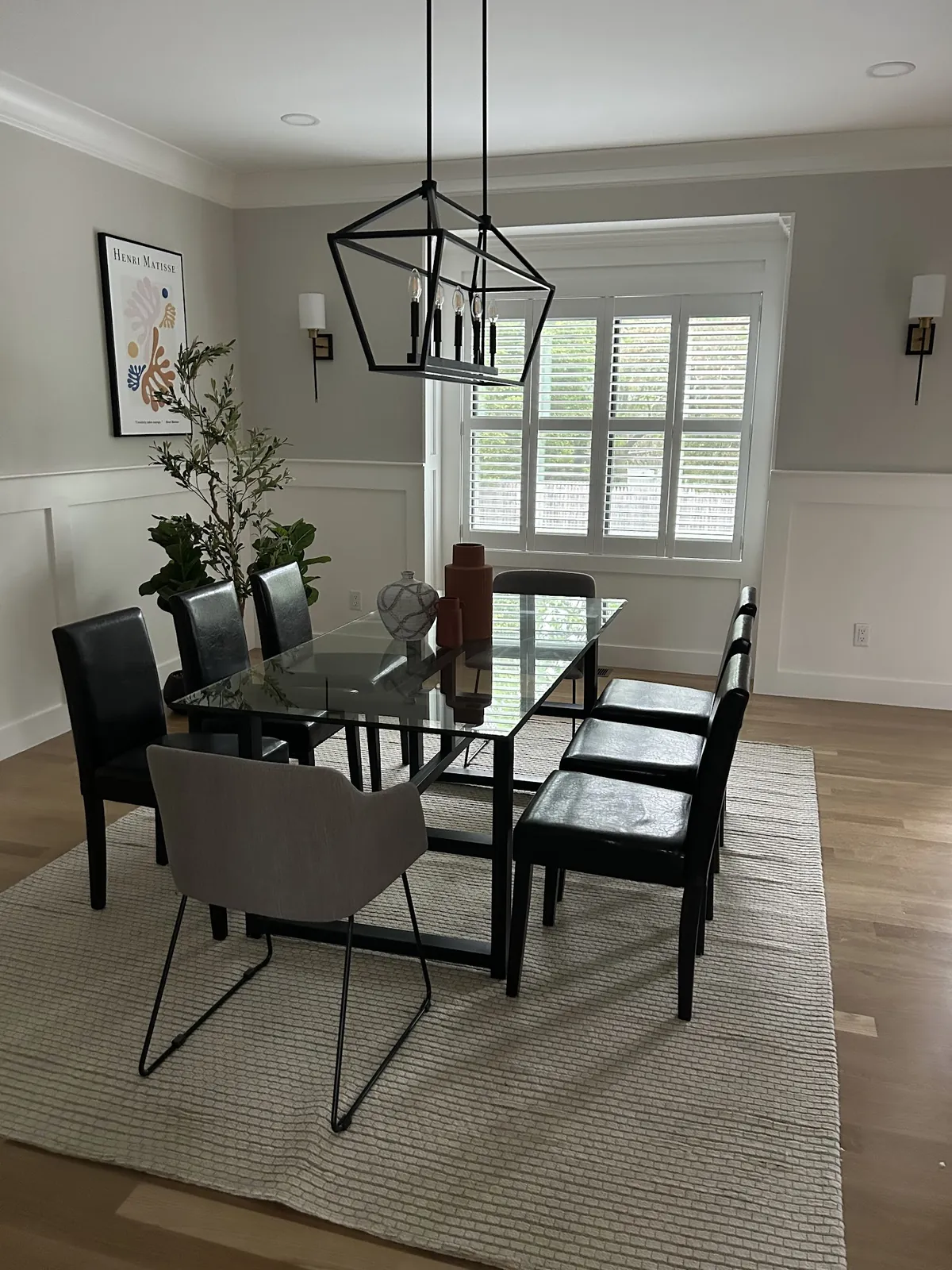
Matching shutters on every front window and through the main rooms, ordered together so they look like one set.
Bedrooms upstairs
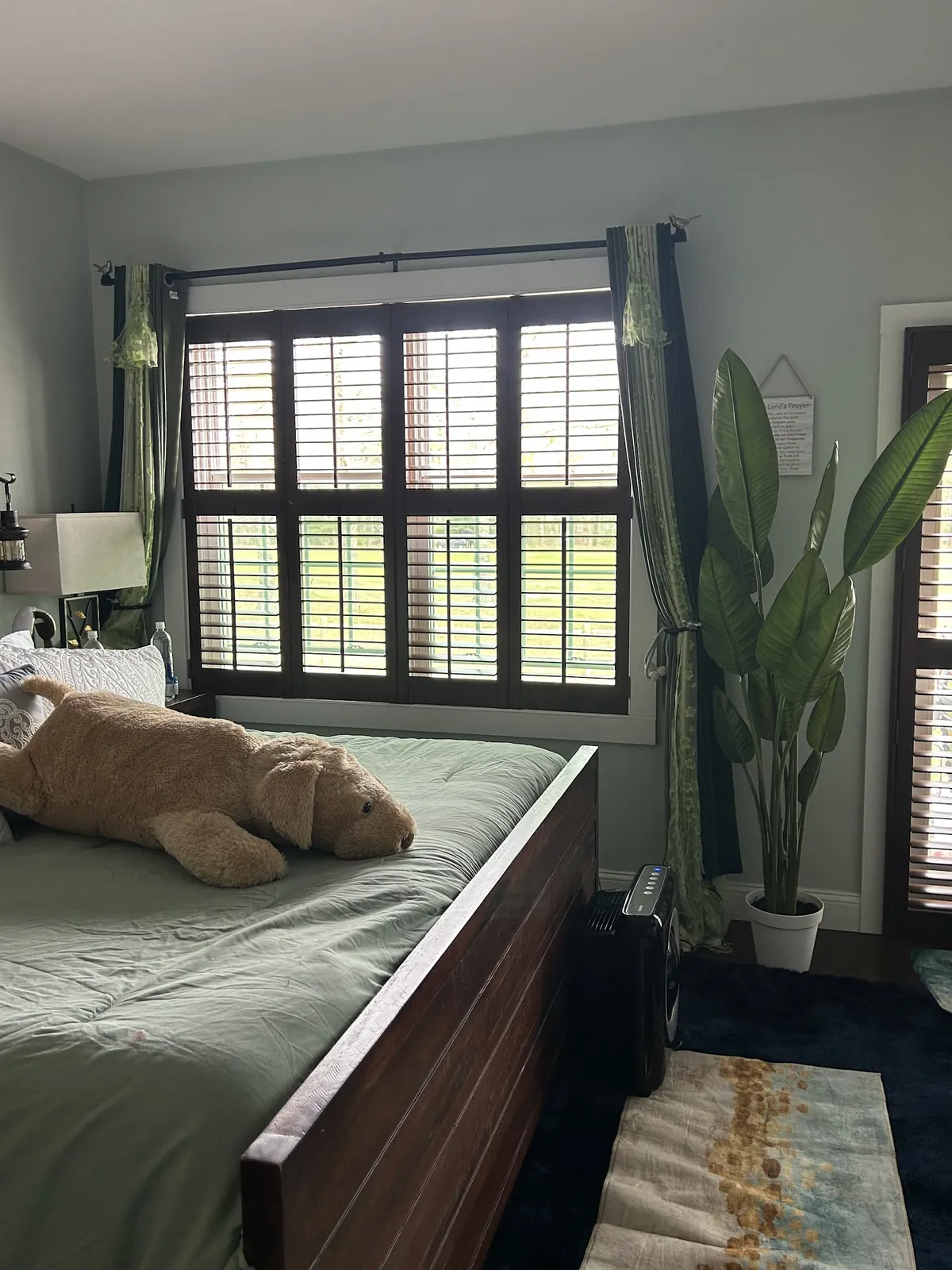
Louvres that close tightly against morning light, in paint or a warm stain.
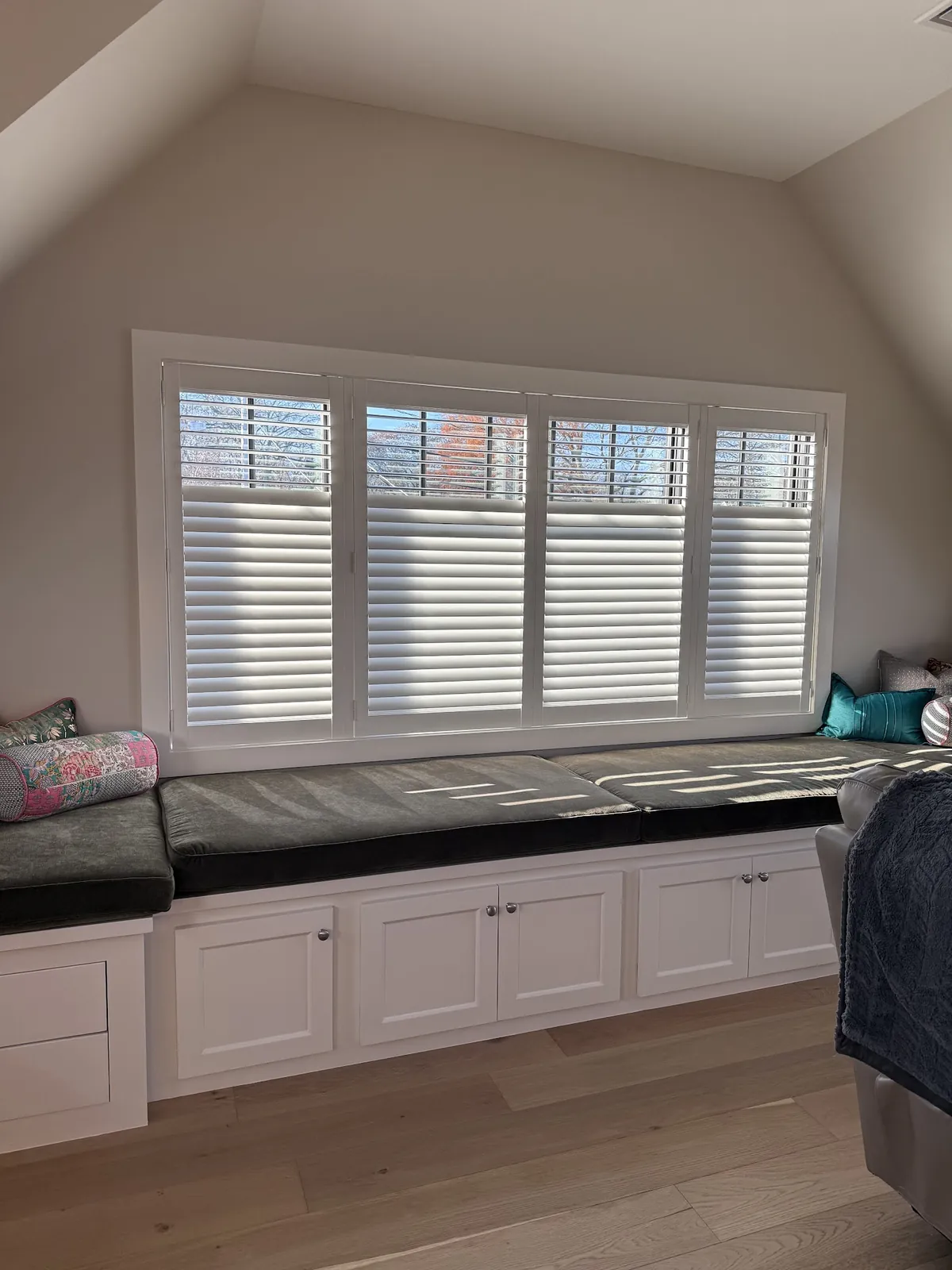
Window seats
Panels hinged to fold clear of a built-in seat or a wide family room window.

Measured first
Even standard-looking windows are measured one by one, because the shutter is built to the exact opening.
Mill Housing in Lonsdale and Manville
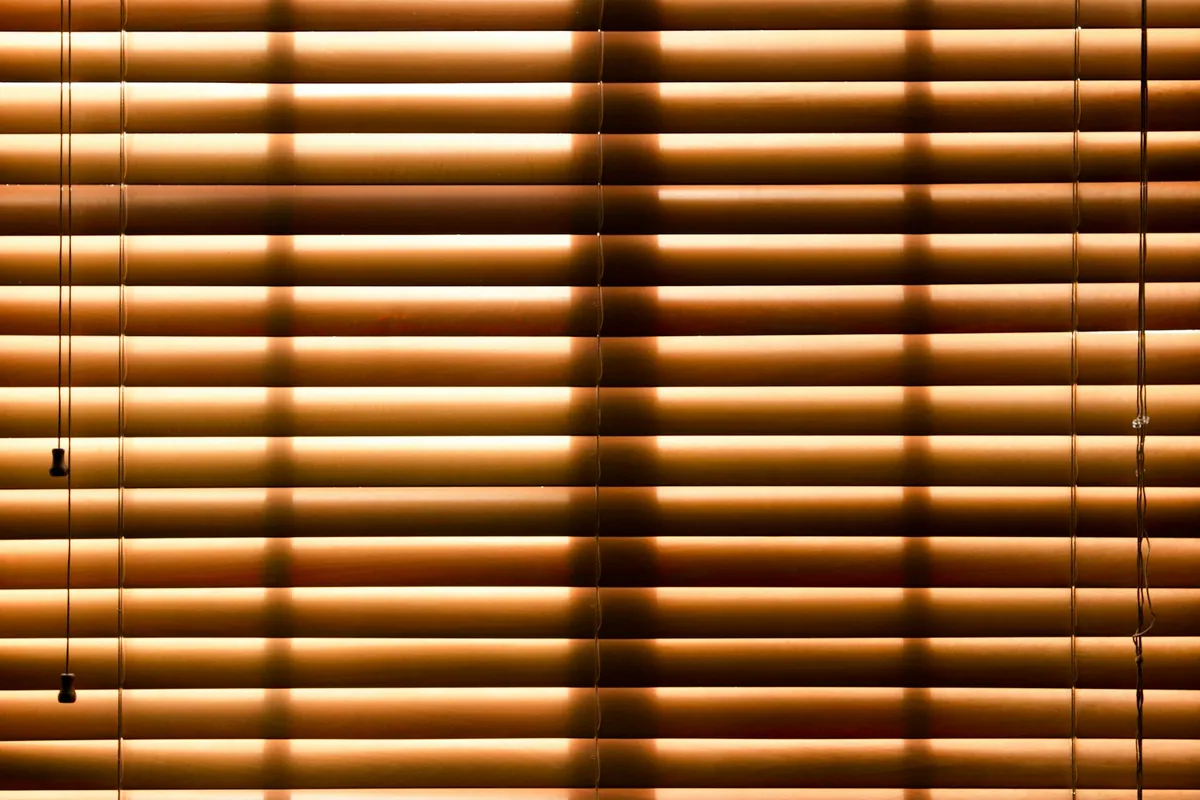
The mill housing in Lonsdale and Manville was built for practicality, and its windows show it: narrow openings, double-hung sash, simple trim, often in houses set close together along the street. Many still have their original frames, which after a long life are rarely perfectly square.
Fitting a narrow opening
A narrow window leaves little room across for panels. Split into two, each panel can end up too slim to look right, with louvres so short they barely seem worth tilting. A single panel hinged to one side often looks cleaner and keeps the louvres a sensible length. On a slightly wider opening, a pair of panels that meet in the middle swings less far into the room, which helps in a small bedroom or a narrow hallway.
A narrower louvre usually suits these windows. It gives a slim panel enough slats to look balanced, and when tilted open it stays close to the panel instead of reaching out toward the sash lock.
Old frames
Each opening is measured across at several heights and down both sides. If the window has drifted out of square, the shutter frame is made to the real shape of the opening, and it takes up the difference so the panels inside hang plumb and close flush. Where the reveal is too shallow for the frame to sit inside, it can fix to the face of the casing, sized so its edges follow the trim.
Small rooms and swing space
Rooms in mill housing are often compact, and a panel that swings open needs somewhere to go. A bed pushed close to the window, a dresser beside it or a radiator below the sill can all get in the way. We note each of these when measuring and choose the hinge side, or narrow the panels, so every shutter opens fully without hitting anything. In a really tight spot, a pair of panels that fold back on each other takes up less room than one wide panel.
Privacy on close-set streets
Mill houses often sit near the pavement and near their neighbours, so the side and front windows benefit from louvres angled for privacy. Tilted with the room side of each slat lower, the louvres block the view in while daylight still reaches the room. A divider rail lets the top section open wider for light while the lower section stays angled.
Newer Colonials Around Lincoln Woods and Breakneck Hill
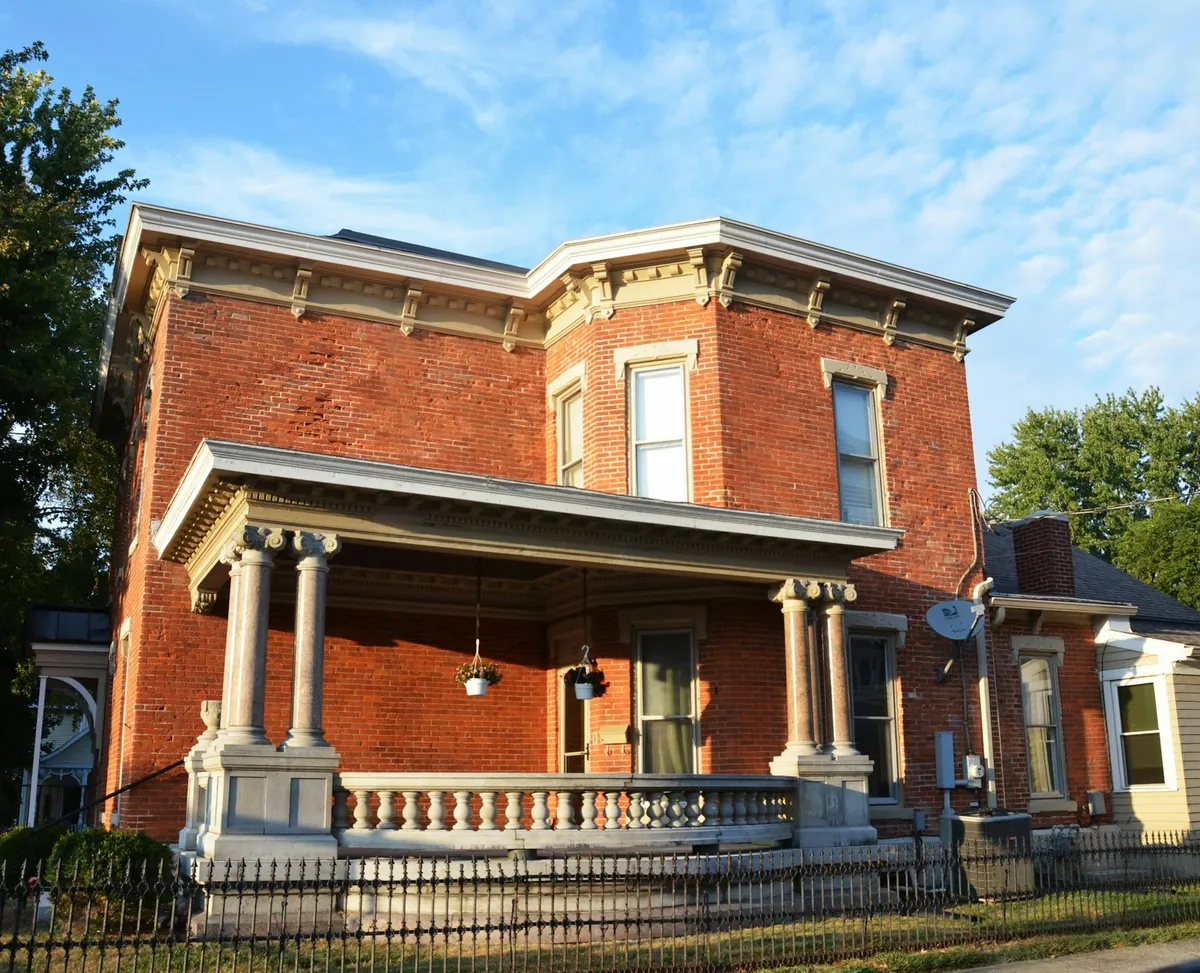
The colonials around Lincoln Woods and Breakneck Hill are a different job entirely. Their windows are standard sizes, the openings square and consistent, and there are a lot of them: pairs in every main room, matching windows upstairs, a window over the kitchen sink, perhaps a family room with a wider run and a bay.
Fit is the easy part
With square, regular openings, the shutter frame usually sits neatly inside each window, keeping the casing on view. The questions shift from fit to consistency and use.
One look across the house
When a house has many similar windows, matching matters more than anything. Plantation shutters for Lincoln colonials look their best when every front window shares one louvre width, one frame and one finish, and the divider rails sit at the same height on every double-hung window. From the road, the house then reads as one even set.
Inside, the same principle keeps open rooms calm. If kitchen, dining and family room flow together, all the windows you can see at once should match, even if their sizes differ.
Choosing one louvre for many windows
A mid-width louvre is the usual pick for regular double-hung sash. If the family room has larger windows, a wider louvre might suit them better, but you may prefer to keep one width throughout for a unified look. We look at your largest and smallest windows together and suggest the width that works for both.
Ordering for a Whole House
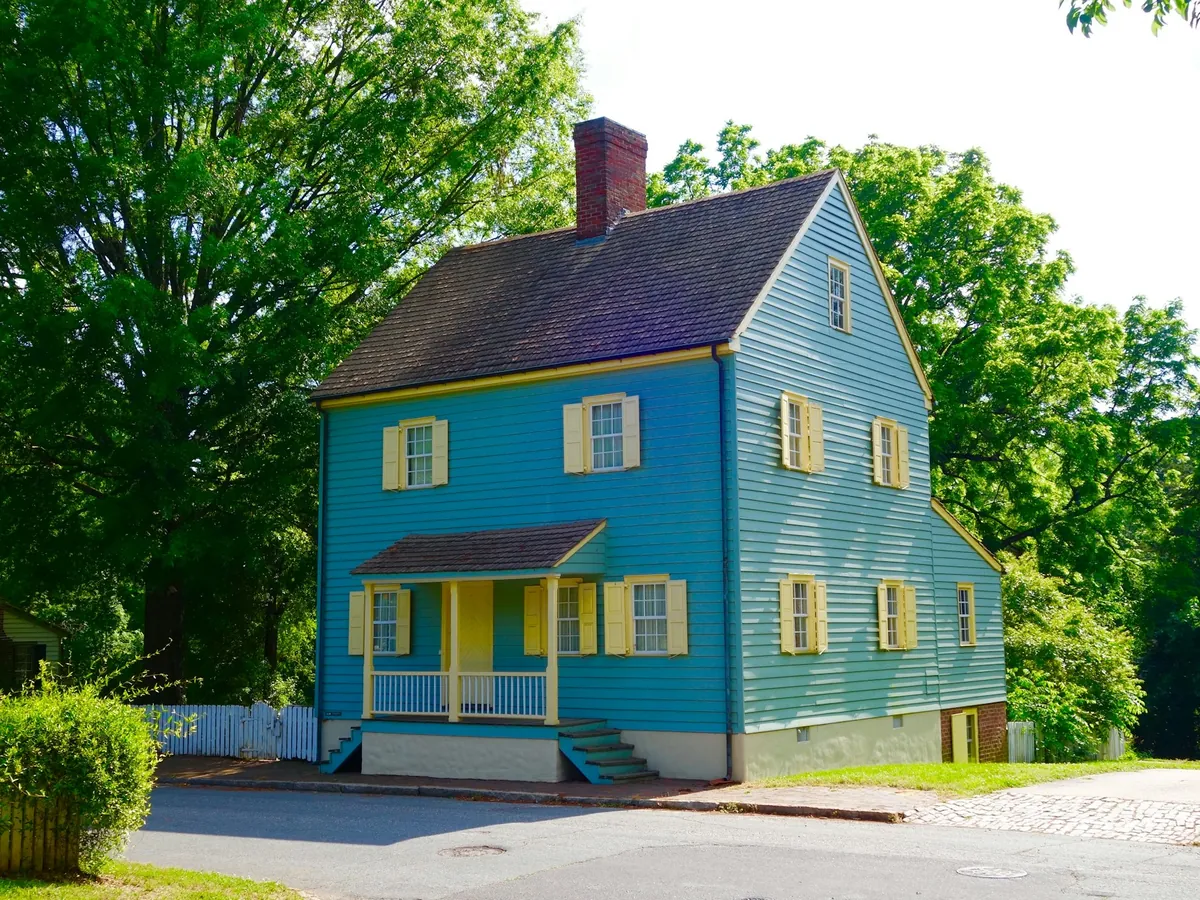
When a colonial has many windows, a shutter order can be large, and it helps to plan it as a whole even if you do not do every room at once.
We measure and plan the whole house together, so the louvre, the frame profile, the finish and the rail heights are set for every window from the start. If you want to begin with the rooms that matter most, such as the front rooms and the main bedroom, the rest can follow later to the same plan.
The front of the house is usually done first, because it is what the street sees. Bedrooms often come next, for privacy and better sleep. Kitchens, bathrooms and the family room can follow. Planning everything at the start means a window shuttered next year is ordered to the same specification as one shuttered this year, with the same louvre, the same frame and the rails at the same height. It also means the measuring is done once, for the whole house, and the layout of every panel is worked out with the furniture and the rooms as they are, so later orders simply follow the plan.
Large-Lot Houses off Great Road
The houses off Great Road sit on larger lots, often set back from the road with fields, woods or open lawn around them. Privacy from the street is less of a daily concern, and the windows are about light and view.
Wider louvres for the view
A wider louvre suits these windows. When tilted flat, it leaves more space between the slats, so more of the outdoors shows through. Panels hinged in pairs or threes fold back against the sides of the window to clear the glass completely on a fine day.
Managing sun
With open land around them, these houses can take strong sun from more than one side. Louvres angled upward throw light onto the ceiling instead of across a floor or a sofa. Angled downward, they cut the glare of a low sun while still letting you see out. In summer, with the panels closed through the hottest part of the day, a room stays more comfortable.
Because these houses sit well back, many owners leave the louvres open most of the time and close them only at night. That makes the hinge layout important: panels that fold neatly against the sides of the window keep the glass clear for long stretches without the shutter looking half finished. With plantation shutters in Lincoln, RI on a large-lot house, the shutter often works more like a frame for the view than a cover for the window.
Bigger rooms, bigger windows
Large-lot houses often have bigger rooms and windows: a family room with a long run of glass, a bay in the dining room, a sunroom. A bay is shuttered window by window, each with its own frame, and the panels are finished alike with rails lined up so the bay reads as one.
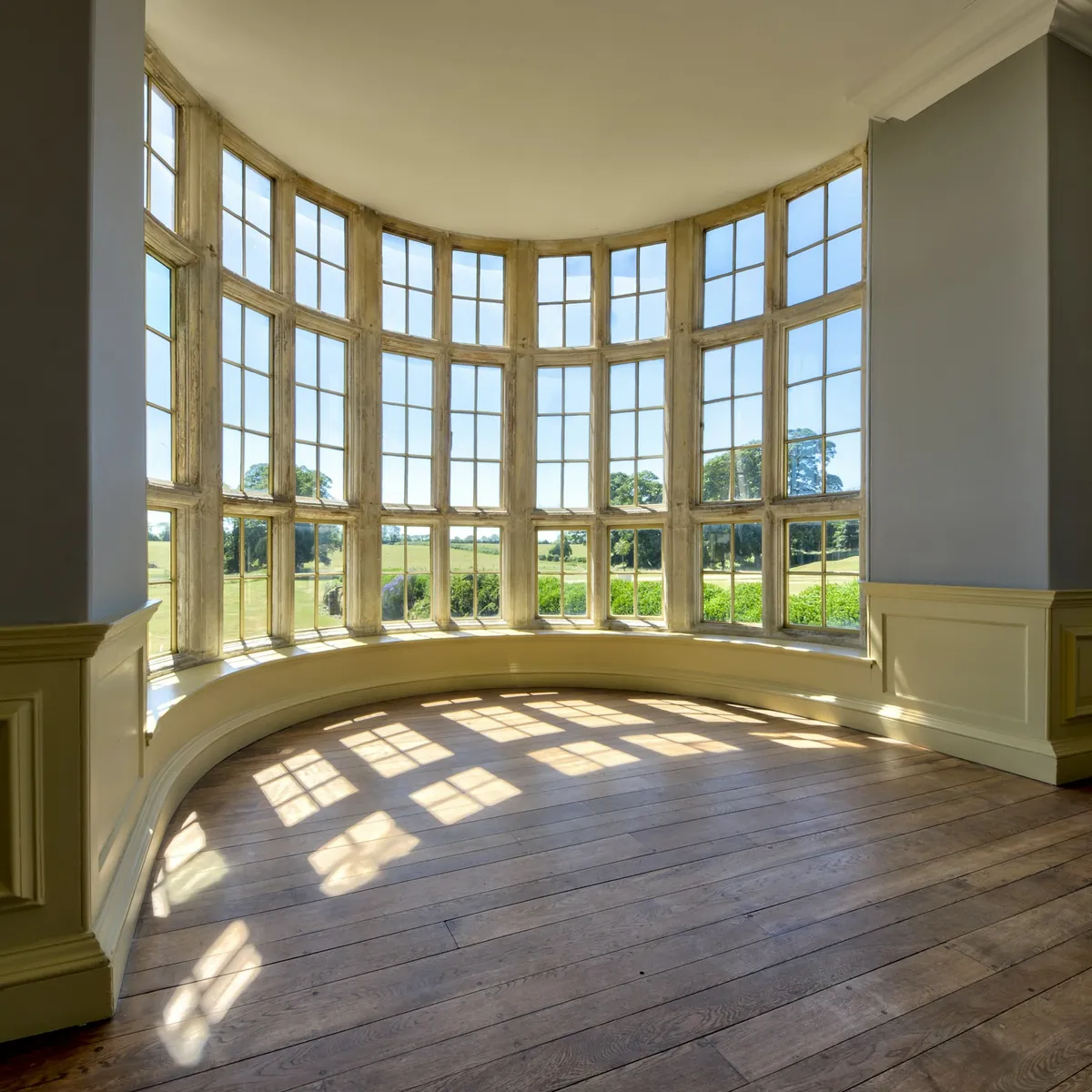
Matching the Frame to the House
Every shutter hangs in a frame, and that frame is the part that meets your walls and trim, so it should look like it belongs to the house around it.
In a Lonsdale or Manville mill house, the trim is usually plain and practical. A simple frame with little ornament suits it, and its real job is structural: it is cut to the opening’s actual shape so a crooked old reveal still holds a straight shutter.
Around Lincoln Woods and Breakneck Hill, colonial casings have a modest profile, and a frame whose edge is softly rounded sits comfortably beside them without fighting for attention.
Off Great Road, interiors vary from plain modern rooms to traditional ones with heavier trim. A crisp, square-edged frame suits the first; a moulded one the second.
Where to mount it is a separate question. Set within the reveal, the frame leaves the casing fully visible and looks built in. Fixed to the wall or the casing face, it covers a shallow or damaged opening and can make a small mill window seem a little larger than it is.
Living with Shutters in a Lincoln House
Front rooms
In a colonial, the living room and dining room face the road, and plantation shutters in Lincoln, RI spend most days in those rooms tilted part open: plenty of daylight, little view in. A dining room with good furniture can take side drapes as well, hung so the fabric clears the swinging panels.
Upstairs
Bedrooms on the second floor of a colonial repeat the windows below. The aim is darkness when you want it, so the frame is fitted closely and the louvres shut firmly against each other. A rail across the middle lets you crack the top open on a summer morning.
Working rooms
Kitchens and baths in both old and new houses benefit from a finish that can be wiped. A painted shutter handles steam with no fuss, and a lower-half cafe panel over the sink keeps the counter private while the sky shows above.
Studies
Tilted upward, the louvres in a study bounce daylight onto the ceiling and keep reflections off a computer screen.
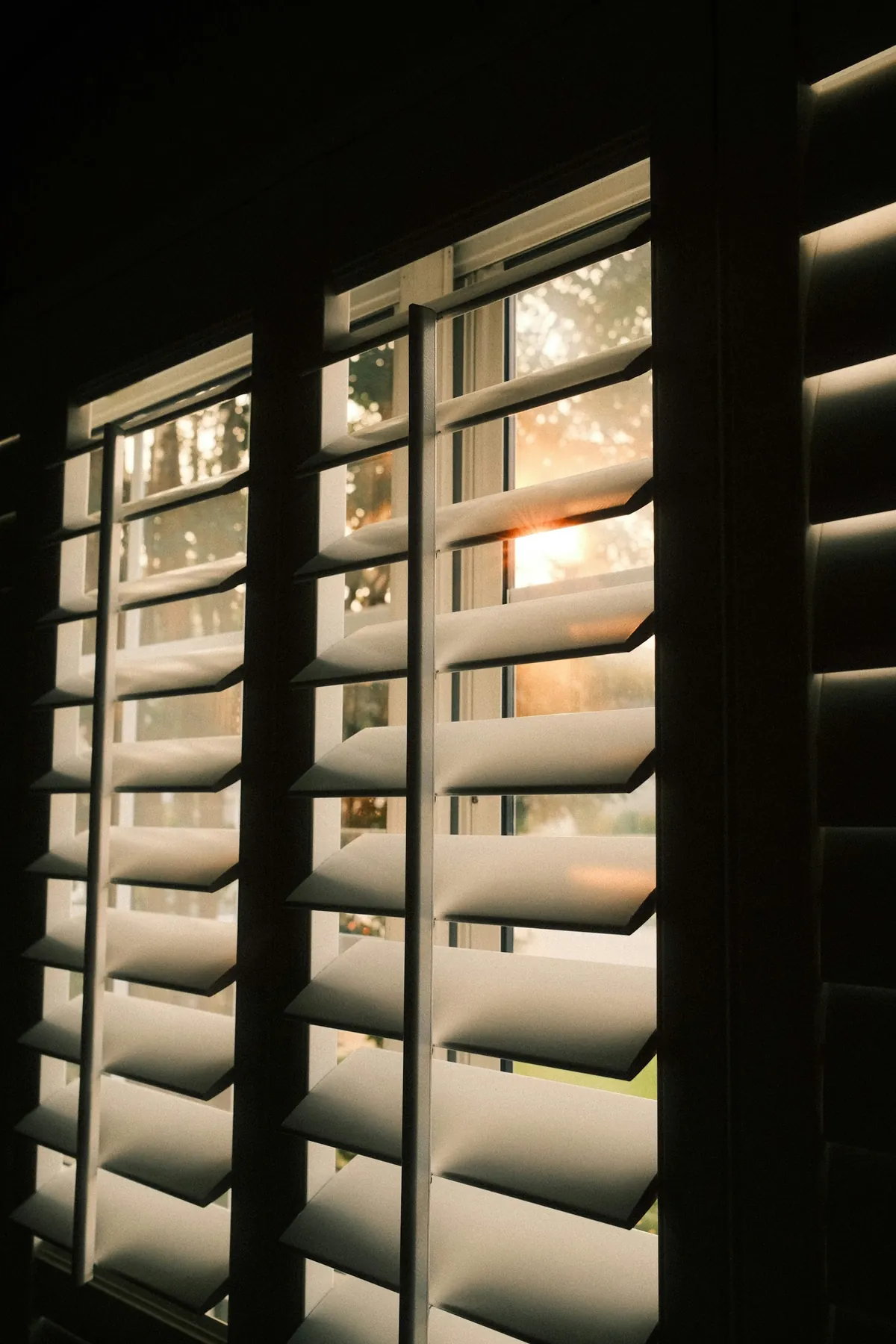
Paint or Wood Grain
White and off-white paint are the most common choices by far, since they match the trim in most Lincoln houses and keep rooms light. Paint does not have to be white, though: it can follow a cream, grey or coloured trim. A stained finish lets the grain show and looks at home in a den, a panelled study or a family room with a wood floor.
For a colonial with many windows, deciding the finish once for every street-facing window keeps the house even from the road. A stained shutter in a back room never shows from the front, so that is where people tend to try it.
Mill Houses and Colonials Side by Side
What makes Lincoln interesting is how close these two kinds of house sit. A short drive separates a Manville mill house with its slim, timeworn sash from a Breakneck Hill colonial with a great many matching windows. Plantation shutters for Lincoln houses at either end have the same parts, panels, louvres and a frame, but the way they are proportioned is completely different. On the mill house, each window is a small custom puzzle. On the colonial, the challenge is getting every window exactly alike. Both are worth doing well.
Your Order, Step by Step
Each stage is simple, and we keep in touch throughout.
- Reach us by the call button or the form and list the rooms you have in mind. A free quote follows.
- Our specialist measures every window, the crooked mill sash and the square colonial ones alike, checking depth and squareness at each.
- On a large colonial, we draw up one plan covering louvre, frame, finish and rail heights for every window, even if only a few are ordered first.
- You choose, with samples on hand at the Swansea showroom.
- A quote arrives with each window on its own line.
- The shutters are built to those measurements.
- Our crew hangs and adjusts every panel, makes sure each louvre turns freely, and shows you the ropes.
Care
Shut the louvres and dust the face, flip them and dust the back. Paint can take a slightly damp cloth; wood stain stays dry.
A Family Store Since 1988
Our story starts in Swansea in 1988, and the same family, now its second generation, still runs the store. In over 37 years we have shuttered and dressed windows from the SouthCoast through Rhode Island’s East Bay and up to Lincoln.
- A small team of experienced window treatment specialists
- Each window measured at your house before it is ordered
- Fitted by our own installers, not outside contractors
- Kept up to date from your first call until the last panel goes in
- Warranties available on what we sell
At the showroom you can work a shutter by hand, compare louvre widths and look at the Norman range.
Our main plantation shutters page goes further into louvres and frames, and Lincoln window treatments lists all we do in town.
Questions from Lincoln
Will shutters fit the narrow windows in a Lonsdale or Manville mill house?
They will. One panel, or two slim ones, with a small louvre suits those openings, and the frame is cut to the real shape of an old reveal.
We have a lot of windows. Do we have to do them all at once?
No. We plan the whole house together so everything matches, and you can start with the rooms that matter most.
What louvre suits a colonial with standard windows?
Mid-width louvres suit regular sash, and keeping one width in every room ties the house together.
Which louvre is best for a house with a big view off Great Road?
Go wide. Bigger louvres leave bigger gaps when opened flat, so fields and trees show through.
Can shutters help with strong sun on a large, open lot?
Yes. Angle the louvres upward to send light to the ceiling, or downward to cut low glare while still seeing out.
Start with a Free Quote
Quotes cost nothing, so that is where to begin. Through the call button you reach our Swansea store to arrange a measuring visit or ask about fitting; through the form you can write to us instead. Would you like to try a shutter first? Visit the showroom, mapped on the contact page. Customers on Google rate us 5.0.