
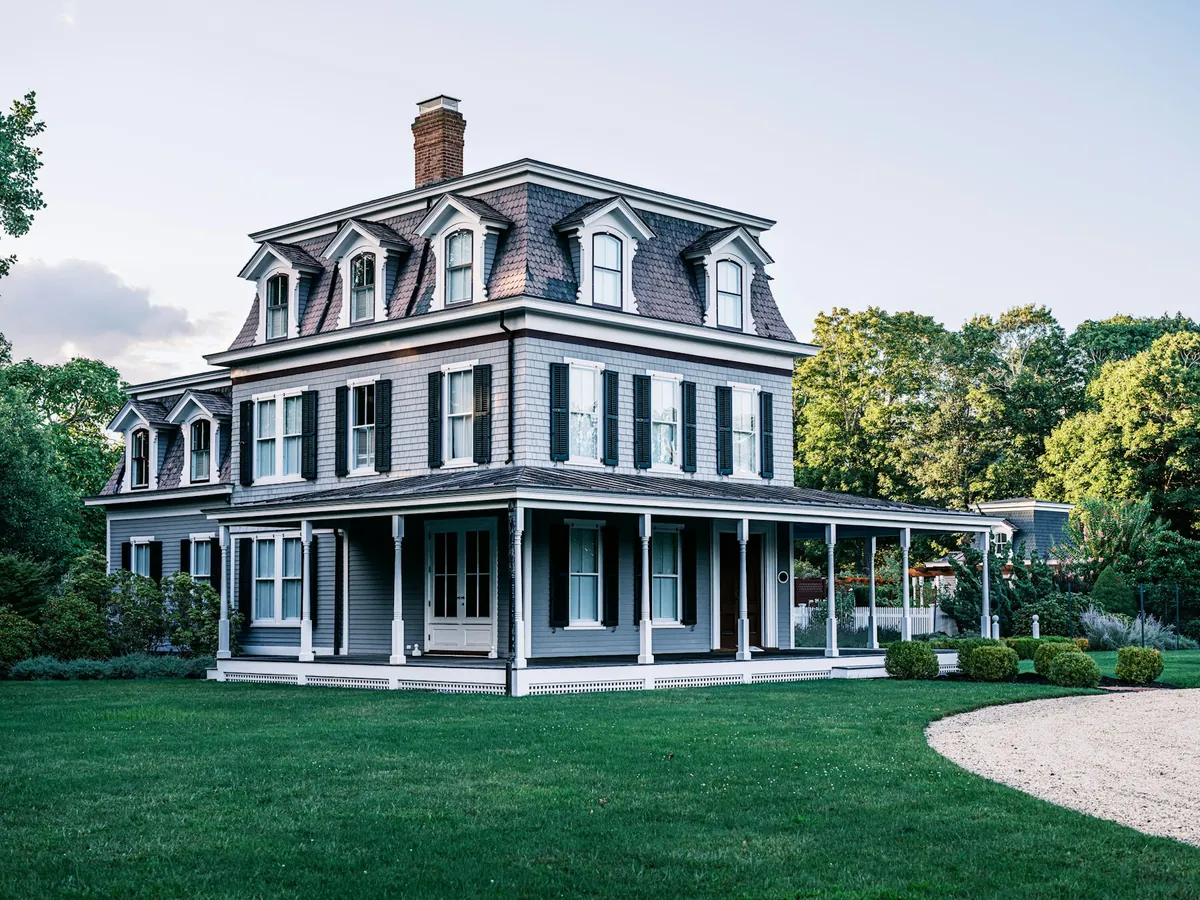
Tall Sash and High Ceilings on the East Side
On Blackstone Boulevard and up College Hill, three things come up in almost every house: tall sash windows, high ceilings, and the expectations of historic-district review. Victorians and Colonial Revivals here were built with windows that run most of the way from the floor toward the ceiling, and that length changes how a blind has to be made, how it lifts and where its controls go. That is the starting point for custom blinds in Providence, RI on the East Side.
Across the city, the triple-deckers of Federal Hill and Elmhurst ask something different. Each floor has the same windows stacked one above the other, front, side and back, and from the street all three floors are seen together. There the work is about consistency: blinds that match from the first floor to the third, whoever lives behind them.
- Blinds in wood, faux wood, aluminium and vertical vanes
- Long drops measured and made to the exact window
- Fitted by our own installers, with controls placed within reach
What We Make for Providence Windows
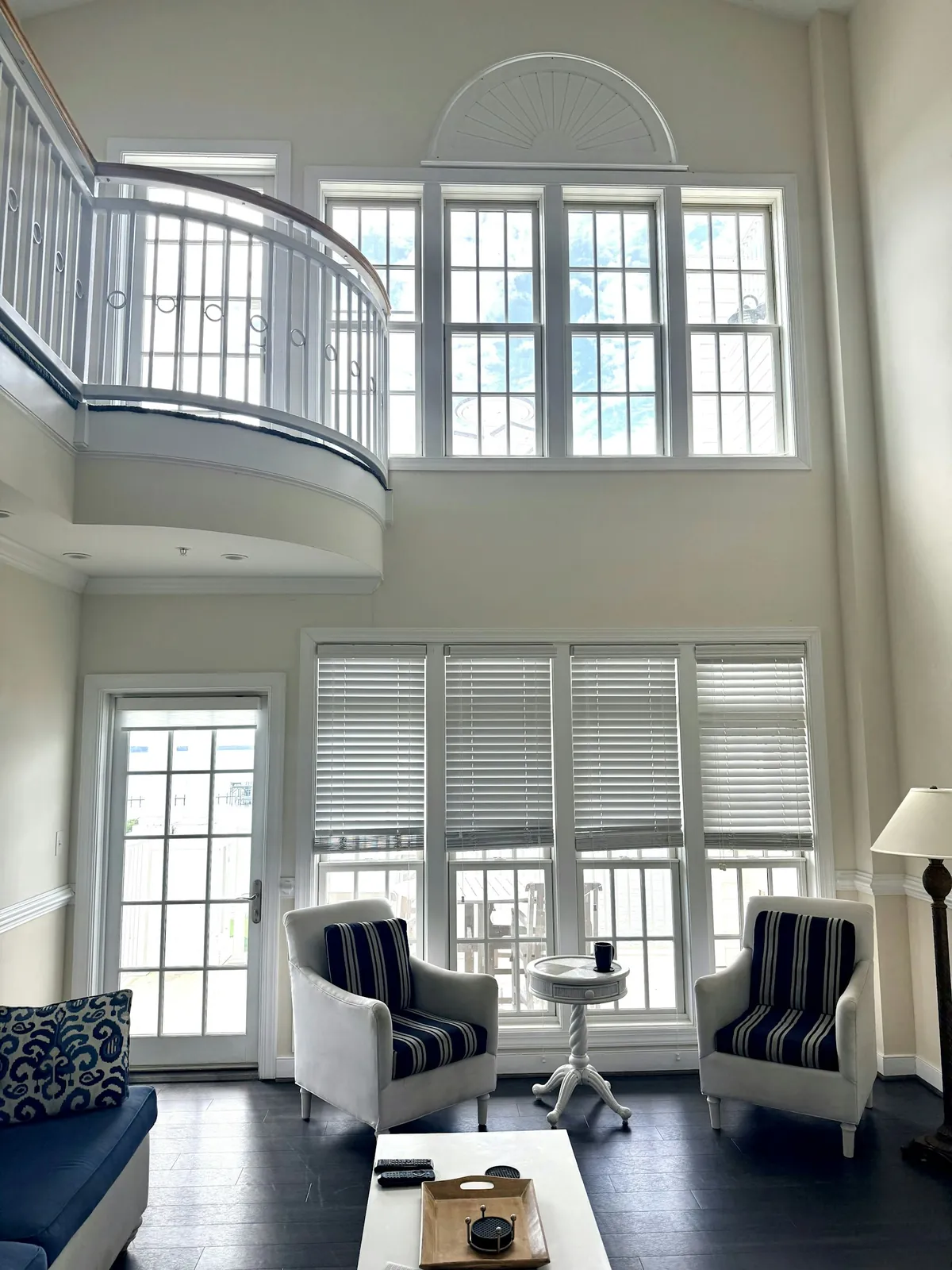
Long blinds for tall sash
Wood and faux wood blinds made to the full drop of an East Side window, with the slat width chosen for the length and the controls set at a height you can reach.
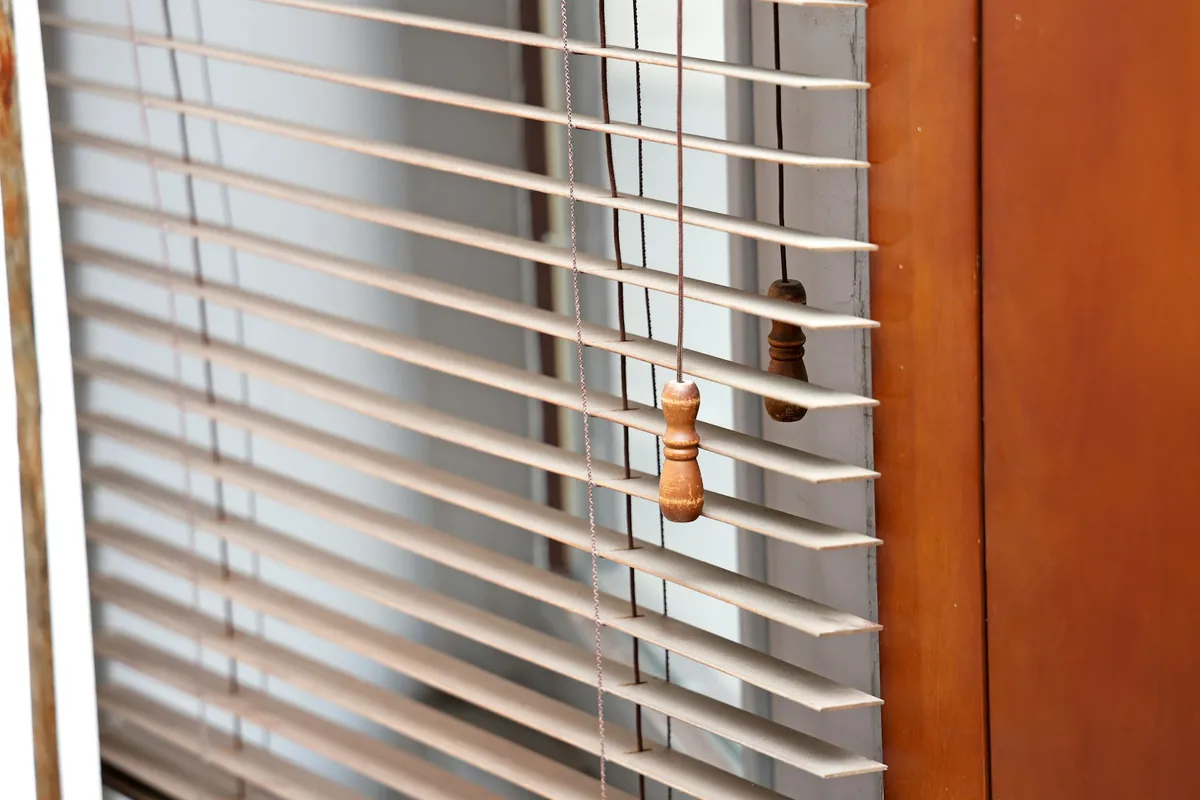
Matching sets for triple-deckers
Faux wood or wood blinds in one colour and slat for every street-facing window, so all three floors read as one house from the pavement.
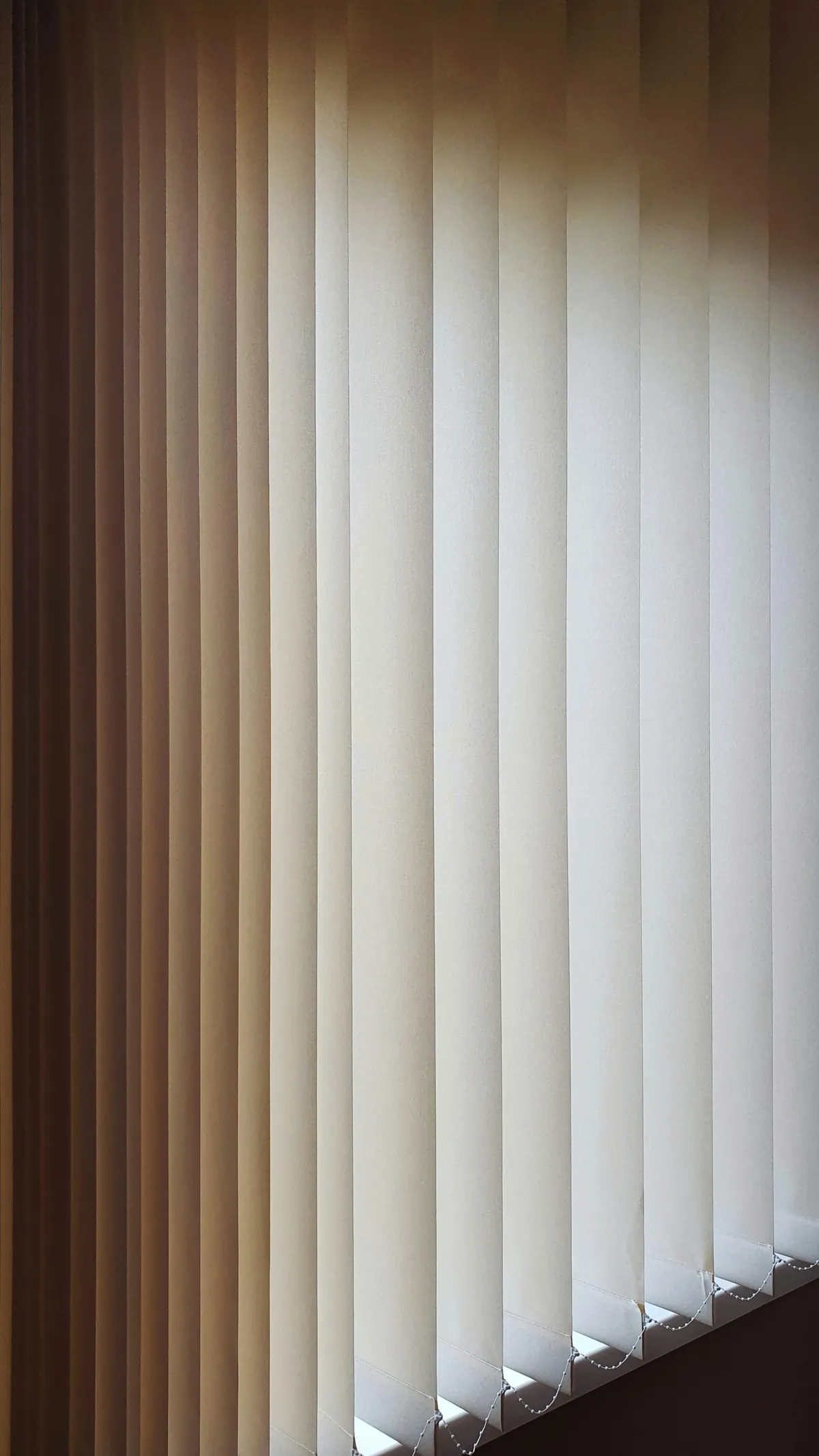
Verticals for back porch doors
Vanes on a single track for the doors that open onto rear porches and decks. See our vertical blinds in Providence page.
Getting Custom Blinds in Providence, RI Right on a Tall Window
A tall window is not just a normal window made longer. The extra length adds weight, adds slats, and changes what happens at the top of the window when the blind is raised. All of that has to be planned before the blind is made, which is why we measure every East Side window ourselves instead of working from a standard size.
Weight and lift
The more slats a blind has, the heavier it is to raise. On a window that runs close to a high ceiling, that adds up quickly. Wood is light for its size, which is one reason it suits these rooms so well. A wider slat also helps: fewer slats are needed to cover the same height, so the blind is lighter to lift and opens a broader view when tilted.
For the tallest windows, or a run of them in a front parlour, a motorised blind raised and lowered from a remote or a wall switch takes the effort away entirely. It also solves the reach problem in a room where the top of the window is far above your head. You can read more on our motorized blinds in Providence page.
Stack height
When a horizontal blind is raised, its slats gather at the top in a stack. On a short window that stack is small. On a tall East Side sash it is much deeper, and if the blind is mounted inside the frame, the stack sits across the top of the glass and takes some of the view and light with it.
There are two ways to deal with that. One is an outside mount set above the window, so the stack rests against the wall and the glass is clear when the blind is up. The other is to accept a little stack inside the frame in return for keeping the trim fully on show, which many people prefer in a room with fine mouldings. A thinner slat, such as aluminium, also stacks smaller. We show you where the stack will sit on each window before you decide.
Controls you can reach
On a high window, a lift cord and tilt wand are set at a comfortable height from the floor, on whichever side of the window suits the furniture. In a parlour with a radiator below the sill or a bookcase beside the frame, that choice matters, and we make it window by window during the measuring visit.
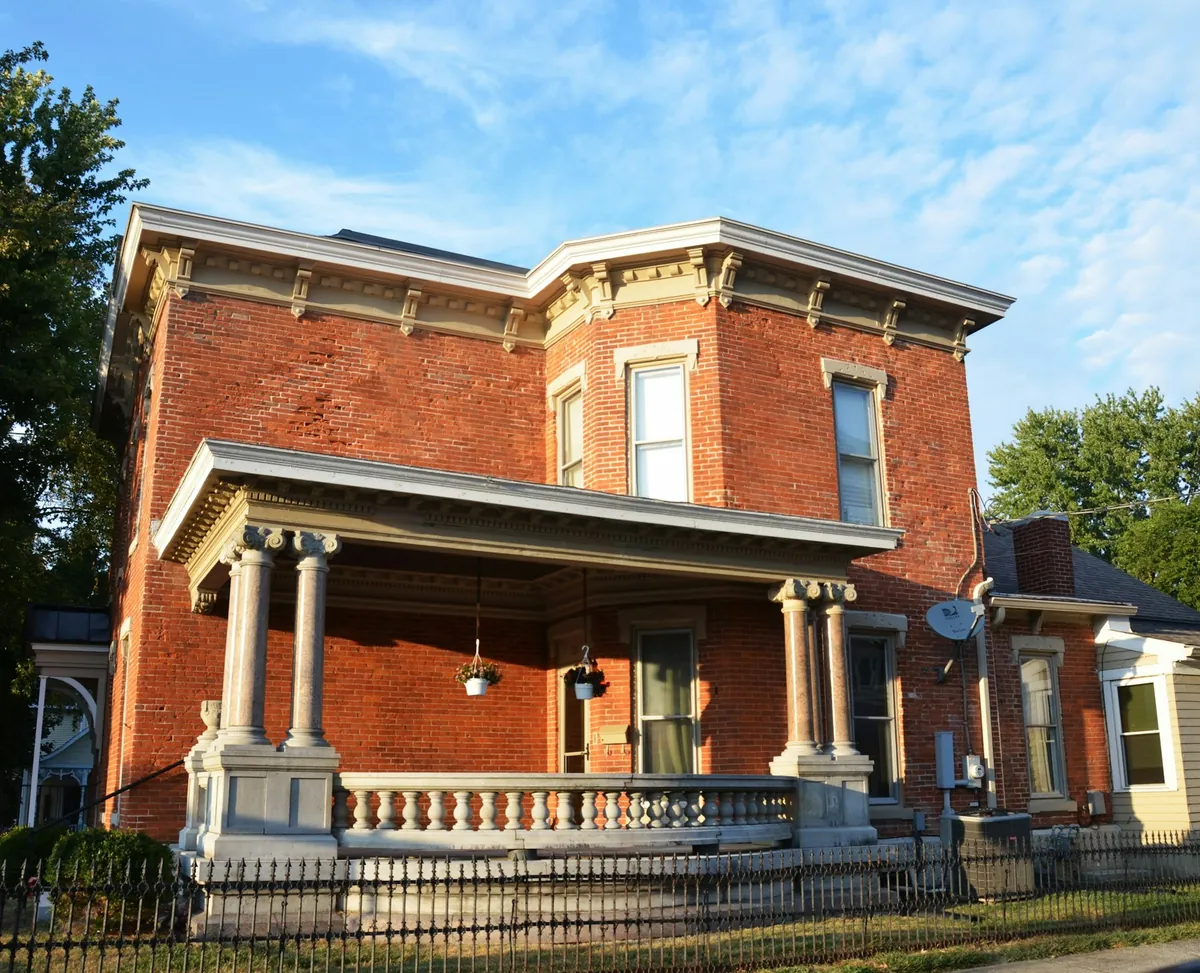
East Side Houses and Their Windows
Colonial Revivals on Blackstone Boulevard
The Colonial Revival houses along Blackstone Boulevard tend toward symmetry: windows spaced evenly across the front, often in pairs, with tall sash on the ground floor and slightly shorter windows above. Many have a sunroom or enclosed porch at one end with a long run of windows.
Matching blinds across the front keep that symmetry intact from the boulevard, all in one colour and lowered to the same line. In the sunroom, blinds made one per window, with headrails on a single line, give you control window by window without breaking up the room.
Victorians on College Hill
College Hill’s Victorians vary more: bays with angled windows, tall narrow parlour windows, stair windows at odd heights and small windows tucked into gables. Every one of those is a different size, and in a house this age the frames are rarely square.
A bay is fitted with one blind per window, made so their tops align around the angle. Narrow parlour windows take a long, slim blind. Gable and stair windows suit aluminium, whose thin slat stacks into very little space. We measure each window in several places and make each blind to its own figures.
Historic-district review
Historic-district review is mostly about what the street sees. A blind is behind the glass, but on the East Side, where the houses sit close to the pavement, it is still part of the view from outside. Giving every street-facing blind one colour, choosing white or soft neutral slats that read quietly through old glass, and lowering them to matching heights keeps the front looking settled. An inside mount, where the stack allows it, keeps the line of each window crisp from outside.
We do not speak for the review commission, so if you are unsure whether a change to your house needs approval, check with the city before ordering. Our part is to make sure the blinds look consistent and discreet from the street.
Triple-Deckers in Federal Hill and Elmhurst
A triple-decker has one flat per floor and the same window pattern repeated three times. From the street, the front windows of all three floors are seen together, so a mix of colours and treatments makes the house look busy. Blinds in one colour and slat on every front window, from the first floor to the third, give the building a calm, finished face.
The windows themselves are usually more regular than East Side sash: double-hung, in a few repeated sizes, with a bay stack on many fronts and a rear porch on each floor. That repetition helps. Once one floor is measured, the others often follow the same sizes, though we still measure every window, because a frame on the third floor can differ from the one below it.
The rear porches bring doors onto each floor’s porch, and those suit vertical blinds or a long horizontal blind on the door itself. Kitchens at the back take faux wood, which handles steam and cleans easily. Bedrooms off the side, often facing the next house across a narrow gap, want slats that close tight for privacy.
If you own a triple-decker and are doing one floor at a time, we keep a note of what was made, so the next floor can be matched exactly.
The bay stack on a triple-decker front
Many triple-deckers carry a bay that runs up all three floors at the front, with three windows on each level: a wide one facing the street and two narrower ones angled to the sides. Those nine windows are the most visible on the building, and they are where custom blinds in Providence, RI make the biggest difference to how the house looks from the pavement.
Each window in the bay gets its own blind, so the angled side windows can stay open for light while the centre one is lowered, or the other way round. The blinds on each floor are made to the same drop and lowered to the same line, so looking up from the street, the bay reads as one column of matching windows. The side windows of a bay are often narrower than the centre one by a small margin, and they can differ from floor to floor, so all nine are measured.
The bay is also where most flats put a sofa or a table, so the controls are placed on the sides you can reach without moving furniture.
Starting with one floor or one room
Whether it is a single-family Victorian or a three-flat building, there is no need to do the whole house at once. A common place to start on the East Side is the front parlour, where the tallest windows are and where the stack and lift questions are settled for the rest of the house. In a triple-decker, the owner’s own floor is often first, with the other flats matched later. Choosing custom blinds in Providence, RI this way lets you see how a material and colour live in the room before committing every window to it.
What Happens on Installation Day
By the time our installers arrive, you will have chosen your material, colour, slat width and controls, and every blind will have been made to the measurements taken at your windows. The day itself runs like this.
- Our team arrives and checks each blind against the room and window it was made for.
- Brackets go up, inside the frame or above the trim, as agreed when we measured.
- Each blind is hung, levelled and checked so it hangs straight in the window.
- Every blind is raised, lowered and tilted to make sure it works smoothly and stacks where it should.
- On tall windows, we check that the controls fall at the height agreed.
- We show you how each one works, including any motorised blinds and their remote or wall switch.
- We clear up, and you keep the same store’s contact for anything that needs a second look.
From the first call to this point, we stay in touch with you, so you always know where your order stands.
Which material goes in which room
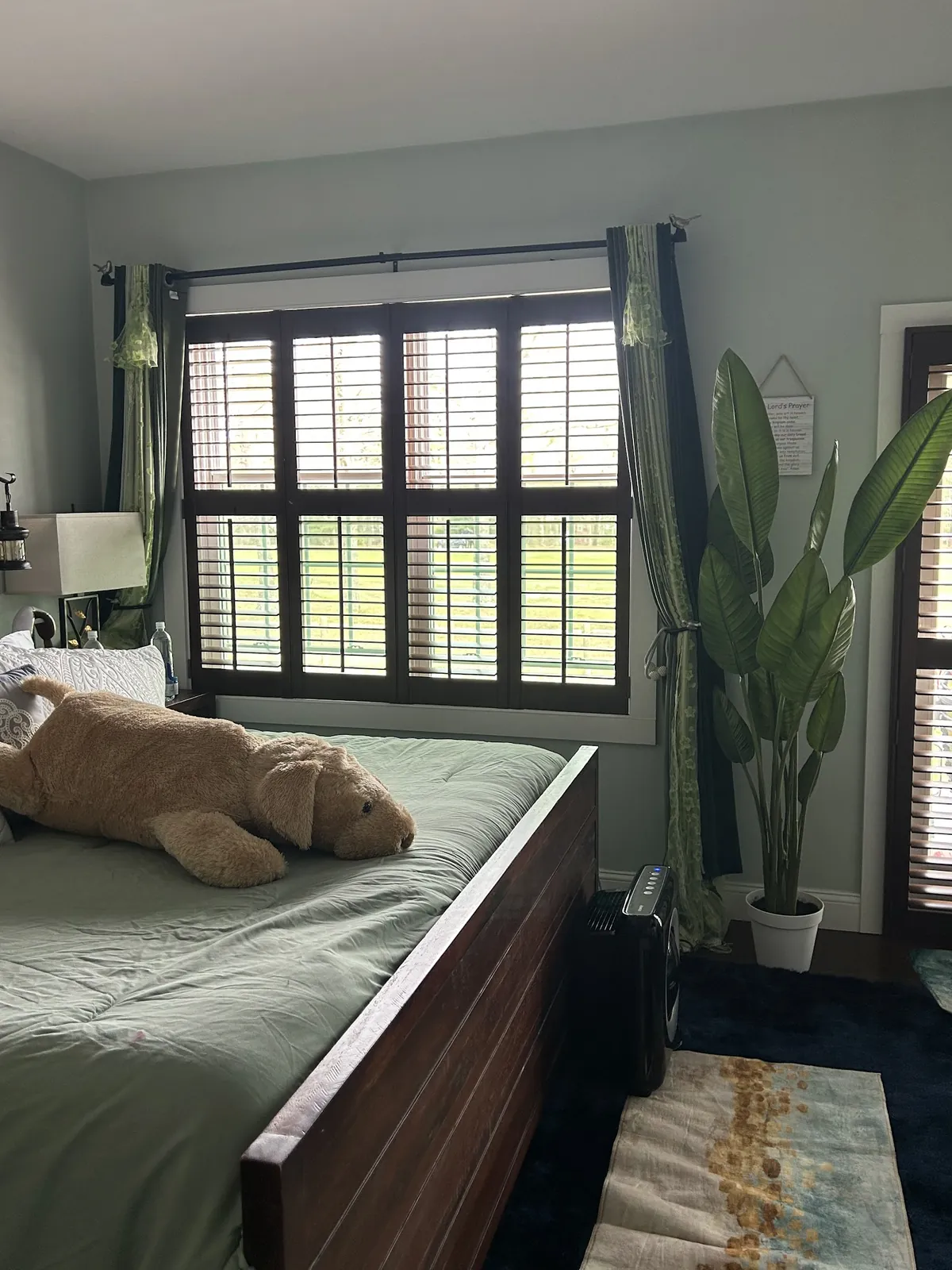
Wood is the natural choice for East Side parlours, dining rooms, libraries and bedrooms. It is light for a long blind and looks at home with old woodwork. Keep it away from steam.
Faux wood handles moisture, so it goes in kitchens, bathrooms and laundry rooms, and it is a practical choice for every window in a triple-decker flat. In the same colour as wood, it matches from the street.
Aluminium has the thinnest slat and the smallest stack, so it suits gable windows, stair windows and any tall window where you want the stack to stay small.
Vertical blinds are for doors and wide openings, like rear porch doors and sliders to a deck.
Light and privacy on city streets
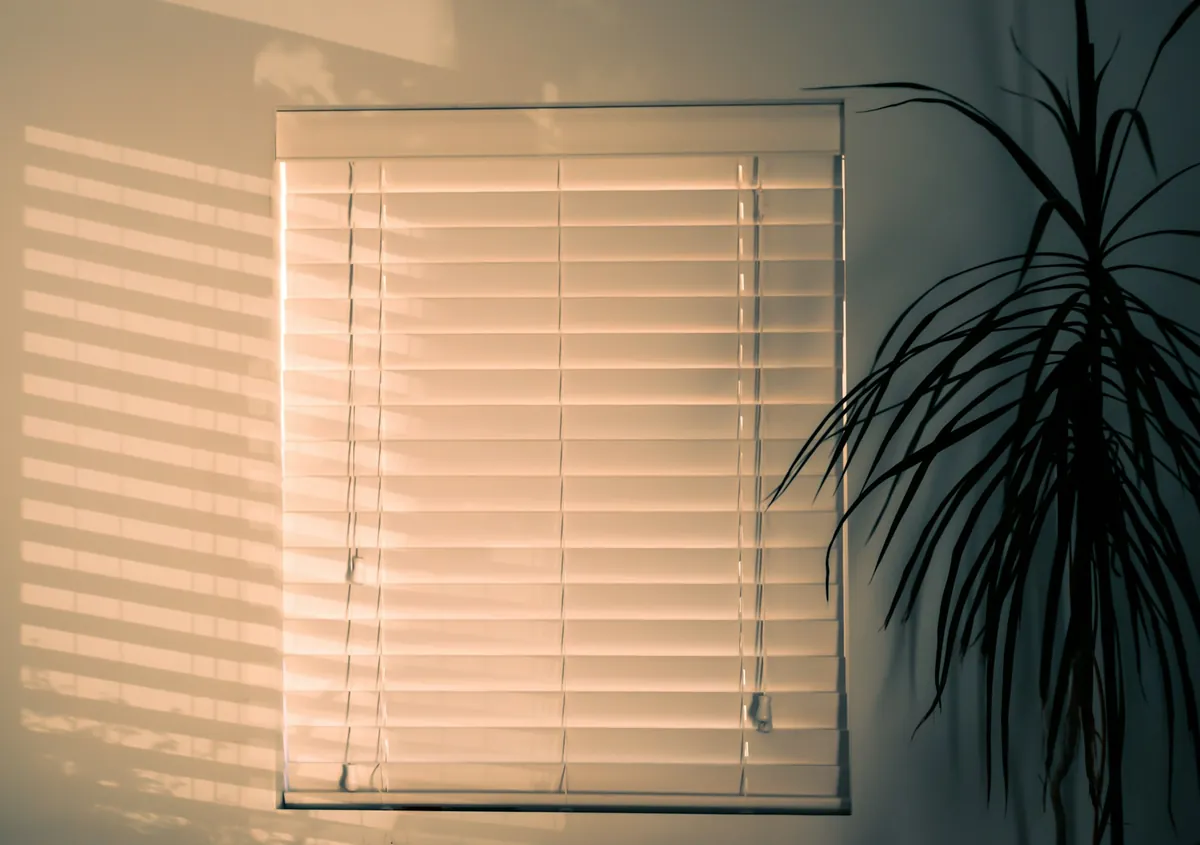
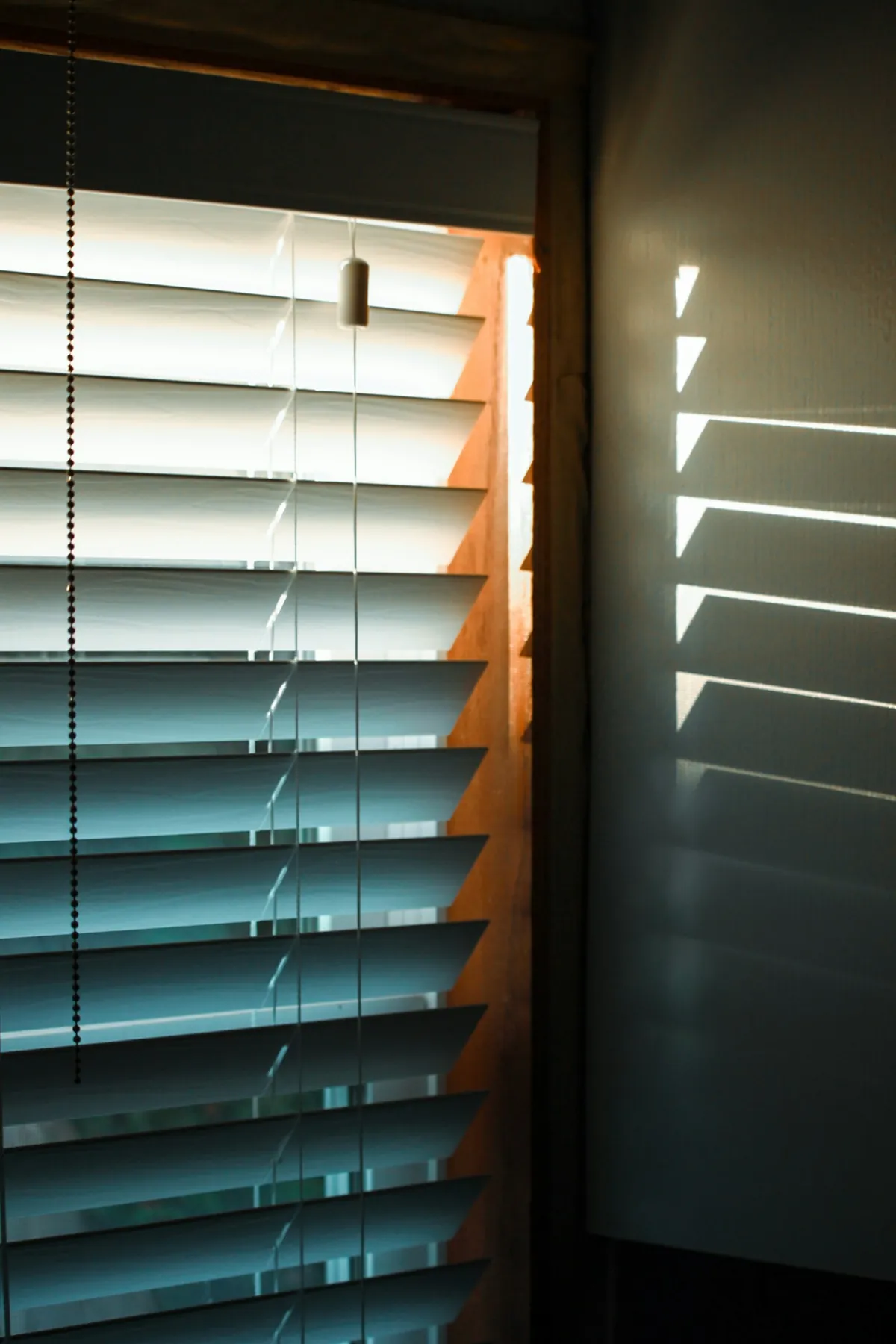
Providence houses often sit near the pavement and near their neighbours, so ground floor rooms need privacy without losing daylight. Tilt the slats upward and light reaches the ceiling while passers-by see only slats. At night, close them fully. High ceilings help here, because light thrown upward spreads across a tall room.
Bedrooms want slats that close tight. A home office does best with slats tipped upward, so light lands on the ceiling rather than on a screen. In a triple-decker, side windows facing the house next door are often kept lowered with the slats angled up all day.
Blinds with drapes and other treatments
Tall East Side windows look very good with a blind inside and drapes outside: the blind manages light and privacy, while full-length panels emphasise the height of the room and add colour. Window Works makes drapes and custom fabric decor, so both can be planned together. Some windows are better suited to shades, shutters or something else, and if that is the case we will tell you. See our Providence window treatments page for every service in the city, and the main custom blinds page for the full blind range.

Keeping tall blinds clean
A long blind collects dust along its whole length, so the trick is to lower it all the way and close the slats before you start. Run a soft duster down one face, flip the slats the other way and do the other. In a city kitchen, faux wood and aluminium take a wipe with a barely damp cloth; real wood only ever gets a dry one. Verticals on a porch door are done where they hang, turning the vanes to reach the back. A tall parlour blind dusted this way every few weeks stays looking new for a long time.
Why Providence Homes Choose Window Works
Window Works is a family store in Swansea, open since 1988 and now in its second generation. For over 37 years we have worked across the SouthCoast of Massachusetts and the Rhode Island East Bay, including Providence’s East Side and its triple-decker neighbourhoods.
- A specialist team that knows tall sash and stacked flats
- A visit to your home to measure, window by window
- Installation done by Window Works itself
- Regular updates from us right through to the last blind
- Warranties available on what we supply
To compare custom blinds in Providence, RI before you order, visit the Swansea showroom. You can handle each material, see the colours in daylight and look at the Norman range in person.
Questions from Providence
Can you make blinds for very tall East Side windows?
Yes. We measure the full drop and choose the slat width and material for the length. On the tallest windows, a motorised blind run from a remote or a wall switch is an option.
Will the raised blind block the top of my window?
A tall blind gathers into a deeper stack when raised. Mounting it above the window keeps the glass clear; mounting it inside keeps the trim on show. We show you where the stack will sit before you choose.
Do blinds work in a historic district house?
They sit behind the glass, and matching colours and heights across the front keep the house looking right from the street. If you are unsure about approvals, check with the city first.
Can you match blinds across all three floors of a triple-decker?
Yes. We measure each floor and keep a record of what was made, so every street-facing window can match, even if the floors are done at different times.
Is the quote really free?
Yes, it costs nothing. Ring the store from the call button, or fill in the form here with the rooms or floors you have in mind.
Take the First Step
A free quote is the place to start. The call button connects you to the Swansea store, where you can book it, arrange measuring at your home or ask about installation. If writing suits you better, send the form and we will get back to you. And if you want to see the samples first, the contact page gives directions to the showroom. Window Works has a 5.0 rating on Google.