
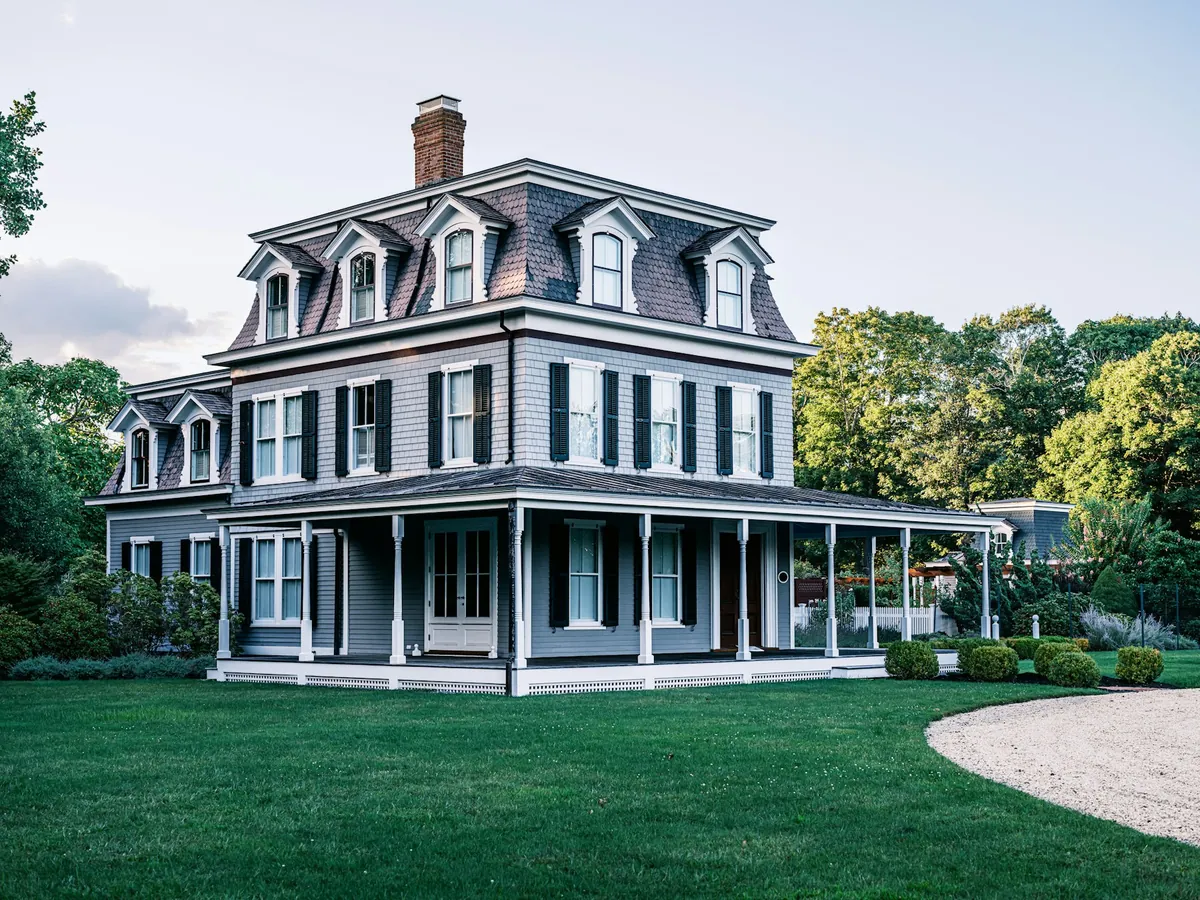
Hillside Light and Deep Old Reveals
Fall River is built on a hill, and that shapes the light in almost every house. A room on the downhill side can be flooded with sun from morning to evening, while the room across the hall sits in the shadow of the slope or the house next door. Woven wood shades in Fall River, MA have to be chosen with that in mind, because the weave that suits the bright side can leave the shaded side feeling dim.
The housing adds its own demands. The mill-era three-deckers and Victorians through the Highlands and Corky Row have tall, narrow double-hung windows set into deep interior reveals. The waterfront condominiums near Battleship Cove have large sheets of modern glass. A natural weave can work in both, but the mount, the length and the liner are different in each.
- Woven wood and bamboo, lined or unlined
- Each window measured where it stands, and installed by our team
- Weaves on display at our Swansea showroom, a short drive away
Woven Shade Choices for a Fall River Home
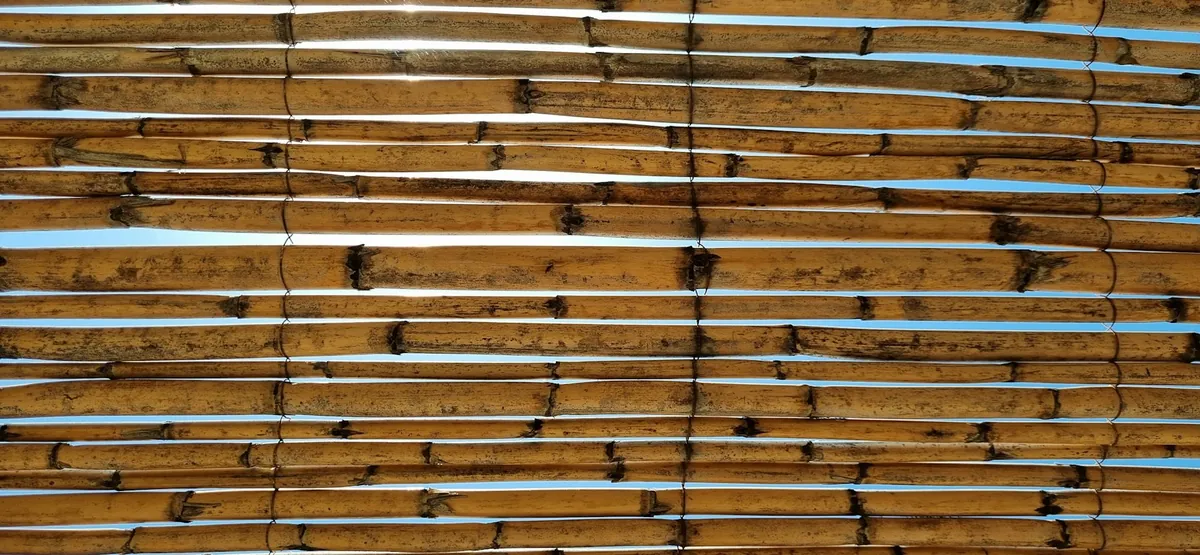
Set back in a deep reveal
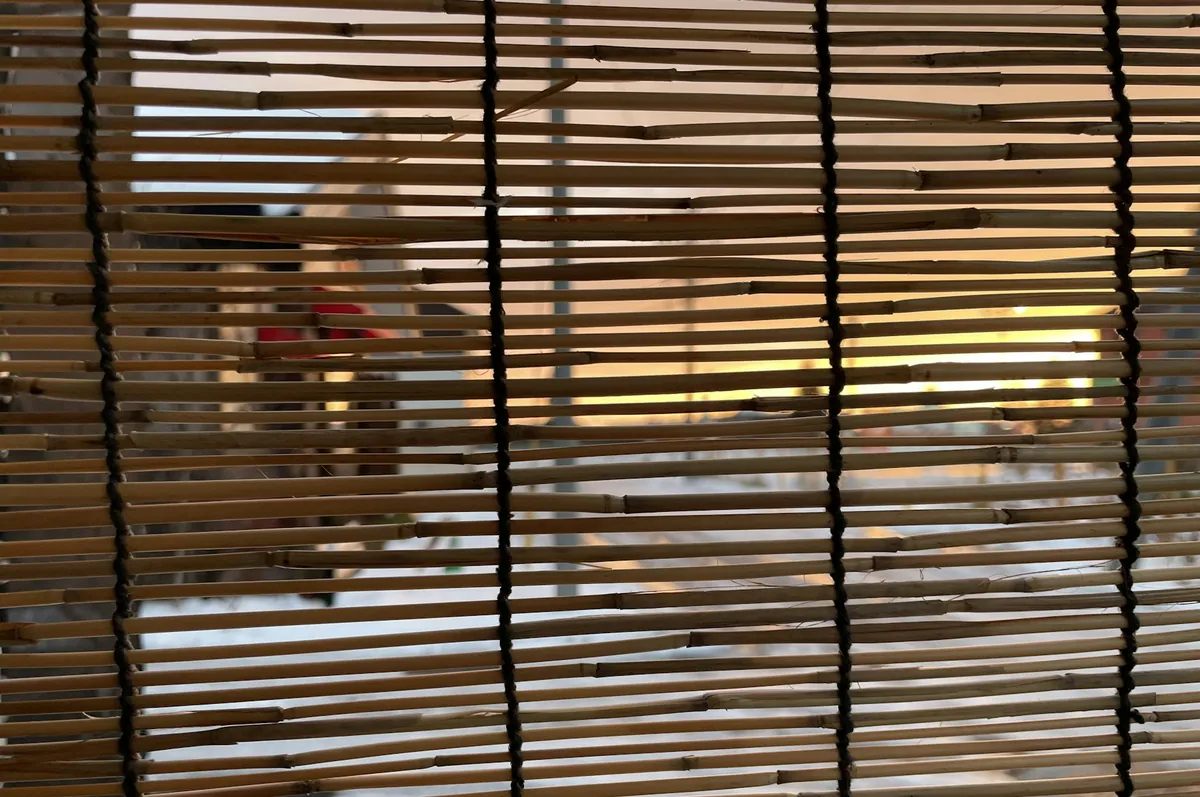
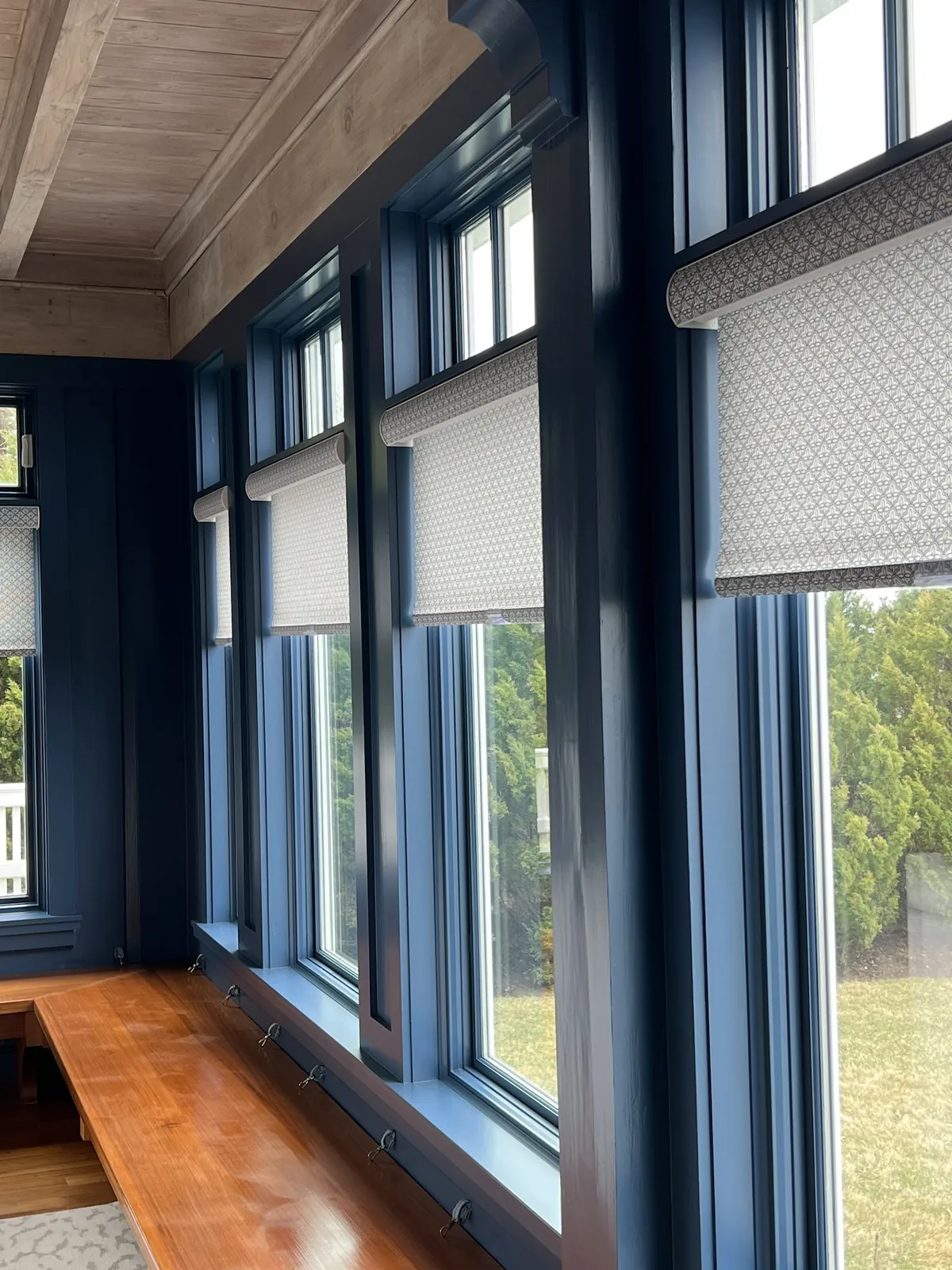
The thick walls of an older Highlands house leave room to fit a shade well inside the window opening. A fine bamboo weave set back in the reveal looks built in, and the trim around it stays clear.
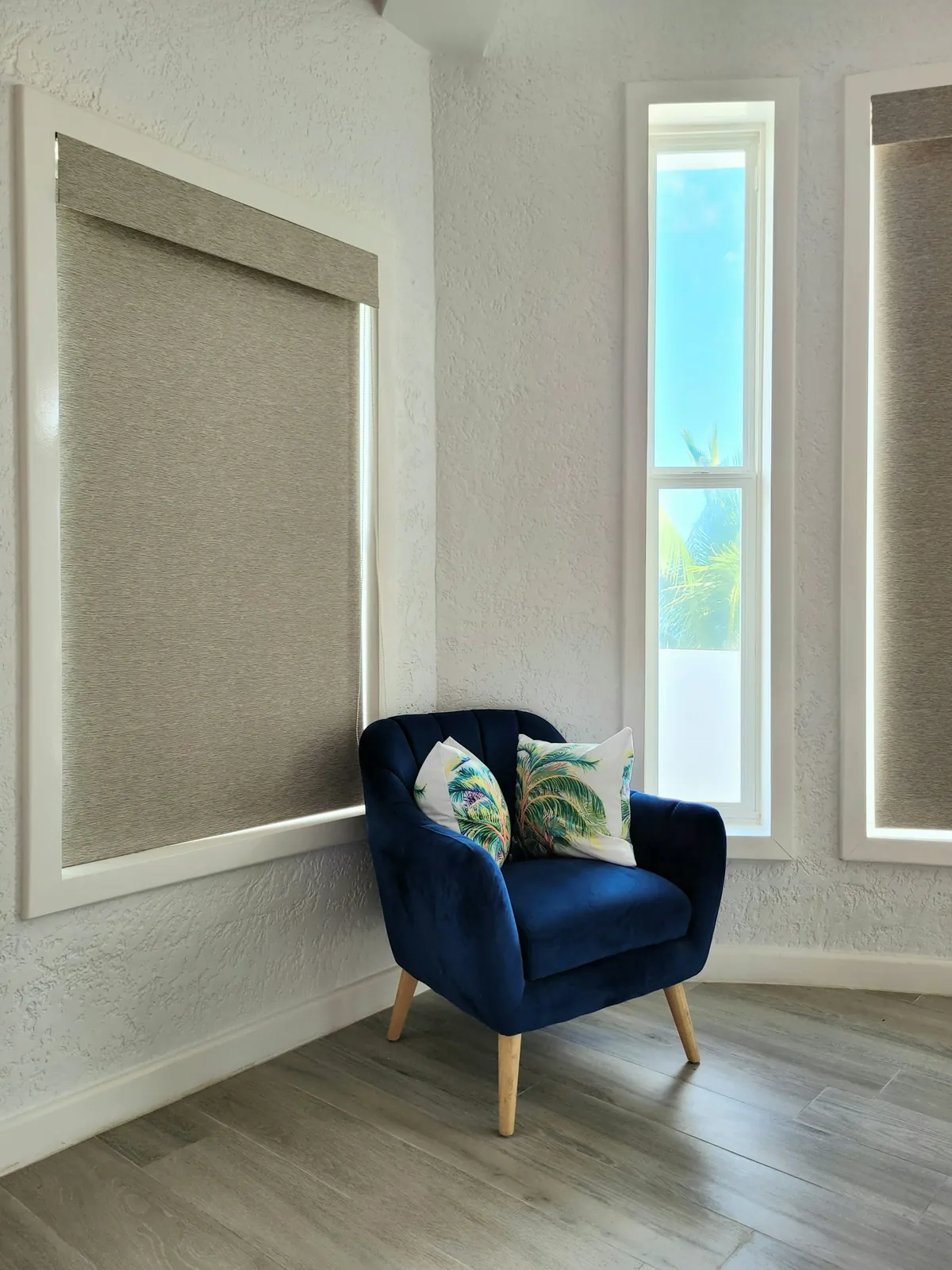
Across wide condominium glass
On big modern panes, a row of matching woven shades, each sized to its own section, keeps the texture even from one end of the wall to the other.
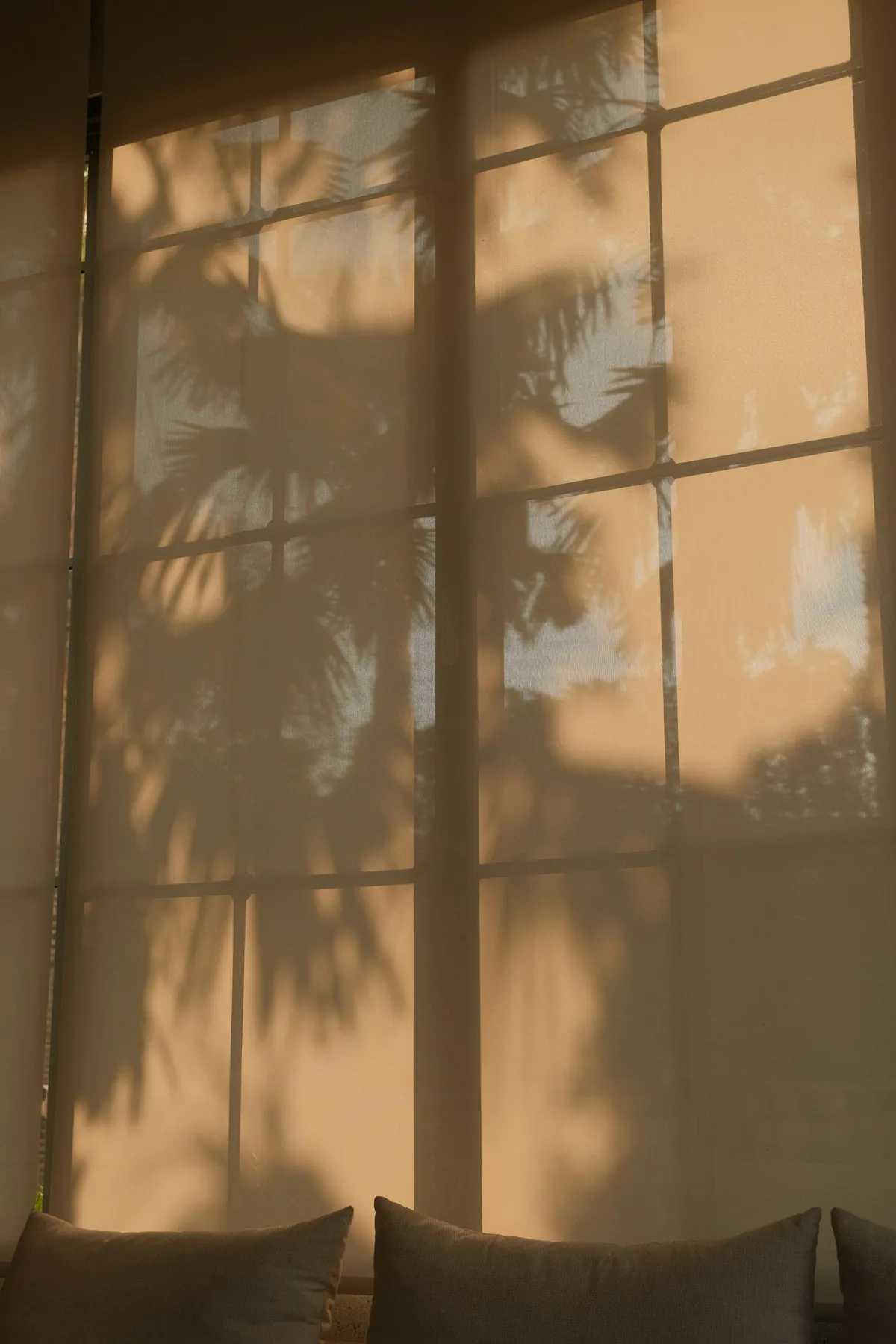
Lined for the evening
Where a three-decker’s front room faces the street, a liner behind the weave keeps the room private once the lamps go on.
Woven Wood Shades in Fall River, MA, Side by Side on the Hill
The single most useful thing to know before ordering woven wood shades in Fall River, MA is which way each room faces and how much the slope or the neighbouring building shades it. Two windows on opposite sides of the same flat can need quite different shades.
On the bright side, an unlined woven shade breaks strong sun into a warm, scattered light. A tight weave keeps that light gentle and gives fair daytime privacy. A looser weave lets more sun in and casts flecks of light and shadow across the floor. When a room takes the full afternoon sun, a light liner can take the heat out of the glare while the texture still shows from inside.
On the shaded side, the aim is usually the opposite: let in every bit of daylight there is. A pale, open weave, left unlined, softens the view of the wall or yard next door without darkening the room. A dark, tight weave on the same window would make a dim room dimmer.
So we often suggest the same weave in different forms on each side of the house: unlined and open where the light is scarce, lined or tighter where it is strong. From inside, the rooms still look like one choice. From outside, the shades look the same in daylight.
Tall, narrow sash in the Highlands Victorians
The Victorians in the Highlands have very tall windows: long, slim double-hung sash, often with high ceilings above them and deep panelled reveals to the sides. These windows suit a woven shade well, but they bring two practical questions.
The first is where the shade sits. The deep reveal is a gift: there is usually room to mount the shade inside the opening, set back from the trim, so the woodwork frames it like a picture. We measure the depth at every window, because reveals in an old house vary, and a frame that has settled out of square needs a shade sized to its narrowest point.
The second is the drop. A long shade folds into a longer stack when raised. On a tall window that is rarely a problem, because the stack sits high in the opening and the lower glass stays clear. We set the stack height with you, so the view out of the lower sash is open when the shade is up.
For colour, mid and honey tones sit well with the stained or painted woodwork these houses often keep. Very pale bamboo can look washed out against dark trim, and very dark weaves can disappear into it.
Three-deckers in Corky Row
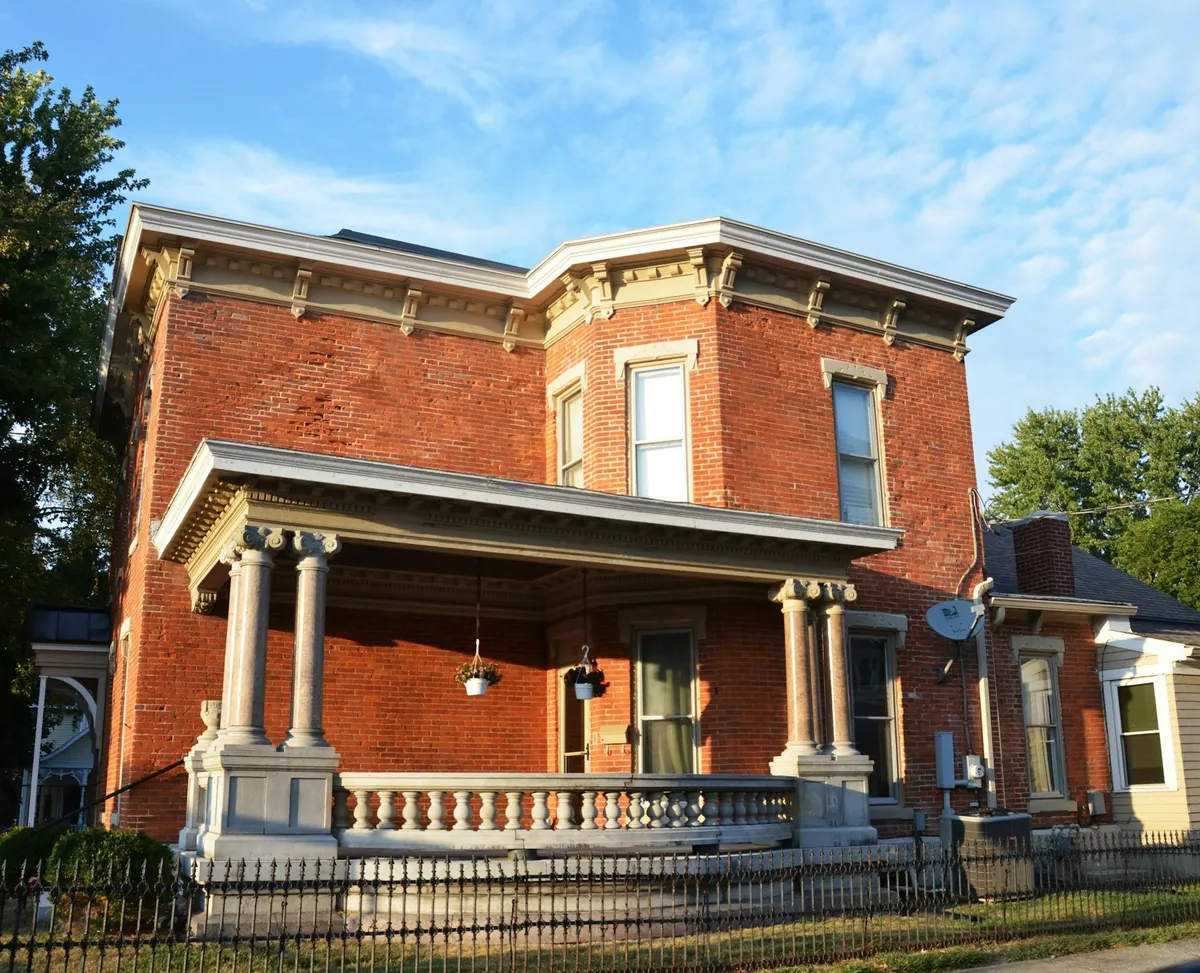
The three-deckers through Corky Row put a lot of windows on a small footprint. Each floor is a flat of its own, with front rooms on the street, a run of side windows facing the house next door, and rear rooms over the back porches.
Each of those faces has its own need. The front rooms see the sidewalk, so a privacy liner is usually worth it on the windows where people sit in the evening. The side windows often look straight across a narrow gap at the neighbour’s windows; a tight weave with a liner screens them while still letting daylight through. The rear rooms, with the porches outside, tend to be the brightest and the most relaxed, and an unlined open weave suits them.
Owners who are dressing several floors at once often like the same weave and colour on every front window, so the building looks tidy from the street. Inside, the liner can still vary room by room.
The top floor of a three-decker
The top flat of a three-decker is usually the brightest place in the building. It sits above the neighbouring roofs, catches sun from more than one side and gets warm under the roof in summer. Its windows are often the ones most in need of help, and they are a natural home for a woven shade.
A tighter weave or a light liner on the sunniest windows takes the edge off the heat and glare in the afternoon, while the texture keeps the room from feeling closed in. On the side that faces the next building, an open weave lets the light that does reach the window come through. The ground-floor flat, by contrast, often needs the most privacy and the least sun control, so its shades are usually lined at the front and left open at the back.
Reaching the controls on a tall window
On a window that runs close to the ceiling, the controls need to hang where a person can reach them comfortably without standing on a chair. We set the control length and the side it hangs on for each window, keeping it clear of a radiator, a piece of furniture or a door that swings close by. Where small children are in the house, tell us when we measure, and we will talk through the safest set-up for each room.
Getting round radiators and window hardware
Older Fall River houses often have radiators under the windows and old sash locks, lifts and pulley covers within the frame. None of that rules out a woven shade, but it changes the measurements. An inside mount has to clear the sash lock. A shade that hangs down to the sill has to stop short of a radiator cover where one sits close below. We note all of this when we measure, so the shade fits around what is there rather than the other way round.
Waterfront Condominiums near Battleship Cove
The condominiums on the waterfront are a different world from the hill. The windows are large, modern and regular, the views over the water are the reason people live there, and the glare off the bay in the afternoon can be strong.
A woven shade suits these rooms because it softens the light without hiding the view completely. Lowered, an open weave turns the water into a blurred, glowing backdrop; raised, it tucks away at the top of the glass. Where the glass runs nearly floor to ceiling, the shades are made long and stack high, and a matching valance can hide the headrails along the top of the wall.
Big panes are usually dressed as a row of shades rather than one wide one. Each is sized to its section of glass, the bottom edges line up across the wall, and each can be raised or lowered on its own as the sun moves. On the panes that take the hardest afternoon light, a liner can cut the brightness further while the others stay unlined.
A sliding door to a balcony is better served by something that draws sideways, such as a vertical blind or panel track, than by a woven shade that has to be raised every time you step out. We will show you how the two can sit side by side.
Layering woven shades with sheers
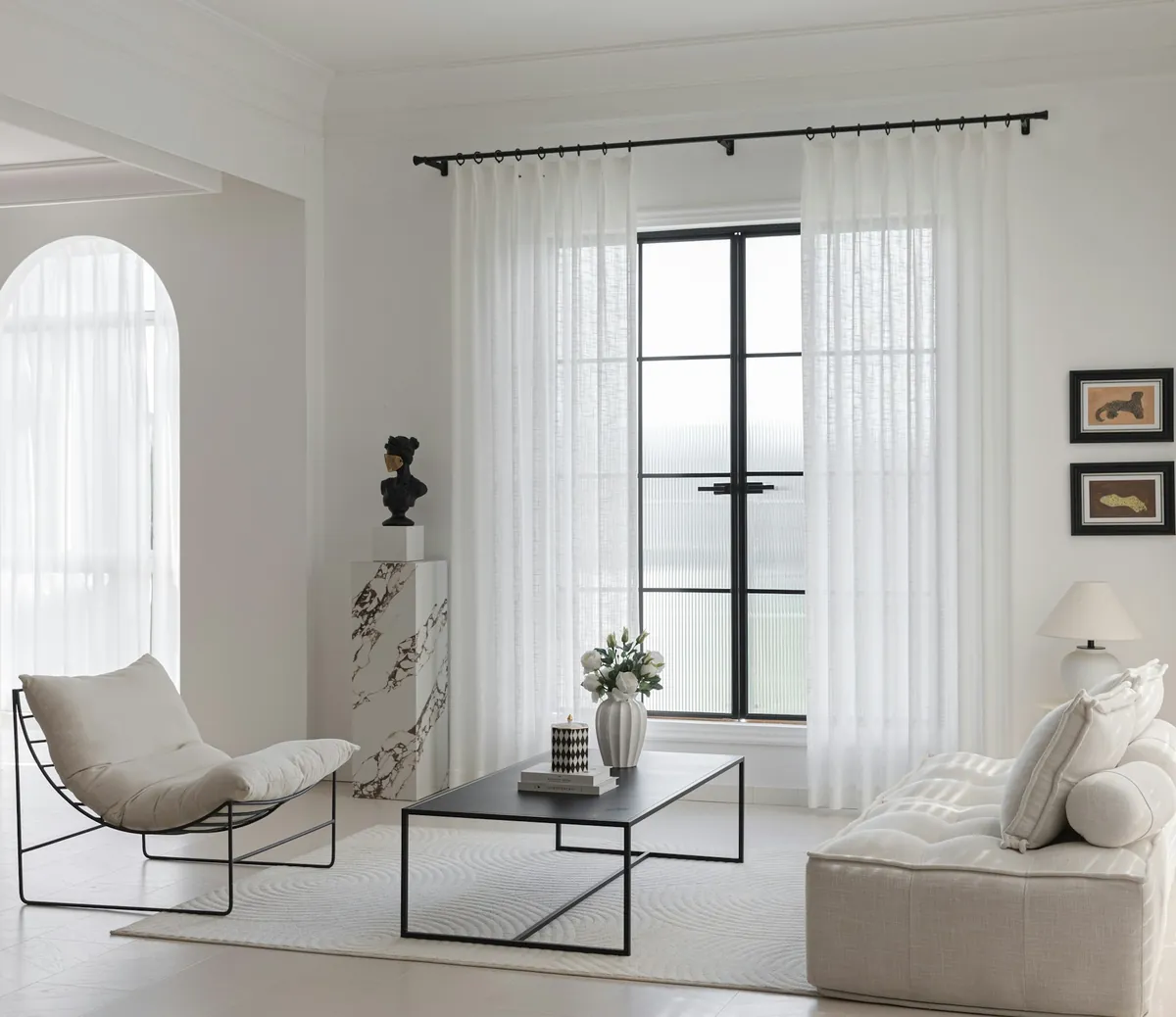
In a condominium living room, an unlined woven shade with sheer curtains to the sides makes a soft, layered window. The shade handles the light, the sheers frame the glass, and at night the curtains can be drawn for extra privacy. We make both, so the fabric and the weave can be chosen together. If you prefer a smooth fabric fold over a natural weave on a tall window, our Roman shades in Fall River page covers that option.
Bedrooms on a Busy Street
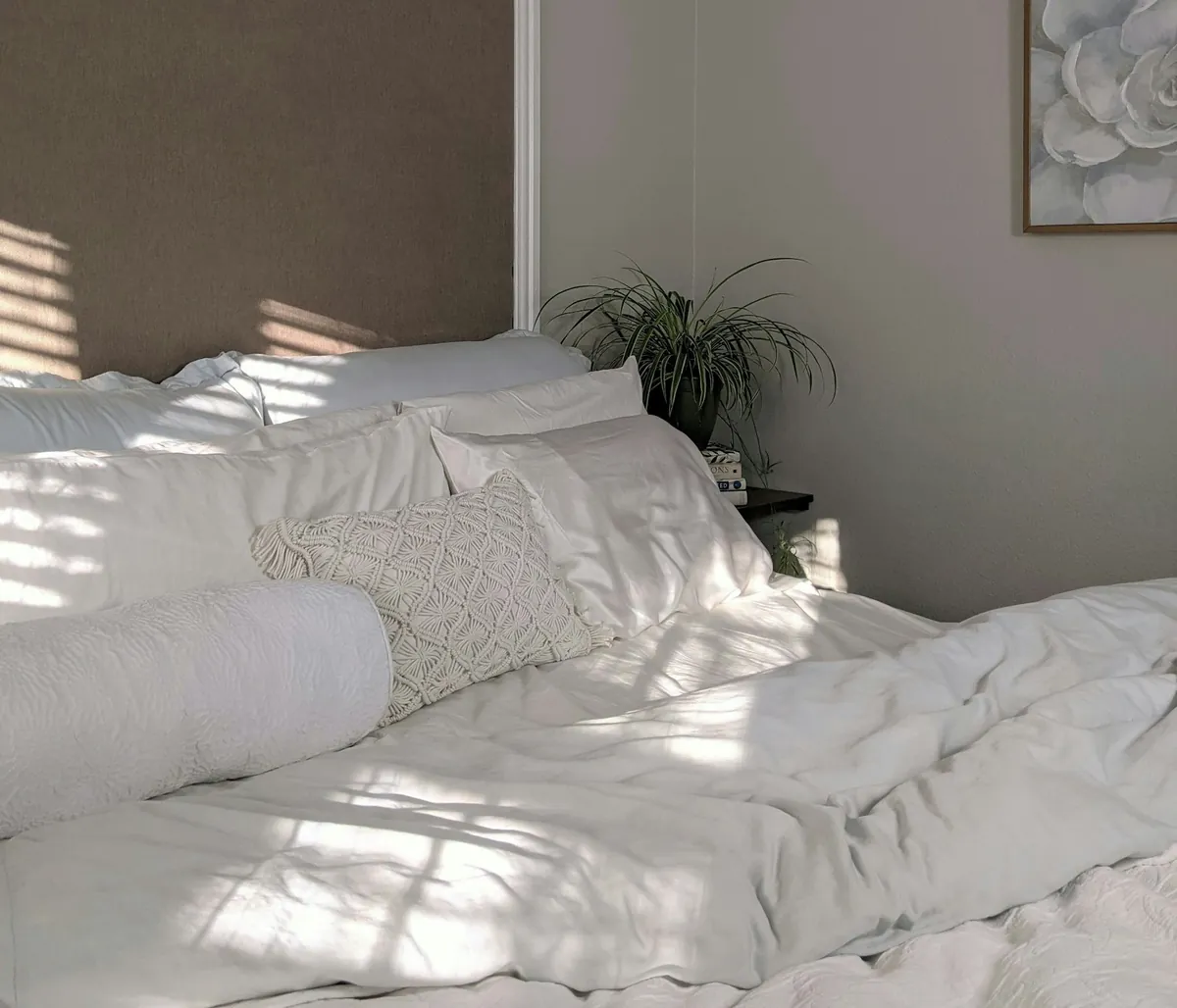
Many Fall River bedrooms sit on the street side of the house, a few feet above the sidewalk or level with the windows of the building opposite. Street lights, passing headlights and early sun all reach them. An unlined woven shade is pleasant in a bedroom by day, but it does little against any of those.
For these rooms, a room-darkening liner behind the weave is usually the right call. It blocks most of the light from outside, keeps the room private, and from the street the shade still looks like the rest of the house. Bedrooms at the back, over a yard or a porch, can often go with a lighter privacy liner, or none at all if the room faces away from other windows. We will look at each bedroom when we measure and suggest what suits it, rather than putting the same liner on every window by default.
How a Fall River Order Works
We stay in touch from the first call until the last shade is in and working.
- Start where it suits you. Come into the showroom to look at weaves, or skip straight to the call button or the form.
- Book a free quote and tell us which rooms and floors you are thinking of.
- A specialist measures each window in your home, including reveal depth, any radiators or sash hardware, and which way each room faces.
- We talk through weave and liner side by side for the bright rooms and the shaded ones.
- Your quote lists every window, with its weave, liner and mount.
- The shades are made to the measurements from your home.
- Our team installs them and runs each one up and down with you before we leave.
Colour against old woodwork and new white walls
Natural weaves never match a printed swatch, and they look different with the sun behind them. That matters more in Fall River than in many towns, because the light varies so much from room to room. A weave that looks warm and golden on the downhill side can look grey and flat in a shaded back room.
The simplest way round it is to tell us which way each room faces, then hold the showroom samples up to the daylight in our windows before you decide. In a Victorian with dark stained woodwork, a mid brown or honey weave usually looks right. In a condominium with white walls and pale floors, a light bamboo or a soft grey-brown weave keeps the room bright.
Where a woven shade is not the answer
Natural weaves do not like water or steam. In a Fall River kitchen where the window sits over the sink, or a bathroom without much ventilation, a faux wood blind, a fabric shade or a shutter will last longer and wipe clean. A slider to a back deck or balcony is better with a treatment that draws sideways. We will say so plainly when we see a window like that, and we can dress it in a style that sits well beside the woven wood shades in Fall River, MA rooms around it.
Care in a city house
Woven shades need little looking after. A soft brush or a vacuum with a brush head, run down the shade now and then, keeps dust from settling in the weave. Houses close to busy streets collect a little more grit, so a light dusting more often helps. Spot clean with a barely damp cloth and dry it at once. Natural materials should stay out of steamy bathrooms and kitchens. If a cord or a lift fails on a shade you already own, we can usually repair it.
You can see every service we offer in town on our window treatments for Fall River homes page, and the full range of weaves is on the main woven wood shades page.
Behind Every Order
Window Works is a family store, opened in Swansea in 1988 and now run by the second generation. For over 37 years it has worked in homes on both sides of the Taunton River and on into the Rhode Island East Bay.
- An experienced team of window treatment specialists
- We measure every window in your home
- Our own team installs what we sell
- We keep in touch with you until the work is done
- Warranties offered on our products
Whether it is one bay-facing condominium wall or every front window of a three-decker, the work on woven wood shades in Fall River, MA is planned and fitted the same way.
See the Weaves Up Close
The Swansea showroom is a short drive from Fall River. Come in to compare bamboo and mixed wood weaves, see an unlined sample beside a lined one, and hold them up to a window to see how the light changes.
Bring a photo of the room, or a note of which way it faces, and our specialists will help you choose. The Norman range is on display in the showroom too.
Questions from Fall River
Will a woven shade fit inside the deep reveal of my Victorian window?
Usually, yes. Many older Fall River windows have plenty of depth. We measure each reveal and size the shade to the narrowest point of the frame.
My rooms on one side are bright and the other side is dim. Same shade everywhere?
Often the same weave, but not the same set-up. We usually suggest a lined or tighter shade on the bright side and an open, unlined one on the shaded side.
Can people see into my front room at night?
Through an unlined woven shade, they can see shapes when your lights are on. A privacy liner on the street-facing windows stops that.
Do woven shades work on condominium glass by the water?
Yes. Big panes are usually dressed as a row of matching shades, so each can be raised on its own and the view stays in sight.
How do I get a quote?
Quotes are free. Use the call button or send the form, mention which rooms and floors you have in mind, and we will arrange a visit.
Ready When You Are
The easiest first step is a free quote. Press the call button to book measuring in your home or ask about installation, or send us the form. If you want to see the weaves before anyone measures, come to the Swansea showroom; the contact page has the directions. Window Works is rated 5.0 on Google.