
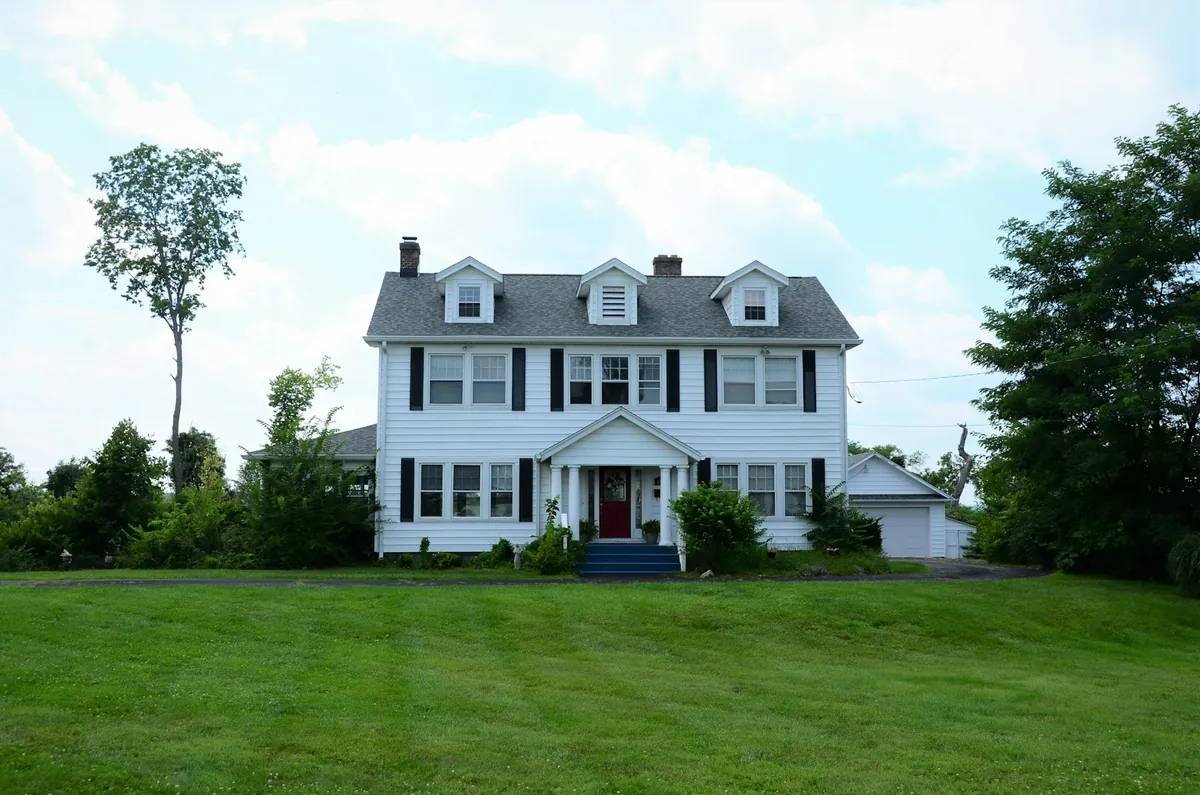
Long Glass and Formal Rooms on the Barrington River
Barrington has two kinds of house that make a strong case for a motor, and motorized blinds in Barrington, RI are usually planned around one or the other. Along Rumstick Road and Nayatt Road, the mid-century moderns were built with long runs of glass and low sills, so a single room can carry five or six shades in a row. A few doors away, the center-hall colonials keep a living room and dining room on either side of the front hall, formal spaces where drapery is expected and the shade behind it has to work without anyone tugging at a cord.
Add the Barrington River frontage, where the water throws light back into the house for much of the day, and you have rooms whose shades need moving often and are a nuisance to move by hand.
- Remote control, a wall switch, or the two together
- Each blind or shade made to the size of its own window
- Measured at the house, installed and set up by our team
What a Motor Changes in a Barrington House
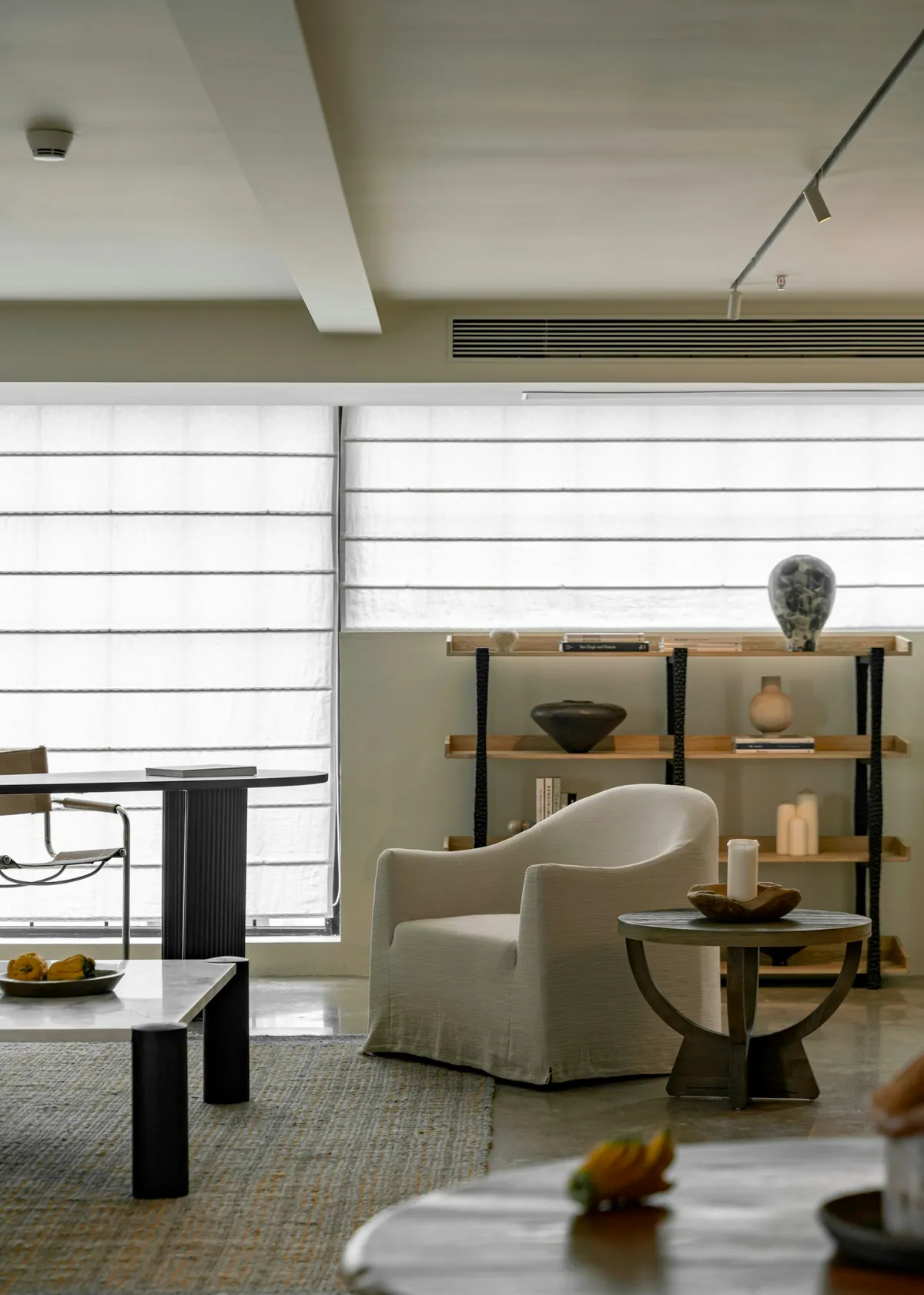
A whole wall from one spot
Where a mid-century living room has glass from corner to corner, every shade on that wall answers to one press instead of a walk along the room.
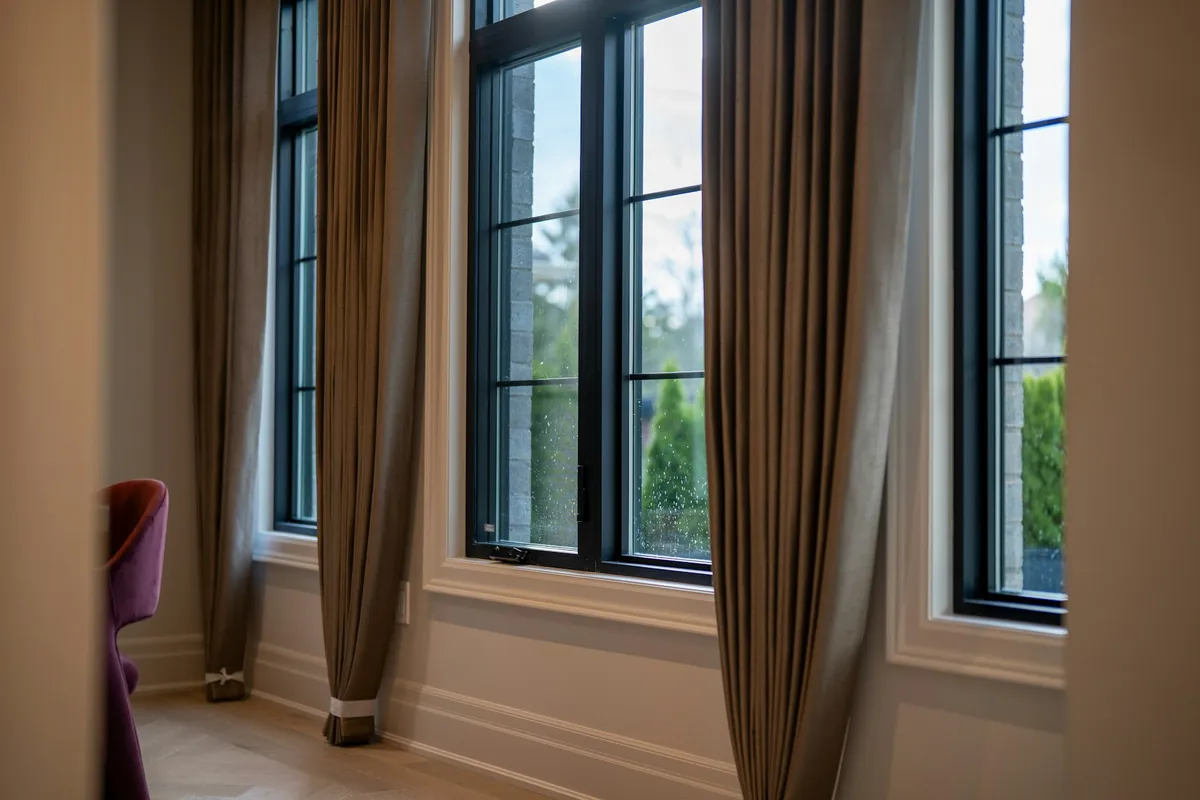
Shades behind drapery
The drapes in a colonial dining room stay put as dressing. The shade behind them does the daily work, and nobody reaches through the folds to find a cord.
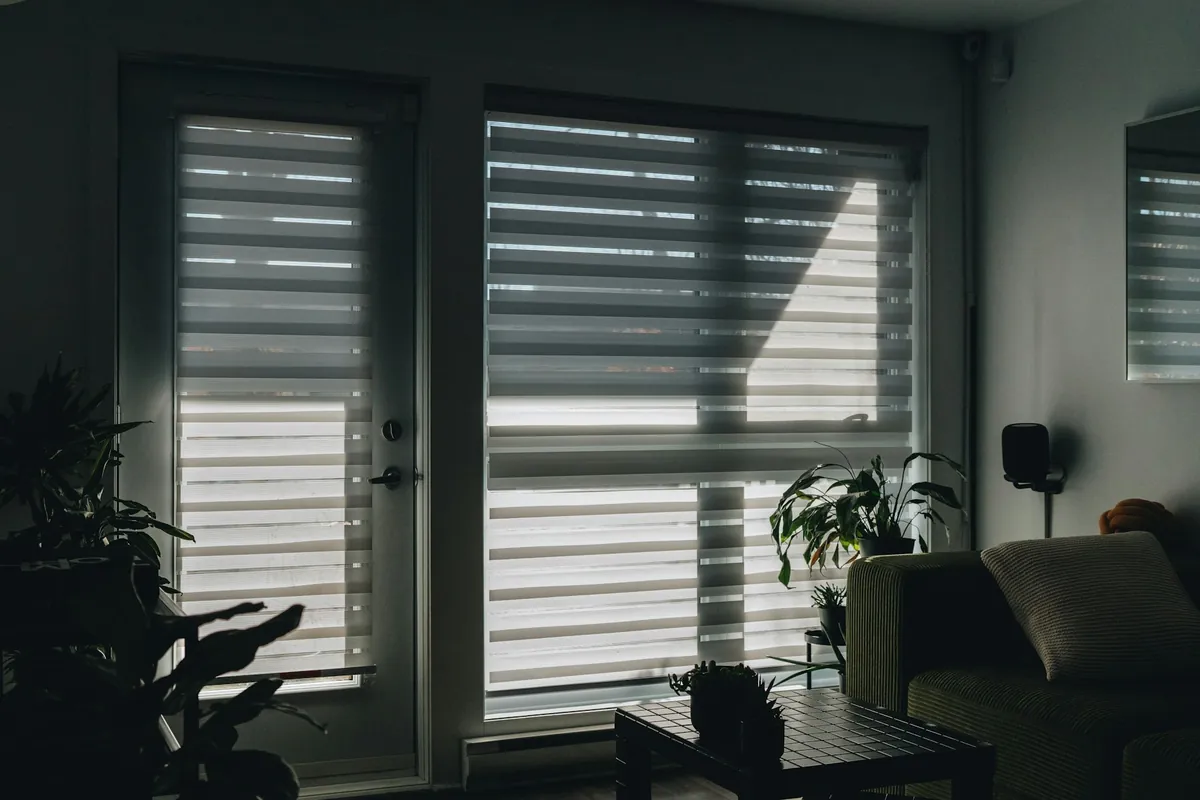
Glass doors to the yard
Sliders and French doors out to a deck or a lawn on the river side can be shaded from across the room.
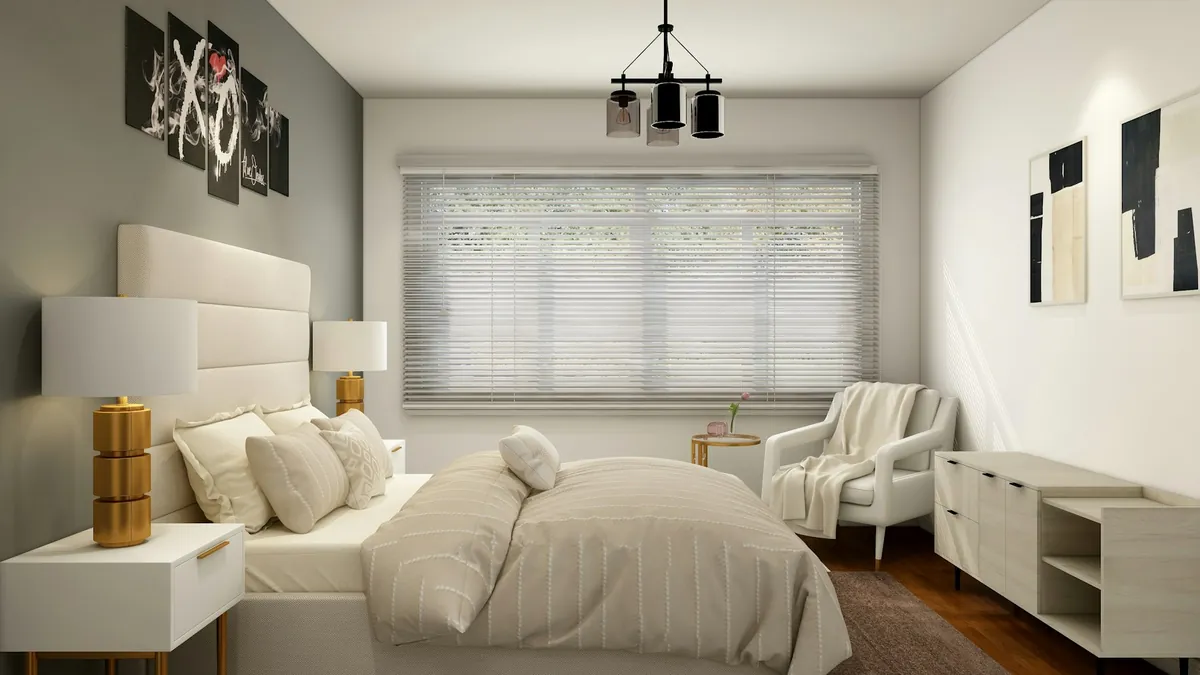
The main bedroom
Lower the shades at night and bring them up in the morning without leaving the bed.
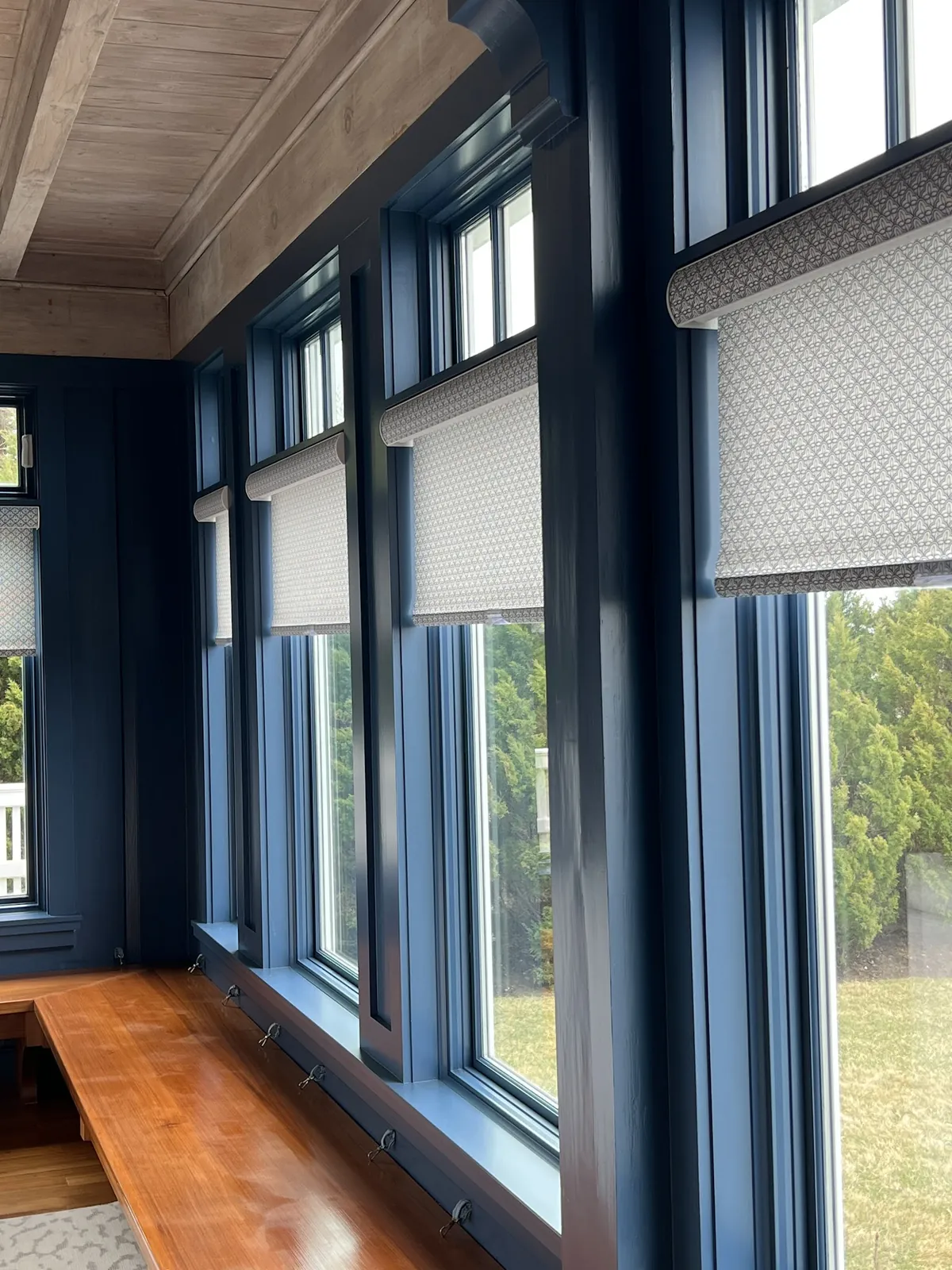
River light
Water-side rooms catch reflected glare as the sun moves. A remote lets you follow it through the afternoon.
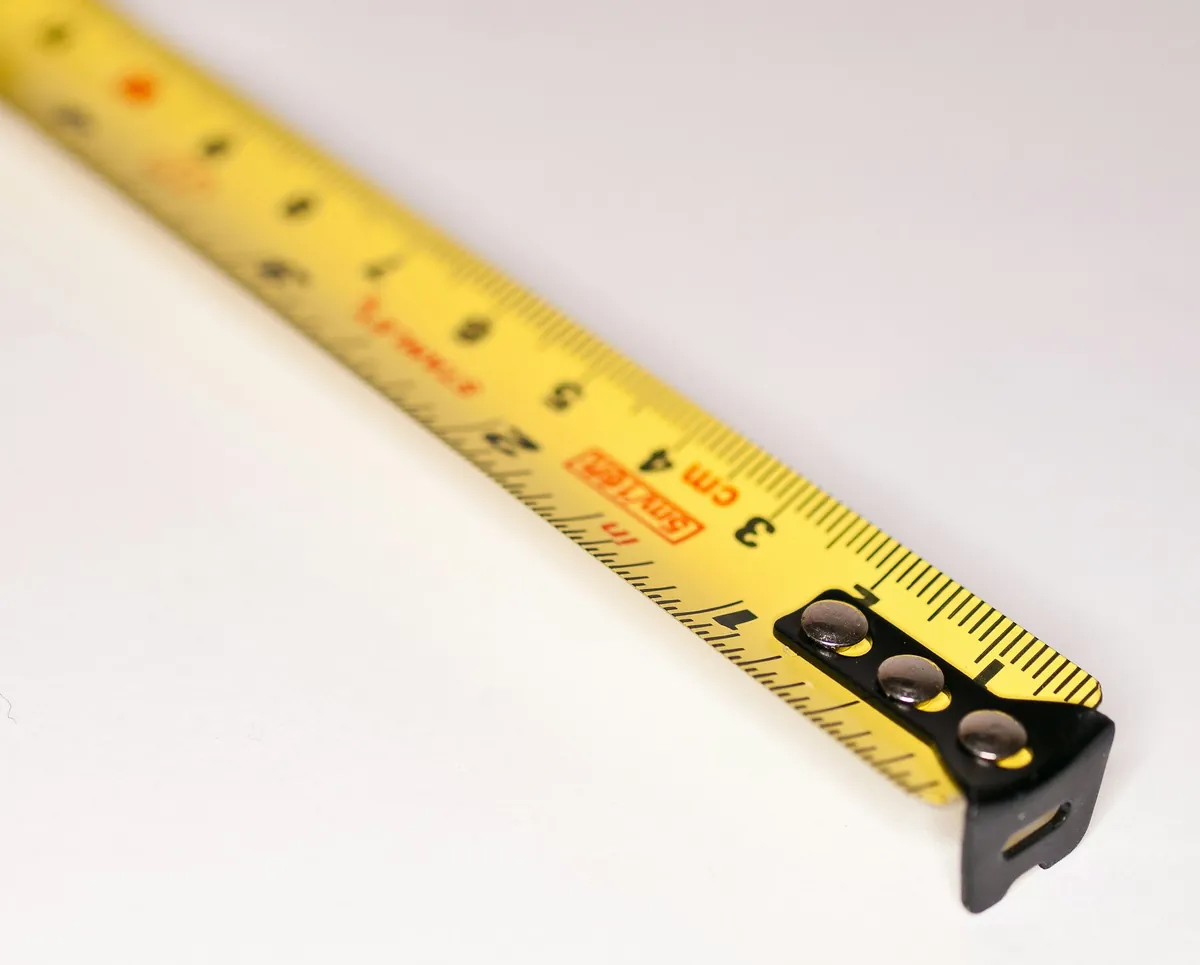
Sized window by window
We measure every opening where it is, check the room above the glass for a headrail and note what sits below each sill.
Planning Motorized Blinds in Barrington Around Its Two House Types
Most of the planning for motorized blinds in Barrington comes down to which of the town’s two main house types you live in. The questions are different in each. In a mid-century house the job is long, low glass and many shades acting as one. In a center-hall colonial it is fewer, taller windows in rooms where the shade shares the window with drapery and has to look as composed as the room around it.
Mid-century moderns: long runs and low sills
The mid-century houses off Rumstick Road and Nayatt Road were designed to bring the outside in. Living rooms often have a wall that is mostly glass, broken only by slim mullions, and the sills sit low, sometimes not far above the floor. That design is lovely in daylight and exposed at night, and covering it by hand means a row of separate shades, each with its own cord, all needing to be lowered and raised in turn.
With a motor on each shade in the row, that wall behaves like one window. We plan the row so every headrail lines up and every shade stops at the same height, which matters on a wall seen whole from the room and from the yard. Where the mullions divide the glass into panes of different widths, each shade is made to its own pane, yet they read as a single band when lowered together to the same line.
Low sills bring their own questions. A shade that drops almost to the floor will meet whatever is in front of it: a long sofa pushed close to the glass, a low bookcase, a heating vent along the base of the wall. We note all of that on the measuring visit and settle where each shade should stop, so it never comes down onto furniture.
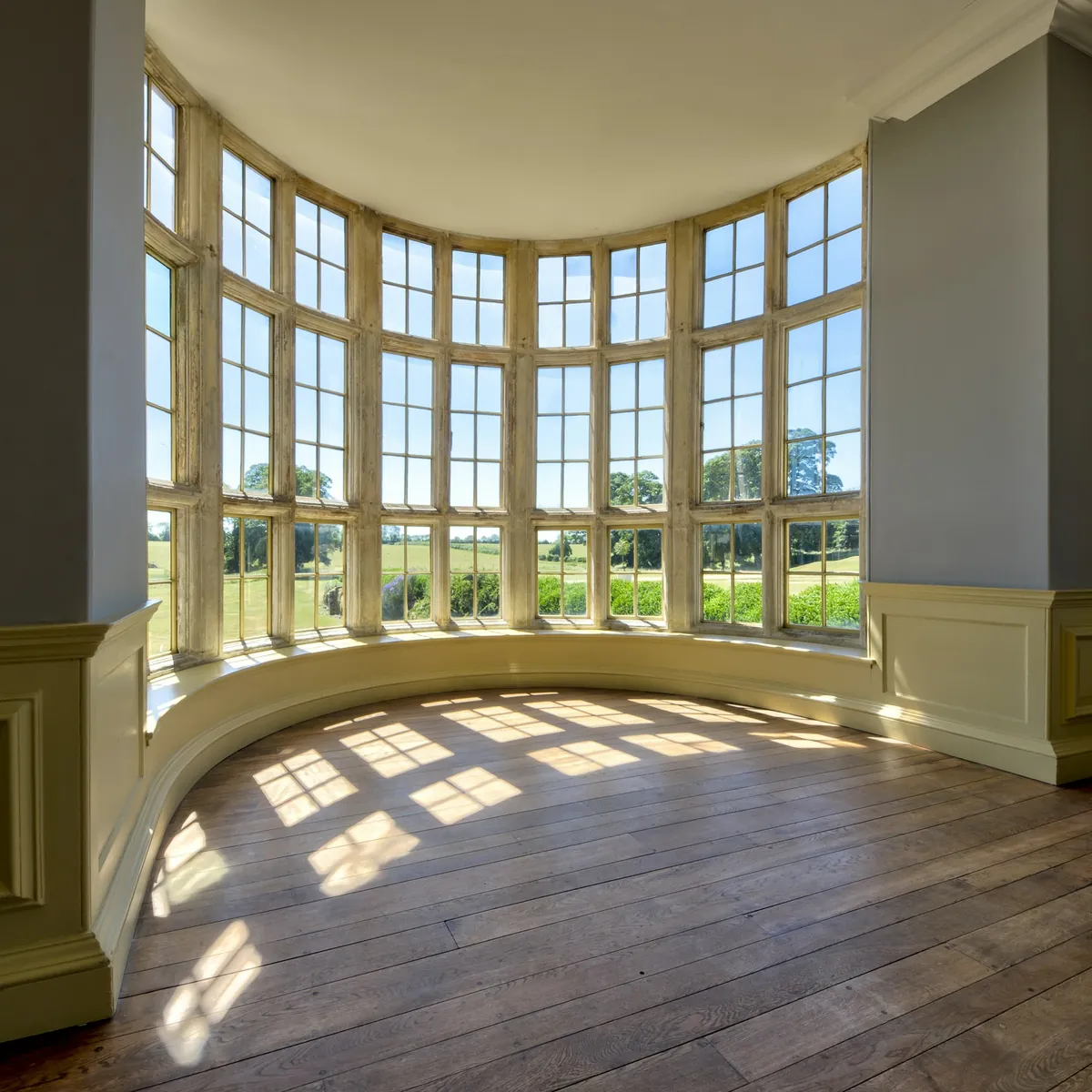
Center-hall colonials: drapery first, shade behind
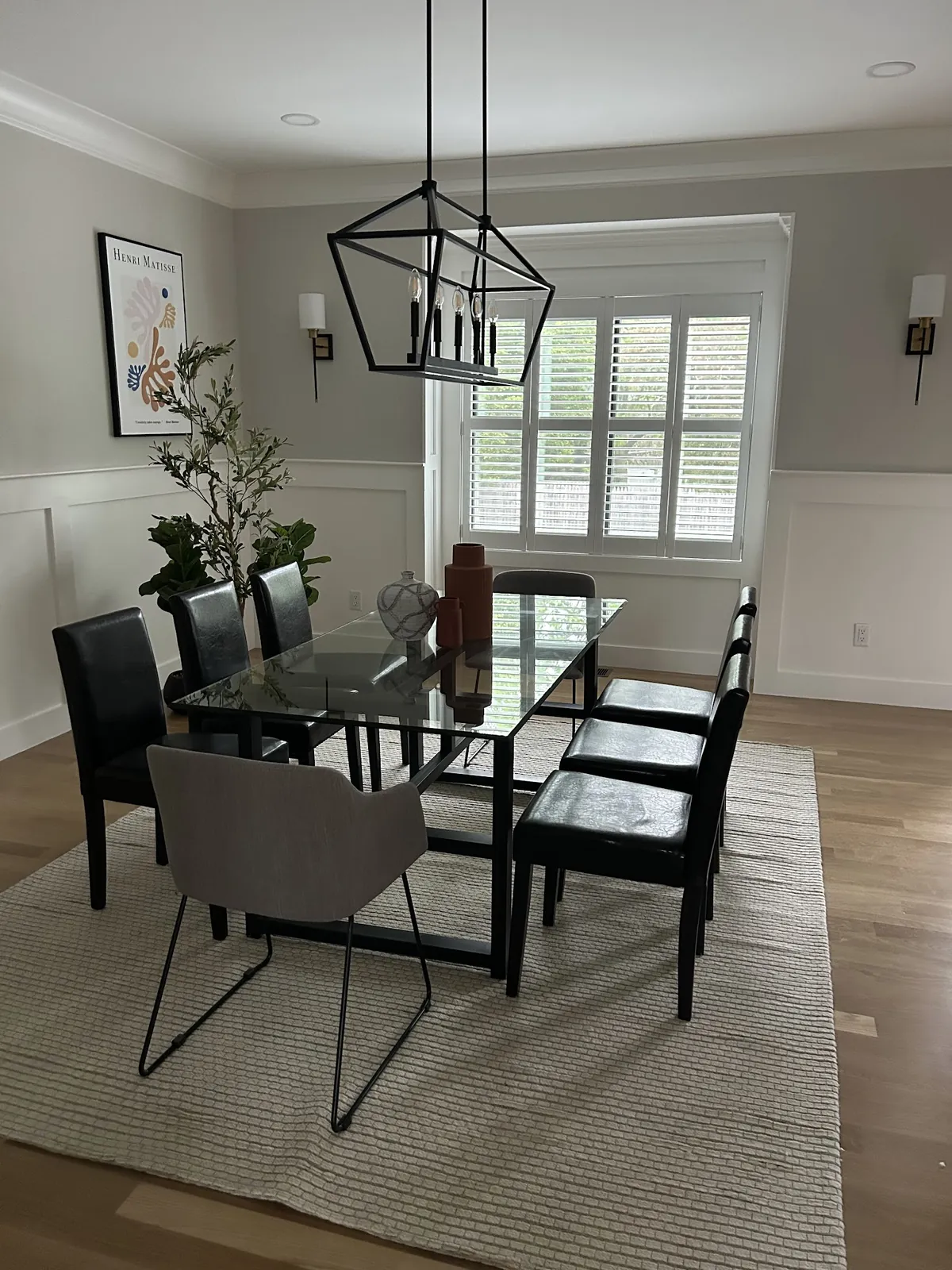
In a center-hall colonial, the formal rooms on either side of the hall set the tone for the house. The living room and dining room usually have tall, evenly spaced windows, and in those rooms drapery is expected rather than optional. The panels frame each window and give the room its weight.
Drapery and a motorized shade work well together. The drapes are hung as stationary side panels, dressing the window and staying in place. Behind them, inside the frame or just above it, sits a shade that raises and lowers from a remote or a switch by the door. The room keeps its formal look, and the shade is used every evening rather than left in one position because reaching it means pushing fabric aside. Window Works makes drapes as well, so the panels and the shade can be chosen together, in colours that sit well side by side. Our custom drapes in Barrington page covers the drapery side.
Upstairs in a colonial, the bedrooms tend to have windows of a regular size on the front and back walls, sometimes with a smaller window on a side wall. Those are good candidates for a motor in the main bedroom, where a remote on the night table does the work, while the guest rooms may be perfectly happy with ordinary controls.
River frontage and the light off the water
Houses with frontage on the Barrington River get light from two directions: the sky and the water. On a bright afternoon the river reflects the sun up and into the rooms on that side, so glare arrives at a lower angle than it would from the sky alone and reaches further across the floor. That light moves with the sun and the tide, which is exactly when a shade operated by hand gets left halfway because no one wants to keep adjusting it.
With powered shades on the river side, you lower them as the glare builds and bring them up again once the sun has moved on, from a chair or from the door. The choice of shade fabric matters as much as the motor here. A fabric that filters light softens the glare and keeps the shape of the view, while a room darkening fabric suits a bedroom facing the water. We talk through how you use each river-side room before suggesting either.
How a Barrington Order Comes Together
We keep in touch with you at every stage until the shades are up and running as they should. An order for motorized blinds in Barrington, RI usually goes like this.
- Use the call button or the form to tell us which rooms and windows you have in mind, and we book a free quote.
- A specialist comes to the house to measure. Every window is measured where it is, with the depth of the frame, the space above the glass and anything below the sill written down.
- You tell us how each room is used, and together we decide which windows get a remote, which get a wall switch and which are better left to work by hand.
- You choose the style, fabric or slat and colour, comparing them at the Swansea showroom if you would like to see them in person.
- Your quote arrives with every window listed, so you can see exactly what is being made and which shades are motorized.
- The blinds and shades are made to the measurements taken in your house.
- Our installers fit each one, set up the remote and switch, run every shade up and down, and show you how it all works.
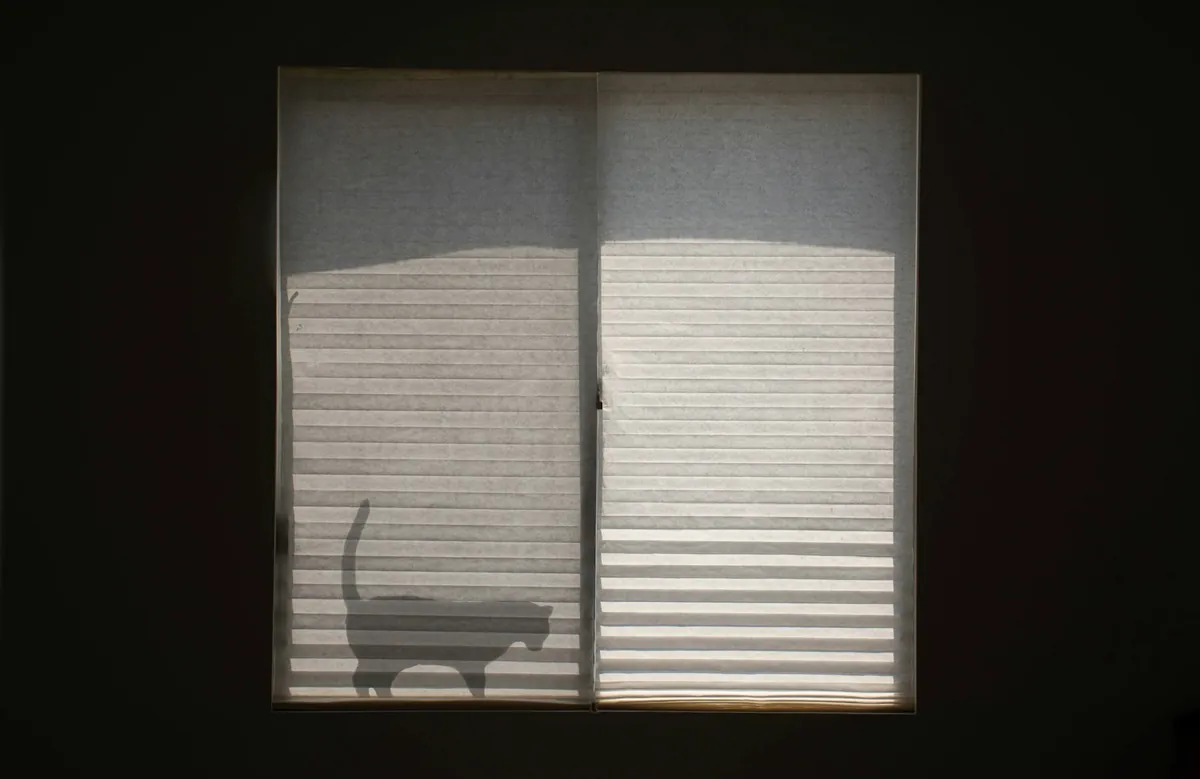
Remote or wall switch in a Barrington room
A remote is for a room where you settle: the living room of a mid-century house, a bedroom, a study off the hall. You adjust the shades from where you sit, as the light changes. A wall switch is for a room you pass through or walk into: a dining room you light up for dinner, a back hall with glass doors, a sunroom on the river side. It sits by the door like a light switch, so the shades can come down as you switch the lamps on.
Some rooms use both. In a main bedroom, a remote on the night table and a switch by the door covers going to bed and coming in during the day. We ask about your routines before suggesting where anything goes, and the plan is written window by window in your quote.
Choosing the shade before the motor
It is easy to think of the motor first, but it is the blind or shade that does the work in the room. The fabric decides how much light comes through, how private the room is at night and how the window looks from the street. So we start there: the right fabric or slat for each room, a colour that suits the walls and the trim, and a fit made to the frame. Then the motor goes on the windows where it genuinely helps.
That order of thinking means a colonial can have matching shades on every front window, with only the dining room and main bedroom powered, and nobody outside could tell which is which. It also means you are never choosing a fabric you do not like just because it comes with a motor. We will tell you which of the styles you are drawn to can be motorized.
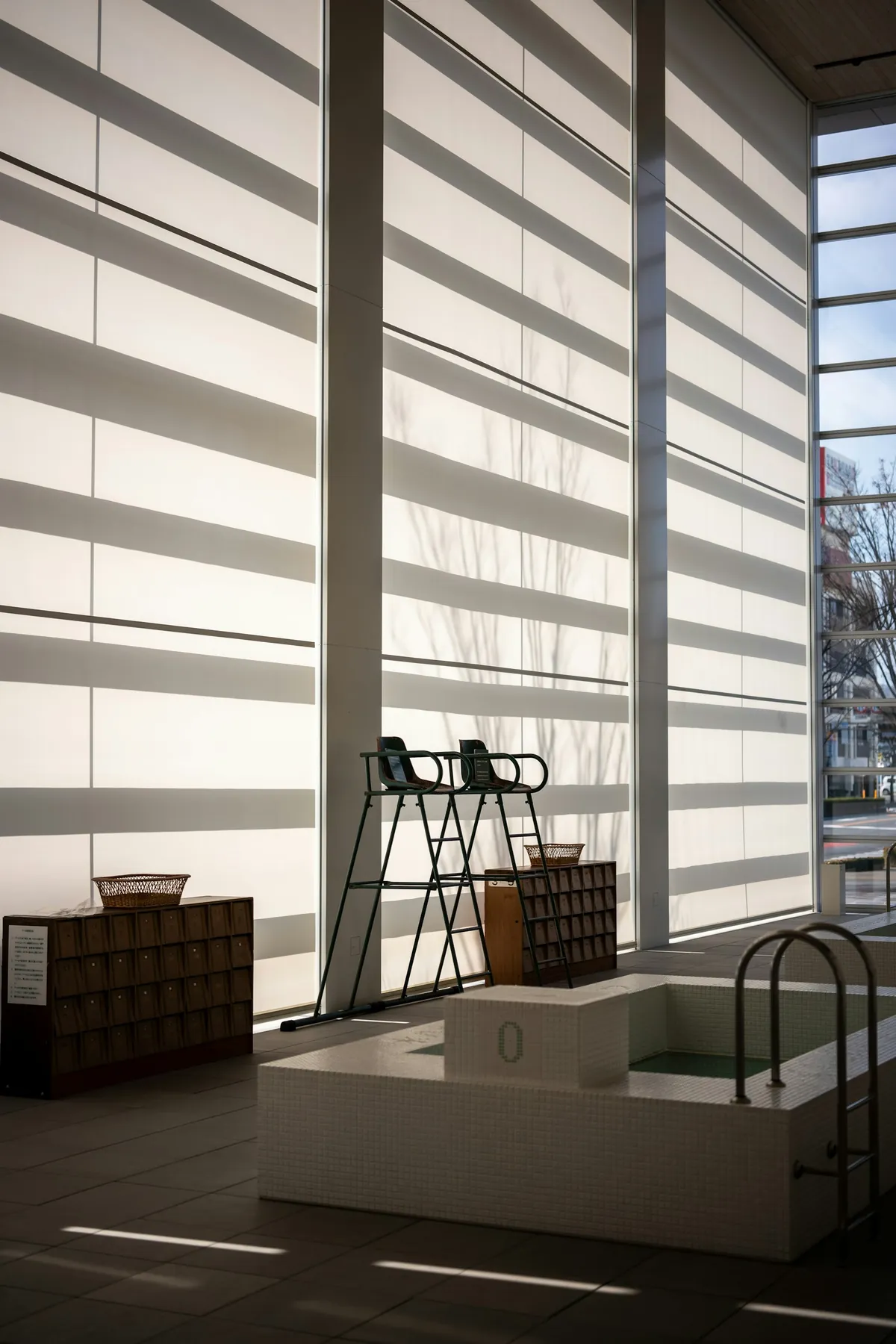
No cords at the glass
A motorized shade has no lift cord hanging beside the window. On a long mid-century wall, that removes a row of cords that would otherwise hang side by side and catch the eye against the glass. In any room where children play or a pet naps by the window, it also means nothing loose hangs within reach. Our guide to cordless blinds and child safety explains more about that side of it.
Low sills, plants and open windows
Because a powered shade travels the same path every time, the measuring visit pays attention to what is in that path. On low sills, that might be a row of plants, a reading lamp, a cushion on a built-in seat or a vent in the floor. On casements, it might be the crank. On sash you like to open in summer, it is the open lower sash itself. We set where each shade stops with all of that in mind, so a shade lowered on a warm evening never lands on an open window.
Living with powered shades
Shades that were left in one place for weeks because they were awkward to reach start to move with the day. They come down when the river light gets strong, go up again when it fades, and close in the evening when the lamps go on. Furniture and floors near the long glass get some relief from the strongest sun. For anyone who finds stretching across a sofa or reaching up a tall colonial window difficult, every powered window becomes easy.
Looking after them is simple: dust the fabric or slats lightly, use a damp cloth only where the material allows, keep the path below each shade clear, and run the rarely used ones all the way now and then. If one starts to behave oddly, call the store and tell us which window it is.
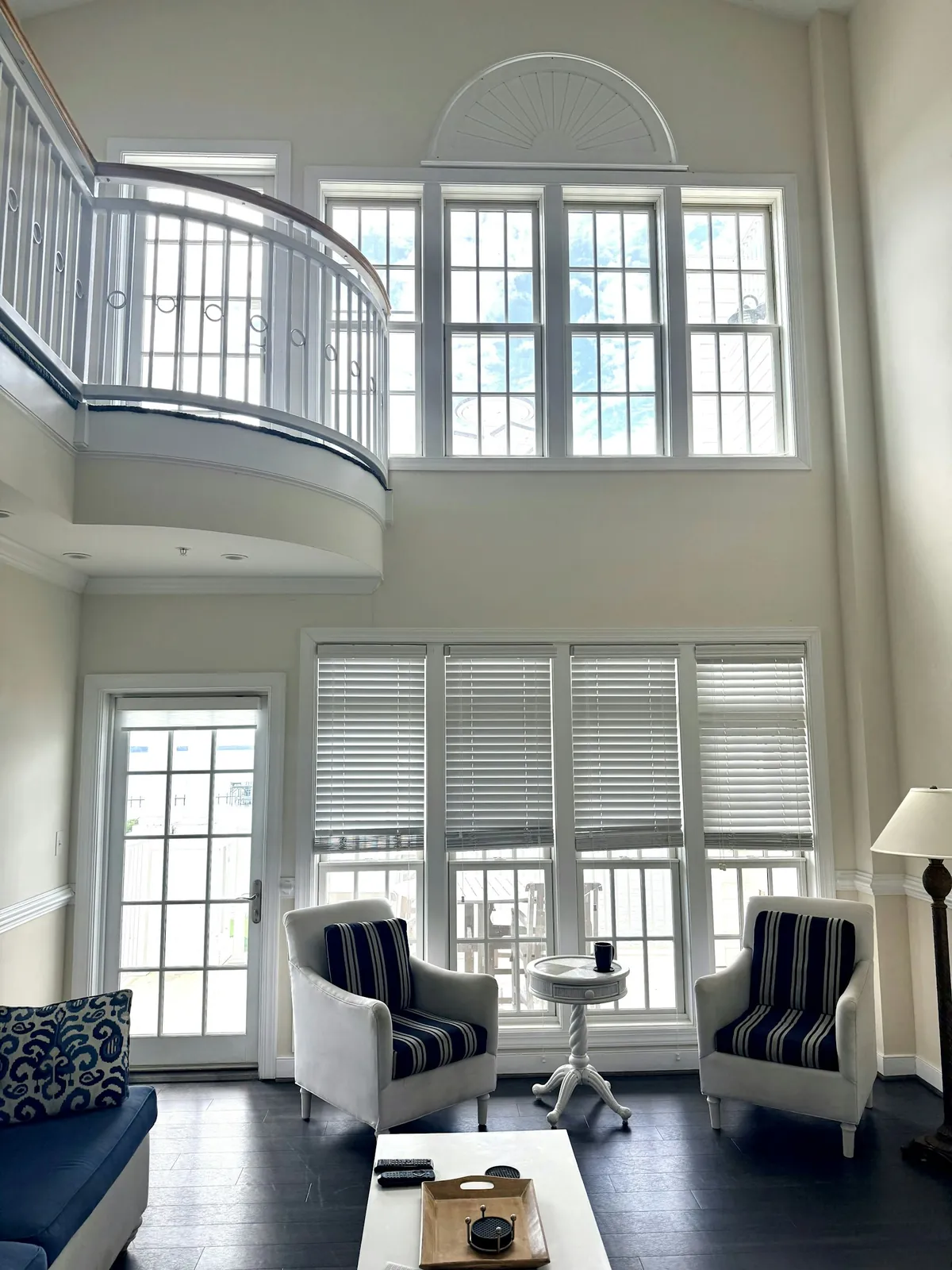
The window over the front stairs
The front hall of a center-hall colonial usually holds the main staircase, and many of those stairs turn at a landing with a window of its own. It is one of the hardest windows in the house to reach: too high to touch from the hall floor, awkward to lean toward from the steps. Plenty of landing windows stay bare for exactly that reason, which leaves the hall bright and exposed after dark. A powered shade lets you dress it at last, with a switch at the foot of the stairs or by the front door. Because the landing window is seen from the hall, the stairs and the floor above, we choose a fabric and colour that sit well with the rooms on both levels. We also check the space above the glass, since landing windows are often set close under the ceiling of the floor above, and pick a headrail that fits the room that is there.
Starting with one room
Nobody has to motorize the whole house in one order. Many households begin with the room that bothers them most, often the long glass of a mid-century living room or a river-side bedroom, and add more windows once they have lived with powered shades for a season. Later shades can be chosen to match the first ones in fabric, colour and headrail. That makes motorized blinds in Barrington easy to build up over time, a room at a time, without the house ever looking pieced together.
What Sets Window Works Apart
Window Works opened in Swansea in 1988 and is now run by the second generation of the family. Over 37 years later it covers the SouthCoast of Massachusetts and the Rhode Island East Bay, with Barrington a short drive across the state line.
- A team of experienced window treatment specialists
- Every window measured at the house and fitted by our installers
- In constant contact with you until the job is done
- Warranties offered on the products we sell
- A showroom in Swansea where you can see and handle the samples
Whether it is one bedroom shade or a whole wall of glass, the order is measured, made and fitted the same careful way. See every style we offer on the main motorized blinds page, or the full range for the town on our window treatments for Barrington homes page.
Questions from Barrington
Can every shade on a long wall of glass move together?
Each shade on the wall is motorized and made to its own pane, and we plan the row so they line up and stop at the same height. Ask us on the measuring visit how the controls for that wall would be set up.
Will a motorized shade work behind the drapes in a colonial dining room?
That is one of the most common plans in a formal room. The drapes stay as side panels and the shade behind them raises and lowers from a remote or a switch by the door.
What happens with a sill that sits close to the floor?
We note what sits in front of every low sill when we measure, from furniture to vents, and set each shade to stop clear of it.
Which fabric suits a room facing the river?
A light filtering fabric softens the glare off the water and keeps the view’s outline. A room darkening fabric suits a bedroom. We go through both with you for each room.
How do I book a quote?
Quotes are free. Use the call button or the form on this page, tell us which windows you have in mind, and we will arrange the measuring visit.
Your Next Step
When you are ready, book a free quote with the Swansea store by pressing the call button, and use the same call to arrange measuring in the home or to ask about installation. The form on this page works just as well if you would rather write. To see and handle the samples before choosing, visit the showroom in Swansea; the contact page has directions. Window Works holds a 5.0 rating on Google.