
Salt Air on Every Street
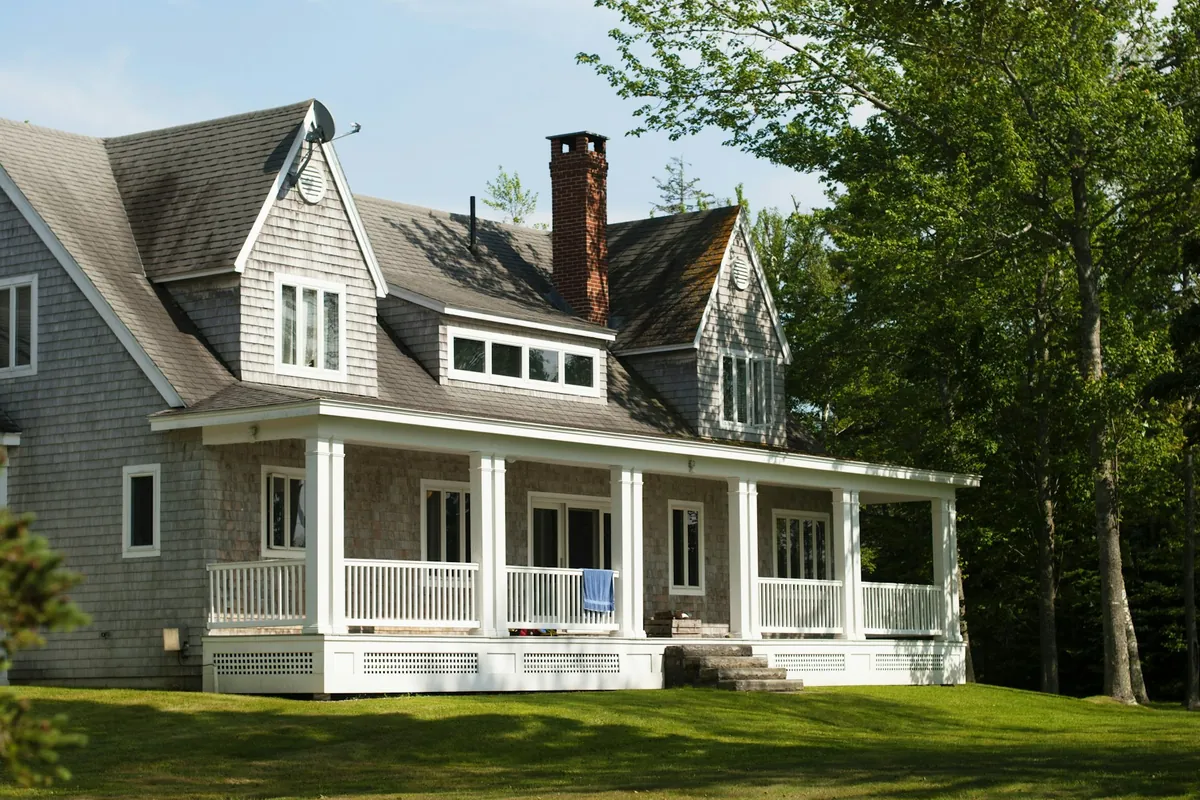
On Aquidneck Island, the sea is never far away, and in Middletown the salt in the air reaches every house, not just the ones on the shore. The ranches and capes off East Main Road and Aquidneck Avenue, set a row or more back from the water, still get the wind and the weather without the view to show for it. The cottages toward Easton’s Point and Sachuest get both. That steady coastal exposure is the thread that runs through every job for roman shades in Middletown, RI.
A fabric shade is a soft thing to put in a coastal house, so the choice of cloth and lining matters more here than inland. Get it right and a roman shade brings warmth and colour to a plain ranch window or a breezy cottage room for years.
This page goes through the houses, the fabrics and how we approach each.
Folds and Fabrics for Middletown Homes
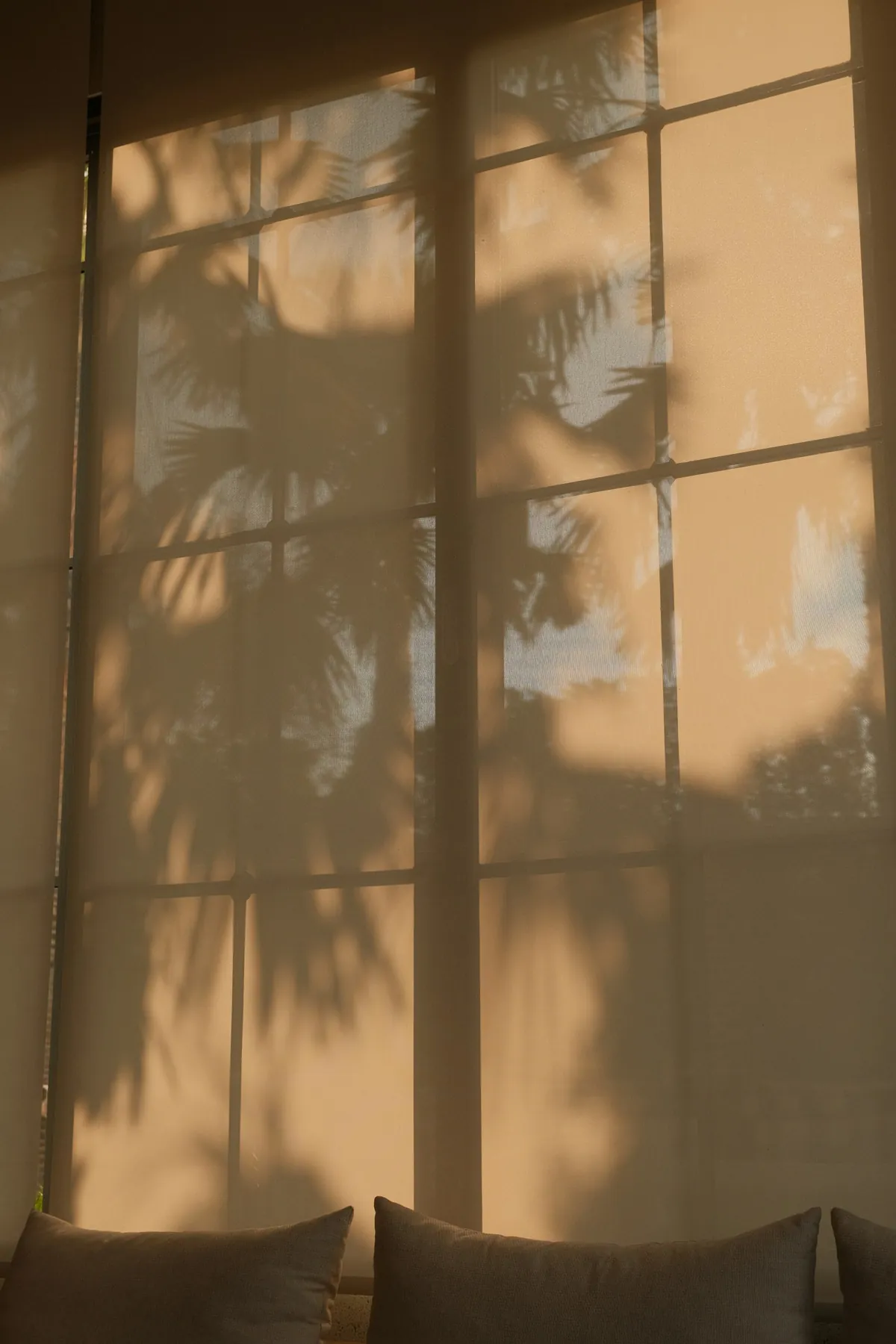
A flat fold for the picture window
Neat pleats that lie smooth when down. Calm and practical across a ranch’s main living room window.
A hobbled fold for the cape’s front room
Soft, stacked tiers of fabric that make a small front room feel snug on a windy evening.
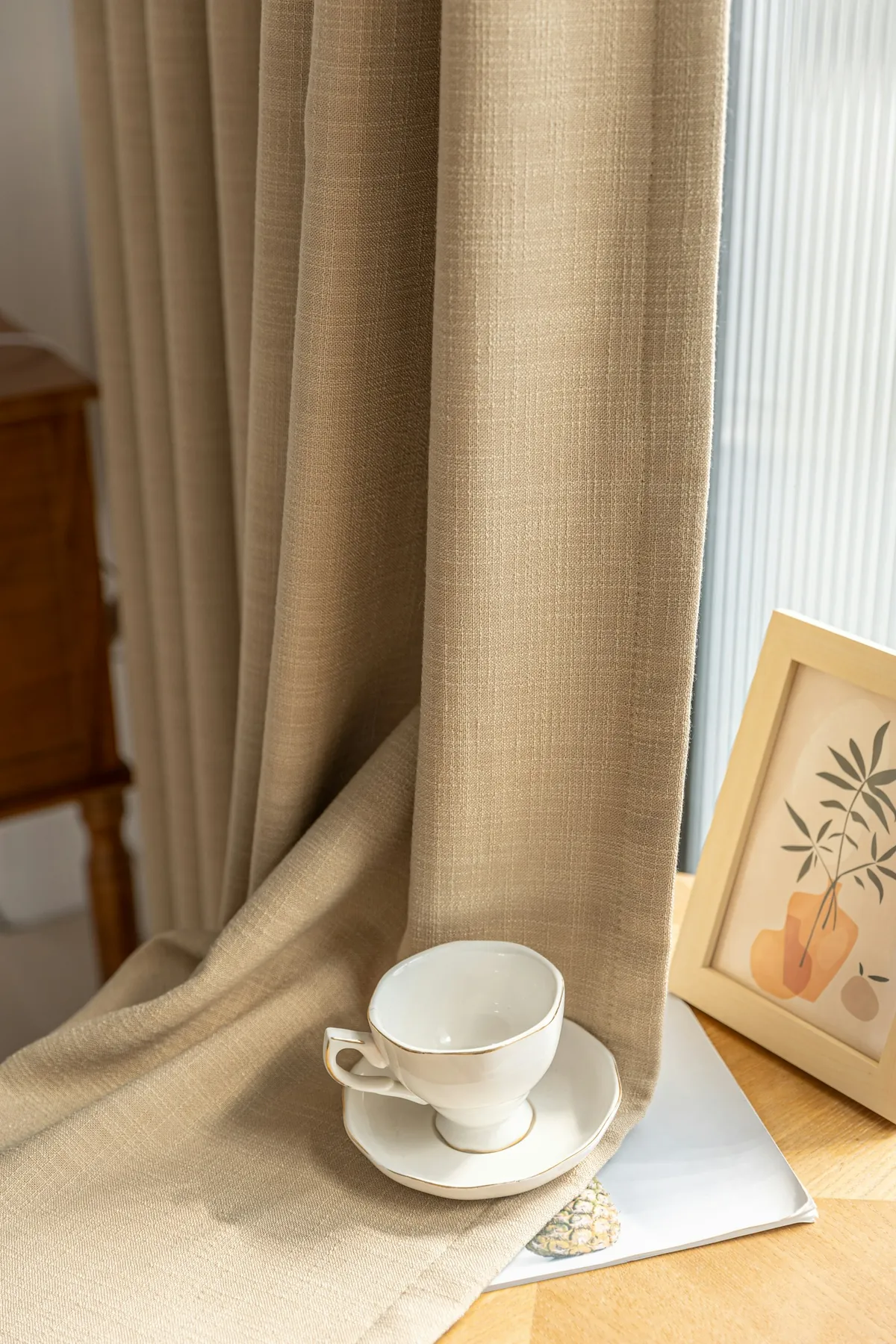
A relaxed fold for the cottage
A plain panel with a soft curve along the hem, easy and unfussy in a cottage by Sachuest.
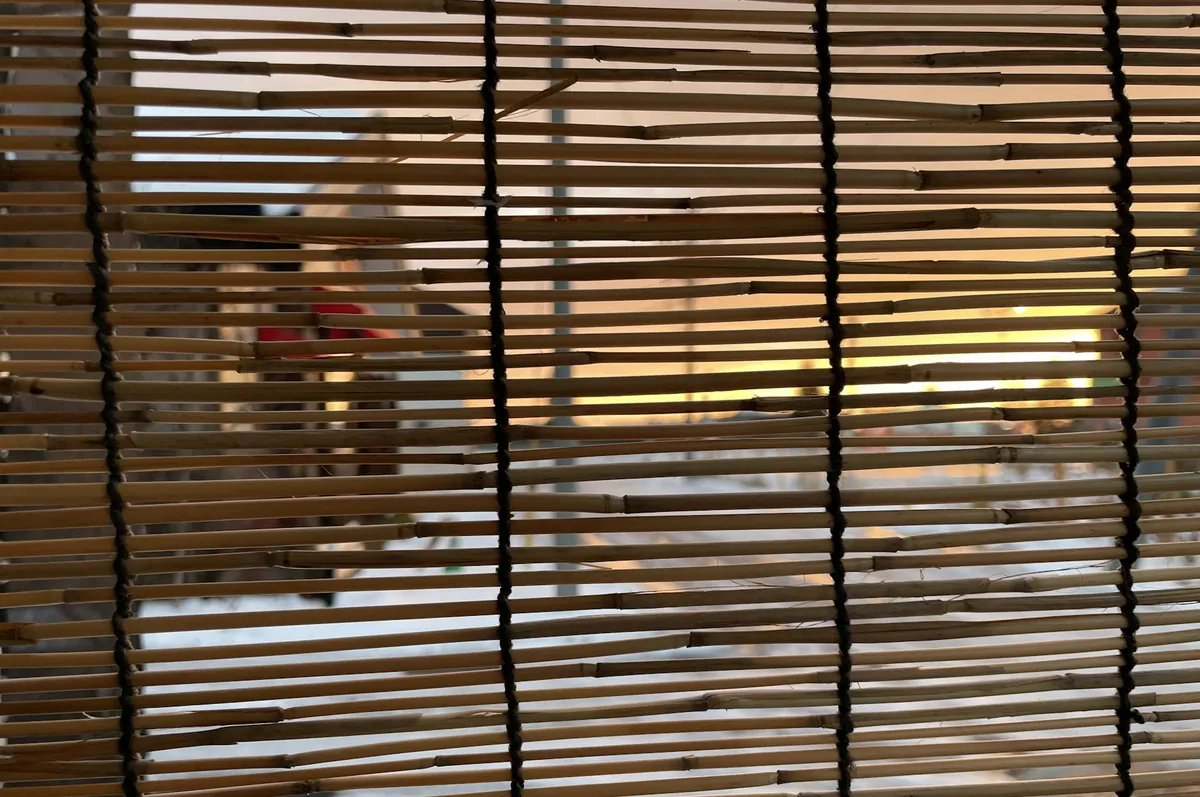
Woven wood for a beach look
A natural weave folds up much like a roman shade and suits a shore cottage.
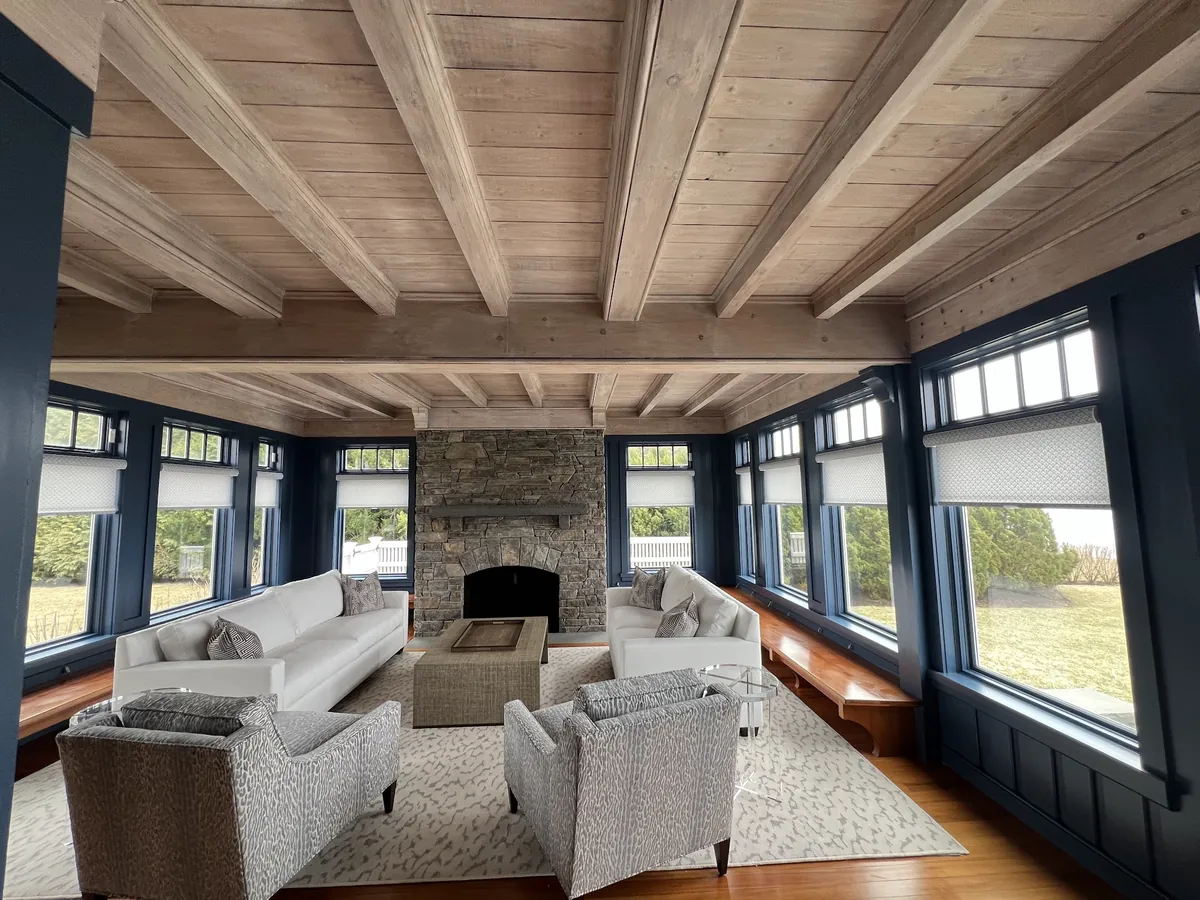
Roller shades for the sunroom
A sunroom full of glass may suit roller shades while the main rooms have fabric.
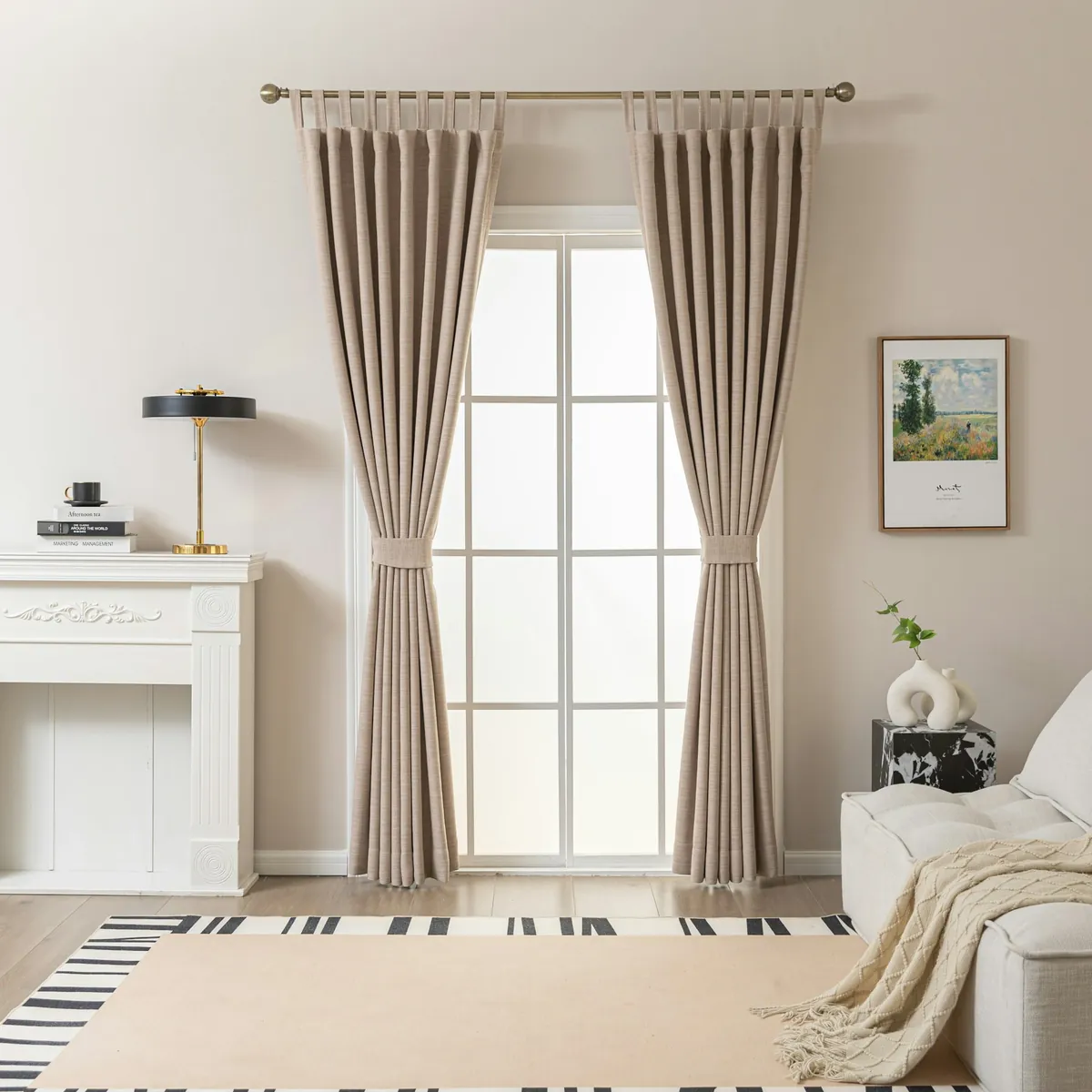
Drapes to frame a shade
Drapery is our specialty. Side panels add warmth and a second layer on a cold, windy night.
Roman Shades in Middletown, RI and the Coastal Air
Salt air, damp and strong light are hard on any fabric over time. In a house by the water they are obvious; in a second-row house off East Main Road they are easy to forget, but they are still there. When we plan roman shades in Middletown, RI, we think about exposure before colour or pattern.
Light
Coastal light is bright, and on Aquidneck Island it comes off the water as well as from the sky. Sun fades fabric, especially deep, saturated colours, and weakens fibres over the years. A lining behind the face fabric shields it from the worst of the light, and a paler colour shows fading less. On the sunniest windows we often suggest a soft neutral or a muted colour, keeping the stronger colours for rooms on the shaded side.
Damp
Damp air can make some fabrics feel limp and can affect how crisply a fold holds. A cloth with some body, tightly woven, tends to keep its shape better than a loose, soft one. In a cottage closed up for part of the year, airflow and the room’s own conditions also matter, and we talk about that when choosing fabric.
Wind and weather
A second-row house gets the wind off the water even if it cannot see the water. Windows on the windward side take the weather, and the rooms behind them can feel cooler. A lined shade, lowered in the evening, adds a layer of fabric between the room and the cold glass, which makes a ranch living room feel noticeably snugger.
Fog and grey days
Not every coastal day is bright. On grey, foggy days the light is flat and the rooms can feel dim, so a shade that stays down all day in a dense fabric can make a house gloomy. That is another reason we often pair a lined shade on the weather side with lighter, unlined shades elsewhere: on a grey morning you can raise the heavy ones and let the lighter ones filter what daylight there is.
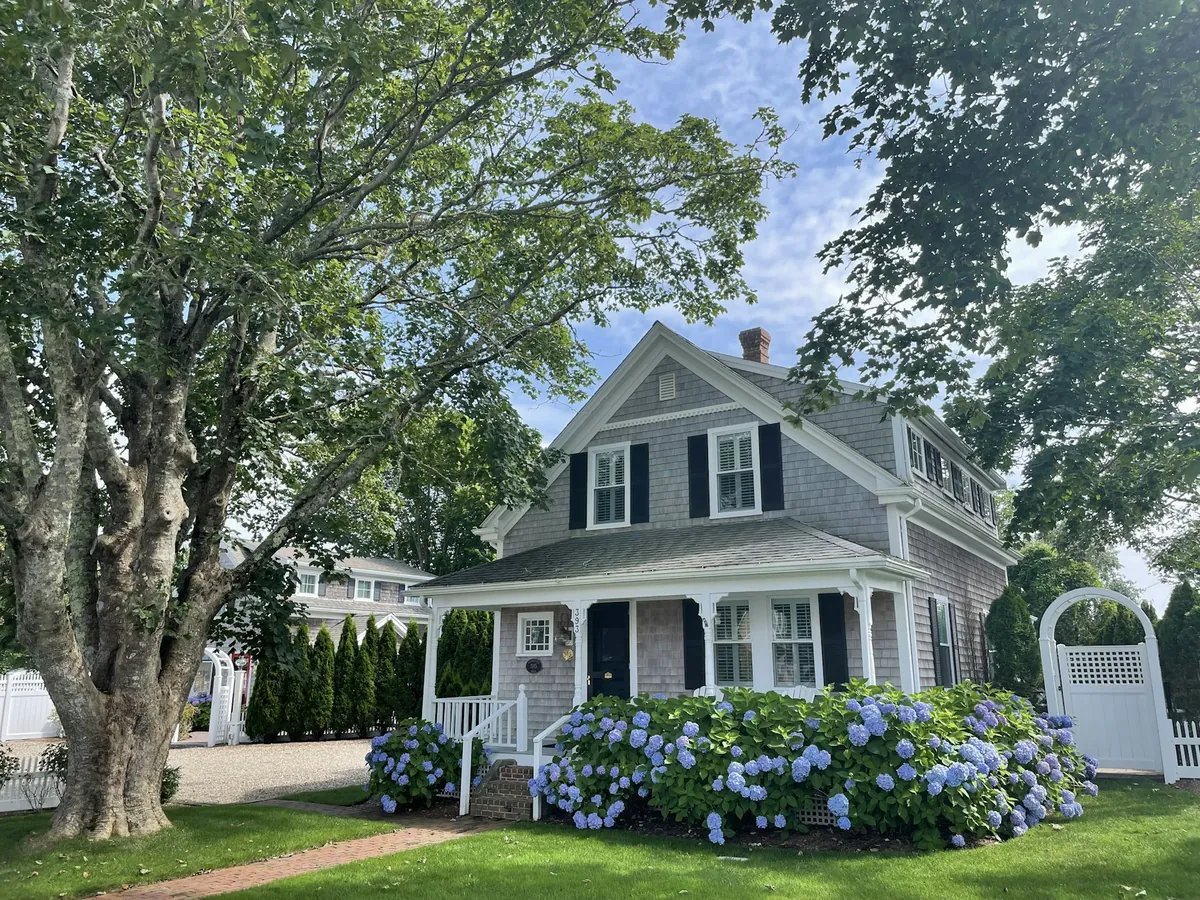
Ranches and Capes off East Main Road and Aquidneck Avenue
The bulk of Middletown’s houses are the ranches and capes along the side streets off East Main Road and Aquidneck Avenue. Their openings come in familiar sizes and their frames are mostly square, so the shade itself is never hard to make. What deserves the thought is how each room is used and how much weather its windows take.
The ranch’s main window
Every ranch here seems to have one big window in the living room, facing the road. If mullions break it into sections, we give each section its own shade, so none of them is a struggle to raise and you can leave one up while another is down. Pattern or a textured weave keeps a plain window from looking like a blank square. After dark, with the room lit, that window puts the whole living room on show, so its shade is usually lined.
Cape front rooms
The two small rooms either side of a cape’s front door are where a fabric shade feels most at home. In winter, a hobbled fold in a warm, heavier cloth makes them snug; for a lighter, summery feel, a flat fold in cotton does the job. Whichever you choose, both front windows want the same lining colour and the same raised height, because from the road they read as a pair.
Under the cape roof
The bedrooms upstairs sit beneath the slope of the roof, each with a dormer. A dormer leaves little room for anything but one shade, so it has to fold up small and carry the look of the window on its own. A lining behind it keeps out the early light. Because it is the only treatment in the window, a fabric with some character is well worth considering.
The back of the house
Behind most ranches and capes is a yard, not a road, so the kitchen and back bedroom can be treated more lightly. An unlined cotton lets the sun straight in, and over a sink a flat fold sits up out of the way of the taps.
Halls and stairs
A cape’s stair usually climbs from a narrow front hall, sometimes past a small window on the way up. A short flat fold in a light cloth, fixed where it can be reached from the stair, softens the light there without fuss.
Cottages Toward Easton’s Point and Sachuest
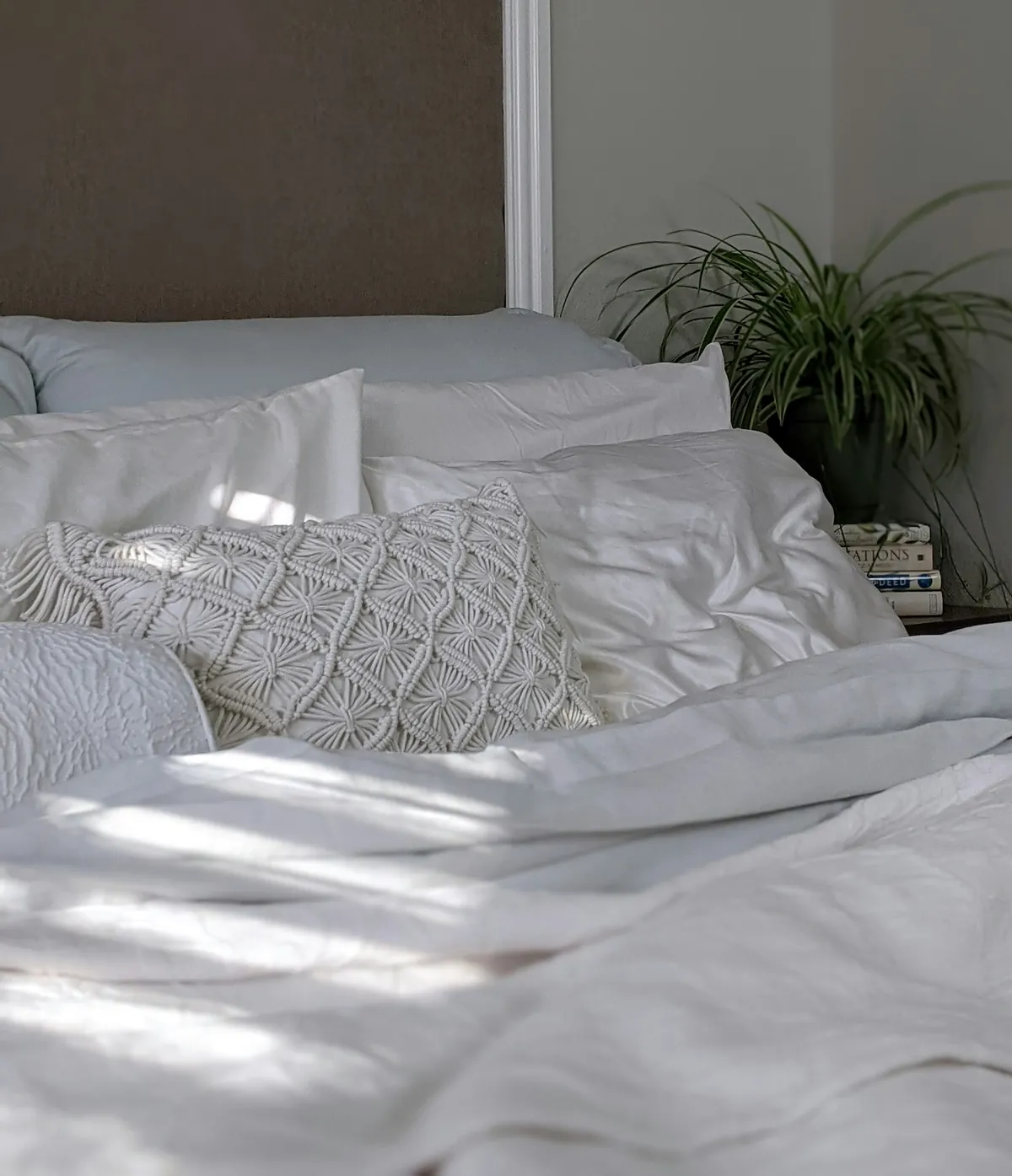
Out toward Easton’s Point and Sachuest the houses change. The cottages are smaller and closer to the shore, built to let in light and air, with windows that are often small, unevenly spaced and turned toward the water.
Little windows, little stacks
A cottage window gives a roman shade very little height to fold into. A flat or relaxed fold in a light cloth gathers tightly, and hanging it on the wall just above the frame lets the gathered folds sit clear of the glass, so the room loses none of its light.
The view comes first
Where a cottage looks toward the water, the shade has to hand the view back when raised. Brought part of the way down on a bright afternoon, it covers the upper glass, where the low sun pours in, and leaves the bottom of the window open to the shore. Pulled all the way up, it disappears above the frame.
A cottage palette
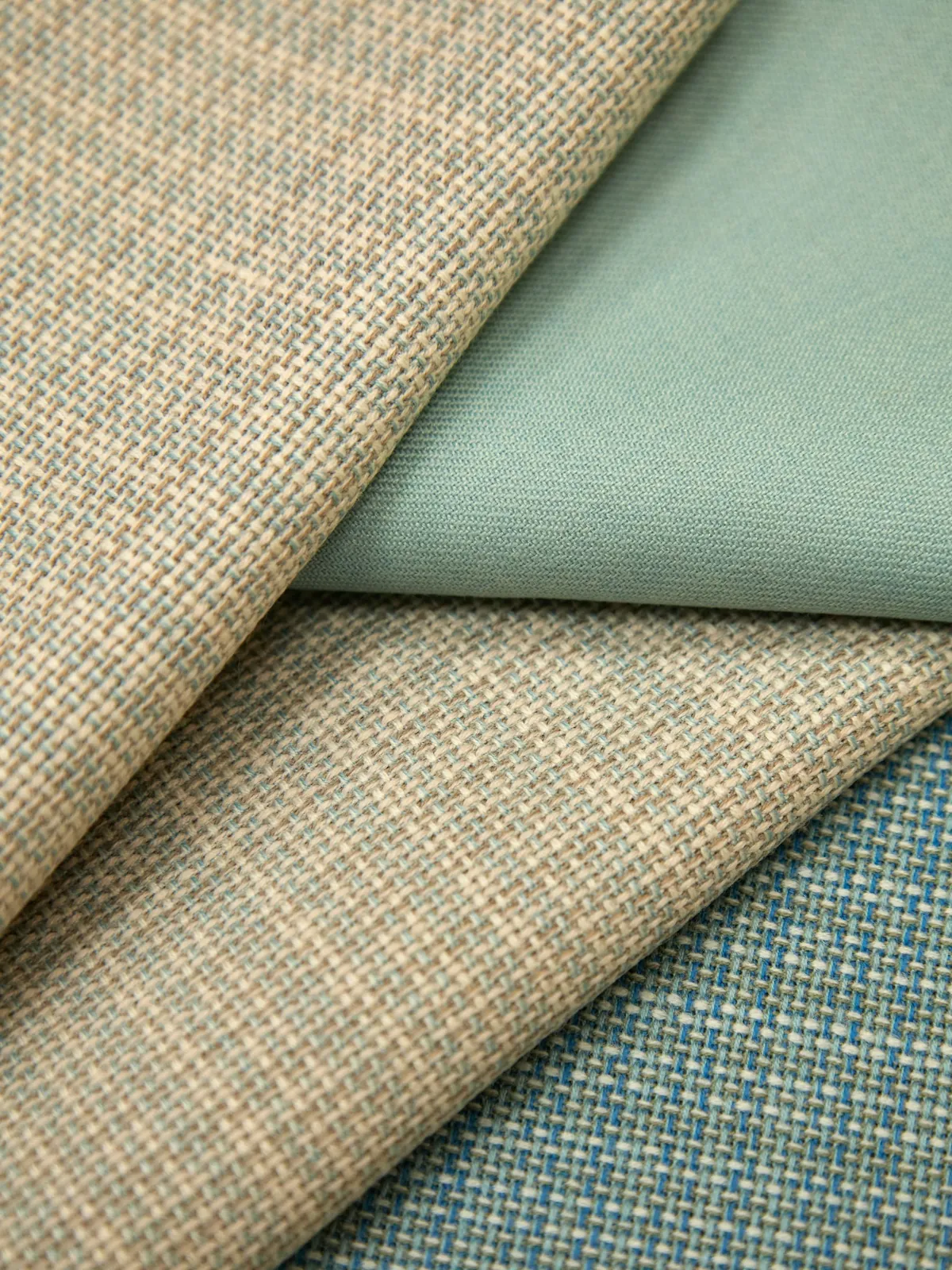
Linen and cotton in a relaxed fold suit the easy feel of a cottage. Sea blues, sand and soft whites look right by the shore and stand up to strong light better than saturated colours. A lining goes behind any shade on the water side.
Frames that wander
Older cottages have had a long time to settle, and frames that look alike can differ. Each one is measured at several points, and the decision to mount inside the opening or on the wall above is made window by window.
Cottages closed for the winter
Some of these cottages are shut up for part of the year. A closed house still gets the sun through its windows, and a fabric left lowered in a bright window all winter takes the full force of it. If the house will stand empty for months, a lining matters even more, and a paler fabric is the safer choice. Some owners prefer to leave the shades raised while the house is closed; we can talk about which suits your cottage.
Guest rooms and lets
Many cottages near the shore double as guest houses or summer lets, with bedrooms that see different visitors through the season. For those rooms, a plain relaxed or flat fold in a durable, lined cloth in a calm neutral suits anyone who stays, darkens the room for sleeping and is easy to keep clean between visits. The main living room, where the owners spend their own time, is the place for a favourite fabric.
Second-Row Houses: Weather Without the View
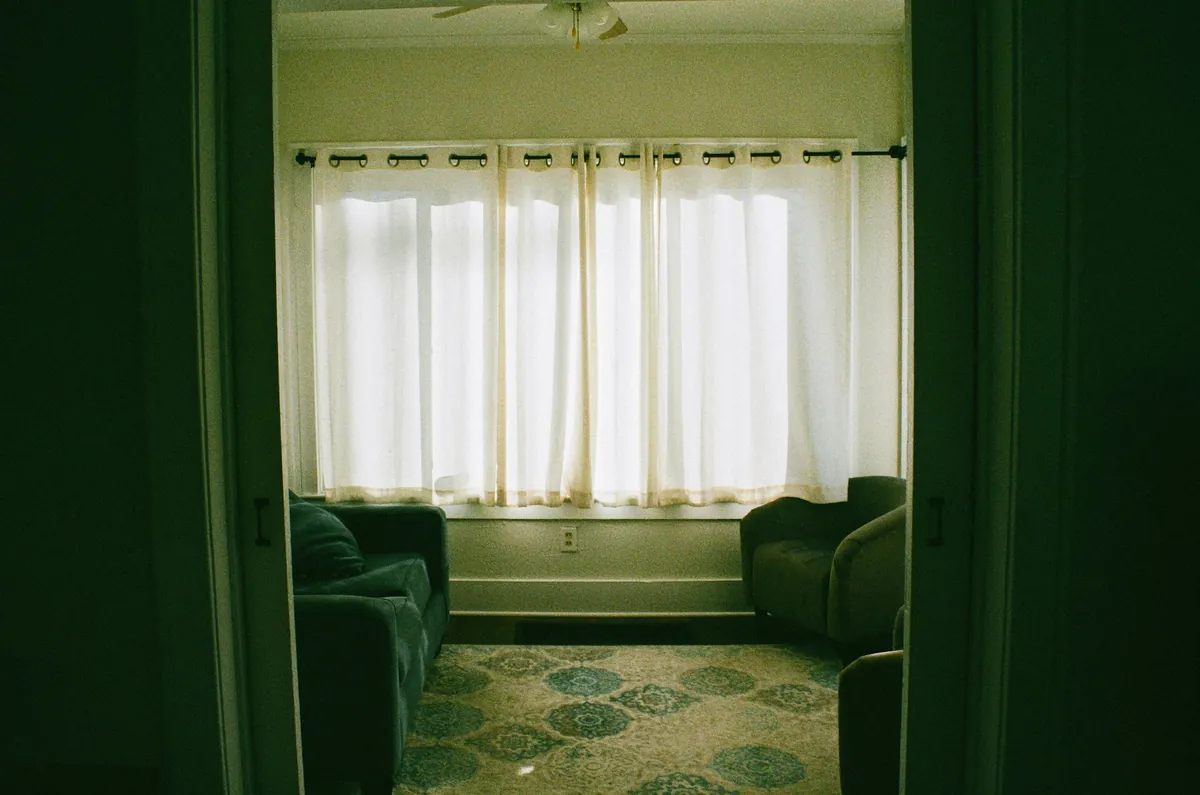
The houses a row or two back from the shore take the salt and the wind but not the view. That changes the shade’s job. With nothing to frame, it is there for privacy, warmth and colour, and these rooms can take bolder fabric than a water-facing room ever could.
Close neighbours
Second-row streets are often tighter than the shore lanes. A light-filtering cloth lets daylight in while turning the neighbouring house into a blur, and a lining closes the room off completely after dark.
Colour instead of a view
A room with no view can use its windows for colour. A print or a stronger shade of cloth on a flat fold gives the room a focal point, and choosing roman shades in Middletown, RI for a second-row house is often where owners feel free to be bolder. The coastal light still reaches these windows, so a lining protects the fabric.
The windward side
The wind off the water arrives at a second-row house from one direction more than the others, and the windows on that side feel it most. The rooms behind them run cooler and draughtier. Lined shades on those windows, lowered in the evening, make a real difference to how warm the rooms feel, while the sheltered side can stay lighter.
Sunrooms and enclosed porches
Plenty of second-row ranches have added a sunroom or closed in a porch at the back, giving one room far more glass than the rest of the house. That room takes the light from several sides and, near the coast, takes it hard. Separate shades for each window let you cover only the wall the sun is on, and a lining on each protects the fabric. For the brightest of these rooms, roller shades can work alongside the fabric shades in the main house.

Choosing a Lining for Exposure
On the coast, lining is less an extra than a decision for every window. Behind a shade on the water side or the sunny side, a lining protects the face cloth from fading and weakening, gives the folds more body in damp air and closes the room off at night. On a shaded back window, an unlined shade lets in more light and feels lighter. Many owners ordering roman shades in Middletown, RI end up with linings on the front and the weather side and none at the back, all in the same fabric, so the rooms still match inside.
Room by Room in Middletown
- Ranch living rooms: a flat fold in pattern or texture on each section of the main window, lined.
- Cape front rooms: a warm hobbled fold for winter comfort, or a lighter flat fold.
- Dormer bedrooms: a small-stacking flat fold with a lining.
- Cottage rooms: a relaxed fold in linen, lined toward the water.
- Second-row living rooms: a bolder print on a flat fold, lined against the light.
From First Call to Fitted Shades
You are kept up to date at each stage.
- Call our Swansea store with the button on this page, or use the form, and mention which rooms take the weather.
- We visit to measure every window, recording which way each one faces and checking any cottage frames that have settled.
- Fabric, fold and lining are picked at the showroom, with the coast in mind.
- Your quote sets out each window on its own line.
- When the shades are ready, our installers fit them and test each one through its full rise and fall.
Keeping shades fresh by the sea
Salt and fine dust settle on fabric faster near the coast. Going over each shade now and then with a soft brush, or a vacuum’s fabric tool on low, stops it building up in the folds. Dab at marks, never scrub. A shade that needs a proper clean should go to a professional, since washing at home can shrink the cloth.
Everything else we make
The full range for the town is on our Middletown window treatments page, and the roman shades page goes further into each fold and fabric.
Window Works of Swansea, Since 1988
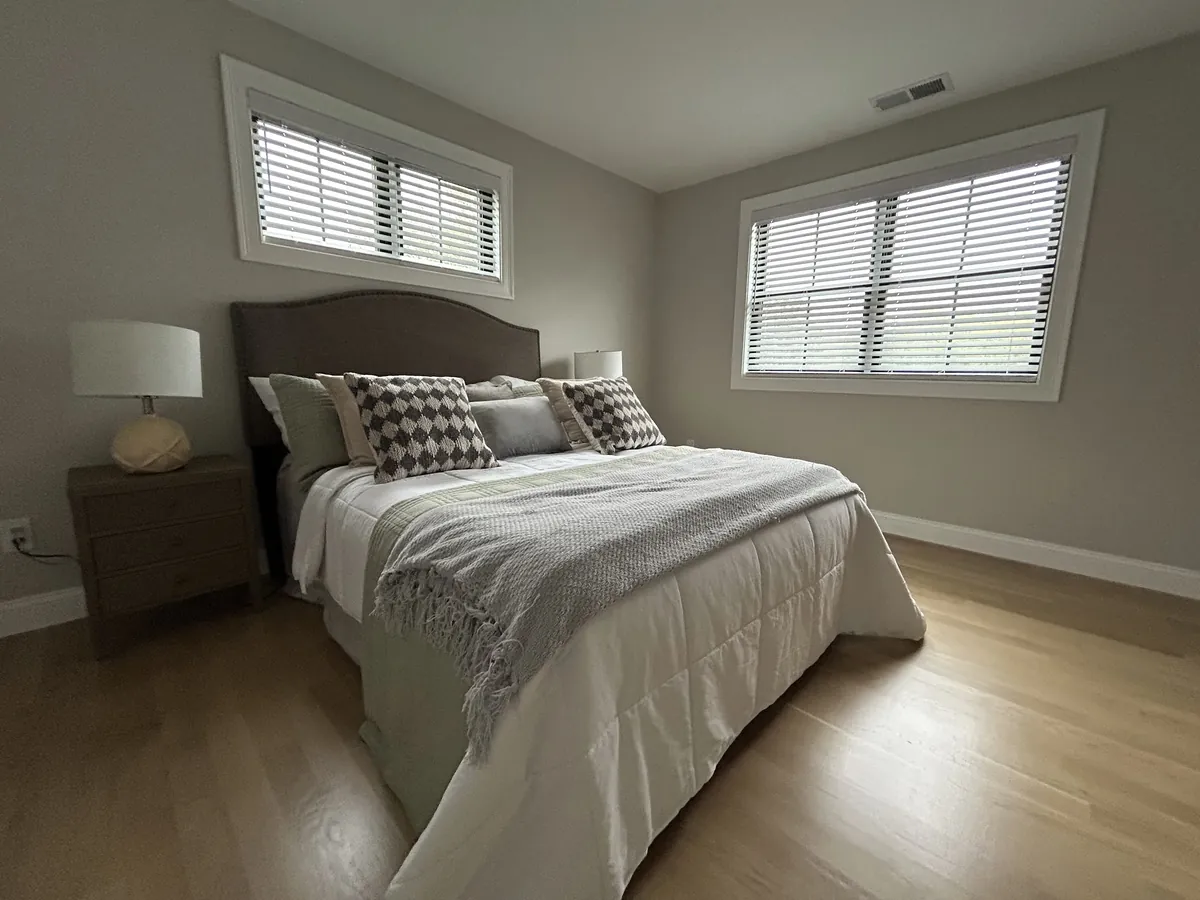
Window Works Blinds Shutters and Shades is a family store in Swansea, Massachusetts, founded in 1988 and now run by its second generation. Our showroom is in Swansea, and the call button on this page reaches that store directly. Over 37 years we have measured, made and fitted window treatments for houses all over the SouthCoast of Massachusetts and the Rhode Island East Bay, Middletown among them.
Fabric and drapery are what we know best. The experienced specialists who measure your windows are the ones who come back to install, warranties are offered, and we keep in touch until your last shade is hanging.
Choose Fabric for the Coast in Person
Coastal light is easiest to judge for in daylight. At our Swansea showroom, cloths can be held to the window, folds compared and a lining set behind a fabric to see what it stops. Tell us which way your rooms face and how close you are to the water, and we will narrow it down together.
Questions from Middletown
Will salt air ruin a fabric roman shade?
Not if the fabric and lining are chosen with the exposure in mind. A lining protects the face cloth, and a tightly woven fabric with some body holds its shape better.
We are not on the water. Do we still need to think about the coast?
Yes. Second-row houses still get the salt and the wind. They just have more freedom with colour, because there is no view to frame.
Which fold suits a cottage near Sachuest?
A relaxed fold in linen or cotton, lined where the room faces the water.
Our cottage is closed for the winter. Will the shades fade?
A lowered shade in a bright window takes the sun all winter. A lining and a paler fabric help, and some owners leave the shades raised while away.
Where is your store?
Window Works is in Swansea, Massachusetts, with a showroom you can visit. The contact page has the address and directions.
Your Free Quote
For a ranch window off East Main Road or a cottage by Sachuest, the start is a free quote from our Swansea store. Press the call button to book it, set up measuring at your house or ask about installation. The form reaches us as well, and the contact page shows the way to the showroom. Window Works holds a 5.0 rating on Google.