
Formal Rooms and Long Glass by the River
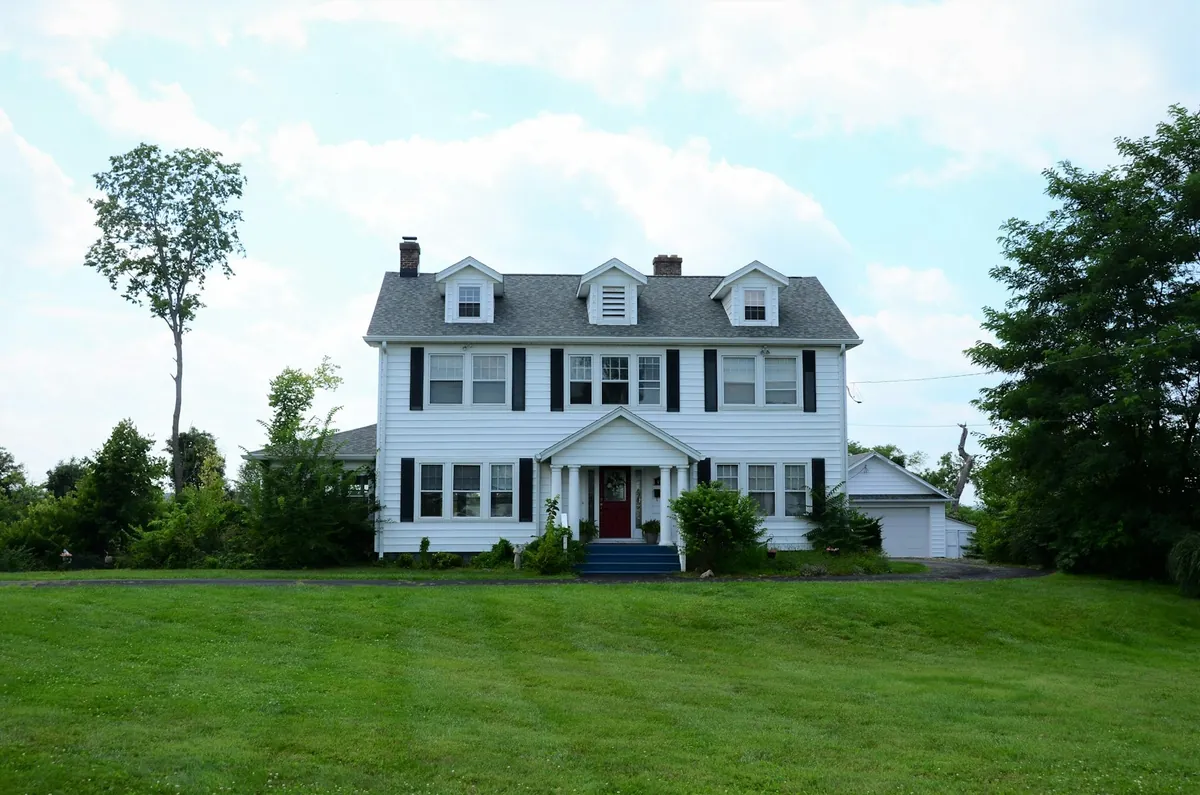
Barrington asks two very different things of fabric, and that is why custom drapes in Barrington, RI are worth planning window by window. Along Rumstick Road and Nayatt Road, center-hall colonials sit close to mid-century moderns, and some of both look out over the Barrington River. The colonials have formal living and dining rooms where drapery is part of the room rather than an extra. The mid-century houses have long runs of glass and low sills, where fabric has to cover a lot of width without looking heavy.
Those are opposite problems. A formal room wants weight, fullness and a tailored heading that frames the trim. A glass wall wants a fabric that travels easily, stacks neatly and lets the view back in when it is drawn open. We make both, from the cloth up, and we measure each opening in your home so the finished panels fall where they should.
- Drapery and curtains made from the fabric you choose
- Measured in the room and hung by our own team
- Fabrics to see and handle at the Swansea showroom
Drapery Choices for Barrington Rooms
Tailored pleats for the dining room
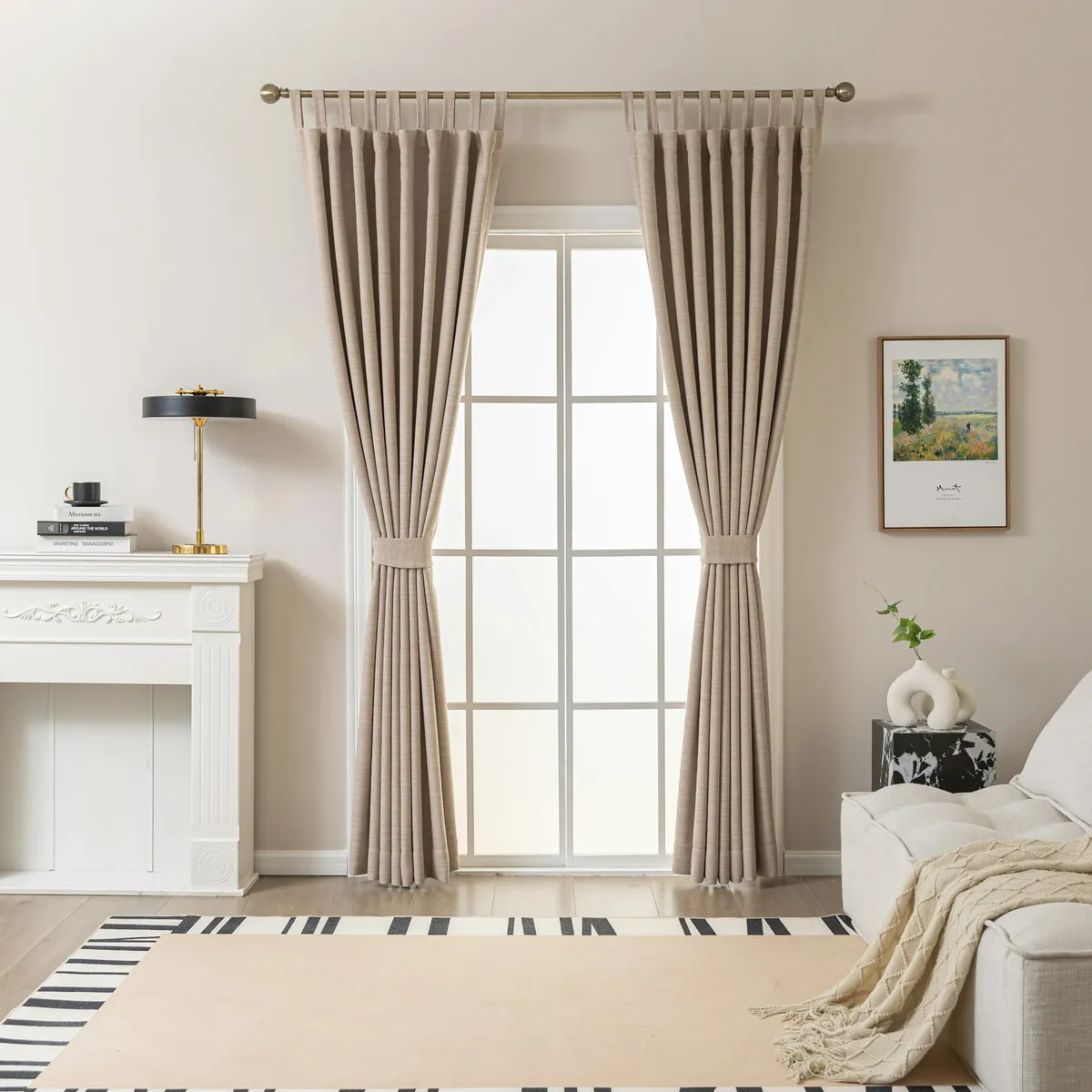
Pleats stitched at the heading hold the folds even from top to bottom, which suits the symmetry of a center-hall plan.
Sheers for a glass wall
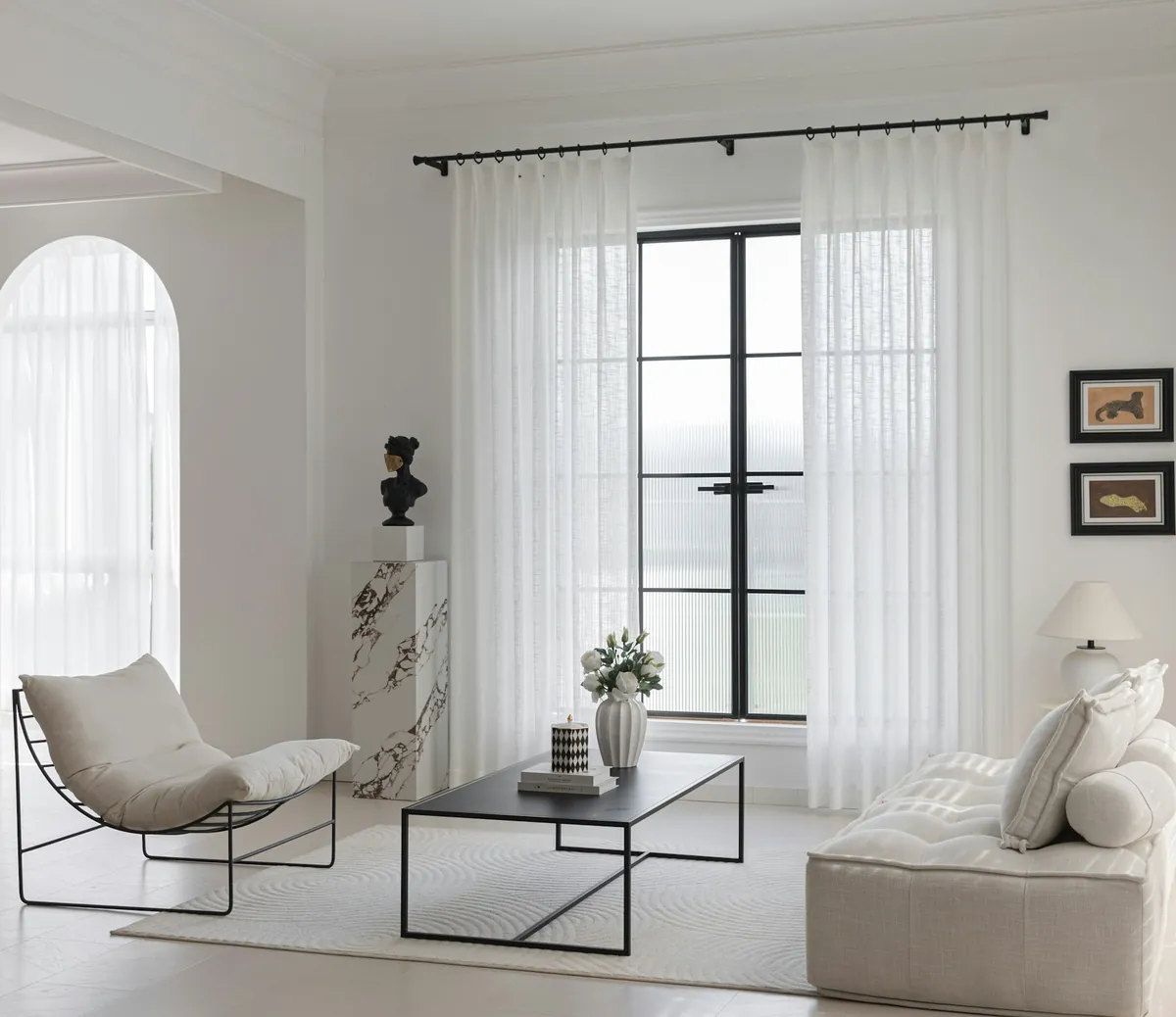
A light, open weave softens strong river light without shutting out the water view.

Velvet and heavy weaves
Dense fabric with real depth of colour, for a library, a bedroom or a front parlour that feels chilly in winter.
Layered sheer and side panels
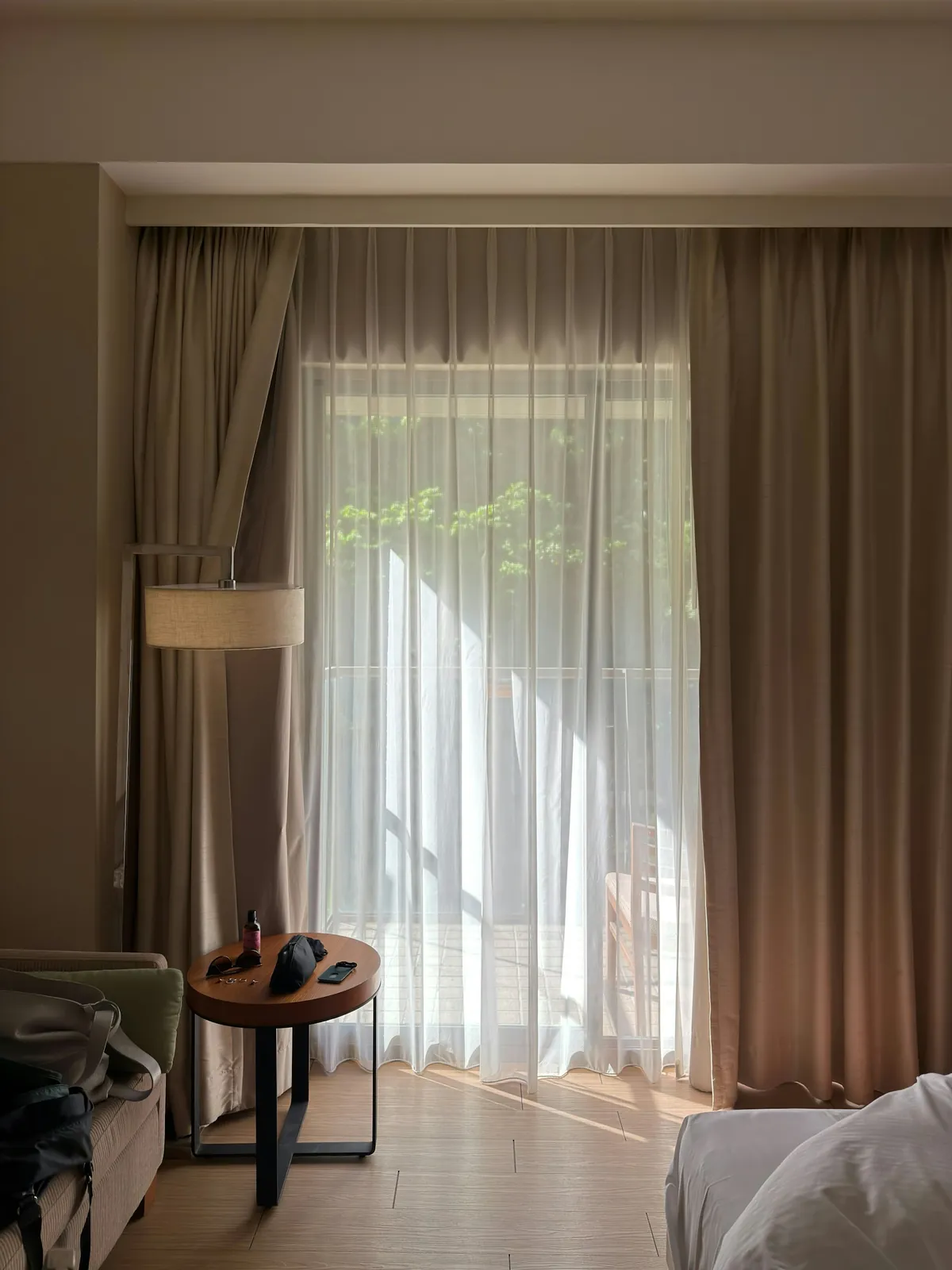
A sheer for daytime and heavier panels to draw at night, chosen together so the colours sit well.
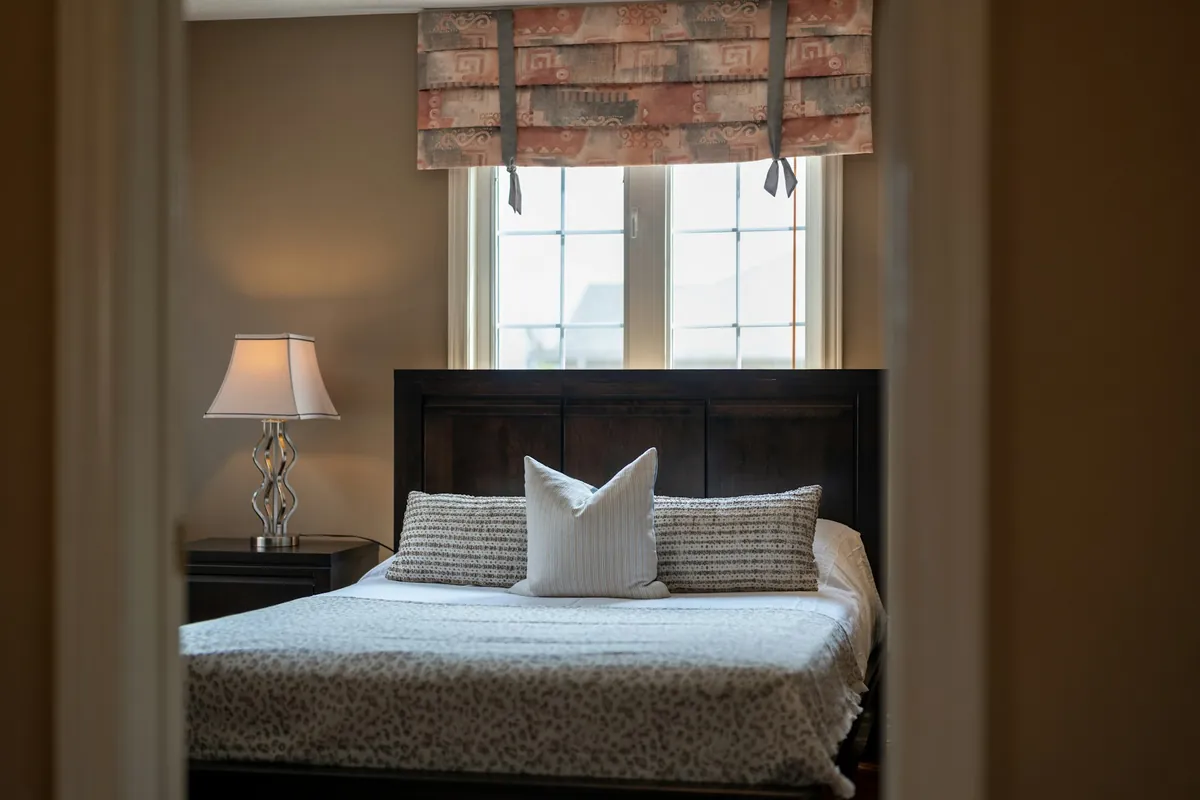
Valances and top treatments
A fabric finish across the top of the window, on its own or over a shade.
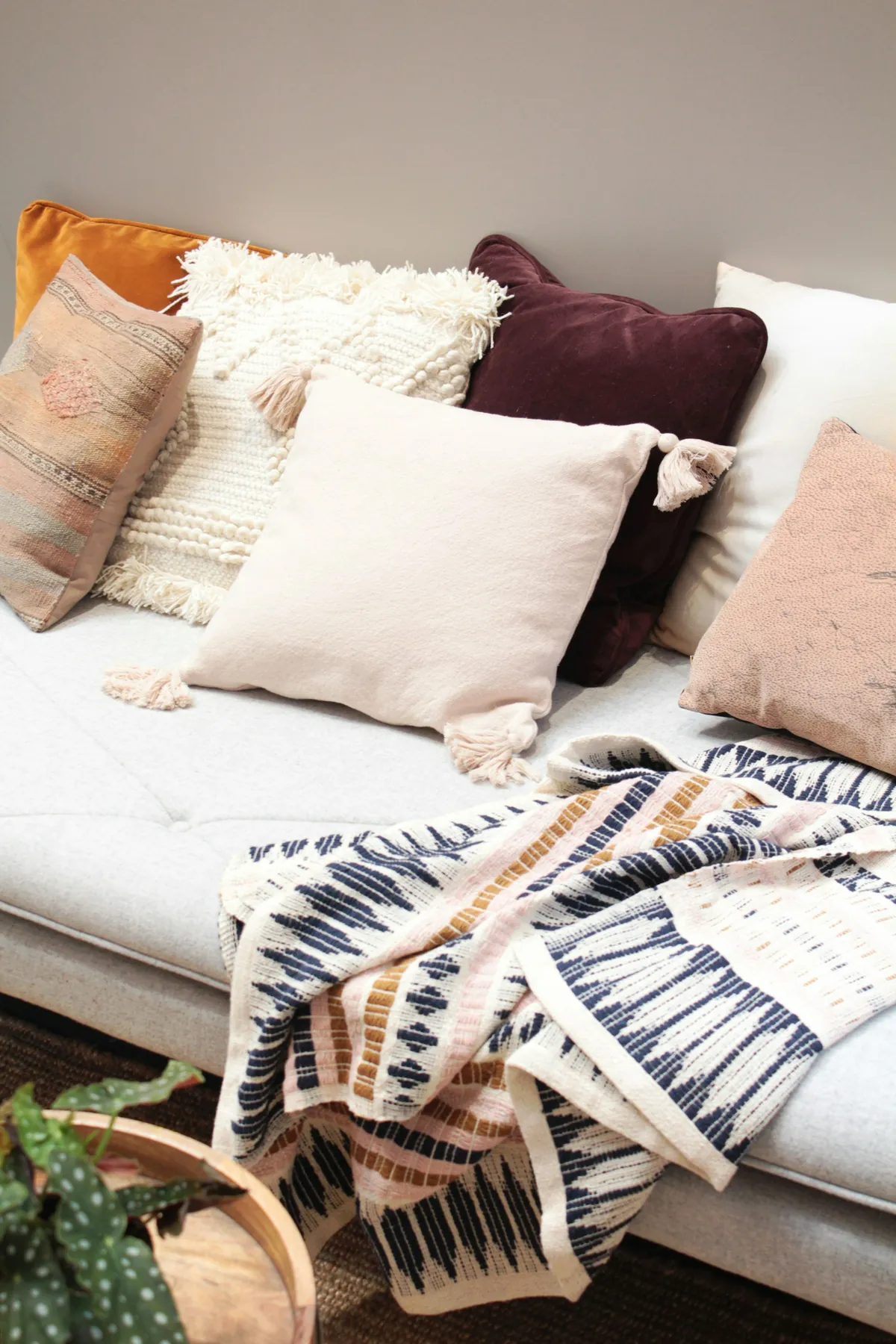
Fabric that carries into the room
Pillows and duvet covers cut from the same cloth as the drapes, through our fabric decor work.
Custom Drapes in Barrington, RI for the Center-Hall Colonial
A center-hall colonial is built around balance. The front door sits in the middle, a room opens on each side, and the windows line up across the facade in matched pairs. Drapery in these houses is expected to respect that order. When we plan custom drapes in Barrington, RI for a colonial, the first question is usually not colour but proportion: how high the rod goes, how far past the trim it reaches, and how full the panels should be so the pair looks generous and even.
The dining room and the living room
The two front rooms are where formal drapery belongs. In a dining room, floor-length panels with a pleated heading give the room the finish its moulding and chandelier already suggest. A lined panel hangs straighter, keeps its shape over years of opening and closing, and protects the face fabric from the sun coming through the front windows. In the living room across the hall, the same fabric or a companion to it keeps the two rooms reading as a pair from the front door.
Pattern needs care here. A large print on a pair of tall panels can be striking, but the repeat has to line up across both panels and land at the same height on every window in the room. That is part of why each panel is cut from measurements taken at the window itself rather than from a standard size.
Trim worth showing
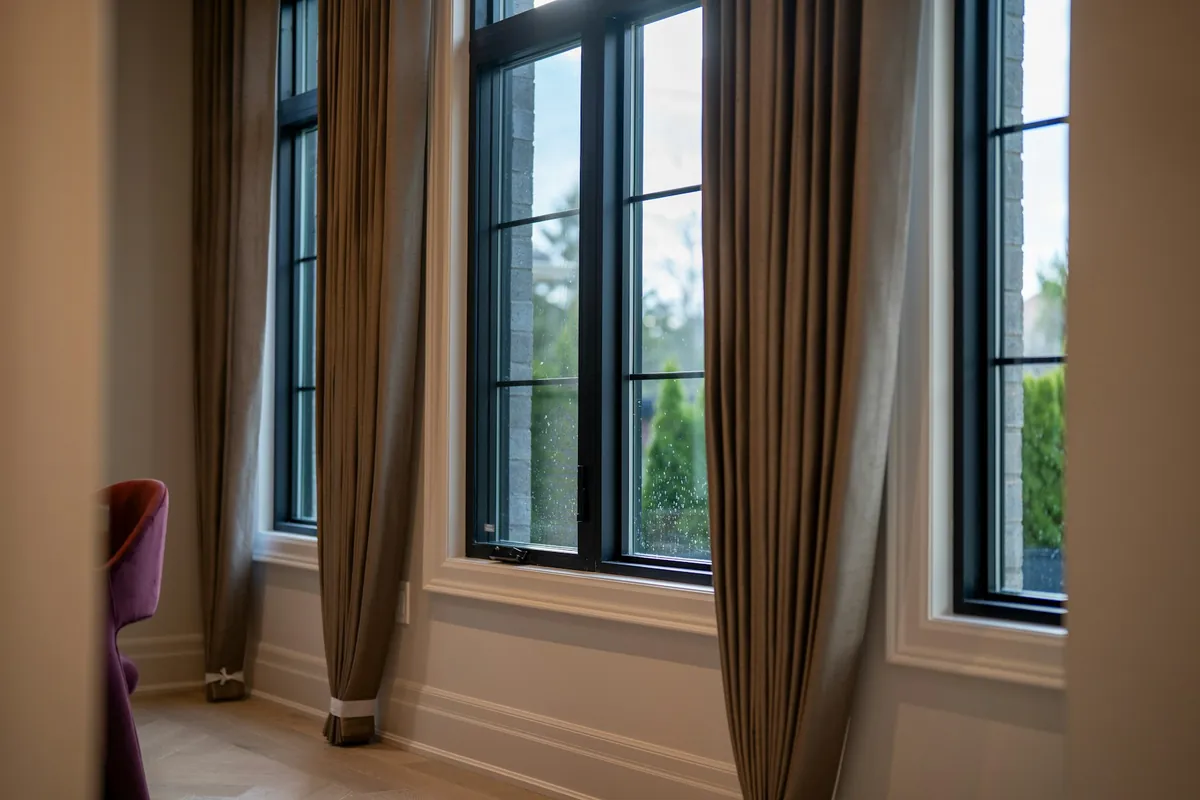
Colonial windows usually have proper casings, sometimes with a deep sill and a carved or stepped head. Drapes that hang inside that trim hide it. We normally mount the rod above the casing and run it past the sides, so that when the panels are drawn open they rest against the wall and the full frame stays on show. In a room with a cornice or crown moulding, the rod height is set so the heading sits in a clean line below it.
Upstairs rooms
The bedrooms above the front rooms tend to be simpler. They still benefit from lined drapery, especially rooms on the east side that catch early sun. A lining chosen for darkness turns a bright bedroom into one you can sleep in past dawn. Where a bedroom also has a shade or blind, the drapes can be lighter, because the shade does the practical work and the fabric frames it.
Drapes over shutters or shades
Plenty of colonials already have, or want, a hard treatment on the glass itself. Interior shutters suit the period trim and give fine control of light through the louvres, and side panels hung outside the frame soften them without covering them. If you are weighing that pairing, our plantation shutters in Barrington page explains the shutter side. The point to plan for is depth: the rod has to project far enough from the wall that the fabric clears the shutter panels when they swing open. We measure for that on the same visit, so the two layers work together on the day they go up.
A Roman shade behind stationary side panels is another pairing that suits a colonial bedroom or study. The shade lifts and lowers for privacy, while the panels stay put, framing the window and adding colour. Because we make both, the fabric for the shade and the drapes can be chosen side by side.
Mid-Century Moderns and Long Runs of Glass
The mid-century houses along the same roads were built to open up to the outdoors, and many of them face the water. Their windows are wide, often running most of a wall, and the sills sit low. That changes almost everything about how drapery is planned.
Width before height
On a long run of glass, the big question is how much fabric it takes to cover the width, and where that fabric goes when it is open. A drape on a long run might travel to one end or part in the middle, depending on where the door or the best view is. We look at how you use the room before deciding. If the deck door is at one end, the panels usually stack away from it so the door stays clear.
The stack itself needs room. Open drapes gather into a bundle at the end of the rod, and a full panel in a heavier cloth takes up more wall than most people expect. On a long window wall that ends at a corner, there may be no wall to stack against, so the open panels sit over the last pane of glass. We look for that when we measure and suggest a lighter fabric, a narrower stack or a split in a different place, so the view you bought the house for is not partly hidden whenever the drapes are open. Where a mid-century wall turns a corner in an L, the fabric can run on two rods that meet neatly, each stacking toward its own end.
Low sills
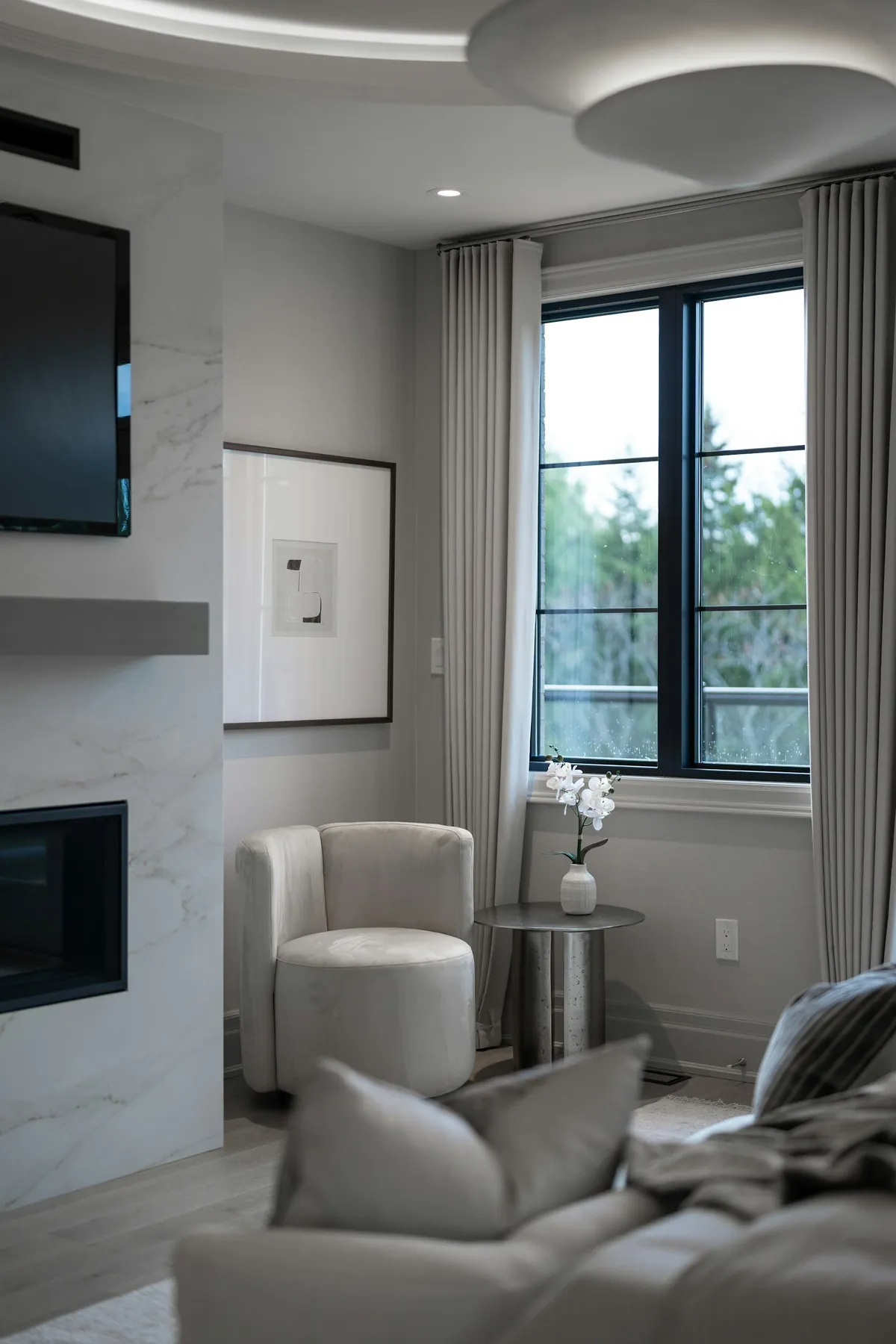
A low sill means the glass starts close to the floor, so a short curtain looks wrong almost at once. These windows nearly always want floor-length panels. The hem has to be set carefully: just clear of the floor if the drapes are drawn every day, or touching it if they mostly stay put. On a heated floor or near a baseboard heater, we keep the hem clear and talk through the right gap.
A lighter hand
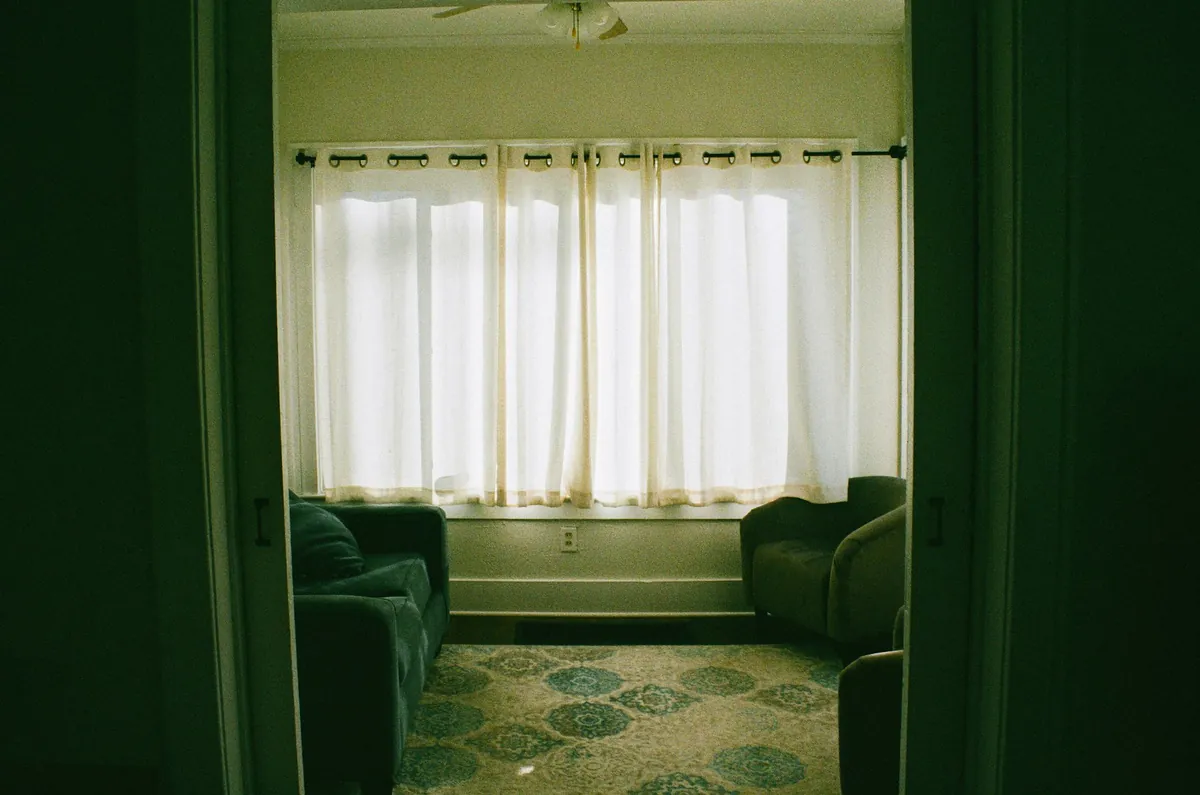
Mid-century rooms tend to look best with fabric that does not fight the architecture. Plain linens, textured weaves and sheers in soft neutrals let the glass and the view stay the main event. A simple heading that gathers the cloth into soft, regular folds suits these houses better than a formal pleat. When the panels are drawn back, they should sit as a slim column at the end of the glass rather than a heavy bundle.
Light and Privacy on the River
Houses with Barrington River frontage get strong, reflected light off the water, and it moves through the day. Fabric facing it fades faster than fabric in a shaded room, which is one more reason most drapes we make for these rooms are lined. The lining takes the sun so the face fabric keeps its colour longer.
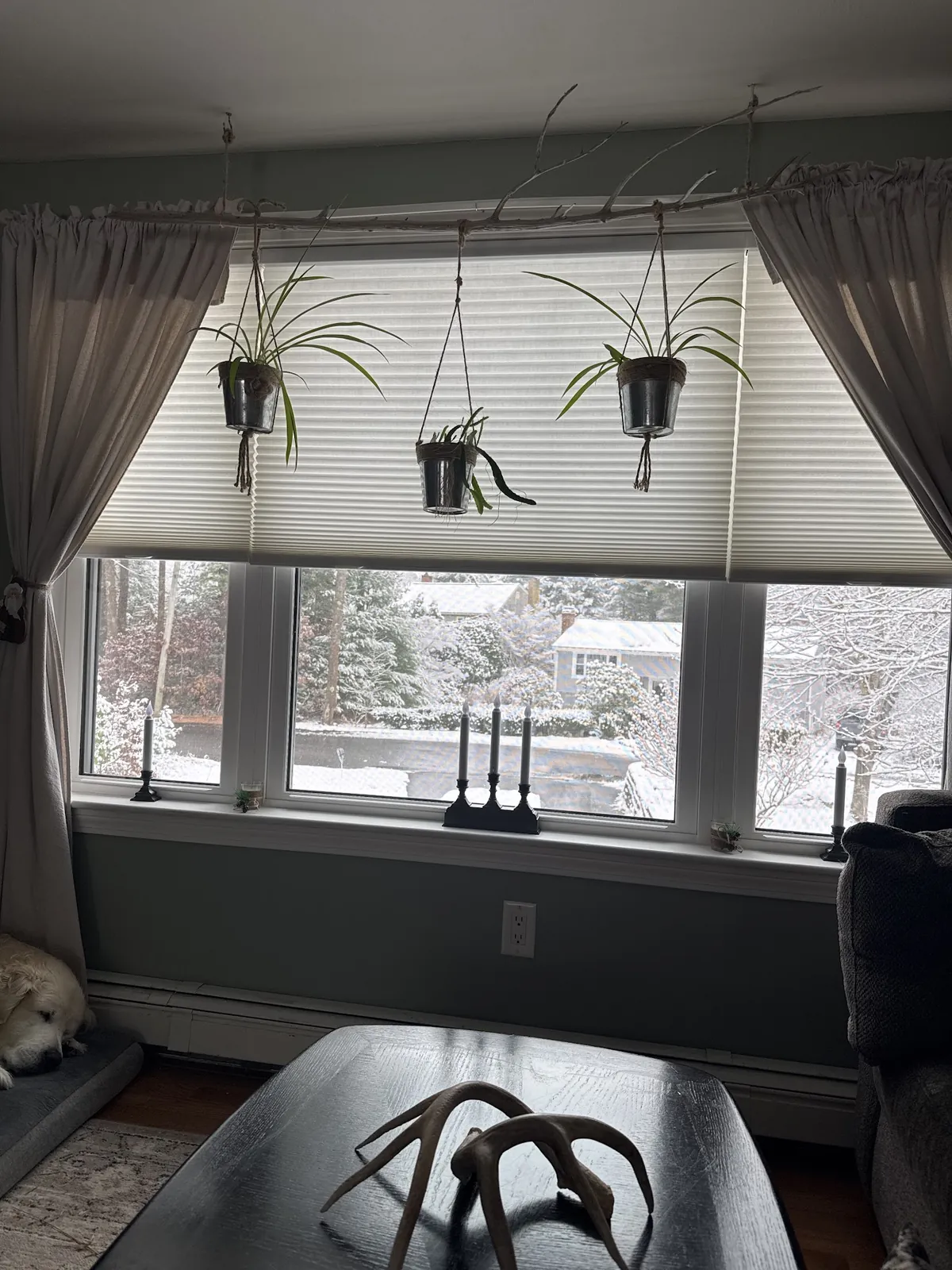
Privacy on the water side is usually less of a concern than on the street side, but the evening changes that. Once the lamps are on, a wall of glass becomes a lit stage from outside. A layered treatment answers both times of day: a sheer that stays drawn through daylight to soften glare, and a heavier panel that closes at night. Some households pair drapes with a roller shade in Barrington instead, so the shade handles the sun and the fabric adds softness.
Choosing the fabric
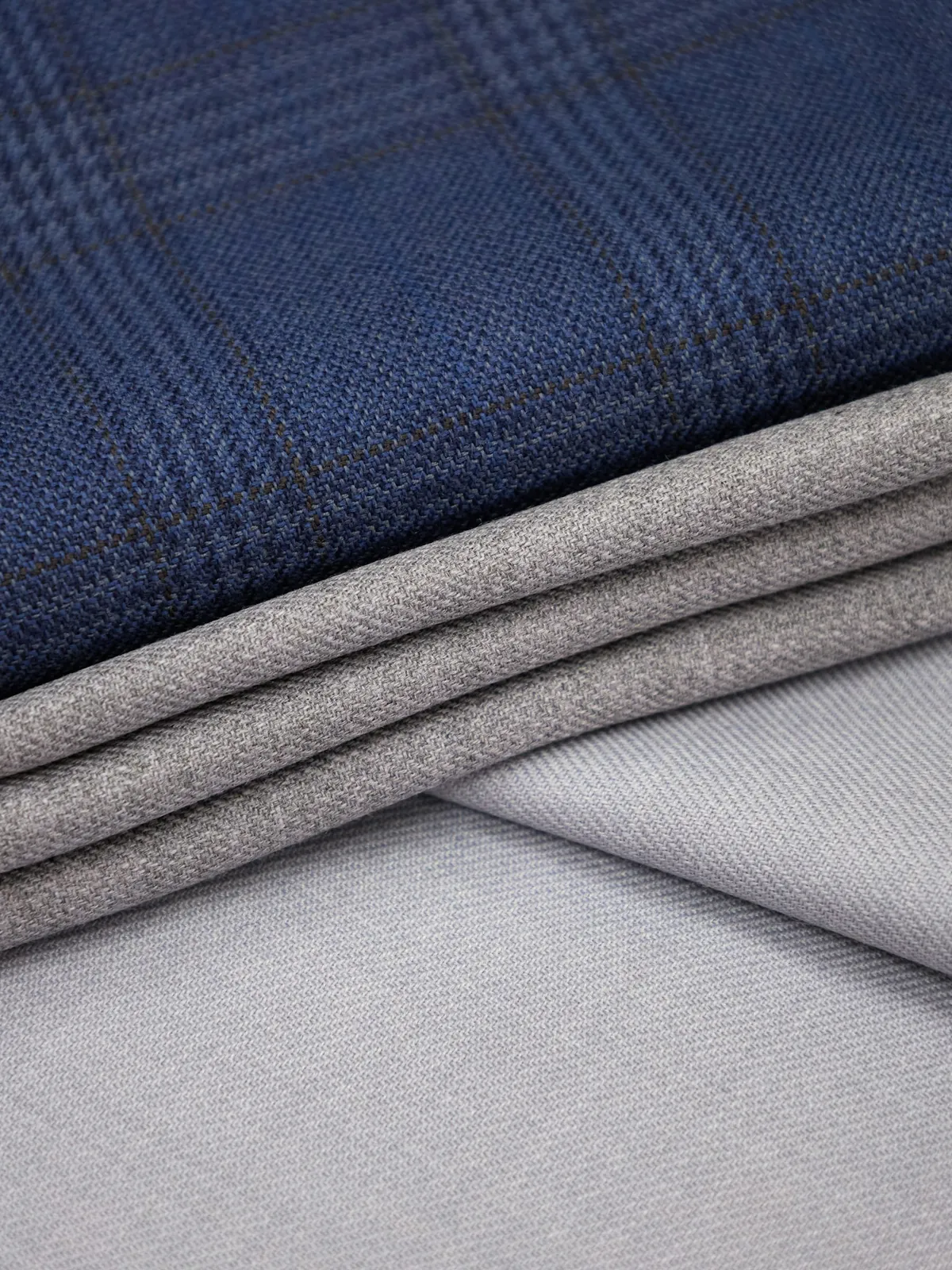
Fabric comes first in everything we make, because it decides how the drape hangs, how it handles light and how it wears. Some starting points for Barrington houses:
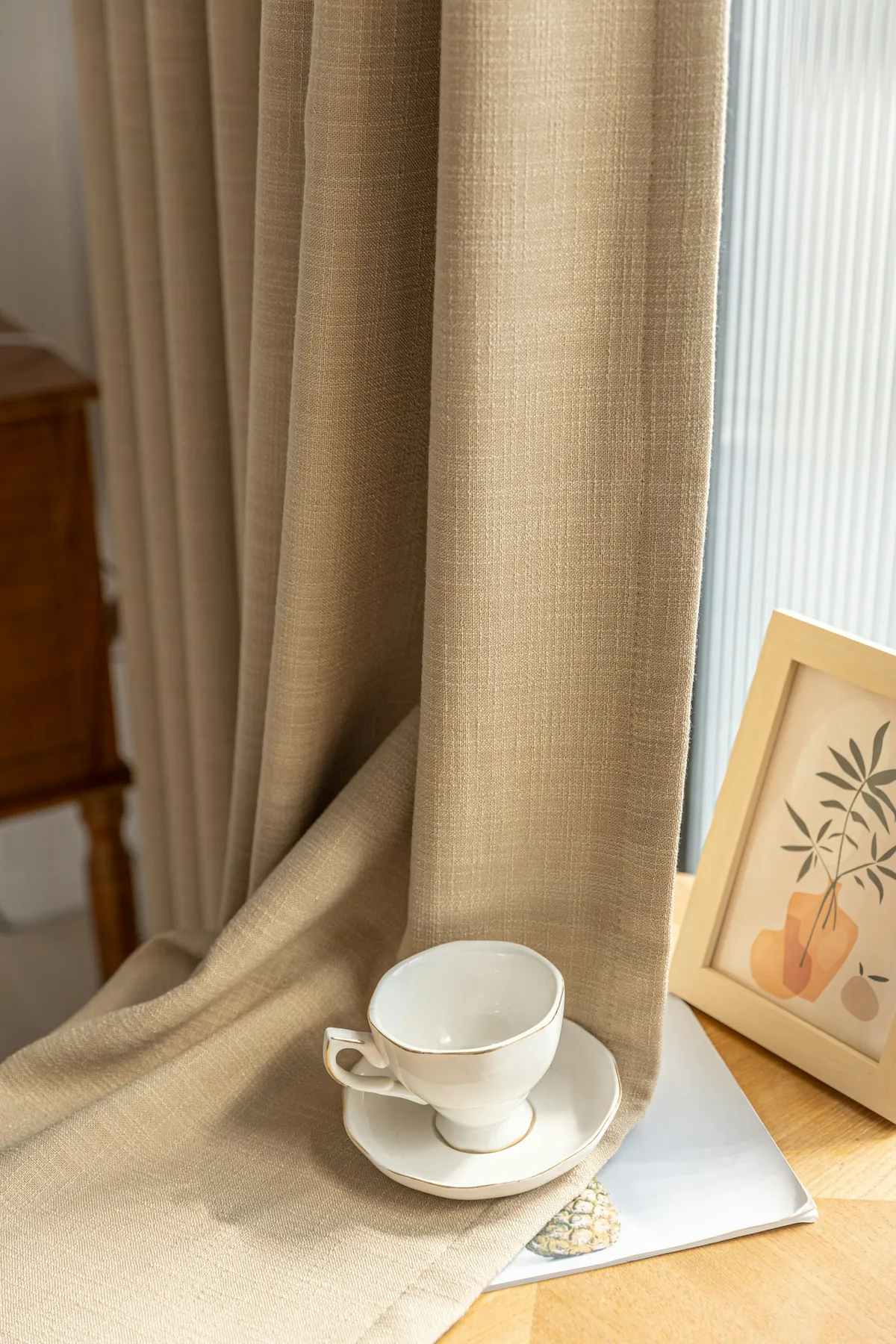
- Linen and cotton blends for relaxed, natural folds in living rooms and on mid-century glass
- Heavier weaves and velvets for formal dining rooms and colonial parlours
- Sheers and voiles where you want daylight but less glare
- Prints and plaids where a room needs pattern, matched carefully across a pair
It is far easier to judge cloth in your hands and in daylight than on a screen, which is what the showroom fabric range is for.
How the drapes move
Drapes that are drawn every evening need a different setup from drapes that mostly stand still. On a colonial’s front windows, the panels are often dressed once and left framing the glass, with a shade or blind behind them doing the daily work. Those panels can use a heading that holds a crisp, formal shape. On a mid-century glass wall, the fabric may cross the whole run twice a day, so it needs a heading and hardware that let it glide without tugging at the hem. We ask how each window is used and suggest the setup to match, in plain terms, before anything is ordered.
Rod placement matters as much as the rod itself. A rod mounted only just above the frame makes a window look shorter. Raised closer to the ceiling, it gives the room height, which helps in the lower rooms some mid-century houses have. Extended past the frame, it lets the open panels clear the glass. These are small decisions with a big effect, and they are all made from the measurements taken in the room.
Keeping the house consistent
From Rumstick Road or Nayatt Road, the front of a colonial reads as one picture. Even if the rooms behind those windows have different drapes, the lining colour that shows through the glass from outside is worth keeping the same on every front window. A white or ivory lining across the facade keeps the house looking calm from the street, whatever is happening on the room side.
Inside, open plans in the mid-century houses raise a similar point. Where the living room, dining area and kitchen run together under one long window wall, a single fabric across the whole run usually looks more settled than several. Where a room needs its own character, a companion fabric in the same colour family can mark the change without breaking the line.
Caring for Drapes in a Waterside House
Drapery near the river lives in brighter, damper air than drapery inland. A few habits keep it looking right for longer:
- Vacuum the panels now and then with a soft brush attachment, top to bottom
- Draw sun-facing panels during the brightest hours if the room is not in use, so the lining takes the light
- Let a damp room air out before closing the drapes tight against the glass
- Have lined drapery cleaned professionally rather than washed at home, where face and lining can shrink at different rates
We will tell you how to care for the particular fabric you choose, and if a hem drops or a hook comes loose later, the same store that made the drapes is the one to call.
Choosing custom drapes in Barrington, RI is easier when the fabric, the lining and the hanging are planned together by one team, which is the way we have always worked.
How a Barrington Drapery Order Runs
We stay in touch from the first question until the last panel is dressed. This is the usual order of things.
- You use the call button or send the form and tell us which rooms you are thinking about. We book your free quote.
- A specialist comes to measure in your home. For drapes that means the window, the wall on each side, the height to the ceiling or cornice, and anything nearby that the fabric must clear, such as a door, a radiator or a built-in.
- You choose fabric, lining, heading and length, comparing cloth at the Swansea showroom.
- Your quote lists each room and each window, so you can see what will be made.
- The drapes are made to the measurements taken in your home.
- Our team hangs them, trains the folds so the panels fall evenly, and shows you how they open and close.
Fabric beyond the window
Because we also make pillows, duvet covers and some upholstery, the cloth at a dining room window can turn up again on the seat cushions or a sofa in the next room. Planning both at once means the dye lot and the pattern match.
Why Barrington Homeowners Work With Window Works
Window Works has been a family store since 1988 and is in its second generation, with over 37 years making window treatments for the SouthCoast of Massachusetts and the Rhode Island East Bay. Drapery has always been at the centre of it.
When you call, you speak to window treatment specialists, not a call centre. The same team measures your rooms, places the order and hangs the finished drapes, and we stay in contact with you until the job is complete. Warranties are offered on the products we sell.
Drapes also combine well with the other things we make, such as a cellular shade in Barrington behind lined panels for a cold bedroom. You can see everything we offer the town on our Barrington window treatments page.
Questions from Barrington
Can drapes suit a mid-century house with a whole wall of glass?
Yes. We plan the width first, decide where the panels stack so the door and the view stay clear, and usually choose a lighter fabric with soft, regular folds.
Should the drapes in a formal dining room be lined?
Almost always. A lining helps the panels hang straight, keeps their shape and protects the face fabric from fading in the front windows.
My windows sit very low. Will short curtains work?
Low sills nearly always look better with floor-length drapes. We set the hem height to suit how often the panels are drawn.
Can I see the fabrics before I decide?
Yes. The Swansea showroom has the fabric range to see and handle, so you can compare weight, colour and texture in daylight.
How do I get a quote?
Quotes are free. Use the call button or the form on this page and tell us which rooms you have in mind.
Your Next Step
When you are ready to plan custom drapes in Barrington, RI, book a free quote with the call button or the form and we will arrange measuring in your home, or ask us about installation. If you would like to start with the fabric, the contact page has the way to the Swansea showroom. The main custom drapes page covers everything we make. Window Works holds a 5.0 rating on Google.