
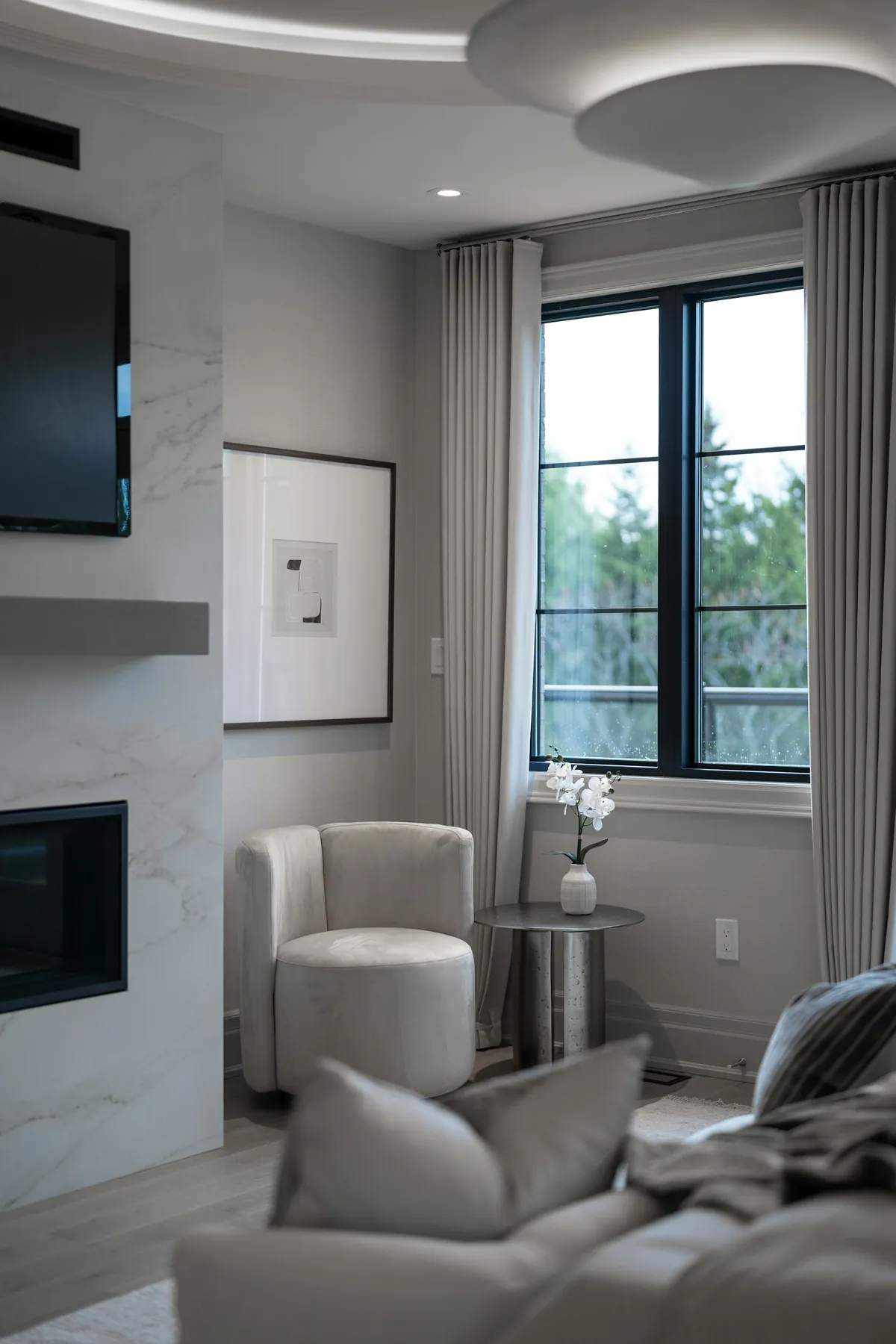
Tall Sash and High Ceilings on the East Side
On the East Side, three things come up in almost every house: tall sash, high ceilings and historic-district review. The Victorians and Colonial Revivals along Blackstone Boulevard and up College Hill were built with windows that run from near the floor to well above head height, in rooms where the top of the frame is out of reach without a ladder. That is the strongest case anywhere in the city for motorized blinds in Providence, RI. A shade on a window that tall is a stretch to raise fully by hand, and a long cord hangs down the frame when it is lowered. A remote or a switch by the door makes the whole window easy.
Across town, the triple-deckers of Federal Hill and Elmhurst set a different puzzle, with front bays stacked one above another and side windows close to the next house. We plan for both.
- Operated by remote, wall switch or both
- Made to every opening, however tall
- Measured at the house; installed and set up by us
Where a Powered Shade Earns Its Place in Providence
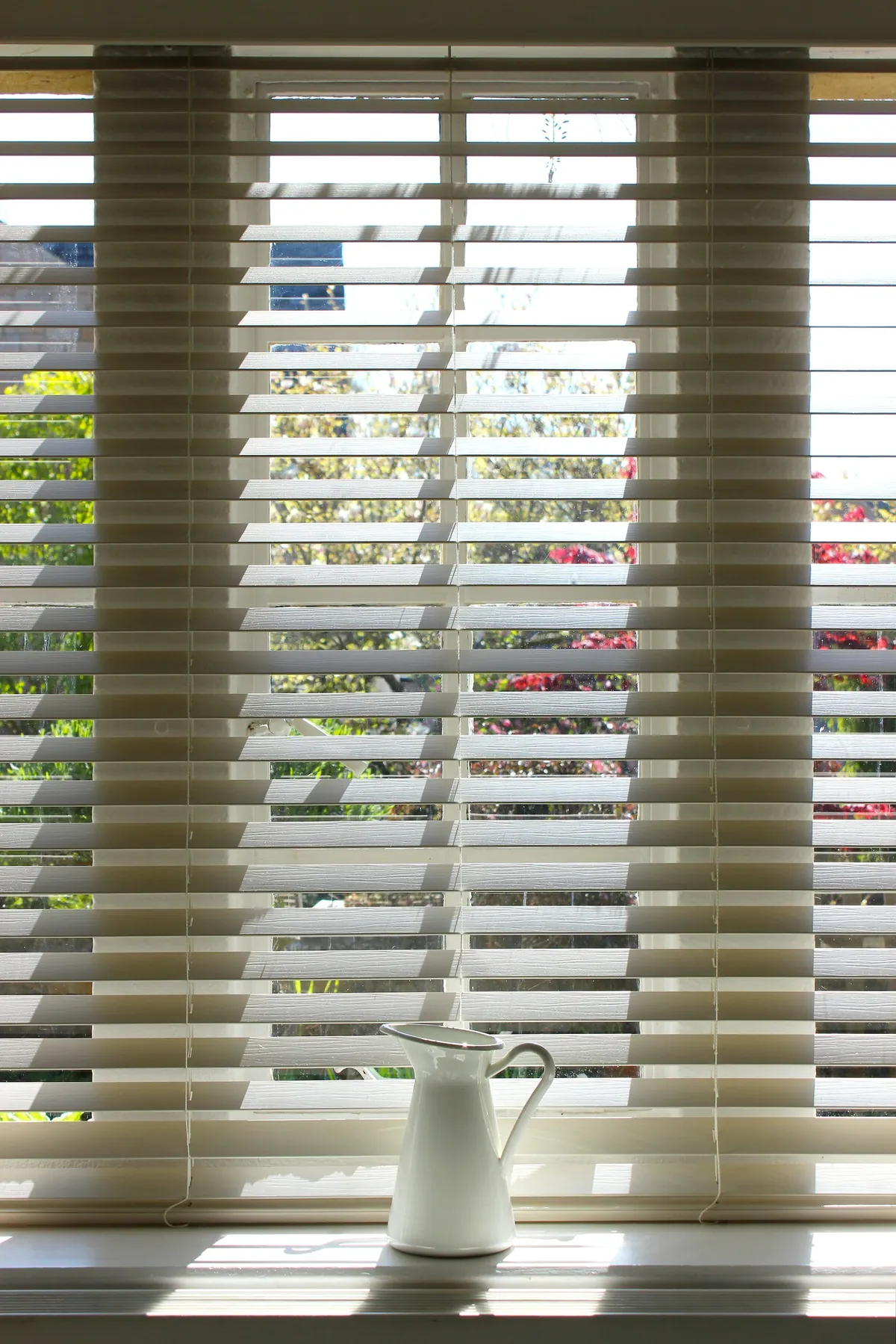
Floor-to-ceiling sash
The tallest windows in the city are on the East Side. A motor lifts a long shade the full height of the frame and brings it down level every time.
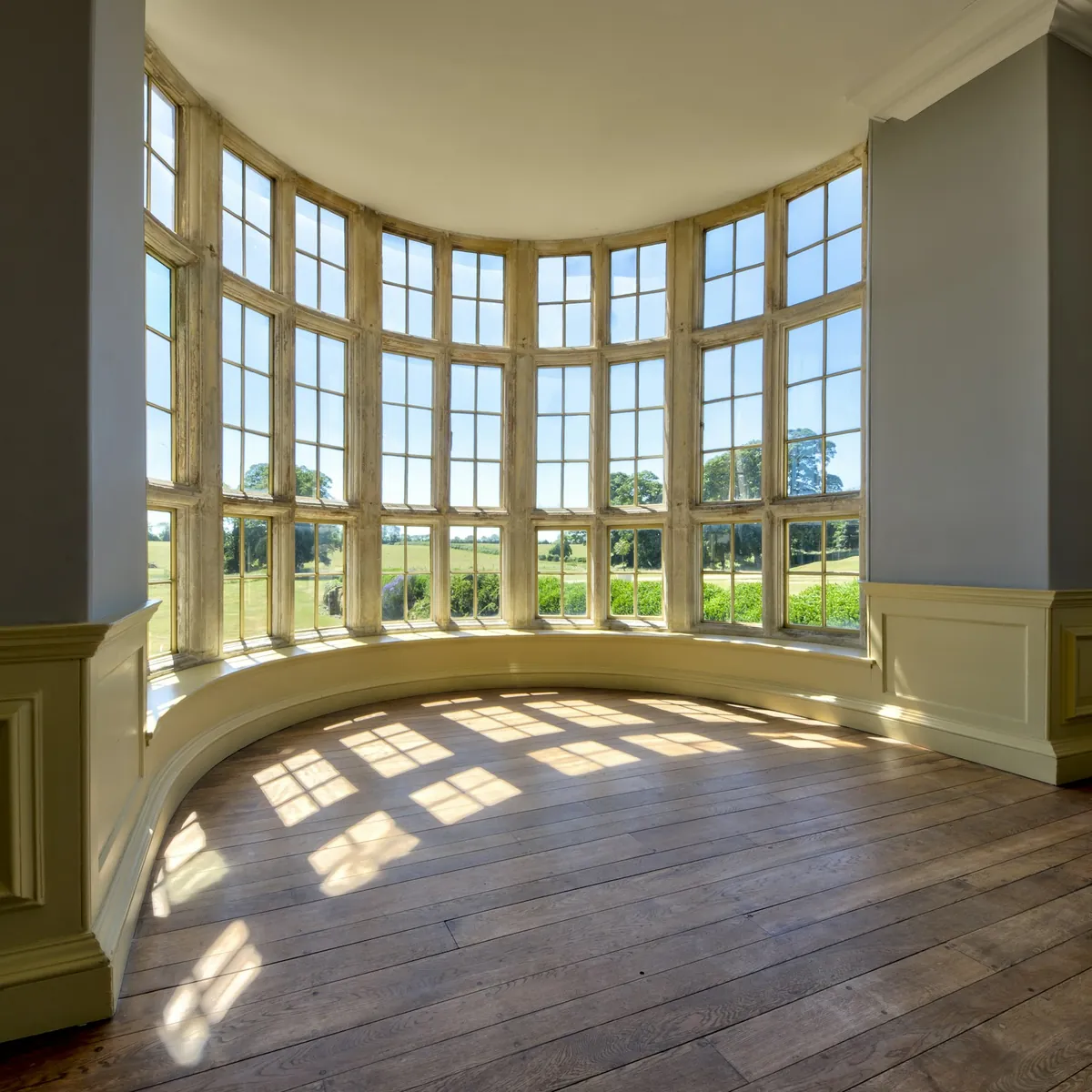
The triple-decker bay
Three windows set at angles on each floor. Powered shades let you close the whole bay together instead of reaching into each corner.
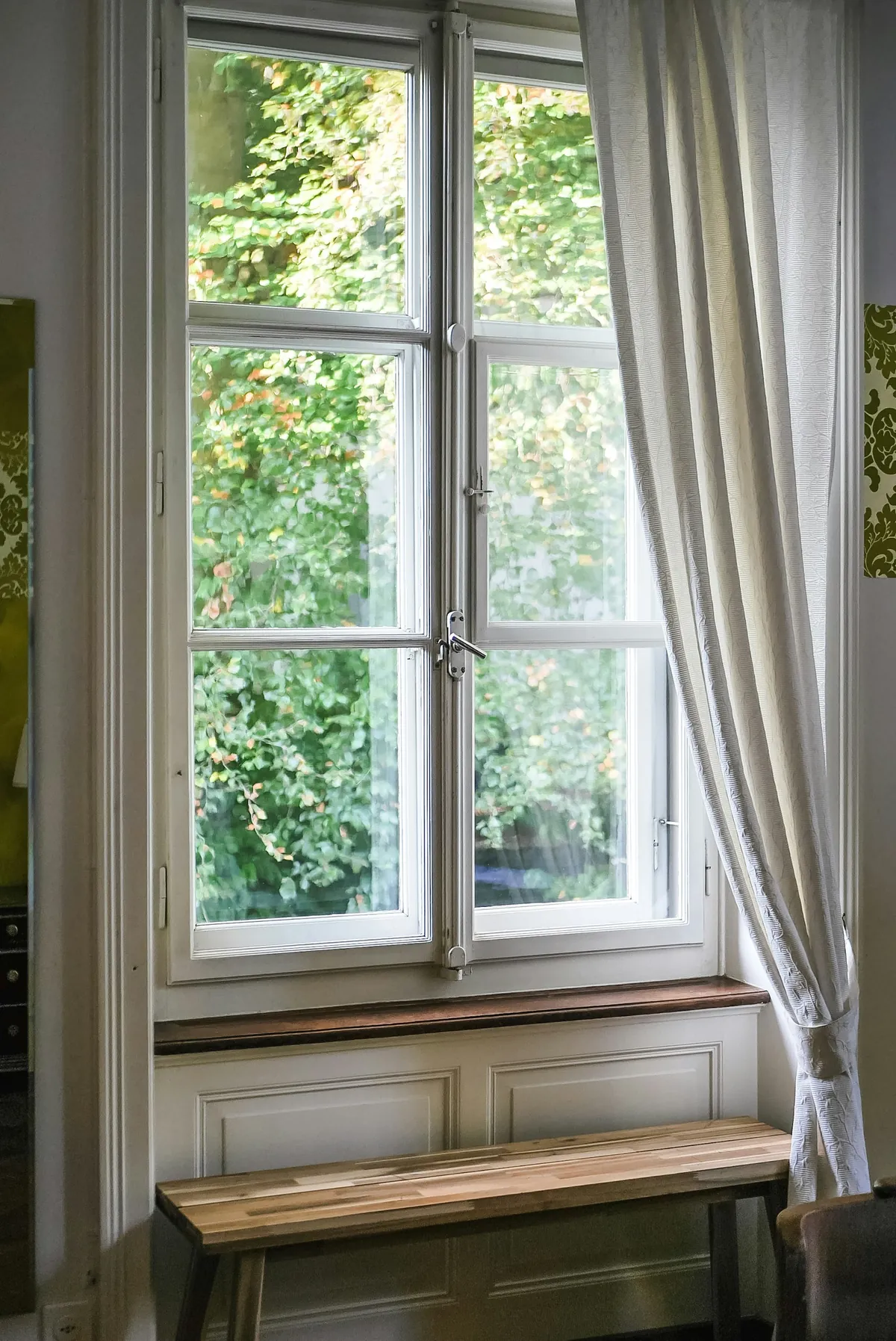
Upper sash out of reach
Where a window starts above a seat, a radiator or a built-in, a remote saves climbing up to reach it.
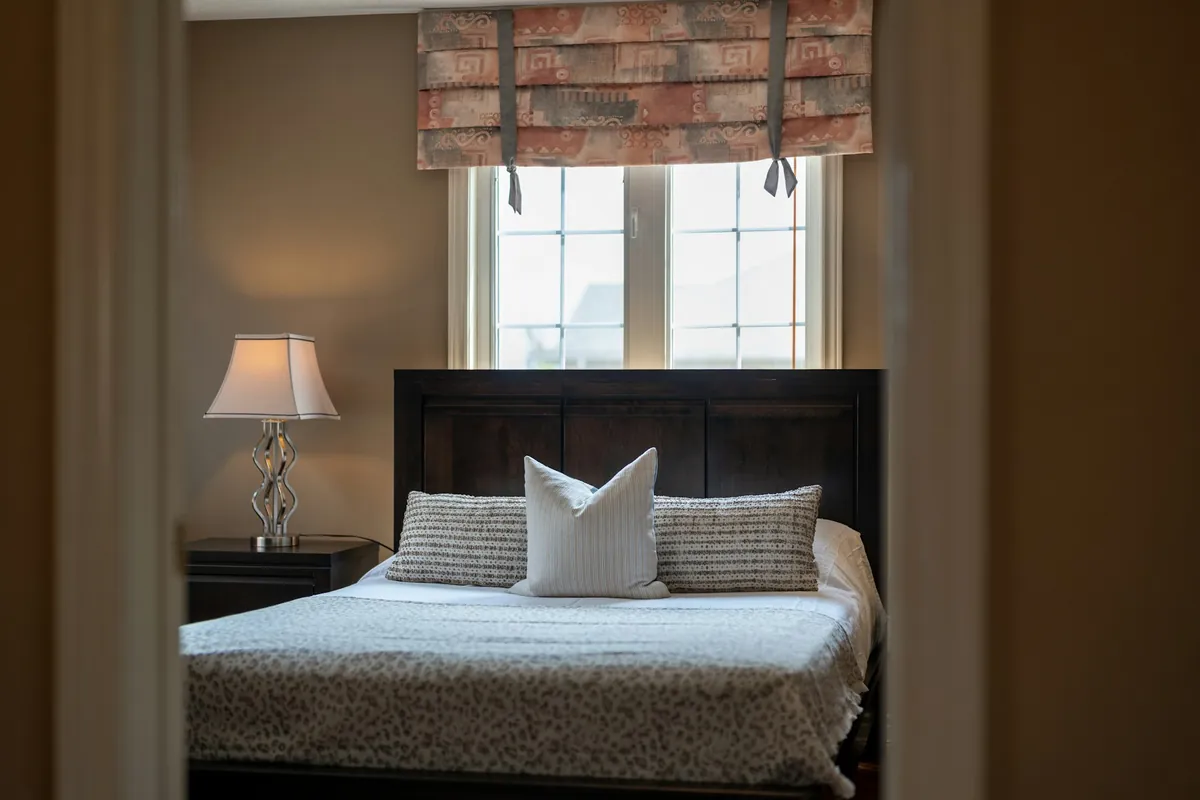
A dark bedroom
Close the bedroom shades from bed at night and bring them up in the morning without getting up.
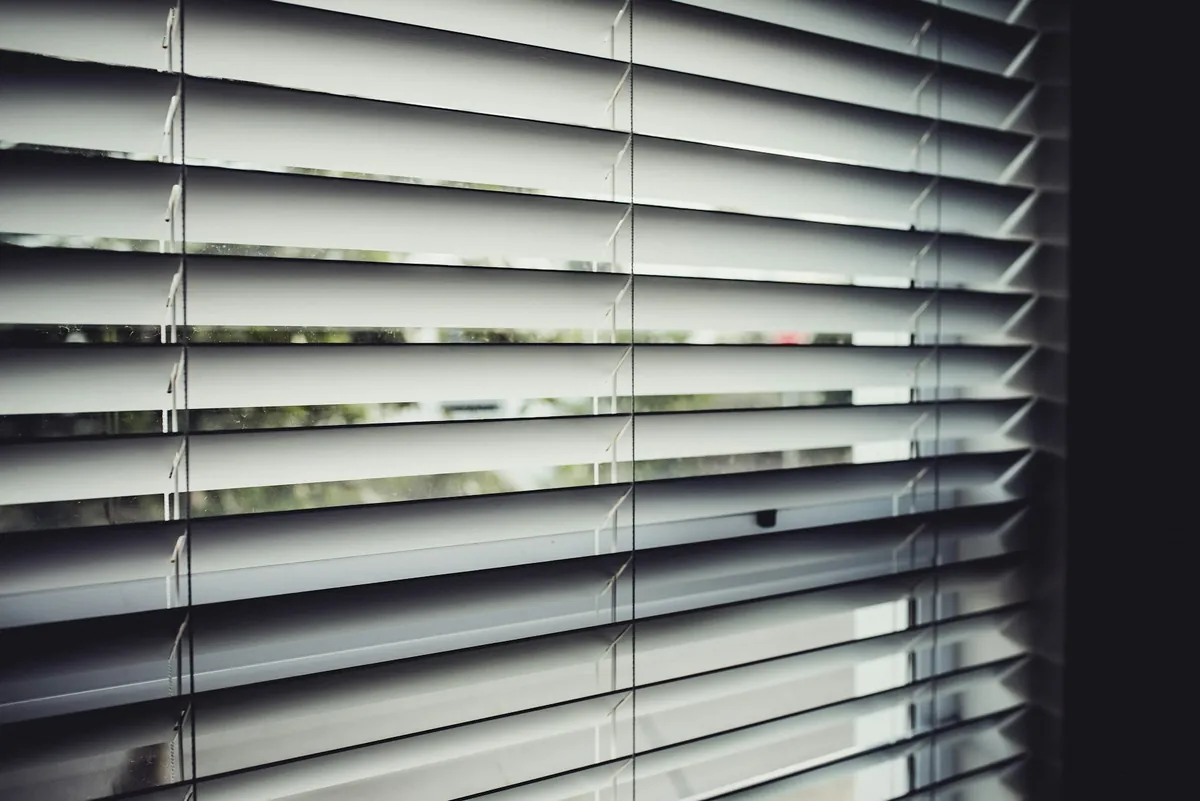
Quiet from the street
An inside mount and a calm fabric keep the front of a historic house looking as it should from the sidewalk.
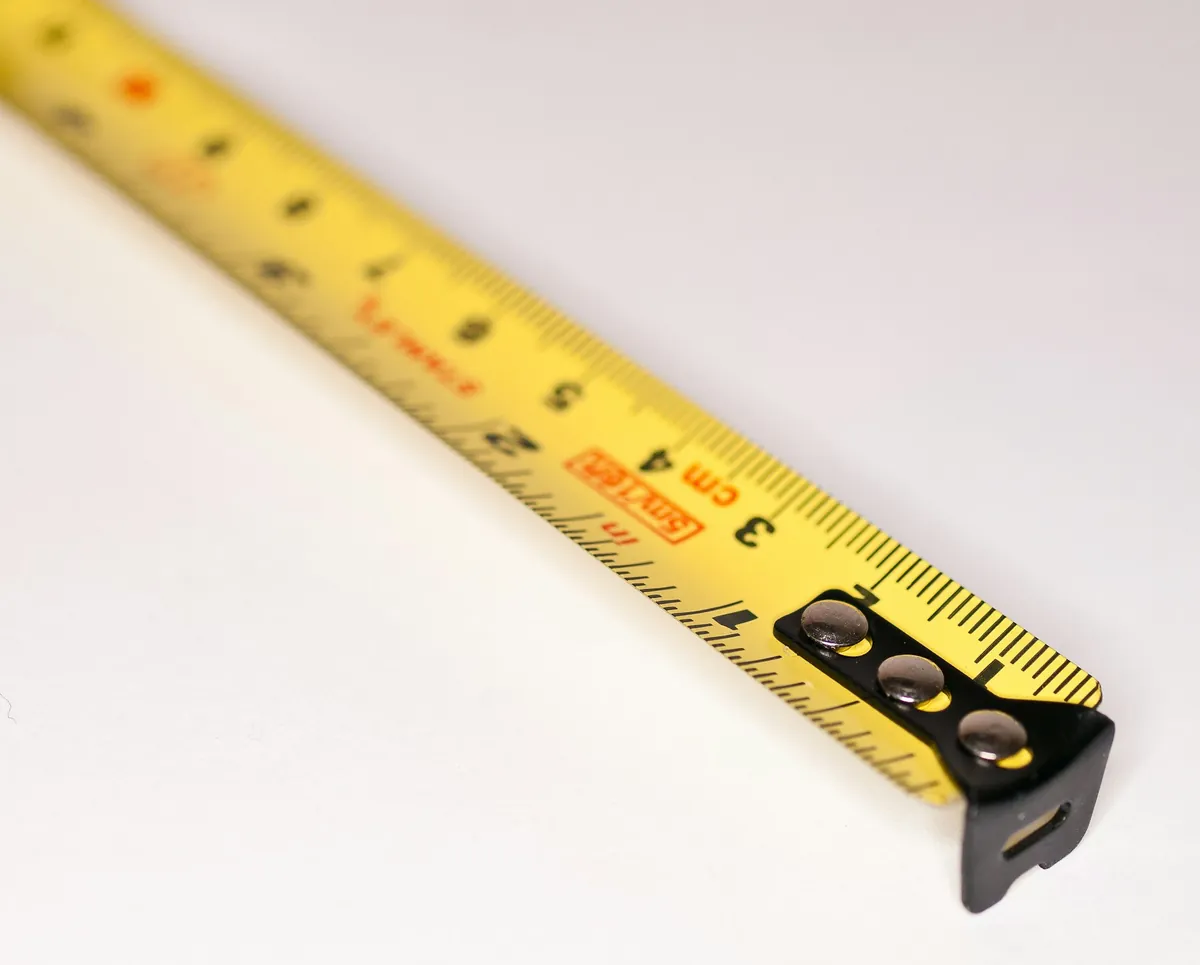
Sized at your house
Every opening is measured where it is, including the height to the ceiling and the depth of each frame.
Motorized Blinds in Providence, RI on the East Side
Planning motorized blinds in Providence, RI on the East Side begins with height. A Victorian on Blackstone Boulevard or a Colonial Revival near College Hill may have ceilings well above what a modern house would carry, and windows sized to match. That height brings light and grandeur to the rooms and some real practical problems when it comes to covering the glass.
How tall sash changes the job
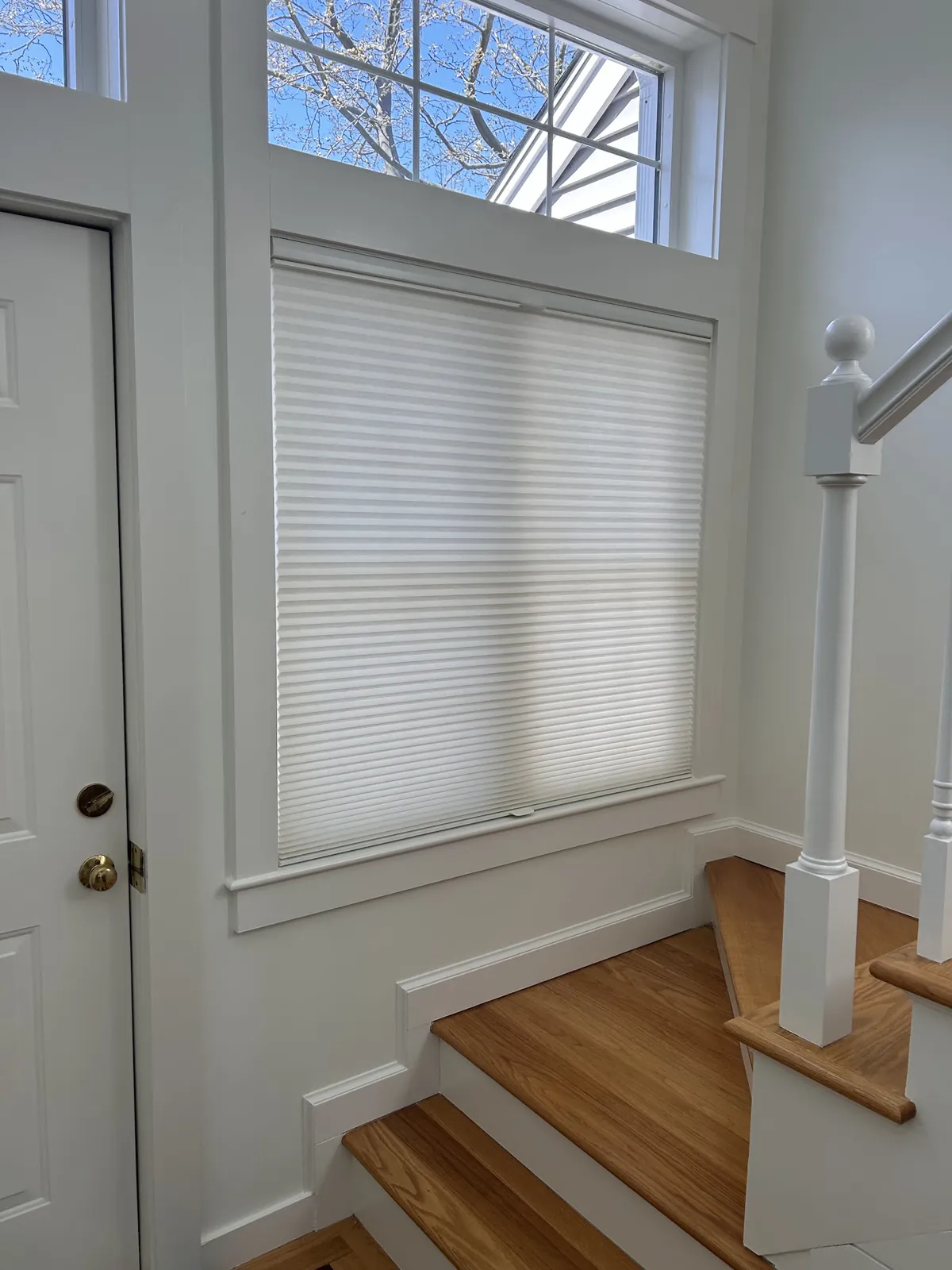
A tall sash window needs a long shade, and a long shade has more fabric to lift. Raised by hand, it takes a long pull on the cord, and the cord then hangs in a loop or wraps around a cleat on the frame. Lowered, the shade has to be brought down carefully to the same height as the windows beside it, or the room looks uneven. On a wall of three or four tall windows, that is a lot of pulling every morning and every evening, and it is the reason so many East Side shades end up left in one position.
A motor puts the whole length of the shade under control from one press. It rises evenly to the top of the frame and comes down to a set height, so a row of tall windows always lines up. In a front parlour with a fireplace between two tall windows, or a dining room with three across the end wall, that steadiness is a large part of how the room looks.
High ceilings and the space above the glass
High ceilings usually leave room above the frame, which gives a choice. The shade can be fitted inside the frame, keeping the trim on show, or mounted higher on the wall to make the window look even taller. In a historic house, inside the frame is usually the better choice, because it leaves the original trim visible and keeps the face of the window unchanged from the street. Where the frame is too shallow for an inside mount, we size an outside mount to sit neatly on or just above the trim.
Either way, we measure the depth at every window and the height from floor to frame, because East Side houses are rarely uniform. A window in a later back addition may be quite different from the front parlour sash.
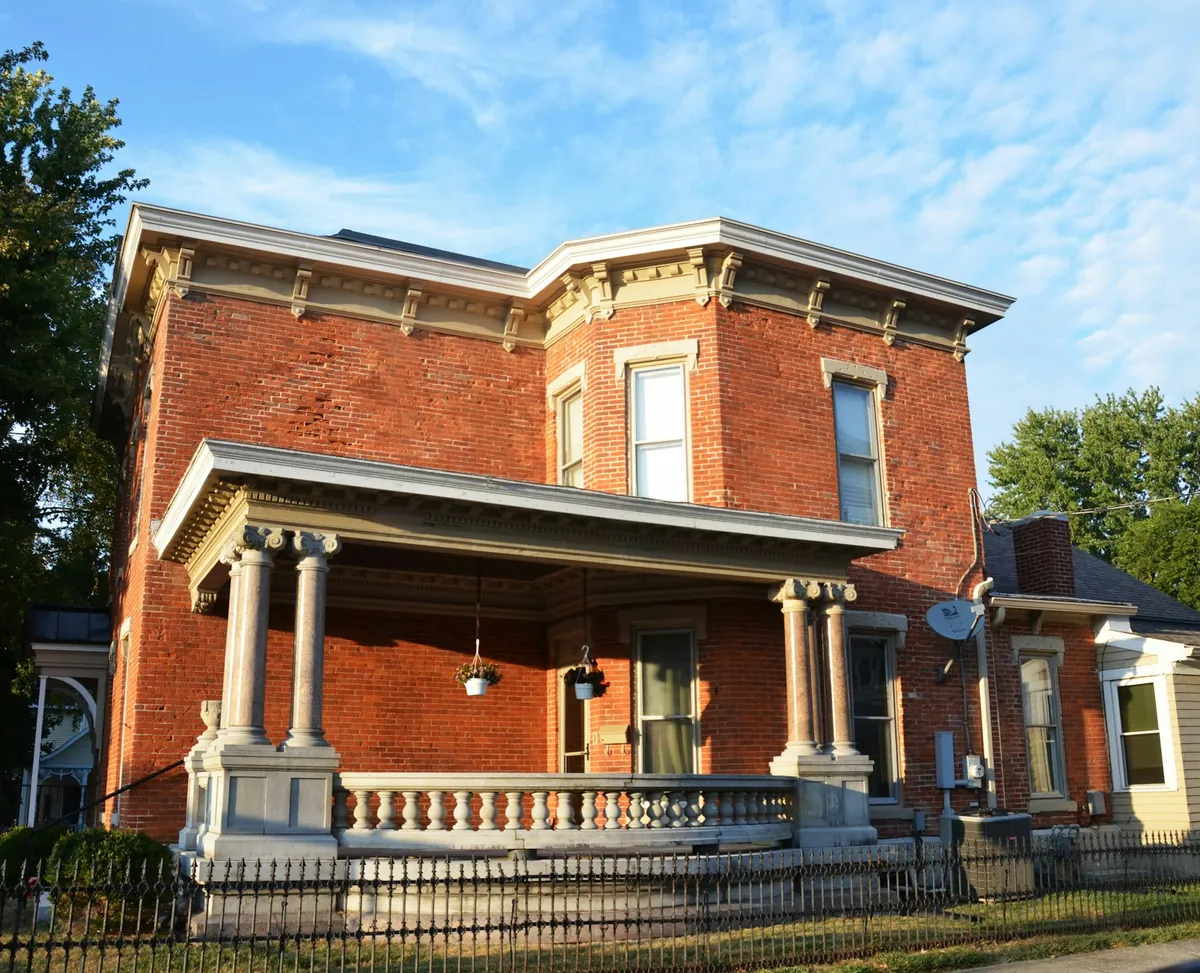
Historic-district review
Much of the East Side sits within historic districts, where changes visible from the street are reviewed. Shades hang inside the house, but how the windows look from the sidewalk still matters to the house and the street. A shade mounted inside the frame is the most discreet choice. A fabric with a neutral back, or a lining in a quiet colour, means the windows read calmly from outside whatever the colour is inside. If you have a question about what your district expects, it is worth asking before you order; we are glad to walk through each window’s options on the measuring visit.
Victorian bays, turrets and stair windows
Many East Side Victorians have a bay, a rounded corner or a turret, and nearly all have a grand staircase with a landing window. Bays need a shade for each window, fitted so the headrails meet cleanly at the angles. Curved bays need careful planning, and we look at each one on site before suggesting anything. Landing windows are among the hardest to reach in the house: too high to touch from the hall, too far to lean toward from the stairs. A powered shade with a switch at the foot of the stairs finally lets you dress that window, and a fabric chosen to suit the hall below and the landing above ties the two floors together.
Colonial Revival front rooms
The Colonial Revivals on the East Side are more regular than the Victorians, with balanced fronts and evenly spaced windows on both floors. From the street, those front windows read as a set, so whatever is motorized, the shades across the front should look identical and lower to the same line. We usually motorize the front living room and the main bedroom first and keep the rest on ordinary controls in matching fabric, so no one outside can tell the difference.
Triple-Deckers on Federal Hill and in Elmhurst
The triple-deckers that line the streets of Federal Hill and Elmhurst have a shape all their own: three floors stacked one above another, a porch on each level at the front, and, on many, a bay that rises the full height of the house. Each floor is laid out much the same, with the front room in the bay, rooms along one side, and the kitchen at the back.
The front bay on each floor
On a triple-decker, the bay is the front room’s best feature. It catches light from three directions and gives a view up and down the street, which is also why it feels so exposed after dark. Covering it by hand is fiddly: the centre window is easy, but the two angled side windows mean leaning past a sofa or a radiator into the corners. Fit all three with powered shades and the bay closes in one motion when the lamps go on and opens again with the morning. Because the bay stacks up the face of the house, the shades on your floor are seen together with the floors above and below, so a neutral fabric that reads quietly from the sidewalk is usually the wise choice.
Motorized blinds in Providence, RI triple-deckers also make sense for whoever owns the whole building and wants each floor finished the same way. The bays can be fitted to match from the ground floor to the top, so the front of the house looks consistent from across the street.
Windows on the narrow side yard
Along the side of a triple-decker, the windows face the neighbouring house across a gap you could almost reach over. Those rooms are usually bedrooms or a dining room, and they live with a dilemma: open the shade for daylight and look straight into next door, or keep it closed and switch on a lamp at noon. Most end up closed. A motor tips the balance, because changing the shade takes no effort at all, so it actually gets raised for the bright part of the day and lowered when lights come on across the way. A fabric that diffuses daylight is ideal here, since it keeps the room glowing while turning the house next door into a soft blur.
The back of the house
The kitchen sits at the back of each floor, often with its main window above the sink and a glass-panelled door out to the rear porch. Reaching over a sink to work a cord is awkward, and the door is opened and shut all day. A switch by the kitchen doorway handles the sink window, and a shade on the door glass is planned with the handle and the swing of the door in mind.
How an Order Comes Together
You hear from us at every stage, from booking the quote to the moment the shades are hanging and working. For a Providence house, the steps are these.
- Measuring comes first: once you book a free quote through the call button or the form, a specialist visits and measures every window in place, along with its frame depth and the room above the glass.
- On that visit we talk through each room, which windows face the street, which are hard to reach and where a remote or a wall switch would serve you best.
- You choose the style, the fabric and the colour, comparing samples at the Swansea showroom if you would like to see them in person.
- A quote follows, listing every window, how it will be mounted and which ones are motorized.
- Once you approve it, every shade is made to the measurements taken at your house.
- Our installers fit each one, set up the remote and the switches, test every shade from top to bottom and show you how they work.
Remote or switch on a tall window
For the tallest windows, a wall switch is often the natural control, because you are usually walking into the room when you want to change them. A remote suits a room where you sit, such as a study on College Hill or a front room in a triple-decker bay, so you can adjust the shades from your chair. Bedrooms often have both. We decide with you, room by room, and the plan goes into the quote.
Choosing the fabric first
The motor moves the shade; the fabric decides what the room feels like. In a tall East Side parlour, a light filtering fabric keeps the room bright while softening hard afternoon sun on the floorboards. In a bedroom, a room darkening fabric means the early light stays out. In a triple-decker front room, a fabric that blurs the view from the sidewalk keeps the room private through the day. We help you choose the fabric, then add a motor to the windows where it helps. Which styles can be motorized we confirm as we go.
With drapery in a formal room
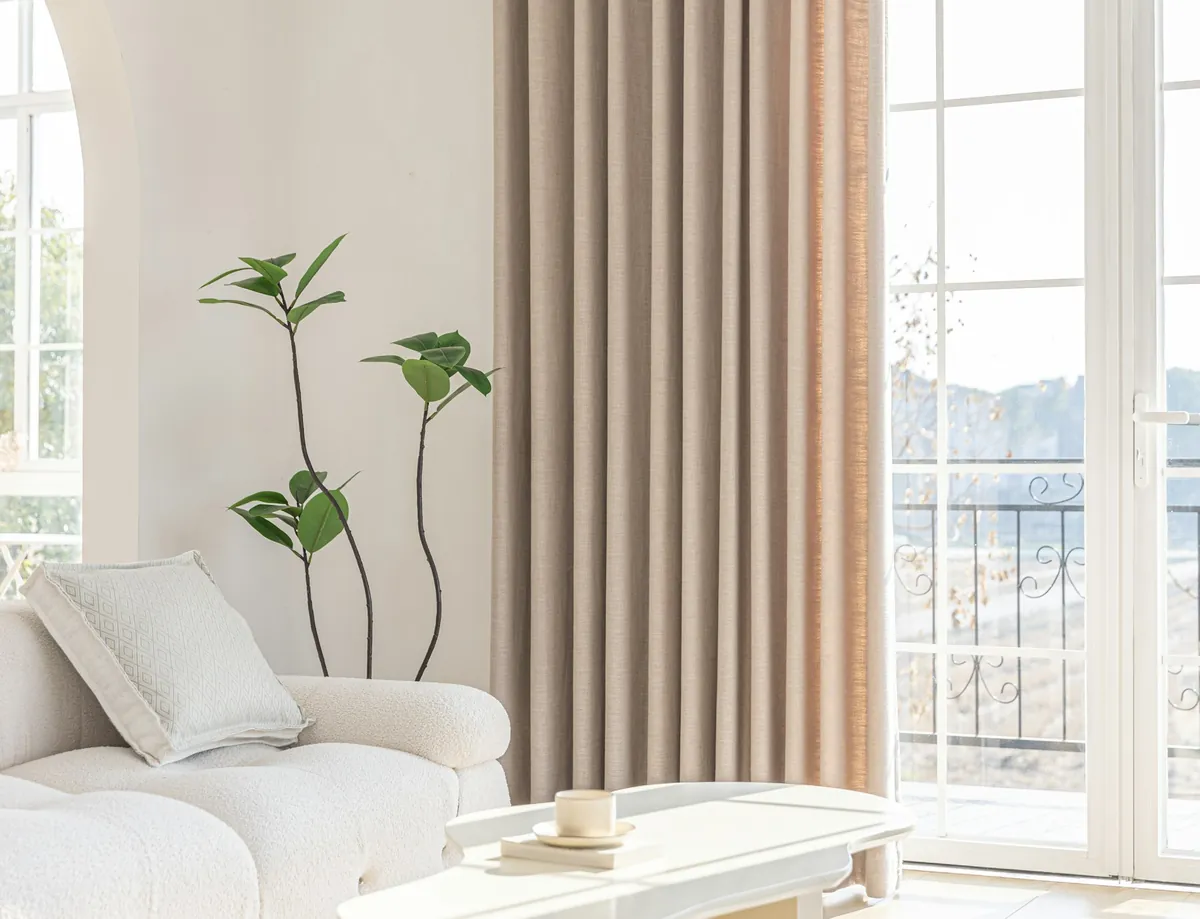
East Side dining rooms and parlours often wear drapery as well. The panels can stay as stationary dressing at each side of the window, with the powered shade doing the daily work behind them. That way nobody has to push fabric aside to reach a cord, and the drapery keeps its shape. Window Works makes drapes too, so both can be chosen together; see custom drapes in Providence.
Studies, libraries and rooms full of books
Many of the larger East Side houses have a study or a library, often panelled, often lined with shelves, and usually lit by a pair of tall windows. Sunlight is hard on book spines, paper and old wood, and in a room like that the shades need lowering whenever the sun reaches the shelves, then raising again so the room is not left in gloom. That is a small job repeated many times a day, which makes it a natural fit for a remote kept on the desk. For a study, a light filtering fabric in a warm tone tends to suit the panelling and keeps the room usable for reading. When we plan motorized blinds in Providence, RI studies, we also look at where the desk sits relative to the window, so the shade can be lowered just far enough to cut the glare on the page without darkening the room.
Living with powered shades
The tall shades that once stayed halfway down all day start to move with the light. They come up for the morning, go down when the afternoon sun hits the floor, and close at dusk. A triple-decker bay goes from open to private in a moment. Care is straightforward: dust the fabric now and then, keep plants and lamps out of each shade’s path, and run any shade you seldom use from top to bottom occasionally so it stays in good order. If one ever misbehaves, call and tell us which window.
What Sets Window Works Apart
Window Works was founded in Swansea in 1988 and is now led by the family’s second generation. In over 37 years, the store has covered windows from the SouthCoast of Massachusetts to the Rhode Island East Bay, and Providence is part of that reach.
- A team of seasoned window treatment specialists
- Measuring at the house for every window, however tall
- Installation by our own people
- Constant contact with you until everything is done
- Warranties offered on the products we sell
The main motorized blinds page covers the whole service. For everything else we make for houses in the city, see the Providence window treatments page.
Questions from Providence
Can you motorize the very tall sash in an East Side Victorian?
Yes. Tall windows are where a motor helps most, because a long shade is hard work to lift by hand. We measure the full height of each window and the depth of the frame.
Will powered shades affect how my house looks within a historic district?
A shade mounted inside the frame leaves the face of the window as it is, and a quiet lining reads calmly from the street. We plan the front windows to match and lower to the same line.
What works for the bay on each floor of a triple-decker?
A shade for each window in the bay, fitted so the headrails meet neatly at the angles and all set to stop at the same height. Powering them lets you close the bay in one go.
Can I keep my drapes and add a motorized shade behind them?
That is a common plan in formal rooms. The drapes stay as side panels and the shade behind them does the daily work.
How do I arrange a quote?
Quotes are free. Press the call button or send the form, and tell us which rooms you are thinking about.
Book Your Free Quote
Your next step is a free quote. Use the call button to reach the Swansea store, where we can also arrange measuring in your home and answer questions about installation, or send us the form. If you would like to compare fabrics before deciding, visit the showroom in Swansea; directions are on the contact page. Window Works is rated 5.0 on Google.