
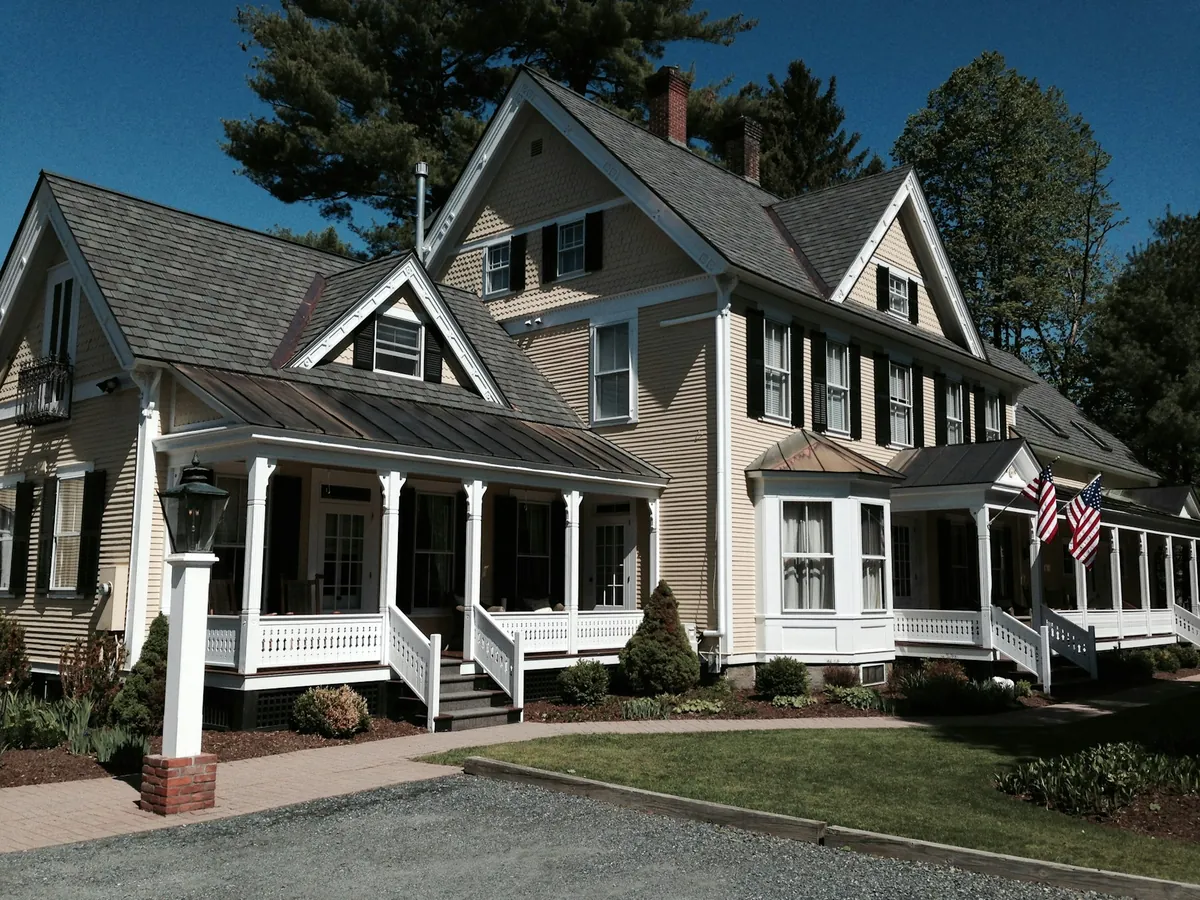
Made to Measure, Window by Window, in Newport
Newport’s older houses rarely have a standard window. On the Point and on Historic Hill, the colonials and shingle-style houses keep large multi-pane sash, set in frames that have moved with the house over a very long time, and much of the city sits under historic-district review. Between those two facts, almost every window treatment here is made to measure, and motorized blinds in Newport, RI are no exception. Each shade is sized to its own opening, mounted so the face of the sash stays as it is, and run from a remote or a switch on the wall.
In the Fifth Ward, close-built streets make privacy the first concern. Along Ocean Drive, the larger properties bring broad glass, sea light and salt air. We plan each on its own terms.
- Remote or wall-switch operation, or both
- Made to measure for every opening, multi-pane sash included
- Measured at your house; installed and set up by our team
Three Parts of Newport, Three Plans
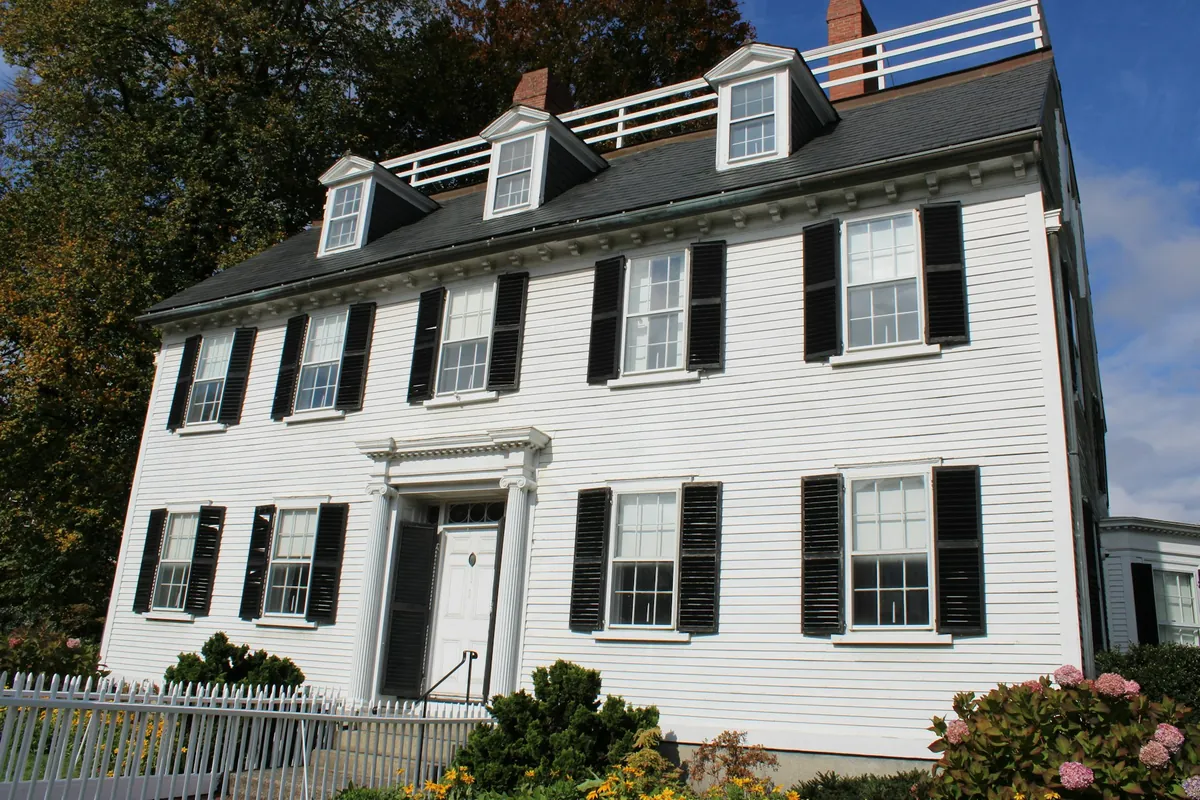
The Point and Historic Hill
Colonials and shingle-style houses with large multi-pane sash and historic-district review. Shades sit inside the frame and lower to an even line.
The Fifth Ward
Close-built streets where front rooms meet the sidewalk and side windows face next door. A switch by the door makes evening privacy effortless.
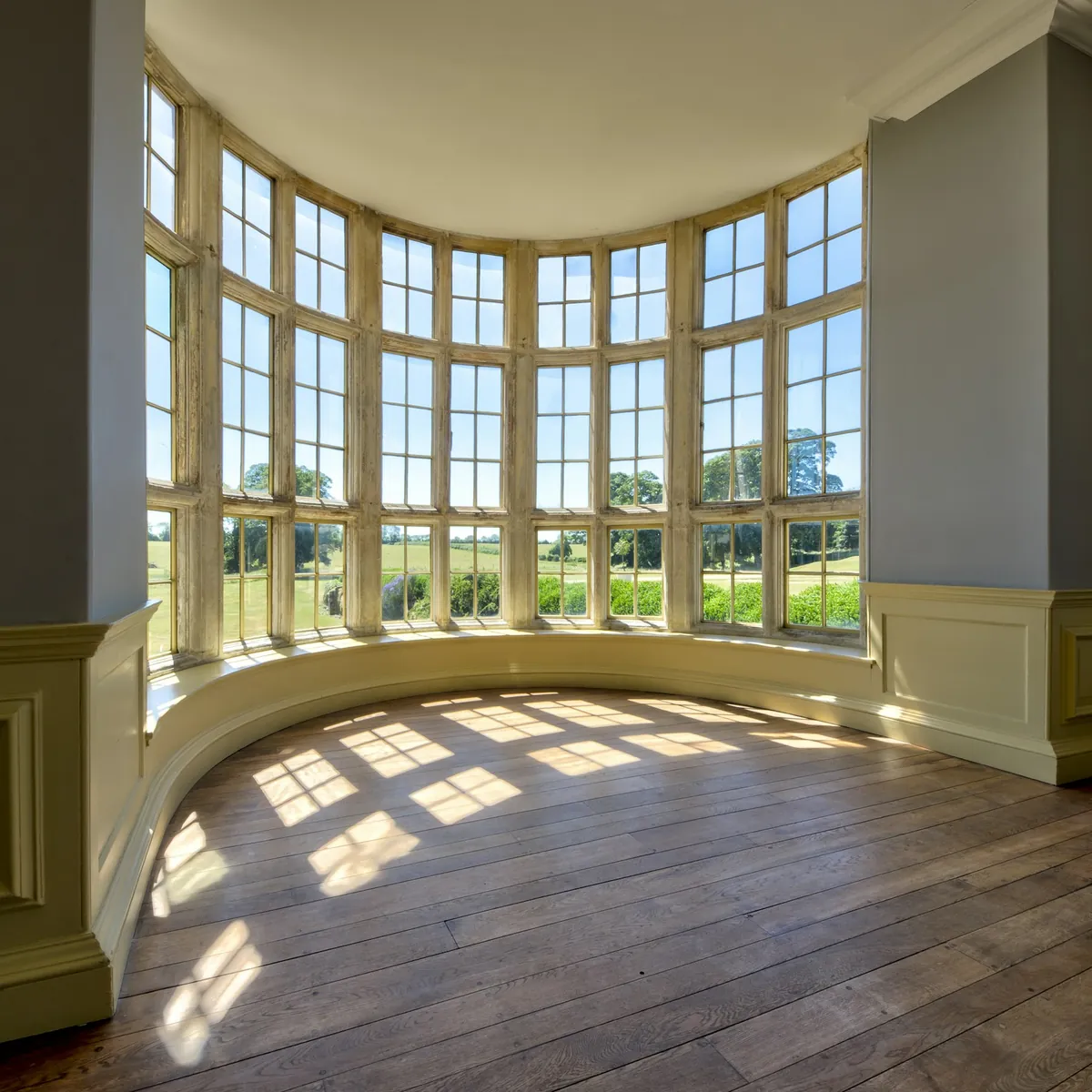
Ocean Drive
Larger houses with wide glass toward the water. A remote lets you shade the bright side as the sun moves round.
Motorized Blinds in Newport, RI on the Point and Historic Hill
The houses on the Point and Historic Hill are historic in every sense, and planning motorized blinds in Newport, RI here starts with respect for the sash.
Large multi-pane sash
Multi-pane sash are divided by wooden bars into many small panes, and they are the defining feature of a colonial’s face. Any treatment that hides or crowds those bars changes the look of the house from the street. A shade fitted inside the frame, close behind the glass, leaves the sash and its bars on show from outside and the trim on show from inside. When lowered, it reads as a quiet panel behind the panes.
These sash are often large, especially on the ground floor, and a shade made to cover one is long and wide. Raised by hand, it is a real effort, and the cord hangs the full height of the frame. A motor carries the whole shade up evenly and brings it down to a set height, so a front room with three or four big sash looks orderly from the sidewalk whatever position the shades are in.
Frames that have moved
Old frames shift. A window on the Point may be a little out of square, a little narrower at the top than the bottom, or a different depth from its neighbour. A powered shade needs a true, level mount to run straight, so we measure each window at several points and check its depth and square. Where an inside mount will not fit cleanly, we plan an outside mount sized to the trim and show you how it would look before anything is ordered. This is the main reason almost everything in these houses is made to measure.
Historic-district review
Much of the Point and Historic Hill sits within historic districts, where the look of a house from the street is part of the neighbourhood’s character. Shades fitted inside the frame are the most discreet choice from outside. A neutral back or a quiet lining keeps every front window calm whatever the colour of the room behind it. If you have questions about what your district expects, it is sensible to check before ordering, and we are happy to talk through the options for each window when we visit.
Shingle-style houses
The shingle-style houses on the Point and nearby have a looser, more varied character than the colonials: wide porches, gables, bays, window seats and windows of many shapes and sizes, sometimes on the same wall. That variety is what makes them so appealing and why each window gets its own measurement and its own plan. Bays and window seats are good places for a motor, because the windows sit beyond a cushion or a deep sill and are awkward to reach. Odd-shaped windows, such as a small round or arched window in a gable, are looked at on site; usually the rectangular windows take powered shades and the unusual shapes are left as features or treated separately.
Interior shutters in the jambs
Some of the older colonials still have interior shutters that fold back into the deep jambs beside the sash. Where they survive and you want to keep them, they take up the space a shade would normally use, so the plan changes. A shade may need to sit forward of the folded shutters or above the frame, and the measuring visit is where we find out which works. We would never suggest removing original woodwork to make room for a shade.
Porches on shingle-style houses
The broad porches of the shingle-style houses throw deep shade into the rooms behind them, so those rooms are often dim in the day and bright only in the late afternoon when the sun gets under the porch roof. Shades there are best kept up most of the day and lowered for that late, low sun and again at night. A wall control by the room’s door suits that pattern well.
Formal rooms with drapery
Many of these houses have formal rooms dressed with drapery. Panels can hang as fixed side dressing, with a powered shade inside the frame doing the daily work, so heavy fabric keeps its folds and nobody reaches through it for a cord. Window Works makes drapes as well, so both can be chosen together.
Third floors under the roof
On the Point and Historic Hill, many houses carry a top floor under a gambrel or a steep roof, with bedrooms lit by dormers. The dormer windows sit at the back of a narrow recess, with little wall above them, and reaching them over a bed is a stretch. A powered shade with a slim headrail, measured to the recess, and a remote by the bed make the top floor as easy to live in as the rest of the house. Planning motorized blinds in Newport, RI houses from the ground floor to the attic in one visit keeps every floor consistent.
The Fifth Ward
The Fifth Ward’s streets are close-built, with houses near the sidewalk and near one another. Rooms at the front sit just above street level, and side windows look straight across at the neighbours. Here, privacy is usually the first thing a treatment has to solve.
Front rooms at the sidewalk
In a house close to the street, the front room’s shades come down every evening and go up every morning, without fail. That is exactly the kind of routine a wall switch handles: switch on the lamp by the door, and the shades come down beside it. During the day, a fabric that filters light keeps the room bright while blurring the view in from passers-by.
Side windows across the gap
Side windows facing the next house tend to stay covered all day because adjusting them is a nuisance. A powered shade changes that habit. You can lower it just far enough to block the view across, leaving the upper glass open for light, and change it in a moment when the neighbour’s lights come on.
Stairs and upper floors
Many Fifth Ward houses have a steep stair with a window at the turn, and bedrooms upstairs with windows close under the eaves. Both are hard to reach. A switch at the foot of the stairs and a remote by the bed take care of them.
Ocean Drive’s Larger Properties
Along Ocean Drive, the larger houses sit on bigger lots, often with broad windows and glass doors facing the water. Privacy matters less; light, salt and scale matter more.
Broad glass and sea light
Rooms facing the sea take direct sun and the light reflected off the water, and the glare moves through the day. A remote in each main room lets you lower the shades on the bright side and leave the others open, following the light without walking from window to window. In a large room with several wide windows on one wall, every shade is made to its opening and set to stop at the same line, so the wall looks tidy at any height.
Salt and weather
Salt air and strong light are hard on some materials. We ask how exposed each room is and steer you to fabrics and finishes suited to it. Our guide to coastal window treatments has more on choosing for the shore.
Doors to terraces and lawns
Glass doors out to a terrace or a lawn are opened all summer. Their shades are planned around the door’s swing and handle, so they stay clear when it is open, and a switch beside the door lowers them when you lock up.
Rooms used now and then
Larger properties often have rooms that sit empty for stretches: a guest suite, a formal dining room kept for occasions, a sun-filled room at the far end of the house. Strong sea light through bare glass is hard on floors, rugs and upholstery when nobody is there to lower the shades. Powered shades make it simple to leave those rooms shaded while they are not in use and open them up again before guests arrive, without a walk round every window.
High windows in tall rooms
Some of the larger houses have tall rooms with upper windows out of reach. Where the shape of the glass suits a shade, a powered one is the only practical way to cover them.
How a Newport Order Runs
Old houses reward patience, so the process leans heavily on the visit. You hear from us between every stage, right through to the last adjustment.
- A conversation first. Ring the store through the call button or send the form, say where in the city the house stands and what is bothering you about the windows, and a free quote is booked.
- The visit. A specialist measures each opening top, middle and bottom, checks how far it is out of square, checks the depth of the frame and counts the bars on each sash so the shade sits behind them neatly.
- A plan for the controls. Room by room we agree what is worked by remote, what by a wall control and what is fine with an ordinary lift.
- Fabrics and colours. You narrow them down, ideally with the samples in your hands at our Swansea showroom.
- The quote, written opening by opening, mount and control included.
- The making, to the sizes taken in your rooms.
- The fitting. Our installers hang everything, set every control, test each shade through its full travel and hand it over to you.
Which control where
Think of a remote as belonging to a chair and a wall control as belonging to a doorway. A sea-facing sitting room off Ocean Drive, where you want to follow the light without getting up, wants a remote. A Fifth Ward front room that you walk into at dusk wants a control beside the light switch. Bedrooms, used both ways, frequently get one of each.
Fabric and the street face
The mechanism only moves the shade. How a room feels comes down to the cloth: a translucent weave that glows and keeps a room bright, or a blackout weight for sleeping. On a historic street, there is a third consideration, which is how that cloth looks from the pavement at night when the lamps are on behind it. A soft, neutral face, or a lining in a quiet tone, keeps the front of a colonial looking composed. We will tell you which of the styles you like can be motorized.
Cords gone from the sash
Old multi-pane sash look their best uncluttered. Without lift cords hanging down the frame, the bars and the glass are all you see. That also takes away a dangling loop that small children or pets might reach, a point the cordless blinds and child safety guide expands on.
Keeping them in good order
A soft duster over the fabric every so often, a clear sill, and a full run up and down for any shade that sits idle for weeks are all most need. Near the sea, a damp wipe of the frames now and then lifts the faint salt film that settles there. If a shade starts to hesitate, call and tell us where it hangs.
Starting small
Many orders for motorized blinds in Newport houses begin with one room, perhaps the front parlour of a Point colonial or the sea-facing living room of an Ocean Drive house, with more windows following once the first have proved themselves. Later shades are matched to the earlier ones.
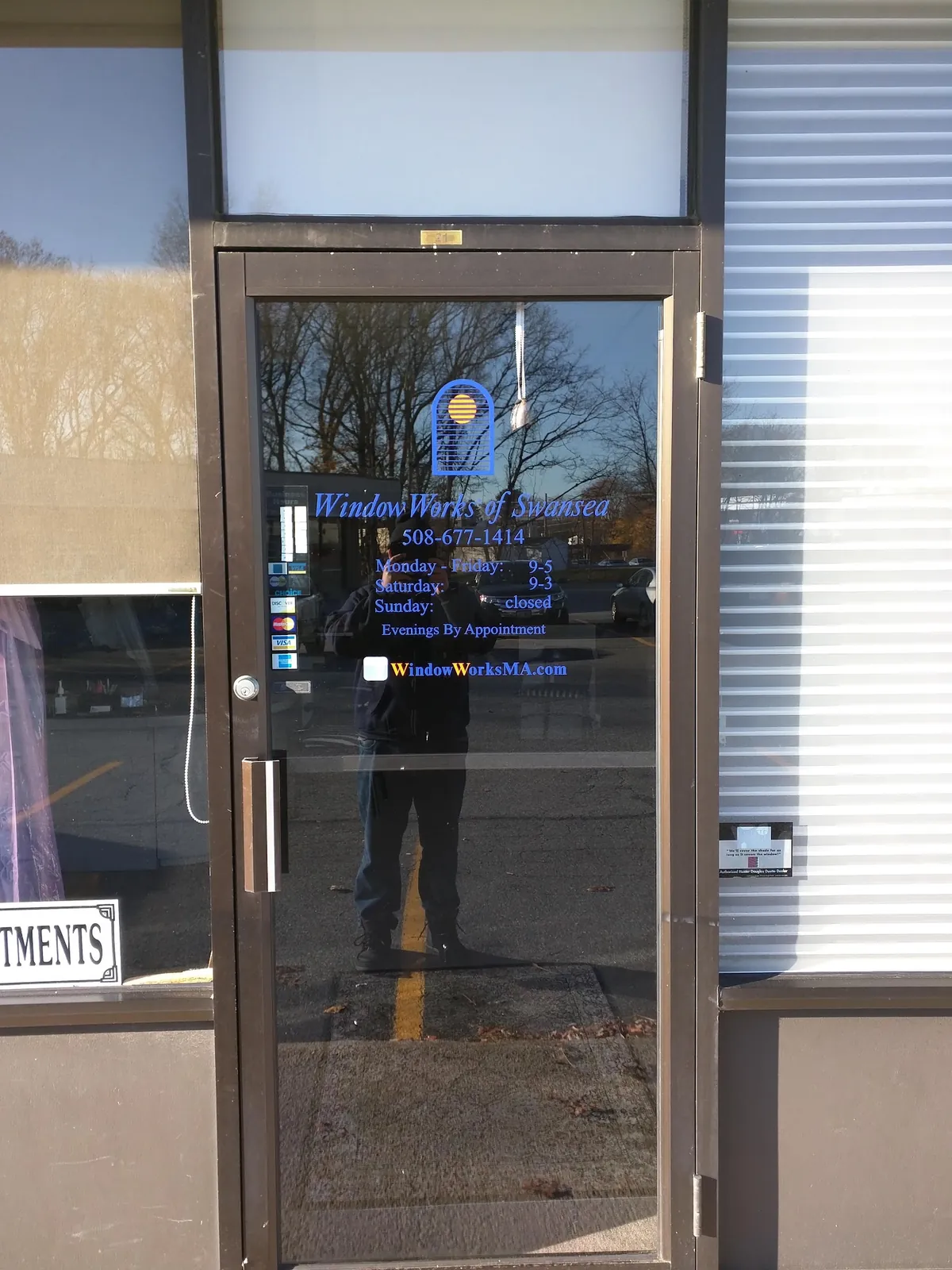
The Store Behind This Page
This page comes from Window Works Blinds Shutters and Shades, a family business in Swansea, Massachusetts. It opened in 1988, the second generation runs it now, and in more than 37 years its work has spread across the Massachusetts SouthCoast and down through the Rhode Island East Bay to Newport. The call button here rings our Swansea store directly, and our showroom there holds the samples.
- Window treatment specialists with years of experience
- Every opening measured in your home and made to measure
- Our own installation team
- We stay in touch until the work is finished
- Warranties offered on what we sell
The main motorized blinds page covers the service in full, and the Newport window treatments page shows everything else we make for houses in the city.
Questions from Newport
Will a motorized shade hide the bars of my multi-pane sash?
Not from outside. Fitted inside the frame, close behind the glass, the shade leaves the sash and its bars on show from the street and the trim on show from inside.
My frames are old and not quite square. Can they still take a powered shade?
Yes. We measure at several points and check square and depth. Where an inside mount will not fit cleanly, we plan an outside mount sized to the trim and show you before ordering.
What works for a Fifth Ward front room right on the sidewalk?
A powered shade on a switch by the door, lowered every evening, with a light filtering fabric that keeps the room bright and private by day.
Where is your store, and who does the work?
We are Window Works Blinds Shutters and Shades, the family store in Swansea, Massachusetts, founded in 1988. We measure in your home and our own team installs.
How do I book a free quote?
Press the call button or send the form on this page, and tell us which part of Newport the house is in.
Book Your Free Quote
Your next step is a free quote. Press the call button to reach our Swansea store and arrange measuring in your home or ask about installation, or send the form and we will get back to you. To see fabrics in person first, visit the showroom in Swansea; directions are on the contact page. Window Works holds a 5.0 rating on Google.