
Salt Air Changes the Choice
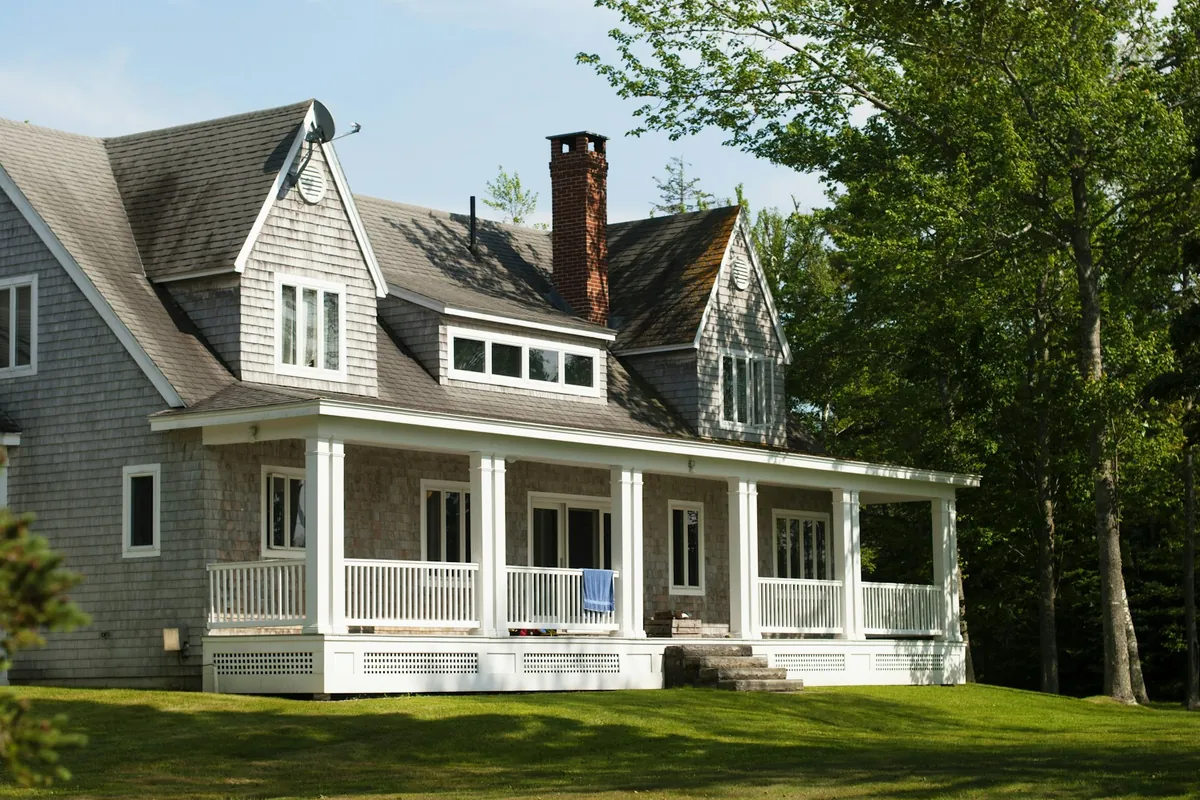
Near the water, the first question about custom blinds in Westport, MA is not colour or slat size but how close the window sits to the salt. A shingled cape on Main Road set back behind a stone wall lives a different life from a newer house out toward Horseneck, where the wind comes straight off the beach and the glass faces the open water. Damp sea air, strong reflected sun and long days of wind all work on a window treatment, and the material has to be picked with that in mind.
The older capes and farmhouses along Main Road usually have modest double-hung windows, deep sills and rooms that turn inward toward the hearth. The larger houses near Horseneck and the Westport River were planned around the view instead, with long runs of glass facing the harbour and the marsh. One house can hold both kinds of room.
- Faux wood and aluminium for the rooms that take the sea air
- Wood for the sheltered rooms where it will last
- Vertical blinds for wide glass and sliders that face the water
Blinds Matched to Each Room’s Exposure
Rooms that face the harbour
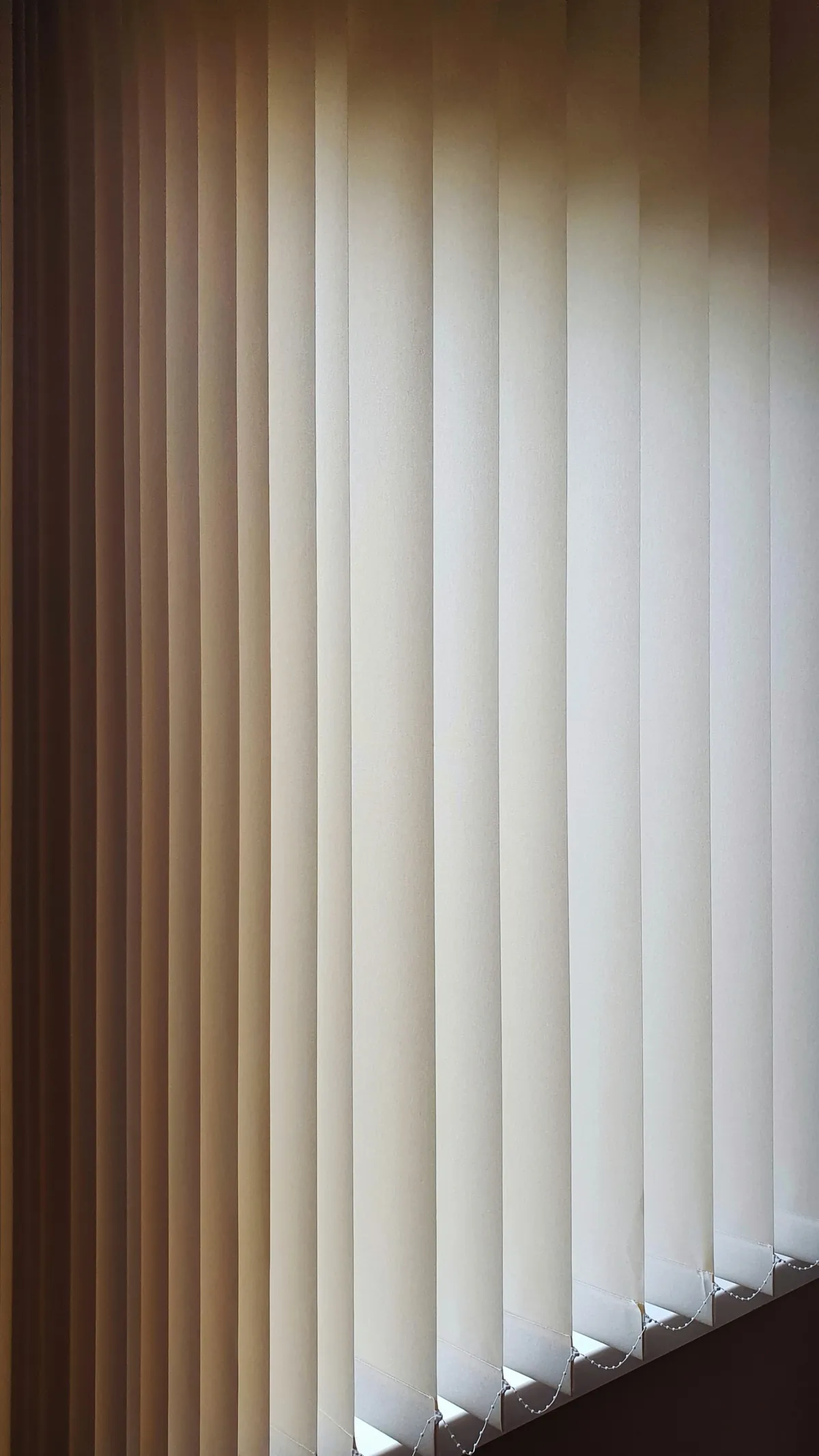
Wide glass looking out to the water calls for a blind that can almost disappear by day. Vertical vanes turn edge on to keep the view and close fully when the sun sits low on the water.
Kitchens and baths
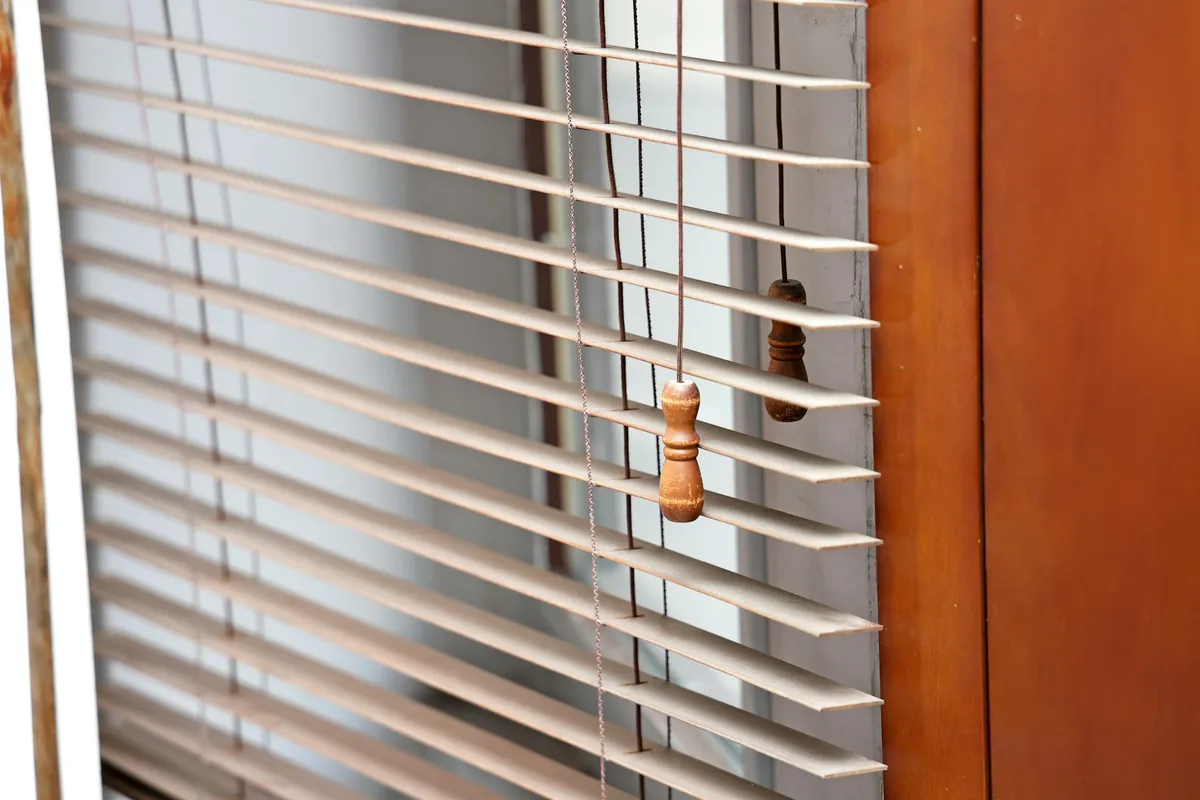
Steam from the stove and the shower adds to the damp a coastal house already deals with. Faux wood slats keep their shape and wipe clean.
Porches, mudrooms and back halls
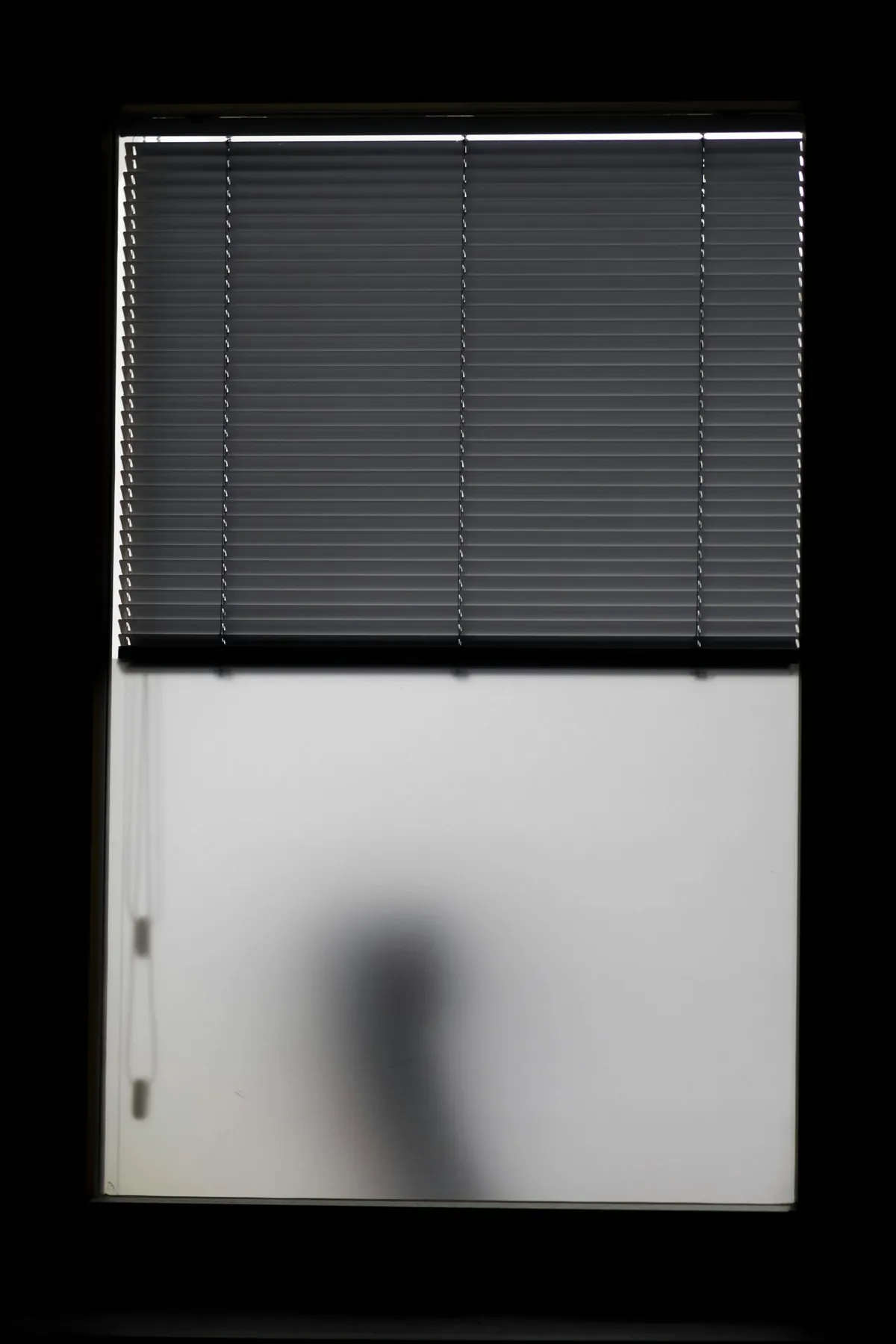
The rooms by the door take sandy boots, wet towels and the draught off the beach. Slim aluminium slats are light, tough and easy to rinse down.
Sheltered living rooms
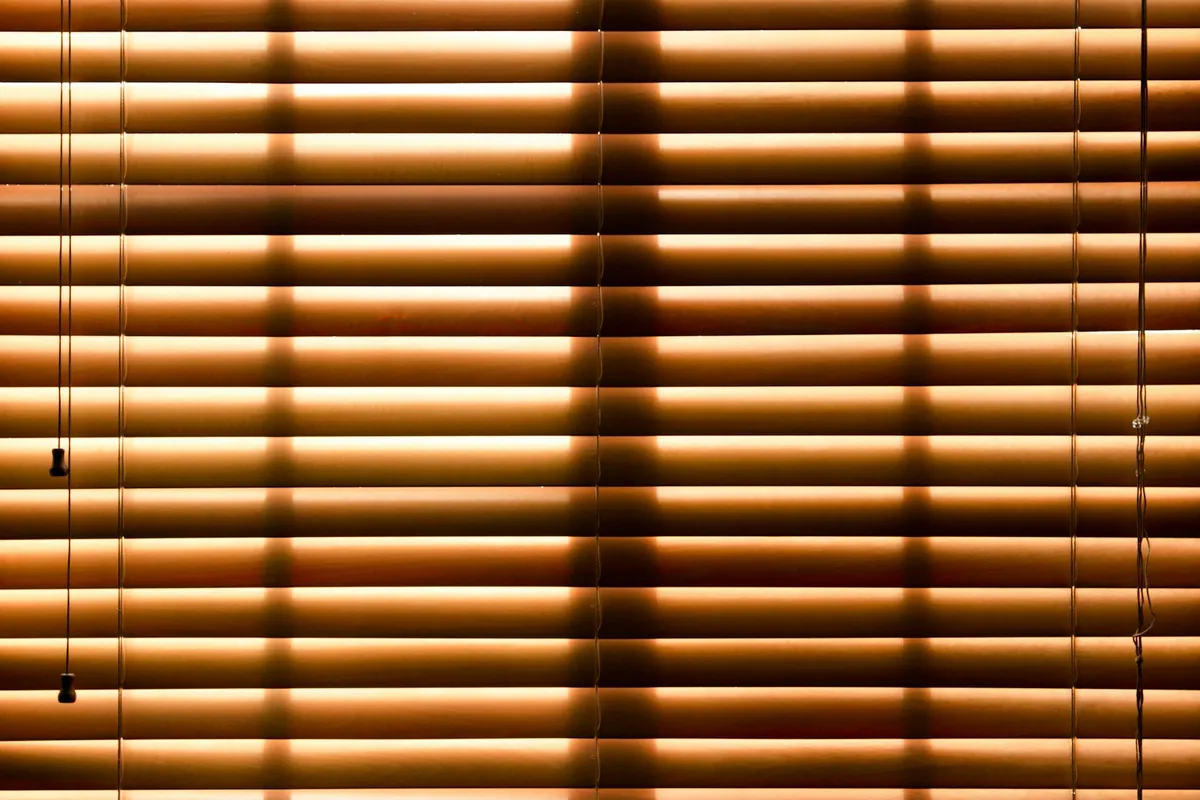
On the inland side of a farmhouse, away from the wind and spray, real wood brings warmth to a sitting room or study and holds up well.
Bright south windows
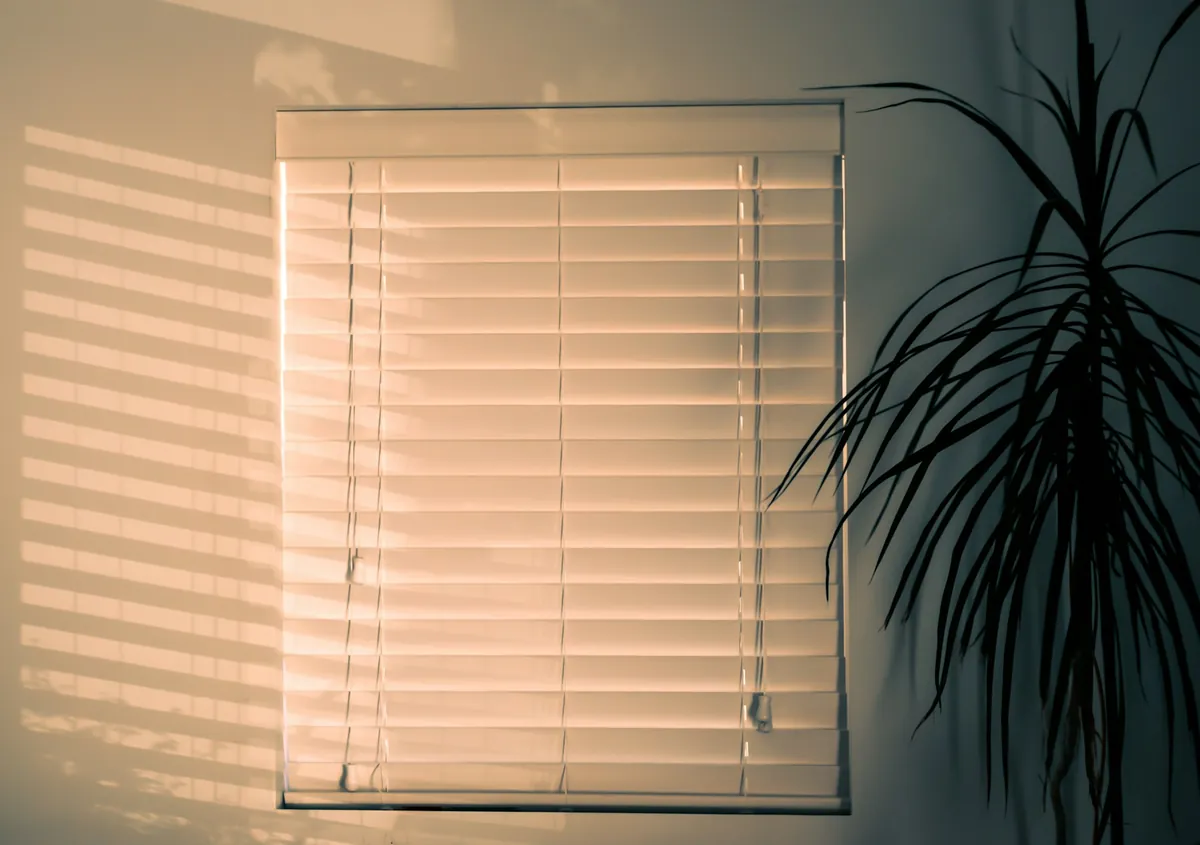
Sun reflected off the water and the sand is stronger than it looks. Slats tilted upward send that glare to the ceiling and keep it off the floor and furniture.
Bedrooms facing east
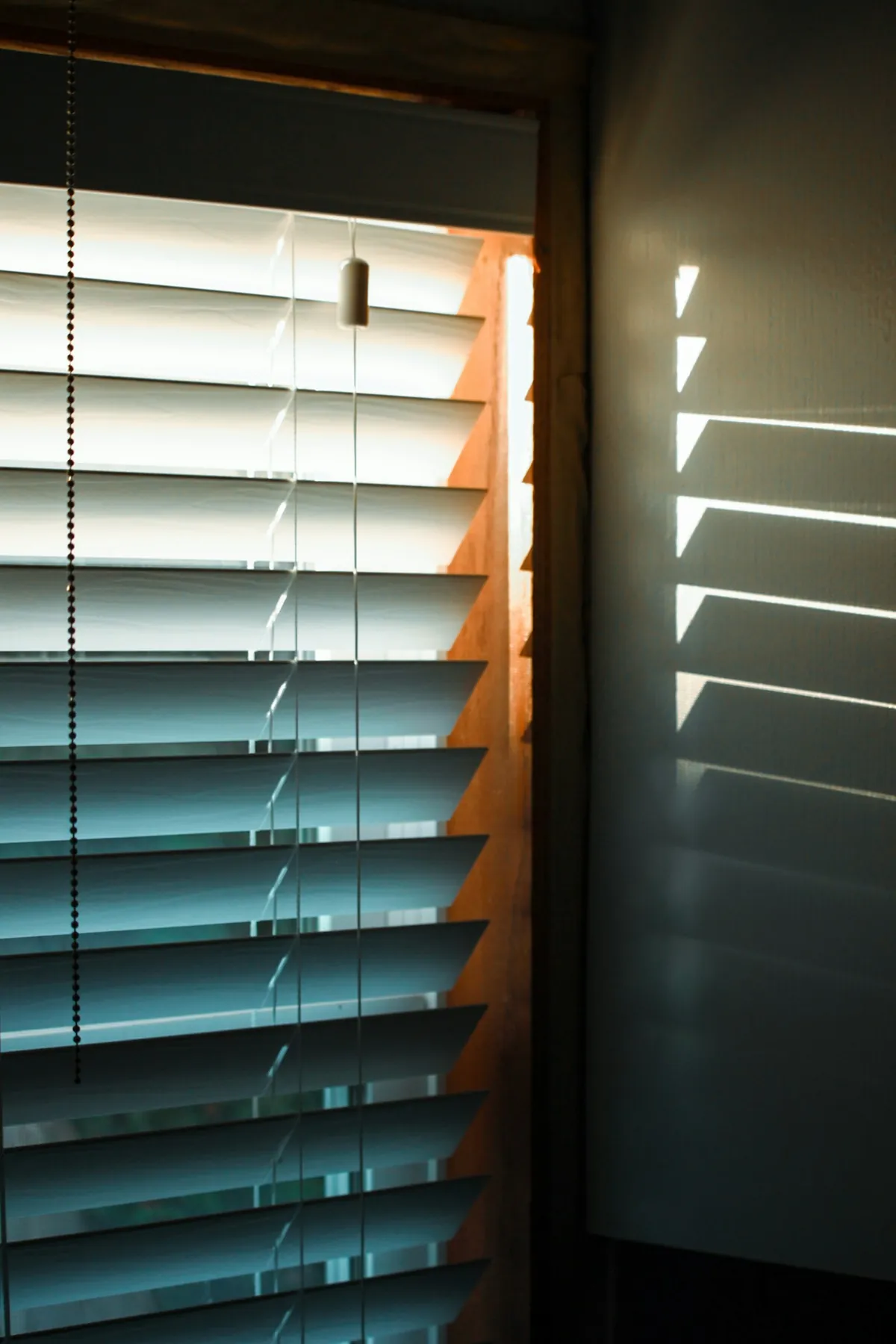
Early light over the river arrives long before the alarm. A blind fitted close to the frame with slats that shut tight keeps the room dark until you are ready.
What to Know About Custom Blinds in Westport, MA
Picking custom blinds in Westport, MA comes down to three things: where the window faces, how much moist air reaches it, and whether the room is built around the view or around the wall. Get those right and the blind will look the same years from now as it does the day it goes up. Get them wrong and a wood slat beside an open beach window can warp, or a heavy blind can end up raised and forgotten because it hides the one thing the room was built to show.
The sections below walk through the main kinds of Westport house, how each blind material copes with the coast, and how we handle an order from the first conversation to the final fitting.
Shingled capes and farmhouses along Main Road
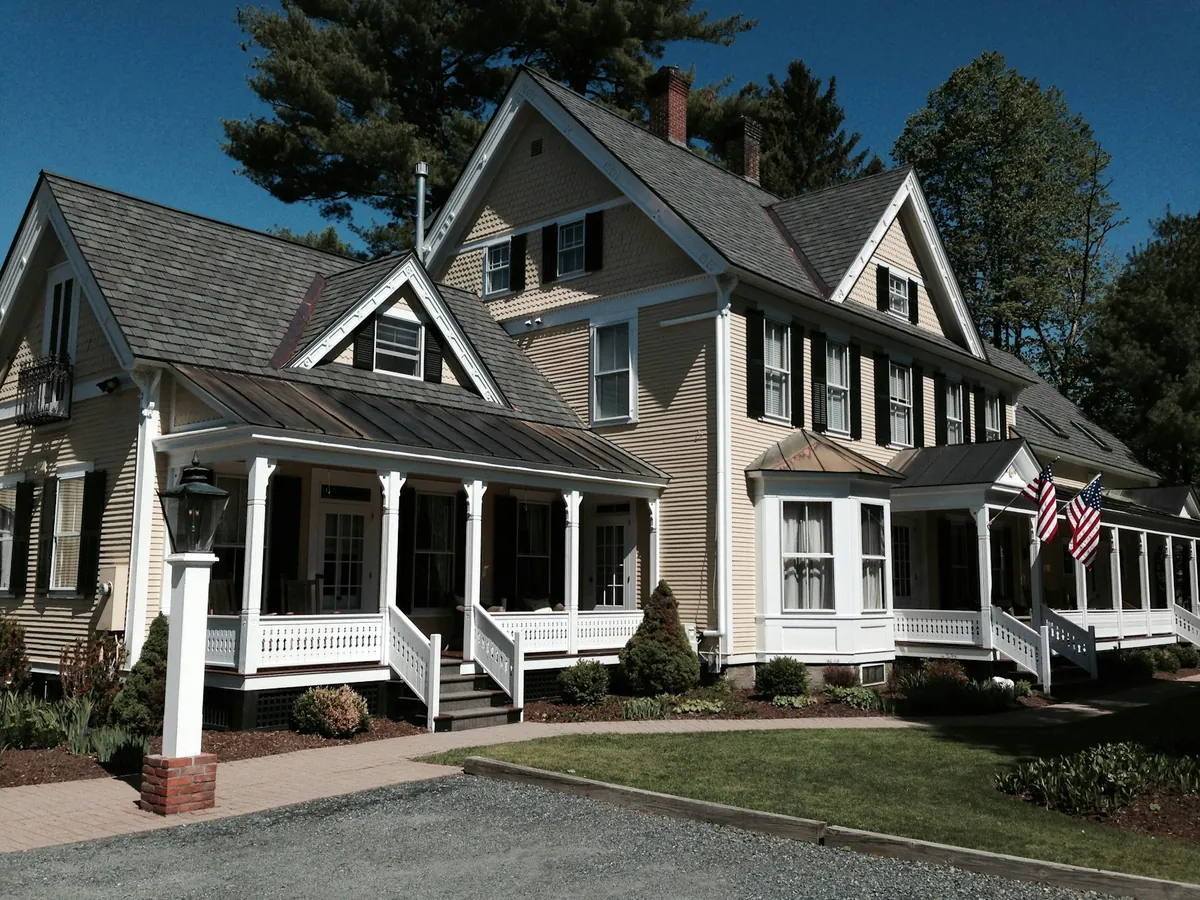
The capes and farmhouses on Main Road were built for shelter first. Their windows are mostly standard double-hung sash, set in thick walls with a broad sill, and the rooms are snug, with low ceilings and a fireplace or wood stove at the centre. Light comes in gently, and the main job of a blind is privacy at night and a softer room by day.
These houses often have windows that have been replaced at different times, so a living room might have two original sash and one newer unit with a slightly different size and frame. Measuring each one separately means every blind sits square in its own opening and the three still line up when they are lowered. In a room with deep sills we usually fit inside the frame, which keeps the trim and the sill clear for a lamp or a row of plants.
Because these rooms sit back from the water and see less spray, wood blinds suit them well. A mid-toned stain picks up the old floorboards and the beams, and the slats feel solid in the hand. The exception is the kitchen at the back of the house, where cooking steam is the bigger issue, and faux wood in a matching colour does the job without looking out of place.
Larger houses toward Horseneck and the river
Out toward Horseneck and along the Westport River, the newer and larger houses look outward. Great rooms open onto decks, the main bedroom often has a run of windows facing the marsh, and the kitchen may end in a slider. Here the glass is the room, and a blind has to earn its place by staying out of the way until it is needed.
For wide windows and sliders, vertical blinds are usually the first thing we look at. A single track spans the opening, the vanes stack neatly to one side and turn to a fine angle that keeps the horizon in sight while cutting the glare. When the sun drops onto the water late in the day, they close completely. We cover sliders and wide openings in more depth on our vertical blinds in Westport page.
Where a long wall is made from separate casement or picture windows, a row of horizontal blinds, one per pane, keeps each window working on its own. You can raise the ones nearest the view and keep the others half closed against the sun, which a single long treatment cannot do.
How each material copes with the coast
Every one of the four kinds of blind we make has a place in a Westport house. The trick is matching each to the right window.
Faux wood is the workhorse near the water. It has the look of a painted slat but is made to stand up to humidity, so it is the safe choice for any room with steam, sea air or a window that is often left open in summer. It can be wiped down with a damp cloth when salt film builds up on the slats.
Aluminium is light, thin and hard wearing. It suits small windows in baths, mudrooms and changing areas by an outdoor shower, and anywhere you want the slat to stack up small and leave the glass clear.
Wood is the warmest of the four and the most traditional, and it is happiest in the rooms furthest from the spray: a front parlour, a study or an upstairs bedroom on the land side of the house.
Vertical blinds take the wide glass that the larger houses are built around. They are measured across the whole opening and suit sliders that are used every day in summer.
Sun on the water and fading
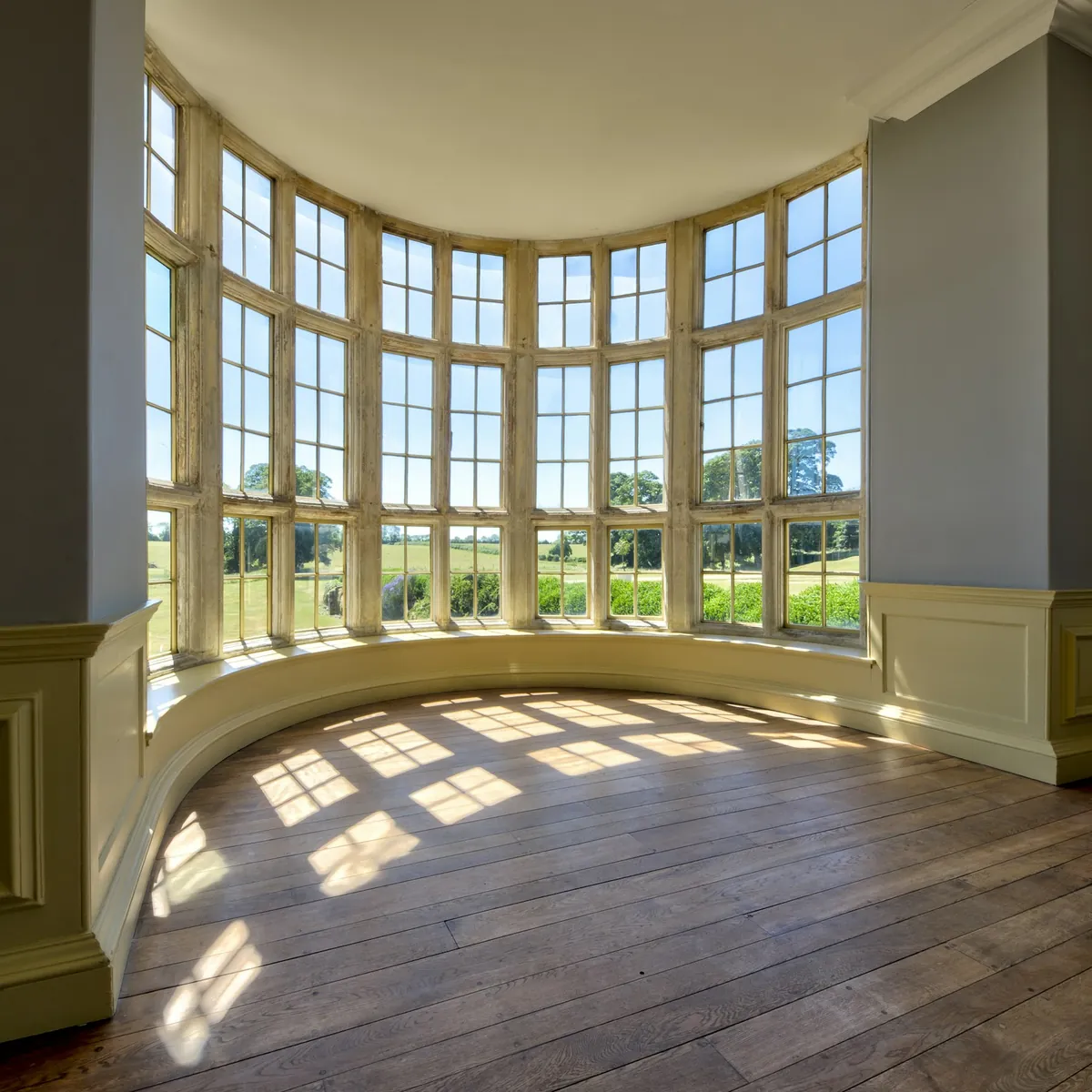
Light near the coast comes from above and from below, bouncing off the water and the sand. That reflected light is a big reason floors, rugs and upholstery fade in waterfront rooms. A blind lets you manage it through the day rather than choosing between full sun and a closed room.
Tilting horizontal slats upward sends direct light toward the ceiling, which brightens the room without letting the sun land on the furniture. Verticals can be turned to block a low western sun while the view straight ahead stays open. White and pale slats reflect more heat back out of the window. Darker or stained slats look richer but absorb more warmth, so we think about which side of the house a room faces before suggesting a colour.
From First Conversation to the Blinds Going Up
We keep you in the loop at every step until the job is finished. A typical order for custom blinds in Westport, MA follows this path.
- You get in touch with the Swansea store by phone or through the form and tell us which rooms you want to start with. We set up a free quote.
- A specialist comes out for measuring in your home. Each window is measured on its own, the frame depth is checked, and anything that affects the fit, such as a crank, a deep sill or a slider, is noted.
- We talk through exposure room by room and narrow down the material for each window, then look at colours, slat widths and controls with samples.
- You receive a written quote that lists every window, so you know exactly what will be made.
- Your blinds are made to the measurements taken in the house.
- Our team comes back to install them, checks that each one lifts, lowers and tilts properly, and shows you how they work.
- If anything needs another look afterwards, you call the same store and we follow it through.
Controls that suit a summer house
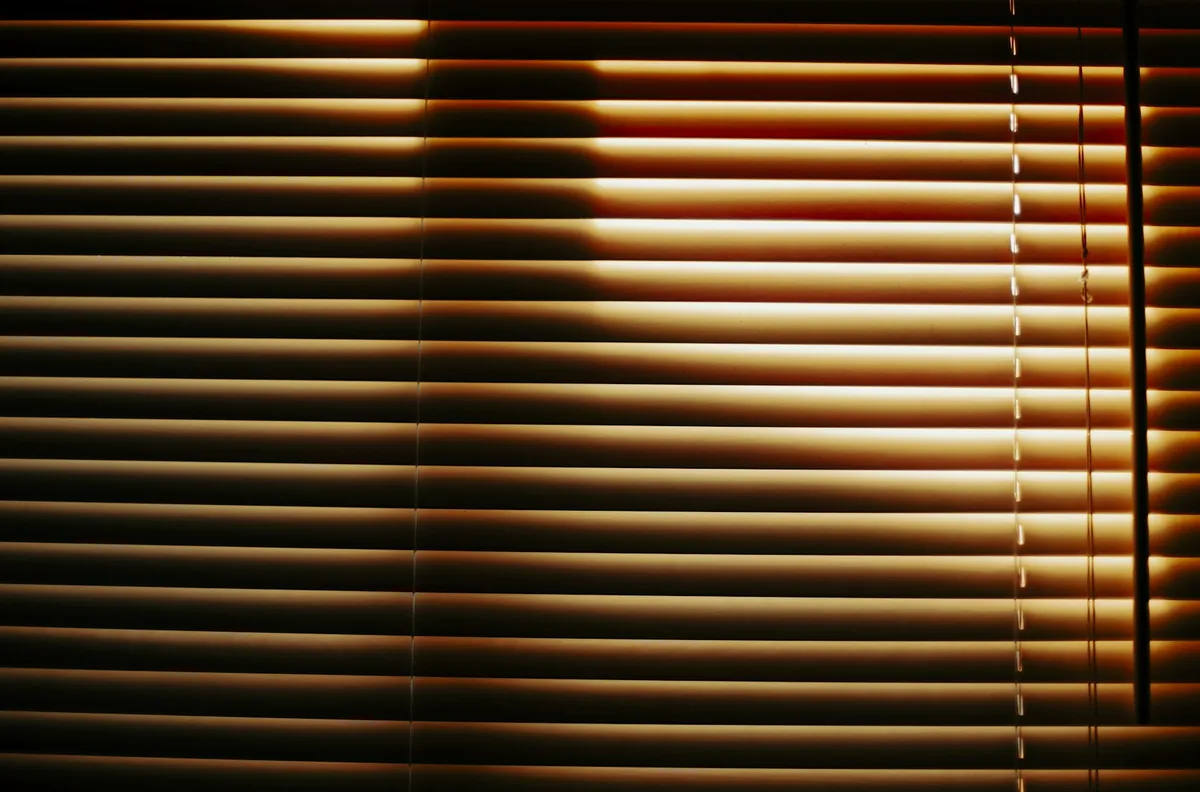
Many Westport houses are open to the breeze for months at a time, and that affects how a blind should be set up. Cords and wands near an open window move in the wind, so we look at where the controls should sit and how long they should be. A blind on a window you open most days needs controls you can reach without leaning over a sink or a window seat.
In rooms where you want the light to change through the day, the tilt control matters more than the lift. In a bedroom you might rarely raise the blind at all and simply tilt it open in the morning. In a kitchen with a view of the water, you may want it fully up by day and down at night. We set each blind up for the way you actually use that room.
Where another treatment fits better
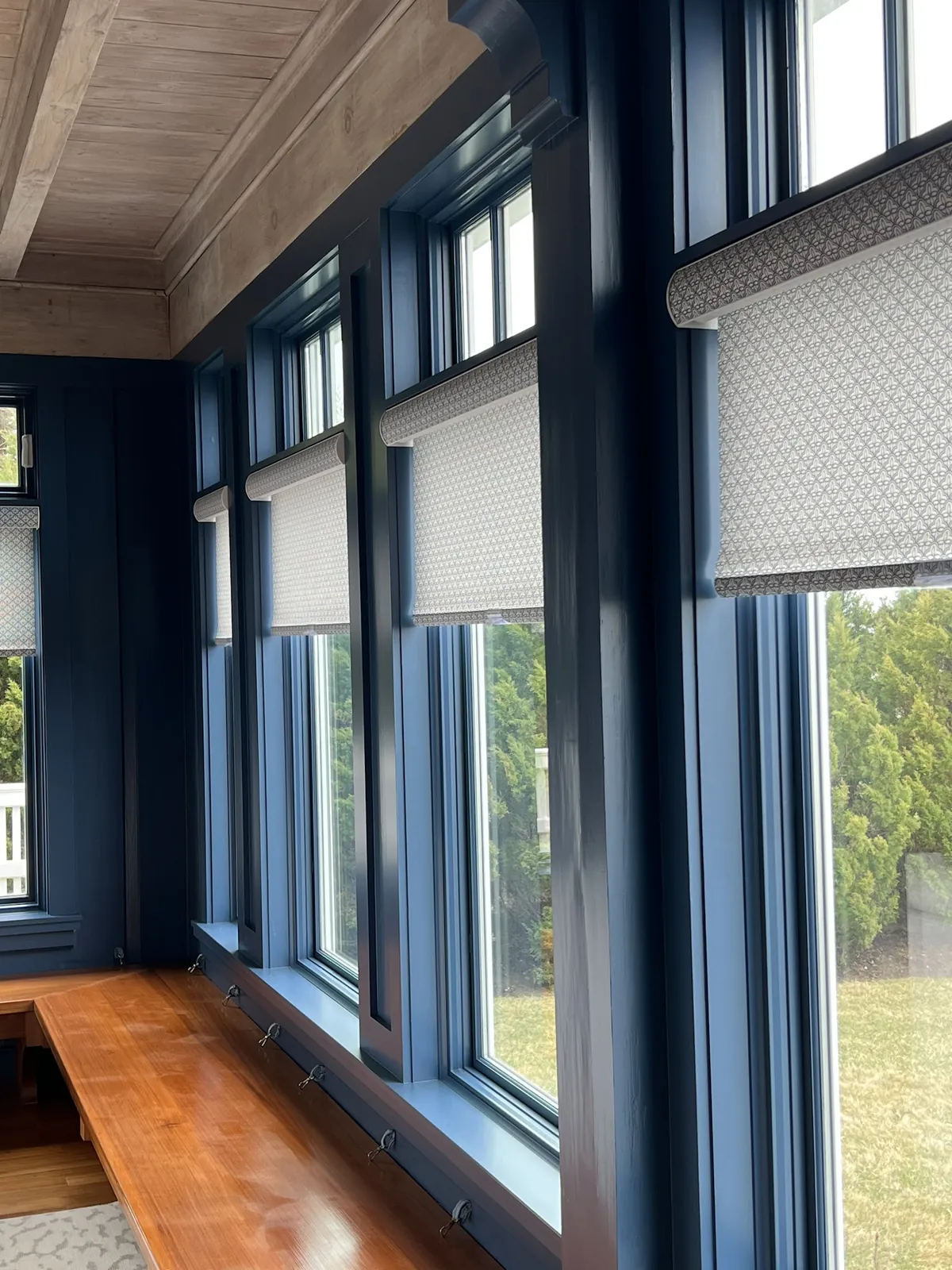
Not every window in a coastal house is best with a blind, and we will say so. A sunroom with glass on three sides might suit roller shades that disappear into a slim cassette. A formal dining room may want drapes on either side of the blind for colour and softness. A front bedroom on a Main Road farmhouse may look right with interior shutters. Window Works makes all of these, so they can be measured and chosen on the same visit.
You can see every service we offer in town on our window treatments for Westport homes page, and the full blind range is on the main custom blinds page.
Caring for blinds near the water
Salt air leaves a fine film on everything in a waterfront house, blinds included. A soft duster once a week keeps it from building up. Faux wood, aluminium and vertical vanes can be wiped with a cloth dampened in plain water every so often, which lifts the salt and keeps the slats bright. Wood slats should only be dusted and kept dry.
If you already own blinds that are showing their age, such as a frayed cord, a wand that slips or a headrail that sticks, our team can look at them. Details are on our blind and shade repair in Westport page.
Dormers, gable ends and odd openings
The shingled capes in town often hide their most awkward windows upstairs. Dormers push a small window out through the roof, with the ceiling sloping down on either side and very little wall above the frame. Gable ends can hold a half round or a narrow window tucked under the peak. Older farmhouses sometimes have a tiny window on a stair landing or beside a chimney, sized to whatever space the builder had left.
These are the windows where ordering by guesswork goes wrong, and where custom blinds in Westport, MA prove their worth. In a dormer we look for a compact headrail that fits the shallow space above the glass and a slat that stacks small, so the blind leaves as much of the window clear as possible when it is up. On a stair window we think about how the blind will be reached, since the person opening it may be standing a step below. A shaped gable window is often best left bare or treated with something other than a blind, and we will tell you plainly when that is the case.
Getting these small windows right is what makes a house feel finished. A row of matching blinds on the main floor looks odd if the dormers above are bare or covered with something that does not fit.
Seasonal houses and rooms you close up
Some Westport houses are lived in fully only part of the year, and some have rooms that are shut for the winter. A blind left down through an empty season protects floors and furniture from the low winter sun, and a material that does not mind damp is the right choice for a house that is not heated every day. Faux wood and aluminium are the sensible picks for these rooms.
When the house opens again in spring, a quick dust and wipe is all most blinds need before the summer.
Why Families Choose Window Works
Window Works opened in Swansea in 1988 and is now run by the second generation of the family. For over 37 years it has fitted window treatments across the SouthCoast and the Rhode Island East Bay, and Westport is part of that home ground.
- A team of experienced window treatment specialists
- Every window measured in your home before anything is made
- Installation by our own people, not a delivery service
- We stay in touch with you until the job is complete
- Warranties offered on what we sell
A single bathroom blind or a whole house facing the water, the work is handled the same careful way.
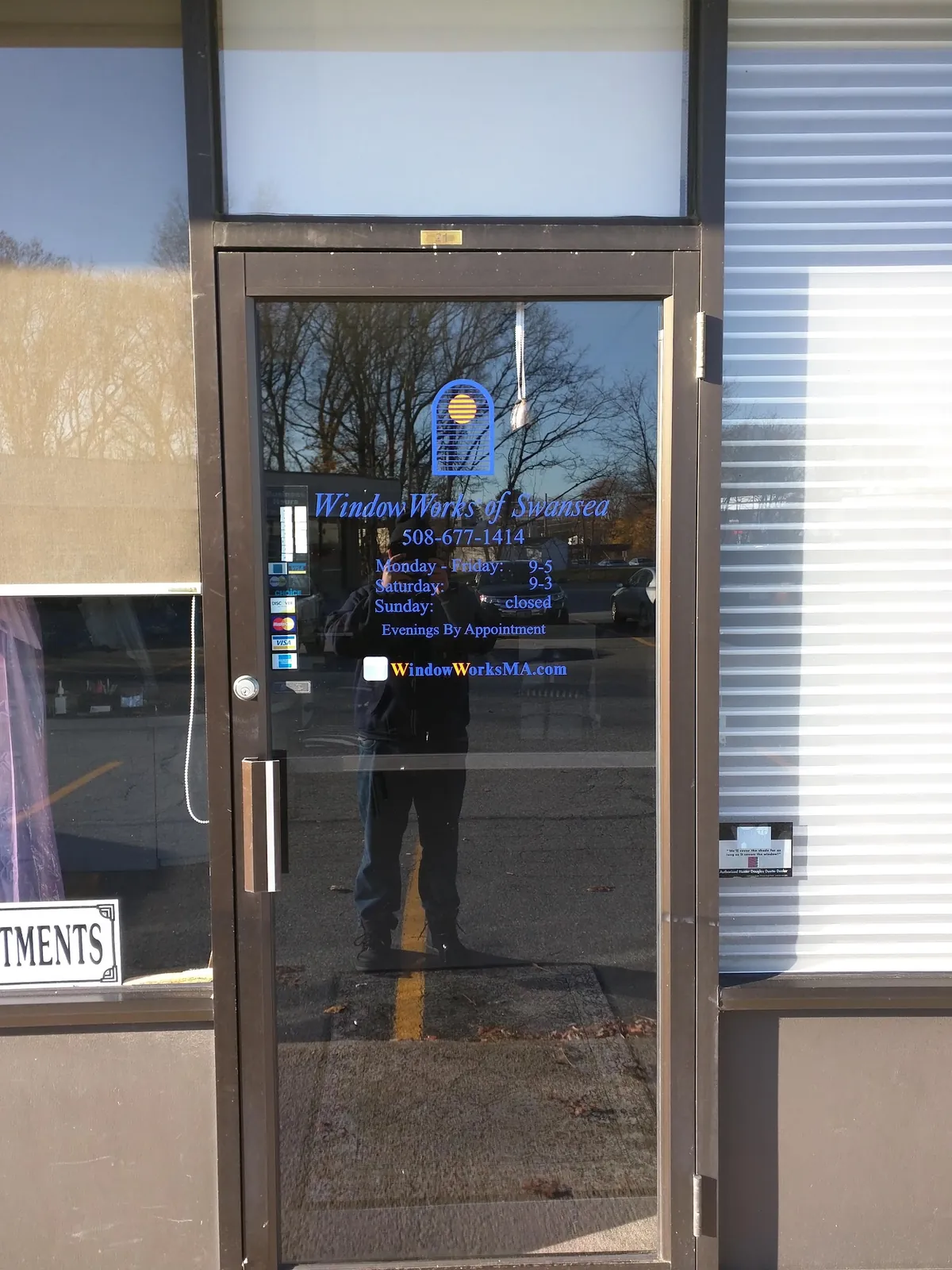
Compare Slats in the Showroom
The showroom in Swansea is an easy drive up from Westport. Come in to hold a faux wood slat beside a real wood one, see how a white and an off-white look in natural light, and try the tilt and lift on working samples before you choose.
It helps to bring a photo of the room and its view, or a sample of the wall colour or trim. The showroom also has the Norman range on display, so you can see those blinds up close too.
Westport Questions About Blinds
Will wood blinds hold up in a house near the water?
In sheltered rooms on the land side of the house, yes. For rooms that take the sea air, steam or an often open window, we usually suggest faux wood or aluminium, which handle the damp better.
What do you suggest for a slider that faces the harbour?
Vertical blinds measured across the full opening. The vanes turn to keep the view by day, close for privacy at night and stack to one side so the door is easy to use.
Can you match blinds across old and new windows in a farmhouse?
Yes. We measure every window on its own, even in one room, so each blind fits its frame and the set still lines up when lowered.
How do I keep salt off the slats?
Dust weekly and wipe faux wood, aluminium and vertical vanes with a cloth dampened in plain water now and then. Keep wood slats dry and just dust them.
Is the quote free?
Yes, quotes are free. Call or send the form with the rooms you are thinking about and we will set up a time to measure in your home.
Take the Next Step
When you are ready, ask for a free quote. Use the call button to reach the Swansea store, set up measuring in your home or talk about installation, or fill in the form and we will get back to you. If you would like to see and handle samples first, the showroom is open to visit, and the contact page shows how to find it. Window Works is rated 5.0 on Google.