
Deep Sills, Small Panes and Open Country
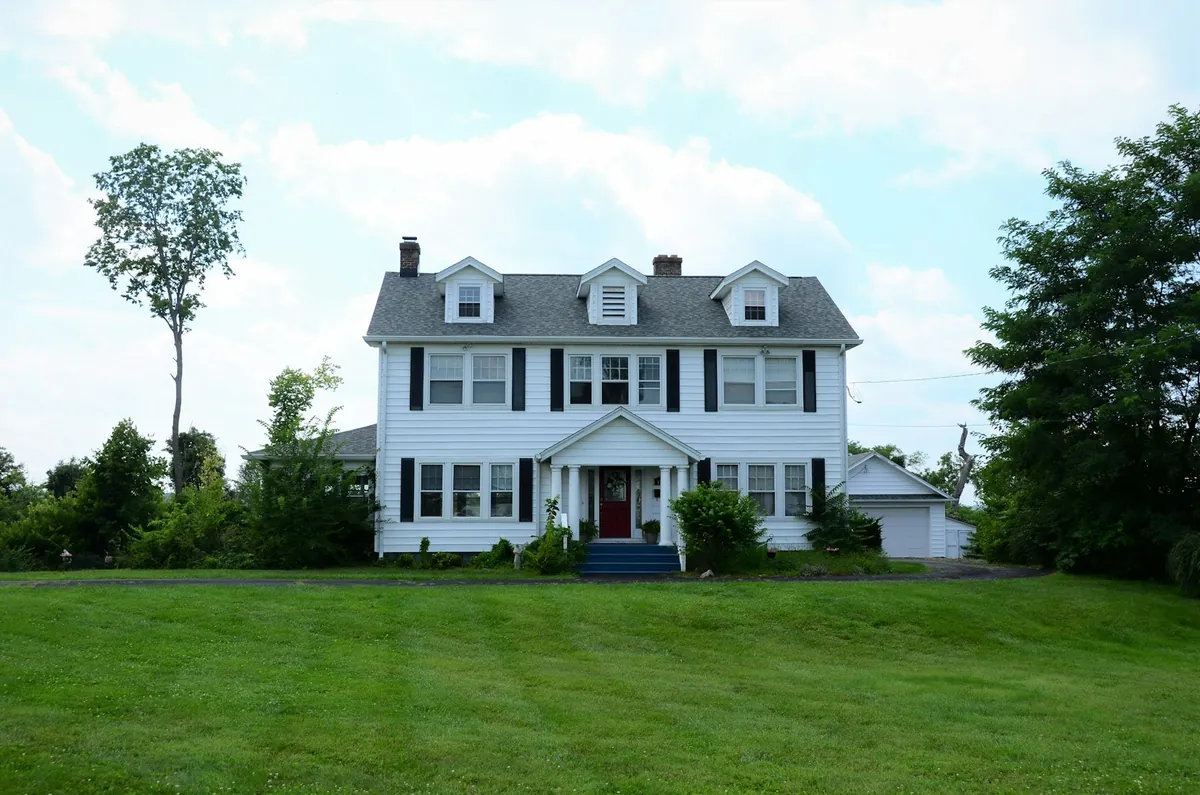
The antique colonials and farmhouses along Winthrop Street and Route 44 have small, deep-set windows with wide sills, and that shape decides most of what we hear about blind and shade repair in Rehoboth, MA. Blinds there sit far back in the frame, often resting their bottom rail on a sill crowded with plants or ornaments, and their cords tend to pool and tangle where they meet the sill.
Many of these houses stand on large lots in farm country, with no close neighbours to screen. In rooms like that, blinds are often left raised for weeks at a time and lowered only against the sun, which ages their cords in a particular way. The newer colonial subdivisions off Bay State Road are a different story again, with matching sets of blinds across every front window.
Whatever the house, the slats or fabric usually outlast the strings and gears that move them. That is what a repair is for.
Faults We Can Look Into
Snapped strings
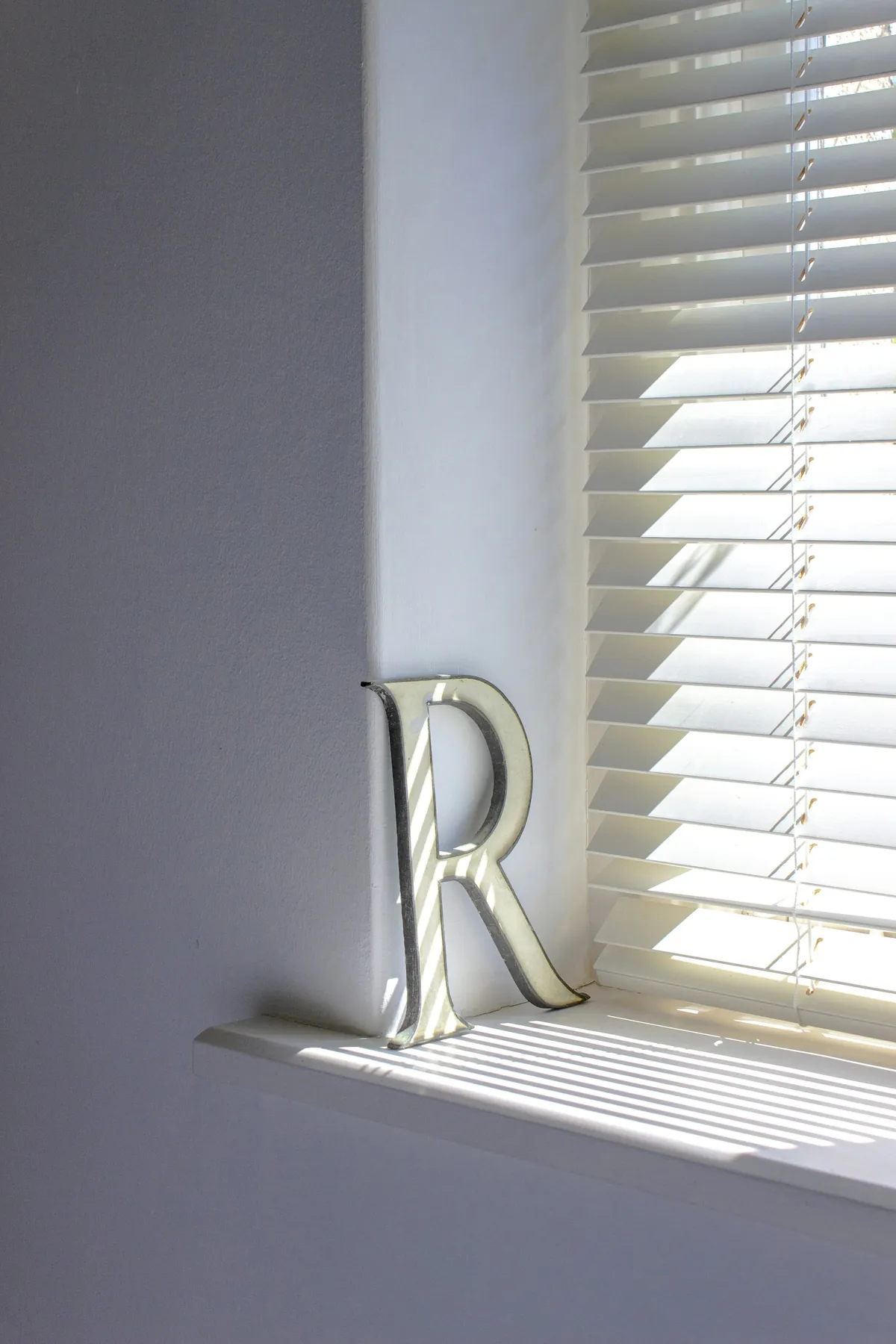
A blind that has dropped at one end because a lift string has broken, restrung so both ends rise together.
Pools of cord
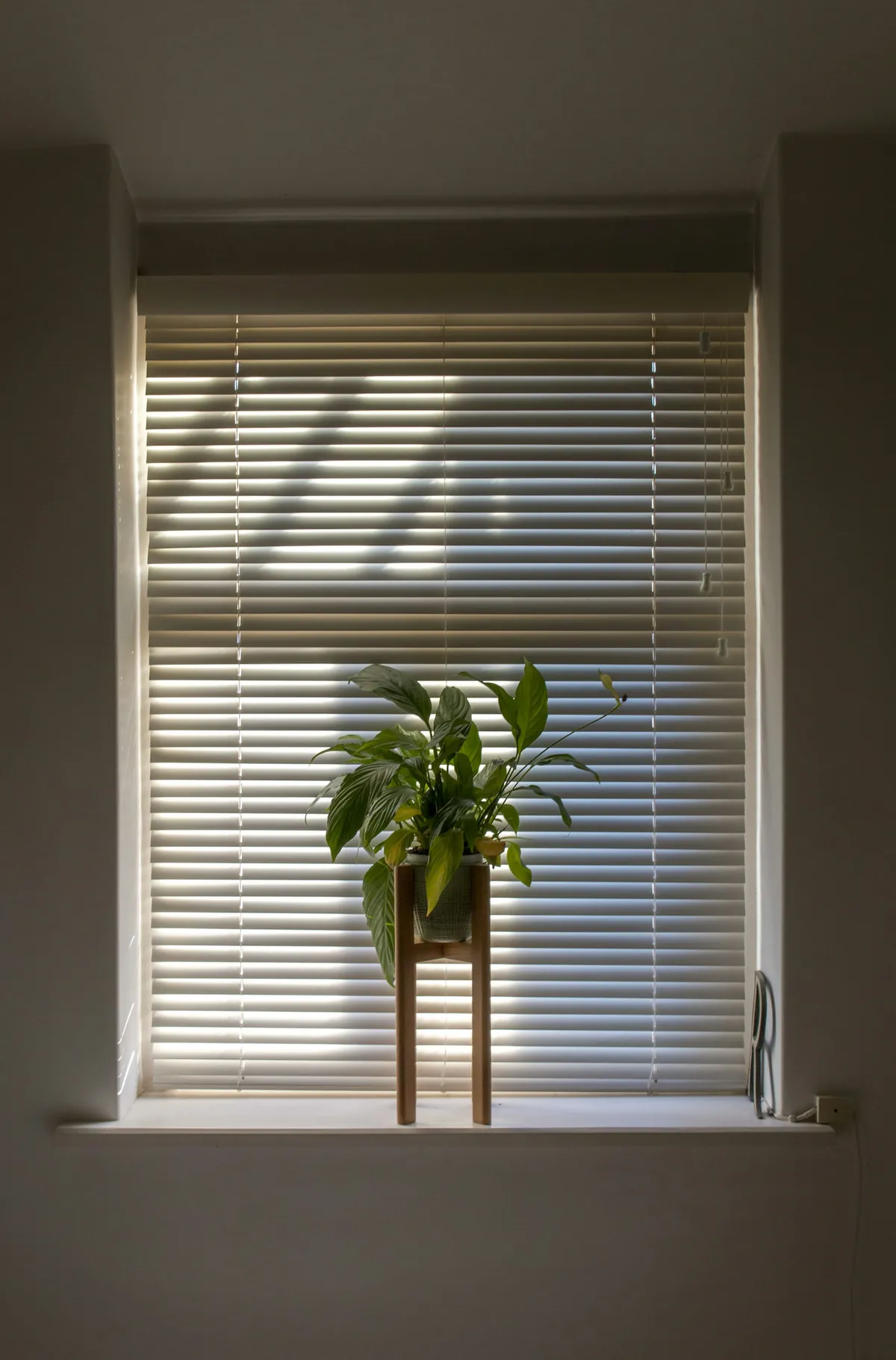
Cords tangled on a crowded sill, chafed against pots or caught under the bottom rail, replaced before they part.
Stiff locks
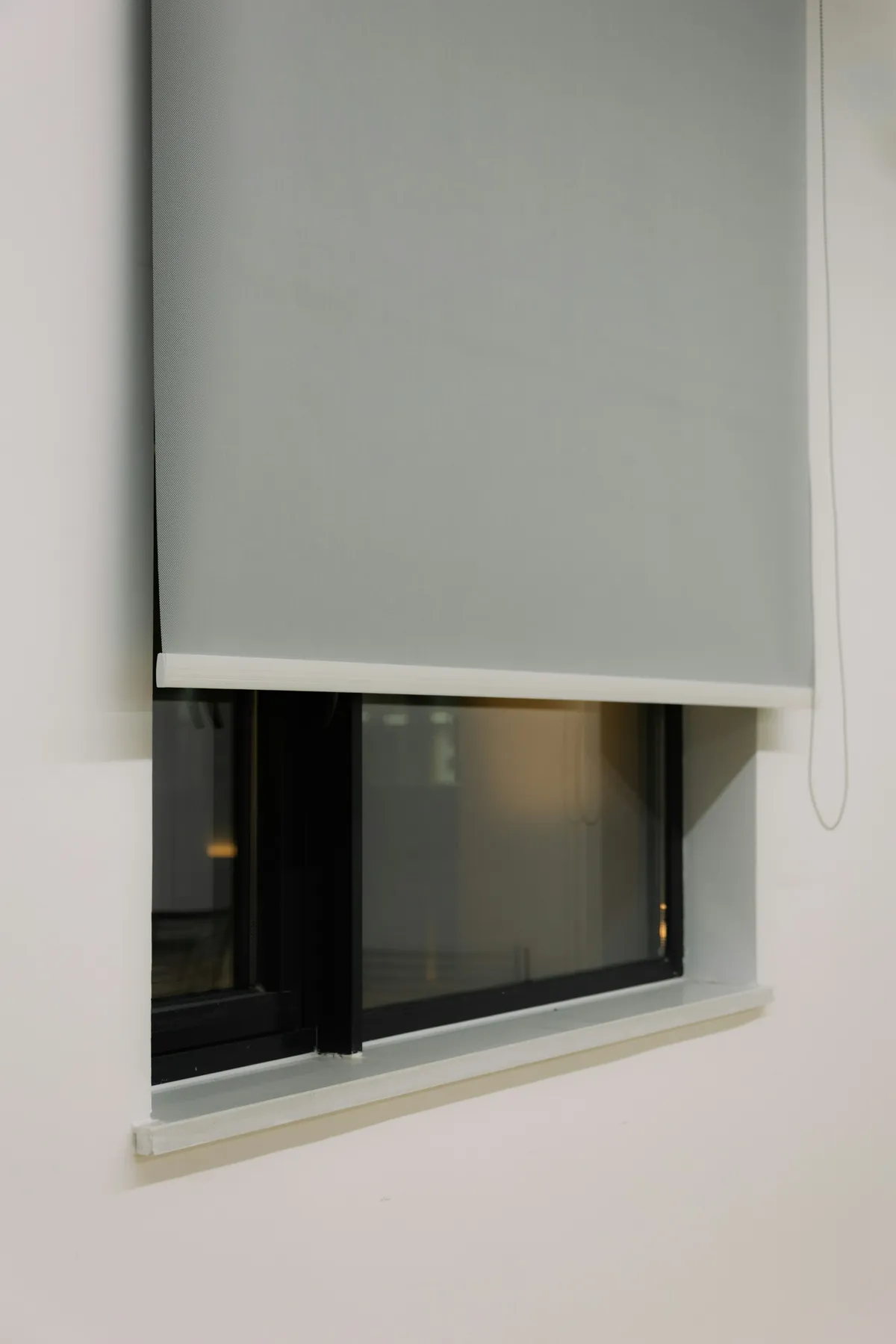
A blind left raised for months whose lock no longer releases cleanly or no longer holds, freed or put right.
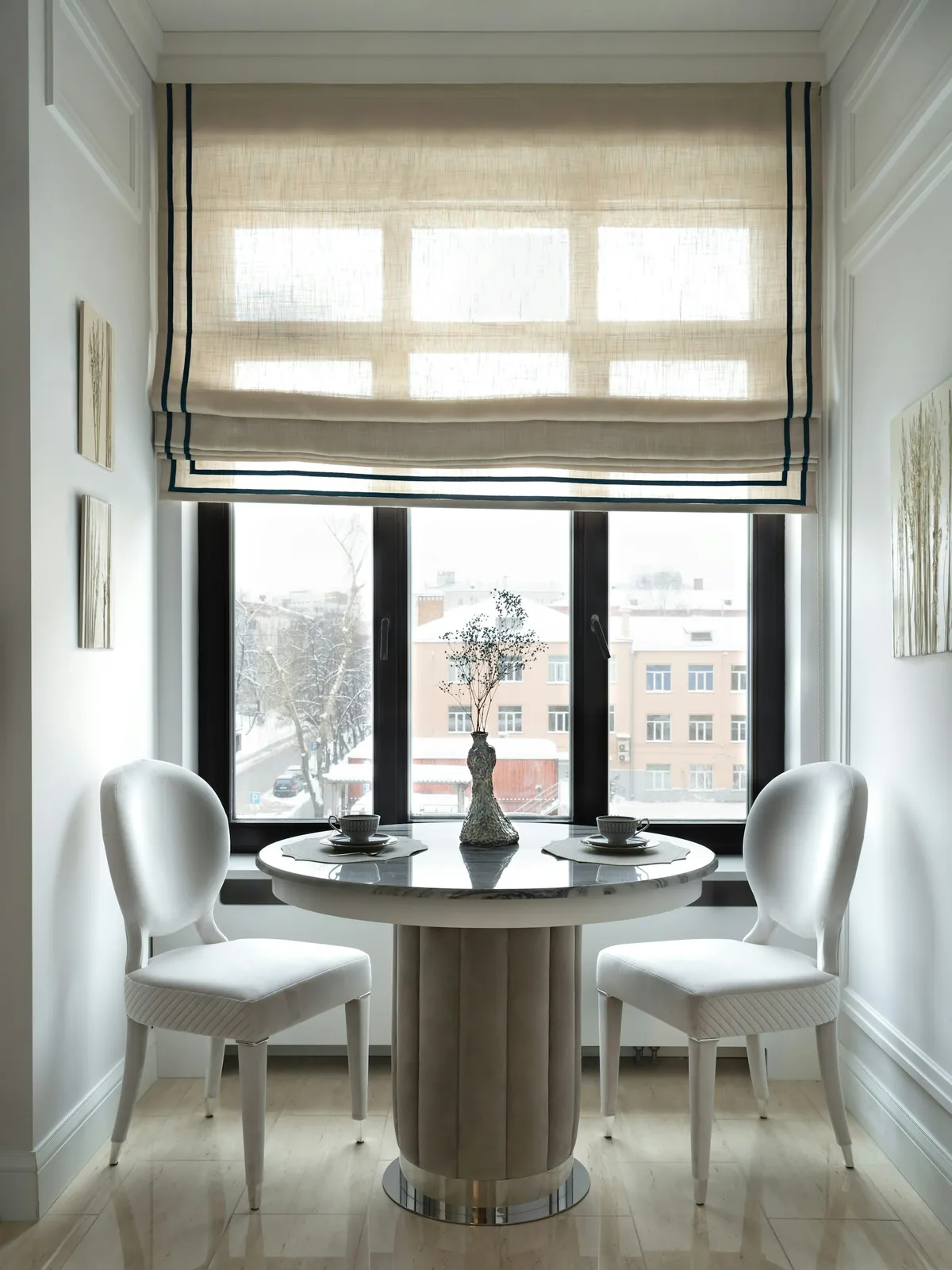
Uneven Roman folds
A Roman shade whose folds stack lopsided because a cord has slipped from its rings, re-threaded and evened up.
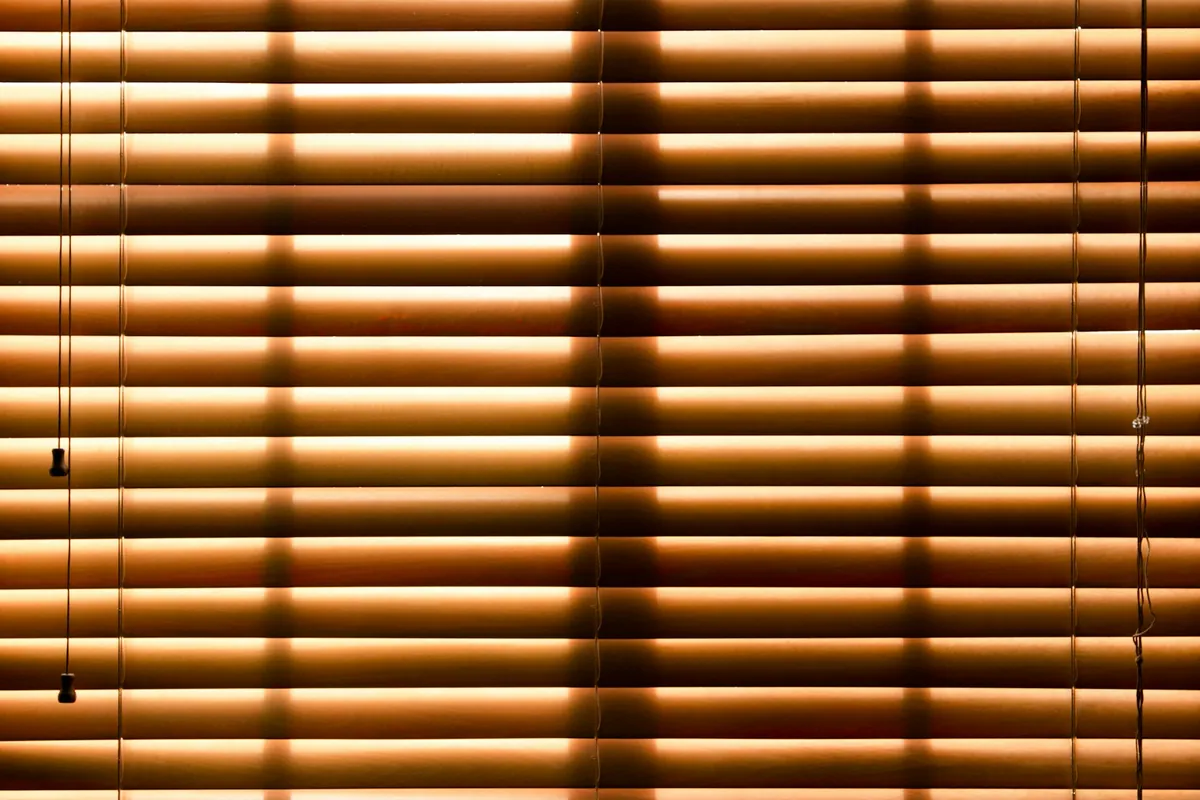
Wood slats that will not tilt
A heavy wood blind whose tilt gear has seized or whose wand spins loose, traced back to the part that has gone.
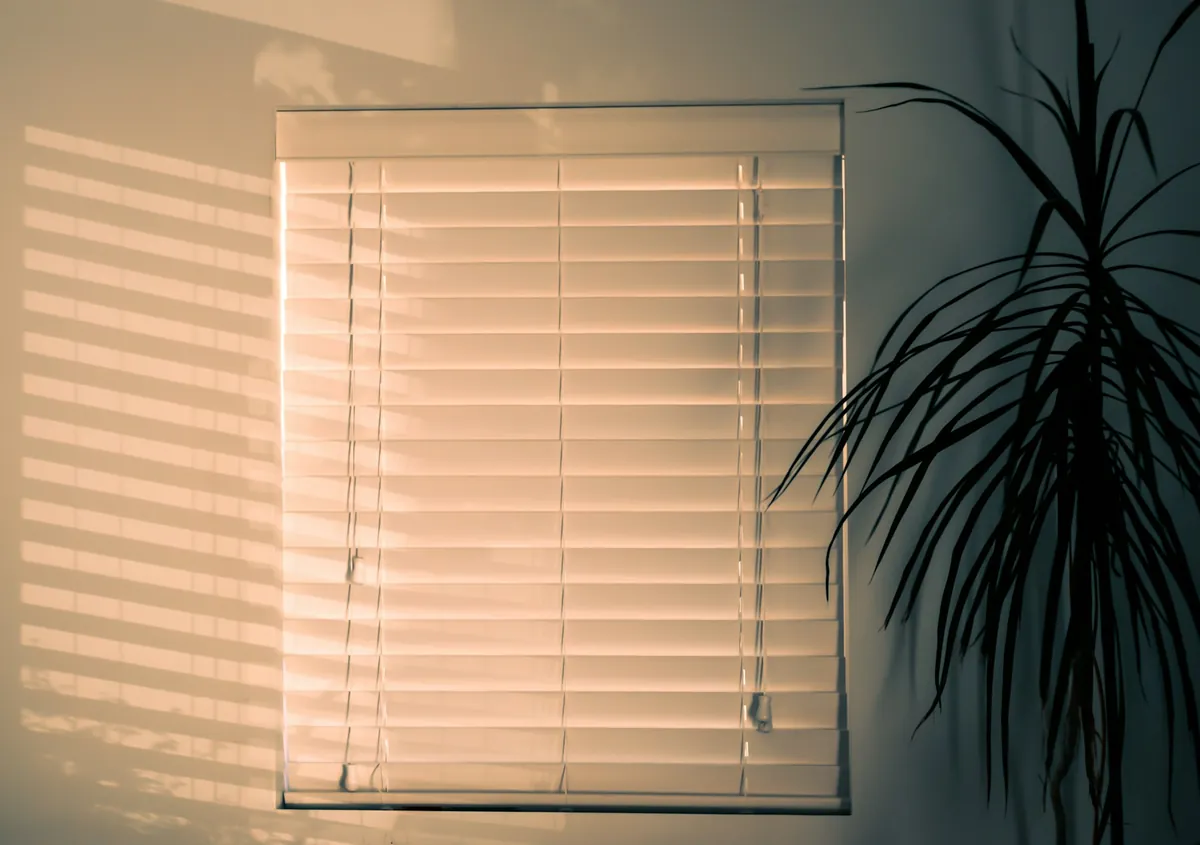
Keeping a set together
One failed blind in a matched row, mended so it stays among the others instead of standing out as a newcomer.
Blind and Shade Repair in Rehoboth, MA for Antique Houses
The old houses along Winthrop Street and Route 44 were built with small windows for good reasons, and their thick walls give each one a deep reveal and a wide sill. Blinds and shades in those openings have their own set of habits.
The blind sits far back
In a deep-set window, an inside-mounted blind usually hangs well back from the face of the wall, close to the glass. That keeps the sill clear in front of it, which many people like, but it puts the headrail and its controls at the back of a deep box. Cords and wands are reached by leaning in over the sill, and they end up being pulled at an angle, forward and down. The cord then drags across the front edge of the headrail and frays at that one spot. If you look closely at a worn cord on one of these blinds, the wear is nearly always right where it leaves the rail.
Sills full of plants and ornaments
A wide sill is an invitation to put things on it, and the bottom of a blind ends up landing among them. Cords coil around pots and frames, a lowered blind comes to rest on something and sits crooked, and the bottom rail can bend over time. Water from watering plants does cords no favours either. If a blind on a crowded sill has stopped lowering evenly, the first thing to check is whether it is simply landing on something. If the cords themselves are discoloured, stiff or frayed near the bottom, they are due for replacing.
Frames that are not quite square
Antique window frames have often moved a little over the years, so the opening may be slightly out of square. A blind hung inside such a frame can rub against one side as it rises, wearing the edges of the slats and putting extra drag on one cord. The usual result is a blind that lifts one end first and sticks part way. Restringing deals with the worn cord, and a small adjustment to how the rail sits often stops the rubbing from wearing the new one.
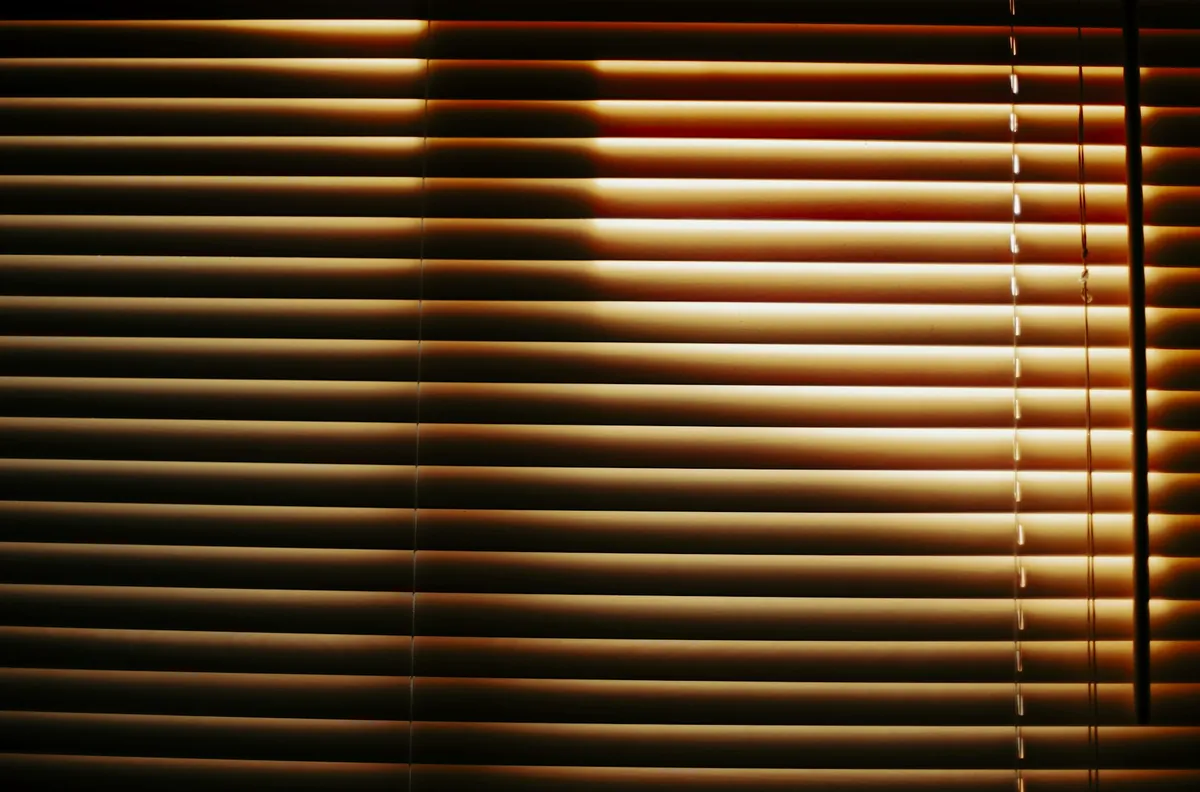
Small blinds, many windows
An antique house often has a lot of small windows rather than a few large ones, so it has a lot of small blinds. They tend to fail one at a time, and it is easy to put up with one dropped slat or a lost wand for years. When you get in touch, it is worth walking round the house first and noting every blind that is not quite right. Several small faults are usually best dealt with together.
Fabric shades in small openings
Cellular and pleated shades suit small antique windows well, because they stack into a slim band at the top and leave most of the little pane clear. They lift on fine cords that run down through the fabric, and in a small shade those cords are short and light. When one goes, the shade drops at a slant or will not rise past a point, and because the window is small the slant is obvious. If the fabric is clean and has held its colour, restringing usually puts it right. Shades on a sill that gets watered or catches condensation in cold weather are worth checking for marks along the bottom edge, since staining there is one of the things that can tip the balance toward replacing rather than mending.
Rooms with No Neighbours to Screen
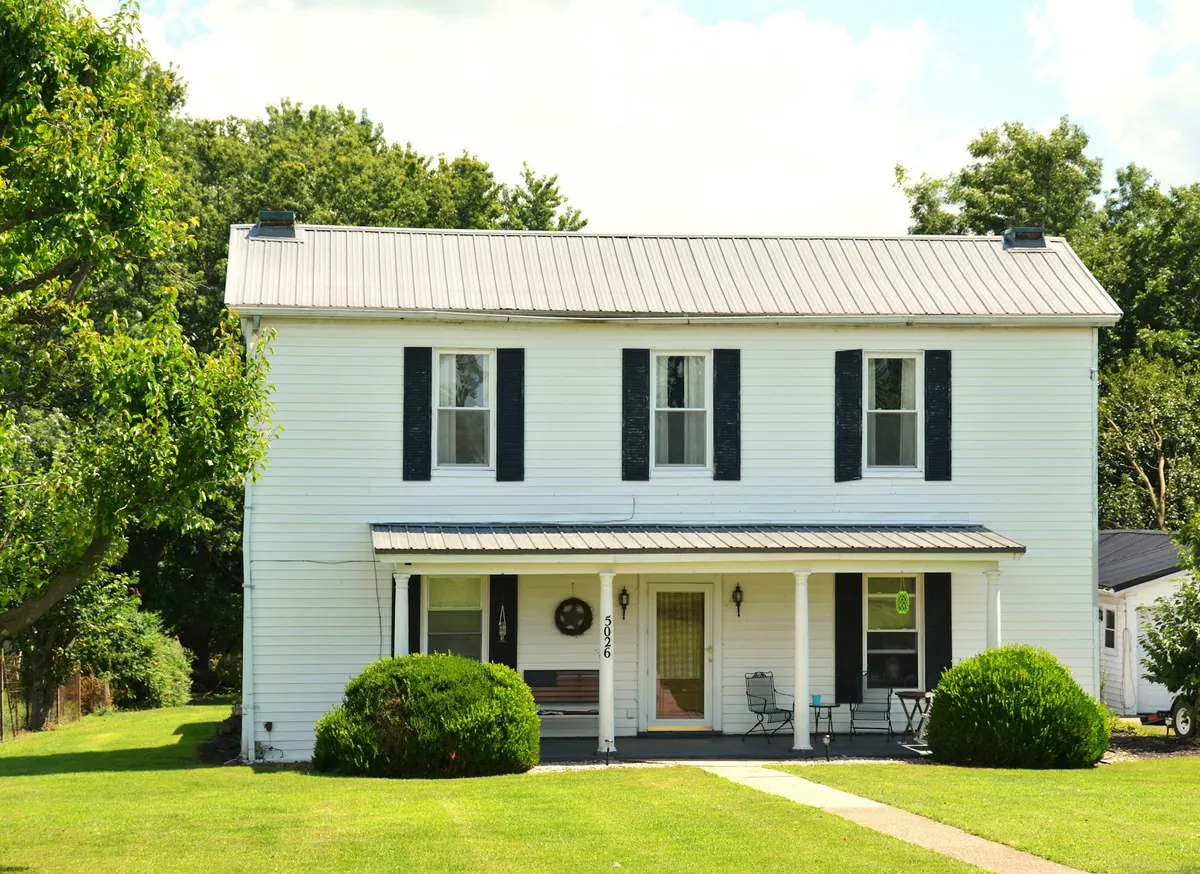
Where a house sits in open farmland with nobody across the road, blinds are rarely needed for privacy in the daytime. Many stay raised from one week to the next and are lowered only when the sun gets too strong, or at night. That pattern brings its own repairs.
Cords stored in the headrail
When a blind is left raised, its lift cords spend most of their time wound or bent inside the headrail, and the same few inches of cord sit folded over the same edge. Those folds stiffen. When the blind is finally lowered, it may stick, drop unevenly or refuse to come back up. A cord that has set hard in one shape is a candidate for replacing, even if it has not yet frayed.
Slats stacked in the sun
A raised blind keeps its slats stacked tight at the top of the window, and on a sunny side that stack can sit in strong light for hours. Wood and fabric both feel the effect. If the slats or shade fabric are still in good order, a restring will usually bring the blind back into use. If the top few slats have faded or warped noticeably more than the rest, it is worth a conversation about whether a repair is still good value.
Used for sun, not for privacy
When the main job of a blind is to cut glare across a kitchen table or a reading chair, the tilt is used far more than the lift. Wands get turned many times a day and the tilt gear in the headrail does most of the work. In those rooms, the repairs we hear about are mostly wands and tilt mechanisms rather than lift cords.
Rooms that are shut up for a season
Some rooms in a big old house, a front parlour or a spare bedroom, may go unused for long spells, with the blinds left as they were. When that room comes back into use, the blinds can be stiff, dusty inside the headrail or slow to respond. Often a careful first lowering is all they need. If one sticks, drops on one side or will not lock, stop there and tell us, rather than tugging harder, because forcing a stiff blind is how a cord that could have been saved ends up snapping.
Newer Colonials off Bay State Road
The colonial subdivisions off Bay State Road were built more recently, with more regular windows and, very often, a matching set of blinds or shades on every front window.
The case for keeping a set together
A front elevation with identical blinds in every window looks calm and finished from the street. Replace one, and the new blind is often a shade whiter or a slat wider than the rest, and it shows. A repair keeps the original blind in its place, so the set still reads as one. That alone makes repair worth a look on these houses, even when replacing a single blind would be simple.
Two-storey foyers and tall stair windows
Some of the newer colonials have tall windows on the stair or in a two-storey entry. A blind or shade up there is awkward to reach, and its long cords take a lot of strain. When a high blind fails, describe where it is and how high, because that changes how a repair is approached.
Family rooms and back doors
The family room in a newer colonial often has a slider or French doors to the back, with vertical blinds or fabric shades. These are among the busiest treatments in the house, and wands, carriers and cords there tend to need attention before anything else in the home.
What Happens When You Ask
Repairs follow a few plain steps, and we keep in touch throughout.
- Call through the button on this page, or use the form, and say what is hanging at the window and what it does or does not do.
- We discuss the likely cause with you and say honestly whether it is worth mending.
- If it is, you have a free quote in hand before anything goes ahead.
- Once repaired, the treatment is checked in use: lowered to the sill, raised to the top, held halfway and tilted.
Every repair is different, so how and where yours is handled is something we agree with you during that first conversation.
Notes to make before you call
Asking about blind and shade repair in Rehoboth, MA goes quicker with a few notes in front of you.
- What kind of treatment. Slatted blind in wood or metal, vertical vanes, or a fabric shade.
- What is wrong. Dropped at one end, will not come down, will not hold, slats will not turn, wand gone, folds lopsided.
- How it is used. Mostly left up, lowered every night, or tilted through the day.
- What sits on the sill. If the blind comes down onto plants or ornaments, say so.
- Pictures. One of the whole window, one of the fault, and one looking up into the reveal at the headrail.
Mend It or Move On
Most blinds in good condition are worth repairing. Some are not, and we would rather tell you than take your money for a repair that leaves a tired blind at the window. Signs a repair may not be worth it:
- Slats faded or warped near the top of the stack where they have sat in the sun
- Shade fabric that has yellowed, spotted with damp from a watered sill, or split at the folds
- A headrail bent or cracked along its length
- A room where the other treatments are due for replacing anyway
If that is where you are, the custom blinds for Rehoboth homes and Roman shades in Rehoboth pages show what can be made to measure for small, deep-set windows. The main blind and shade repair page explains the service across our area.
Keeping repaired blinds in good order
Lower a blind that has been left up all the way now and then, so its cords run through the rail rather than staying bent. Pull straight down, square to the window, instead of reaching in at an angle over the sill. Keep the sill clear where the bottom rail lands. Open the slats before raising so they stack flat, and stop if a wand resists rather than forcing the gear. If a string breaks, leave the blind lowered rather than knotting it.
Long pulls and loops that hang to the floor are best tied up high, out of the reach of small children and pets, and it is worth mentioning when you ask about the repair.
A blind on a deep-set window can be hard to see properly from across the room, so take a moment with a torch to look into the reveal at the headrail before you call. Whether it has slipped in its brackets, whether one cord is shorter than the other and whether anything is caught in the rail are all easy to spot close up, and they tell us a lot about what blind and shade repair in Rehoboth, MA would involve for that window.
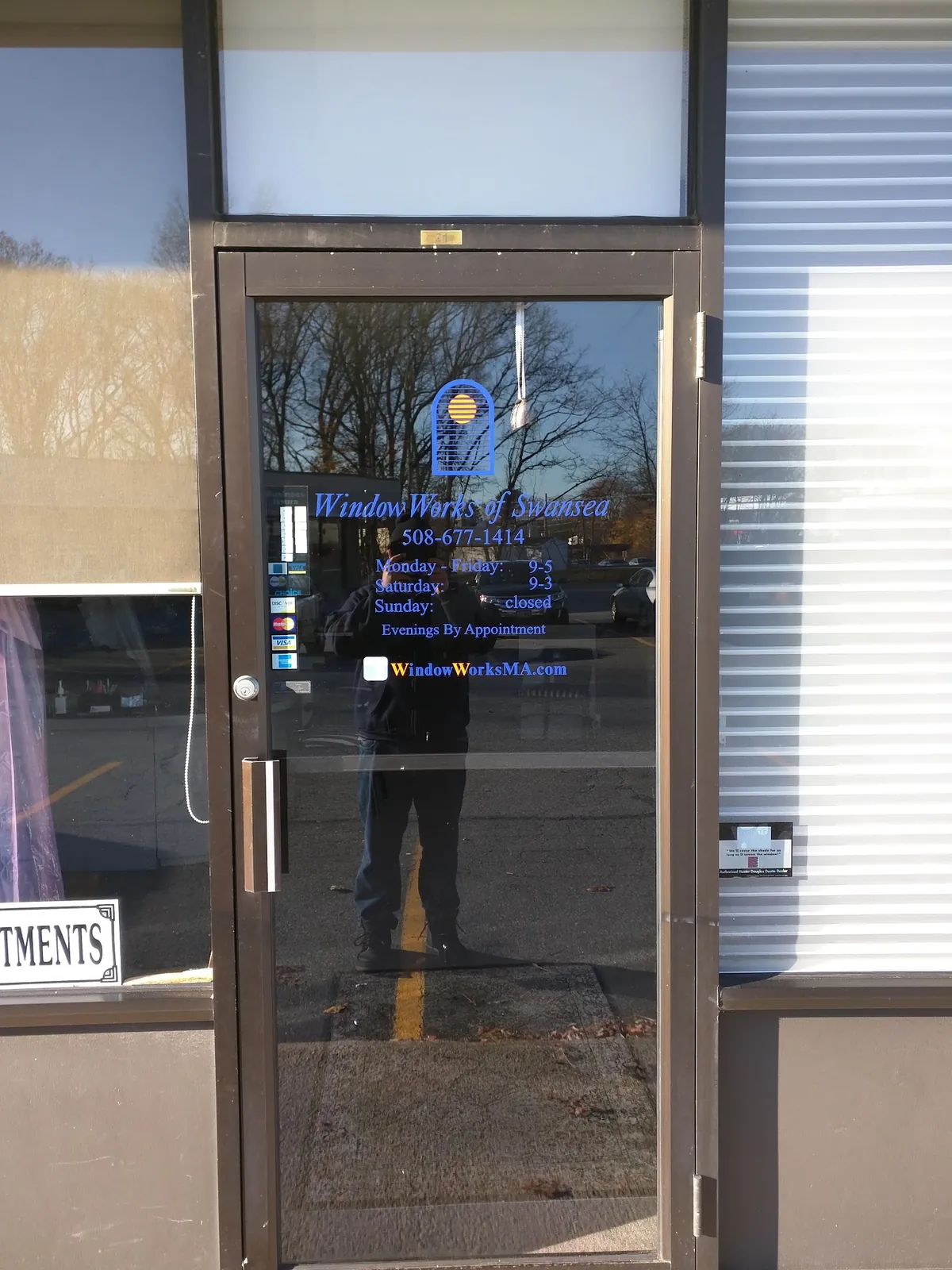
Window Works in Swansea, a Short Drive Away
Window Works opened in Swansea in 1988 and is run by the second generation of the same family. Over more than 37 years the store has served houses across the Massachusetts SouthCoast and Rhode Island’s East Bay, Rehoboth among them.
- Window treatment specialists with long experience
- Constant contact with you until the work is finished
- Repairs on treatments you already have, as well as new ones
- Measuring in your home and installation when you choose new treatments
- Warranties offered on the products sold
Bring Your Questions to the Showroom
If you would prefer to show someone your photos, the Swansea showroom is an easy drive from Rehoboth. Our specialists can go through them with you and explain what is most likely wrong.
Should a new treatment make more sense for a small, deep-set window, the showroom has samples to handle and the Norman range to compare.
Questions from Rehoboth
My blind has been up for months and now will not come down. Can it be fixed?
Often, yes. Cords left wound in the headrail can stiffen, and the lock may stick. Describe what happens when you pull the cord and we can work out what it needs.
Why do the cords on my deep-set windows always fray in the same place?
Blinds set far back in a deep reveal are usually pulled at an angle over the sill, which drags the cord across the edge of the headrail. Restringing fixes the wear, and pulling straight down helps it last.
One blind in my matching set has failed. Should I replace it?
A repair is often the better choice, because a new blind rarely matches the others exactly. Mending the original keeps the set looking like one.
Can you repair a Roman shade with lopsided folds?
Usually. Lopsided folds most often mean a cord has slipped out of its rings or stretched. Re-threading it evens the folds again.
Do you charge for a repair quote?
No, quotes are free. Get in touch through the call button or the form and tell us what the blind or shade is doing.
Talk to Us about a Repair
The call button puts you through to the Swansea store, where you can ask about blind and shade repair in Rehoboth, MA, describe the fault and talk it over. You can also send the form with a line about the treatment and what it does. If new treatments suit you better, we can set up a free quote, measure in your home and explain installation. The contact page has directions, and every service we offer in town is on our window treatments for Rehoboth homes page.