
Long Glass and Formal Rooms
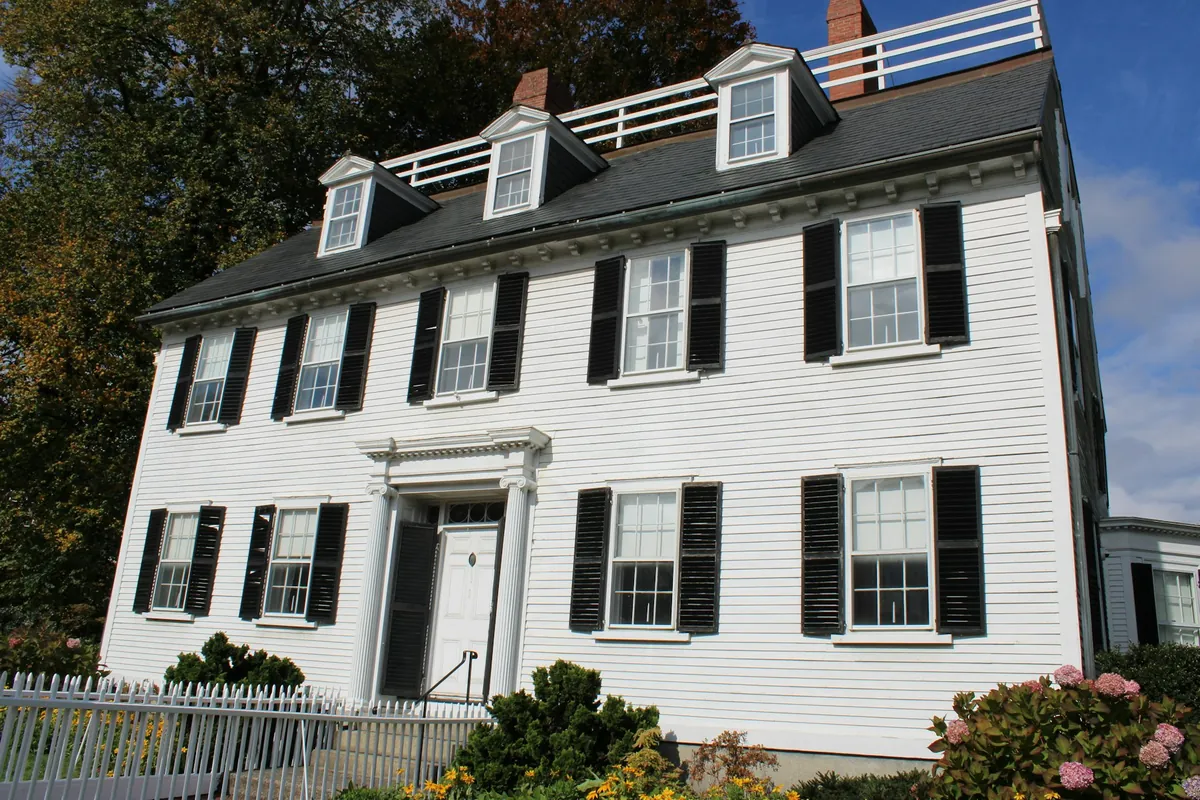
Two very different kinds of house shape custom blinds in Barrington, RI. Along Rumstick Road and Nayatt Road, mid-century moderns stretch their main rooms out behind long runs of glass, often with sills set close to the floor. A short distance away, centre-hall colonials keep a formal living room and dining room either side of the front door, rooms where drapery is part of the expected look rather than an optional extra.
The first kind of house needs blinds that can cover a great deal of width without becoming heavy or clumsy, and that leave the low sills usable. The second needs blinds that disappear beneath fabric: thin, quiet and doing the practical work while the drapes provide the finish. Houses on the Barrington River add water light to either picture.
- Wood, faux wood, aluminium and vertical blinds, every one sized to its own opening
- Planned to work alone or underneath drapery
- Taken off each window in your home and hung by Window Works staff
The Job Each Blind Does
Under formal drapery
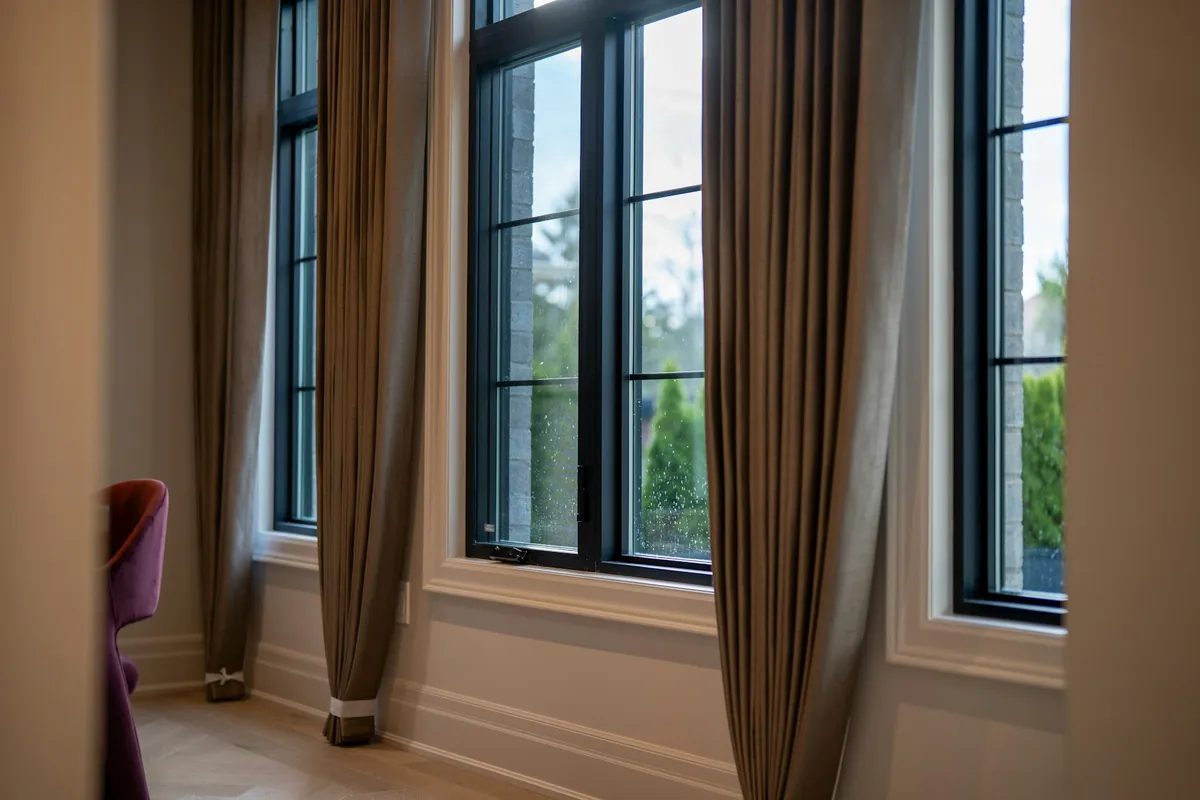
In a colonial living or dining room, a slim blind tucked inside the frame handles daylight and privacy while the drapes stand either side.
Across a run of glass
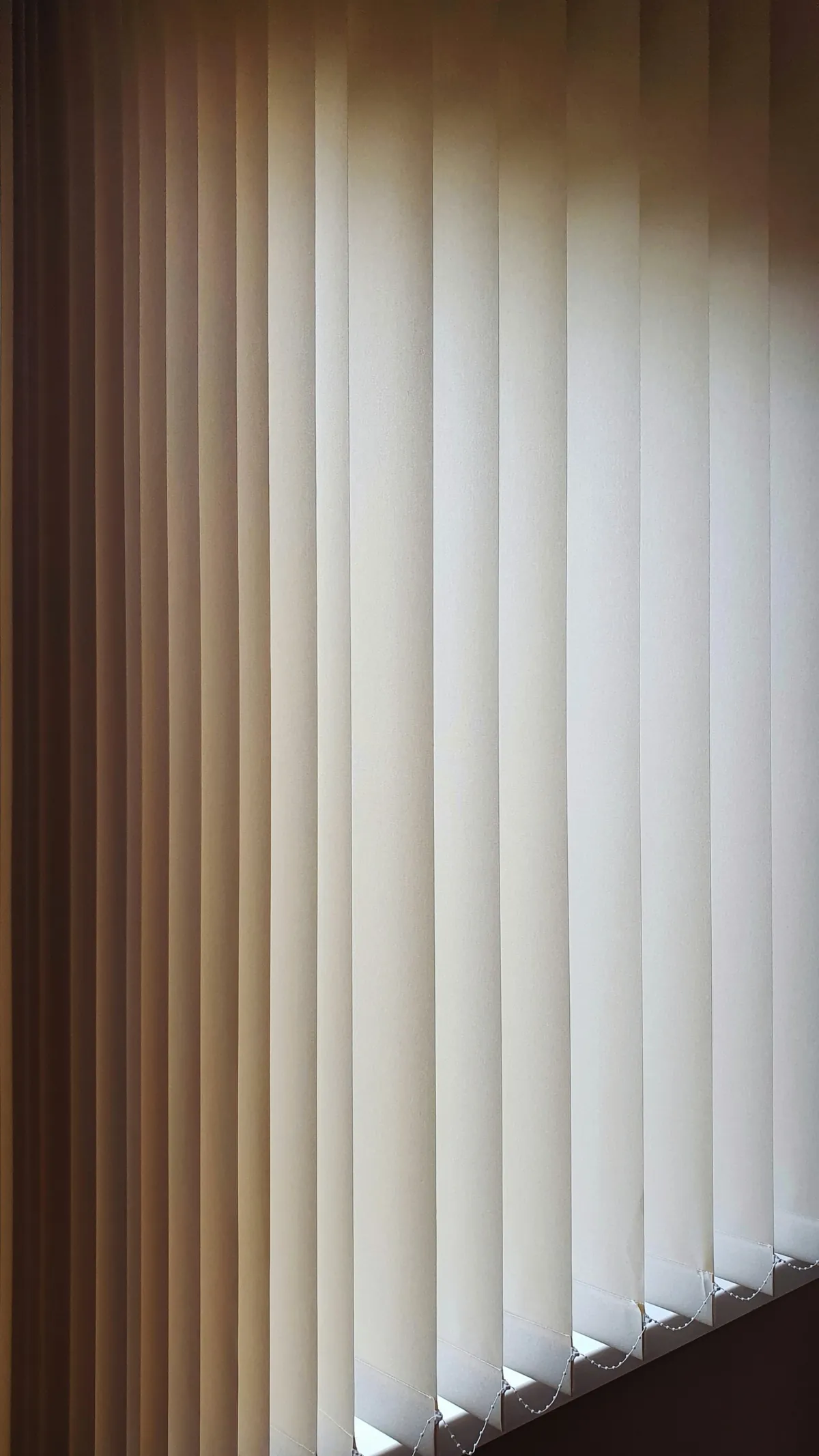
Verticals on a single track, or a line of matching horizontals, to cover the long windows of a mid-century room.
Above a low sill
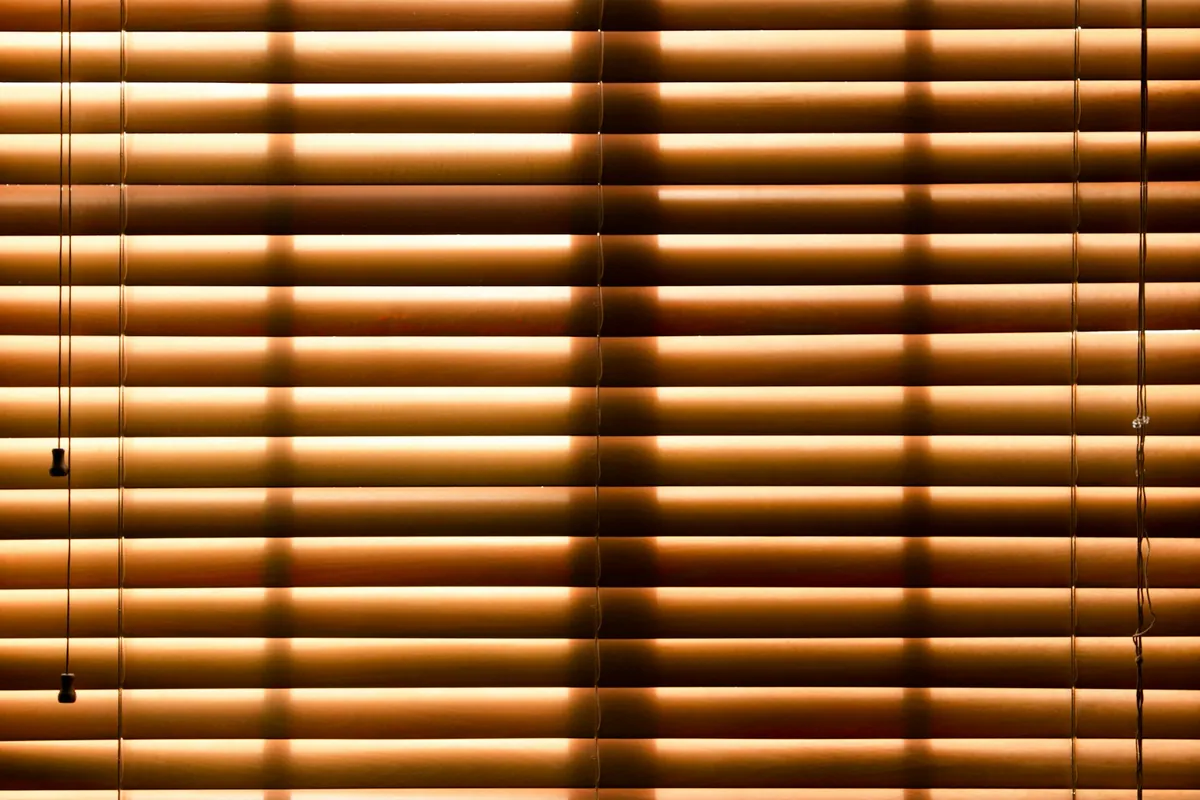
Blinds sized so the bottom rail clears a sill near the floor, a built-in bench or a radiator cover.
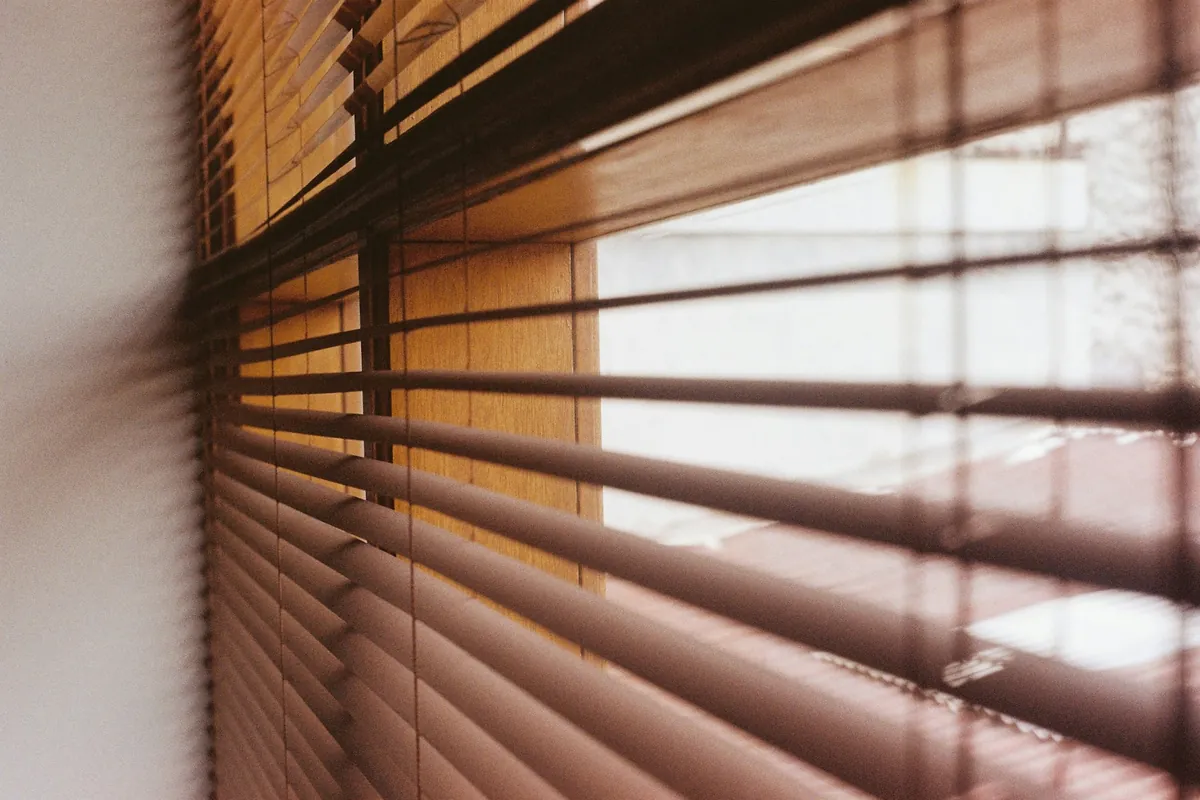
In the study and the den
Real wood for the panelled, quieter rooms of a colonial, where warmth and grain suit the setting.
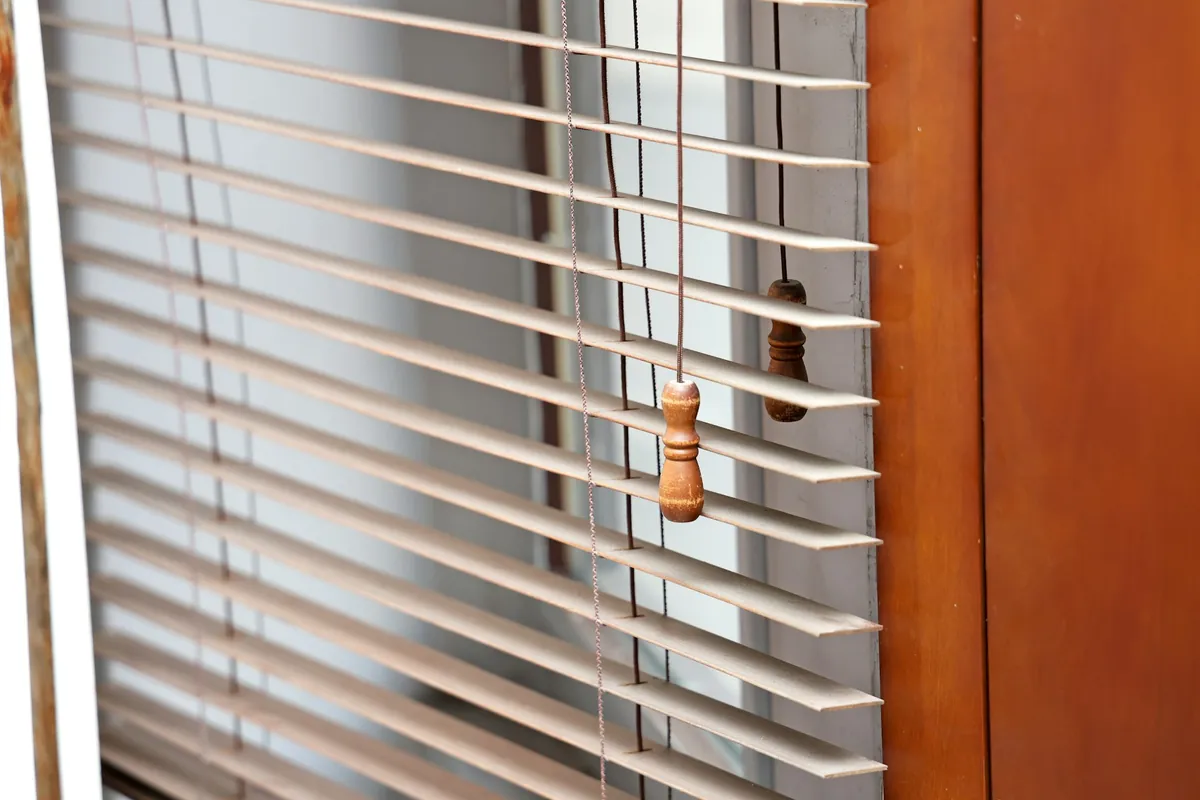
In kitchens and baths
Faux wood that tolerates steam and wipes clean, carrying the main rooms’ colour into the working rooms.
On the smallest windows
A thin aluminium slat for a powder room, a stair landing or a narrow side light.
Thinking Through Custom Blinds in Barrington, RI
Planning custom blinds in Barrington, RI means deciding first what each blind is for. In some rooms it is the only treatment and has to look the part on its own. In others it is half of a pair, with drapes taking the lead. In a mid-century living room it may be one of five or six blinds along a single wall, all of which need to line up. Settle that role first and most of the later choices, from slat material down to where the cord hangs, follow from it.
The mid-century houses on Rumstick and Nayatt Road
Mid-century moderns were built to let the outside in. Their living rooms often have a long band of glass on the garden or water side, sometimes broken by slim mullions, sometimes a mix of fixed panes and sliders. The sills tend to be low, occasionally only a step off the floor, and the ceilings are often flat and fairly low too. All of that changes how a blind should be planned.
A long run of glass is rarely best served by one enormous horizontal blind. It would be heavy to raise and awkward to use. The usual answers are either a row of matching horizontal blinds, one to each section of glass, or vertical blinds on one long track. Separate horizontals keep the clean lines that suit these houses and let you lower the sections catching the sun while leaving the rest open. Verticals are the better fit where the run includes a slider, because they draw aside in one movement to clear the doorway. Our vertical blinds in Barrington page goes further into that option.
Low sills and what sits beneath them
A low sill brings its own questions. Furniture often sits right up against the glass, a built-in bench or a heating cover may run beneath the windows, and children and pets are closer to the bottom of the blind. We size the blind’s drop so the bottom rail finishes where it should, clear of anything beneath it, and we talk about which control suits a window that low: a wand or a cord kept up out of reach is a sensible choice in a family room.
Because these rooms are so open, the blind also has to look right raised. When it is pulled up, the stack sits at the top of the glass and is part of the view, so a compact stack and a neat headrail matter a great deal more here than in a room with ordinary windows.
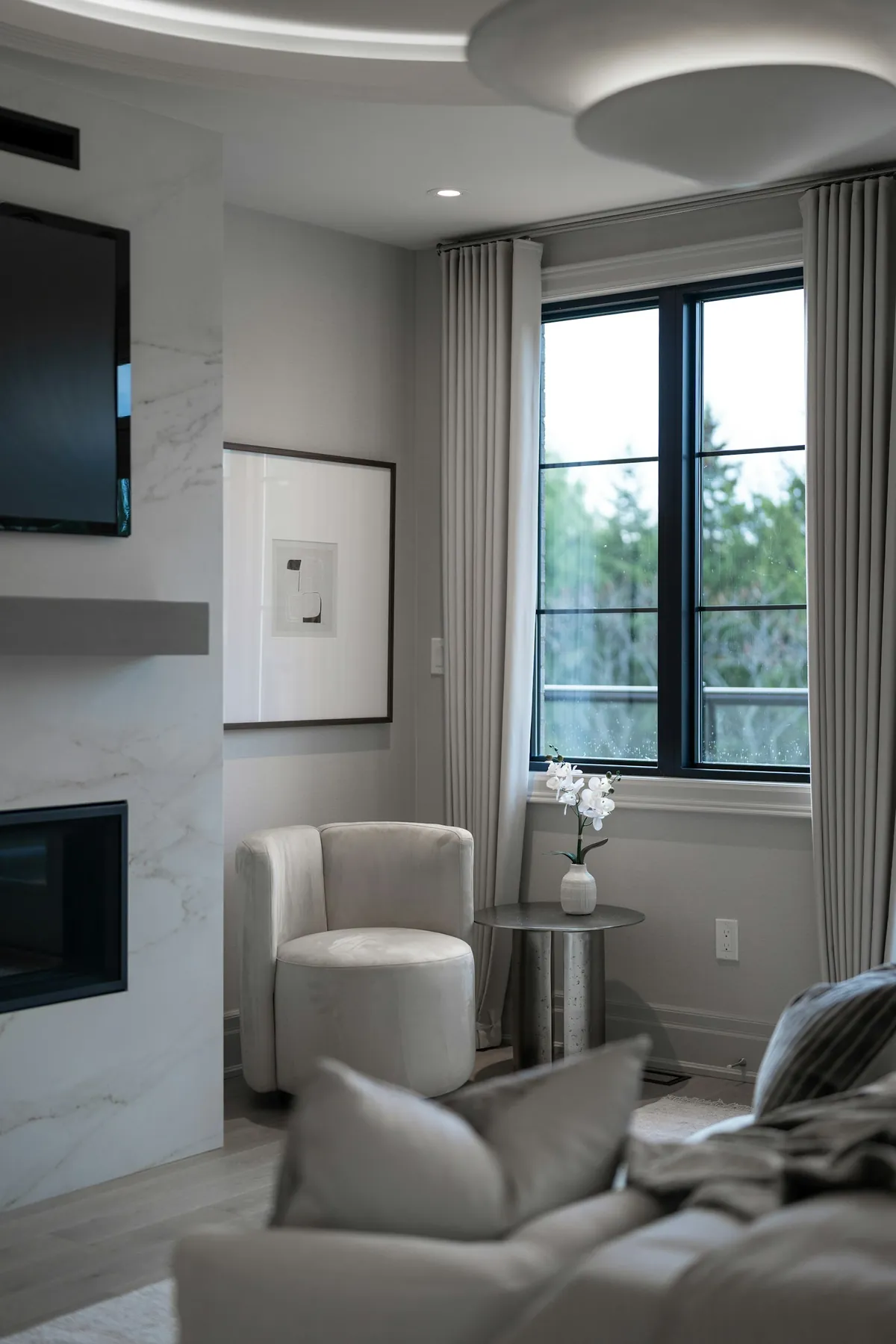
Corners, high strips and awkward panes
Where a mid-century house has windows meeting at a corner, two blinds have to meet there too. We plan which blind overlaps the other and how close each headrail comes to the corner, so the two close neatly without a bright gap where the glass turns. Where a room has a narrow strip of glass set high in the wall, it often needs nothing at all, or a slim blind with a long control if it catches the afternoon sun. And where the run mixes fixed panes with opening ones, the blinds on the opening sections are sized to clear the handles and latches so the windows still open freely.
These are the windows that ready-made blinds cannot cover, and they are often the reason a mid-century room has been left bare for years. Measured individually and built to the opening, they can be dressed to match the rest of the wall.
Lining up a whole wall
When several blinds share one wall, they need to agree with each other. That means the same slat, the same colour, headrails at one height and bottom rails that finish level when the blinds are lowered together. Measuring each opening separately makes this possible, because a frame in an older mid-century wall may be a little off from its neighbour, and each blind is built to its own opening while still lining up with the rest. Controls are planned across the wall too, usually on the outer edges or in a consistent position so the run looks deliberate.
Centre-hall colonials and their formal rooms
In a centre-hall colonial, the formal living room and dining room are where drapery is expected. Full-length panels in a good fabric frame the windows and give these rooms their character. But drapes are not designed to be pulled shut and opened every morning to manage daylight, and they do little for privacy by day without blocking the view completely.
That is where a blind earns its place. Fitted inside the window frame, a wood or faux wood blind handles everyday light and privacy, tilting through the day and closing at night, while the drapes stay drawn back as a frame. The blind needs to be slim so it sits within the frame without pushing the drapery out, and its colour should either match the window trim, so it almost disappears, or tie in with the drapery fabric.
Choosing a blind that works beneath drapes
Getting the layering right is mostly about depth and colour. We check the frame depth at each window so the blind sits fully inside it and the drapery rod can go above without clashing. White or soft painted slats matched to the trim are the most common choice in a colonial, because they keep the focus on the fabric. A stained wood slat is lovely in a study or a library-style room where the woodwork is stained as well.
Some formal rooms open onto a terrace or garden through French doors, and those doors need the same layered treatment as the windows beside them. A blind fitted to each door panel keeps the light under control while the drapery frames the doorway, and because the blind is mounted on the door itself, it moves with the door rather than getting in the way when you step outside.
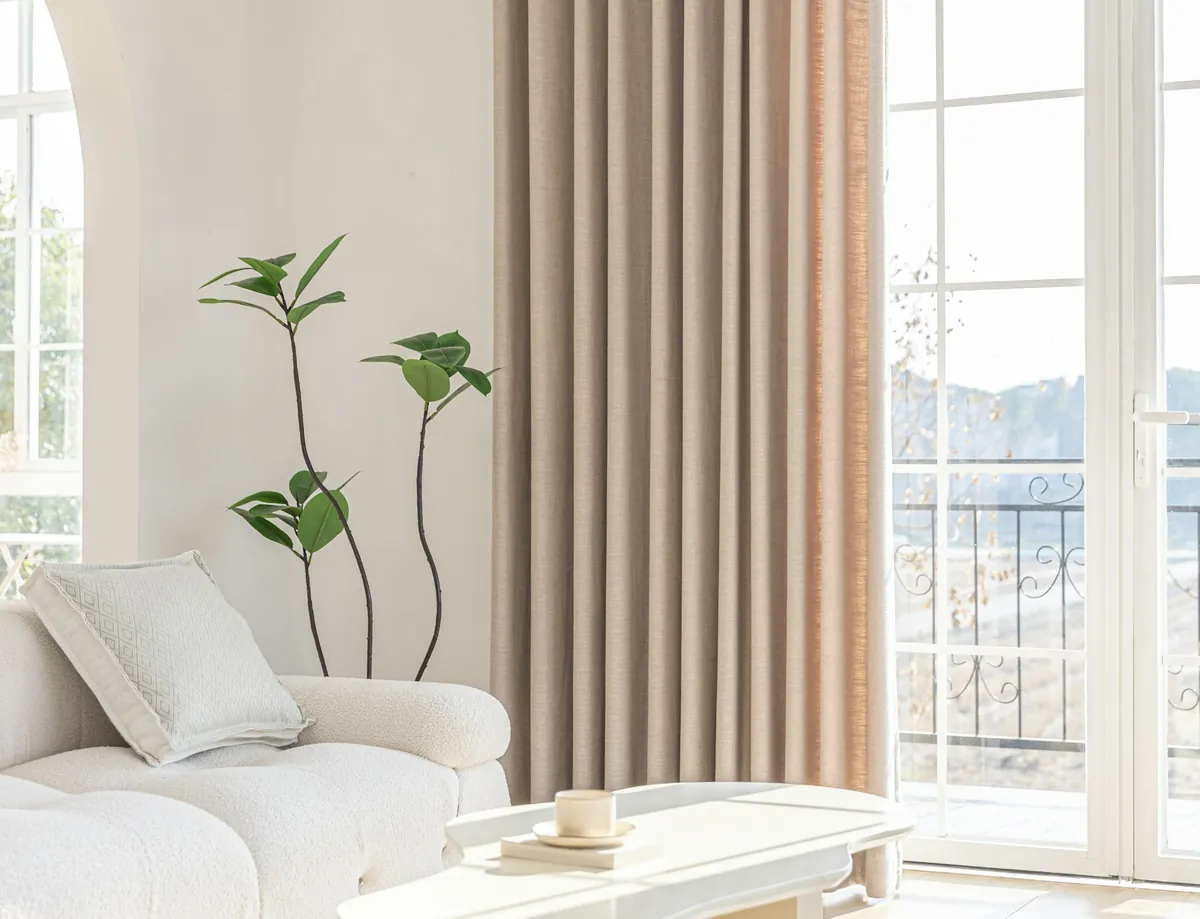
Window Works makes drapes as well as blinds, so both can be chosen at the same time and measured on the same visit, with the fabric and the slat colour judged side by side.
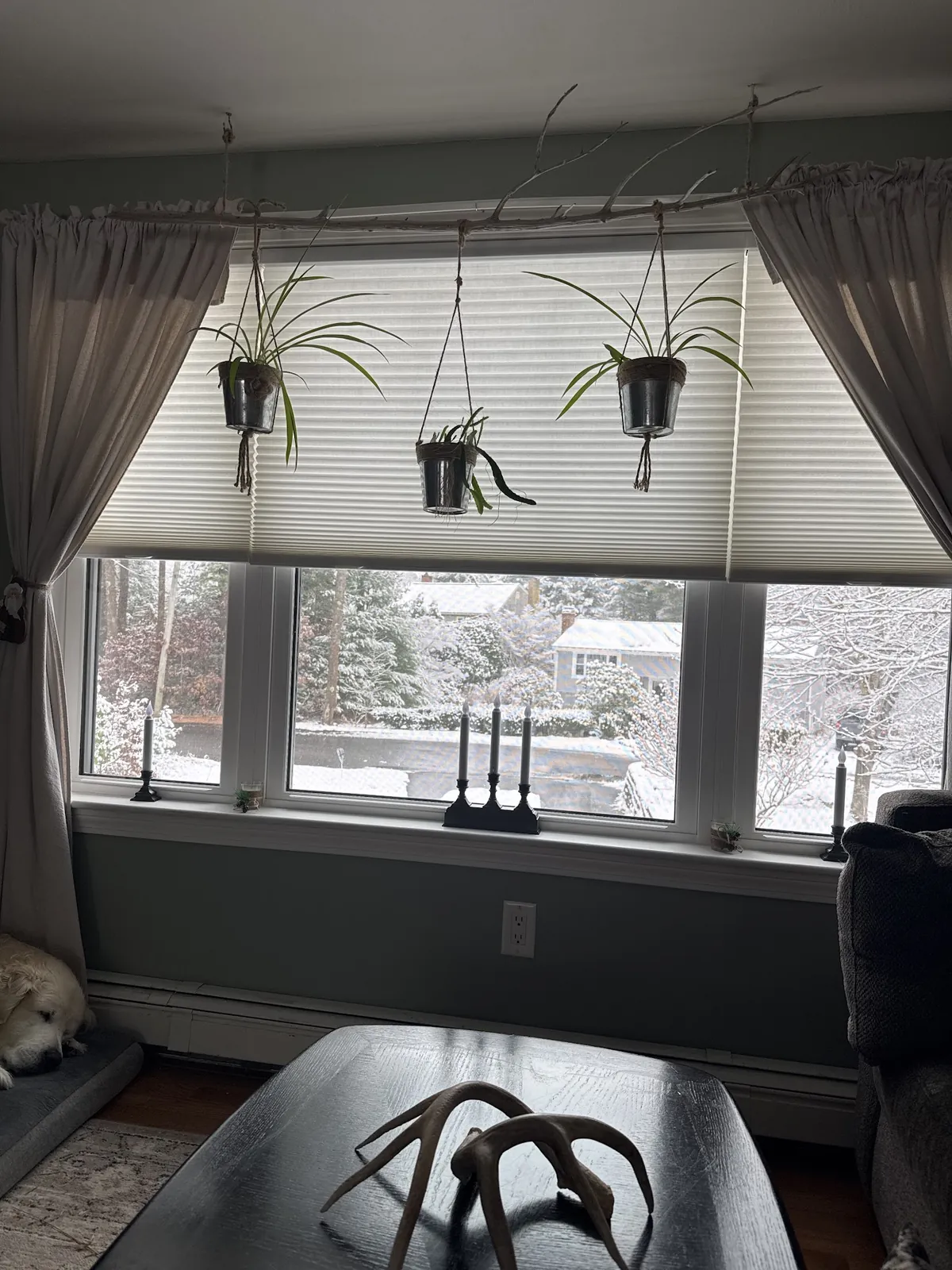
The hall, the stair and the sidelights
A centre-hall plan puts the front door, the staircase and often a pair of narrow sidelights at the heart of the house. Sidelights are frequently left bare, but on a street-facing front door they can give a clear view into the hall at night. A narrow aluminium or faux wood blind made to the sidelight’s exact width solves that without crowding the door. The stair window, seen from the hall and from the landing, usually suits the same colour as the formal rooms either side, so the front of the house reads as one.
Upstairs in a colonial
The bedrooms of a centre-hall colonial are usually less formal than the rooms downstairs, and many of them take blinds alone. Here the priorities are a snug fit so early light stays out, slats that close properly and a front elevation that looks even from the street. Using the same colour on every front window, whatever the rooms behind them use, keeps the face of the house tidy.
How Your Order Runs
Below is the path an order for custom blinds in Barrington, RI takes with us, and we keep you in the loop from the first conversation to the final fitting.
- Phone the Swansea store or send the form, describe the rooms, and we book your free quote.
- We come to measure every window in place, recording frame depth, sill height and any sliders, and noting where drapery will hang.
- You choose material, colour, slat width and controls, with samples held at the windows and, if drapes are part of the plan, fabric alongside.
- Your quote lists each window and the blind made for it.
- Each blind is built to the sizes taken in your house.
- Our installers hang them, check every lift and tilt and show you how they work.
- If anything needs another look afterwards, call the same store and it is taken care of.

River light on the Barrington frontage
Houses on the Barrington River get reflected light off the water, and on a bright day that can be dazzling in a room with a long run of glass. Horizontal slats help because they can be angled to send the light up toward the ceiling rather than straight across the room, keeping the view between the slats. Verticals do a similar job turned at an angle. For river rooms we usually suggest pale finishes, which stay calm in strong light, and materials suited to the damper air near the water: faux wood and aluminium are the steadiest choices there, with real wood kept to drier rooms. On a riverside wall of glass, a row of separate blinds also lets you close only the sections where the reflection lands, which shifts through the afternoon as the sun moves across the water, and keep the rest of the view open.
Privacy in an open-plan house
Mid-century houses were designed around openness, which can mean living rooms that look straight out onto a garden or the street. Horizontal blinds let you choose how open to be at each hour. Slats tilted up keep the daylight and block the view in. Slats laid flat open the room fully. Closed, the room is private for the evening. In a colonial’s front rooms, the blind behind the drapery does exactly the same thing, so the drapes never have to be drawn just for privacy.
Controls that suit each room
We agree the position of each control before ordering. On a long wall of blinds, controls are kept consistent so the run looks orderly. Behind drapery, the cord or wand sits where it can be reached without disturbing the fabric. In a family room with low sills, controls are kept out of reach of small children. Small decisions like these are why a blind gets used every day rather than left in one position.
Looking after them
A soft duster keeps every blind here looking right. Faux wood and aluminium can be wiped with a damp cloth, which helps in kitchens and river rooms. Real wood should be kept dry. Verticals are dusted where they hang, turning the vanes to reach both faces. If a blind you already own has a frayed cord, a stiff wand or a sticking headrail, ask us: often our team can repair it rather than replace it.
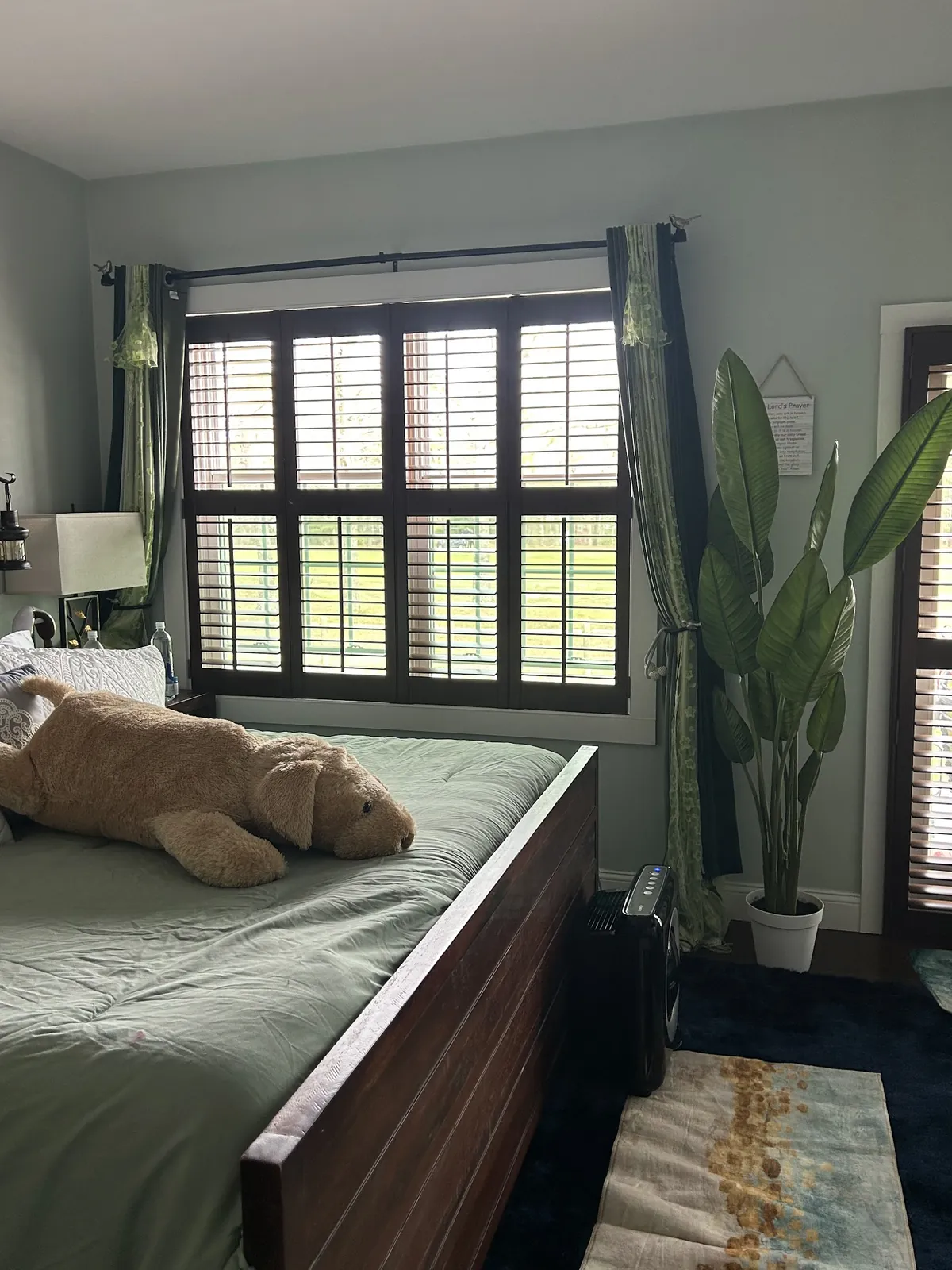
A Family Store, Since 1988
Window Works is a Swansea family business founded in 1988 and now in its second generation. For over 37 years we have dressed windows across the SouthCoast and the Rhode Island East Bay, Barrington’s colonials and mid-century houses among them.
- An experienced team of window treatment specialists
- Every window measured where it stands
- Installation handled by our own team
- In constant contact with you until the job is complete
- Warranties offered on what we supply
A single powder room blind gets the same care as a full mid-century wall of glass or a formal room planned with drapes.
Other Treatments That Pair Well
Blinds sit comfortably next to the rest of what we make. Formal rooms take drapes over blinds, as above. A mid-century den might suit cellular shades for warmth, and a front window in a colonial may look best with shutters. If a blind is not the right choice for a window, we will say so and show you what is. Because everything comes from one store, the treatments for a room can be planned together.
The full list for the town is on our window treatments for Barrington homes page, and the complete blind range is on the custom blinds page.
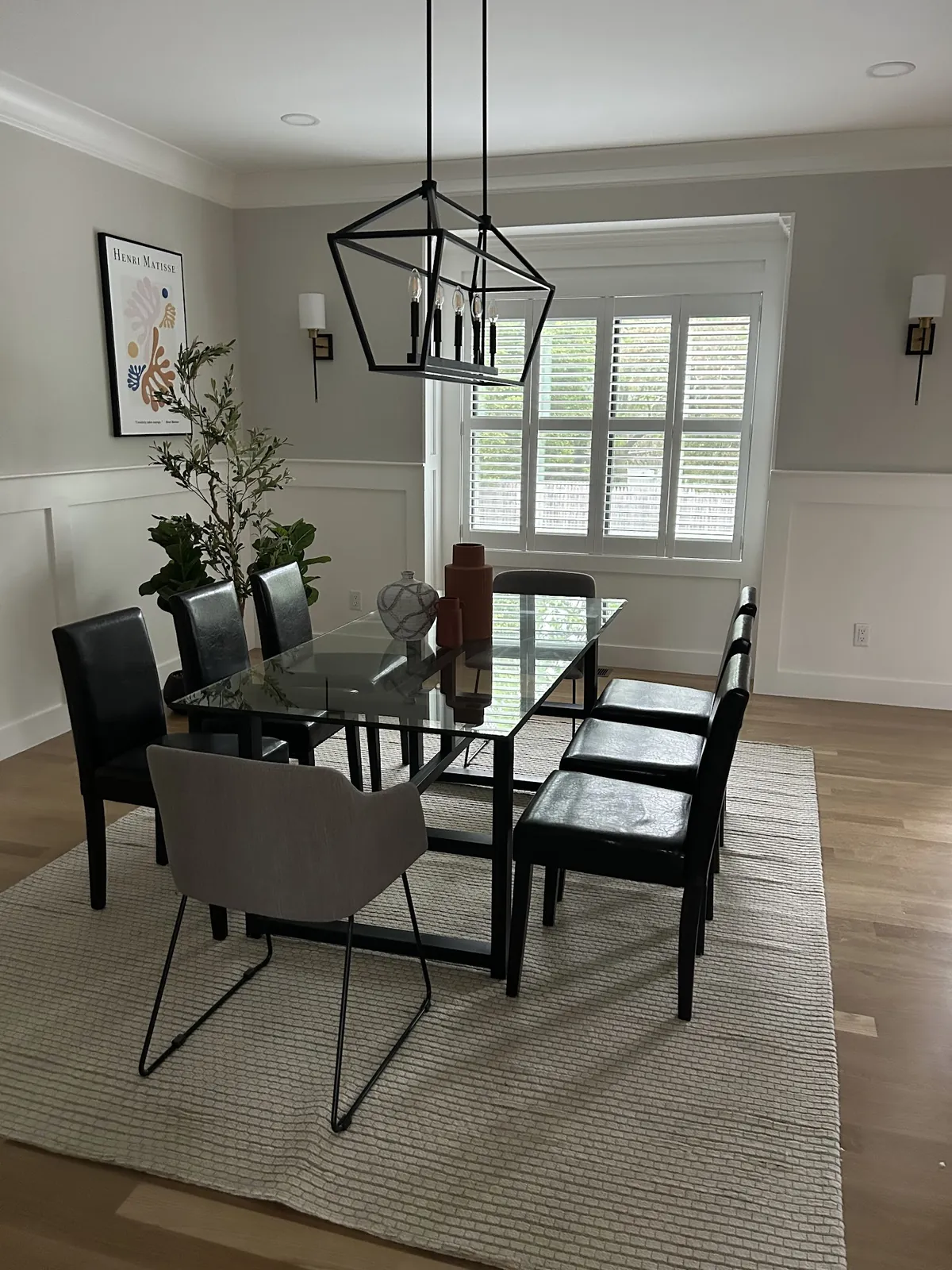

Compare Slats and Fabrics in Swansea
Our Swansea showroom is a short drive from Barrington. You can set a wood slat beside faux wood, see a colour in daylight, try the controls and, if drapes are part of your plan, hold fabrics against the blinds you like.
A photo of the room, a paint chip from the trim or a swatch of existing fabric all help our specialists narrow the choice. The Norman range is on show there too, so those blinds can be seen in person.
Questions from Barrington
Can a blind sit beneath drapes in a formal dining room?
Yes. We fit a slim blind inside the window frame to handle daylight and privacy, and the drapes hang on a rod above it. We check frame depth first so the two do not clash.
What suits a long run of mid-century windows?
Either a row of matching horizontal blinds, one to each section of glass, or vertical blinds on one track where the run includes a slider. Both are measured so every blind lines up.
Our sills are very low. Will a blind get in the way?
No. The blind’s length is set so the bottom rail clears the sill and anything beneath it, and controls are chosen to suit a window that low.
Which material is best for a room on the river?
Faux wood and aluminium handle damp air best. Real wood is better kept to drier rooms such as a study or a bedroom.
How do I get a quote?
Ask for a free quote through the call button or the form on this page and mention the rooms you are planning. We will arrange a visit to measure.
Get Started
Custom blinds in Barrington, RI begin with a free quote. The call button puts you through to the Swansea store to book measuring or ask about installation, or send the form and we will reply. To see samples and fabric first, find the showroom directions on the contact page. Window Works holds a 5.0 rating on Google.