
Why Tiverton’s Water-Side Rooms Suit a Motor
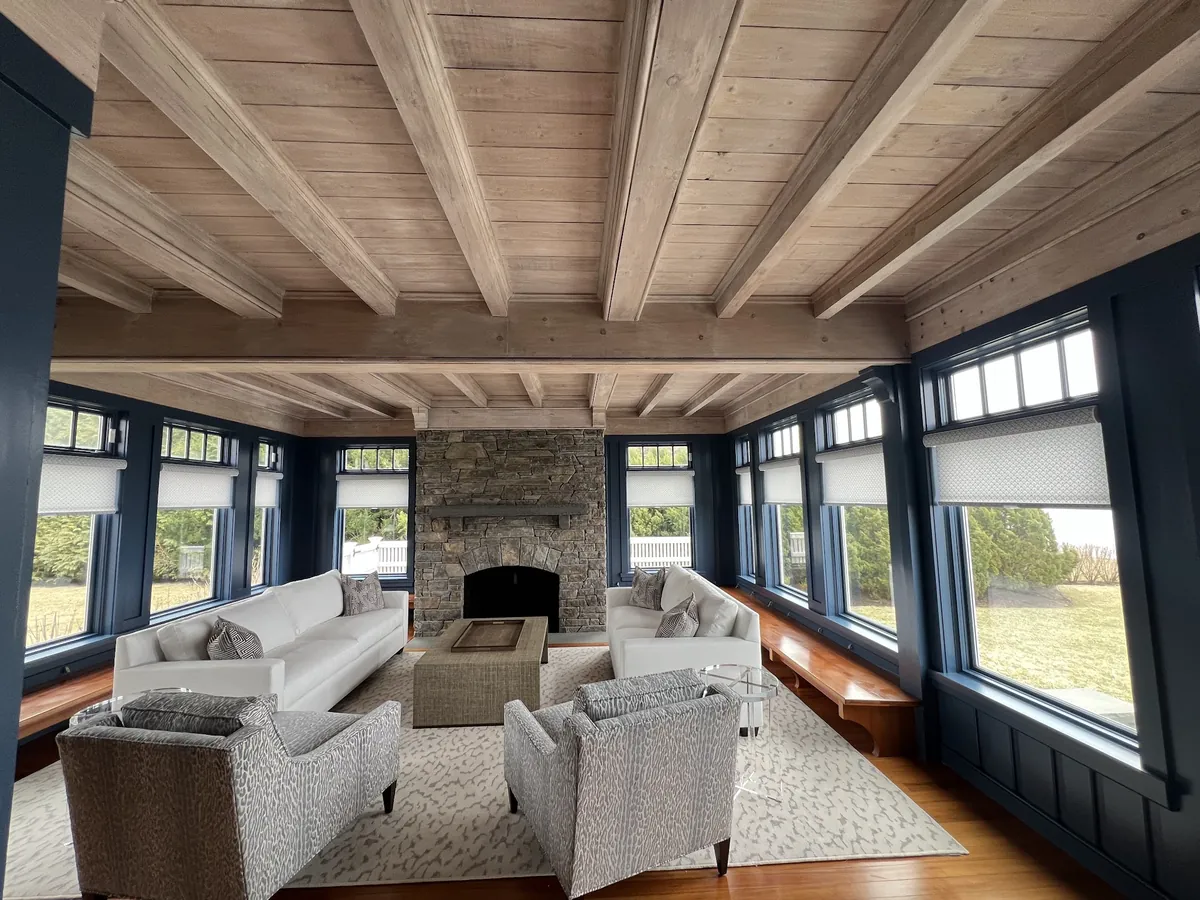
On the waterfront in Tiverton, a room facing the Sakonnet River or Nanaquaket is often more glass than wall. That is the point of the house, and it is also why so many of those windows are hard to manage. There may be eight or ten panes across one side of a living room, some of them tall, some set high, and the light on them changes by the hour. Motorized blinds in Tiverton, RI let you shade that whole side of the room from a remote or a switch on the wall, then open it back up to the water when the sun moves on.
Inland, the farmhouses and shingled capes around Four Corners are older and more sheltered, with smaller windows and fewer of them. A motor is not needed on every window there, but most of these houses have one or two where it helps: a bedroom window under the eaves, a stair window, a kitchen window behind a deep counter.
- Powered by a remote, a wall switch, or both
- Fabrics picked with sun and salt in mind
- Measured on site, fitted and set up by our installers
Tiverton Rooms Where a Motor Pays Off
A wall of river glass
Shades on every pane of a Sakonnet-facing room, lowered from one seat as the afternoon sun comes across the water.
Pond-side living rooms
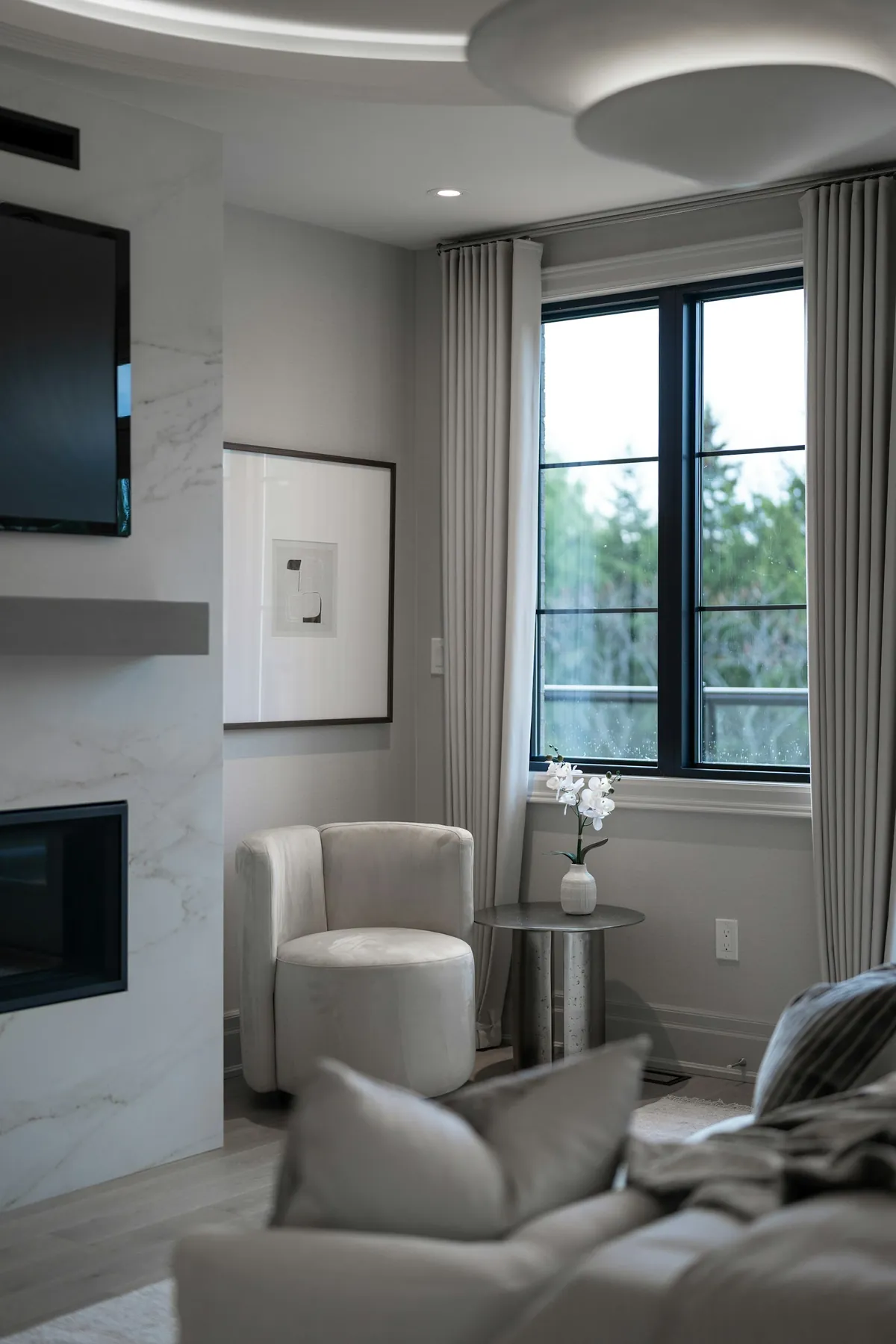
Big windows on Nanaquaket, where the view stays the priority and the shades only come down when the glare does.
Eaves bedrooms in a cape
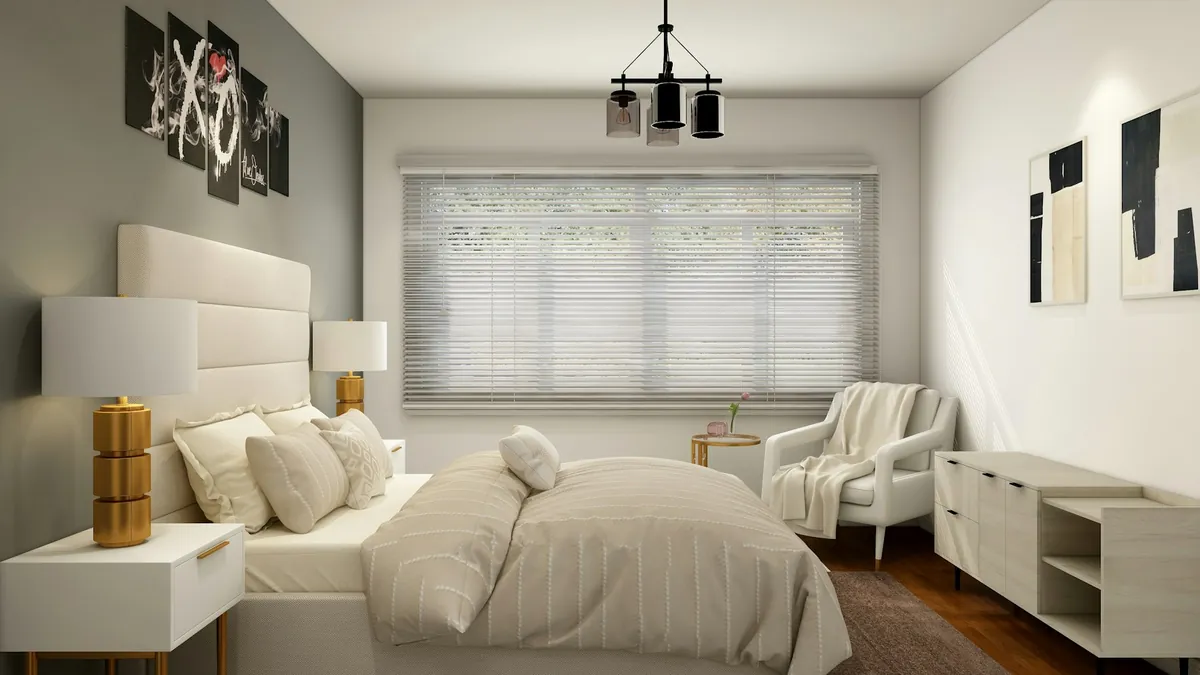
Small windows tucked under a sloping roof, hard to reach past a bed or a tub.
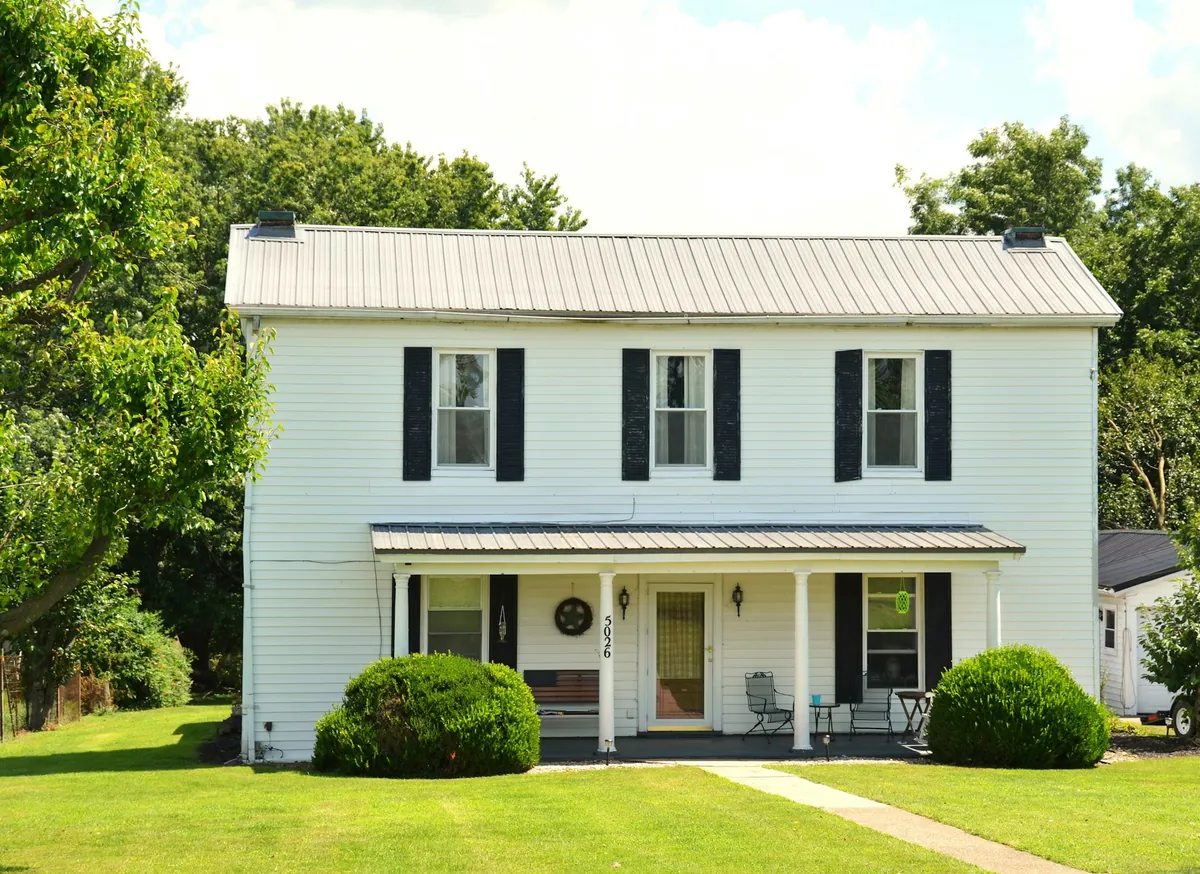
Farmhouse stairs
The window on the stair or landing of a Four Corners farmhouse, closed from a switch as you go up.
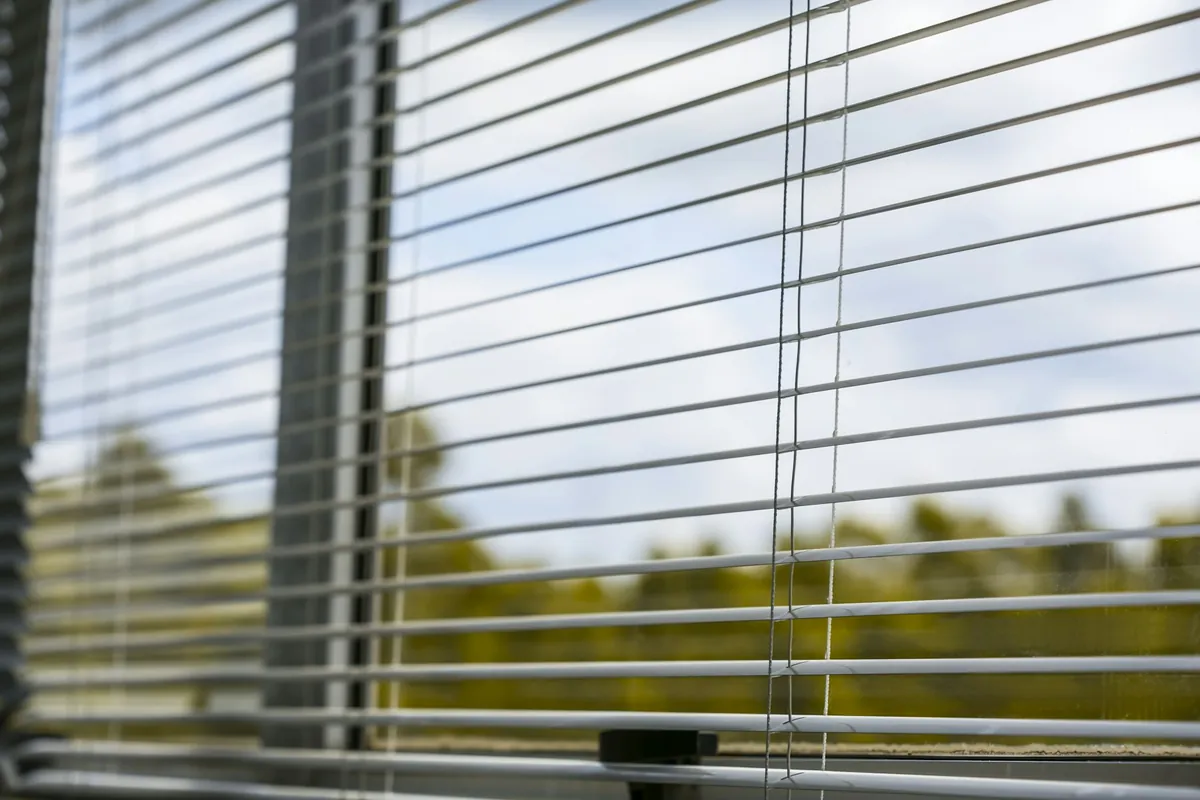
Control from your chair
A remote within reach, so the light is adjusted from where you sit.
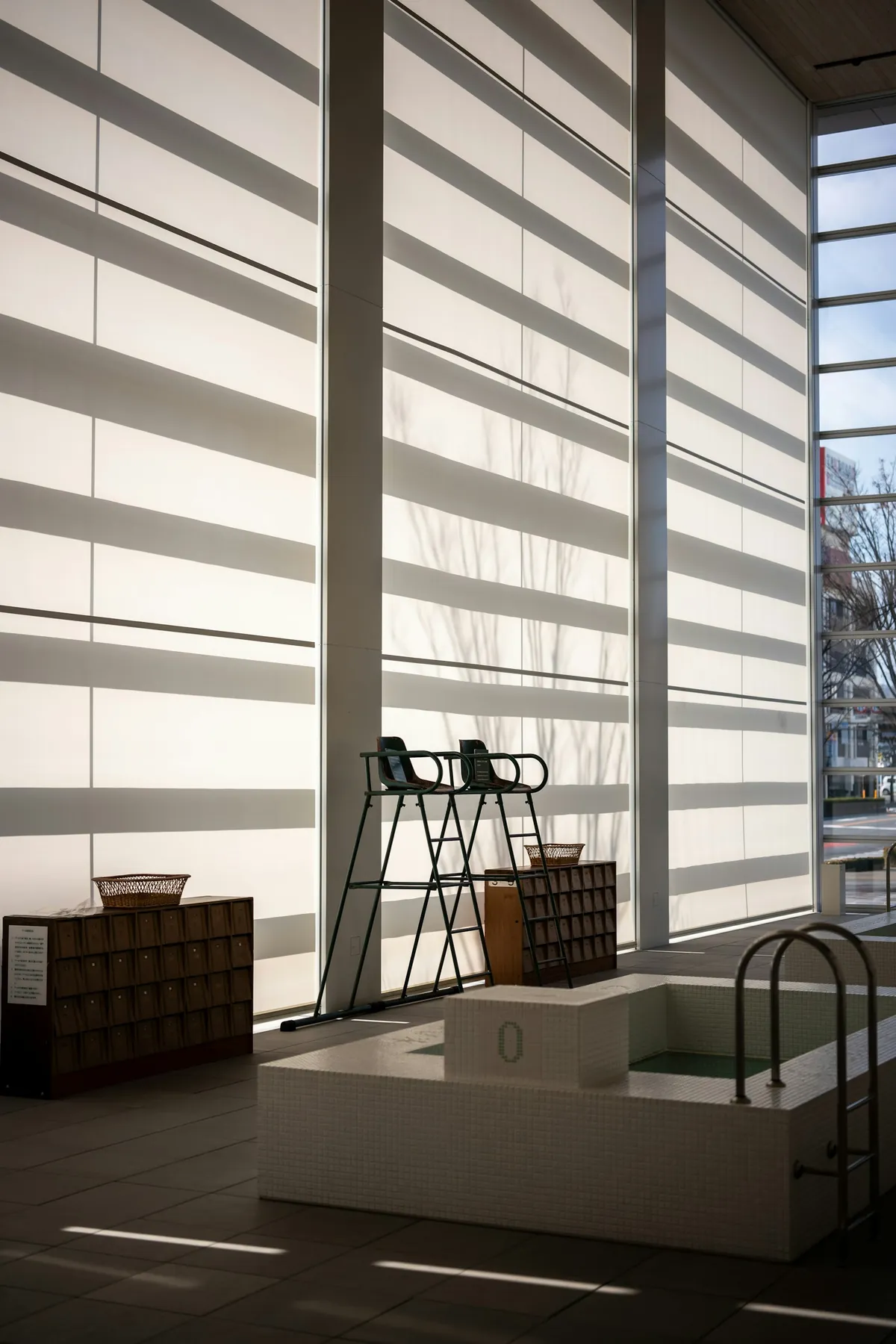
Control at the door
A switch beside the doorway for the rooms you open up in the morning and close at night.
Sun, Salt and Motorized Blinds in Tiverton, RI
Choosing motorized blinds in Tiverton, RI for a waterfront room starts with the fabric, not the motor. Rooms on the water are glazed heavily and exposed. Sun arrives straight through the glass and again off the surface of the river, and salt rides in on the breeze whenever a window is open. Whatever hangs at those windows has to cope with both, year after year.
Light off the water
Reflected light is the part that surprises people who have not lived by the water. On a bright afternoon, the glare off the Sakonnet or the pond can be stronger than the sun itself, and it comes in low, under the eaves and straight across the room. It fades upholstery and floors near the glass and makes a television or a screen hard to see. A fabric that cuts glare while keeping some of the view can take the edge off without hiding the water, which is usually the point of having the windows at all.
What salt asks of a shade
Salt air settles on anything near an open window. Some fabrics and finishes handle it better than others, and a shade that is motorized will be in use more often than one left in a single position, so it is worth getting right. We talk through what suits a room by the water when we measure, and you can see and handle the options at the Swansea showroom before choosing. Our coastal window treatments guide covers the fabric side in more depth.
Why the motor matters on the water side
On a river-facing wall, the sun works its way along the glass through the day. Shading by hand means walking the length of the room every time it moves, so in practice the shades get left down and the view disappears, or left up and the room bakes. With powered shades, you lower the bright end and leave the rest open, then reverse it later. The water stays in view for more of the day, and the room stays comfortable.
Waterfront Houses on the Sakonnet and Nanaquaket
The waterfront houses along the Sakonnet River and around Nanaquaket vary a great deal, from older shingled houses that have been opened up to the water to newer houses built around big windows. What they have in common is a water side that is mostly glass.
On the older houses, the water-side glass was often added later, in a renovation or an addition, and the framing above it can be tight. On the newer houses, windows sometimes run nearly to the ceiling. Either way, the motor sits inside the headrail, so the space above each window decides what will fit cleanly. We measure that space at every window rather than assuming one size suits the whole wall.
Some of these rooms also have high windows above the main ones, set into a gable or a raised ceiling. They are almost never covered by hand because they are out of reach, and they let in the strongest of the morning or afternoon sun. A powered shade lets you finally dress them, run from a switch by the door.
On a porch that has been closed in with windows, the same logic applies at a smaller scale: many panes, all facing the weather, all awkward to reach behind outdoor furniture. Shading the porch without squeezing past the furniture to each pane makes it usable on a bright afternoon.
Evenings and privacy on the water
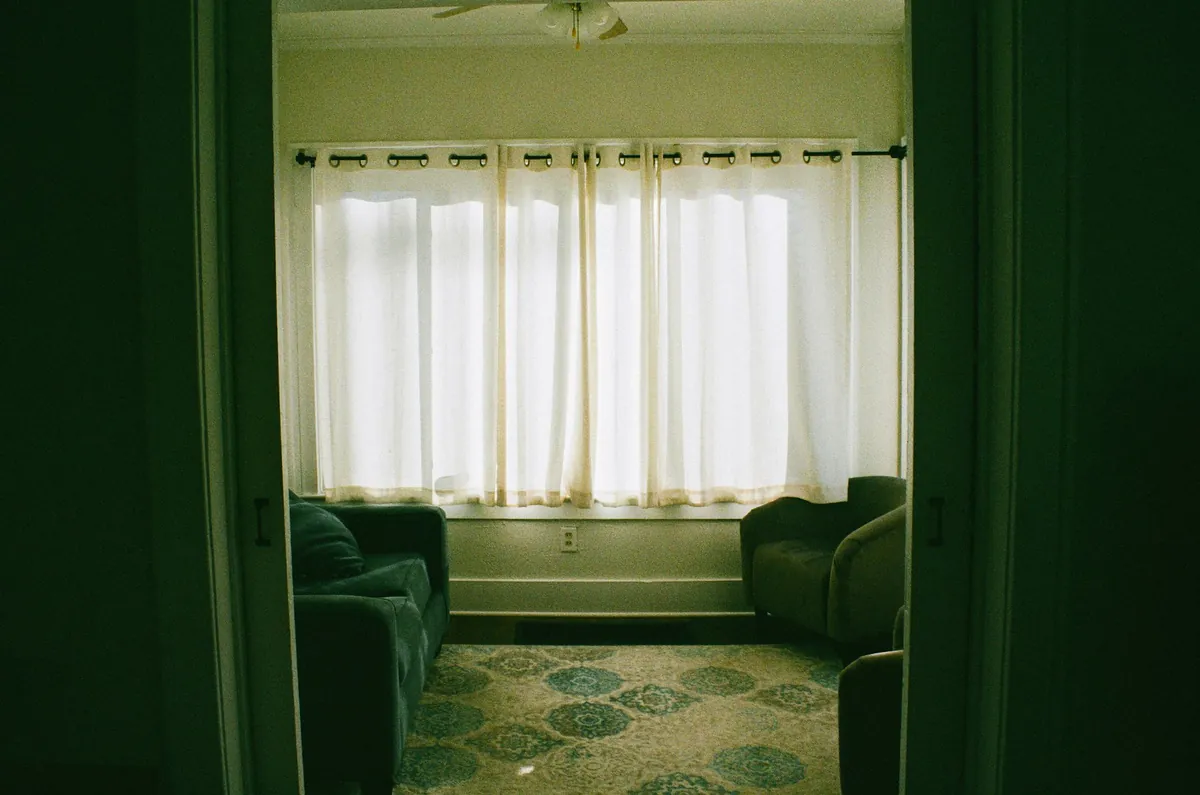
A house that faces the river is open to the water by day, and after dark the picture turns around. With the lamps on, a wall of glass becomes a lit stage visible from boats, from the far shore and from neighbours along the bank. Closing every shade on that side by hand at dusk is a chore that often gets skipped. With powered shades, it is one action from the sofa or a switch on the way past the door.
Mornings on the water side bring a quieter version of the same question. You may want the shades open to watch the river in the early light, or closed so a bedroom facing the water stays dark longer. A remote on the nightstand settles it either way without getting up. Guest rooms on the water side benefit too, since a visitor can manage the shades from bed without hunting for a cord in an unfamiliar room.
Through the seasons
The light on the Sakonnet and Nanaquaket shifts with the time of year as well as the time of day. In summer the sun is high and the glare off the water is fierce through the middle of the afternoon. In winter the sun sits low and comes straight in under the eaves, and on a clear day it can warm a water-side room nicely, which is worth letting in. Powered shades make it easy to follow those changes, lowering in the heat and opening up when the low winter sun is welcome. When planning motorized blinds in Tiverton, RI for a waterfront room, we think about both seasons, not just the bright day of the measuring visit.
Farmhouses and Shingled Capes around Four Corners
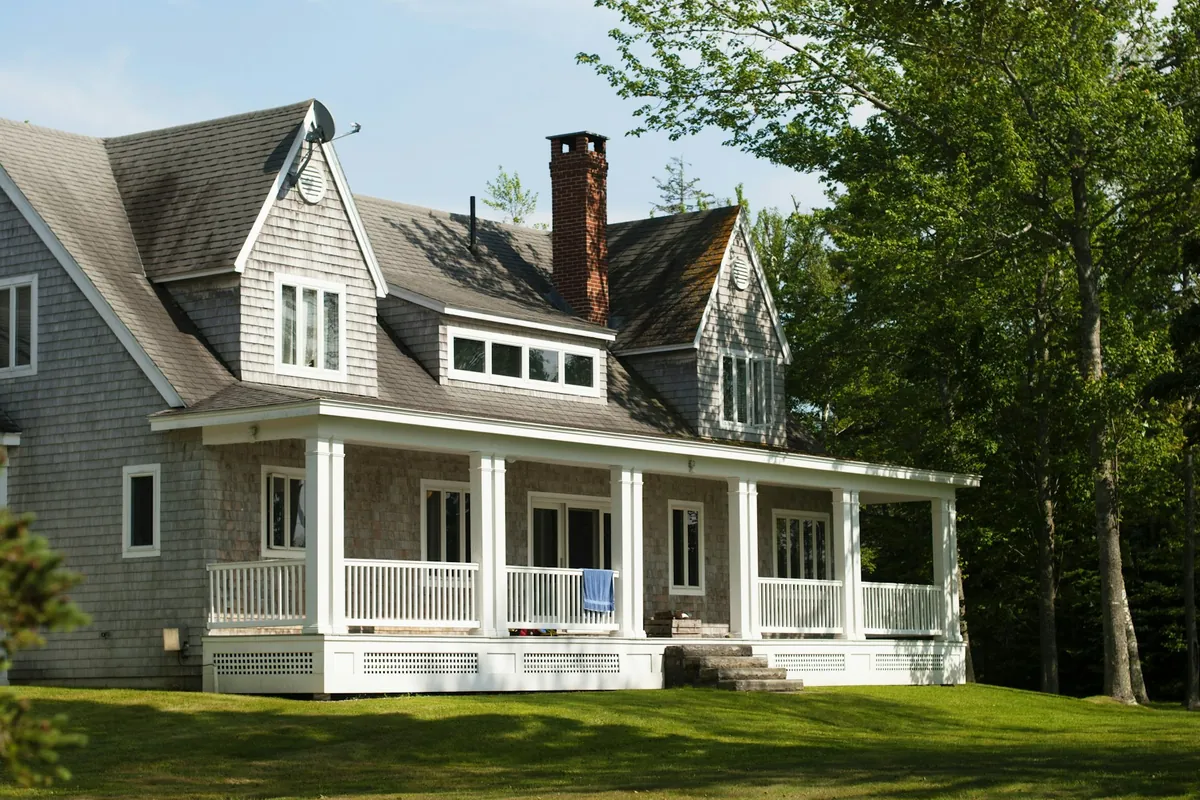
The farmhouses and capes around Four Corners are a different job. They sit back from the water, the windows are smaller and more traditional, and the light is gentler. Most windows in these houses work perfectly well by hand.
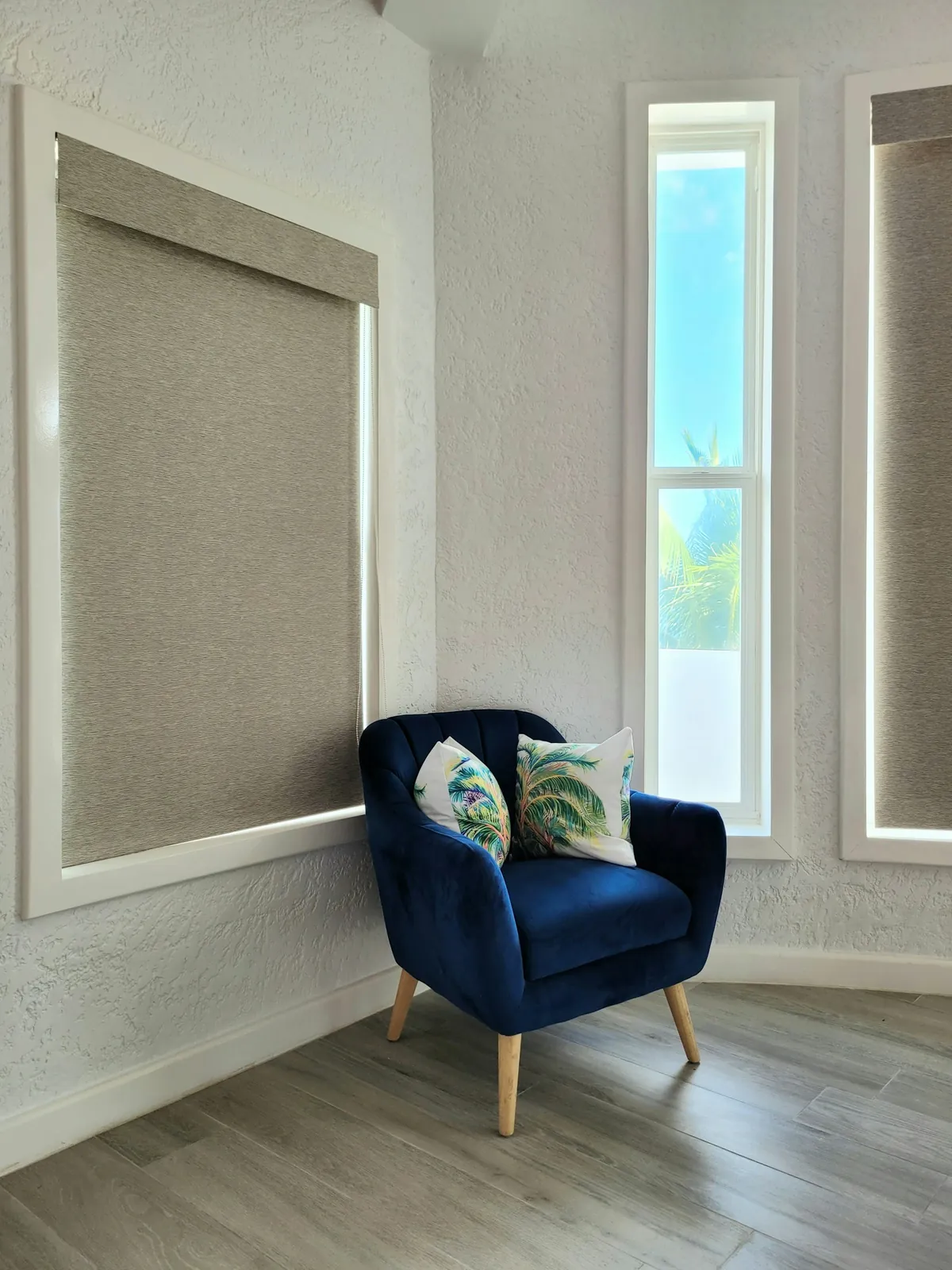
The exceptions are worth knowing. In a shingled cape, the upstairs bedrooms sit under the roof, and their windows are tucked into dormers or set low in the gable wall. With a bed or a chest of drawers in front, the cord is a stretch. A remote on the nightstand solves it. In a farmhouse, the window on the stair landing is often the one left bare, because covering it means leaning over the banister. A switch at the foot of the stairs runs it as you go up.
Some of the farmhouses have grown over the years, with a family room or a kitchen added at the back and fitted with larger, newer windows than the original house. That addition is often the brightest room in the place and the one with the most glass, so it is the natural spot for powered shades, while the original rooms at the front keep their hand-operated ones in a matching fabric.
Inland houses with open views
Not every house near Four Corners is tucked among trees. Some sit on open land with fields around them, and the windows on the open side take the full sun and the full view of the road, with nothing to screen either. In rooms like that, privacy after dark matters as much as glare by day, and a switch by the door that closes every shade in the room as the lamps go on is a simple answer.
Older houses also have older frames, which are rarely square and often shallow. We check each window’s depth when we measure. Where the reveal is deep enough, the shade tucks within it and the old woodwork around the window remains visible. Where it is too shallow, we mount above the casing instead, with a headrail cut to the casing’s width.
The Order, Step by Step
We stay in contact with you the whole way, from the first call until the last shade is running. A Tiverton order usually goes like this.
- Book a free quote by calling the Swansea store or sending the form, and tell us whether the windows face the water or sit inland.
- We come to the house to measure each window, check the space above the glass and note what stands below it.
- You pick the fabric and colour at the showroom, where you can hold samples up to the light and compare them for sun and salt.
- Room by room, we settle which windows get a motor and whether each room is run by remote, wall switch or both.
- You get a quote that lists every window.
- Your blinds and shades are made to the sizes we took.
- Our installers hang them, set up the controls and go over how to use them before they leave.
Remote or switch in a Tiverton house
On the water side, where you tend to sit and watch the river, a remote kept by the sofa is usually the most useful control. It lets you follow the light without getting up. In a farmhouse or cape, with separate rooms and stairs, a switch by the door suits better, because you set the shades as you come and go. Some rooms benefit from both. We ask how you use each room and suggest what fits. A water-side room with doors out to a deck often gets a switch by those doors as well, so the shades can be raised as you step out in the morning and lowered as you come in at the end of the day, without crossing the room to find the remote.
Matching the windows you leave alone
Most houses mix powered and hand-operated shades. A waterfront living room might be motorized while the bedrooms keep ordinary controls. We choose the same fabric and colour for both where it makes sense, so the house looks consistent from inside and from the water. Our roller shades in Tiverton page covers one of the most common starting points, and the window treatments for Tiverton homes page shows everything else we offer in town.
No cords on a long run of windows
A wall of hand-operated shades means a row of cords hanging beside the glass. Powered shades have none, which is tidier on a long run of water-side windows and leaves nothing loose for small children or pets to reach.
Where the switches go
A wall switch only helps if it sits where your hand already goes. In a waterfront living room, that is usually beside the main light switch at the door you use most, or by the doors out to a deck. In a farmhouse, it is at the foot of the stairs for a landing window, or just inside a bedroom door. On the measuring visit we look at each wall you might use, check that it is clear of doorframes and furniture, and agree the spot with you before anything is ordered.
We also look at what stands in front of each window. A window seat, a radiator, a deep sill with shells or plants, a casement handle that winds out into the room: each one affects where a shade should stop on its way down. On the water side, where some windows are opened all summer for the breeze, we plan the stopping point so a shade never comes down onto an open sash.
Keeping them in good order by the water
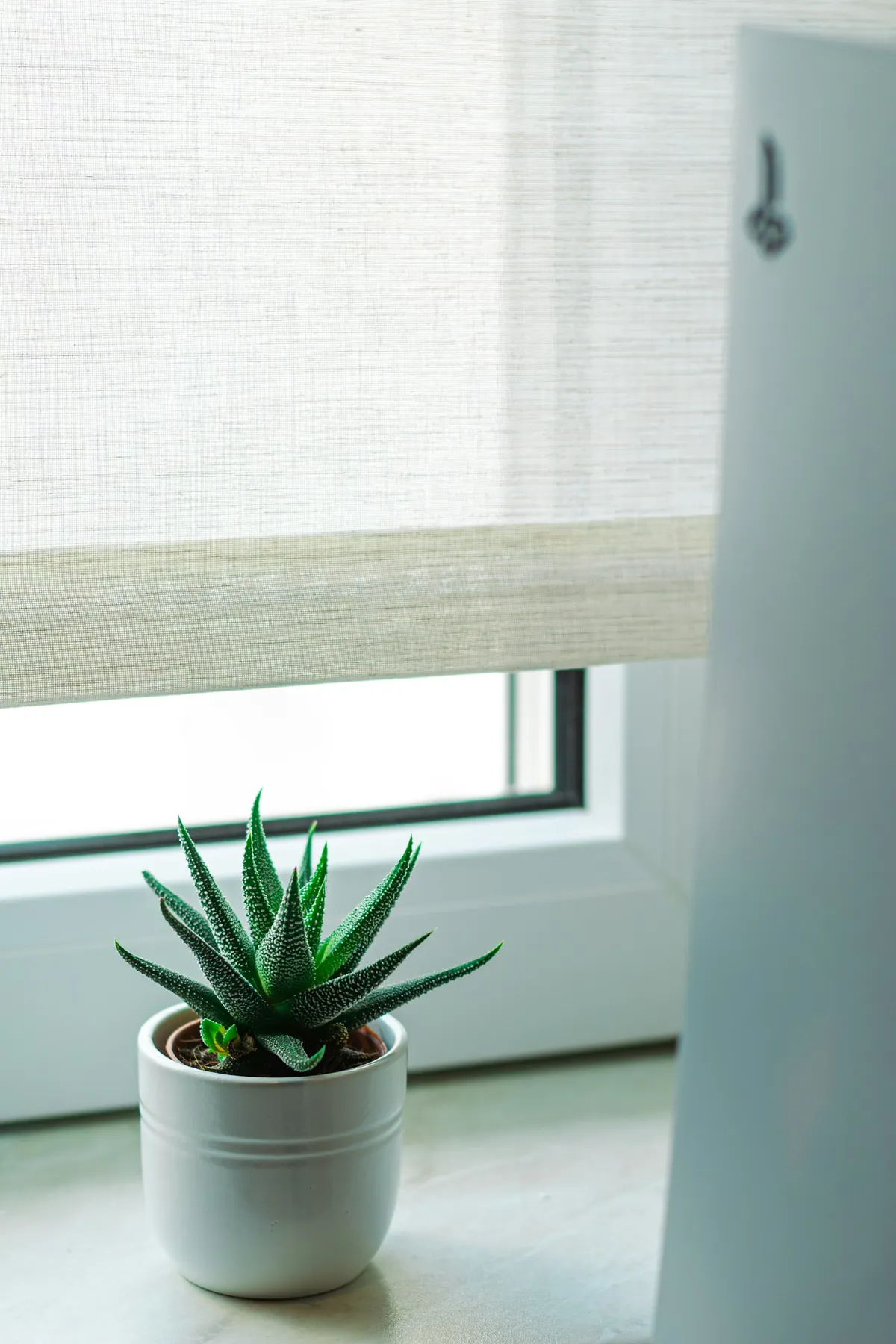
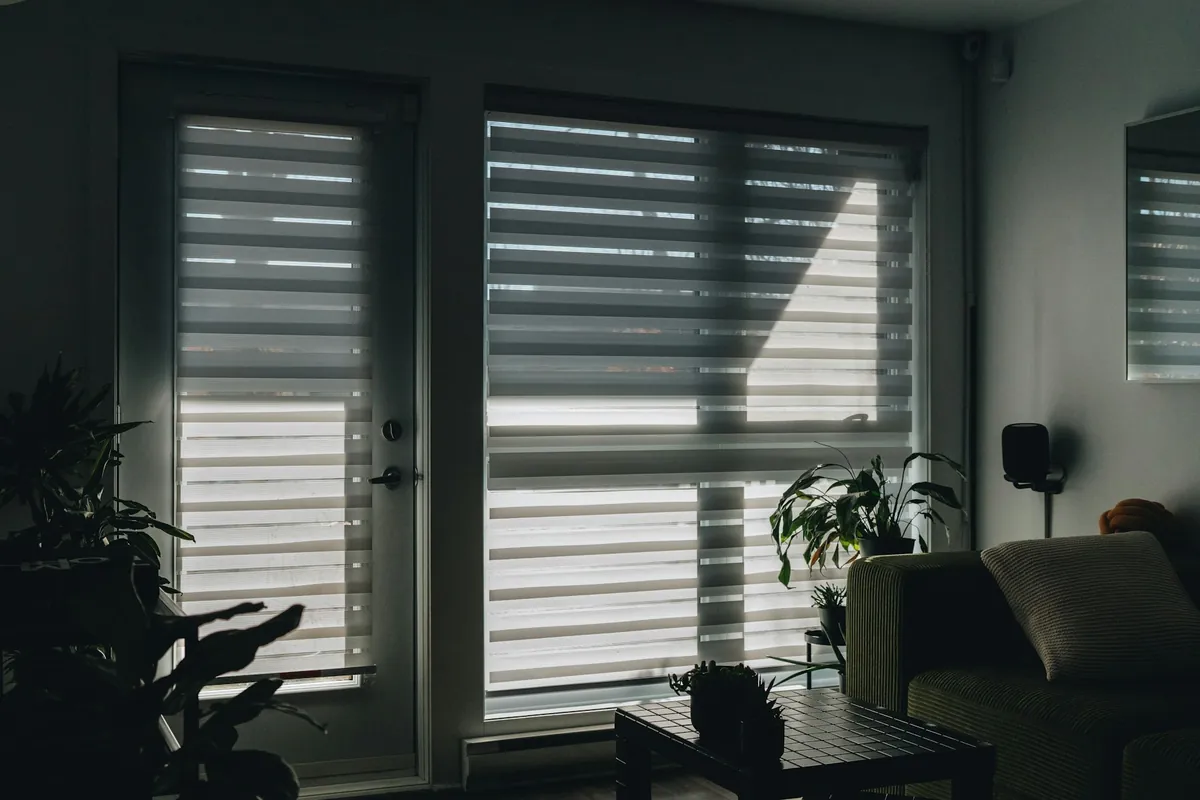
Salt and sun are the two things to watch. Dust the fabric lightly, and wipe it with a damp cloth only where the material allows. After a stretch of windy weather with the windows open, a light dusting of the shades on the water side keeps salt from building up. Give the shades you hardly touch a full trip down and back up once in a while. If one begins to run crooked or slow, call the store, tell us which window it is, and we will look into it. For the service as a whole, see our main motorized blinds page.
What Sets Window Works Apart
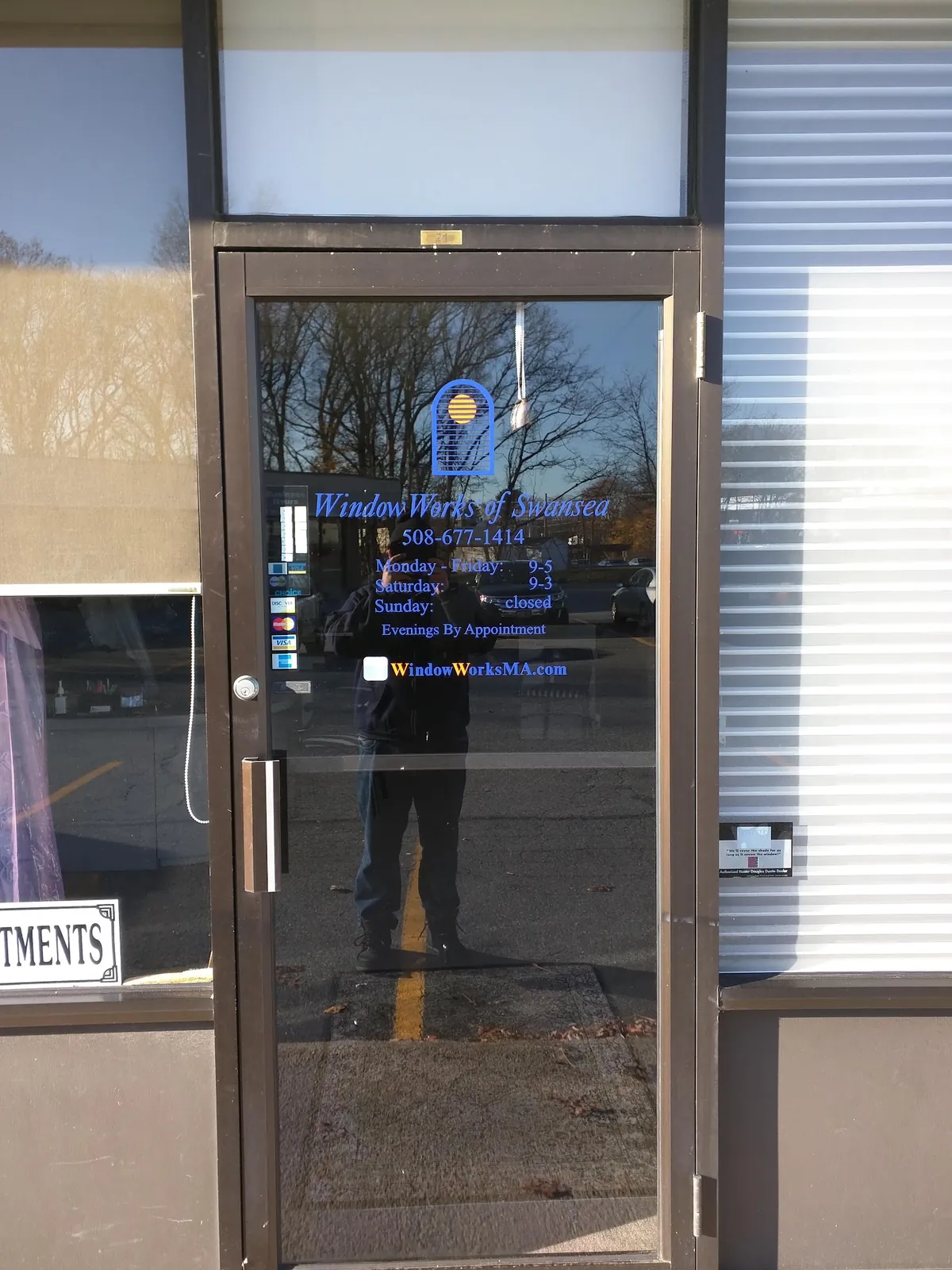
Window Works has been a family store in Swansea since 1988, run today by the second generation. For over 37 years we have worked across the SouthCoast of Massachusetts and the Rhode Island East Bay, Tiverton included, a short drive from the showroom.
- Window treatment specialists with long experience
- We measure at the house, and our own installers fit every shade
- Warranties are offered on the products we sell
- We keep in touch until the job is done
- A showroom where fabrics can be compared side by side
Questions from Tiverton
Which fabrics hold up in a room facing the Sakonnet?
It depends on how much sun and salt the room takes. We talk it through when we measure, and you can compare the options in the showroom before choosing.
Can you cover the high windows above a water-side wall?
Yes, where there is room for the headrail. A powered shade is often the only practical way to cover glass that high, and a switch at the door runs it.
Does a farmhouse or cape need every window motorized?
No. Most inland houses only power one or two awkward windows, such as an eaves bedroom or a stair landing, and keep ordinary controls elsewhere.
Will a motorized shade fit an old, shallow window frame?
We check each frame. If it is deep enough, the shade fits inside and the trim stays visible. If not, the headrail sits above the trim.
How do I arrange a quote in Tiverton?
Quotes are free. Use the call button or the form, tell us about the windows, and we will book a time to measure.
When You Are Ready
The simplest way to start with motorized blinds in Tiverton, RI is a free quote. Press the call button to speak with the Swansea store, book measuring in your home or ask about installation, or send the form and we will be in touch. If you would like to compare fabrics for a water-side room first, come into the showroom; the contact page shows the way. Window Works carries a 5.0 rating on Google.