
Old Sash, New Glass, One Room
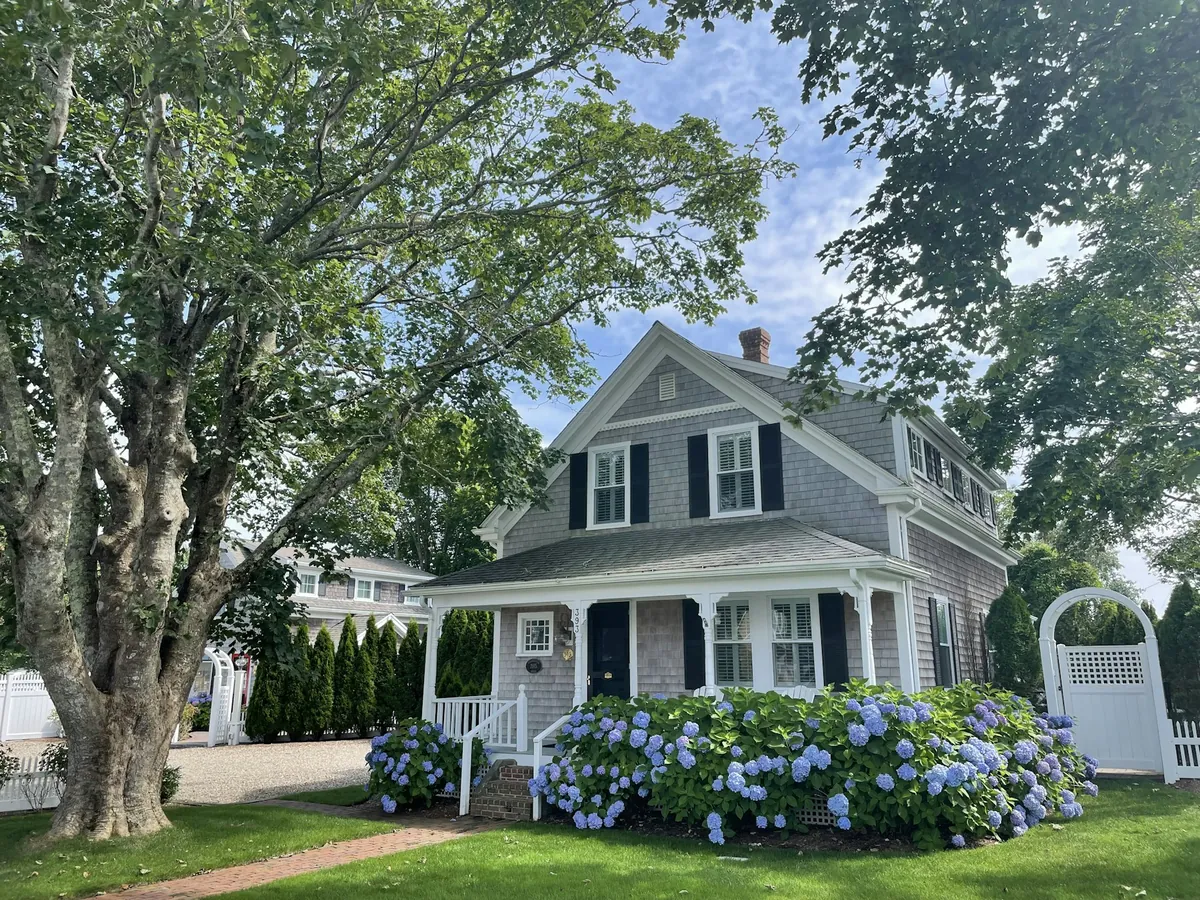
Walk into many Dighton houses and you find two centuries of window in one room. A farmhouse or cape on Main Street or Somerset Avenue may keep its original nineteenth-century sash on one wall, while an addition or a renovation has put a modern picture window, a slider or a set of French doors on the next. Getting custom drapes in Dighton, MA right is often about making those two kinds of window look as though they belong together.
Fabric is very good at that, and fabric is what Window Works does best. Drapery is the store’s specialty, and every order starts with the cloth, then works out to the lining, the heading, the rod and the length for each window in the room. The river lots along the Taunton River and the quieter, older streets across town each add their own considerations.
- Drapes and curtains made from the fabric you choose
- Old and new windows measured one by one at your house
- Hung and dressed by our own installers
Drapes and Curtains for Dighton Homes
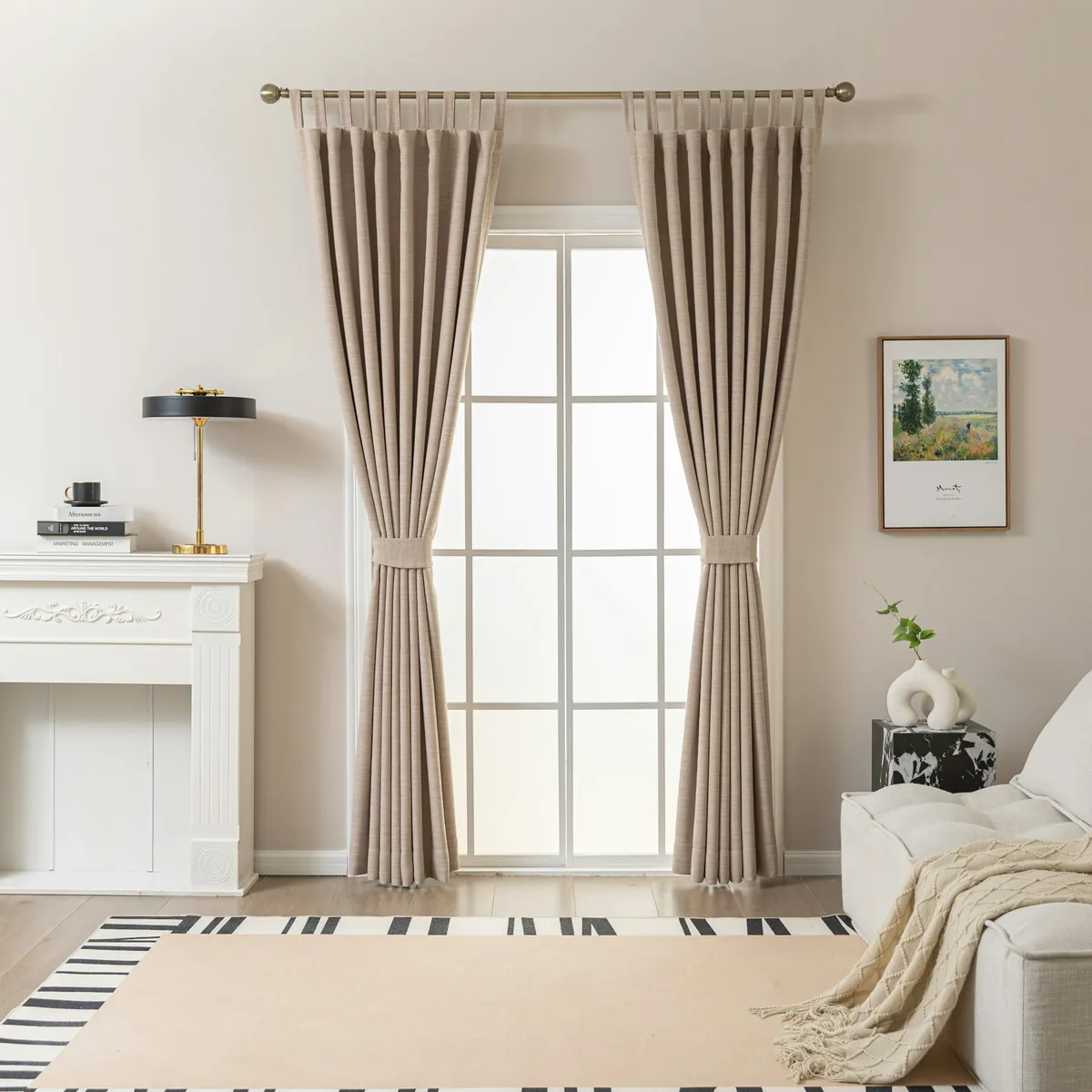
Pleated panels for new glass
Full, tailored drapes that give a wide modern opening a finished edge and soften the glass when drawn.
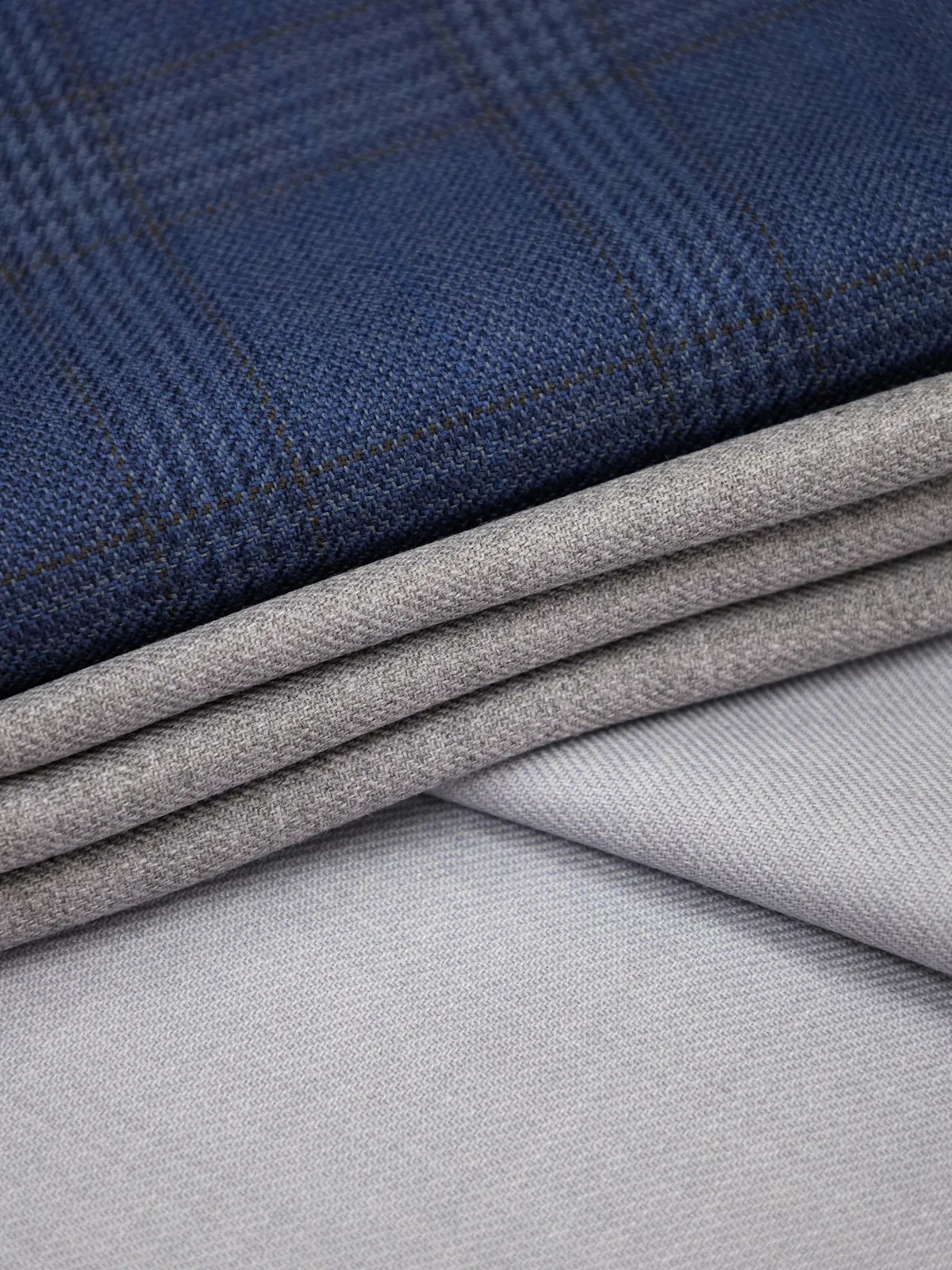
Country checks and plaids
Woven patterns that suit a farmhouse kitchen or a cape bedroom, and sit happily beside old painted trim.
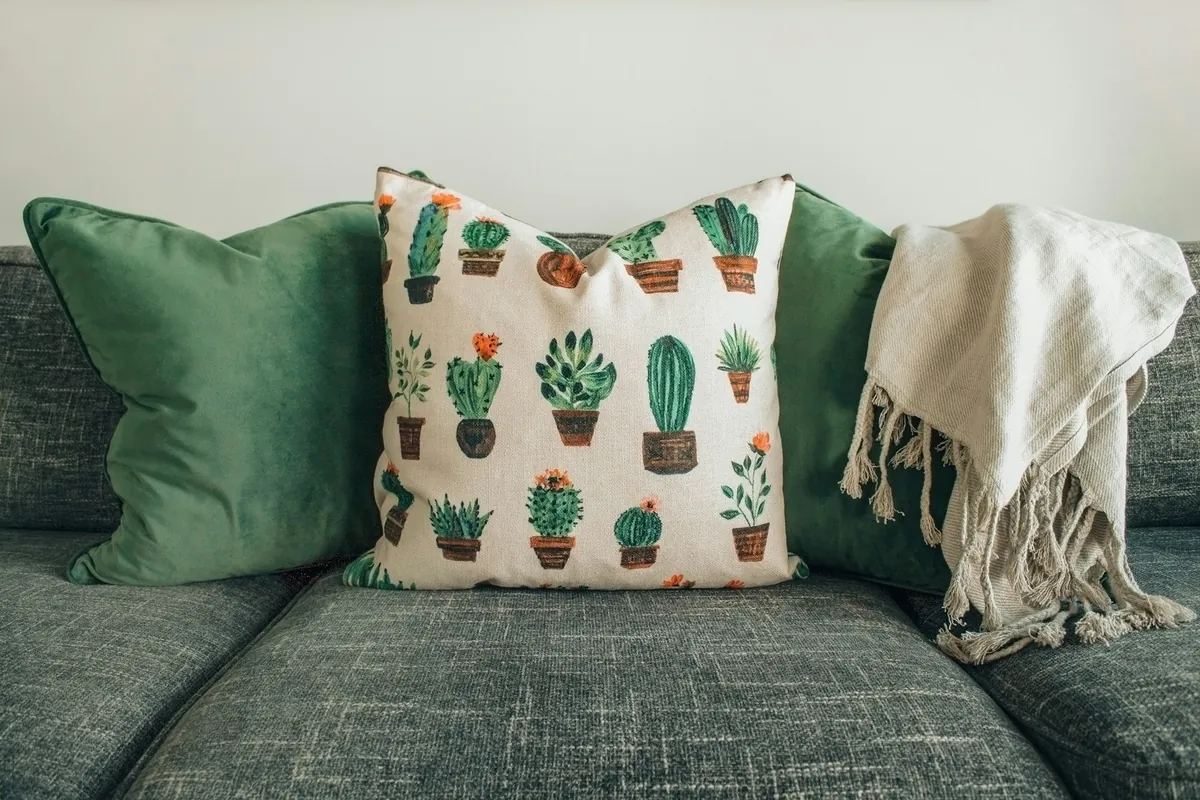
Pillows and cushions
Fabric that carries from the curtains to the sofa or a window seat, made through our fabric decor service.
When One Room Has Two Kinds of Window
The most common drapery puzzle in Dighton is the room that mixes old and new. The original sash is tall and fairly narrow, set in trim that has been painted many times. The addition’s window is wider, squarer and often lower to the floor, or it is a slider or a pair of glass doors. Put a standard curtain on each and the room looks like two rooms stitched together.
There are a few ways to pull them into one.
Same fabric, same height
The simplest is to use one fabric and set every rod at the same height across the room, regardless of where the window tops fall. The eye reads the line of headings as one level, and the floor-length panels below hide the difference in window heights. The older sash may need panels that stop a little higher off the trim, the new glass panels that run wider, but the fabric and the top line stay constant.
Same fabric, different widths
Where the old windows are small and the new opening is wide, the panels on each are sized to suit. The narrow sash gets a slim pair that frames the trim, the wide glass a fuller pair that can close right across. Because the fabric, the lining and the length match, the room still reads as one.
Drapes on the new glass, something lighter on the old
Sometimes the best answer is to let the old sash show. The original windows get a shade or a short curtain that leaves the trim on display, and the drapes go on the new opening where the glass needs softening. Using a related fabric on both, the curtain in a lighter weight or a plain cloth that matches the drape’s background colour, keeps them talking to each other.
We look at the room as a whole on the measuring visit, not one window at a time, so the plan works for the whole wall.
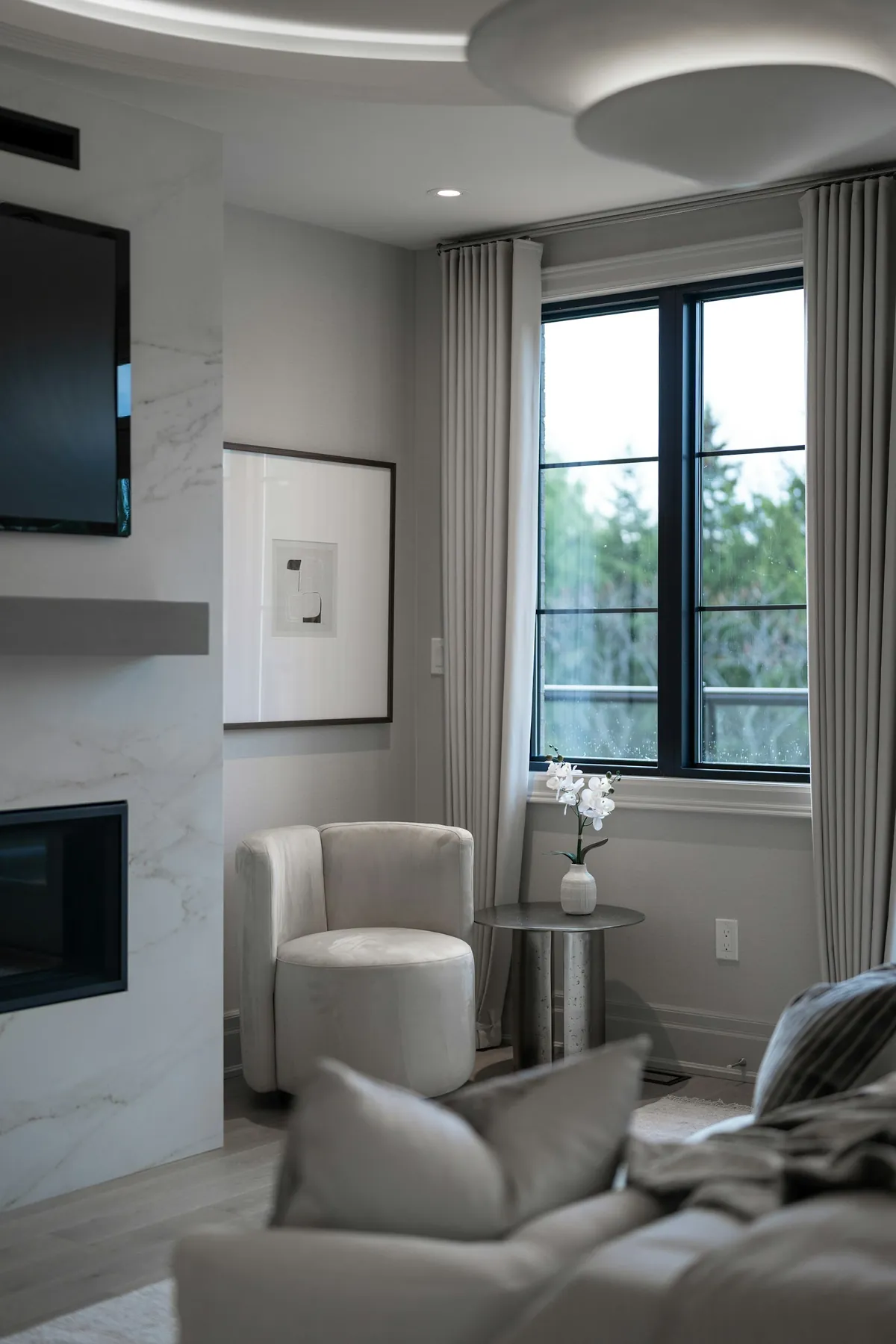
Choosing Custom Drapes in Dighton, MA, Fabric First
Every pair of custom drapes in Dighton, MA starts with the same question: which cloth? The fabric decides the drape’s character, its weight, its colour in your light and how well it will cope with the window it covers.
For the farmhouses and capes, natural fabrics tend to feel right. Linen and cotton have a simple, honest quality that suits old floors and plaster walls, and they come in plains, checks, stripes and small prints that sit well in rooms of this age. In a parlour or dining room with a fireplace, a heavier weave or a velvet gives warmth and a sense of occasion.
In the newer additions, with bigger glass and cleaner lines, a smoother fabric or a sheer often looks better. If the addition opens off an old room, choosing a fabric with a little of both, a linen in a modern colour, say, or a classic check in a contemporary scale, can bridge the two spaces.
The Swansea showroom has the fabric range to see and handle in daylight. It helps to bring a photo of the room, ideally showing both the old and the new windows, and anything you want the drapes to work with, such as a rug, a cushion or a paint card.
Farmhouses along Main Street
Dighton’s older farmhouses along Main Street often have generous rooms with tall, traditional windows and deep trim. They carry drapery well. Floor-length panels hung from just below the cornice or a little above the trim give a front room height and presence, and a pleated heading in a linen or a heavier weave looks right in a house of that age.
Bedrooms in these houses frequently face more than one direction, with windows on two walls. Matching panels on every window keep the room calm, and a darker lining on the side that catches the morning sun lets you sleep later in summer. Kitchens and back rooms, often added onto over the generations, may mix window sizes and suit simpler curtains that are easy to draw.
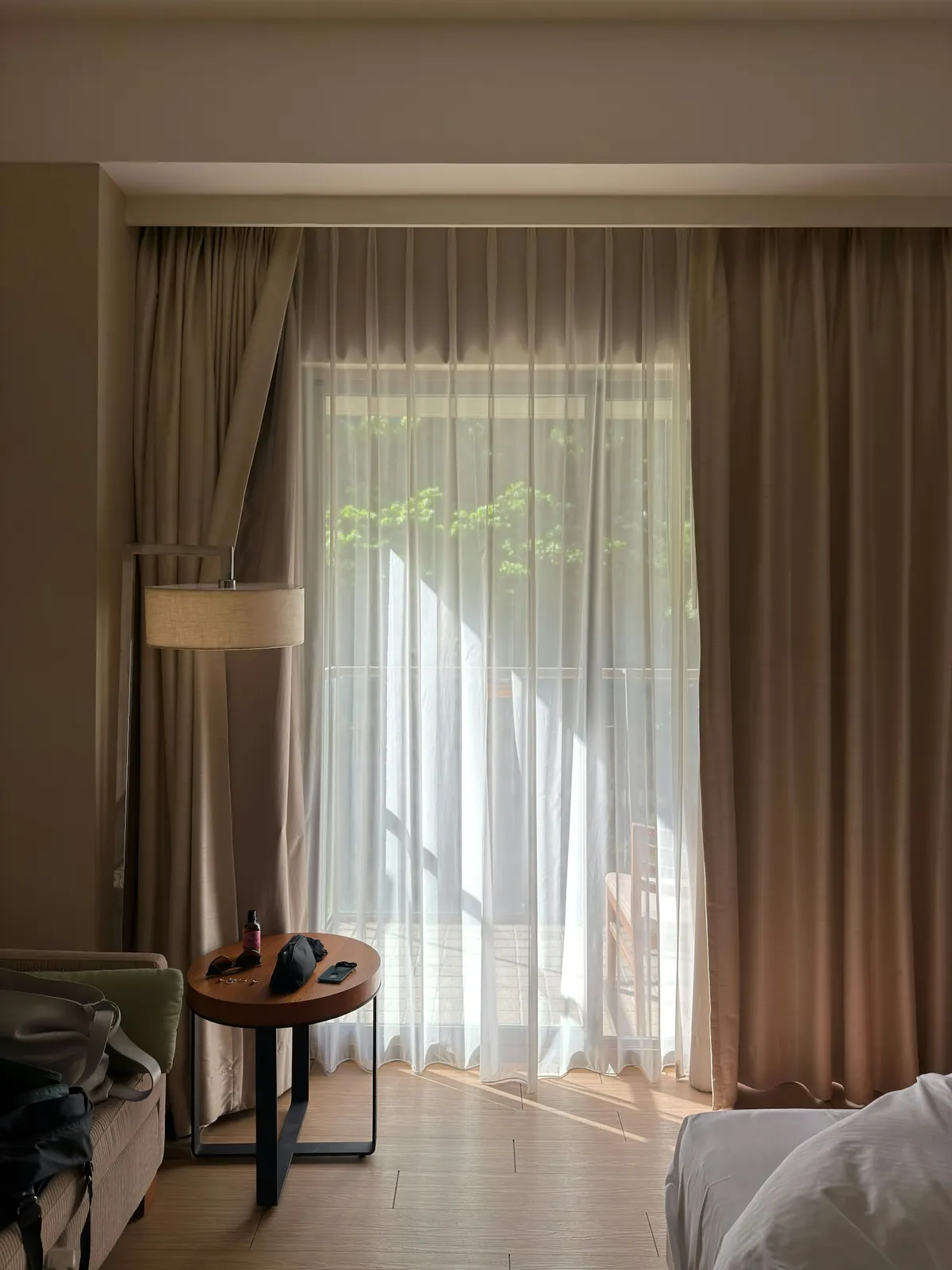
Capes along Somerset Avenue
A Somerset Avenue cape packs a lot of variety into a small house. The ground floor usually has one good-sized living room window and a kitchen window over the sink. The upper floor is built into the roof, so its windows peek out of dormers, and the ceilings slope down toward the eaves.
In the living room, the trick is to make a modest window feel generous. Carry the rod out onto the wall on both sides, by a hand’s width or more, and the curtains can be pushed back off the glass entirely; the window looks wider, and you lose no light. If the ceiling allows, lift the rod too. Panels that start higher and fall to the floor stretch the room upward.
The dormers upstairs need a different plan. Because the glass sits deep in a narrow recess, with sloping walls closing in on each side, there is rarely room for a pair of full drapes to open. Three options usually work: a café-length curtain on a slim rod within the recess, one panel pulled to whichever side has more space, or curtains on the bedroom wall in front of the dormer, framing the opening as a whole. Which is best depends on how deep the dormer is and what sits beneath it, and that is something we judge in the room.
In the kitchen, a short gathered curtain is practical and easy to wash, and it leaves the counter clear.
River Lots on the Taunton River
The houses on the Taunton River lots have the water as their main view, and many of them gained wider glass to make the most of it, sometimes in the same addition that brought modern windows to the rest of the house. River-facing rooms get strong light, especially in the afternoon, and that affects the fabric.
Sun fades fabric over time, and reflected light off the water adds to it. A lining protects the face fabric and helps the drape keep its colour, and paler, natural tones show gradual change far less than strong, dark ones. A sheer drawn across the glass in the brightest hours cuts the glare while leaving the river in view, and a heavier drape on the same double rod closes the room in at night.
On a wide river window, we plan where the open fabric will gather so the view stays clear. That often means a long rod that extends well beyond the frame, or stationary panels at the ends of the wall with a shade doing the day-to-day work behind.
Sliders and French Doors in the Additions
Many additions open onto a deck or a patio through a slider or a pair of French doors. Drapes on these openings need to let the doors work.
For a slider, a rod that runs past the frame on the side the door opens lets the panel be drawn fully clear, so the door slides without catching. A single panel that draws away from the handle is often easiest. For French doors that swing inward, the rod needs to sit high enough and wide enough that the doors open freely beneath and beside the drapes. On both, a hem that stops just above the floor keeps the fabric out of the way of feet, the track and the threshold.
A heading that glides easily, such as rings, means you are not tugging heavy fabric every time you step outside. For a pair of French doors you rarely close off, fixed side panels framing the doors can look just as good and never need moving at all.

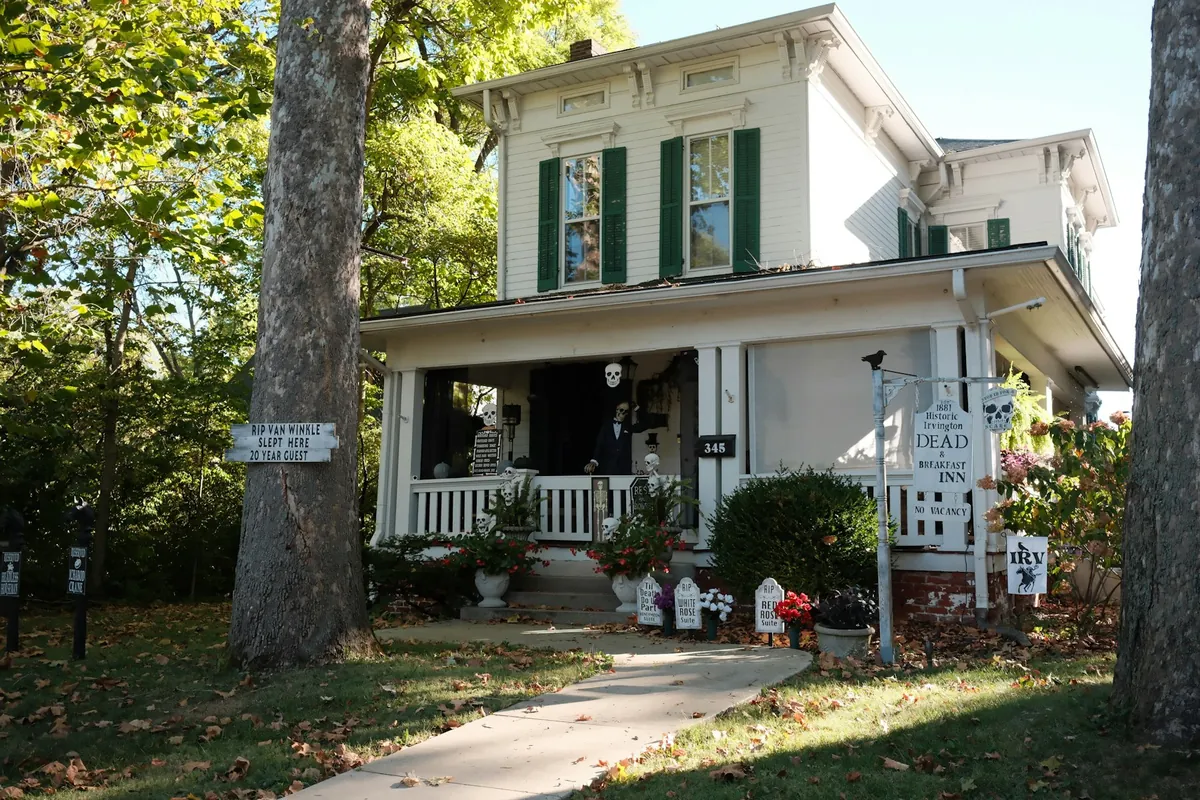
Spread-Out Streets, Close-to-the-Road Fronts
Dighton’s housing is spread out, with plenty of space between neighbours on most streets, so side and back windows often need little screening by day. The front of an older farmhouse is another matter. Many were built close to the road, as old houses often were, and their front rooms sit only a short way from passing cars on Main Street or Somerset Avenue.
That gives a typical house two quite different sets of windows. The front rooms want privacy: a light, semi-opaque fabric drawn by day, and a lined panel to close at night. The rooms at the back and sides, looking out over a yard or fields, can stay open and bright with drapes that mostly frame the view. Choosing custom drapes in Dighton, MA with that split in mind means you are not dressing every window for the busiest one. One fabric across the house, with heavier linings only where they are needed, keeps the look consistent from outside.
Getting the Measurements Right
Old houses are rarely square. Floors slope, walls lean and frames have settled over the years. Additions, by contrast, are usually true. In a room that has both, getting the drapes to hang straight is a matter of careful measuring rather than reading a size off a chart.
When we measure, we take the window, the trim, the wall on each side and the distance up to the ceiling, and we check the line of the floor beneath the window. Then we decide where the rod should sit so that the heading looks level to the eye and the hems sit evenly above the floor. Where the floor slopes, panels on the same wall may need slightly different lengths to look the same. We also check what the hardware will be fixed into. Old plaster and lath, a solid beam over a farmhouse window and the fresh drywall of an addition all hold a rod differently, and a long run of heavy drapes needs a secure fixing at every bracket. Finding that out before the fabric is cut means the rod can go exactly where the design needs it.
The Order, Step by Step
From the first enquiry to the final fitting, someone at the store keeps you posted.
- Get in touch by phone or the form, mention the rooms you have in mind, and we will book your free quote.
- On a visit to the house, a specialist records every opening, old or new, along with the wall space, the ceiling and the slope of the floor.
- You pick the cloth and talk through linings, headings and lengths, ideally with the fabric in your hand at the showroom.
- We send a quote that sets out each room.
- The workroom sews your custom drapes in Dighton, MA to those exact figures.
- Our installers mount the rods, hang the drapes and set each fold.
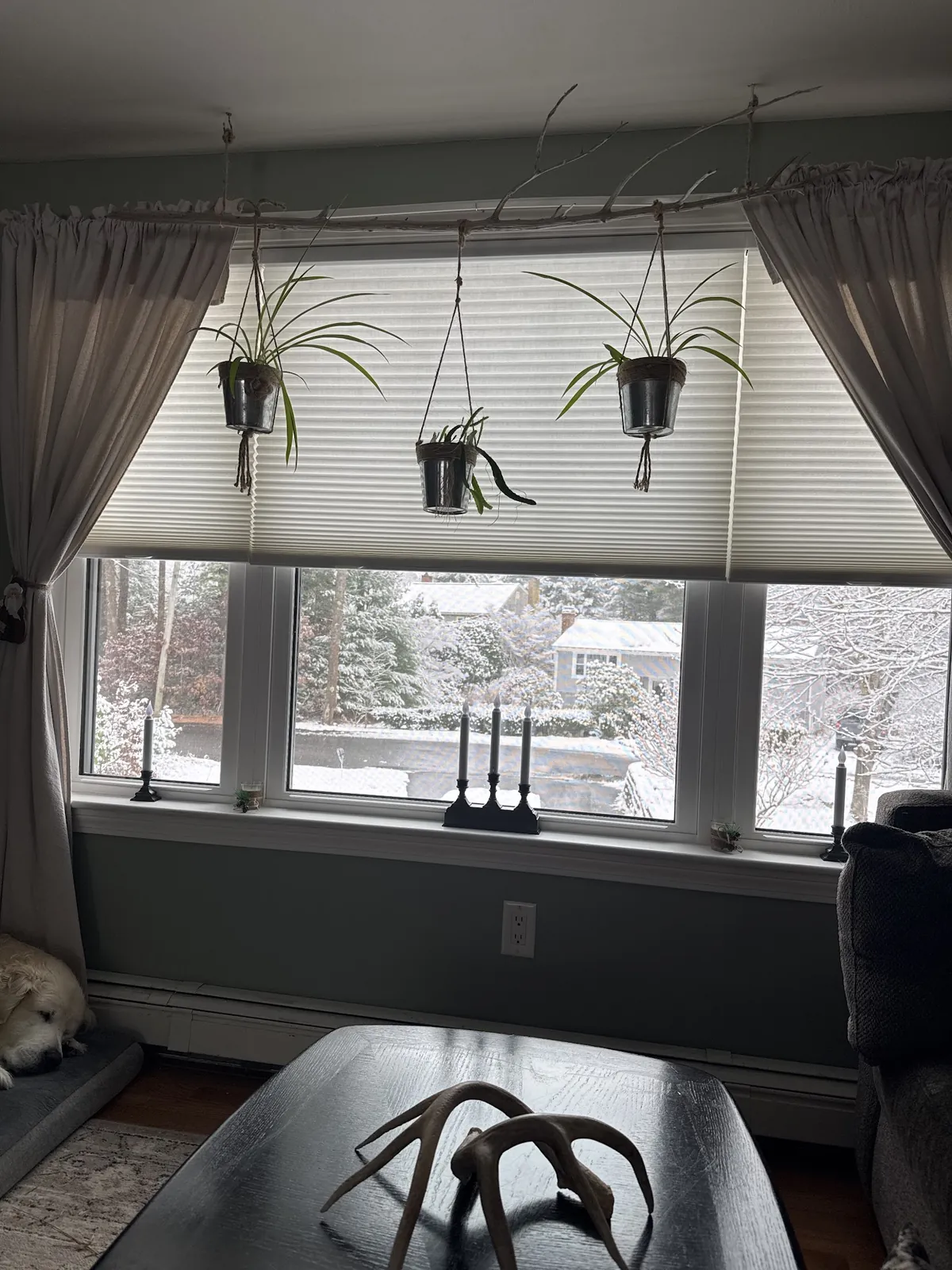
A Shade Behind, Fabric in Front
Two layers often beat one in an older house. Close to the glass, a cellular shade or a roller shade takes care of sun and privacy through the day. In front, the drapes bring the colour and the softness. On a draughty sash in a farmhouse bedroom, the cellular shade adds a layer of still air, and lined panels add another. On the bright river side, a roller shade under sheers keeps the glare down without losing the view.
We sell both, so we plan both together: one measuring visit, panels set forward far enough to clear the shade, and colours chosen side by side. When you want the fabric in the rest of the room too, have a look at custom fabric decor in Dighton for pillows, duvet covers and some upholstery.

Family Run in Swansea Since 1988
Two generations of one family have run Window Works since it opened its doors in 1988. Drapery was a mainstay then and it still is, more than 37 years later.
- People who work on window treatments every day and know old houses well
- The measuring done at your house; the hanging done by our own installers
- Fabric you can touch and compare at the showroom
- Warranties are part of what we offer
- Regular contact from us until everything is finished
For the bigger picture on how we make drapes, read our main custom drapes page. Other treatments for the town are listed on the Dighton window treatments page.
Questions from Dighton
My room has an old sash window and a new picture window. Can the drapes match?
Yes. Using one fabric and setting every rod at the same height pulls the room together, with each window’s panels sized to suit its own width.
What works on a slider in an addition?
A single panel on a rod that runs past the door frame, so the fabric draws fully clear and the door slides freely, with a hem just above the floor.
Will drapes fade on a window facing the Taunton River?
Over time all fabric fades in strong light. A lining, paler colours and a sheer drawn across in the brightest hours all help.
What suits an upstairs dormer in a cape?
Usually a short curtain on a slim rod inside the dormer, or a single panel to one side, since a full pair rarely fits the alcove.
Do you charge for a quote?
No. Quotes are free. Reach us with the call button or the form here.
Start Your Drapery Order
Ring the store using the call button and ask for a free quote; while you are on the phone we can pencil in a measuring visit or go over how installation works. Or send the form and we will come back to you. If you want to see fabric before anything else, the showroom is a short drive from Dighton, with directions on the contact page. On Google, the store is rated 5.0.