
Close to the Street, Close to the Neighbours
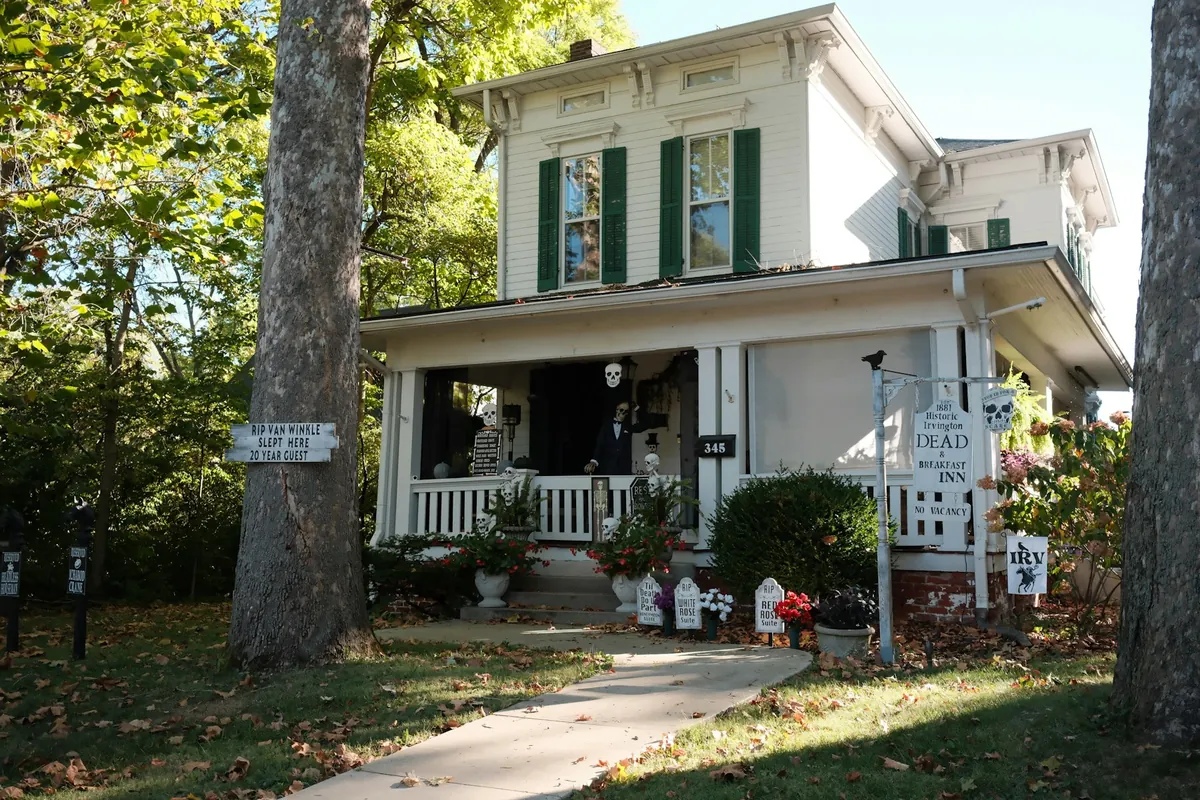
Through Warren’s historic waterfront district, Federal and Victorian houses stand near the pavement and near one another. A front parlour may sit a few steps from passers-by, and a side window may look straight across a narrow gap into the house next door. In houses set like that, privacy at street level is usually the first problem a window treatment has to solve, and it is the reason roman shades in Warren, RI are planned window by window.
A fabric shade answers it gently. Lowered, it closes the view in from the street without the hard look of a blind. Raised, it gathers into soft folds at the top of the sash and leaves the old window and its trim to be seen.
Out at Touisset, the shore lots are quieter and further apart, and the question turns to light and view. We cover both here.
Fabric Shades and What Goes With Them
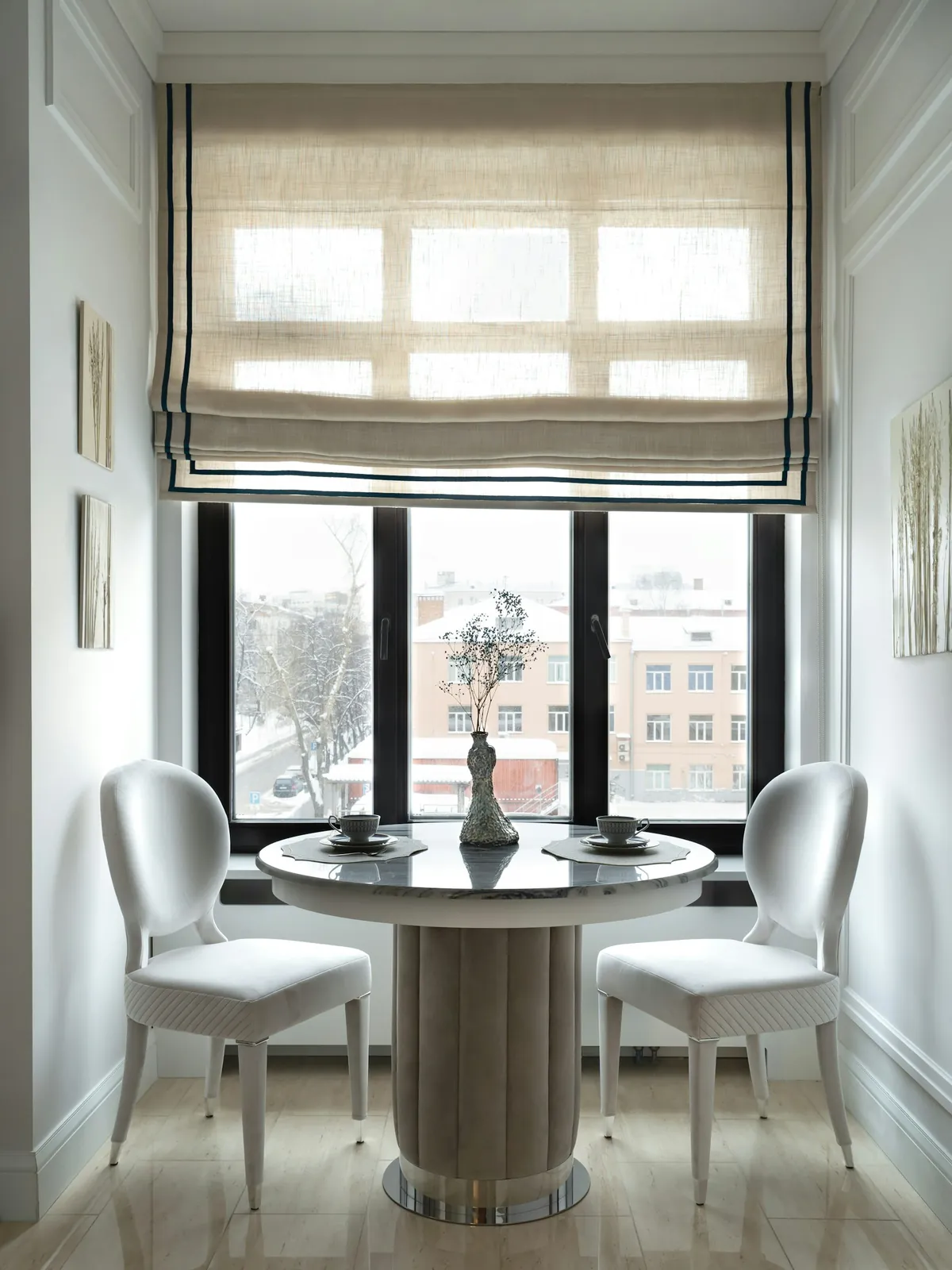
A flat fold for the parlour
Smooth fabric that pleats neatly as it rises. A clean, tailored front for the street-facing rooms of a Federal house.
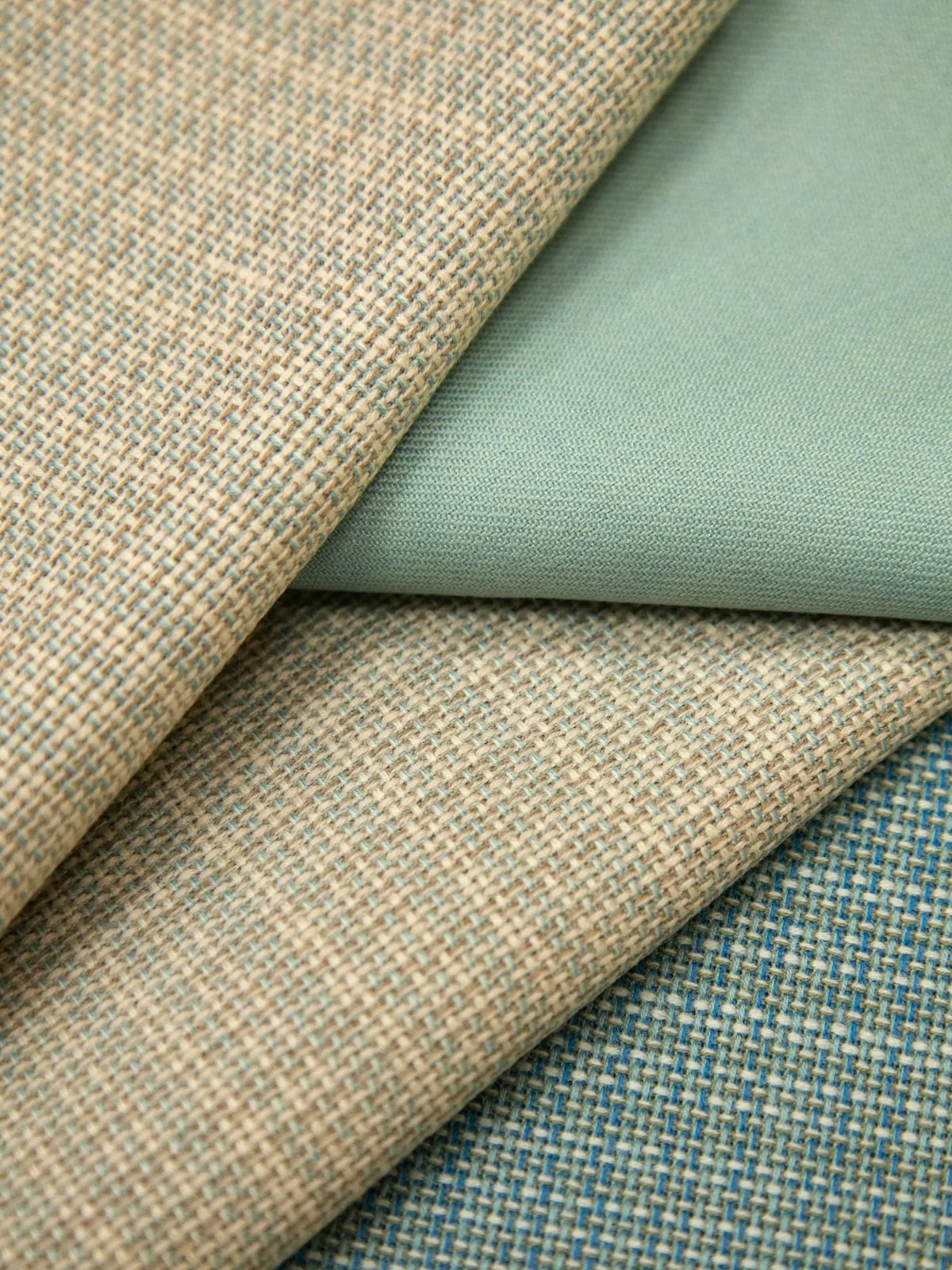
A hobbled fold for warmth
Soft tiers of cloth all the way down, raised or lowered. It suits a Victorian dining room with tall windows and deep colour.
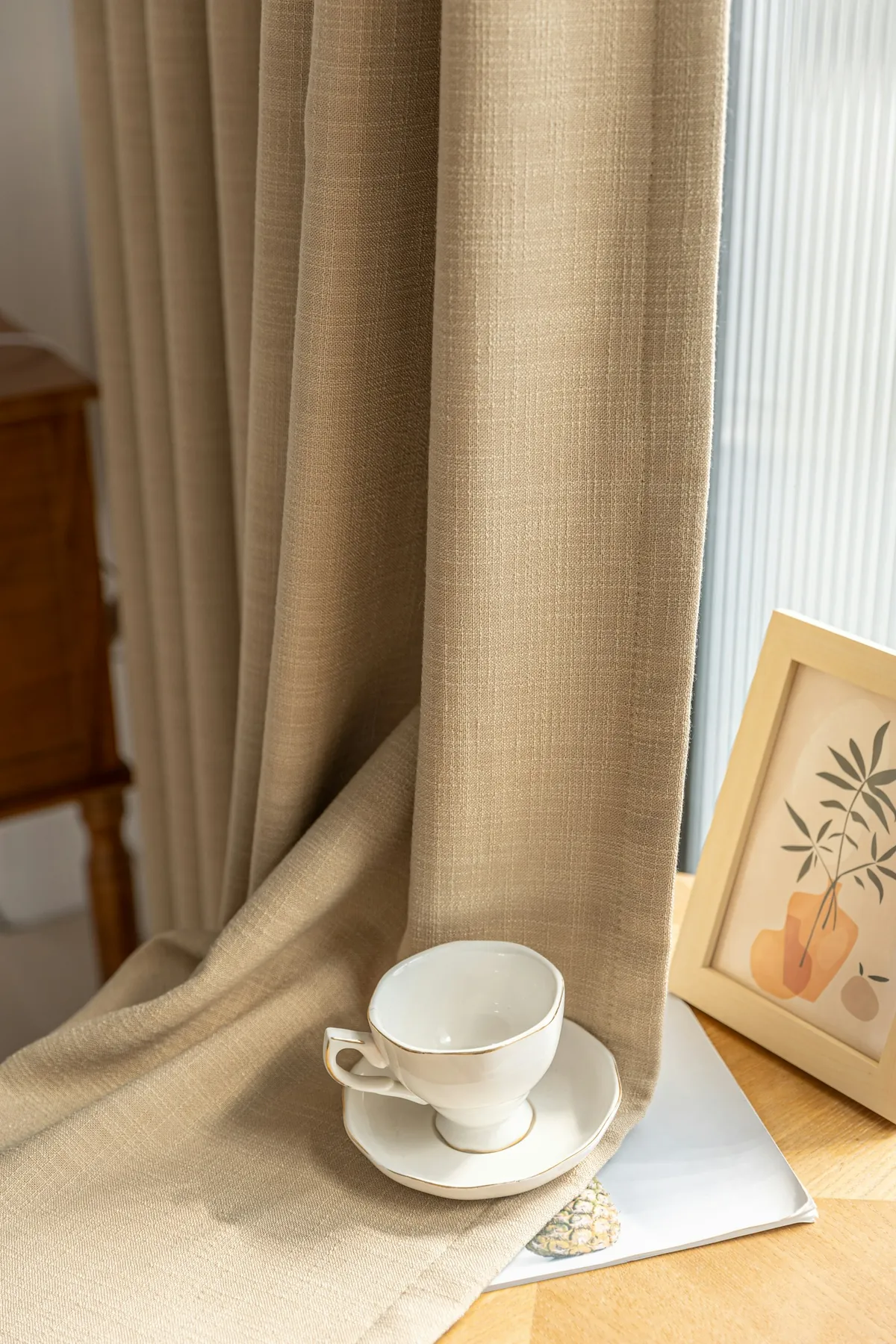
A relaxed fold for the shore
A flat face that dips softly at the hem. Easygoing, and a good match for a Touisset cottage bedroom.
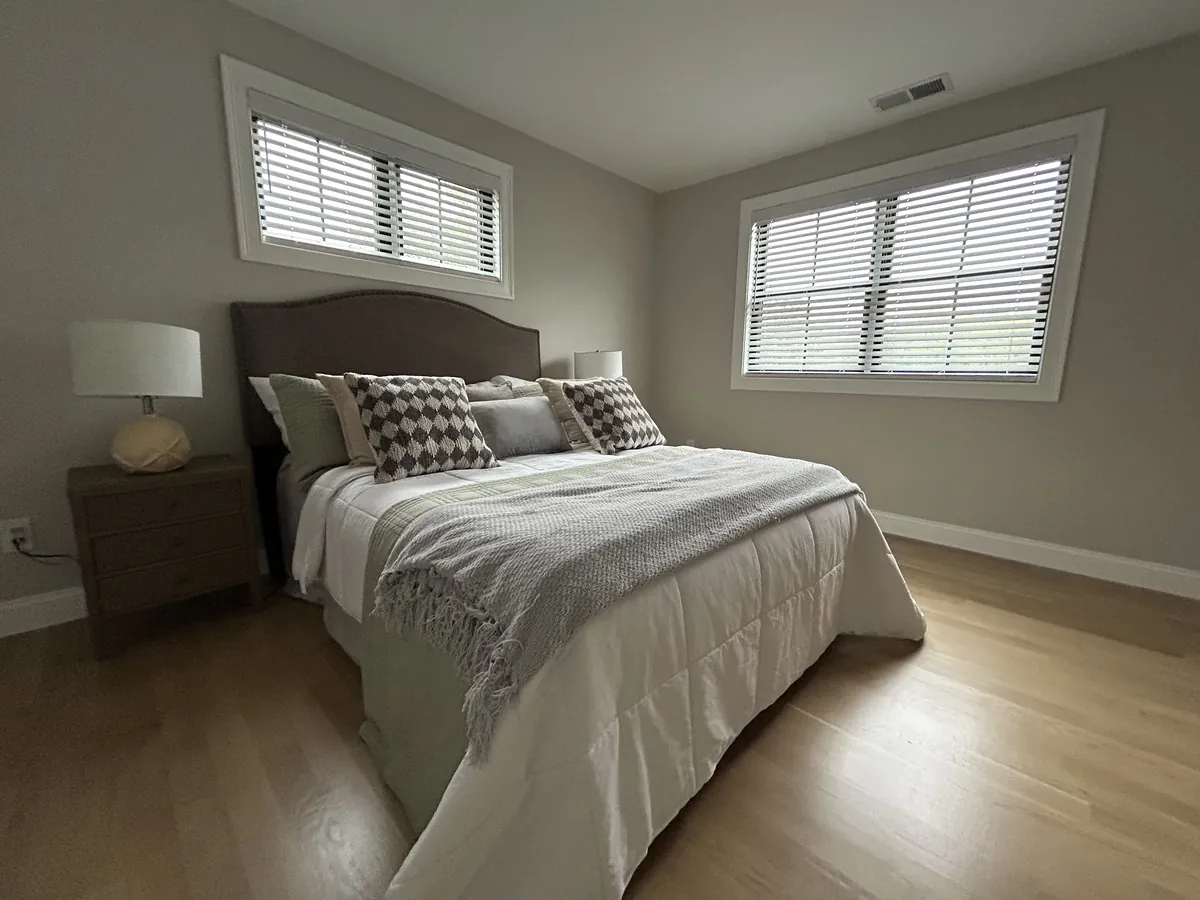
Shutters for the ground floor
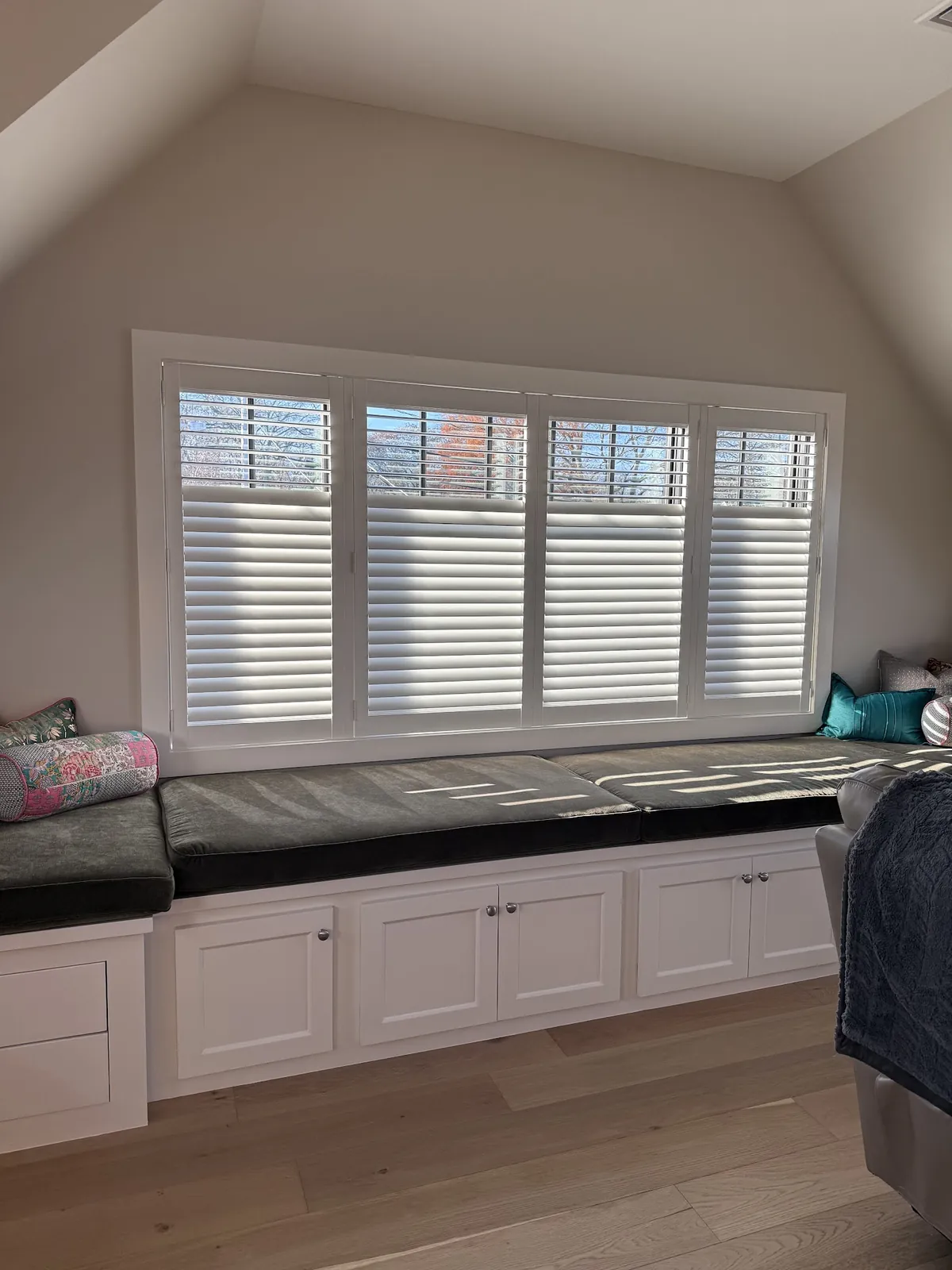
Some street-level rooms suit louvres that tilt for privacy. We fit plantation shutters as well.
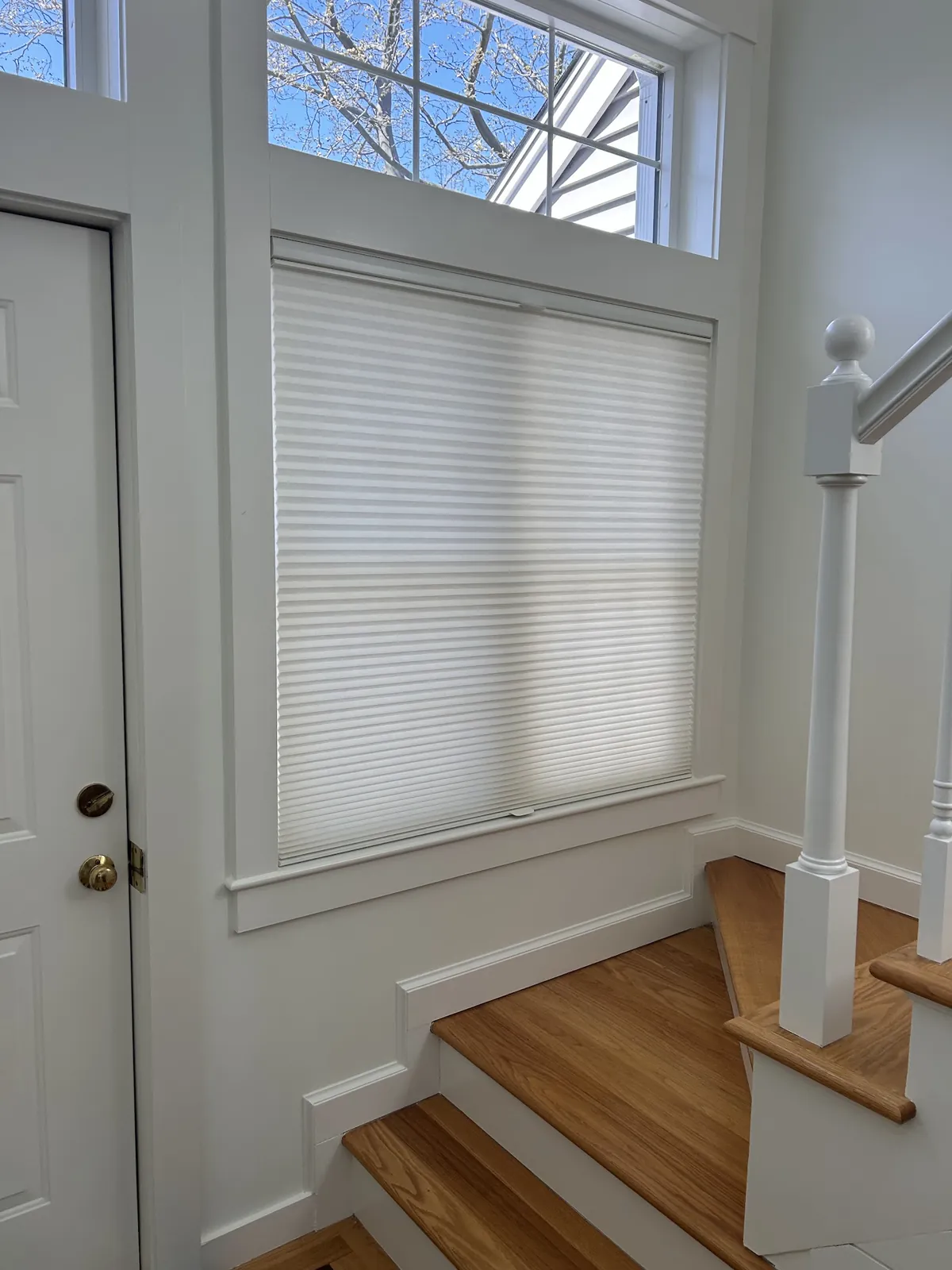
Cellular shades for cold rooms
An old house loses heat at the glass. A honeycomb shade holds more warmth in a draughty hall or bedroom.
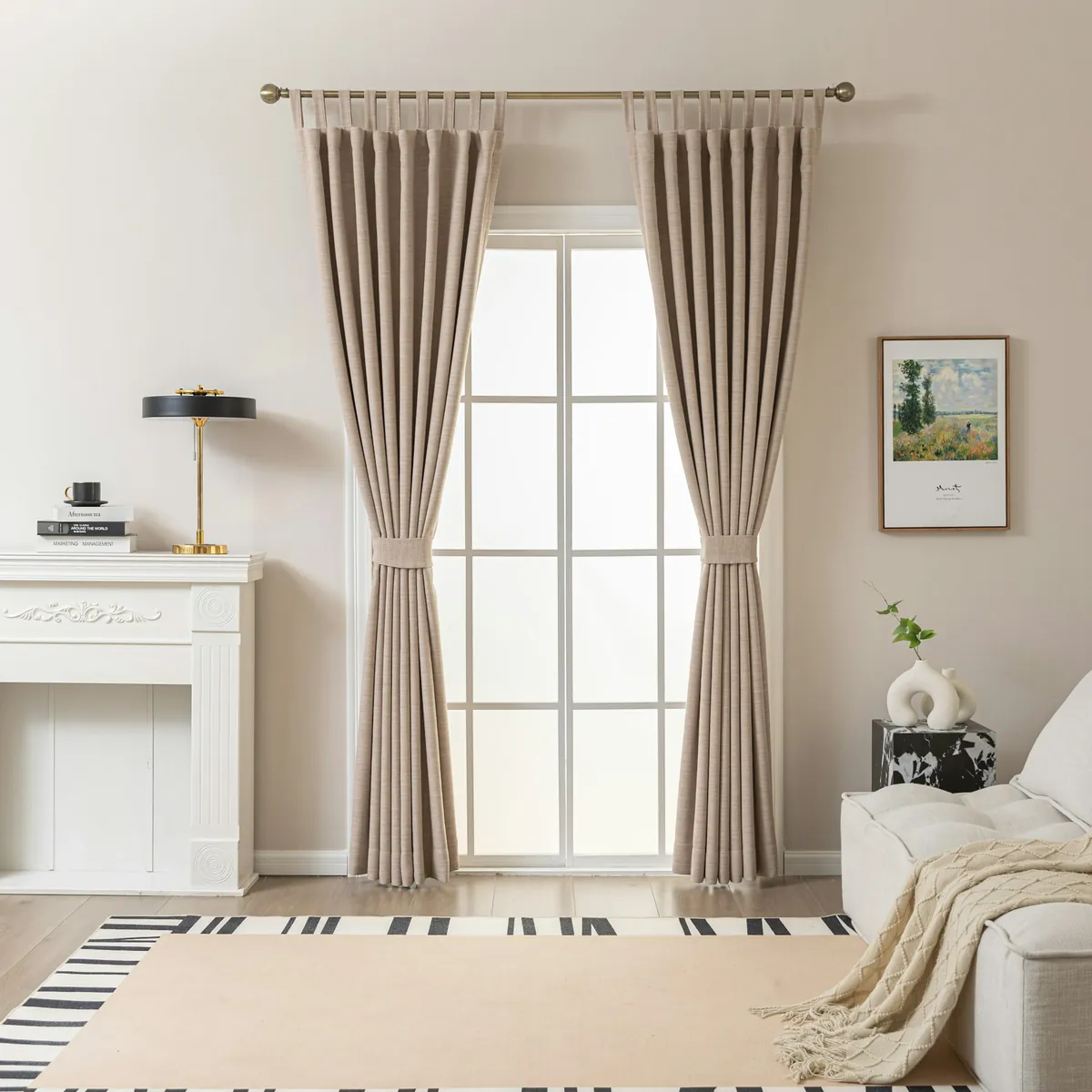
Drapery for a formal front
Side panels drawn at night add a second layer of privacy to a roman shade in the front rooms.
Privacy First on Warren’s Historic Streets
On a street of close-set houses, the treatment that works is the one you will actually use. A blind closed all day because the street can see in makes a room dark. A shade that sits open because it is a nuisance to lower leaves the room on show. Good roman shades in Warren, RI deal with privacy in a way that is easy to live with, and that comes down to three decisions: the fabric, the lining and how far down the shade needs to come.
Fabric that blurs the view
Light, open fabrics let the most daylight through, but they also show shapes and movement on the other side when the lamps are on inside. A closer weave or a slightly heavier cloth keeps the room bright by day while blurring what can be seen in. For street-facing parlours we often suggest a mid-weight fabric in a pale colour: the room stays light, and passers-by see a soft panel of cloth rather than the room behind it.
The lining question
A lining behind the face fabric adds body to the folds and cuts down what shows through at night. For a front room on a busy street, a lined shade is often the difference between drawing it at dusk and forgetting about it. For a bedroom over the street, the lining also keeps out early light and the glow from street lamps. In a back room facing a garden, an unlined shade may be all you need.
A shade that can stay down by day
A roman shade lowers from the top, so to screen the part of the window at eye level it has to come down past it. That is why the fabric matters so much on a street-facing window: a cloth light enough to let the day through can stay lowered for hours, keeping the room bright while passers-by see only a soft panel of colour. On a tall Victorian window, the upper glass then glows through the fabric and the room never feels shut in. We measure the drop and the stack so the shade sits evenly at whatever height you leave it.
Federal Houses in the Waterfront District
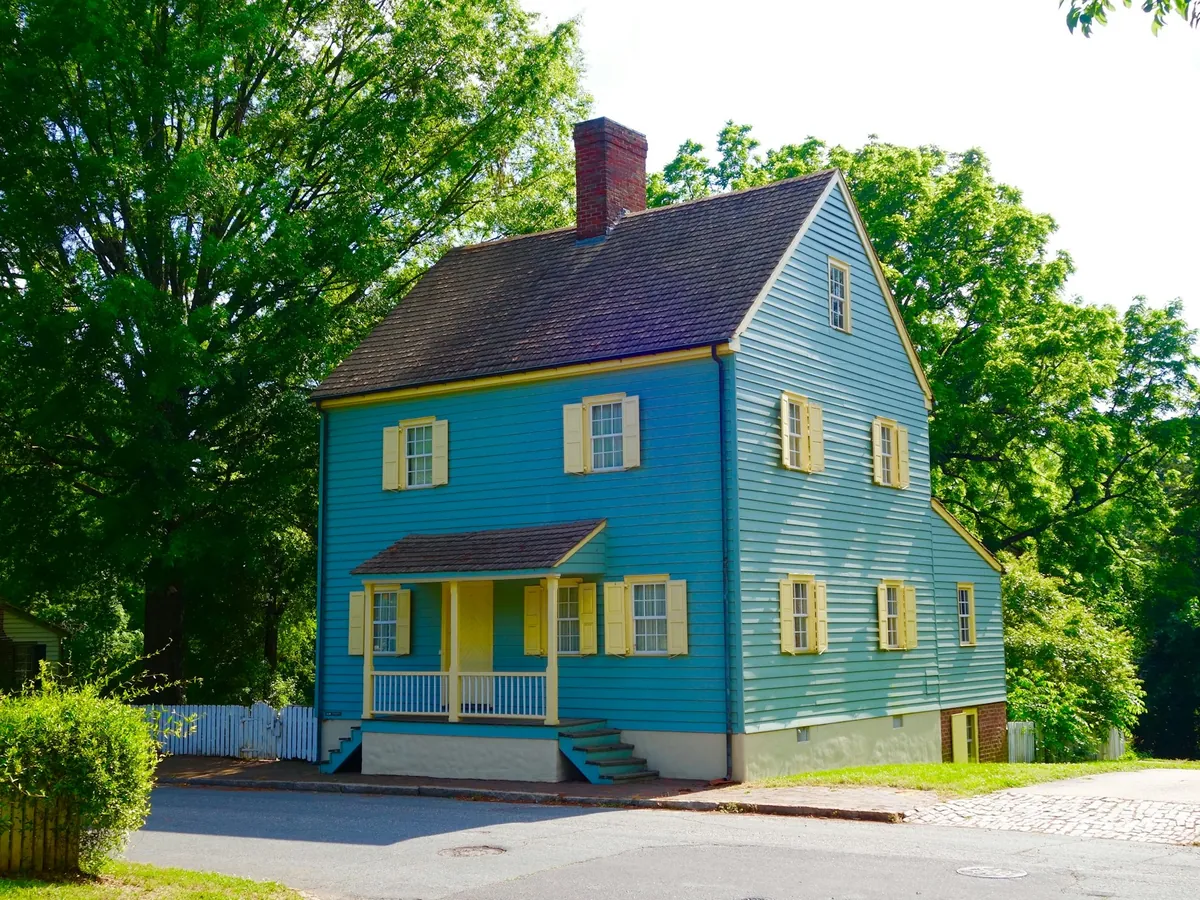
Warren’s Federal houses are usually square, symmetrical and built close to the street, with evenly spaced sash windows across the front and painted trim around each one. The rooms are well proportioned, and the windows are the main thing you notice from inside and out.
Keeping the front in order
From the street, a Federal facade is a grid of matching windows, and the shades behind them are part of how the house looks. A roman shade set inside each frame, every one raised to the same height and backed with the same lining colour, keeps that grid tidy. A mix of treatments at different heights behind the front windows breaks it up, even if each room looks fine on its own.
Old frames, careful measuring
Frames in houses of this age are rarely square, and two windows that look the same may differ in width or depth. We measure every opening rather than one per room, and we check the depth at the top of each frame, where the shade’s headrail sits. Where the frame is shallow or out of true, fixing the shade on the trim just above the opening can give a neater result than forcing it inside.
Fabrics for a Federal room
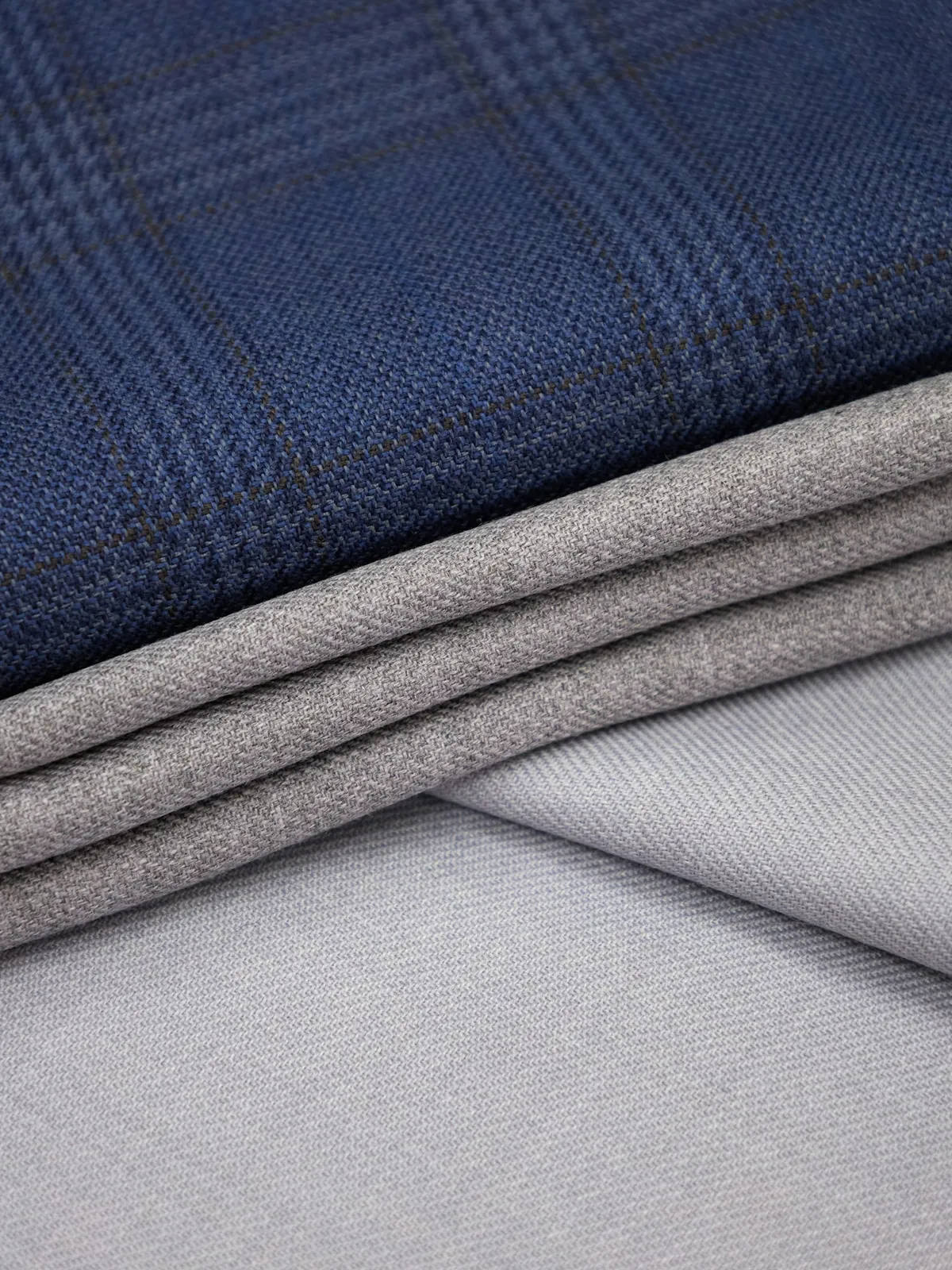
The plain lines of a Federal room suit a flat fold in a linen, a small check, a stripe or a quiet print. The fold lies smooth when lowered, so the pattern reads clearly from across the room. Colour can be drawn from the walls or from the painted trim, so the shade looks as if it has always been there.
Bedrooms over the street
Upstairs in a Federal house, the front bedrooms look straight out at the houses across the road, often at the same height as their windows. That makes the upper floor as much a privacy question as the parlour below. For these rooms, roman shades in Warren, RI are usually lined, so the room is screened in the evening and stays darker in the early morning. A relaxed fold in a soft, plain cloth suits a bedroom, and from outside the lining keeps the upper windows matching the ones below.
Victorian Houses and Their Taller Windows
The Victorians on Warren’s older streets bring taller windows, higher ceilings and more variety: a bay at the front, a narrow window by the door, a stair window part way up the wall. They also bring the side windows that face the neighbouring house across a few feet of yard.
Tall sash
A tall window means a long shade and a deeper stack when it is raised. On these windows we often mount the shade higher, close to the ceiling or the top of the trim, so the folds gather above the glass and the window keeps its full height when the shade is up. A hobbled fold has a fuller stack; a flat fold is more compact, which helps when the space above the frame is limited.
Bays
A Victorian bay has three or more windows set at angles. Each one gets its own shade, made to its own measurements, so they rise and fall separately. Lowered, they meet at the corners of the bay in a continuous band of fabric. We match the stack heights so the folds line up across the whole bay.
Side windows facing the next house
The windows on the side walls of a close-set house are often the ones that need covering most and are looked at least. A simple flat fold in a light, lined fabric can stay lowered much of the day, letting light in while closing off the view across the gap. Because these windows are seen mostly from inside, they can share the fabric of the room rather than the front of the house.
The stair window
Many of these Victorians have a window part way up the stair, set at an awkward height and seen from the hall, the landing and sometimes the street. A shade there should be easy to reach from the stair itself, so we look at where you will stand to raise it before deciding on the mount. Fabric is a choice between the hall below and the landing above; something that sits between the two colour schemes usually works best.
Touisset’s Shore Lots
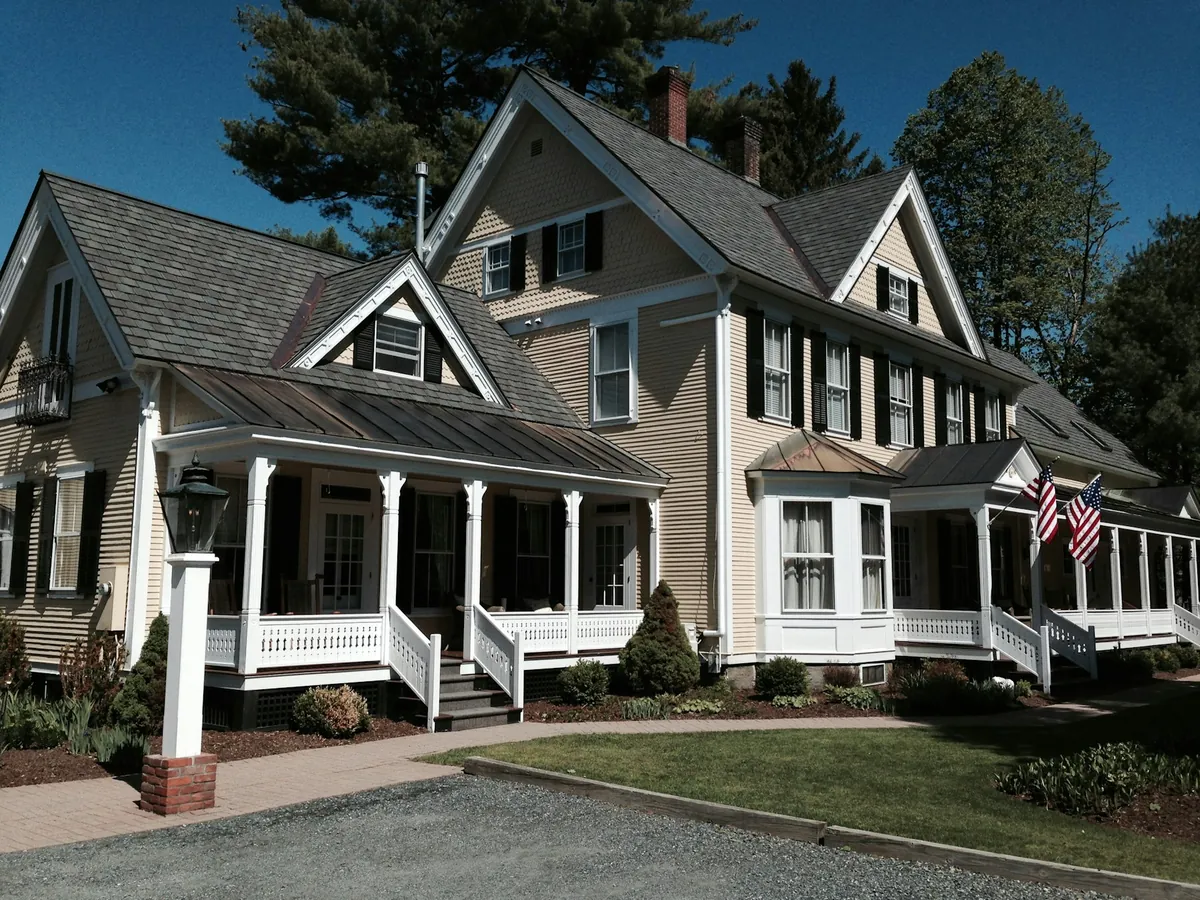
The houses out at Touisset are a gentler job. The lots are quieter and further apart, the street is less of a concern, and the windows face the water more than the neighbours. Here a roman shade is about softening the light, keeping the view and adding colour.
Keeping the view
Raised fully, a roman shade gathers at the top of the window and leaves the glass clear for the view. Lowered partway in the late afternoon, it shades the top of the window, where the sun comes in, while the lower glass still frames the shore. An outside mount, fixed above the frame, lets the raised shade clear the glass completely.
Fabric by the water
Rooms that face the water take strong, reflected light, which is hard on fabric over time. A lining protects the face cloth, and a lighter colour shows fading less than a deep one. A relaxed fold in a soft linen suits a shore cottage and looks right whether the shade is up or down.
Early light in the bedrooms
Bedrooms on the water side of a Touisset house can catch the first light of the day across the water, long before anyone wants to be up. A lined shade, fixed on the wall above the frame so it overlaps the edges of the window, keeps far more of that light out than one set inside the opening. If you like waking to the view instead, an unlined shade in a pale cloth gives a softer start and still screens the room in the evening.
Mixing the two sides of the house
Even on a quiet shore lot, the road side and the water side ask different things. The rooms toward the road may want privacy and the rooms toward the water want view, so we often suggest one fabric for the whole house with a lining only on the road side. From inside, the shades look alike; in use, each one does the job its wall needs.
A Fold for Each Room
Warren houses often end up with more than one fold, chosen room by room. These are the pairings that come up most often.
- Street-facing parlours: a flat fold in a mid-weight, lined fabric, so the room is private in the evening and the facade stays even.
- Victorian dining rooms: a hobbled fold in a deeper colour, with its full tiers suiting tall windows and high ceilings.
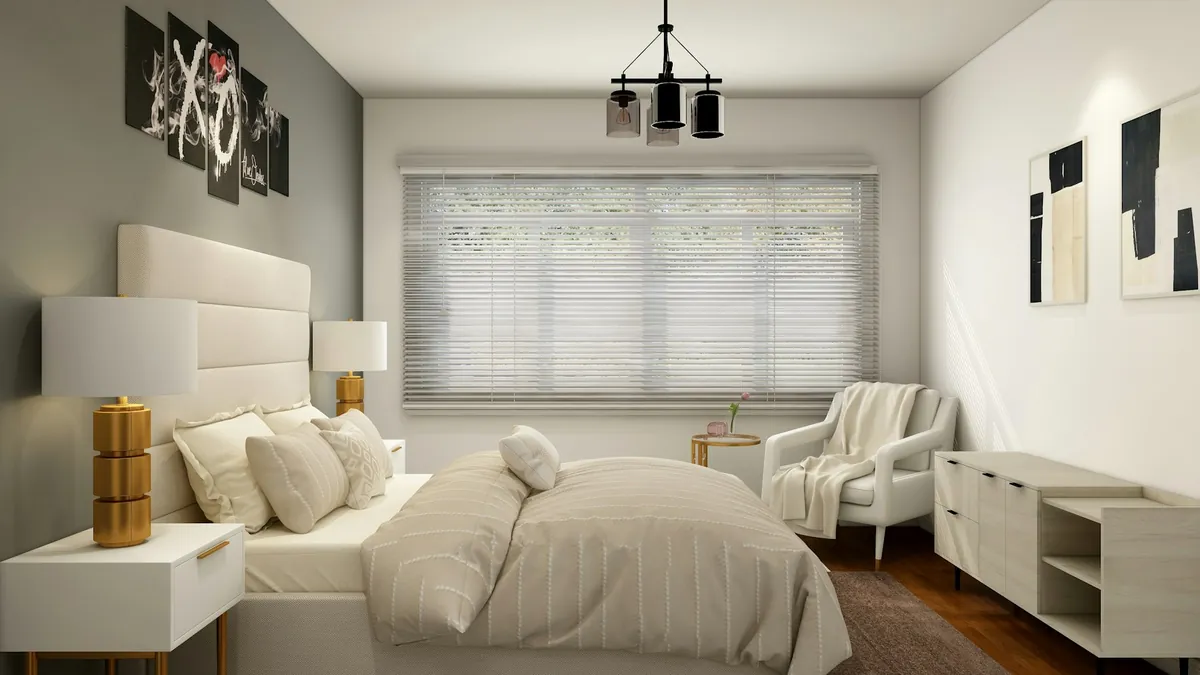
- Bedrooms over the street: a relaxed or flat fold with a lining, for privacy and a darker room in the morning.
- Side windows across the gap: a plain flat fold in a light, lined cloth that can stay down much of the day.
- Touisset living rooms: a relaxed fold in linen that softens the water light without hiding the view.
Kitchens at the back
Kitchens in the older houses usually sit at the back, facing a yard rather than the street, so privacy matters less and light matters more. An unlined shade in a light cotton or linen lets the morning sun glow through the fabric, and a flat fold keeps it compact above a counter or a sink. Where the kitchen window faces the house next door instead, the same lined fabric as the side windows elsewhere in the house is a sensible choice.
Colour that holds up
Rooms with a lot of glass and little shade from trees can fade a strong colour over the years. The front of many waterfront district houses faces the street with nothing in between, so for those windows we often lean toward softer colours, or a stronger colour with a lining behind it. Before you order roman shades in Warren, RI, we talk through which windows get the most sun and choose with that in mind.
How Your Warren Order Runs
We stay in contact with you all the way through, and each step is plain.
- Ring the Swansea store or send the form and tell us which rooms face the street or the neighbours.
- A specialist comes to your house to measure each window, checking the frame depth, the space above the trim and any bays or side windows.
- You choose fabric, fold and lining in the showroom, where the full range is laid out.
- We send a quote listing each window.
- The shades are made to your measurements and our team installs them, checking every one raises, lowers and stops evenly.
Questions after installation go to the same store, and we stay in touch until the job is done.
Caring for fabric shades in an old house
Old houses can be dusty, and fabric collects it. A regular pass with a soft brush or a vacuum on low keeps a shade clean. Spot-clean marks with a barely damp cloth, testing first. Washing usually shrinks the fabric and spoils the folds, so for a deeper clean we suggest a professional. We tell you what suits your fabric.
A whole-house plan
Many Warren houses mix treatments. The front rooms might take roman shades, the kitchen a blind, the bedrooms shutters or cellular shades. Our window treatments for Warren homes page shows the full range for the town, and every fold and fabric is on the main roman shades page.
A Family Store Just Across the Line
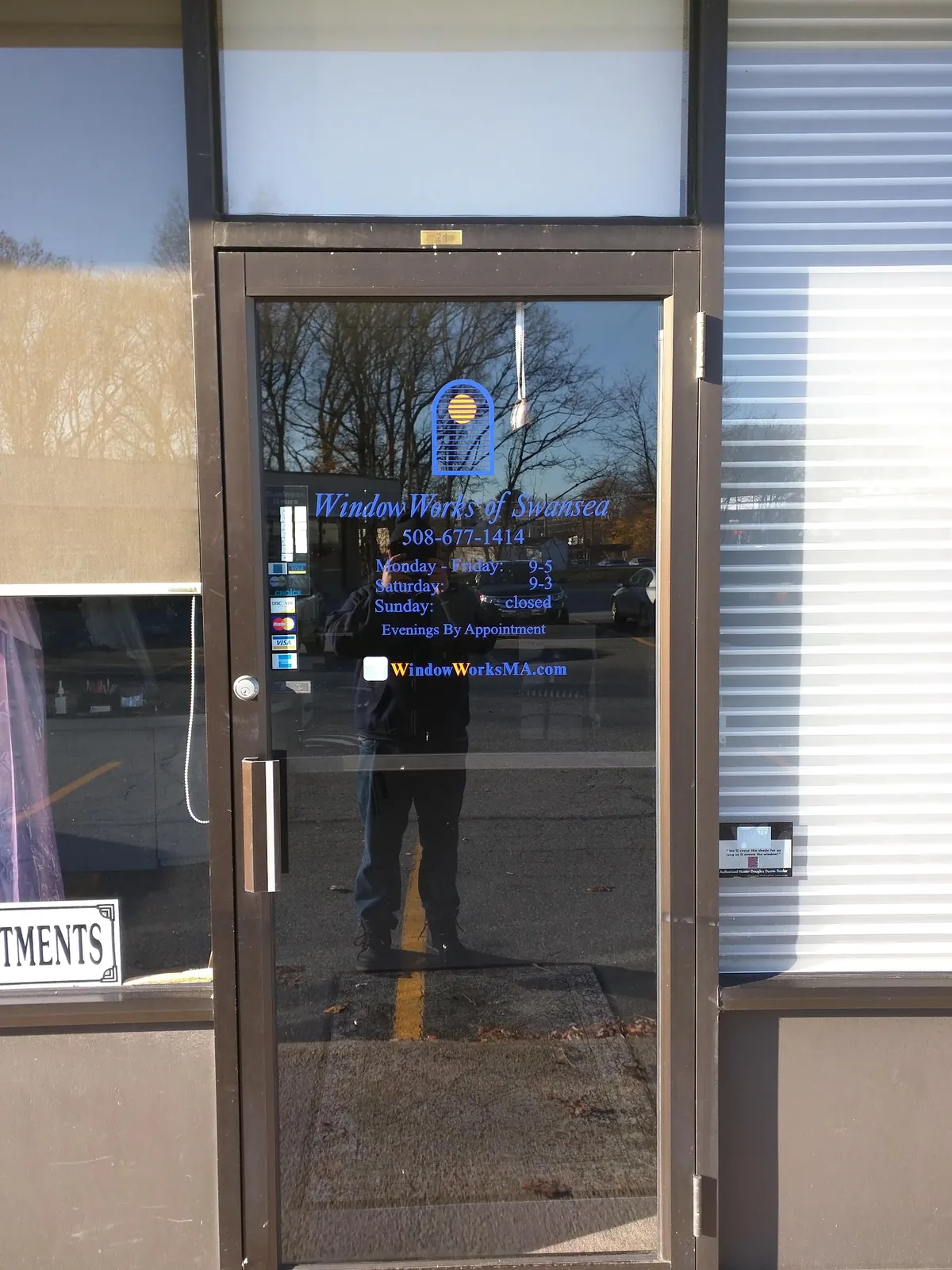
Window Works has been in Swansea since 1988, a short drive from Warren over the state line, and it is now in its second generation. For over 37 years we have made window treatments for homes across the SouthCoast of Massachusetts and the Rhode Island East Bay.
- Fabric and drapery are our specialty
- An experienced team of window treatment specialists
- Measuring in your home and installation by our own team
- Warranties offered
- In constant contact with you until the job is done
See the Fabrics First
Choosing a fabric from a small swatch is hard. In the Swansea showroom you can see the whole range in daylight, compare folds and feel how a lining changes the cloth. Bring a photo of the room or a cushion you want to match. The showroom also carries the Norman range.
Questions from Warren
Will a roman shade give my front room privacy from the street?
Yes. A closer-woven or lined fabric blurs the view in, and a lighter cloth can stay lowered all day while still letting the daylight through.
Can you fit shades in a Victorian bay?
Yes. Each window gets its own shade, measured separately, and we match the stack heights so the folds line up across the bay.
Our frames are not square. Will a made-to-measure shade still fit?
We measure every opening, not one per room. Where a frame is too far out of true for an inside mount, we fix the shade just above it.
Which fold suits a Touisset cottage?
A relaxed fold in a soft linen is a natural fit, and it looks right whether the shade is up or down.
How do I book a quote?
Quotes are free. Use the call button or the form and tell us which rooms you have in mind.
Ready When You Are
The quickest start is the call button: book a free quote for roman shades in Warren, RI, arrange measuring in your home, or ask about installation. You can also send the form, or come to the Swansea showroom first, with directions on the contact page. Window Works holds a 5.0 rating on Google.