
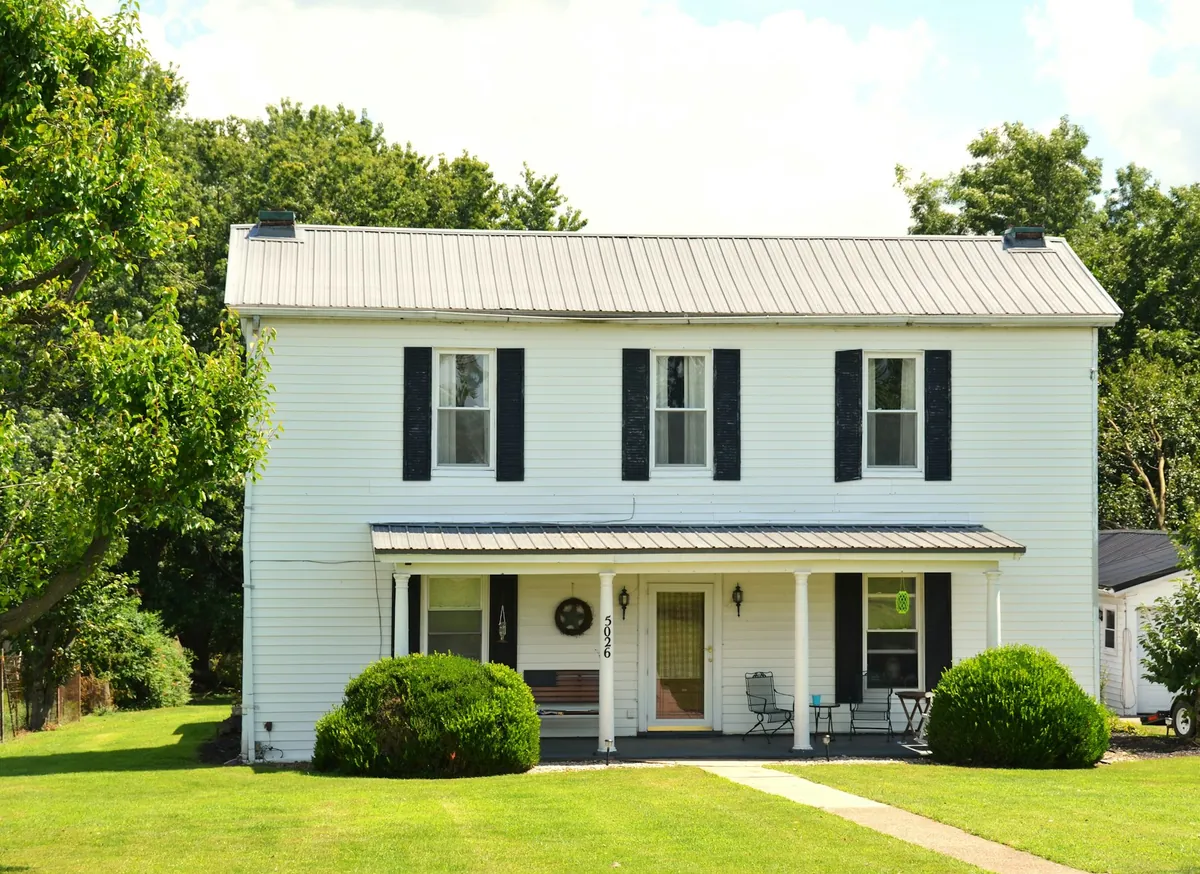
Old Sash and New Glass in One Room
Plenty of houses in town have grown over the years, and that is the main reason custom blinds in Dighton, MA are measured window by window. A farmhouse on Main Street or a cape on Somerset Avenue may still have its nineteenth-century sash in the front rooms, then a kitchen or family room added later with a modern picture window, a casement or a slider. Often the two sit in the same room, a few feet apart, with different sizes, different frame depths and different trim.
A blind bought by width alone cannot cope with that. The old sash wants a slim treatment that respects the woodwork. The new glass is larger and squarer and may open a different way. Our job is to make each window work on its own while the room still looks like one room.
- Old double-hung sash and newer additions treated as one set
- River lots on the Taunton with wide glass and strong light
- Wood, faux wood, aluminium and vertical blinds made to measure
Blinds for Every Age of Window
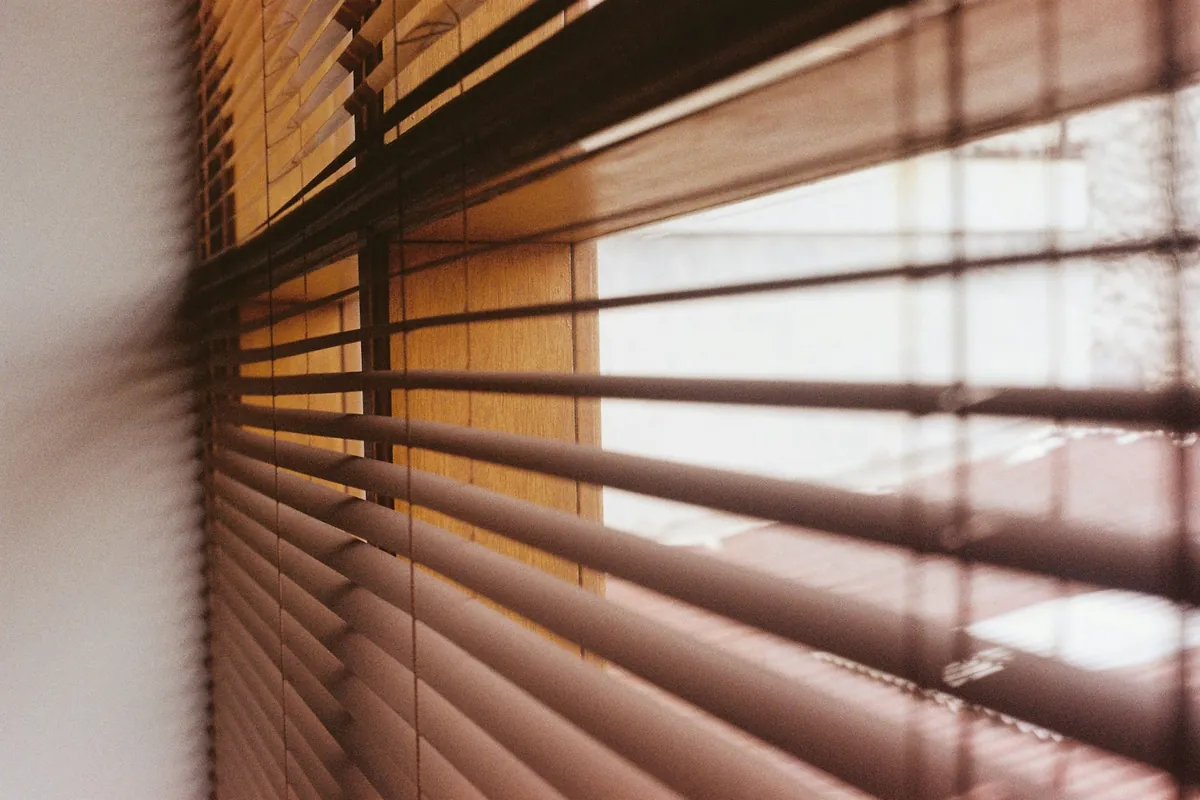
Original nineteenth-century sash
Tall, slim and often a little out of square. A wood blind fitted inside the frame suits the old trim, and each sash is measured on its own because no two are quite alike.
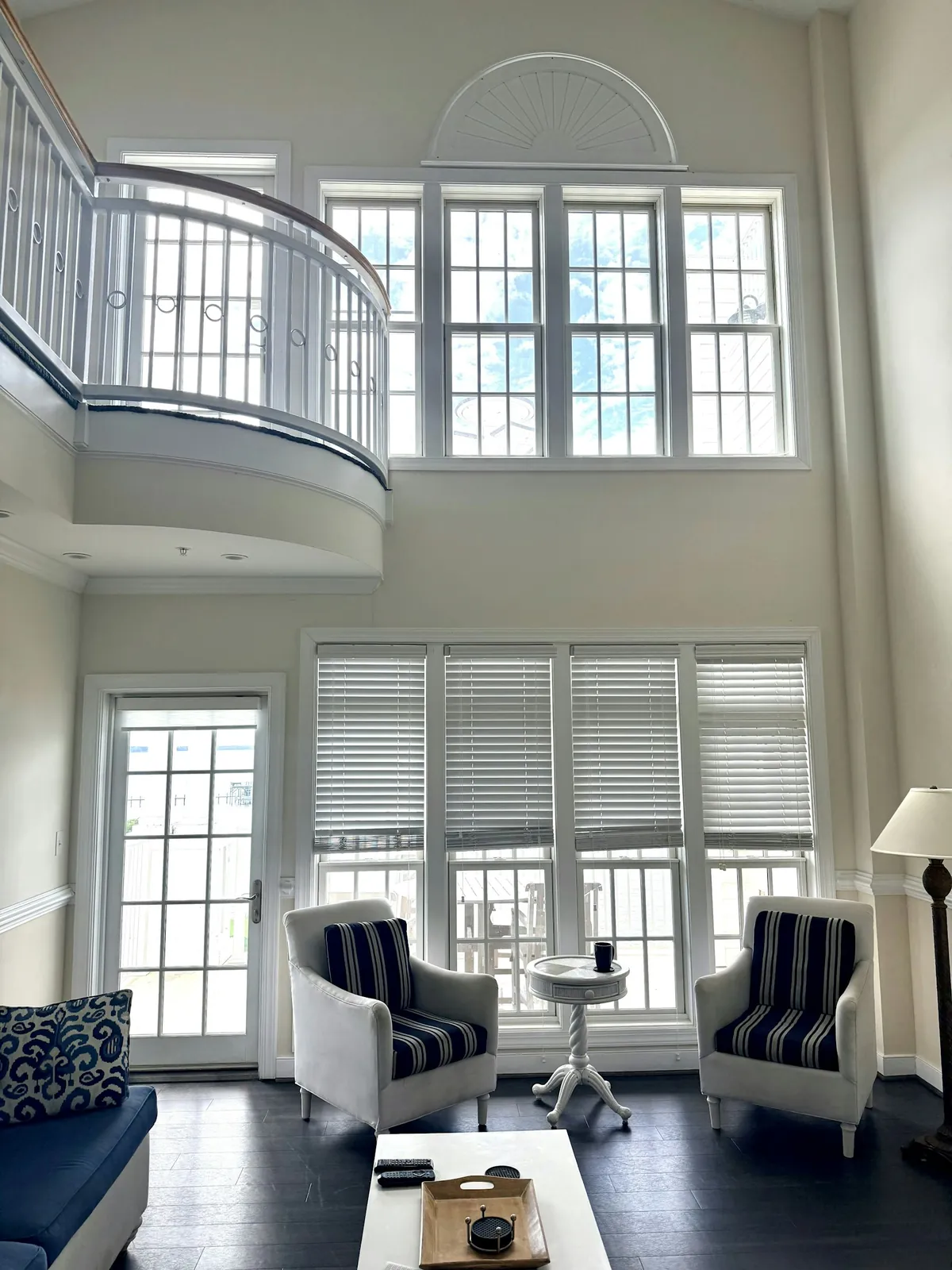
Picture windows in an addition
Wider and taller than anything in the original house. Horizontal blinds sized to each pane keep the glass light and easy to manage.
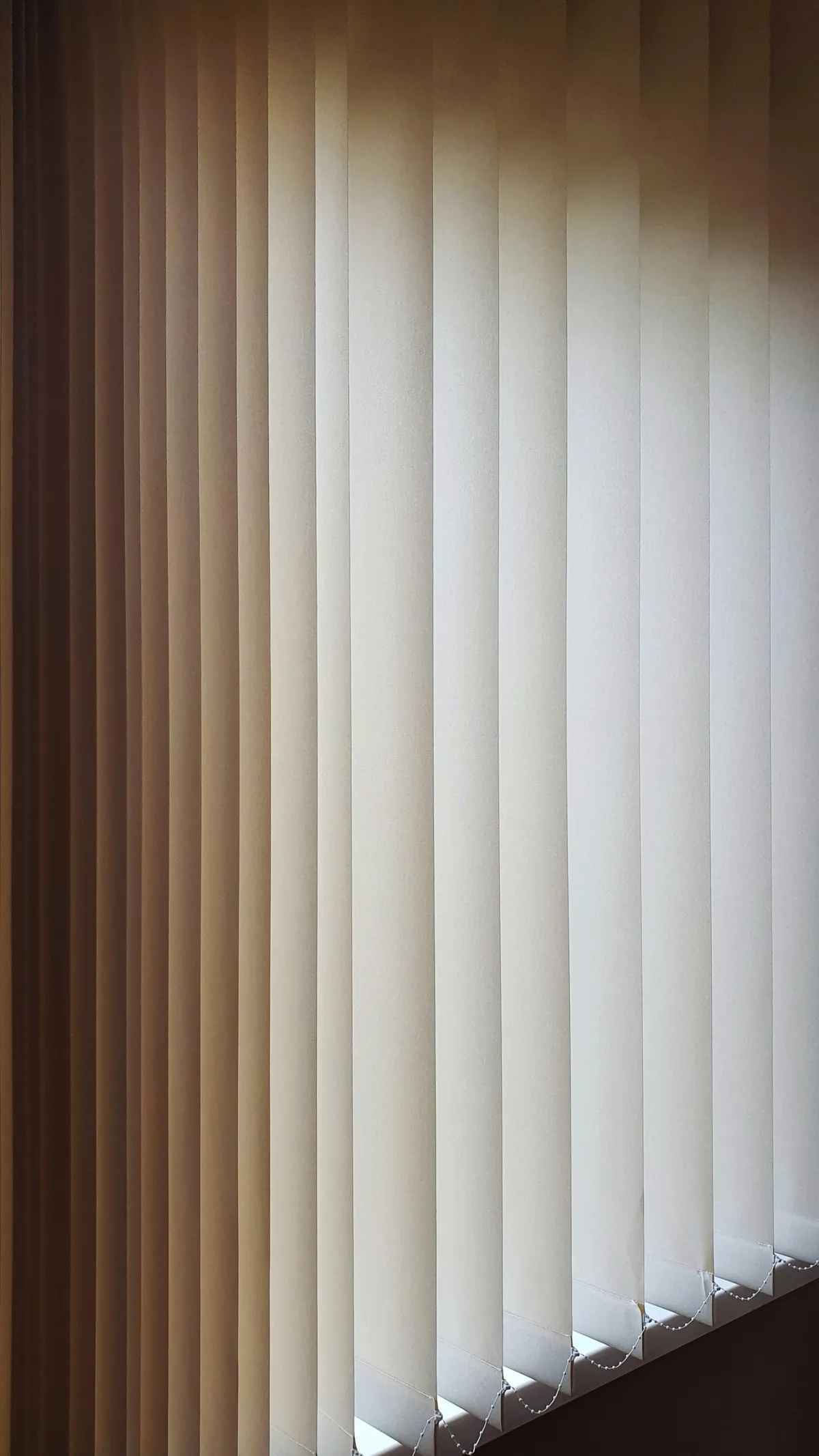
Sliders onto the yard or deck
Many additions end in a sliding door. Vertical blinds on a single track draw clear of the door and turn to angle the light.
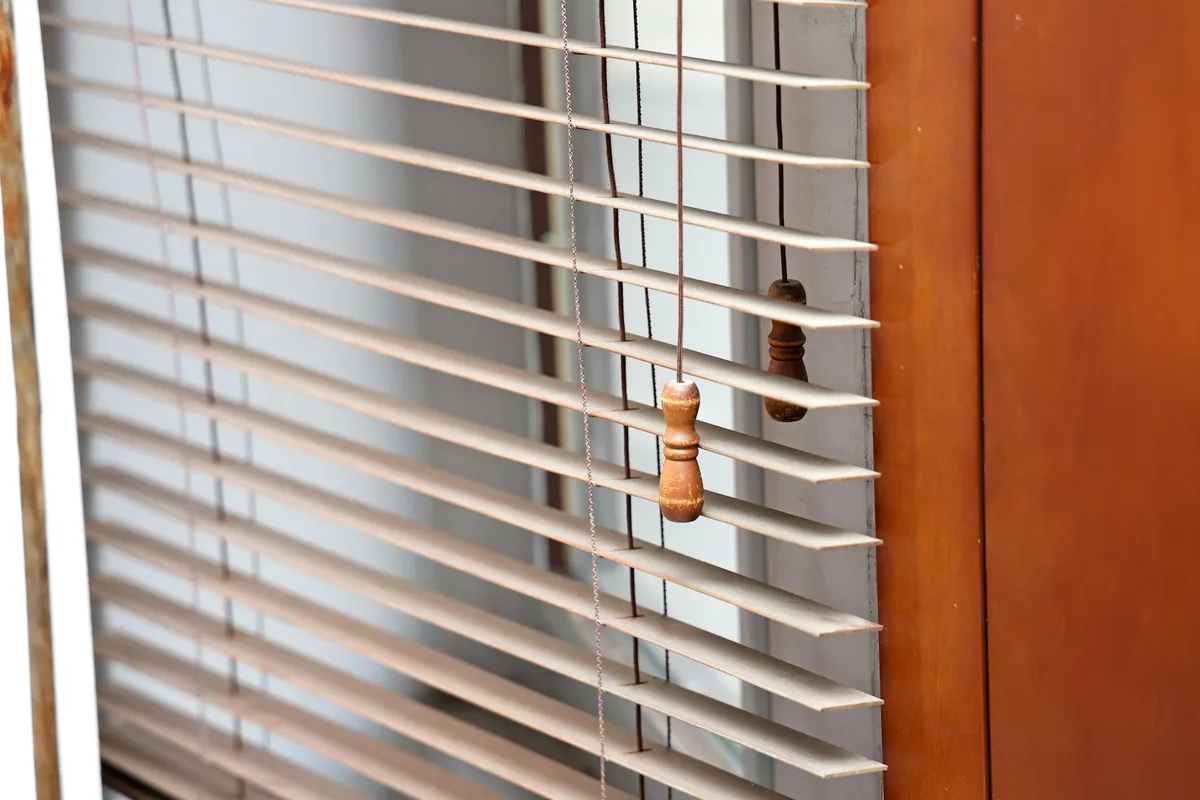
Kitchens and bathrooms
Faux wood handles the steam and the splashes and can be made in the same colour as the wood blinds in the rest of the house.
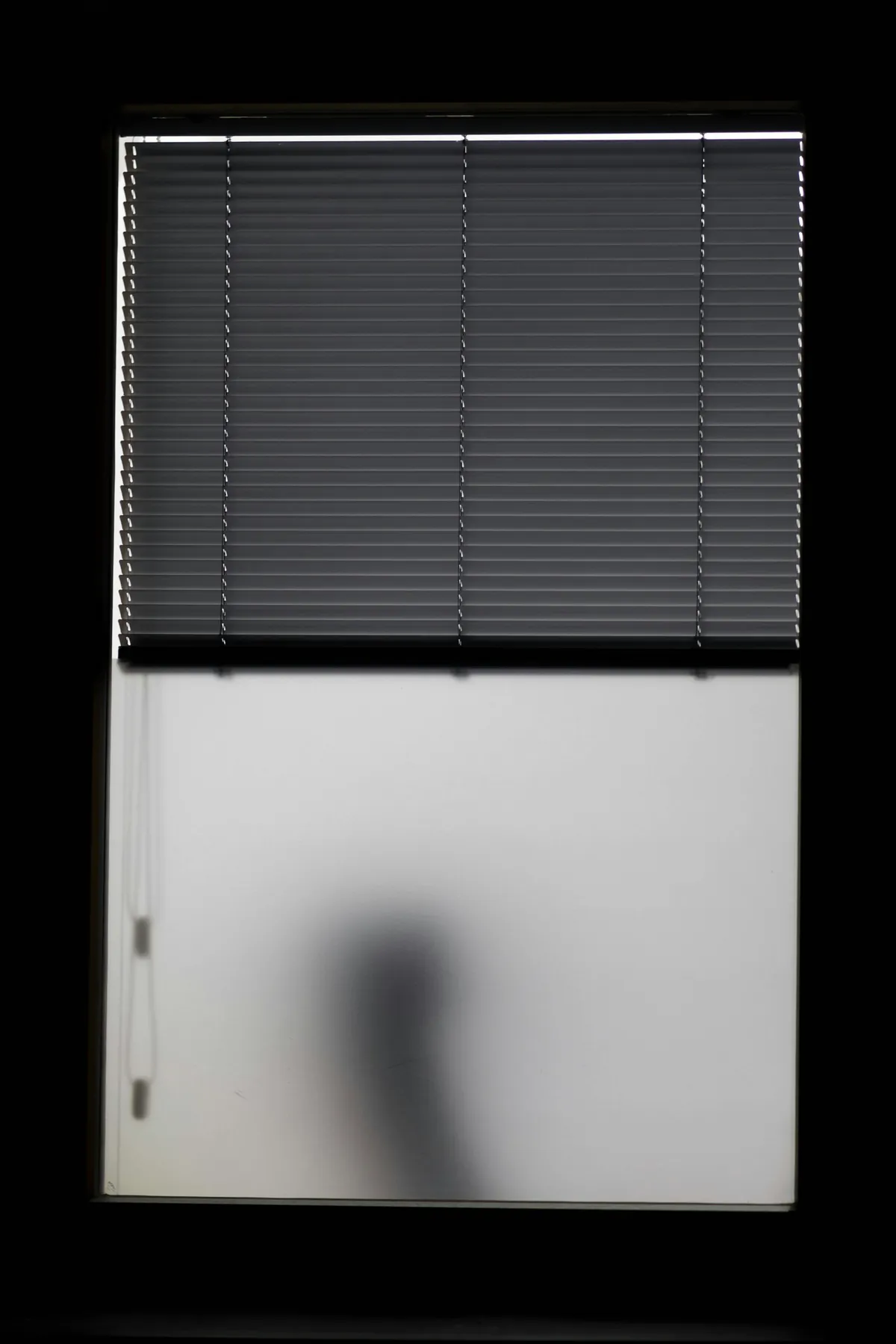
Small and awkward windows
Pantry windows, stair windows and tiny bath windows in older houses. Slim aluminium slats stack small and leave the glass almost clear.
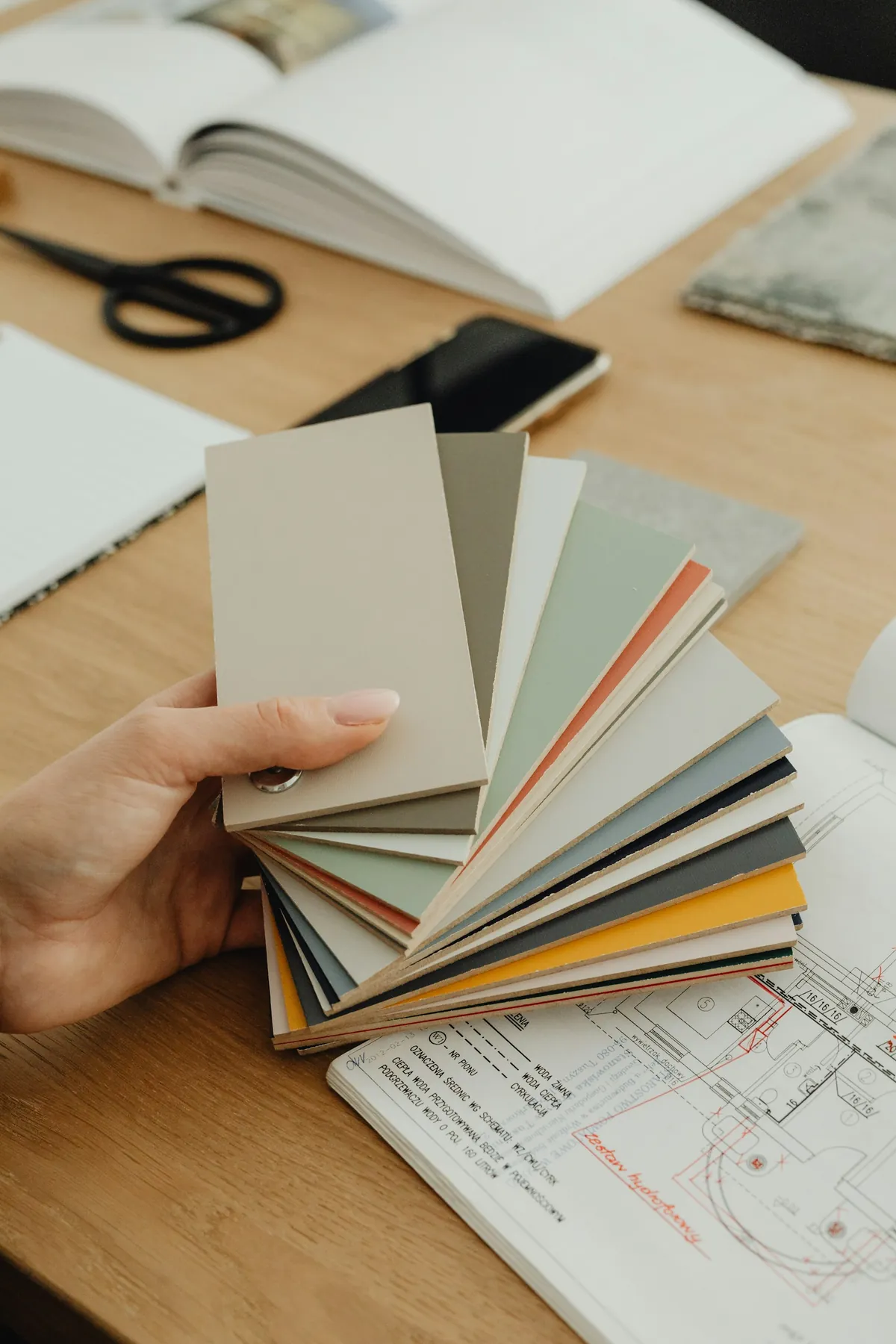
Colours that tie it together
When old and new windows share a wall, one colour and one slat width across both is what makes them read as a matched set.
Planning Custom Blinds in Dighton, MA
The houses that take the most thought when choosing custom blinds in Dighton, MA are the ones where a room spans two eras. You might be standing in a farmhouse kitchen where the wall by the old chimney still has its original sash and the far end opens into a later family room with a long modern window. The question is not just what fits each opening but how to make two very different windows look as if they were planned together.
Below we look at how we handle mixed rooms, the older houses on their own, the river lots, and the way an order runs from the first call to installation.
Making two kinds of window look like one set
The answer usually lies in keeping the things you notice the same and letting the things you do not notice change. From across the room, the eye picks up the colour of the slats, the width of the slats and the height at which the blinds stop when they are lowered. If those three match, two blinds of quite different sizes look like a pair.
So we often use the same slat width and colour on both the old sash and the new window, and set the lowered height so the bottom rails sit at a similar line where the sills allow. The mount can differ. An old sash with a deep frame might take an inside mount that keeps its trim visible, while the newer window, set in a thinner wall, may need an outside mount above its casing. As long as the headrails are finished neatly, the difference in mount is barely noticed.
Material can differ too. If the addition holds the kitchen sink, a faux wood blind there and a real wood blind on the old sash next to it can be made to look almost identical, while each copes with its own conditions.
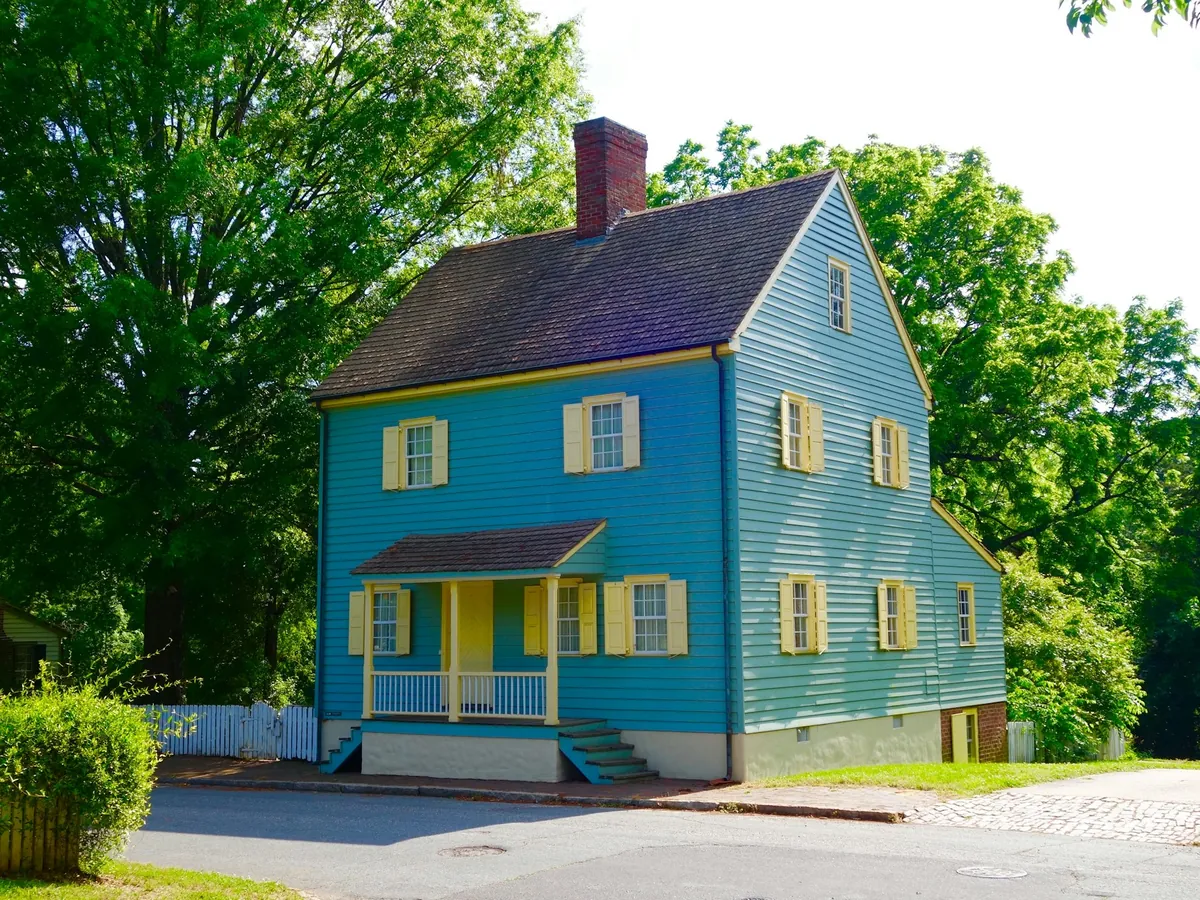
Farmhouses and capes on Main Street and Somerset Avenue
In the older houses on their own, the windows are the character of the place. Nineteenth-century sash tends to be narrow, with thin muntins, deep reveals and trim that has been painted many times over. Frames settle with the house, so a window that looks square may be a little wider at the top than at the bottom.
We measure each of these windows at more than one point across its width and height, so the finished blind clears the frame along its whole length. An inside mount is usually the first choice, since it keeps the woodwork on show, but only where the reveal is deep enough for the headrail and the slats to turn without catching. Where it is shallow, an outside mount sized to the trim keeps things tidy.
Wood blinds are the natural fit for these rooms. A stain that picks up the floor or the doors suits a front parlour or dining room, while a painted white slat sits quietly against white trim in a bedroom. Upstairs in a cape, where the windows are set into dormers with sloping ceilings close around them, a compact headrail helps the blind leave as much glass clear as possible.
River lots on the Taunton
The houses on the river lots get more open light than the rest of town, and their main rooms are often oriented toward the water. Many have wider windows or sliders on the river side, sometimes added when the house was updated, and those windows catch the low sun reflected off the river in the afternoon.
For a slider or a wide opening, vertical blinds are usually the right answer. They are measured across the full width, hang from one track, stack to the side when you want the door clear and turn to cut glare while keeping the view. More on those is on our vertical blinds in Dighton page.
Where the river side is a row of separate windows, a horizontal blind on each one lets you open the window nearest the view and leave the rest tilted. In a room that also has old sash on the road side, using the same slat colour on both walls keeps the space feeling settled.
Sash locks, storm windows and the hardware in the way
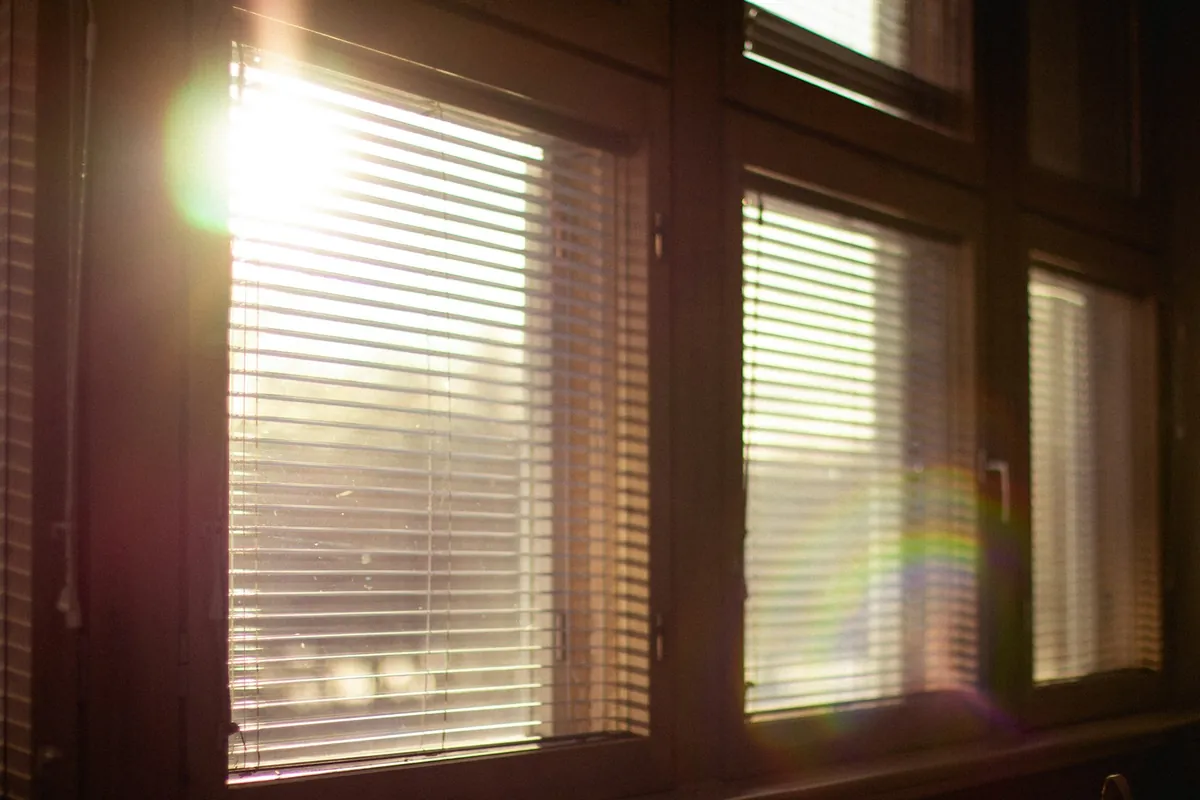
Old windows come with old hardware, and it decides more about a blind than most people realise. A brass sash lock on the meeting rail, a pair of lifts screwed to the lower sash, an interior storm panel or a heavy latch can all stick out into the space where an inside mounted blind would hang. If the slats brush against them, the blind will not close flat and the slats will wear.
That is why our measuring goes beyond width and height. We note every piece of hardware on the frame and how far it projects, and we check whether the windows have exterior storms or interior inserts that change the usable depth. Sometimes the fix is simply a slightly deeper mount or a headrail set forward on small brackets. Sometimes an outside mount is the cleaner answer.
The newer windows in an addition bring their own quirks. Casements have crank handles at the sill, and tilt-in sash may need room to swing inward for cleaning. A blind that blocks the crank or stops the sash from tilting quickly becomes a nuisance. With custom blinds in Dighton, MA, these details are settled during measuring, so the blinds work with the windows rather than against them.
It is also worth thinking about the windows you have not replaced yet. If an old sash is likely to be swapped for a new unit in the next year or two, tell us when we measure. We can plan an outside mount that will still fit once the new window is in.
Wood, faux wood, aluminium or vertical
Here is a plain comparison of the four kinds of blind, with the Dighton house in mind.
Wood has warmth and weight that suit original rooms and painted trim. It belongs in dry rooms such as living rooms, dining rooms, bedrooms and studies.
Faux wood looks like painted wood but is made for damp. It is the one for kitchens, baths and laundry rooms, and it is often the material in the addition while real wood stays in the old part of the house.
Aluminium has a thin slat and a small stack. It is useful for little windows and for rooms where you want the window to look uncluttered.
Vertical blinds cover sliders and wide openings that a horizontal blind would struggle with.
Slat width matters more than people expect. A wider slat looks more modern and gives a clearer view when tilted. A narrower slat suits the small panes and slim proportions of an old sash. Where a room mixes both, we often settle on a middle width that looks right on each.
How We Take an Order
We stay in touch with you at every stage until the job is done. A typical order for custom blinds in Dighton, MA goes like this.
- You call the Swansea store or send the form, mention the rooms you have in mind, and we set up a free quote.
- A specialist comes for measuring in your home. Every window is measured separately, old sash at several points, and the frame depth is checked at each one.
- We talk through the rooms where old and new windows meet and how to make them match, then look at materials, colours and controls with samples.
- You get a quote listing every window, so you know what is being made and why.
- The blinds are made to the measurements taken in the house.
- Our team installs them, checks each one lifts, lowers and tilts smoothly, and shows you how they work.
- If anything needs adjusting afterwards, you call the same store and we see it through.
Light and privacy in a low density town
Houses in town are spread out, and many sit well back from the road with open land around them. That changes what a blind is for. Privacy from the street may matter less than in a dense neighbourhood, while control of sun, warmth and glare matters more, because there are fewer trees or neighbouring houses to shade the windows.
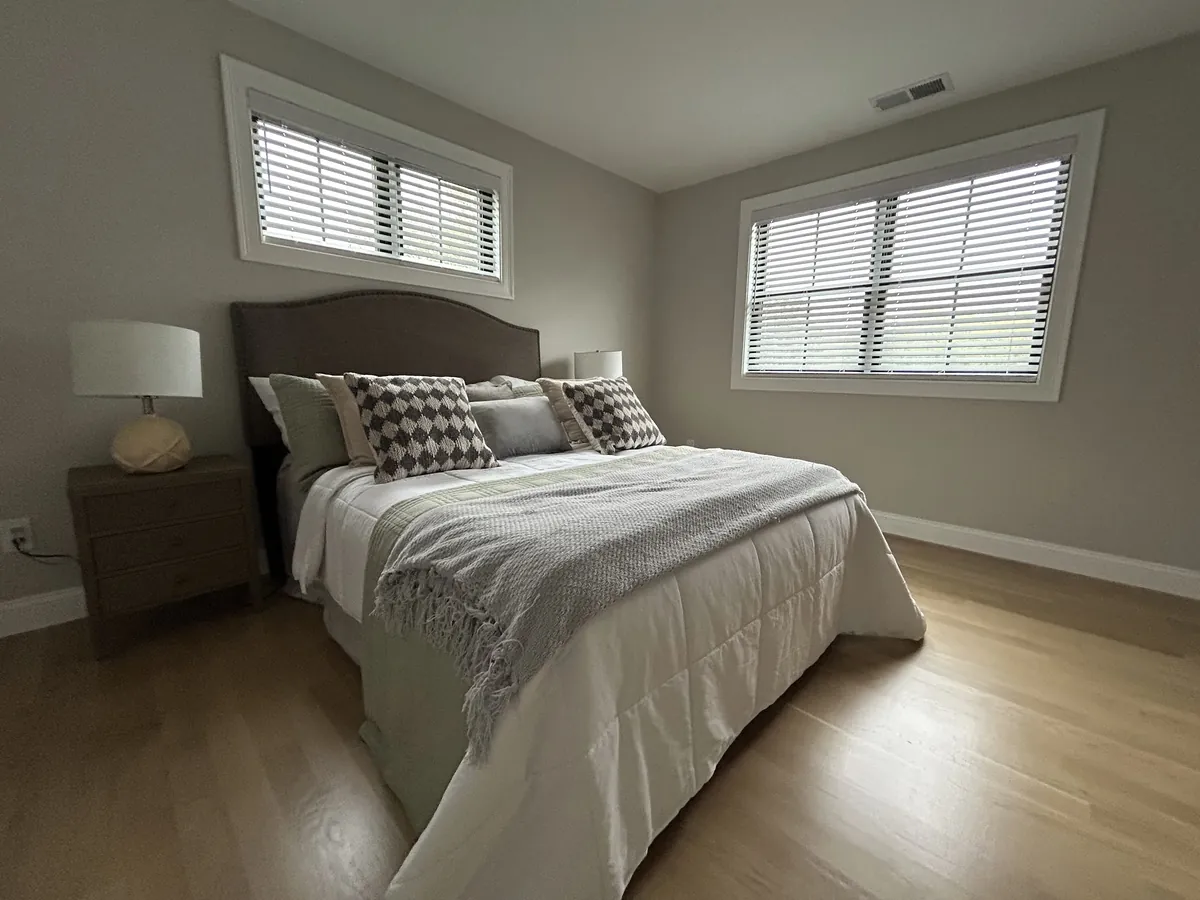
A bedroom on the sunny side wants slats that close tightly and a blind fitted close to the frame. A family room in an addition, with large modern glass, often wants slats tilted upward through the day so light reaches the ceiling and the room stays bright without sun across the sofa. In the older front rooms, where the windows are smaller, a blind that raises fully and stacks small lets in every bit of daylight on a grey winter afternoon.
The controls are set up with that in mind. We look at which side each lift and tilt should be on, how long the wand or cord should be, and how high the blind should stack, so it is easy to use from the chair or the bed beside it.
When a different treatment suits the window
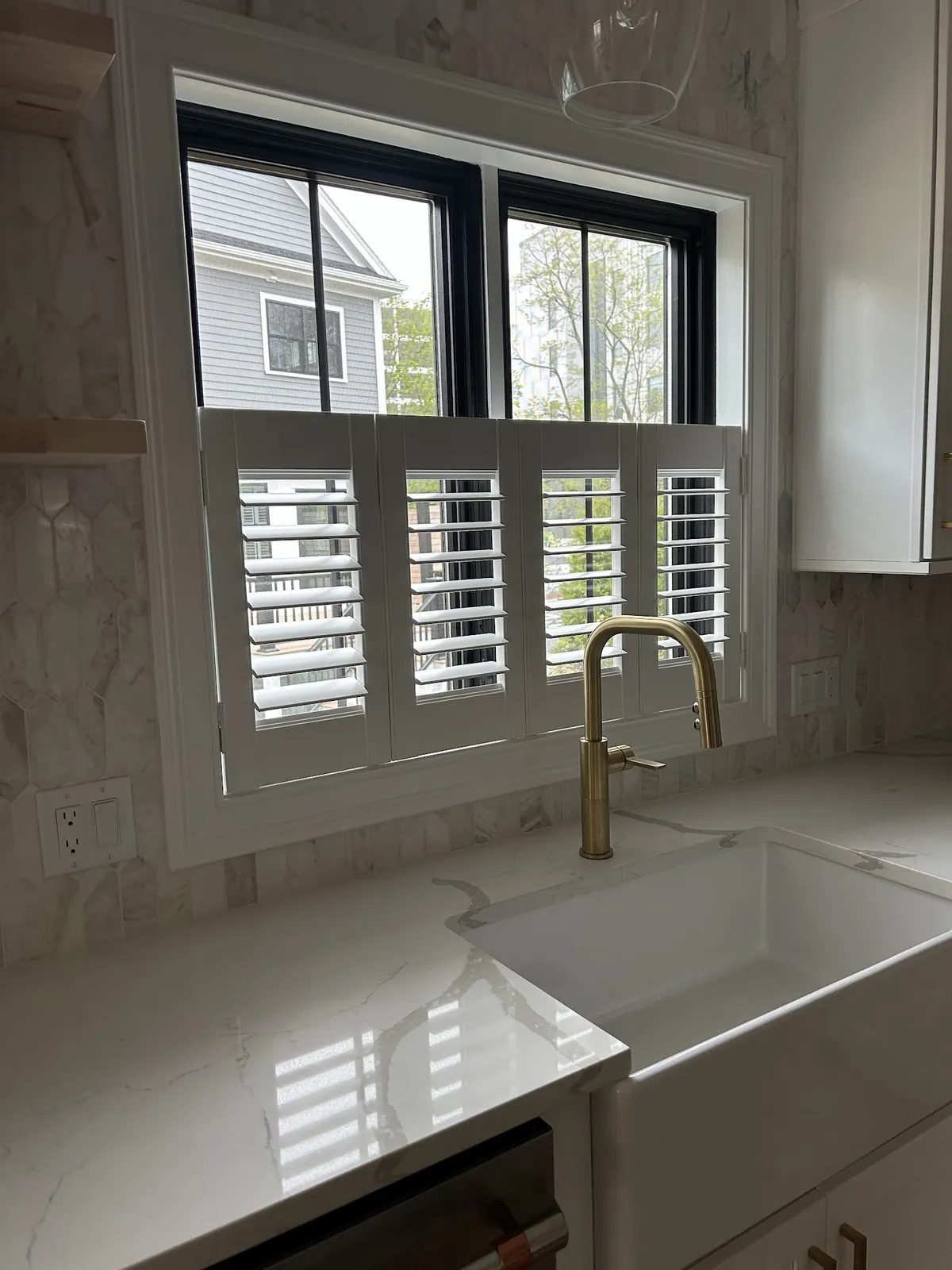
Sometimes a blind is not the best choice, and we will say so. A kitchen window over the sink in an old farmhouse might suit cafe-style shutters. A formal front room might want drapes on either side of the blind. A sunroom addition with glass on three sides might be better with roller or cellular shades. Window Works makes all of these, so the whole house can be planned together.
The full range of services in town is on our window treatments for Dighton homes page, and every blind we make is described on the main custom blinds page.
Doing the house in stages
Many houses that have been added to over the years are also decorated in stages, and blinds can follow the same pattern. It often makes sense to start with the rooms that need it most, such as a bedroom that gets the morning sun or a family room where the new glass has been left bare. Later rooms can be matched to the first ones, because we keep a note of the colour and slat width you chose.
If the house is going to be added to again, it is worth mentioning when we measure. We can suggest a colour and slat that will be easy to carry into a future room.
Everyday care
Custom blinds ask for very little. A soft duster once a week keeps wood and faux wood looking fresh. Faux wood, aluminium and vertical vanes can be wiped with a damp cloth when needed. Wood should only be dusted and kept dry. If a cord frays or a wand stops turning on a blind you already have, give us a call and our team can take a look.
The Window Works Way
Window Works has been a family business in Swansea since 1988, and the second generation now runs it. Over more than 37 years, the store has worked in houses old and new right across the SouthCoast and the Rhode Island East Bay, with Dighton just up the river.
- Experienced window treatment specialists who know older houses
- Measuring in your home, window by window
- Installation by our own team
- In constant contact with you until the job is done
- Warranties offered on the products we sell
Whether it is one old sash or a whole farmhouse with an addition, each window gets the same care.
See the Samples in Swansea
The showroom is a short drive south from Dighton, down the river. It is the place to compare a real wood slat with faux wood, check how a colour looks next to old painted trim, and try the tilt and lift controls in your own hands.
Bring a photo of the room, especially if it mixes old and new windows, and our specialists can help you work out a matched set. The Norman range is also on display, so you can see those blinds in person.
Dighton Blind Questions
Can you make old sash and a modern window in the same room match?
Yes. We keep the slat colour, slat width and lowered height the same on both, even if the size, mount or material differs, so the two read as one set.
Will a blind fit inside an original nineteenth-century frame?
Usually. We measure each sash at several points and check the frame depth. If the reveal is deep enough, the blind goes inside the frame. If not, we size an outside mount to the trim.
What goes on a slider in an addition?
Vertical blinds on a single track, measured across the full opening. They stack clear of the door and turn to control the light.
Can I put wood blinds in the kitchen addition?
Faux wood is the better choice near steam and splashes. It can be made in a colour that matches the wood blinds in the rest of the house.
How do I start?
Ask for a free quote with the call button or the form, tell us the rooms you have in mind, and we will arrange a time to measure in your home.
Ready When You Are
The simplest next step is a free quote. Use the call button to speak with the Swansea store, book measuring in your home or ask about installation, or send the form and we will follow up. To handle the samples first, call in at the showroom, with directions on the contact page. Window Works holds a 5.0 rating on Google.