
Privacy Comes First on a Warren Street
In the historic waterfront district, a Federal or a Victorian often sits only a step or two back from the pavement, with its neighbour a few feet away on either side. That closeness is the first thing we think about when planning Norman blinds in Warren, RI. A front parlour window can be at eye level with anyone walking past, and a side window may look straight into the house next door.
Out in Touisset the lots are quieter and the houses stand further apart, facing the shore rather than the street. The windows there have a different job: handling bright light off the water while keeping the view. The Norman range of blinds, shades and shutters can do both, as long as each window is treated for the way it is actually overlooked.
- Norman blinds, shades and shutters, a range the store carries
- Try them in person at our Swansea showroom
- Every window measured on site, every order fitted by our team
What the Norman Range Brings to Warren
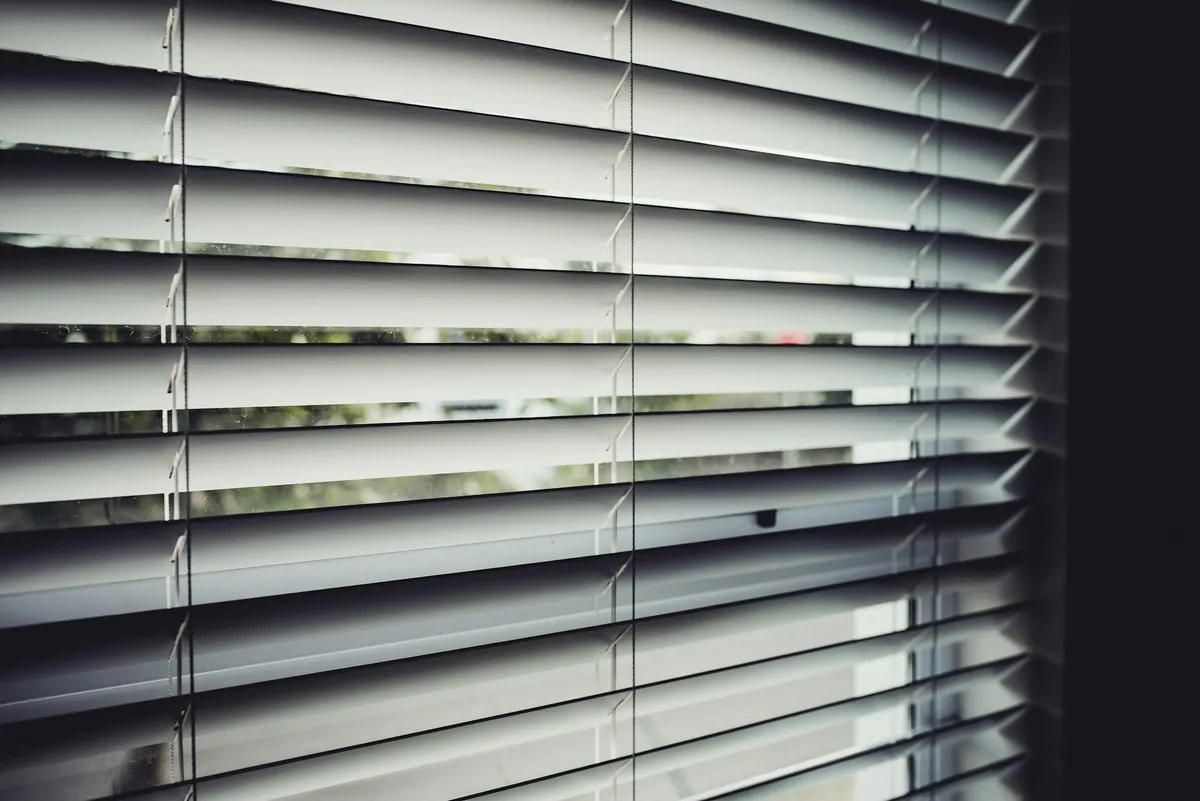
Slats you can angle
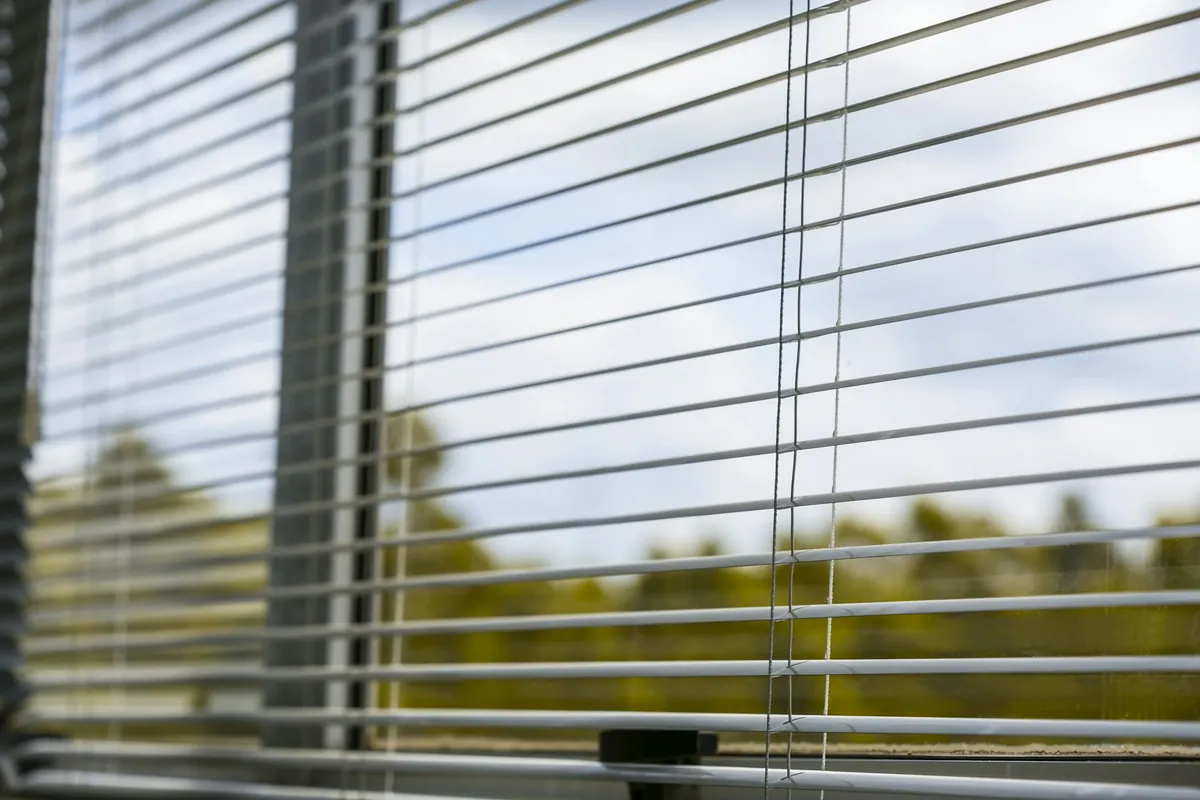
Tilt the slats up and passers-by see the ceiling, while daylight still comes in. A practical answer for a ground-floor room right on the street.
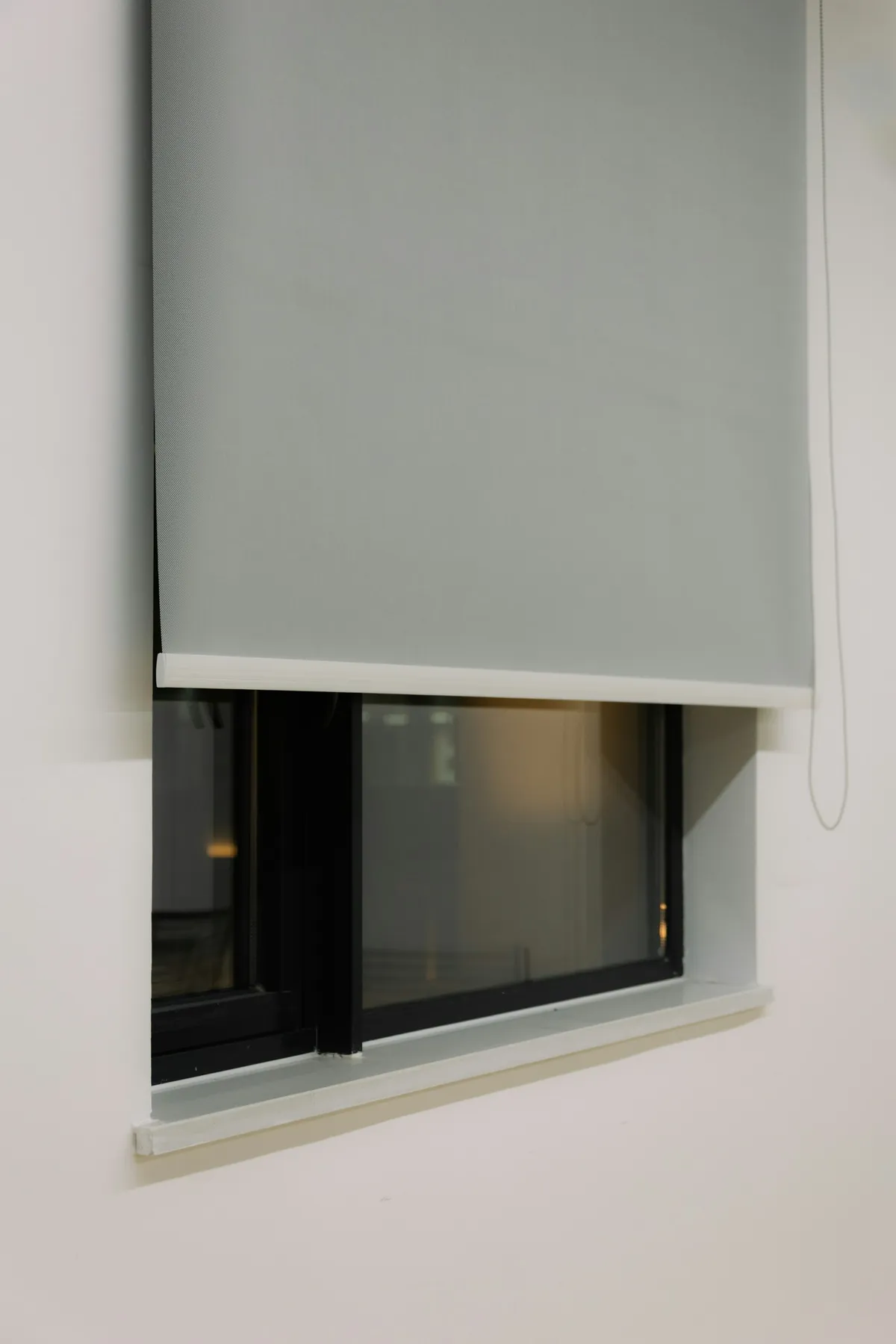
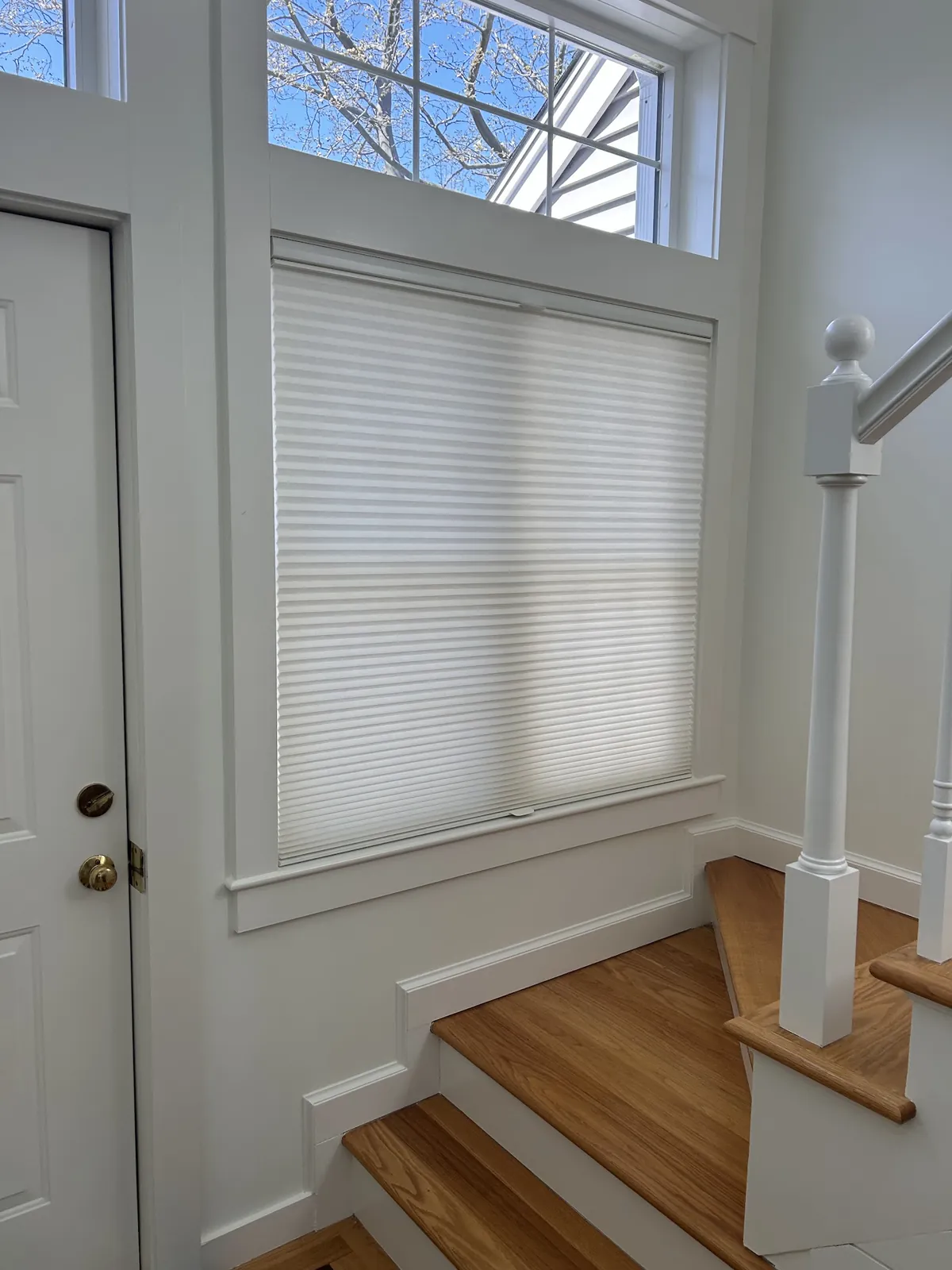
Fabric that diffuses
A light-filtering cloth blurs the view in from outside but keeps the room bright. In a darker weight, it turns a bedroom dim.
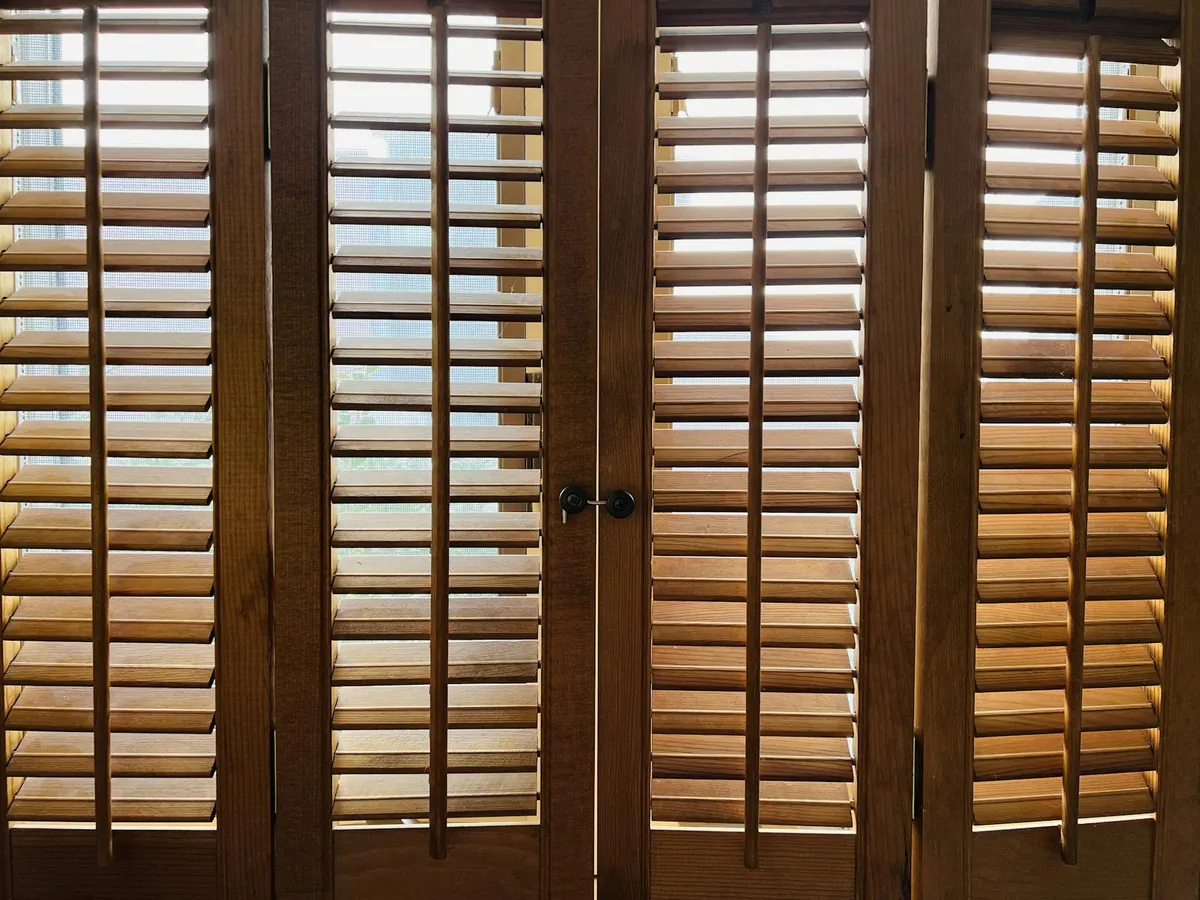
Panels on hinges
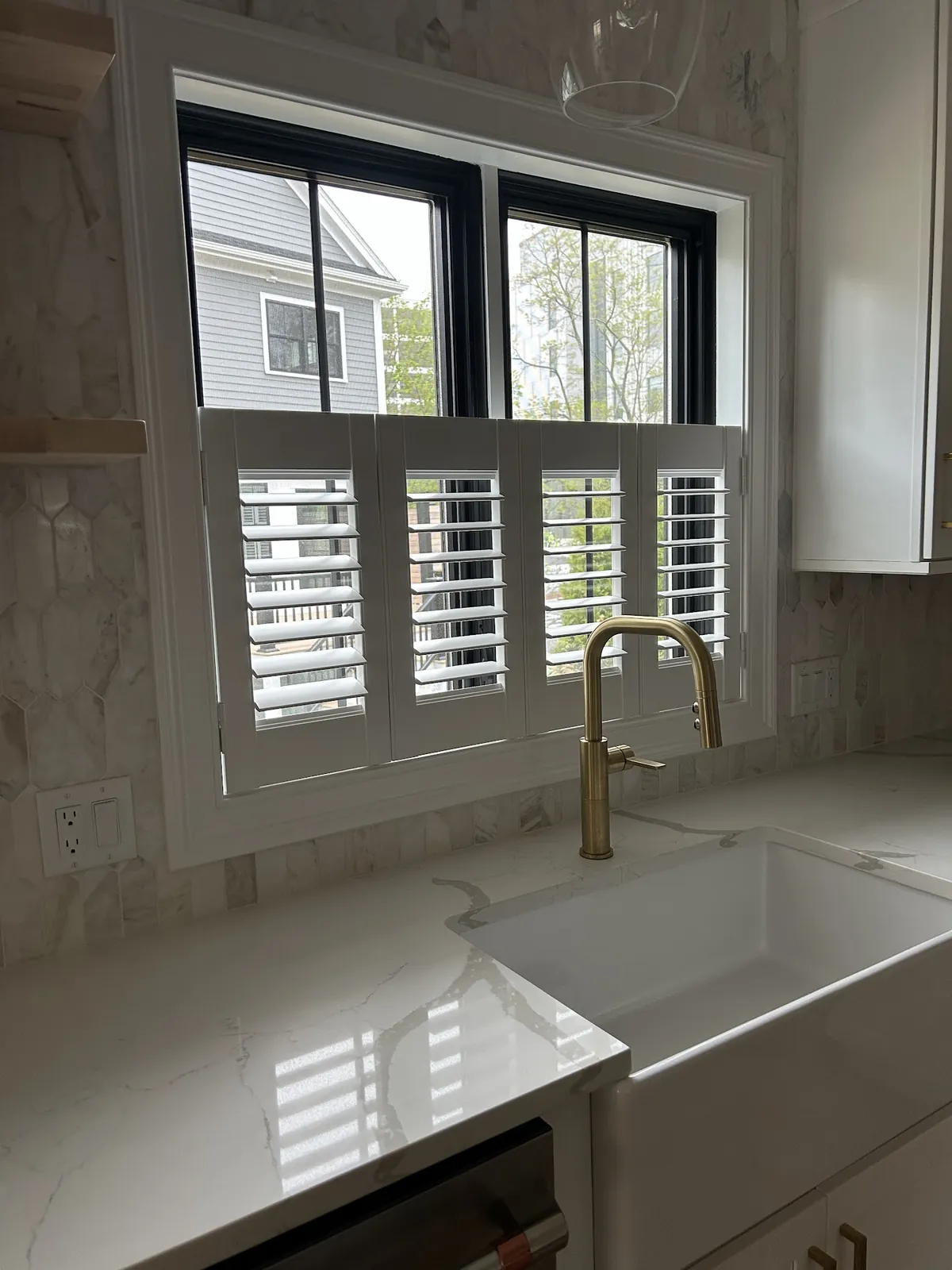
Interior shutters, closed on the lower half and open above, give a street-side room privacy and sky at once.
Choosing Norman Blinds in Warren, RI, Window by Window
The best way to approach Norman blinds in Warren, RI is to stand at each window and ask who can see in, and from where. A front room in the waterfront district is overlooked from the pavement. A side bedroom may face a neighbour’s window across a narrow gap. A back kitchen might look onto a private yard and need nothing more than glare control. Once that is clear for every opening, choosing from the range gets much simpler.
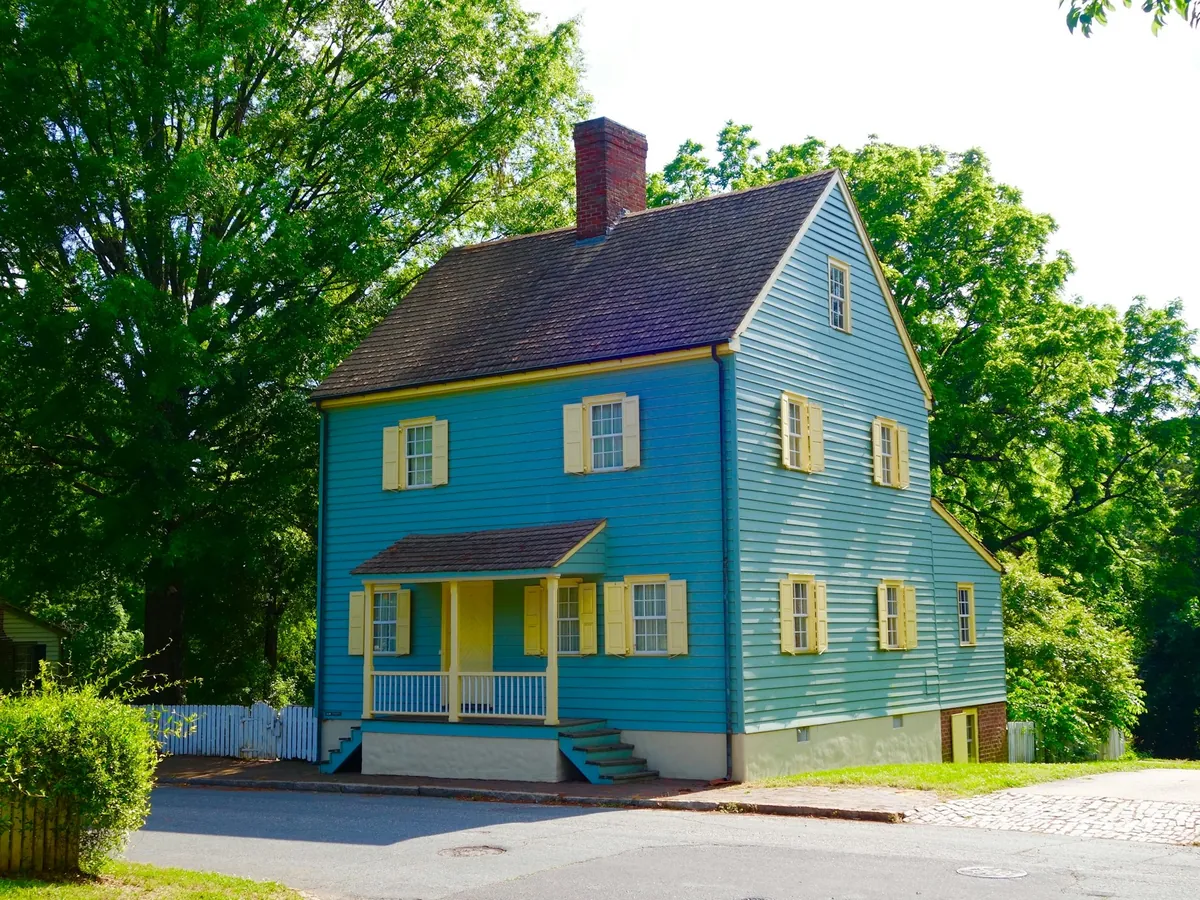
Federal houses close to the pavement
Warren’s Federals tend to have a symmetrical front, a centre door and tall, multi-pane sash set at regular intervals. Because the house is close to the street, the front rooms feel exposed in a way that a house set back on a lawn never does. The usual answer is a treatment that can stay partly closed all day without making the room gloomy.
Slats are useful here. A blind tilted with its upper edge toward the room blocks the line of sight from below while bouncing daylight up onto the ceiling. A light-filtering shade does something similar by softening the view rather than blocking it. Which suits better depends on the room: a parlour that is used in the evening may want full closure at night, while a study used by day may want light first.
The trim on these houses is often original and worth keeping in view. A Norman blind or shade fitted inside the frame leaves the casing visible from the room and from the street, which suits a house that is part of a historic streetscape. We check each reveal for depth before planning on that, because sash frames in an old house are rarely the same from one window to the next.
Victorians with tall windows and bays
The Victorians through the waterfront district bring taller windows, higher ceilings and the occasional bay or oriel. Height changes the problem. A long window gives a passer-by a wider view in, but its top half is above anyone’s eye line. Treating the bottom for privacy and the top for light is often the neatest answer.
Shutters do that naturally, because each section of louvres can be set on its own. Close the lower panels and leave the upper ones open, and the room keeps its daylight. A bay can take a shutter or a shade on each window, sized separately so the angles of the bay stay crisp. On a very tall window, we pay attention to how the treatment is worked, so the control is reachable without a step stool.

Side windows and the house next door
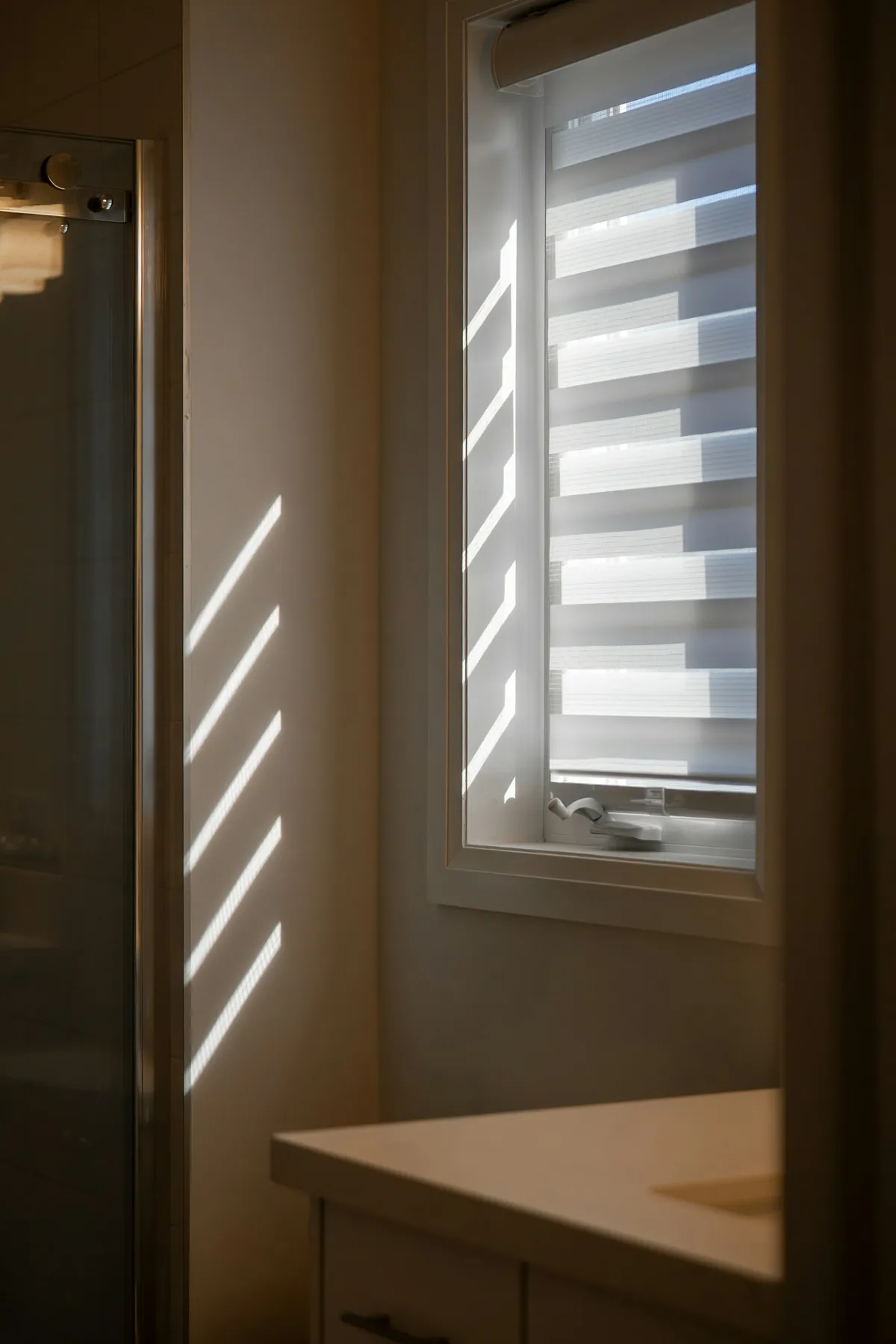
Close-set houses create a window type that rarely gets thought about until the move-in: the side window that faces a neighbour’s side window a few feet away. These are often in stair halls, bathrooms and bedrooms. Here privacy is needed nearly all the time, and the view is not worth keeping, so a light-filtering shade left down through the day is often the simplest choice. It still lets light through but turns the neighbouring wall into a soft glow.
For a narrow hall or landing window, a slim blind with a small stack does the job without crowding the frame. In a bathroom, a moisture-tolerant faux wood blind or a shutter is the practical pick.
Touisset and the quieter shore lots
Touisset reads like a different town. The houses face open water, the neighbours are further away, and privacy is less pressing than light and weather. Big windows toward the shore take low sun and reflection from the water, and the air carries salt.
Here the aim is to keep the view while taming the glare. A blind tilted upward does that well, and faux wood or shutters stand up to damp air better than real wood. In a room that faces the water directly, a light-filtering shade can take the edge off the brightest hours without hiding the horizon. Bedrooms on the shore side often want a darkening fabric, because early light comes in hard over the water.
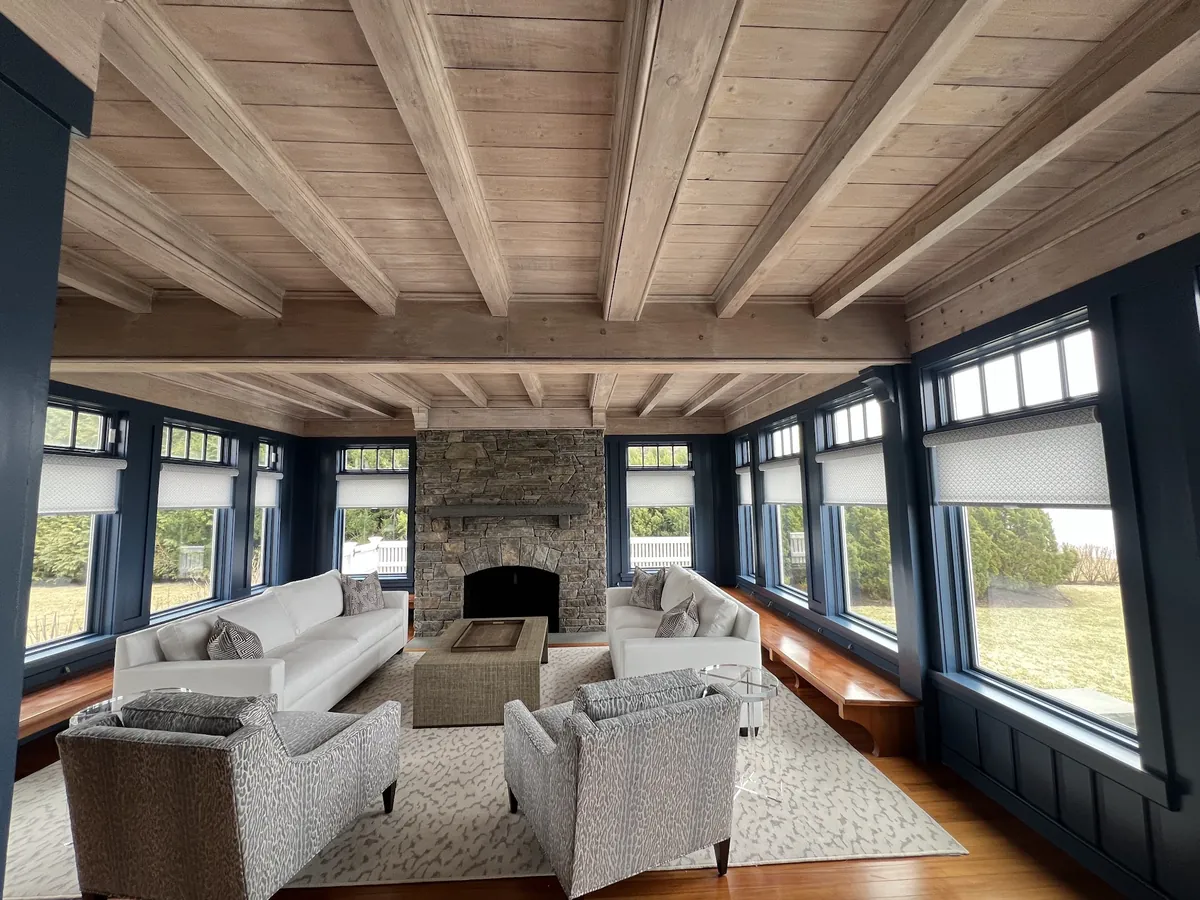
Many Touisset houses also have a sunroom, an enclosed porch or a run of windows on the water side that were added to make the most of the view. These rooms can turn hot in the afternoon and chilly on a winter evening, and their windows are often of mixed sizes where the addition meets the older house. Matching shades across all of them, each made to its own opening, makes the room look planned rather than pieced together. Where the windows wrap a corner, we size the shades so their edges meet neatly without a gap of light between them.
A shore house is also more likely to be closed up for part of the year or used heavily in summer, so how the treatments hold up matters. Faux wood and shutters stay true in damp air, and a shade with a simple lift is easy for anyone in the house to work.
Kitchens, back rooms and the private side
Not every Warren window needs privacy. A kitchen at the back of the house, overlooking a fenced yard, may only need help with glare in the morning. A blind over the sink, or a cafe-height shutter that covers the lower half, gives just enough cover while leaving the top of the window open to the light. Keeping the private rooms simple leaves more of the budget for the exposed street windows that really need the attention.
Upper floors on a close-set street
Privacy does not stop at the ground floor. When houses stand close together, a bedroom on the upper floor can look straight across into the neighbour’s bedroom or stair window. The line of sight is level, not from below, so tilting slats upward helps less than it does downstairs. A shade that closes fully, or a shutter with its louvres shut, is the dependable answer for these rooms, and a darker fabric doubles as a way to keep the room dim on summer mornings.
Upstairs windows in a Federal are often a little shorter than those on the main floor, and the ceilings can be lower, so the headrail and the stack need to stay compact. We note the space above each frame when we measure.
The stair hall and the window by the door
Many Warren houses have a narrow window beside the front door or a tall one lighting the stair, both close to the street. They bring welcome light into a hall that would otherwise be dark, so covering them completely defeats the purpose. A light-filtering shade fitted tight inside the frame keeps the glow and blurs the view in. It also stays put, which matters on a window you pass a dozen times a day but rarely adjust.
Comparing blinds, shades and shutters for Warren rooms
Each part of the Norman range solves the privacy question a little differently, which is why most houses use more than one.
- Blinds give the finest control. You can tilt the slats by small amounts through the day, and close them tight at night. They suit a front parlour, a study or a kitchen.
- Shades soften the view rather than slicing it, and a light-filtering cloth can stay down all day without the room feeling closed in. They suit side windows, stair halls and bedrooms.
- Shutters let you treat the top and bottom of a tall window separately and look substantial from the street. They suit Victorian front rooms, dining rooms and kitchens.
When you weigh up Norman blinds in Warren, RI against shades and shutters this way, the choice for each room usually becomes obvious, and the showroom confirms it.
From Your First Call to the Final Fitting
We keep you informed throughout, and the same team carries the job from start to finish. A Warren order usually looks like this.
- Call the store or fill in the form, describe which rooms face the street or the neighbours, and book a free quote.
- Drop in at the Swansea showroom whenever suits you, to compare Norman blinds, shades and shutters in person.
- A specialist visits the house and measures every opening, noting reveal depth, sash style and how each window is overlooked.
- We agree what goes on each window, from the product and colour to how it is operated.
- You get a written quote listing every window.
- The order is made to those measurements.
- Our installers fit it, check each window, and show you how everything works.
Measuring old sash properly
Warren’s older houses have settled over time. A sash frame can lean a fraction out of square, and the reveal depth can change from one side of a window to the other. That is why we measure every opening ourselves, at more than one point, instead of working from a single width and height. A blind or shade built to those figures sits snugly, with no bright gap down the side to defeat the privacy you are paying for.
Touisset bedrooms and guest rooms
Shore houses often have more bedrooms than they use day to day, kept for family and guests in summer. Those rooms still face the water and the early light, so a darkening shade or closed shutters are worth fitting even in a room used only part of the year. Choosing damp-tolerant materials there matters too, since a closed-up room by the shore can turn damp.
Getting the light right at night
Street privacy matters most after dark, when the lamps are on and the room is lit from inside. A light-filtering shade that seems fine at noon can show silhouettes at night. We talk about how each street-facing room is used in the evening before settling on a fabric, and the showroom is the place to hold a sample against a lamp and see for yourself.
For a parlour or bedroom on the front of the house, a fabric with more body, or a blind that tilts fully closed, is usually the safer choice. In a room used mostly by day, a lighter cloth keeps things bright.
Colour from the street
In a historic district, the windows are part of the streetscape as much as part of the room. White and soft neutrals behind the glass tend to look right on a Federal or a Victorian from the pavement, and they let the house’s own trim and paint colours lead. Inside, a darker stain or a richer fabric can still be used in a study or a dining room, as long as the street side stays calm.
Keeping the front windows consistent is the main thing. Even if the front parlour has shutters and the room above has a shade, matching the colour across the façade makes the house look composed.
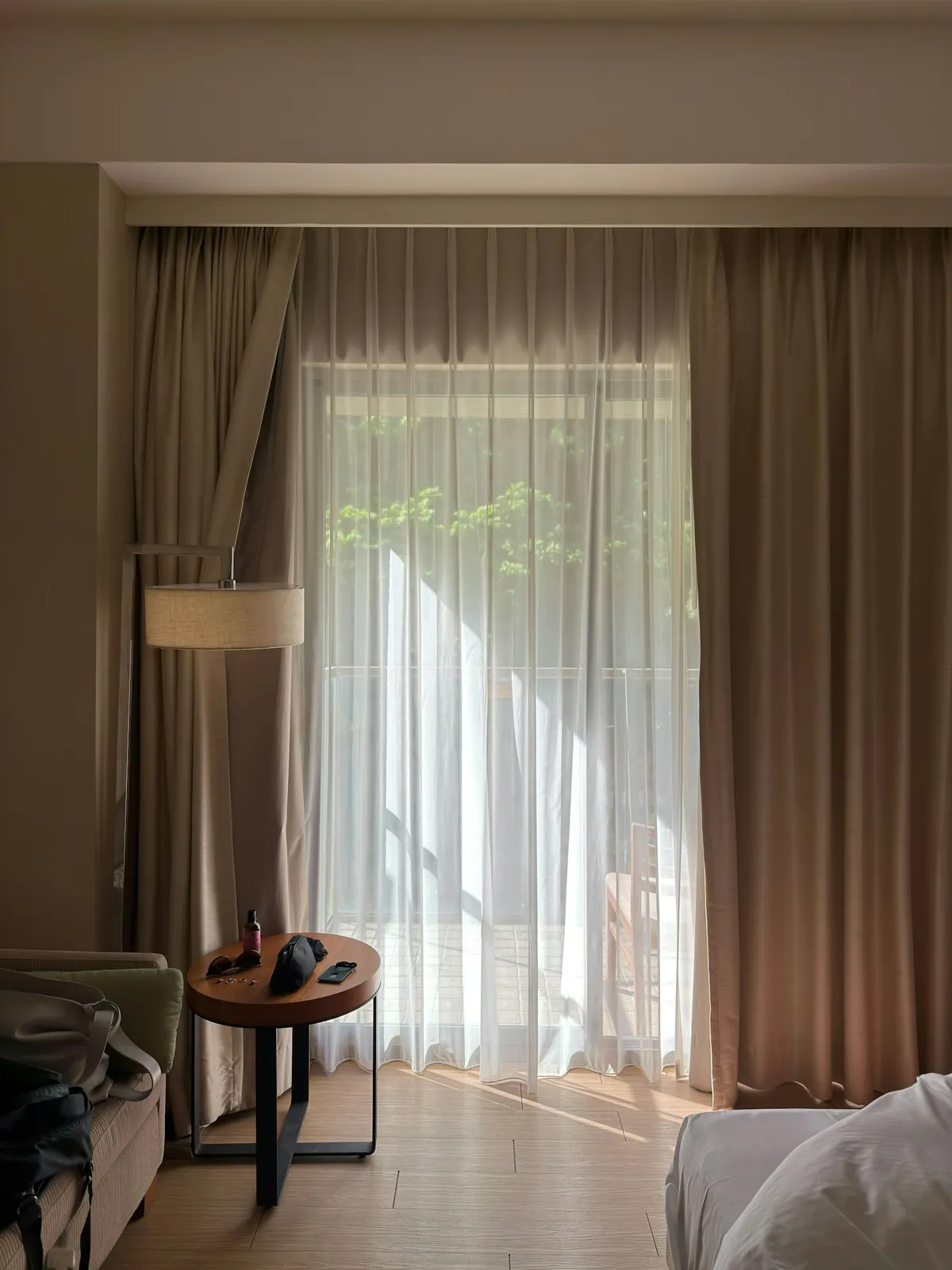
Layering with drapery
Many Warren front rooms suit a second layer. A Norman shade or blind can handle privacy through the day, with drapes on either side that close at night and add warmth to the room. We make drapery as well, so both layers can be planned on a single measuring visit. You can see the fabric side on our drapes in Warren page.
Care in a house near the harbour
Damp air off the water leaves a thin film on window treatments over time. A soft dry duster keeps slats and louvres looking clean, and faux wood can be wiped with a lightly damp cloth. Real wood should stay dry. Fabric shades need little more than a gentle pass with a soft brush. If a cord or a lift starts to give trouble on a blind you already own, mention it when you call, because it is often a repair rather than a replacement.
A Swansea Store That Knows Warren Houses
Window Works has been a family business in Swansea since 1988, and the second generation runs it today. In more than 37 years our specialists have worked on houses up and down the East Bay, Warren included, and across the SouthCoast of Massachusetts.
- A team of experienced window treatment specialists
- We measure at the house and our crew installs
- We keep in touch with you until the job is complete
- Warranties offered on the products we sell
- Drapes and fabric decor made to go with the blinds and shades
Our Swansea showroom is a short drive away, with the Norman range set out to see and handle. You can read more about the range on our Norman blinds and shades page, or see everything we make for the town on the Warren window treatments page.
Questions from Warren
My front room is right on the pavement. What gives privacy without darkness?
A blind tilted with its slats angled upward, or a light-filtering shade, keeps eyes out while letting daylight in. Shutters closed on the lower half and open above do the same in a tall Victorian window.
Will a treatment hide the original trim on my Federal?
Not if it fits inside the frame. We measure each reveal and, where there is depth, fit the blind or shade within it so the casing stays on show.
What works for a side window facing the house next door?
A light-filtering shade left down most of the day turns the neighbouring wall into soft light. In a bathroom, a faux wood blind or shutter copes better with steam.
Do the Norman products cope with salt air in Touisset?
Faux wood blinds and shutters handle damp air well. We talk through which parts of the range suit a room facing the water when we measure.
Is the quote really free?
Yes. The quote is free, and it lists every window so you can see exactly what you would be ordering.
Ready When You Are
To get going, press the call button and talk to the Swansea store about Norman blinds in Warren, RI, a measuring visit or installation. You can also send the form on this page and we will reply. If you would like to see the range in person first, come by the showroom, with directions on the contact page. Window Works is rated 5.0 on Google.