
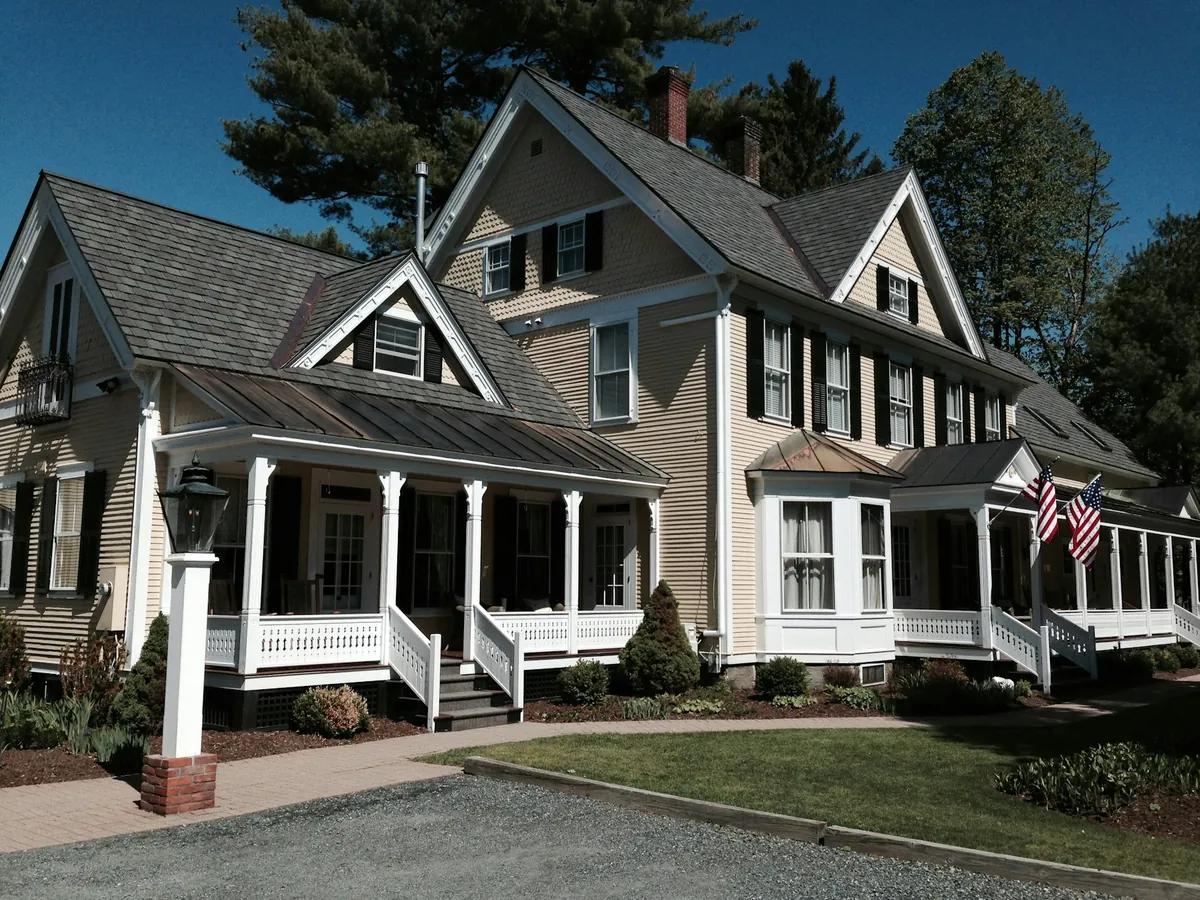
A Bright Side and a Shaded Side
Portsmouth has water on both sides of the island, and that gives many of its houses a split personality. One side faces the bay and takes the sun and the glare off the water for hours. The other side sits in shade, looking at the road, the trees or the next house. Those two sides need different things at the window, and planning for both is how we approach Norman blinds in Portsmouth, RI. Each piece in the range is made to its own opening, so a sun-struck bay window and a dim side window can each get what they need in one matching finish.
Of all the makers’ names, Window Works uses only Norman. We hold its blinds, shades and shutters in stock and lay them out at our Swansea showroom, where you can lift, tilt and close them before deciding.
The island’s houses vary a great deal. In Island Park and Common Fence Point, cottages stand close together near the shore. Off East Main Road, newer colonials have larger, regular windows. Toward the water, larger homes open whole walls to the bay. Each part of town has its own bright side and shaded side.
- Blinds, shades and shutters from Norman to try in Swansea
- Each side of the house planned for its own light
- A specialist to measure, our installers to fit
Norman and More for Portsmouth Homes
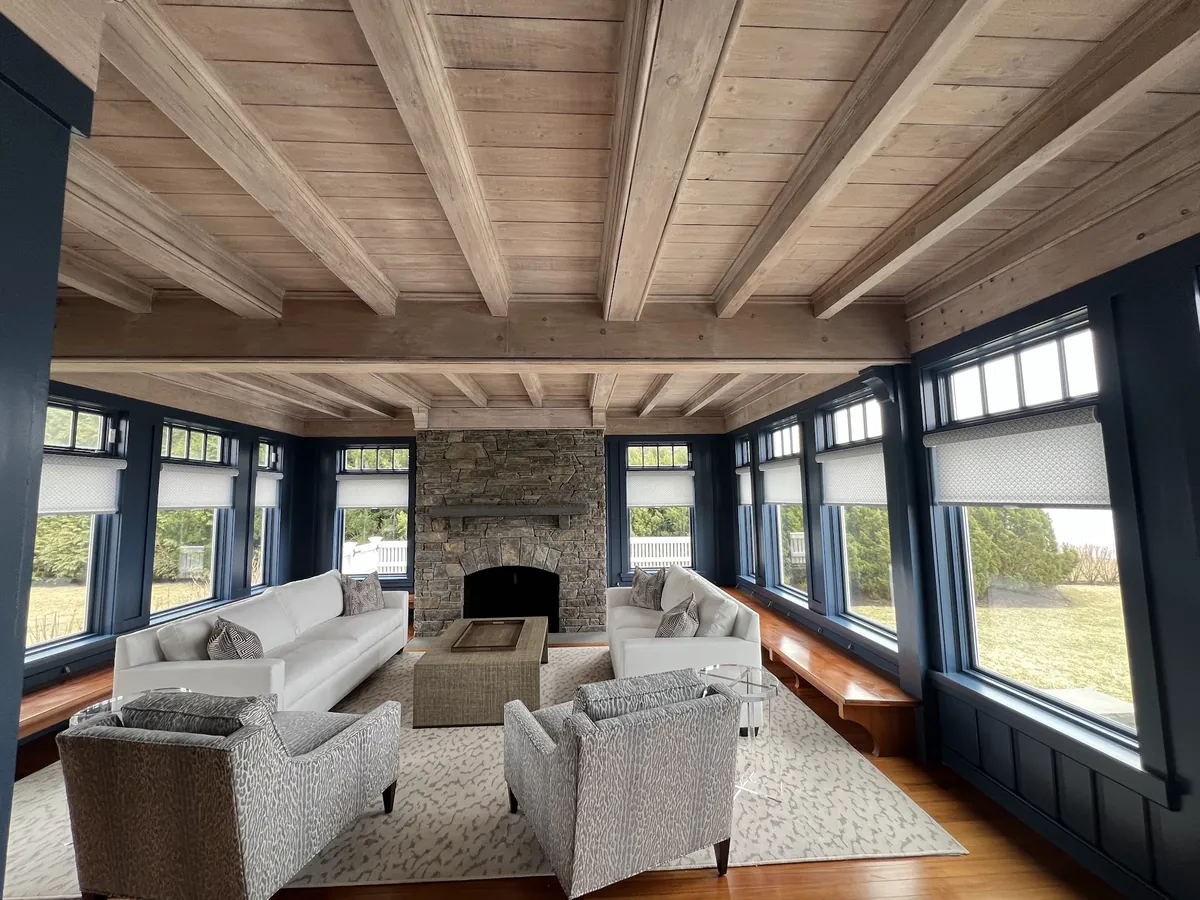
Shades for the sunny side
Light-filtering fabric that calms the glare off the bay and leaves the water in view.
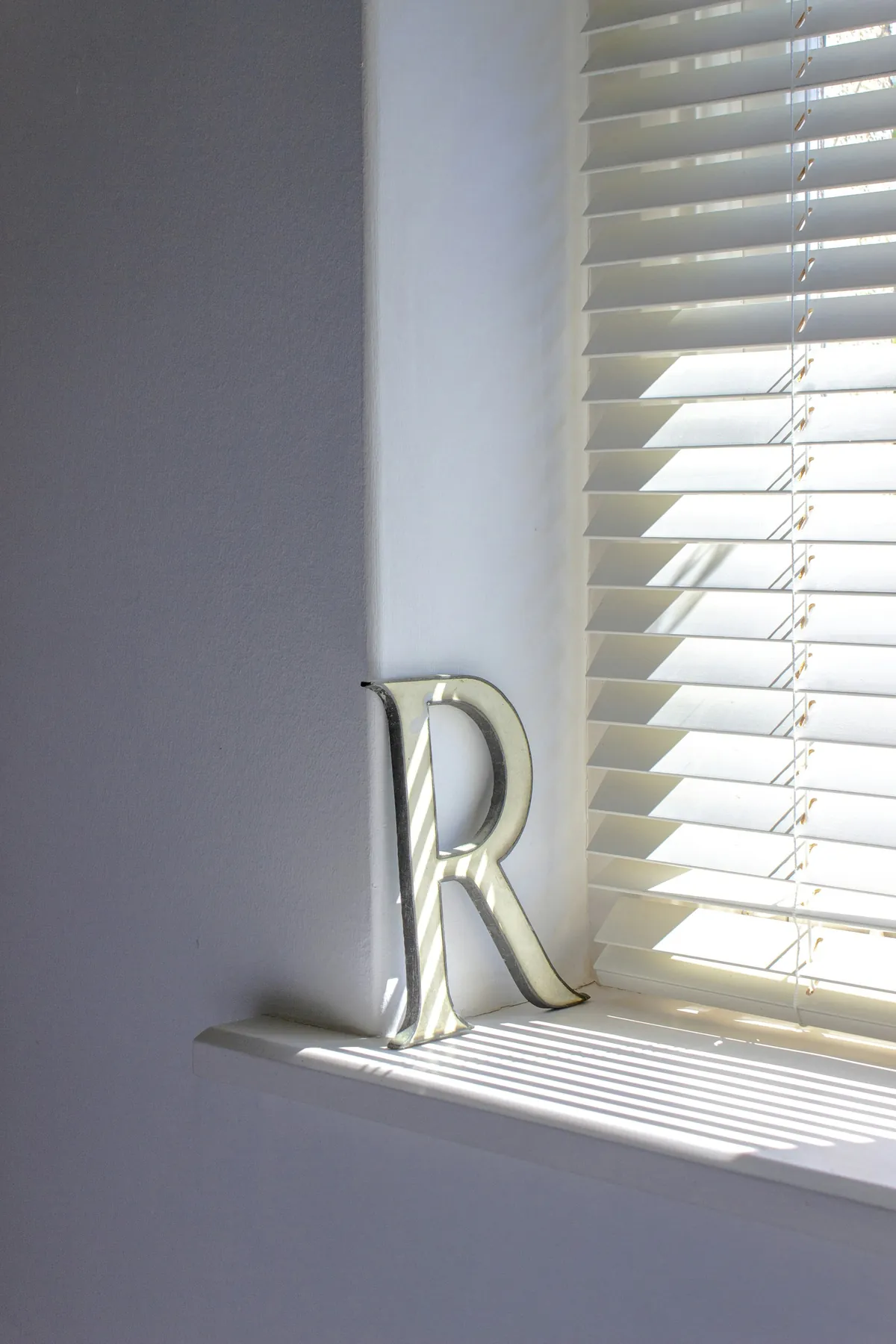
Blinds for the shaded side
Slats that tilt to keep neighbours’ eyes out while every bit of daylight still comes in.
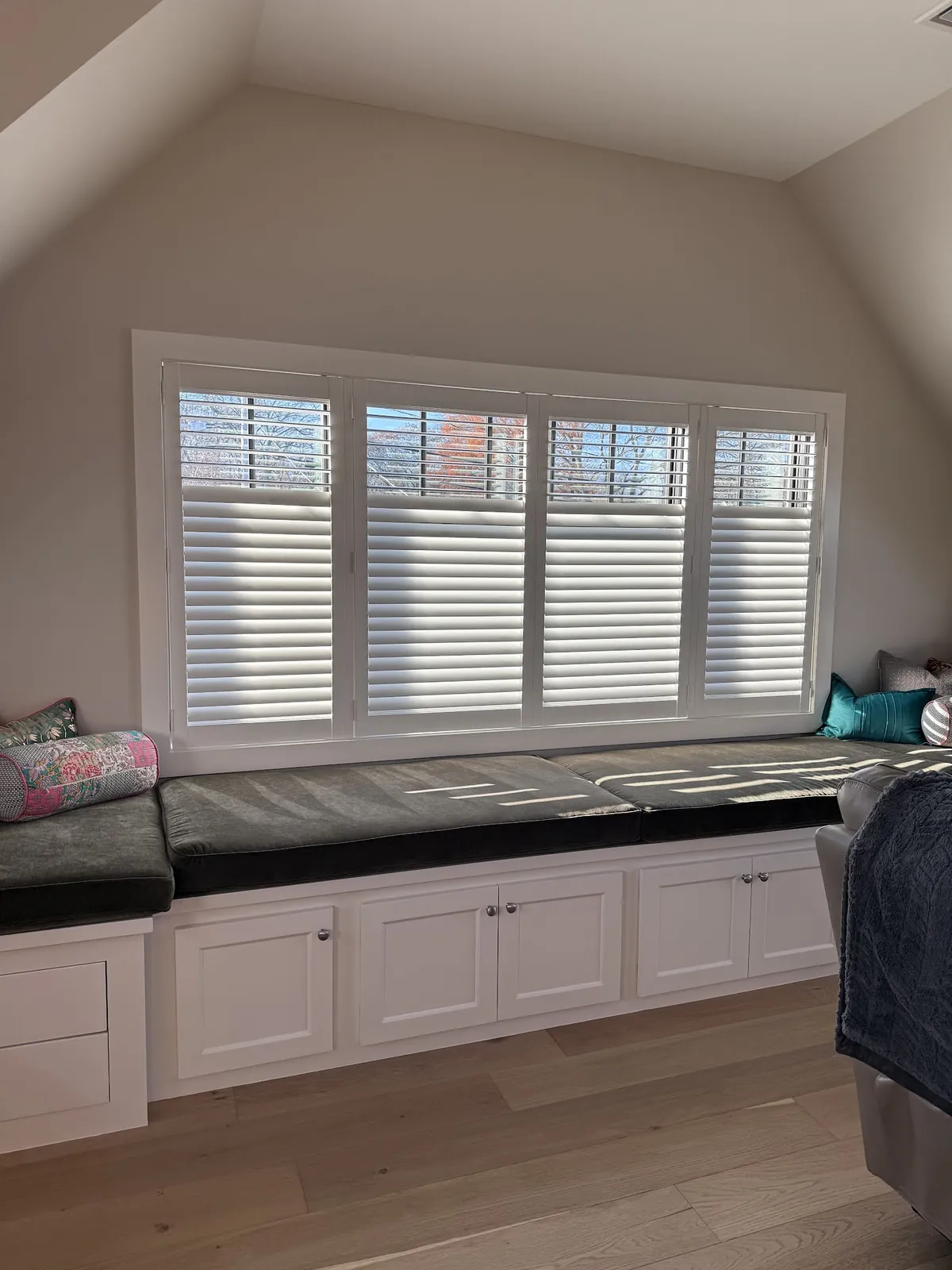
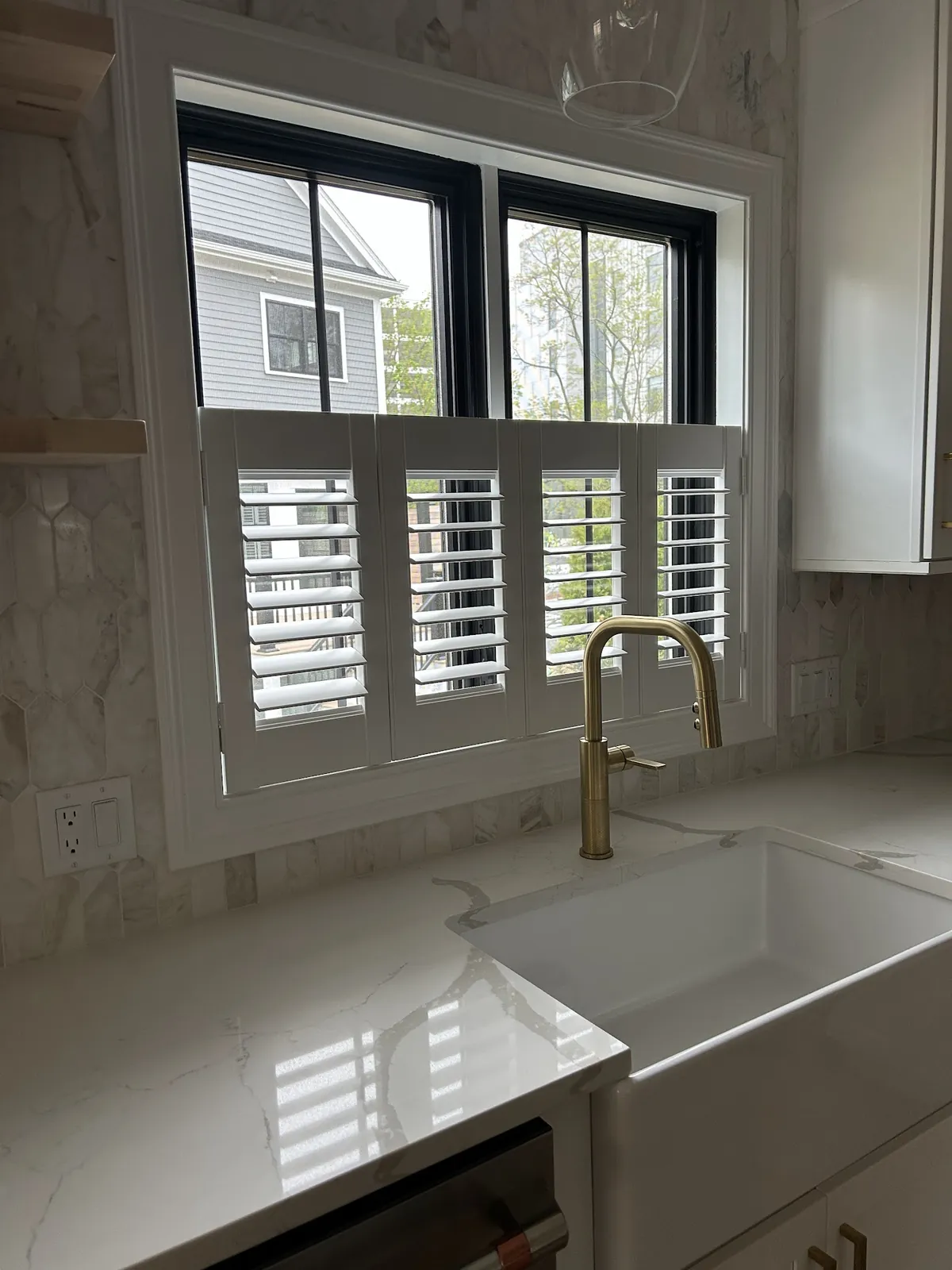
Shutters for cottages
Panels on a frame built for each small window, with louvres that open, angle and close.
Cellular shades
Honeycomb shades for an island house that feels the wind in winter.
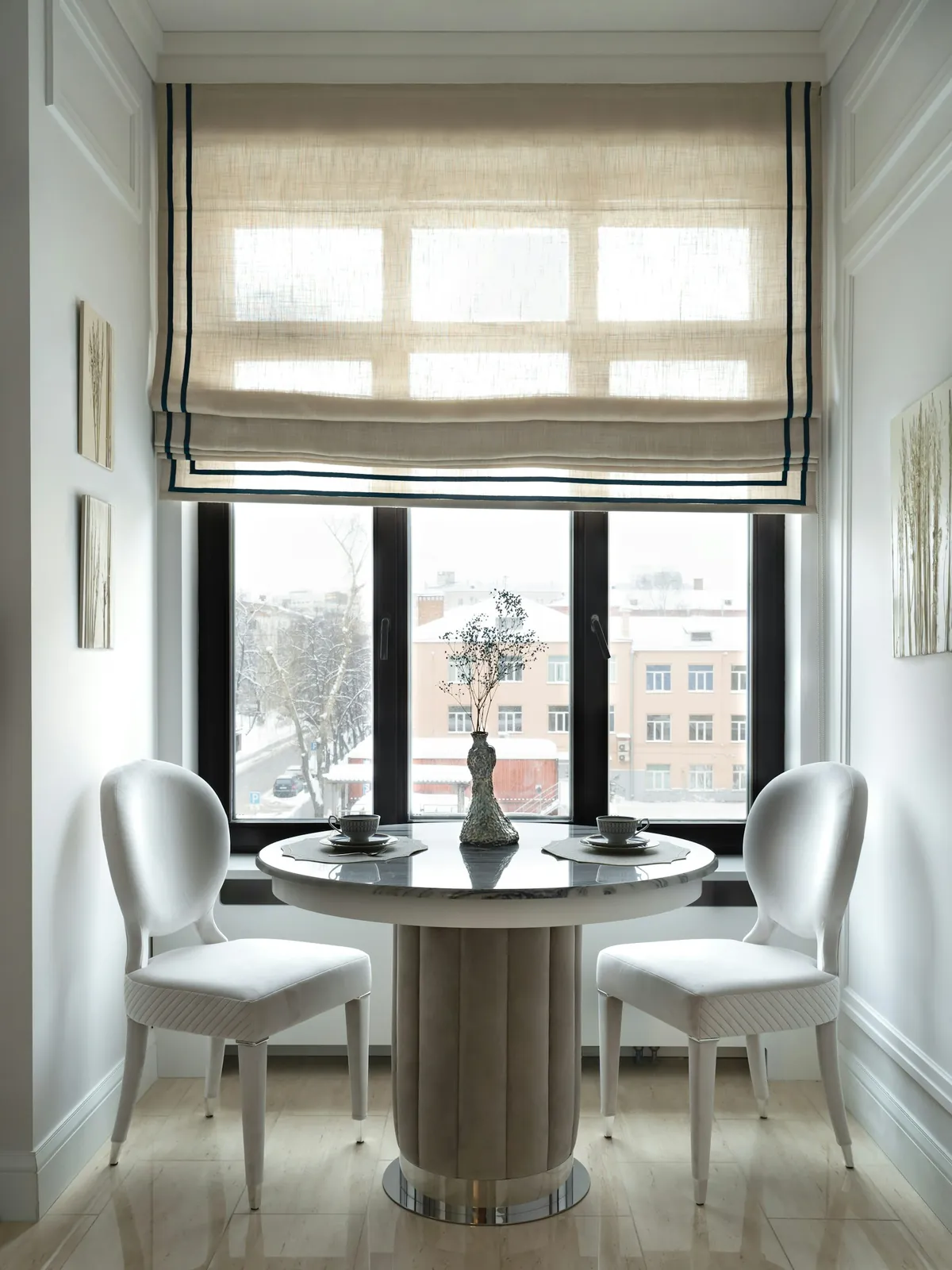
Roman shades
Soft fabric folds for bedrooms and kitchens.
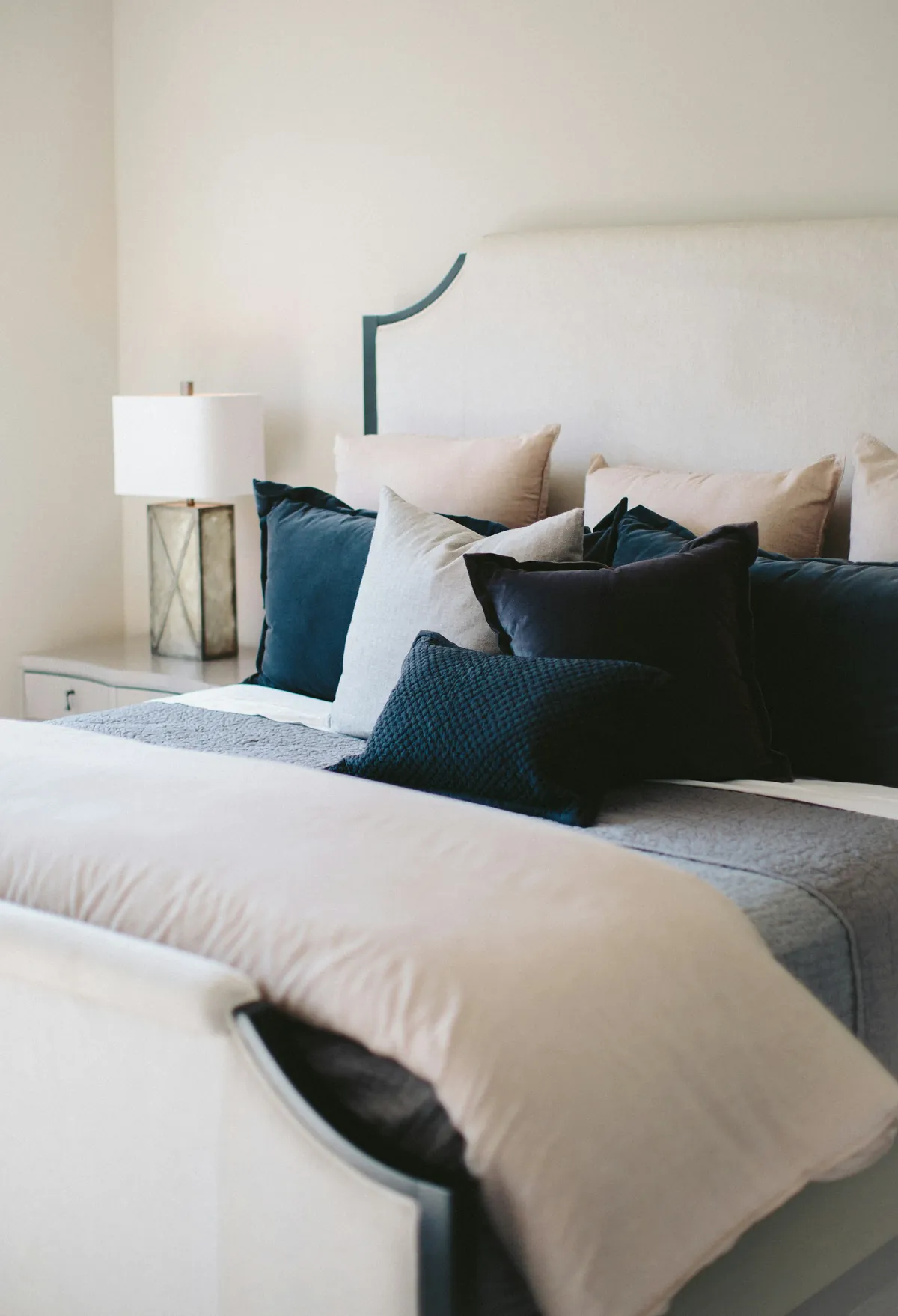
Fabric decor
Pillows and duvet covers that pick up the colours at the window.
Two Sides, Two Jobs
Think of a typical Portsmouth house in two halves.
The bright half faces the bay. It gets direct sun for much of the day and reflected light off the water on top of that. Floors and furniture fade, rooms get warm in summer, and screens are hard to read in the afternoon. The job of a treatment here is to soften and redirect that light while keeping the view, because the view is often why the house was bought.
The shaded half faces inland. It gets little direct sun and may look at the road or a neighbour’s wall a short way off. The job here is the opposite: let in every bit of daylight and keep the room private.
A light-filtering Norman shade is often the right choice for the bright half. It evens out the glare across the whole window and leaves the bay as a soft outline when lowered. A blind is often right for the shaded half, because its slats can be angled to block a direct line of sight from outside while light still filters through. A shutter can do either job, closing completely on the sunny side or opening at the top on the shaded side.
The trick is to choose the products together, in one colour family, so the house looks consistent from the road, from the water and from inside.
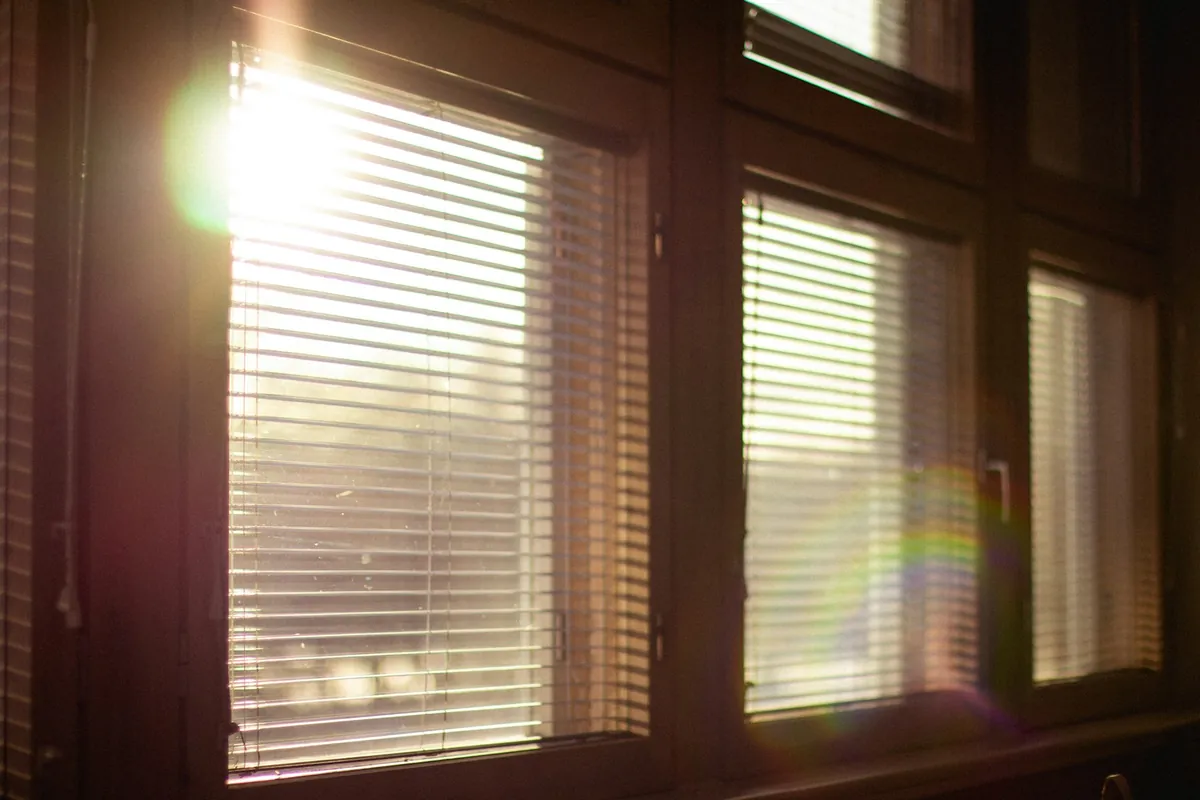
Rooms that face both ways
Some rooms run through the house, with windows on the bay side and on the land side. A living room might look out to the water at one end and onto the road at the other. In a room like that, the same product family set up differently at each end usually works best. The bay end takes a light-filtering shade lowered through the brightest hours. The road end takes a blind tilted for privacy. Both share a colour, and the room feels like one space.
One colour, two products
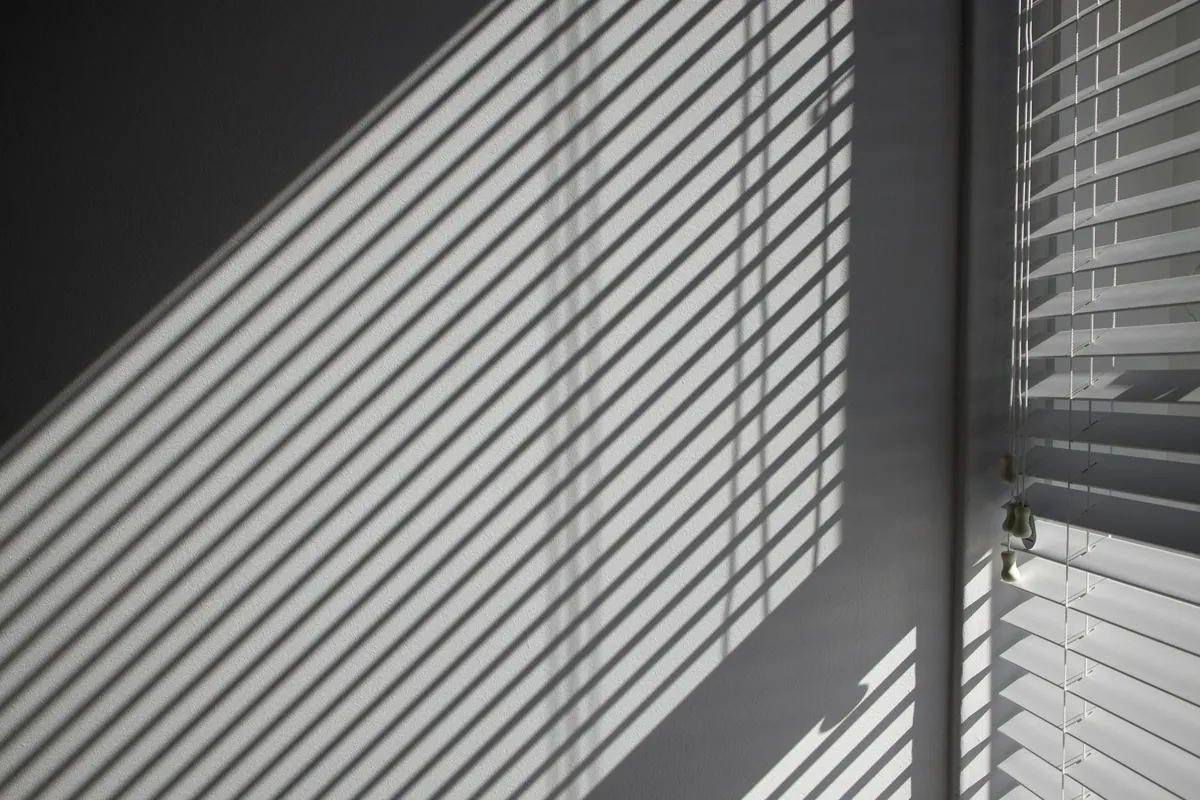
Using different products on each side of the house only works if they look related. The simplest way is to pick one colour, often a soft white or a pale stone, and use it for the shades on the bay side and the blinds on the land side alike. From the road, the front windows read as one set; from the water, the bay side reads as another, and both match. Many owners settle on Norman blinds in Portsmouth, RI for the land side first, then choose a shade fabric in the closest tone for the bay side, holding the two together in the showroom to be sure.
The time of day
Which side is bright depends on the time of day and which shore you are on. On the east side of the island, the bay side catches the morning. On the west side, it catches the long afternoon and the sunset over the water, which comes in low and straight. That low evening sun is usually the strongest glare of the day, and it is worth trying a fabric against bright light in the showroom with it in mind.
Island Park and Common Fence Point Cottages
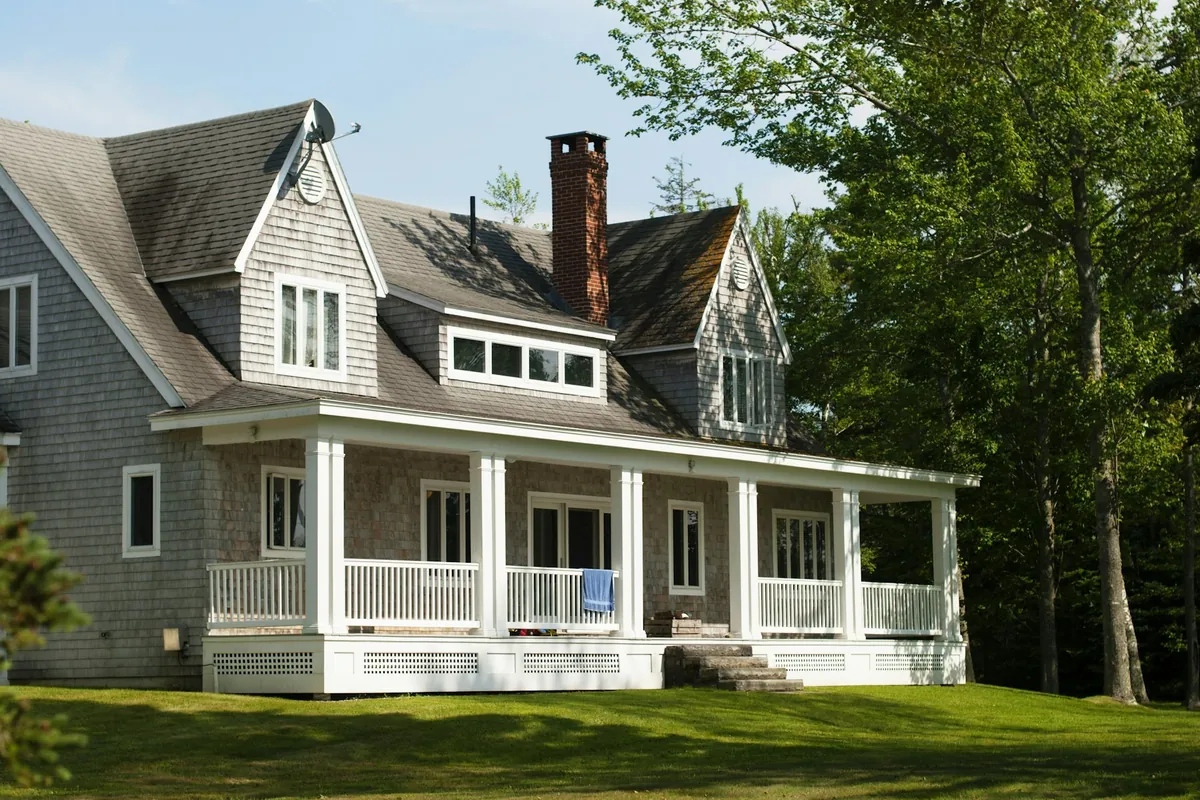
The cottages in Island Park and Common Fence Point are small, close together and near the water. Many have modest windows, low ceilings and rooms that do double duty. Neighbours are often just a few steps away, and the water may be visible from one side of the house and not the other.
In these cottages, Norman blinds in Portsmouth, RI are often chosen for the side windows facing the neighbours, where privacy matters most and space is tight. A blind with a slim slat stacks small and keeps the window clear when raised. On the water side, a light-filtering shade or a shutter suits better.
Small rooms reward a light touch. White and soft natural finishes keep a cottage feeling airy, and a treatment fitted inside the frame keeps the walls clear in a room with little wall to spare. Shutters suit cottages especially well, opening fully for the view and closing for privacy without taking up any floor or wall space.
Damp and salt in a shore cottage
Cottages near the shore live with damp, salty air. Moisture-friendly slats and shutters handle that well and can be wiped clean. Real wood is best kept to rooms further from the water, such as a bedroom on the inland side. Shade fabrics should be ones that can be dusted easily, and pale colours tend to hide gentle fading in the sun better than deep ones.
Cottage kitchens and baths
A cottage kitchen is usually compact, with a window over the sink that may look straight at the house next door. A faux wood blind there copes with steam and tilts to keep the view out while light still comes in. Bathrooms, often tiny, want full privacy, and a moisture-friendly slat or a shade that closes completely suits them. Choose the same colour as the rest of the cottage and these small windows disappear into the whole.
Cottage bedrooms
Cottage bedrooms are often small, with one or two windows and sometimes a window very close to the bed. A room-darkening shade fitted inside the frame keeps early light out, and a cordless or wand-operated lift keeps cords tidy and out of reach. Where a bedroom window faces a neighbour closely, a darkening shade also gives privacy at night.
Norman Blinds in Portsmouth, RI for the East Main Road Colonials
The newer colonials off East Main Road are built to regular sizes, with a symmetrical front, an open kitchen and family room at the back, bedrooms upstairs and often a slider to a deck. Their windows are square and consistent, which makes measuring straightforward, but the number of windows makes planning important.
Choosing Norman blinds in Portsmouth, RI for one of these houses usually starts with the front. The windows facing the road read as a set, so one product and colour across them looks right. Behind them, rooms can vary: shutters in the dining room, shades in the family room, blinds in the bedrooms and study. As long as the colour holds, the house looks considered.
Many of these colonials still have a bright side and a shaded side, even if the water is out of view. A family room facing south or west catches strong afternoon sun, and a light-filtering shade softens it. A study on the shaded side benefits from a blind tilted upward to keep glare off a screen.
Screens and glare
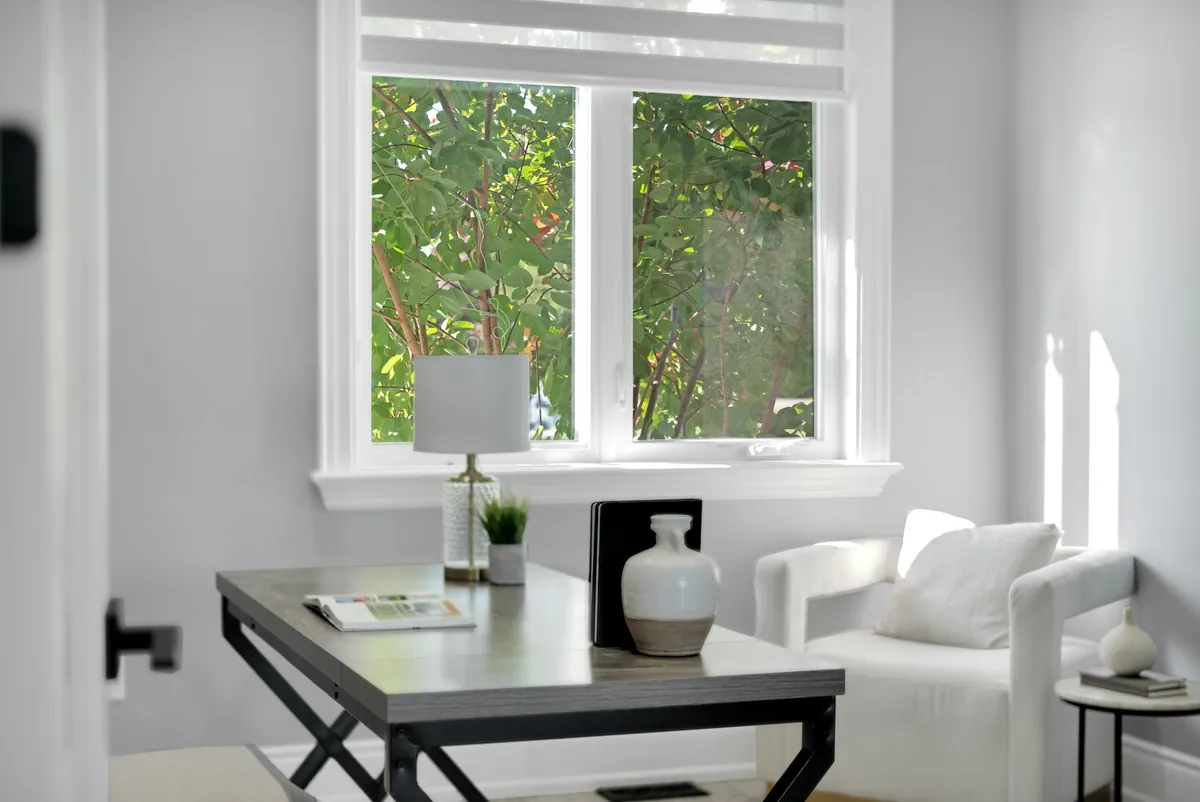
Bright rooms on the sunny side are where televisions and home offices struggle most. Slats tilted upward send the light onto the ceiling and off the screen, and a light-filtering shade lowered part way cuts the glare from low sun without darkening the room. A shaded study on the land side rarely has the problem, which is one more reason to plan each side for its own light.
Stairs and landings
Colonials off East Main Road often have a landing window halfway up the stairs, seen from the hall below and the bedrooms above. A simple treatment in the house colour keeps it quiet. If it faces the bright side, a light-filtering shade keeps the stairway from becoming a sun trap in the afternoon.
The slider to the deck needs something that draws aside and clears the door, such as a vertical blind or panel track, in a colour that sits with the windows beside it.
The Larger Homes by the Water
The larger homes toward the shore are built around the bay, with tall windows, glass doors and sometimes a two-storey living room facing the water. These are the brightest rooms on the island, and the most exposed.
For the water side, a light-filtering Norman shade on each window, made to its own size, keeps a big wall of glass consistent and lets you lower only the sections that catch the sun. Glass doors need a treatment that clears completely, either a shade mounted high above the door or a panel track that draws aside. High windows in a two-storey room may be best with remote or wall-switch operation if you want to cover them, or left bare with only the lower glass treated.
On the inland side of the same houses, entries, studies and bedrooms take blinds or shutters for privacy, in the same colour family as the shades on the water side.
These houses often have more glass than any other kind on the island, and the measuring visit takes longer as a result. The specialist records each window and door, how the frames meet at corners, and the height above each opening, so a long run of shades lines up at the top and lifts clear of the view when raised. Corner windows, where two walls of glass meet, are measured so the treatments close neatly without a gap of light at the join.
Bedrooms on the bay side
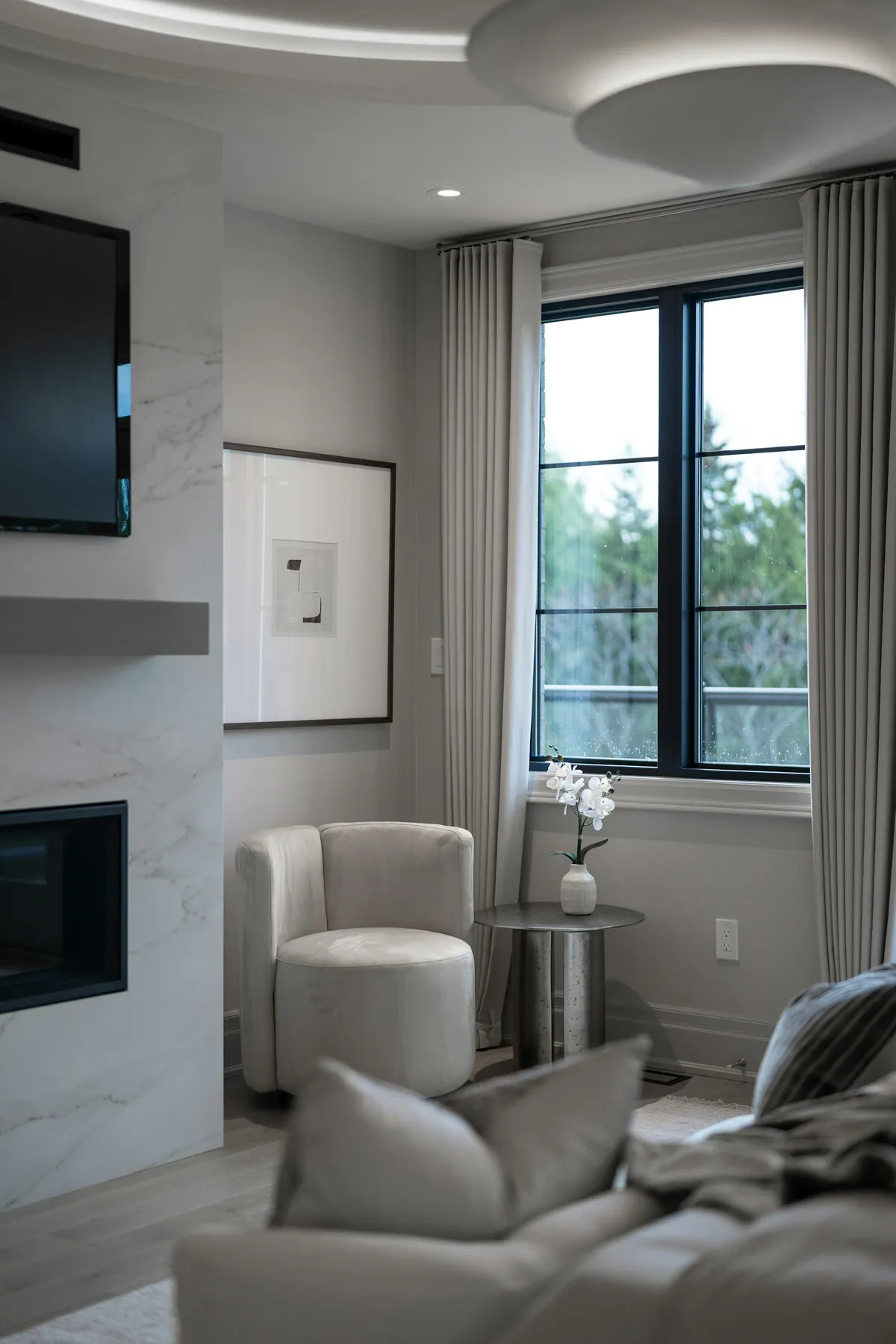
A bedroom facing the bay gets the sunrise or the sunset across the water and, on clear nights, a bright moon. A room-darkening shade keeps it dim. If you want to wake to the view, a light-filtering shade with lined drapes beside it gives you both.
At the Swansea Showroom
Many Portsmouth customers visit the Swansea showroom before booking a measuring visit. With the Norman range on display, you can try products for both sides of the house in one place.
- Bring two photos: one of a bright room, one of a shaded room.
- Hold shade fabrics to the light and see how much each lets through.
- Tilt a blind and see how well it blocks a view while letting light in.
- Open and close a shutter and see how much room it needs.
- Set finishes beside a paint chip or a cushion from the room.
You do not need to decide that day.
How a Portsmouth Order Runs
You will hear from us at every stage until the job is done. Here is the usual sequence.
- Ask for a free quote by phone or form, and tell us which side of the house faces the bay.
- Visit the showroom, if you would like to try the range first.
- Our specialist measures every window and door in your home, noting which rooms are bright and which are shaded.
- You pick products and colours for each side of the house.
- An itemised quote arrives.
- Our installers fit the finished order and show you how it all works.

Starting with the worst room
Most Portsmouth orders begin with the room that bothers people most: usually the bay-side living room in the afternoon, or a bedroom that wakes too early. Starting there makes sense. Once that room is done, it is easier to see what the rest of the house needs, and later rooms can be matched to the first order from the notes we keep.
Winter on the island
Wind off the water can make an island house feel cold in winter, especially on the exposed side. A fabric shade lowered at dusk adds a layer between the room and the glass. If warmth is your main concern, cellular shades are worth comparing; they are on show beside the Norman range. In the cottages, where rooms are small, lowering the shades on the windward side alone often makes a noticeable difference.
Portsmouth and Window Works
Window Works opened in Swansea in 1988 and is family owned, now in the hands of the second generation. Over 37 years our area has grown to take in the SouthCoast of Massachusetts and the Rhode Island East Bay, Aquidneck Island included.
- Specialists in window treatments, with long experience
- A measuring visit at your house for every order
- Installation by the team that works for us
- In touch with you at every step until the job is done
- Warranties offered on what we sell
- The Norman range there to try before you choose
More for Portsmouth homes
All the other services we offer on the island are on our Portsmouth window treatments page, and the main Norman blinds page tells you more about the range. Window Works makes custom drapes and fabric decor too, so drapery for a bay-side room can be planned on the same visit.
Questions from Portsmouth
My house faces the bay on one side and the road on the other. What should I use?
Usually a light-filtering Norman shade on the bay side and blinds on the road side, in one colour family.
What works in a small cottage in Island Park or Common Fence Point?
Slim-slat blinds for side windows facing neighbours, and shutters or light-filtering shades on the water side. Inside fits keep small rooms feeling open.
Do moisture-friendly materials matter near the shore?
Yes. Faux wood slats and moisture-friendly shutters handle damp, salty air and wipe clean. Real wood is best kept to drier rooms.
Do you measure and install on the island?
Yes. Our specialists measure in your home, and our own installers fit the order.
How much is a quote?
Nothing. Quotes are free; use the call button or the form.
Ready to Begin
The first step is a free quote: press the call button to reach the Swansea store, where you can also book measuring in your home or ask about installation. If you prefer, send the form. To see the Norman range before anyone measures, visit the showroom; the contact page has directions. Window Works holds a 5.0 rating on Google.