
Narrow and Few, or Standard and Many
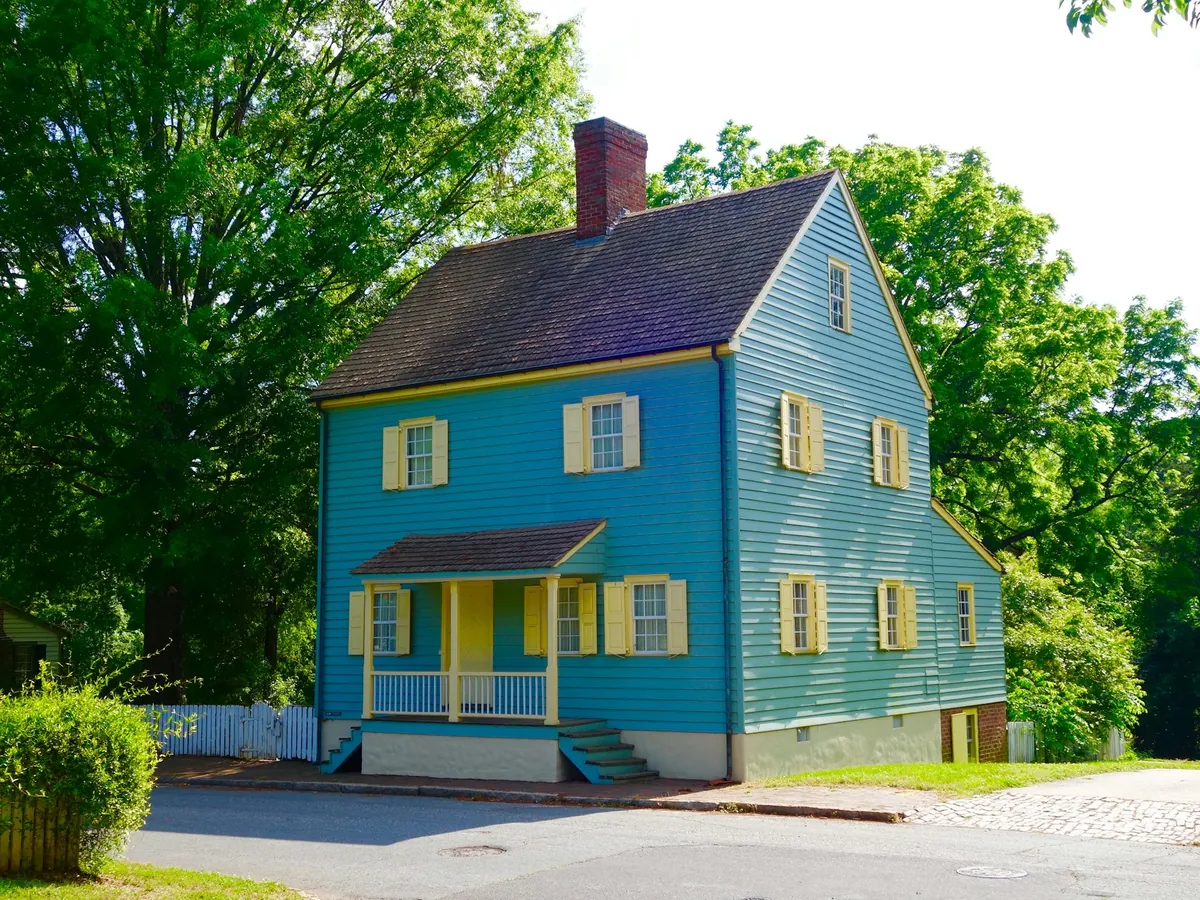
Lincoln holds two very different kinds of window job. In the mill housing of Lonsdale and Manville, the openings are the originals: narrow, often a little out of true, and few to a room. In the newer colonials around Lincoln Woods and Breakneck Hill, the windows come in standard sizes, but there are far more of them, spread across every room on both floors. Custom blinds in Lincoln, RI have to suit both, and the approach is different for each.
Then there are the large-lot houses off Great Road, set well back on their land, often among trees. Privacy from the road matters less there, and the questions turn to sun, wide family rooms and doors onto the yard. Whatever the house, each window is measured where it is before anything is made.
- Blinds in four materials: wood, faux wood, aluminium, vertical
- Narrow mill openings made to their exact size
- Many-window houses planned as one consistent set
Three Kinds of Lincoln House
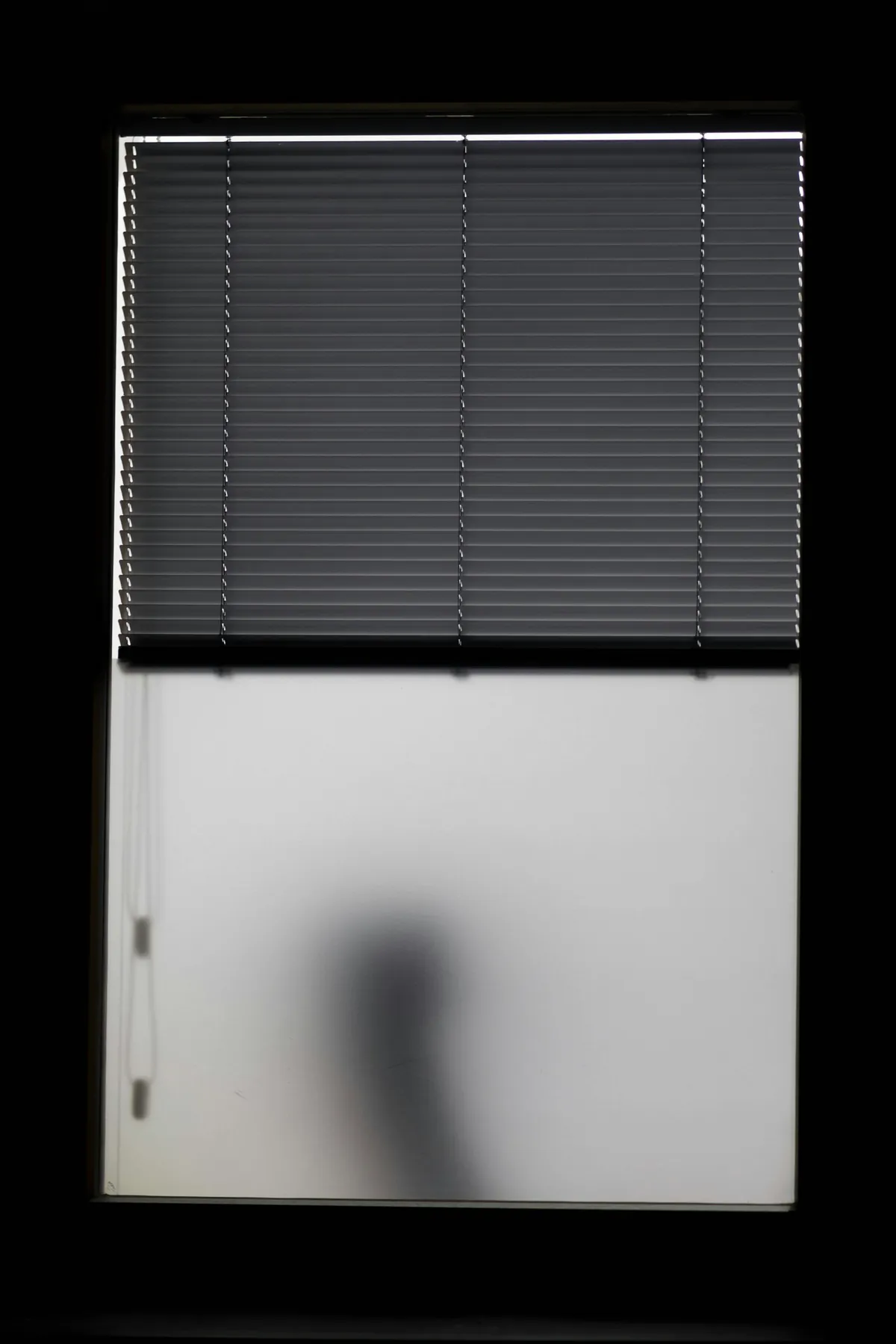
Mill housing in Lonsdale and Manville
Original narrow openings, each measured on its own. Slim slats keep the blind in proportion and stack small.
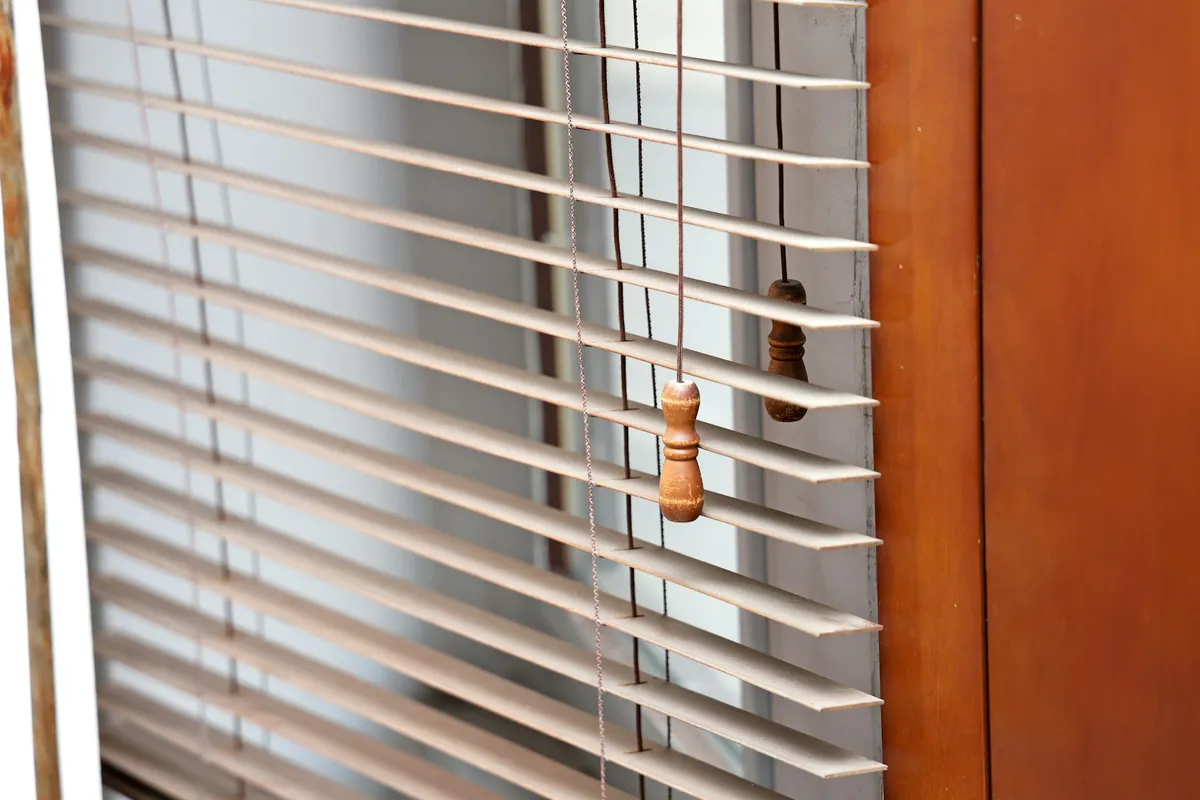
Colonials near Lincoln Woods and Breakneck Hill
Standard sizes and a lot of windows. One colour and slat across the house, with the material chosen room by room.
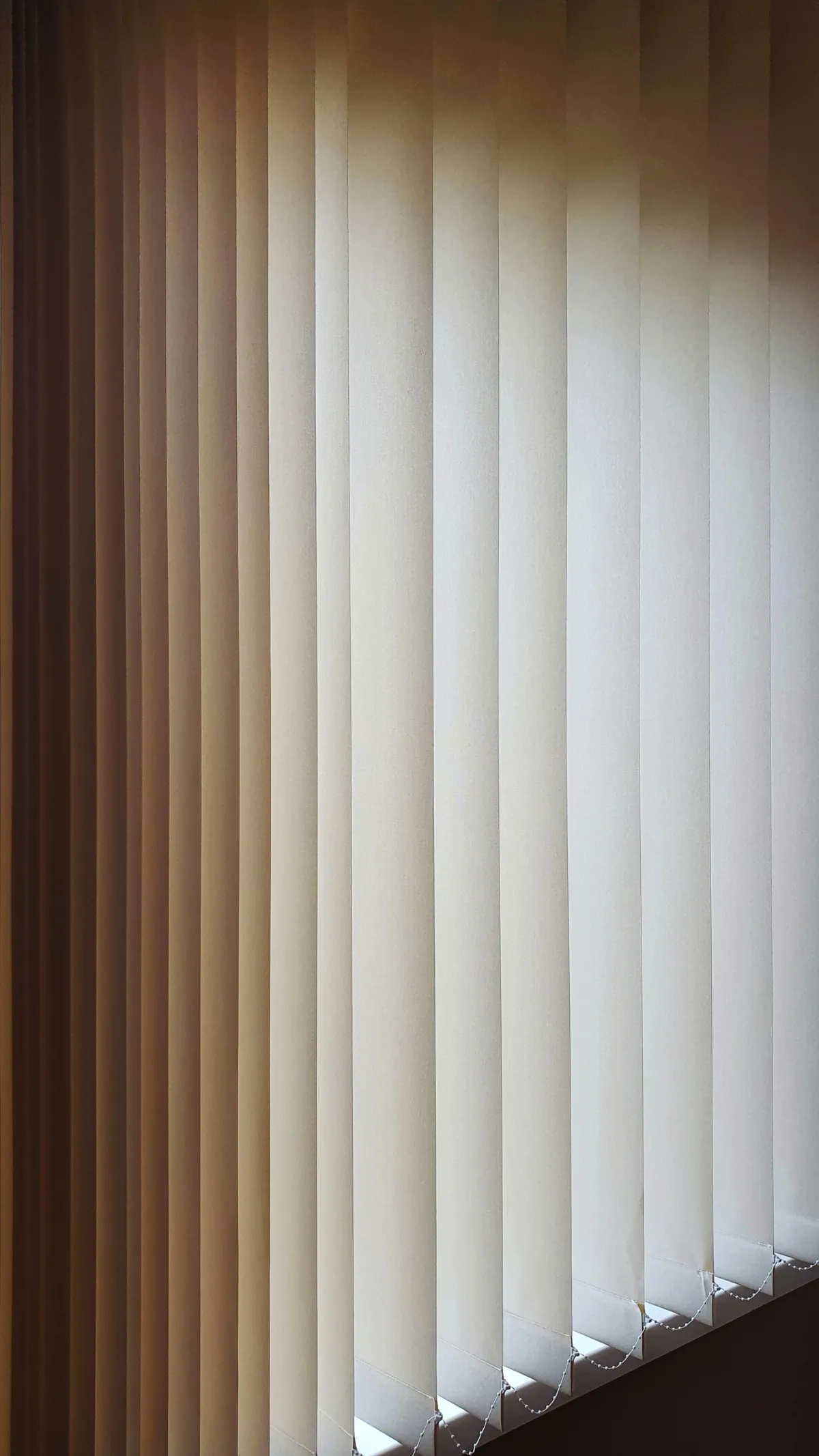
Large lots off Great Road
Wide family rooms, sliders to the yard and plenty of sun. Vertical blinds for the doors and wider slats for the big windows.
Custom Blinds in Lincoln, RI for Mill Housing
The houses built for the Lonsdale and Manville mills were made with the materials and methods of their day, and their windows show it. Openings are narrow, set in thick walls or deep wooden frames, and after well over a century, few of them are perfectly square. A window can be a fraction wider at the top than at the bottom, or taller on one side than the other.
That is exactly the situation where a made-to-measure blind earns its place. A ready-made blind sized to the nearest standard width either jams in the frame or leaves a gap on one side, and on a narrow window a gap is very noticeable. We measure each mill opening at the top, middle and bottom, and at both sides for the drop, and make the blind to fit the tightest point so it raises and lowers without catching.
Slat width for a slim opening
Slat size matters more on a slim opening than people expect. Put a broad slat in a mill window and the blind looks bulky, with a thick bundle sitting across the top of the glass when it is pulled up. Choose a slimmer wood or faux wood slat and it looks right for the window; go to aluminium, the finest slat we make, and nearly all of the pane is open when the blind is raised. In a small mill-house room where the window is the only source of daylight, that can make a real difference.
Inside the frame where possible
Many mill windows have enough depth for an inside mount, which keeps the old trim visible and lets the blind sit neatly within the opening. If a replacement window or a thin frame rules that out, the headrail goes on the wall over the window instead, cut to match the outer edges of the casing. We check the depth at every window, since replacements are common in houses this age and can vary from room to room.
Close neighbours
Mill housing was built close together, and side windows often face the next house across a narrow gap. Let the blind down and turn the slats skyward, and the room gets its daylight while the neighbour gets a view of slats. At night, the slats close for full privacy. On a short, narrow window that is a simple, reliable answer, and it means the blind can stay down all day without the room feeling closed in.
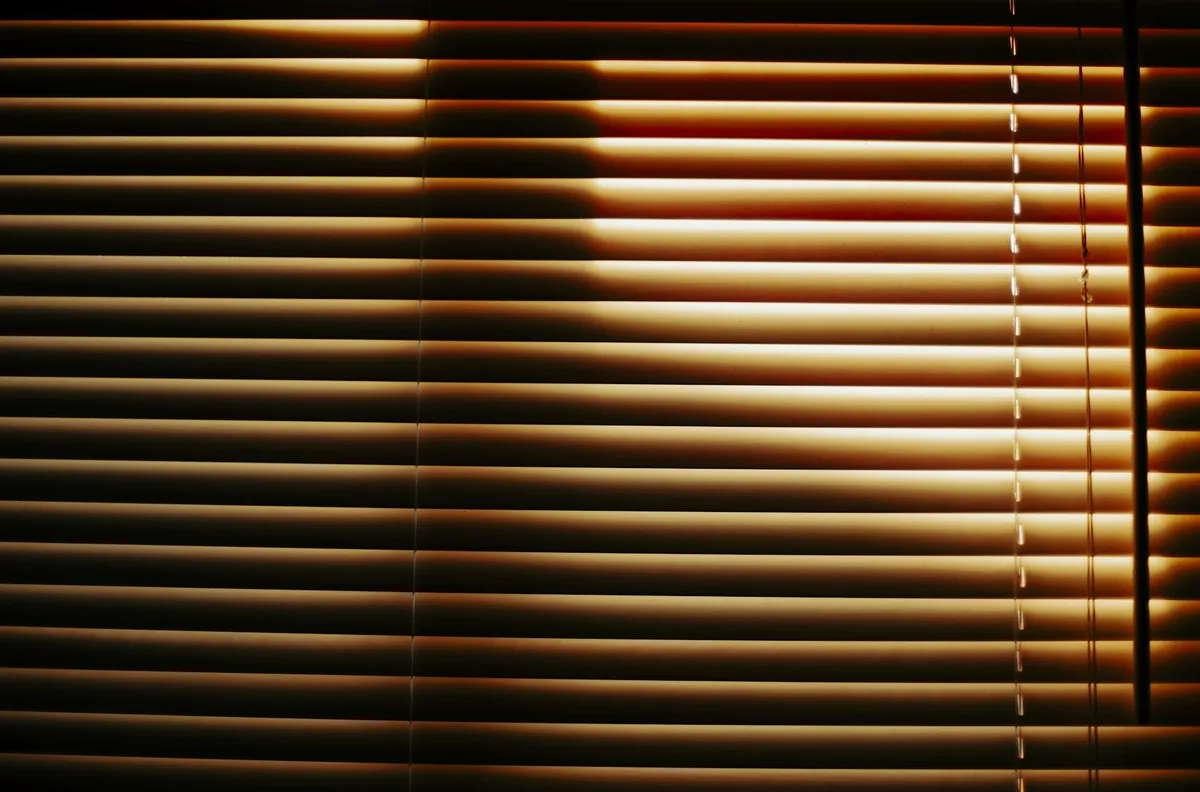
Many Windows: the Newer Colonials
Around Lincoln Woods and Breakneck Hill, the colonials are newer, the frames square and the window sizes standard. Fit is easy. The challenge is quantity. A four-bedroom colonial can have windows in every room on both floors, a bay in the dining room, a great room with tall windows, a slider from the kitchen and small windows in the bathrooms. Getting all of those right, and making them look like one house, takes planning.
How we plan a house with many windows
- We walk the house room by room with you and list every window against the room it is in.
- We note the sizes that repeat, which is most of them in a newer colonial, and the ones that do not, such as a bay or a great room window.
- For each room, we agree the material: wood in living rooms, dining rooms and bedrooms, faux wood in kitchens, bathrooms and laundry rooms, aluminium on any small windows, and vertical on the slider.
- We pick one colour and slat for every window on each side of the house that is seen from outside, so the house looks even from the street and the yard.
- We agree operation for the big windows: a wider slat to make tall blinds lighter, or motorised blinds run from a remote or a wall switch on the great room wall.
- Your quote lists every window by room, so a large order is easy to check line by line.
On a house this size, all of the blinds are made to our measurements and installed together by our team, who check every blind before leaving.
The great room and the bay
The two windows that most often need extra thought in a newer colonial are the great room and the dining room bay. Great room windows are taller than the rest, sometimes in a row of three or four, and a wider slat keeps each blind lighter to lift and more open when tilted. Motorising the row means the whole wall moves together. In the bay, every window has a blind of its own, and all of them stop at one height so the bay looks finished from inside and out.
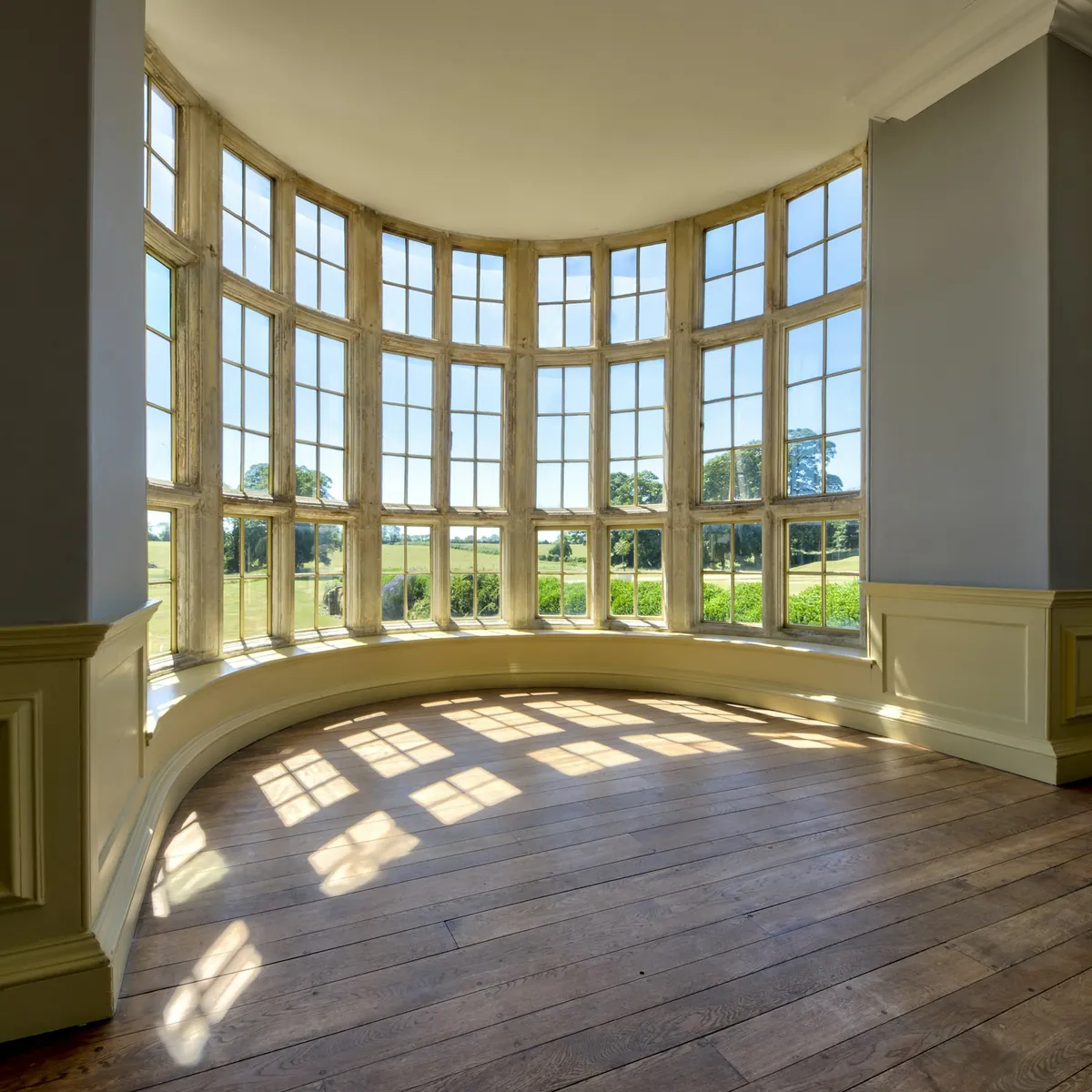
Great Road and the Larger Lots
Off Great Road, the houses sit on large lots, set back from the road and often surrounded by trees. Privacy from passers-by is rarely the issue here. Sun and shade are. A wooded lot can leave the north and east rooms quite dim, while a family room facing south or west takes strong afternoon light.
In the darker rooms, lighter slat colours and blinds that tilt wide open let in what light there is. In the sunny rooms, a slat angled against the sun cuts glare on a television or a desk while the room stays bright. Sliders to a deck or patio take vertical blinds, which draw aside so the door opens fully. Many of these houses have wide windows looking out over their land, and there a row of blinds, one per window, gives more control than a single long blind.
Big houses on big lots also tend to have rooms used in very different ways: a formal living room that is kept tidy and seldom used, a family room lived in all day, a home office over the garage, a lower level with a gym or playroom. Custom blinds in Lincoln, RI for a house like that are planned around each room’s use rather than one rule for all. The family room gets blinds that are easy to adjust many times a day, the office gets slats that tip the light up off the screen, and the formal room may simply stay lowered at one angle most of the time. Sun moving round a house that sits alone on its land also means the same blind can be open in the morning and angled shut by late afternoon.
What We Look For at a Mill Window
When we measure in Lonsdale and Manville, each window gets the same checks.
- Width at three heights, working from the narrowest.
- Height on the left and on the right, since an old frame that has shifted is seldom equal on both.
- Depth of the frame, for an inside mount with room for the slats to tilt.
- Old hardware: sash locks, lifts and anything else that might catch a slat.
- What sits near the window: a radiator below, a door that swings close, a bed or sofa that decides where the controls go.
Once we have the figures, you make the choices, either with the sample case at home or on a trip to the showroom in Swansea, and the quote that follows names each window. Production is to our measurements, the fitting is done by our installers, and you hear from us at each stage through to the end.
Which material for which room
- Living room, dining room, bedrooms, study: wood. A real grain, light for its size and good with painted trim.
- Kitchen, bathrooms, laundry: faux wood. It handles steam and damp and wipes clean.
- Small or narrow windows, stair windows, attic gables: aluminium. The thinnest slat and the smallest stack.
- Sliders and wide openings: vertical. One track, with vanes that part or stack to the side and pivot.
In a house where the front windows are in different rooms, keeping one colour across them all means a faux wood bathroom blind and a wood living room blind look like one choice from outside.
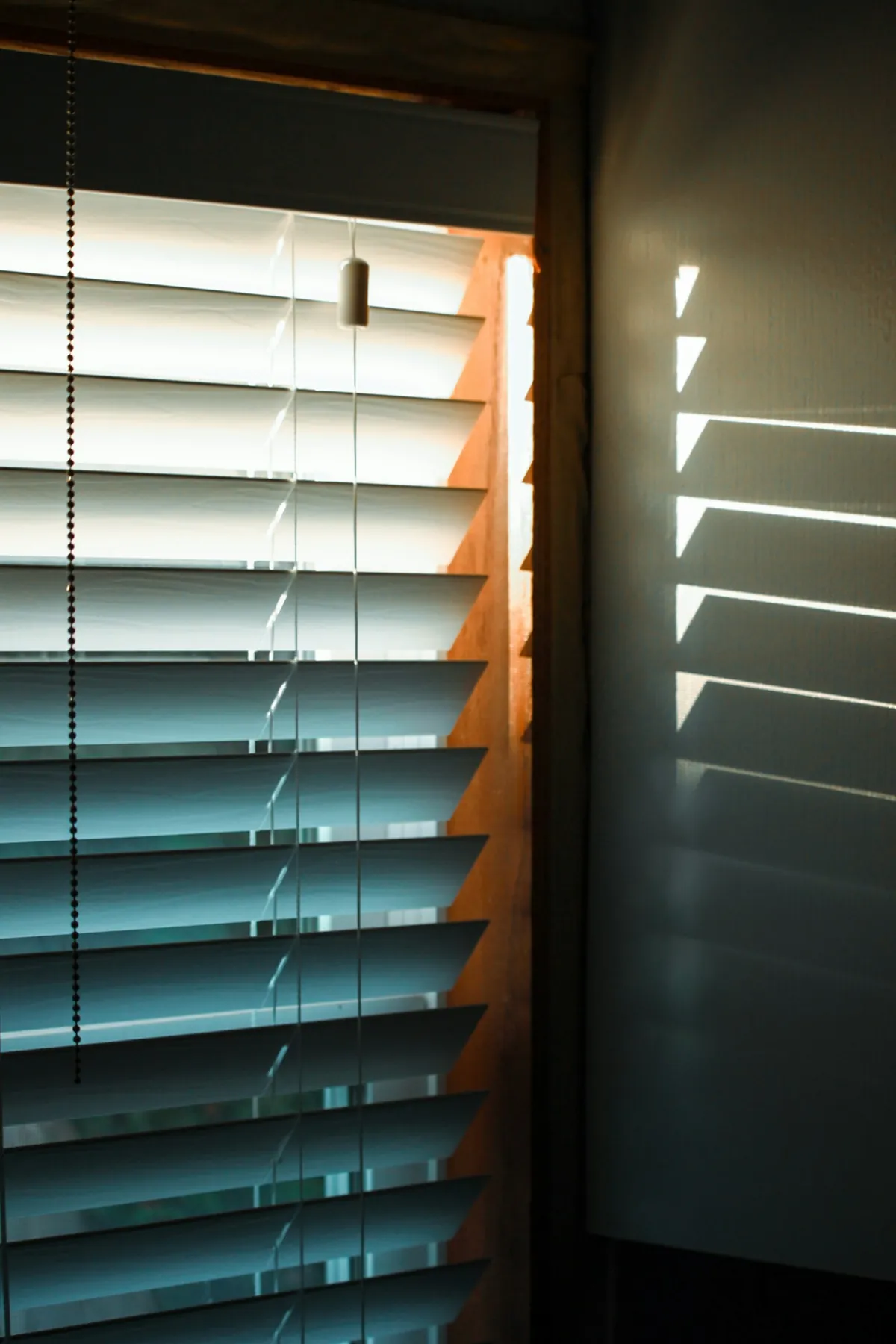
Controls on a narrow window
A narrow mill window does not leave much room beside it, so the side the controls hang on matters. If the window is close to a corner, the cord and wand go on the open side. If a bed or a chair sits against one side, they go on the other. On a newer colonial, the same thinking applies to windows beside furniture or over a counter, and for any tall great room window that is hard to reach, a motorised blind removes the question altogether.
Bedrooms, offices and the light
Bedrooms want slats that close tight and a close fit at the frame so early light does not leak round the edges. In a mill-house bedroom with a single narrow window, an inside mount does this neatly. A home office is easier on the eyes with slats tilted up, so daylight goes to the ceiling instead of across a screen.
A colonial dining room, dressed two ways
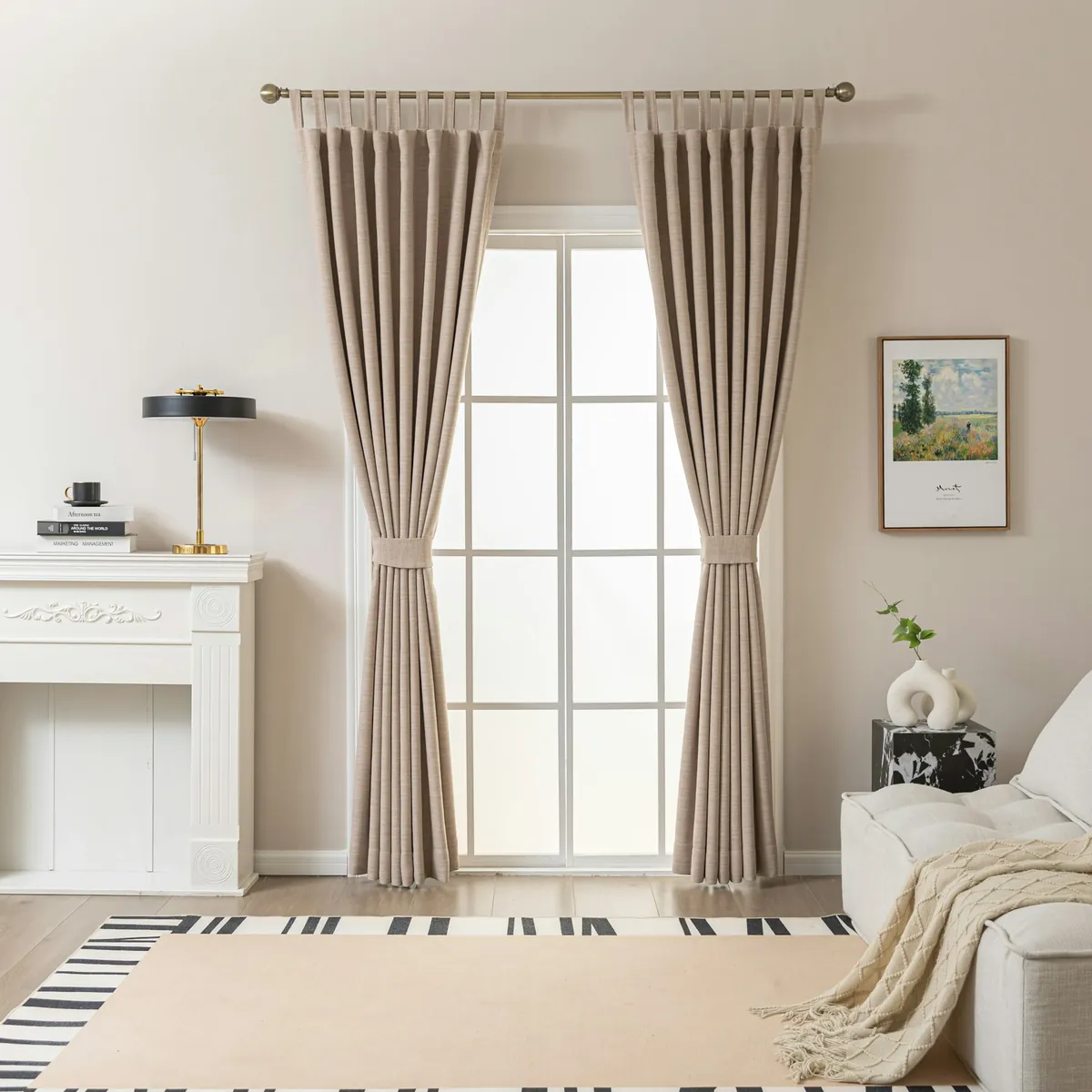
The dining room is where many Lincoln colonials get something more than a blind. A wood blind inside each window, with a pair of lined panels hung outside the frame, gives the room a finished look: the blind does the work of light and privacy, the fabric brings colour and frames the bay or the pair of windows. Since Window Works makes drapes and custom fabric decor alongside its blinds, both are chosen at the same appointment and measured together.
Not every room needs a blind, either. A sunroom off a Great Road house might be better with roller shades, and a chilly mill-house bedroom might be warmer with cellular shades. When a different product fits the window better, you will hear that from us. The Lincoln window treatments page sets out everything we do in town, and the custom blinds hub explains each blind in more depth.
Starting small or doing it all
Mill-house owners often start with the one or two rooms where privacy is pressing and come back for the rest. Colonial owners more often do the whole house together, since the sizes repeat and one installation day covers it. Either way works. Ordering custom blinds in Lincoln, RI in stages is simple, because we keep the details of each order and match later rooms to it.
Ordering everything at once has one extra benefit in a newer colonial: the whole house is measured on one visit, and every street-facing window is planned together, so the front and back of the house look consistent from the day the blinds go up.
Upkeep
A quick dust along the slats every so often is all most blinds need. Use a slightly damp cloth on faux wood and aluminium if a kitchen blind gets greasy, and only a dry one on wood. Verticals can be cleaned without taking them down. In a house with a lot of windows, working through one room per week keeps on top of it with very little effort.
A Family Business Since 1988
The store in Swansea was founded in 1988 and has passed to a second generation of the same family. Its specialists have spent more than 37 years on window treatments for houses all over the Massachusetts SouthCoast and Rhode Island’s East Bay, from small mill houses to large new colonials.
- Specialists who handle window treatments every working day
- Measurements taken at your house, whether it has three windows or a great many
- Blinds hung by our own installers
- Contact kept with you from first call to final check
- Warranties provided on the products we sell

Compare Them in the Showroom
The fastest way to decide on custom blinds in Lincoln, RI is to stand in front of them. The Swansea showroom has full-size samples in every material and slat width, so you can judge a narrow slat against a broad one, feel the difference between wood and faux wood, and try lifting a blind yourself. Norman blinds are there to look at as well. A photo of the room on your phone helps our team point you in the right direction.
Questions from Lincoln
Will a blind fit the narrow, uneven windows in a mill house?
Yes. We measure each opening at several points and make the blind to fit the narrowest, so it raises and lowers without catching and without a gap.
What slat size looks right on a slim mill window?
A slimmer slat. It suits the scale of the opening, and aluminium, the finest of all, leaves almost the whole pane open when raised.
My colonial has a lot of windows. How do you keep it simple?
We list every window by room, group the repeated sizes, choose materials by room type and one colour for each side of the house. Your quote lists every window.
What do you suggest for a slider onto the yard?
A vertical blind. It draws aside so the door opens fully and turns to control the sun.
Is there a fee for the quote?
There is not; quotes are free. Ring through the call button or send the form, with a rough idea of which rooms you want done.
Getting Started
Begin with a free quote. One tap on the call button reaches the store in Swansea, and from there we can book your quote, agree a time to measure or talk through how fitting works. Writing is fine too, through the form on this page. For directions to the showroom, where every sample can be handled, see the contact page. Window Works has a 5.0 Google rating.