
Old Sash and New Glass Under One Roof
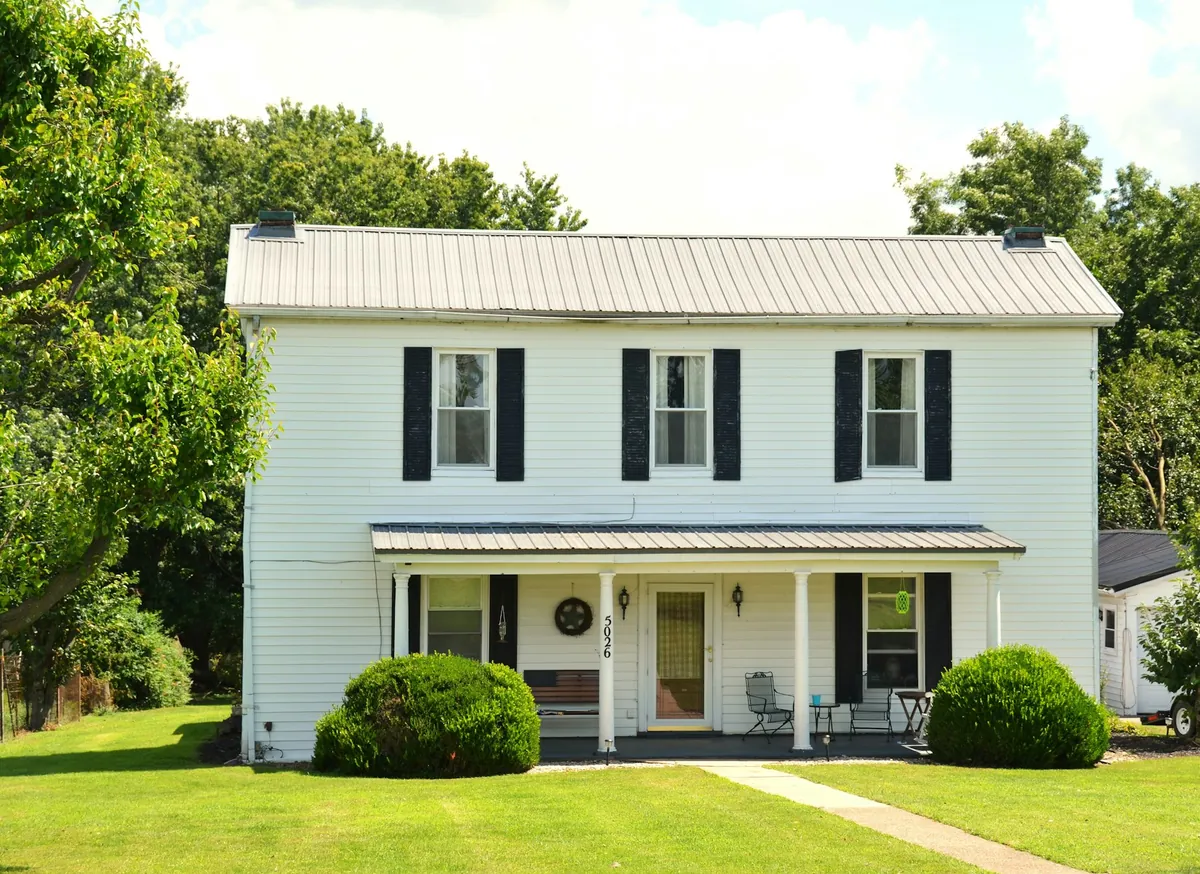
Plenty of Dighton houses have grown over the years, and that growth is the main reason woven wood shades in Dighton, MA are measured window by window. A farmhouse on Main Street or a cape on Somerset Avenue may keep its nineteenth-century sash in the original rooms, then open into an addition with large modern glass, sometimes in the very same room. The old window is tall, slim and set in deep trim. The new one is wide, flat and bright.
A woven shade can bridge that gap. The same weave hung over both kinds of window makes the room read as one space, even though the frames beneath are a century apart. The trick is in the sizing and the mount, which change from one window to the next.
The river lots along the Taunton River add their own light, and the older houses scattered across town on generous land often have windows on every side.
- Woven wood and bamboo, with or without a fabric liner
- Every window measured where it is, old or new
- Fitted by our team, with weaves to compare at the Swansea showroom
What We Can Make for a Dighton House
Fine bamboo
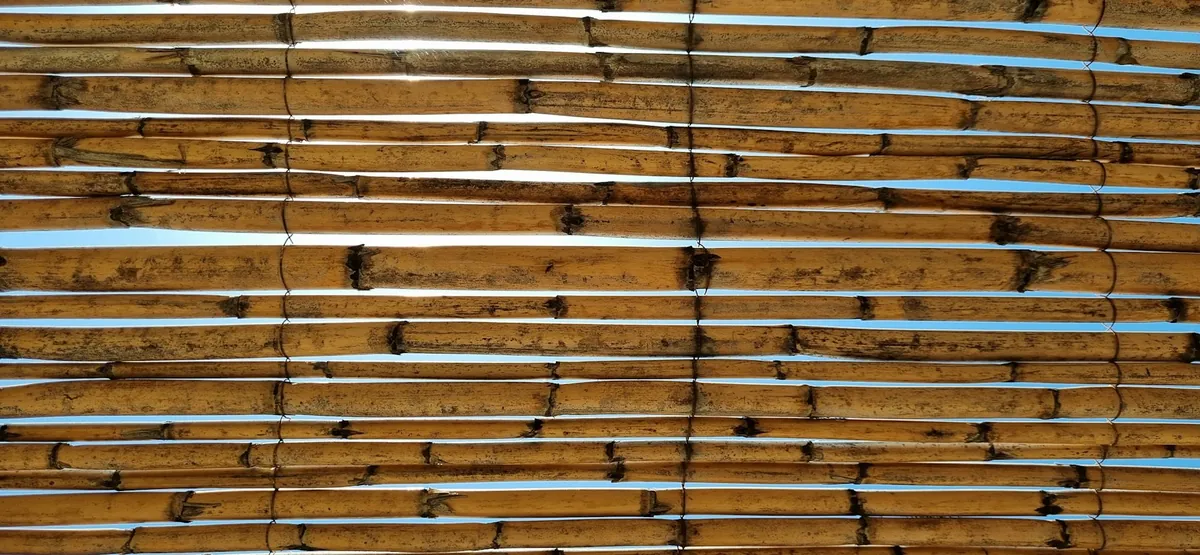
Narrow, even slats in a close weave. A light choice for the slim original sash, where a heavy shade would crowd the frame.
Looser natural weaves
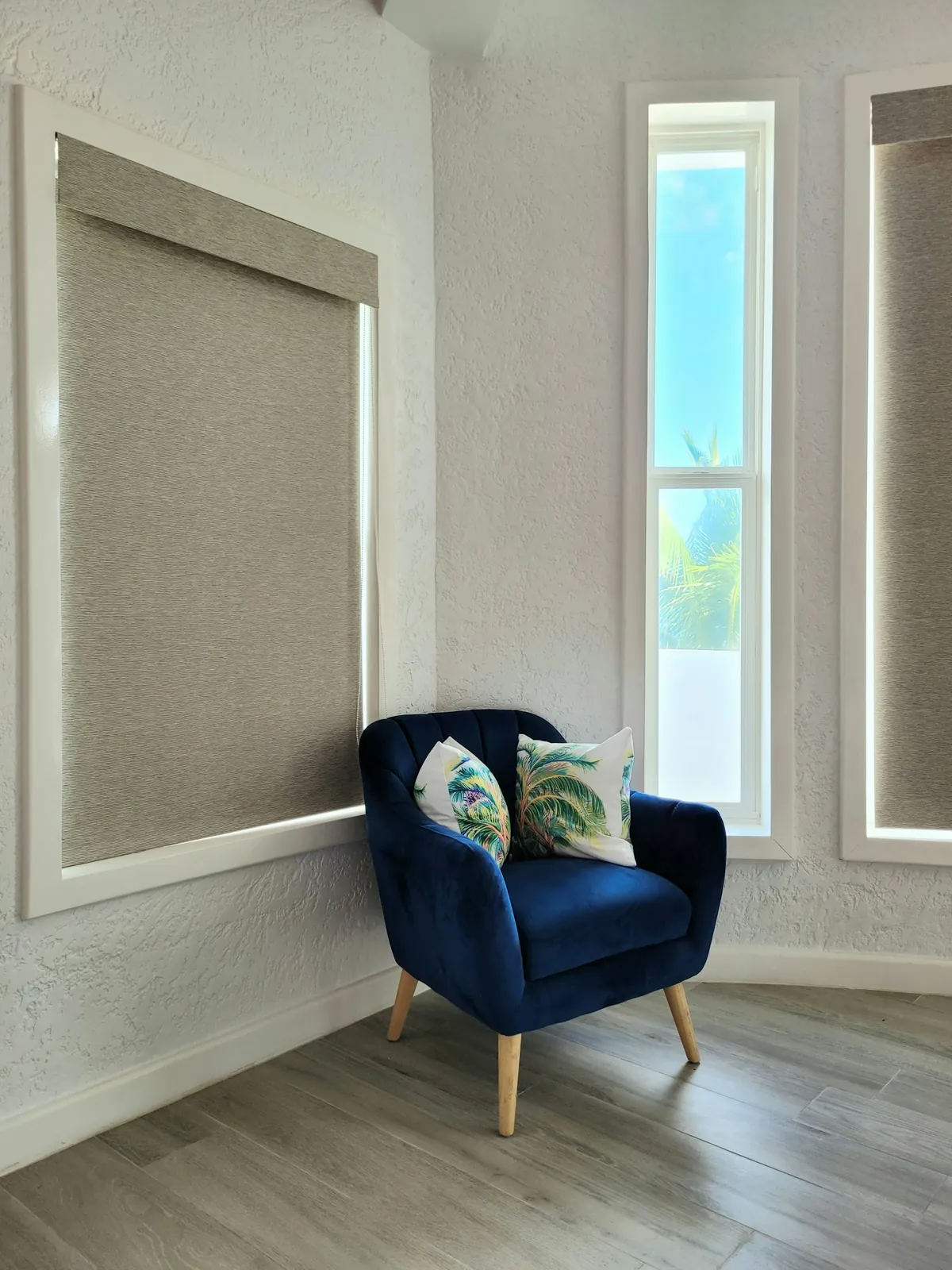
Reeds, grasses and woods with more space between them. They throw a warm, broken light across a big addition room.
Unlined, for daylight
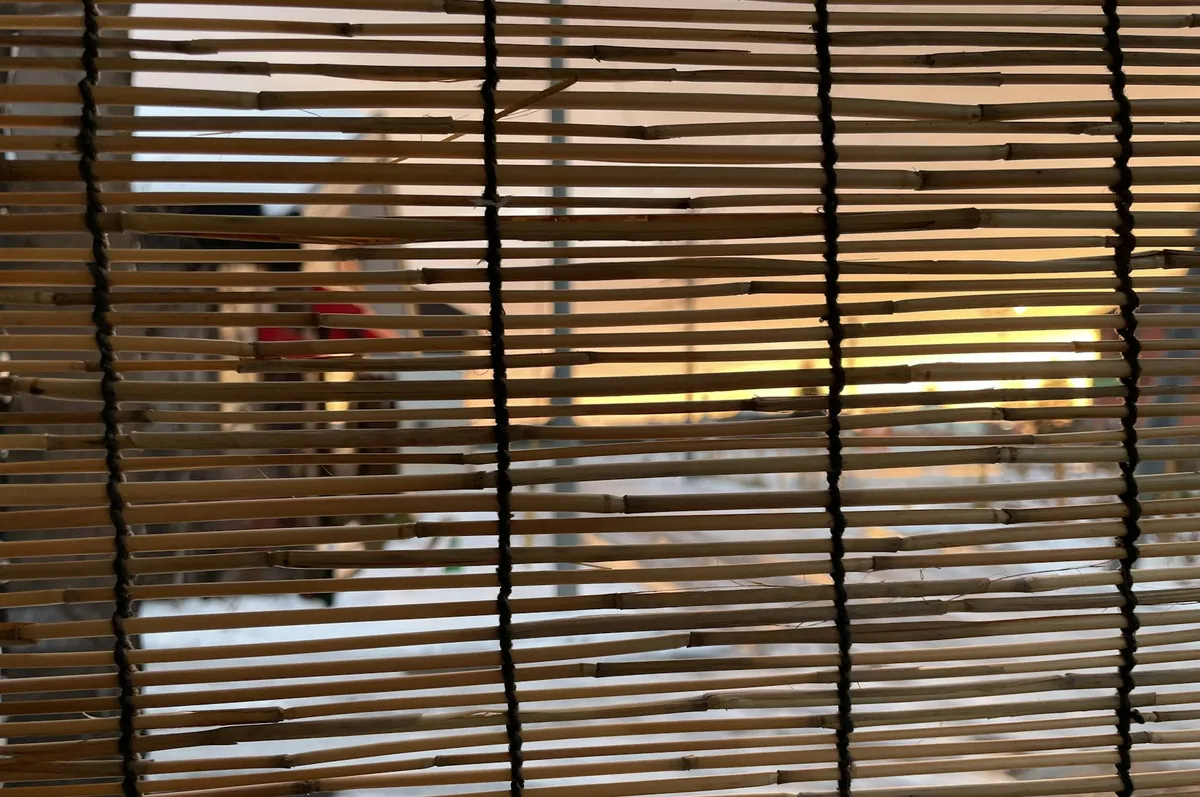
With nothing behind the weave, the shade softens the sun and keeps the river or the field beyond faintly in view.
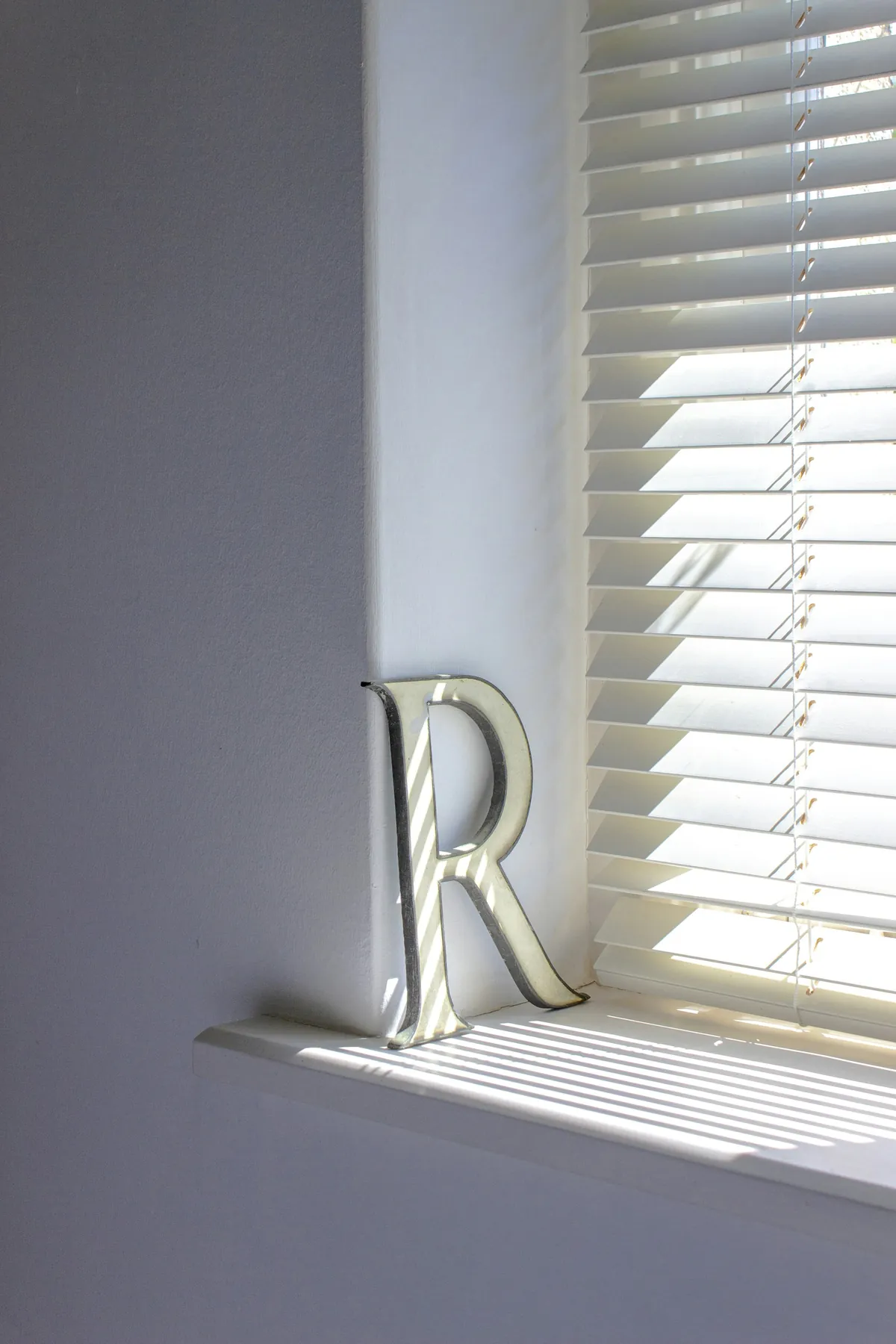
Lined, for privacy
A fabric liner sewn behind the weave screens a lit room after dark and can darken a bedroom.
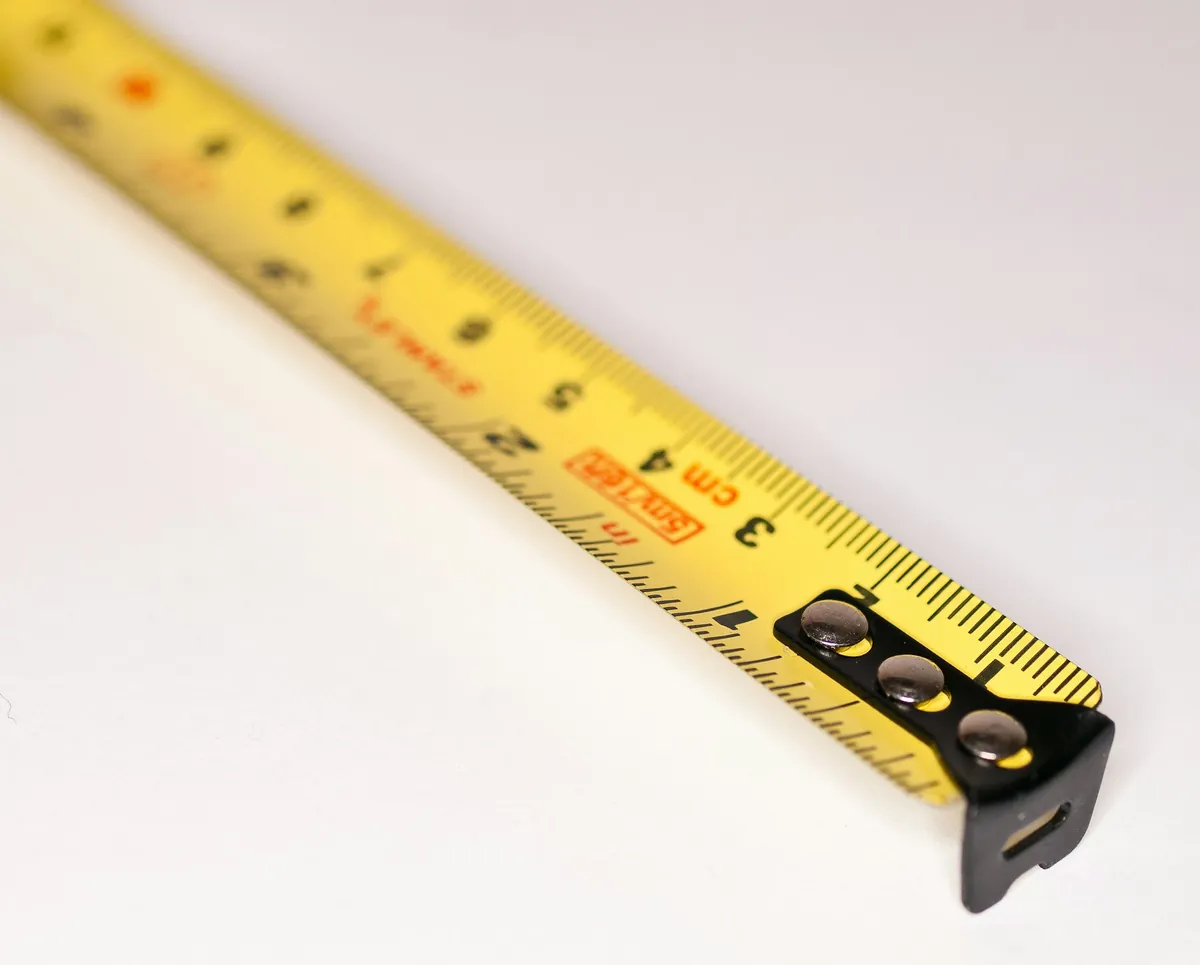
Sized to each frame
Old frames are rarely square. We measure the top, middle and bottom of each one so the shade sits straight.
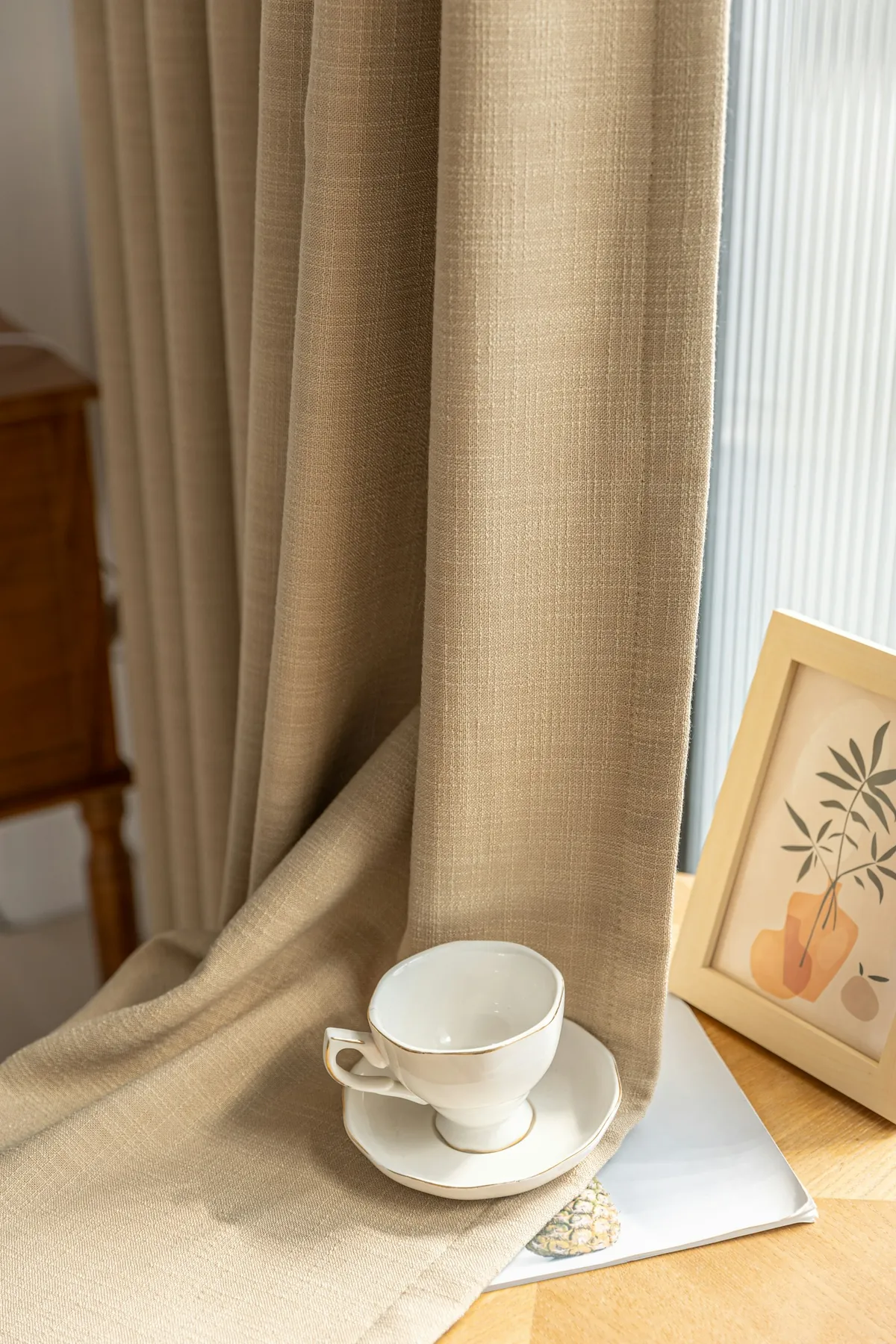
With fabric beside it
Linen side panels soften a woven shade and help tie an old room to a new one. We make both.
The Room With Two Kinds of Window
This is the most common puzzle we meet when planning woven wood shades in Dighton, MA, so it is worth taking slowly. Picture a farmhouse kitchen that was extended into a family room. On one wall, two original double-hung sash windows, tall and narrow, with deep reveals and wide old casing. On the next wall, a new picture window or a pair of sliders put in with the addition, flush to the wall with thin modern trim.
If each window got a different treatment, the room would look like two rooms. If they all got the same treatment without thought, the old sash would be swamped and the new glass under-dressed. Woven shades work well here because the weave is the thing you notice, not the shape of the shade, so it carries across both walls.
Mounting the old sash
On the original windows, the deep reveal is a gift. A woven shade fitted inside the frame keeps the old casing in full view and lets the shade sit back from the wall. We check the depth at every window, because hand-built frames vary, and we check whether the frame is square: a shade that is the same width top and bottom will show a tapering gap down one side if the frame has moved over the years. Where a frame is out of true, we size to the narrowest point so the shade raises and lowers freely.
Mounting the new glass
The addition windows usually have shallow frames with little room for an inside mount. Here the shade often goes on the wall above the window, wide enough to cover the frame. That also helps with the stack. A woven shade folds into a fair depth when raised, and mounted above the glass it can sit on the wall instead of over the view.
Where the new glass is very wide, one shade across the whole width can be heavy to raise and awkward to reach. Splitting the width into two or three shades that meet over the frame divisions keeps each one easy to lift, and lets you lower only the part of the window that takes the sun. If the addition has a door to a deck or patio, we check how a shade would clear the handle and the traffic through it, and we will suggest something else for the door if a woven shade would get in the way.
Making them match
The goal is for both walls to show the same weave and colour at about the same height when the shades are down. That can mean setting the headrails at one line across the room, even if the windows themselves start at different heights. We plan this when we measure, standing in the room, rather than from a list of sizes.
Weave, Liner and What the Light Does
The materials themselves decide most of the look. Here is how the choices compare once a shade is hanging in a Dighton room.
A close weave filters the light into an even glow. By day it gives good privacy from the road, which matters on Main Street and Somerset Avenue where many older houses sit near the pavement. It dims the room without making it dark.
An open weave lets more light through and more of the view. The sun comes through in small bright points that move across the floor through the day. In an addition with big glass facing the field or the river, this is the softest way to cut glare while still seeing out.
No liner means the shade looks the same from both sides and lets the most light through. After dark, though, a lit room shows shapes to anyone outside.
A privacy liner solves that, while the natural face still looks into the room. It also protects the weave from some of the direct sun.
A room-darkening liner is for bedrooms, where the old sash windows in a farmhouse often face east and catch the first light.
Colour is the last choice. Pale bamboo keeps a room bright and works with white-painted old trim. Honey and mid browns sit well with pine floors. Darker weaves warm up a den. At the showroom, hold any sample up to the daylight at the window, because the sun behind a weave changes its colour more than people expect. When we talk through woven wood shades for Dighton, MA houses, we bring this up early, since a colour chosen under a shop light can look quite different over a west-facing addition.
River lots on the Taunton River
The houses along the river have rooms that open toward the water, and many of them have had larger windows added for the view. Afternoon sun on the water brightens those rooms well beyond what the glass alone would suggest. An unlined open weave lowered in the afternoon keeps the river in sight while taking the edge off the glare, and a tighter weave helps where the room is used as an office or for watching television. On a long run of new windows we size each shade to its own frame, so the bottom edges line up across the wall.
These lots are also often generous, with no close neighbours on the river side. That means privacy matters less on that side than on the road side, and many owners leave the river windows unlined while lining the street-facing rooms. Choosing liner by side of the house, rather than room by room, is a simple way to get both light and privacy where each is needed.
Farmhouses and capes on Main Street and Somerset Avenue
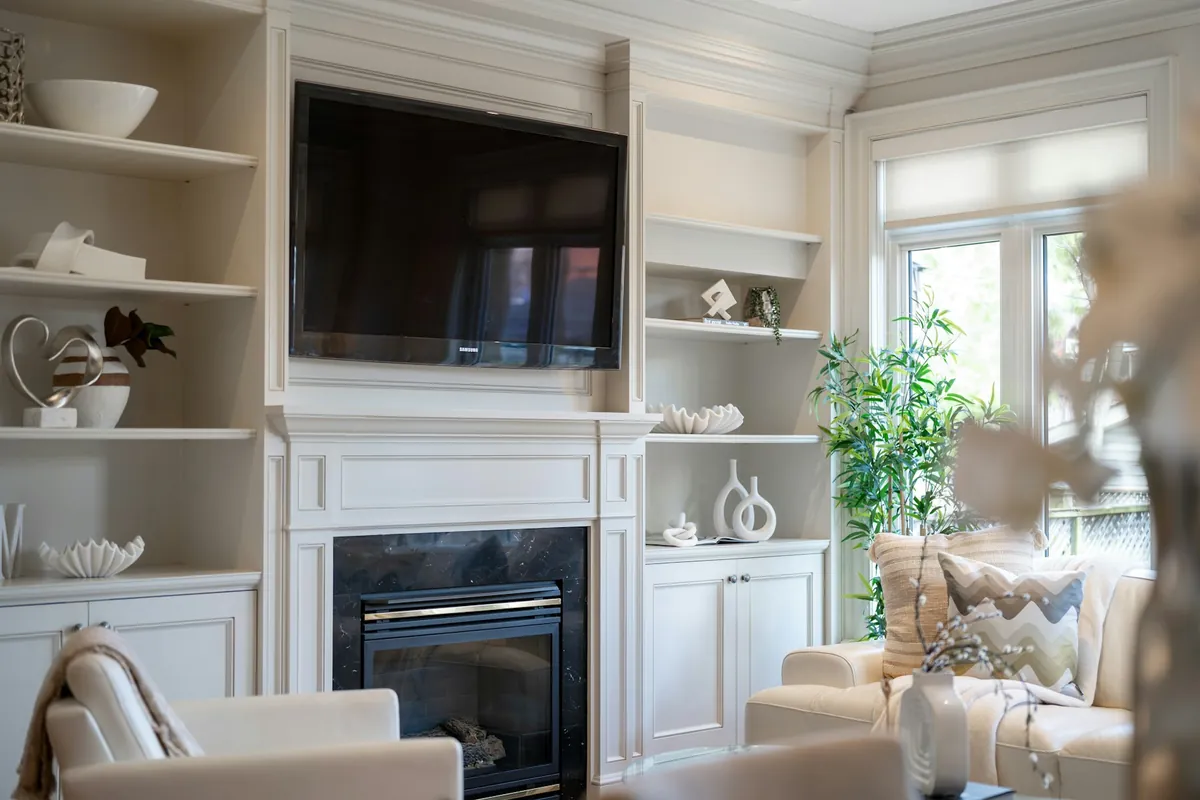
The older houses on these roads tend to have smaller rooms, low or moderate ceilings and windows of a few standard sizes repeated through the house, apart from any addition. That repetition makes a woven shade project tidy: the front windows can all take the same weave, the same mount and the same height, so the house looks even from the road.
The capes often have upstairs bedrooms under the roof with dormer windows. These are small, the wall around them is close, and the window is the room’s only daylight. A fine weave that folds into a slim stack keeps the most glass clear when raised. Where there is a knee wall or sloping ceiling near the window, we check the clearance so the shade does not catch.
In a farmhouse with a deep front porch, the front rooms are already shaded for much of the day. There, an open, pale weave stops the room feeling dim while still screening it from the road, and a liner may not be needed at all.
From the First Call to the Last Shade
We stay in contact with you all the way through, until every shade is up and working. For woven shades in a Dighton house, the order usually goes like this.
- You use the call button or the form, mention which rooms have the old windows and which have the new, and we book your free quote.
- One of our specialists comes to measure. In a house with an addition, we measure every window in the room, old and new, so the shades can be planned together.
- We talk about weave, liner, colour and the line the shades should hang at, standing in the room itself.
- If you would like to handle the full range, you visit the Swansea showroom and compare the weaves and liners side by side.
- Your written quote shows each window and what is being made for it.
- The shades are made to the sizes taken in your house, and our team comes back to install them, checking each one lifts and lowers square.
Why Families Call Window Works
Window Works has been a family business in Swansea since 1988, now run by the second generation, and Dighton is just up the river. Over 37 years our specialists have worked in old farmhouses and new additions alike, across the SouthCoast and into the Rhode Island East Bay.
- Measuring in your home, never sizes guessed from a photo
- Our own team installs every shade
- We keep in touch until the job is finished
- Warranties are offered on the products we sell
- A showroom in Swansea with the weaves and liners on display, and the Norman range alongside
When a different treatment suits better
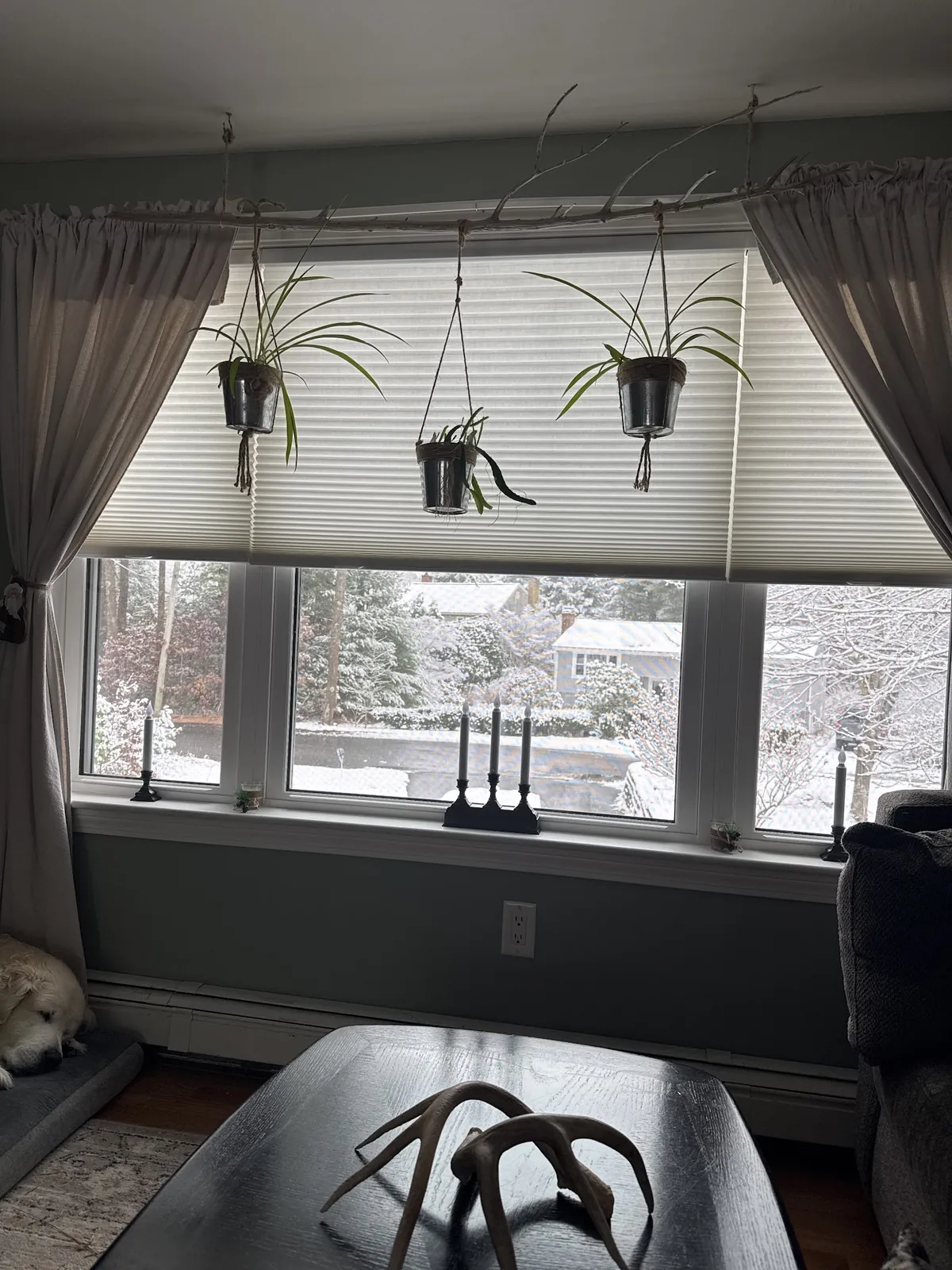
Not every Dighton window is right for a woven shade, and we will say so. A bathroom with a shower or a damp back entry is better with a material that copes with moisture. A cold north bedroom in an old farmhouse may hold its heat better with a cellular shade. A pair of sliders in an addition might be easier to live with under a treatment made for doors. Woven shades often sit happily beside drapes, too: a bay in a front parlour might take woven shades within side panels.
You can see every service we offer in town on the Dighton window treatments page, and the woven wood shades page covers the materials in more depth. For a north-facing farmhouse bedroom, the cellular shades in Dighton page explains the alternative.
How the shade raises, and where you reach it
A woven shade is lifted from the side, and in an old house the side matters. A sash window beside a chimney breast, a corner cupboard or a radiator may only be easy to reach from one edge, so we note which side the control should sit on at every window. In a kitchen, a shade over the sink has to be reached across the counter, and that often decides how it lifts and how high it should stack.
Height is the other question. In the original rooms of a farmhouse, the sash often starts low and runs up close to the ceiling. Raised fully, a shade there can sit almost out of sight above the glass. In an addition with a taller ceiling, the new windows may sit higher on the wall, and setting every shade to stop at the same height when raised keeps the room tidy. We plan these heights on the day we measure, so the finished shades look like one set rather than a collection of sizes.
Some woven shades fold up in soft, even pleats, and others roll at the bottom. Folded shades suit the trim of an older room, while a rolled style can look lighter on wide modern glass. We will show you both and talk about which suits each wall.
Starting with one room
You do not have to dress the whole house in one go. Many Dighton orders start with the room that bothers people most, which is usually the addition with the big new glass, because it is the brightest room and the one most often left bare. Once it is done, the older rooms can follow in the same weave and colour, ordered later and matched to the first shades. We keep a note of what was chosen so the next order lines up with it.
If you are part way through a renovation, it is worth calling before the new windows go in. Knowing where the frames will sit, how deep they will be and how much wall there is above them helps us plan the shades before the trim is finished. Woven wood shades for Dighton, MA additions are much easier to fit well when the frame has a little depth and a clear run of wall above.
Looking after a woven shade
Natural fibres need little care. Run a soft brush, or a vacuum on its brush setting, down the shade now and then to lift the dust. Spot clean gently and keep the shade dry. If a lift cord frays or a shade you already own stops raising evenly, our team can often repair it rather than replace it.
Questions from Dighton
Can one weave work on both the old sash and the new addition glass?
Yes. That is one of the best uses of a woven shade. We size and mount each window to suit its frame, then set the shades at a matching line so the room reads as one.
Will a shade fit an old frame that is out of square?
We measure at several points on each frame and size the shade so it runs freely. On a badly out-of-true frame, a mount on the wall over the casing can be the neater answer.
Should the river side be lined?
Often not. Many river-side rooms have no near neighbours, so an unlined weave keeps the light and view. Street-facing rooms are where a liner earns its keep after dark.
Does a woven shade block much of a short dormer window?
It folds into a stack when raised, so on a short window we suggest a fine weave and, where there is room, a mount above the frame.
Can I compare the weaves before ordering?
Yes. The Swansea showroom has the weaves and liners to see and handle. Book a free quote and we can talk through the options for each room.
Book a Visit
For woven wood shades in Dighton, MA, the first step is a free quote. Use the call button to book measuring in your home and ask about installation, or send the form and the Swansea store will be in touch. If you want to see the weaves first, the contact page has directions to the showroom. Window Works holds a 5.0 rating on Google.