
Grouped Windows, One Opening
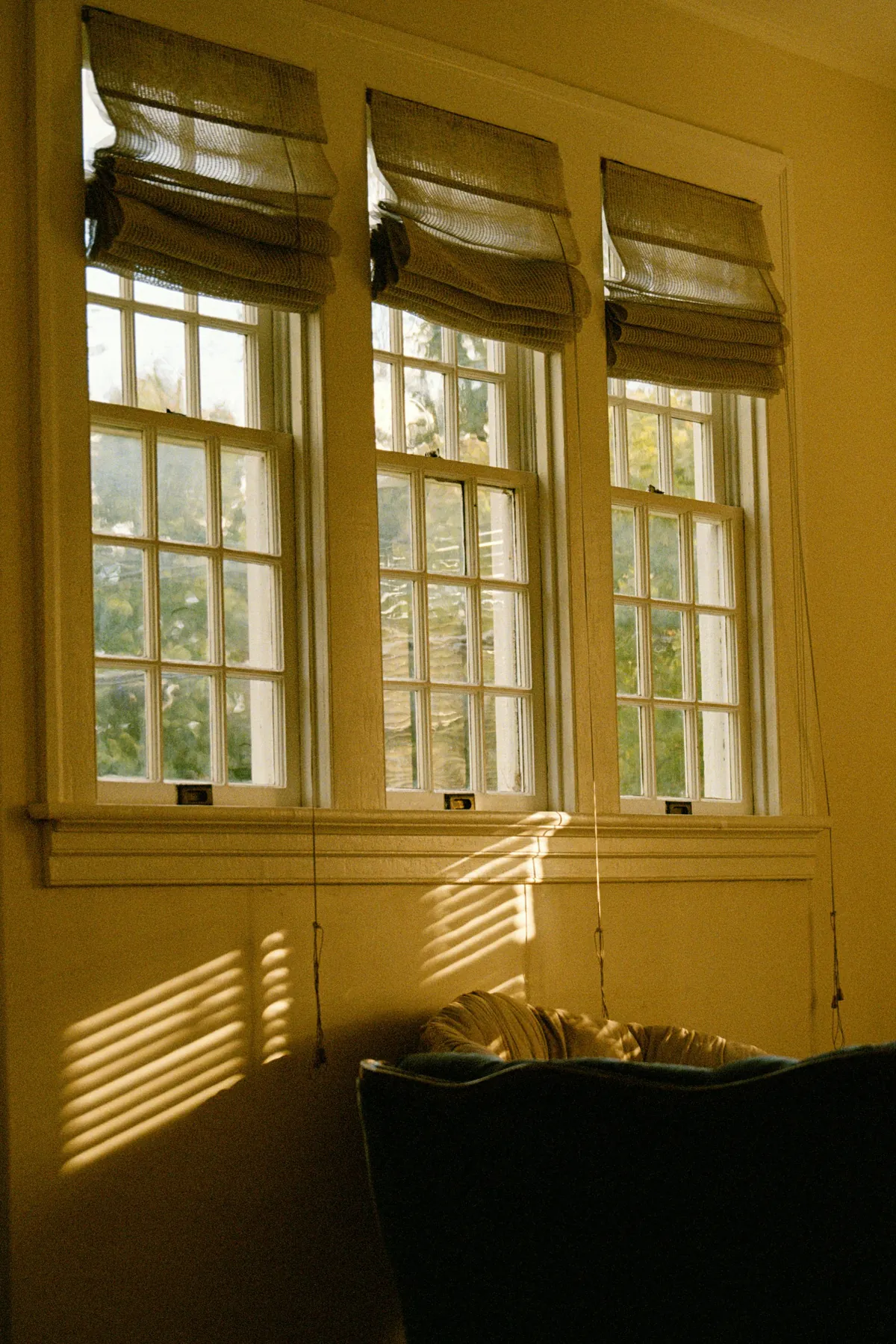
The bungalows of Riverside and Rumford often gather their windows into groups: two, three or four sash set side by side under one header, separated only by narrow posts. From inside the room, and from the street, a group like that reads as one opening, and it is usually treated as one. That is the starting point for roman shades in East Providence, RI.
A fabric shade suits a grouped window well. Lowered, a row of matched shades makes one calm band of cloth across the whole group. Raised, the folds sit at the same line along the top, and the group still looks like a single window.
The city’s housing runs wider than the bungalows, though. Colonials from the first half of the last century share the same streets, Watchemoket keeps older houses with taller sash, and Kettle Point brings newer construction with bigger glass. Each asks something different of a shade.
Roman Shades and Their Companions
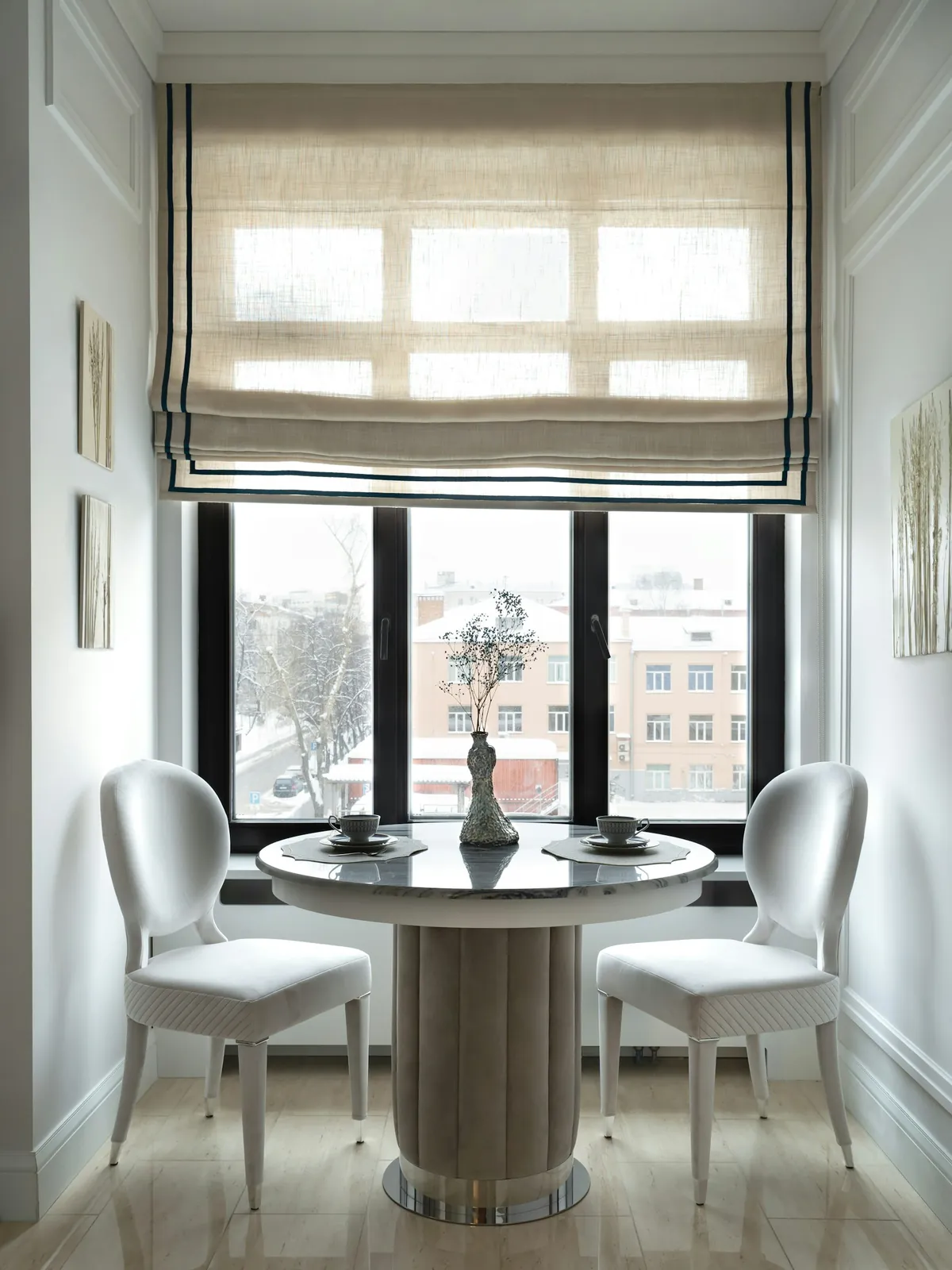
Flat and tailored
A smooth panel that pleats as it rises. Across a bungalow’s grouped sash it keeps the row looking neat and even.
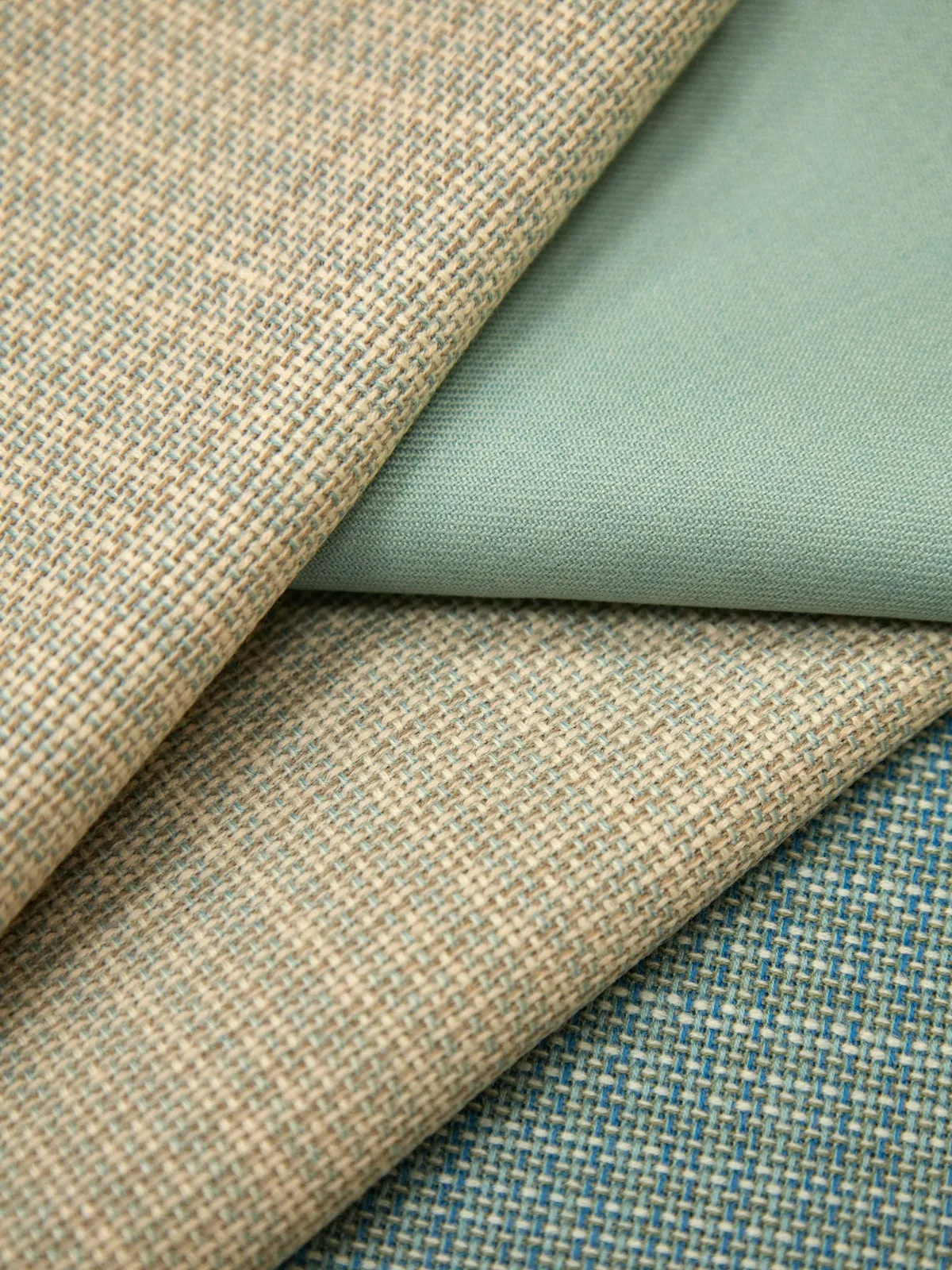
Full and soft
Tiers of rounded folds from top to bottom. Warm and traditional for a colonial dining room or a Watchemoket parlour.
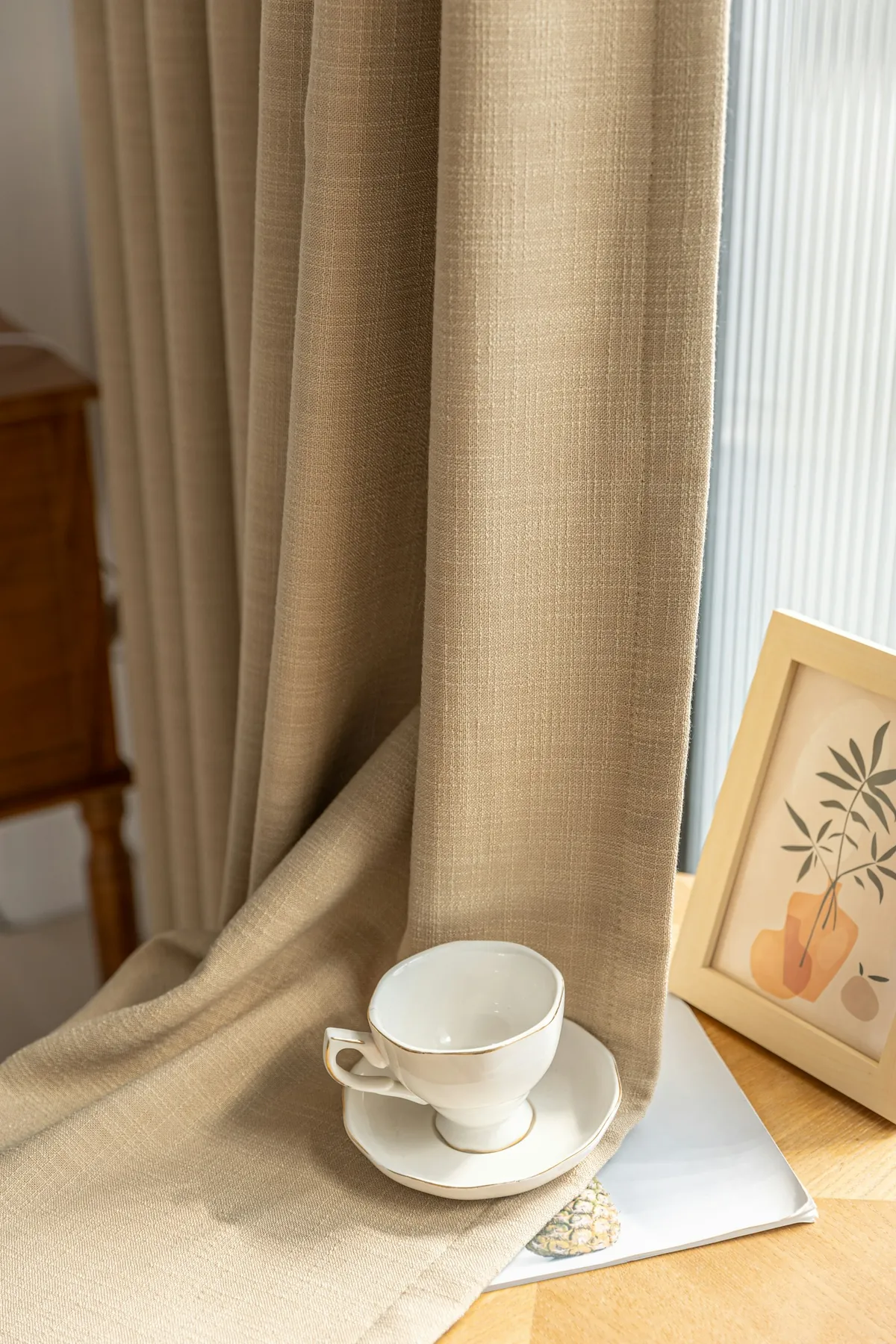
Relaxed and casual
A gentle curve along the hem. Easy and unfussy in a bungalow bedroom or a kitchen.
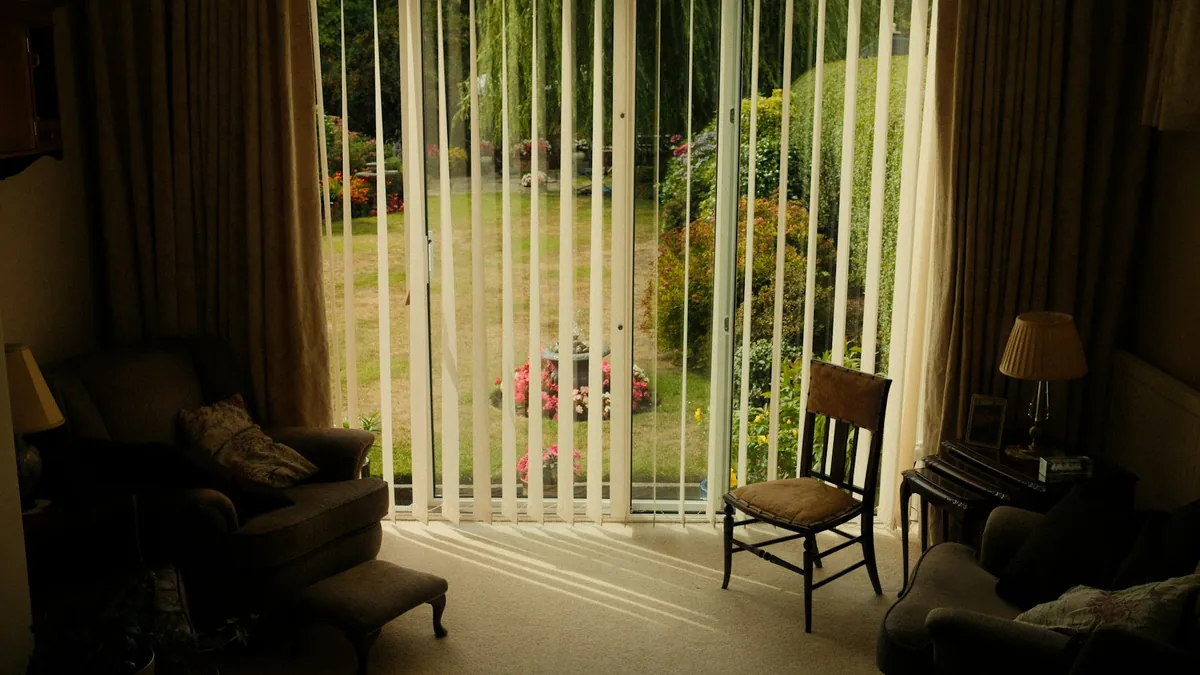
Vertical blinds for the slider
A sliding door at Kettle Point needs a treatment that draws sideways. Verticals do that job.
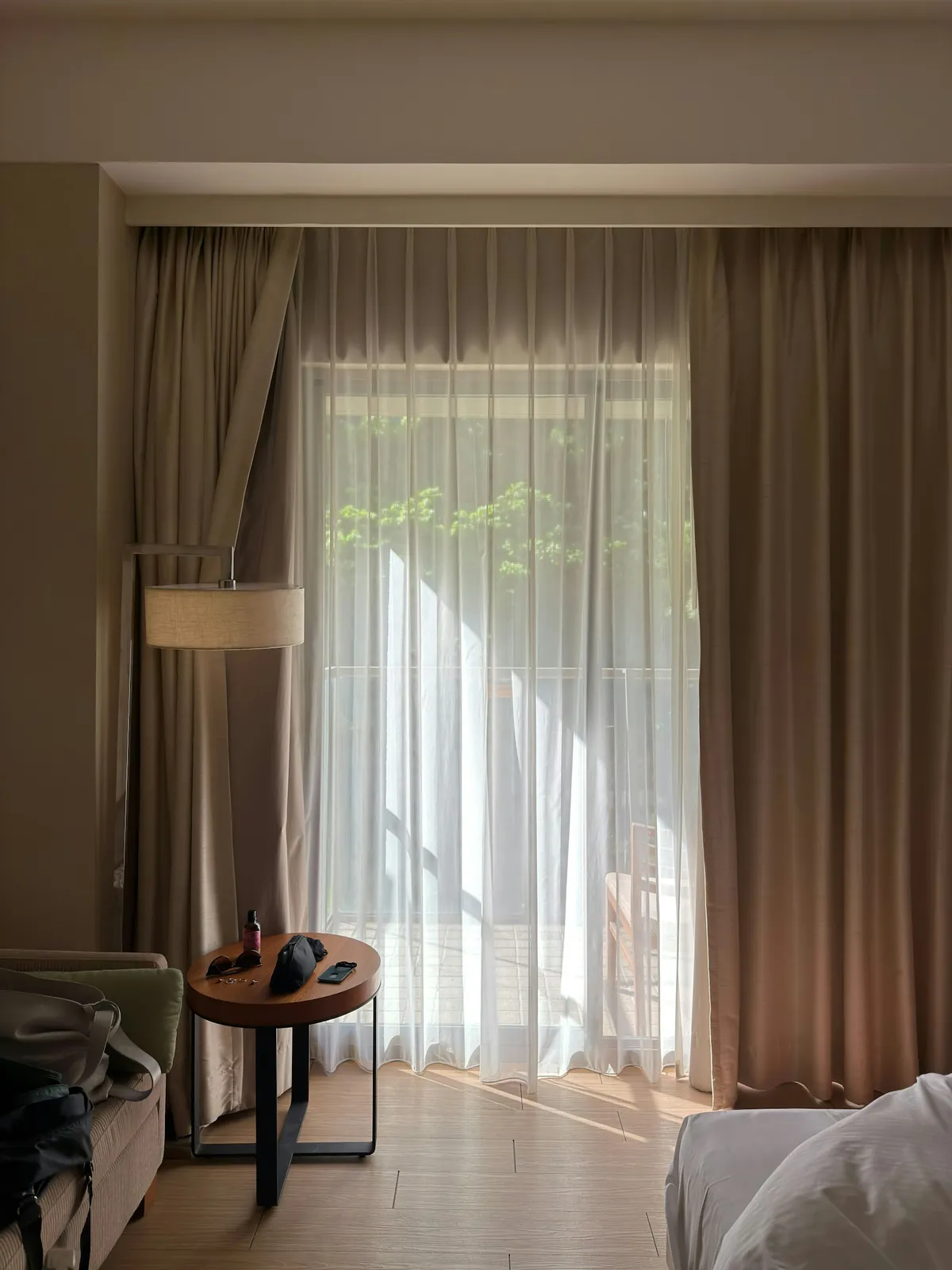
Drapes beside the shades
Drapery is our specialty. Panels at each end of a grouped window frame the whole row.
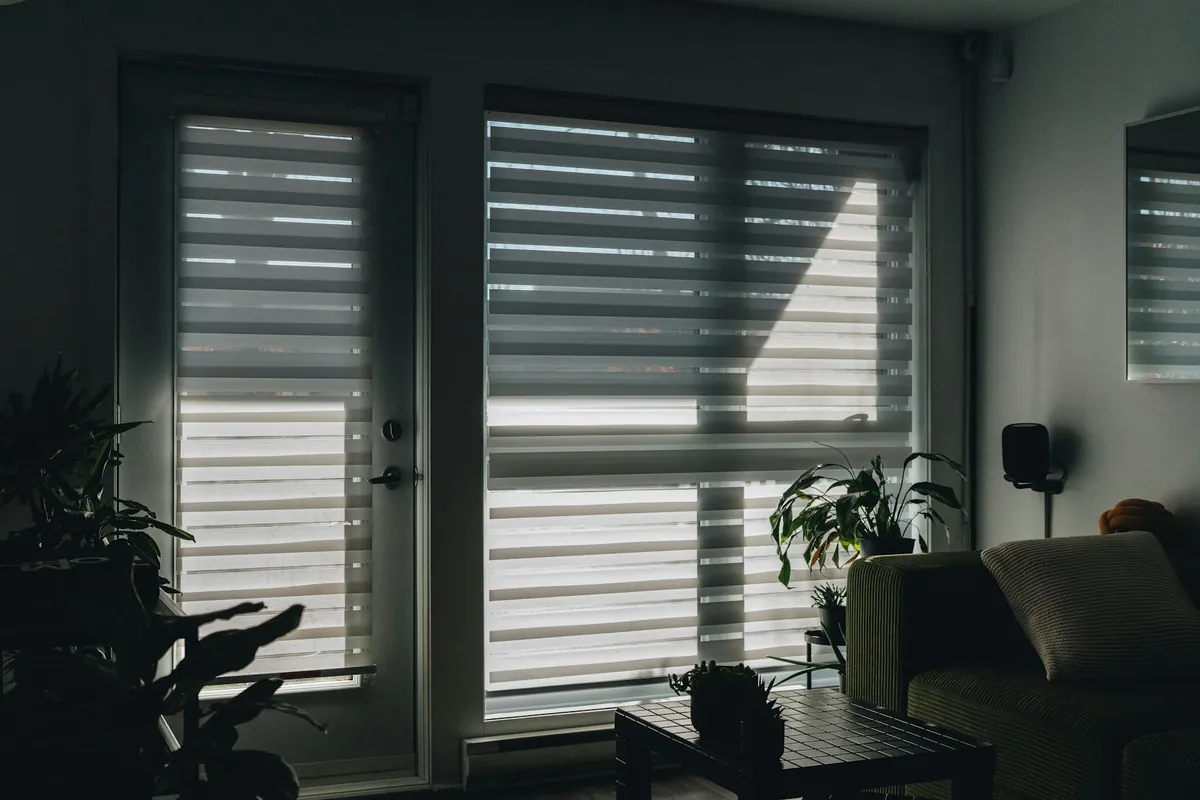
Motorised for tall glass
For high windows in newer homes, we also sell motorised blinds and shades run by remote or wall switch.
Treating a Grouped Window as One
Getting roman shades in East Providence, RI right on a bungalow mostly comes down to the grouped windows. They are the main windows in the house, usually in the living room and often in the dining room too, and they are the ones you see first from the street. The aim is simple: the group should still look like one opening, whether the shades are up, down or somewhere in between.
A shade for each sash, on one line
In most groups, each sash gets its own roman shade, made to its own width. The posts between the sash are narrow, so the gaps between the shades are small and fall where the frame already divides the glass. Every shade is made with the same fabric, the same fold and the same raised height. Lowered together, the row reads as one wide band. Raised, the folds line up along the top like a single valance.
Separate shades are also easier to live with. Each one is light enough to raise easily, and you can lower the shade on the sunny end of the group while the others stay up.
When one shade covers the group
Some groups are set so close, or are so small, that a single shade across the whole opening makes more sense. In that case the shade is fixed above the group on the wall or trim, so it covers the posts as well as the glass. A single shade is heavier to lift and stacks deeper when raised, so we only suggest it where the group is modest in width, and we talk through how it will feel to use day to day.
Measuring a group
The sash in an older group are seldom identical. One may be a little narrower, or the frame may be out of square across its length. We measure each opening separately, then check the header line across the whole group, so all the shades sit at one height even if the frames do not.
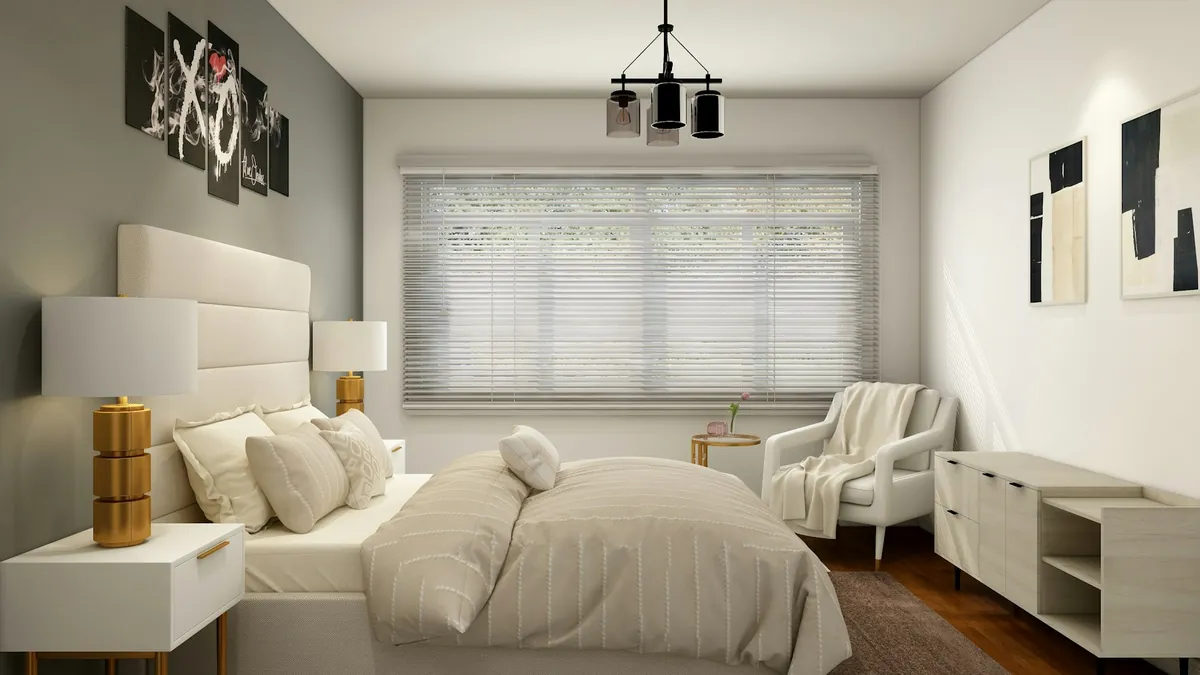
Fabric across a group
Because a grouped window shows a lot of fabric at once, the cloth sets the tone of the room. A plain linen or a soft texture keeps a row of shades calm. A print works well with a flat fold, as long as the pattern is matched across the shades so it lines up from one sash to the next. Strong colour reads boldly on a group, so it suits a room where the window is meant to be the feature.
Matching a group over time
If you start with the living room group and add the dining room later, the second group should match the first. Your quote records the fabric, fold and raised height for each shade, which makes it simple to plan the next room so both groups sit on the same line and read as part of one house.
Riverside and Rumford Bungalows
Beyond the grouped windows, the bungalows of Riverside and Rumford have their own habits. Many have a deep front porch that shades the living room windows, a dining room with another group, and bedrooms with single sash. Some have dormers in the roof, where the upstairs rooms sit under the slope.
Rooms behind a porch
A living room behind a deep front porch gets less direct sun than its window size suggests. That frees you to choose a lighter, unlined fabric that lets soft daylight through, because the porch roof already keeps the strongest sun away. At night, the porch also brings passers-by closer to the window, so a fabric with some body still helps.
Dining room groups
The dining room group is often the most formal window in a bungalow. A hobbled fold in a richer cloth gives it presence, while a flat fold in a patterned fabric works if you want the window to feel more relaxed. Either way, the dining room shades can share a fabric with the living room or contrast with it, depending on whether the rooms open into each other.
Dormer bedrooms
Upstairs, a dormer window sits in a small recess with the roof sloping close on either side. A shade there needs a compact stack, so the window keeps its light when the shade is raised. A flat fold stacks most neatly. A lining makes the room darker in the morning, which matters under a roof where the window is often the only one in the room.
Bungalow kitchens
A bungalow kitchen is usually at the back, often with a single window over the sink and sometimes a second on a side wall. A flat fold in a light cotton or linen, unlined so the morning sun comes through, keeps the window bright and stacks small above the counter. Where the sink sits right under the glass, we fix the shade so the hem stays clear of the taps when it is lowered, and steer toward a fabric that copes with a little steam.
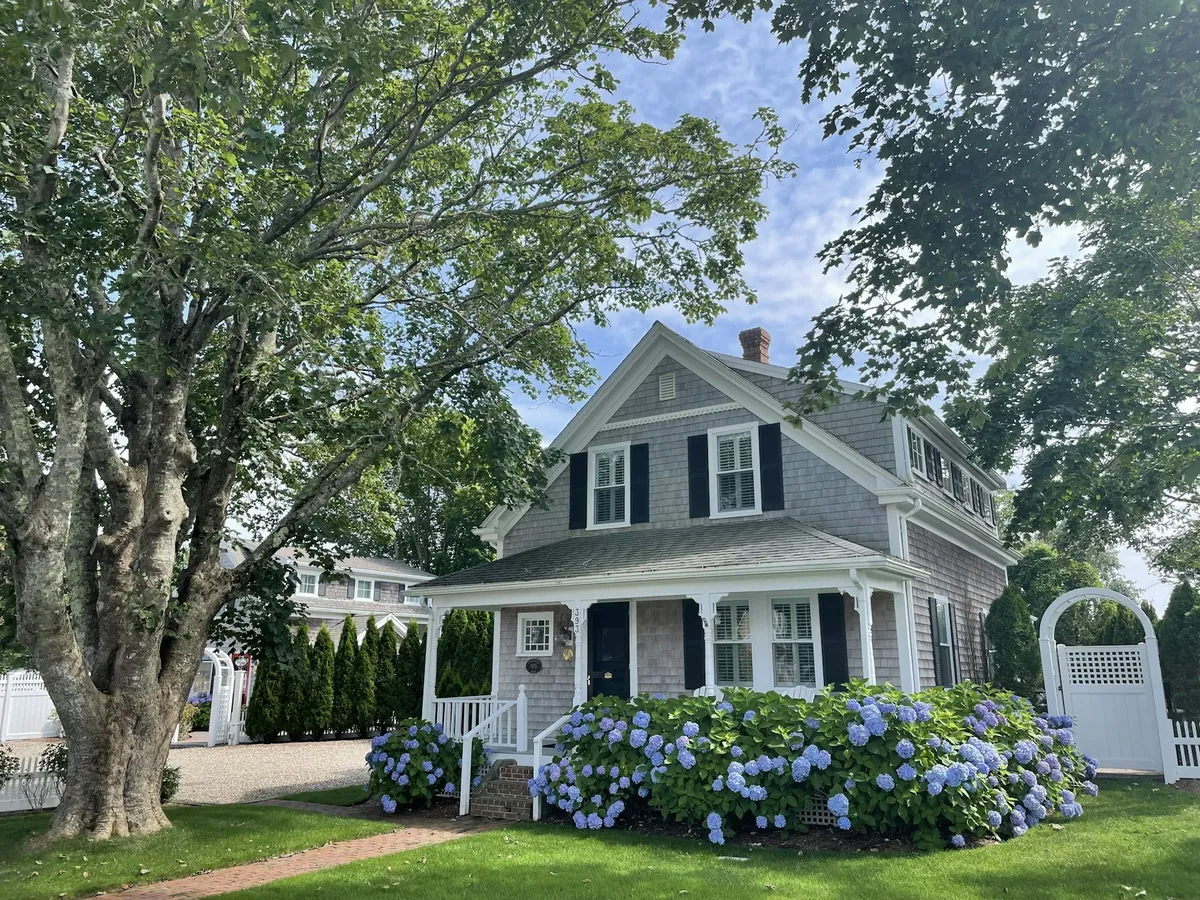
Riverside and Rumford Colonials
The colonials on the same streets are more regular than the bungalows. Their windows are usually single double-hung sash, set in pairs or on their own, with standard trim and a symmetrical front. They are a straightforward job for a roman shade, and that makes fabric and fold the real decisions.
A matched front
A colonial’s front windows are seen as a set from the street, so the shades behind them should rise to the same line and share a lining colour. The rooms behind can still differ: a flat fold in the living room and a hobbled fold in the dining room look like one choice from outside if the linings match.
Sunrooms and porches
Where a colonial of this era has an enclosed porch or a sunroom, it usually has windows on three sides. Those rooms get sun from morning to evening, so a lined shade or a hard-wearing fabric suits them. Several separate shades, one per window, let you follow the sun around the room. For the brightest of these rooms, roller shades in East Providence can be a practical partner to roman shades elsewhere in the house.
Watchemoket’s Older Houses
Watchemoket keeps some of the city’s older housing, with taller sash, higher ceilings and the kind of trim that newer houses lack. Those windows suit a roman shade particularly well.
Tall sash, high stack
On a tall window the raised shade has more fabric to gather, so its stack is deeper. We usually fix the shade high, at the top of the frame or just above the trim, so the folds sit over the head of the window and the glass stays clear. A flat fold keeps the stack compact; a hobbled fold is fuller and suits a room with height to spare.
Old frames
Frames in older houses move over time. Two windows in the same room can differ, and a frame can be out of square. We measure each one and check the depth at the top before deciding whether the shade sits inside the frame or on the trim.
Close neighbours
The older streets around Watchemoket set houses nearer one another than the newer parts of the city, so side windows often face a neighbour’s wall a short way off. For those windows, a lined flat fold in a light colour can stay lowered through much of the day, keeping the room bright while closing off the view across the gap. Many owners choosing roman shades in East Providence, RI for an older house start with exactly these side windows.
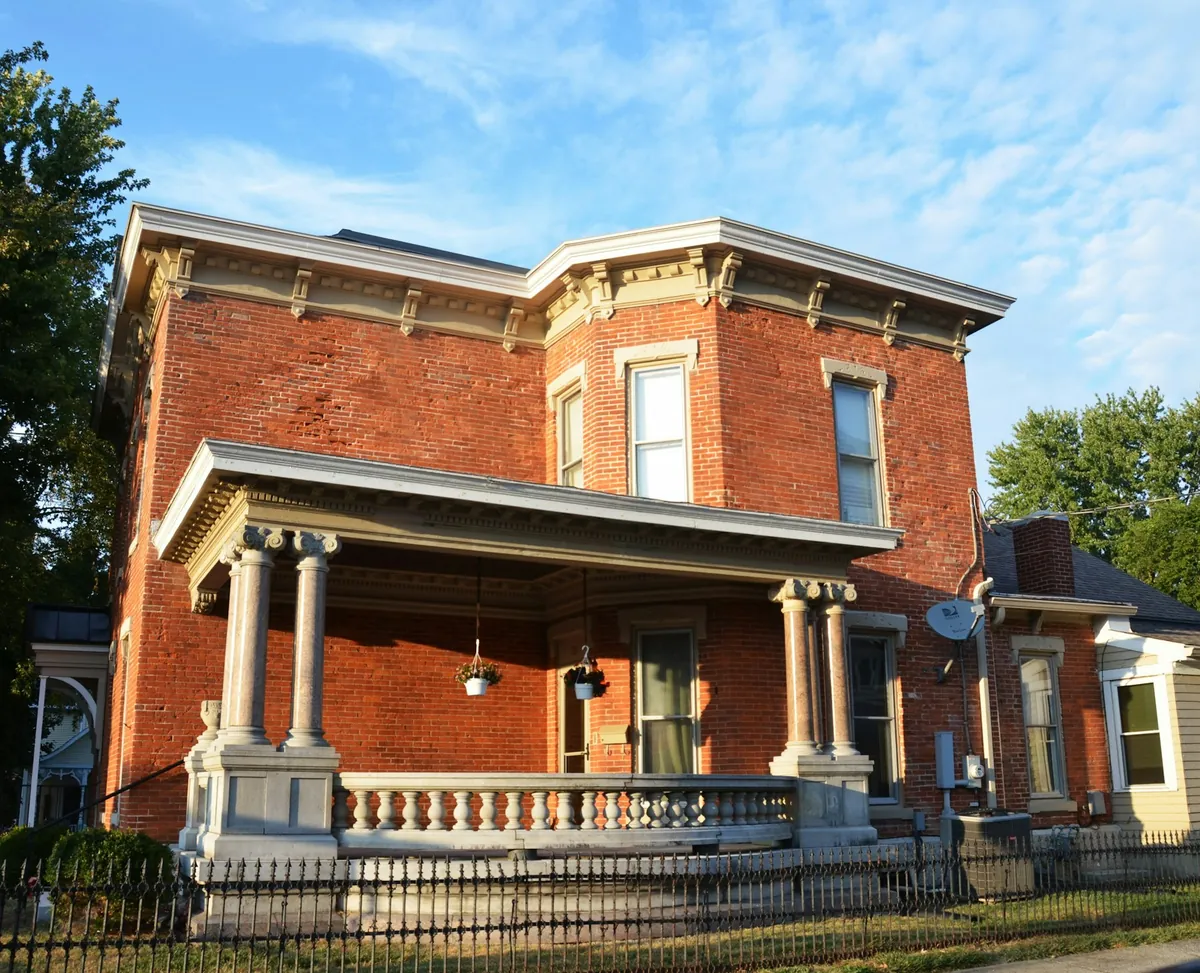
Kettle Point’s Newer Construction
At Kettle Point the houses are newer, with larger windows, open-plan rooms and often a sliding door to a deck or patio. Frames are square and regular, which makes fitting straightforward, but the windows are bigger and often taller than in the older parts of the city.
Big windows
A large window usually takes two or more shades side by side, one per section, which are lighter to lift and look tidy lowered together. The shallow frames common in newer construction often suit an outside mount, fixed above the window, which lets the raised shade clear the glass completely.
Open plans
In an open-plan room, the shades on every window are seen together, so one fabric and one raised height across the space keeps it calm. Sliders are better with a treatment that draws sideways, such as vertical blinds or drapes, and the fabric of the drapes can be chosen to suit the roman shades on the windows.
Light in a newer house
Newer houses tend to be brighter inside, with bigger glass and fewer walls between rooms, so the light from one window reaches across the whole floor. Choosing roman shades in East Providence, RI for Kettle Point is therefore as much about softening glare as about privacy. A light-filtering fabric lowered over the sunniest window can calm an entire open room, while the shades on the shaded side stay up. A lined shade earns its place in bedrooms and in any room with a screen where glare is a nuisance.
Room by Room
- Bungalow living rooms: flat folds on each sash of the group, in a calm linen or a matched print.
- Bungalow and colonial dining rooms: a hobbled fold in a richer cloth, or a flat fold in pattern for a relaxed look.
- Dormer and upstairs bedrooms: a lined flat fold with a compact stack.
- Kitchens: a light, unlined flat fold that lets the morning sun through.
- Kettle Point open plans: one fabric across every window, with verticals or drapes on the slider.
Choosing Fabric, Fold and Lining
Fabric decides how a roman shade hangs and how it handles light. A crisp, tightly woven cloth holds a sharp flat fold. A softer, heavier cloth falls into full hobbled folds. A light, open fabric glows when the sun is behind it. A lining gives the folds body, protects the face fabric and makes a room darker and more private at night. In a bungalow living room behind a porch, unlined linen may be perfect; in a dormer bedroom, a lined shade usually is.
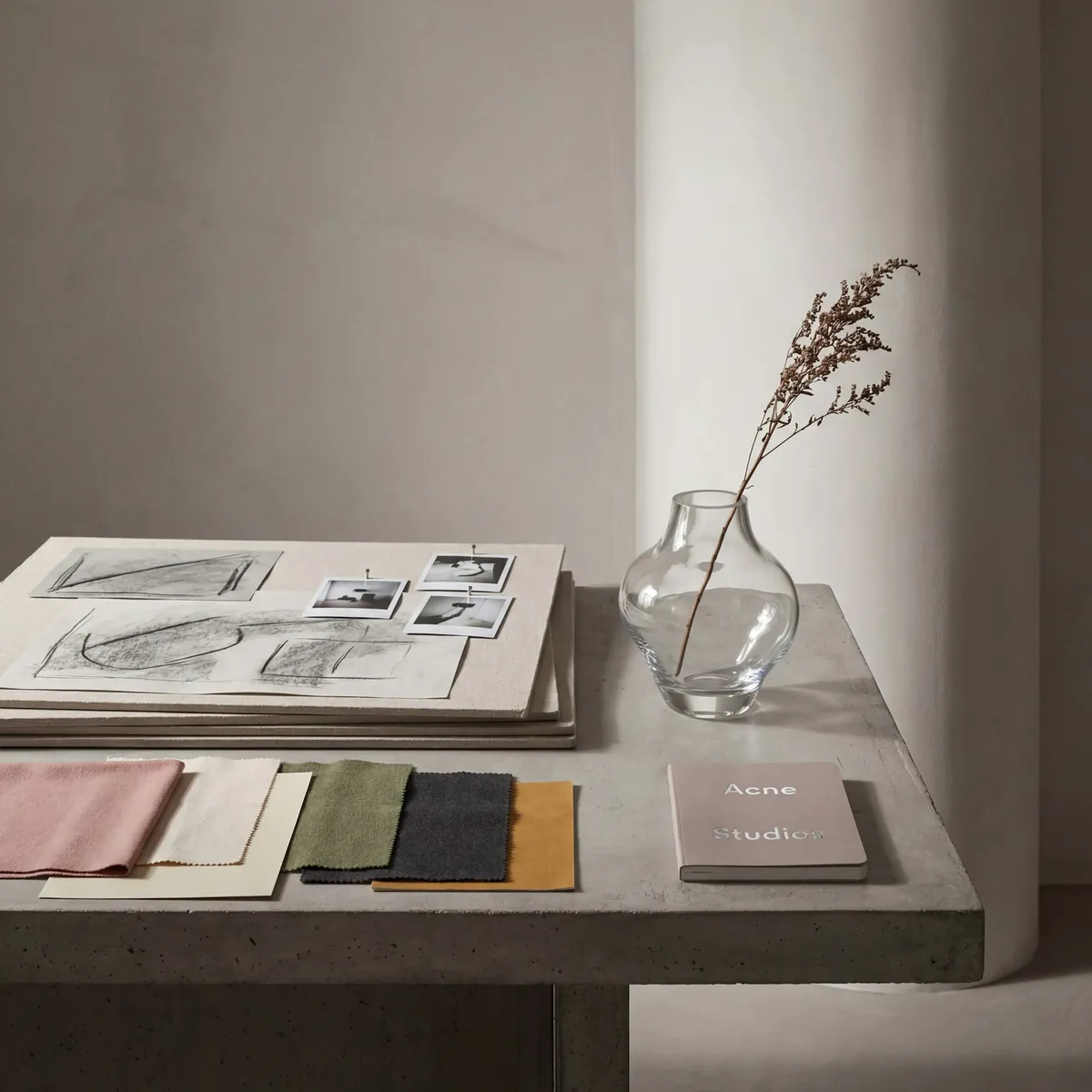
How an East Providence Order Comes Together
We stay in contact with you from start to finish.
- Get in touch through the call button or the form and tell us about the rooms, especially any grouped windows.
- A specialist measures every window in your home, each sash in a group separately, and checks the header line across the group.
- You choose fabric, fold and lining in the Swansea showroom.
- We send a quote listing every window, with each shade in a group shown on its own line.
- The shades are made to your measurements.
- Our team installs them, checks that every shade in a group raises to the same height, and shows you how they work.
Care
Dust with a soft brush or a vacuum on low. Blot marks gently with a damp cloth after testing in a hidden spot. Washing can shrink fabric and spoil the folds, so leave deeper cleaning to a professional. We tell you what suits your fabric.
Other treatments in the house
Not every window suits a fabric shade. Our window treatments for East Providence page lists the full range for the city, and the main roman shades page covers every fold and fabric.
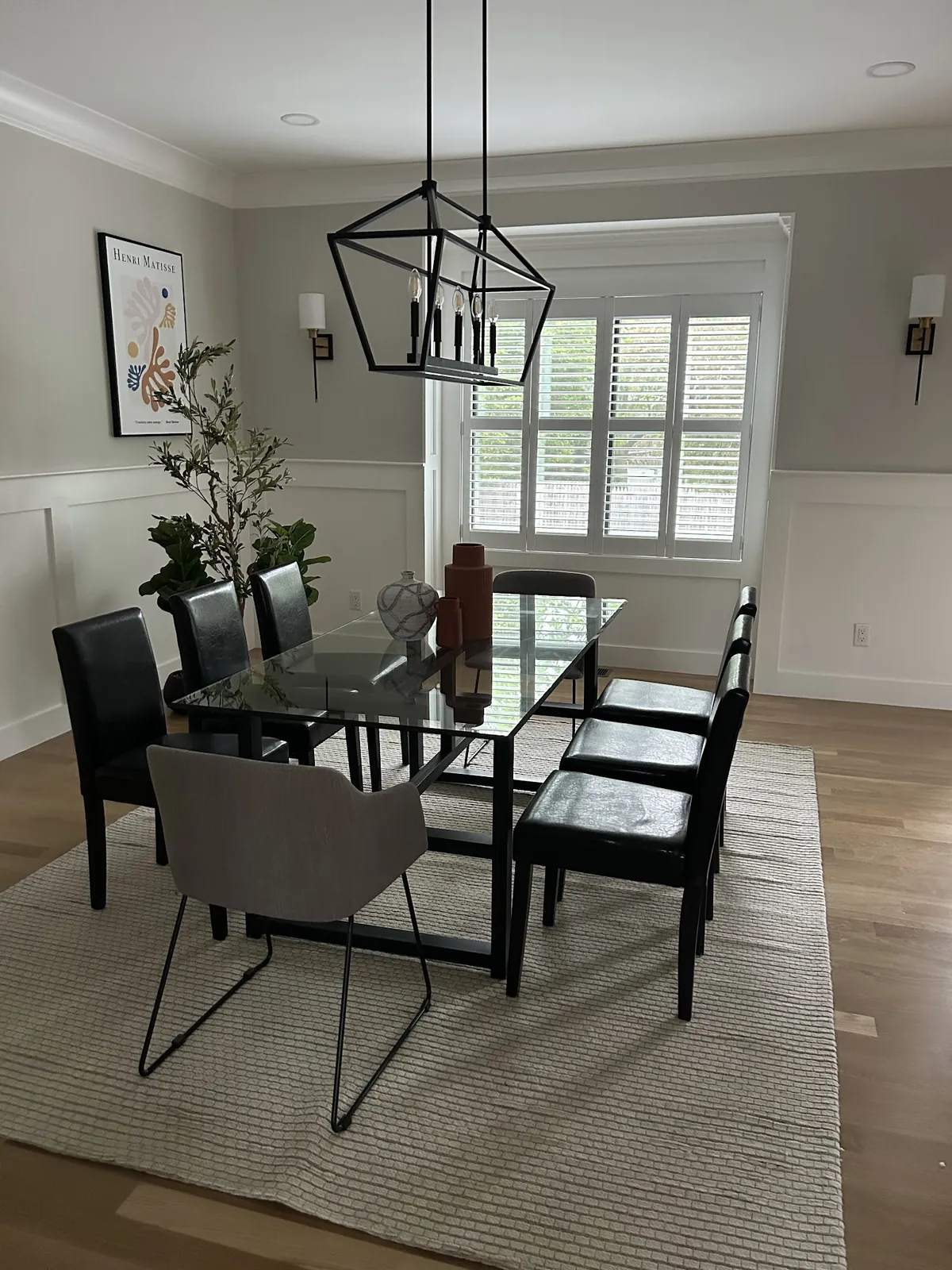
What Sets Window Works Apart
Window Works opened in Swansea in 1988 and is now a second-generation family store. It has spent over 37 years making window treatments for houses across the SouthCoast and the Rhode Island East Bay, and drapery and fabric remain its specialty. An experienced team measures in your home and installs the finished shades, warranties are offered, and we stay in contact until the job is done.
Choose the Fabric in Daylight
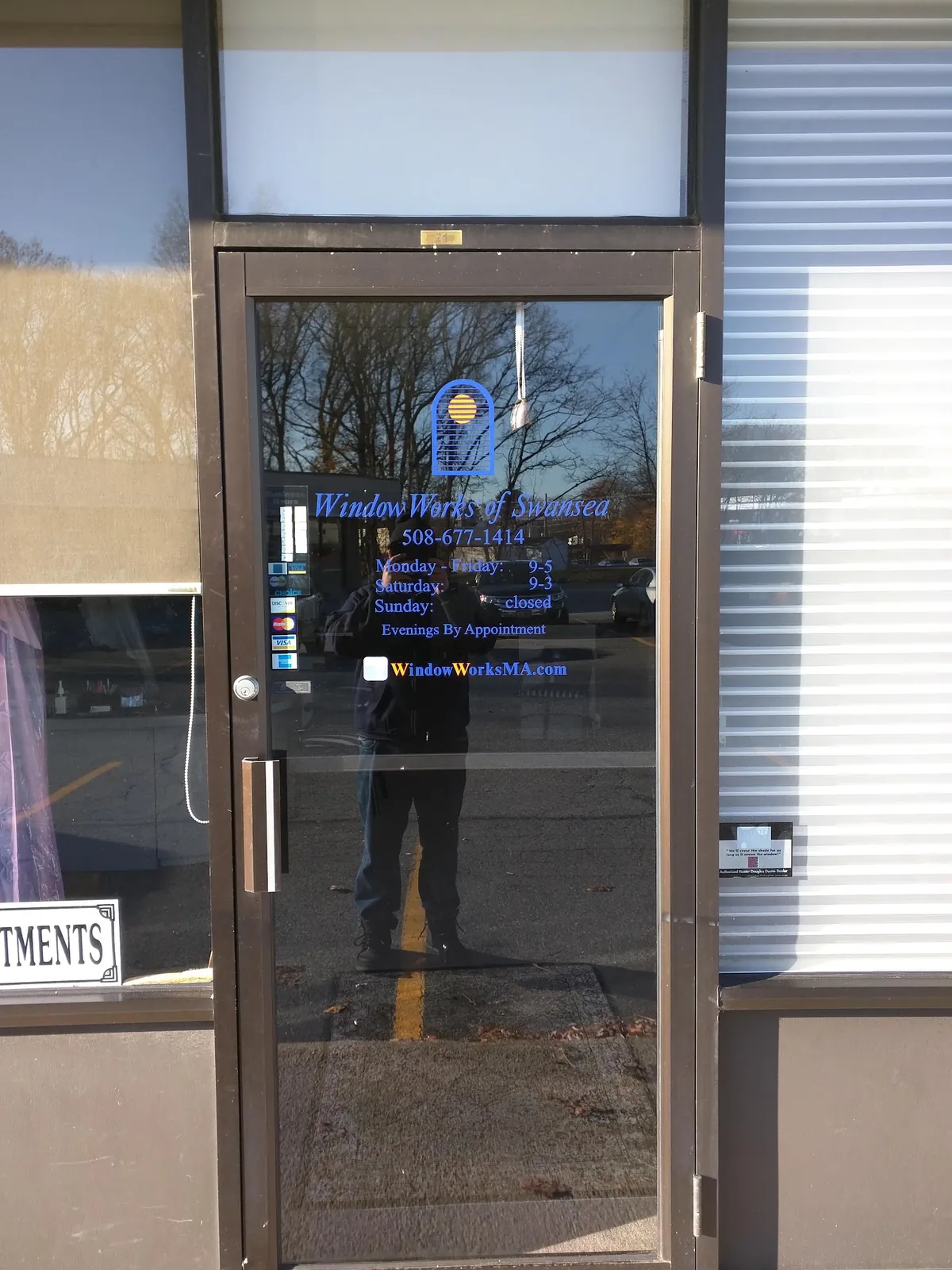
A grouped window shows a lot of fabric, so it is worth seeing the cloth at full size. In the Swansea showroom you can compare folds, feel the weights and see how a lining changes a fabric. Bring a photo of the window group and a paint chip, and we will help you narrow it down. Norman products are on show too.
Questions from East Providence
Should a bungalow’s grouped windows have one shade or several?
Usually several, one per sash, all on one line with the same fabric and raised height. One shade across the group can suit a small group.
Will the shades in a group line up if the frames differ?
Yes. We measure each sash separately and check the header line across the group, so all the shades sit at one height.
What about the sliding door at Kettle Point?
A roman shade does not suit a slider. Vertical blinds or drapes draw sideways, and their fabric or colour can be chosen to match the shades.
Which fold suits a dormer bedroom?
A flat fold, which stacks most compactly, with a lining to keep the room darker in the morning.
Can I lower just one shade in a group?
Yes. Separate shades raise and lower on their own, so you can shade the sunny end of the group and leave the rest open.
Talk to Us About Your Windows
To get started, use the call button to book a free quote for roman shades in East Providence, RI, arrange measuring in your home or ask about installation. Or send the form, or visit the Swansea showroom first; the contact page has directions. Window Works holds a 5.0 rating on Google.