
Few Narrow Windows, or Many Standard Ones
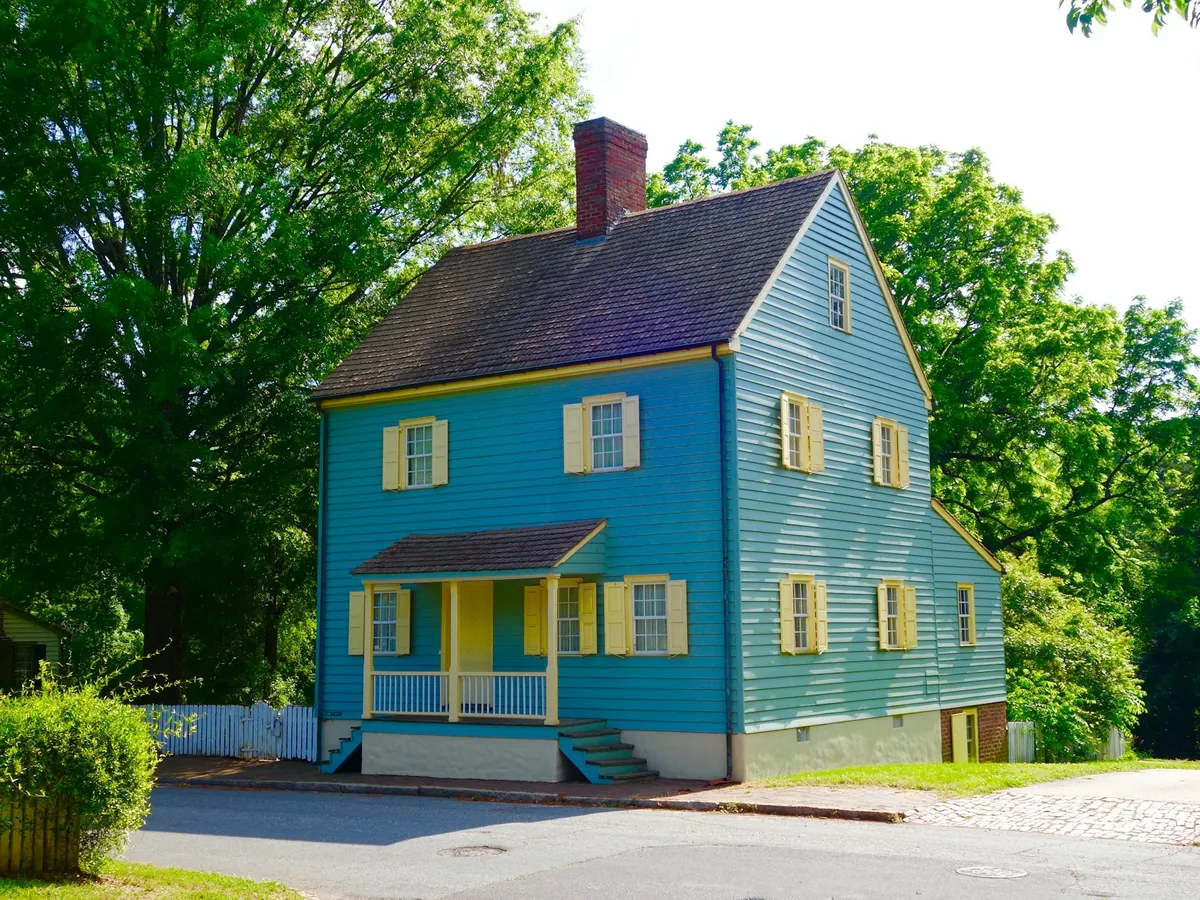
Lincoln’s houses fall into two very different camps. The mill housing in Lonsdale and Manville still has its original openings: fewer windows, and narrow ones, in frames that have shifted over a long life. The newer colonials around Lincoln Woods and Breakneck Hill have the opposite: standard sizes, and plenty of them. Making cellular shades in Lincoln, RI means doing careful, window-by-window work in the first kind of house and good whole-house planning in the second.
Out along Great Road, the large-lot houses bring a third set of questions, with bigger rooms, more glass and open ground around them that lets the wind in. Whatever the house, a honeycomb shade does the same job: the pleated pockets of fabric trap air against the window, and that trapped air is what keeps a room’s warmth from slipping out.
- Single and double cell, decided by how each room feels in winter
- Every window measured in the house and installed by our team
- Fabrics and colours to compare in Swansea
Honeycomb Shades We Make for Lincoln
Single cell
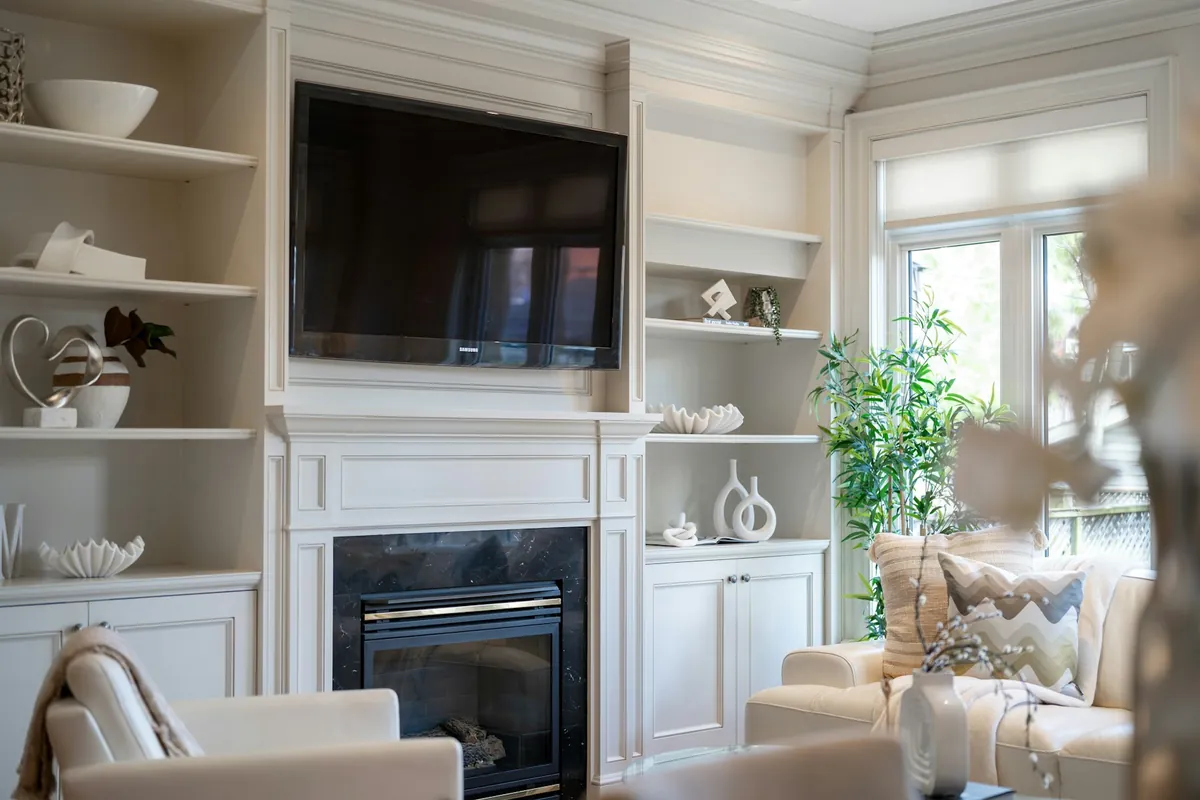
The lighter of the two. One row of pockets, a slim stack at the head of the window and all a comfortable room needs.
Double cell
A row of cells behind a row of cells. For a mill house’s coldest room, a corner bedroom on an open lot, or any window that lets the wind in.
Whole-house sets
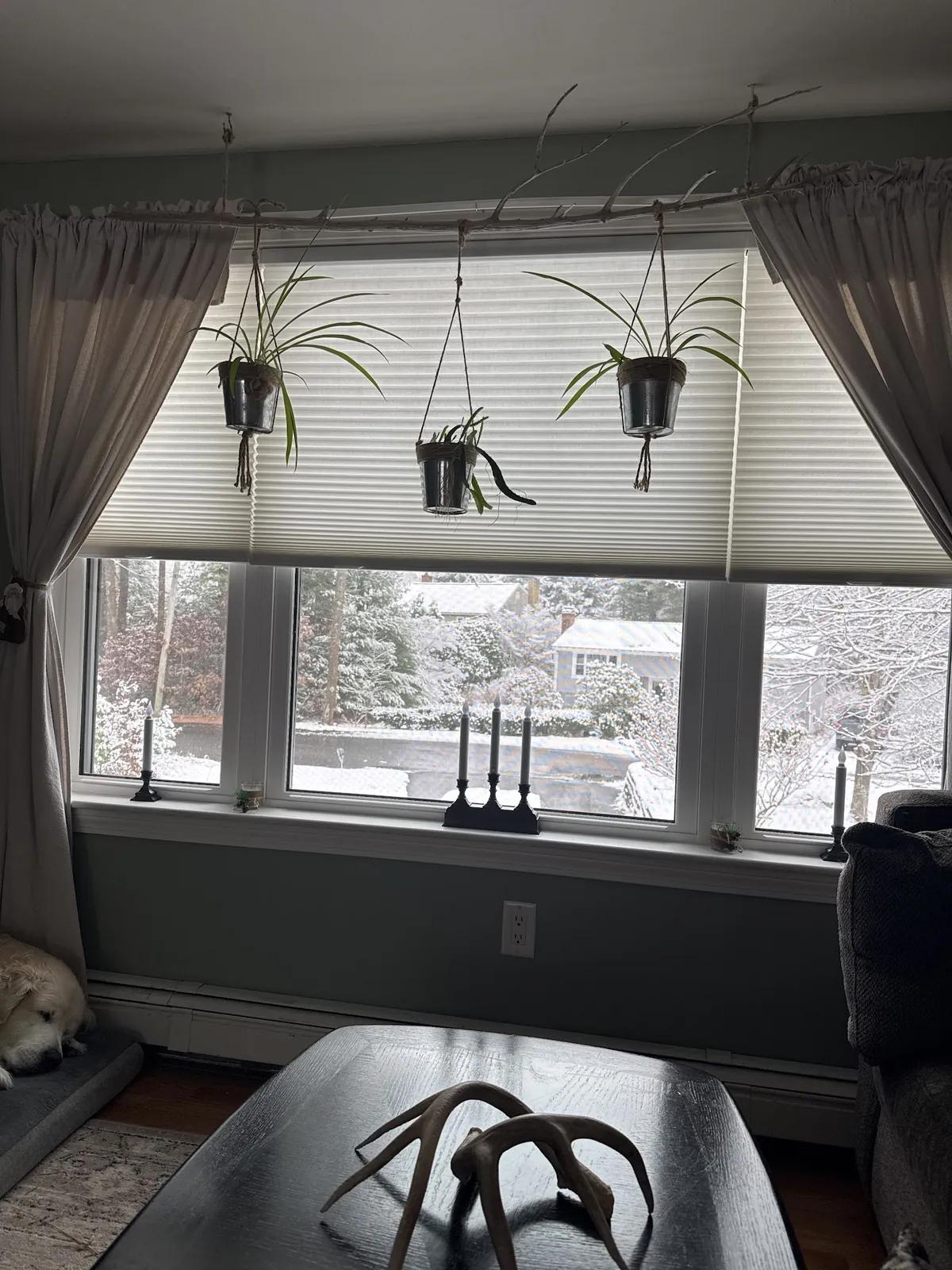
For a colonial with many windows, one colour on every street-facing shade and the right cell and fabric in each room behind it.
Mill Housing in Lonsdale and Manville
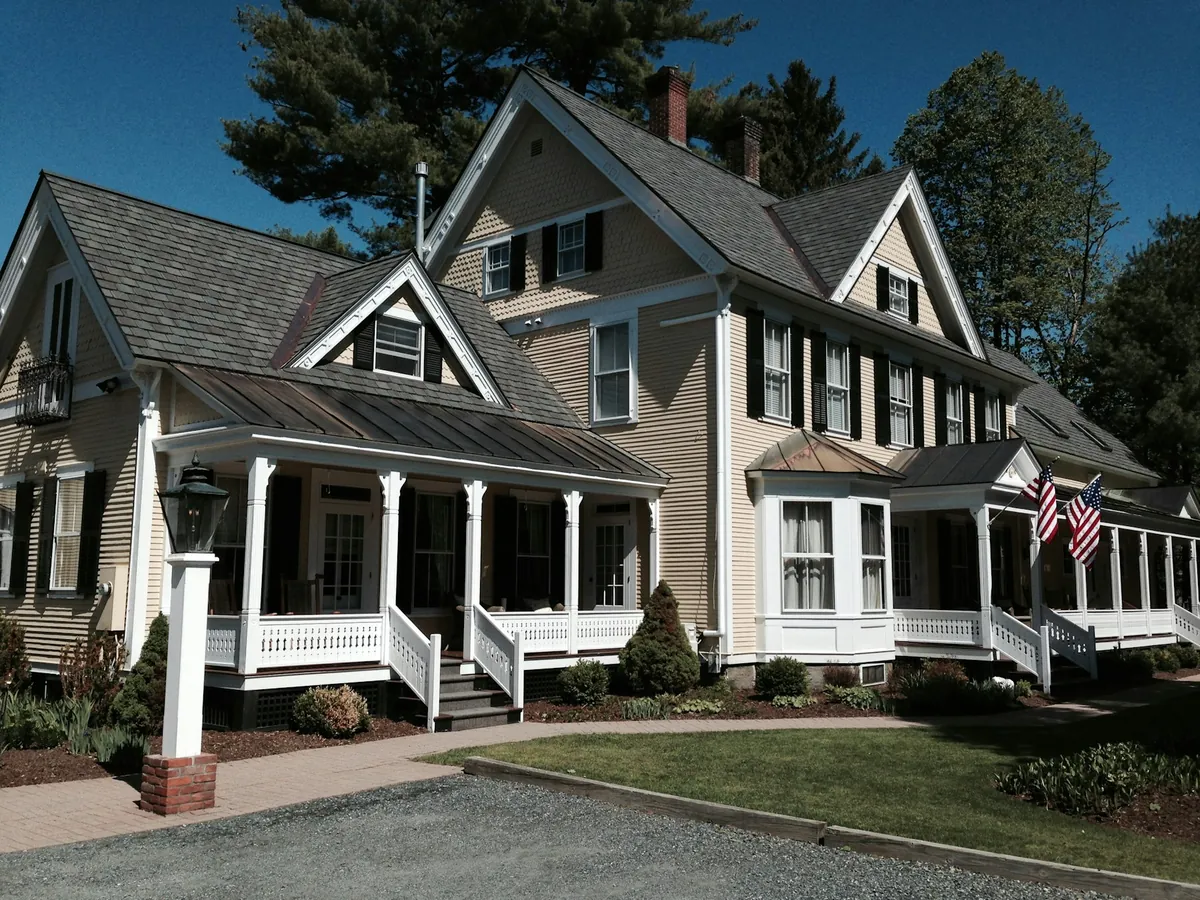
The mill houses were built to a simple plan, often as duplexes or rows, with a modest number of windows on each wall. What they lack in number, the windows make up for in character: narrow, original openings, usually double-hung, set in frames that have moved with the house for a very long time.
That history matters for a shade. A frame that has settled for generations is seldom square. It can be a little wider at the top than at the bottom, deeper on one side than the other, or slightly twisted, and the sill is often worn or uneven. A shade made to a single width would gap on one side and bind on the other. So every opening is measured at the top, the middle and the bottom, and the depth is checked on both sides. The shade is then made for that particular window.
Why the narrow window still matters
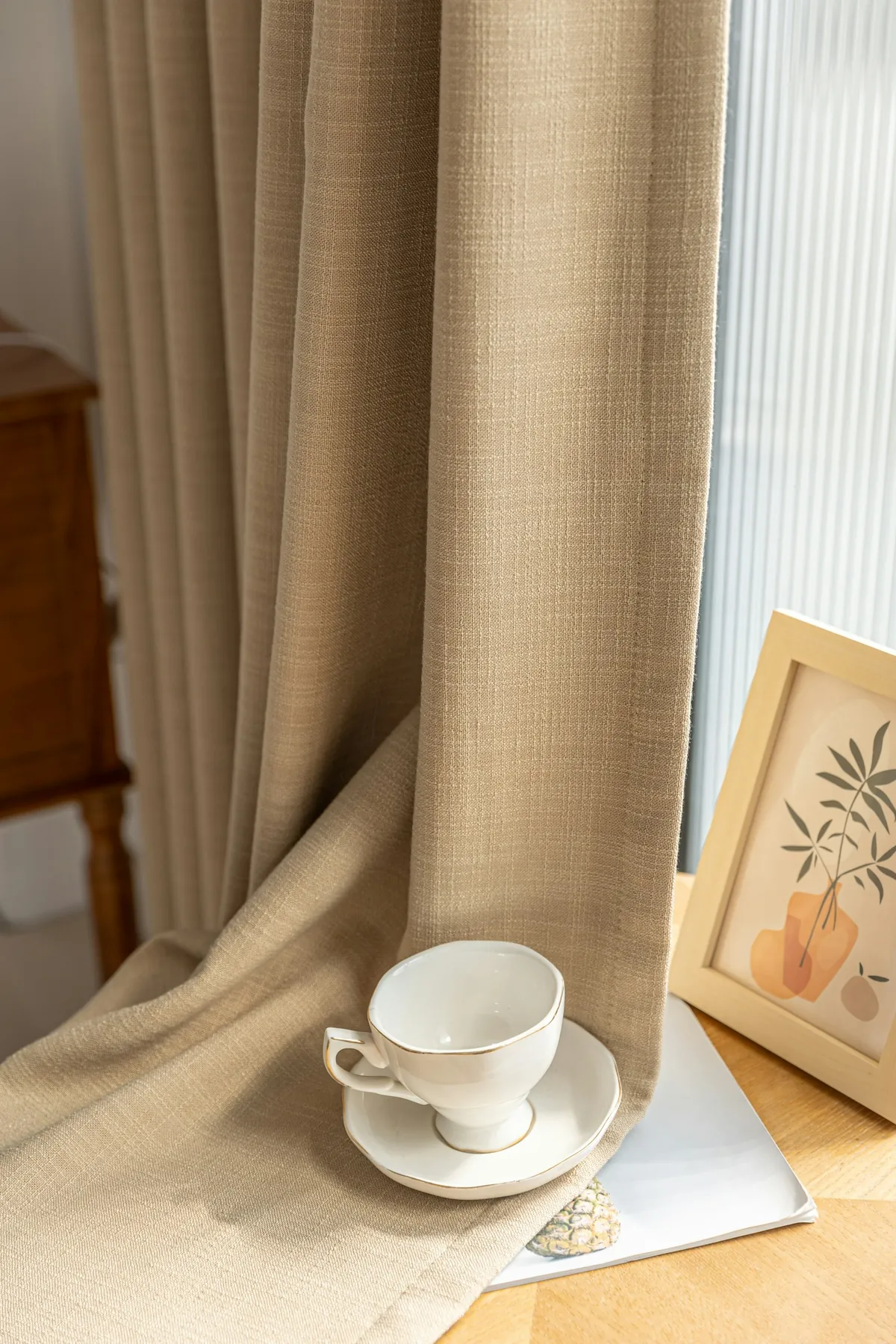
With fewer windows in each room, every one of them counts. A mill house’s narrow window may be the only daylight a small bedroom gets, so a heavy treatment that hides the top of the glass when raised takes a real share of the light. A honeycomb shade folds into a very small stack, leaving almost the whole window clear when it is up.
Those same windows are often the weakest point in the wall. Older sash lets in air around the edges and passes cold straight through single glass. A shade fitted snugly inside the frame, or fixed on the trim where the frame is too far out of true, closes off those edges as well as covering the glass. In the coldest rooms, a double cell shade puts two layers of held air between the room and the window.
Kitchens and stairs in a mill house
A mill house kitchen is usually at the back, with a single window over the sink and sometimes a door with glass in it. Both face the yard or the next row of houses, and both tend to be draughty. A shade over the sink needs to clear the faucet and be easy to reach across the counter, so we look at how it will be raised before anything else. On the back door, a narrow shade set inside the glass panel closes off a cold spot without getting in the way of the door.
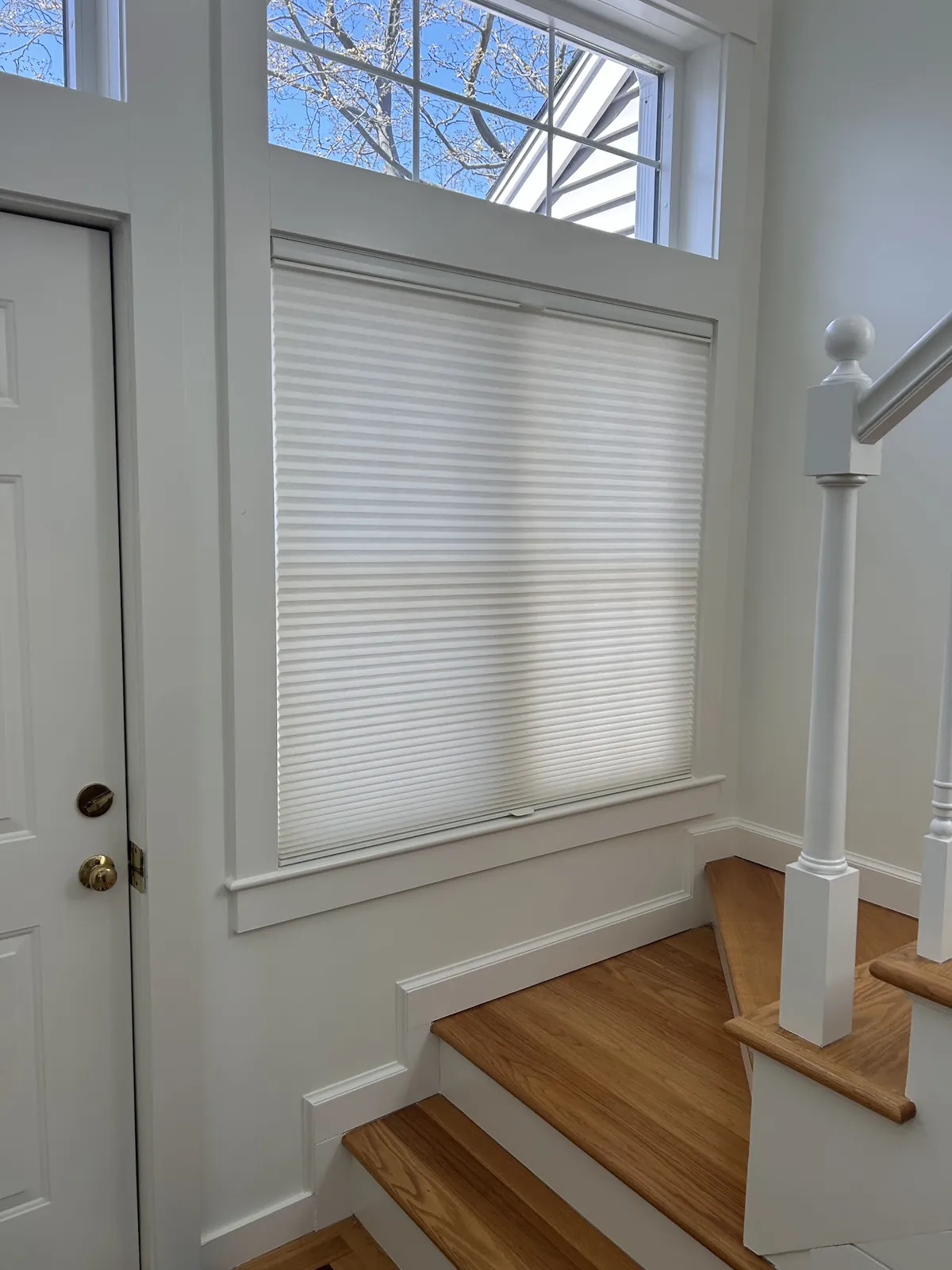
The stairs in a mill house are steep and often lit by one small window at the turn or the top. Air chilled by that glass falls straight down the stairwell. A small honeycomb shade there, lowered at night, is one of the least noticed and most useful things we fit. When we plan cellular shades in Lincoln, RI mill houses, those small openings go on the list alongside the front room and the bedrooms, so the whole house is covered.
Duplexes and shared walls
In a duplex or a row, the side walls often have no windows at all, so each home’s windows face only the front and back. That makes the front windows the main source of light and the main source of privacy concerns, since many mill houses sit close to the street. Choose an airy fabric there and the front room stays bright while passers-by see only a soft glow, and once the lamps go on the room is screened completely.
How Held Air Slows the Cold
The idea behind a cellular shade is worth understanding, because it explains which rooms need which shade. Glass is a poor barrier to cold. Air, if it is kept still, is a good one. A honeycomb shade is simply a way of holding a layer of still air across a window.
Picture a stack of sealed paper straws laid across the window. Lowered, the shade lines those little tubes up from head to sill, and the air inside each one is stuck where it is. Heat moving from the warm room toward the cold glass has to cross that still air, and it does so slowly. A double cell shade adds a second row of cells, so there are two layers to cross. In a room that never quite warms up, that second layer is where the difference lies.
That is why the choice between single and double cell is made room by room rather than for the whole house. In a Lincoln colonial, the bedrooms on the north side and the room above the garage often get double cell, while the kitchen and the sunny living room do well with single.
Newer Colonials Near Lincoln Woods and Breakneck Hill
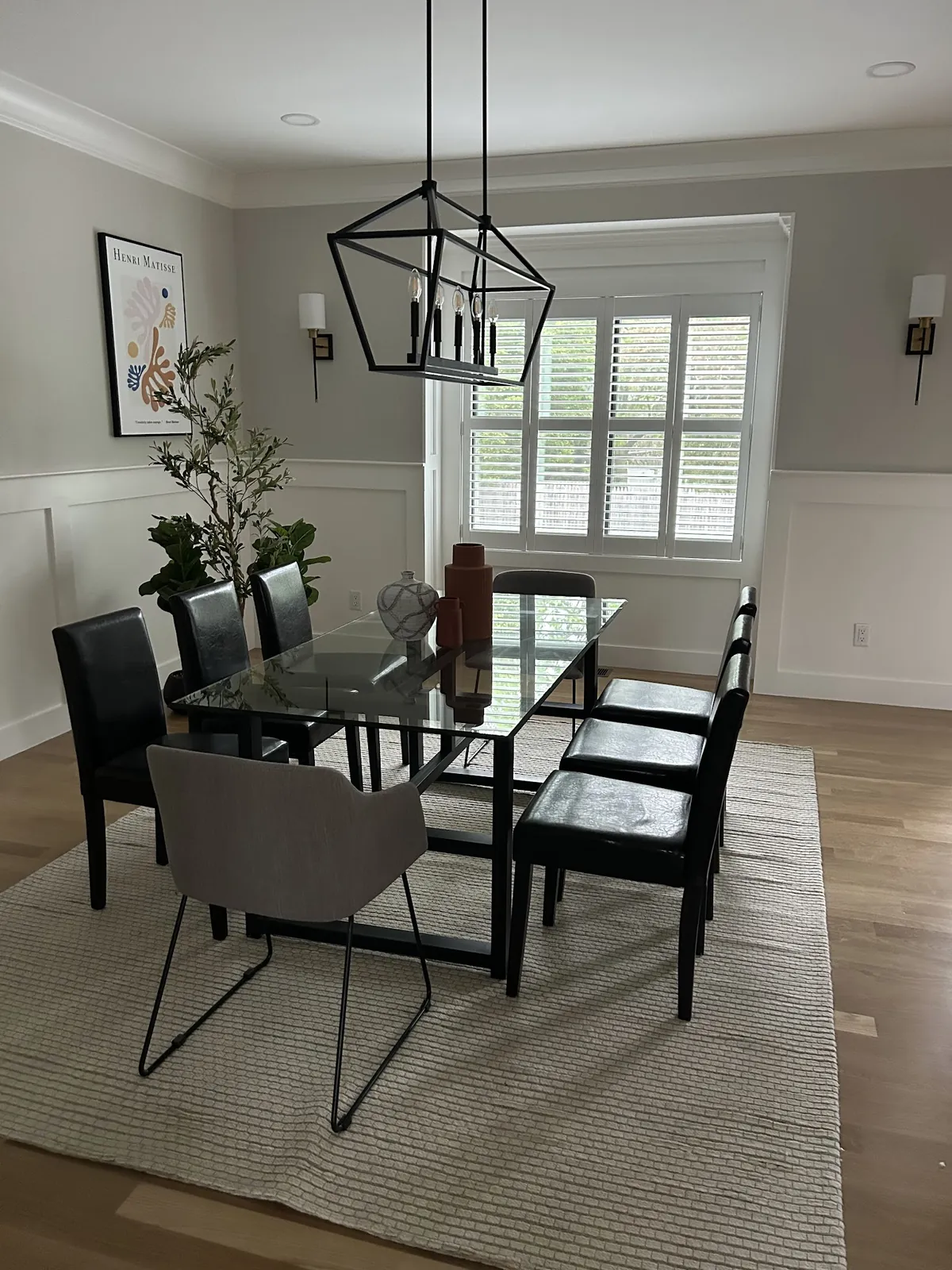
The newer colonials around Lincoln Woods and Breakneck Hill are a different job entirely. Openings there follow common sizes, and the frames are true, with depth to spare for an inside mount. Fit is rarely the hard part. The hard part is the count. Add up the bathrooms, the stairs, the bedrooms and the basement, and a family-sized colonial has a long list of windows.
With that many windows, it pays to plan the whole house at once, even if you buy the shades in stages. Three decisions make it straightforward.
- A single street colour. Passers-by see the whole front of a colonial at once, so every shade facing the road matches.
- A fabric per kind of room. Airy for the living spaces, dense for where people sleep.
- Cell count by exposure. Two layers where a room runs cold, one where it does not.
Settle those three and the rest of the house sorts itself out, with any later order matching the first. Cellular shades in Lincoln, RI colonials like these usually sit inside the frame with the trim showing, so the windows keep their crisp lines.

Family rooms, kitchens and bonus rooms
The busiest rooms in a newer colonial tend to be at the back: a family room open to the kitchen, often with a bank of windows or a slider facing the yard. Those windows bring in a great deal of light, and in winter a great deal of cold. A row of matching honeycomb shades along the window bank keeps the open space consistent, with double cell if the room faces north or west.
Then there is the room above the garage. With cold car space below it and rafters just overhead, and glass on more than one wall, it is often the chilliest bedroom or playroom in a Lincoln colonial. A double cell shade on each of its windows is usually the single most noticeable change we make in a house like this.
Large-Lot Houses Off Great Road
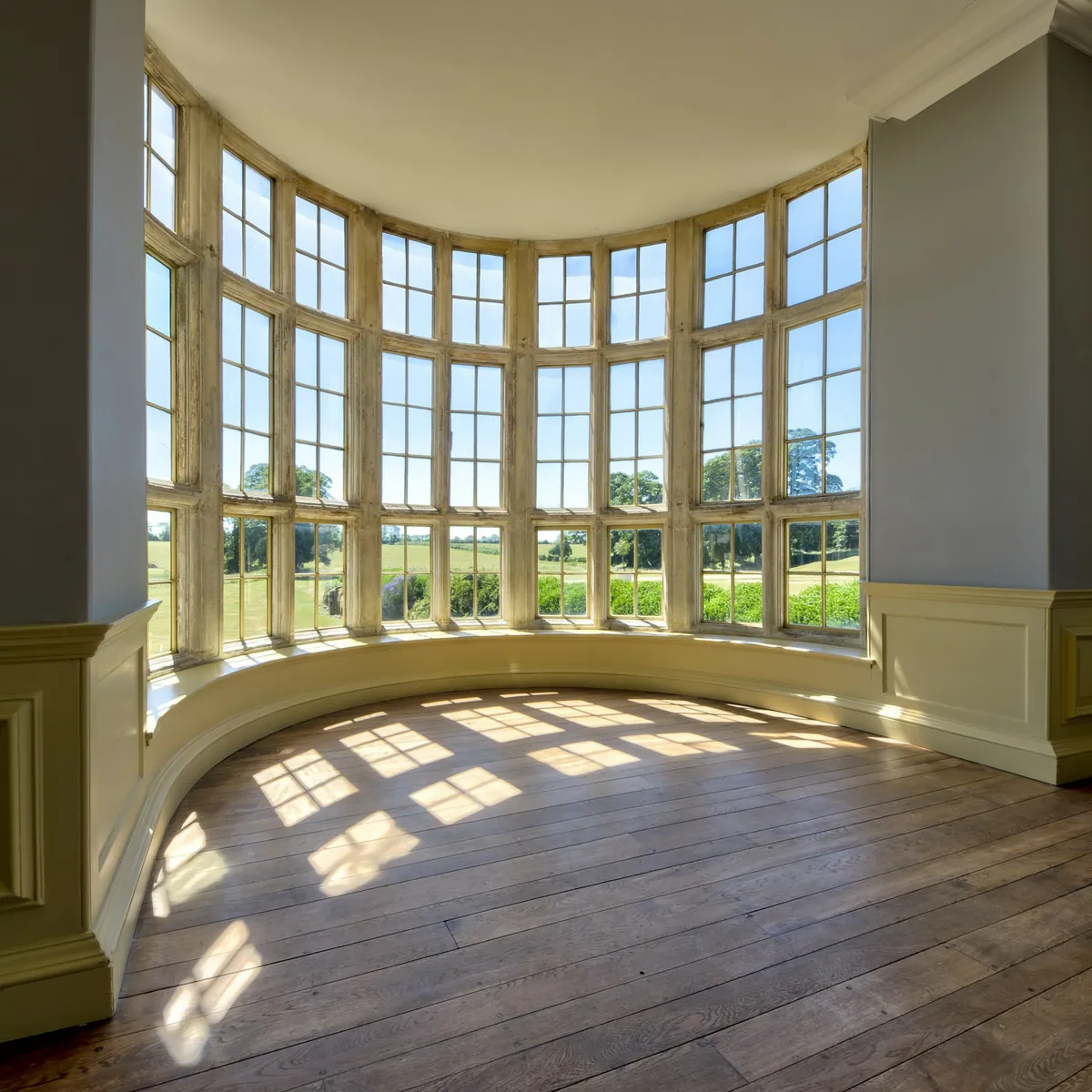
The houses on the large lots off Great Road have room to spread out, and many of them do: wide living rooms, generous windows, perhaps a sunroom or a great room with tall glass, and in some cases a window wall facing a long view across open ground. Open ground has its own effect. With fewer trees and neighbours to break it, the wind reaches the house more directly, and the windows on the exposed side feel it first.
Those exposed windows are where double cell shades earn their place. Lowered at dusk, a row of them across the windy side of the house holds two layers of still air against every pane. Raised in the morning, they fold into slim bands and leave the view clear.
Large houses also tend to have windows that are hard to reach: a tall great-room window, a high window on a stair, or a window behind a built-in. Those are the windows where motorised blinds and shades make sense, worked by a handheld remote or a wall switch.
Tall glass and big rooms
In a big room, the shades are seen from a distance and all together. Keeping them to one colour and one fabric makes the room feel calm, even if some are single cell and some double. A pale neutral stops big windows feeling heavy, and an airy fabric lets the room keep its daylight with every shade drawn down.
Porches, sunrooms and the shoulder seasons
Many of the Great Road houses have a sunroom or an enclosed porch, the kind of room that is perfect in May and September and hard to sit in by November. Those rooms are mostly glass, so the shades make up most of the wall. With a shade on every window, lowered as the afternoon fades, the room keeps its warmth for longer into the evening and stays usable later into the year. Where a sunroom faces open ground, double cell is the sensible choice.
Every one of the cellular shades in Lincoln, RI sunrooms that we make is measured to its own pane, because sunroom windows often vary in height along a single wall, with knee walls, transoms or a sloping ceiling above them.
Ordering Cellular Shades in Lincoln, RI
We keep you posted through every stage, so there is never a need to chase.
- Reach the store in Swansea with the call button, or send the form, with a rough idea of the rooms and the number of windows. That books a free quote.
- Our specialist comes to measure. A mill house gets several readings per opening; a colonial gets a complete window list, so the whole house can be planned in one go.
- Room by room, you pick the cell count, the fabric and the colour. Samples wait at the showroom for you to look over and handle.
- A written quote lists every opening and its shade.
- Production follows the figures from the visit.
- On the day, our installers put each shade up, try it top to bottom and show you how to use it.

Shades with drapery
In a formal living room or a main bedroom, a honeycomb shade can sit inside the window frame, close to the glass, with drapery hung in front. The shade does the daily work of warmth and privacy, and the drapery frames the window and adds a second layer when drawn at night. That pairing suits the larger houses off Great Road and the dining rooms of the newer colonials. We make both, so they can be chosen together and measured on one visit. Our custom drapes in Lincoln page covers the drapery side.
Looking after the shades
Honeycomb shades are low maintenance. Run a soft duster or a vacuum brush over them now and then and dab a small mark with a damp cloth. Raising and lowering them gently keeps the pleats even. In a mill house kitchen, where the window sits close to the stove or the sink, a little more frequent dusting keeps the fabric looking its best, and it is sensible to keep the shade raised clear of steam while cooking.
Family Owned Since 1988
The family behind Window Works opened the Swansea store in 1988, and the second generation runs it today. That adds up to more than 37 years in window treatments, working in homes from the SouthCoast of Massachusetts through the East Bay of Rhode Island. Lincoln is one of 25 towns we look after.
Nothing is ordered until a specialist has measured every window at your house. Our own installers hang what we make. The products we sell carry warranties. And from your first call to the last shade, we stay in close touch.

Visit the Showroom
Big decisions are easier in person, and the Swansea showroom is set up for them. Hold one cell up against two, see each colour by daylight and feel how an airy fabric differs from a dense one. Norman products are on display too. For a colonial with a long window list, bring a rough sketch of the rooms and we will help map out the house.
Everything we offer the town is on our Lincoln window treatments page, and the shades are covered in more depth on the main cellular shades page.
Questions from Lincoln
Can you fit shades in the narrow, old windows of a mill house?
Yes. Each opening gets several readings, because frames that old are rarely square, and every shade is made for its own window. Where a frame is badly out of true, the shade goes on the face of the trim.
I have a lot of windows. Do I have to do them all at once?
No. Plan the colour and fabrics for the whole house first, then start with the rooms that need it most. Later orders will match from the street.
Which rooms in a newer colonial need double cell?
Most often the room above the garage, the north-side bedrooms, and a family room whose bank of windows looks north or west.
What about the exposed side of a house on an open lot?
That side takes the wind directly, so double cell is the better choice there. Raised, the shades leave the view clear.
What does it cost to get a quote?
Nothing at all; the quote is free. Ring from the call button or send the form with the rooms in mind, and we will fix a day to measure.
Your Next Step
Tap the call button and you are through to our Swansea store: book a free quote, line up a measuring visit or ask how installation works. Prefer to start with the fabrics? The contact page shows how to reach the showroom. Window Works is rated 5.0 on Google.