
Tall Windows, Hillside Light and Hard-Working Cords
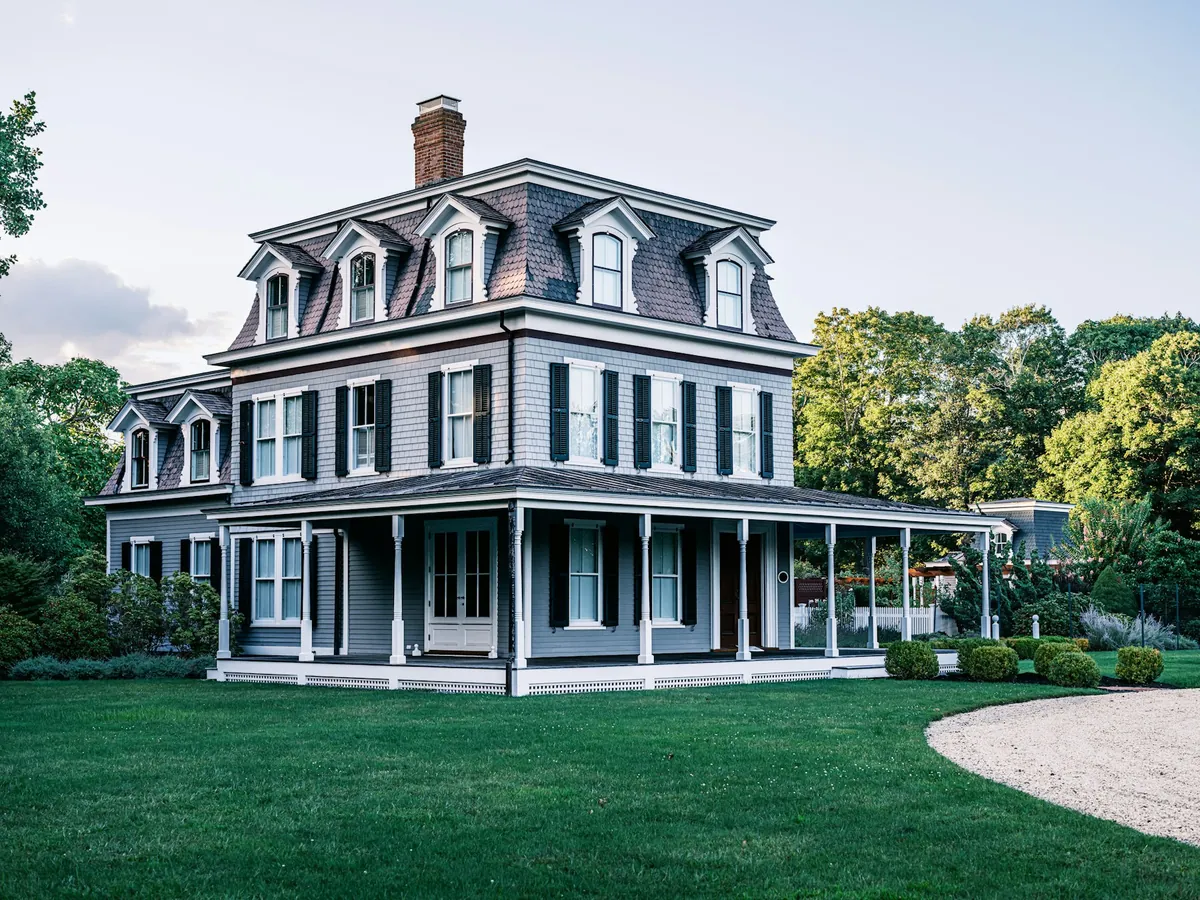
Fall River’s houses are tall, and so are their windows. That is the starting point for blind and shade repair in Fall River, MA: the three-deckers and Victorians through the Highlands and Corky Row have long, slim double-hung windows set into deep interior reveals, and the blinds and shades fitted to them have long cords, tall stacks and a lot of weight hanging from one rail.
The city’s hills add another twist. On a sloping street, the rooms on one side of a house can sit in full sun most of the day while the rooms on the other side barely see it, so treatments in the same home age at very different rates. Down by Battleship Cove, the waterfront condominiums bring large modern glass and the wide treatments that go with it.
When a cord snaps, a wand slips or a headrail stops tilting, the slats or fabric are usually still worth keeping. The repair is in the small parts.
What a Repair Can Cover
Restringing blinds
Fresh strings through a horizontal blind whose cords have frayed or stretched, so a long blind on a tall window lifts square again.
Cord locks
A blind that slides down after you let go usually has a lock that no longer grips, or cords worn smooth where it bites.
Tilt wands
A wand that spins freely, has come off its hook or has gone missing, replaced so the slats open and close again.
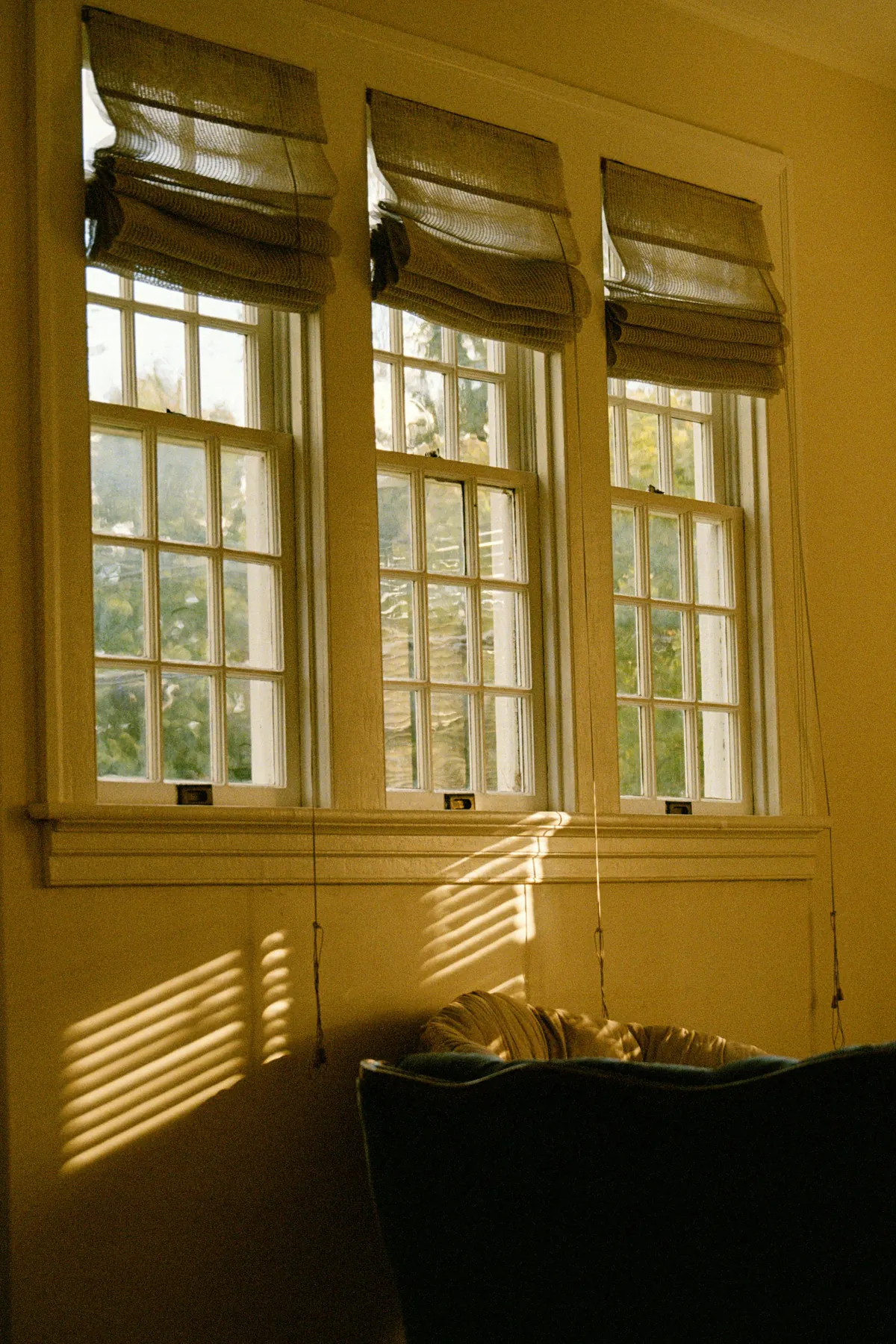
Roman shades
Lift cords re-threaded through the rings on the back, so the folds stack evenly instead of sagging to one side.
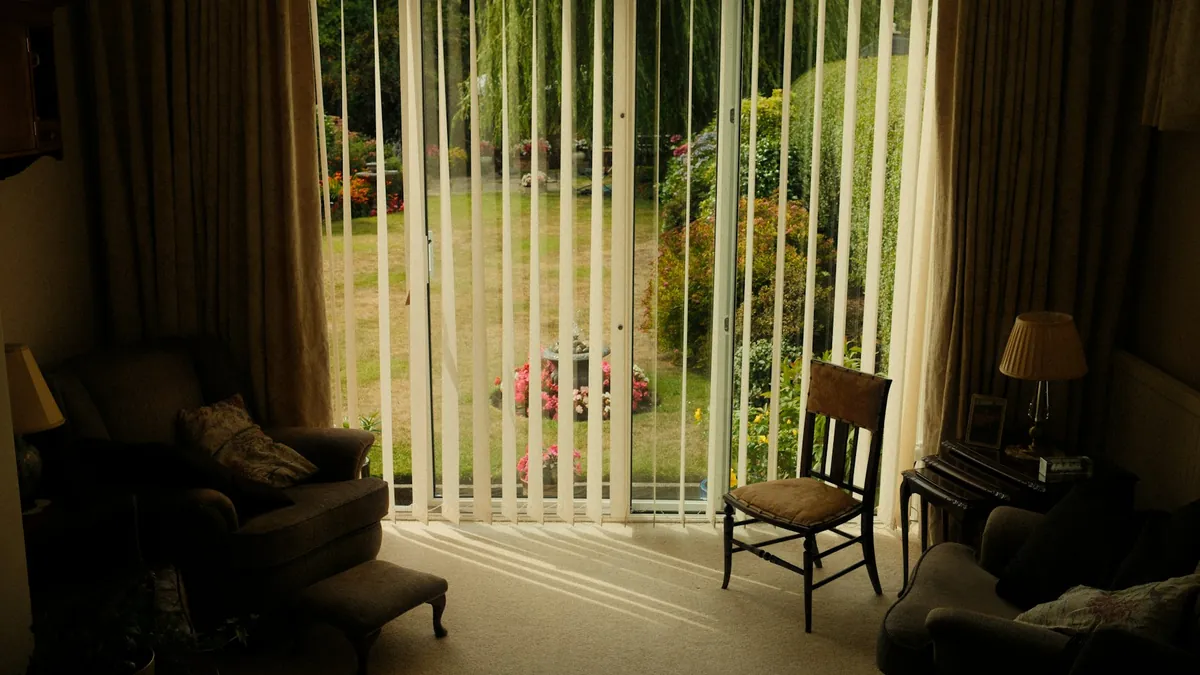
Vertical blinds
Wands and the moving parts in the track looked at when vanes stop turning together or bunch along the rail.
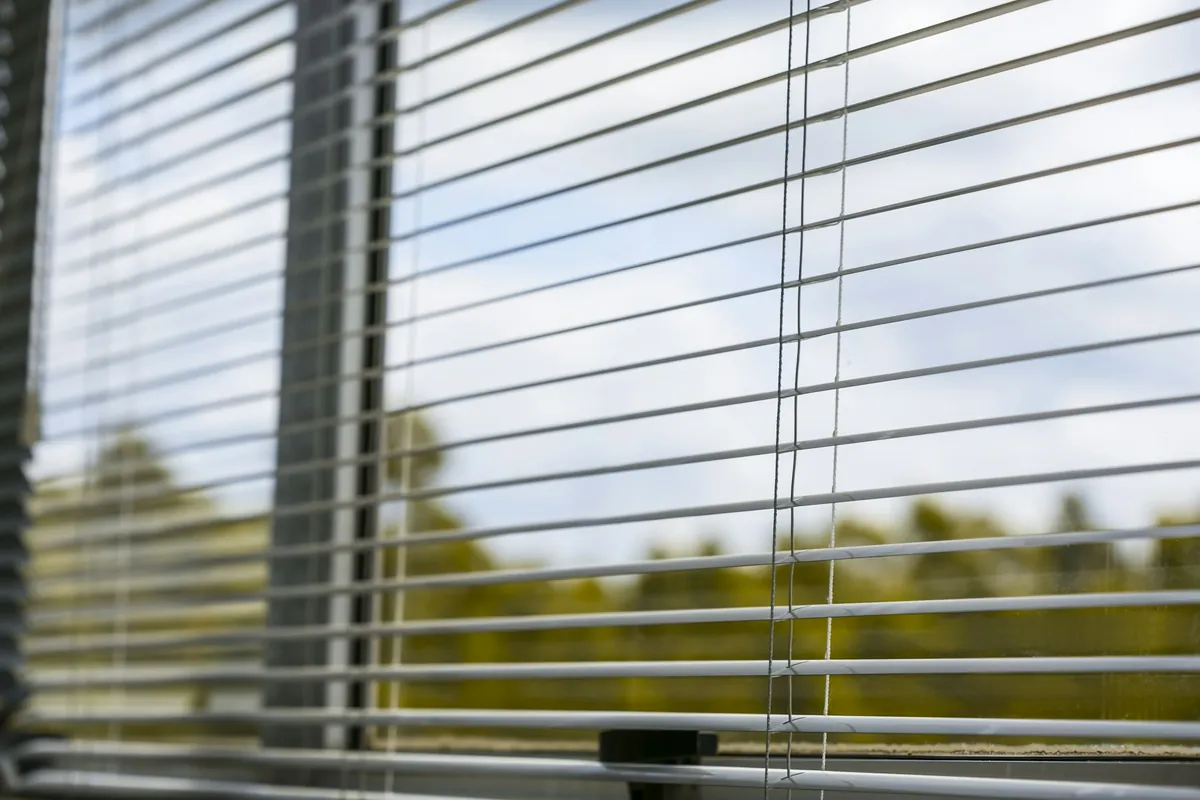
Headrails
The rail at the top, where the tilt gear and the cord drums live. When it sticks, that is where the fault usually is.
Blind and Shade Repair in Fall River, MA, Window by Window
Each kind of window in the city wears its treatment in its own way. Below are the patterns we hear about most from the three-deckers, the Victorians and the newer condominiums, and what usually puts each one right. If your problem is not listed, tell us what you are seeing and we can work through it together.
Long drops on tall double-hung windows
A blind on a tall window has a long way to travel. Raised fully, all of its slats stack at the top, and the whole weight hangs from the lift cords where they turn inside the headrail. Lowered, those cords run the full height of the window. That length is why cords on tall windows tend to fray in two places: where they leave the rail, and low down, where hands grab them.
On a tall blind it is also common for one cord to stretch a little more than the other. The bottom rail then hangs at a slight angle, the blind lifts one end first, and the shorter cord ends up carrying more than its share. Restringing evens the lengths and gives the blind a fresh start.
Deep reveals and inside mounts
The deep interior reveals in the older houses give a blind plenty of room to sit inside the frame, which looks tidy and keeps the trim on show. It also tucks the headrail up out of sight, and that is where problems hide. A rail set deep in the reveal can be hard to see clearly, and a tilt gear that has seized, or a drum that has jumped its cord, often goes unnoticed until the blind stops working altogether.
When you describe a fault on one of these blinds, a photo taken from below, looking up at the headrail, is worth more than a description of the window. It shows which end of the rail the cords leave from and whether the rail is still sitting level in its brackets.
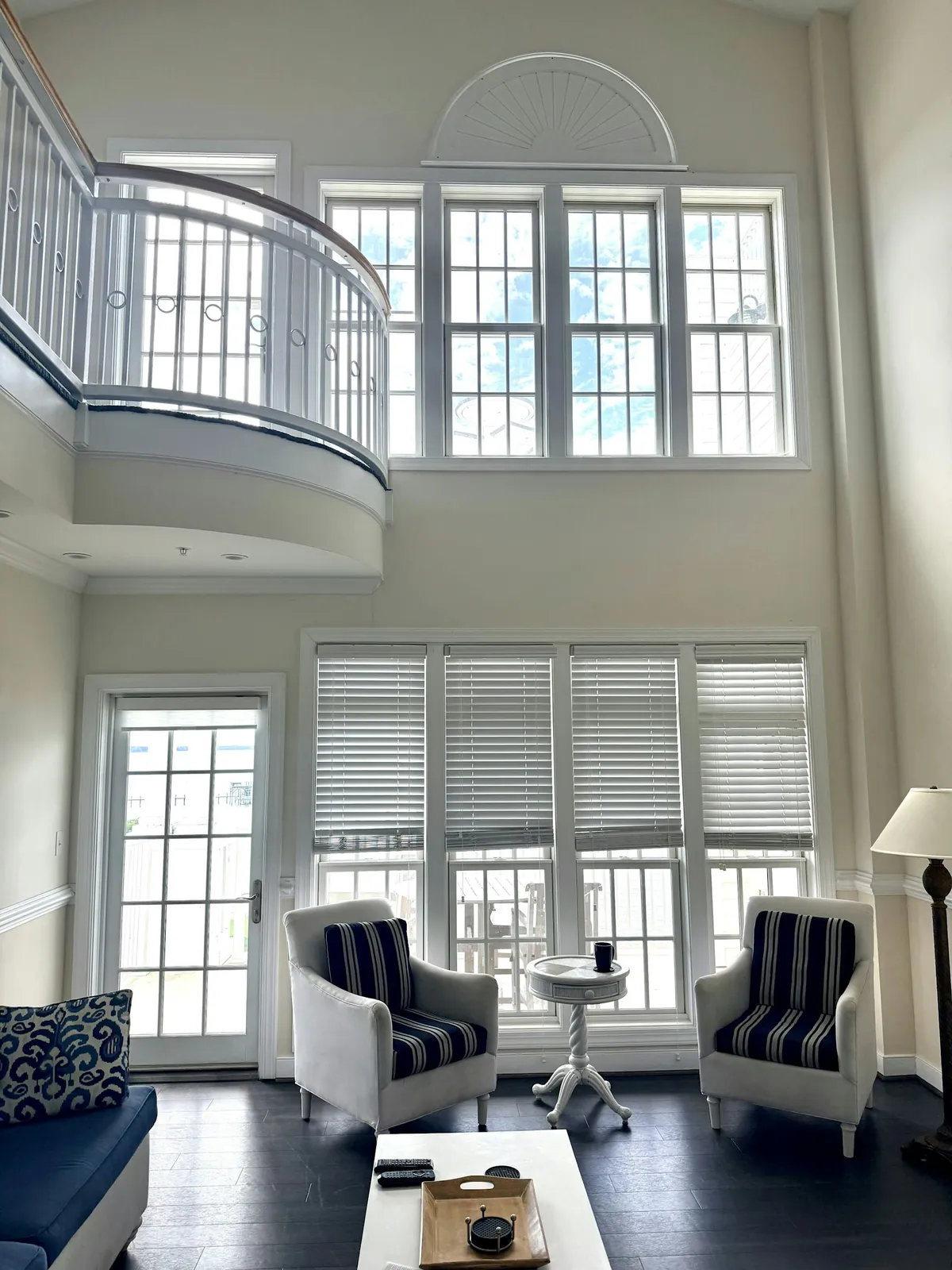
Sun side and shade side
The hillside streets mean a house can have one face in sun from morning to evening and another that stays cool and dim. Cords and fabric respond to that. On the sunny side, lift cords dry out and grow brittle, fabric shades can start to fade, and plastic parts in the headrail may become less forgiving. On the shaded side, an identical treatment hung at the same time can look and work almost like new.
That has a practical meaning for repairs. If a blind on the sunny side of the house has failed, it is worth checking the others on that side, because they have had the same exposure. The shaded side can often wait. It also means a repaired blind and an untouched one on the same wall can wear differently from then on, which is worth knowing if you like them to match.
Upper floors and stair windows
In a three-decker, plenty of windows are reached from a stair or sit high in a room, and blinds there get pulled at an angle by someone standing off to one side. Pulling a cord sideways drags it against the edge of the headrail opening, and that is where it frays. A stair window blind with one badly worn cord is a typical repair. Pulling straight down, from a position square to the window, helps the new cords last.
Kitchens at the back of the house
The kitchens in many of the older flats sit at the back, often with a window over the sink and another beside a back door or porch. Blinds there see steam, cooking and a lot of handling, and their cords can turn stiff and discoloured well before the slats show any wear. Faux wood and metal slats usually clean up well, which makes these blinds good candidates for new cords. A back door blind that is constantly knocked as the door swings tends to lose its wand or bend its bottom rail, so mention if the door catches it. Much of the blind and shade repair in Fall River, MA that comes our way is just this kind of small, practical job on a well-used room.
The Waterfront Condominiums near Battleship Cove
The condominiums near Battleship Cove have large modern glass, and the treatments on it are among the widest in the city. Width brings its own faults.
Vertical blinds and wide sliders
A big slider usually carries vertical blinds, drawn and turned by a single wand. Each vane hangs from a little carrier in the track, and the carriers are linked so they turn as one. Used every time someone steps out onto a balcony, the wand works loose at its top joint, carriers crack or stiffen, and the link between them slips. You will see it as vanes pointing in different directions, a gap where vanes crowd to one end, or a wand that slides along without taking the vanes with it.
A single vane that has dropped off its carrier is a different matter from a whole track that has stopped turning. The first is often a small fix. The second usually means the carriers or the drive inside the track need attention, and a photo of the top of the blind, with the vanes turned edge on, shows us which.
Wide shades and uneven lifting
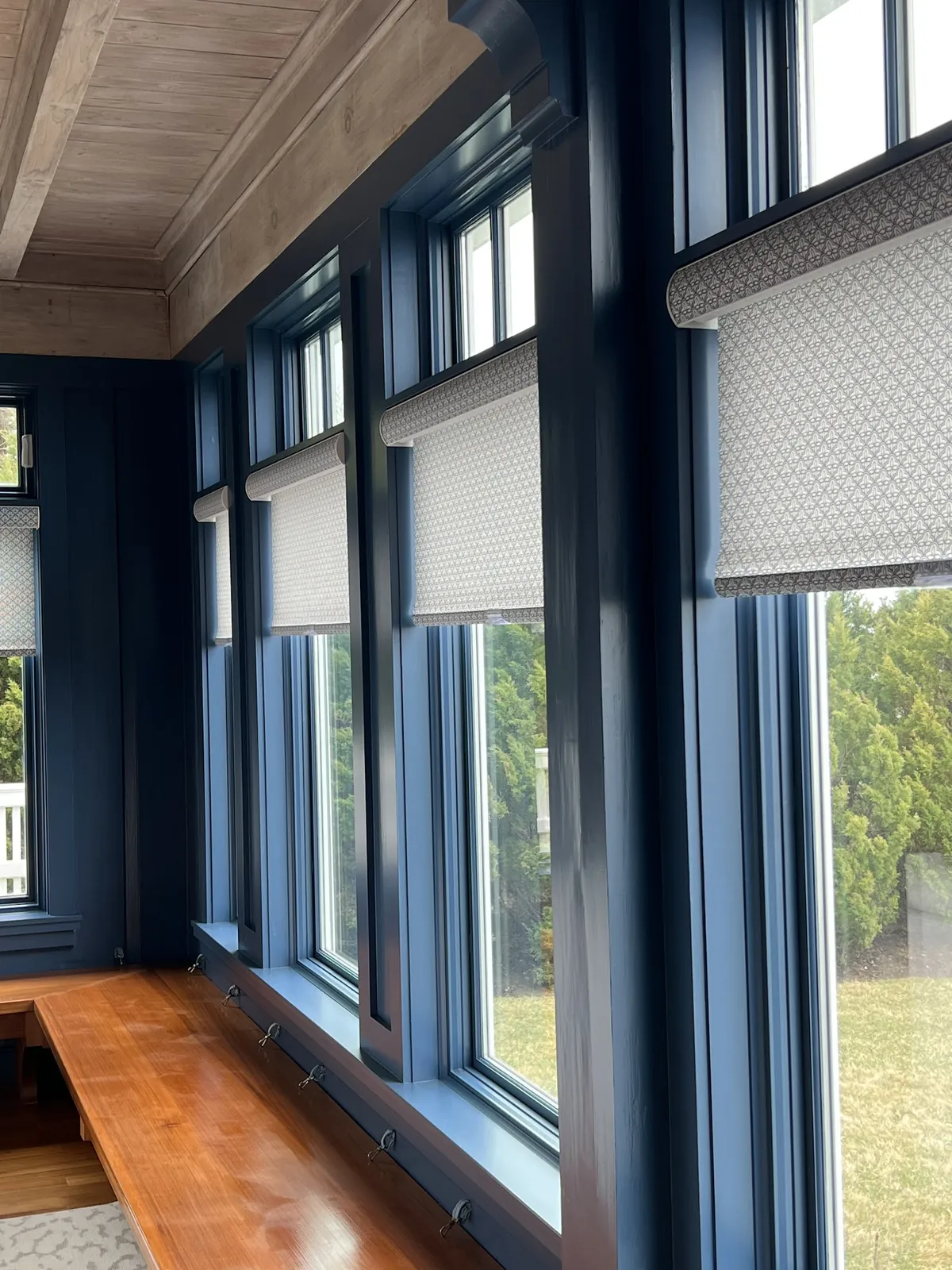
Wide cellular, pleated or Roman shades on big panes lift on several cords spaced across their width. Lose one, or let one stretch, and the shade comes up on a slant with a crease along the low edge. That is usually a restringing job while the fabric still has its shape and colour.
Bright rooms and strong glare
Rooms built around big glass tend to keep their shades half down for most of the day. The same stretch of cord then sits in the light for hours, folded over the same point in the headrail. Those are the cords that harden first, so on a shade like that it pays to replace them all together rather than one at a time as each gives out.
From First Call to a Working Blind
Repairs follow a short, plain process, and we keep you up to date at every step.
- Ring the store with the call button, or send the form, and say what the blind or shade is and what it is doing.
- Between us we work out what is most likely behind it, and whether fixing it is worth your while.
- Where a repair is worth doing, a free quote comes first, before anything is agreed.
- Once the repair is made, the treatment is run through its paces: up, down, held at half height and tilted.
How and where each repair is carried out varies with the treatment and the problem, so that is agreed with you at step two rather than assumed.
What we will ask you
The more of these you can answer, the quicker we can say what a request for blind and shade repair in Fall River, MA really involves.
- What sort of treatment. A horizontal blind in wood, faux wood or metal, a vertical blind, or a fabric shade such as cellular, pleated or Roman.
- What goes wrong. It sticks at the top, drifts back down, sits on a slant, refuses to tilt, or the wand twirls uselessly.
- Floor and side of the house. A top-floor blind facing the sun and a ground-floor one in shade tend to fail in different ways.
- How tall the window is. A rough idea is enough, because long drops wear cords in predictable places.
- A couple of photos. The whole treatment from across the room, and a close look up at the headrail.
Three-Decker and Victorian Questions We Hear Often
Several floors, several sets of blinds
In a three-decker, each floor often has its own blinds, put up at different times and used in different ways. If you own the building, you may find the top floor’s blinds worn out while the first floor’s are fine, simply because of sun and use. It helps to look at each floor separately and decide what each set needs, instead of treating the house as one job.
Bay windows on the Victorians
Many Victorians have bays, with three narrow windows set at angles. The blinds in a bay sit close together, and the outside two are often pulled from the middle of the bay, across the body, which drags their cords sideways. If the two side blinds in a bay are worn and the middle one is not, that is usually why.
Old trim and loose brackets
Old window trim has often been painted many times, and brackets screwed into it over the years can loosen as the wood beneath dries or splits. A headrail that tips forward when you pull the cord may have nothing wrong inside it at all. It is worth mentioning if the whole rail moves, because the fix is different.
Worth Repairing, or Time for Something New
Fixing a blind is good value when what you see is in good order and the fault is in the cords, wand or rail. It is poor value once the treatment itself has had its day. Clues that a new one may be wiser:
- Slats that bow, crack or chip at the edges
- Fabric that has gone patchy, yellowed or split along a fold
- A headrail bent down its whole length rather than seized at one end
- A room where the other windows are due for new treatments anyway
We will be straight with you about where a blind stands. If new is the better route, the custom blinds for Fall River homes and Roman shades in Fall River pages show what can be made to measure for tall windows and deep reveals. For an overview of repairs across our area, see the main blind and shade repair page.
Making new cords last
Pull a horizontal blind’s cords together and straight down, not off to one side. Turn the slats flat before lifting so they stack neatly. If a wand will not turn, stop rather than twist harder, because the gear in the rail is small. Slide vertical vanes fully open before using the door. On the sunny side of the house, let a blind all the way down every so often so the cords run through the rail instead of resting bent in one place.
On tall windows the spare cord can trail to the floor. Keeping loops and ends tied up high, away from small children and pets, is sensible, and we are happy to talk about it when you call about the repair.
A Swansea Family Store, Next Door to Fall River
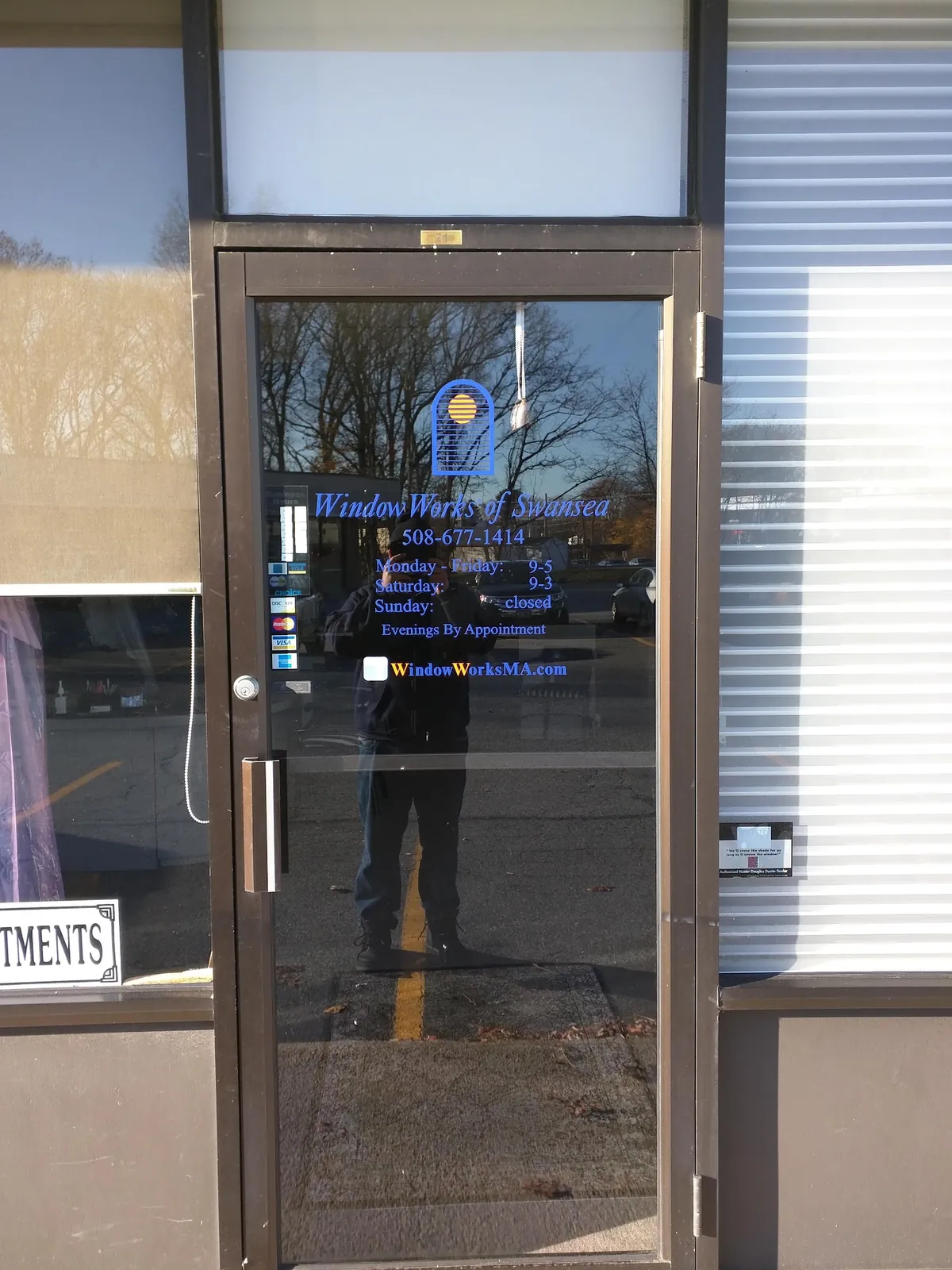
Window Works was founded in Swansea in 1988, and the second generation of the family runs it today. Across over 37 years it has worked in homes throughout the SouthCoast and the Rhode Island East Bay, and Fall River is right next door.
- A team of experienced window treatment specialists
- We stay in constant contact until your job is finished
- Repairs to blinds and shades you have already
- Measuring in your home and installation when new treatments are needed
- Warranties offered on what the store sells
Bring Your Photos to the Showroom
The Swansea showroom is only a short drive away, and it is a good place to ask about a repair face to face. Show our specialists your photos, especially the one of the headrail, and talk it over.
If fixing it turns out to be poor value, you can compare replacement blinds and shades there, with samples to handle and the Norman range on show.
Questions from Fall River
My blind on a tall window lifts at an angle. What is wrong?
Usually one lift cord has stretched more than the other, or one has frayed. Restringing evens the lengths so the blind rises level again.
Can you look at a blind set deep inside the window frame?
Yes. Blinds in deep reveals are common in the older houses. A photo looking up at the headrail helps us see what is happening before we discuss it with you.
Why do the blinds on one side of my house wear out first?
On a hillside street one side of a house can be in sun all day. Cords and fabric on that side age faster, so they tend to need attention first.
Can the vertical blinds on my condo slider be repaired?
Often, yes. Loose wands and tired carriers in the track are common on wide vertical blinds. Say what the vanes are doing and we will take it from there.
Is a repair quote free?
It is. Ring us with the call button or send the form, say what the treatment is and how it is misbehaving, and attach a photo if possible.
Asking About a Repair
Press the call button to speak to the Swansea store about blind and shade repair in Fall River, MA, or send the form with a line or two on the blind or shade and its fault. If new treatments make more sense, we can book a free quote, arrange measuring in your home and talk through installation. Directions to the showroom are on the contact page, and our window treatments for Fall River homes page lists everything we offer in the city.