
Light from Two Sides
Berkley lots are generous, and the houses on them stand well apart, so most rooms have windows on two walls rather than one. That is a pleasure for daylight, but it means a room’s light changes completely between morning and evening, and one treatment has to cope with sun from two directions. Motorized blinds in Berkley, MA make that easy: bring down the blinds facing the sun with a remote, keep the far wall open, and swap round later in the day without crossing the room.
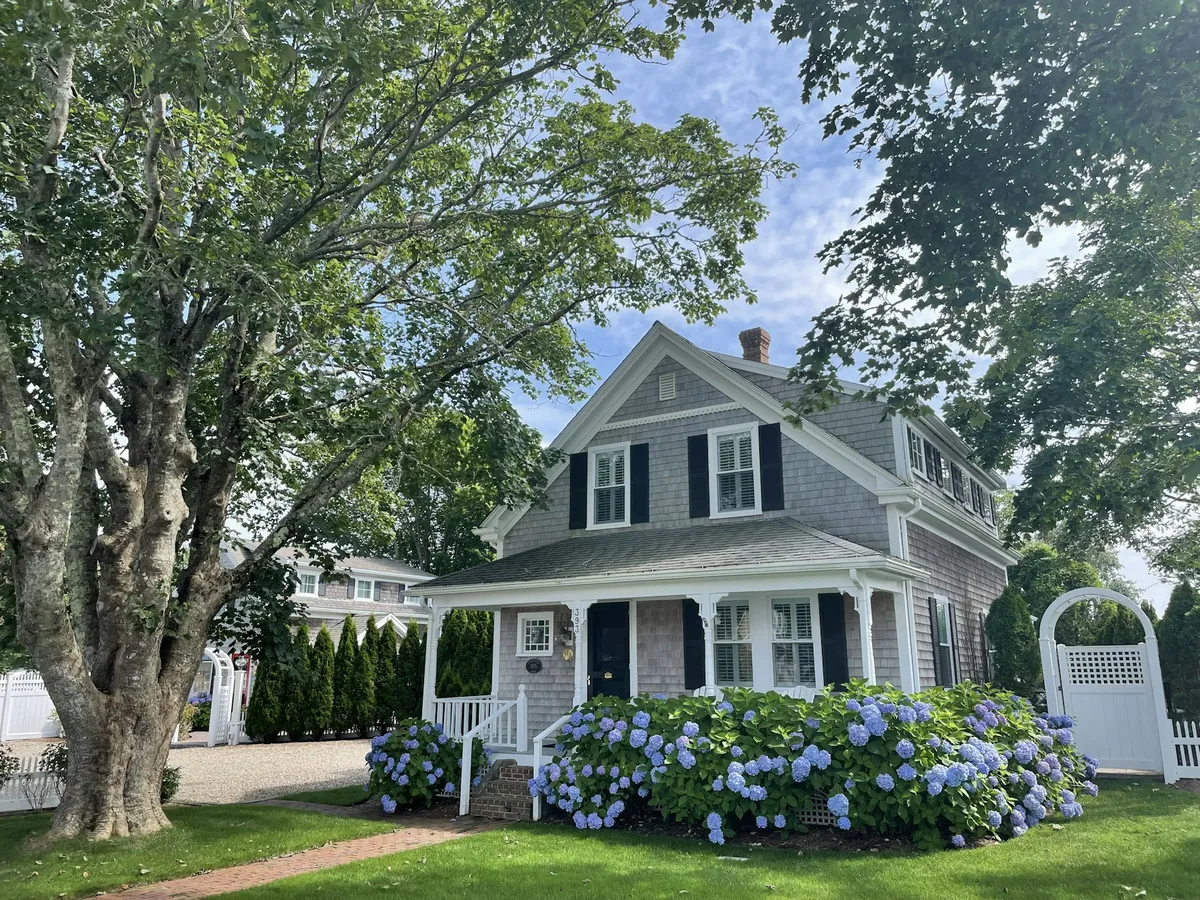
The housing is a mix of capes, ranches and newer colonials off Padelford Street and Myricks Street, with waterfront houses at the edge of town on Assonet Bay. Each brings its own awkward windows, from cape dormers to colonial stair windows to wide glass facing the water, and those are the ones worth powering.
- Remote, wall switch, or both in one room
- Planned for corner rooms and two-sided light
- Measured in your home and fitted by our installers
Where Power Helps in a Berkley Home
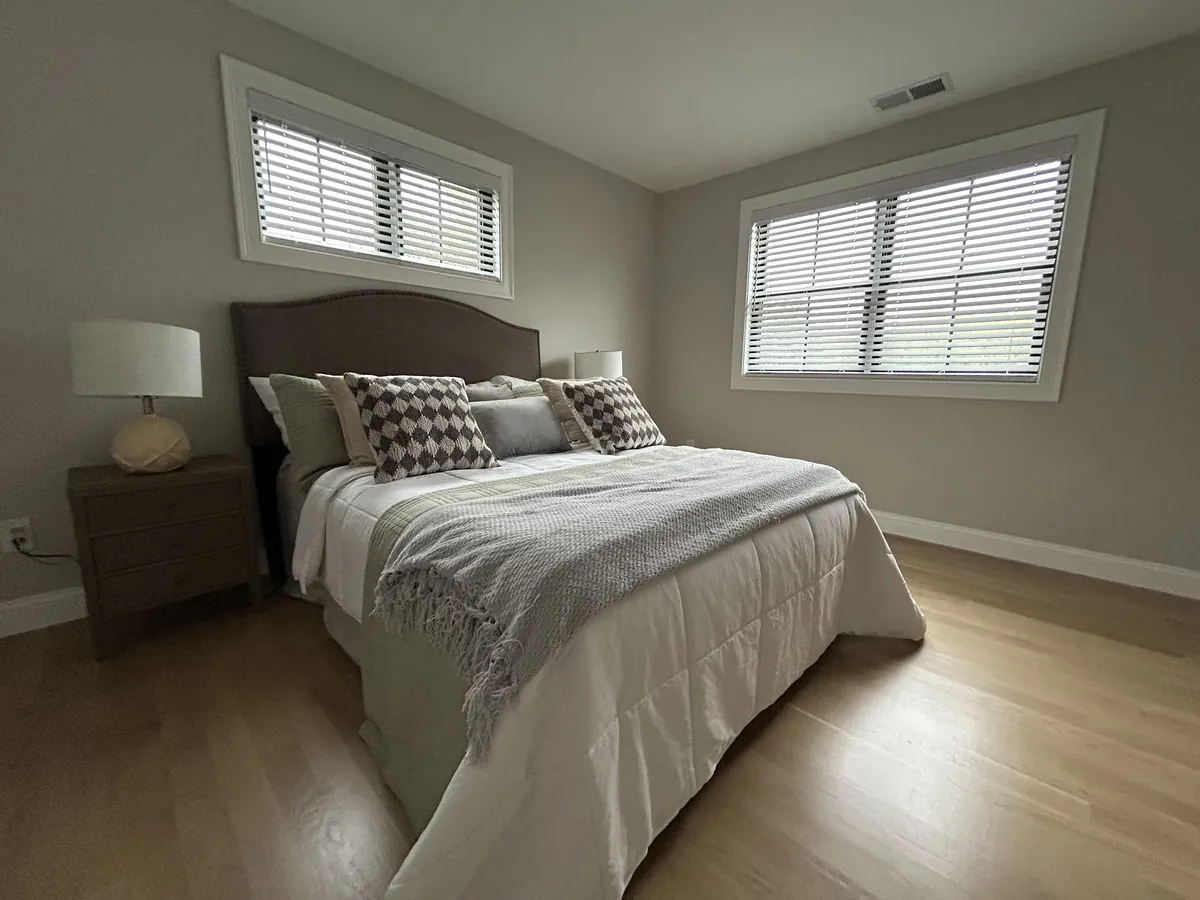
Corner living rooms
Windows on two walls, each catching the sun at a different hour, adjusted separately from the sofa.
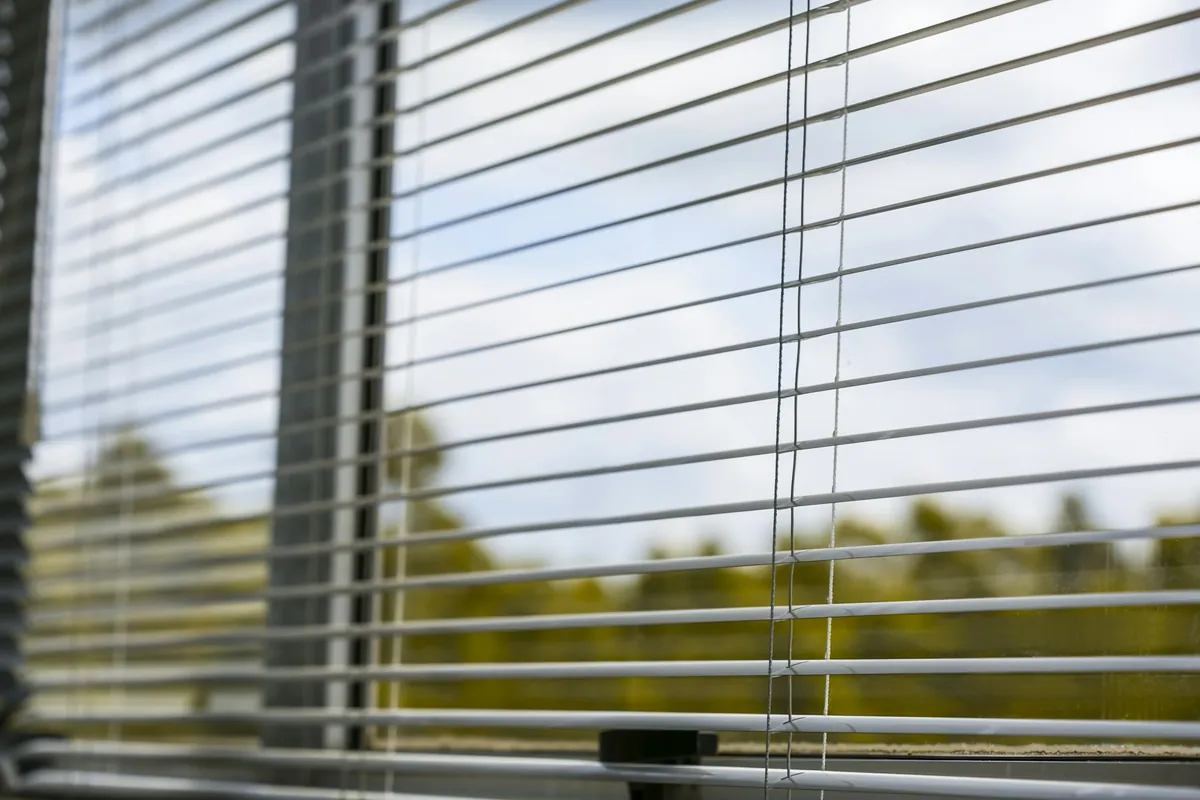
Wide Assonet Bay windows
Glass facing the bay, where the late sun comes off the water and a long run of shades needs moving more than once a day.
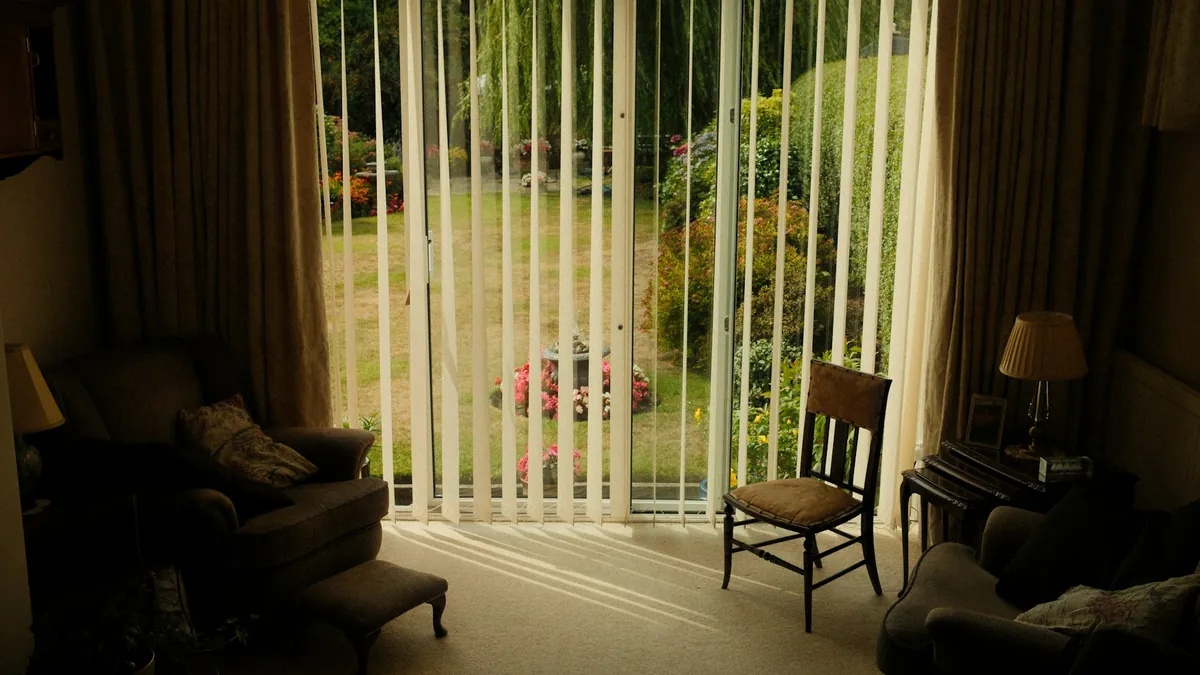
Patio sliders
Doors to a back yard or deck, where a treatment has to clear the handle and stay out of the way all day.
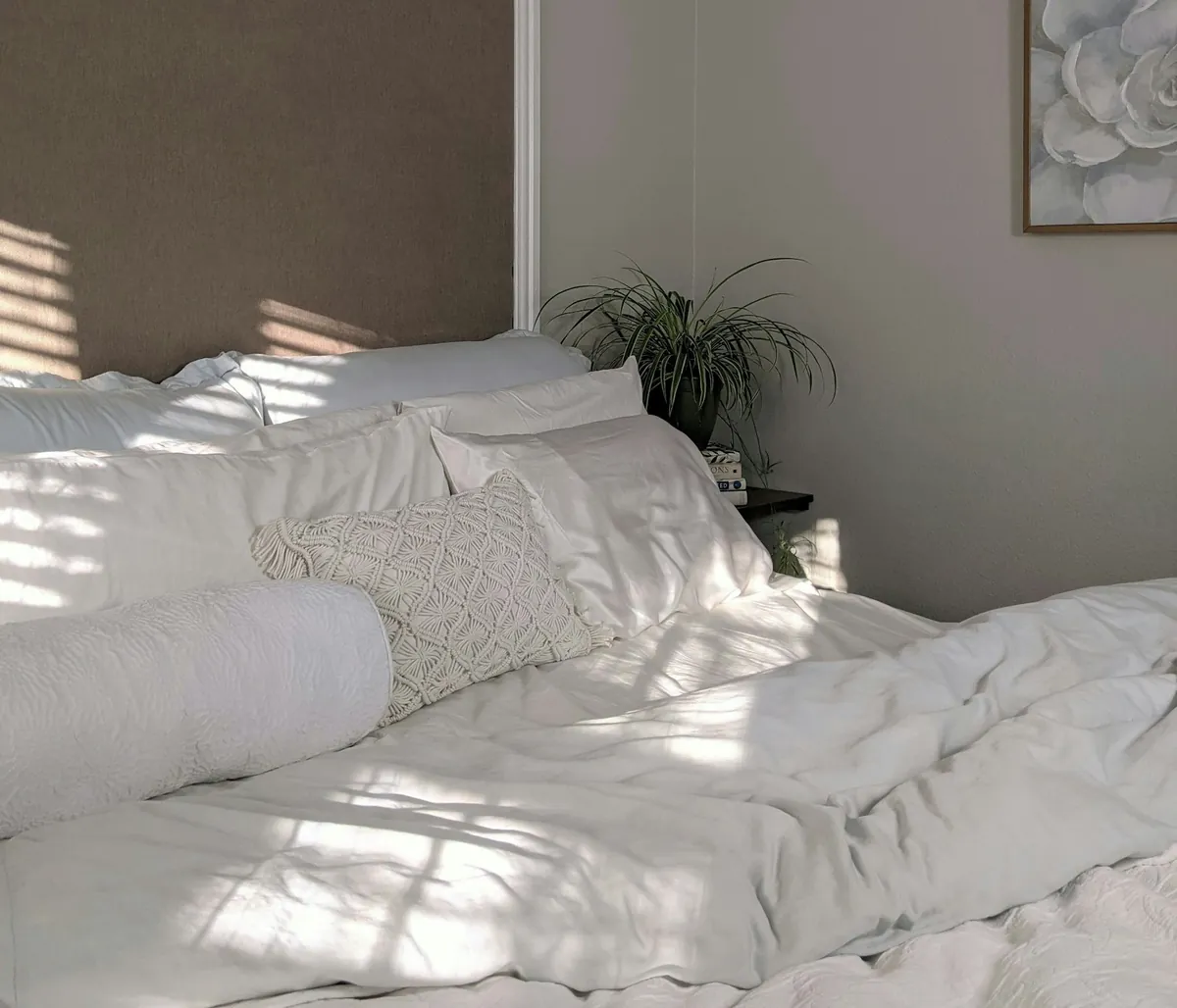
Bedrooms that wake early
East-facing bedroom windows darkened at night and opened in the morning, from a remote on the nightstand.
A switch for the hallway
A plate by the door in a front hall or landing, so the shades rise as you come downstairs.
Matched to the rest
Powered shades in the same fabric as the hand-operated ones elsewhere, so the house reads as one.
Why Two-Sided Rooms Change the Choice
When a room has windows on only one wall, the treatment has one job. In a Berkley corner room it has two, and they happen at different times. Planning motorized blinds in Berkley, MA homes starts with working out which wall takes the hard sun and when.
Take a typical living room in a ranch off Myricks Street, with a picture window to the front and a pair of windows on the side. On a bright morning the side windows may be fine while the front glare washes out the television. By late afternoon it is the other way round. If every shade has to be adjusted by hand, most households simply leave them in one compromise position all day. With powered shades on the wall that needs the most attention, the room can follow the sun with almost no effort.
Not every window needs the motor
Two-sided rooms do not mean twice the motors. Often only one wall really needs power: the wider one, the one behind furniture, or the one that takes the late sun. The other wall can keep simple controls in the same fabric. On the measuring visit we stand in each room, look at which way the walls face and where the furniture sits, and suggest the windows that will actually be used most.
Getting the fabric right for both walls
Because the two walls get different light, it is tempting to choose a different fabric for each. We usually advise against it. One fabric throughout the room keeps it calm and looks deliberate from outside. Instead, we choose a fabric that suits the brighter wall, with enough light control to take the glare off, and let the shades on the gentler wall simply stay raised more of the time. If you want a bedroom dark on both walls, a room darkening fabric on every window does that job.
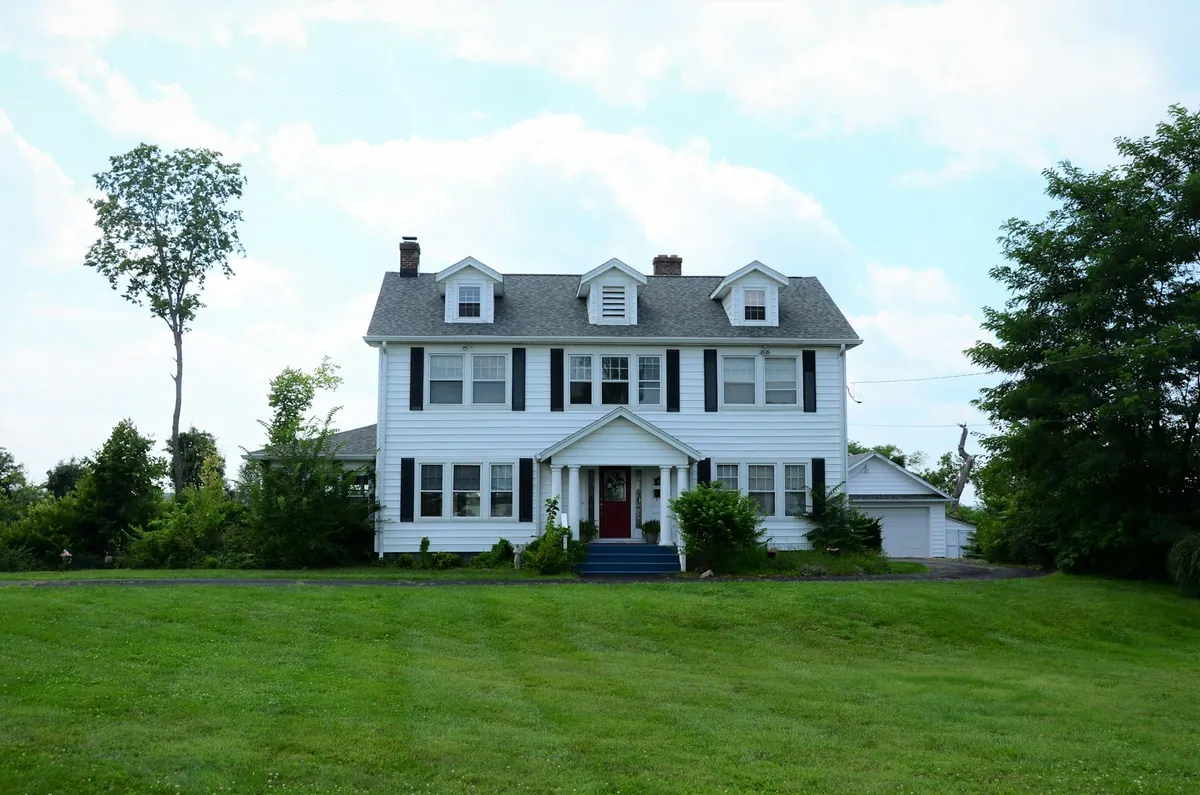
Capes and their dormers
Berkley’s capes keep their bedrooms upstairs under the roof, and the dormer windows sit at the end of narrow alcoves cut into the slope. Furniture tends to end up in those alcoves because there is nowhere else for it, so a dormer shade is often behind a headboard or a desk. Upstairs in a cape is where a powered shade is most often the difference between a window that gets used and one that never moves.
Because a cape bedroom often has a dormer on the front and a window in the gable end, the two-sided light shows up here too. The gable window may take the morning sun while the dormer takes the evening. A powered shade on the harder one to reach, and a matching hand-operated shade on the other, covers both. The roof slope leaves little height above a dormer, so the headrail has to be compact, and we check the room for it at each window before suggesting a style.
Mornings on one wall, evenings on the other
It helps to picture a full day in a Berkley corner room. First thing, the low sun comes straight in through the east-facing windows, bright enough to wake a light sleeper or wash out a screen. By midday the light is high and gentle on both walls, and most shades can be raised. Late afternoon brings the sun round to the west, where it lies low across the floor and catches any glass on that side. A room like that wants its shades moved several times a day to be comfortable, which almost never happens by hand.
With the shades on the harder wall powered, keeping up is effortless. You lower the east side over breakfast, lift everything at lunch and drop the west side as the evening comes in. Furniture and floors on both sides get a rest from direct sun, and the room stays usable through the whole day instead of being too bright at one end for half of it.
Ranches with a broad front window
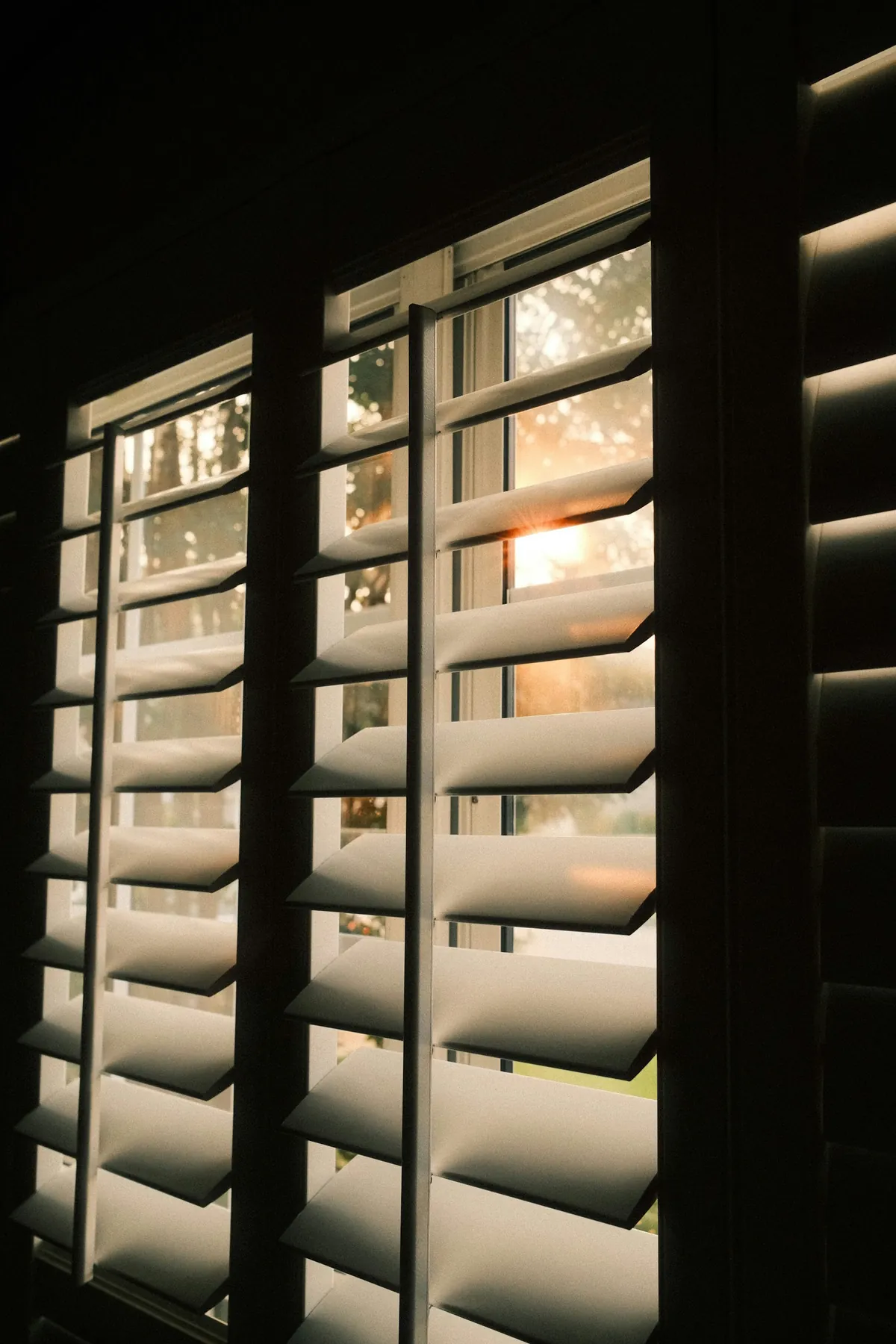
The ranches off Padelford Street tend to have a single broad front window in the living room. Lifting one big shade across that whole width takes real effort, and a long pull cord dangles beside it. With a motor the shade rises level, halts wherever you choose, and needs no cord. Combined with a shade on the side window of the same room, it gives you full control of a corner living room from your chair.
Newer colonials and the stair window
The newer colonials in town often have a two-storey entry or a window on the stair landing, set well above where anyone can reach. These windows are usually left bare, which is a shame in a house that gets plenty of sun: the landing gets hot, and at night the stairway is on display. A switch at the top or bottom of the flight lets you close it on the way up to bed and open it again as you come down in the morning.
Colonials also tend to have big family rooms at the back with several windows and a slider to the yard, another place where two or three powered shades make the room easy to manage.
Bay-Side Houses at the Edge of Town
Berkley’s edge meets Assonet Bay, and the houses on that shore turn their best rooms to face it. Wide windows and glass doors are the norm on the bay side. In late afternoon the sun settles over the water and its reflection doubles the brightness, coming in under any porch roof. Being able to ease the bay-side shades down from a chair, rather than walking the length of the glass, is what makes these rooms comfortable at that hour, and a fabric with a little openness keeps the water in sight while it happens.
After dark the problem reverses. Lit glass on the bay side is on show from the shore, and a long row of shades is exactly what nobody wants to close by hand at bedtime. A remote turns it into a moment’s job.
The family room at the back of a newer colonial
The family rooms at the back of the newer Berkley colonials are often the brightest rooms in the house: a long wall of windows facing the yard, a slider in the middle and sometimes a window on the side wall as well. They are also where the household spends its evenings, with the television on one wall and the sofa facing the glass. Glare is the everyday complaint, and it moves round with the sun.
Here, powering two or three shades on the yard wall usually does the trick, with the side window left by hand if it is easy to reach. We line up the lowered height of every shade on the wall so the run looks even, and keep the fabric the same as the kitchen next door when the two rooms open into each other. That way motorized blinds in Berkley, MA colonials fit into the open plan without looking like a separate project.
Choosing the style before the motor
Whatever room you start with, the treatment comes first and the motor second. The questions are the usual ones: how much light should come through when the shade is down, what colour sits well with the walls and floor, and how much of the window the shade should hide when it is raised. A clean, simple line tends to suit wide windows and walls of glass, while a softer texture can warm a bedroom or a sitting room. Once that is settled, we talk about which of the chosen shades can take a motor and add one to the windows that need it. Our roller shades in Berkley page shows some of the fabrics worth a look, and the showroom has samples to compare in daylight, which matters in a room lit from two sides.
Remote or switch for each room
Rooms you settle into, like the corner living room, a family room with a television or the main bedroom, suit a handheld remote you keep within reach. Rooms you cross on your way somewhere, like the front entry, the landing or the mudroom, suit a switch mounted on the wall at the doorway. In a corner bedroom, both can make sense. We ask about your day before recommending either, so there are no controls you never use.
From First Phone Call to a Working Remote
The process is the same for one window or a whole house, and you hear from us at every stage until the job is done.
- Drop into the Swansea showroom whenever suits you to handle fabrics and press a remote and a wall switch for yourself.
- Ring the store, or send the form, to book a free quote, and mention which rooms have windows on two walls.
- A specialist arrives to measure each window at the house, noting which way every wall faces.
- Standing in each room, we agree with you which shades are powered and which stay manual.
- The quote sets out every window line by line.
- Each shade is built to the sizes from that visit.
- Installation day ends with every shade hung, its limits set, and a walk-through of how to run it.
Sliders to the yard
With so much yard around most Berkley houses, the back slider is one of the busiest openings in the home. Anything covering it gets bumped by children, dogs and armfuls of laundry. Sending a powered shade up after breakfast and down at dusk keeps it clear of all that traffic. Very wide sliders sometimes suit a vertical treatment instead, which the vertical blinds in Berkley page explains.
No cords, tidier windows
A powered shade carries no lift cord. In a corner room with glass on two walls, that clears two sets of cords away at once, and removes a loop that small children or pets could catch. Our guide to cordless blinds and child safety goes into more detail.
Big lots, few near neighbours
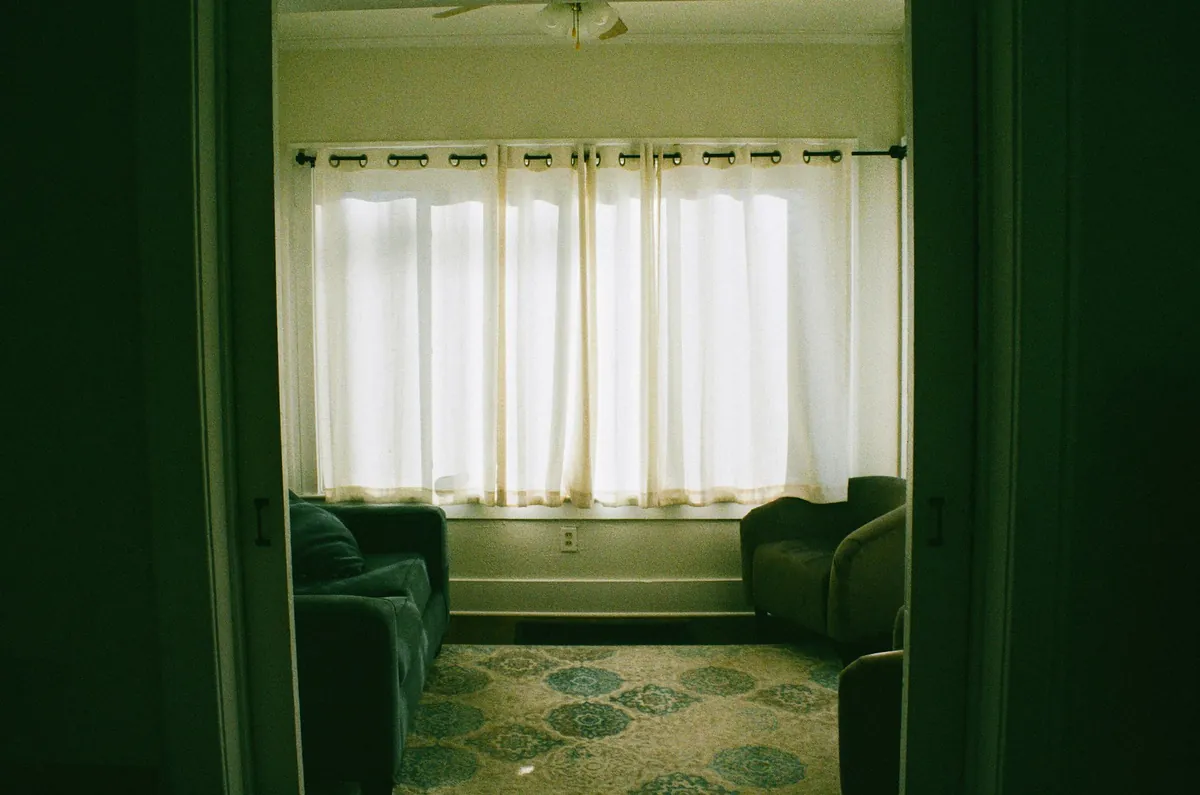
Generous lots give Berkley houses something many towns lack: windows that face fields, woods or a long back yard rather than the house next door. In those rooms privacy is rarely the reason to lower a shade by day, so the shade exists mostly for the sun. That changes the fabric choice. A light filtering fabric that takes the glare off while keeping the room bright suits most of these windows, and the powered ones can simply sit open until the sun reaches them. At night, though, even a house set well back is visible once the lamps are on, so we still make sure the bedrooms and any street-facing rooms can close up fully.
Building up over time
One room is a perfectly good place to begin. Usually it is whichever corner room fights you most over the light, or a stair window that has stood bare since the house was built. Once you have lived with motorized blinds in Berkley, MA for a season, adding more is simple, and later shades are matched to earlier ones. For every treatment we offer in town, see window treatments for Berkley homes; the general picture of powered styles is on the motorized blinds hub.
Care and checks
Upkeep is light. Dust now and then, and wipe only those materials made to be wiped. Leave a clear drop under every powered shade, so a lamp or a plant on the sill never stops it. Guest room shades that sit untouched for weeks are worth a full trip up and down occasionally, so any change in how they move shows early. Should one misbehave, a call to the store with the room and the symptom is all it takes.
What Sets Window Works Apart
One Swansea family has run Window Works since it opened in 1988, and the second generation is at the helm now. Over 37 years, the store’s work has reached houses from the Massachusetts SouthCoast to Rhode Island’s East Bay, Berkley included.
- Window treatment specialists with long experience
- We measure at your house, and our installers do the fitting
- Warranties are offered on the products sold
- Constant contact from first call to finished job
- A showroom to compare fabrics and try the controls
Questions from Berkley
My living room has windows on two walls. Do both need motors?
Often not. We look at which wall takes the strongest sun and which windows are hard to reach, and power those. The other wall can keep ordinary controls in the same fabric.
Should the two walls have different fabrics?
We usually suggest one fabric for the whole room, chosen for the brighter wall, so the room looks consistent inside and from the road.
Can you power a stair window in a newer colonial?
Yes. High stair and entry windows are a natural fit, run from a switch at the foot or top of the stairs.
Will a shade on the bay side still let me see the water?
With a fabric that has some openness, the bay stays faintly visible while the glare is cut. A room darkening fabric shuts it out for the night.
How do I arrange a quote?
It costs nothing: quotes are free. Ring through the call button or send the form with a note about your two-sided rooms, and a measuring visit gets booked.
Getting Started
A free quote for motorized blinds in Berkley, MA is the place to start. The call button connects you with the Swansea store, where the same conversation can book a measuring visit at the house and cover how installation works; the form does the same by message. Would you rather handle fabrics first? The showroom welcomes you, and the contact page gives directions. Google reviewers rate Window Works 5.0.