
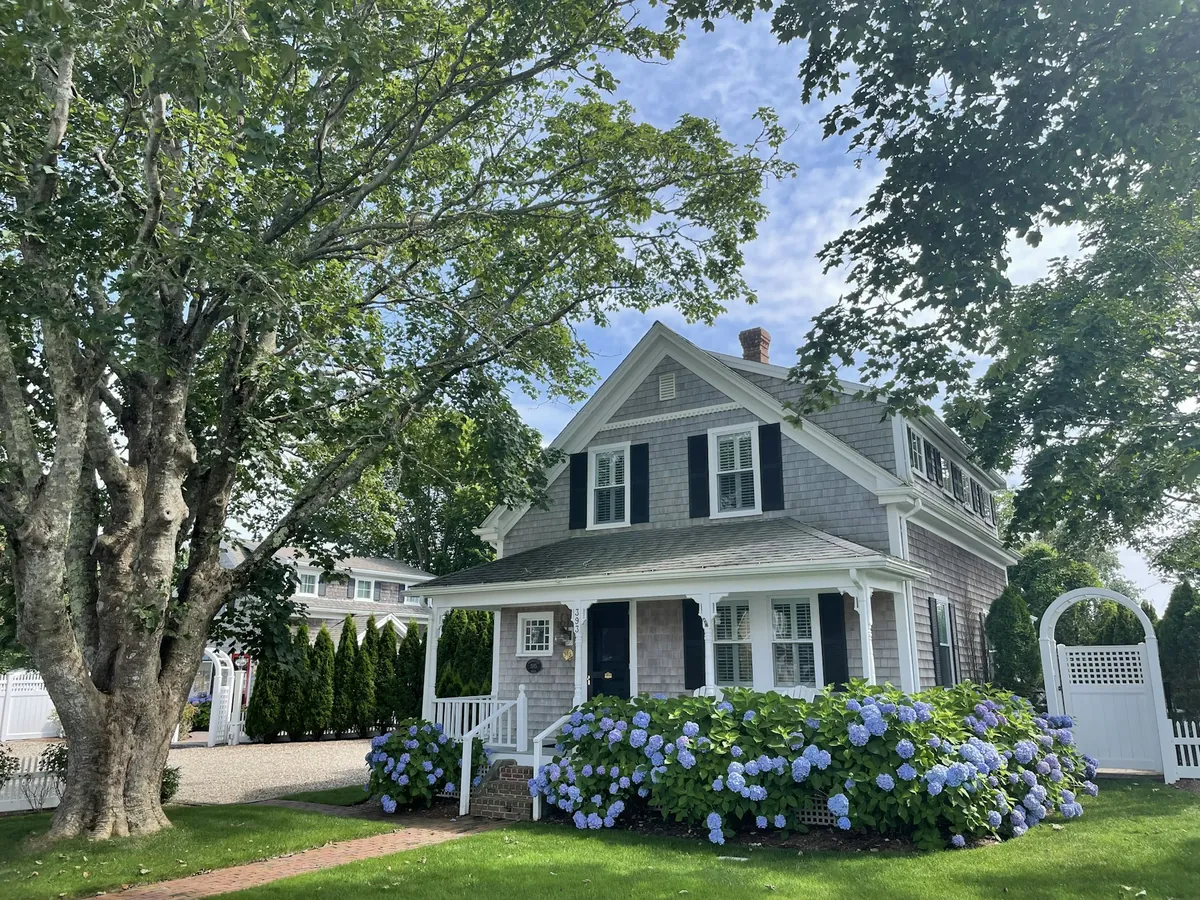
A Bright Side and a Shaded Side
Roller shades in Portsmouth, RI tend to be chosen in pairs, because so many houses on the island have two personalities. With bay views on both sides of Aquidneck, a house often turns one face toward the water and the open sky and the other toward the road, a hill or the trees. The bright side gets sun and glare for hours; the shaded side may never see direct light at all. One fabric across the whole house rarely suits both.
The housing itself varies widely. Up at Island Park and Common Fence Point, the cottages are small and close together, many of them built for summer and lived in year round now. Off East Main Road, newer colonials follow a familiar two-storey plan. Toward the shore, the larger homes put big windows on the view. A roller shade can be made for every one, cut to the exact opening, with the fabric chosen side by side.
- A fabric for each side of the house
- Solar screen, light filtering and blackout
- Measured on site and fitted by our own team
Roller Shade Choices for the Island
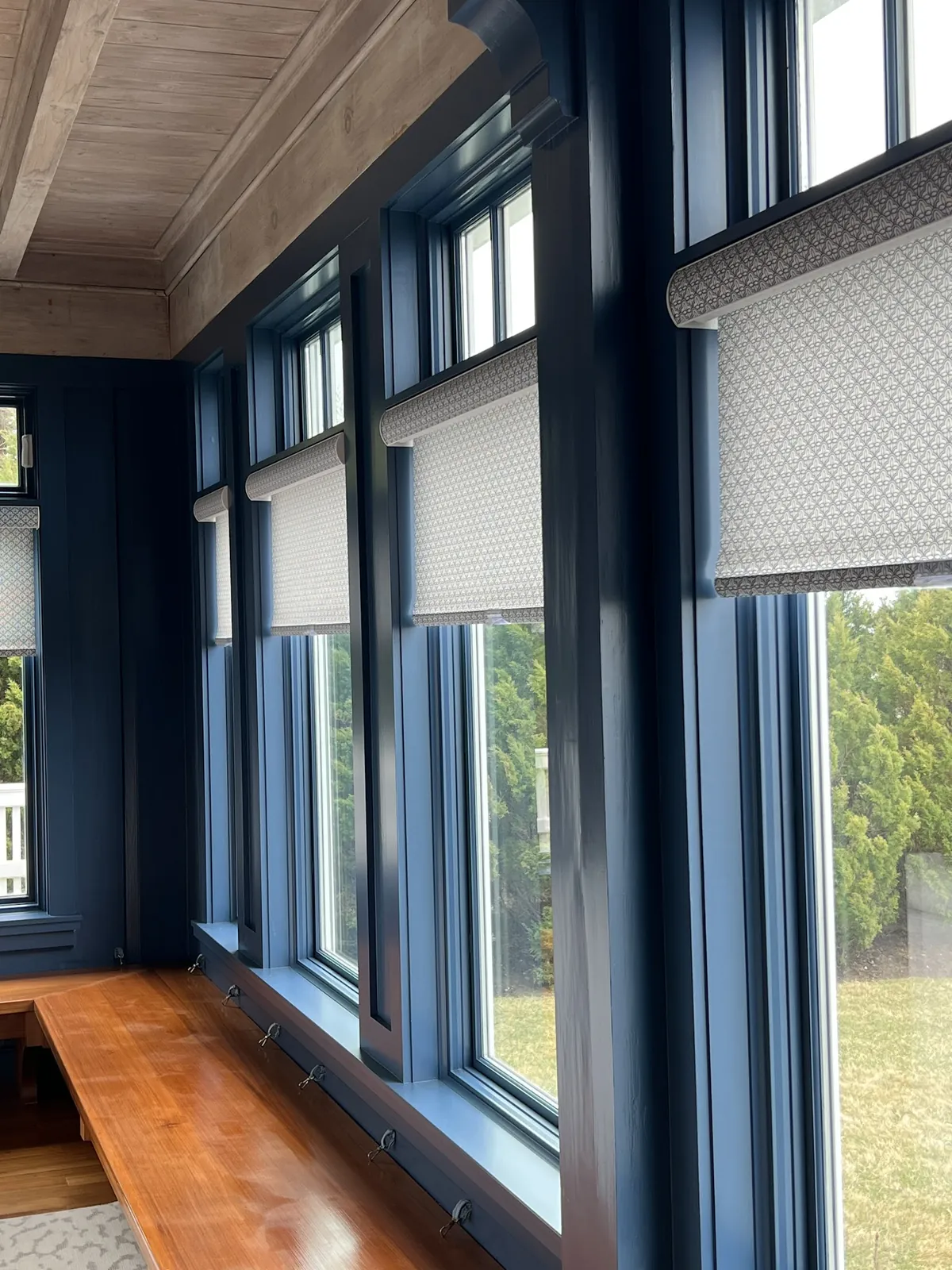
Bright-side screens
A woven screen for the windows that face the bay and the sun, cutting glare and keeping the water in sight.
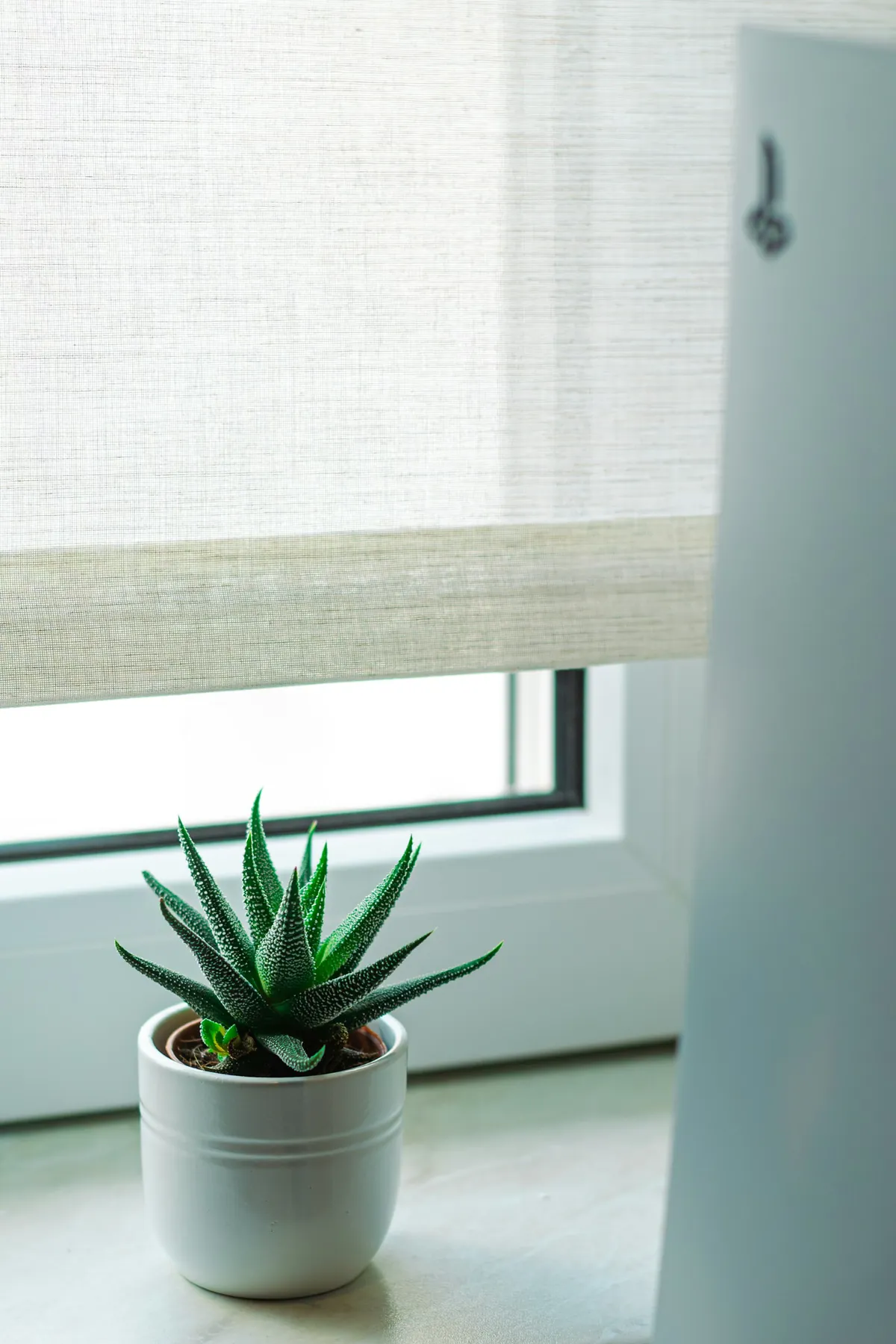
Shaded-side cloth
A pale light filtering fabric that gives privacy without stealing what little light the shaded rooms get.
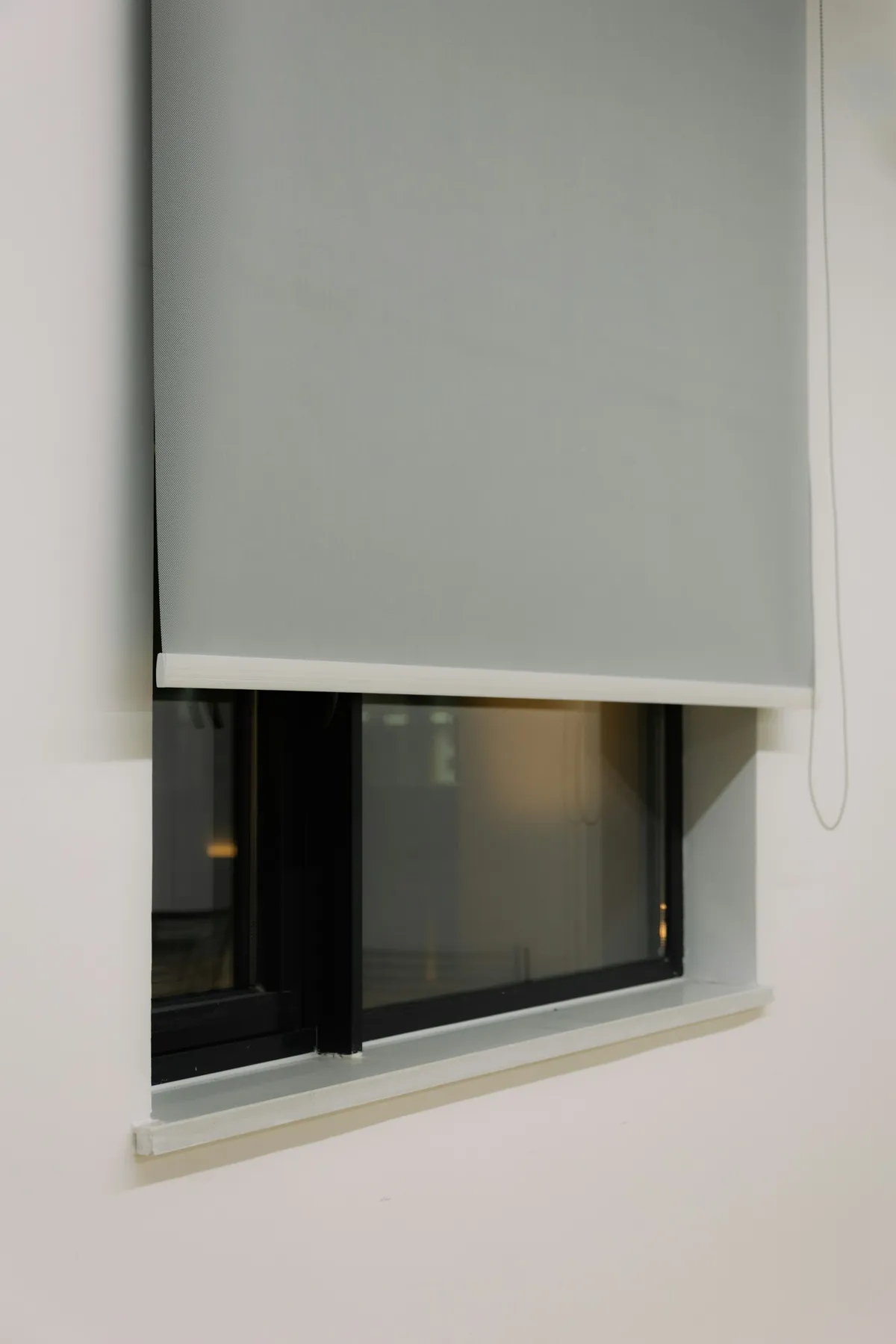
Cottage bedrooms
Blackout cloth for small bedrooms close to the neighbours and the morning sky.
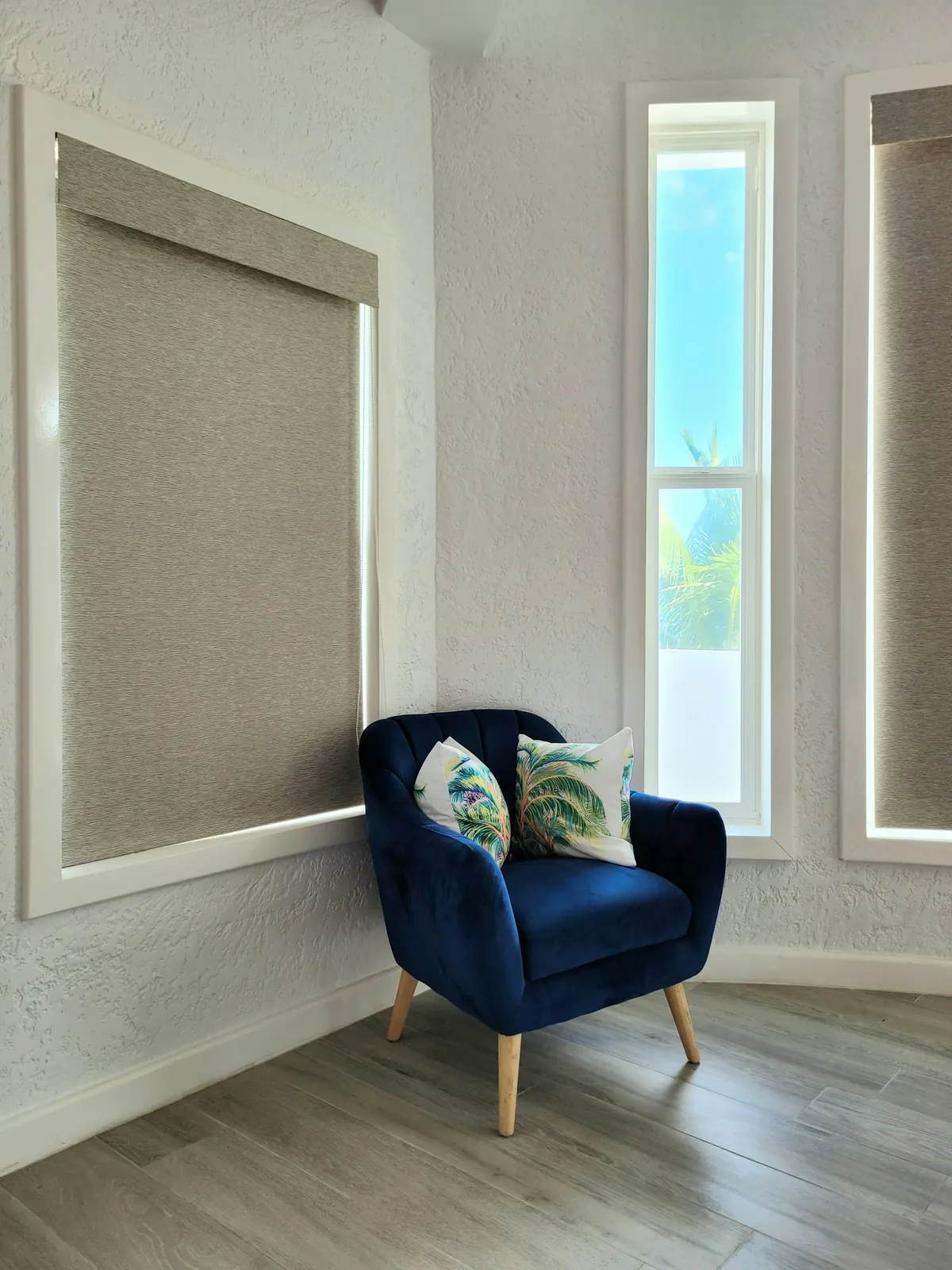
Big view windows
Motorised roller shades for tall glass on the shore houses, worked from a remote or a wall switch.
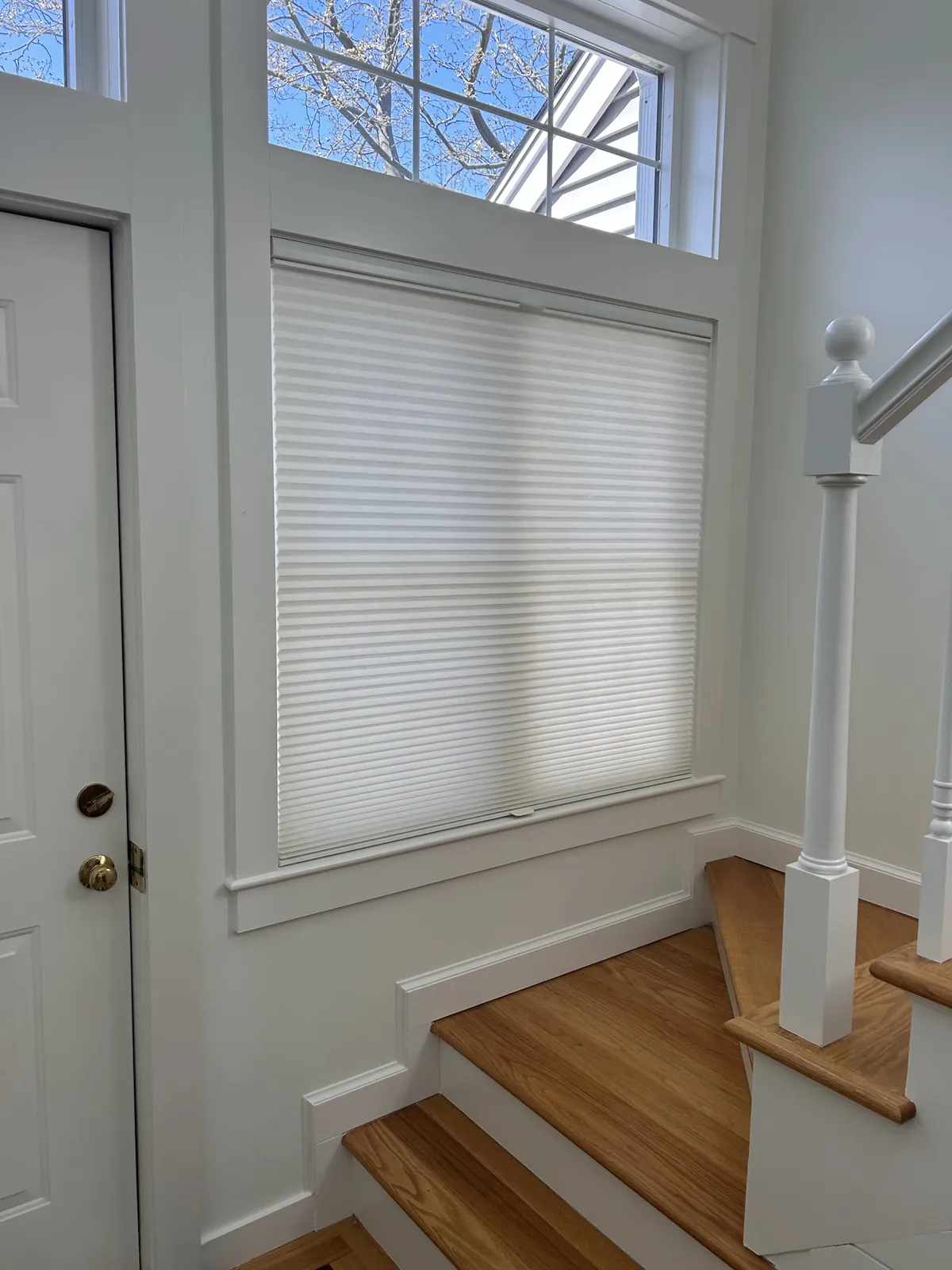
For a cool, shady room
Where the shaded side runs cold, a cellular shade may suit those rooms better.
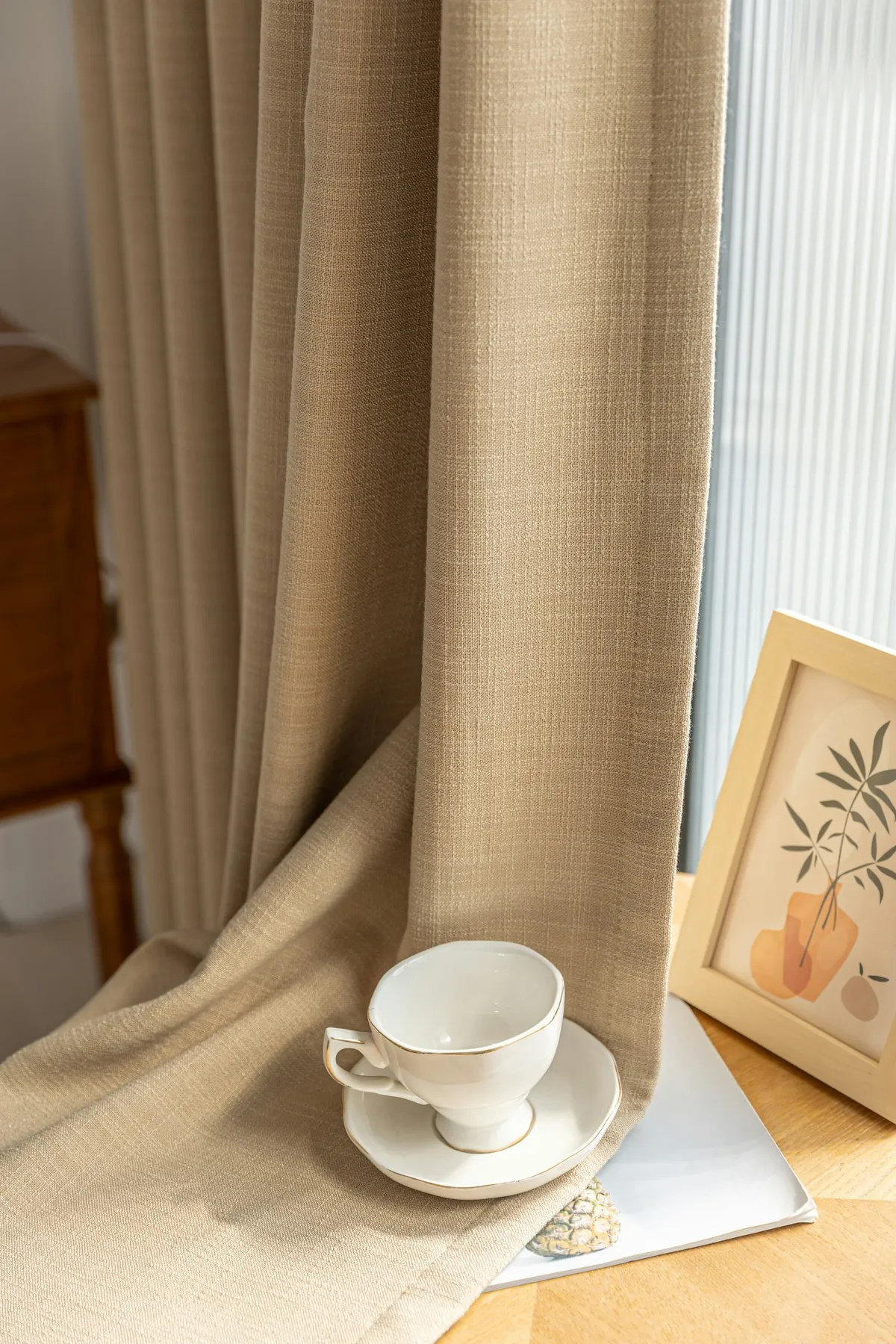
Softer edges
Curtains beside a shade in a living room or main bedroom, for warmth and a softer frame.
How We Plan Roller Shades in Portsmouth, RI
Start with a walk round the outside of the house. Which windows look at the water? Which look at the road? Where does the afternoon sun land, and which rooms are in shade from morning to night? Once that is clear, the fabric for each room falls into place, and the colour is what ties the two sides together.
The bright side
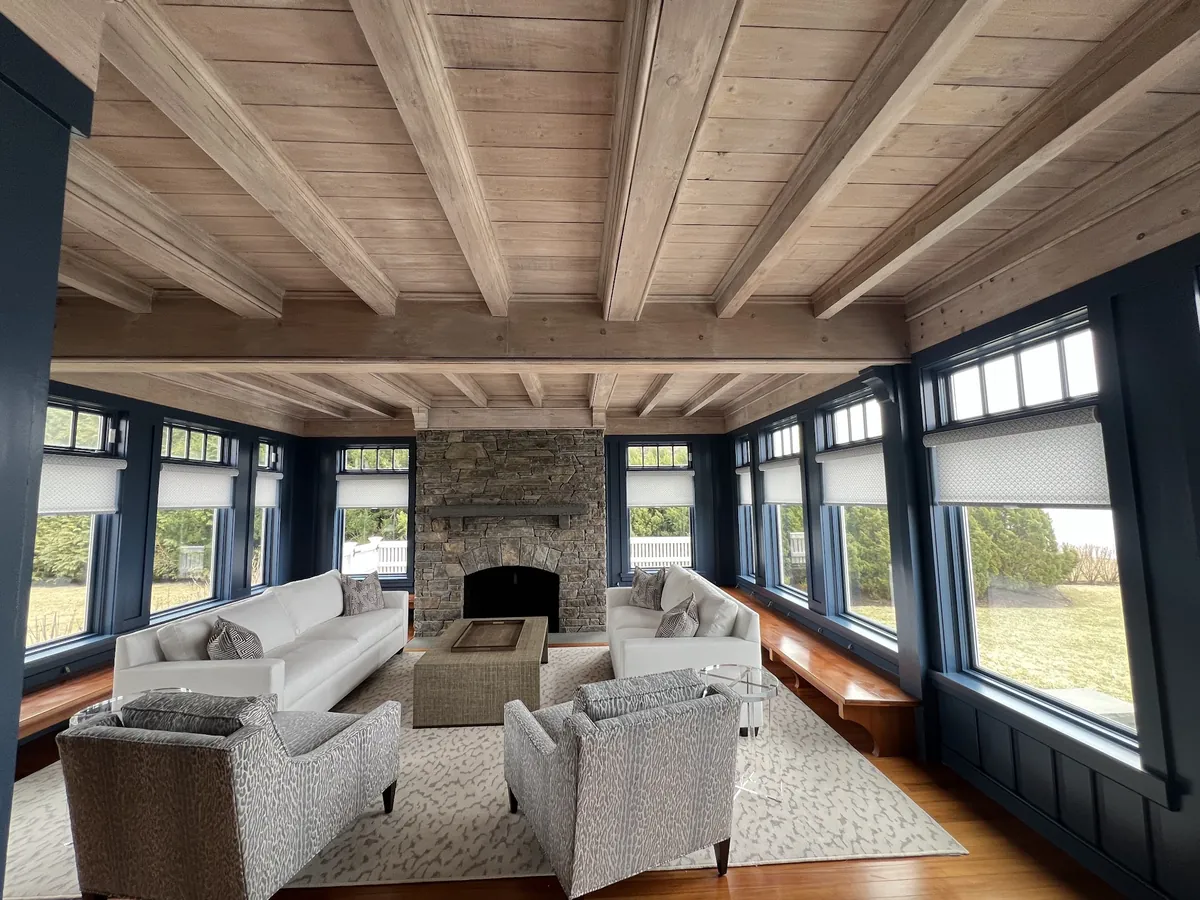
On the water-facing side, light arrives from the sky and off the bay, and in summer it can be strong for most of the day. Rooms here are usually the ones people want to spend time in, and also the ones that become too bright to use on a clear afternoon.
A solar screen is designed for that job. It is a woven fabric with fine gaps, so with the shade lowered you still see the water, the boats and the far shore, but the glare is brought down. The decision that matters is openness. A loose weave lets more of the view and more daylight through, which suits a room where the outlook is everything. A tight weave holds back more glare and makes it harder to see in, which suits a room with a television, a desk or close neighbours. Darker screens tend to give the crispest view out, while paler ones blend with white window frames.
The shaded side
On the other side of the house, the opposite problem applies. These rooms are often dim, and the last thing they need is a heavy fabric. Privacy from the road is usually the only real requirement. A pale light filtering cloth gives that, while letting through as much daylight as the window gets. When raised, a roller shade disappears into a slim roll at the head of the window, so the room keeps every bit of light it has.
Shaded rooms on an island can feel cool in the colder months. If a room on that side runs chilly, a cellular shade, whose cells trap air, may be a better choice than a roller, and we will say so during the visit.
Making two sides look like one house
Two fabrics need not look like two houses. Choose the screen for the bright side and the cloth for the shaded side in one colour family, and the house reads as one from inside. From the road, the shaded side is what most people see, so its colour sets the street view; from the water, the screens set the look. We bring matching screen and cloth samples, so you can see the pair together before deciding.
Rooms that sit in between
Not every room falls neatly on one side. A corner room may have a window facing the bay and another facing the road, and a kitchen at the end of the house may look both ways. In those rooms, each window takes the fabric that suits its own outlook, a screen on the water-facing glass and a cloth on the other, while the shared colour keeps the room calm. Because each window has its own shade, you can lower the bright one through the afternoon and leave the other open for light. Thinking about roller shades in Portsmouth, RI window by window like this, rather than room by room, is what lets a house with two very different sides feel comfortable all day.
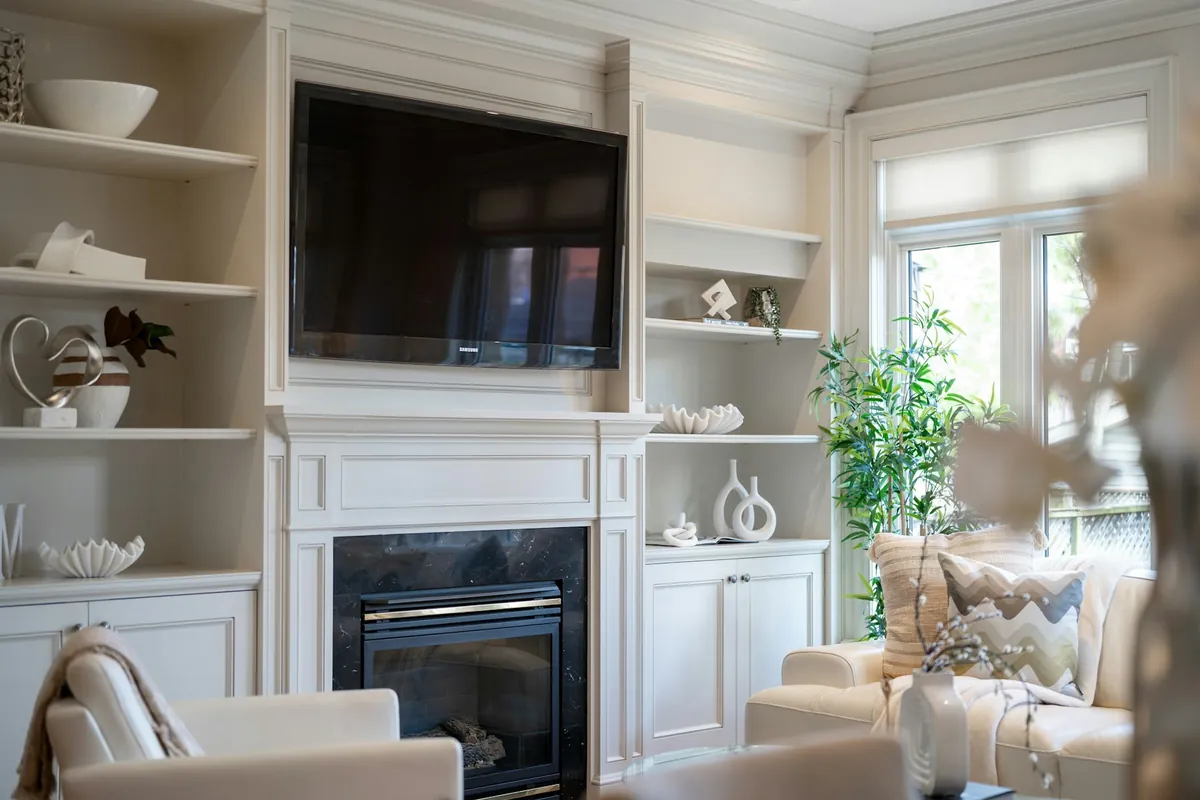
Island Park and Common Fence Point Cottages
The cottages at the north end of the island have their own character. They are compact, often single-storey or a storey and a half, set on small lots close to their neighbours. Windows tend to be modest in size and sometimes mixed, where a cottage has been extended or updated piece by piece.
Privacy at close quarters
With neighbours a short distance away, privacy comes first in many cottage rooms. A light filtering roller shade softens the daylight and blocks the view from next door, so it can stay down most of the day without turning the room gloomy. Bedrooms take blackout cloth, which handles both darkness and privacy.
Small windows, small spaces
Cottage rooms are often tight, with little wall space around the windows and low ceilings. A roller shade suits them because the roll at the top is compact and there is no stack of slats or folds to fit. Mounted inside the frame, it keeps the window looking neat and leaves the wall around it free for shelves, pictures or furniture.
Where a cottage has been added to over the years, a room may have windows of different sizes and ages. Each one is measured on its own, and the shades are set to stop at the same height when lowered partway, so the room looks considered rather than patched.
Cottage kitchens
A cottage kitchen is usually small, with one window over the sink and cabinets running close up to it on both sides. There is rarely room for anything mounted outside the frame, so an inside mount is the natural choice, and a light filtering cloth that sponges clean copes with steam from the stove. If the window faces a neighbour’s wall only a few steps away, the shade can stay down all day and still let the room feel light. If it faces the bay, a screen there lets you keep an eye on the water while you wash up, without the glare off the surface.
Water-facing cottages
Some cottages at Common Fence Point and Island Park face the bay directly. Their water-side windows need the same thinking as any bright-side room: a solar screen to take down the glare and keep the view, with a second layer for evening privacy if the cottage is close to a path or a road.
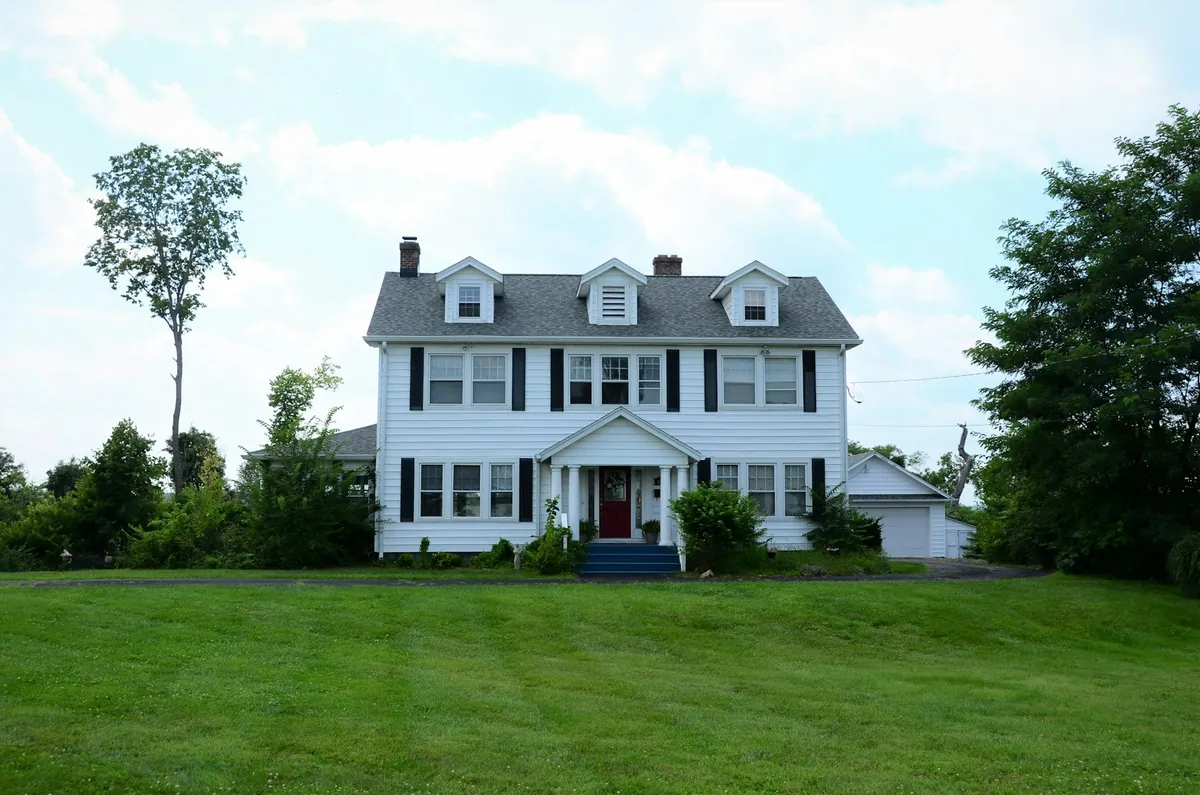
Newer Colonials Off East Main Road
The newer colonials off East Main Road are more regular houses, two storeys with matching windows across the front and bedrooms upstairs. They still have a bright side and a shaded side, though, depending on which way the house faces.
For the front elevation, consistency matters most. Shades in one colour, set to the same height, keep the grid of windows looking even from the road. Behind that front, each room can take the fabric that suits its light: screens on the sunny side, light filtering in the living rooms on the shady side, blackout in the bedrooms.
The frames in these houses are usually deep enough for an inside mount, which gives the neatest look. In a bedroom where darkness matters most, an outside mount set slightly wider than the glass cuts the line of light at the edges.
Family rooms at the back often open to a deck through a slider. A door used many times a day usually suits a vertical blind or panel track better than a roller shade, and the windows beside it can still take roller shades in the matching colour.
Upstairs, the bedrooms in a colonial split between the two sides as well. A main bedroom facing the morning sun over the bay wants blackout cloth, perhaps with an outside mount, while a back bedroom on the shady side may need only a light filtering shade for privacy. Many orders for roller shades in Portsmouth, RI on these houses start with the bright-side rooms and add the rest later, and choosing one colour at the outset means the later shades will match.
Larger Homes Along the Shore
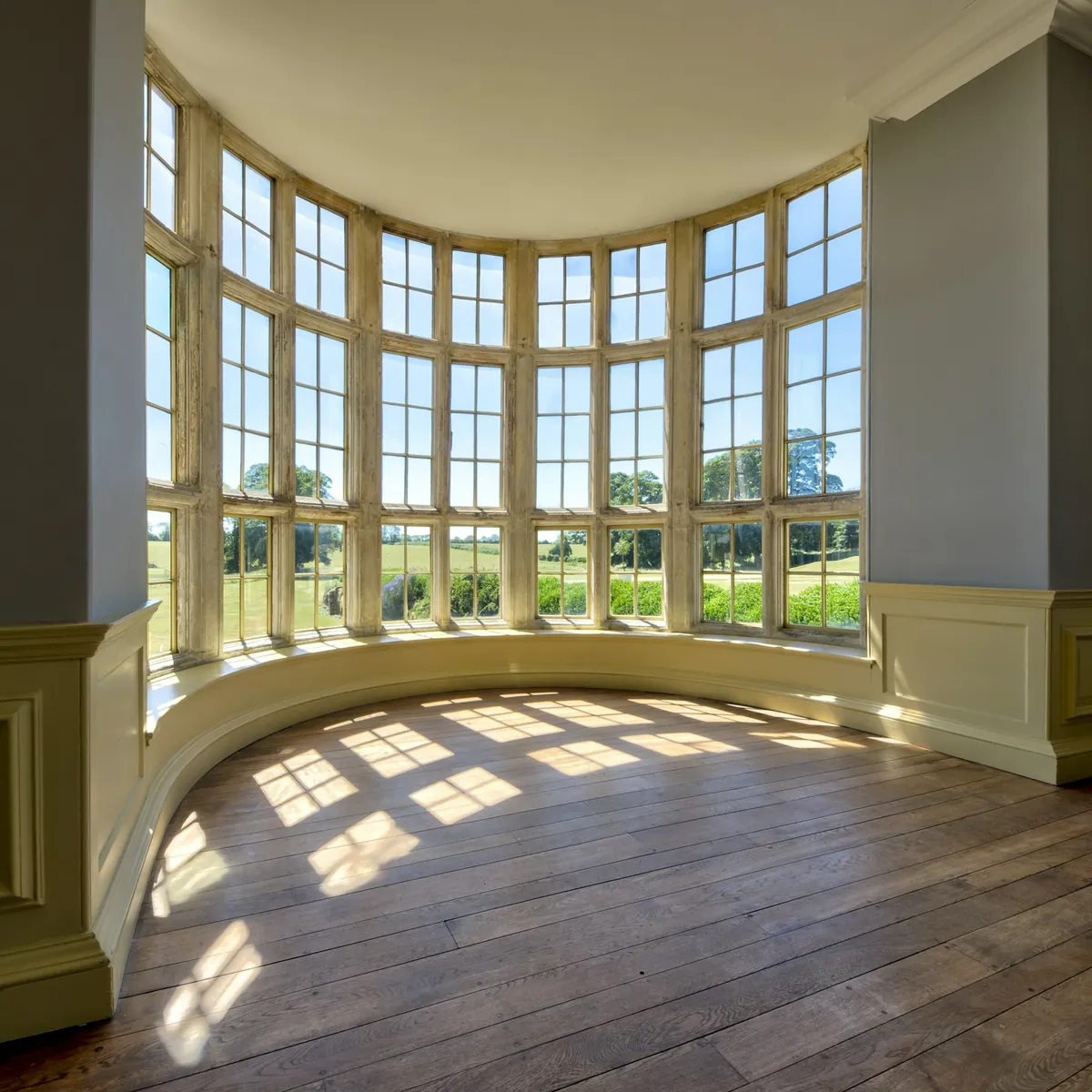
Toward the island’s western shore, the larger homes are built around the view, with big windows, sometimes floor to ceiling, facing the bay. These rooms are the brightest of all, and the glare off the water reaches far into them.
Several shades side by side, one per window, cover a long run of glass and let you lower only the ones the sun is reaching. All of them share one fabric and stop at the same height. Where the glass is tall or the run long, motorised roller shades raise and lower from a remote or a wall switch, so a whole wall can be moved at once.
Modern frames are often slim, with little recess, so the shades may sit on the wall or ceiling above the glass. Made slightly wider than each pane, they overlap the edges and cut the bright strips that would otherwise show at the sides.
After dark
A solar screen gives very little privacy at night once the lights are on indoors. In a house on the shore with a road or a path nearby, plan a second layer: drapes that draw across in the evening, or a light filtering shade behind the screen. Both can be measured on one visit, since Window Works makes drapes as well as shades.
The Order, Step by Step
Expect to hear from the store at each turn; the order is followed until the final shade behaves exactly as it should.
- Ring or write through the form, say which side of the house looks at the bay, and settle on a time for a free quote.
- On site, a specialist sizes each opening and notes how deep the frame runs, how much wall sits above it and which way it looks.
- Paired screen and cloth swatches are tried on both sides of the house, or browsed at greater length in the Swansea showroom.
- A written quote then lists every window with its chosen fabric.
- Each shade is built to the visit’s figures.
- Fitting day brings our installers, who hang each shade, cycle it to confirm it tracks square and sits level with its neighbours, and talk you through the controls.
Colours that suit the island
Island interiors lean toward light, natural colours: whites, sand, pale greys and the blues of the bay. Shades in those tones sit comfortably. For screens, a deeper colour can make the view out clearer without looking heavy, especially beside a dark window frame. On the shaded side, a warm white or pale linen tone keeps the rooms feeling brighter than a cool grey would. In a cottage with painted panelling or beadboard, matching the shade to the woodwork lets it fade into the room when lowered.
Keeping shades fresh
Salt air reaches most of the island, so a small habit pays off. Pass a feather duster or brush attachment down the bright-side screens every few weeks in summer, before the haze builds up, and lift any mark with a lightly damp sponge. The shaded-side cloths need attention far less often. Once in a while, let each shade wind fully up so the cloth settles flat.
When another product fits better
A roller shade is not right for every window. A cool shaded room may want a cellular shade, and a dining room the folds of a Roman shade. Everything we offer the town is on the window treatments for Portsmouth homes page, and the main roller shades page sets out the full range of roller and solar fabrics.
Window Works, Swansea Since 1988
Window Works is a family store in Swansea, Massachusetts, founded in 1988 and now run by the second generation. For over 37 years our specialists have measured and fitted shades across the SouthCoast and the Rhode Island East Bay, from island cottages to large homes on the water.
- Experienced window treatment specialists
- Measuring at your house, both sides of it
- Installation by our own installers
- In touch with you until the job is done
- Warranties offered on the products we sell
The showroom has screens and cloths to compare side by side, along with the Norman range.
Questions from Portsmouth
My house has a sunny water side and a shady road side. Do I need two fabrics?
Usually, yes. A solar screen suits the bright side, and a pale light filtering cloth suits the shaded side. Choosing both in one colour keeps the house looking consistent.
What works in a small cottage bedroom close to the neighbours?
Blackout cloth. It darkens the room and gives privacy, and the compact roll fits a small window with little space around it.
Will a solar screen block the view of the bay?
No. The screen is woven with fine gaps, so the water stays visible. A looser weave keeps more of the view, and a tighter weave controls more glare.
Should a shaded room have a roller shade at all?
Often a pale light filtering shade is all it needs for privacy. If the room runs cold, a cellular shade may be the better choice.
Do you charge for a quote?
No, quotes are free. Ring the store on the call button or fill in the form, say which side faces the bay, and a measuring visit will be offered.
Book Your Free Quote
The first step toward roller shades in Portsmouth, RI is a free quote. A tap on the call button books it, fixes a measuring date or answers a question about fitting, and the form serves anyone who prefers to write. Screens and cloths can be handled side by side at the Swansea showroom, a short drive up the East Bay, with directions on the contact page. Window Works holds a 5.0 rating on Google.