
Tall, Narrow and Close Together
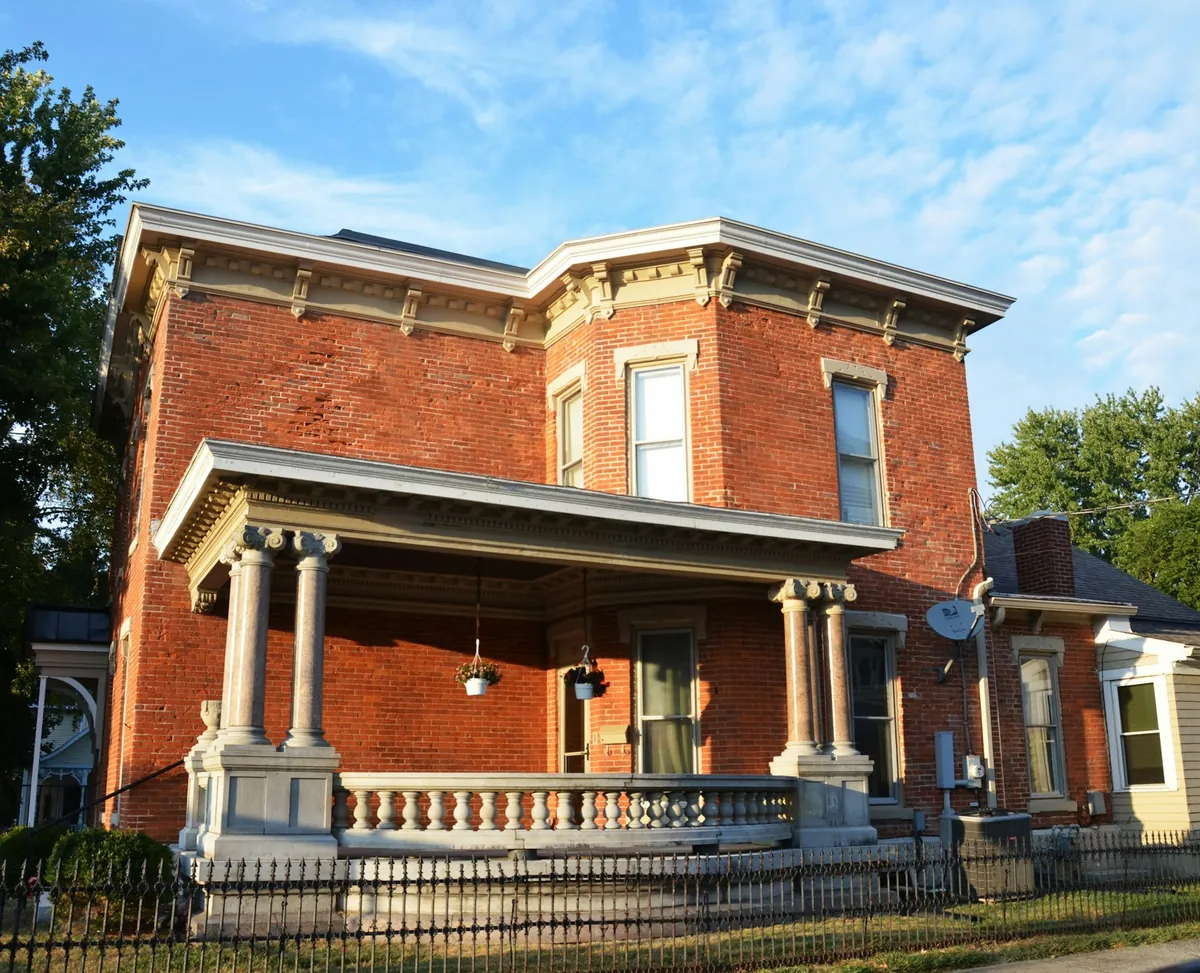
Pawtucket’s older houses share one kind of window: the tall, narrow double-hung sash. You find it in the Victorians of Oak Hill and Quality Hill and in the mill-era three-deckers off Broadway, and in both, the houses stand close to their neighbours. On these windows, width is rarely the issue. Length and privacy are. So when we plan custom drapes in Pawtucket, RI, the questions are how far the fabric should fall, how it meets the floor, and how a room close to the next house or the street stays private without losing its light.
A narrow window also changes the proportions of a drape. A pair of full panels can swamp a slim opening, while a single panel or a slimmer pair can make it look elegant. Small choices like that decide whether the finished room feels right.
Every pair is made from the fabric up and cut to measurements taken at your windows, which matters on tall sash where an inch at the hem shows.
Curtains and Drapes for Pawtucket Windows
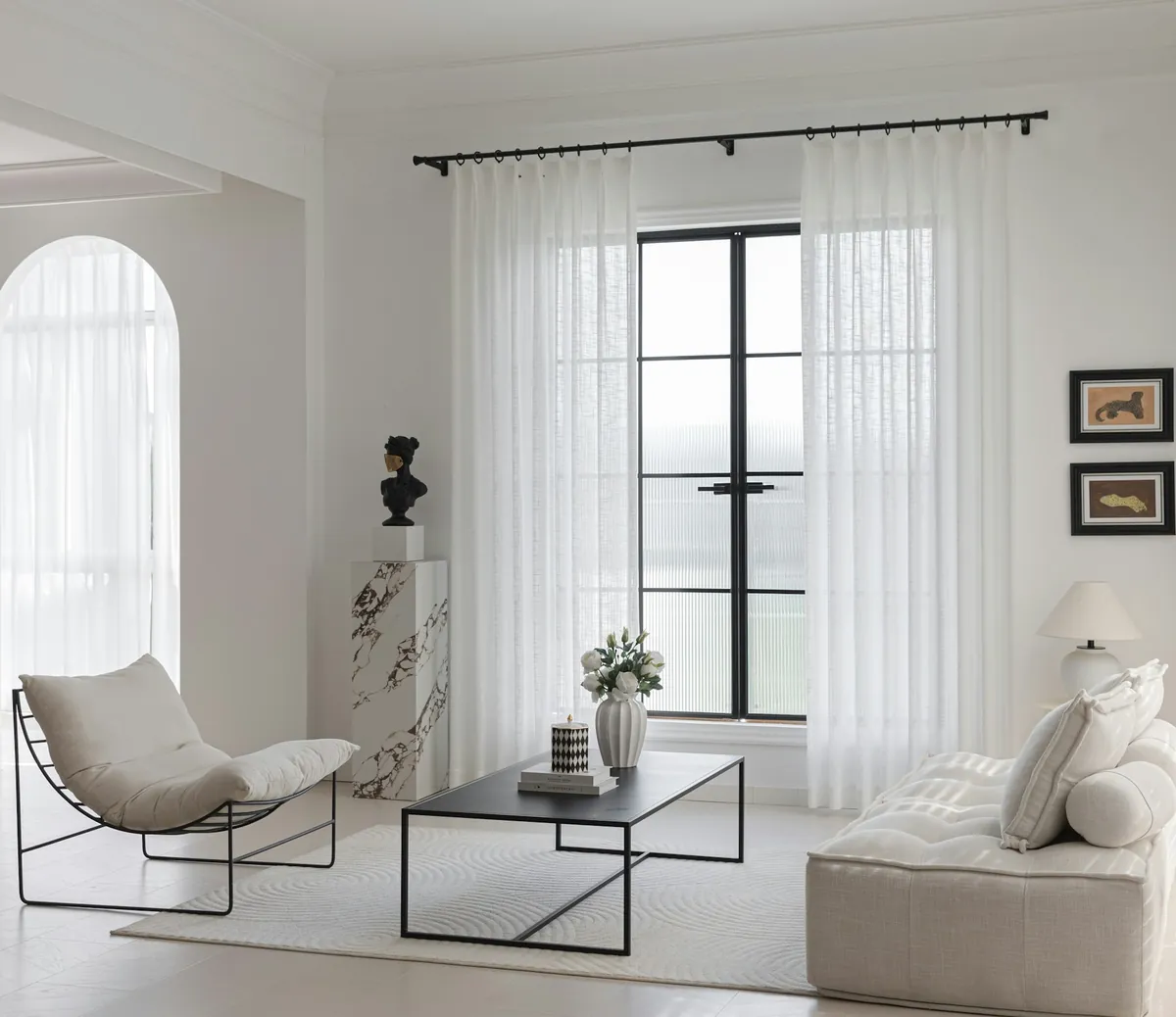
Long sheers
A fine sheer the full height of a tall window, drawn by day so the room stays bright while the house next door sees only a glow.
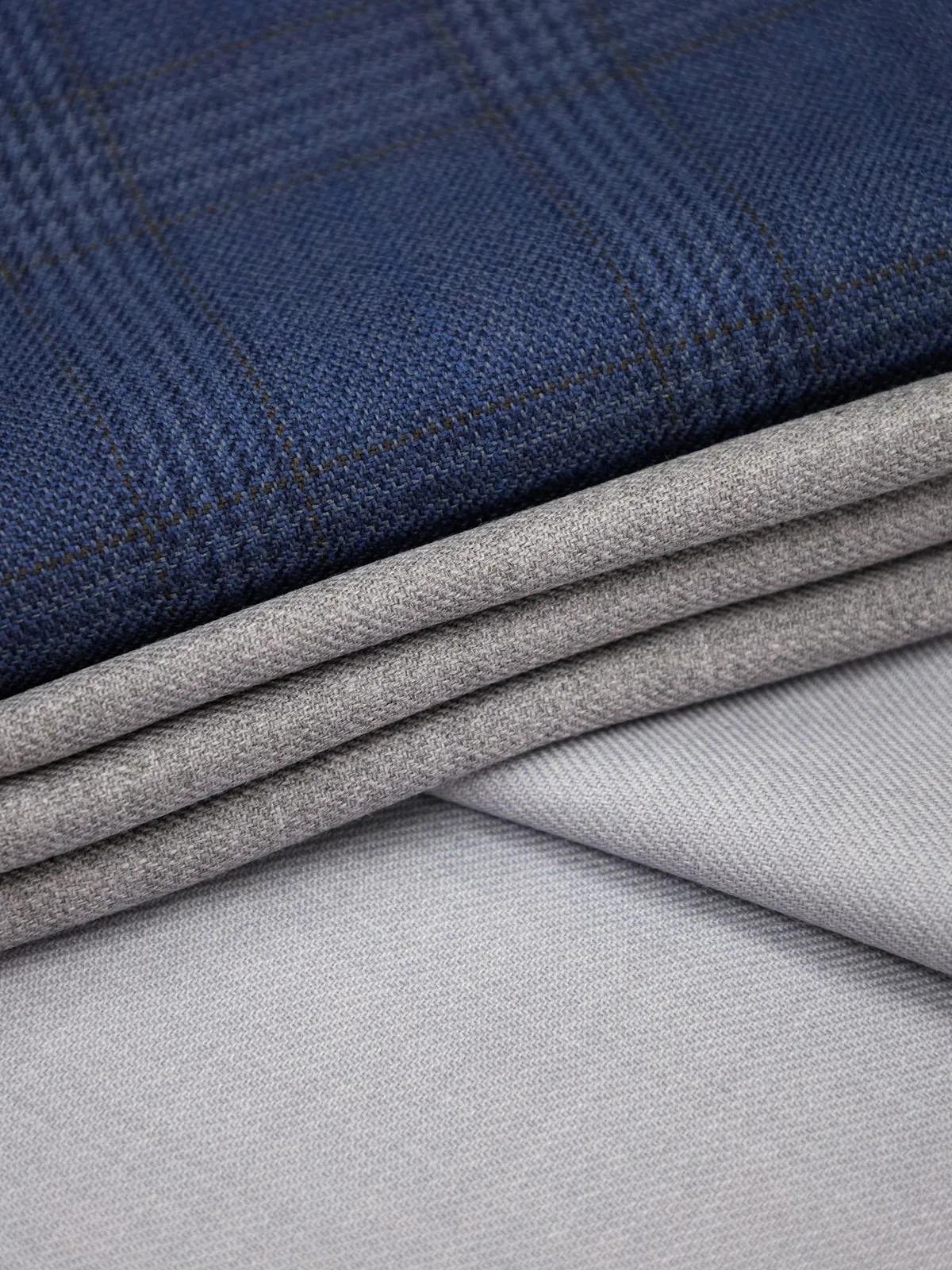
Plaid and woven cloth
Woven checks and plaids suit a narrow panel well, because the pattern reads clearly without needing a wide stretch of fabric.
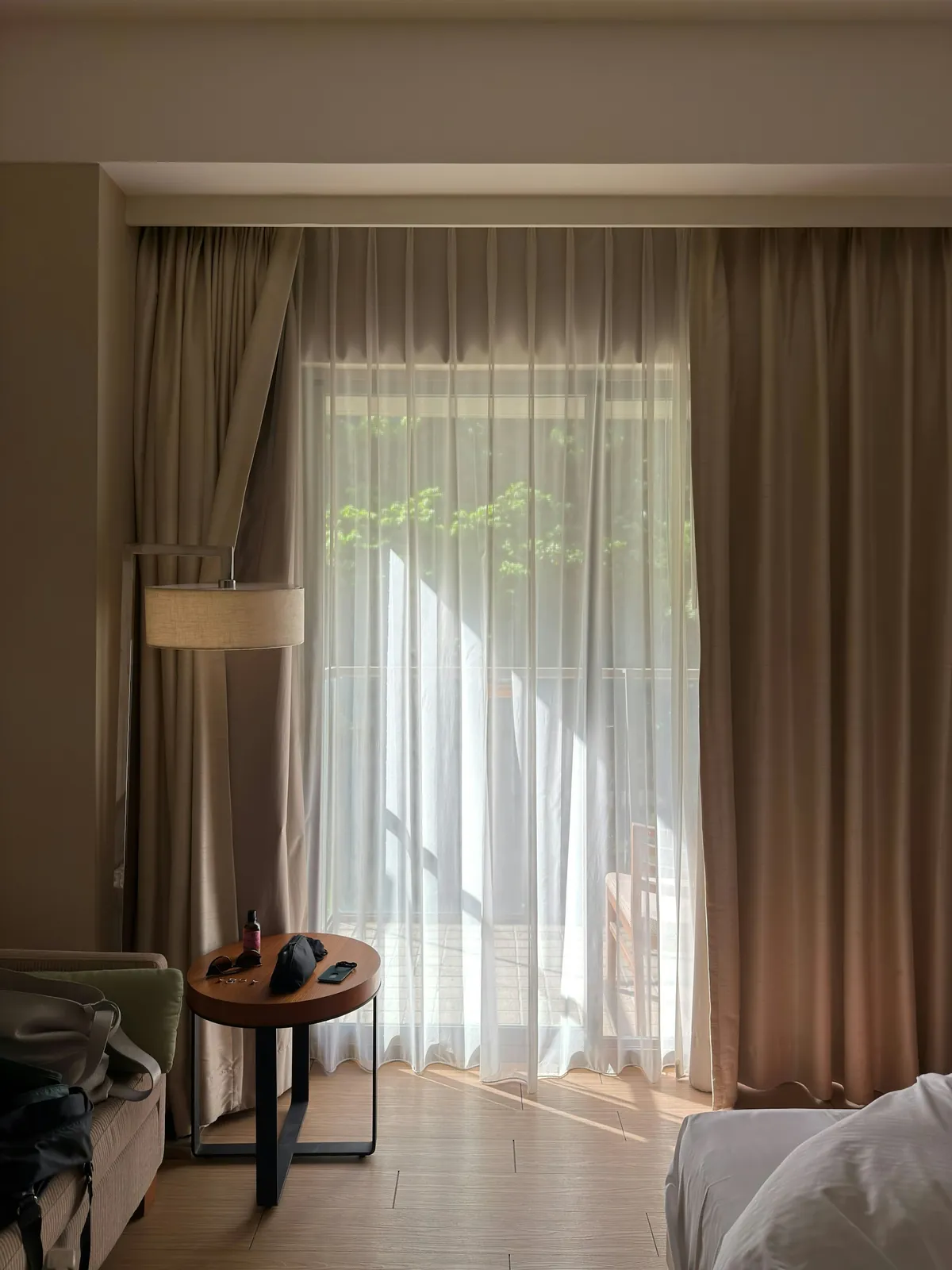
Sheer under a heavier panel
Two layers on one window: the sheer for daytime privacy, the lined panel for night.
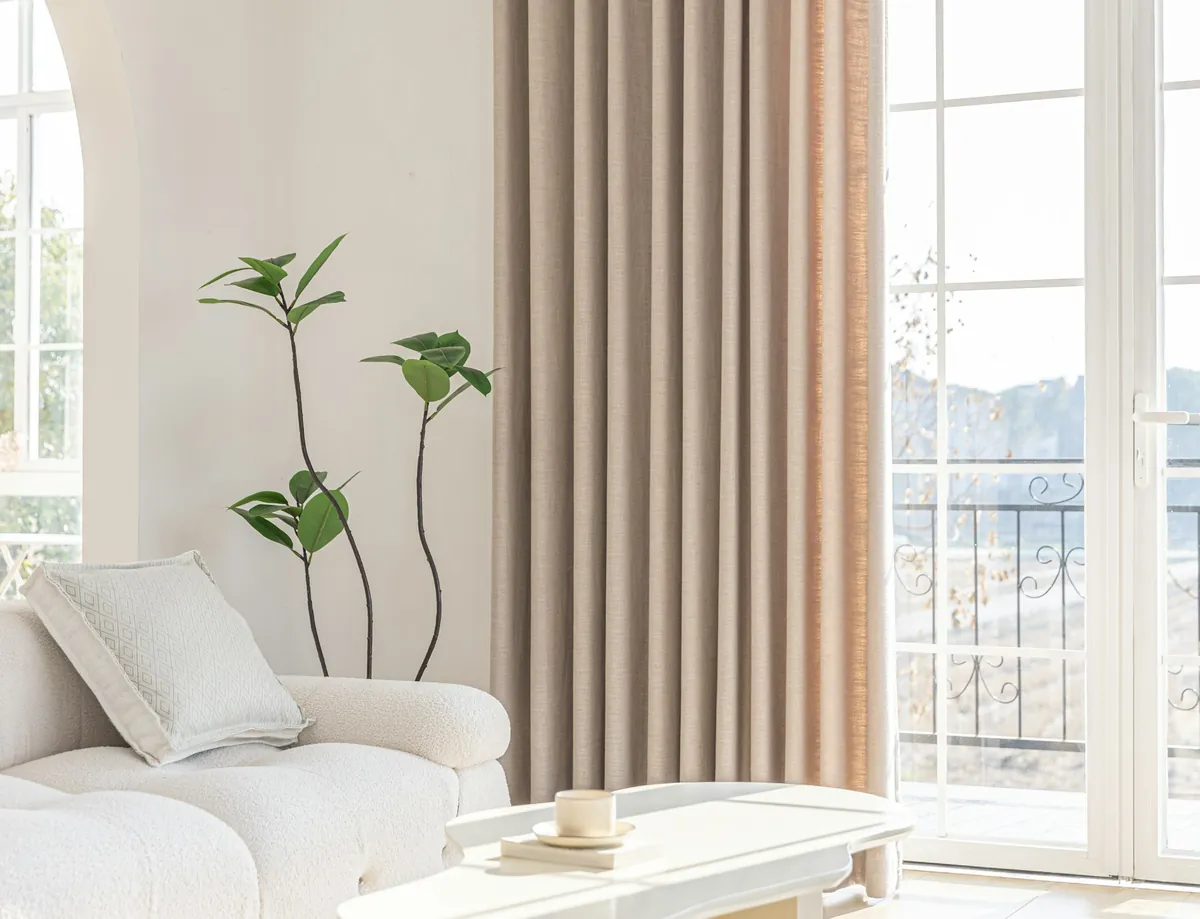
Floor-length drapery
Panels that run from close to the ceiling to the floor, giving a tall window its full height.
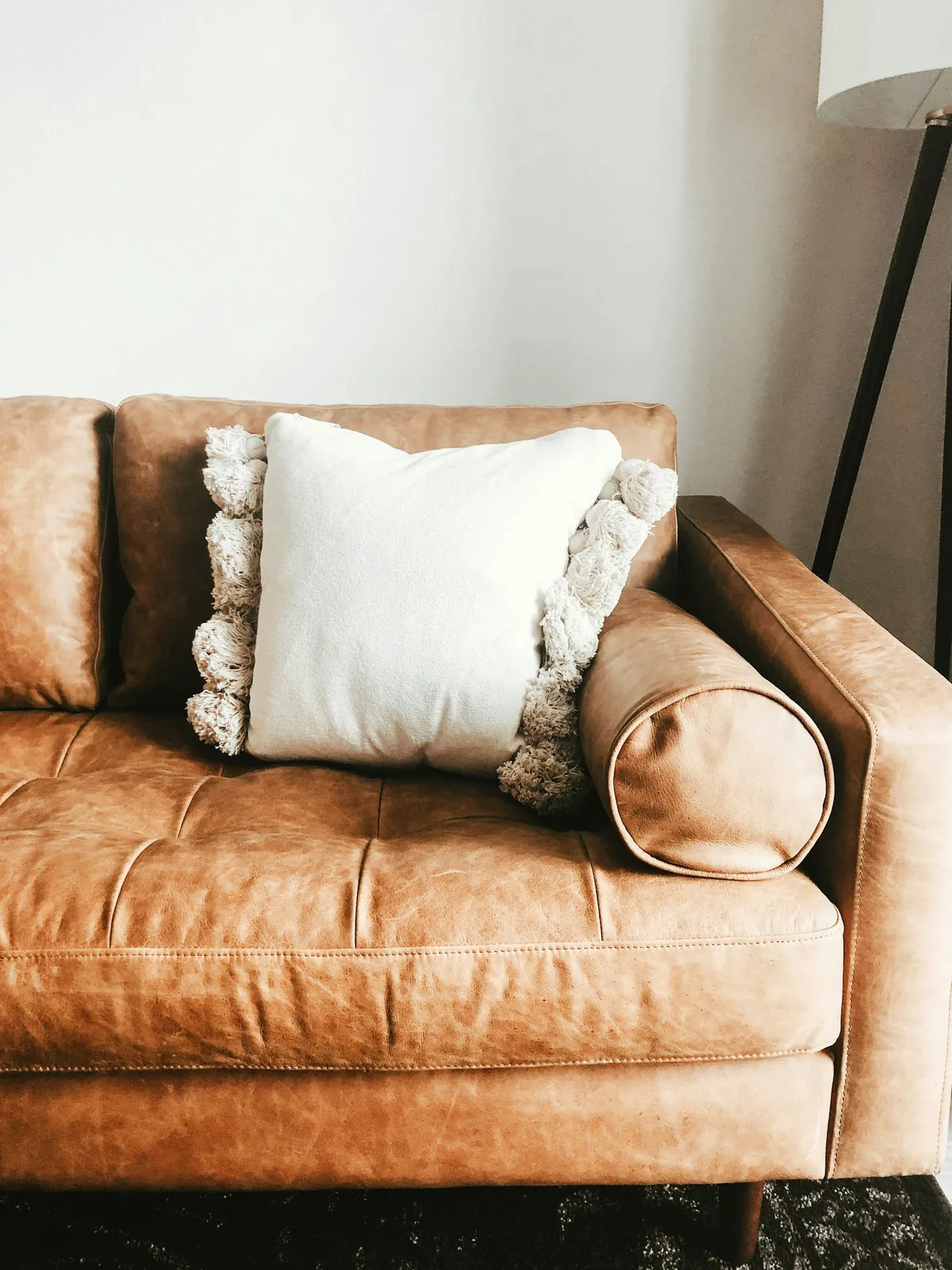
Cushions in the drapery cloth
Pillows and bolsters made in the same fabric as the drapes, through our fabric decor work.
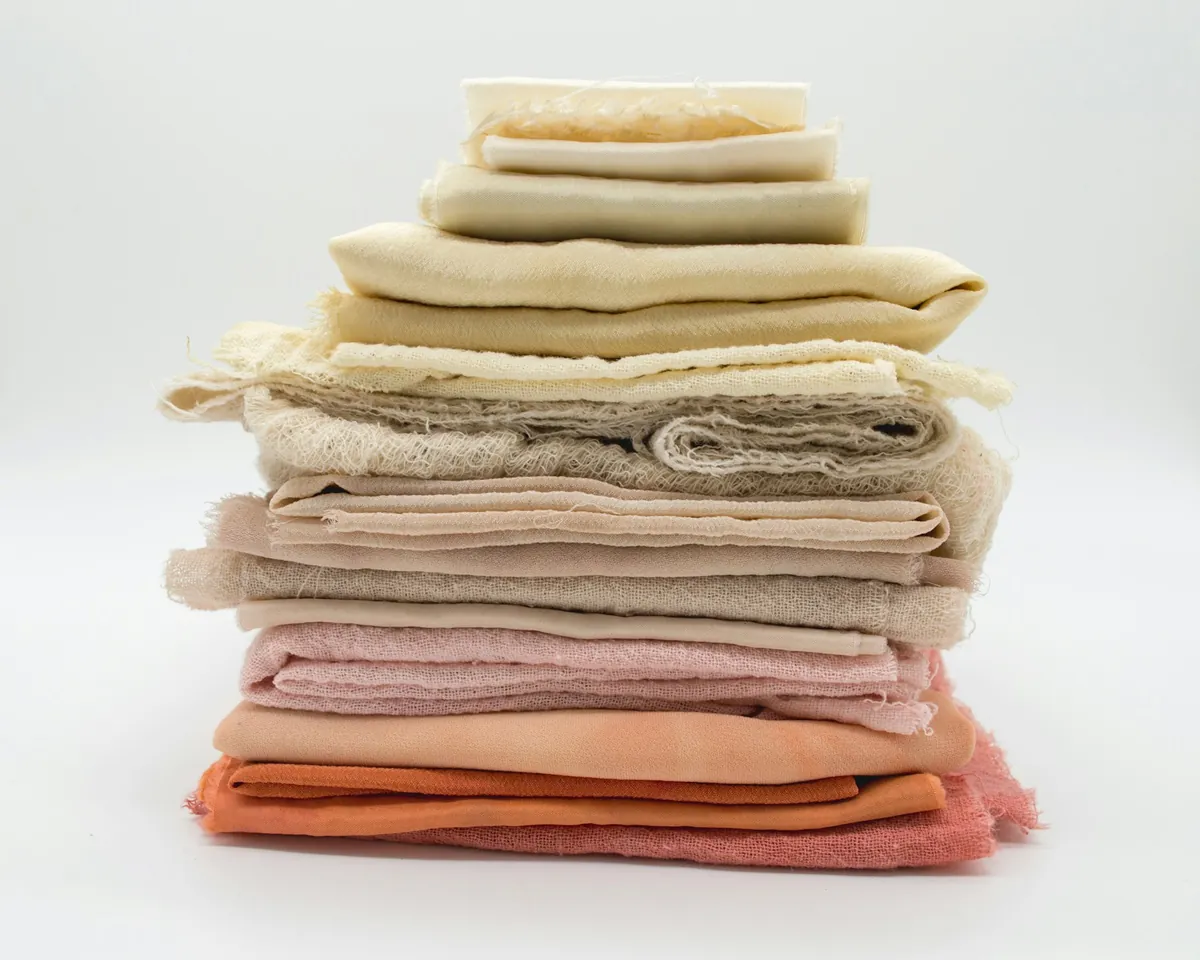
Fabrics to choose from
A range of weights, weaves and colours to handle at the Swansea showroom before you decide.
Custom Drapes in Pawtucket, RI: Getting the Length Right
On a short, wide window, a drape that is a little too short or a little too long hardly shows. On a tall, narrow sash, length is everything. The eye travels up and down the window, and the hem and the heading are the two lines it lands on.
Where the rod goes
Start at the top. A rod perched right on the casing chops a tall sash short and leaves a strip of empty plaster overhead. Lift it toward the ceiling, or tuck it beneath whatever moulding runs round the room, and the fabric draws one long, unbroken line that exaggerates the height already there. Oak Hill rooms with lofty ceilings almost always reward the lift. In a three-decker flat, the space above the window head is often slim, so the rod simply fills that gap.
Where the hem stops
Then the bottom. You can pick from a few finishes. Hovering a fraction above the boards keeps the hem out of dust and suits curtains pulled morning and evening. Kissing the floor gives a crisp, finished edge. Letting a little extra cloth break onto the boards softens the look for a parlour where the panels mostly stand still. Stopping at the sill makes sense over a radiator, a desk or a kitchen counter.
Floors that are not level
Old houses settle, and a parlour floor can slope enough that a run of identical panels ends up brushing the boards at one end of the room and hovering high at the other. Cutting every panel to one length guarantees that problem. Taking a separate drop for every opening, sometimes left and right edge both, avoids it, so the hems read as one level line across the room.
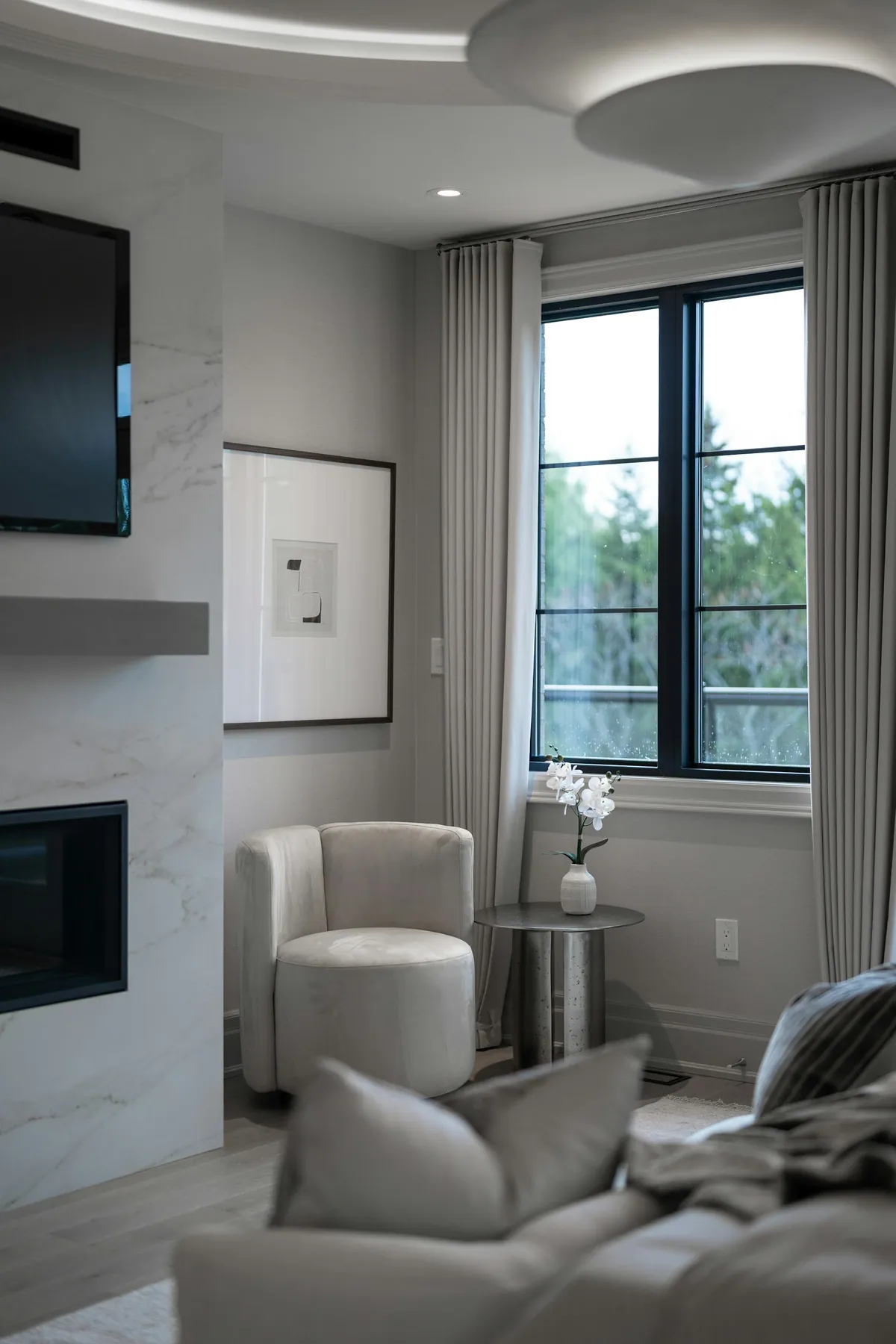
Proportion on a Narrow Window
A narrow window gives a drape less room to work, both across the glass and on the wall beside it. That affects how many panels to use and how full they should be. It also changes the heading: a deep, formal pleat that looks right on a wide window can look bunched on a slim one, where a flatter, simpler heading lets the fabric fall more cleanly.
One panel or two
A pair of panels on a slim window can look crowded, especially when they are open and the two stacks squeeze the glass from both sides. A single panel drawn to one side often looks cleaner. It keeps one edge of the window crisp and puts all the fabric on the side where there is wall to receive it. Where a pair suits the room better, such as on either side of a fireplace or on a symmetrical front, slimmer panels in a lighter fabric keep the window from disappearing.
Fullness
Fullness, meaning how much cloth is gathered up to make a given closed width, is what gives drapery its richness. On a narrow window, a very full panel looks heavy and takes over the wall. A moderate fullness gives even, graceful folds and a slimmer stack. We set it to suit the window and the fabric you choose.
The rod beyond the frame
On a wide window, the rod runs well past the frame to give the stack somewhere to sit. On a narrow window between two other windows or between a window and a door, there may be little wall to spare. We look at the space on each side and size the rod so the open drapes clear as much glass as possible without running into the next window.
Privacy in Close-Set Houses
In Pawtucket’s close-set neighbourhoods, a side window can be only a short distance from the house next door, and a front window can sit close to the sidewalk. Rooms need cover during the day as well as at night.
Daytime
Leave a sheer closed over the glass from breakfast until dusk and the neighbours see a pale glow while the room keeps its daylight. Closer weaves hide more; airier voiles let more sun through. On a tall sash, that sheer is a long piece of featherweight cloth, so choose one with enough body to fall plumb rather than twist in a draught.
Night
After dark, lamplight turns any sheer into a screen for silhouettes. A lined panel pulled across in the evening ends that. Both layers can share brackets on a twin rod, the light cloth nearest the glass.
Side windows
Where a side sash looks straight across at the house next door, many households simply keep it veiled permanently, or hang one lined curtain they can pull halfway. A landing or stair window often needs nothing more than a fixed sheer.
Oak Hill and Quality Hill Victorians
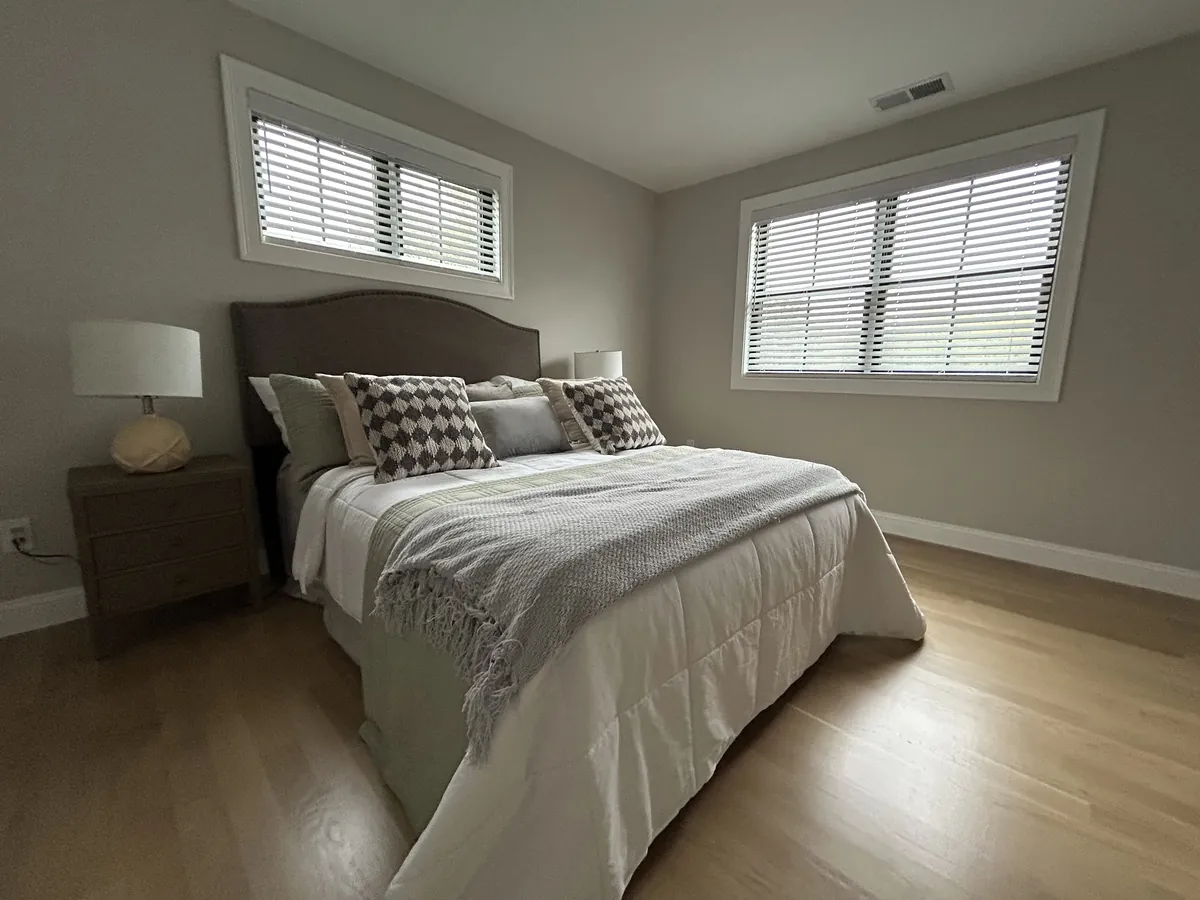
The Victorians on Oak Hill and Quality Hill have high ceilings, tall sash and often generous trim. Their main rooms can carry richer drapery than most houses. Tall sash in a big room gives fabric space to show off its colour and its folds, so this is where a bolder choice of cloth tends to pay off, and where lining earns its place by keeping a long panel hanging straight.
Parlours and dining rooms here can take weight: velvet, damask or a dense woven cloth, lined, hung tall. Above a window that stops well short of a lofty ceiling, a pelmet or a swagged top bridges the gap in period style. Keep a sheer behind on any street side. Since the casings are often handsome, the rod sits over them and extends as far as the neighbouring wall permits, so the gathered fabric flanks the woodwork instead of hiding it.
Upstairs, sleeping rooms usually have the same lofty sash. Blacking them out takes a panel that runs high-to-floor, closes edge to edge and turns the corner back to the wall at each bracket so no glow slips round the sides.
Halls and stair landings in these houses often hold one more tall sash, sometimes with coloured or patterned glass in the upper part. Covering that glass would be a shame, so a landing window frequently gets a pair of slim, fixed panels that frame it and never move, or nothing at all on the top sash and a light curtain across the lower one. Because a landing is seen from the hall below and the floor above, the cloth should look right from both, and the rod should be placed where nobody has to lean over a banister to reach it.
Where a Victorian has interior shutters or wants them, side panels can frame the shutters for a softer look. Our plantation shutters in Pawtucket page explains that side.
Three-Deckers off Broadway
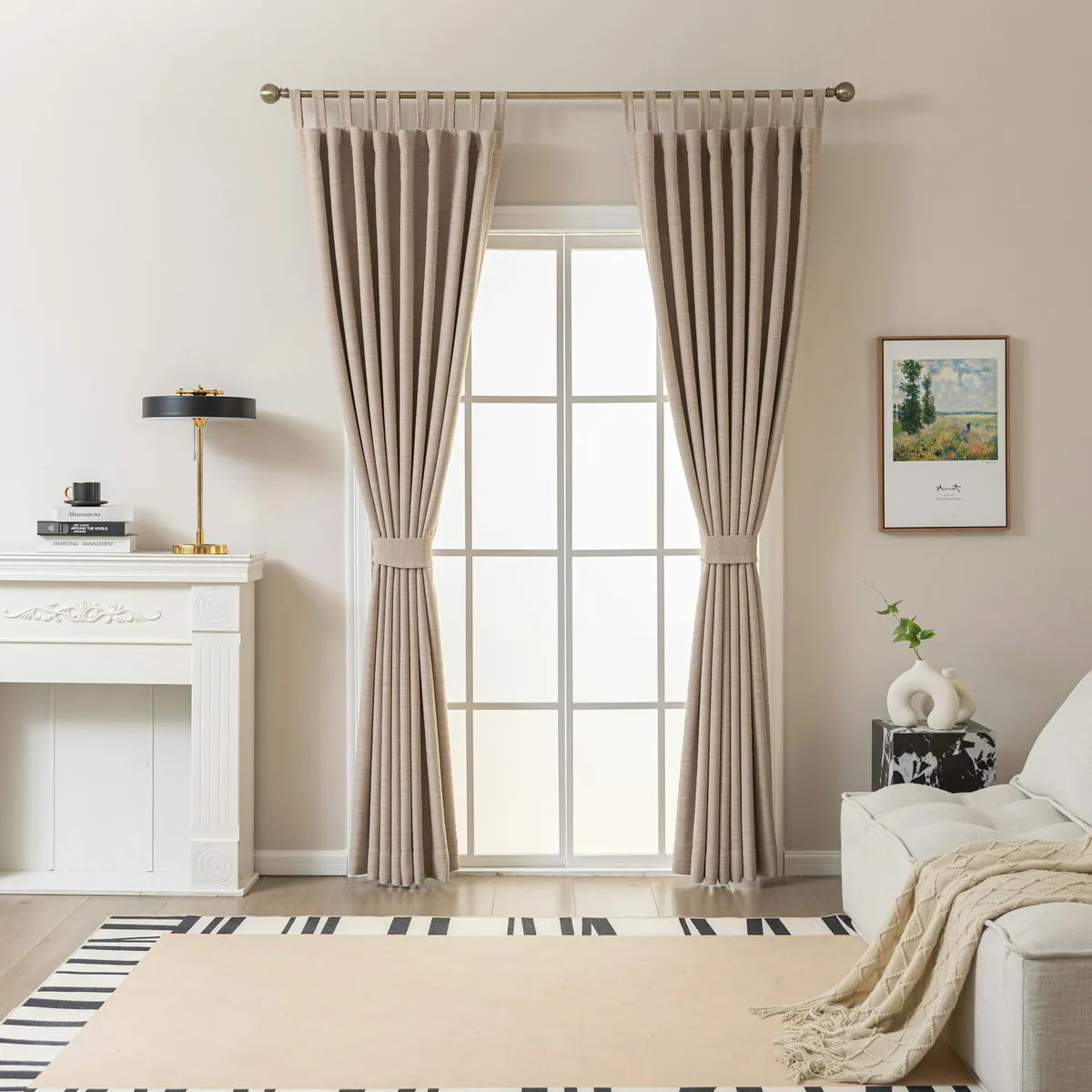
Off Broadway, the mill-era three-deckers repeat the slim double-hung sash on all three storeys, with neighbours a few strides away on either side. Every level is a separate flat, so one building can need three quite different sets of curtains.
Front rooms
A flat’s living room generally looks onto the street or its own porch. Here a full-height sheer paired with a lined curtain covers both day and night. With ceilings lower than up on the hill, floor-length fabric does a lot to make the room feel taller.
The kitchen at the back
Back kitchens usually face a rear porch or the next building. Pick a cloth you can throw in the wash, hang it well away from the burners, and consider a half-height curtain across the lower sash: the porch cannot see in, yet light still pours through the top.
Easy operation
Curtains in a busy apartment get used constantly. A heading that slides freely, such as rings or grommets, and a fabric that does not show every crease make daily life easier. In a small room, a single panel drawn to one side takes up less space than a pair.
Radiators under the sill
Mill-era flats very often have a radiator tucked beneath each window. A floor-length curtain hung in front of one traps warm air against the cold glass, which wastes heat and can scorch or discolour the fabric over time. Two answers work well. One is curtains that stop at the sill, a tidy length in a kitchen or a bedroom. The other is long panels mounted wide enough that, once opened, they sit beside the radiator rather than over it, and are closed only at night when the room has warmed. We look at the heating at every window during the measuring visit and plan around it.
Choosing Your Fabric
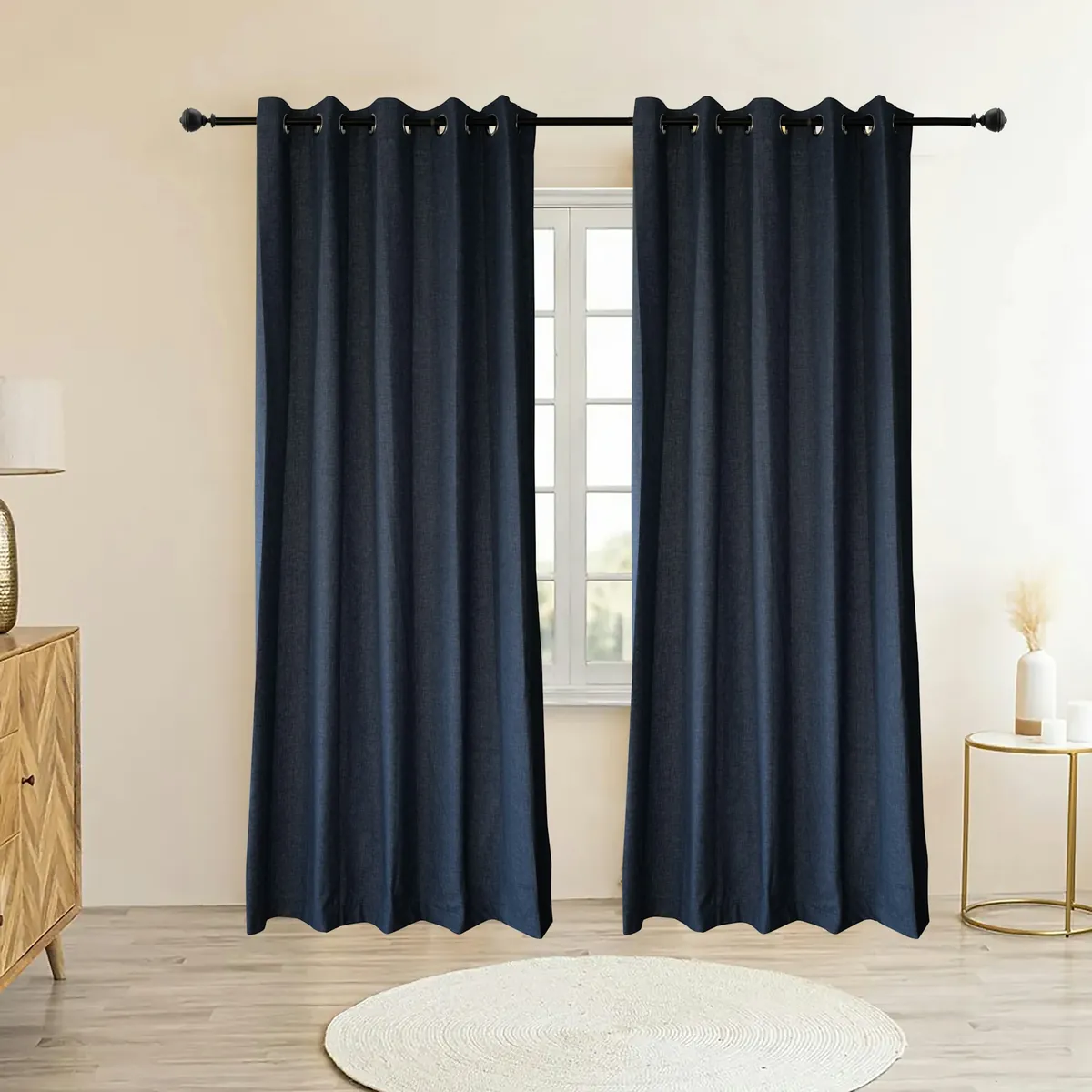
Every drape we make starts with the cloth. For custom drapes in Pawtucket, RI, some general guidance:
- Long, light sheers that hang straight for daytime privacy on tall windows
- Medium-weight linens and cottons for everyday living rooms and bedrooms
- Velvets and heavier weaves for Victorian parlours and dining rooms
- Smaller patterns and plaids, which suit the narrow width of a single panel
- Washable fabrics for kitchens and busy rooms
Colour behaves differently on a narrow window, too. A tall strip of strong colour reads as a stripe on the wall, which can be handsome in a parlour and a little overpowering in a small bedroom. Softer tones let a slim panel blend with the wall and make the room feel wider. Patterns with a vertical lean, such as a stripe or a trailing print, stretch the window further, while a small check or a texture stays quiet. Seeing a length of the cloth hanging, rather than a small swatch, makes this much easier to judge, which is one reason the showroom is worth a visit.
Lining is the other half of the choice. It gives the drape weight and an even fall, which matters on a long drop, protects the face fabric from the sun and can make a room darker or warmer. In the showroom, you can compare lined and unlined panels side by side.
Your Order, Step by Step
- Ring the Swansea store through the call button, or fill in the form, and we set up your free quote.
- On the measuring visit to your home, our specialist records each sash, the drop from rod height to floor, the ceiling and the free wall either side.
- Together we settle hem style, panel count and the privacy layers each room needs.
- Fabrics and linings get chosen, ideally with the cloth in your hands at the showroom.
- A written quote follows, itemised by window.
- Everything is made to the figures taken in your rooms.
- Installers fit the rods, hang the panels, dress the folds and level the hems.
You hear from us at every stage, and the job is not closed until you are happy with it.
Looking after long curtains
Tall panels collect dust in their folds, and sheers near a busy street show it soonest. Run a soft brush attachment down them now and then, heading first. Most sheers can come down for a gentle wash; lined drapery is better handled by a professional cleaner, since face and lining rarely shrink by the same amount. Ask us how to care for whatever cloth you pick, and if a hem slips after the first season, the store that made your custom drapes in Pawtucket, RI will put it right.
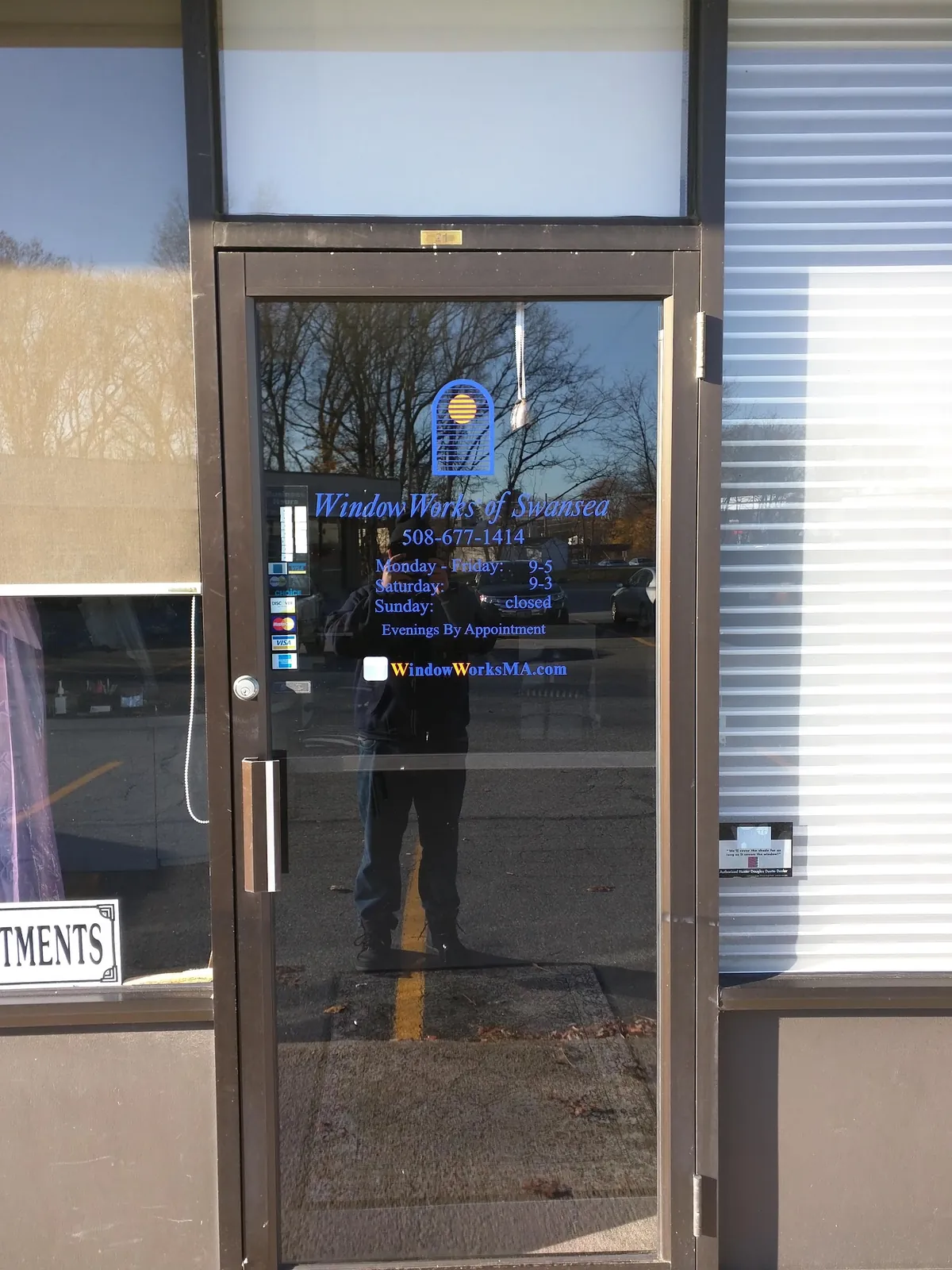
The Window Works Way
Curtains and drapery have been what this Swansea store does best since it opened in 1988. The family is now in its second generation behind the counter, and in more than 37 years the work has reached houses all through the SouthCoast and over into Rhode Island’s East Bay.
Pawtucket jobs are measured, ordered and installed by the same small group of window treatment specialists, who keep you posted throughout. What we sell comes with warranties, and the fabric range waits in the showroom for you to handle.
Our Pawtucket window treatments page lists every service we offer the city.
Questions from Pawtucket
What length suits slim double-hung sash?
Generally the full wall: rod raised toward the ceiling, fabric reaching the boards. Whether the hem hovers, kisses the floor or breaks onto it depends on how often you pull the panels.
Should a skinny window get one curtain or two?
One, drawn aside, usually looks cleaner and leaves more glass clear. Use a slimmer pair where the wall is symmetrical, such as either side of a fireplace.
The next house is very close. How do I keep the room private by day?
Leave a sheer closed through daylight hours and add a lined layer for evenings. Windows that face a neighbour directly can stay veiled almost all the time.
Our parlour floor slopes. Will the curtains look uneven?
No. Each opening gets its own drop measurement, so every hem finishes level with its neighbours.
Can you do curtains for every flat in a three-decker?
Yes. Each floor is measured and planned on its own, since the rooms and their uses differ from flat to flat.
Take the Next Step
Getting custom drapes in Pawtucket, RI under way takes one call. The call button reaches the Swansea store, where we can set up your free quote, book a time to measure your rooms and explain how installation works. The form does the same if you would rather write. Showroom directions sit on the contact page, the wider range is on our custom drapes page, and Google reviewers rate Window Works 5.0.