
Built Around the View
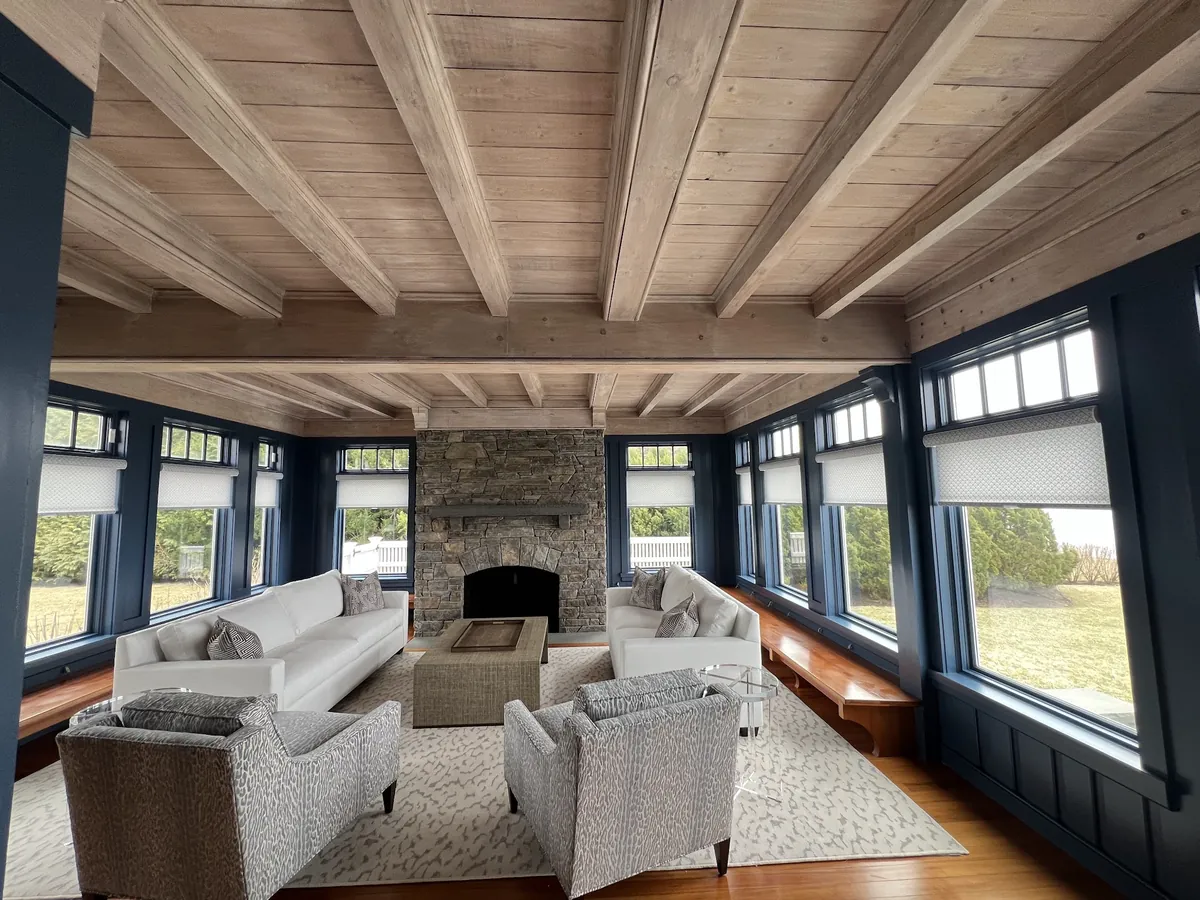
Roller shades in Westport, MA live with the coast. Toward Horseneck and along the Westport River, the larger, newer houses are laid out so their main rooms face the water, and in many of them the harbour side is more glass than wall. Inland along Main Road, the shingled capes and farmhouses are older and smaller-windowed, but the sea air reaches them too. Whichever end of town the house sits in, the sun off the water and the salt in the air shape what a window treatment has to do.
In a view-facing room, the treatment should almost disappear. A roller shade is well suited to that: rolled up, it is a slim line at the head of the window, and the view is untouched. Lowered, it can be a solar screen that cuts the glare and leaves the water visible, or a solid cloth that closes the room off completely for sleep.
- Solar screens for the harbour side, plain roller shades for the rest
- Blackout and light filtering cloths
- Measured at the house, hung by our own team
Shades for Coastal Westport Rooms
Screens for the water side
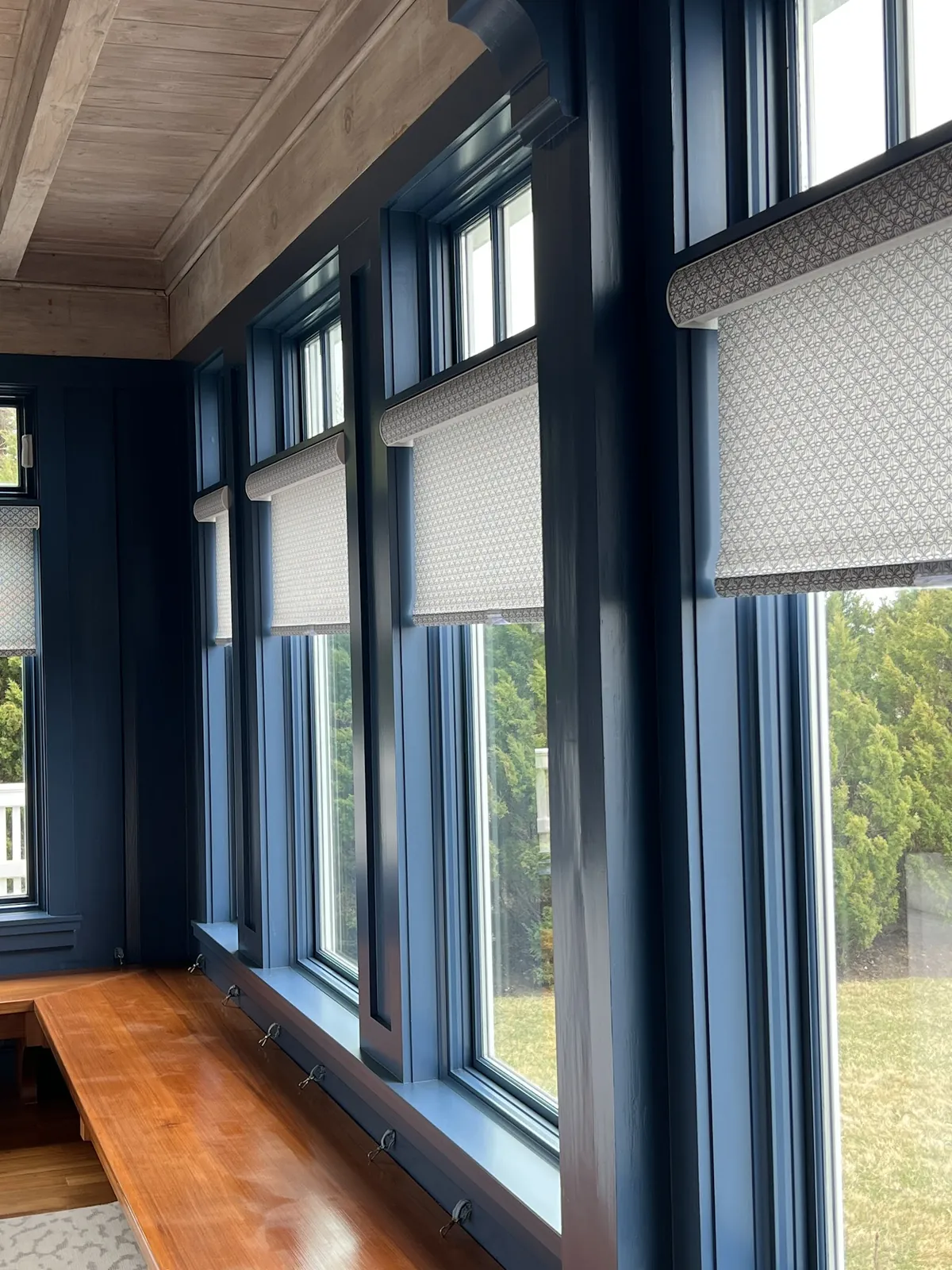
A woven screen that tames reflected glare while the harbour or the marsh stays in view.
Cloth for the cottage rooms
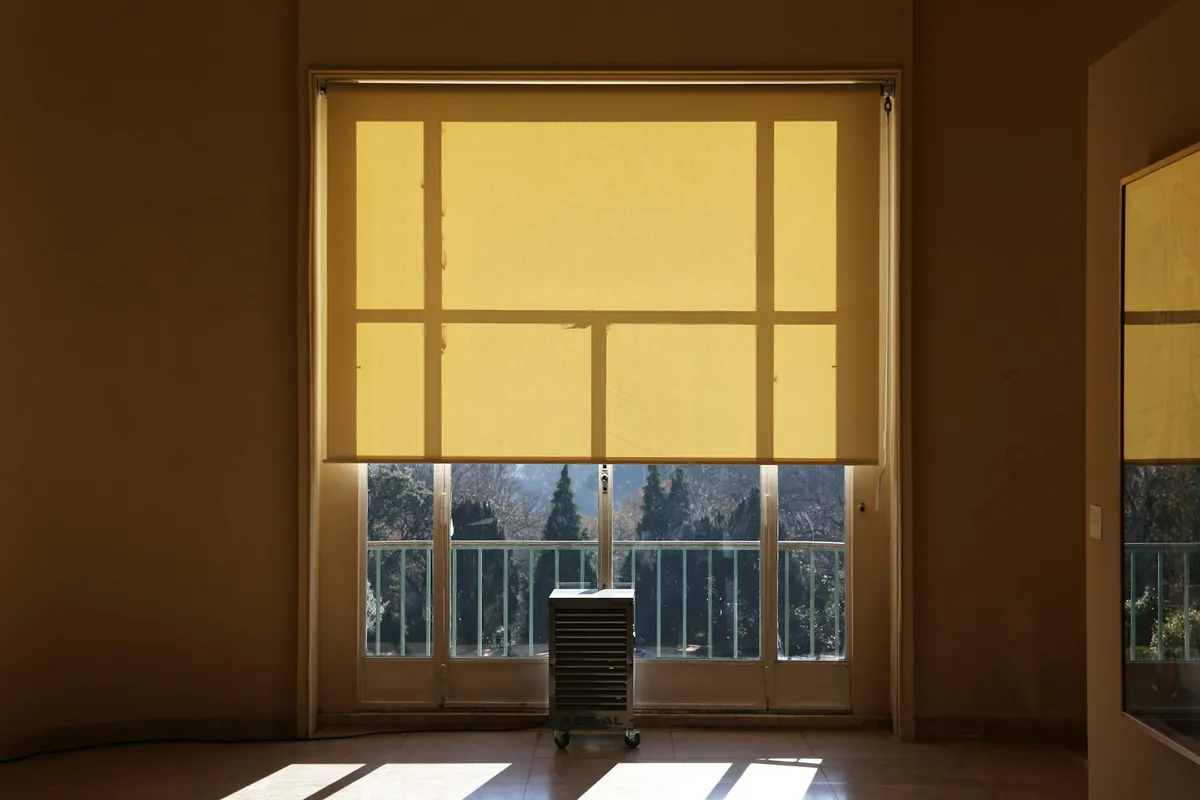
Light filtering fabric in plain or bolder colours for a cape’s front rooms and kitchen.
Dark for sleeping
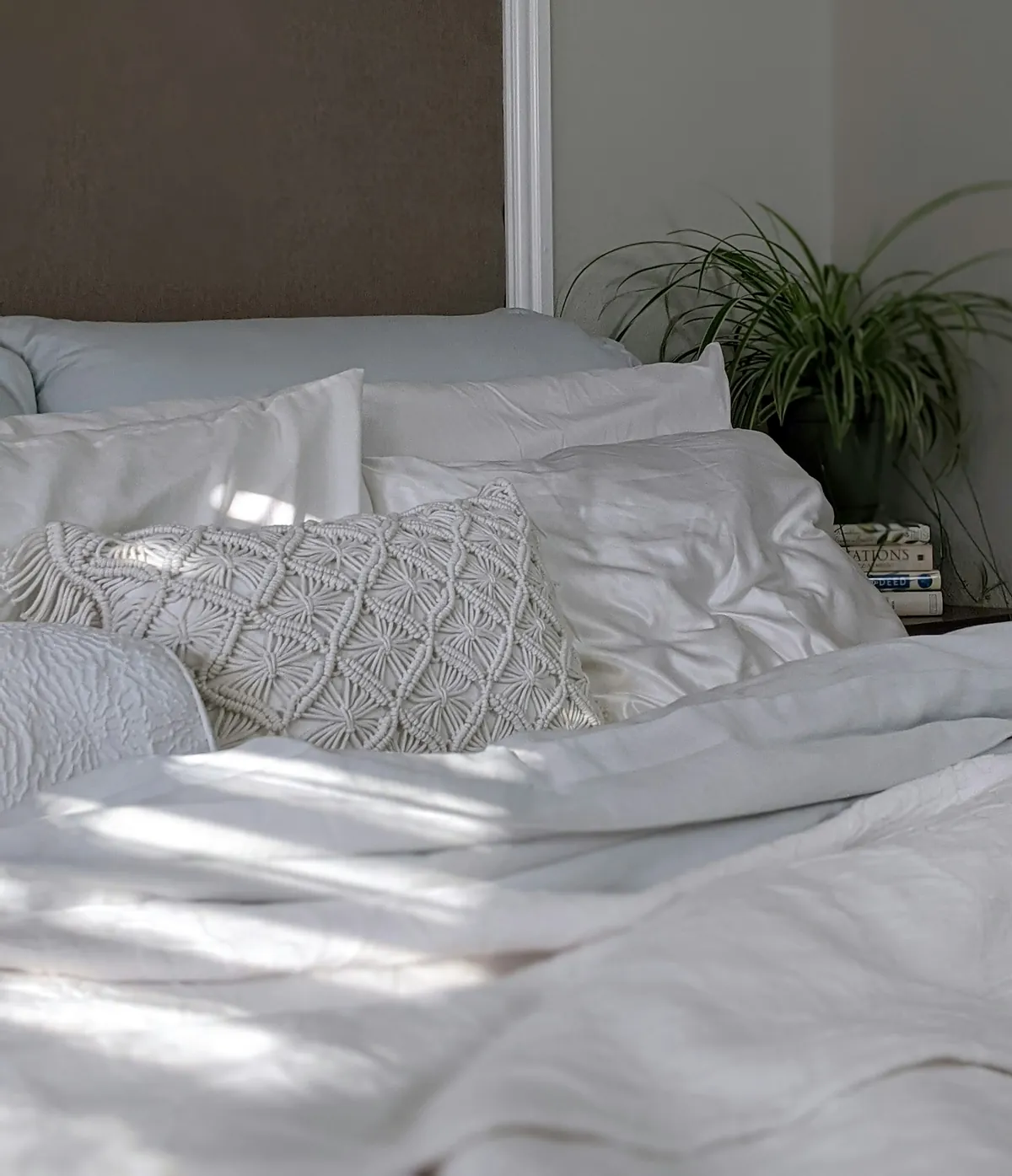
Blackout cloth for bedrooms that catch the sunrise over open water.
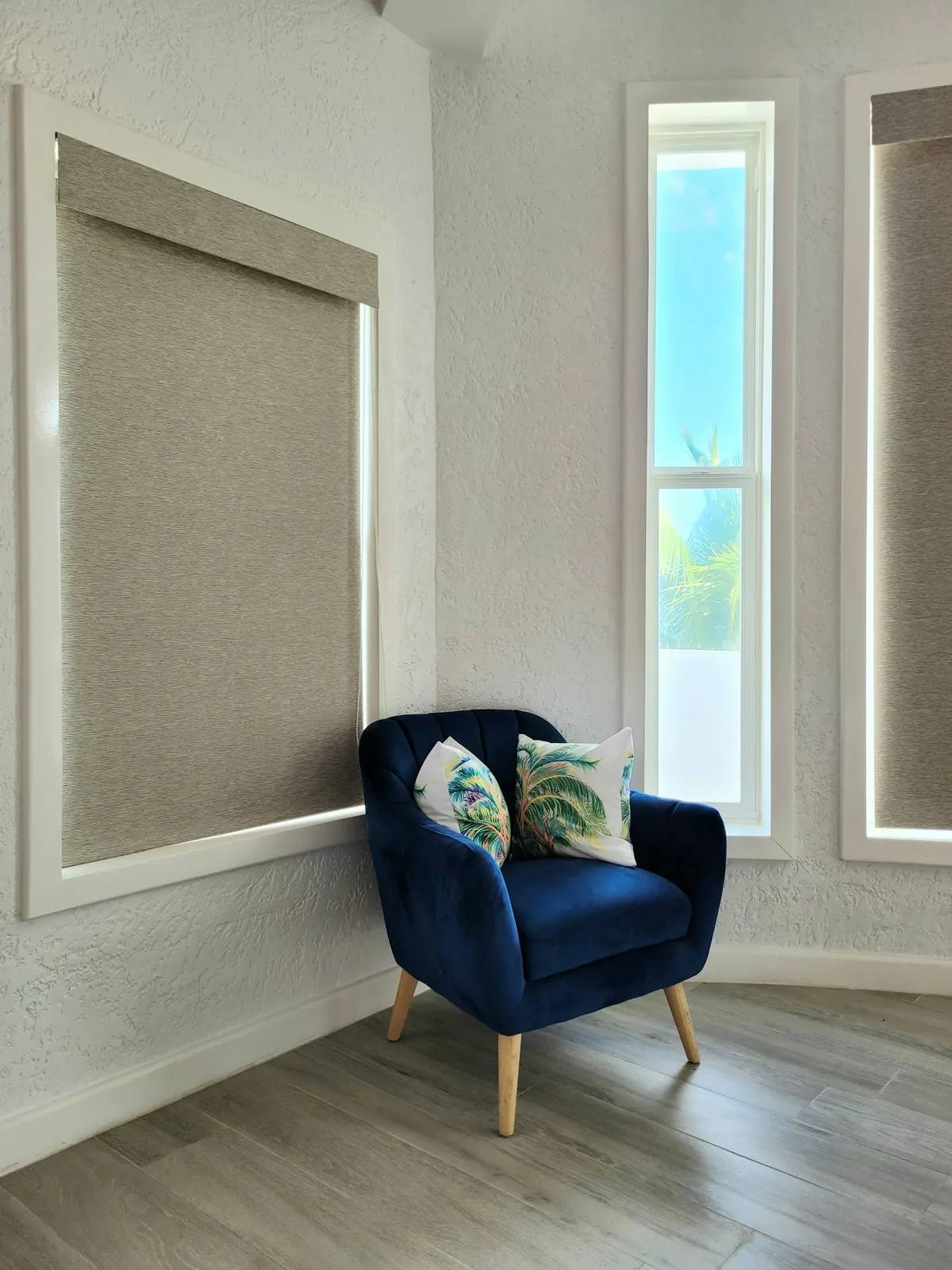
Wide glass, one touch
Motorised roller shades that lift from a remote or wall switch across a run of tall harbour windows.
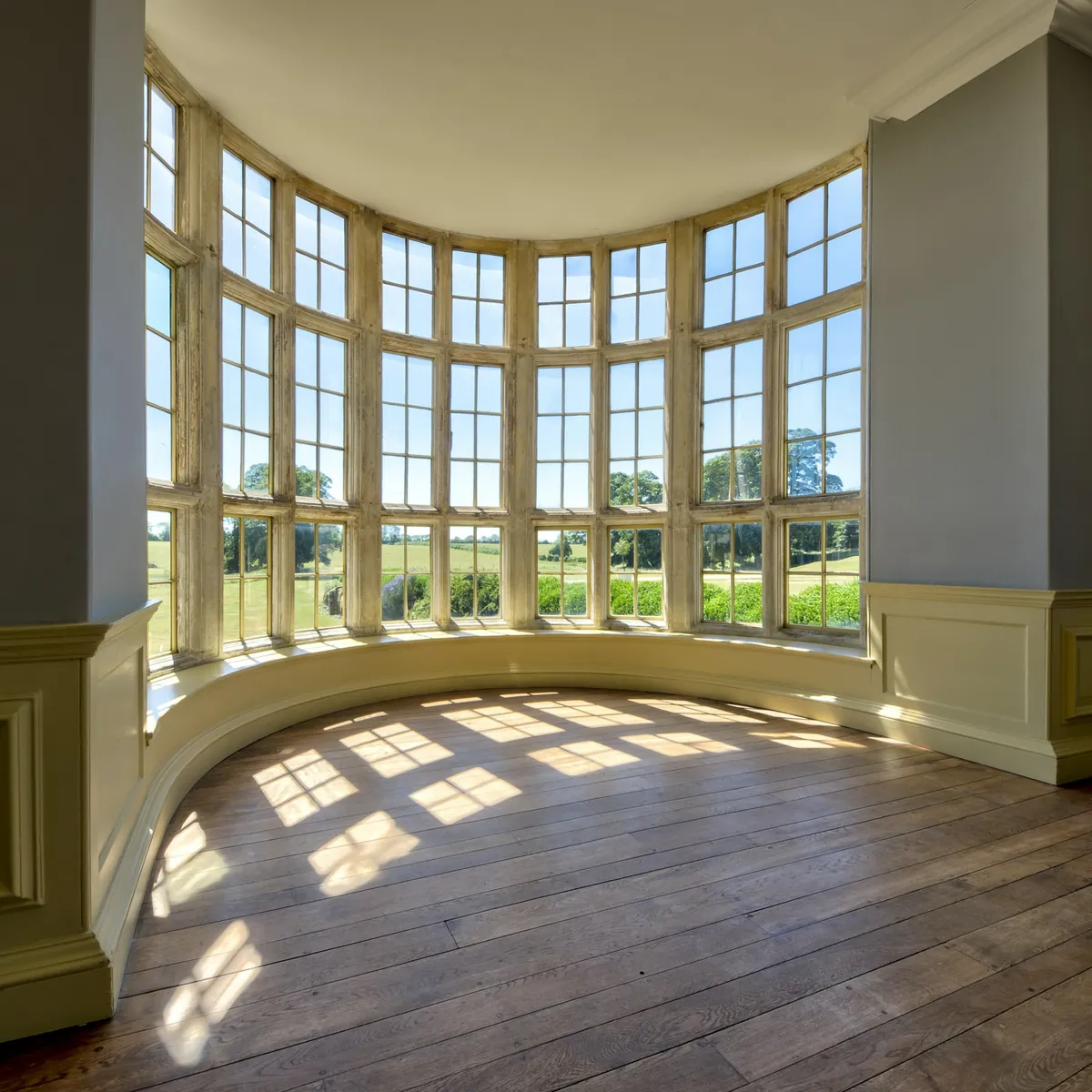
Shape of the window
Bays, corner windows and long runs of glass, each panel made to its own opening.
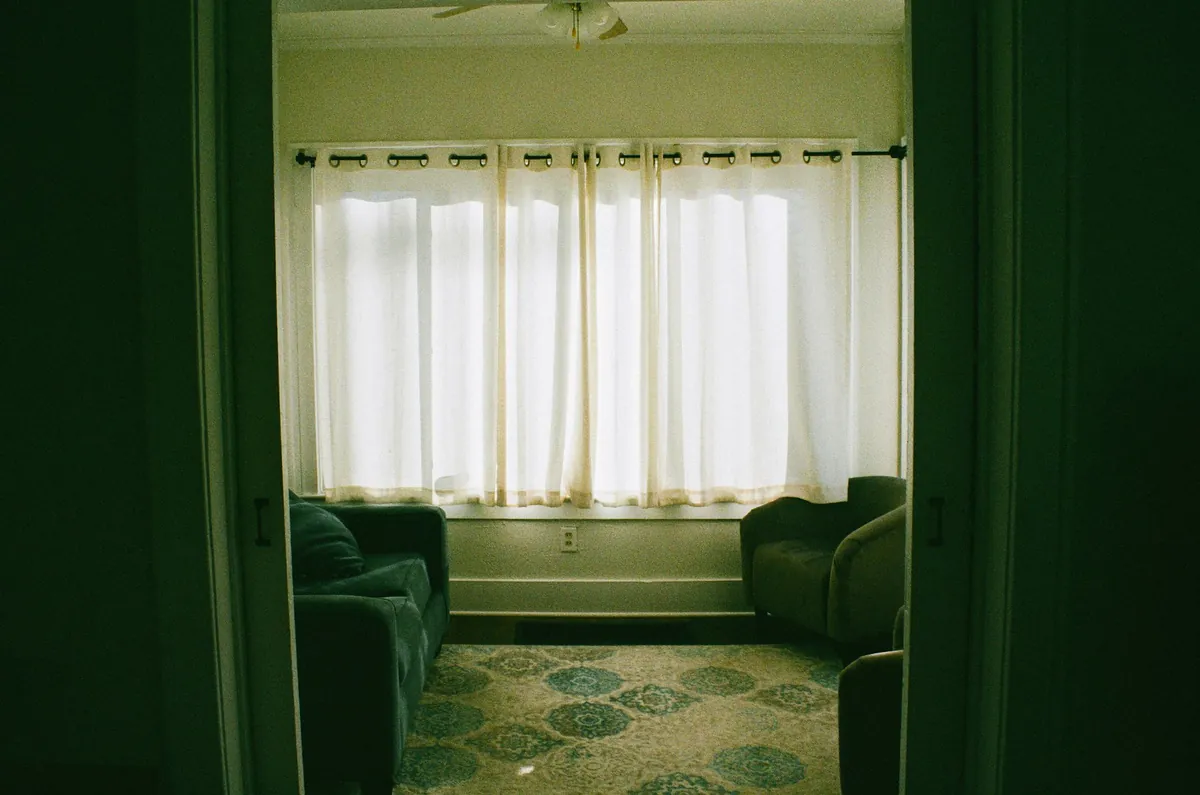
Softer layers
Sheers or drapes beside a shade, for a sitting room that wants softness at night.
Roller Shades in Westport, MA, Room by Room
Coastal houses here split broadly into two groups: the older shingled houses along Main Road, and the newer homes built toward the beaches and the river with the view in mind. The approach to each is different, so they are taken in turn.
Harbour-facing rooms toward Horseneck and the river
When a room is designed around the view, the windows are its main wall. Living rooms, kitchens and main bedrooms in these houses often have long runs of glass, sometimes from floor to ceiling, facing the water. On a clear afternoon the light comes from two directions at once: straight down from the sky and bounced up off the water. That reflected glare is what makes a waterside room uncomfortable, and it is what a solar screen is built to deal with.
A solar screen is a woven fabric with tiny gaps between the threads. Lowered, it acts a little like sunglasses for the room. You can still see the boats, the marsh and the far shore, but the brightness is brought down to a level you can live with. The key decision is openness. A looser weave keeps more of the view and lets more daylight in. A closer weave cuts more glare and makes it harder to see into the room from the water or the beach path. For a room where the view is everything, many people choose the most open weave that still makes the afternoon comfortable.
The screen’s colour also matters. Darker screens usually give a sharper view out, because the fabric itself reflects less light. Lighter screens blend into white trim and pale walls and look softer from inside. We bring samples in several colours and weaves, so you can hold them against your own glass when the sun is on the water.
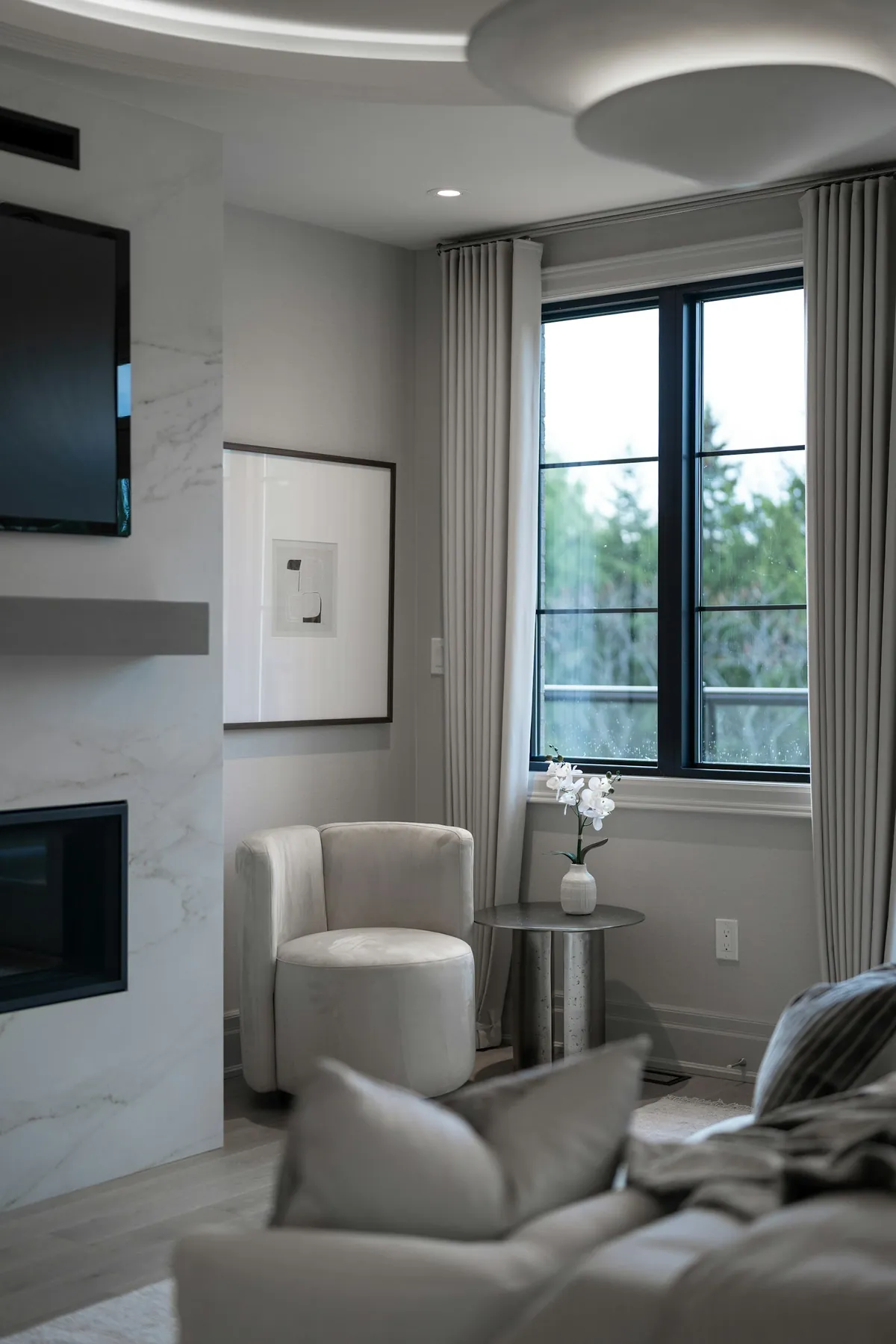
Shingled capes and farmhouses along Main Road
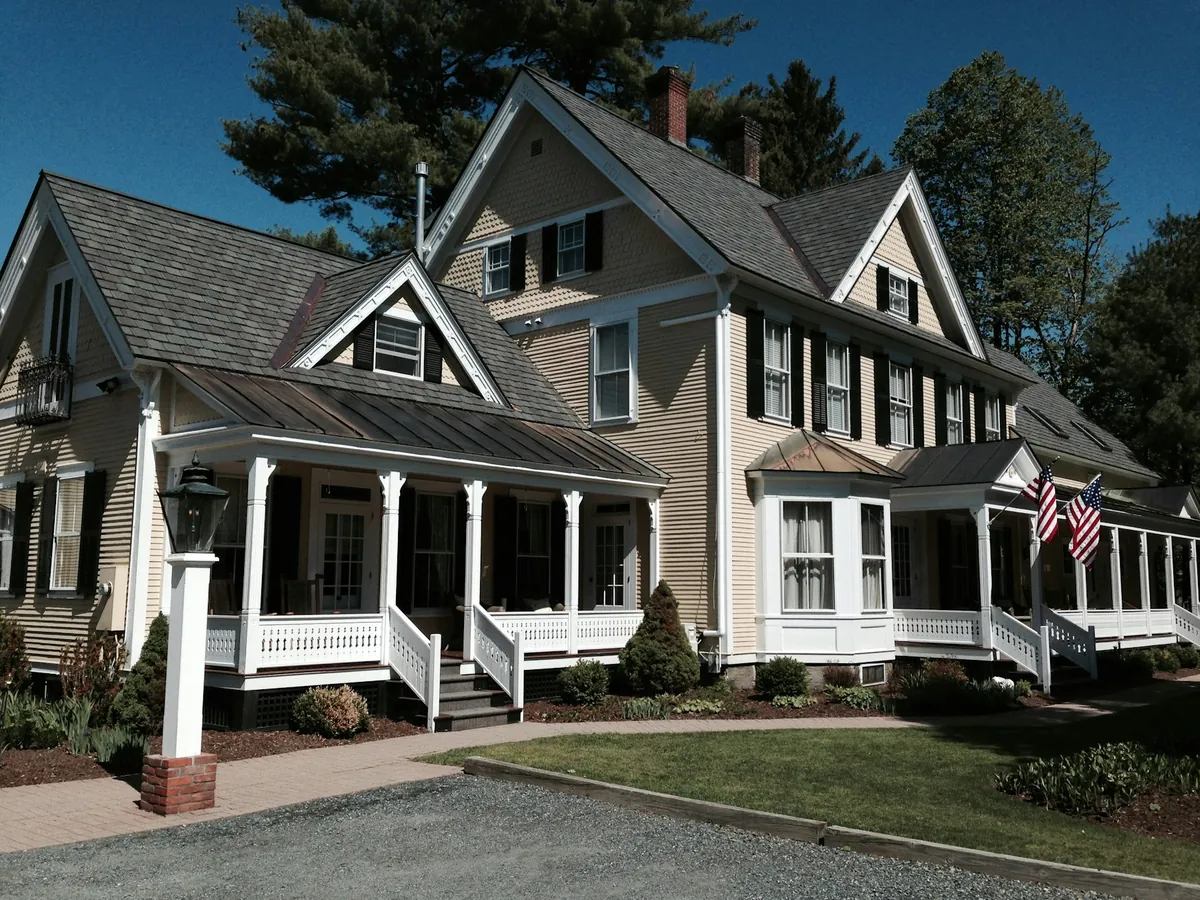
The older houses along Main Road are a quieter job. Their windows are smaller and more traditional, often double-hung, set into shingled walls that have weathered for generations. Many still have their original trim inside, and the rooms are cosy rather than grand.
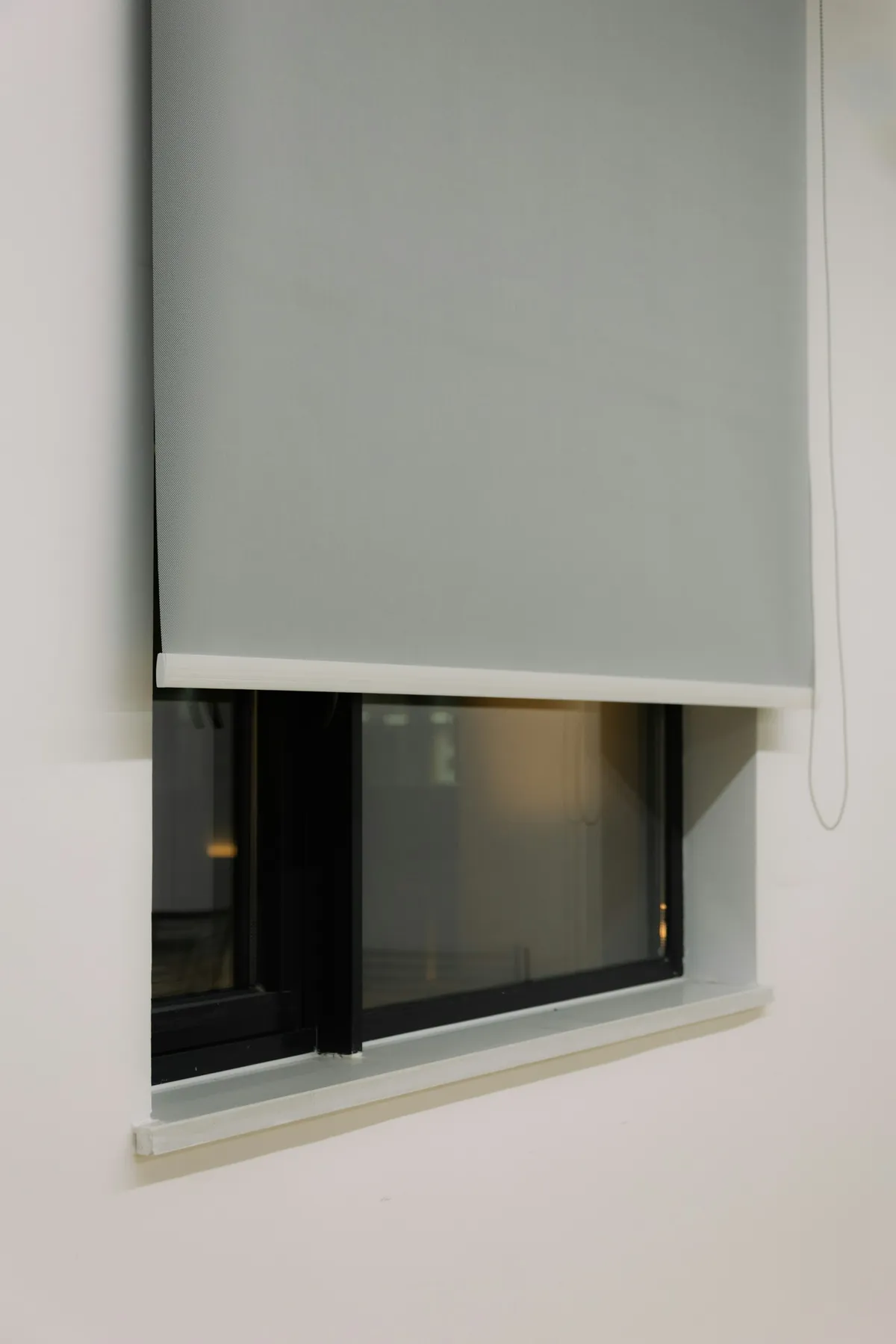
A light filtering roller shade suits these rooms well. It softens the daylight and blocks the view from the road, and when it is raised it rolls up neatly at the head of the frame, leaving the old woodwork in plain sight. In a cape, the upstairs bedrooms tucked under the roof often take blackout cloth, since a dormer facing east can bring the morning light in very early.
Old frames are rarely square, and the depth of the recess can change from one window to the next. We measure each window on its own and decide between an inside mount, which keeps the trim visible, and an outside mount, which blocks more light at the edges and suits shallow frames.
The farmhouse kitchens along Main Road deserve a word of their own. They tend to be the busiest room in the house, with a window over the sink and often another beside a back door. A light filtering cloth that wipes clean handles steam and splashes, and setting the shade inside the frame keeps it clear of the tap. If the kitchen faces the afternoon sun, a screen there instead keeps the glare off the counter while you can still see the yard. Where the back door has a window of its own, a slim shade fixed to the door itself can match the one over the sink.
What salt air means for a shade
Salt air leaves a fine film on everything near the coast, inside as well as out, especially in rooms where windows are opened through the summer. Over time, that film collects dust and can dull a fabric’s colour.
It helps to choose a fabric that is easy to keep clean. Many roller fabrics and screens can be brushed down or wiped gently with a damp cloth, which takes the salt haze off without fuss. During the quote, we talk about which of the fabrics we show are simplest to look after in a waterside room, and which are better kept for rooms further from the water. A screen or cloth in a mid-tone also tends to show the haze less than a very dark or very bright one.
Sun is the other half of coastal exposure. A room facing the water can take strong light for many hours. Lowering a solar screen during the brightest part of the day takes the glare off the room and protects the people sitting in it from squinting at the sea.
Planning a View-First Room
Getting a waterfront room right is mostly about thinking through how you use it across a day and an evening.
By day
In daylight, a solar screen is usually all a harbour room needs. With the screen down, the room stays bright, the view stays in sight, and the glare is under control. Many people leave screens lowered through the afternoon and raise them in the morning and evening when the light is softer.
After dark
Once the sun goes down and the lamps go on, a solar screen gives very little privacy. On a quiet stretch of shore that may not matter. In a house near the beach road or a busy part of the river, it often does. The answer is a second layer: a light filtering or blackout shade behind the screen, or drapes or sheers that draw across in the evening. Because Window Works makes drapes and shades, both can be measured and chosen together, and the drapes page for the town has more.
Wide runs of glass
Long walls of glass are usually best covered by several shades rather than one. Each section then raises on its own, so you can lower the screen only where the sun is hitting and leave the rest open. It also keeps each shade a comfortable size. We line the joins up with the window frames, so the run looks clean when everything is lowered.
Where the glass is tall or hard to reach, or where a row of shades would mean a lot of raising and lowering every afternoon, motorised roller shades are worth considering. They work from a remote or a wall switch.
Porches, sunrooms and the room between
Many coastal houses have a sunroom or an enclosed porch somewhere on the water side, a room that is glass on three walls and gets light from morning to evening. These rooms are lovely in the shoulder seasons and hard to use on a bright summer afternoon. Matching screens on every window give the room one calm look, and each shade can be lowered on its own as the sun moves round from one wall to the next.
In a porch, the fabric is often chosen one step more open than in the main house, because the room is about being nearly outdoors. Where the porch also serves as a summer sleeping room or a spare room for guests, a blackout cloth behind the screen on one or two windows gives it a second use. The frames in a porch are often slim and close together, so we look carefully at how the shades will sit side by side and where the brackets can go.
Older porches that were enclosed later can have frames of different ages and depths on the same wall. Each one is measured separately, and the shades are set so the rolls and hems line up even when the frames do not. It is the kind of detail that makes roller shades in Westport, MA look as though they were planned with the house, rather than added afterwards.
Corners and bays
Some of the newer houses have corner windows or bays that wrap around to catch more of the view. Each face of a bay gets its own shade, made to that panel, so they meet neatly at the corners. A bay seat or a radiator below the glass is measured too, so the hems stop where they should. In a corner window, we set the two shades so the rolls line up and the hems meet at the same height.
How Your Westport Order Runs
You hear from the store at each stage, so you always know where things stand.
- A call or a note through the form starts it: say which rooms face the water and which bother you, and we fix a time for a free quote.
- On the visit, a specialist takes every opening’s measurements and notes its frame depth, the hardware around it and which way it looks.
- Screens and cloths get tested against your glass in your light, or you browse the whole collection at the Swansea showroom.
- A written quote follows, itemised window by window.
- Each shade is built to the visit’s figures.
- Fitting day: our installers put every shade up, cycle it to be sure it rolls square, and hand over with a short demonstration.
Choosing colour by the sea
Coastal interiors tend toward light, natural colours: white trim, pale walls, weathered wood and the blues and greys of the water. Shades in soft whites, sand and driftwood tones usually sit comfortably in them. For a screen, a slightly darker colour can give a clearer view out without looking heavy, especially when it echoes a dark window frame. The outward face of the shade is seen from the water and the road, so it is worth choosing something that suits the shingles or clapboard as well.

A mix of fabrics across one house
Few Westport houses use one fabric throughout. A common pattern is solar screen on the water side, light filtering cloth on the road side and in the kitchen, and blackout in the bedrooms. If the shades facing the road share a colour, the front of the house looks tidy, whatever is going on behind. Roller shades in Westport, MA tend to be planned for the whole house in this way, even when the first order covers only the brightest rooms.
Keeping shades fresh
Near the sea, a little routine goes a long way. Every few weeks in summer, draw a feather duster or a brush attachment down each lowered shade to clear the salt film before it builds. Screens rinse back to their colour with a barely damp sponge. Now and then, let each shade run fully up so the cloth settles flat on the tube. Shades you already own that have begun to sag or stick can often be put right, and there is a page on blind and shade repair in Westport.
Other treatments for the town
A roller shade will not suit every window. A cold bedroom might be better with a cellular shade, and a dining room might suit the soft folds of a Roman shade. Everything we make for the town is on the window treatments for Westport homes page, and the main roller shades page covers the full range of roller and solar fabrics.
A Family Store on the SouthCoast
Since 1988 Window Works has been run from Swansea by one family, today in its second generation. Over 37 years its specialists have worked their way along the SouthCoast and over into the East Bay, covering everything from weathered capes to new glass-fronted houses on the water.
- Specialists who have spent years on window treatments
- Openings measured where they are, at your house
- Our own installers on fitting day
- Contact kept up until the last shade works as it should
- Warranties available on the goods we sell
Screens, cloths and the Norman range are all on show at the Swansea showroom, ready to compare.
Questions from Westport
Will a solar screen spoil the view of the water?
No. The screen is woven with small gaps, so the view stays visible. A looser weave keeps more of it, and a closer weave controls more glare. We bring samples to try at your windows.
How do I keep shades clean in salt air?
A soft brush or a vacuum on a gentle setting lifts the haze, and most fabrics can be wiped with a damp cloth. We can point you to the easiest fabrics to care for near the water.
Do solar screens give privacy at night?
Not much. Once lamps are on inside, a screen becomes see-through from outside. A second shade or drapes give privacy after dark.
What suits the windows in an older Main Road cape?
A light filtering roller shade in the main rooms and blackout cloth in the bedrooms, each made to its own frame because older windows vary.
Is the quote really free?
Yes, quotes are free. Ring through on the call button or fill in the form with a word about the rooms, and the store will offer a measuring date.
Talk to the Store
Planning roller shades in Westport, MA starts with a free quote. Tap the call button to set one up, book a measuring date or ask how installation works, or leave the details in the form for a reply. Prefer to see the screens in person? Head over to the Swansea showroom; you will find directions on the contact page. Window Works holds a 5.0 rating on Google.