
Bays, Transoms and Windows That Have to Be Made
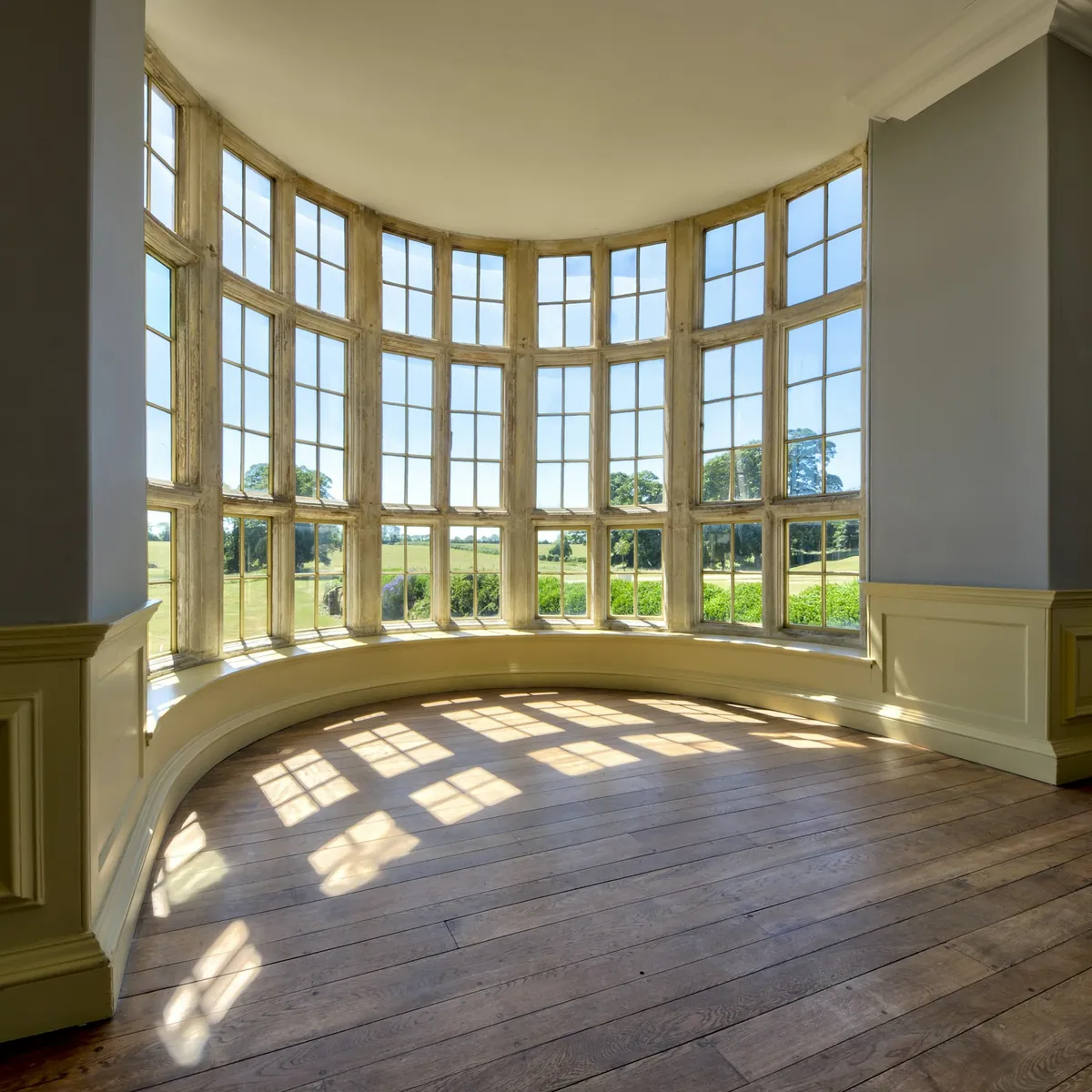
The older Victorians and colonials near downtown Attleboro and up on Oak Hill were built with bay windows and transoms, and neither comes in a stock size. A bay is three or more windows set at angles, each a slightly different width. A transom is a narrow band of glass over a door or a window. These are the openings where woven wood shades in Attleboro, MA have to be made rather than bought, and measured where they are.
Further out the houses change. The split-levels off Route 123 date from the 1960s, with windows on several levels, and the ranches in South Attleboro have broad living room windows and a row of bedrooms. A woven shade suits all of them, but each house asks for its own mount, weave and liner.
- Bamboo and woven wood, lined or unlined
- Measured at the house and fitted by our own installers
- Samples of every weave to handle in Swansea
Woven Shades Around an Attleboro House
One shade per bay window
Each section of a bay gets its own shade, made to its own width, so the bay can be lowered in part or all the way round.
The tall centre window
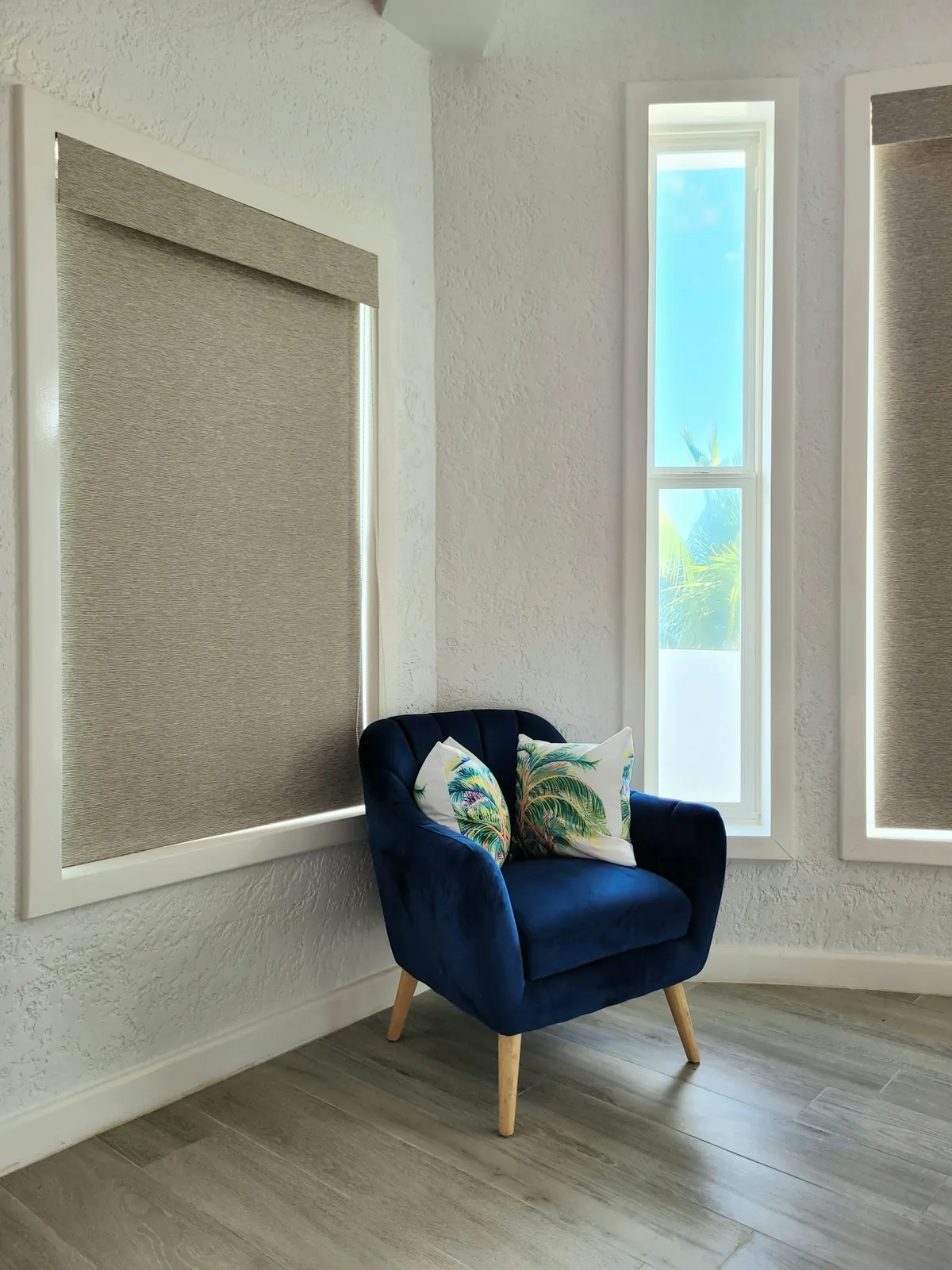
The widest pane in a Victorian bay suits a single length of weave from the head of the frame almost to the sill.
Over the transom
Transoms are often best left clear to let light in above the shade. Where one needs covering, we look at it on site.
Split-level windows
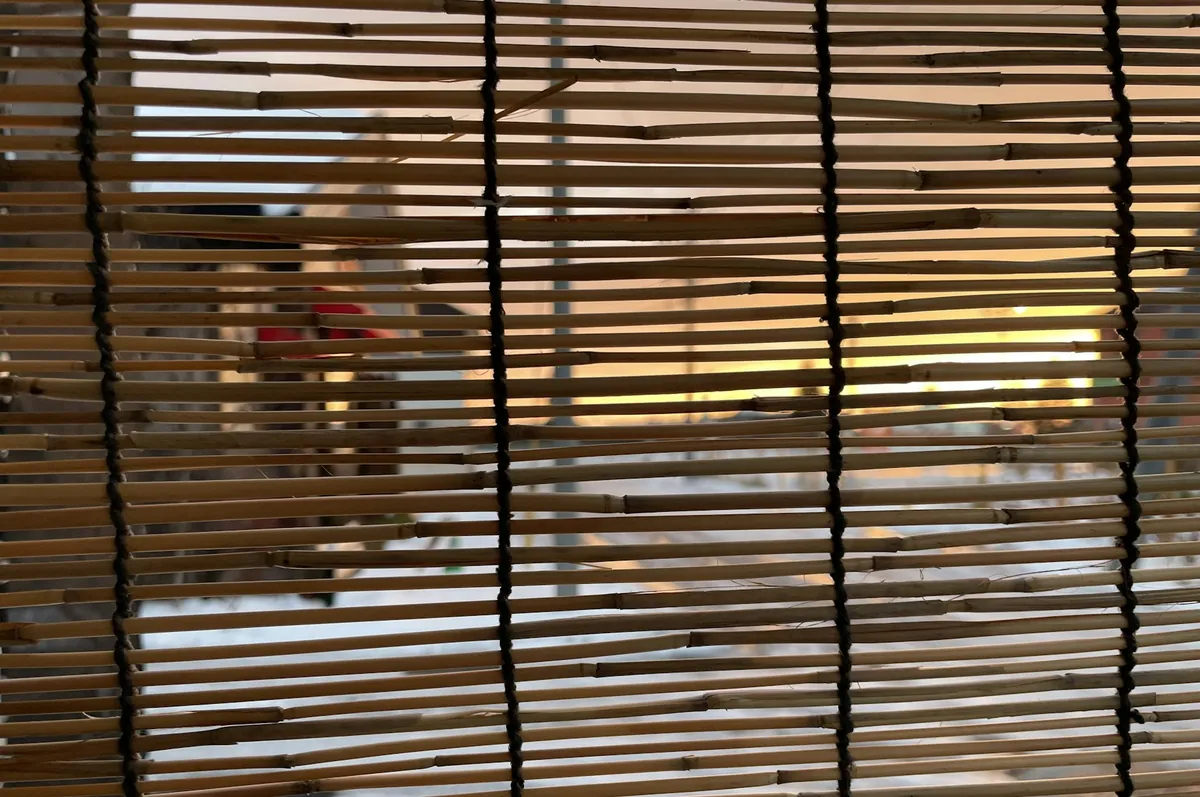
Windows on several levels, seen together from the street, look tidy in one weave and colour.
Ranch bedrooms
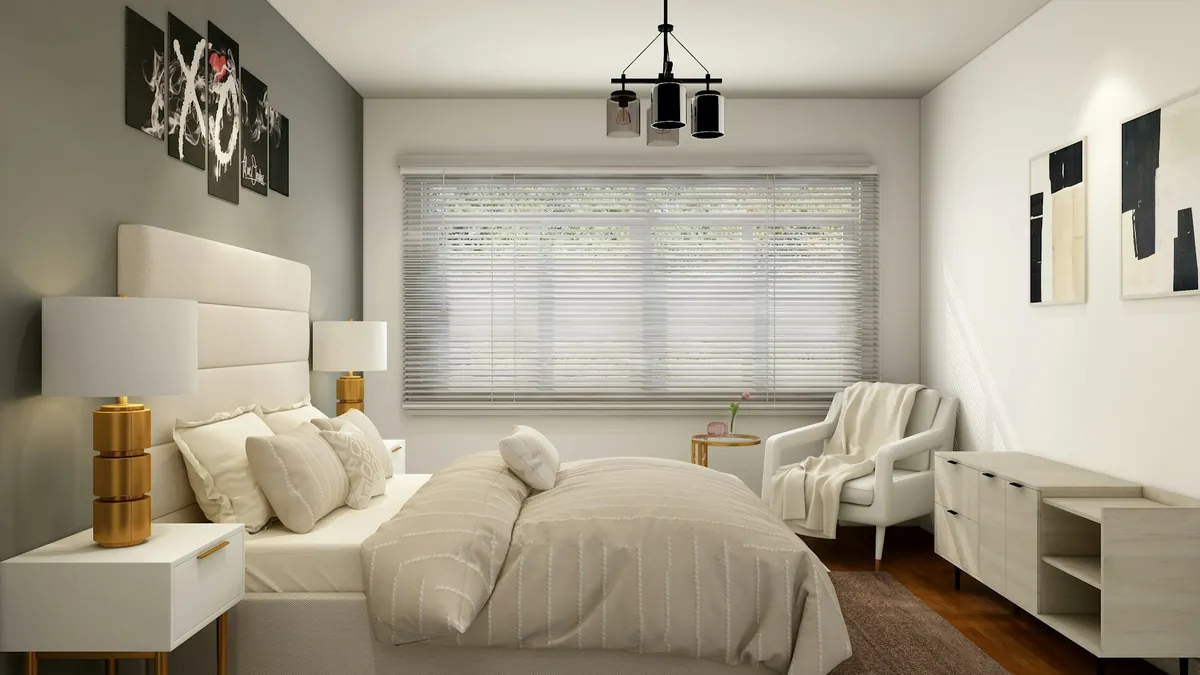
Backed with a blackout style lining, the weave lets a ground floor bedroom sleep past sunrise and stay screened after dark.
Fabric shades nearby
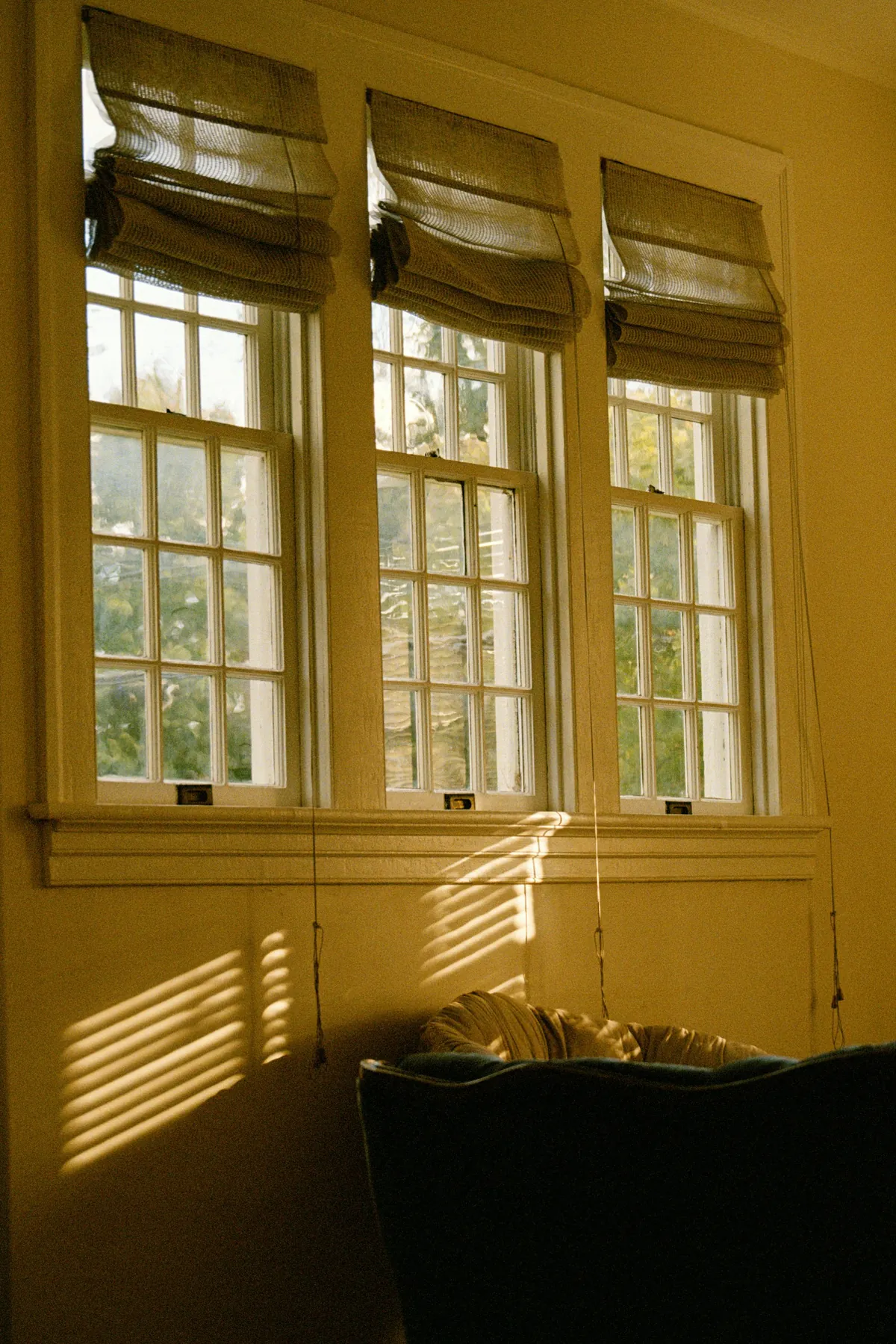
Want the same soft fold in fabric for one room? A Roman shade lifts the same way and sits well beside woven ones.
Bay Windows and Woven Wood Shades in Attleboro, MA
The bay is usually the reason people first ask about woven wood shades in Attleboro, MA. It is the brightest part of an older front room, it often holds a reading chair or a table, and it is very hard to dress with anything off the shelf.
Why each bay window gets its own shade
A bay is made of separate windows meeting at angles. A single shade cannot turn a corner, so every section gets its own shade, made to that section’s width. The sides of a bay are usually narrower than the centre, and in an older house no two of them are exactly the same, even when they look it. We measure each one at the top, middle and bottom.
Separate shades turn out to be useful. You can lower the side facing the afternoon sun and leave the centre up for the view, or drop all of them at night. With a privacy liner on the street-facing sections and none on the side toward the garden, a bay can be as private or as open as the room needs.
Inside or outside the frame
Victorian bays often have deep frames and handsome trim. Where the depth allows, an inside mount sets each shade within its frame and keeps the woodwork in view. Where the frames are shallow, or where the corner posts between windows are narrow, the shades can mount on the face of the trim instead. The key is that the shades meet neatly at the corners so there is no wide gap of light between them when lowered. We plan the mount for the whole bay at once.
The stack in a bay
Raised, natural weave gathers into a bundle of some depth. In a tall Victorian bay the bundle hangs in the upper glass, mostly above the line of sight. A shorter bay in a colonial is different: there we fix the headrails to the wall over each frame so the raised shades rest against trim and plaster, not glass. The room above each section gets checked as part of the measure.
Sun on the furniture in a bay
A bay pushes out from the wall and catches light from three directions, so whatever sits in it, a reading chair, a window seat or a table, gets sun for much of the day. Natural weave softens that light without shutting the bay off from the room. Lowering only the sections that face the strongest sun, and leaving the rest raised, keeps the bay bright while sparing the upholstery the full glare. A light privacy lining on those sun-facing sections takes the edge off further, and the weave on the room side looks the same as its neighbours.
Bays with drapes
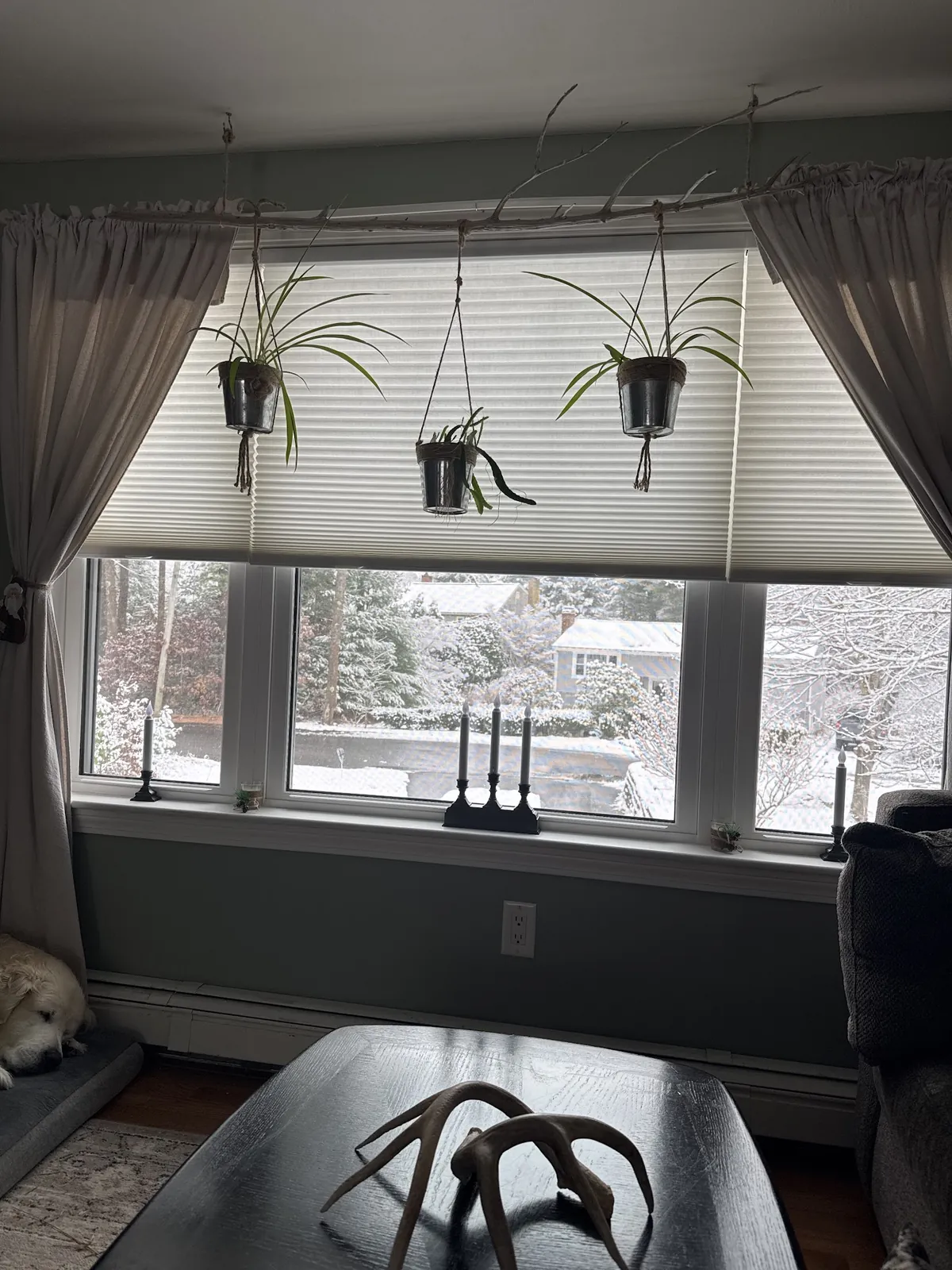
A bay often gets side drapes too, on a rod bent to follow the angles. Shades handle glare and screening through the day; drapes add colour, softness and warmth on winter evenings. Because Window Works makes both, a single visit covers the measurements, and the fabric is picked with the weave in front of you. Read about the fabric side on the Attleboro drapes page.
Transoms: Leave Them Clear or Cover Them
A transom is the narrow window over a door or above a main window, and it is common in the older houses near the centre. Most of the time we suggest leaving it uncovered. It sits above eye level, so it rarely affects privacy, and it lets daylight into the top of the room even when the main shade is down.
When a transom does need covering, for example over a bedroom window that faces the morning sun, the shade has to be made to its shape. A rectangular transom can take its own small shade, often fixed in place rather than raised and lowered. A shaped transom is a different problem, and we will look at it on site before saying what can be done. Either way, a woven shade below a clear transom is a common and good-looking combination: the weave filters the main window and the transom brings plain daylight above it.
Weave, Liner and What the Light Does
Every woven shade comes down to two choices, and they decide how the room feels at every hour.
Weave
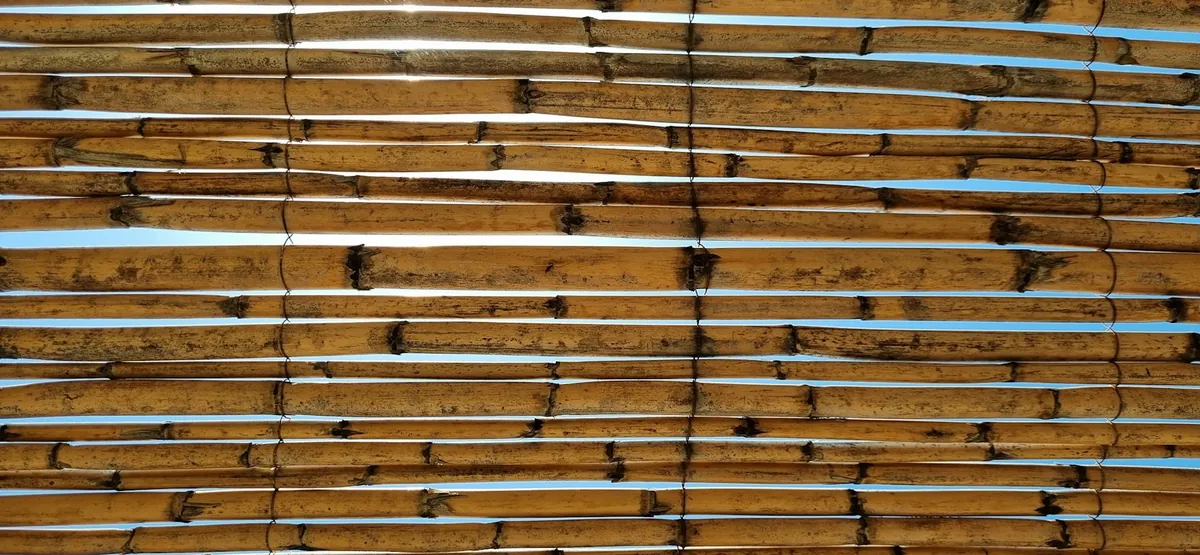
Bamboo, reeds, grasses or slim strips of wood are lined up and stitched into a mat; how closely they sit is the weave. Packed close, they turn daylight into a steady golden glow and keep curious eyes out through the day. Spaced wider, they show more of the outdoors and scatter flecks of sun over the boards. Light toned strands brighten. Deep toned strands warm, a good match for a parlour with dark woodwork.
Liner
Sewn behind the weave, a liner changes what happens once the sun goes down. With none, the street sees silhouettes whenever your lamps are lit. A privacy lining hides those shapes yet still glows with daylight. A blackout style lining blocks far more, which is what most bedrooms want. Since weave and lining are chosen separately, the front of the house can share one weave while each room picks the lining it needs.
Oak Hill Colonials and Their Double-Hung Rows
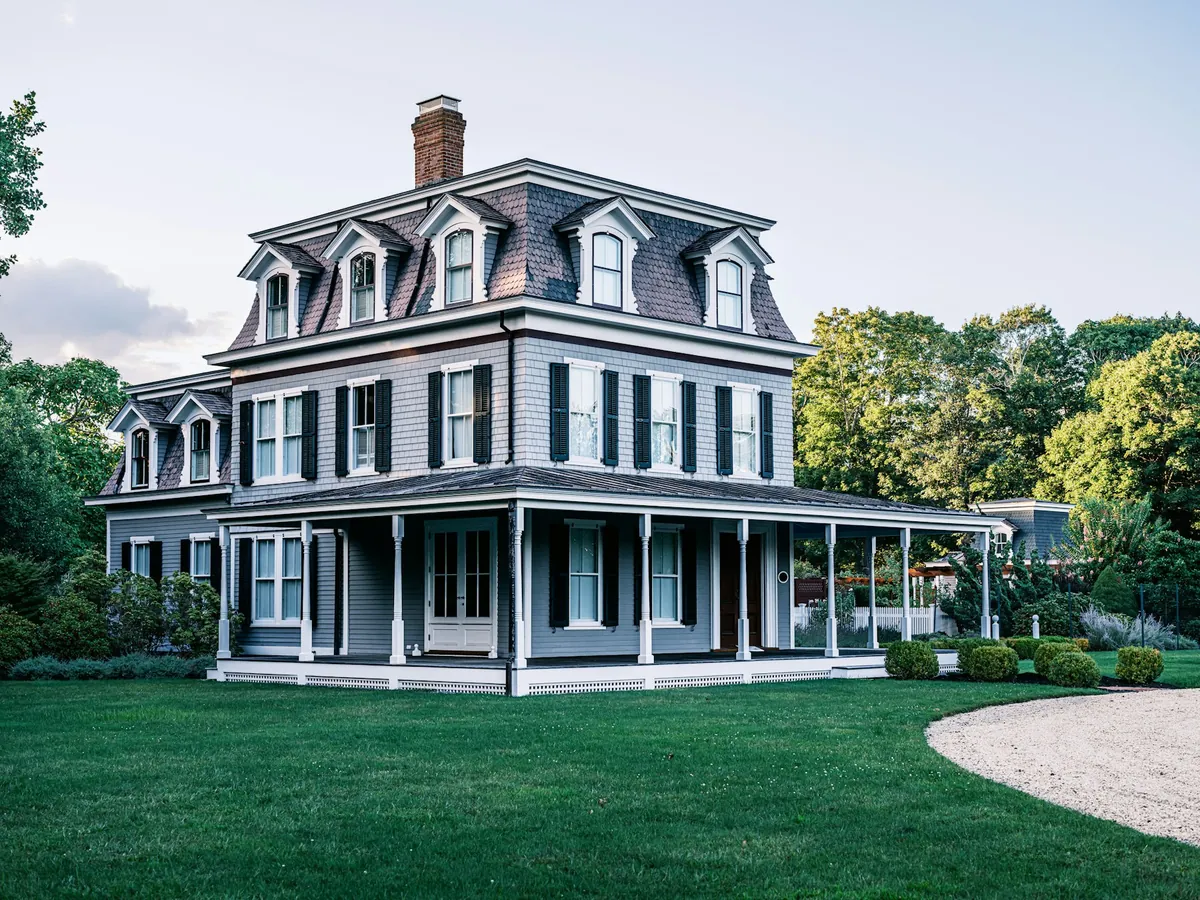
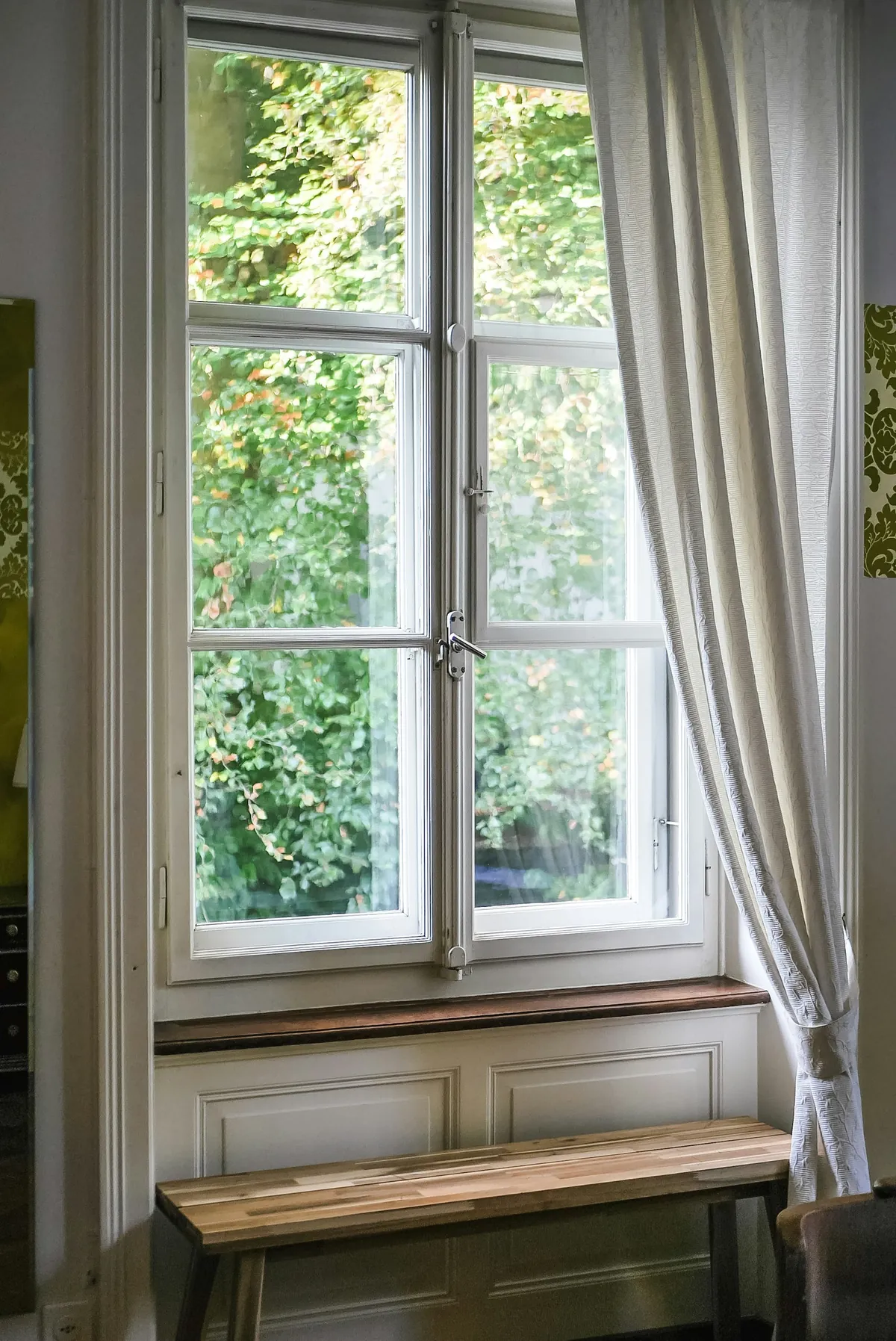
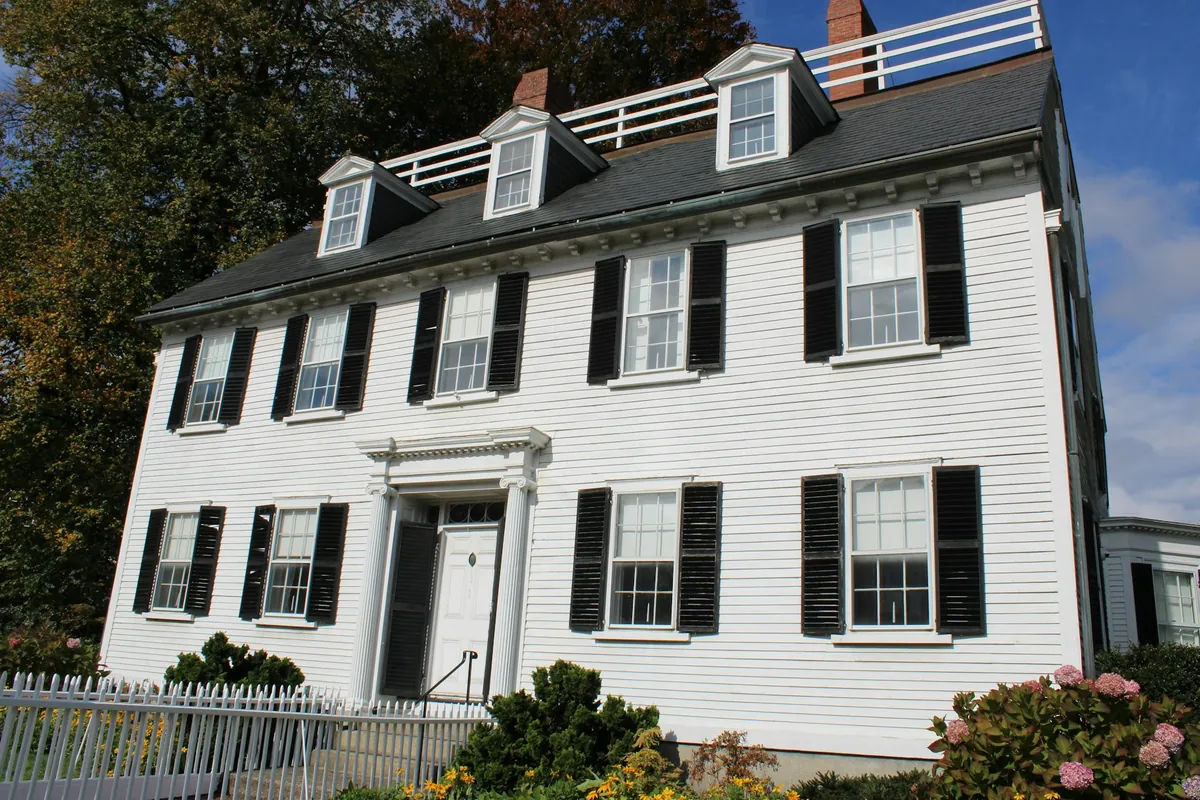
The colonials on Oak Hill and in the streets near the centre are more regular than the Victorians, but they bring their own job. The front of the house is a symmetrical row of double-hung windows, upstairs and down, and from the road those windows read as a single pattern. Anything hung in them has to keep that pattern even.
That is a natural fit for woven wood shades in Attleboro, MA. A matching weave across every front window, lowered to the same line, looks calm from outside and warm from inside. Behind that even face, each room can differ. The front parlour or living room might take a privacy lining, the dining room an open weave left unlined for daytime meals, and the bedrooms upstairs a heavier lining.
Older colonial sash is often narrow with shallow sills, and the depth inside the frame changes from window to window as plaster and trim have settled over the years. Where there is room, the shade tucks inside the frame and the trim stays visible. Where there is not, the headrail sits just above the trim and is cut to the trim’s own width so it looks planned.
Stair halls in these houses usually have a window on the landing, seen from the front door and from the upper floor. A tight weave in a soft neutral works from both views, and the lift goes on whichever side is easiest to reach from the landing.
Split-Levels off Route 123
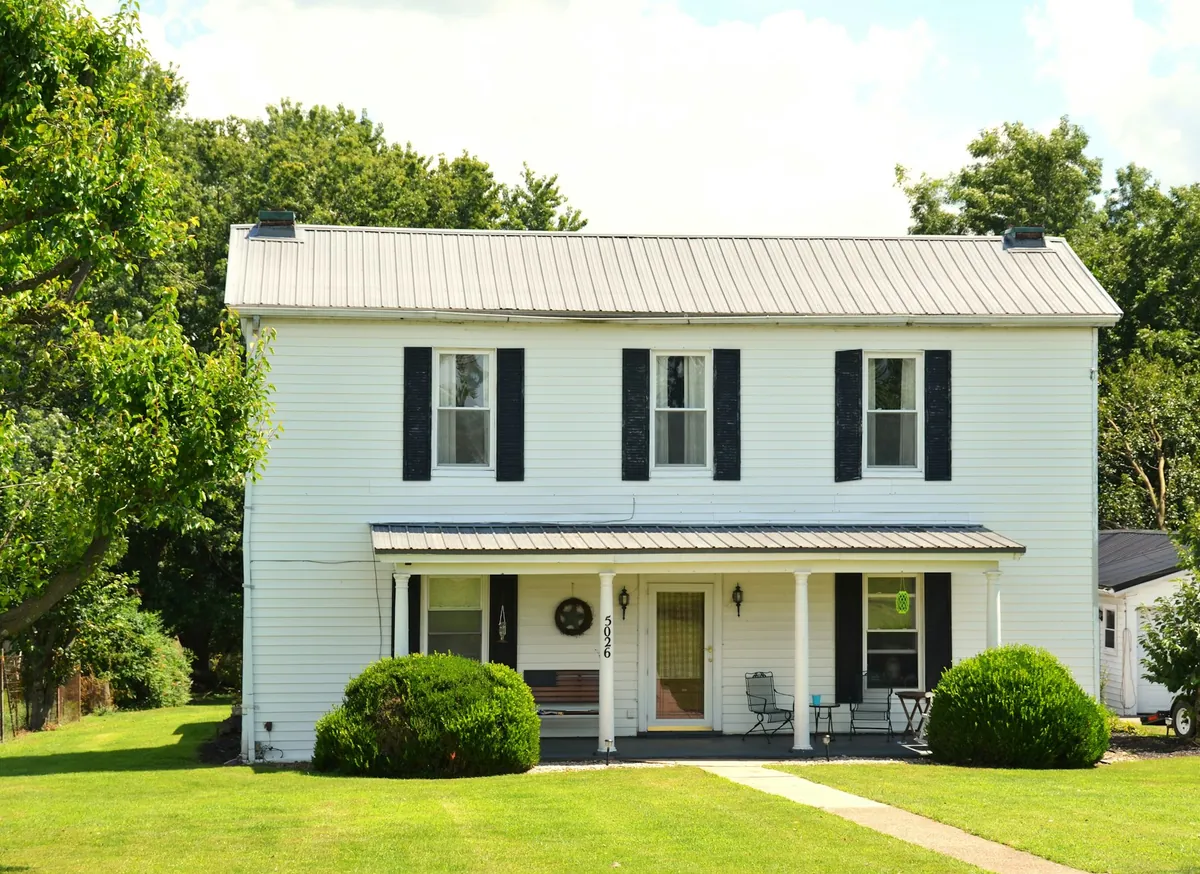
The 1960s split-levels off Route 123 have three or four short floors, and the windows are as varied as the levels. The lower family room often has shorter windows set high in the wall. The main living room has a broad window facing the street. The bedrooms up the half flight have standard windows in a row.
Short windows set high are where a raised bundle of weave eats most of the light, so on that lower level the headrail nearly always goes on the wall over the opening. The living room glass might take one broad shade or a pair or trio of narrower ones, depending on how the frame divides and how heavy one shade would be to lift.
The half-sunk family room deserves a word of its own. Its windows sit near the ceiling and often look out at ground level, so they let in less light to begin with. An open weave in a pale tone, left unlined, keeps as much of that light as possible while still giving the room some texture and a little privacy from the yard. A heavy lining on these windows can make the room feel like a basement, so we usually advise against it unless the room doubles as a bedroom.
Upstairs, the bedroom windows of a split usually face the yard or a neighbour, and the morning light is the issue. A heavier lining behind the weave helps there, and the lift goes on the side away from the bed or the dresser so it is easy to reach.
From outside, the front of a split shows its windows at several heights at once. Using the same weave and colour on all of them pulls the front together, and each room can still have its own liner behind.
South Attleboro Ranches
The ranches in South Attleboro are single storey, with a wide living room window, a kitchen window and two or three bedrooms. They are straightforward houses to dress, and woven shades suit them well.
For the front room we tend to suggest an open or middling weave so the daylight pours in, lined for privacy if it looks onto the road and gets used after dark. Bedrooms usually take the heavier lining. Kitchen windows clear of the sink are fine for weave. Steam is the enemy, though, so a sink window or a shower room is better served by moisture-proof blinds or a smooth fabric shade.
Enclosed porches and sunny back rooms
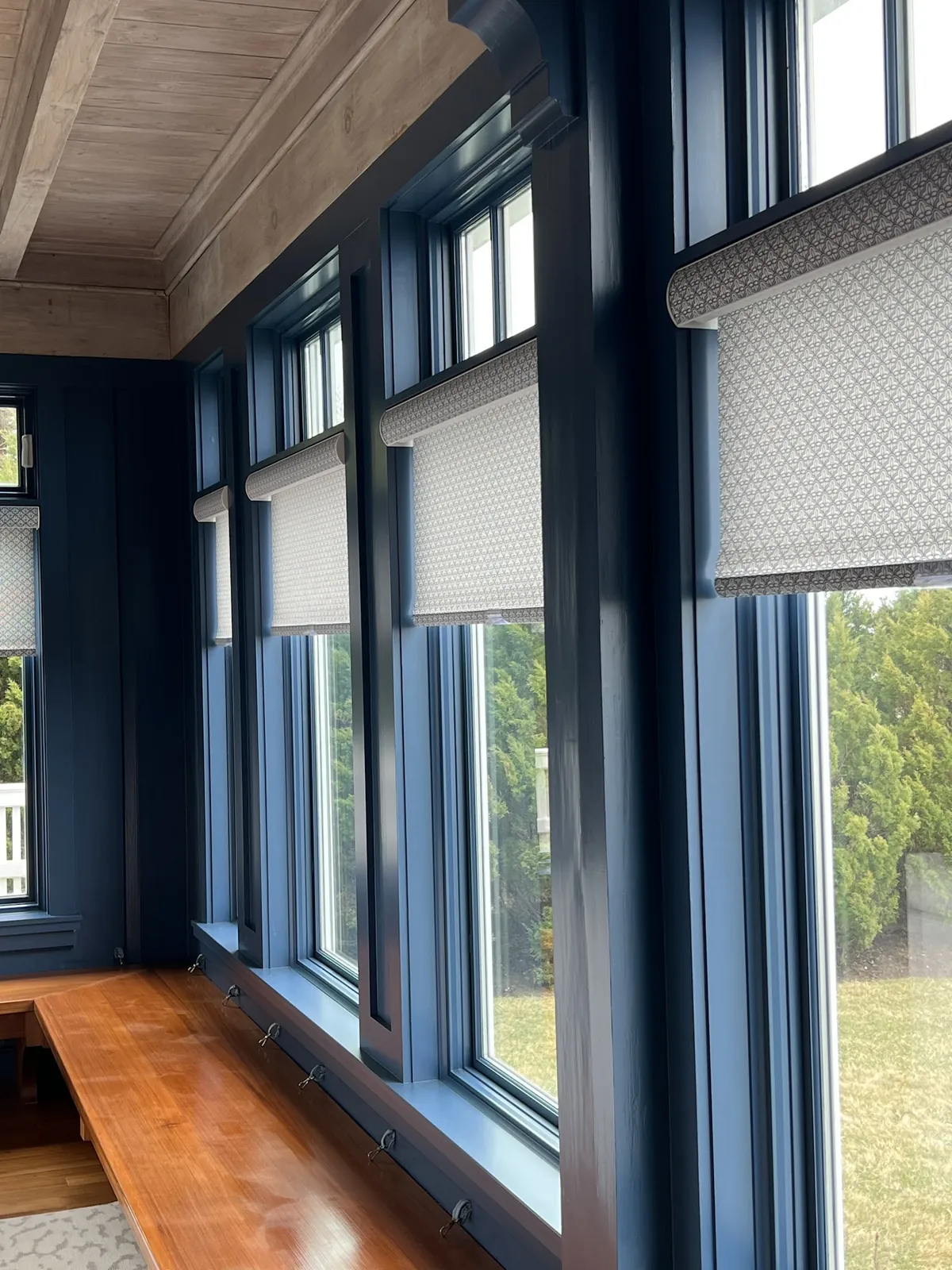
Many older Attleboro houses have a back room or an enclosed porch with windows on two or three sides, added or closed in over the years. These rooms get bright and warm in summer, and they suit a woven shade better than almost anywhere else in the house: the texture feels right in a casual room and the weave filters the light without darkening it. Each window is measured on its own so the whole run lowers to one even line.
How We Run an Attleboro Order
Some customers start at the showroom, others at the kitchen table. Whichever way you begin, you hear from us at every stage until the work is complete.
- Optional but popular: drop into the Swansea showroom to handle the weaves and linings and narrow down a colour.
- Ask for your free quote by phone or through the page form, mentioning any bays and transoms.
- A specialist visits for measuring in your home, taking each bay section on its own and noting frame depth and wall space overhead.
- Weave, tone and lining are settled room by room.
- Your quote arrives itemised, bay section by bay section.
- Production follows your measurements exactly.
- Our installers hang every shade, align the bay sections so they meet cleanly and walk you through raising and lowering them.
Colour against the house
Older houses near downtown often carry stained or boldly painted woodwork, and the weave hangs inches from it. Deep woodwork tends to welcome a medium or deep toned weave; crisp white trim welcomes pale bamboo. Out in the splits and ranches the floor and furniture usually settle the question. No two natural strands match, so a shade reads as softly mottled, and a showroom sample is best judged held up to daylight at the window.
Care
A feather duster or the upholstery brush on a vacuum, passed lightly over the weave now and again, is nearly all the upkeep there is. Dab at a spot rather than scrubbing, and keep water away. Should a cord fray or a lift jam on a shade you own already, our team can usually put it right.
The full range is on our woven wood shades service page, and the other treatments for the city on our Attleboro window treatments page.
Who Makes and Fits Your Shades
Founded in Swansea in 1988, Window Works is still a family business, with the second generation now at the helm. For over 37 years the store has dressed windows from the SouthCoast up to Attleboro and over into the Rhode Island East Bay.
- Seasoned specialists used to bays, transoms and odd sizes
- Every bay section measured on site
- Installation handled by our own crew
- Regular contact from your first call to the final fitting
- Warranties offered on what we sell
At the showroom you can compare woven shades with Roman shades, roller shades and the Norman range to decide what each room needs.
Questions from Attleboro
Can a woven shade go on a bay window?
Yes. Each section of the bay gets its own shade made to its width, and the shades are mounted so they meet neatly at the corners.
Should I cover the transom over my window?
Usually not. It sits above eye level and lets in daylight above the shade. If one needs covering, we look at it when we measure.
The windows in my split-level family room are short. What works?
A headrail set on the wall over the opening, so the gathered shade rests above the glass when raised.
Will people see in at night through a woven shade?
With no lining, shapes show once your lamps are on. A privacy lining hides them.
How do I arrange a quote?
The quote costs nothing. Ring through the call button or fill in the form and we will find a time to come and measure.
Start with a Free Quote
Ready to begin? Press the call button and the Swansea store can book a free quote, set up measuring in your home and answer installation questions, or leave your details in the form for a reply. Prefer to touch the weaves first? The contact page shows how to reach the showroom, and our team will help you choose woven wood shades in Attleboro, MA for every bay and window. Google reviewers give Window Works a 5.0 rating.