
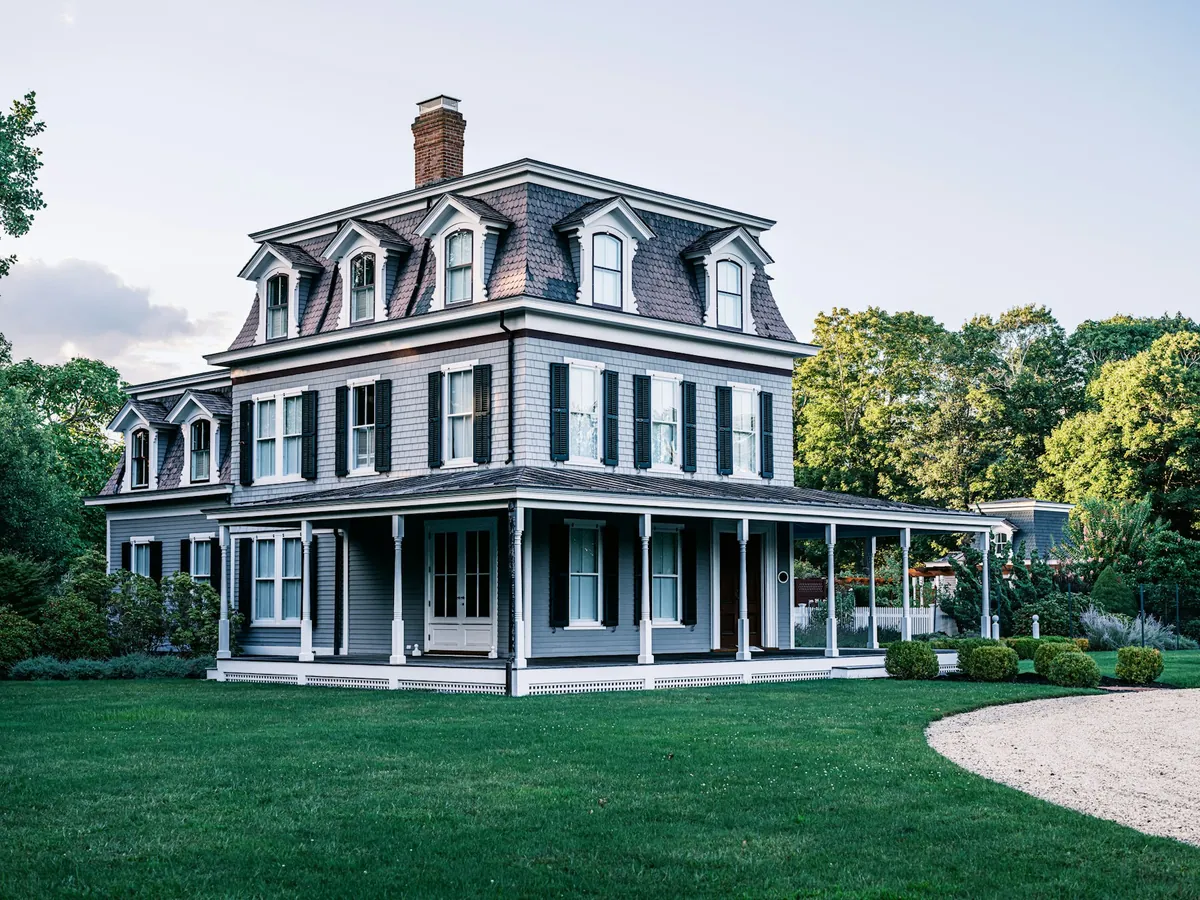
Three Eras in One City
Cranston packs three distinct eras of housing into one city. Near the bay, Edgewood has Victorians with tall windows and high rooms. Garden City has the capes and ranches of the post-war years, with modest, regular windows. And Western Cranston has newer colonials built to today’s sizes. A treatment that suits a Garden City ranch rarely suits an Edgewood parlour, which is why our cellular shades in Cranston, RI are worked out one house at a time.
What does carry across all three is the reason to choose a honeycomb shade at all. Each shade is built from pleated cells that trap air in front of the glass. Trapped, unmoving air is what slows the loss of heat from a room, whether the window is an original Victorian sash or a brand new double-hung.
- One cell or two, depending on the room
- Measured in the house, whatever its age
- Installed by our team, with fabrics on show in Swansea
What We Make for Cranston Houses
Single cell
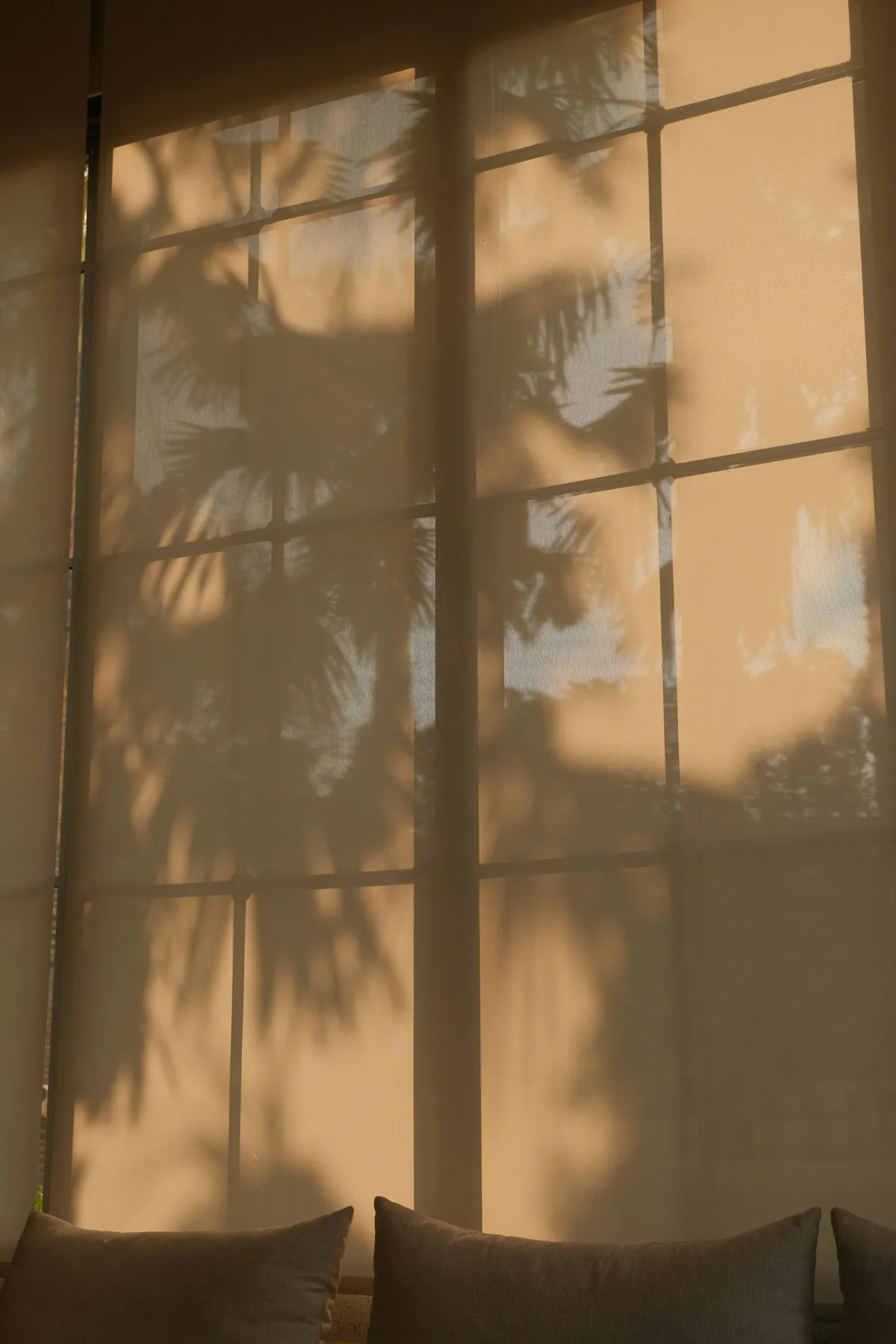
A lone layer of pleated cells, light and trim. Good for the sunny side of any house and for most rooms of a Western Cranston colonial.
Double cell
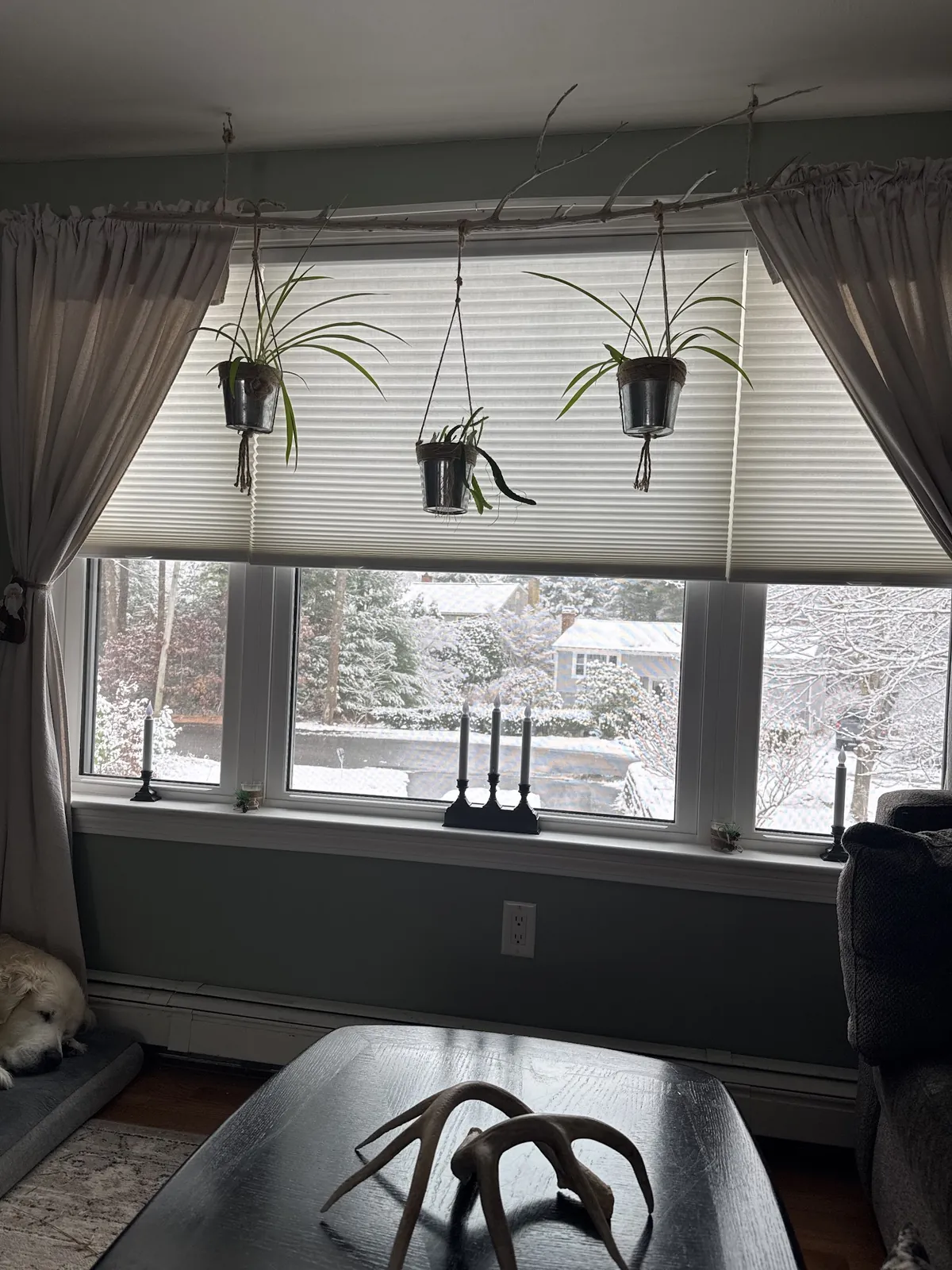
Paired layers of cells and twice the trapped air. Made for a bay-side Edgewood parlour, an upstairs cape bedroom or the big front window of a ranch.

Inside the frame or on the trim
How a shade is mounted depends on the age of the frame. We check every window and choose the mount that covers it best.
Cellular Shades in Cranston, RI, Era by Era
Before going house by house, here is the short version of how the three eras differ for a shade.
- Edgewood Victorians: tall sash, high ceilings, frames that have settled, bays and stair windows. The work is in the height and the measuring.
- Garden City capes and ranches: regular windows close to standard sizes, a picture window in the ranch living room, dormer bedrooms in the capes. The work is in choosing the right cell and fabric for each room.
- Western Cranston colonials: many windows, square frames, open-plan rooms and bonus rooms. The work is in planning the whole house so it looks consistent.
Edgewood Victorians Near the Bay
Tall windows, high rooms
An Edgewood Victorian often has tall sash in its front rooms, sometimes reaching close to the floor, with a high ceiling above. A tall window is a large cold surface. In winter, the air beside it cools, sinks and spreads across the floor, which is why a high-ceilinged room can feel cold at seat height even when the thermostat says otherwise.
A honeycomb shade lowered across that window changes the picture. The air the room meets is the still air held in the shade’s cells, not the cold glass, so less warmth is drawn away. On the bay side of Edgewood, where the wind comes in off the water, double cell is the better choice for the front rooms, because it adds a second layer of held air.
Height also affects how the shade looks raised. A tall shade has a lot of fabric to gather at the top of the window. A honeycomb shade folds flat and stacks short, so the upper glass, the part that throws light deepest into the room, stays clear.
Bays, stairs and settled frames
Edgewood houses often project a bay toward the street and light their stairs with one tall landing window. A bay is covered pane by pane, a separate shade for each angled window, which lets you drop one for privacy and keep its neighbours raised. The landing window, frequently the tallest anywhere in the house, gets forgotten and quietly chills the whole stairwell. If nobody can reach its head, motorised blinds and shades bring it down to a handheld remote or a switch at the foot of the stairs.
Victorian openings drift with age. They taper, and a jamb can be deeper on one side than the other. Our specialist takes readings at several points, and each shade is built to suit the opening as it is today. Where the frame will not take a clean inside mount, the shade goes on the trim, sized to close off the edges of the old sash.

Formal rooms and drapery
The front parlour and dining room of an Edgewood Victorian often call for drapery, and a honeycomb shade does not compete with it. Fitted inside the frame, close to the glass, the shade handles warmth, privacy and light day to day, while the drapery hangs in front to frame the tall window and add a second layer at night. We make the drapery as well, so shade and drapery are designed as a pair and sized in one visit. The drapery half is on our custom drapes in Cranston page.
Porches and upper floors near the water
Many Edgewood Victorians have a front porch, and some have had a side porch glazed in to make a sitting room. A glazed porch is almost all glass on three sides, bright and pleasant for much of the year and cold as soon as the sun drops in winter. Giving each of its windows a double cell shade, lowered in the late afternoon, lets you use the room into the evening instead of shutting the door on it until spring.
Higher up, the third floor or attic rooms of a tall Victorian sit right under the roof and take the wind off the bay before any other part of the house. Their windows are often small, set in gables or dormers, with walls close around them. A shade set inside each small frame closes off the glass at night without crowding a room that has little space to spare, and in a room that exposed, the second layer of cells is well worth having.
Garden City Capes and Ranches
What makes them different
Garden City went up quickly and to a pattern, so its capes and ranches tend to share window sizes. Getting a shade to fit is seldom the issue. Deciding how many cells, what fabric, and for which rooms takes up most of the visit. Each window is still measured, since two frames in one house can differ, but most of the talk is about preferences.
The ranch picture window
The ranch living room usually has a broad picture window at the front, sometimes flanked by narrower panes. That window is the largest piece of glass in the house and makes the living room the hardest room to keep warm. Double cell across the big centre pane, and matched shades on the flanking panes set level with it, gives that room its best chance. With the flanking panes on their own shades, they can open for a breeze while the middle stays covered.
Down the bedroom wing, standard double-hung windows take matching shades in the same colour, so the long side of the ranch looks even from the street.
Cape dormers and small rooms
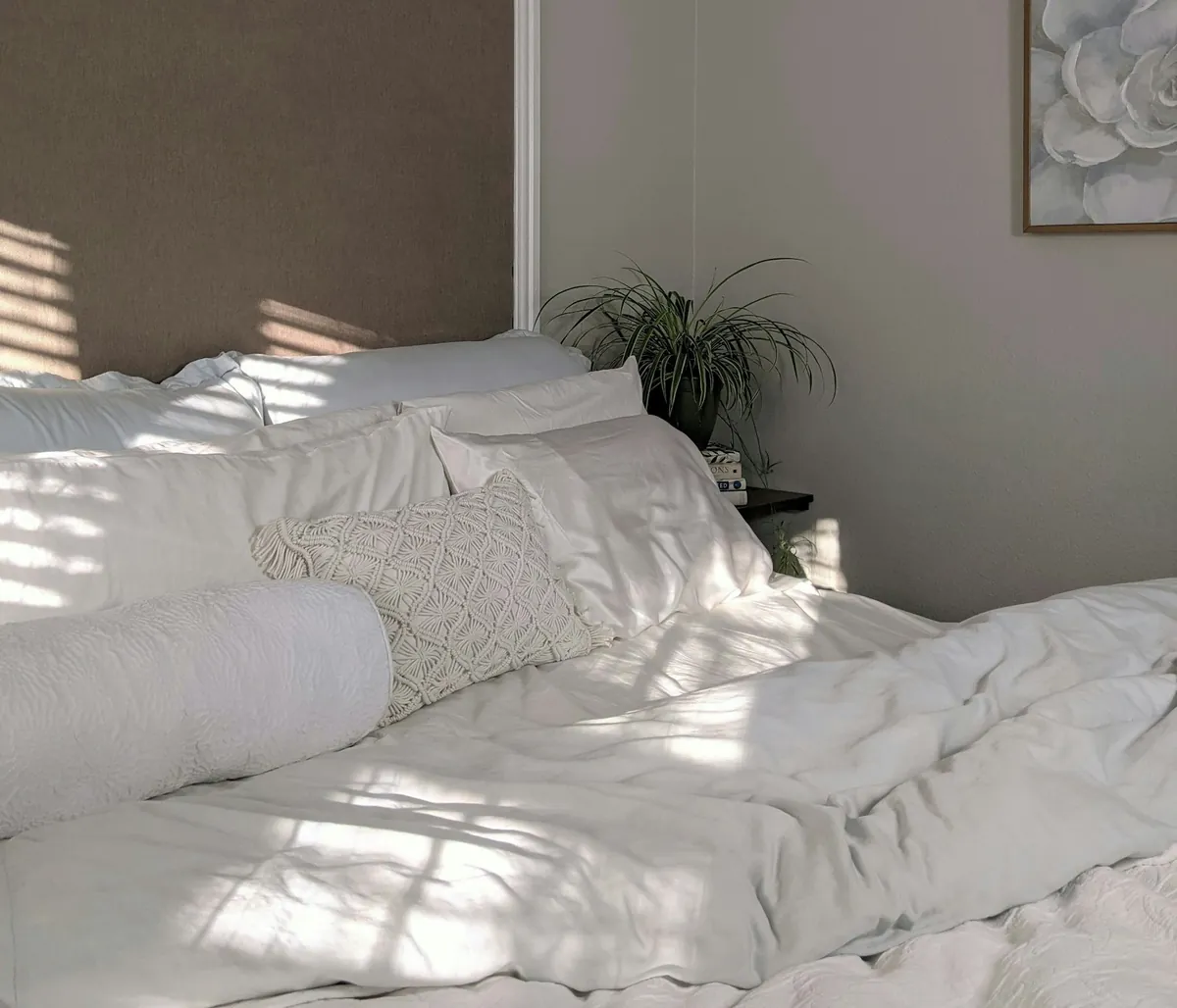
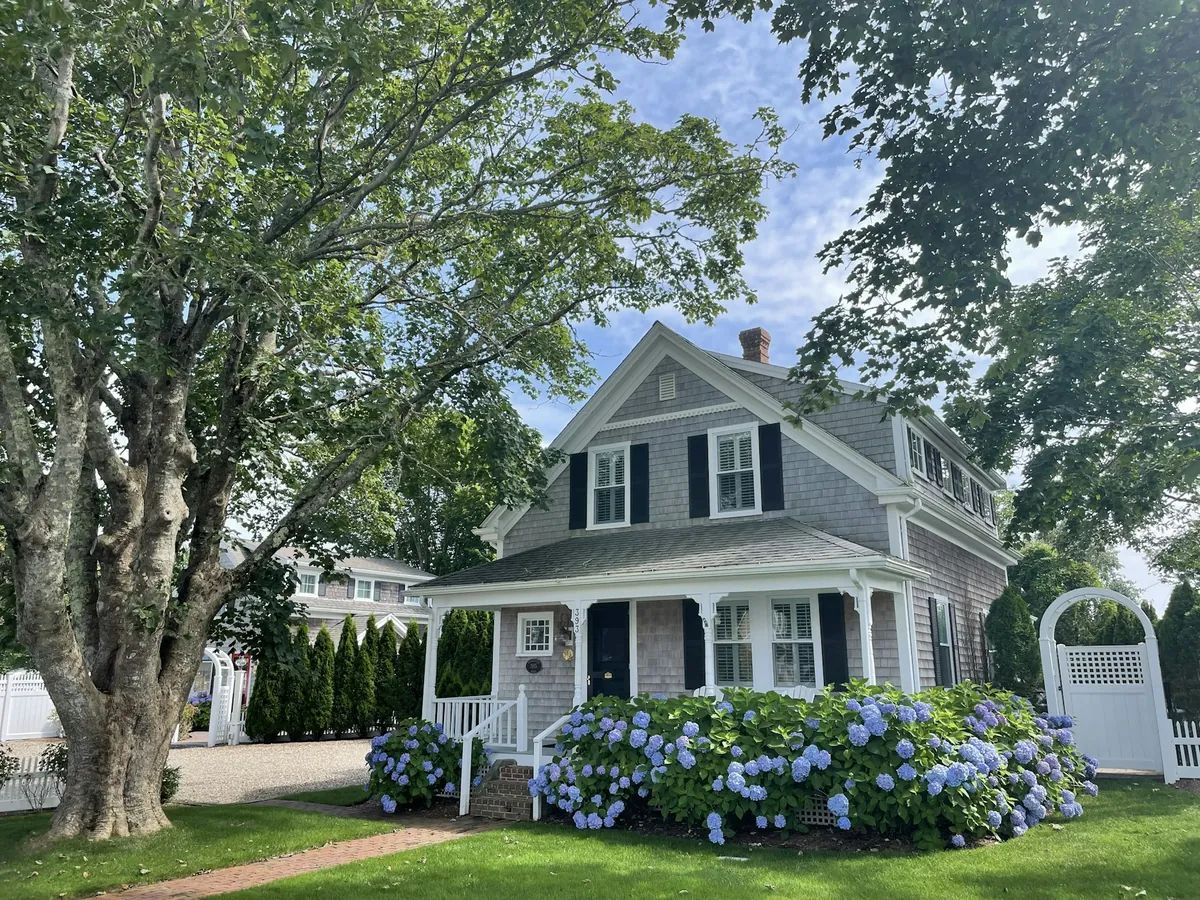
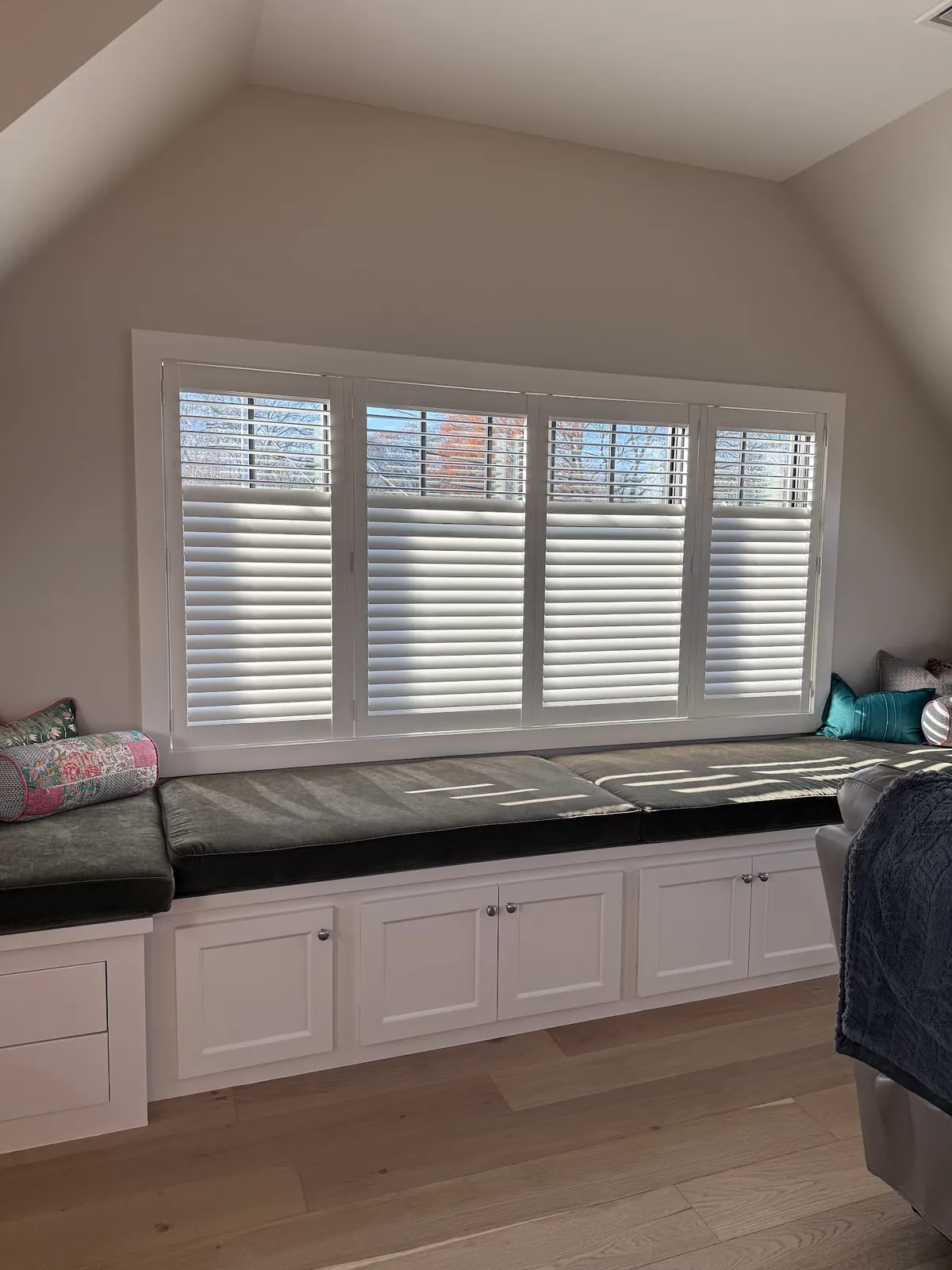
In a Garden City cape, the second floor is a pair of bedrooms tucked under the roof slope, each with a dormer. Sloping ceilings crowd the window and leave nowhere to hang curtains, and the rooms swing between chilly and stuffy with the seasons. Mounted within the dormer opening, a honeycomb shade claims no floor or wall space and gathers into a small band when raised. Upstairs, two cells generally beat one.
Downstairs, a cape’s front windows sit either side of the door, and the same colour on both keeps the front symmetrical from the road. Cellular shades in Cranston, RI capes are often a mix: single cell downstairs, double cell up under the roof.
Western Cranston’s Newer Colonials
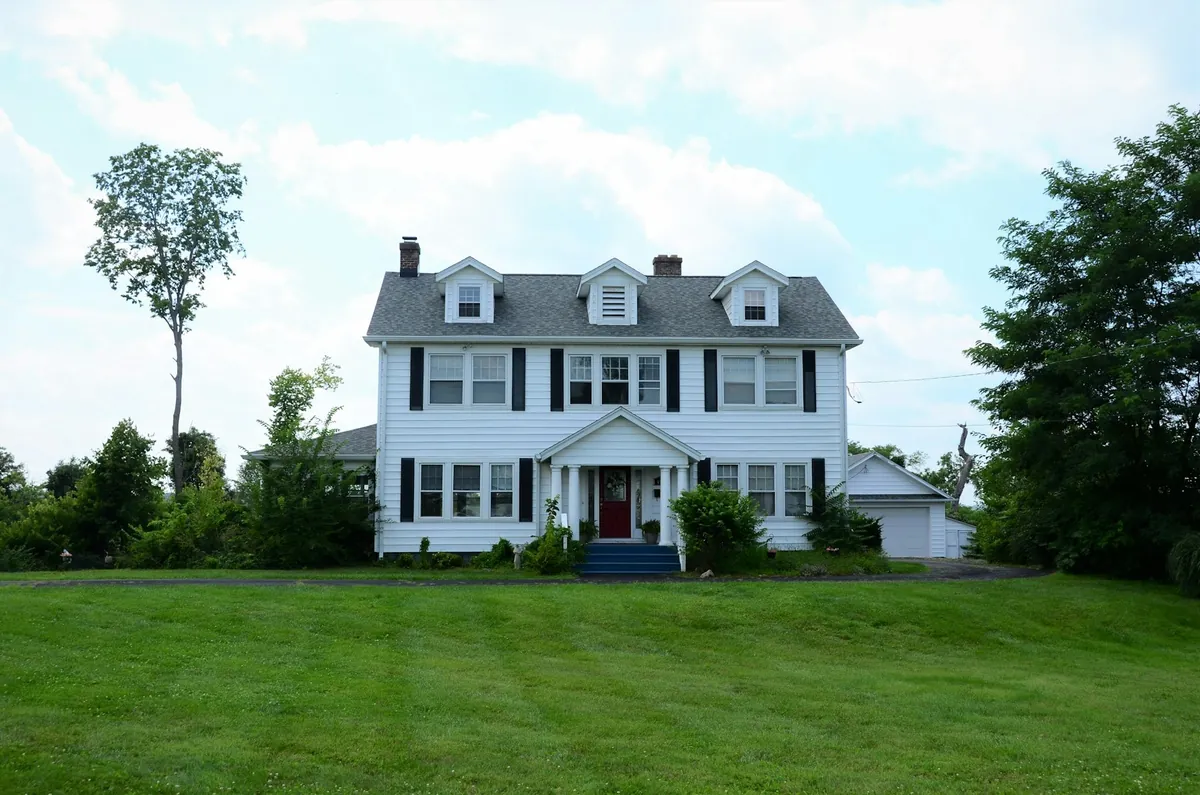
West of the city centre, the colonials are recent, square-framed and generous with glass. A common layout puts an open kitchen and family room at the back facing the yard, a formal dining room at the front, plenty of bedrooms upstairs and a bonus room over the garage.
That many windows rewards a plan. Settle on a street colour, a fabric for each type of room and a cell count according to which rooms run cold, and the rest follows. Doing the house in stages then loses nothing in looks, because later rooms match the earlier ones.
Double cell usually goes to the bonus room, perched over an unheated garage, and to bedrooms and family rooms facing north or west. Kitchens and sunny front rooms tend to be happy with single cell. A patio slider is a job for a vertical track, planned at the same time as the shades.
Two-storey spaces
Some Western Cranston colonials have a two-storey foyer or family room, with windows high on the wall. Those upper windows are the hardest to reach in the house, and the ones most likely to be left bare. A motorised shade, worked from a remote or a wall switch, makes them as easy to use as any other window, and covering them helps keep the warmth that rises to the top of a tall room from leaking out through the glass. The lower windows in the same space can be worked by hand, and all of them can share one colour and fabric, so the tall wall reads as a single surface from the room and from the street.
Ordering Cellular Shades in Cranston, RI
Whichever era your house comes from, the order runs the same way, and we keep in touch with you throughout.
- Get in touch through the call button or the form, naming the rooms you want to cover. A free quote is booked.
- A specialist measures every window at the house. In Edgewood that means several readings on each settled frame; in Garden City and Western Cranston, a careful check of every opening and its depth.
- For each room you settle the cells, the fabric and the colour, and the showroom has samples on hand if you want to see and handle them.
- A quote follows with every window written out.
- Production works from the figures taken in your house.
- Our installers hang every shade, run it up and down to be sure, and walk you through operating it.
Fabric and light
At one end of the fabric range, the cloth lets the room stay bright and only blurs the view in; at the other, it keeps much more of the daylight out. Family rooms and kitchens usually lean light. Bedrooms, especially those facing east, suit the denser end. In an Edgewood Victorian, where deep rooms depend on their tall front windows for light, a lighter fabric on those windows keeps the room from feeling dim.
Colour from the street
Every era has a street face. On an Edgewood Victorian, the front windows are tall and prominent. On a Garden City ranch, they run in a long, low line. On a Western Cranston colonial, they form a symmetrical grid. In each case, one colour across every street-facing shade keeps that face orderly. White, ivory and pale greige are the usual picks. Behind them, each room can go its own way.
Basements, baths and the small windows
Every era has its small windows: the basement hoppers in a Garden City ranch, the high bathroom windows in a Western Cranston colonial, the narrow pantry window in an Edgewood kitchen. They are easy to leave off the list and often the ones that let the cold in, because nothing has ever covered them. A small honeycomb shade on each closes them off at night, and in a bathroom it gives privacy at any hour while still letting some light through. When we measure for cellular shades in Cranston, RI houses, we ask about these openings as well as the main rooms, so nothing is left bare by accident.
Doing it in stages
Few households cover every window in one go. A sensible order is to start with the rooms that feel the cold most, which differs by era: the parlour and landing in Edgewood, the living room and dormer bedrooms in Garden City, the bonus room and north bedrooms in Western Cranston. Keep a note of the colour and fabrics chosen, and the next rooms will match from the street, even if they are done a season or two later.
A word on care
Care is minimal: a feather duster or a low vacuum brush now and then, a damp cloth for a mark, and a smooth hand when raising and lowering.
Window Works, Swansea, Since 1988
The store opened in Swansea in 1988, and it is still family owned, now with the second generation at the helm. Thirty-seven years and more of window treatment work have taken our specialists into homes across the Massachusetts SouthCoast and the East Bay, and Cranston is among the 25 towns we visit.
Victorian, ranch or new colonial, the routine does not change. A seasoned specialist measures every window at the house. Our own installers do the fitting. Warranties come with what we sell. We stay in regular contact until everything is finished.
See the Choices in Person
Our Swansea showroom puts one cell beside two, lines up the fabrics from airy to dense and lets you judge colour in real daylight. Norman products are on display too. Tell us which era your house belongs to, show us a photo of a room or two, and we can narrow things down quickly.
Our Cranston window treatments page has every service we bring to the city, and the main cellular shades page covers the shades in more detail.
Questions from Cranston
My Edgewood Victorian has very tall windows. Will a shade block the light when raised?
Hardly at all. The pleats compress into a shallow band at the head of the sash, leaving the tall upper panes open. For the very highest, a motor saves reaching.
What is the best way to cover a Garden City ranch’s picture window?
Double cell on the big centre pane, with matched shades on the narrow panes either side, all set level. The narrow ones can then open independently.
Do the newer colonials in Western Cranston need double cell everywhere?
No. Usually only the bonus room over the garage and rooms facing north or west. Single cell suits most of the rest.
Can a shade work with drapery in a formal room?
It can. The honeycomb shade tucks into the frame near the glass, the drapery hangs in front, and one visit covers the measuring for both.
How do I book a quote?
Ring through the call button or fill in the form with the rooms on your list. Quotes are free, and we will agree a day to come out.
Book Your Free Quote
One press of the call button reaches our store in Swansea, where we can book a free quote, plan a measuring visit at home or talk through installation. To browse the fabrics before anything else, look on the contact page for the way to the showroom. Window Works carries a 5.0 rating on Google.