
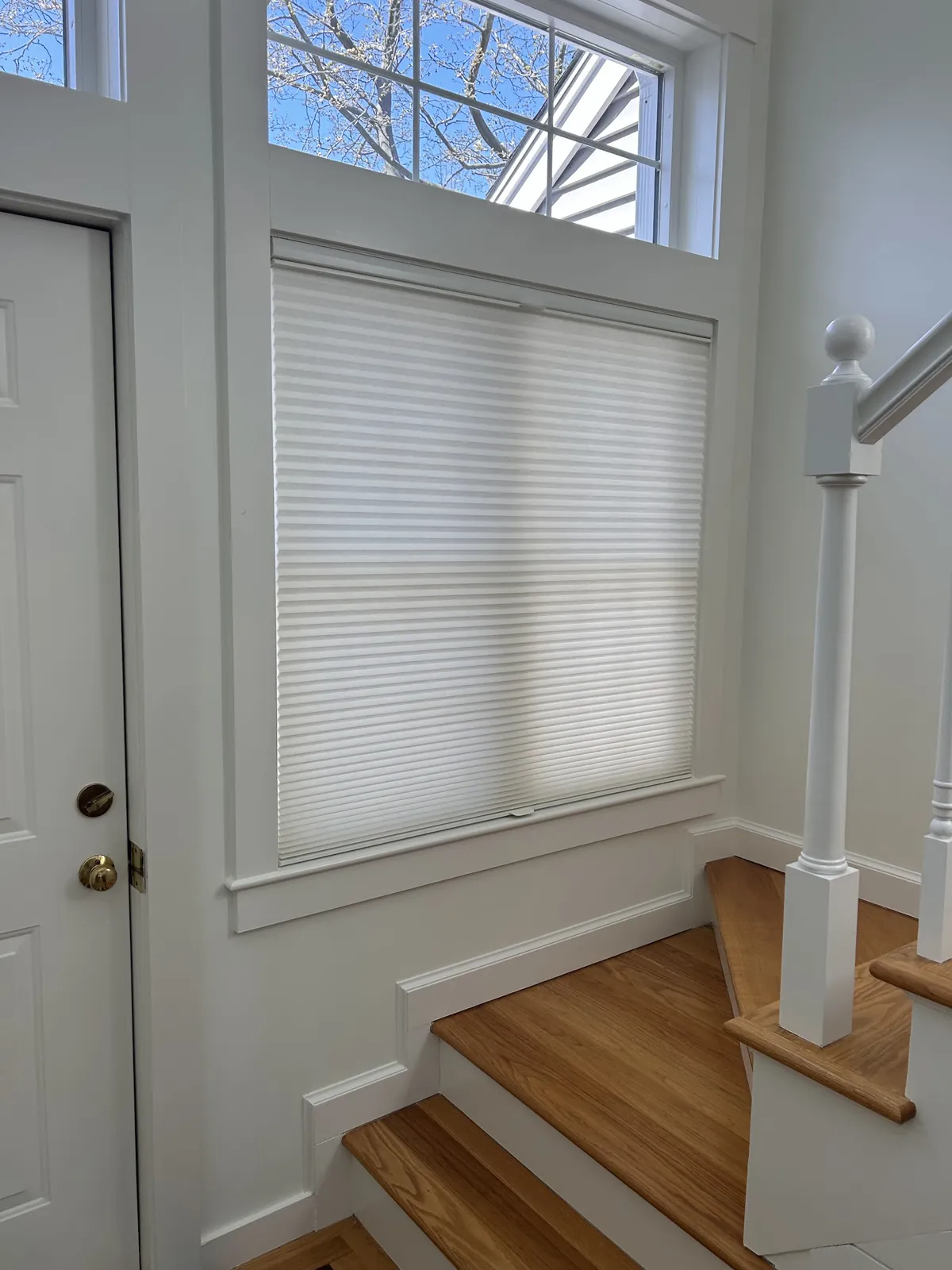
When the Room by the Window Runs Cold
Most calls we get about cellular shades in Somerset, MA begin the same way: one room never quite warms up. It might be a dormer bedroom in a cape near Brayton Point, a ranch living room with a broad front window, or a parlour in an old colonial where the original sash rattles a little when the wind comes up the river.
A honeycomb shade answers that problem better than anything else we sell. Each cell holds a pocket of air, and a layer of still air between the glass and the room is what lets the room keep its warmth. Somerset’s mix of houses means every shade has to suit its own opening, from a slim village sash to a renovated wall of glass facing the Taunton River.
- Single cell and double cell honeycomb shades
- Every window measured where it stands, and fitted by our installers
- Fabrics and colours to handle in Swansea, just across the river
The Honeycomb Shades We Make for Somerset
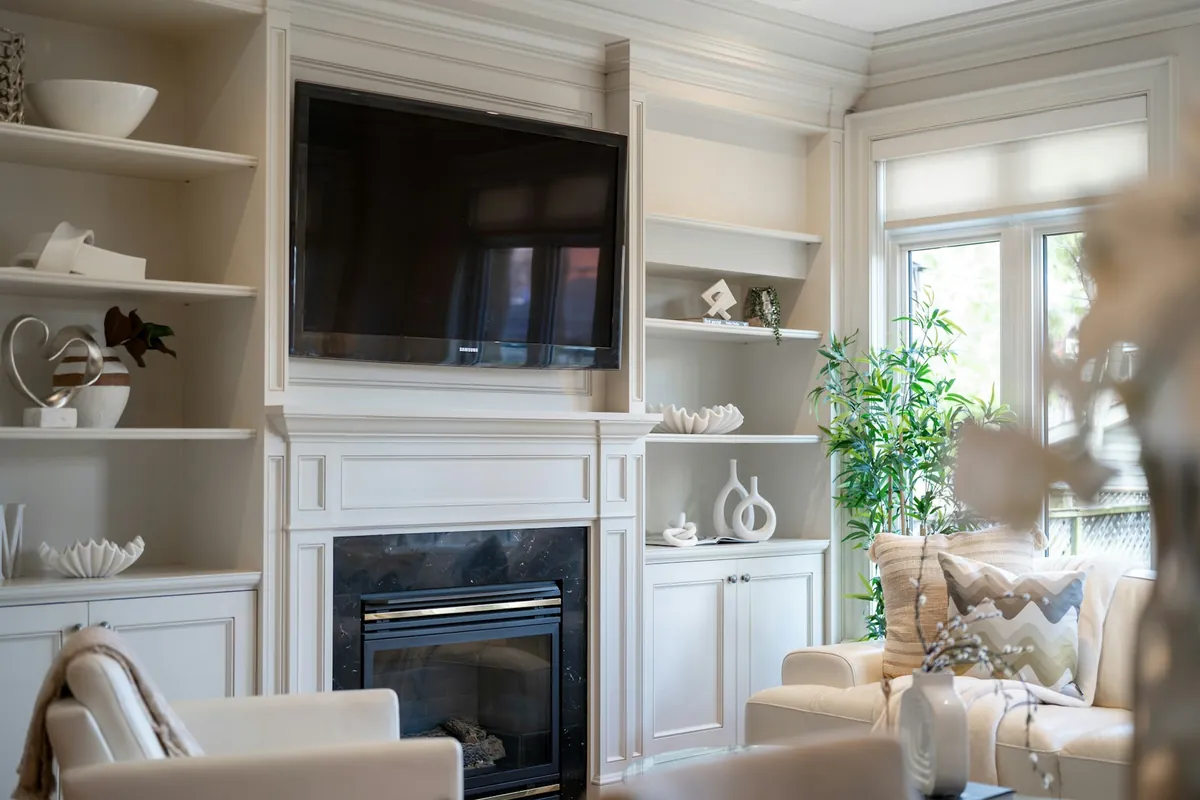
Single cell
One row of cells. Slim when raised, light to lift, and a sound choice for living rooms, kitchens and most bedrooms.
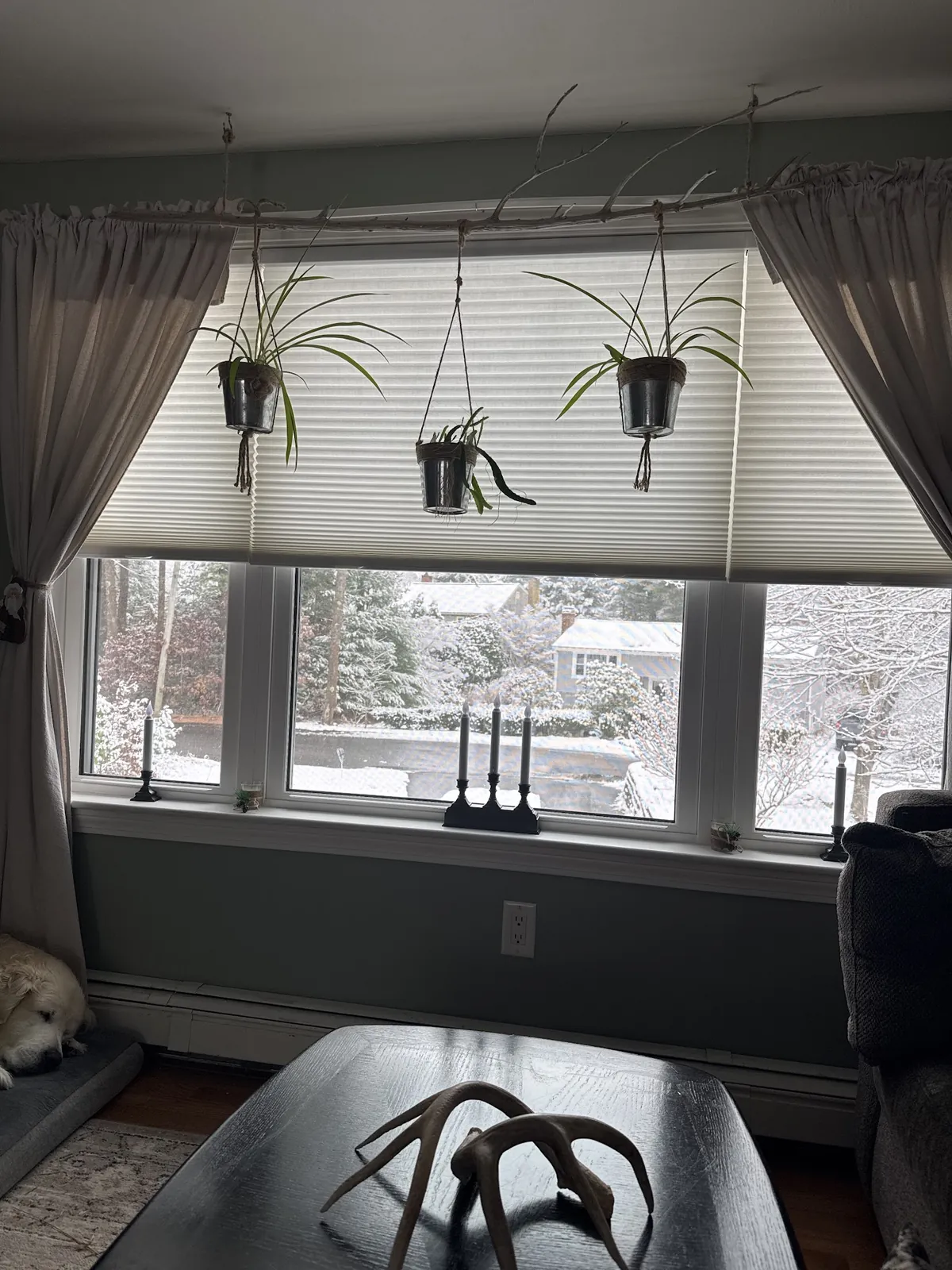
Double cell
Two rows of cells, one behind the other, so two layers of trapped air. Our pick for the coldest room in the house.
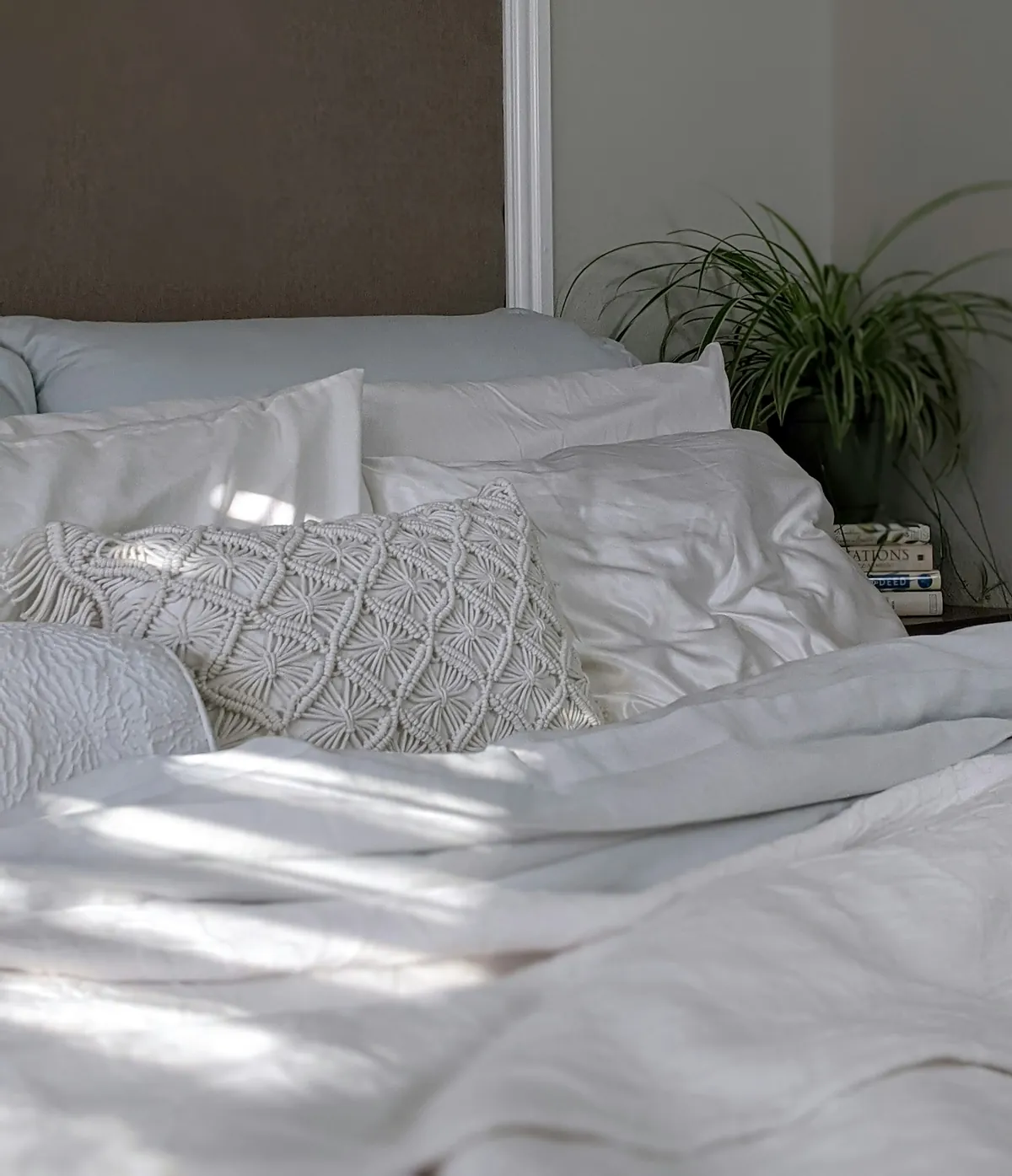
Room-darkening fabric
The same warm construction in a fabric that holds back early light, for bedrooms that face east or the road.
Why Cellular Shades in Somerset, MA Keep the Heat Indoors
Glass passes cold straight through to a room. Still air does not. That is the whole principle behind the shade, and it explains why a honeycomb beats a thin blind or a bare pane on a winter evening. Lowered, the shade forms a row of closed pockets across the window. The air sealed inside them cannot circulate, so it cannot carry warmth from the room out to the cold glass.
A double cell shade adds a second row of pockets behind the first. That extra layer is why we steer people toward double cell for a north-facing bedroom, a room above the garage or an old window that lets the draught in around the sash. For a sunny kitchen, or a living room that already feels comfortable, single cell usually does the work and leaves a slimmer bundle at the top of the window when raised.
The same cells earn their keep in July. Let a shade down across a west-facing window through the late afternoon and the sun’s heat struggles to build up in the room, while floors and upholstery are spared some fading.
Fit decides how well it works
A shade can only hold that air where it matters if it covers the glass closely. Gaps down each side let chilly air spill round the edges into the room. That is the practical reason each opening is measured in person rather than guessed from a standard size, and why the finished shade is built for that one window.
Somerset Houses and What Their Windows Need
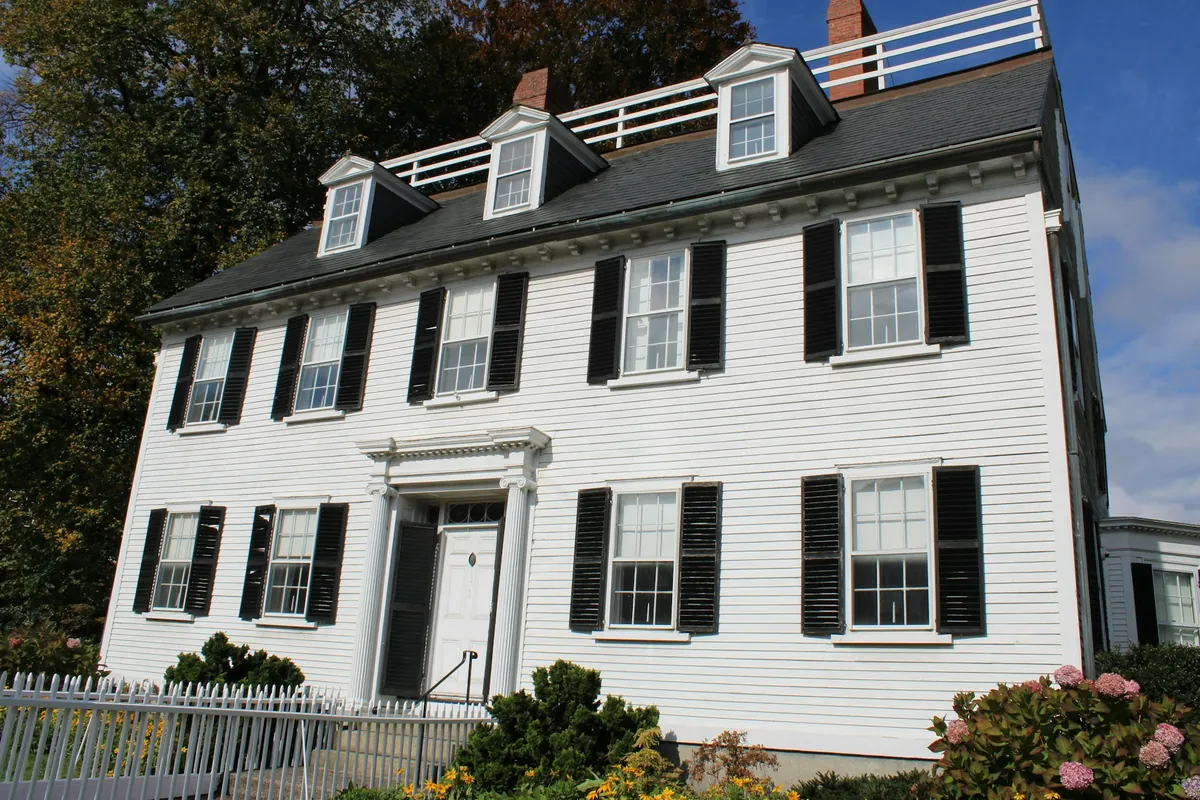
Slim sash in the village colonials
The older colonials in Somerset Village kept their original double-hung sash, tall and slender, framed by deep painted trim that gives the rooms much of their character. A cellular shade suits these windows because its fabric folds into a remarkably small stack. Raised, it nearly vanishes at the head of the frame, so the window still reads as the old window it is.
An inside mount is our first thought here, letting the shade sit within the frame with the trim fully visible. The question is depth. Old frames vary from one window to the next, and sometimes a sash lock or a pulley sits exactly where a headrail would go, so we look at every opening individually. When the frame is too shallow, a shade fixed just above the trim and sized to its width still looks tidy, and it closes off the draught along the edges of the sash, which old frames often need anyway.
Stair and landing windows
Many village colonials have a window on the stair or the landing, seen from two floors and often cold because it sits on an outside corner. A honeycomb shade there should match the colour of the rooms on both levels. If the window is high above the stair, where reaching the bottom rail is awkward, a cordless lift set at a sensible height or a motorised shade keeps it easy to use.
Dormer bedrooms in the capes
The capes built around Brayton Point and Riverside from the 1950s onward usually put the bedrooms upstairs, under the roof, each lit by a dormer. With the roof close overhead and often a single window doing all the work, these rooms run cold in January and stuffy in August. They are where a double cell shade makes the clearest difference.
Space is tight in a dormer. The wall closes in on both sides of the glass, leaving little room for side drapes. A honeycomb mounted inside the frame takes up nothing beyond the window itself, which is precisely what a small room under the eaves needs.
Ranch living rooms near County Street
The ranches around County Street were built with one generous window at the front, often flanked by narrower panes, plus standard bedroom windows down the side. That front window is the coldest wall in the house simply because of how much glass is in it.
One wide shade can cover it, but plenty of owners prefer two or three shades lined up with the window’s own divisions, so one section rises for daylight while the rest stay down. Doing the bedroom windows in the same colour makes the front of the house look even from outside.
Glass walls on the river lots
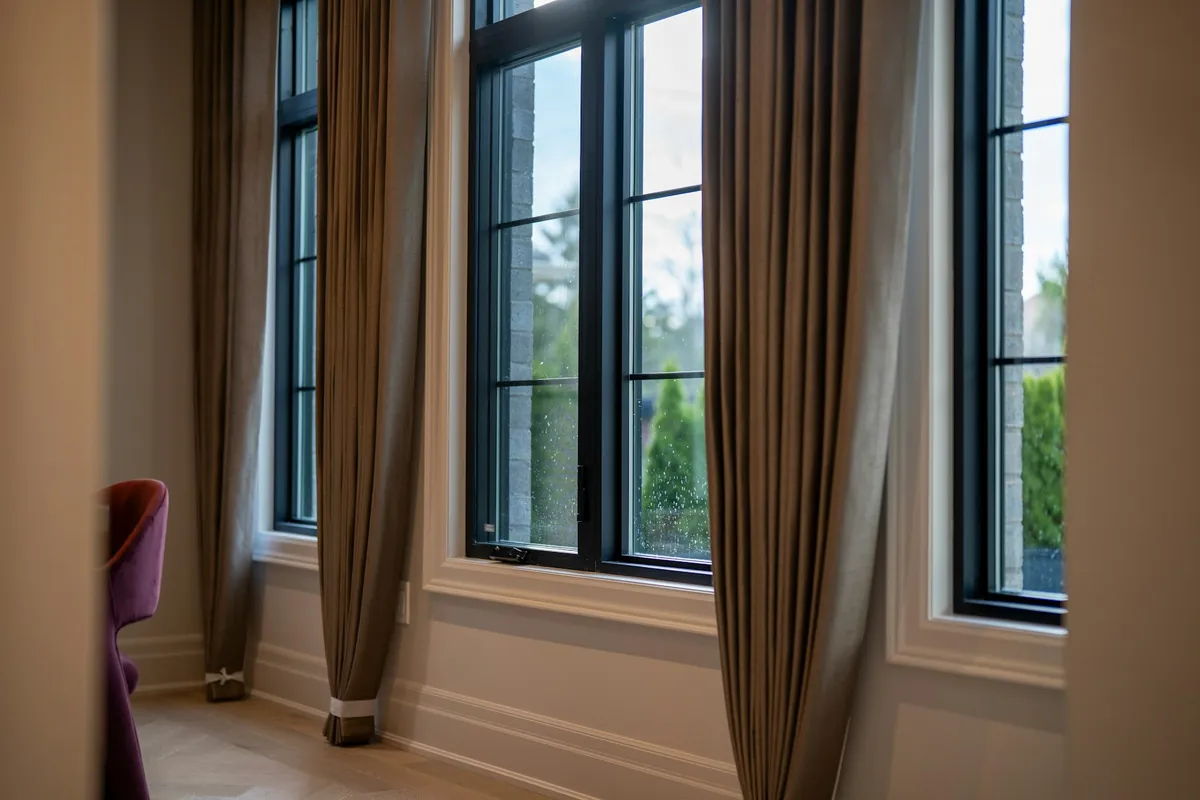
Several houses on the Taunton River lots gained a wall of glass during a later renovation, opening the main room to the water. Those walls pour in light and, in winter, a good deal of cold, and they are the windows most often left bare because nothing ready-made fits.
A run of cellular shades, one to each pane, covers such a wall without hiding its framing. Lowered at dusk, the row holds a blanket of air across the whole wall. Raised in the morning, the shades tuck into slim bands at the top and the view comes back. Where the wall is tall or the upper glass is out of reach, motorised shades raise and lower the whole row from a remote or a wall switch.
The slider out to the yard
Ranches and capes alike often have a sliding door at the back. A honeycomb shade on a door you walk through many times a day is not always practical, and we will say so. A vertical blind usually suits the slider better, chosen in a colour that sits comfortably beside the cellular shades on the windows around it.
Choosing Shades, One Room at a Time
Most Somerset homes end up with a mix of honeycomb shades suited to each room rather than one choice for the whole house. These are the decisions we talk through.
Cell type. Double cell where the cold bites hardest, single cell elsewhere. Both come in matching colours, so the outside of the house stays consistent.
Fabric. Light-filtering fabric keeps a room bright while blocking the view in, good for living rooms and kitchens. Room-darkening fabric holds back the dawn, good for bedrooms. Some owners use light-filtering across the front and room-darkening only where people sleep.
Colour. Whites and pale neutrals look crisp against colonial trim and keep a small dormer bright. Each shade also has a street side, and keeping the front windows uniform makes the house look cared for from the road.
Lift. Cordless shades rise and fall from the bottom rail with no cords hanging. A top-down, bottom-up lift drops the top for daylight while the lower half stays closed for privacy, handy in a ranch bedroom close to the pavement.
Mount. Within the frame for a built-in look with trim on show, or on the trim for fuller coverage of a draughty or out-of-square opening.

How an Order Comes Together
Somebody from the store keeps you updated from your first question until the last shade is working. A typical order for cellular shades in Somerset, MA goes like this.
- Use the call button or the form to say which rooms feel cold or glaring, and we set up your free quote.
- A specialist visits to measure each window, looks at frame depth, and notes obstacles such as sash locks, crank handles or uneven sills.
- You settle on cell type, fabric, colour and lift, using samples at home or the displays in Swansea.
- The quote itemises every window so nothing is a surprise.
- Each shade is made to the figures taken in your rooms.
- Our installers fit them, run every shade up and down to check it travels evenly, and show you the controls.
Shades plus drapes for the chilliest rooms
Pairing a honeycomb shade with lined side drapes puts two layers of fabric between the room and the glass. The shade hugs the window and does the practical work, while the drapes, pulled across at night, add colour and a second barrier over the wall. It suits a colonial’s dining room or the main bedroom of a larger river house. Since we also make custom drapes in Somerset, the two can be picked as a pair and measured in one visit.
Where to start if you are doing it in stages
Not every house needs every window done at once. In Somerset the usual order is the coldest rooms first: dormer bedrooms in a cape, the front room of a ranch, the north side of a colonial, and any renovated glass wall facing the river. Later rooms can match those shades in colour and fabric, so the house looks finished even when the work was spread over time. We keep a note of what was ordered, which makes matching straightforward.
Caring for honeycomb fabric
Little upkeep is needed. Run a feather duster, or a vacuum brush on its gentlest setting, across the fabric now and then, and dab a small mark with a slightly damp cloth. Lower the shade smoothly rather than tugging, and its pleats stay crisp. If a cord or headrail misbehaves on a shade you already own, our blind and shade repair service can often sort it.
Sun, Glare and the River Side of the House
Heat is only half the story with cellular shades in Somerset, MA. Houses that look west over the Taunton River take the low afternoon sun straight into their main rooms, and in high summer that light can make a living room glaring by late afternoon and stuffy by supper. A light-filtering honeycomb lowered through those hours softens the glare to an even glow without plunging the room into gloom, and the pockets of air in the cells slow the build-up of heat behind the glass.
Fading is the quieter problem. Wood floors, a rug or a sofa that sits in the same patch of sun every afternoon will lose colour over the years. Lowering the shades on the sunny side while you are out, then raising them in the evening when the sun has dropped, protects the room without giving up the view for long.
On the road side of a ranch or cape, the concern is usually privacy rather than sun. A top-down, bottom-up lift handles that well: the top of the shade comes down to let daylight in over the head of anyone passing, while the lower part stays closed. In bedrooms that face the street, a room-darkening fabric in the same colour as the light-filtering shades elsewhere keeps the front of the house uniform.
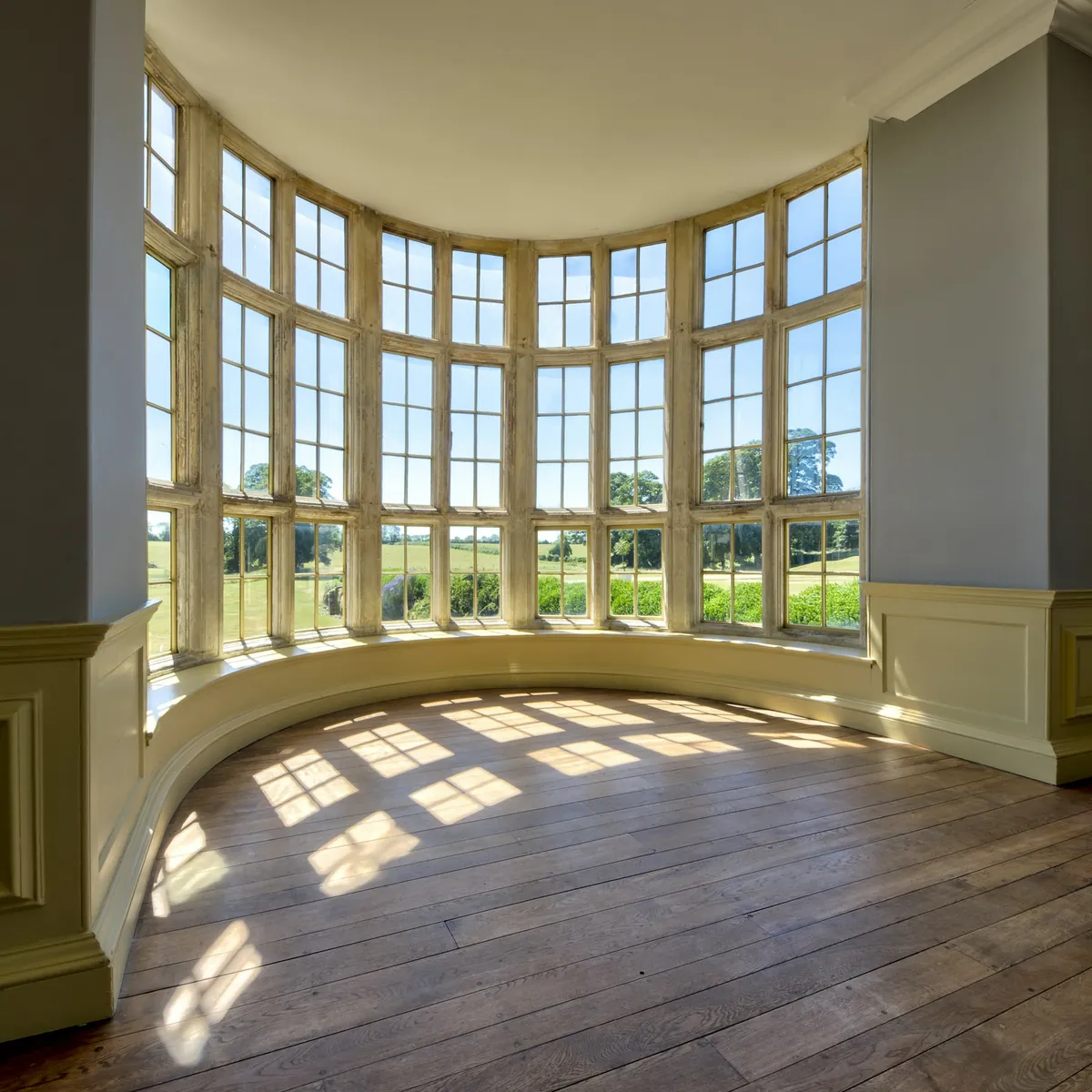
Bay windows, common in the larger colonials and some renovated river houses, are a case of their own. Each window in the bay takes its own shade, sized so the edges meet neatly where the angles turn. Raised, the shades leave the bay open to the light; lowered at night, they close off the coldest corner of the room. Pairing them with drapes across the front of the bay, as many owners do, makes a cosy room out of a space that otherwise feels exposed after dark.
When we plan cellular shades for a Somerset home with a river view, we look at which windows take the afternoon sun, which face the road and which face the water, and choose fabric for each side rather than one for the whole house.
Why Somerset Calls Window Works
Window Works opened in Swansea in 1988 and is now in the hands of the family’s second generation. For over 37 years our people have fitted window treatments in homes on both banks of the Taunton River, and we now cover 25 towns across the SouthCoast of Massachusetts and the Rhode Island East Bay.
- Experienced window treatment specialists who measure and advise
- No order placed until each window has been measured on site
- Fitting by our own installers
- Updates from us at every stage until the work is finished
- Warranties offered on the products we sell
The showroom sits a few minutes over the river. Drop in to compare single and double cell, feel the fabrics and work a cordless lift with your own hands. Norman shades are on display there as well.
Honeycomb shades are one part of what we make for Somerset homes. Every service for the town is on our Somerset window treatments page, and the shades themselves are covered in more depth on the main cellular shades page.
Questions from Somerset
Will a honeycomb shade fit the slim sash in an old village colonial?
Usually, yes. The fabric stacks very small, which suits a tall, narrow sash. Each frame is checked for depth, and where an inside mount will not fit, the shade goes on the trim instead.
Single cell or double cell for a cape’s upstairs bedroom?
Double cell, in most cases. Dormer rooms under the roof run cold in winter, and the second row of cells gives the most help at the glass.
Can you cover a big glass wall facing the river?
Yes. We generally make one shade per pane so the framing stays visible, and remote or wall-switch operation makes a tall wall simple to manage.
Do the shades help in summer too?
They do. The same pockets of air slow the sun’s heat through a west-facing window, and keeping them down in the afternoon also limits fading.
What does a quote cost?
Nothing. Quotes are free, and the call button or the form is the quickest way to set one up.
Ready When You Are
Reach the Swansea store through the call button to set up a free quote, book measuring in your home or ask about installation. If you would like to see fabrics before anyone visits, directions to the showroom are on the contact page. Window Works holds a 5.0 rating on Google.