
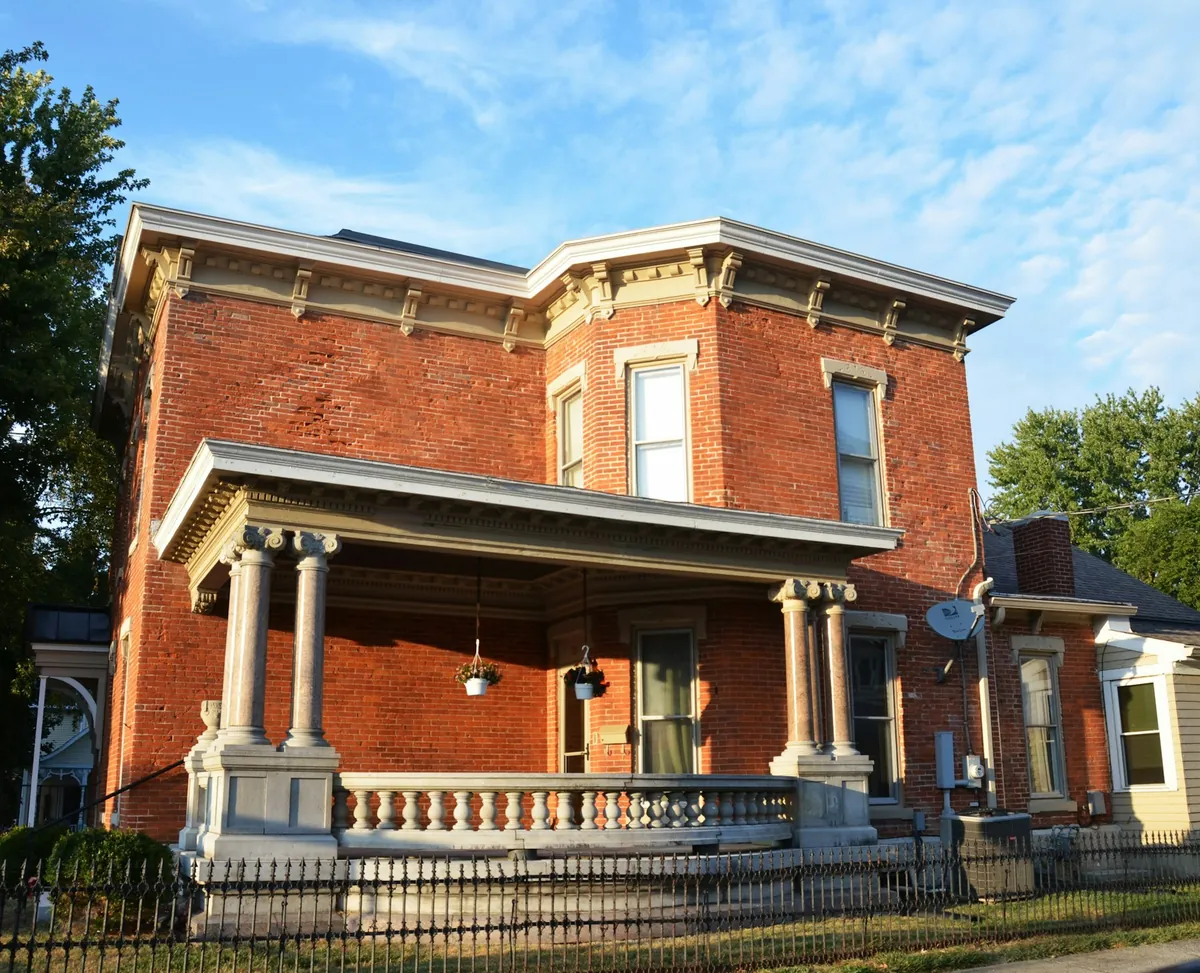
Tall Windows Under High Ceilings
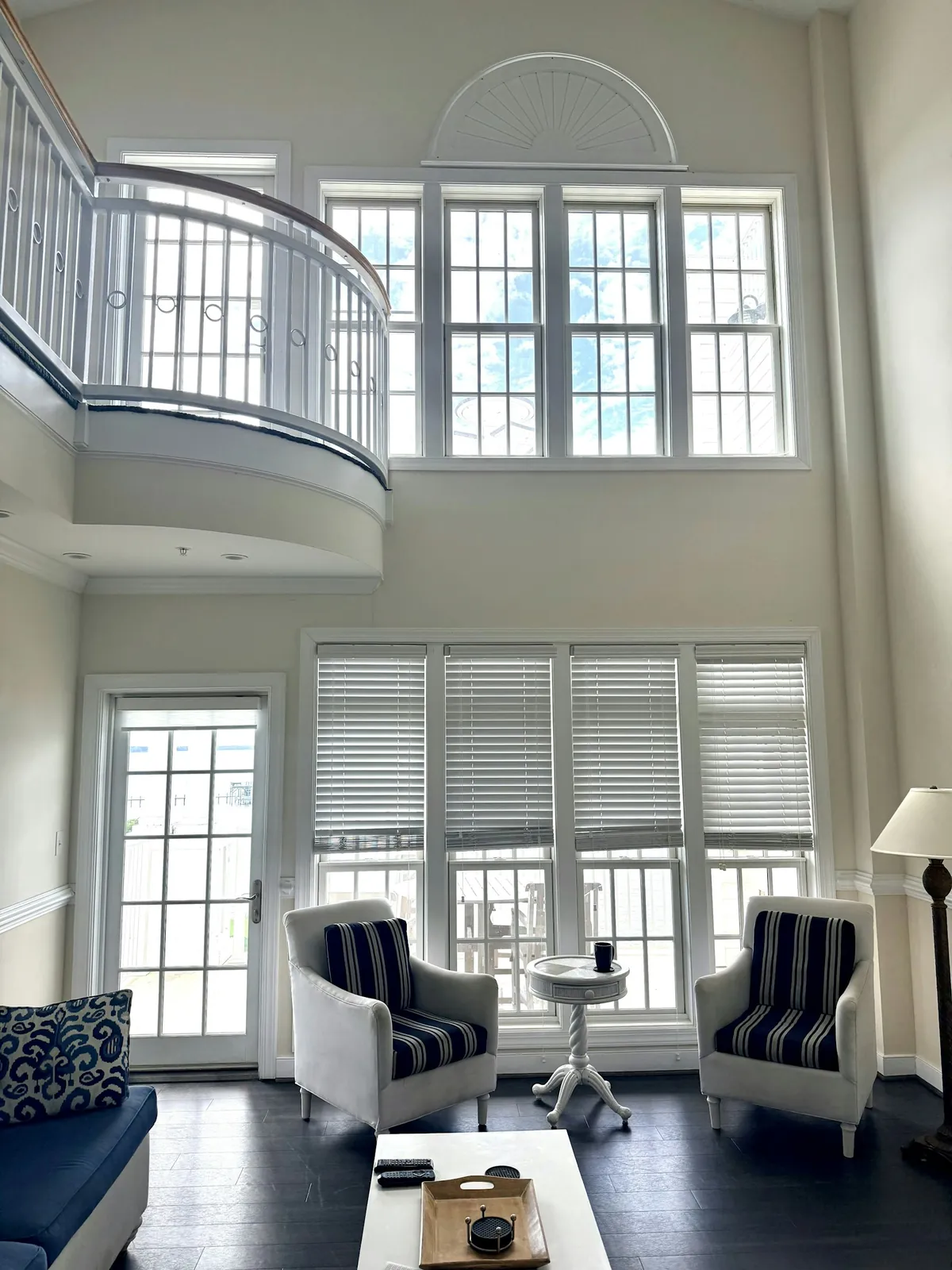
Walk the streets around the Green or through Weir Village and the houses stand tall: Victorians and triple-deckers with high ceilings and long, narrow windows that run from near the floor almost to the cornice. They fill the rooms with light. They also make those rooms hard to heat, because warm air rises up toward the plaster while the long panes of glass chill the air down at chair height. That combination is why cellular shades in Taunton, MA are so often asked for in the older downtown houses.
A honeycomb shade tackles the problem at the glass. Each cell is a sealed pocket of air, and air that cannot move carries very little heat. Lowered over a tall window, the shade lays a column of still air down the whole height of the pane, so less warmth is pulled out of the room. Made to the exact size of each window, it covers the glass from head to sill.
- Single and double cell honeycomb shades, made for tall and standard windows alike
- Every window measured in the house; shades fitted by our own installers
- Fabrics, colours and lifts to try at our Swansea showroom
Honeycomb Shades and Options
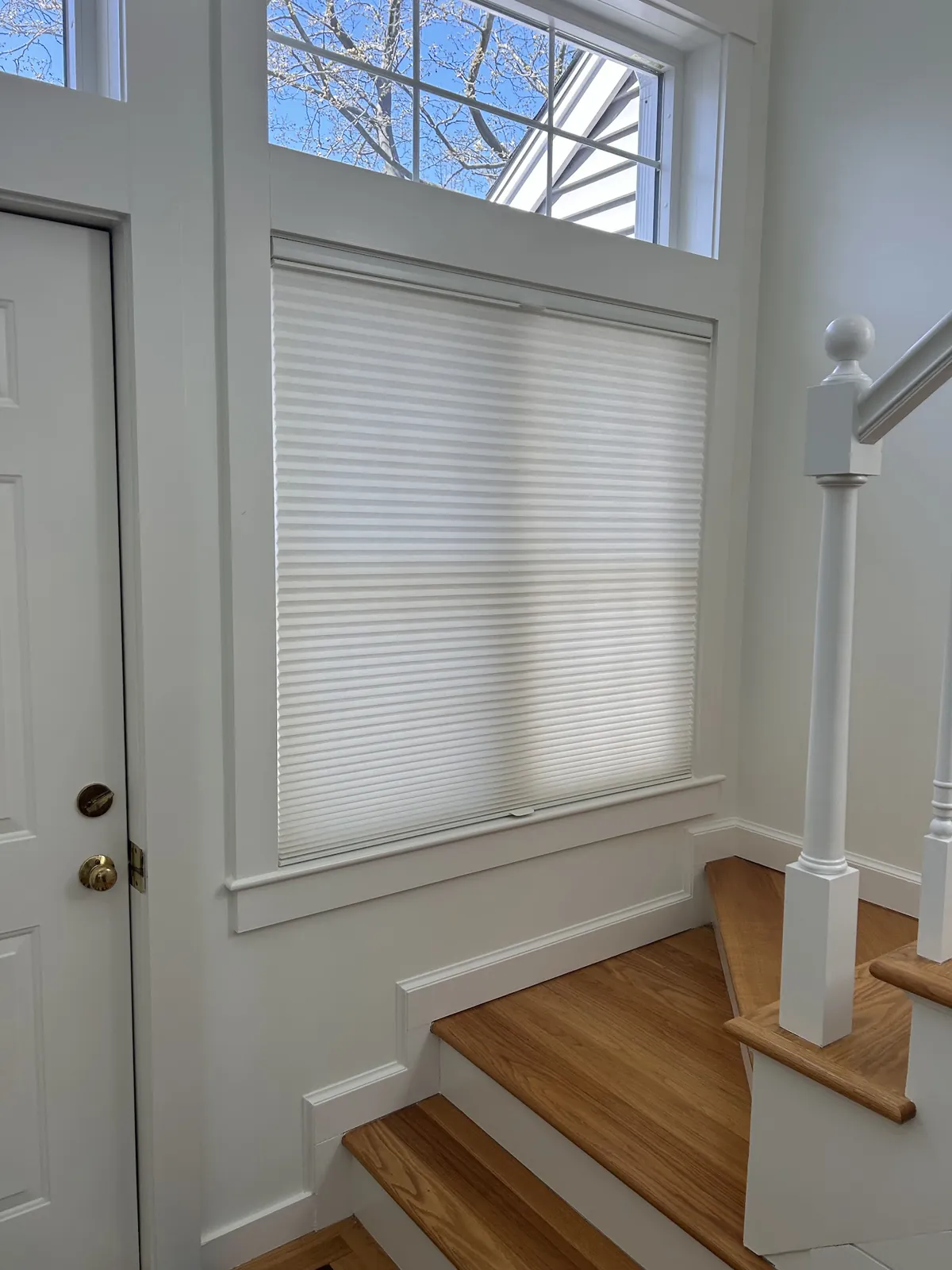
Single cell
One row of cells. Light, slim and the right choice for rooms that already hold their heat reasonably well.
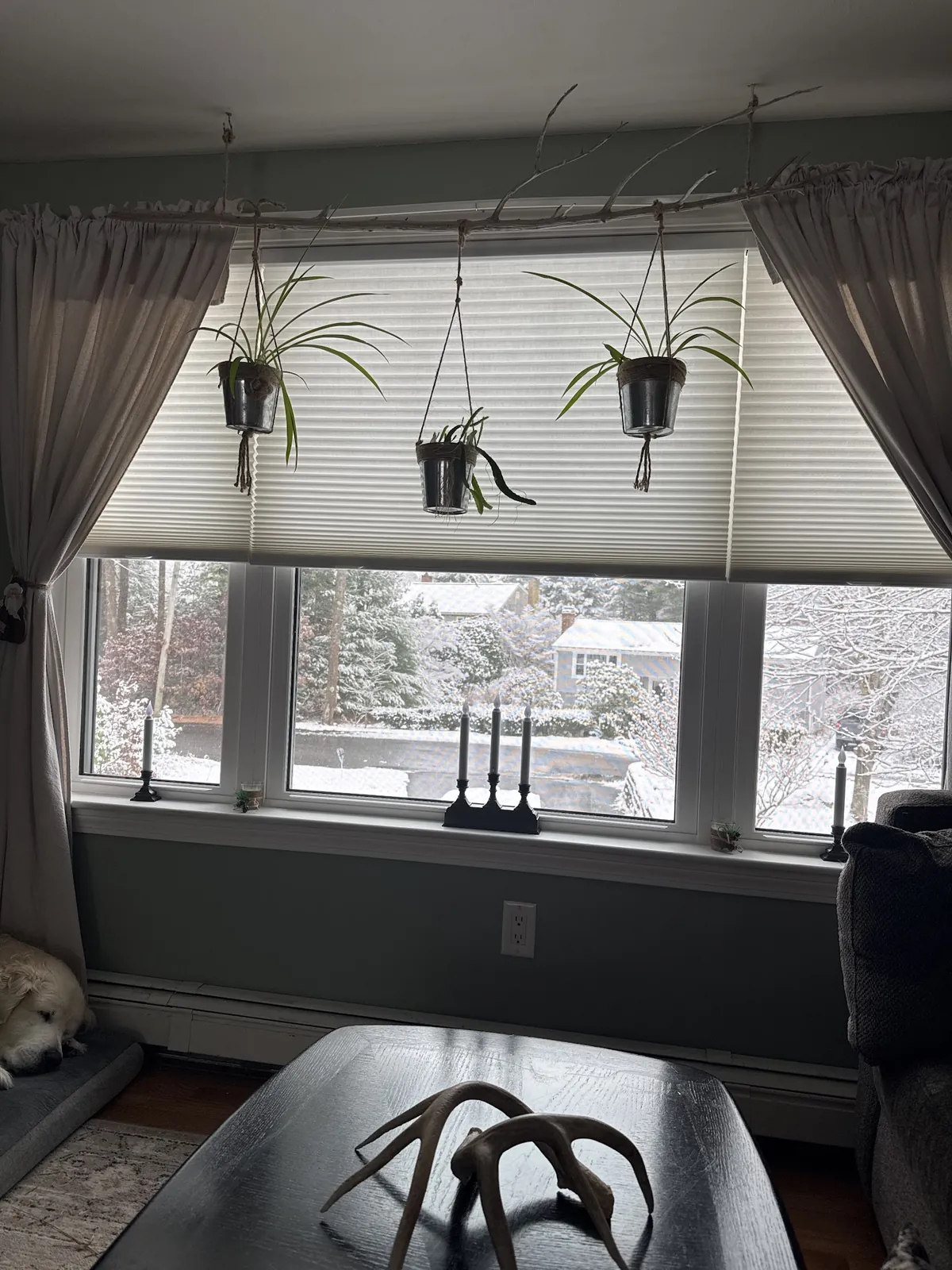
Double cell
Two rows of cells for the coldest rooms: the top floor of a triple-decker, a north-facing parlour, an exposed bedroom.
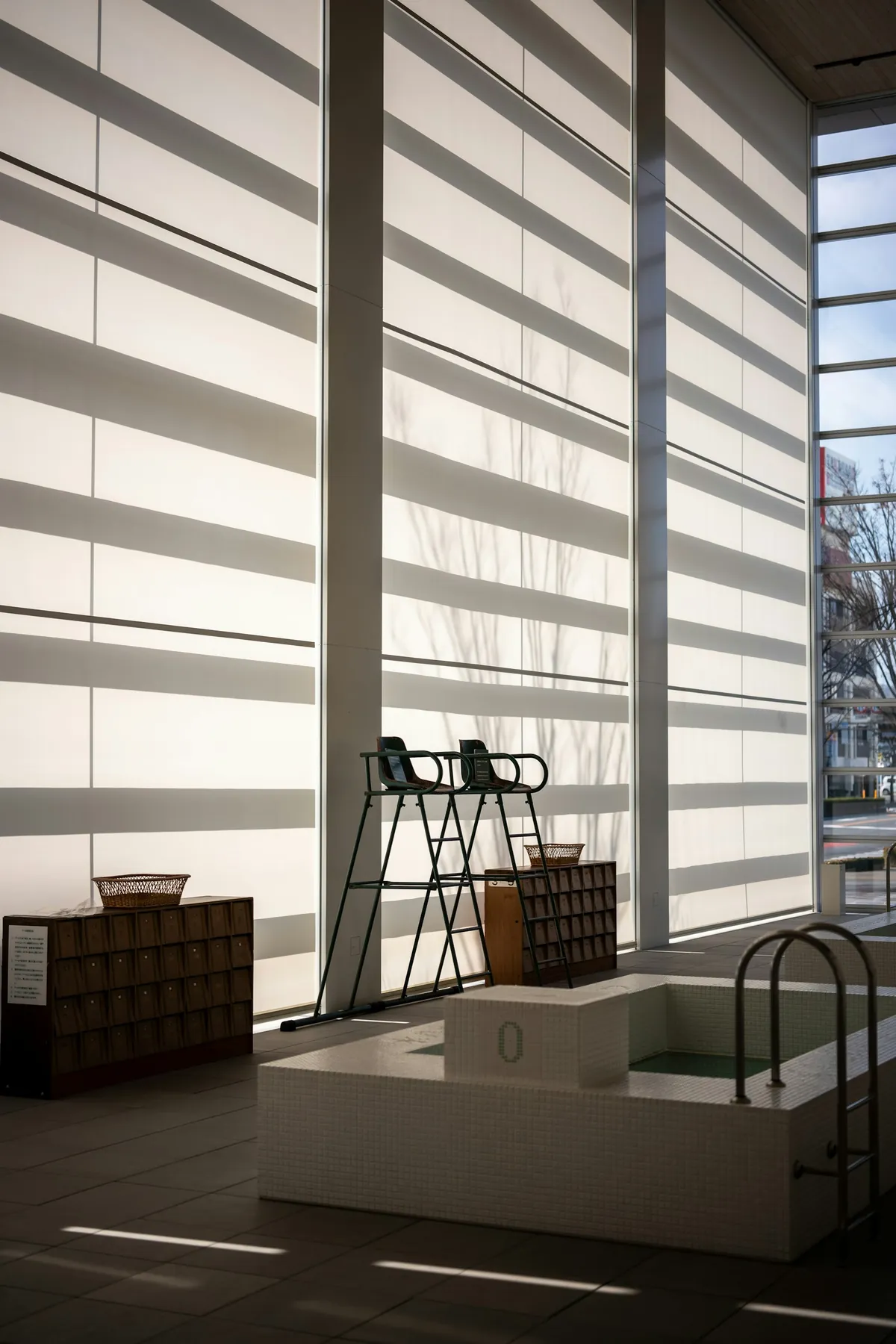
Motorised operation
Raise and lower tall shades from a remote or a wall switch, with no reaching and no step stool.
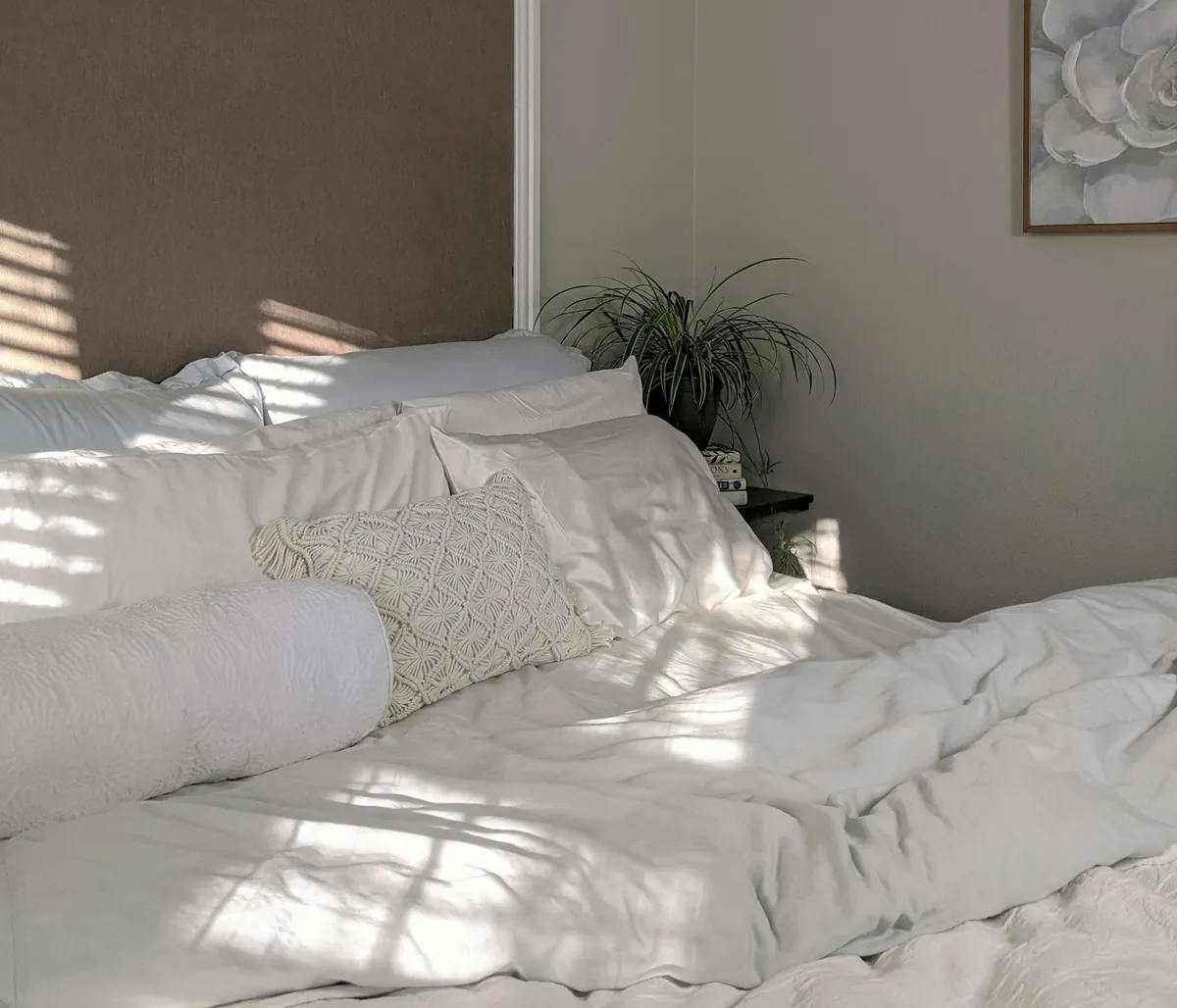
Room-darkening fabric
For bedrooms that face the street lights downtown or the early sun in East Taunton.
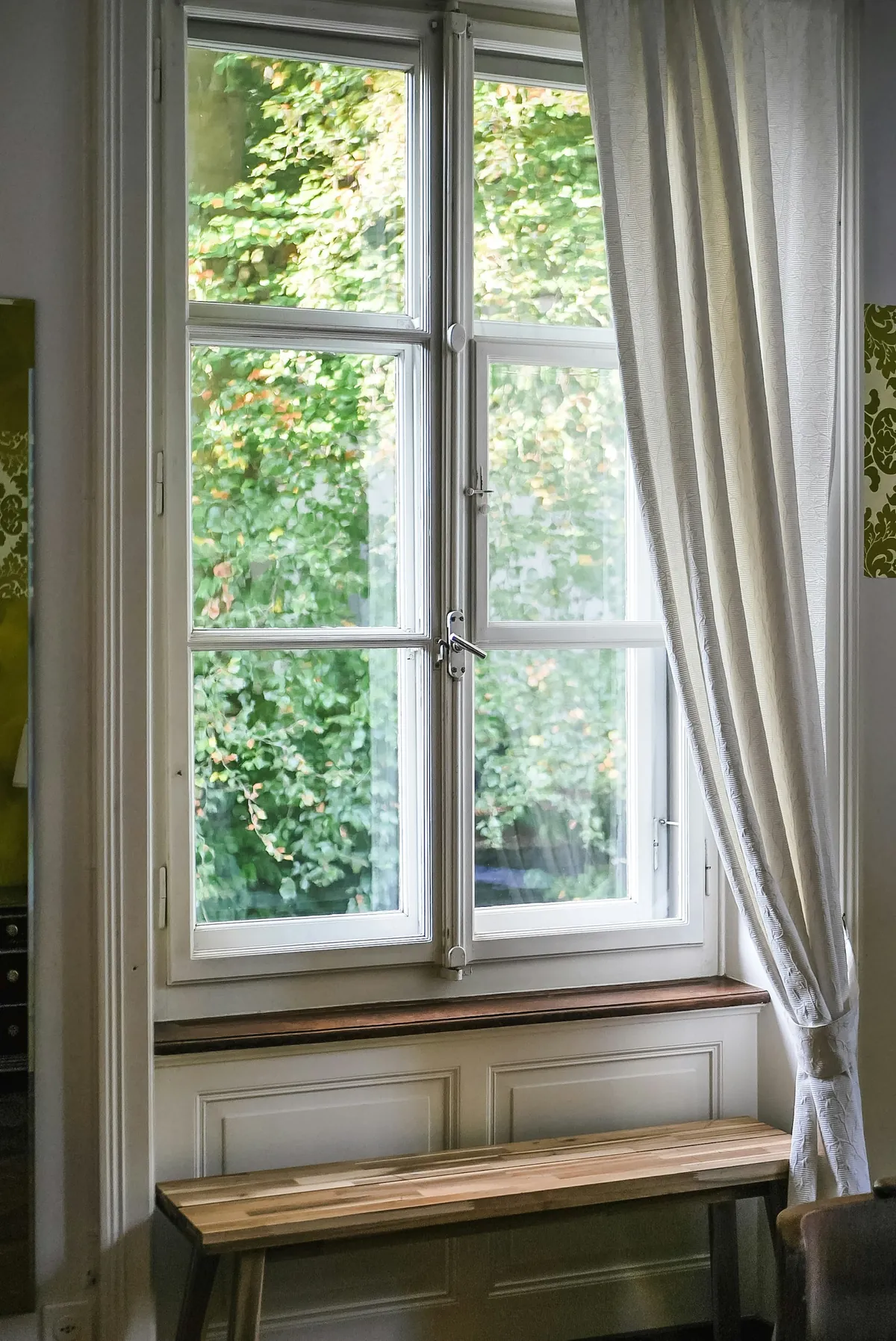
Top-down, bottom-up
Open the top of a tall window for daylight while the lower half stays closed to the pavement.
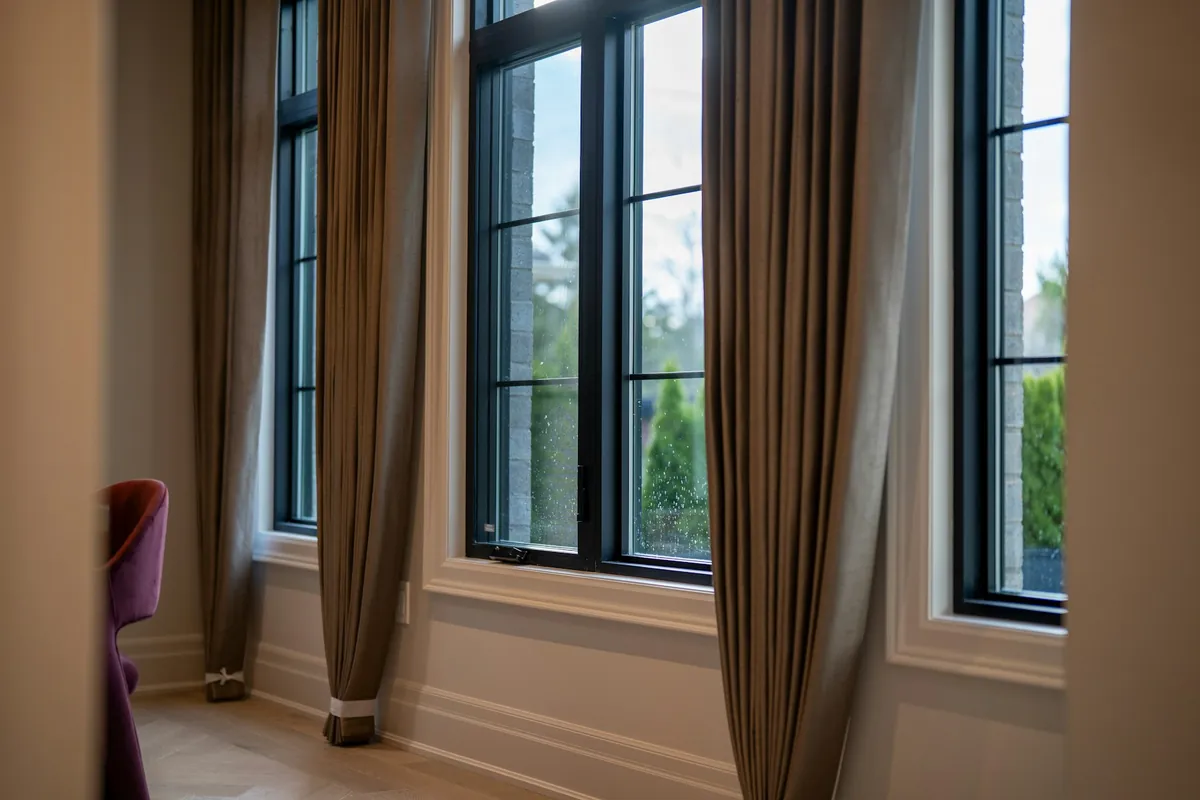
Paired with drapes
Side drapes on a tall window add height, colour and a second layer at night. We make both.
The Problem with Tall Glass and High Ceilings
A room with a high ceiling and long windows behaves differently from a modern room. Heat rises, so the warmest air in the room collects up near the ceiling, well above where anyone sits. Meanwhile, the tall windows present a large, cold surface. Air touching the glass cools and drops, sliding along the floor toward the chairs. On a January evening, the result is a room that feels cold at knee height even when the thermostat says otherwise.
Covering the glass breaks that cycle. A cellular shade lowered at dusk stops the room’s air from meeting the cold pane directly, and the cells hold a layer of still air in between. The cold downdraught along the floor eases, and the room feels warmer at the level where people actually live.
For the tallest windows and the coldest rooms, double cell adds a second row of pockets. It is the shade we suggest most often for the top floor of a triple-decker and for any Victorian parlour that faces north.
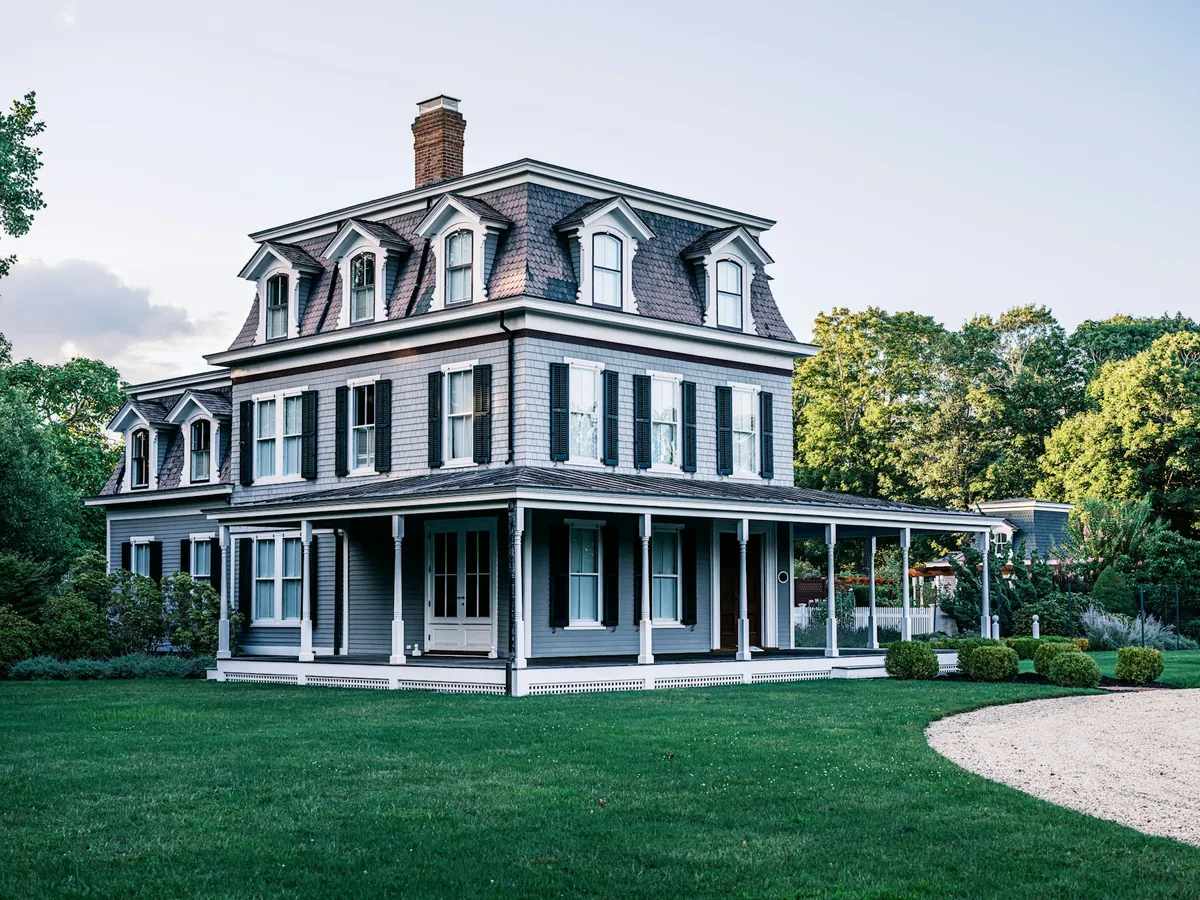
Victorians near the Green
The Victorians around the Green and along the streets nearby were built to impress, with tall windows, deep casings, bay windows and sometimes a curved or arched head on the front windows. Many still have original sash. These are houses where the window treatment should respect the architecture, and a honeycomb shade does that well. It sits within the frame, adds no bulk to the casing, and when raised it folds into a narrow band at the top of the window.
Height is the main practical question. A tall window means a long shade, and the bottom rail can end up well above head height when the shade is raised. We talk this through at the measuring visit. A cordless shade with the rail resting at a comfortable height works for many windows. Others suit a top-down, bottom-up lift, which can be lowered from the top and worked from the middle. For the tallest, motorised operation from a remote or a wall switch is often the most practical answer.
Bay windows on the front of the house
Many of the Victorians have a projecting bay, often in the front parlour, with three tall windows set at angles. A bay is the coldest part of the room, with glass on several faces and the outside air wrapping around it. Each window in the bay gets its own shade, sized so the edges line up neatly where the angles turn. Lowered together at dusk, they close off the bay and the parlour warms up noticeably.
Arched and shaped heads
Some front windows downtown have a curved or arched top. Usually the simplest answer is a shade on the rectangular part of the sash, mounted just below the start of the curve, so the arch stays open as a decorative feature and the shade does the practical work below it. We look at each one in person and talk through what will look and work best.
Triple-Deckers through Weir Village
The triple-deckers through Weir Village share the tall windows of the Victorians, stacked three floors high. Each floor is usually its own home, and each feels different in winter. The top floor has the roof above it and is nearly always the coldest; the middle floor is sheltered above and below; the ground floor sits over the cellar.
For a top-floor flat, double cell shades in the bedrooms and living room make a real difference. Lower floors often do well with single cell, with double cell kept for any room with an exposed corner. We often fit one flat at a time, and because the windows on each floor are usually close to the same size, the shades can match from floor to floor. That keeps the front of the building looking tidy from the street, which owners of the whole building usually appreciate.
Street-facing rooms downtown
Front rooms downtown face the street, the street lights and the passers-by. A top-down, bottom-up lift lets the top of a tall window stay open for daylight while the lower half blocks the view from the pavement. In bedrooms, a room-darkening fabric keeps out the light from the street at night and helps the room hold its warmth.
Summer in the top-floor flat
The same top floor that is coldest in January is often the hottest in July, with the sun on the roof all day and warm air rising up the stairwell. Cellular shades in Taunton, MA triple-deckers earn their keep in summer too. Lowered across the sunny windows through the afternoon, a light-filtering honeycomb softens the glare and slows the heat coming through the glass, so the flat is more bearable by evening. Raise them again once the sun has moved round.
Stair halls and landings
The common stairs in a triple-decker, and the grand stair in a Victorian, usually have a tall window on a landing. It is seen from more than one floor and is often one of the coldest windows in the building, because the stairwell carries warm air straight up past it. A honeycomb shade there, in a colour that suits every floor it can be seen from, helps keep the warmth from escaping up the stairs. When planning cellular shades for a Taunton, MA stairwell, a motorised or top-down lift makes a window above the stairs easy to reach.
Ranches across East Taunton
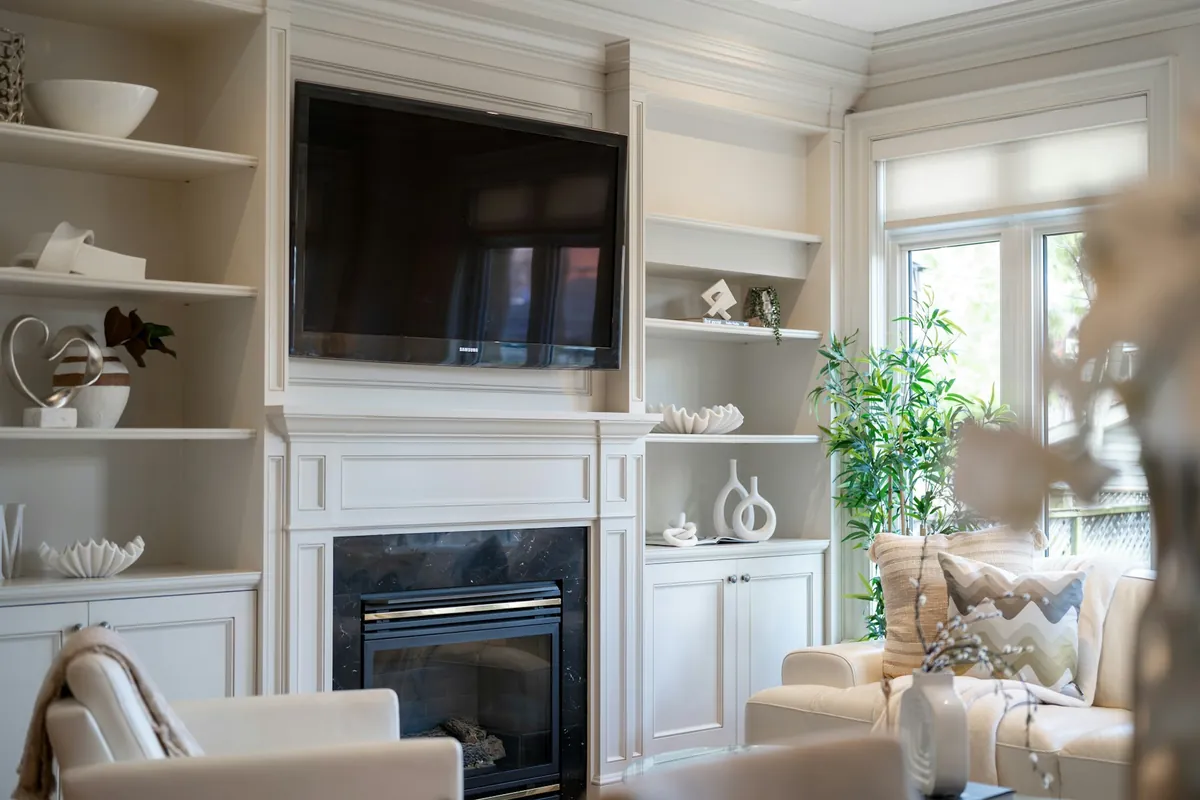
The 1950s ranches across East Taunton are a different job altogether. Ceilings are lower, windows are standard height, and everything sits on one floor. The challenge here is the front picture window, the biggest single piece of glass in the house and the main place the living room loses heat.
A wide picture window can take one honeycomb shade across its full width, or two or three side by side lined up with the window’s divisions, so one section can be raised for light while the others stay down. The bedroom windows along the side and back take matching shades, with double cell in any bedroom that runs cold, and the same colour on every front window keeps the house looking even from the road.
Many ranches also have a sliding door off the kitchen or living room to a patio. A honeycomb shade is not always practical on a door used all day, and a vertical blind often serves it better, chosen to sit well beside the shades.
Kitchens and bathrooms in a ranch
The kitchen window over a ranch’s sink suits a light-filtering single cell shade with a cordless lift that is easy to reach across the counter. Bathroom windows are usually small, and a light-filtering shade gives privacy without darkening the room. In both, the honeycomb’s small stack leaves the window nearly clear when raised.
Newer Colonials off Bay Street
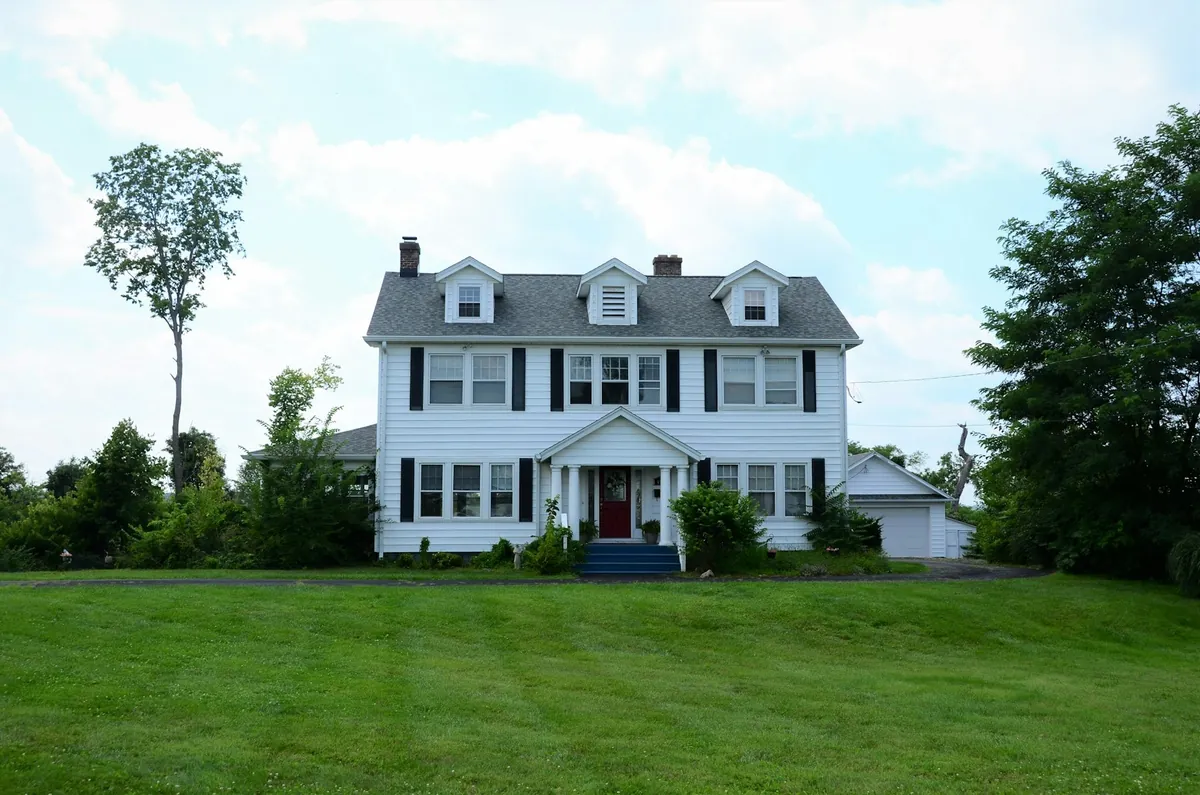
The larger, newer colonials off Bay Street have more glass than the ranches and more regular windows than the Victorians. A typical house has matched double-hung windows across the front, a family room with several windows or a glass wall at the back, and sometimes a two-storey entry or great room with tall windows.
These houses are built tightly, so draughts are seldom the concern. The amount of glass is. A family room with windows along two walls loses heat in winter and gains a lot of sun in summer. Light-filtering honeycomb shades on the sunny side soften the glare and slow the heat, and double cell on the north side keeps the room comfortable on winter evenings. For tall windows in a two-storey room, motorised shades raise and lower the whole set from a remote or wall switch.
Bedrooms over the garage
A bedroom above an attached garage has cold air beneath it as well as at the windows. Double cell shades, often in a room-darkening fabric, are our usual suggestion. It is one of the rooms where owners notice the change first, often on the very first cold night after the shades go up, when the floor no longer feels chilly underfoot by the window.
Choosing Cellular Shades in Taunton, MA
Whichever kind of house you have, these are the decisions we work through, window by window.
- Cell: double cell for the coldest rooms and the tallest windows, single cell elsewhere
- Fabric: light-filtering for living rooms and kitchens, room-darkening for bedrooms
- Colour: pale neutrals keep high-ceilinged rooms bright and look right against old painted casings
- Lift: cordless for a clean look, top-down, bottom-up for tall street-facing windows, motorised for windows out of reach
- Mount: inside the frame to keep old casings on show, on the casing where depth or squareness will not allow it
Pairing honeycomb shades with drapes
On a tall Victorian window, side drapes hung from just below the cornice make the window look even taller and add a second layer across the glass at night. The shade does the daily work of light and privacy; the drapes add colour and softness. Together they make one of the warmest treatments a high-ceilinged room can have, and we can measure for both on the same visit.
Where to begin
If you are doing the house in stages, start with the coldest rooms: the top floor of a triple-decker, the north-facing parlour of a Victorian, the front living room of a ranch or the bedroom over the garage. Later rooms can match in colour and fabric, because we keep a record of what you chose.

What Ordering Looks Like
From the first enquiry until the last shade is fitted, you hear from us at every stage. An order for cellular shades in Taunton, MA follows these steps.
- Get in touch with the call button or the form, say which rooms you have in mind, and a free quote is booked.
- A specialist visits and measures every window, including its full height, frame depth, any arched head and anything in the way such as sash locks or radiators.
- You choose cell, fabric, colour and lift for each window, from samples at home or in the Swansea showroom.
- A quote follows with every window listed.
- The shades are made to the measurements taken in your home.
- Our installers fit them, check that each one raises and lowers smoothly, and show you how the lifts work.
Radiators below the sash
Many of the older downtown houses still have radiators under the windows. An inside mount stops the shade at the sill, so the radiator’s warmth rises into the room rather than getting trapped behind the fabric. We check every window before choosing the mount.
Care
Run a feather duster or a vacuum brush on low across the shades now and then, and dab small marks with a damp cloth. Tall shades especially benefit from being raised and lowered with a steady hand. Downtown windows near busy streets collect a little more dust than those in East Taunton, so a quick pass every few weeks keeps the fabric looking fresh. If a cord or headrail stops behaving on a shade you already own, call the store and we will tell you whether it can be put right.

Window Works, Since 1988
Window Works started in Swansea in 1988 and is run today by the family’s second generation. In over 37 years, we have measured and fitted window treatments in Victorians, triple-deckers, ranches and colonials across 25 towns in the SouthCoast and the Rhode Island East Bay.
- Specialists who measure every window in your home
- Our own installers, who check every shade before they leave
- Regular updates from us until the job is done
- Warranties offered on what we sell
- A showroom with the fabrics, lifts and the Norman range on display
Other services for the city are on our Taunton window treatments page, and the main cellular shades page goes deeper into how the honeycomb works.
Questions from Taunton
How do you handle very tall Victorian windows?
We make the shade to the full height of the sash and choose a lift that suits it: cordless with the rail at a comfortable height, top-down, bottom-up, or motorised for the tallest.
Which floor of a triple-decker needs double cell?
The top floor, nearly always. With the roof above it, its rooms lose the most heat, so the second row of cells helps most there.
What about windows with an arched top?
Usually the shade covers the rectangular part of the sash and the arch stays open. We look at each one in person.
Can you cover a ranch’s wide picture window?
Yes, with one wide shade or two or three side by side, lined up with the window’s divisions so each section can be raised on its own.
How do I arrange a quote?
Quotes are free. Use the call button or the form and we will set up a time to measure.
Book Your Free Quote
Use the call button to reach the Swansea store for a free quote, to arrange measuring in your home or to ask about installation. If you would like to see the range before anyone visits, the contact page shows the way to the showroom. Window Works has a 5.0 rating on Google.