
Long, Narrow Windows in Close-Set Houses
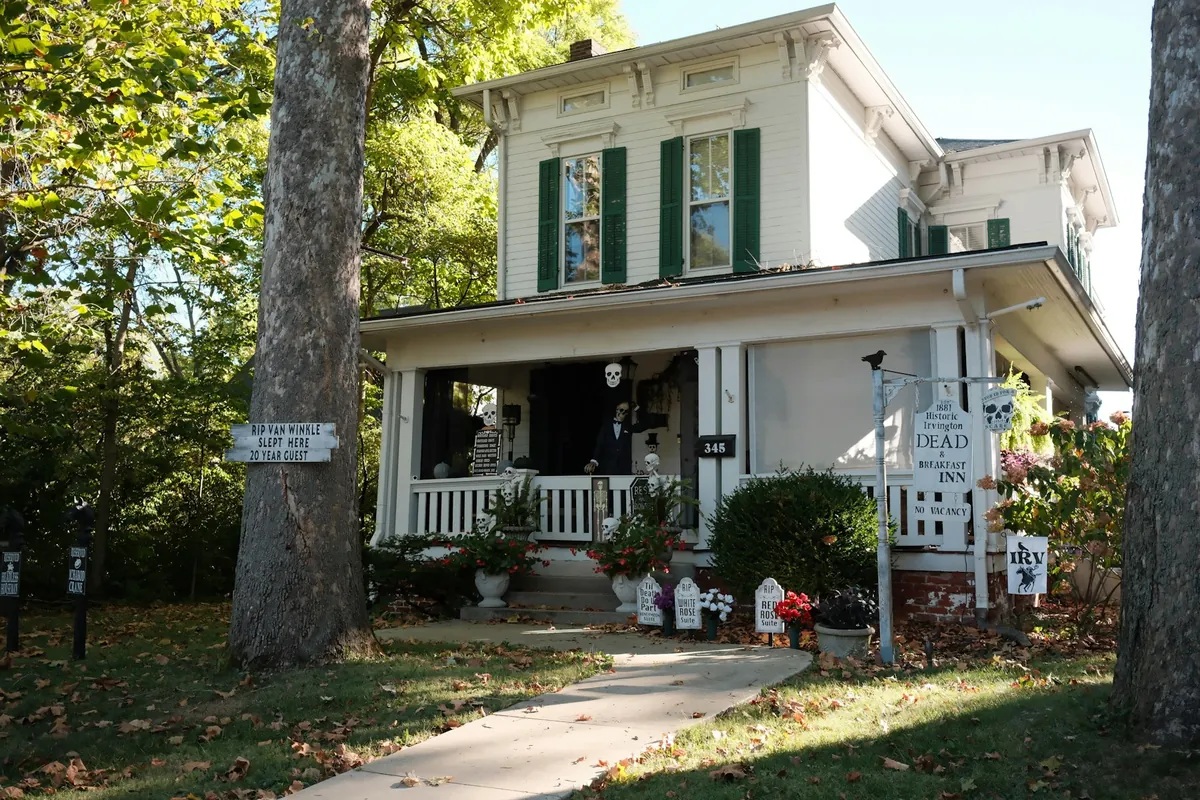
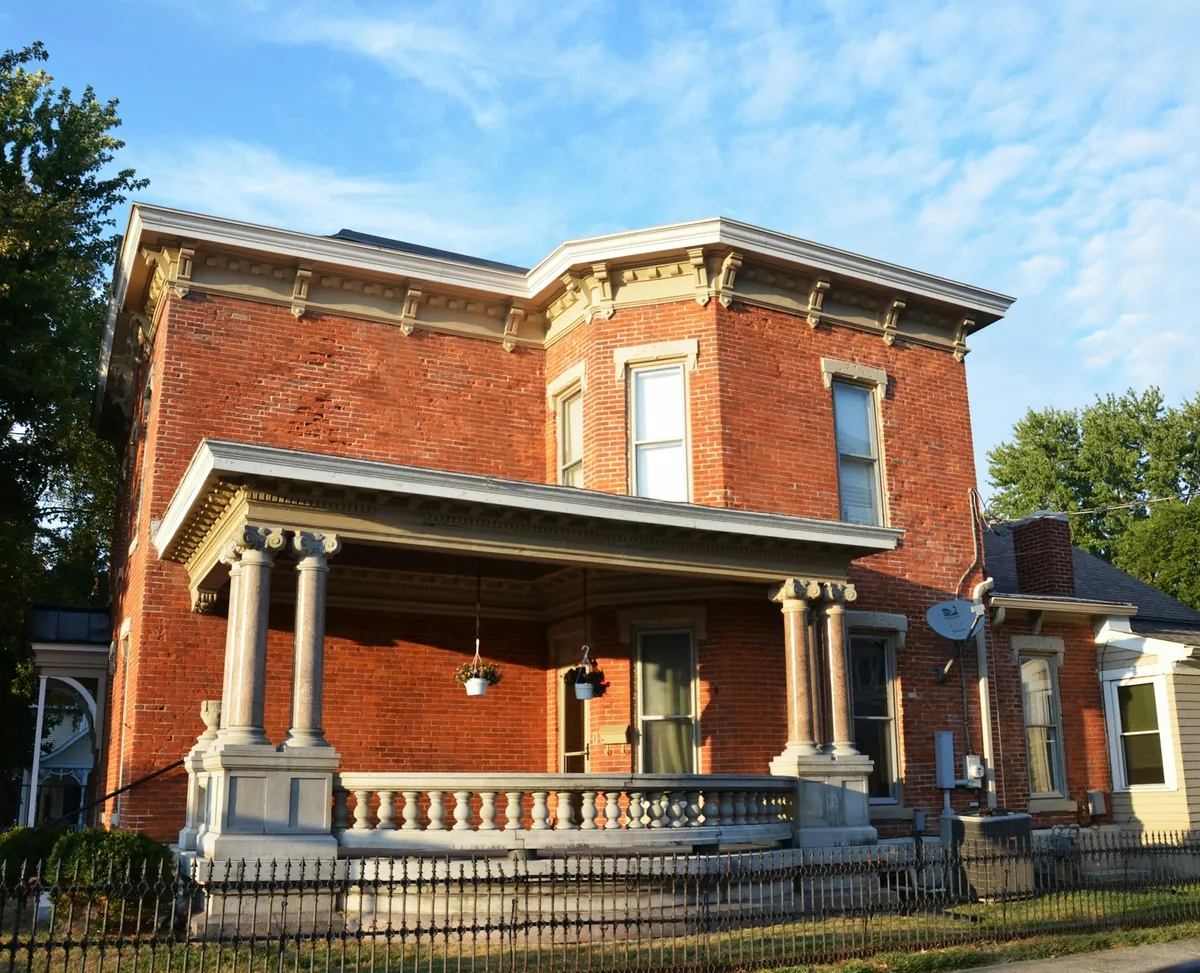
Pawtucket’s older houses are built tall rather than wide. In the Victorians of Oak Hill and Quality Hill, and in the mill-era three-deckers off Broadway, the typical window is a tall, narrow double-hung sash, and the house next door is rarely far away. That shapes what we look for in cellular shades in Pawtucket, RI. Length matters more than width, and privacy matters on almost every side of the house, not just the front.
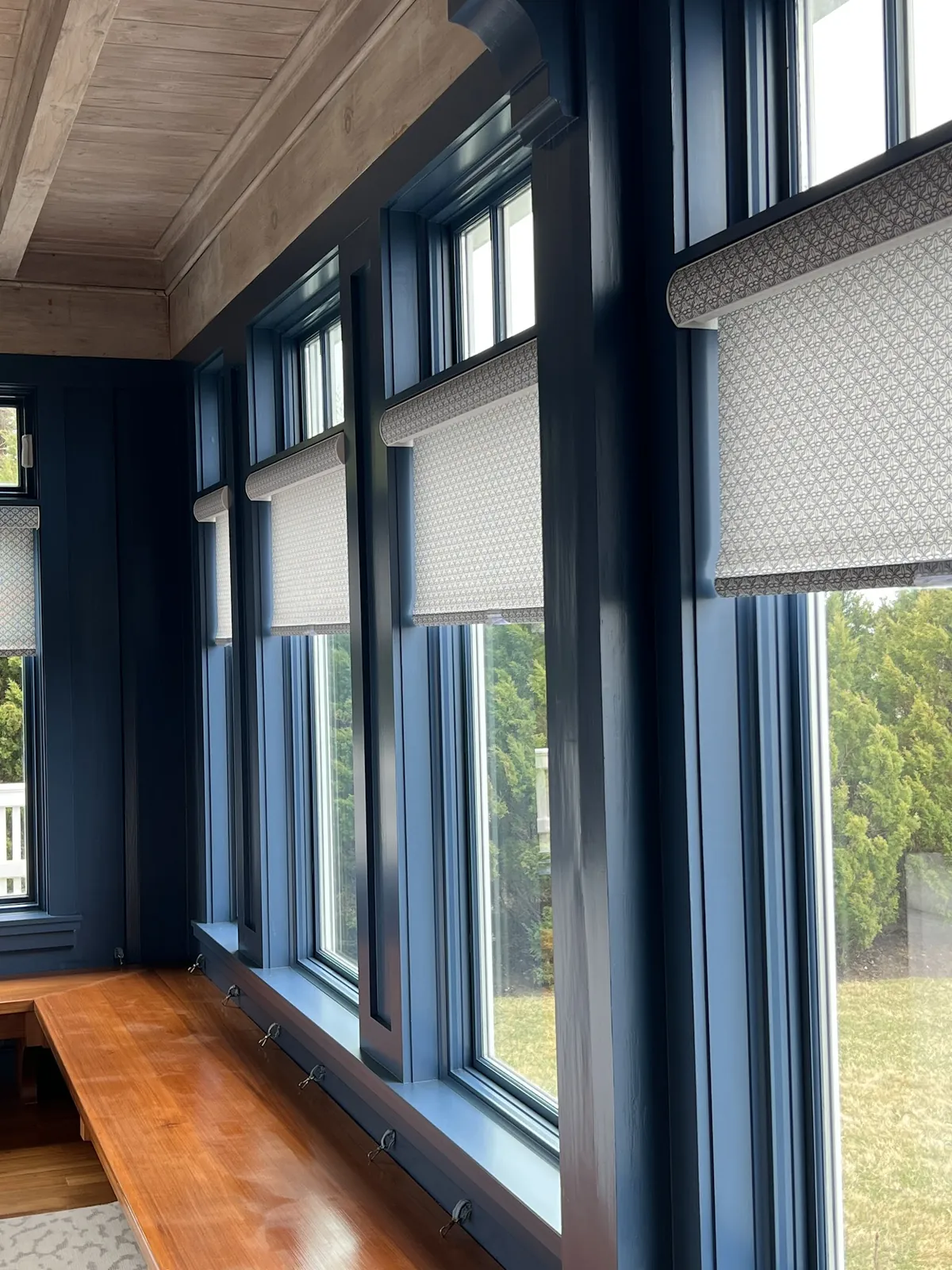
A honeycomb shade suits that kind of window. It runs the full length of a tall sash yet folds into a short stack when raised, and its fabric can let daylight in while keeping the neighbours’ view out. It is also the warmest treatment we make: each of its cells holds a pocket of still air between the glass and the room, which is what helps an old room hold its heat.
- A single or a double layer of cells, room by room
- Built to the whole length of a tall, slim sash
- Measured on site and hung by our installers
Cellular Shades for Pawtucket Windows
Single cell
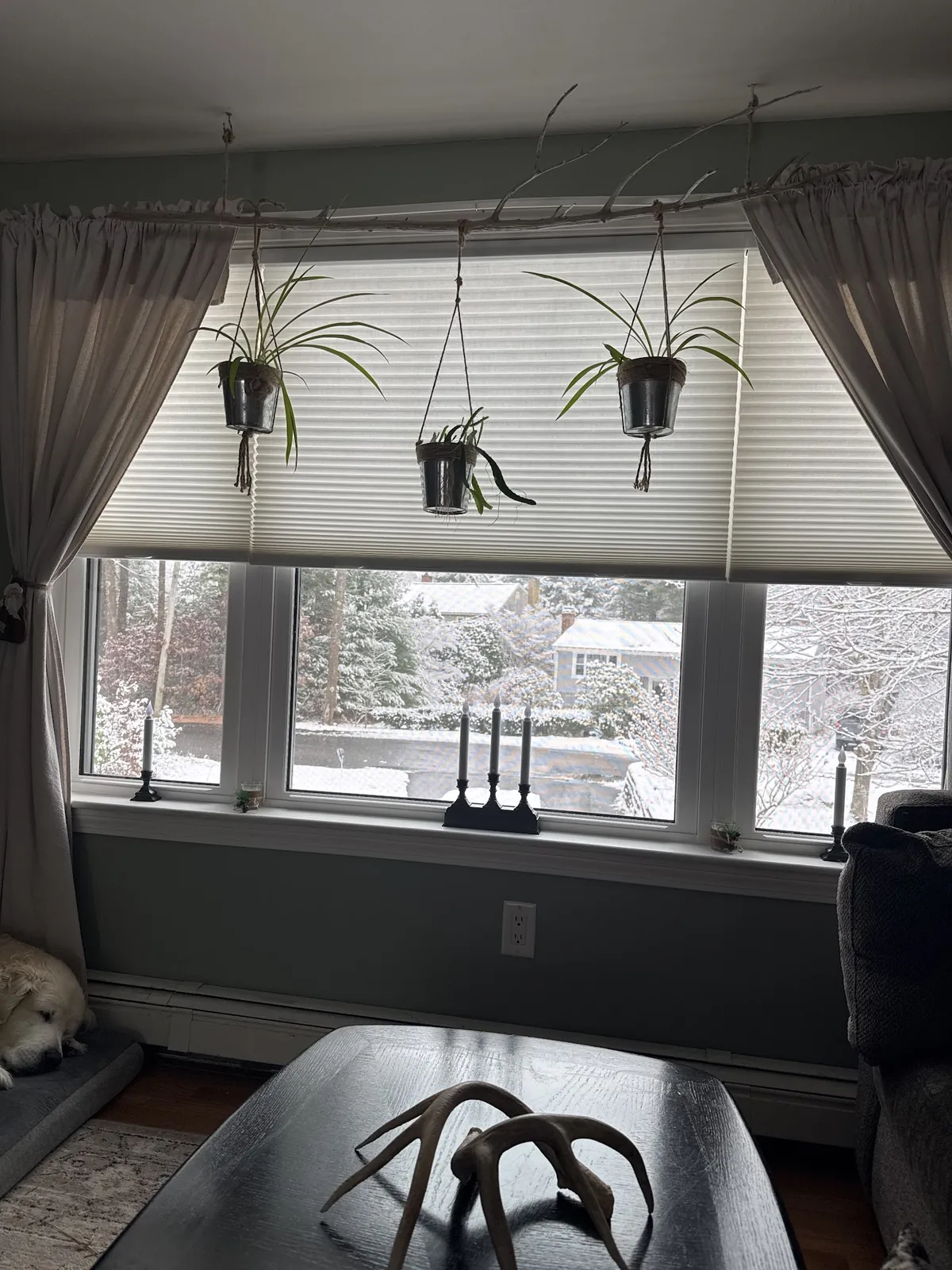
One honeycomb layer, easy to lift and compact when pulled up. It suits warm rooms and slim windows where every inch of glass counts.
Double cell
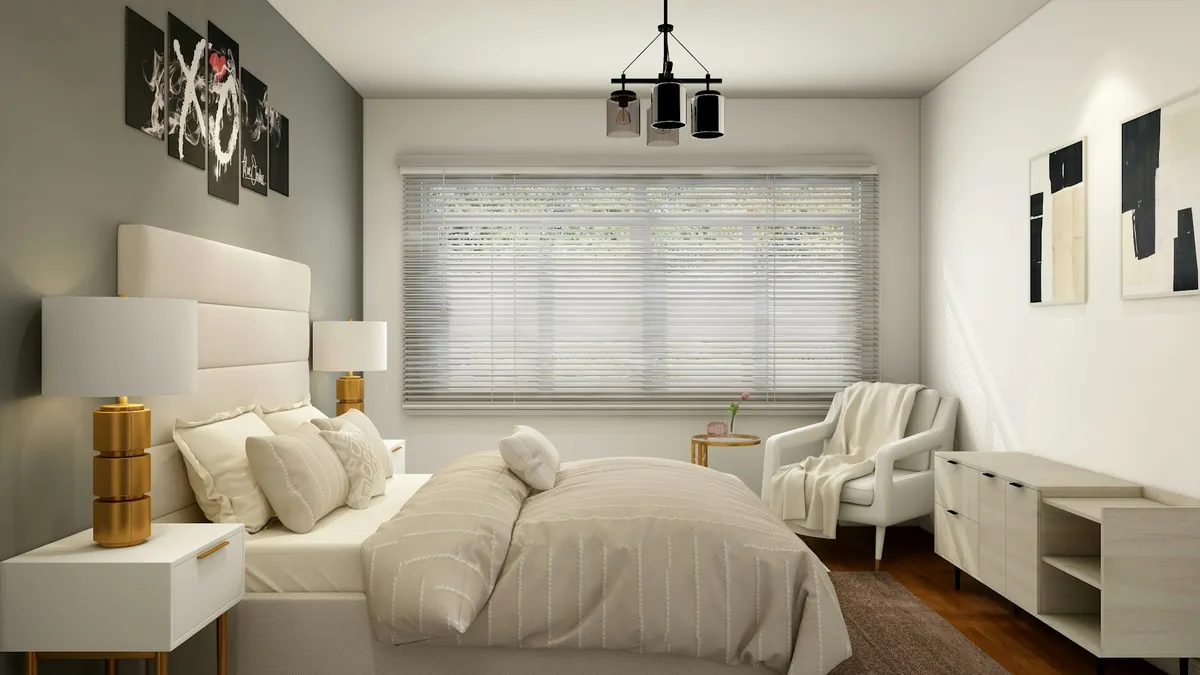
Two honeycomb layers trap two bands of air. Ideal for the top floor of a three-decker, a parlour facing north, or a sash that rattles when the wind gets up.
The full drop
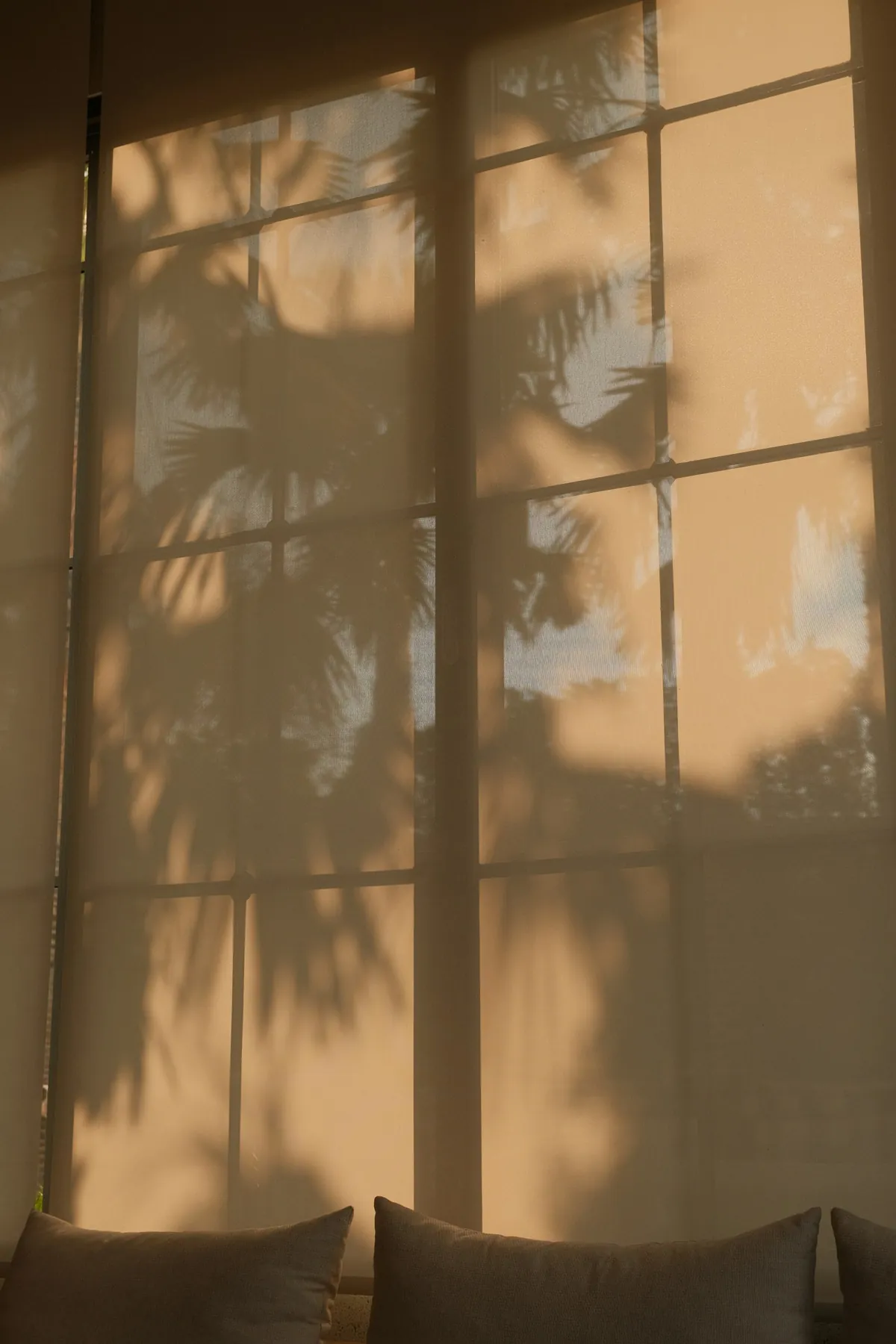
Tall sash needs a long shade that still hangs straight and stacks short. Each one is made to its window’s own height, taken in the house.
Why Length Matters More Than Width
A narrow window looks simple to cover, but the length is where the work is. A tall Victorian sash can run from close to the floor to well above head height. Any shade on it has a long way to travel, and when raised, all that fabric has to fold up somewhere at the top of the window. A bulky treatment can end up hiding a good stretch of the upper glass even when fully open, and in a narrow window that is a large share of the light.
A honeycomb shade avoids that because its pleats fold flat against each other. Raised, even a long shade gathers into a short band, and the top of the sash is left clear. Lowered, it hangs straight down the full length of the window, which matters on a narrow opening where any sag or twist would be obvious.
The other half of length is the bottom of the window. On a tall sash, the lower panes sit close to the floor, and that is where cold air collects on a winter night. A shade that comes right down to the sill, made to the window’s exact height, closes off that bottom edge instead of leaving a cold strip below it.
Privacy on every side
In a close-set neighbourhood, a house’s side windows often look straight across a narrow driveway or a few feet of yard into the windows of the house next door. That is true of the Victorians on Oak Hill and even more so of the three-deckers off Broadway, where the side walls carry most of the windows in the house.
Those side windows bring in daylight the middle rooms depend on, so covering them with something heavy and keeping it closed all day is a poor trade. A honeycomb shade in a fabric that lets light through does both jobs: the room stays bright, and the view across the gap becomes a soft blur. After dark, when the room is lit and the outside is dark, the same shade becomes a solid screen.
Front windows facing the street need the same thinking, especially on a ground floor close to the sidewalk. For many houses here, planning cellular shades in Pawtucket, RI rooms comes down to working out which windows need privacy all day, which need it only at night and which need it hardly at all.
How the Cells Keep an Old Room Warm
An old single-glazed sash is the coldest surface in a room. The warm air in the room touches it, cools and drops to the floor, and in a tall, narrow room with high ceilings that cold drop is easy to feel at seat height.
Lower a cellular shade and you hang a curtain of trapped air in front of that glass. The pleated fabric forms sealed pockets, and the air inside them has nowhere to go. Air that cannot move is a poor conductor, so the warmth in the room stays on the room side of the shade. With double cell there are two rows of pockets, and the chill from the window meets one band of still air and then another.
We point the top floor under the roof, a parlour facing north and any bedroom on the windward side toward double cell for that reason. Comfortable rooms generally get along fine with single cell, and choosing both in one colour keeps the outside of the house looking even.
Oak Hill and Quality Hill Victorians
Parlours and tall front windows
The Victorians on Oak Hill and Quality Hill often have a front parlour with two or three tall sash windows across the front, sometimes in a shallow bay, with high ceilings and deep painted trim. Those windows are part of the character of the room. Mounted within the frame, the shade leaves that trim on view and all but vanishes into the head of the sash when raised.
Frames in a house of this age drift. Expect an opening that tapers slightly, a jamb deeper on one side, and a sash lock or a pulley right where the headrail wants to sit. Our specialist takes several widths and both depths at each window, so the shade suits the real opening. If an inside fit will not sit cleanly, the shade moves out onto the trim, wide enough to close off the edges.
Stair halls and landings
The stair hall of a Victorian often has a tall window on the landing, sometimes the tallest in the house, and it is easy to leave bare. That window cools the air in the stairwell, which then flows down into the hall. A shade on the landing window, lowered on winter evenings, keeps the hall warmer without darkening the stairs during the day. Where the landing window is out of reach, motorised blinds and shades put it on a remote or a switch at the foot of the stairs.
Three-Deckers Off Broadway
The mill-era three-deckers off Broadway stack three homes one above another, usually with the same layout on each floor: a front room with tall windows, a long line of narrow windows down each side and a kitchen at the back facing a porch. Those side windows are the defining feature, and the house next door is often only a driveway away.
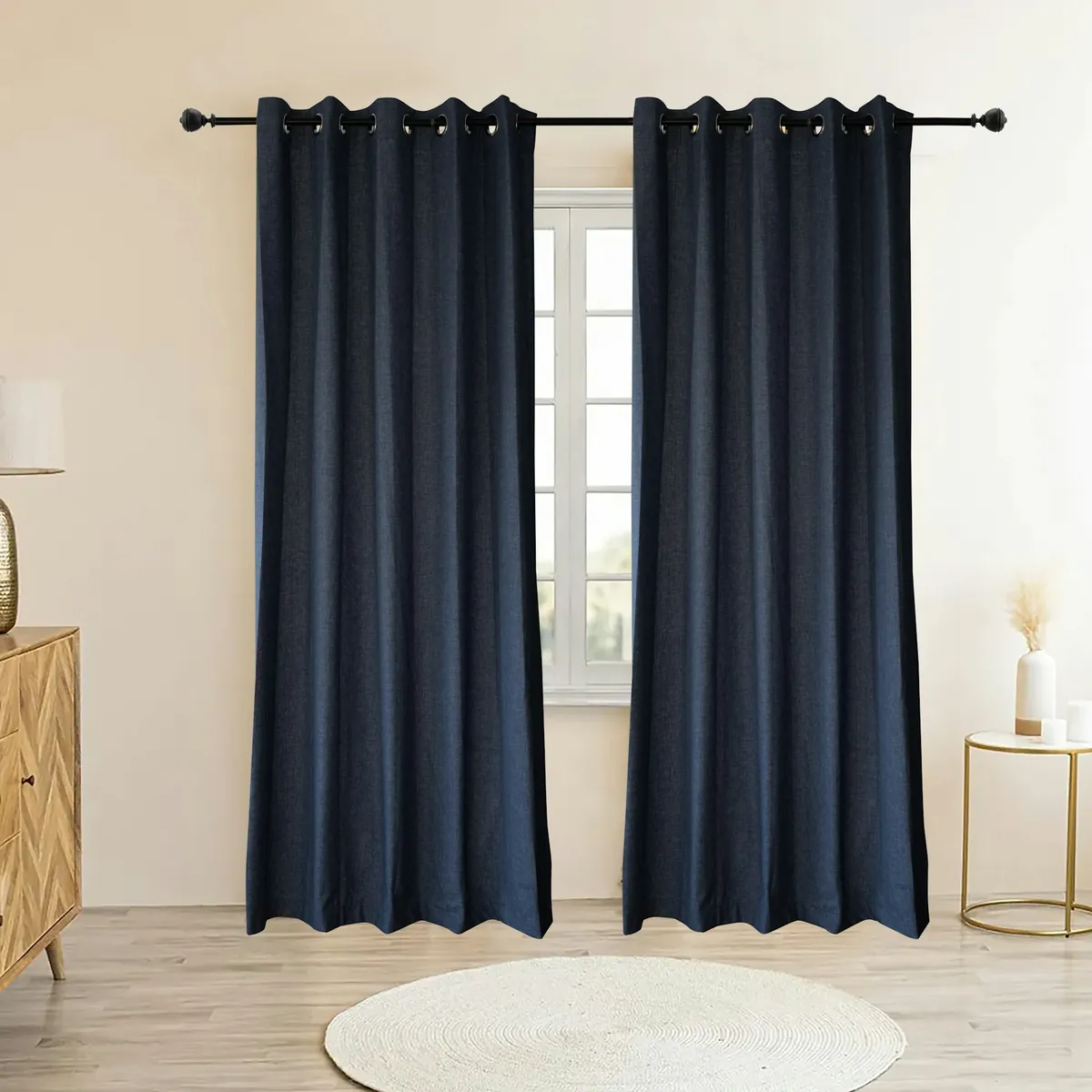
For the side windows, privacy and daylight are the priorities. A light-coloured shade in a fabric that lets plenty of light through keeps the middle rooms from feeling dim while stopping anyone looking in. The front room, with the most glass and the most exposure to the street, is usually the coldest room on each floor, and double cell is worth it there.
The top floor sits right under the roof and feels the weather first. Its windows, front and side, are prime candidates for double cell. The back windows facing the porch, and the window in the back door, are easy to forget and often draughty. A narrow honeycomb shade set inside each frame closes them off at night and takes up no space in a small kitchen.
Matching floors from the street
When more than one floor of a three-decker is being done, it helps to choose one shade colour for every window that faces the street, so the front of the building looks even. Each floor can still have its own fabric and its own mix of single and double cell inside. Because no two floors are ever built exactly alike, every window is measured on its own, even where the layout repeats.
Bedrooms at the side of the house
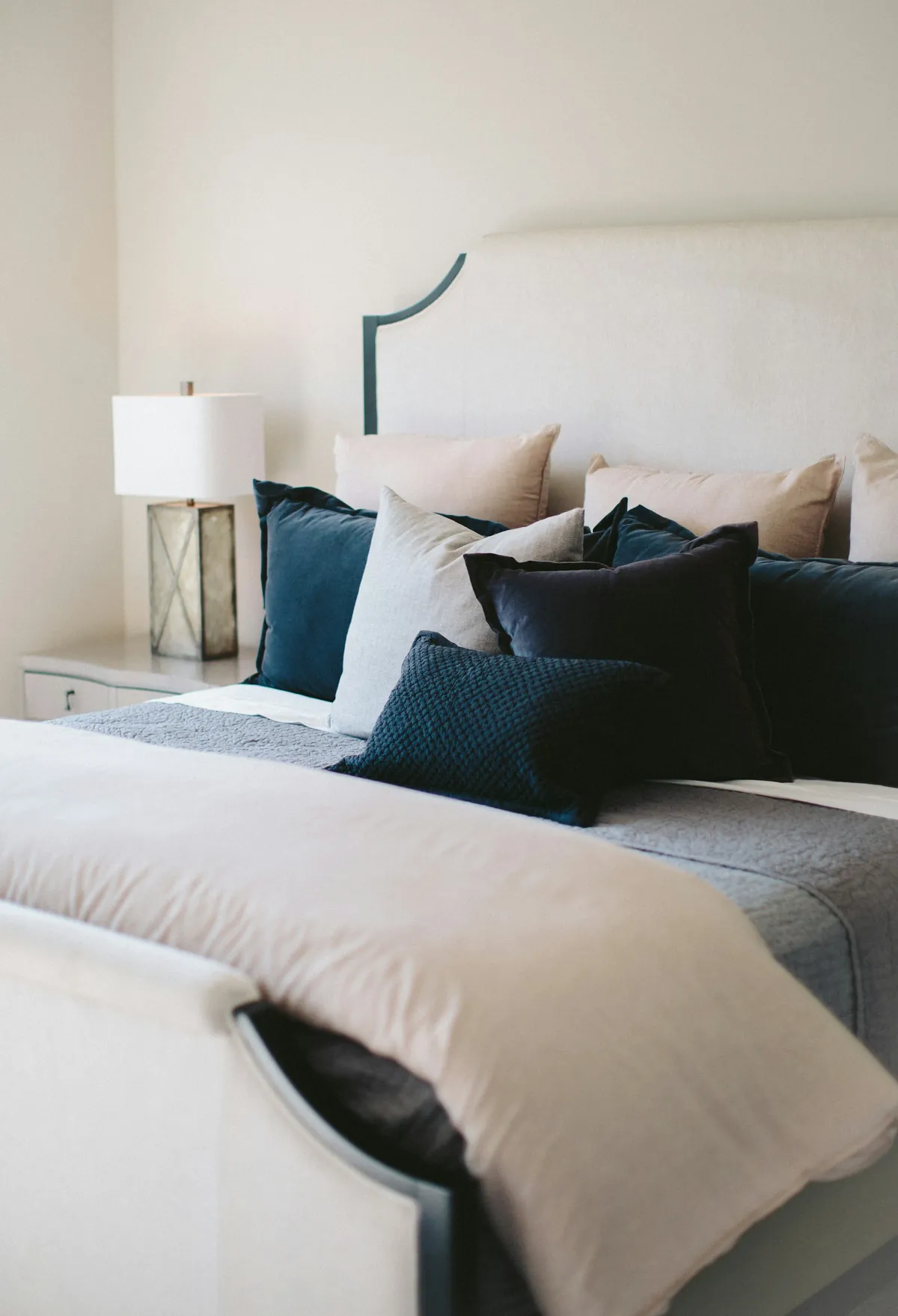
In both the Victorians and the three-deckers, bedrooms often sit along the side wall, each lit by one or two tall, narrow windows facing the neighbouring house. These rooms need privacy at night, a darker room in the early morning and warmth through the winter, all from the same window. A denser fabric in a double cell shade covers all three: it holds back more of the early light, screens the room from next door and puts two layers of still air across the glass.
Where a bedroom has two narrow windows side by side, the shades are made as a matched pair, so they line up at the top and sit at the same height when lowered. A pair that does not match is the first thing you notice from the bed. If a bedroom faces a street lamp, mention it at the measuring visit, since it affects which fabric we suggest.
Ordering Cellular Shades in Pawtucket, RI
You will hear from us at each stage. We do not leave you guessing.
- Get hold of the Swansea store with the call button, or use the form, naming the rooms or floors on your list. Your free quote is then booked.
- Our specialist comes to the house, runs a tape down every sash from head to sill, checks each frame in more than one place and jots down locks, pulleys and radiators.
- You pick the cell count, fabric and colour for every room. Samples are kept at the showroom for you to see and handle.
- You get a quote with every window spelled out.
- Each shade is made from the visit’s measurements.
- Our installers put them up, check that each hangs true and travels the full length, and show you the ropes.

Fabric choices for narrow rooms
Narrow, deep rooms depend on every bit of daylight from their windows. A lighter fabric keeps them bright with the shades lowered for privacy, and it suits the side windows of a close-set house in particular. Denser cloth is the pick for a sunrise-facing bedroom, or a front room on a busy road where more of the light should stay outside.
Colour matters in a narrow room too. Pale shades keep a tall, slim window looking light and let the room feel larger. A deeper colour can suit a parlour with dark woodwork, where a white shade would stand out against the trim.
A shade alone, or with drapery
Three-decker bedrooms and kitchens rarely have the wall space beside a narrow window for anything more, so the shade works solo there. A Victorian parlour is another story: the honeycomb shade can go close to the glass with tall drapery or a fabric shade layered in front, one for comfort and one for looks. For a fabric shade as that front layer, see our Roman shades in Pawtucket page; we measure for both together.
Kitchens, baths and back porches
The back of a three-decker floor usually holds the kitchen and bathroom, with a door out to a porch. Bathroom windows are often small and set high, and they need privacy at all hours, so a shade there is usually kept part way down and chosen in a fabric that still lets light in. The kitchen window over the sink can be awkward to reach across the counter, which is worth mentioning at the measuring visit.
The porch door window and any small window beside it are frequently the draughtiest openings on the floor. Fitting each with its own narrow shade, lowered at night, closes off a cold spot that most people simply put up with. When we plan cellular shades in Pawtucket, RI three-deckers, these little back windows go on the list with everything else.
Easy care
A light pass with a soft brush or a vacuum on its lowest setting keeps the dust off a honeycomb shade, and a small mark usually comes away with a damp cloth. Raise and lower it smoothly, and the pleats stay crisp. In a three-decker kitchen, where cooking leaves a film on everything, a slightly more regular dusting keeps the fabric looking fresh, and it is worth keeping the shade clear of the stove.
A Family Business in Its Second Generation
Ask who runs Window Works and the answer is the same family that opened it in Swansea in 1988, now its second generation. In over 37 years we have measured and hung window treatments in homes up and down the SouthCoast and the East Bay. Pawtucket is one of the 25 towns we cover.
At your house, the measuring is done by a seasoned specialist and the fitting by our own crew. The products we sell come with warranties. We stay in regular touch with you right through to the finished job.
Come and See the Fabrics
The Swansea showroom lets you set one cell beside two, watch how a long shade folds up and judge colour in natural light. Norman’s shades, blinds and shutters are also on show. Bring a snap of your tallest window and the paint name from the room, and we can steer you to a fabric.
All of our services for the city are on the Pawtucket window treatments page, and there is more on the shades on our main cellular shades page.
Questions from Pawtucket
Will a shade on a tall, narrow sash block the top of the window when raised?
Very little. A honeycomb shade folds into a short stack, so even a long shade leaves most of the upper glass clear when raised.
How do I keep privacy on side windows close to the house next door?
Choose a fabric that lets daylight through. It blurs the view across the gap while keeping the room bright, and after dark it becomes a solid screen.
Is double cell worth it on the top floor of a three-decker?
Usually. Under the roof, the top floor takes the weather before the rest, and an extra row of cells means an extra band of trapped air at each window.
My old frames are out of square. Can you still fit an inside shade?
Often. Each frame is measured in several places. When one is too crooked for a clean inside fit, the shade goes on the trim instead, covering the gaps.
How do I book a free quote?
Ring through the call button or fill in the form with the rooms or floors. We will book a measuring visit.
Book Your Free Quote
The call button rings straight through to the store in Swansea. Ask for a free quote, a time to measure at home, or details on installation. If the fabrics come first, find the way to the showroom on the contact page. On Google, Window Works is rated 5.0.