
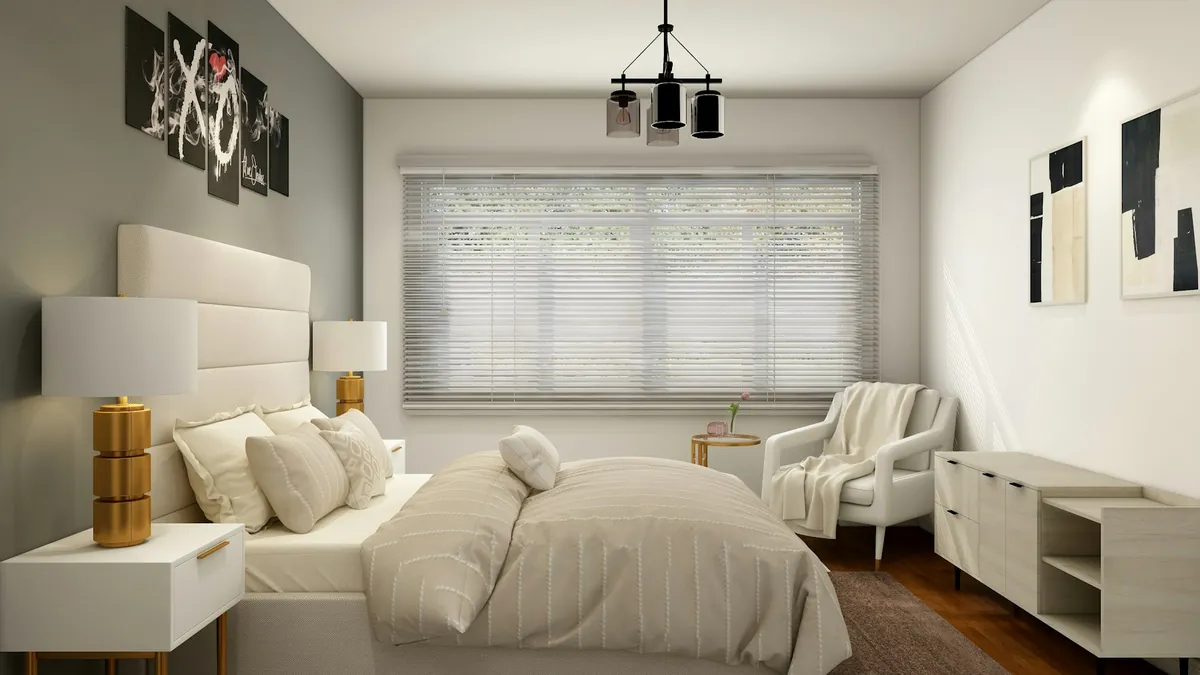
Wide Windows, Short Drops
The houses off Newman Avenue and Arcade Avenue set a particular puzzle for roman shades in Seekonk, MA. Many of the ranches and 1960s split-levels there have a picture window that is wide but shallow: long from side to side, short from top to bottom. That shape rules out a lot of stock sizes, and it changes how a fabric shade has to be planned.
A roman shade gathers into folds as it rises, and those folds have to sit somewhere. On a tall window, the stack is a small part of the glass. On a short, wide one, a careless stack can cover a third of the view. So the fold depth, the mounting height and whether to make one shade or several are worked out at the window itself, along with the fabric. Newer houses toward the Providence line bring larger, more regular glass, and homes near the Route 6 commercial stretch have their own reasons to want privacy.
- Flat, hobbled and relaxed folds, cut from our fabric range
- Sized to wide, shallow openings that stock shades do not fit
- Measured at the house and hung by our own installers
The Folds We Make for Seekonk Houses
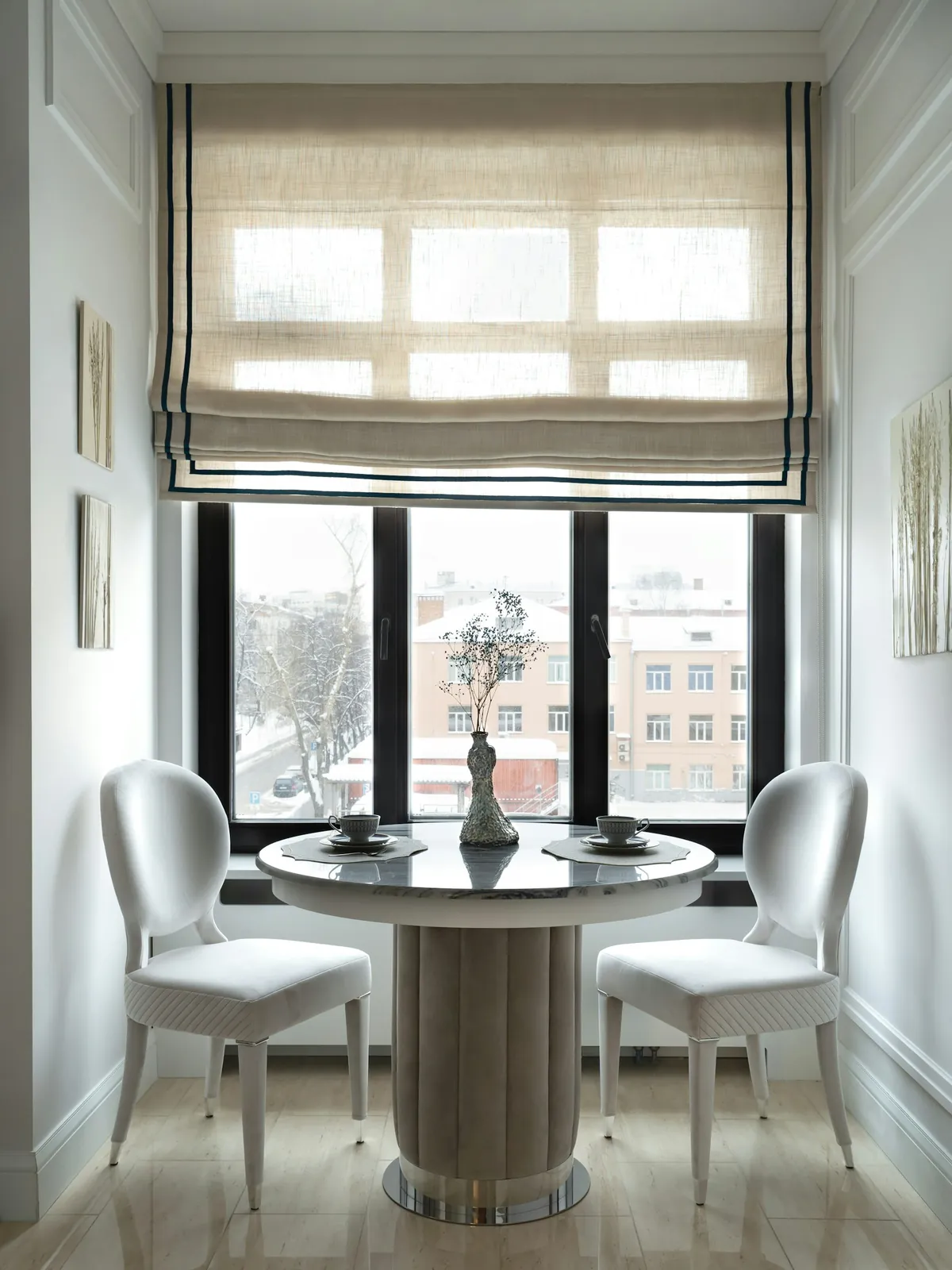
Flat fold
Pleats that lie in level lines and stack compactly. On a short picture window, this is usually the fold that takes the least glass when raised.
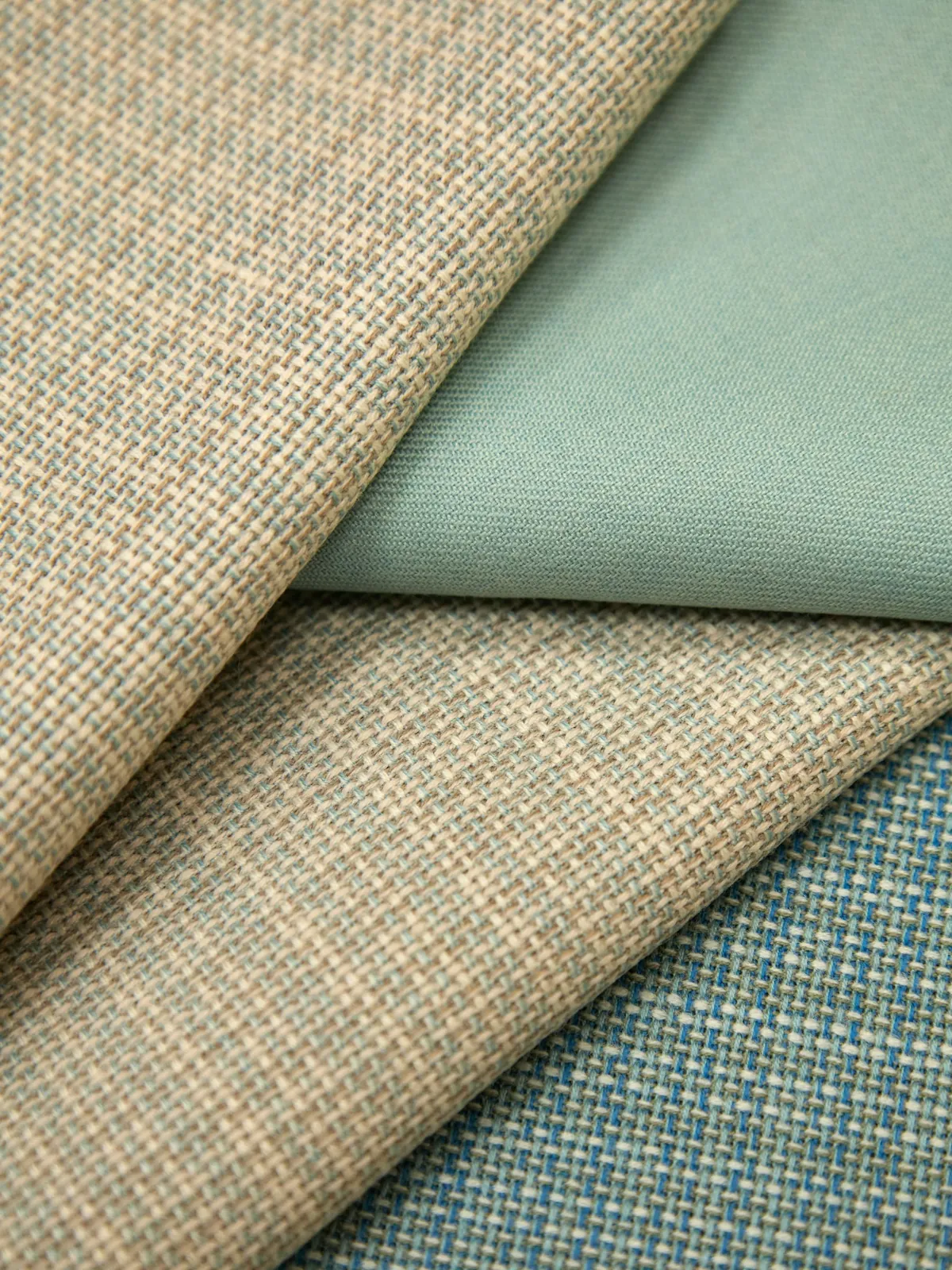
Hobbled fold
Full, rounded folds that hang all the way down. Best on a taller window in a room that can carry a generous amount of fabric.
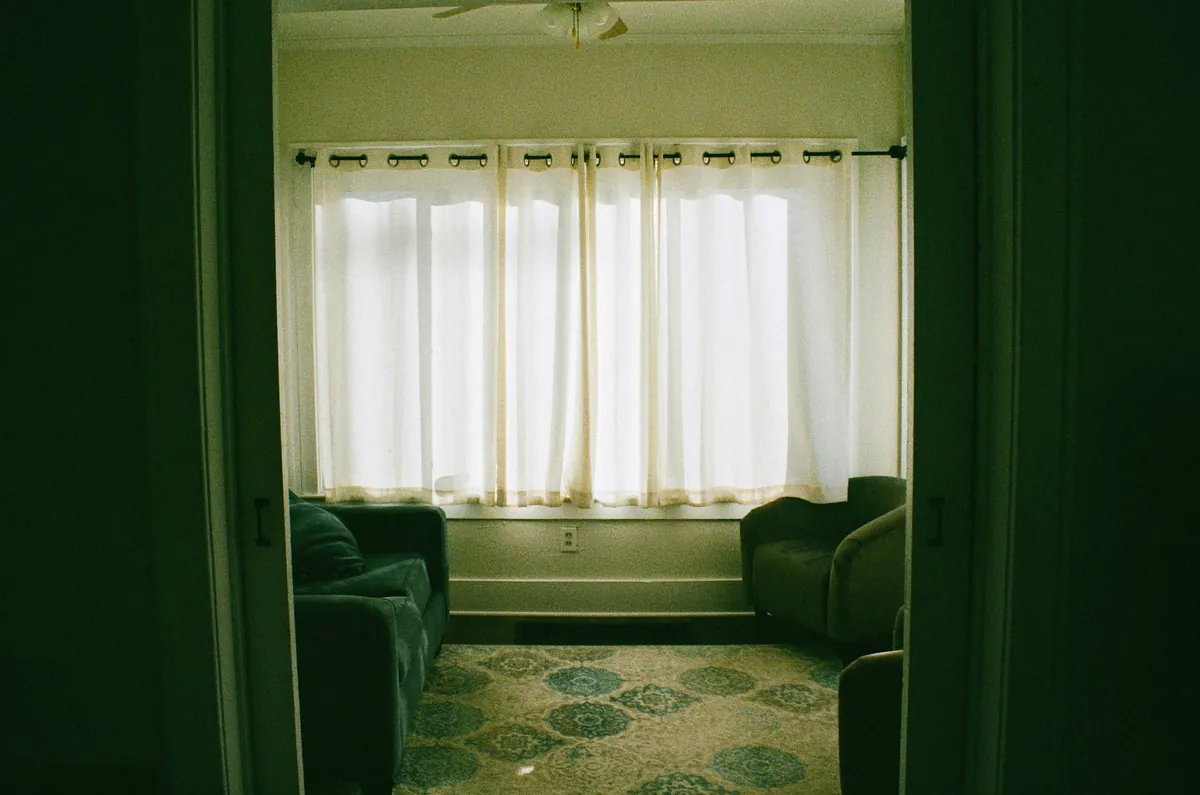
Relaxed fold
A flat face that softens into a curve at the hem. A gentle choice for a bedroom or a family room on the lower level of a split.
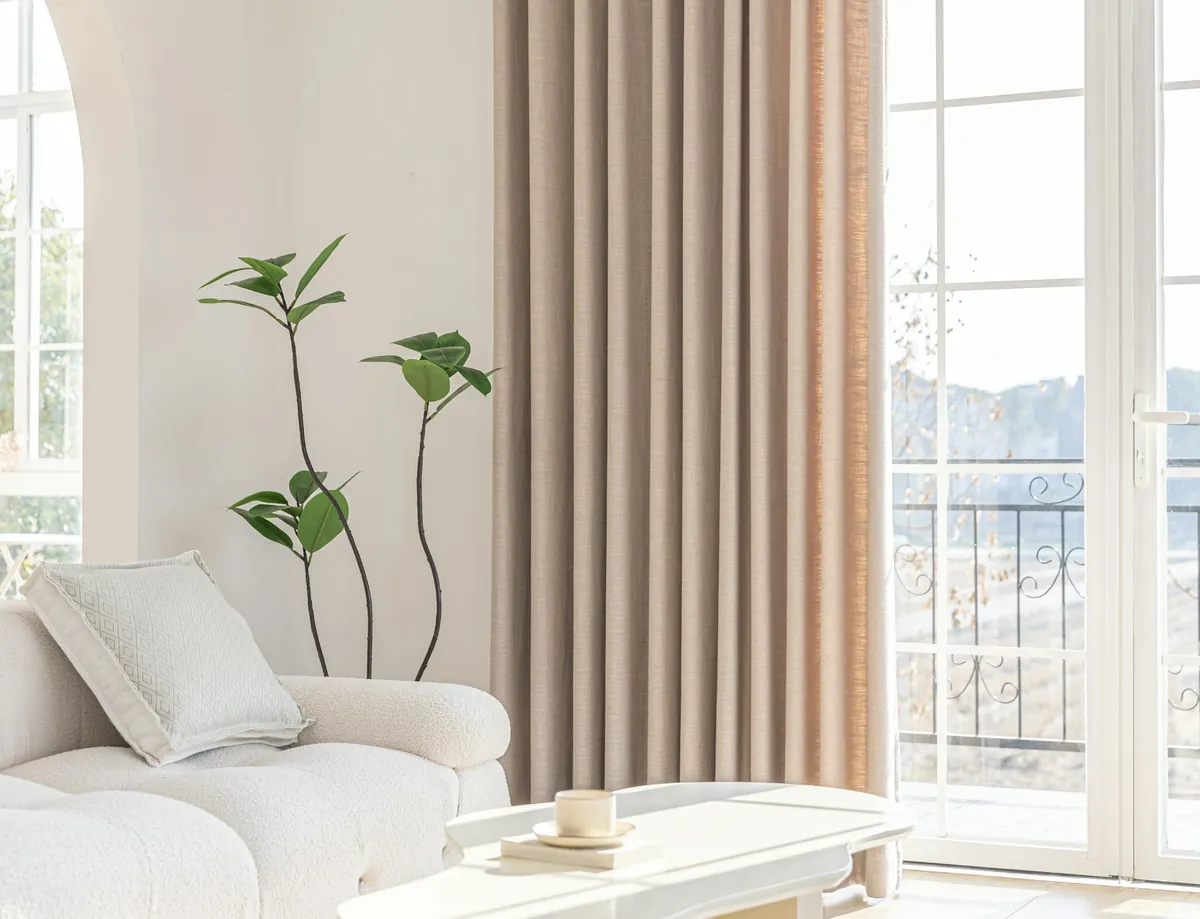
Drapes for the picture window
Side panels can frame a run of roman shades across a wide window, or stand in for them on a slider.
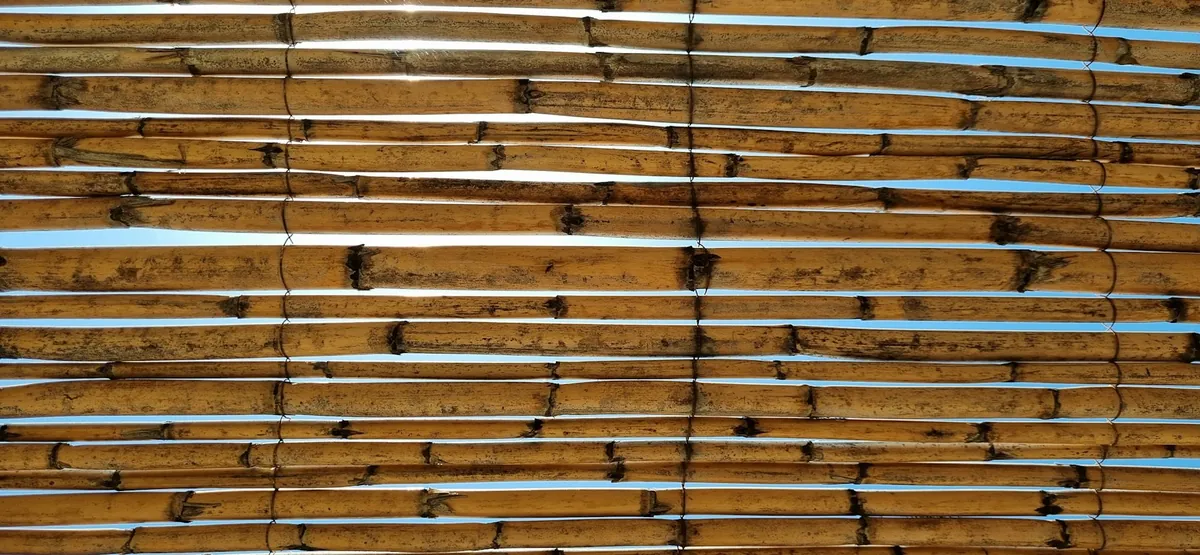
Woven wood
The same folding action in a natural weave, for a room that suits texture more than a printed cloth.
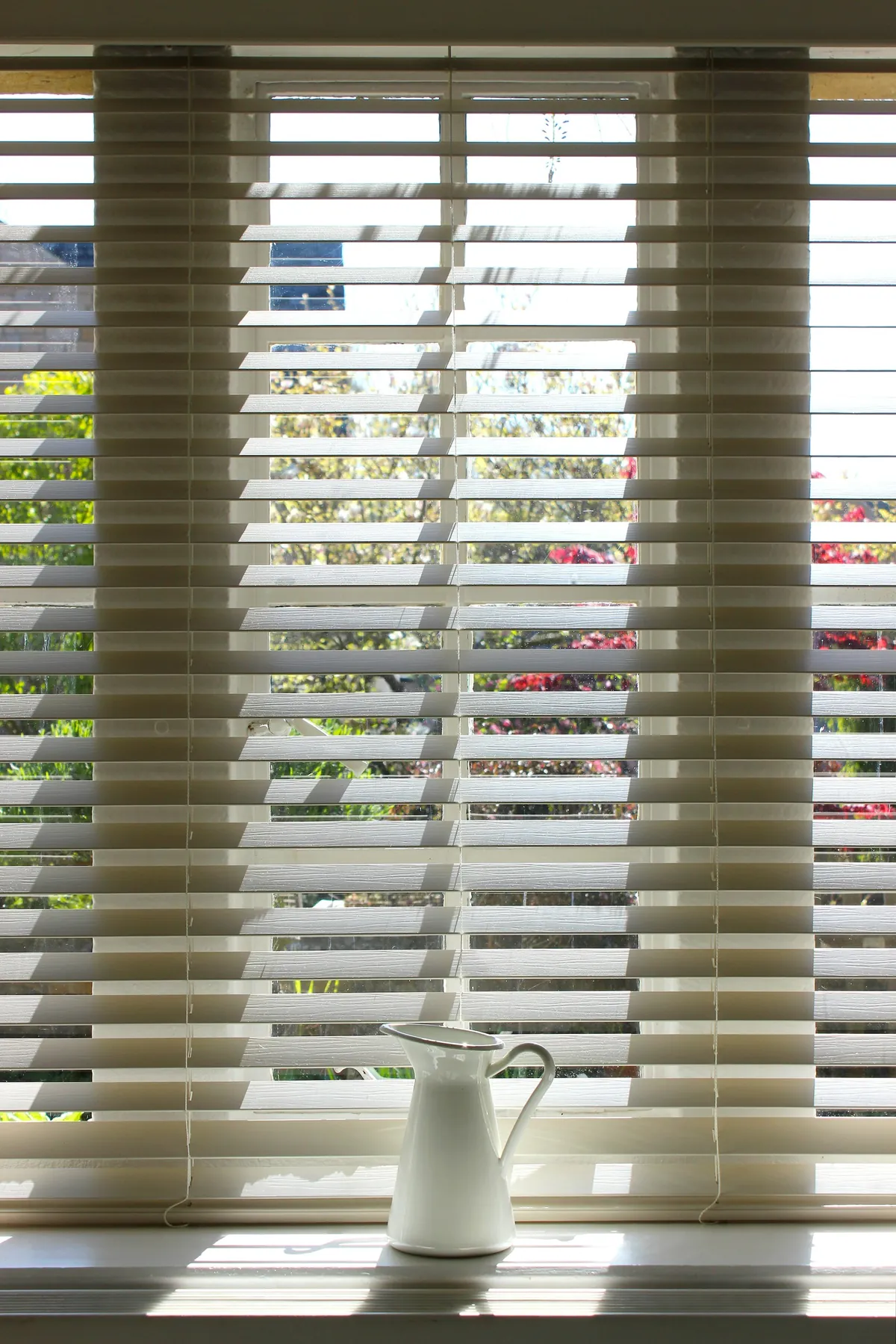
Blinds for the busy rooms
For a bathroom or a laundry room, a blind may suit better than fabric. We make both.
Planning Roman Shades in Seekonk, MA for a Wide, Shallow Window
Getting roman shades in Seekonk, MA right on a split-level picture window is mostly a matter of where the folds go when the shade is up. Here is how we work through it at the window.
- Measure the opening and the wall around it. We take the width and the height of the glass, and also the space above the frame up to the ceiling or soffit, because that space decides how high the shade can sit.
- Decide on one shade or several. A single shade across a very wide window is heavy to raise and bows in the middle. Two or three shades side by side, each made to its own section, are lighter to use and let you lower one part while keeping the rest open.
- Set the fold depth. On a short drop, shallower folds make a slimmer stack. We pick a depth that keeps the raised shade compact without making the face look busy.
- Choose the mount. An inside mount keeps the trim on show but stacks across the top of the glass. An outside mount, set on the wall above the frame, lets the raised shade sit mostly or entirely above the window, so the full height of the glass stays clear.
- Match the heights. When there is a row of shades, every one is made to rise to the same line, so the window reads as one piece from the room and from the street.
The outside mount is the answer more often than not on these windows. Raising the headrail even a little above the frame changes how much of the glass you get back when the shade is up, and on a short window that is the difference between a bright room and one that always feels partly covered.
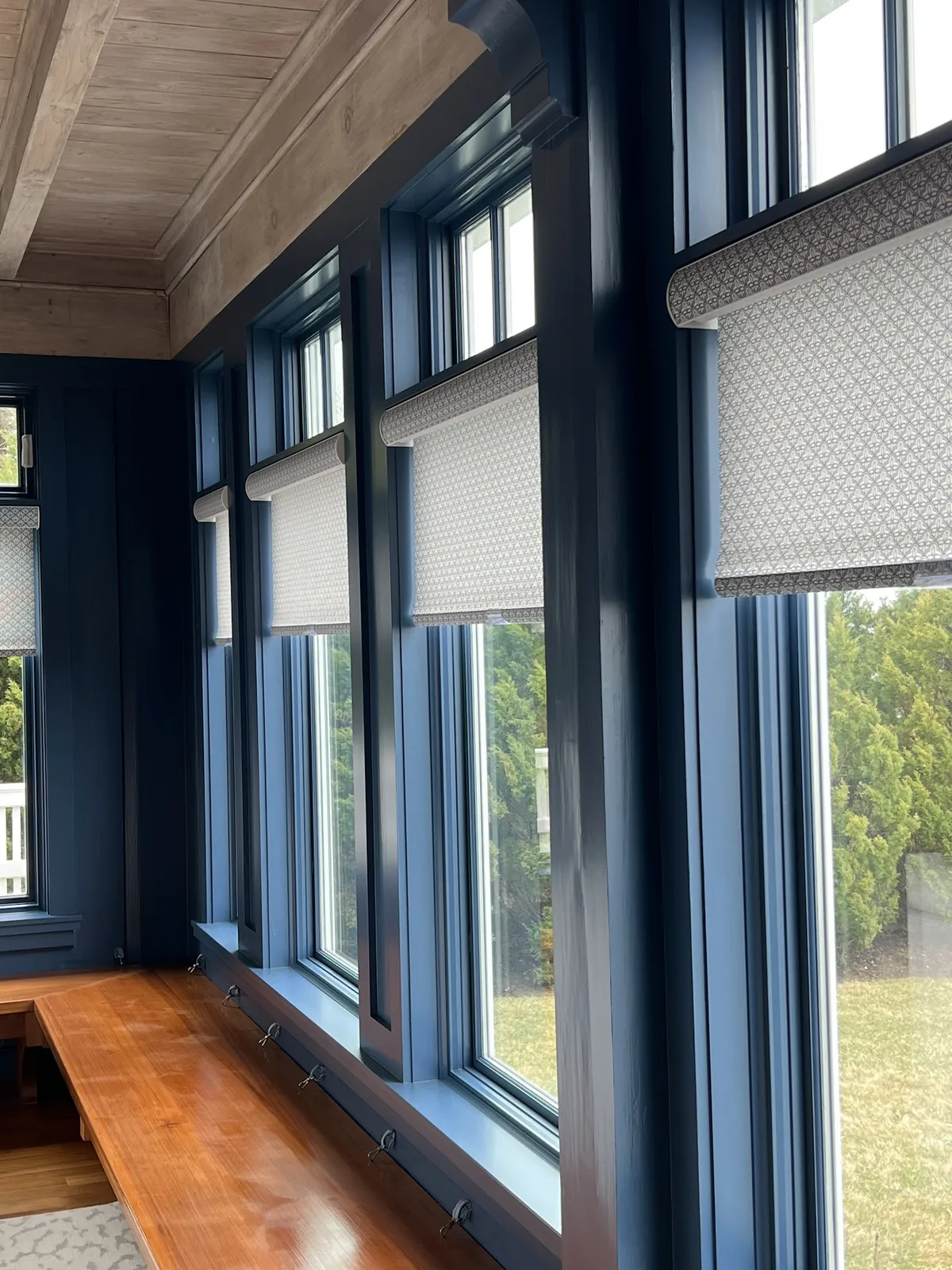
Choosing a fabric for a long, low window
On a wide window, a fabric shows across a lot of width and not much height. Horizontal patterns and wide stripes can make it look even wider; a small, even texture keeps it calm. A large print is best kept for a flat fold, where the face is smooth and the pattern reads in full, and centred so it sits evenly across the row of shades.
Weight matters too. A crisp cotton or linen holds a slim, neat flat fold, which suits a short drop. A softer, heavier cloth falls into rounder folds that take up more room when raised, so it is better kept for taller windows elsewhere in the house.
Lined or unlined
A shade can be lined or left unlined. Unlined, a light cloth lets daylight glow through, which keeps a living room bright when the shade is down. Lined, the folds have more body, the face fabric is shielded from strong sun, and the room has more privacy after dark. In bedrooms, a heavier backing helps keep the early light out.
The Two Levels of a Split-Level
A split-level puts its rooms on half floors, and the windows on each level behave quite differently.
The upper level
The main living room and the bedrooms usually sit on the upper half floor, with the picture window at the front. These are the rooms where the shallow window planning above matters most. The bedrooms behind tend to have standard sized windows, and a relaxed or flat fold with a heavier backing suits them well.
Because the upper level is raised, its front windows look out over the street rather than straight onto it, so privacy is often less of a worry by day than in a ranch. In the evening, with the lights on, a lined shade still makes a difference.
The lower level
The family room, a den or an extra bedroom on the lower level often has shorter windows, set close to the ground outside and high on the wall inside. That makes the stack height even more important, and an outside mount above the frame is usually the way to keep those small windows giving as much light as they can. A light, unlined cloth helps a lower level room feel less like a basement.
These rooms often have a slider to the back yard as well. A roman shade is not the right treatment for a door you walk through, because the folds hang in the doorway. Drapes on a long rod, or a vertical blind, suit the slider better, while roman shades dress the windows beside it.
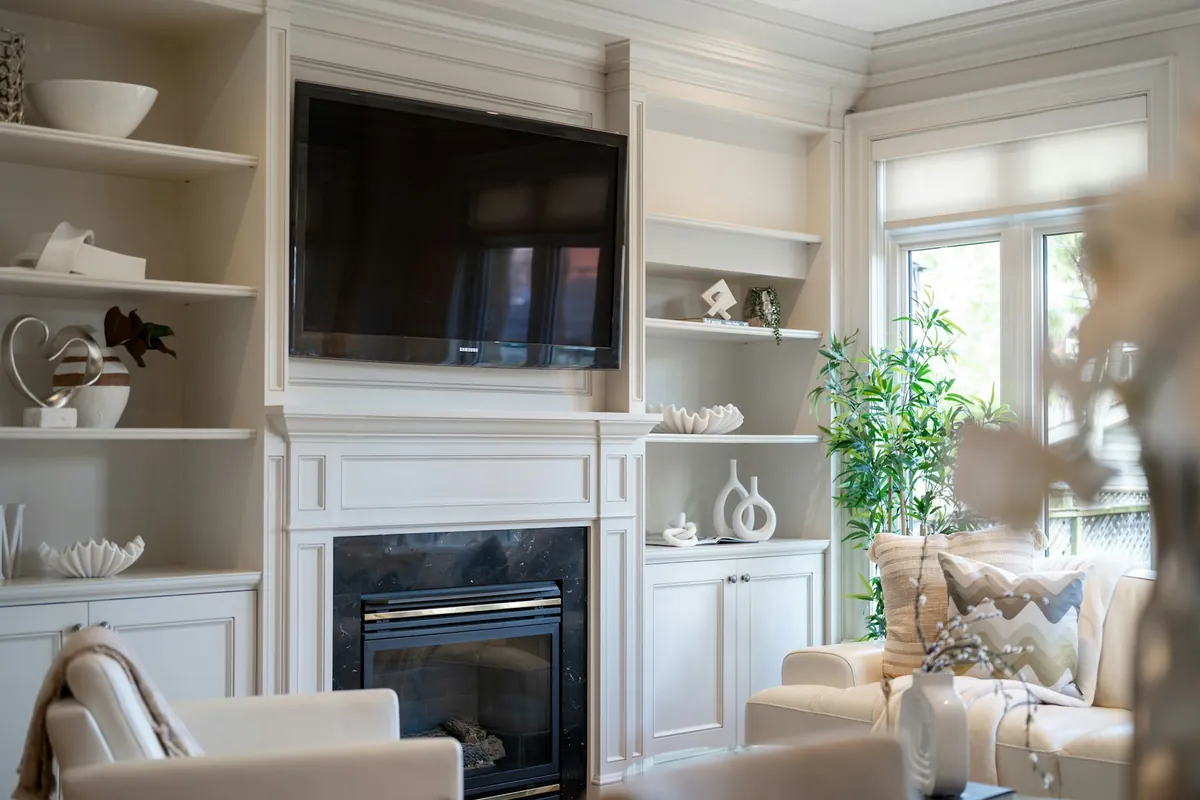
Ranches off Newman Avenue and Arcade Avenue
The ranches in the same neighbourhoods keep everything on one floor, with the living room window facing the street and the bedrooms in a line down one side of the house. The front picture window is often the same wide, shallow shape as on the splits, and gets the same careful planning.
A ranch also tends to show several windows at once, from the hallway or across an open living and dining area. Choosing one main fabric for the living spaces, and a quieter partner fabric for the bedrooms, keeps the house looking considered without every room being the same. In the kitchen, a flat fold in a light cloth sits well above the counter and stays out of the way of the sink.
Newer Houses toward the Providence Line
The newer construction toward the Providence line usually has larger, more regular windows than the older streets, often grouped in pairs or threes in an open plan. These windows give a roman shade more height to work with, so hobbled folds and fuller fabrics become a real option, especially in a dining room or the main bedroom.
Open plans bring their own question: how to keep a long run of windows across a kitchen, dining and living area looking like one choice. A single fabric and fold across the whole space, with stack heights matched from window to window, does that well. Where one window in the run needs more privacy, such as a front facing one, it can be lined while the rest stay unlined in the same face fabric.
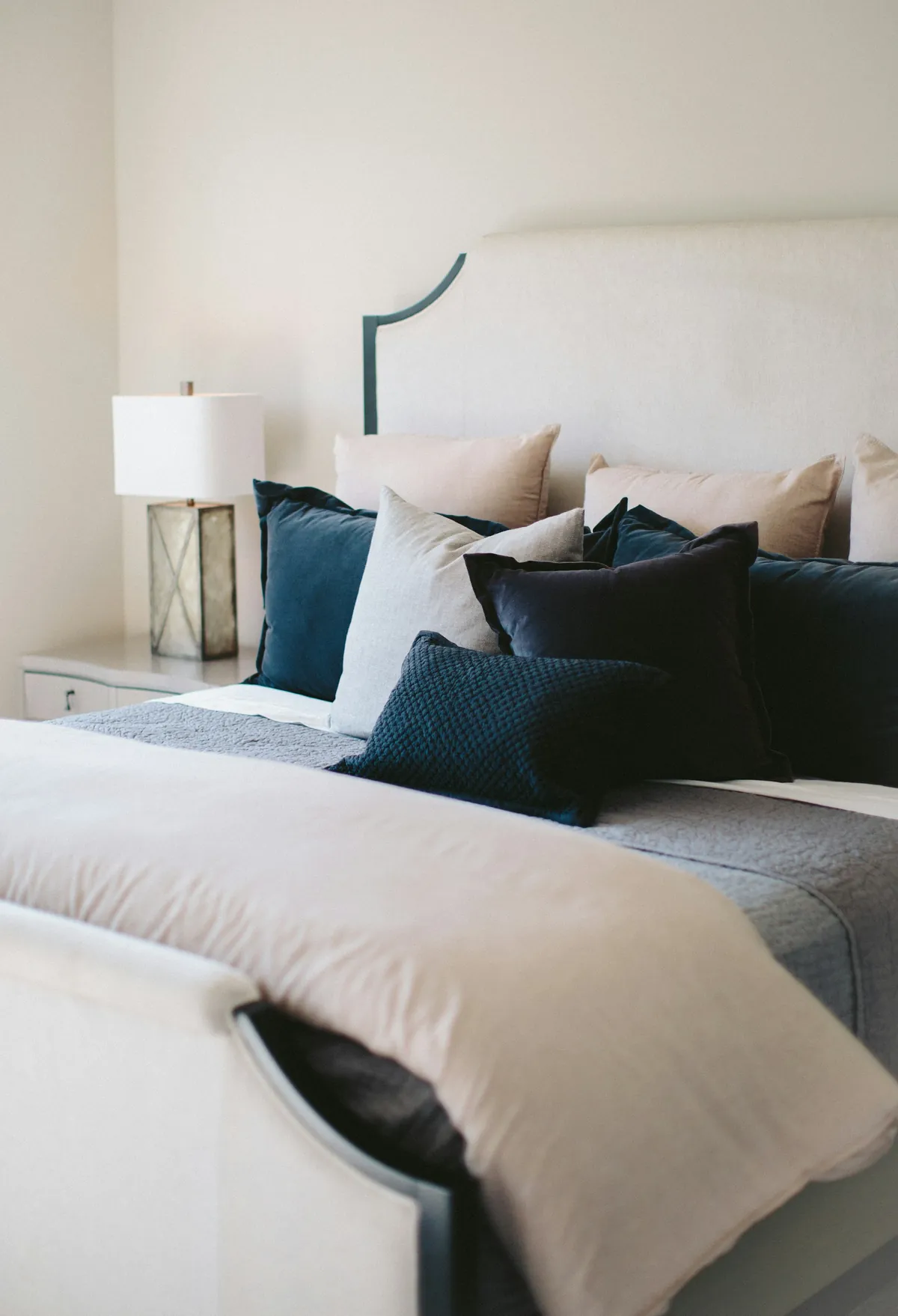
Pillows and bedding in the same cloth
In a bedroom, a roman shade can share its fabric with cushions, a duvet cover or a headboard, so the room hangs together. Window Works makes custom fabric decor as well as shades, so the pieces can be ordered from one fabric at the same time.
Room by Room in a Seekonk House
Every house is different, but some pairings come up again and again on these streets.
- Upper level living room: a row of flat fold shades across the picture window, outside mounted so the raised stack clears the glass.
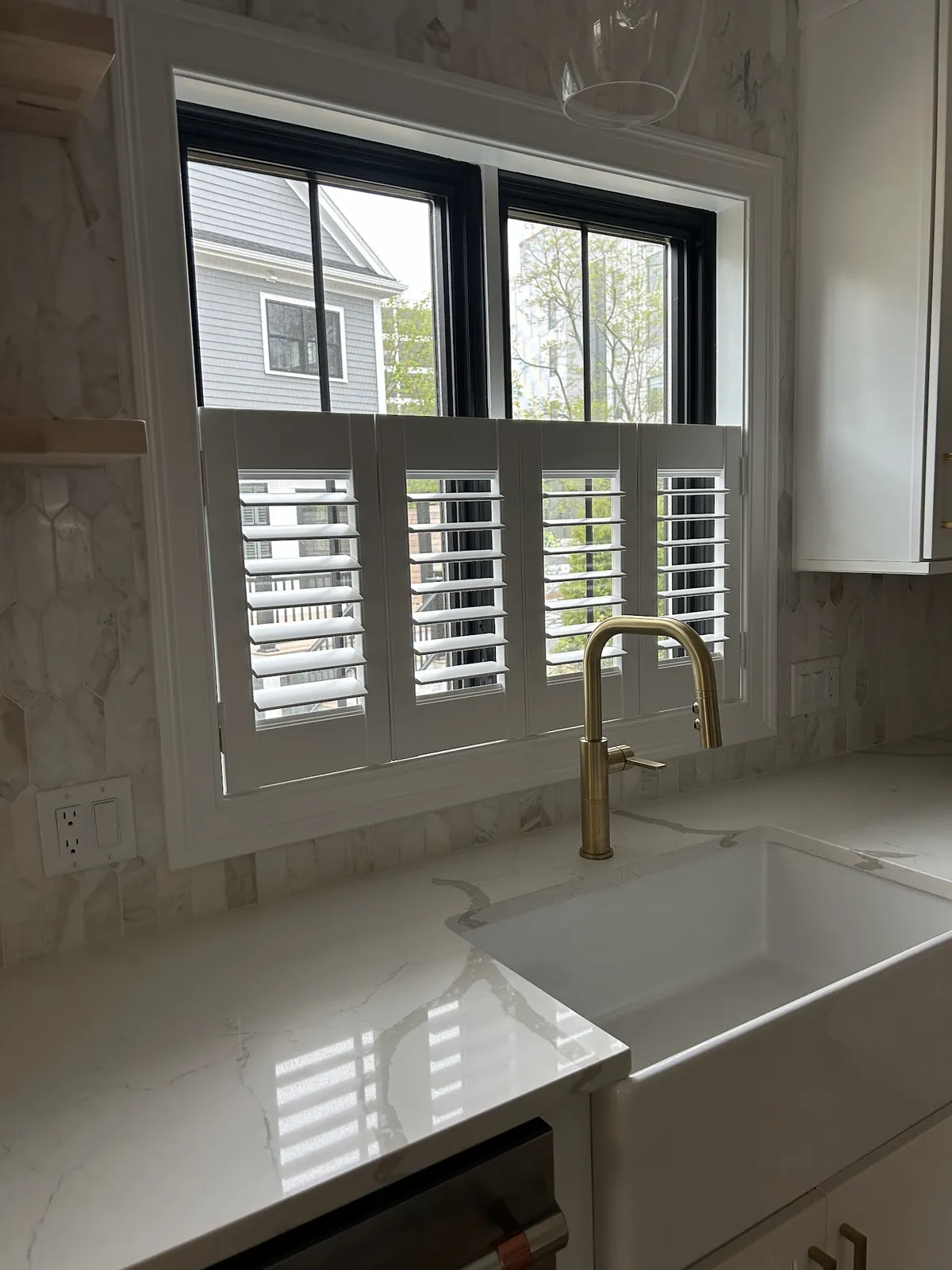
- Kitchen: a single flat fold in a light, unlined cloth over the sink window, raised well clear of the taps.
- Bedrooms: a relaxed or flat fold with a heavier backing, so the room stays dim on summer mornings.
- Lower level den or family room: a light, unlined fabric mounted above the frame, to make the most of short windows near the ground.
- Home office: a flat fold that can be lowered partway, so glare comes off the screen while the room keeps its daylight.
- Dining room in a newer house: a hobbled fold in a richer fabric, perhaps with side drapes, where the windows are tall enough to carry it.
Homes near the Route 6 Stretch
Houses close to the commercial stretch along Route 6 deal with passing traffic, car headlights in the evening and signs that stay lit after dark. For rooms on that side, a lined roman shade gives solid privacy once it is lowered, and a heavier backing in a bedroom helps keep out light from the road at night.
A shade that can be lowered partway is useful here too. With the bottom of the window covered and the top left open, a front room keeps its daylight and sky while the view in from the road is blocked. On a front window with a row of shades, you can also leave the end shades down and raise the middle one, which keeps a clear view out from the sofa while the corners of the room stay screened. Because the shades are made as a matched set, they still line up neatly at whatever height you leave them.
From the Visit to the Day They Go Up
Once the windows are measured and you have chosen the cloth, the fold and the lining, you receive a written quote that lists each window, so you can see exactly what is being made and change anything before it is ordered. The shades are then made to the measurements taken in your house, not to a stock size, which is what lets them fit those wide, shallow openings properly.
On installation day, our team hangs each shade, raises and lowers it to check that the folds stack evenly and the row lines up, and shows you how they work. If something needs another look afterwards, you call the same store and we follow it through. We stay in touch from your first question until every one of your roman shades in Seekonk, MA is hanging as it should.
Getting ready for the measuring visit
It helps to have a rough idea of which rooms you want to start with, and whether any of them need to be darker, more private or simply softer. If you already have a sofa fabric, a rug or a paint colour you are working around, keep a sample handy. Clear a little space in front of each window so we can reach the frame and the wall above it, since on these houses the space above the glass often decides the mount.
Looking After Your Shades
Roman shades need very little care. A vacuum with a soft brush on low, run along the folds now and then, keeps dust off the fabric. Most small marks can be dabbed with a slightly damp cloth, after testing an unseen corner. Fabric shades are generally not put through a washing machine, because the cloth can shrink and the folds lose their shape. We will tell you what suits the fabric you choose.
For the whole service across every town, see our main roman shades page, and for everything we make in town, our Seekonk window treatments page.
Who We Are
Window Works is a family store, founded in Swansea in 1988 and now in its second generation. In over 37 years the store has made window treatments for houses across the SouthCoast of Massachusetts and the Rhode Island East Bay, Seekonk among them.
- A team of window treatment specialists, with drapery and fabric at the centre
- Every window measured in your home
- Installation by our own team
- Warranties offered on the products we sell
- We stay in contact with you until the job is done
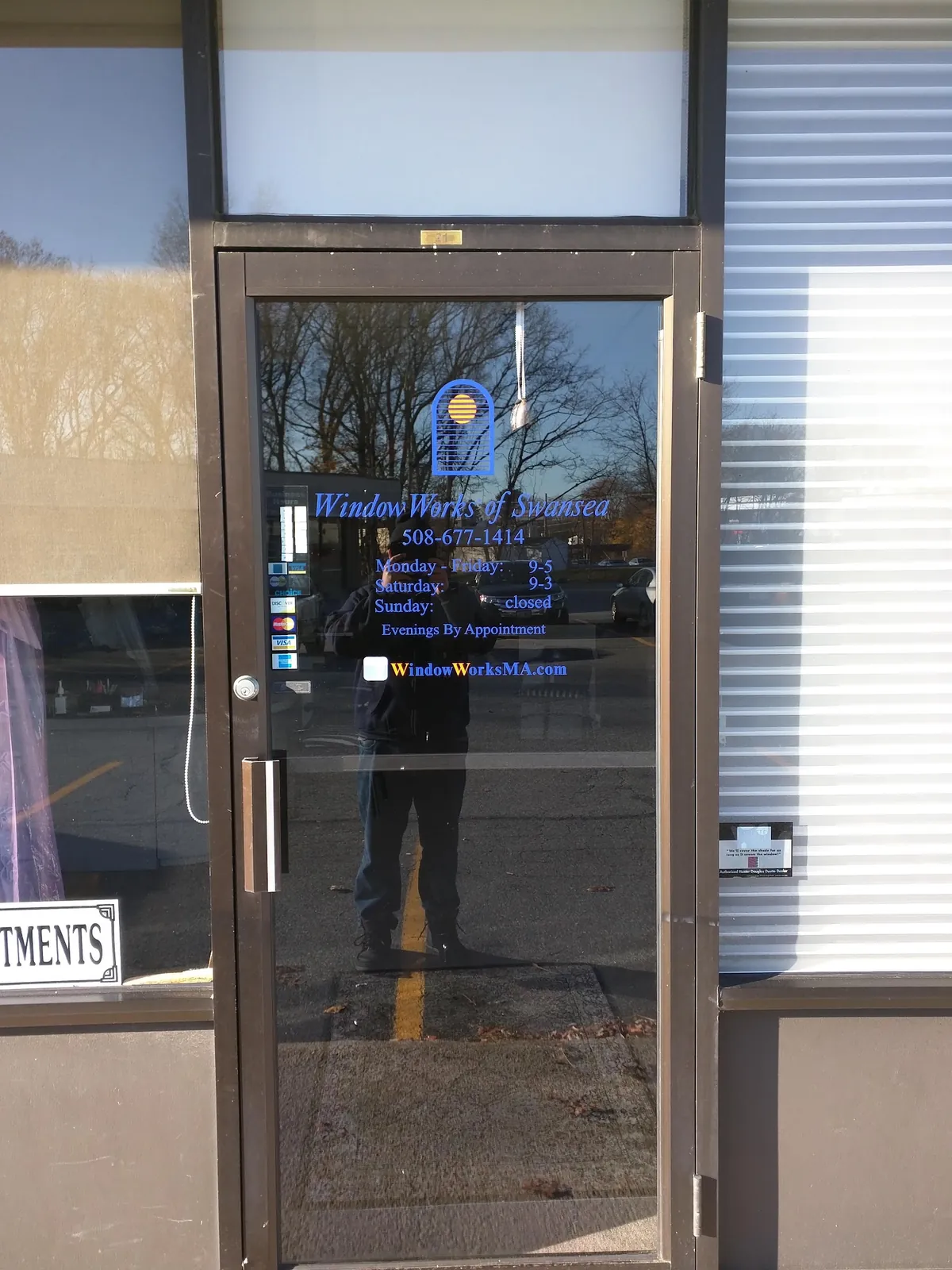
Compare Fabrics at the Showroom
Seeing a fabric in daylight tells you more than any photo. At the Swansea showroom you can hold a crisp linen beside a soft weave, see how each one folds, and decide on roman shades in Seekonk, MA with the cloth in your hands.
Bring a cushion, a paint card or a picture of the room if you have one. The Norman range is in the showroom too.
Questions from Seekonk
Will a roman shade cover too much of my short picture window when it is raised?
Not if it is planned for the window. We use shallower folds and usually mount the shade on the wall above the frame, so most or all of the stack sits above the glass.
Should a wide window have one shade or several?
Usually several, side by side and matched in height. They are lighter to raise than one wide shade and let you lower just part of the window.
What about the slider on the lower level?
A roman shade is not ideal on a door you walk through. Drapes or a vertical blind suit the slider, with roman shades on the windows beside it.
Can the same fabric go in every room?
It can, though many houses use one fabric in the main living spaces and a quieter partner in the bedrooms. Lining can also differ from room to room under the same face fabric.
How do I get a quote?
Quotes are free. Use the call button or the form on this page and tell us which rooms you have in mind.
Ready When You Are
Ask for a free quote whenever it suits you. The call button connects you with the Swansea store, where you can book a time for us to measure or ask about installation, or send the form and we will reply. The contact page also shows how to find the showroom if you would like to see the fabrics first. Window Works holds a 5.0 rating on Google.