
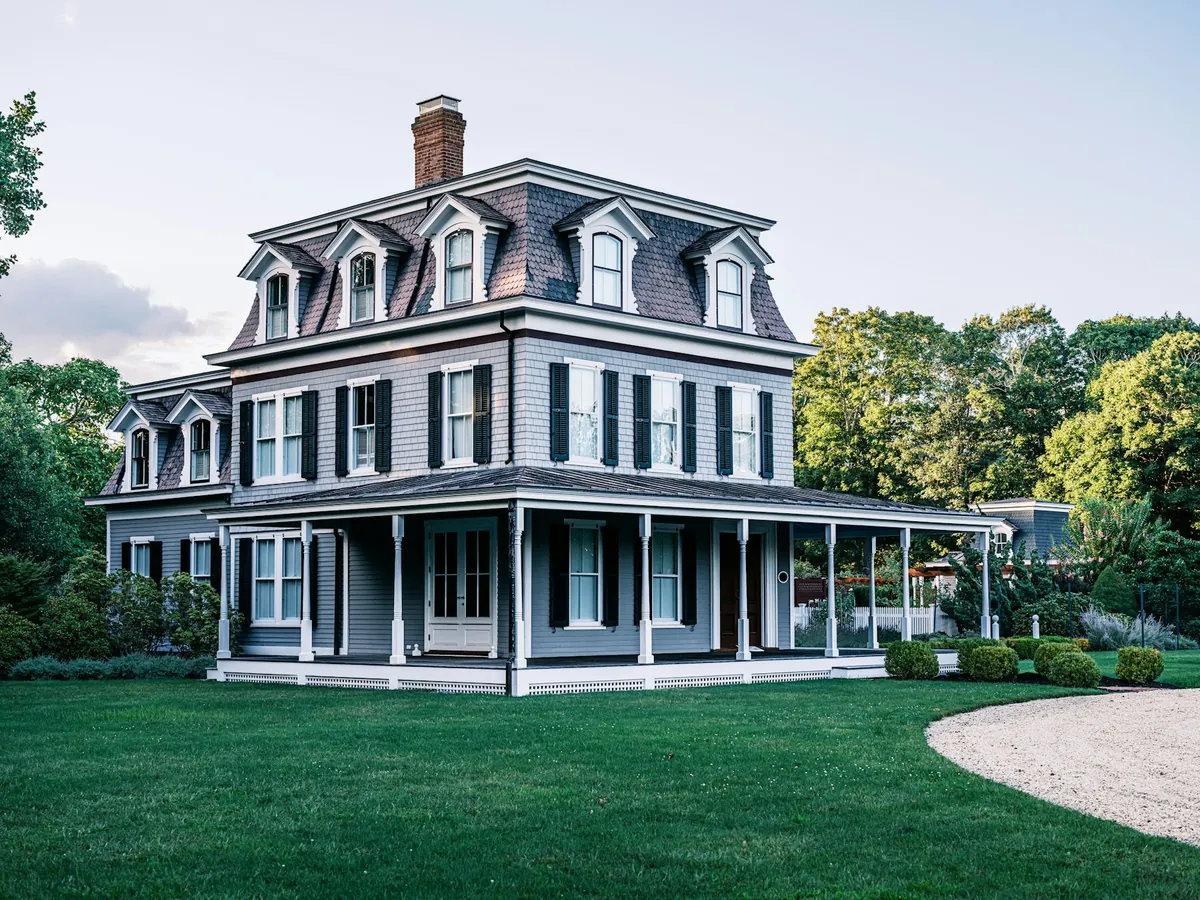
Tall Sash, High Ceilings, Careful Streets
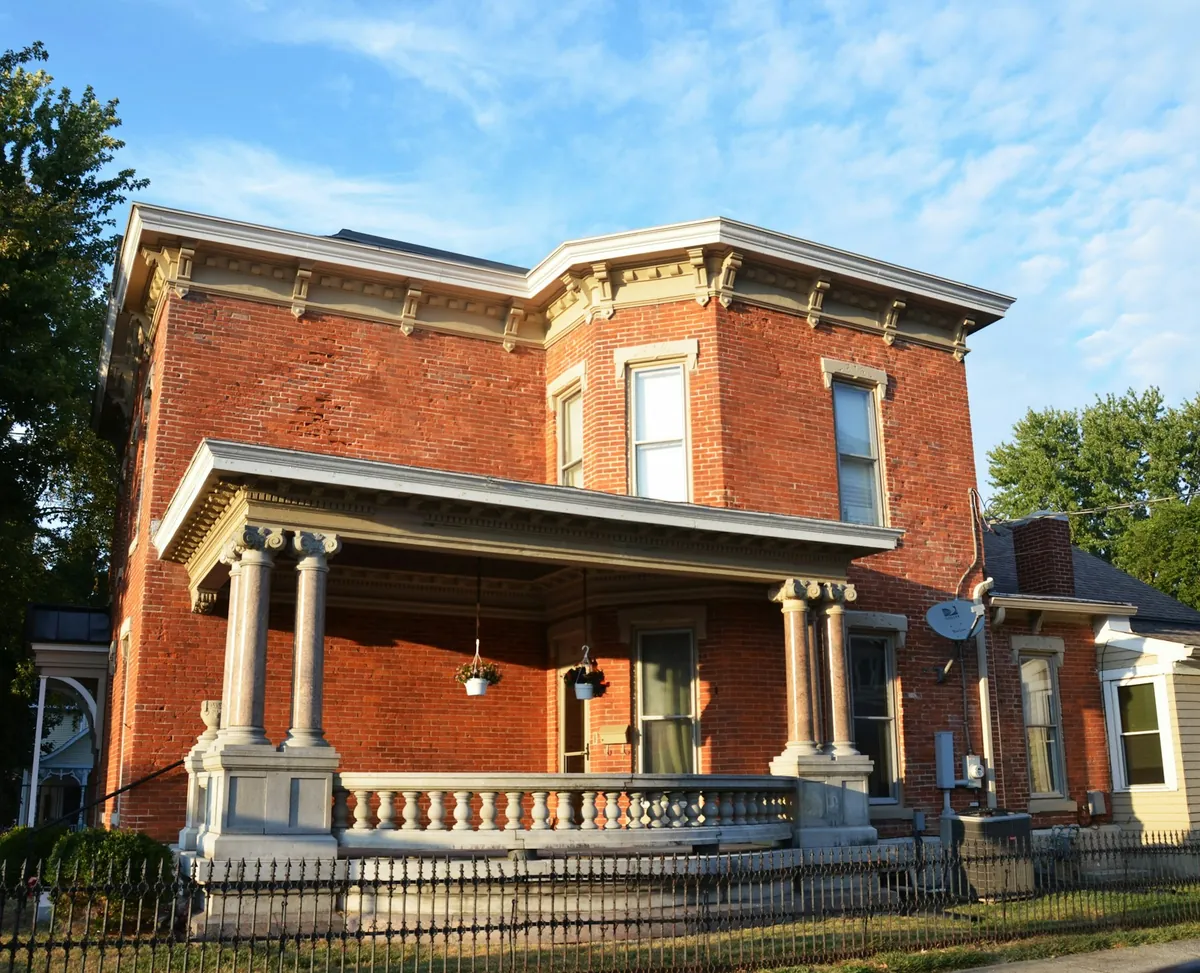
On the East Side, three things come up in almost every house: tall sash windows, high ceilings and historic-district review. The Victorians and Colonial Revivals along Blackstone Boulevard and up on College Hill were built with generous rooms, and their windows run a long way from sill to head. Fabric for them has to cover a long drop and still hang straight, which is why custom drapes in Providence, RI are cut from measurements taken at each window rather than from a stock length.
Across the city, the triple-deckers of Federal Hill and Elmhurst ask for something else. Each floor is its own home, the houses stand close together, and the front windows face the street and the porches next door. There, light and privacy matter more than grandeur.
Both start the same way for us: with the fabric, chosen first, and every panel made for the window it will hang at.
Drapery Made for Providence Rooms
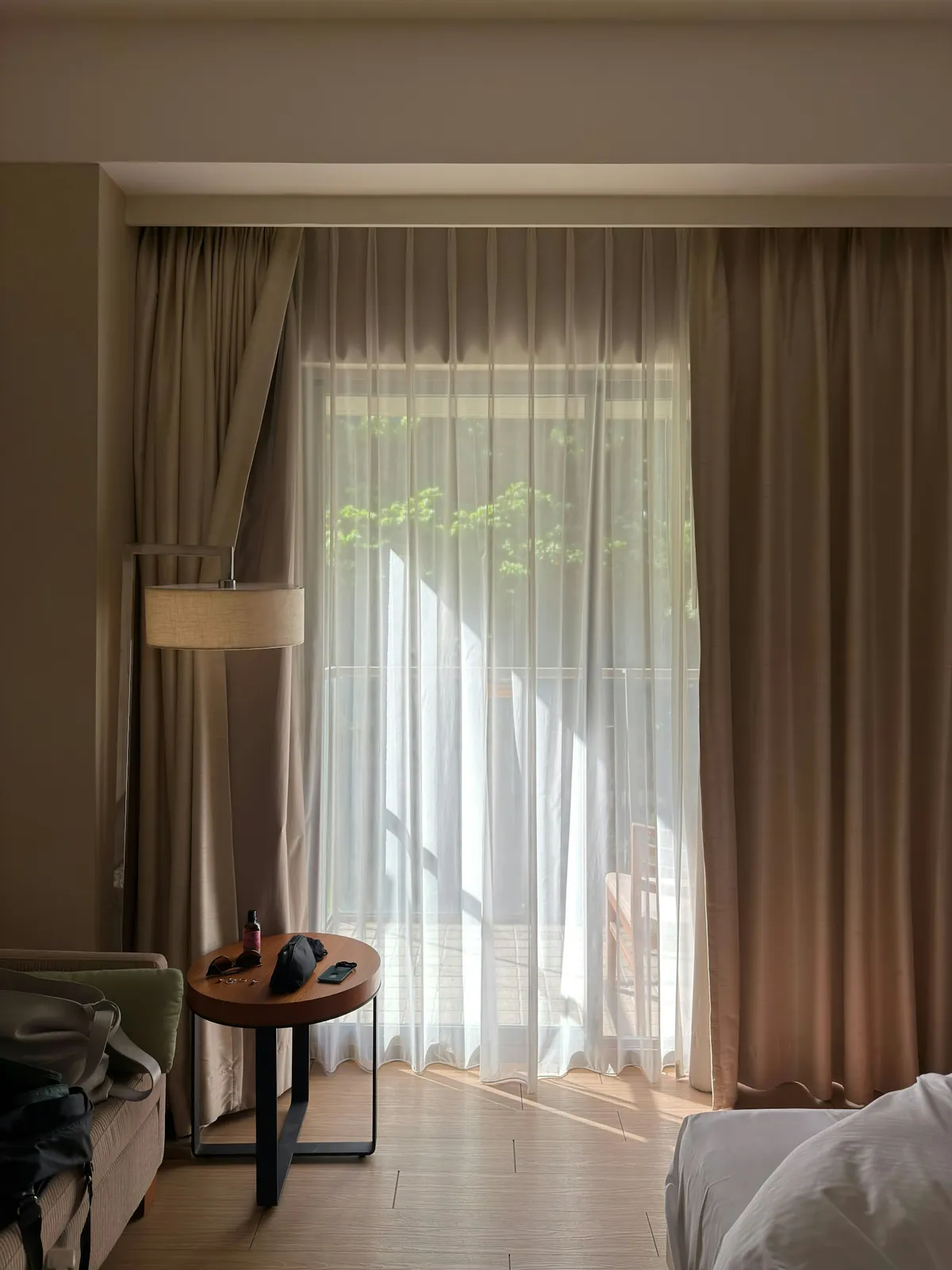
Full-height panels
Drapes hung from close to the ceiling down to the floor, so a tall room keeps its proportions and the window looks as grand as it was built to.
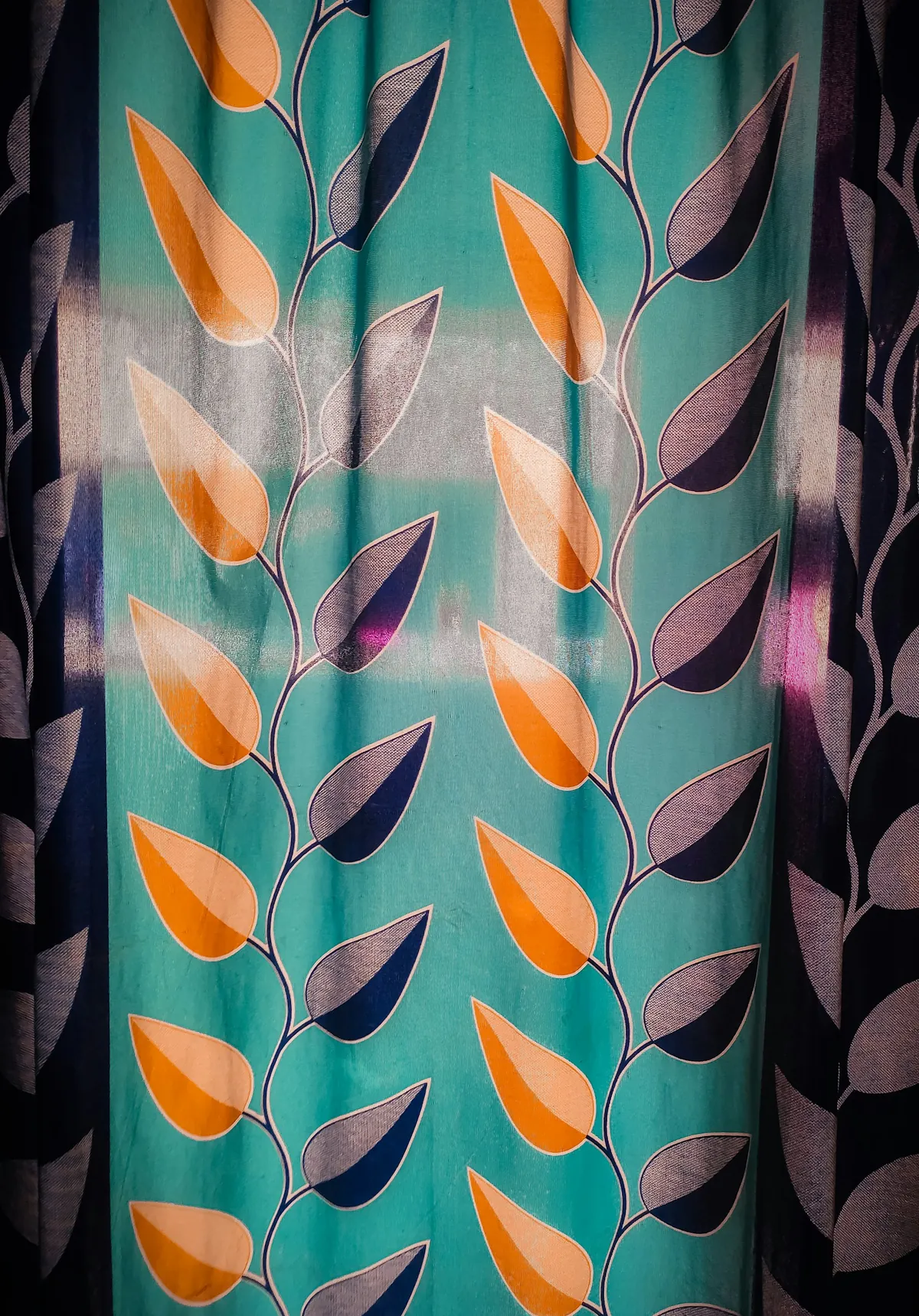
Printed fabric
A bold print can carry a high-ceilinged parlour, provided the repeat is matched across each pair and lands level at every window.

Velvet for winter rooms
Dense, soft fabric with deep folds, for a study or a bedroom where tall glass lets the cold in.
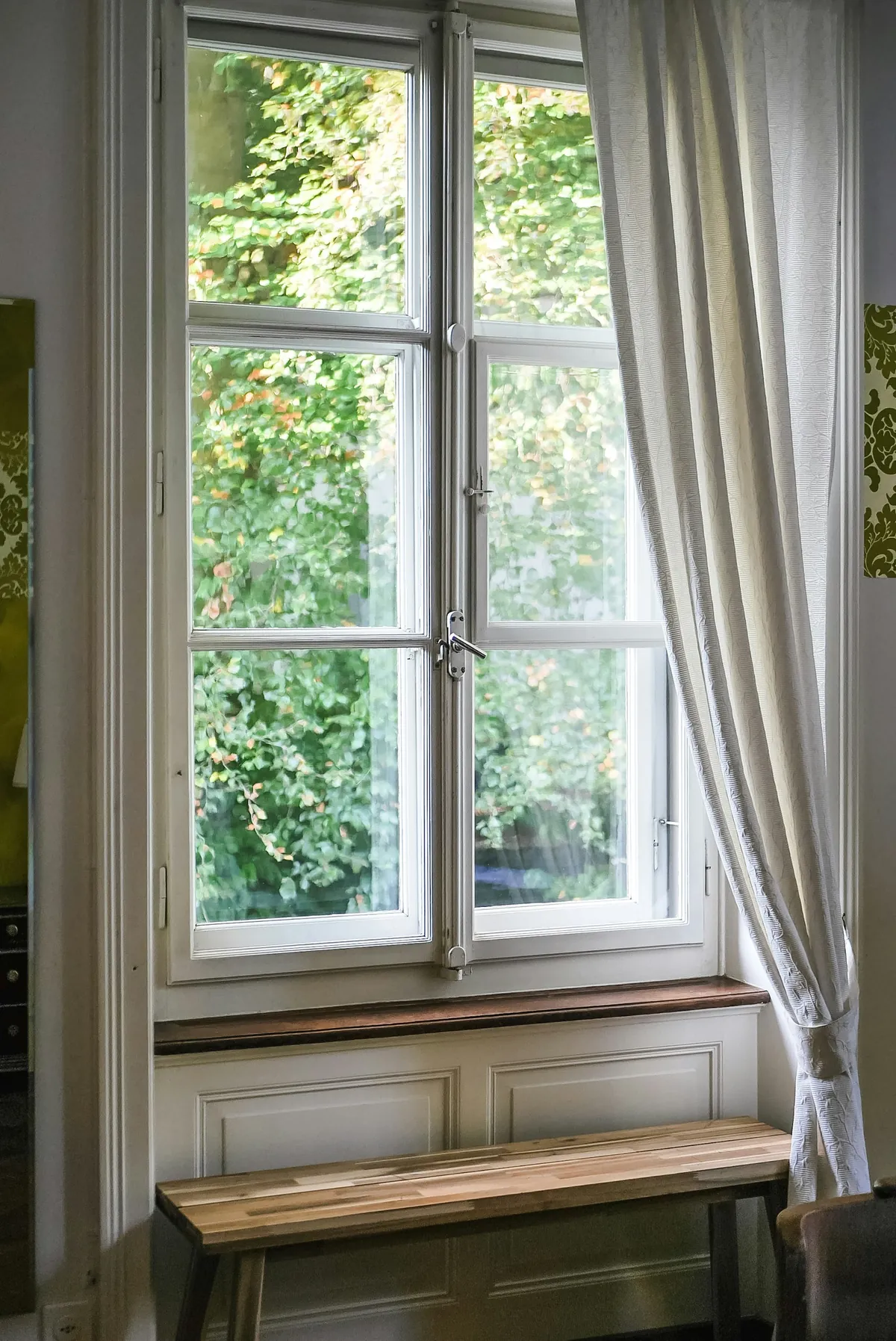
A single panel for slim sash
One curtain drawn to the side of a narrow window, where a pair would crowd the frame.
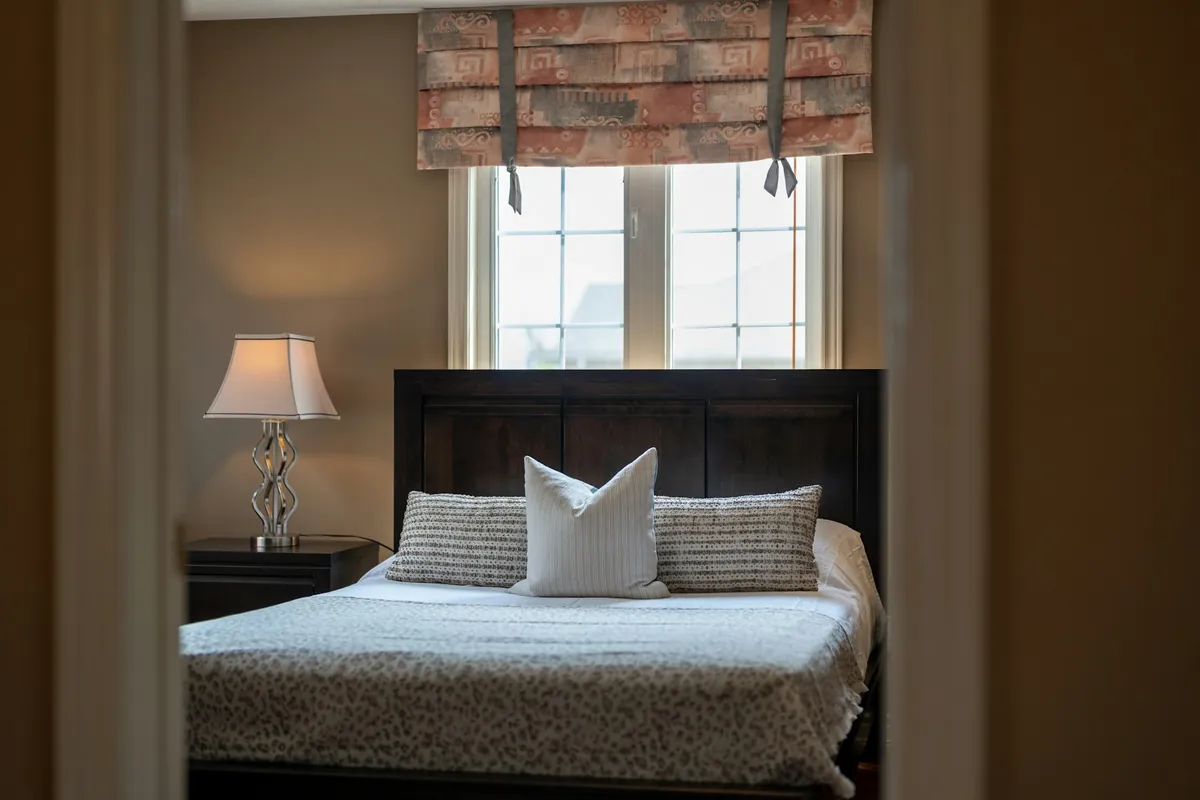
Valances over tall windows
A fabric top that fills the space between a high window head and the ceiling.
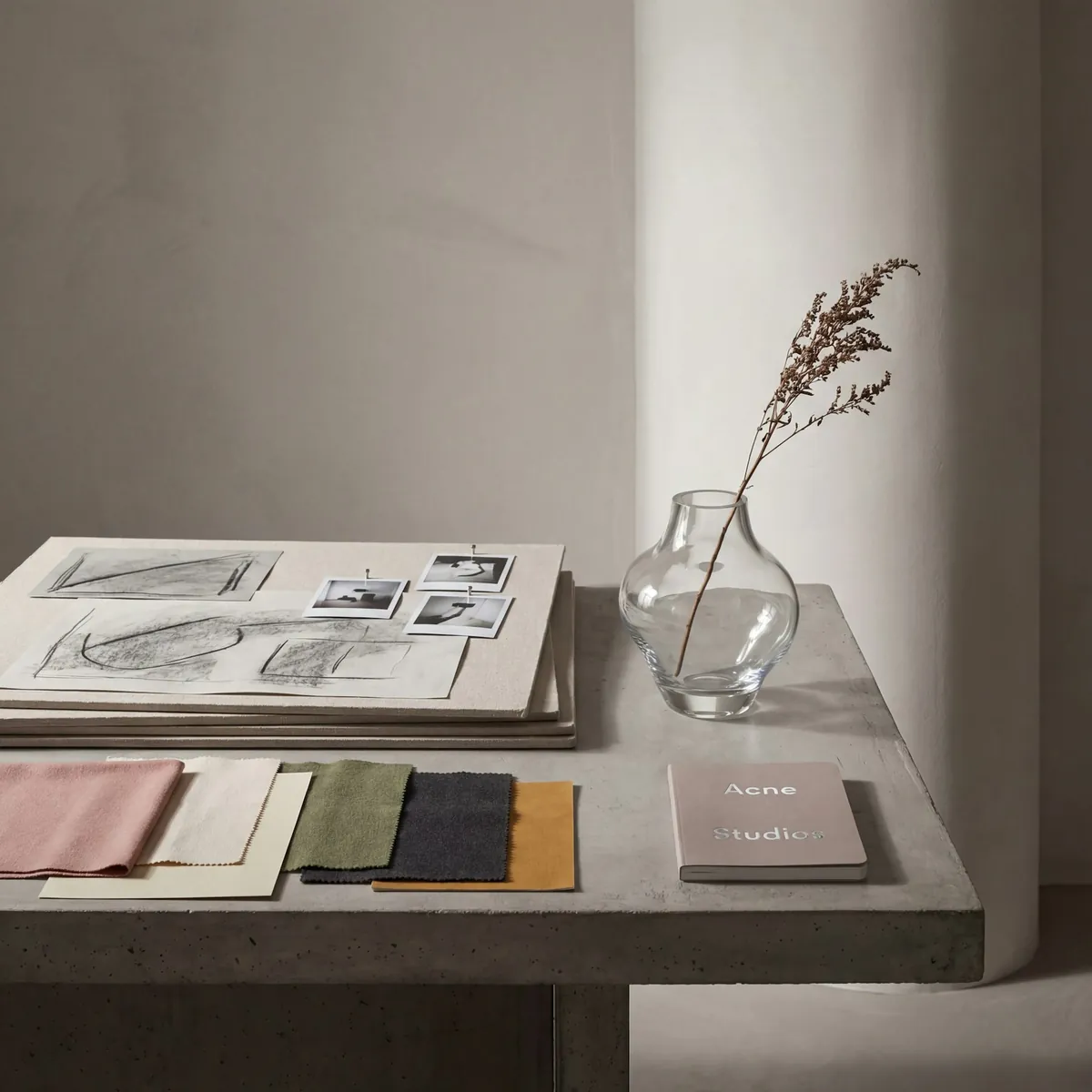
Planned from the cloth
Fabric, lining, heading and length chosen together for each room before a panel is cut.
Custom Drapes in Providence, RI for High-Ceilinged Rooms
Tall windows and high ceilings change how a drape is planned. A curtain that would look generous in a low ranch can look like a stub in a College Hill parlour. The fixes are simple once you see them, but they all depend on the room’s real measurements.
Rod height
In a high-ceilinged room, the rod belongs well above the window head, often close to the ceiling or just below the cornice. Mounted there, the drapes run the full height of the wall, the window looks taller and the room keeps its vertical sweep. Mounted just above the frame, the drapes leave a band of bare wall above them and make a tall window look shorter than it is. Where there is a deep cornice or a picture rail, we set the rod to sit in a clean line beneath it.
The long drop
A long drop needs fabric that will hang well over that distance. Light, loosely woven cloth can twist, sag or swing over a long length. A lining gives the panel weight and body, so it falls in straight, even folds from heading to hem, and a heavier face fabric helps too. The heading has to be strong enough to carry that weight without drooping between the hooks or rings.
Length at the floor
How the drape meets the floor is a matter of taste and use. A hem that just clears the floor is neat and practical for drapes you draw every day. A hem that touches the floor looks tailored and finished. A slight pool of fabric on the floor gives a softer, more traditional look in a formal room where the drapes are rarely moved. Floors in older houses are not always level, so we measure the drop at each window and at both edges.
Fullness on a big window
A tall, wide window takes a lot of fabric, and the fullness, meaning how much cloth goes into each panel compared with the width it covers, decides whether it looks rich or thin. Generous fullness suits a formal East Side room. Over a long drop, it also adds weight, which helps the drape hang well.
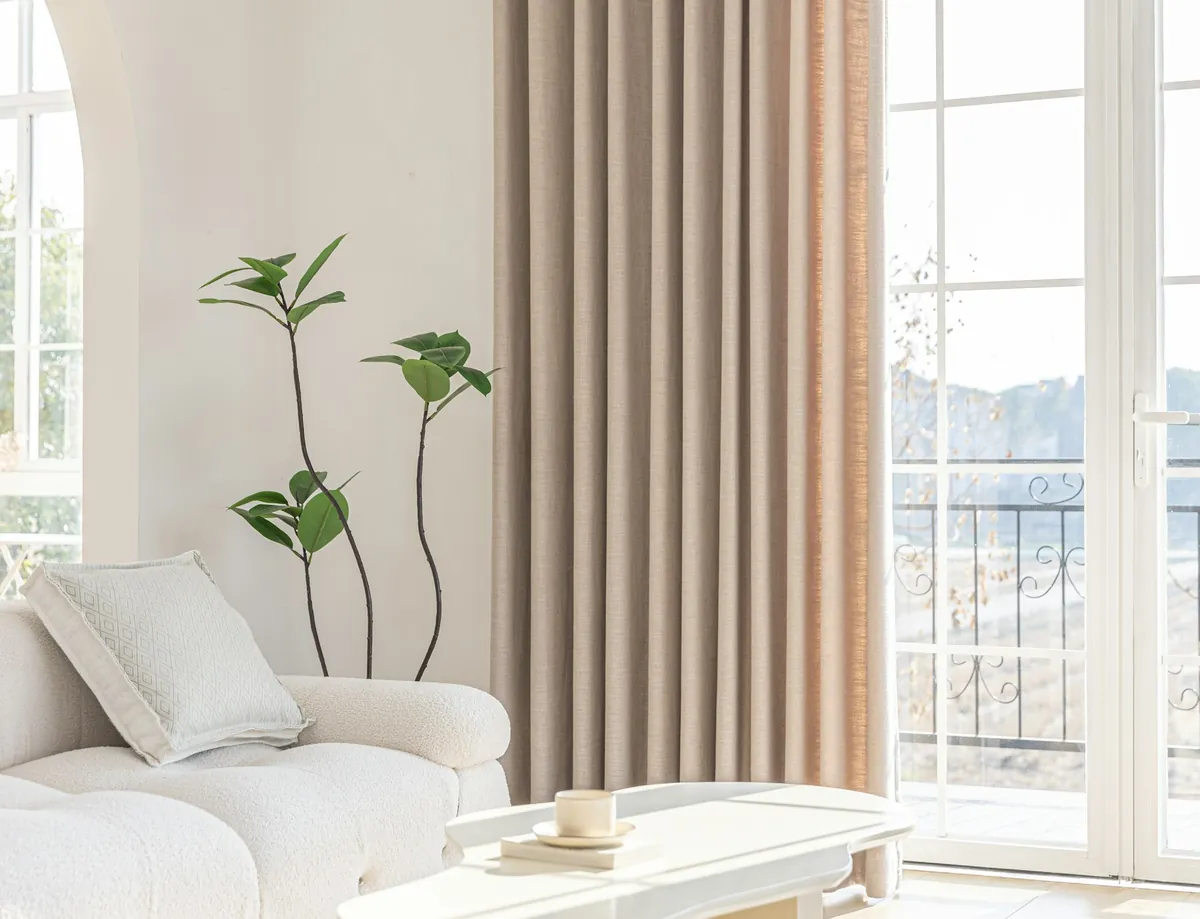
East Side Victorians
Victorian houses on College Hill and around Blackstone Boulevard tend to have tall, narrow windows, sometimes grouped in bays, with elaborate trim and high ceilings. Drapery here can be rich and layered.
Parlours and dining rooms
Formal rooms suit full-height drapes in heavier fabrics: velvets, damasks, textured weaves or bold prints, lined for body and to protect them from the sun. A valance or a shaped top treatment across the head of the window can fill the space between a tall window and the ceiling, and it suits the period. Sheers behind the main drapes soften the light by day and add a layer of privacy.
Bays
Many Victorian rooms have a bay, often three tall windows set at angles. A bay can be dressed as one unit, with drapes at the outer corners that frame the whole projection, or each window can get its own panels. Framing the whole bay keeps the glass clear and the space inside the bay usable. Individual panels give more control but crowd the narrow walls between the windows. We measure each angle and each section of wall before suggesting one.
Trim
The trim around East Side windows is often worth showing. Mounting the rod above the casing and running it past the sides lets the open drapes rest against the wall, so the woodwork stays visible.
Upstairs bedrooms
Bedrooms on the upper floors of an East Side Victorian often keep the tall sash of the rooms below, which is lovely by day and a problem at dawn in midsummer. Light leaks around a drape at three places: over the top, down the sides and under the hem. A rod mounted high and close to the ceiling blocks most of the top gap. Returns, where the panel wraps back to the wall at each end of the rod, close the sides. A hem that touches the floor deals with the bottom. Add a lining chosen for darkness, and a tall bedroom window can be made properly dark. This is where custom drapes in Providence, RI earn their keep, because each of those details depends on the exact height and width of the window.
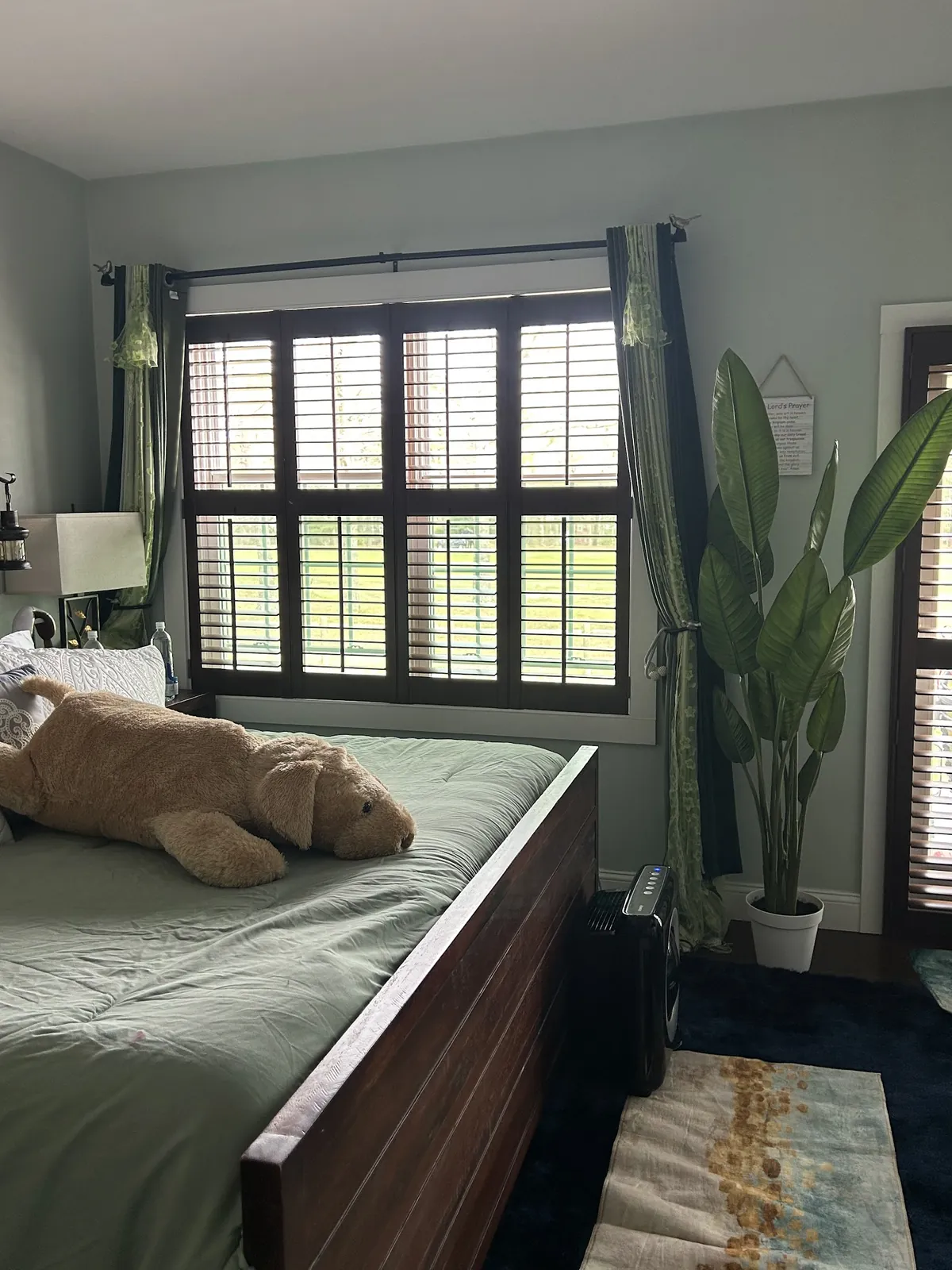
Colonial Revivals on Blackstone Boulevard
The Colonial Revival houses share the high ceilings and tall sash, but with a more ordered, symmetrical layout. Windows are evenly spaced, trim is classical and restrained, and the rooms are balanced.
Drapery for these houses tends to be tailored rather than elaborate. A pleated heading on lined, floor-length panels gives even, orderly folds. Plain fabrics, fine stripes or small patterns suit the calm of the architecture. Matching the drapes across the front windows matters: from the street, the house reads as a symmetrical whole, and consistent drapery with the same lining colour behind every front window keeps it that way.
Colonial Revival plans often include a centre stair with a tall landing window, a sunporch or a pair of French doors to a terrace. The landing window is seen from the hall below and the floor above, so its drapes should be chosen with both views in mind, and they are often best left as fixed side panels that never need reaching. French doors need panels on a rod wide and high enough that the doors swing open beneath and beside the fabric without catching it. A sunporch with windows on three sides may suit light, unlined panels at the corners only, keeping the room as bright as it was meant to be.
Historic-District Review and Your Drapes
Historic-district review is one of the constants of East Side work. Drapery hangs inside the house, but what shows through the glass is part of how a house looks from the street. The lining is the part that faces outward, so a consistent, light lining colour across all the street-facing windows keeps the facade even, whatever face fabrics you choose for the rooms behind. It is a simple way to respect the look of the house from outside while having full freedom inside.
We do not touch the windows themselves. Drapes are mounted on the wall or the trim inside the room, and we plan the mounting so the rod sits cleanly and the woodwork is not covered. If your house is under review for other work, we are happy to talk through what the drapery will look like from outside.
Sheers and Drapes Together on a Tall Window
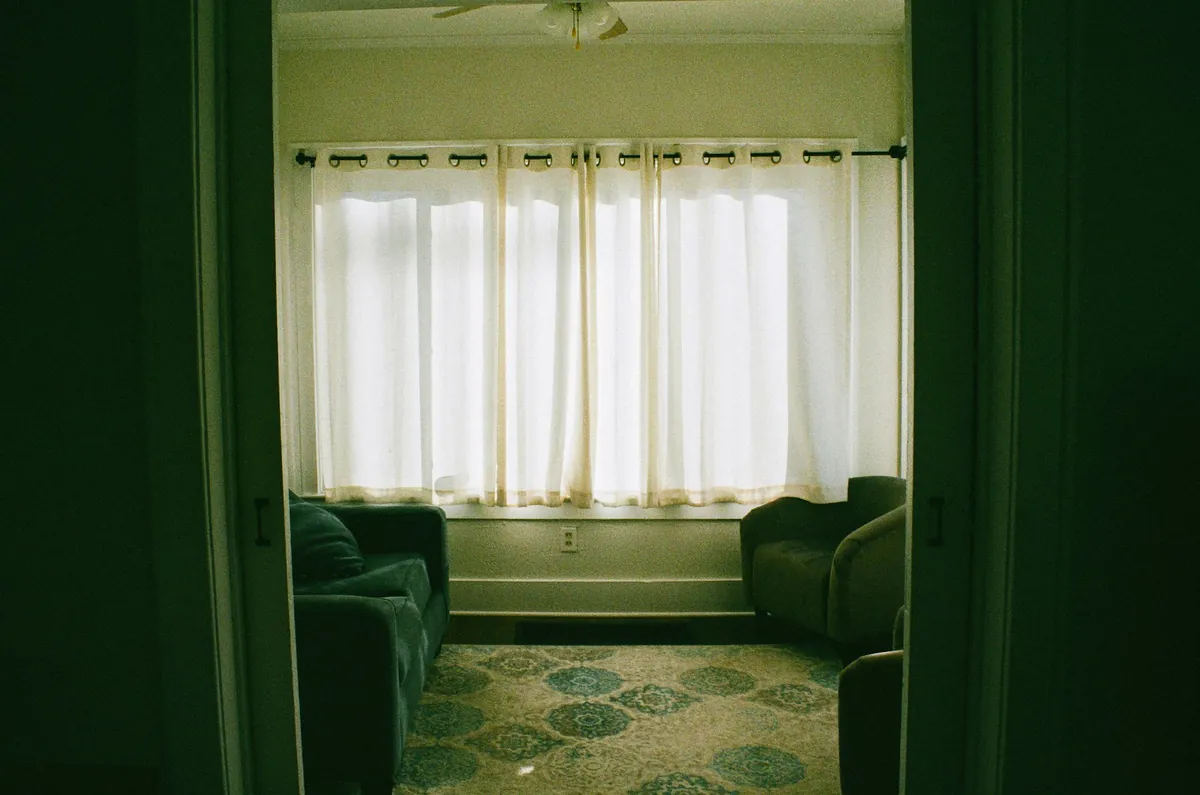
Tall windows suit two layers better than almost any other kind. A sheer hung close to the glass softens the daylight and gives privacy from the street, and it can stay drawn most of the day. A heavier, lined drape in front of it frames the window and closes at night. On a double rod, both layers hang from one set of brackets, the sheer behind and the drape in front, so they line up exactly. On separate rods, the sheer can sit inside the frame and the drape outside the trim.
The colours need to work together from both sides. Inside, the sheer is seen through the gap when the drapes are open and should suit the face fabric. Outside, the sheer is what the street sees by day, so it is worth keeping the same sheer on every front window. Choosing both layers together, from the same fabric range, makes this easy, and it is one of the most useful ways to plan custom drapes in Providence, RI for an East Side front room.
Triple-Deckers in Federal Hill and Elmhurst
The triple-deckers through Federal Hill and Elmhurst are a different kind of house altogether. Each floor is a full home, the houses sit close to each other and to the street, and the front windows often look onto a porch, the sidewalk or the windows of the house next door.
Privacy close to neighbours
With houses this close, privacy is often the first concern, especially on side windows that face another house. A sheer drawn across the glass through the day lets the light in and blurs the view, while lined drapes over it close at night. For narrow side windows, a single panel drawn to one side can be neater than a pair.
Front bays and porches
Many triple-deckers have a front bay on each floor, often three windows set together. The same choice applies as in a Victorian bay: frame the whole bay or dress each window. On a porch-facing window, the porch roof shades the room but also puts the porch at eye level, so privacy matters even in daylight.
Practical fabric
Triple-decker rooms are lived in hard, and the drapes should be easy to use and care for. Simple headings that slide easily, fabrics that wear well and sheers that can be laundered make sense. Lined panels in the bedrooms keep out streetlights and early morning sun.
Kitchens and back rooms
At the back of a triple-decker, the kitchen and back bedroom often look onto a rear porch or a narrow yard. Kitchen curtains need to handle steam and splashes, so a washable fabric on a simple rod is the sensible choice, kept clear of the stove and the sink. A short panel or a curtain across the lower half of the window can give privacy from the porch while leaving the top of the glass open for light.
How We Work
We stay in touch with you from the first conversation until the drapes are hanging.
- Send the form or use the call button, tell us about the rooms, and we book a free quote.
- You visit the Swansea showroom, if you like, to see the fabric range and get a feel for weights and colours.
- A specialist comes to measure in your home: every window, the height to the ceiling or cornice, the wall on each side and the level of the floor.
- We go over rod height, length, lining and heading for each room, and you choose your fabrics.
- You receive a quote with each window listed.
- Your drapes are made to the measurements taken in your home.
- Our team hangs them, dresses the folds so the long drops fall straight, and shows you how they draw.
Fabric beyond the window
Through our custom fabric decor work, the cloth at your window can turn up again on pillows, a duvet cover or some upholstery in the same room, which suits a formal East Side room planned as a whole.

Looking after tall drapes
Long panels gather dust along the folds and at the heading. A soft brush attachment on the vacuum, working down from the top, keeps them fresh. Lined drapery is best sent to a professional cleaner, because the face and lining can react differently to a wash. If a panel drops after it has settled, or a hook works loose on a heavy drape, call the store that made it and we will put it right.
Why Work With Window Works
Window Works is a second-generation family store, founded in 1988 in Swansea. For over 37 years we have made window treatments for the SouthCoast of Massachusetts and the Rhode Island East Bay, with drapery as our specialty.
A Providence job is planned, measured, ordered and hung by our own window treatment specialists, who stay in contact with you until it is finished. Warranties are offered on the products we sell.
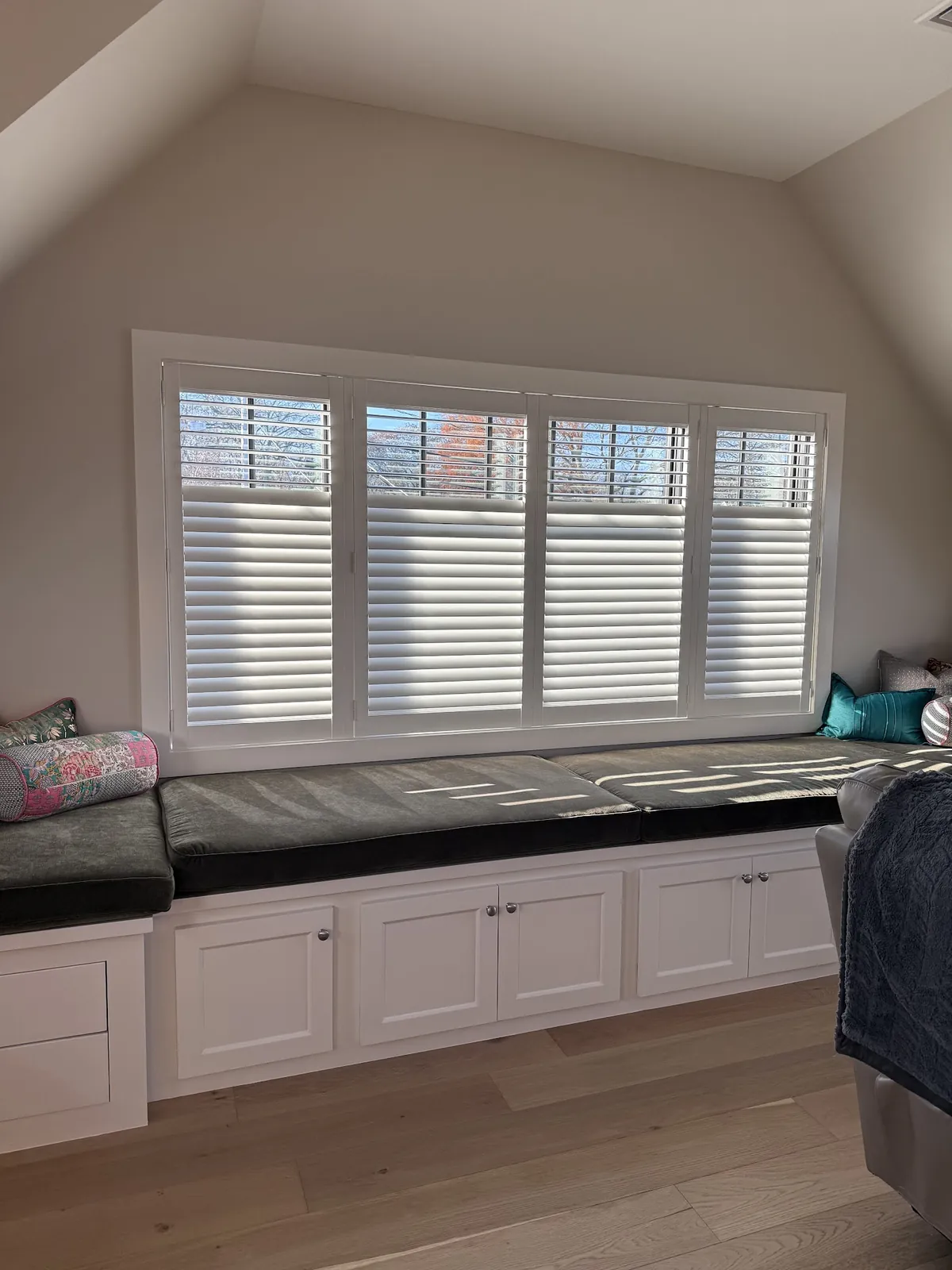
If a room calls for something other than drapes, we make that too. A tall East Side window often pairs well with plantation shutters in Providence behind side panels. You can see everything we offer the city on our Providence window treatments page.
Questions from Providence
My ceilings are very high. Where should the rod go?
Usually well above the window, close to the ceiling or just below the cornice, with drapes falling to the floor. That keeps the room’s height and makes the window look as tall as it is.
Will a long drape hang straight?
Yes, if it is lined and made in a fabric with enough body. The lining adds weight and helps the panel fall in even folds over a long drop.
Does historic-district review affect drapes?
Drapes hang inside the room, but the lining shows from the street. A consistent light lining on every street-facing window keeps the facade even.
What suits a triple-decker side window that faces the next house?
A sheer that stays drawn by day, with a lined panel over it for night, or a single panel drawn to one side on a narrow window.
Can I compare fabrics before I order?
Yes. The Swansea showroom has the fabric range to see and handle in daylight.
Ready When You Are
The first step toward custom drapes in Providence, RI is a free quote. Use the call button to book it, arrange measuring in your home or ask about installation, or send the form. Directions to the Swansea showroom are on the contact page, and the main custom drapes page shows the whole range. Window Works has a 5.0 rating on Google.