
Old Frames, Open Land and a Natural Weave
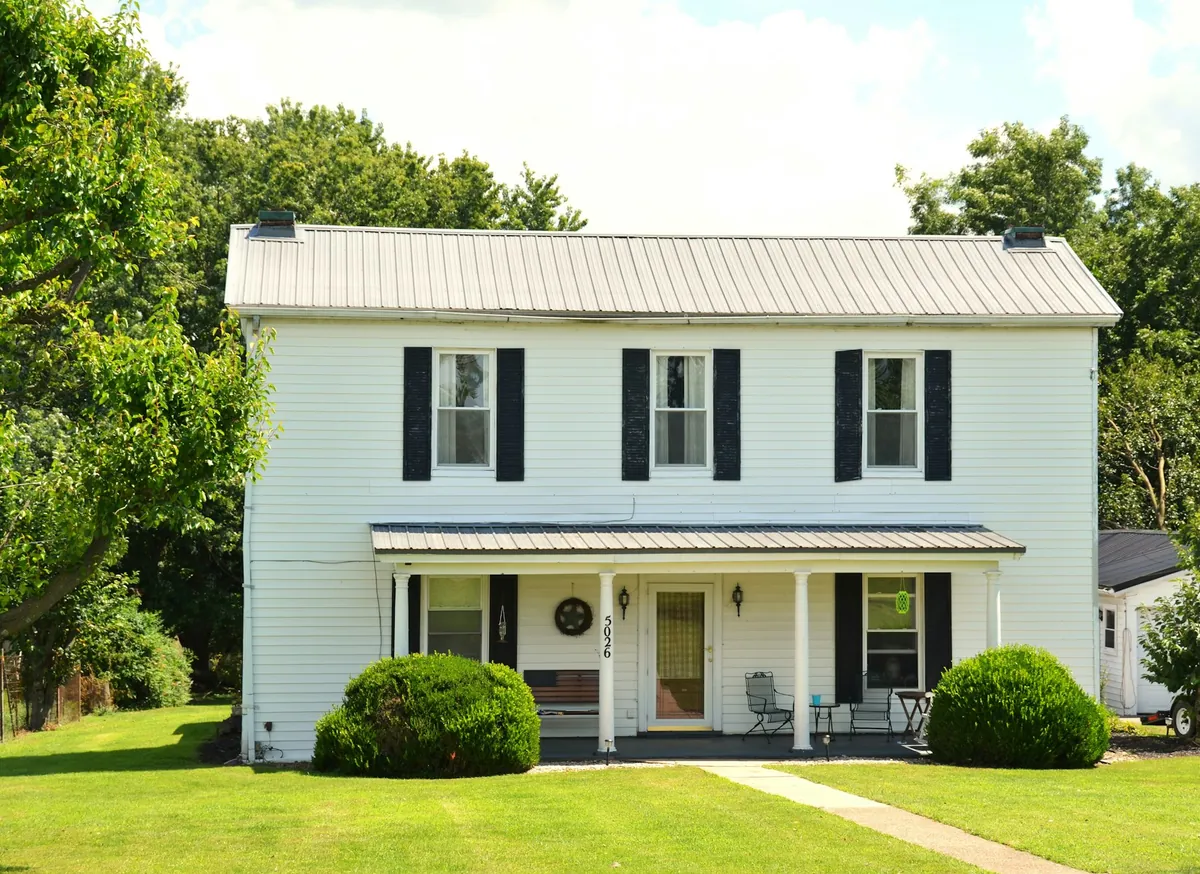
Rehoboth’s antique colonials and farmhouses along Winthrop Street and Route 44 have windows unlike most others we dress. They are small, set deep into thick walls, and finished with wide sills. Many of these houses stand on large lots or in farm settings with no near neighbours, so the windows look out over fields rather than at another house. Woven wood shades in Rehoboth, MA suit that setting well, because a natural weave sits easily beside old wood and lets the light from open land come through softly.
The town also has newer colonial subdivisions off Bay State Road, with standard double-hung windows, closer neighbours and the usual mix of bedrooms, family rooms and home offices. Those houses need woven shades set up quite differently from the antique ones.
- Woven wood and bamboo, with or without a liner
- Measured in your home, window by window, and installed by our team
- Weaves to see and handle at the Swansea showroom
Six Ways to Use a Woven Shade in Rehoboth
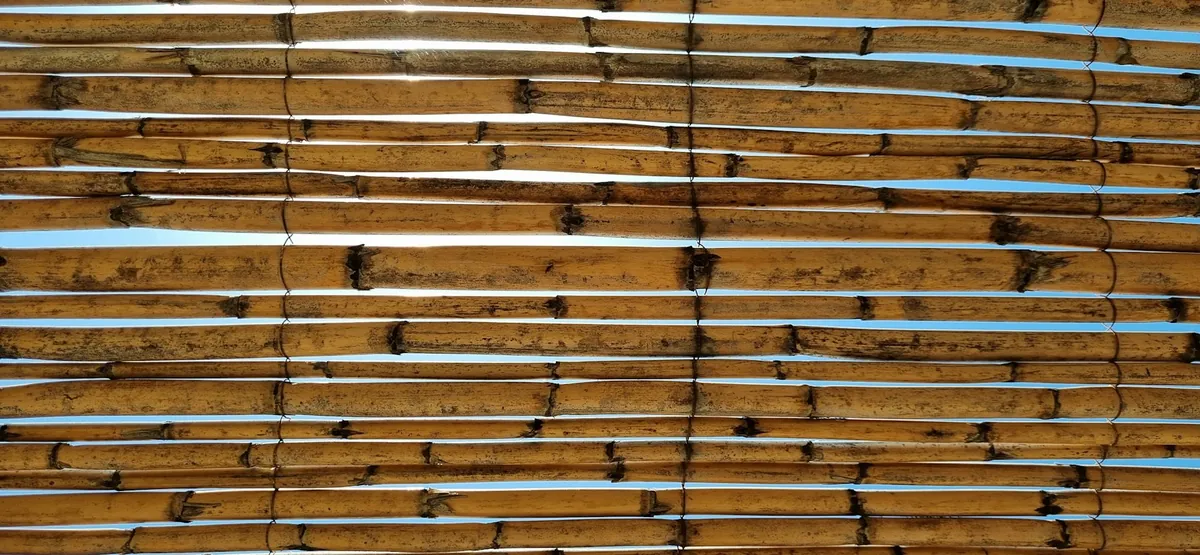
Fitted inside a deep frame
A fine bamboo weave set into the depth of an antique window looks as if it belongs there, with the old casing left in full view.
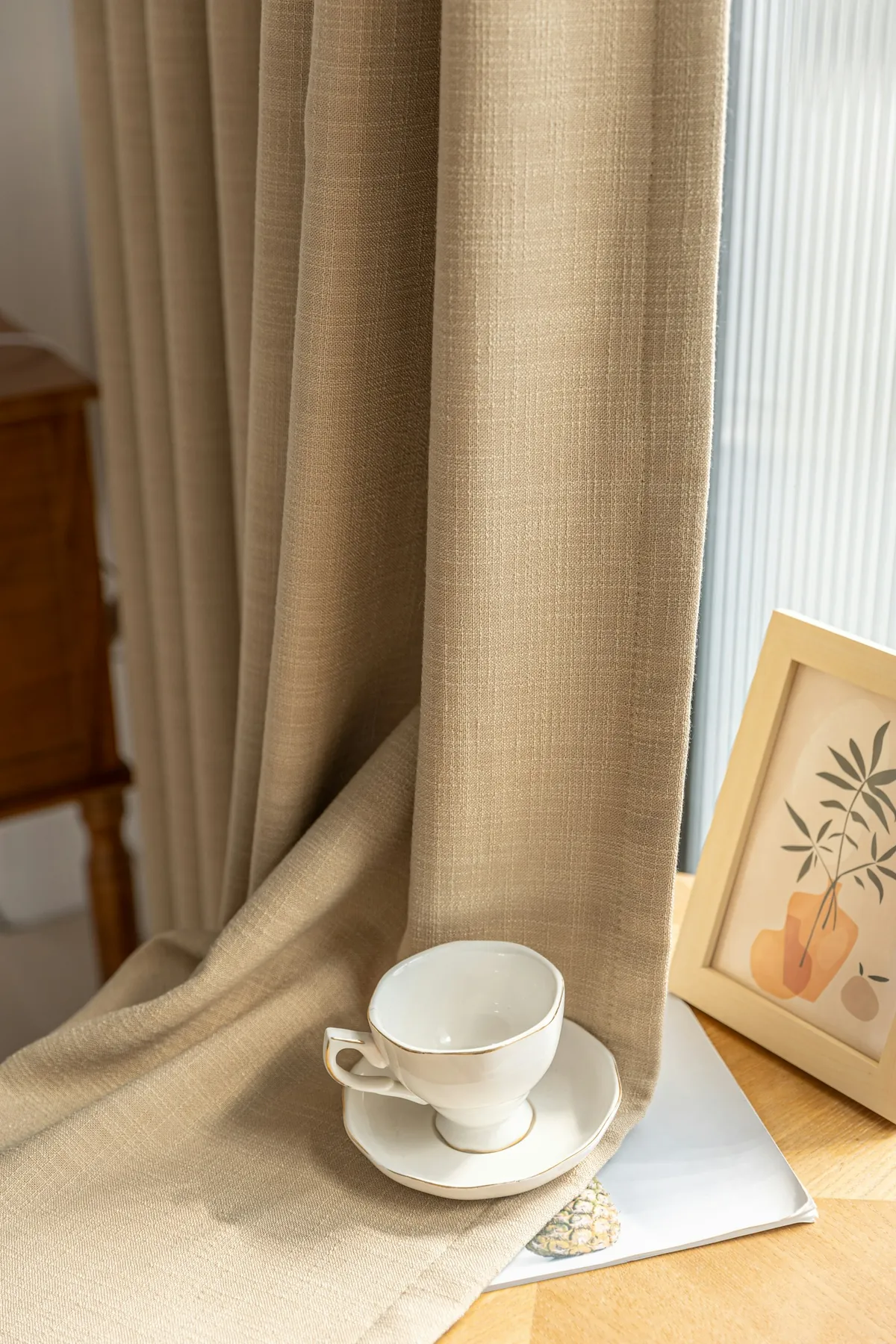
Stopping above a wide sill
On a broad sill that holds plants or a lamp, we can set the shade to come down to the sill or stop just short of what sits there.
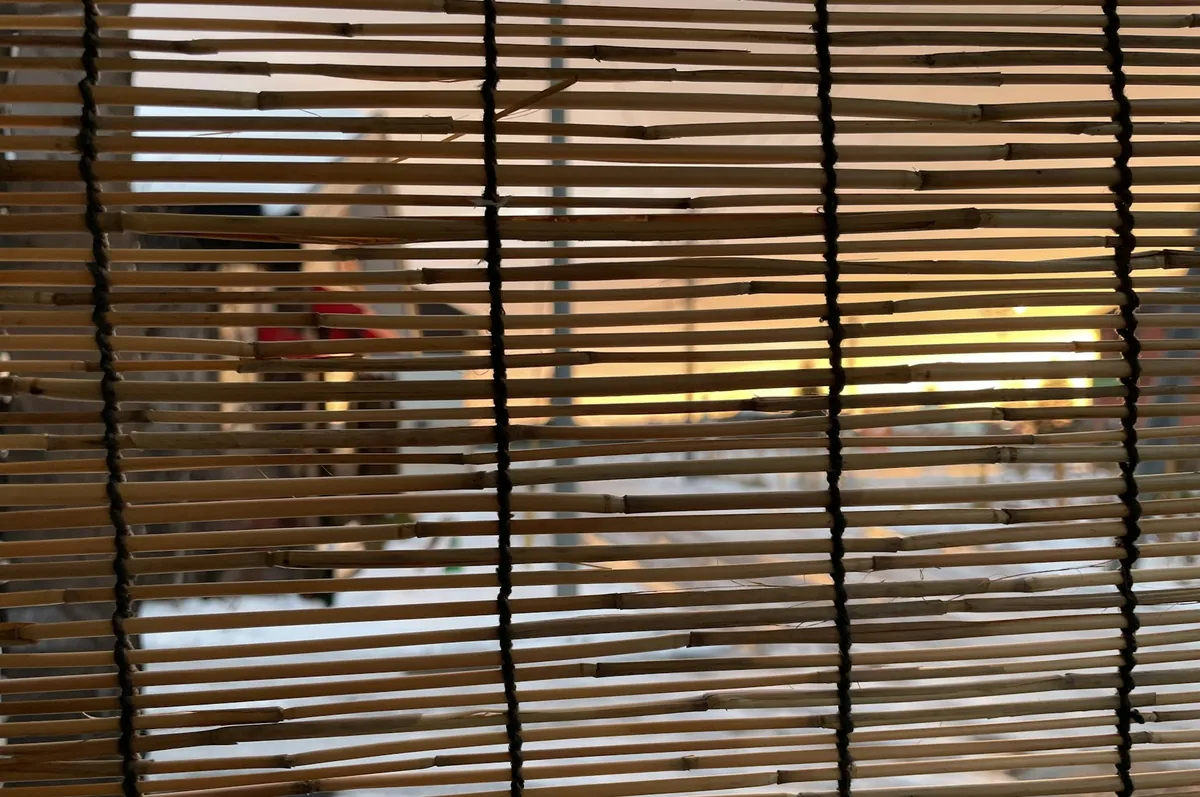
Open weave toward the fields
Where nothing but pasture lies outside, an unlined, looser weave softens the sun and keeps the outline of the land in view.
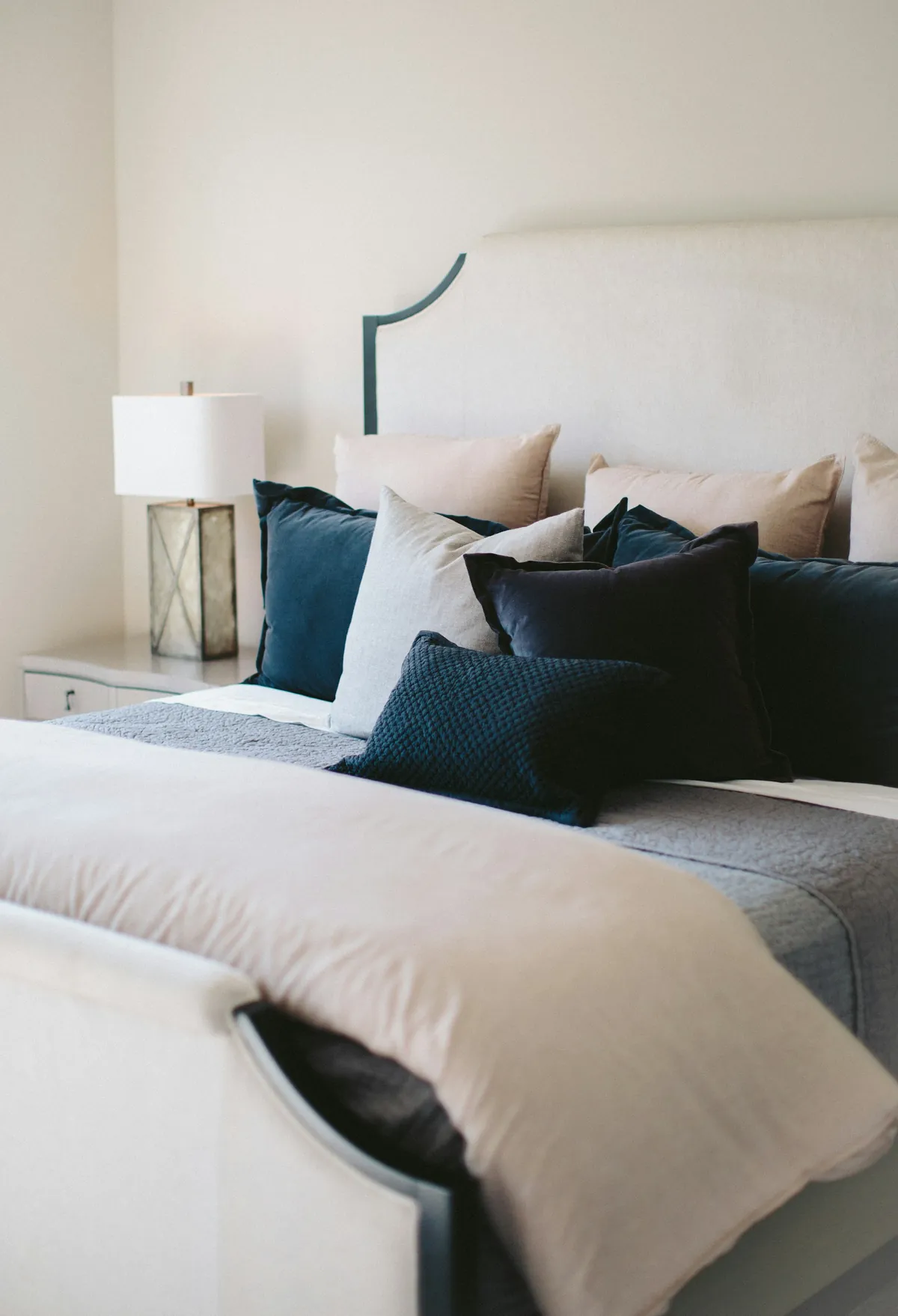
Lined for subdivision bedrooms
In the newer colonials, where the next house is close, a privacy or room-darkening liner behind the weave suits the bedrooms.
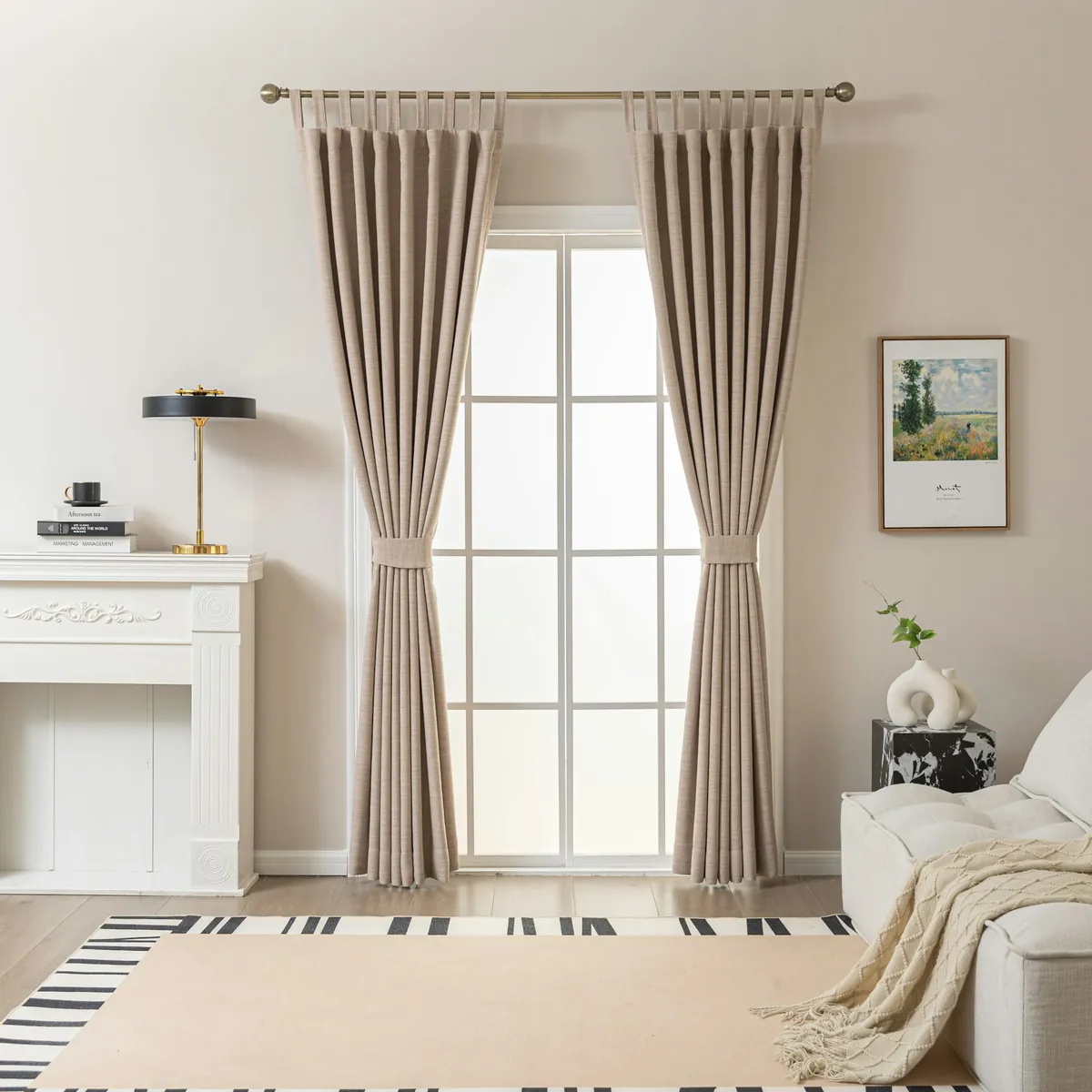
Under drapery in a formal room
A woven shade behind lined drapery gives a dining room or front parlour both texture and a softer frame, and we make both.
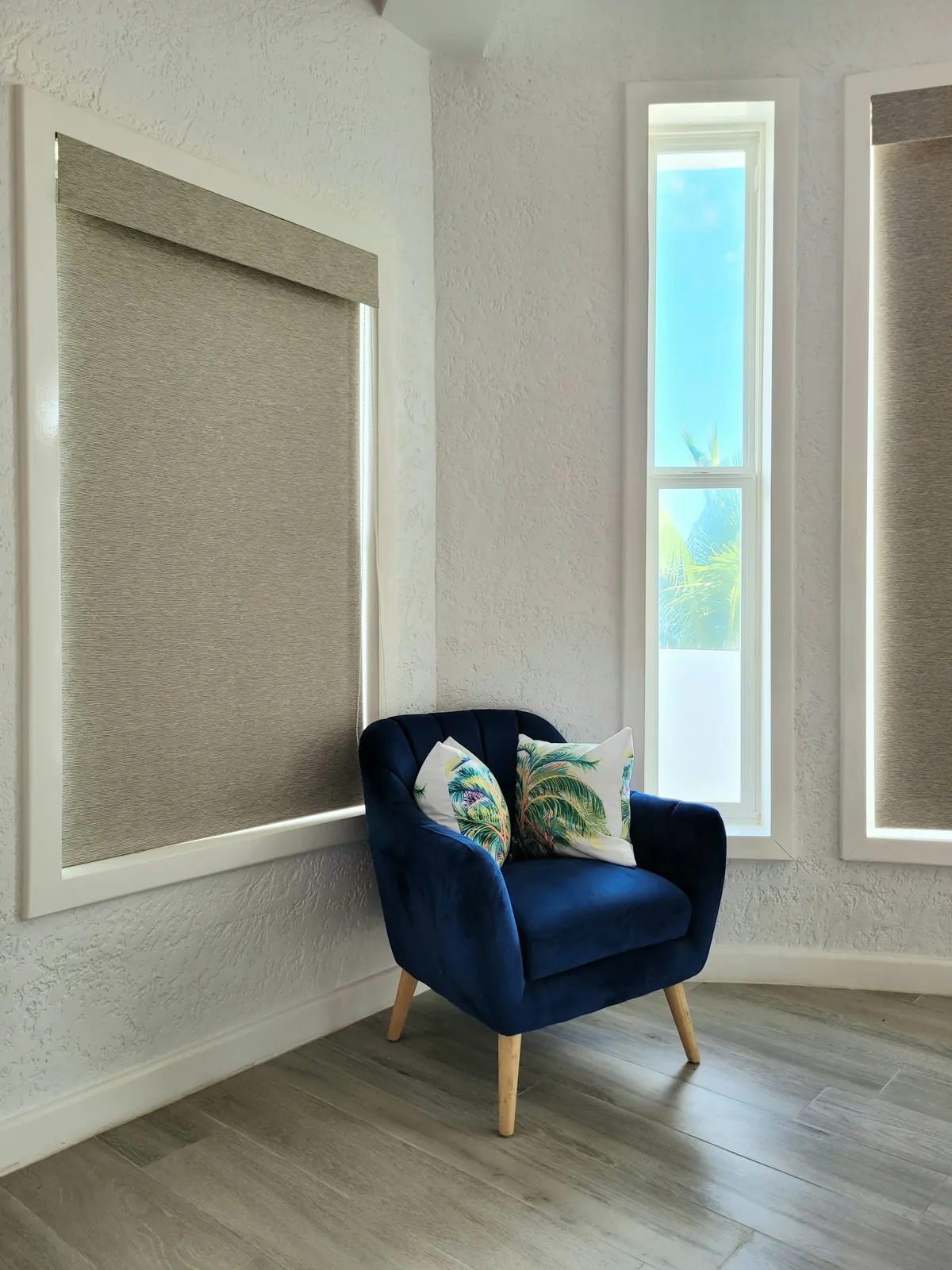
A tone for old beams and floors
Honey and mid-brown weaves pick up wide pine boards, exposed beams and old doors, so the shade looks part of the room.
Small, Deep-Set Windows and Woven Wood Shades in Rehoboth, MA
The antique houses are where woven wood shades in Rehoboth, MA need the most thought, because their windows leave so little room for error.
Using the depth of the wall
Thick old walls give these windows a deep opening, and that depth is the best thing about them for a woven shade. An inside mount, with the headrail fixed within the opening, lets the shade sit back from the face of the wall. Lowered, it fills the window like a panel. Raised, it tucks up inside the frame. The casing and trim stay completely clear, which matters in a house where that woodwork may be the oldest thing in the room.
Old frames are rarely square, and the opening can be a little narrower at the top than at the bottom, or the other way round. We measure each window at several points and size the shade so it clears the tightest part. No two windows in an antique house are assumed to be the same, even when they look it.
Wide sills and what sits on them
The wide sills in these houses are often in use: plants, lamps, a row of old bottles, a cat’s favourite spot. That affects how far the shade should come down. An inside-mounted shade can be made to come all the way to the sill, so it closes off the window completely when lowered, or to stop a little short so it clears whatever sits there. We will ask how each sill is used when we measure.
Where a sill is deep enough to be a seat, the shade usually comes down to it, and a room-darkening liner makes the nook useful for an afternoon nap as well as for reading.
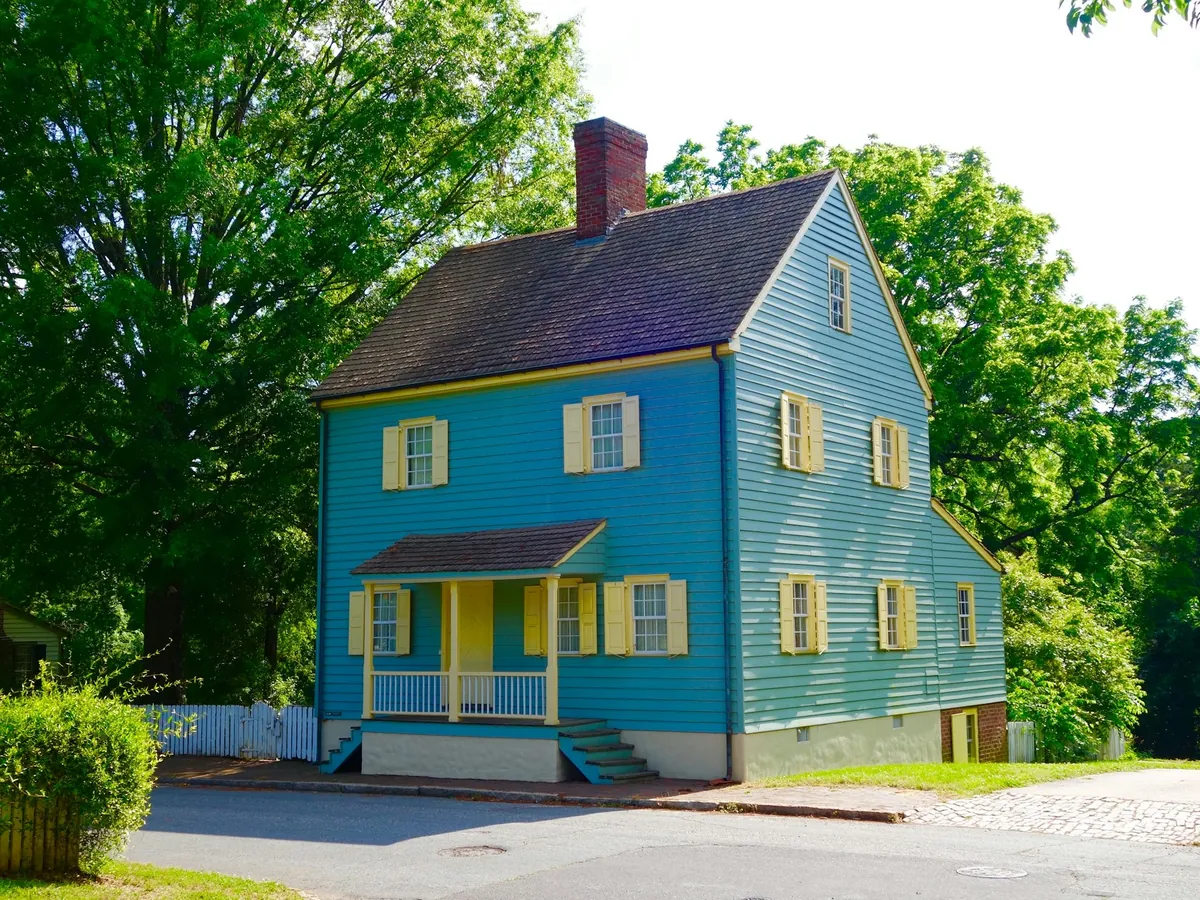
How the light changes through the weave
In a small antique room, the light through a woven shade is a big part of how the room feels, so it is worth knowing what each choice does before you pick one.
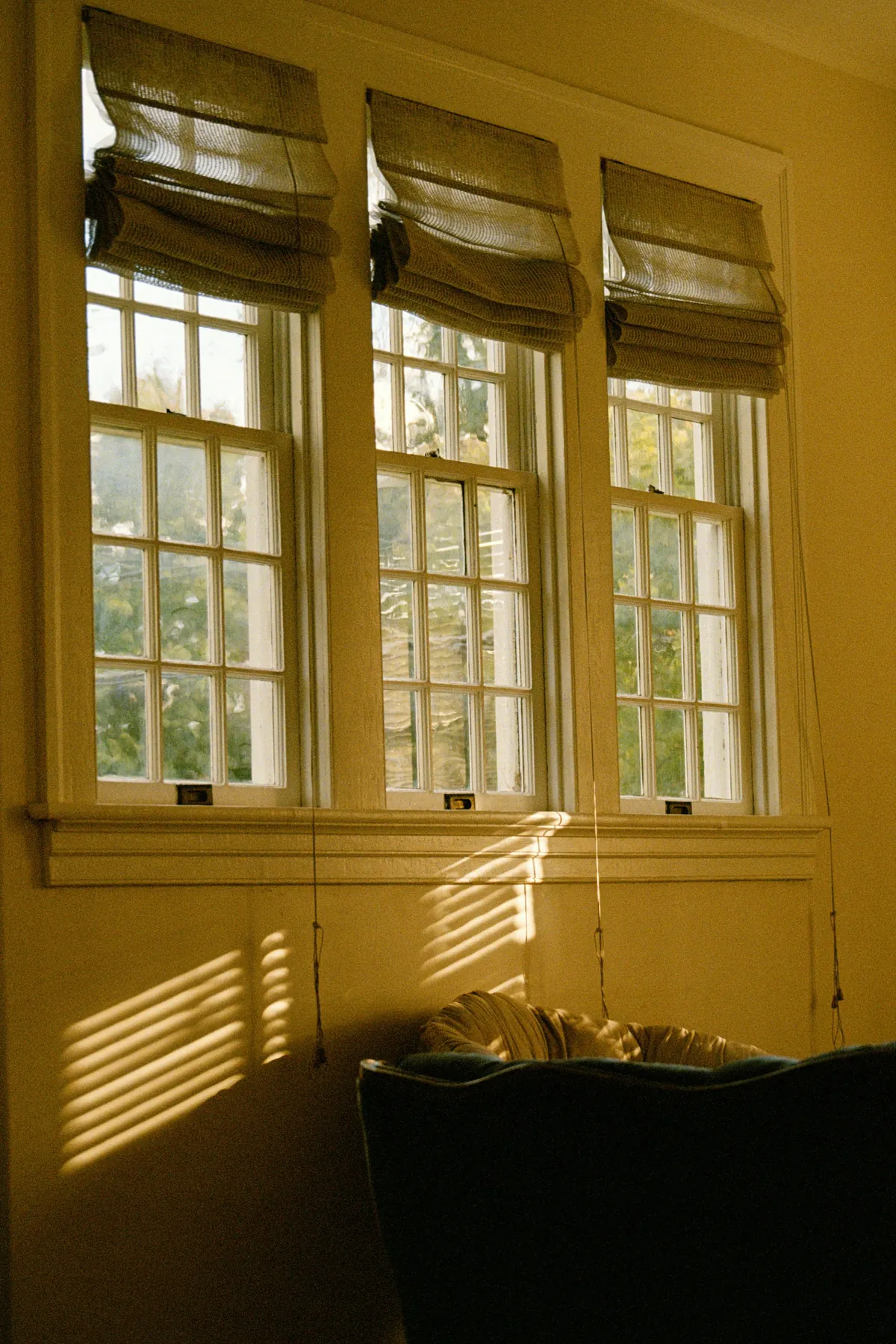
An unlined shade does not stop the light so much as change it. Sun passes through the gaps between the strands and picks up the colour of the bamboo or wood on the way, so the room fills with a warm, slightly golden light, broken into small flecks on the floor and the plaster. The closer the weave, the softer and more even that light is. The more open the weave, the brighter the room and the stronger the pattern.
A liner evens it all out. With a privacy liner, the room gets a calm, diffused light by day and stays screened at night. With a room-darkening liner, most of the light stops at the window. In an old house with small windows, a dark liner on every window can make the rooms feel closed in, so we usually keep the heavier liners for bedrooms and leave the living rooms lighter. Those are the trade-offs to weigh when you choose woven wood shades in Rehoboth, MA for an antique room.
Low ceilings and small glass
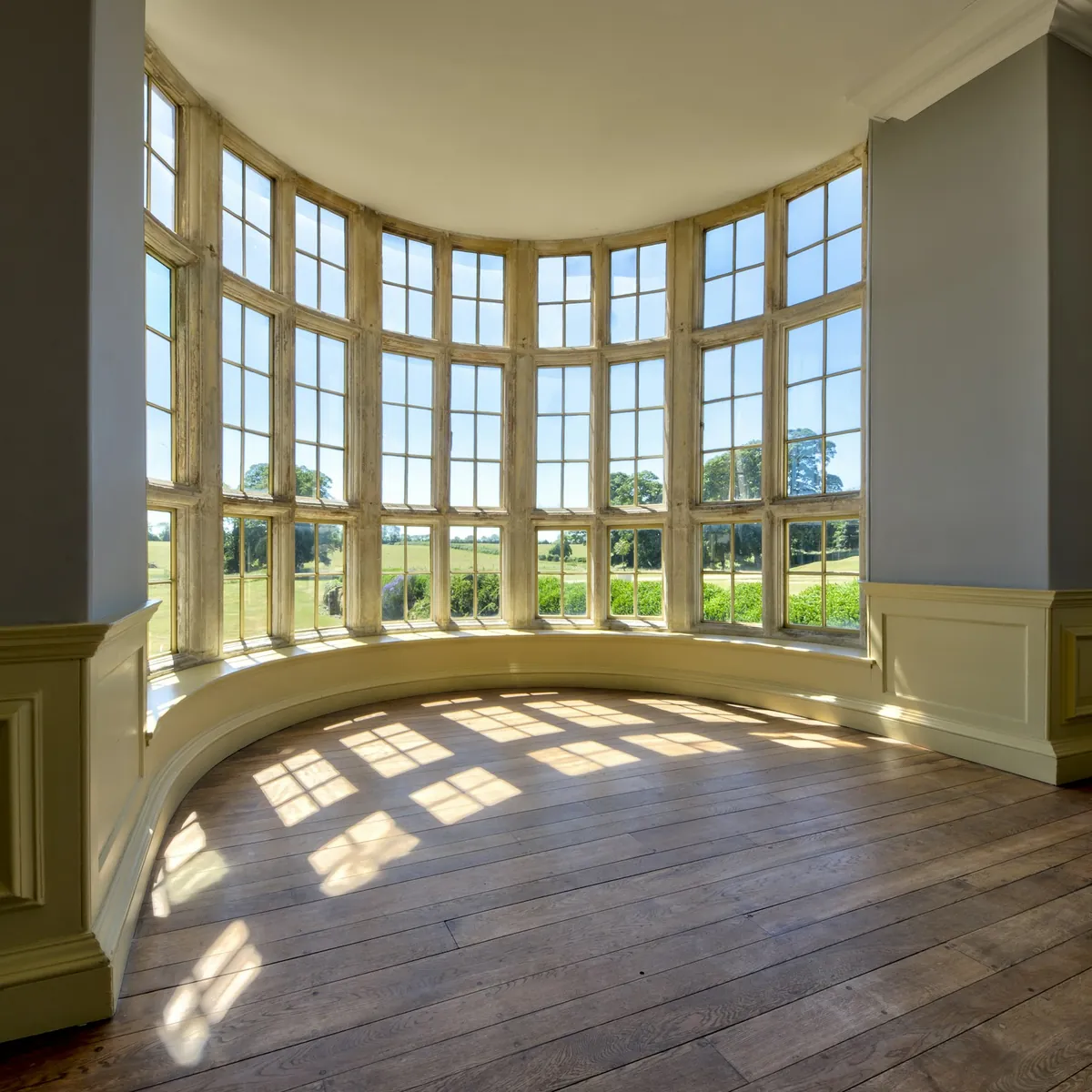
Antique rooms often have low ceilings and small windows, which makes the stack important. A woven shade folds into a bundle when raised, and on a small window that bundle can hide a good part of the glass if it sits inside the frame. In a room where the windows are already small, that is light you cannot spare.
There are a few ways to deal with it. A finer weave stacks tighter than a thick one. A rolling woven style gathers into a slimmer roll. Where there is room on the wall, mounting the shade above the frame lets the raised shade sit on the wall instead of the glass, though in a low-ceilinged room that space can be tight. We look at the space above every window before suggesting which way to go.
Open land, all-day sun and no neighbours
Houses in agricultural settings get light from every direction, with nothing to block it: no trees across the street, no house next door. That is lovely most of the year, but low sun in the morning and late afternoon can come straight across a field and into the room at eye level.
A woven shade is a good tool for that kind of light. An unlined, close weave turns low sun into a warm, scattered glow without blacking out the room, and you can still see the shape of the land through it. On the windows that take the strongest sun, a light liner cuts the glare further. In winter, when the sun is low all day and bounces off snow on open fields, the same shades take the edge off that brightness too.
It also helps to think about which side of the house each room is on. East-facing bedrooms catch the first sun over the fields and often want a darker liner. West-facing sitting rooms take the long evening light, which a close weave handles well. North rooms get little direct sun at all, and a pale, open weave keeps them from feeling gloomy.
Privacy is a smaller concern in these houses than in town, so many rooms can stay unlined. The exception is usually the bedrooms, and any room that faces the road, where a lit window at night can be seen from a long way off across open land.
If you would rather have a soft fabric fold than a natural weave in a low-sun room, our Roman shades in Rehoboth page shows how those work.
Newer Colonials off Bay State Road
The subdivisions off Bay State Road are a different job. The windows are standard double-hung units, more regular and more square than the antique ones, and the houses sit closer together.
Here a woven shade is less about working round an old frame and more about privacy and consistency. Side windows that face the neighbour’s house usually want a tight weave or a privacy liner. Bedrooms upstairs are often lined to darken them in the morning. The family room, open to the kitchen at the back of the house and facing the yard, is where an unlined, open weave can show off its texture.
Because the windows are regular, a whole floor can take the same weave, colour and mount, which gives the house a calm, planned look from the street. Many owners do the front of the house first and add the back rooms later.
The front of the house from the road
Houses along Winthrop Street and Route 44 range from those set close to the road to those well back on a long lot, but in each case the front windows are seen together from outside. Keeping one weave and one colour across every front window makes the house look settled and planned, even if the rooms behind use different liners. A woven shade with a liner looks just like an unlined one from outside in daylight, so you can line the front bedroom and leave the parlour unlined without the front of the house looking mismatched.
Back doors, mudrooms and damp corners
Farmhouses and older colonials often have a back door with glass, a mudroom or an entry where boots and wet coats come in. Those spots are hard on natural fibres. A woven shade is best kept to the dry, lived-in rooms, and we will suggest something more practical for the damp ones. A slider or glass door used every day is usually better with a treatment that draws sideways rather than one that has to be raised each time.
Home offices and screen glare
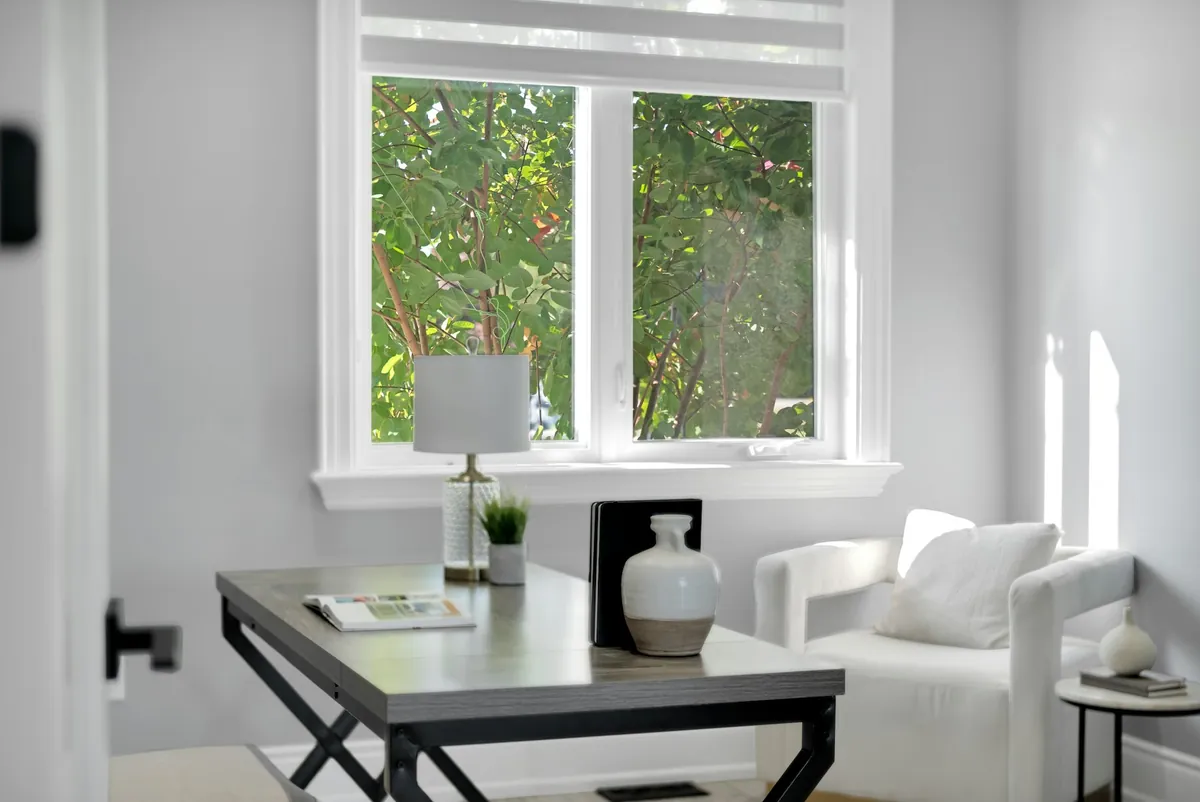
Many of the newer colonials have a room set aside as an office. Sun across a screen is the usual complaint there. A close weave with a light liner diffuses the light so the room stays bright without glare on the screen, and lowering the shade partway in the afternoon handles the worst of it. A darker weave can dim the room too much for daytime work, so we tend to suggest a mid or pale tone for an office.
How Your Order Goes
Every order is handled by the same store from start to finish, and we keep you informed all the way through.
- Pick the rooms. Tell us which windows bother you most, then use the call button or the form to book a free quote.
- Look at weaves first if you like. Some people come to the showroom before anyone measures, others prefer to talk it through at home when we measure.
- A specialist measures your windows. For an antique house, that means several measurements on each frame, the depth of the opening and how each sill is used.
- You settle the weave, colour and liner room by room.
- You receive a quote listing every window.
- The shades are made to the measurements taken at your house.
- Our team installs them, checks the fit in each old frame, and shows you how they work.
Colour with old wood and painted trim
Natural weaves vary from strand to strand, and they look warmer with sun behind them than they do on a table. In an antique house, the woodwork is usually what the shade has to sit with: wide pine floors, dark beams, painted trim in a heritage colour. Mid browns and honey tones blend with old wood. Paler bamboo can brighten a dark, low room. In the newer colonials, with white trim and lighter floors, a pale or soft grey-brown weave keeps the rooms fresh.
At the showroom, we always suggest holding a sample up to the daylight at the window rather than judging it under the lights.
Woven shades with drapes and other treatments
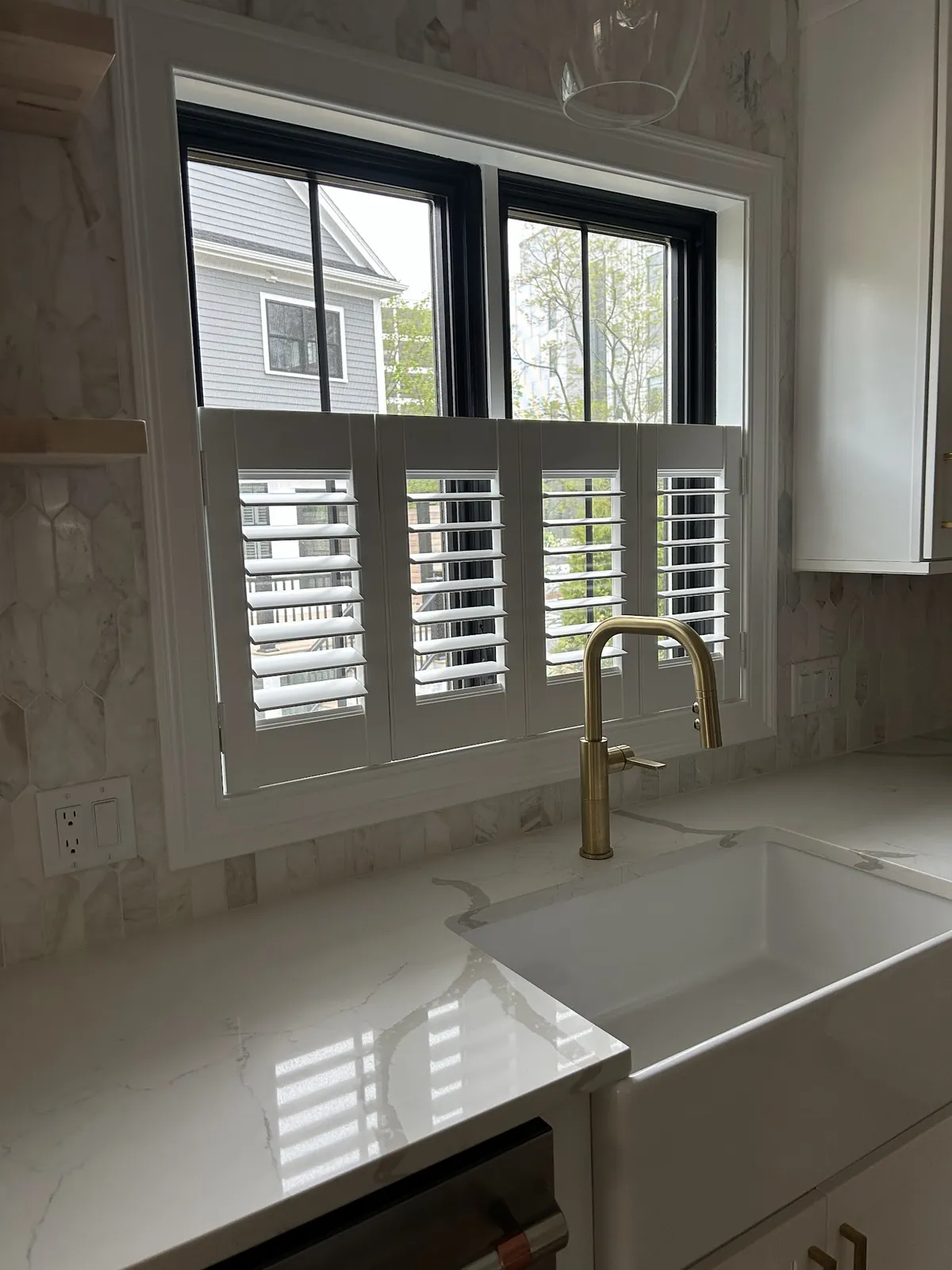
In a formal front room or a dining room, a woven shade behind side drapes gives texture and a soft frame, and the drapes can be drawn at night. Window Works makes drapery as well as shades, so the two can be chosen together. In a farmhouse kitchen, a woven shade is usually not the right choice over the sink, where steam and splashes are hard on natural fibres; a fabric shade or a shutter will do better there.
You can see all our services for the town on the window treatments for Rehoboth homes page, and the full range of weaves on the main woven wood shades page.
Caring for woven shades in a country house
Woven shades need little care. A soft brush or a vacuum with a brush head, run lightly down the shade, keeps dust out of the weave. Houses near working fields may see more dust in summer, so a light dusting more often helps then. Spot clean with a barely damp cloth and dry it at once. If a cord or lift fails on a shade you already own, we can usually repair it.
A Family Store, Second Generation
Window Works opened in Swansea in 1988 and is now run by the second generation of the family. For more than 37 years it has worked in houses old and new across the SouthCoast and the Rhode Island East Bay.
- A team of experienced window treatment specialists
- Measuring in your home, so every shade fits its own frame
- Installation by our team
- We stay in contact with you until the job is done
- Warranties offered on what we sell
That care matters most in an antique house, where every window is a little different. It is how we approach woven wood shades in Rehoboth, MA, whether the order is one parlour window or a whole farmhouse.
Compare the Weaves at the Showroom
The Swansea showroom is the easiest place to see how different weaves look and feel. Hold a fine bamboo next to a chunkier mixed wood, see a lined and an unlined sample side by side, and take them to the window to see how the light changes.
If you can bring a photo of the room, or of the old woodwork, our specialists will help you find a weave that sits with it. The Norman range is on display too.
Questions from Rehoboth
Will a woven shade fit inside a small, deep antique window?
In most cases, yes. The depth is ideal for an inside mount. We measure each frame at several points, because old openings are rarely square.
My house has no neighbours. Do I need a liner?
Often not in the living rooms. Bedrooms and rooms facing the road usually benefit from one, because a lit window shows from far away at night.
Can the shade clear the plants on my wide sill?
Yes. We can set the shade to come down to the sill or stop just short of what sits there. Tell us how each sill is used when we measure.
What suits the windows in a newer Bay State Road colonial?
Woven shades in one weave across a floor look calm from the street, with liners on the bedrooms and the windows facing the neighbours.
What does it cost to get a quote?
Nothing. The quote is free. Use the call button or send the form, and we will set up a time to measure.
Book Your Free Quote
Start with a free quote. Use the call button to book measuring in your home or ask about installation, or send the form and we will come back to you. To see the weaves before anyone measures, come into the Swansea showroom; directions are on the contact page. Window Works is rated 5.0 on Google.