
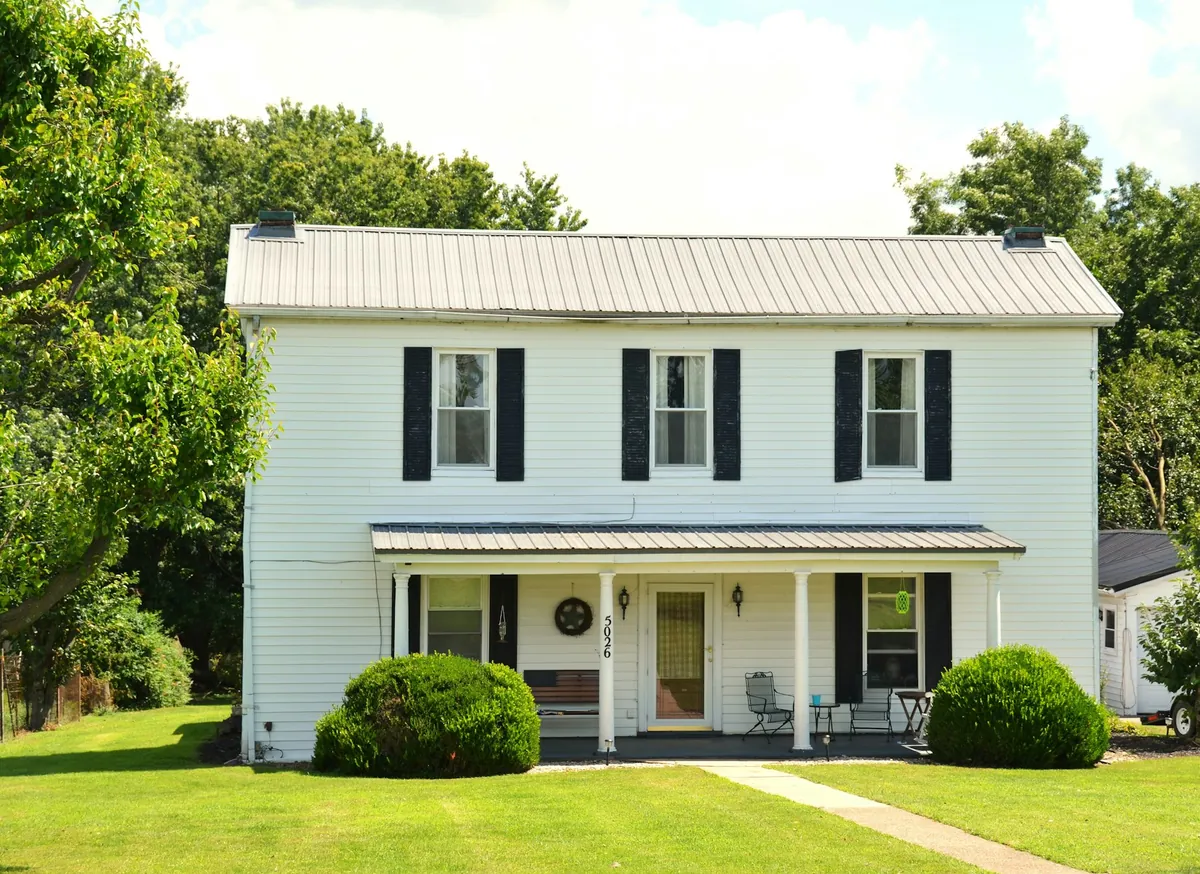
Old Windows, Open Land, Room to Breathe
Rehoboth’s older houses sit on big lots along Winthrop Street and Route 44, and their windows were made for a different century: small panes, thick walls and deep sills you could set a row of plants along. Fitting custom drapes in Rehoboth, MA to those openings is careful work, and it is exactly the sort of job Window Works likes best. Drapery is the store’s specialty, and every order is built from the fabric outward, so the cloth you choose sets the tone for the lining, the heading and the way the panels hang.
Many of the antique colonials and farmhouses stand in open farmland, with no house close enough to screen a window. That changes what drapes are for. Privacy from the neighbours matters less, while sun across open fields, cold winds in winter and very dark nights matter more. The newer colonial subdivisions off Bay State Road bring larger, more regular windows and a different set of choices again.
- Sewn from the cloth you choose, panel by panel
- Every deep-set window measured on site
- Hung and finished by our own team
Drapery for Rehoboth Houses
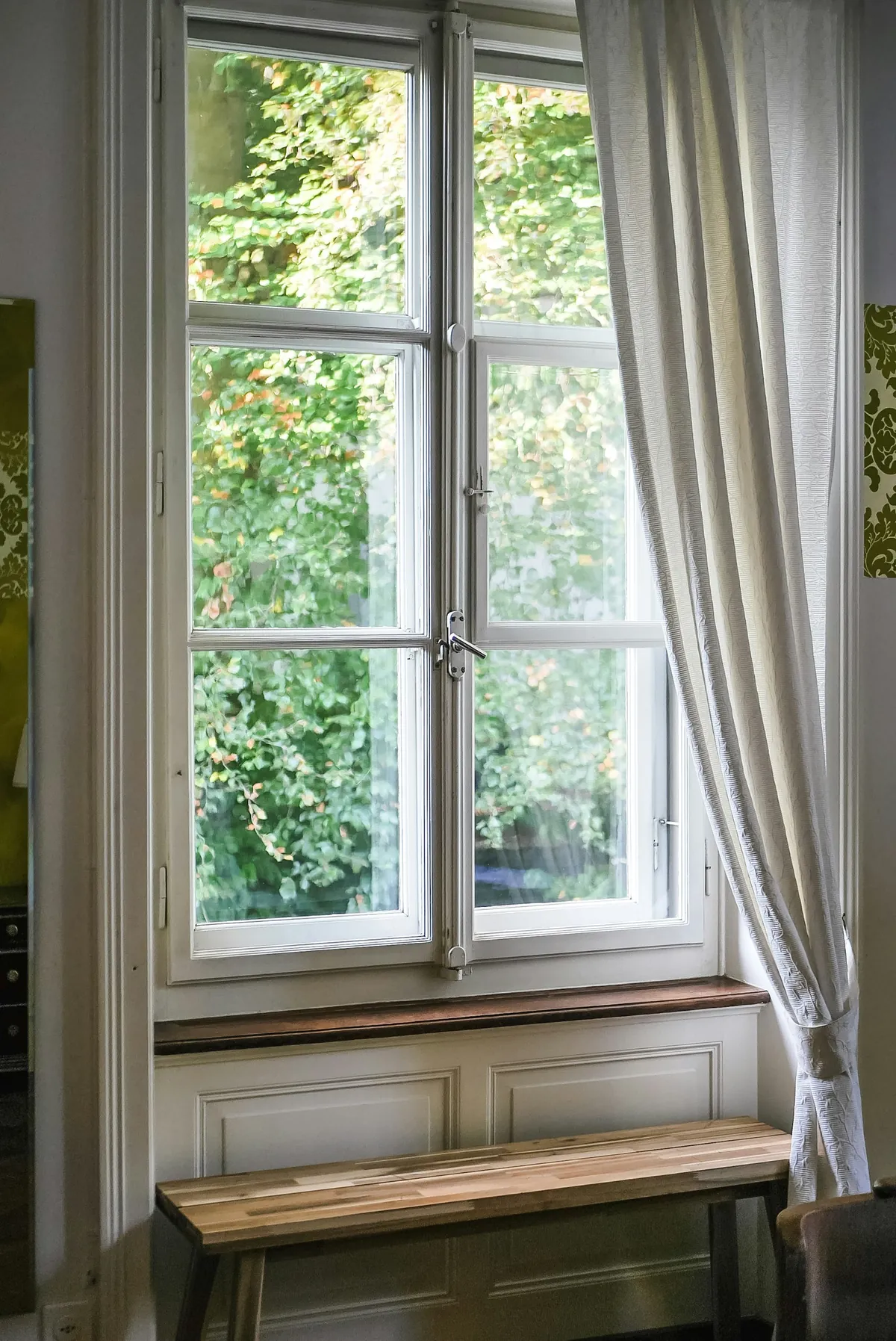
Short curtains for deep sills
Light curtains hung within a thick wall keep the wide sill free for plants, books or a seat cushion.

Weighty cloth for winter
Heavier fabric with a lining holds warmth in an old house on a windy rise and gives a farmhouse parlour a rich, settled look.
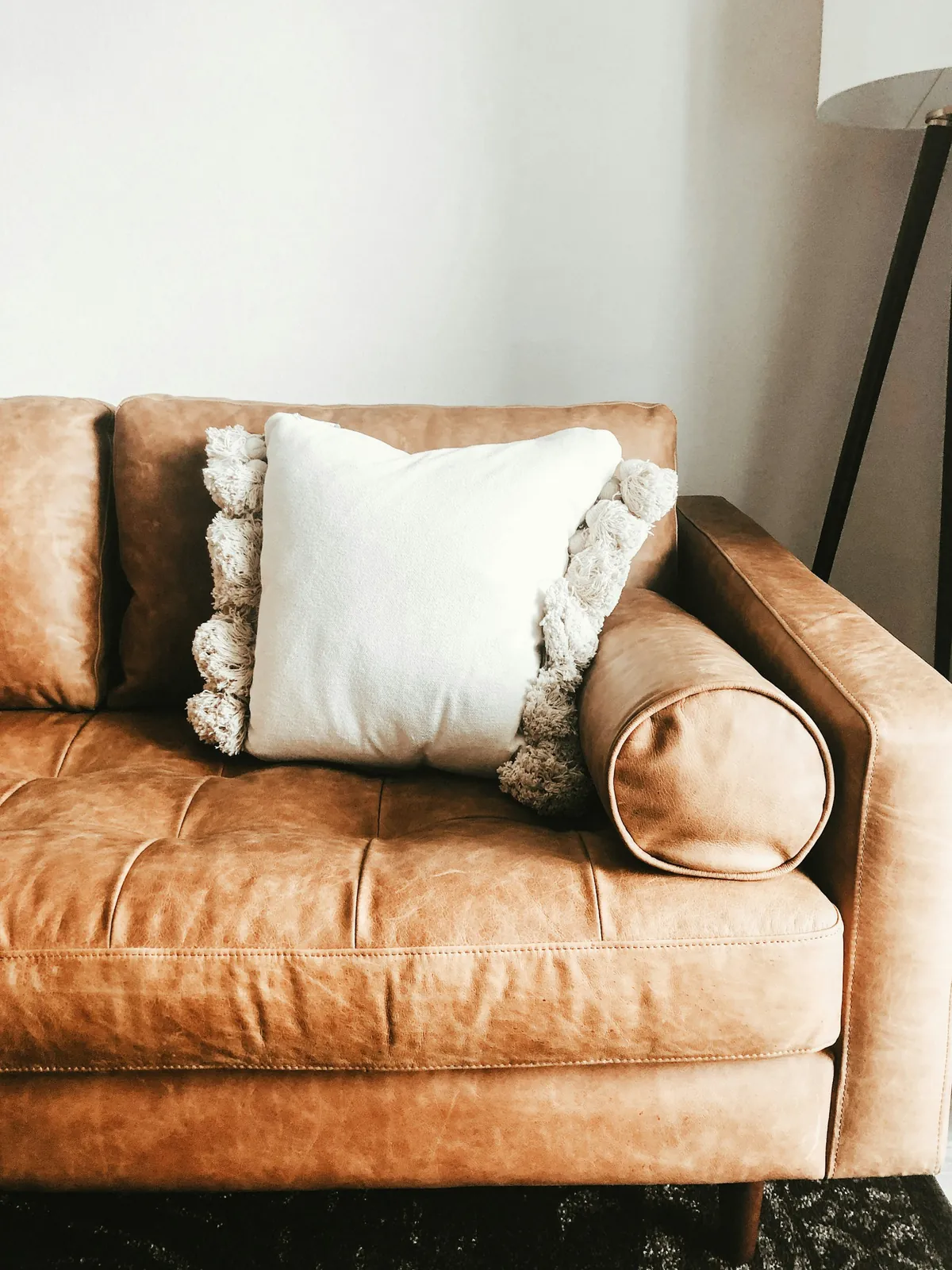
Fabric for the whole room
Pillows, duvet covers and some upholstery in a fabric chosen with the curtains, so an old room feels pulled together.
Antique Windows and Their Deep Sills
The antique houses along Winthrop Street and the older stretches of Route 44 have windows that are small by today’s standards and set well back in thick walls. The sill on the inside can be wide enough to sit on. Those deep recesses are part of the charm of an old house, and the best drapery respects them.
There are two ways to approach these windows, and it often comes down to how you use the sill.
Keeping the sill in use
If the sill holds plants, a lamp or a cushion, the curtain should hang inside the recess, close to the glass. A slim rod fitted within the opening carries a short, light panel that can be drawn across at night and pushed to one side by day. Because the recess is deep, the curtain can stay closed in winter and still leave the sill usable in front of it. A light linen or cotton gathers easily on a short rod and lets a soft glow through.
Framing the whole recess
If the sill is bare, drapes hung on the wall outside the recess can frame the opening, trim and all. Panels that fall from above the frame to the floor make a small window look larger and give an old room a more finished look. Running the rod out past the edges of the recess lets the panels open fully onto the wall, so none of the small window’s daylight is lost behind fabric.
Old frames are rarely square, and walls in antique houses lean and bow. That is why we measure each window on its own and check the line of the wall above it before deciding where the rod goes. A rod set to the level rather than to a sloping ceiling line, or the other way round, can make all the difference to how straight the drapes look.
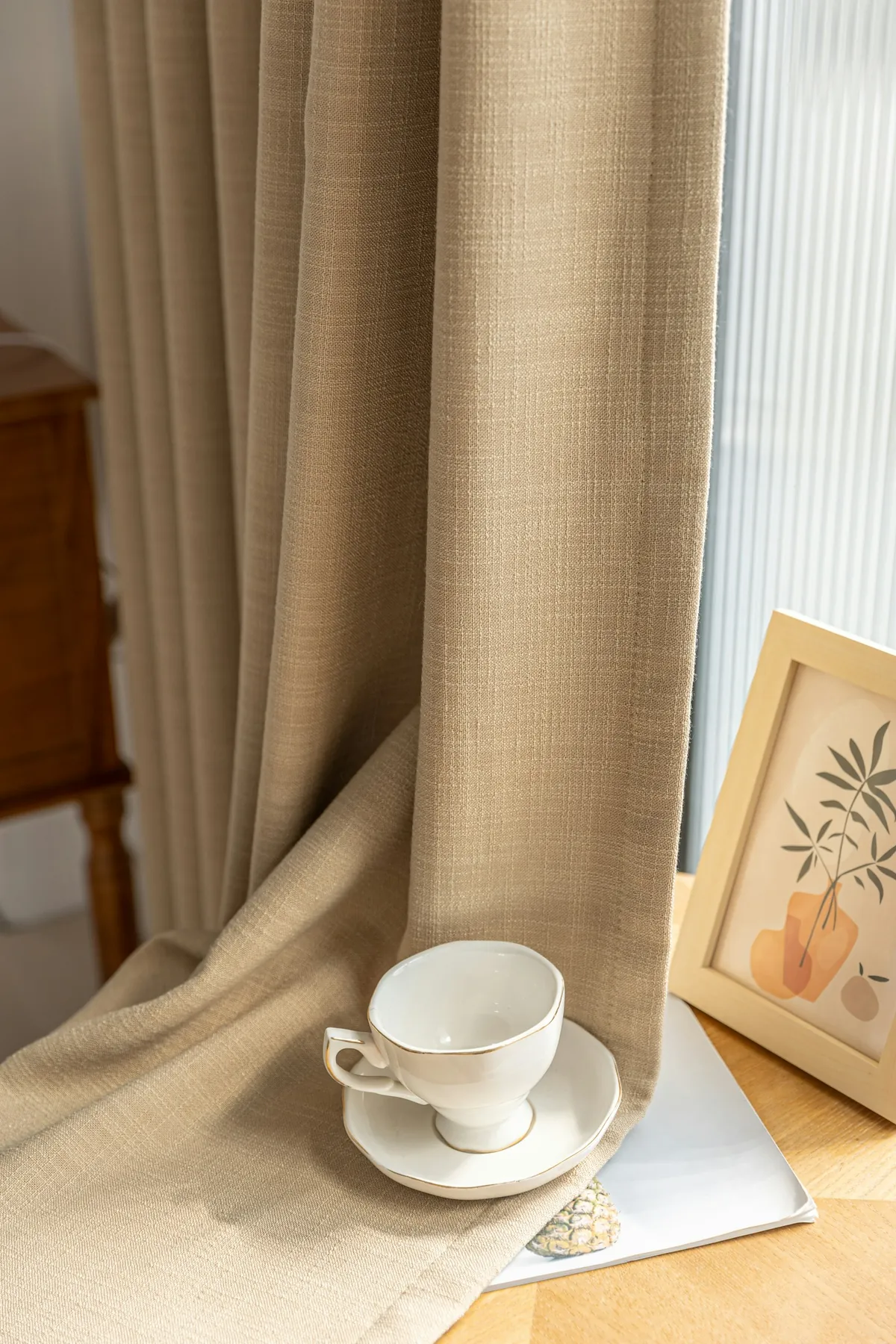
Drapes with No Neighbours to Screen
Several of Rehoboth’s farmhouses sit in open, agricultural land with fields on more than one side. With no near neighbours, most windows never need to be covered for privacy during the day. That frees the fabric to do other jobs.
Sun across open land
Without trees or houses to break it, low winter sun and long summer evenings pour straight into rooms facing the fields. A lined drape drawn across in the late afternoon keeps a room cooler in summer and protects furniture, floors and the fabric itself from fading. Pale, natural tones handle years of strong light better than dark, saturated colours.
Wind and cold
Open ground also means wind. Old windows let in draughts, and a room facing the prevailing weather can feel cold even with the heating on. A heavier lining, panels that overlap where they meet, and a rod with returns that bring the fabric back to the wall at each end all help trap a layer of still air against the glass. In winter, drawing the drapes at dusk makes a noticeable difference to how warm the room feels.
Very dark nights
At night, a lit room in an open setting is visible from a long way off, and the dark outside can make an uncovered window feel like a black hole in the wall. Drapes closed in the evening make a room feel enclosed and comfortable. In bedrooms, a darker lining helps on summer mornings when the sun rises early over open land with nothing to stop it.
Choosing the Fabric for an Old House
Every pair of custom drapes in Rehoboth, MA we make starts with choosing the cloth, and in an antique house that choice deserves a little extra thought. Old rooms tend to have plaster walls, wide floorboards and painted trim, and the fabric needs to sit comfortably with all three.
- Linen and cotton suit the simple, honest feel of a farmhouse and look right in kitchens, bedrooms and keeping rooms.
- Wool-like weaves and heavier textures give warmth and a sense of age, and suit a parlour or dining room with a fireplace.
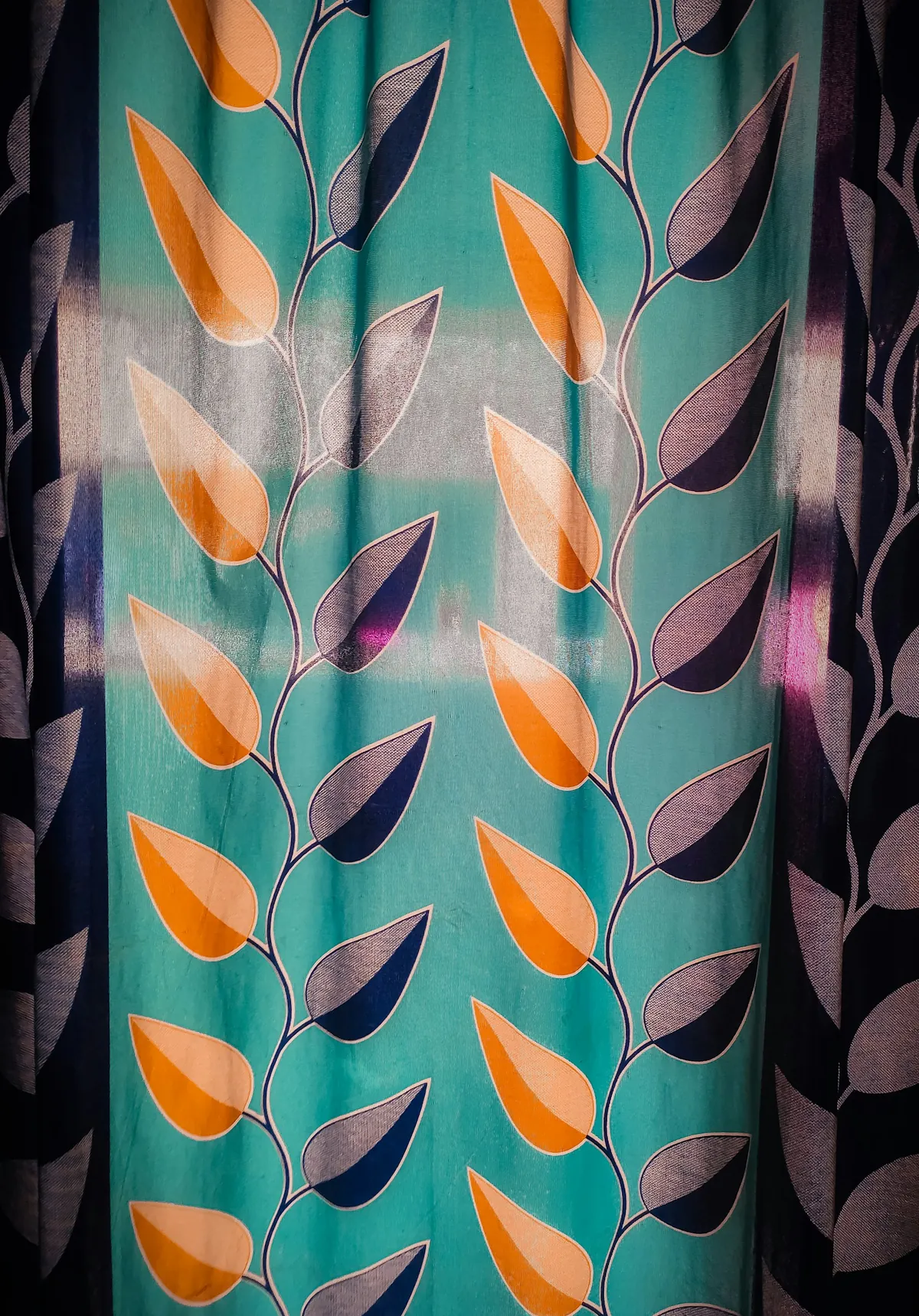
- Checks, stripes and small prints have a long history in houses like these and add pattern without overwhelming a small room.
- Plain fabrics in soft, muted colours let the wood and the old glass take centre stage.
The Swansea showroom has the fabric range to handle in daylight. Bring a photo of the room, and if you have a rug or a piece of upholstery you want the drapes to work with, a cutting or a photo of that too.
Scale is worth a thought in a small antique room. A large pattern that looks wonderful on a showroom bolt can overwhelm a window only a couple of panes wide, while a small check or a narrow stripe sits comfortably. In the bigger rooms of a subdivision colonial, the reverse can be true, and a small print may read as plain from across the room. Holding a full drop of the fabric up at the distance you will see it from is the surest test, and the showroom is the place to do it.
Colonial Subdivisions off Bay State Road
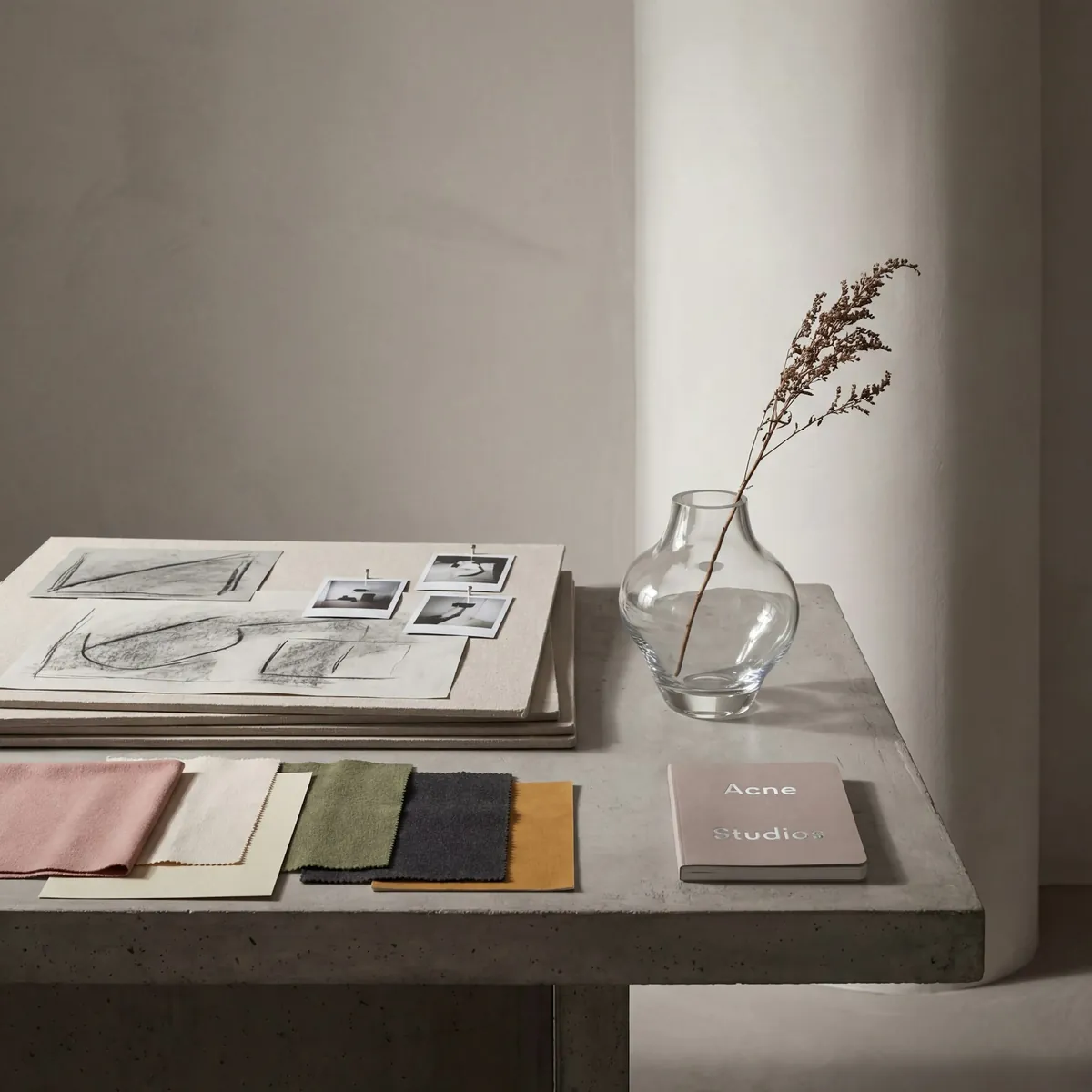
The newer colonials in the subdivisions off Bay State Road are a different kind of job. The windows are larger, the frames are square, and the rooms repeat a familiar plan: a living room and dining room at the front, a family room and kitchen at the back, bedrooms upstairs. Here, drapery is less about working round old quirks and more about giving a new house character.
In the front rooms, matching panels on the windows that face the street keep the house looking balanced from outside. The dining room is a natural place for a more formal drape in a heavier cloth, hung from a rod set high to add height. The family room, often opening onto the kitchen, usually suits something more relaxed that is easy to draw every day.
A two-storey foyer or a tall stair window is common in these houses. Long side panels that frame the window and are rarely drawn suit those spots well, because they add softness without needing to be reached every day. Upstairs, bedrooms benefit from a darker lining and panels that meet in the middle.
Low Ceilings, Beams and Uneven Walls
Antique rooms rarely give a drape the easy, generous wall above the window that a modern house has. Ceilings are low, beams can run right across the head of the window, and the plaster may slope or ripple. Each of those changes where the hardware can go, and so how the curtain will look.
Where a beam or a low ceiling sits tight to the top of the frame, the rod often has to go on the frame itself or just under the beam. In that case, a heading that sits low and neat, with the fabric gathered rather than tall and pleated, keeps the curtain from crowding the ceiling. Where there is a little room, even a short lift above the trim helps the window feel less pinched.
Uneven walls call for judgement. A rod set dead level can look crooked against a ceiling that drops toward one corner, and a rod that follows the ceiling can leave the hem visibly off level. We stand back and look at the room as a whole on the measuring visit and decide which line the eye will follow, then set the hem length window by window so the bottoms read as straight.
Floors in old houses are often uneven too. That is one reason a curtain that floats a finger’s width above the boards suits antique rooms better than one cut to touch the floor exactly: a small dip in the floor will not show as a gap, and the hem stays clean in a room that sees boots and dogs.
Room by Room in a Farmhouse
Farmhouse rooms each have their own habits, and the curtains follow them.
The kitchen, often the busiest room in the house, wants fabric that copes with steam and handling. A short curtain hung inside the recess, in a washable cotton or linen, keeps the counter and sill clear and can be drawn without reaching over the sink. A simple gathered heading on a slim rod is easier to live with here than anything formal.
The front parlour or sitting room, with its fireplace and best furniture, is the place for a fuller, floor-length drape that frames the recess. A heavier cloth with a lining suits a room that is used mostly in the evening and needs to feel warm.
Bedrooms under the eaves often have small windows close to the floor and a sloping ceiling above. A full drape seldom fits. A short curtain inside the window, or a single panel that draws to one side, usually works best, with a darker lining if the room faces east over open fields.
Getting each room right is the point of custom drapes in Rehoboth, MA: no two rooms in an old farmhouse are the same size, and no two do the same job.
Bringing a Subdivision Colonial to Life
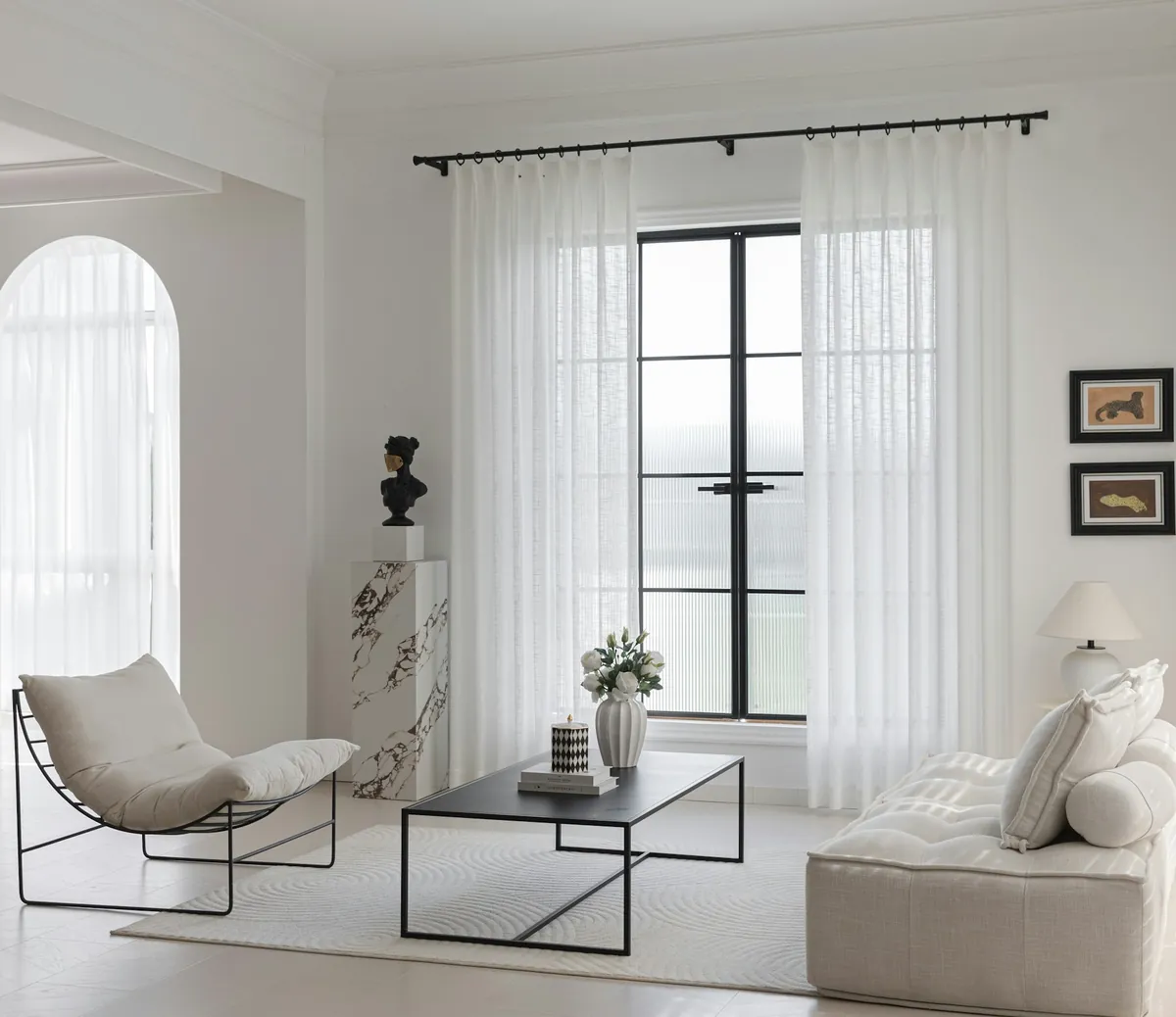
In the newer colonials, the challenge is the opposite of the antiques. The rooms are regular, the walls are flat, and there is usually plenty of space above each window. That gives custom drapes in Rehoboth, MA a chance to add the character that a new house can lack. A rod raised close to the ceiling, panels full enough to fall in deep folds and a fabric with some texture or pattern can make a standard living room feel considered rather than plain. Choosing a slightly richer cloth for the dining room than for the family room gives each room its own mood while the house still reads as one.
How an Order Comes Together
Orders follow the same simple route whether it is one kitchen curtain or the whole house, and you hear from us at each step. Ordering custom drapes in Rehoboth, MA usually goes like this.
- Ring the store or use the form to describe the rooms, and we set up your free quote.
- A specialist visits to measure each window, noting the recess depth, the sill, the wall either side and how much space there is above the frame.
- You spend time with the fabrics in the showroom and choose the cloth, lining, heading and length for each room.
- Your quote arrives, listed room by room.
- The workroom makes each panel to the figures taken in your house.
- Our installers put up the rods, hang everything, and train the pleats so they settle evenly.
Shutters, Shades and Fabric Together
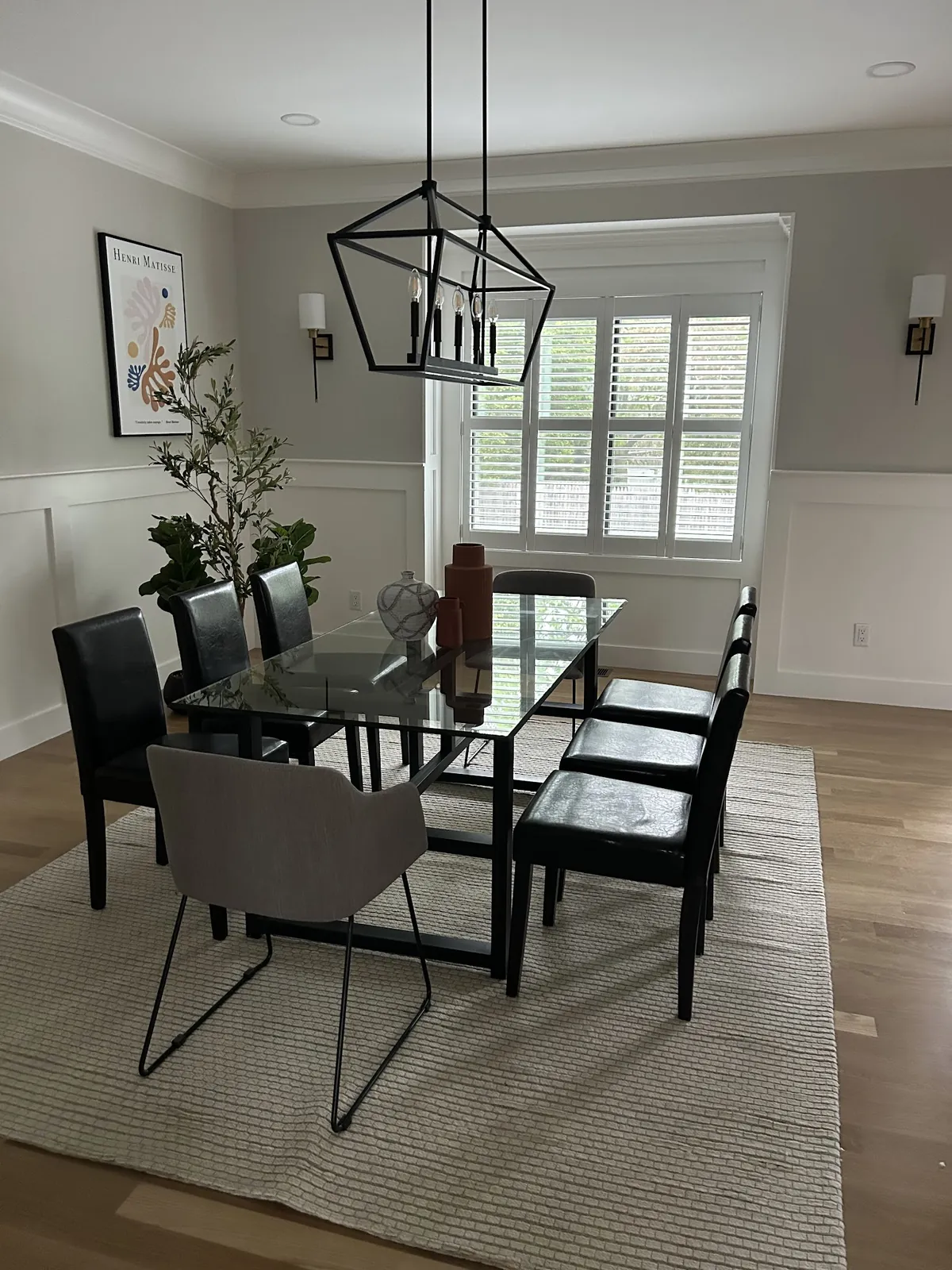
Old and new houses alike often look their best with two layers at the window. Plantation shutters in a farmhouse dining room handle the sun and the evening, and a pair of side panels in a warm fabric softens all that painted wood. In a subdivision bedroom, a cellular shade tucked inside the frame with lined panels in front makes for a dark, snug room in January.
Window Works sells shutters, shades and blinds alongside its drapery, so one visit covers both layers and the fabric is planned to hang clear of whatever sits behind it. If you would like the cloth to carry on into cushions, bedding or a chair seat, see custom fabric decor in Rehoboth.
A Family Store with Drapery at Its Heart
The store opened in Swansea in 1988 and is run today by the second generation of the same family. Drapes were central to it then and are now, more than 37 years on.
- A team of window treatment specialists who have worked in plenty of old houses
- Measuring at your house, and our own installers on hanging day
- Fabrics you can see and handle at the Swansea showroom
- Warranties are offered on our products
- We stay in contact until your job is done
The main custom drapes page covers our approach to drapery in more depth, and the Rehoboth window treatments page lists the rest of what we make for the town.
Questions from Rehoboth
Can you fit curtains inside a deep, antique window recess?
Yes. A slim rod inside the recess carries a short, light curtain close to the glass, which keeps the wide sill free in front of it.
Will drapes help an old farmhouse room feel warmer?
They can. A heavier lining, panels that overlap in the middle and returns that close the gap at the wall all help hold warmth in a draughty room.
My house has no near neighbours. Do I still need drapes?
Drapes do more than screen a view. They soften strong sun across open land, protect furnishings from fading, and make a room feel enclosed and comfortable at night.
What fabrics suit an antique colonial?
Linens, cottons, warm textured weaves, small checks and stripes, and plain muted colours all sit well with plaster walls, old floors and painted trim.
What does a quote cost?
Nothing. Quotes are free, and you can start one with the call button or the form here.
When You Are Ready
Start with a free quote: the call button puts you through to the store in Swansea, where we can also book a time to measure at your house or answer questions about installation. If you want to feel the fabrics before anyone visits, drive over to the showroom; the contact page shows how to find it. Window Works is rated 5.0 on Google.