
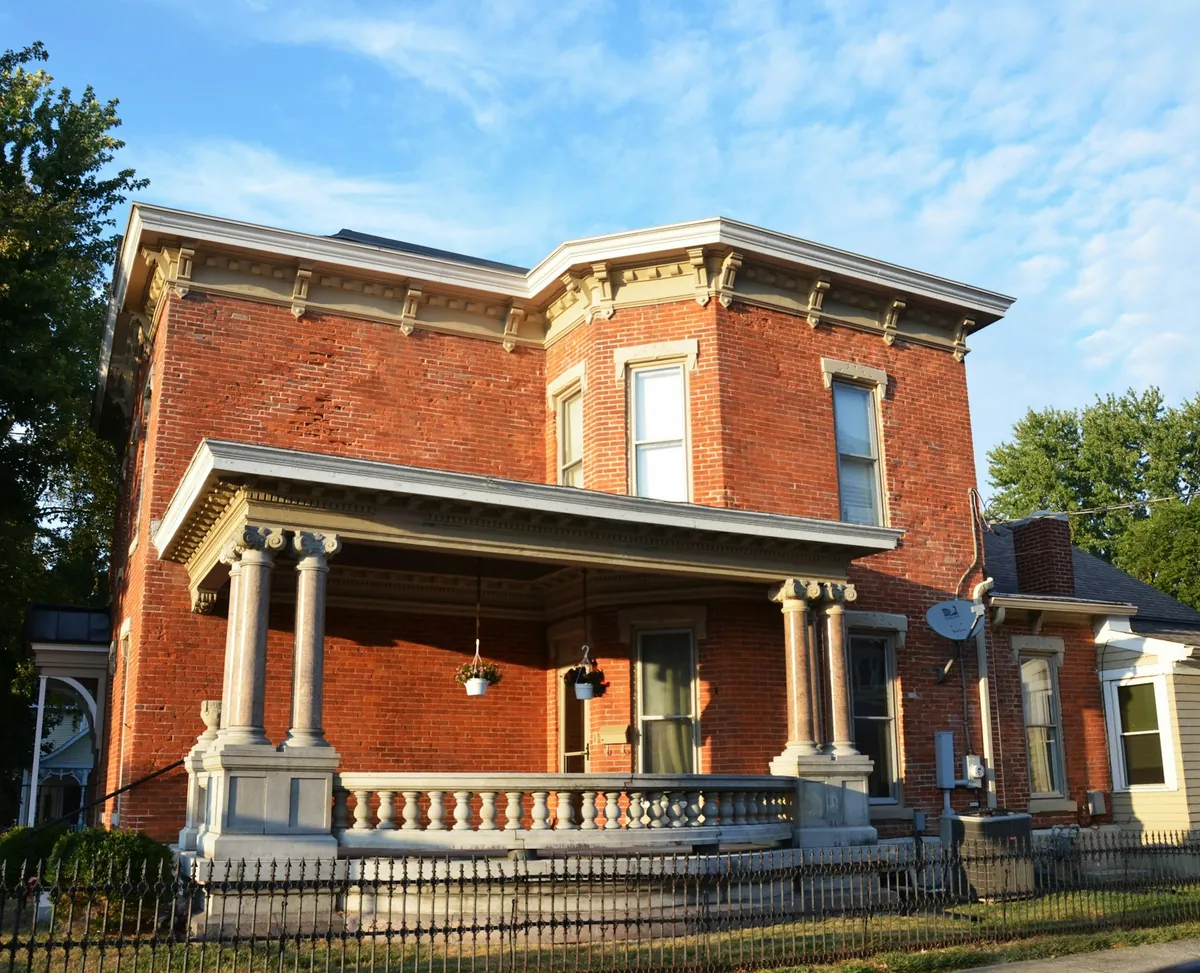
Tall, Narrow and Close Together
The Victorians of Oak Hill and Quality Hill, and the mill-era three-deckers off Broadway, share one kind of window: tall, narrow double-hung sash. The houses stand close to each other and to the street, so a window that is long and slim also tends to look straight at a neighbour or the pavement. That is why roman shades in Pawtucket, RI are planned around length and privacy far more than width.
A fabric shade suits a narrow window better than most treatments. Its folds look elegant on a slim opening, it can be made long enough for the tallest sash, and the right fabric gives privacy without making the room feel closed in.
On these windows, the details that matter are the drop, the stack, the fabric and how private the room needs to be at each time of day.
What We Make for Pawtucket Windows
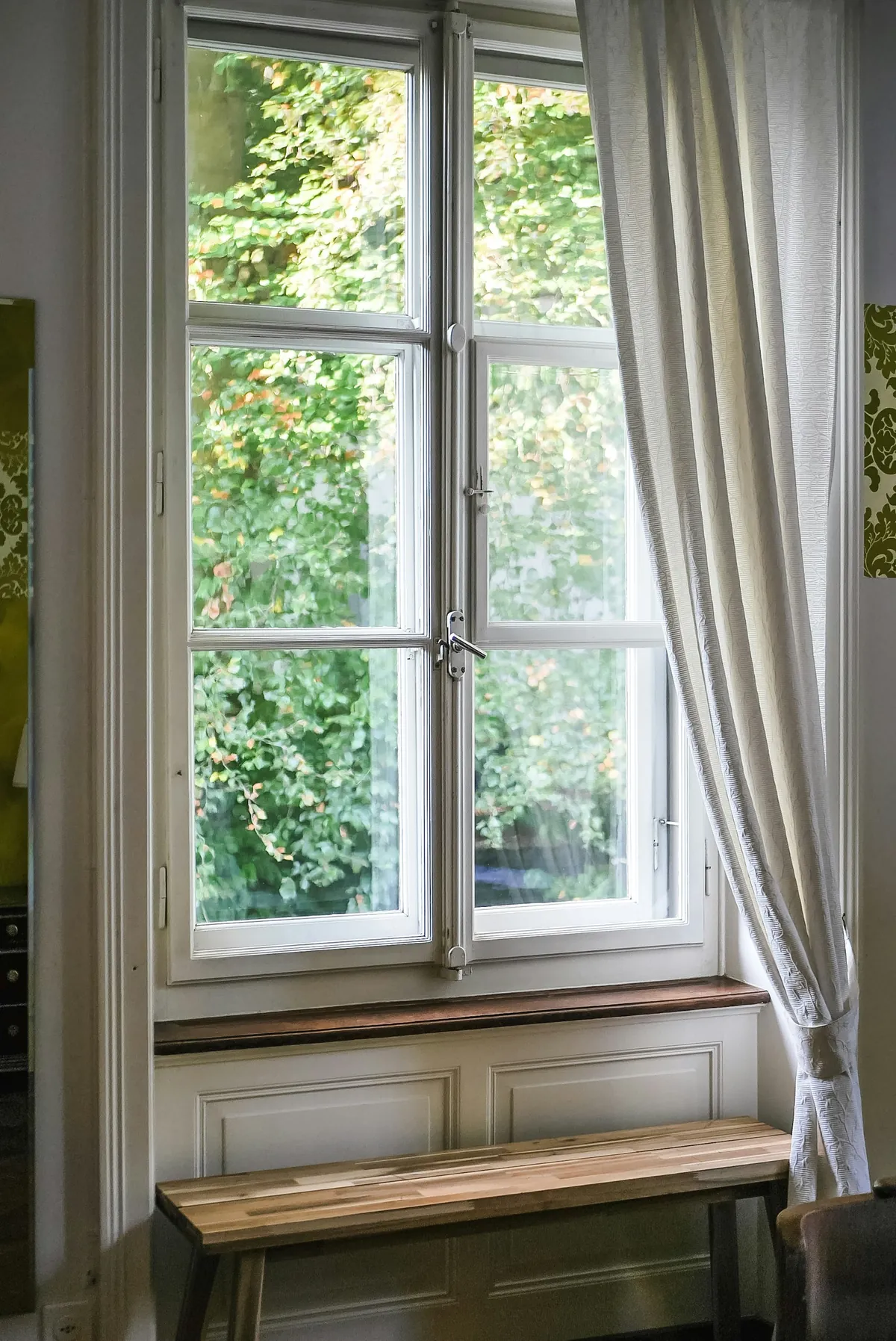
The flat fold, slim and neat
Clean pleats on a narrow shade read as a tidy column of fabric. Ideal for a long sash with fine trim around it.

The hobbled fold, full and soft
Cascading tiers of cloth that make a tall Victorian window feel rich and warm.
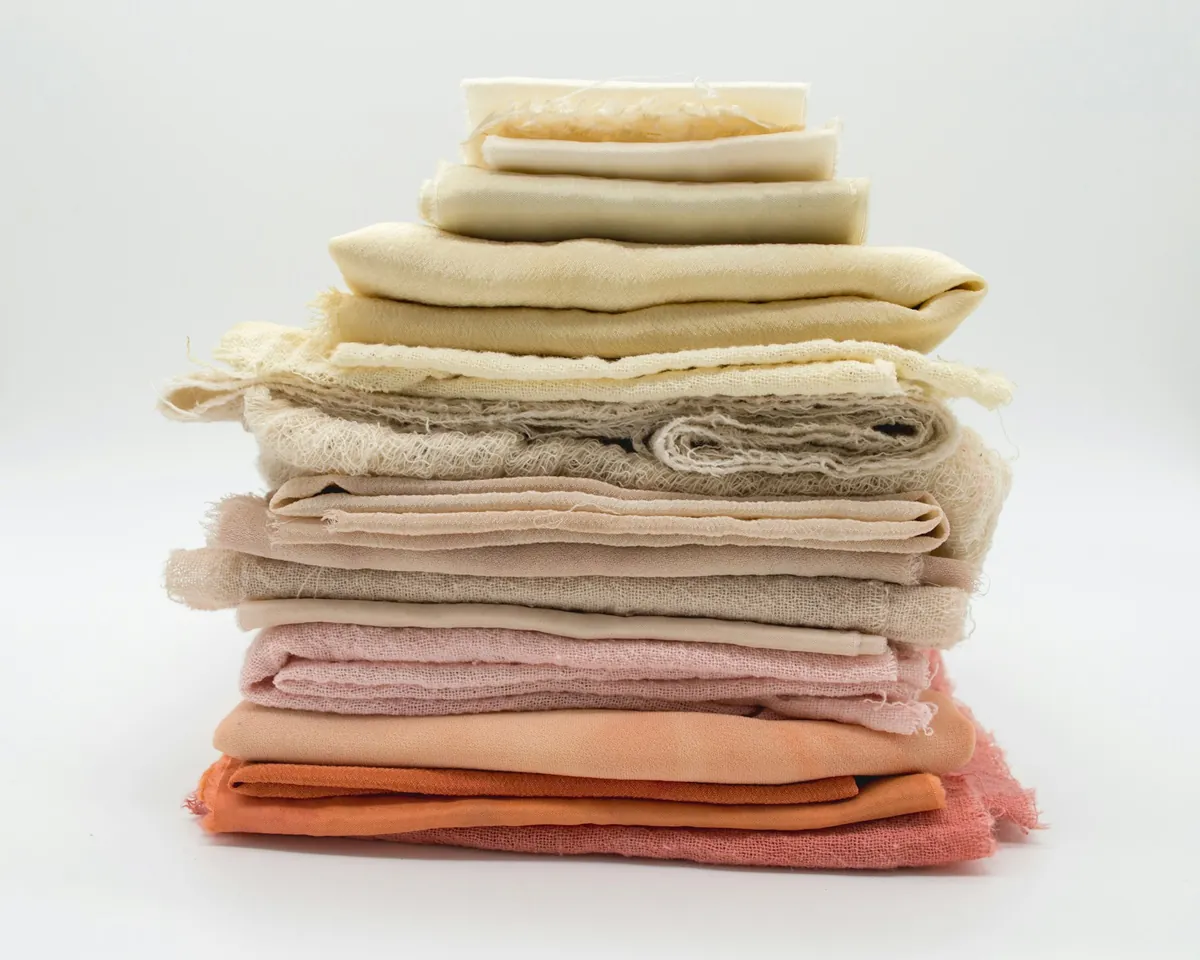
The relaxed fold, easy and light
A smooth face that bows gently at the bottom. Soft and simple for a three-decker bedroom.
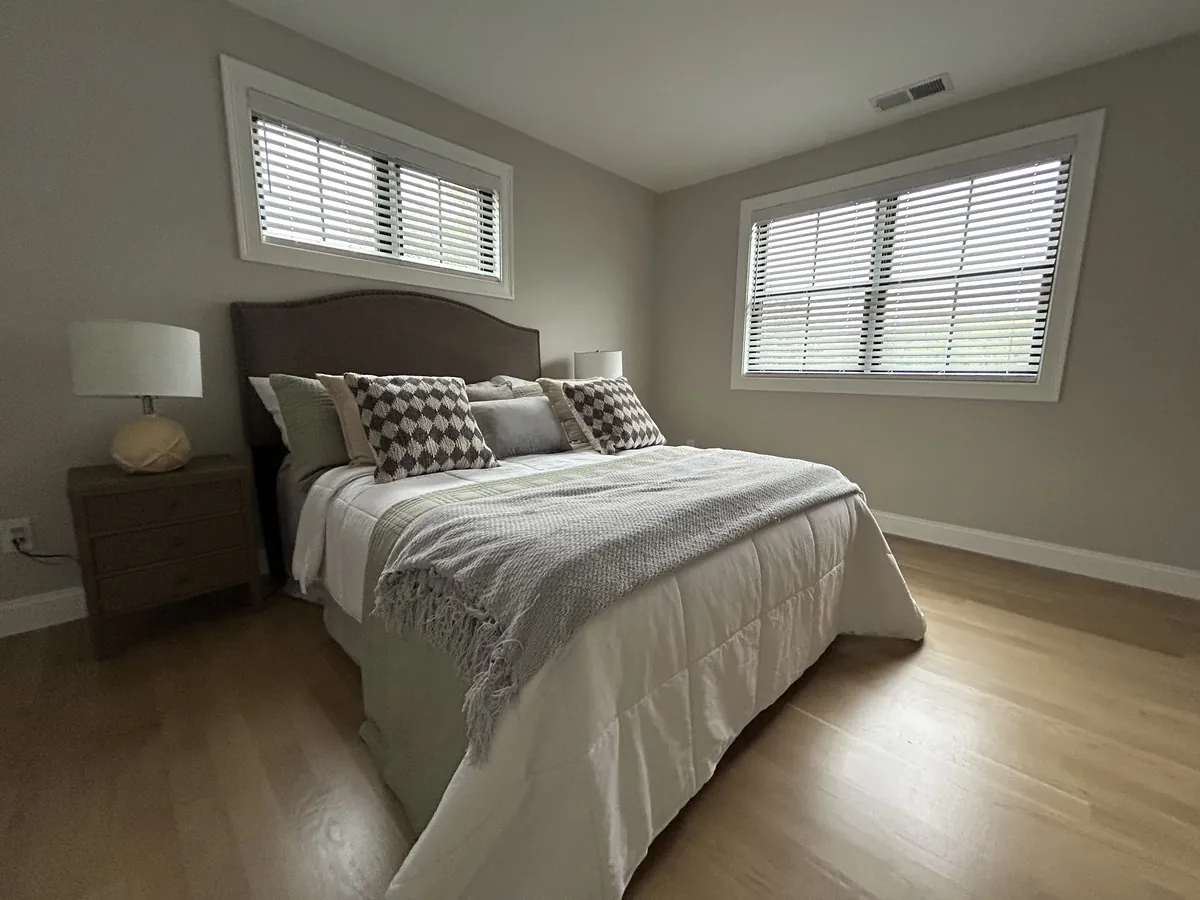
Shutters for the street side
Louvres that tilt can suit a ground-floor room right on the street. We fit plantation shutters too.
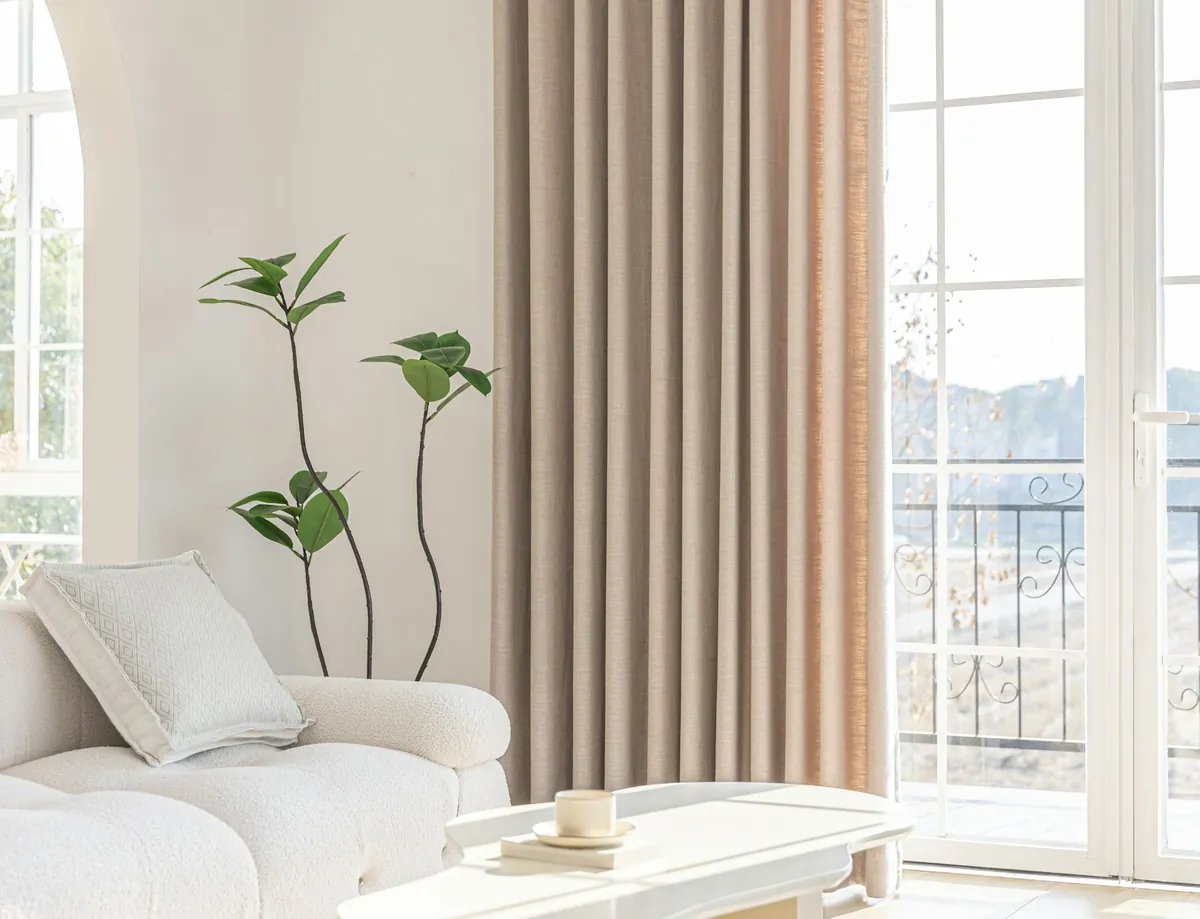
Drapes for a tall room
Floor-length panels beside a roman shade add height and a second layer at night. Drapery is our specialty.
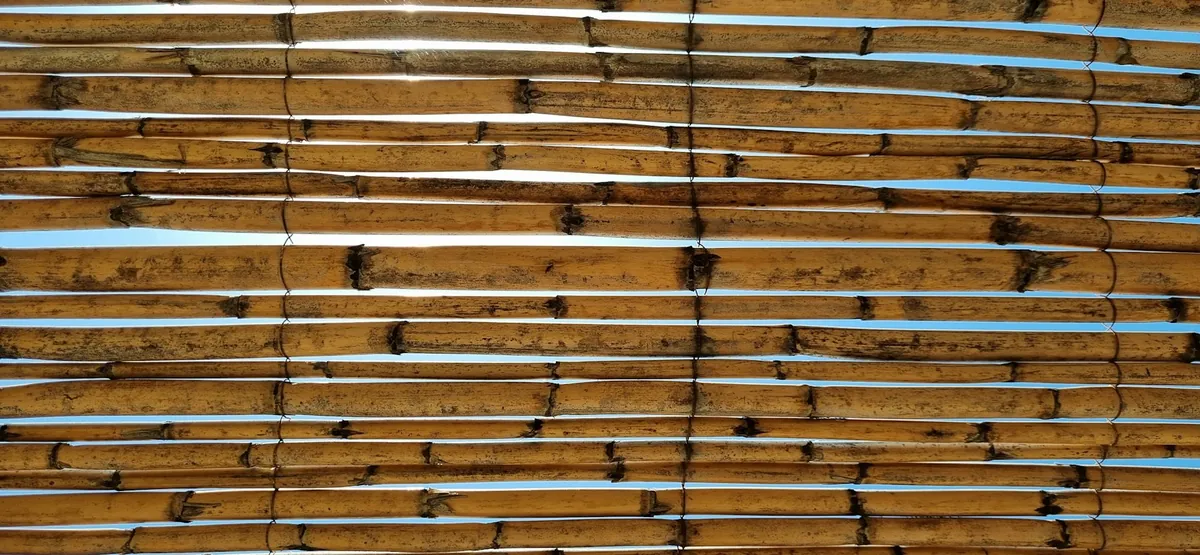
Woven wood for texture
A natural weave folds up in a similar way and filters the light through its texture.
Roman Shades in Pawtucket, RI for Long, Slim Windows
A tall, narrow window is a lovely shape for a fabric shade, but it changes the usual sums. The shade is long, so it has a lot of fabric to gather when raised. It is narrow, so the stack sits in a slim space at the top of the window. And because the window is the main source of light in a close-set house, every bit of glass you lose to the stack matters. Planning roman shades in Pawtucket, RI begins with those three facts.
The drop
The drop is the length of the shade from its headrail to its hem. On an Oak Hill parlour window it can be long, and a long shade carries more weight. We choose a fabric that hangs straight over that length without sagging between folds, usually a medium-weight cloth with some body, and we space the folds so they look even all the way down.
The stack
When a long shade is raised, all that fabric gathers at the top. On a wide window the stack spreads out; on a narrow one it builds upward. A flat fold stacks most compactly, which is why it is often the first choice on slim sash. A hobbled fold has a fuller stack, so it suits windows with more height to spare. Where the space above the window allows, we fix the shade on the wall above the trim, so the stack sits over the head of the window and the glass stays clear.
Proportion
A narrow window looks best with a fabric scaled to it. A large print can be cut off at the edges of a slim shade, so smaller patterns, fine stripes and plain textures tend to suit better. Vertical stripes emphasise the height of the window; a small check or a tiny print keeps it calm. On a pair of narrow windows side by side, matching the pattern across both shades makes them read as one design.
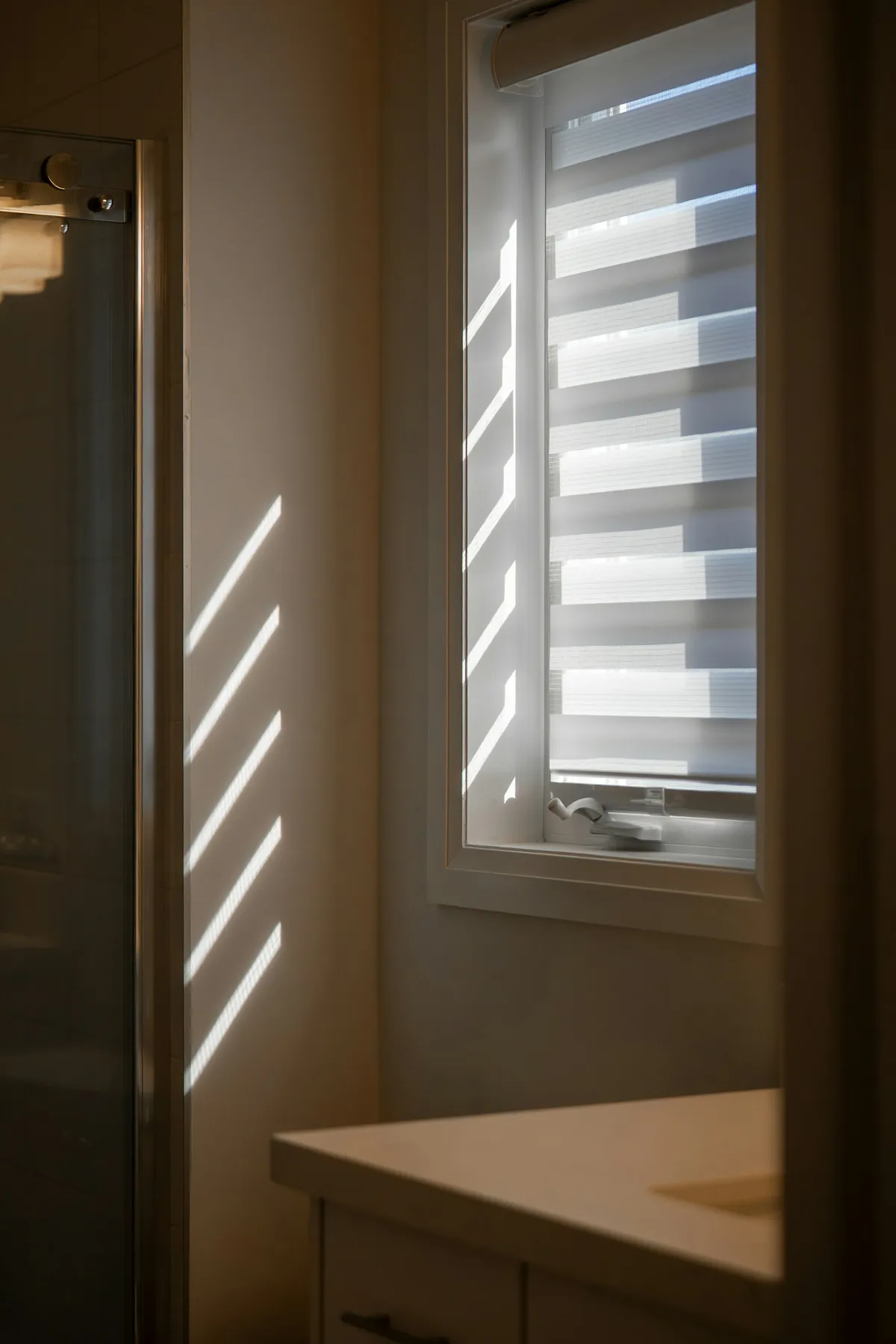
Inside the frame on a narrow sash
On a slim window, the trim is a large part of what you see, and an inside mount, fixed within the frame, leaves it all on view. That works where the frame is deep enough for the headrail and the folds can rise without catching on a sash lock. We check the depth on every window, because in older houses it varies from one opening to the next.
Privacy on Close-Set Streets
Close-set houses mean windows that face other windows, often only a short way off, and front rooms only a few steps from the pavement. Privacy is part of almost every Pawtucket job, and on a tall, narrow window it has its own logic.
How much the fabric hides
Think of fabrics on a scale. At one end, a fine, airy linen fills the room with light but, once the lamps are lit, shows silhouettes to anyone outside. In the middle, a denser cotton or a tighter weave still glows by day while turning the room behind it into a blur. At the far end, a lined shade hides the room entirely after dark. Most Pawtucket houses use more than one point on that scale: the denser end on the street, the lighter end at the back.
Side windows
On a narrow lot, the side windows of one house look across at the next. Those windows are often lowered most of the day, so a cloth that lets the sun in but blurs the outline of the room is worth choosing carefully. Because they are seen mainly from inside, side window shades can share the room’s fabric rather than matching the street front.
Covering the lower glass
A standard roman shade comes down from the head of the window, so screening the lower sash, where eyes from the pavement land, means lowering the shade most of the way. On a tall sash that covers a lot of glass, which is why a light-filtering cloth matters here more than anywhere: with the shade down, the room should still feel bright. We talk through which windows will be lowered most and choose their fabric first.
Upstairs bedrooms
Bedrooms on the upper floors of a close-set house often face a neighbour’s windows at the same height. A lined shade there does two jobs, privacy in the evening and a darker room in the early morning. A relaxed fold in a soft plain colour suits a bedroom and keeps the slim window from looking heavy.
Oak Hill and Quality Hill Victorians
The Victorians on Oak Hill and Quality Hill bring the tallest windows in the city, high ceilings and a variety of window shapes: parlour sash, bays, narrow windows flanking a door, stair windows.
Parlours
A Victorian parlour with tall sash and a high ceiling can carry a hobbled fold in a rich colour or a heavier cloth. Fixed above the trim, the shade makes the window look taller still. Side drapes add another layer and suit the formality of the room.
Bays
An Oak Hill bay is usually three or more slim windows meeting at angles. Every window in it takes a separate shade cut to that window’s own size, and all of them are set to rise to one common line, so the bay looks finished whether the shades are up or down. With the pattern lined up from shade to shade, a bay is the best place in the house for a bolder print.
Narrow windows beside the door
Many Victorians have tall, very narrow windows beside the front door or in the hall. These are often the hardest to cover well, because they are slim and seen from the street. A flat fold in a plain or finely patterned fabric, inside the frame where possible, looks neat and keeps the view in from the porch closed off.
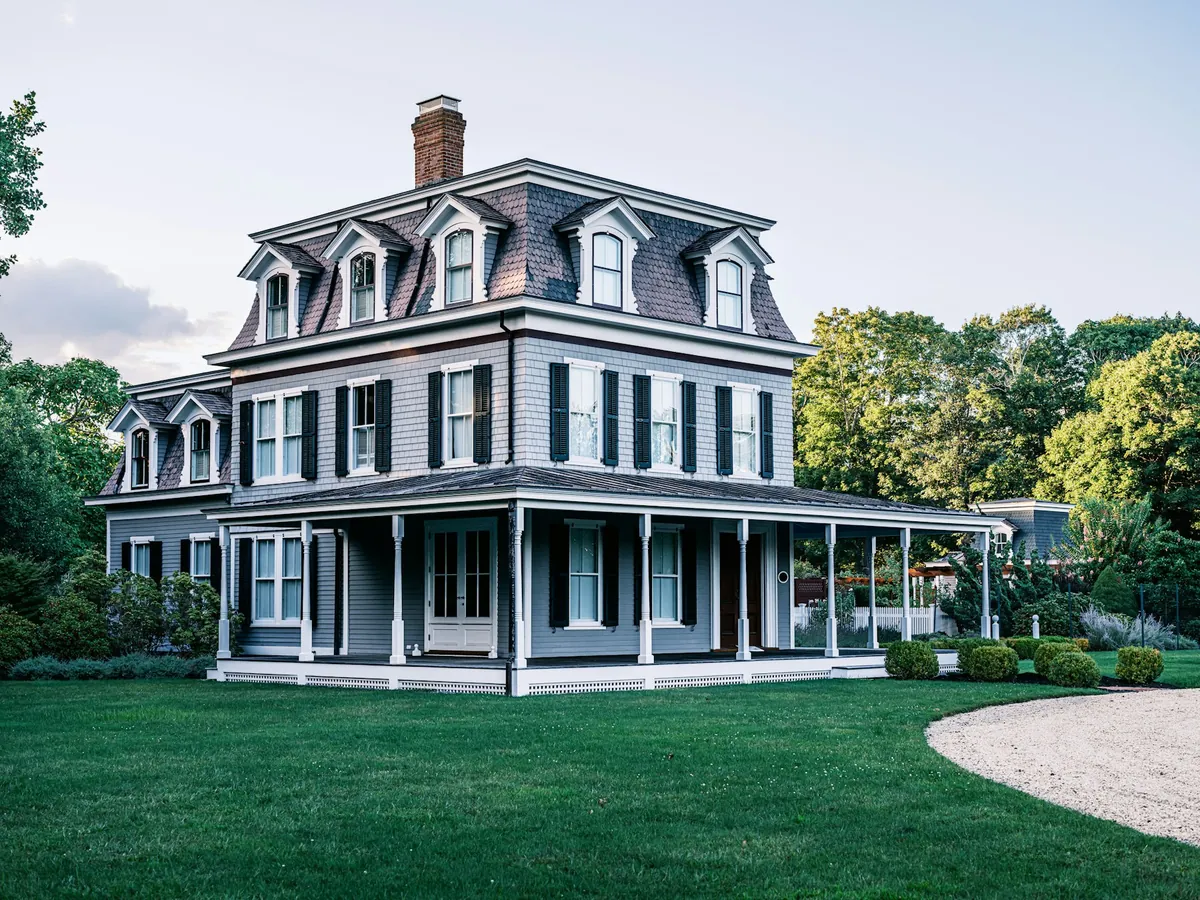
Fabric for a Victorian house
Victorian rooms suit richer fabrics: deep solids, damask-style patterns, velvet-like cloths and heavier linens. On narrow windows, keep the pattern small or choose a solid with texture. A street-facing shade can be backed with a lining in a pale neutral, so the front of the house looks even from outside whatever the room-side fabric.
Mill-Era Three-Deckers off Broadway
The three-deckers built for the mills off Broadway stack three flats one above another, each with the same tall, narrow windows. The rooms tend to run front to back in a line, with windows at each end and along one side.
Front rooms on the street
The front room of each flat looks out over the street, often at the windows of the house opposite. A lined shade or a closer-woven fabric keeps it private in the evening. A flat fold in a hard-wearing cloth suits a room that is used every day.
Rooms along the side
The rooms along the side of a three-decker often face the next building across a narrow gap. Their windows may be the only light the room gets, so an unlined shade in a light fabric that blurs the view while letting the daylight through is usually best.
A building that looks cared for
If you own the building, the street sees three floors of windows. Matching the lining colour and raised height on every front shade, even if each flat chooses its own fabric inside, makes the building look orderly from the pavement. We can plan roman shades in Pawtucket, RI for all three floors at once, measured on one visit.
The owner’s flat and the rented floors
Many three-deckers have an owner living on one floor and tenants on the others. The owner’s flat is where you might choose a hobbled fold in a favourite fabric. For the rented floors, a plain flat fold in a durable, lined cloth in a neutral colour suits whoever moves in, and it is easy to look after between tenancies. Planned together, all three floors still match from the street, because the linings and raised heights are the same.
Rear rooms and back porches
At the back, a three-decker’s kitchens often open onto stacked porches. The kitchen window beside the porch door gets less direct sun under the porch roof above it, so a light, unlined fabric keeps the room as bright as possible. Privacy matters less at the back, unless the next building is close, in which case the side-window approach applies.
Light through a narrow room
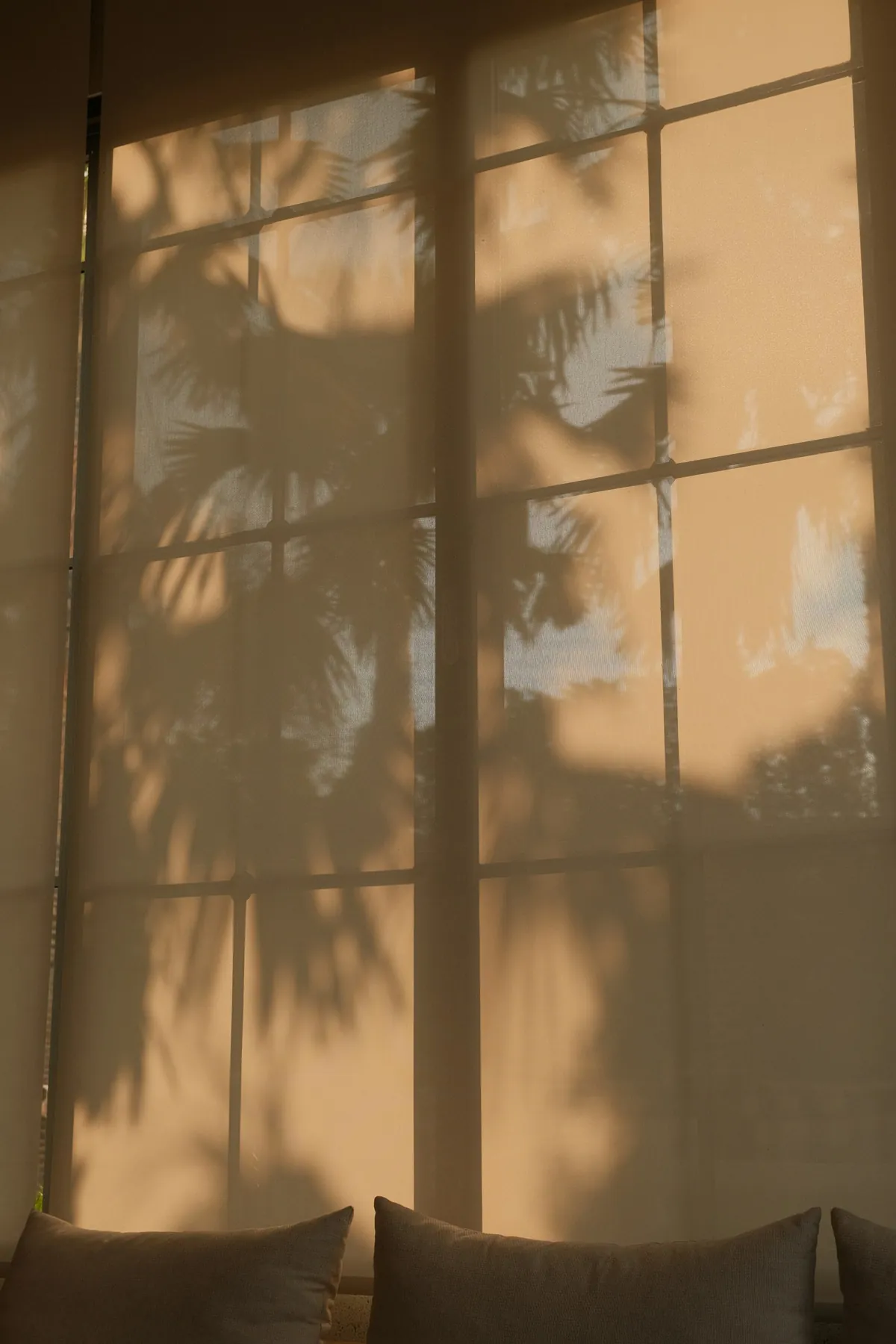
Rooms in these buildings are often long and narrow, with windows only at the ends. A heavy treatment at one end can leave the middle of the room dim. Where a front or back window is the only light a room gets, we lean toward fabrics that let daylight glow through even when the shade is lowered, and keep the stack fixed high so the raised shade covers as little glass as possible.
Living With Tall Shades
Rooms with high ceilings
Where an Oak Hill ceiling rises well above the window, fixing the shade high on the wall gives the window extra apparent height and lets the stack clear the glass. The space between the trim and the ceiling becomes part of the window, and a long, slim shade hung that way suits the proportions of the room.
Kitchens and baths
The kitchens and bathrooms in older Pawtucket houses often have a single tall, narrow window. In a kitchen, an unlined flat fold in a light cotton lets the light through and stays tidy above a counter. In a bathroom, privacy and steam are the concerns, so we suggest a fabric that copes with some humidity and a lining for privacy, or a different product altogether if the window is right over a bath.
Matching an odd pair
Two narrow windows side by side in an older room are rarely identical. One may be a little taller or set slightly higher. We measure both and plan the shades so the raised heights and hems line up by eye, even where the frames do not quite match.
How We Handle a Pawtucket Order
Each stage is simple, and you are kept in the picture throughout.
- Ring the store from the call button, or fill in the form, and describe the house and which rooms face the street.
- Measuring takes place in your home: a specialist records every sash, its frame depth and how much wall there is above it.
- The fabric, fold and lining for each room are chosen at the Swansea showroom, with privacy and pattern scale in mind.
- A quote follows, setting out each window separately.
- Once your shades are made, our installers hang them, raise and lower each one and check that the stack sits level.
Keeping tall shades fresh
On a long, narrow shade, dust gathers along the top of each fold. Work down the shade with a soft brush, or use a vacuum’s fabric tool on a gentle setting. Spot marks are dabbed lightly, after a test in an unseen corner. Long fabric shades should not be washed at home, since any shrinkage shows over the length; a professional cleaner is the better route.
More than roman shades
A Pawtucket house usually takes several kinds of treatment. Every product we make for the city is on our Pawtucket window treatments page, and the roman shades service page goes through each fold and fabric.
Who Measures and Installs
Window Works is a second-generation family store, open in Swansea since 1988. Drapery and fabric work have always been what it does best, so roman shades sit at the centre of the business rather than the edge. In over 37 years the store has fitted windows throughout the SouthCoast of Massachusetts and the Rhode Island East Bay.
The specialists who measure your sash are the same team who come back to install. Warranties are offered, and you hear from us until the last shade is up.
See Folds on a Narrow Window
A swatch cannot show how a fabric behaves at length. At the Swansea showroom, folds can be compared side by side and a lining held behind a cloth to see how much it hides. A photo of your windows helps us suggest a pattern scaled to them. Norman blinds, shades and shutters are on display too.
Questions from Pawtucket
Will a roman shade look right on a tall, narrow window?
Yes. A flat fold in a small-scale fabric looks neat on a slim window, and we plan the stack so it does not take too much of the glass.
How do I keep a street-facing room private at night?
A lined shade or a closer-woven fabric closes off the view after dark. In the daytime, a lighter fabric can stay down and still let the light in.
Can you do every floor of our three-decker?
Yes. We can measure all three floors on one visit and match the lining colour and raised height on every front window.
What works on the narrow windows beside our front door?
A flat fold in a plain or finely patterned fabric, inside the frame where the depth allows.
Do I need a lining?
Not always. Street-facing rooms and bedrooms usually benefit from one. Side and back rooms often do well without.
Your First Step
Tall windows, close neighbours and a fabric you love: it all starts with a free quote. Press the call button to talk to the Swansea store about roman shades in Pawtucket, RI, set a time for measuring in your home and hear how installation works. The form does the same if you prefer. Directions to the showroom are on the contact page. Window Works holds a 5.0 rating on Google.