
Made for the Opening, Not Bought for It
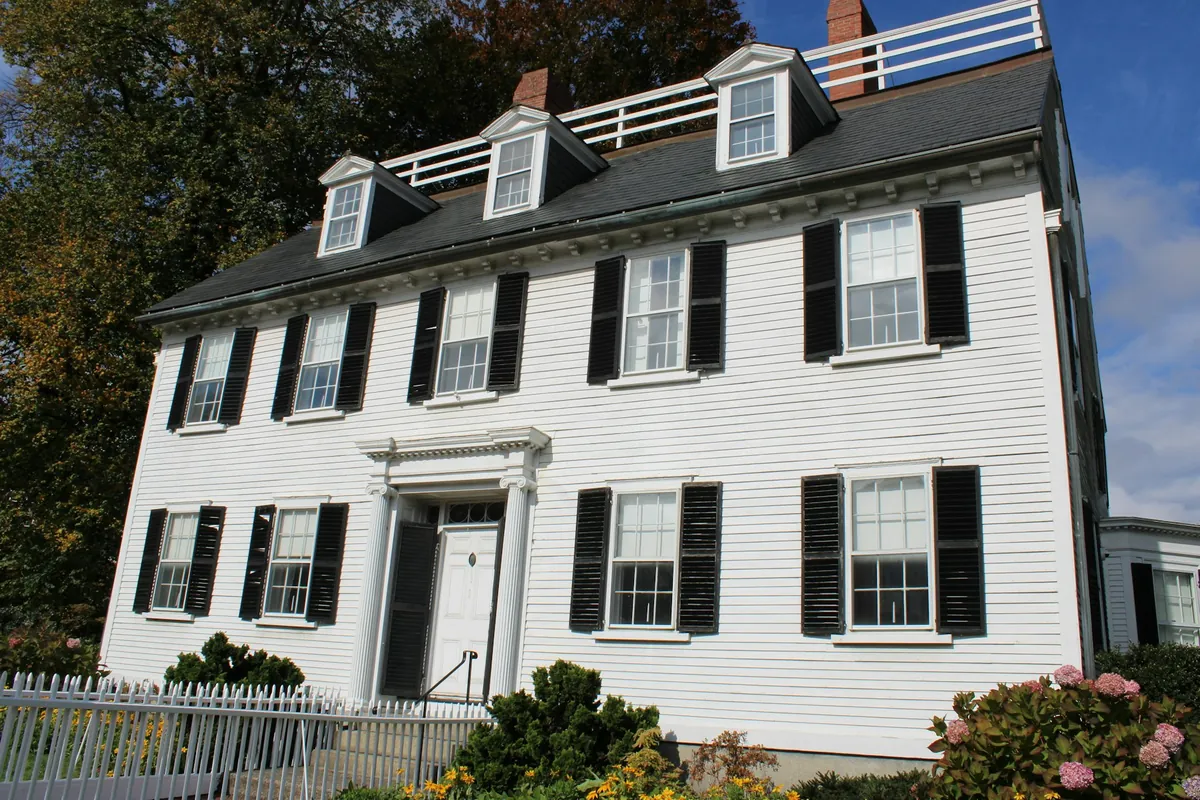
The older houses near downtown Attleboro and up on Oak Hill were not built to standard sizes. Their Victorians and colonials have bay windows, transoms over doors and openings that have been altered more than once, and the coverings that suit them have to be made rather than bought. That is as true of vertical blinds in Attleboro, MA as of anything else. A slider fitted into an old wall, with a transom left above it, is never going to match a size on a shelf.
Away from the centre, the mid-century split-levels off Route 123 and the ranches in South Attleboro are more regular, but their sliders are still a little different from one another. Measuring each opening where it is, and making the blind to that, is how you get a covering that fits without gaps and works without fuss.
- Vertical blinds and panel tracks made to each opening
- Transoms, bays and altered openings planned around
- Measured on site, installed by our own team
What We Make for Attleboro Houses
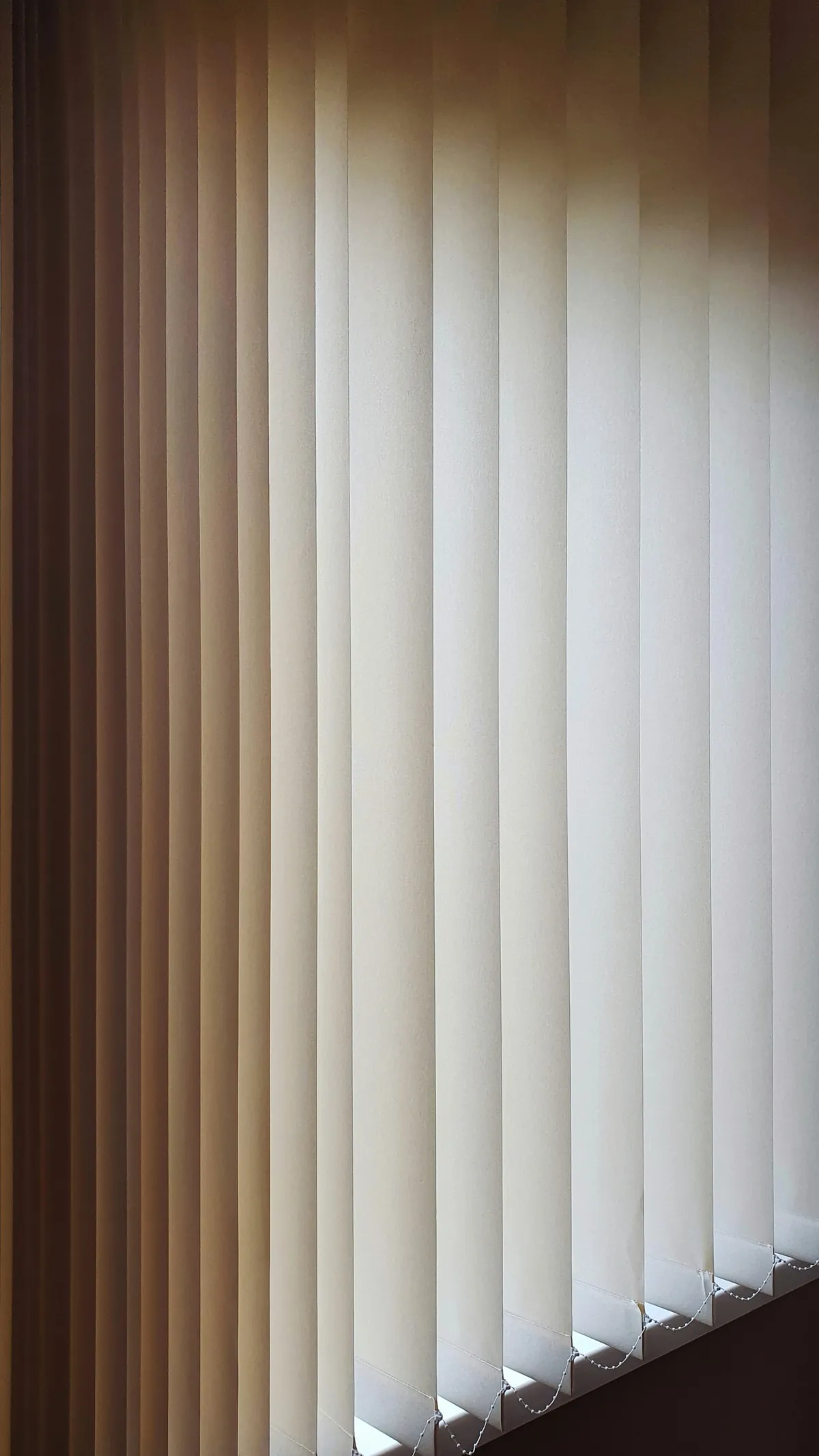
Vertical blinds
Turning vanes on a track, made to the width and drop of your slider or wide window, drawing to whichever side suits the room.
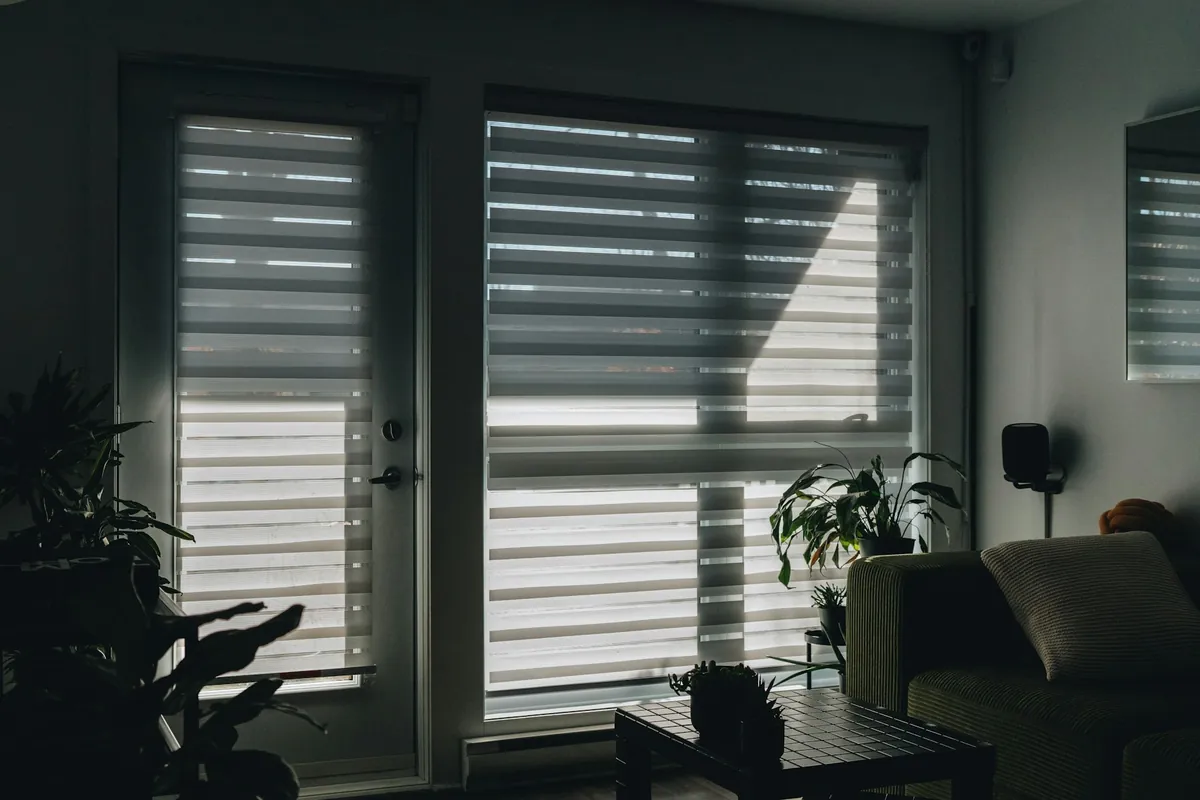
Panel tracks
Broad fabric panels that slide past each other and stack in tidy layers. A modern look for a renovated room.
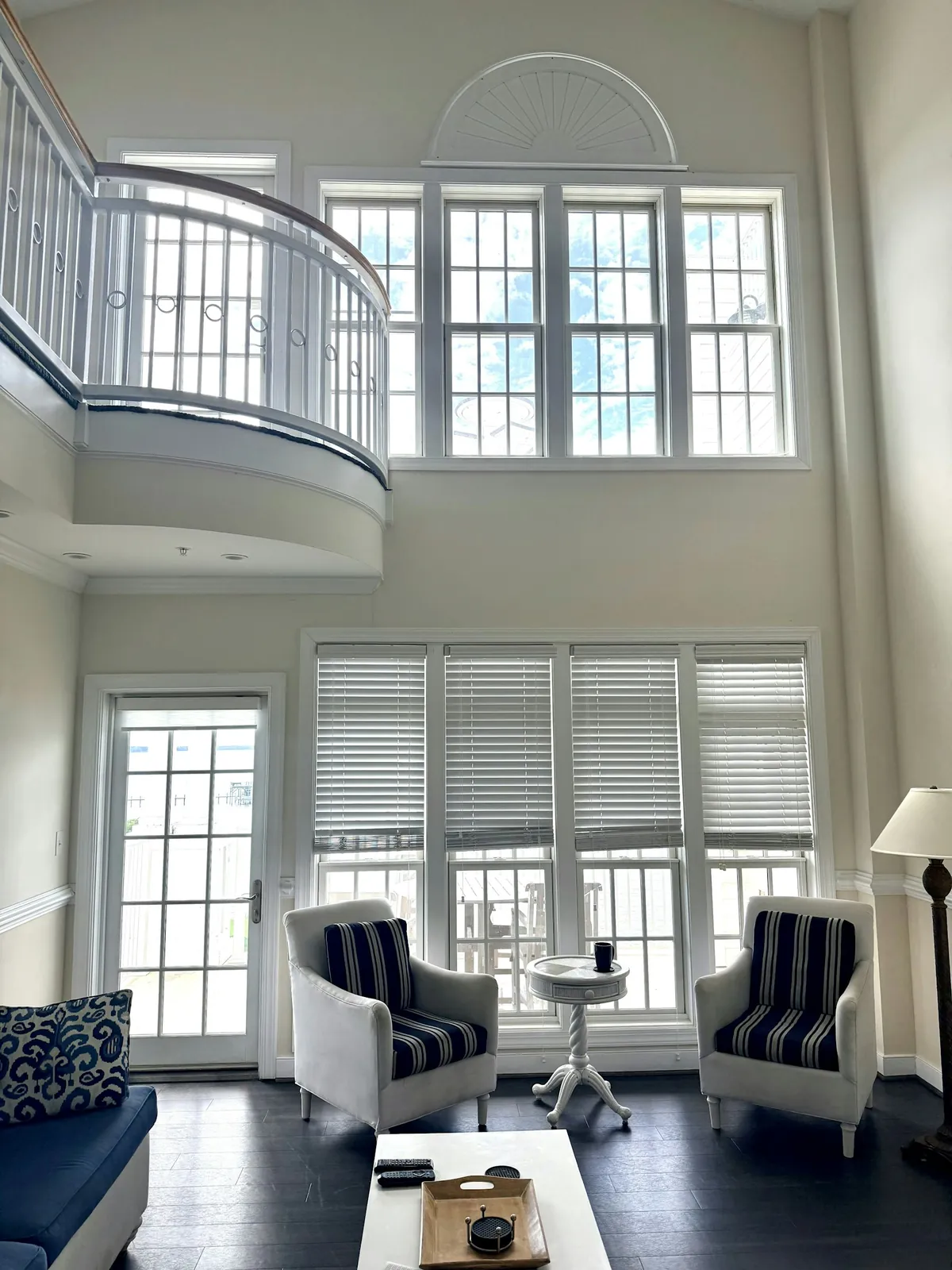
Openings with a transom
Where glass sits above a door, we plan the track around it, so the high light stays or is covered separately.
Bay windows
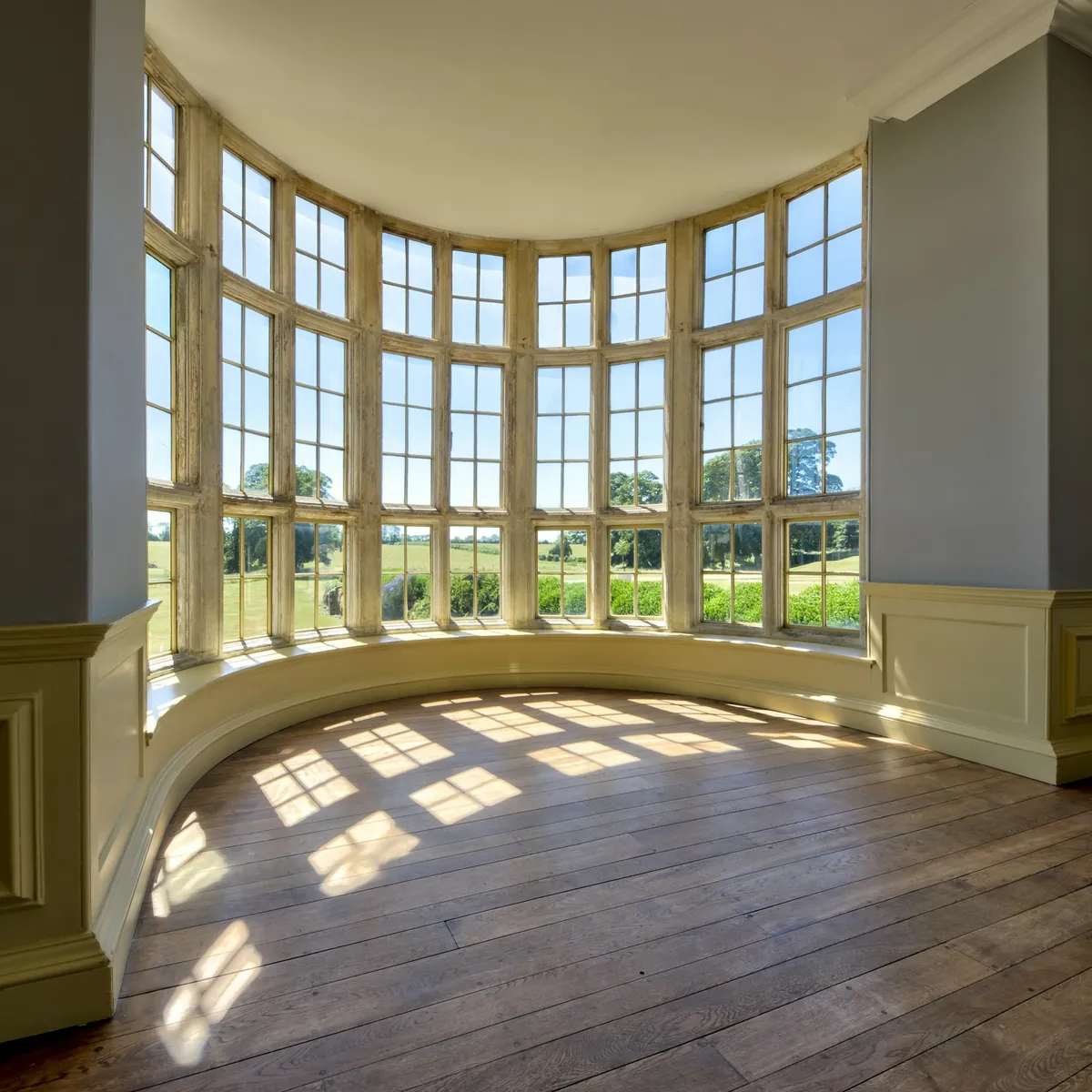
A bay in an older house needs a covering for each pane, not one long track. Cellular shades are a common choice.
The ranch slider
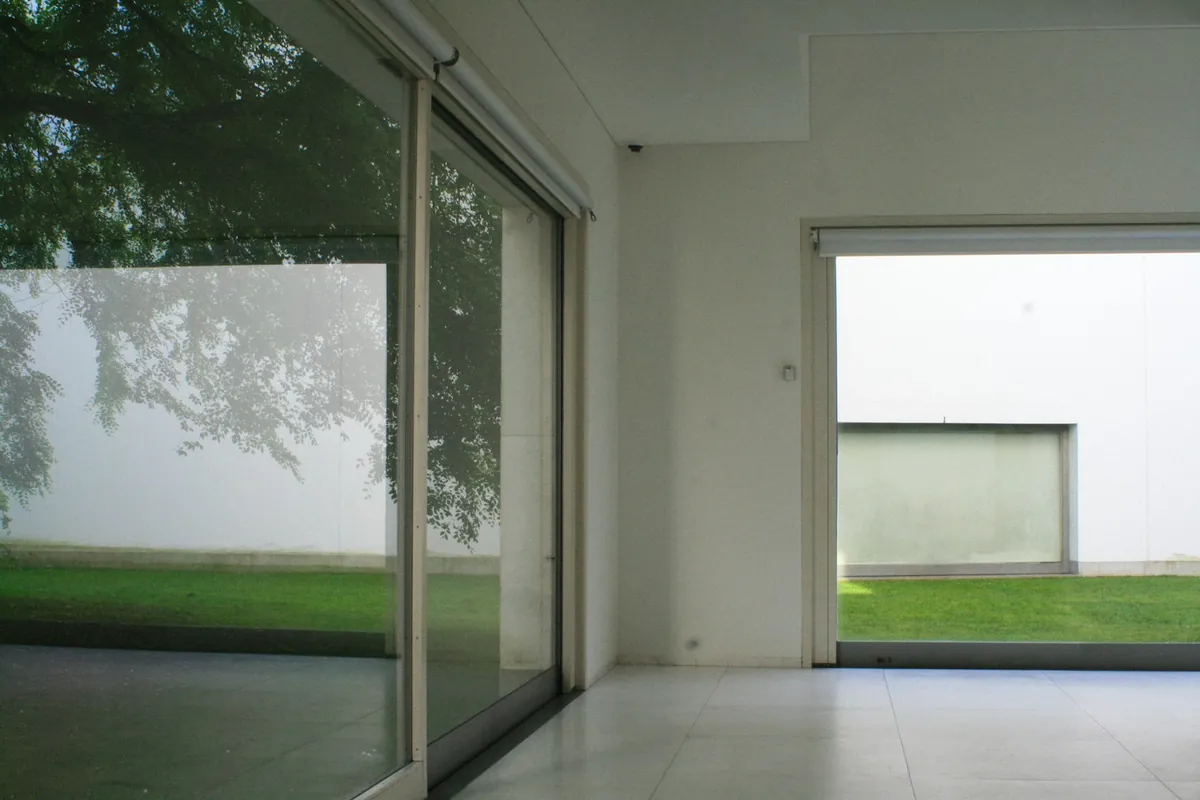
South Attleboro ranches usually have one slider to the patio. Vanes or panels, sized to the opening and the wall beside it.
Fabric chosen in person
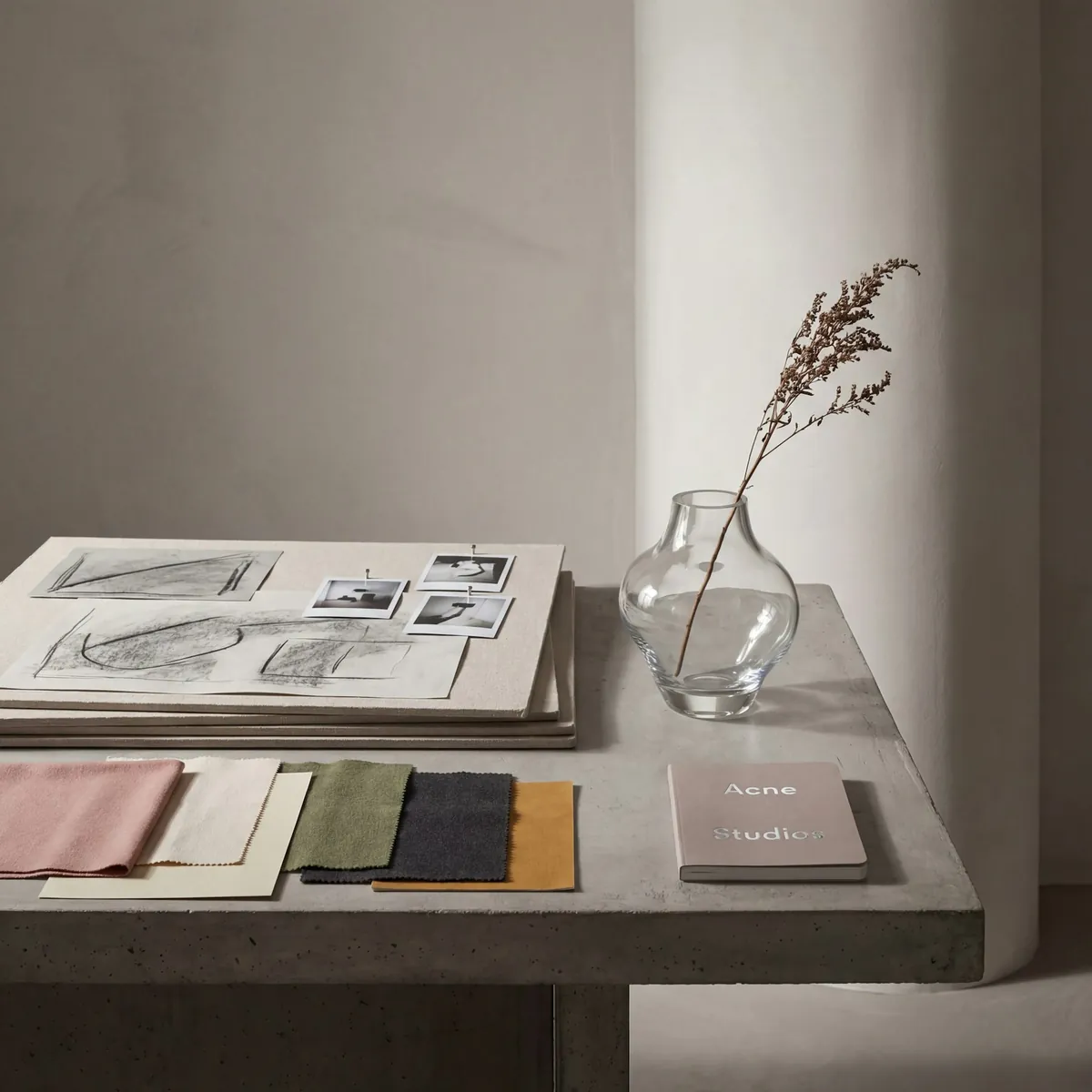
Vane and panel fabrics are easiest to judge in daylight, in your hand. The Swansea showroom has them to compare.
Planning Vertical Blinds in Attleboro, MA
When we plan vertical blinds in Attleboro, MA, we start by asking what the opening really is. A slider in a South Attleboro ranch is straightforward. A slider in a downtown Victorian may sit under a transom, beside a bay, inside a wall that is not quite plumb. A wide window on Oak Hill may be two old windows joined into one during a renovation. Each needs its own plan, and the plan is made at the house.
Transoms over a slider or door
Older houses near the centre often have a transom, a band of glass above a door or a wide opening, and some kept it when a back door was replaced by a slider. The transom brings in high light, which is precious in a room with tall ceilings, and it is usually part of the character of the house.
That leaves a choice about where the track goes. Mounting it below the transom, at the top of the slider frame, leaves the transom clear and the high light coming in. That is often the best answer, since the transom is above eye level and rarely causes glare. Mounting the track above the transom covers both with one set of vanes, which can look tidier but gives up the high light whenever the blind is closed. Where a transom does cause glare at certain times of day, it can be covered separately with its own fixed treatment, leaving the vertical blind to handle the door.
Bay windows and why they are not vertical blind windows
The Victorians and older colonials near downtown are full of bays, and people sometimes ask whether a vertical blind could cover one. A bay is a set of separate windows meeting at angles, usually with posts between them. A single straight track cannot follow the angles, and separate vertical blinds on each narrow pane would stack across much of the glass. Cellular shades, Roman shades or blinds fitted to each pane suit a bay far better.
Where a bay sits in the same room as a slider, the vertical blind on the slider and the shades in the bay can share a colour, so the room reads as one design.
Oak Hill colonials and altered openings
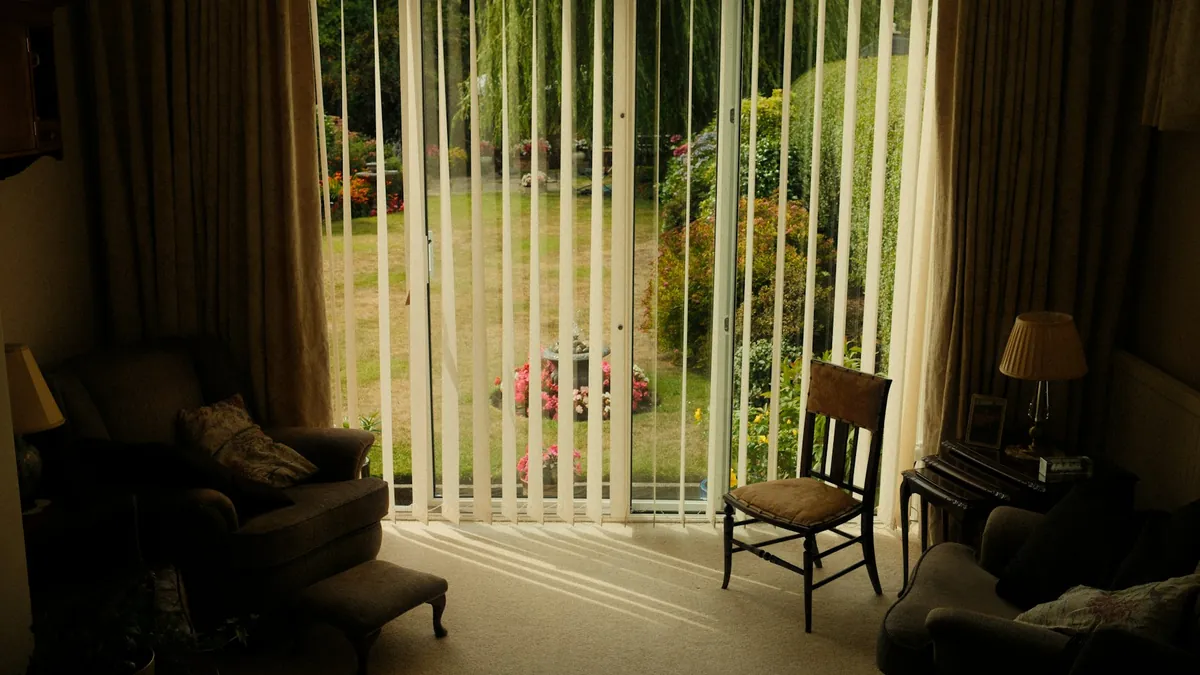
The colonials on Oak Hill have been changed over the years, like most older houses. A pair of windows may have been joined into one wide opening. A back door may have become a slider. A porch may have been closed in to make a sunroom. Those altered openings are often the ones that need a vertical blind or a panel track, because they are wider than anything the house was built with.
Because they were cut into old walls, these openings rarely come out true. The header may sit a fraction lower at one end, and the floor below may have settled the other way. A blind made from one quick measurement would show every bit of that. Ours are made from readings taken across the opening, the track goes up dead level whatever the frame does, and each vane is cut so the bottom edge runs parallel to the floor.
Wide windows that were once two
On Oak Hill and near the centre, a wide living room window is sometimes the result of two old sash being taken out and replaced with one big pane or a pair of casements. It is too wide for a single lifting blind to be comfortable, but it is not a door, so a vertical blind is not the only answer. Vertical blinds in Attleboro, MA living rooms suit these windows when you want the glass completely clear when the blind is drawn, and when the window reaches near the floor. Where it has a deep sill at a normal height, a pair of shades side by side often looks more at home. We look at both with you.
Street-facing rooms near downtown
Houses close to the centre sit near the sidewalk, and a wide front window or a side slider can be in plain view from the street. Vertical vanes are useful here because they can stay drawn across while turned partly open, letting light in at an angle that people passing cannot see through. A light-filtering panel on a panel track softens the view in a similar way, though it cannot be angled. At night, both close fully.
French doors on the older houses
Some of the older houses have French doors to a garden or a porch rather than a slider. Hinged doors swing into the room, so a vertical blind above them would be in their way. Drapes on a rod wide enough to draw clear of both doors, or coverings mounted on the doors themselves, are the right choice there. We will suggest which when we see the doors.
Split-levels off Route 123
The mid-century split-levels off Route 123 usually have a slider somewhere, often off the kitchen or dining area onto a deck, sometimes off a lower family room into the yard. These openings are more regular than the downtown ones, but their surroundings can be tight: a slider set near the stairs, beside a kitchen counter or close to a corner.
That is where the narrow stack of vertical vanes helps. When drawn, the vanes turn edge on and gather into a slim bundle that fits a short stretch of wall. If there is no room on one side, the blind can draw the other way. On a deck door with a lot of sun, a denser vane holds back the afternoon heat; on a lower-level door, a lighter one keeps a dim room bright.
South Attleboro ranches
The ranches in South Attleboro typically have one slider at the back of the kitchen or family room, opening onto a patio or a small deck. Ranches have long walls, so the stack has plenty of room on either side, and the choice between vanes and panels is about light and looks rather than space.
The back of a ranch catches the sun through much of the day, and the low winter sun gets under the eaves. Vanes turned against it keep the glare off the floor and the television without losing daylight. On a ranch, the windows either side of the slider usually take horizontal blinds or shades in the same colour, so the back of the house looks even from the yard.
High ceilings near the centre
Downtown Victorians have tall rooms. A slider or wide opening in one of those rooms can look stunted if the covering stops at the top of the door frame, especially with a transom or a tall window nearby. Carrying the track higher, toward the ceiling or above the transom, with longer vanes, keeps the proportions of the room. If you would rather leave a transom clear, the track sits below it and the line of the transom frame becomes the top of the covering.
Tall rooms also mean tall stacks. A long set of vanes drawn to one side forms a slim column of fabric from near the ceiling to the floor, which can look deliberate, almost like a drapery panel, if it is placed against a stretch of plain wall. We think about where that column will stand when we decide which way the blind draws, so it frames the opening instead of crowding a radiator, a light switch or a doorway.
How Your Attleboro Order Goes
We stay in touch with you at every stage until the work is finished. Most orders follow this path.
- Use the call button or the form to arrange a free quote, and tell us whether the opening has a transom, sits beside a bay or has been altered.
- A specialist measures in your home, at several points across the width and drop, and checks the wall or ceiling above and the space at each side.
- We go over the options for the transom and the track height, the draw direction and whether vanes or panels suit the room.
- You see fabrics and colours at the Swansea showroom and make your choice.
- You receive a quote with each opening listed.
- Your blinds are made to the measurements taken at the house.
- Our installers fit them, level the track, run the blind across and back, and show you how it works.
Vanes against panels
Vertical vanes turn, so you can control light and privacy while the blind stays drawn. They gather into a narrow stack, which suits a split-level slider near a stair or a counter. Panels do not turn. They slide across one another, and their fabric decides how much light passes. They look more modern and stack flat in layers, which suits a renovated room or a sunroom on Oak Hill with plain walls.
In an older house, a textured fabric vane can look surprisingly soft, closer to drapery than to an office blind. In a newer room, a smooth vane or a plain panel gives a crisp, clean line.
Colours for old and new rooms
Older Attleboro houses have warm, aged woodwork and plaster walls. Against those, an ivory, cream or warm grey usually looks better than a bright white. In a split-level or ranch with white trim and painted walls, a clean white or soft neutral blends into the wall. Where a vertical blind shares a room with shades in a bay or blinds on other windows, matching the colour is the simplest way to make the room look planned.
The top of the blind
The part of a vertical blind people notice least, until it looks wrong, is the top. Older blinds often came with a deep, boxy valance that sat over the frame and made a door look heavier than it was. Today the headrail can be slim and neat, or hidden by a simple fabric-covered valance in the same colour as the vanes. In an older room with good trim, a slim headrail mounted inside or just above the frame lets the woodwork show. In a ranch or a split with plain trim, a matching valance gives a finished line across the top of the glass.
Light from a transom and the rest of the room
A room with a transom left clear gets light from above even when the vertical blind is closed. That means you can choose a denser vane for the slider, to cut the sun or give privacy at night, without the room going dark. It is one of the advantages of keeping a transom uncovered, and worth thinking about when choosing the fabric.
Enclosed porches with posts
When a front or side porch has been closed in, the glazing usually runs between the original posts. Measure the gap between each pair and the answer follows: a wide bay of glass can take its own short vertical blind or a narrow panel track, while a slim one is better with a single shade. The posts stay uncovered in both cases, so the room still reads as a porch.
Repairs on blinds already up
If a vertical blind already in your house is missing vanes, will not turn or sticks on its track, ask about it when you book. Restringing, new wands and headrail work on blinds you already own can often put them right. You can see everything we make for the city on our window treatments for Attleboro page, and the full range for sliders on the main vertical blinds page.
A Family Store, Second Generation
Since 1988, Window Works has been a family store in Swansea, now run by the second generation. In over 37 years we have measured and fitted coverings for every kind of house across the SouthCoast and the Rhode Island East Bay, from altered Victorians to plain, regular ranches.
- Window treatment specialists who make, not just sell
- Measuring at the house, transoms and odd shapes included
- Our own installers
- In touch with you until the job is done
- Warranties offered on our products
Come to the Swansea showroom to compare vertical blinds for Attleboro, MA openings with panel tracks, and to handle fabric and smooth vanes in daylight.
Questions from Attleboro
My slider has a transom above it. Should the blind cover it?
Usually not. Mounting the track below the transom keeps the high light coming in. If the transom causes glare, it can be covered separately.
Can a vertical blind cover a bay window?
Not well. A bay is a set of angled windows, so a shade or blind on each pane works far better. We plan those alongside the slider.
The opening in our older house is out of square. Will the blind look crooked?
No. We measure at several points, level the track when it goes up and cut the vanes so they hang evenly.
Will vertical blinds fit beside the stairs in our split-level?
Usually. Vertical vanes stack narrowly, and if one side is blocked the blind can draw the other way.
What does it cost to get a quote?
Nothing. Quotes are free. Use the call button or the form.
Book Your Free Quote
A free quote is where it begins. Use the call button to reach the Swansea store and arrange measuring at your house or ask about installation, or fill in the form and we will be in touch. For a hands-on look at vanes and panels, stop by the showroom; directions are on the contact page. Window Works holds a 5.0 rating on Google.