
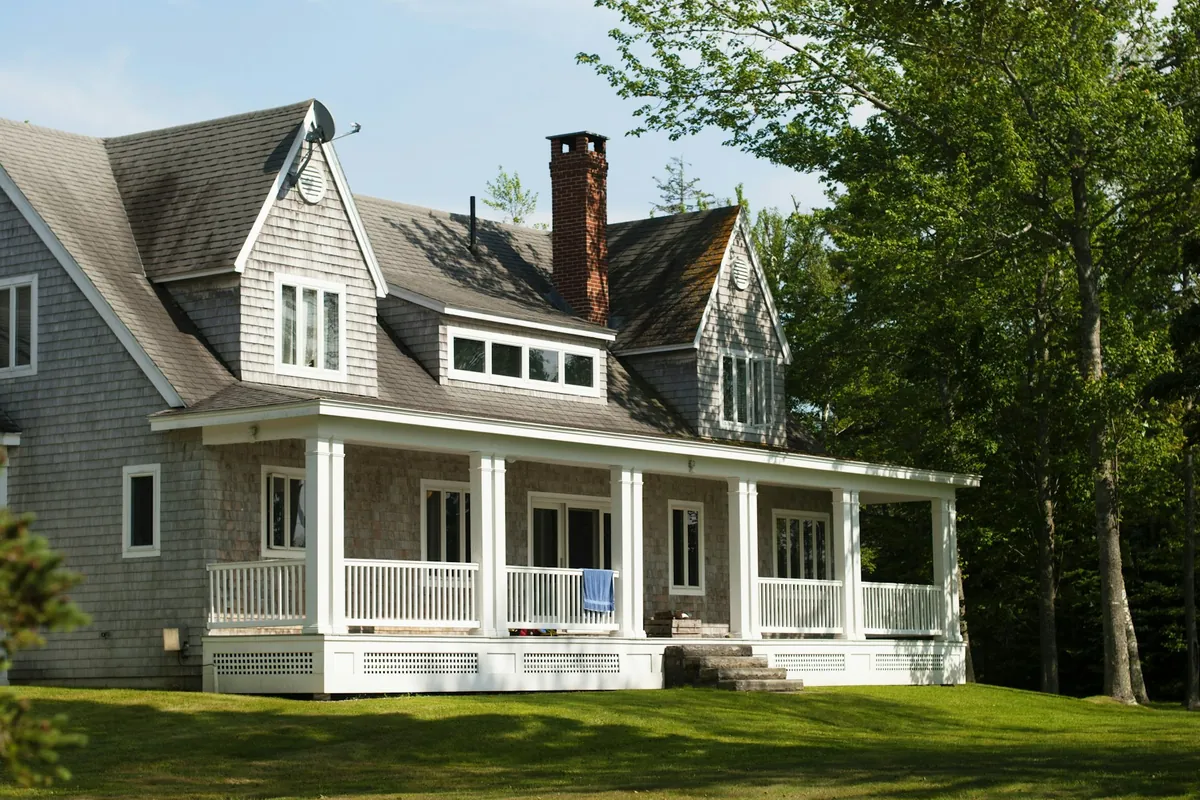
Three Kinds of House, One Careful Approach
Lincoln’s houses come in three distinct groups. The mill housing of Lonsdale and Manville keeps its original narrow openings. The newer colonials around Lincoln Woods and Breakneck Hill have standard window sizes, but a lot more windows, and usually a slider at the back. The large-lot houses off Great Road tend to be the most generous with glass, with wide doors to terraces and long runs of windows facing their land.
Each group asks something different of vertical blinds in Lincoln, RI. In a newer colonial, the vertical on the slider has to sit comfortably beside a houseful of other windows. On Great Road it may be the main treatment across a whole wall. In a mill house it is usually limited to a rear door, because the narrow original windows suit other treatments better.
- Vertical blinds and panel tracks for sliders, terrace doors and wide glass
- Every opening measured where it is, never assumed from a standard size
- Fitted by our installers, with one store to call until it is done
Three Ways to Dress a Slider
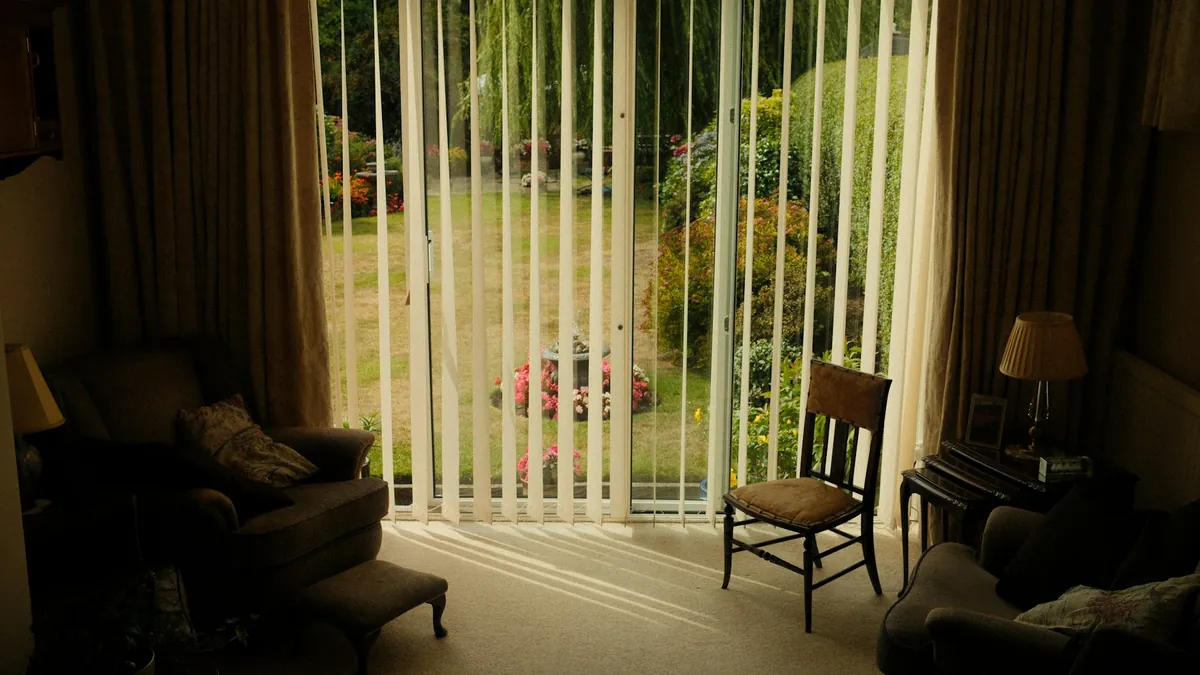
Turning vanes
Narrow vanes that rotate for light and privacy and gather aside to clear the door. Hard-wearing and simple on a family door.
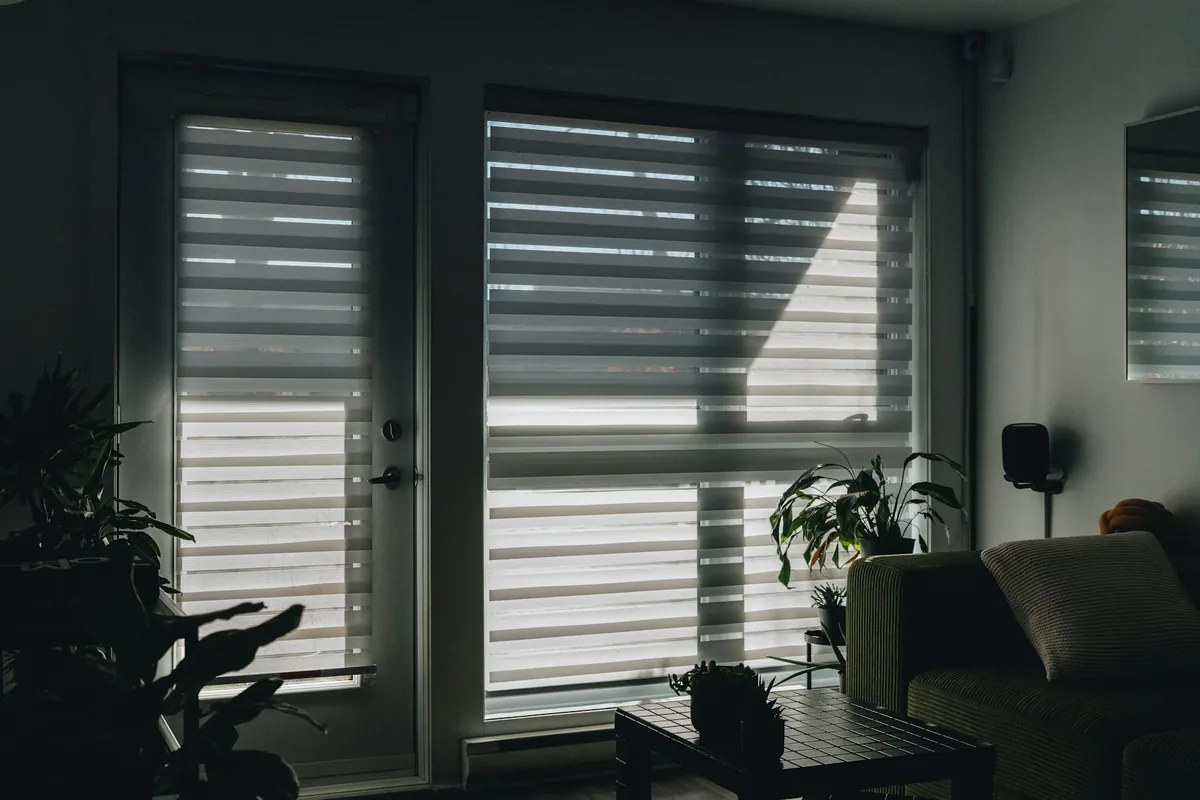
Sliding panels
Wide fabric panels on a multi-channel track. They glide past each other and park flat, giving a calm, modern look.
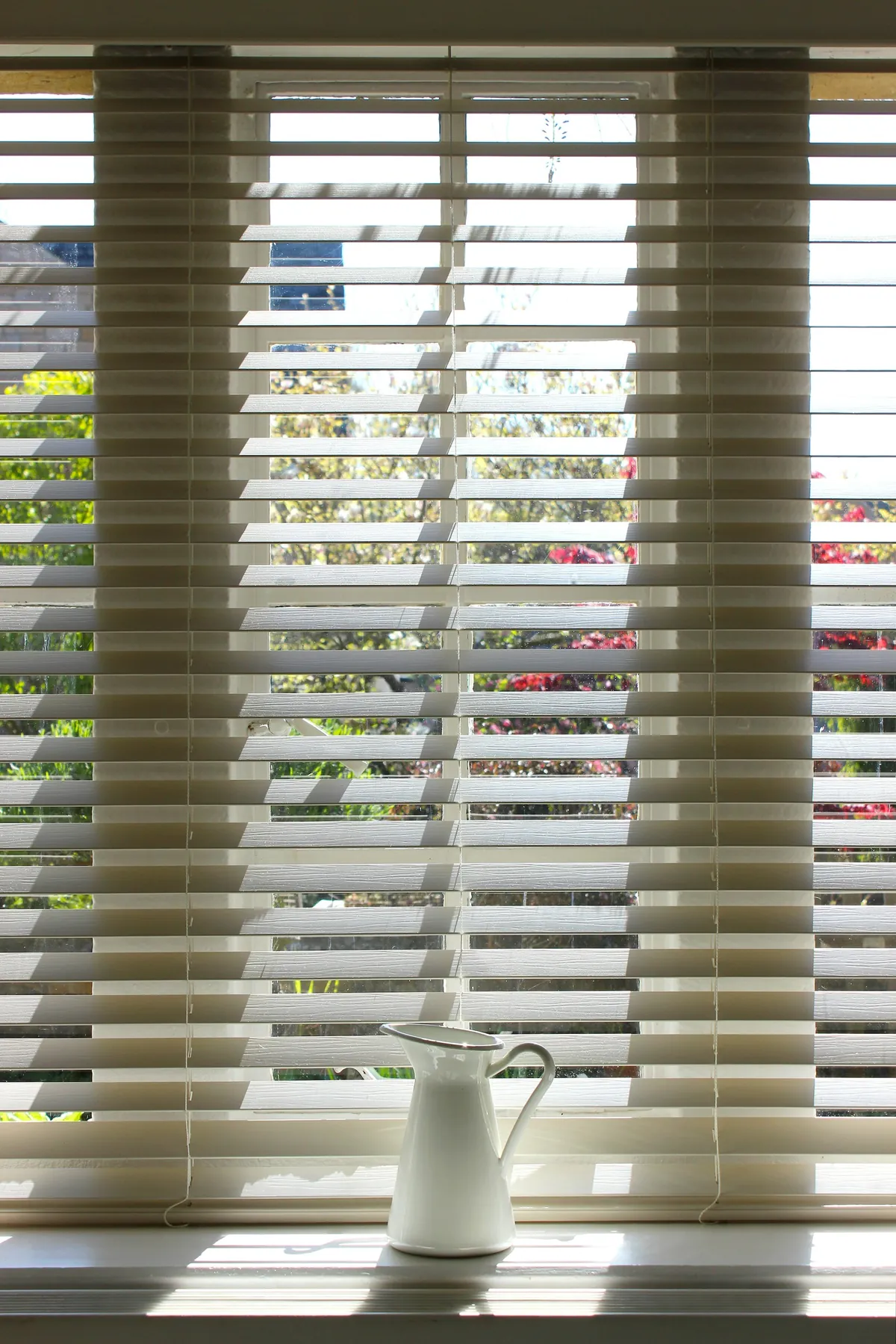
Matched to the windows
A vertical on the door beside horizontal blinds on the windows in the same colour, so the room reads as one plan.
Newer Colonials: Standard Sizes, and More of Them
The colonials built around Lincoln Woods and Breakneck Hill are the most regular houses in town. Their windows tend to come in standard sizes, which makes fitting simpler, but they have a lot of them: a full set across the front, more on the sides, and a kitchen and family room at the back with a slider to the deck or patio. Vertical blinds in Lincoln, RI colonials are therefore rarely a one-off purchase. They are one piece of a whole-house plan.
The slider as part of a set
From inside the family room, the slider is the biggest opening in the space and the one you see most. It sits beside windows that will be dressed with something else, usually horizontal blinds or shades. The room looks settled when the treatments share a colour and a mounting height, so the top of the vertical blind’s head track lines up with the tops of the blinds on the windows, and the vanes are a shade that matches the slats.
From outside, the back of the house is seen from the garden and from neighbouring yards. A slider with a white backing beside windows with white blinds looks tidy. A slider with a dark backing beside white windows looks odd. That is worth bearing in mind when choosing a vane colour.
Doing the house in stages
Because a colonial has so many windows, many households do the work in stages, starting with the rooms that need it most. The family room slider is often first, because it lets in the most light and gets the most use. Later rooms can then be matched to it. Since every treatment is made to measure, a later order can match the colour and style of an earlier one, so the house still looks consistent when it is finished. Our custom blinds in Lincoln page covers the horizontal blinds for the rest of the house.
Standard sizes are not standard walls
Even where the door is a standard size, the wall around it varies from house to house. The height to the ceiling, the space above the frame for the track, the clear wall either side for the stack, and the position of light switches, vents and radiators all differ. That is why we measure every opening in the house rather than ordering from a standard size. A blind that fits the door but not the wall can foul a switch or stack across the glass.
Trim is the other variable. Some colonials have wide, flat casing around the slider, others a narrow modern edge or none at all. Where there is a generous casing, the head track can sit on it or just above it and the vanes hang in front of the frame. Where there is no casing, the track goes on the wall or the ceiling. Each changes how far the blind projects into the room, which matters if a table or chairs sit close to the door.
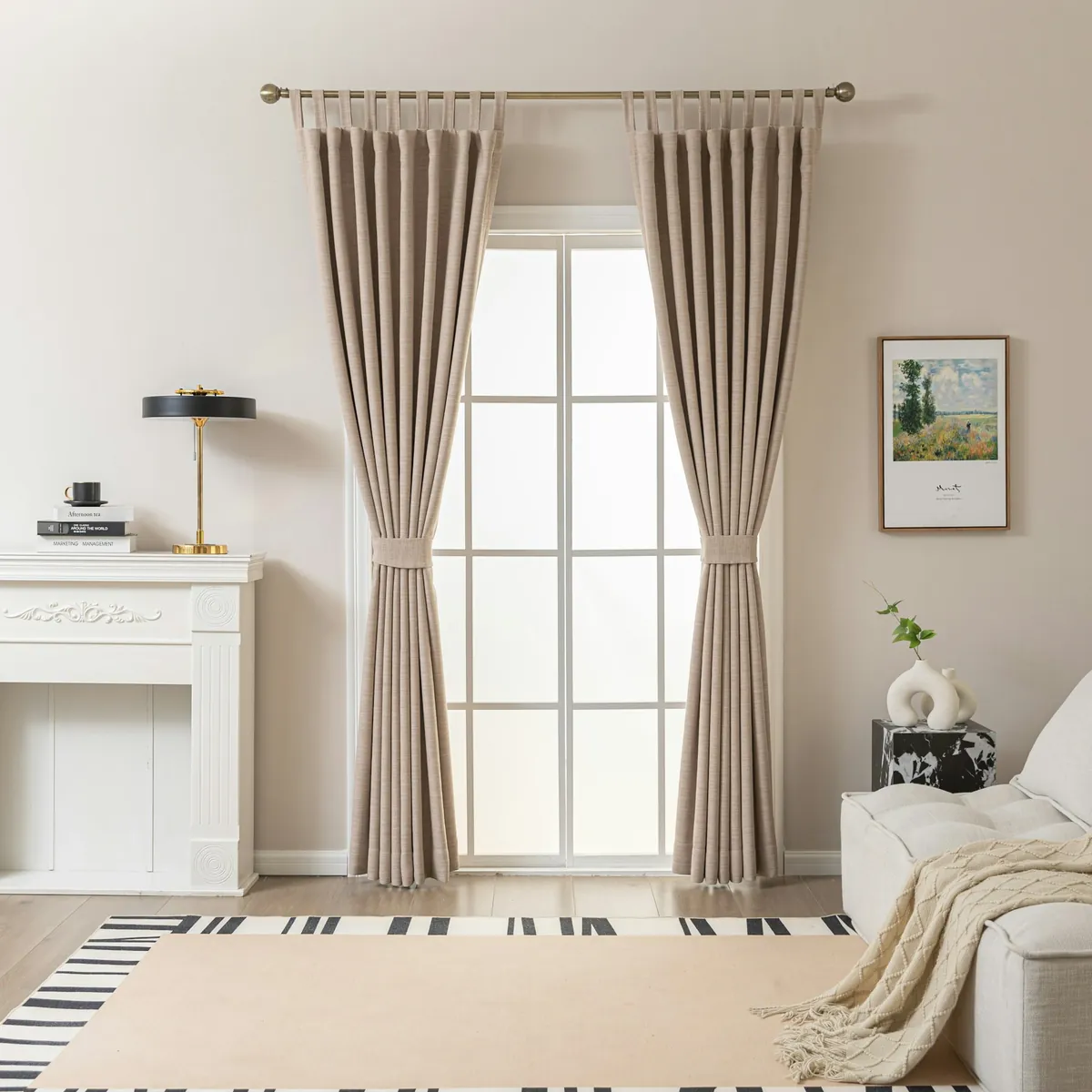
Large-Lot Houses off Great Road
Vertical blinds in Lincoln, RI are at their most visible on Great Road, where the glass is widest.
The houses on larger lots off Great Road are generally more spacious, and many were designed around their land. Living rooms and family rooms open onto terraces through wide sliders or pairs of glazed doors, and some have long runs of windows looking out over lawns, fields or woods. With the nearest neighbour some distance away, privacy is less of a concern than light, heat and the view.
Covering a whole wall
Where a slider and a run of windows share one wall, a single long track can cover the lot, giving one even surface when closed and leaving the whole wall clear when open. The vanes or panels gather at one or both ends, ideally against solid wall so they do not block the glass. On a very long wall, two treatments meeting at a post can be easier to operate than one, and we will suggest that where it makes sense.
Light without losing the view
The reason to have all that glass is the outlook, so a treatment that hides it all day defeats the purpose. Vertical vanes turned almost edge on keep the view while breaking up the sun, and can be angled differently through the day. A panel track in a sheer or light filtering fabric is gentler again: even fully drawn, it lets the shape of the landscape show through. For a room that gets very bright in the afternoon, a denser fabric gives more relief.
Sunrooms and garden rooms
Several of the bigger houses have a sunroom or garden room added to one side, glazed on two or three walls and opening to the terrace. These rooms get more light than any other part of the house, and they can become uncomfortably bright and warm on a summer afternoon. A vertical treatment on each long wall lets you shade the side the sun is on while leaving the others open, and turning the vanes through the day keeps the room usable without shutting it in. For the room to look calm, every track should sit at the same height and every vane should be the same fabric, with the stacks falling on the posts or corners rather than across the glass.
Basements that walk out to the yard
Large lots often slope, and a number of houses off Great Road and around Breakneck Hill have a walk-out lower level with a slider to the yard. That room is usually a den, a games room or a guest space, and it often wants darker rather than lighter. Fabric vanes that close snugly or a panel track in a room-darkening fabric suit it. If the slider doubles as the way in from the garden, with boots and dogs coming through, a solid vane is more forgiving.
Terrace doors that swing
Not every terrace door slides. Pairs of French doors are common in the larger houses, and a vertical treatment on them has to be mounted high enough above the frame for the doors to swing clear, with the stack fully to one side. On doors that are opened often, a treatment fitted to each door, or drapery on a pole, may suit better. Our custom drapes in Lincoln page covers drapery.
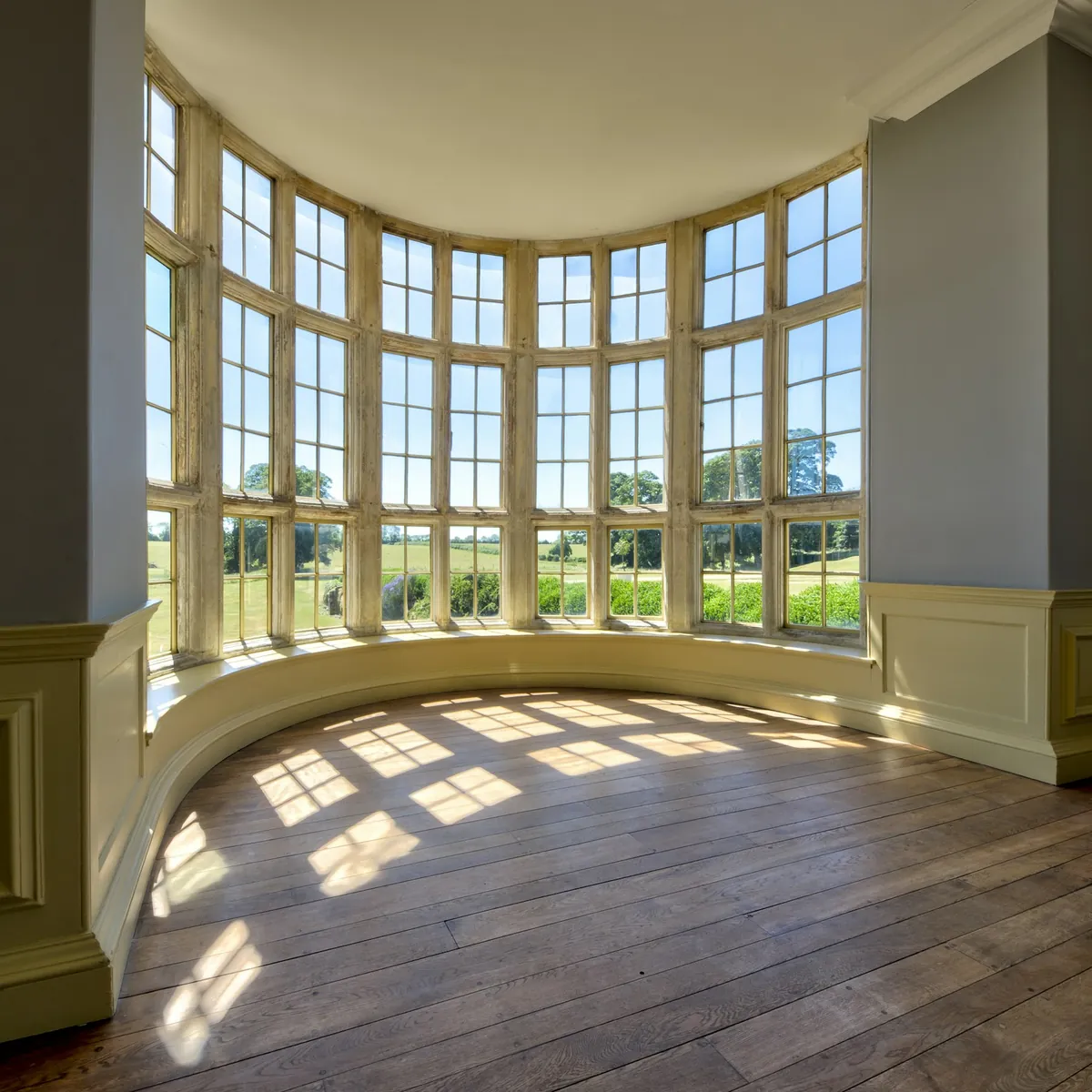
Mill Housing in Lonsdale and Manville
The mill housing of Lonsdale and Manville was built to a pattern, with modest rooms and narrow original openings. Those narrow double-hung windows are almost never the place for a vertical blind: they suit horizontal blinds, shades or simple curtains, which fit their proportions and leave the window easy to open.
Where a vertical treatment does belong in a mill house is the rear door, particularly where a kitchen has been updated and the old door replaced with a slider or a wider glazed door. In a small kitchen the stack matters, because vanes gathered beside a narrow door take up wall space and can block a nearby window. A panel track, whose panels stack thinner, or a careful choice of which side the blind gathers to, can make the difference.
Mill houses were often built in rows or close pairs, so a rear door may look straight into the yard or kitchen of the house behind. In that situation the turning vanes are the main reason to choose vertical blinds in Lincoln, RI mill housing at all: angled away from the neighbouring windows, they keep the kitchen private while still letting in the daylight, which a small mill kitchen cannot afford to lose. A panel track cannot be angled, so on a closely overlooked door it relies on a fabric dense enough to blur the view, at the cost of some light.
Older houses also bring older frames. A rear door in a mill house may be slightly out of square, and the floor may slope toward the yard. We measure the drop at several points so the vanes finish at an even height above the floor, and we check the wall above for a sound fixing before deciding where the track goes.
What Happens at the Measuring Visit
From the moment you get in touch until the blind is hanging, we stay in contact with you. The measuring visit is where most of the decisions are made, and it usually goes like this.
- Our specialist looks at each opening with you and asks how it is used: which door slides, where you walk through, and when the sun is a problem.
- Width and height are measured, along with the space above for the track and the wall either side for the stack.
- Switches, vents, radiators and handles near the opening are noted so the blind clears them.
- For a wall of glass, we check where the posts are and where the stack can sit against solid wall.
- We talk through vanes or panels, which way it gathers and where the control should hang.
- You choose fabric and colour then and there, or later at the showroom.
After the visit you receive your free quote, listing every opening. Once you approve it, each blind is made to the measurements taken in your house, and our installers come back to fit it, test it and show you how it works.
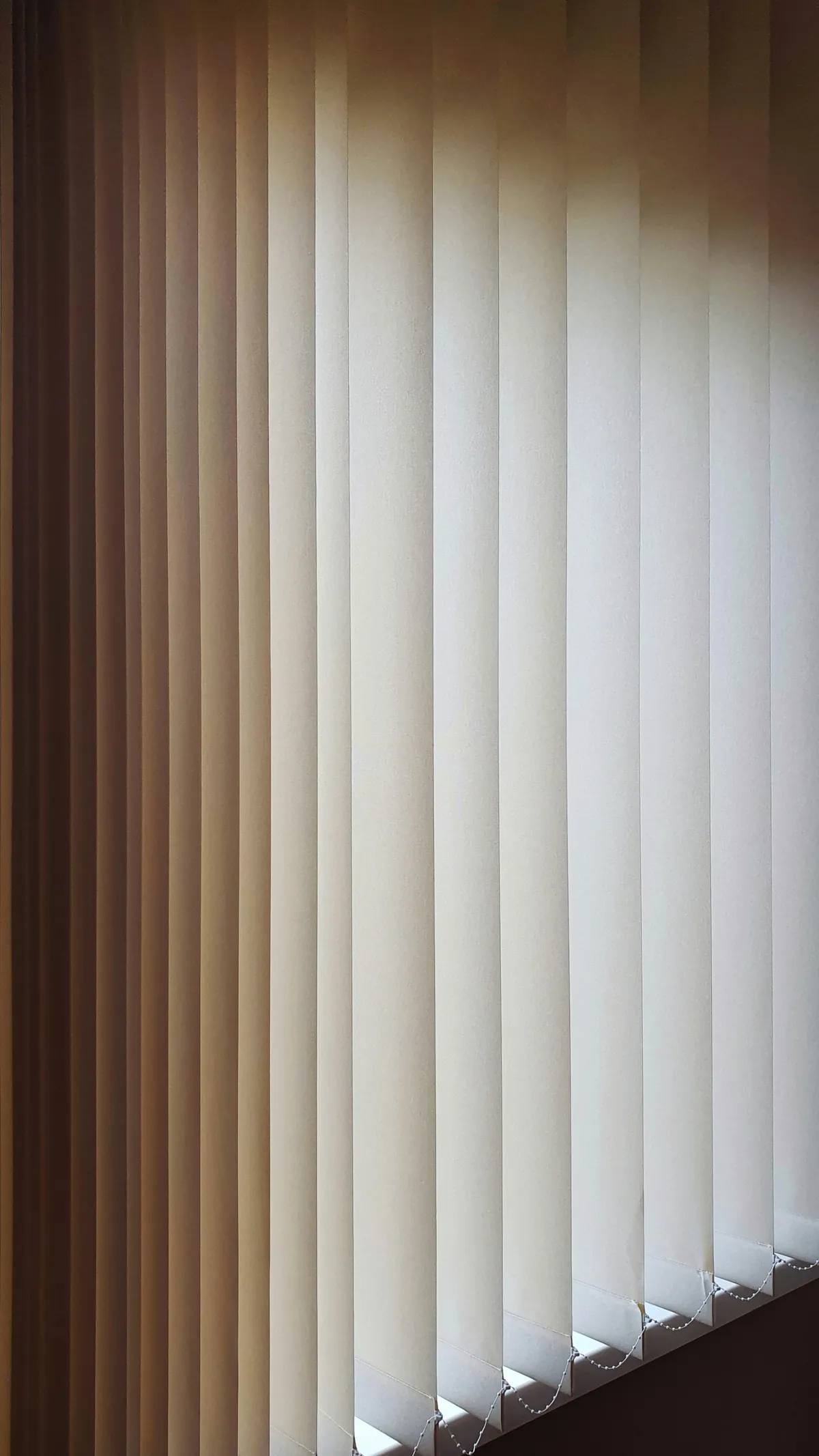
Vertical Blind or Panel Track
Both cover a wide opening and both move sideways, so it can be hard to know which to choose. Here is how they differ in daily use.
- Adjusting the light. A vane pivots, so a quarter turn lets daylight in while keeping eyes out, and the blind stays closed across the door. A panel cannot pivot; you get more or less light by choosing a thinner or thicker fabric and by sliding it partly open.
- Appearance. Vanes read as a classic vertical blind. Panels, being few and broad, look closer to a contemporary curtain.
- Space beside the door. Panels park in a slimmer bundle than vanes, a help where a cabinet or a corner sits close to the slider.
- Everyday rhythm. Vanes suit a room where the light changes and you fiddle with it often. Panels suit a room where the door is either shut for the evening or wide open for the summer.
- Materials. Each comes in a choice of fabrics, sheer through to blackout-style room darkening, and vanes also come in a smooth, wipe-clean version for kitchens.
Still undecided? Try both in the showroom; a minute spent drawing each one usually makes the choice obvious.
Choosing a fabric and colour
A vertical treatment covers a large area of glass, so the fabric shapes the room. In a newer colonial, a white or soft neutral that matches the window blinds keeps the house consistent. In a Great Road living room, a warmer neutral or a textured fabric can tie the treatment to the furniture and floors. In a mill house kitchen, a wipe-clean solid vane in white is often the practical choice. Bring a paint chip or a fabric sample to the showroom and compare the options in daylight.
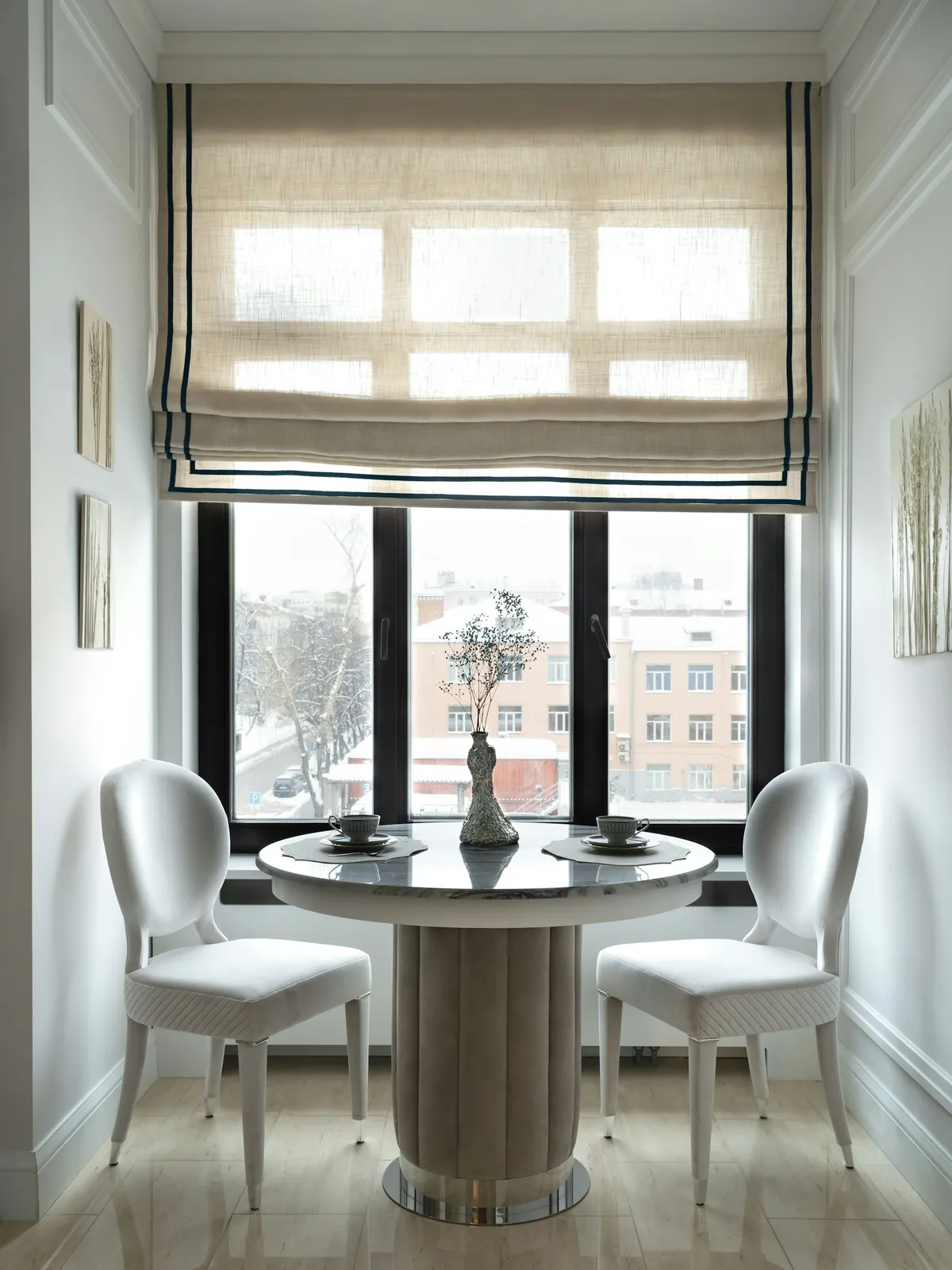
Controls that suit the household
A wand control draws the blind and turns the vanes with one hand, and it keeps cords out of reach, which suits homes with young children and pets. On a very wide opening, a cord and chain can be easier to pull. The control goes on the side you reach first. For openings that are hard to reach, we also sell motorized blinds in Lincoln with remote and wall-switch operation.
About Window Works
Our family opened the store in Swansea in 1988, and the second generation is in charge today. Lincoln is one of the 25 towns we cover, and for over 37 years our window treatment specialists have been going out to measure, then coming back with our installers to hang what was ordered.
Nothing is passed to another firm along the way. One store takes your call, measures, orders, fits and keeps you updated until your last blind is working, and we offer warranties on what we supply. When you want to see vertical vanes and panel fabrics in person, alongside the Norman range, the showroom is where to go.
All the vertical options are gathered on the main vertical blinds page, and the full list of what we do for Lincoln houses is on our Lincoln page. Got an older vertical with a missing vane or a track that drags? Mention it when you ring, because a repair may be all it needs.
Questions from Lincoln
My colonial has standard windows. Why measure?
The door may be standard, but the wall around it is not. The track, the stack and the controls all depend on the space around the opening.
Can the slider match the blinds on my other windows?
Yes. We match colour and mounting height so the vertical on the slider and the horizontal blinds on the windows look like one plan.
Can one treatment cover a whole wall of glass?
Yes. One long track covers the run, gathering at one or both ends. On a very long wall, two treatments meeting at a post can be easier to use.
Do vertical blinds suit mill house windows?
Rarely. The narrow original windows suit horizontal blinds or shades. A vertical suits a rear door or a slider added later.
What does the first step involve?
A free quote. Ring the store or send the form with a note of the doors and windows, and we will set a time to measure.
Book Your Free Quote
Ready to cover that slider or wall of glass? Ask for a free quote for vertical blinds in Lincoln, RI by pressing the call button, which rings the Swansea store, where you can also set up measuring at the house or ask how installation is arranged. The form on this page does the same job if you would rather write. And if you want to handle the vanes first, the contact page shows how to reach the showroom. Window Works is rated 5.0 on Google.