
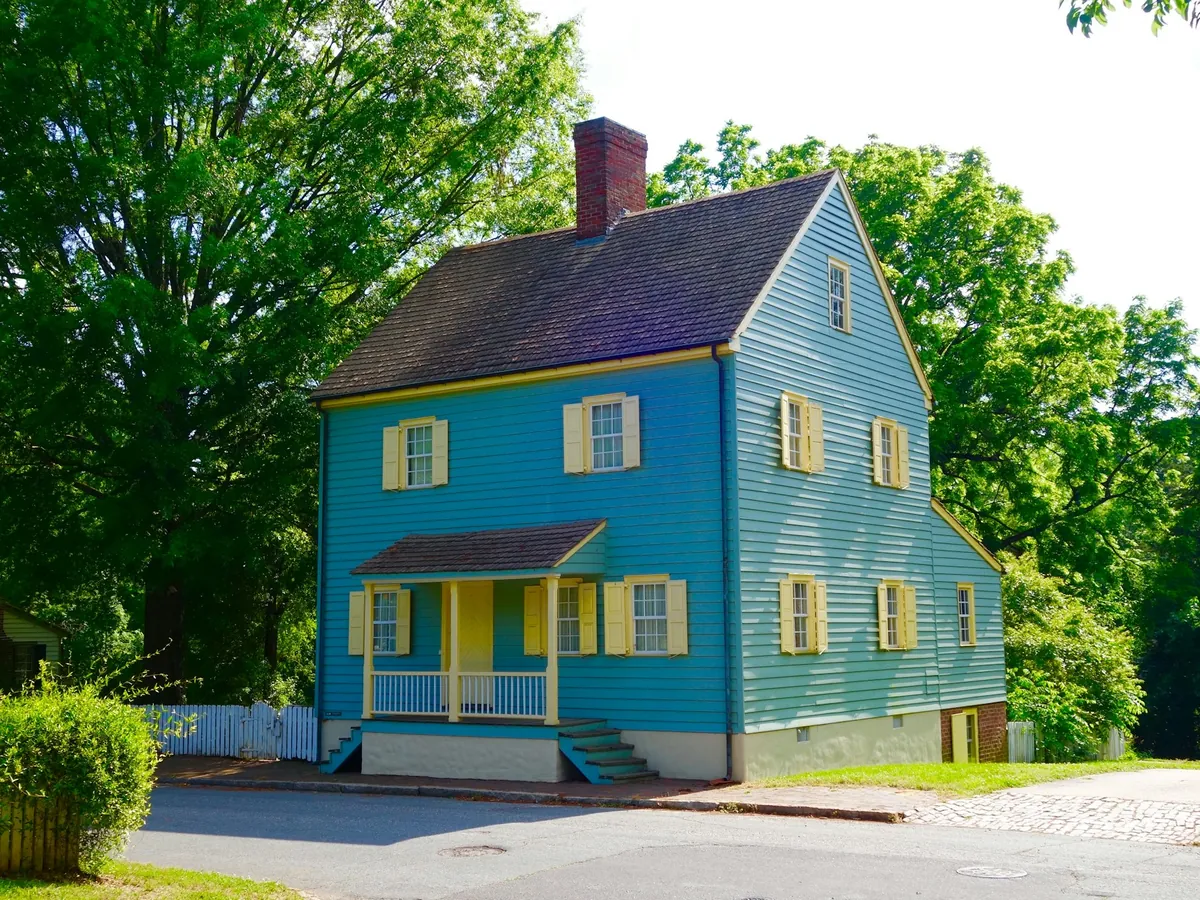
Grouped Windows and Mixed Eras
Riverside and Rumford bungalows tend to set their windows in clusters, two, three or four sashes under one header, and from inside the room each cluster reads as a single opening. Getting roller shades in East Providence, RI right begins there: whatever goes on the glass has to treat that cluster as one picture, even though posts break it up and the sashes are seldom identical widths.
Housing here spans several building periods. Riverside and Rumford hold bungalows and colonials put up between the 1920s and the 1950s. Watchemoket, nearer the river crossing, is older again, with taller sash and plaster walls. Kettle Point brings newer construction with larger, plainer panes. Two neighbouring streets can call for quite different shades.
- Flat roller fabrics that glow softly or shut out daylight
- Woven solar screens that tame glare yet keep the outlook
- Each opening sized in your house, then hung by our installers
Shade Choices for Bungalows, Colonials and New Builds
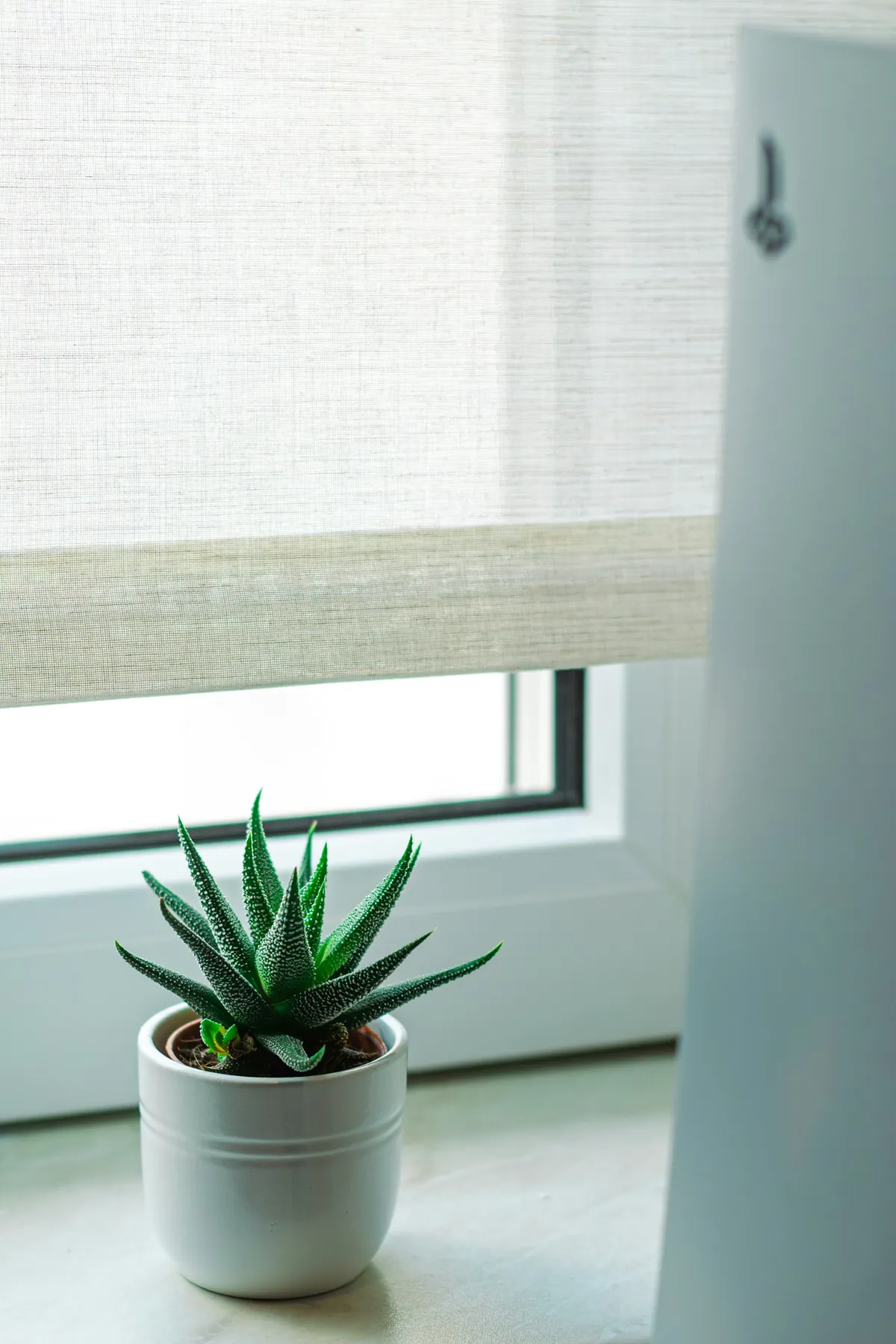
Soft daylight fabric
Light passes through as a gentle glow and the sidewalk can no longer see in. Handy for a bungalow front room whose cluster faces the street.
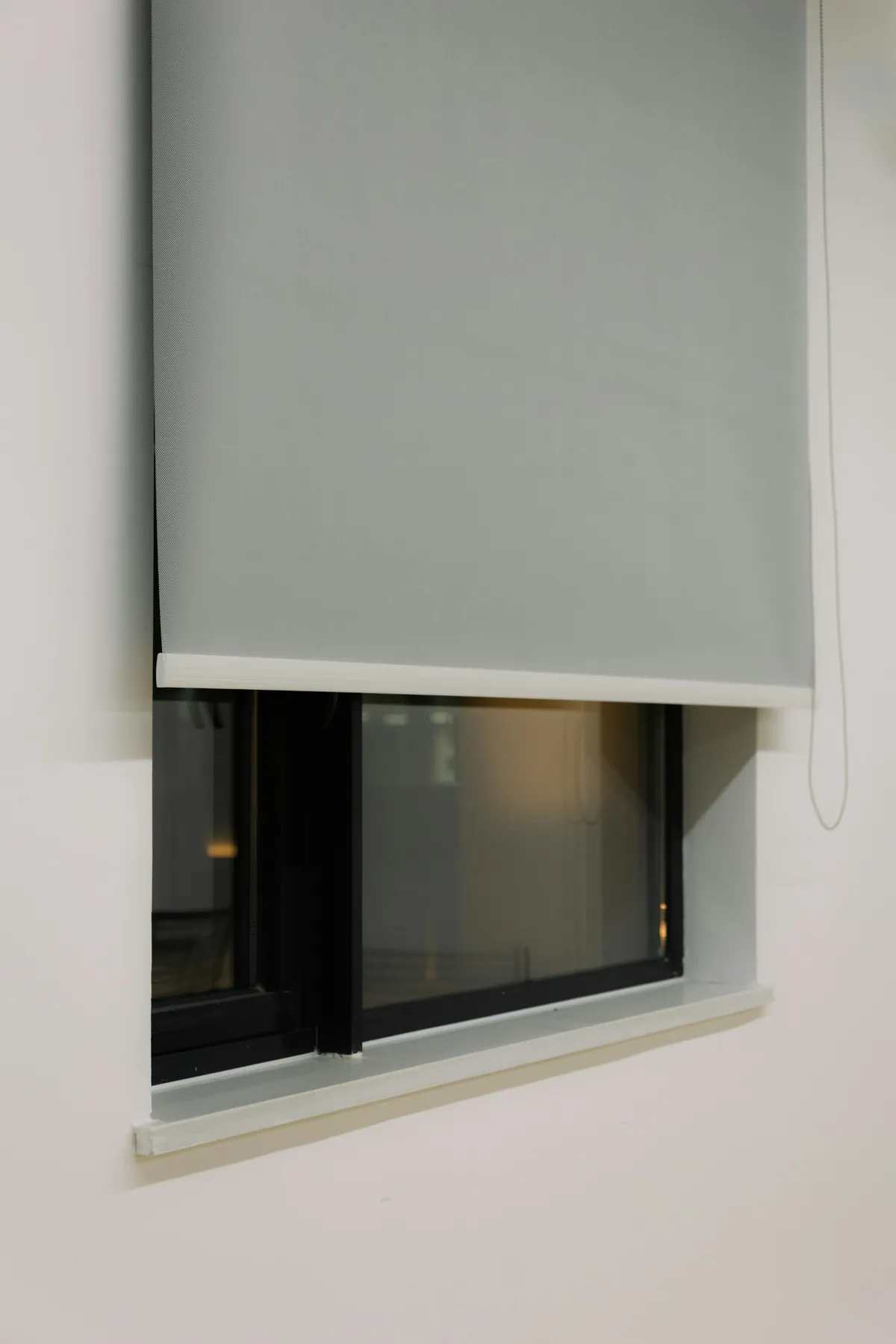
Room-darkening cloth
A dense weave for bedrooms tucked under a bungalow roof, where dawn arrives early through small gable openings.
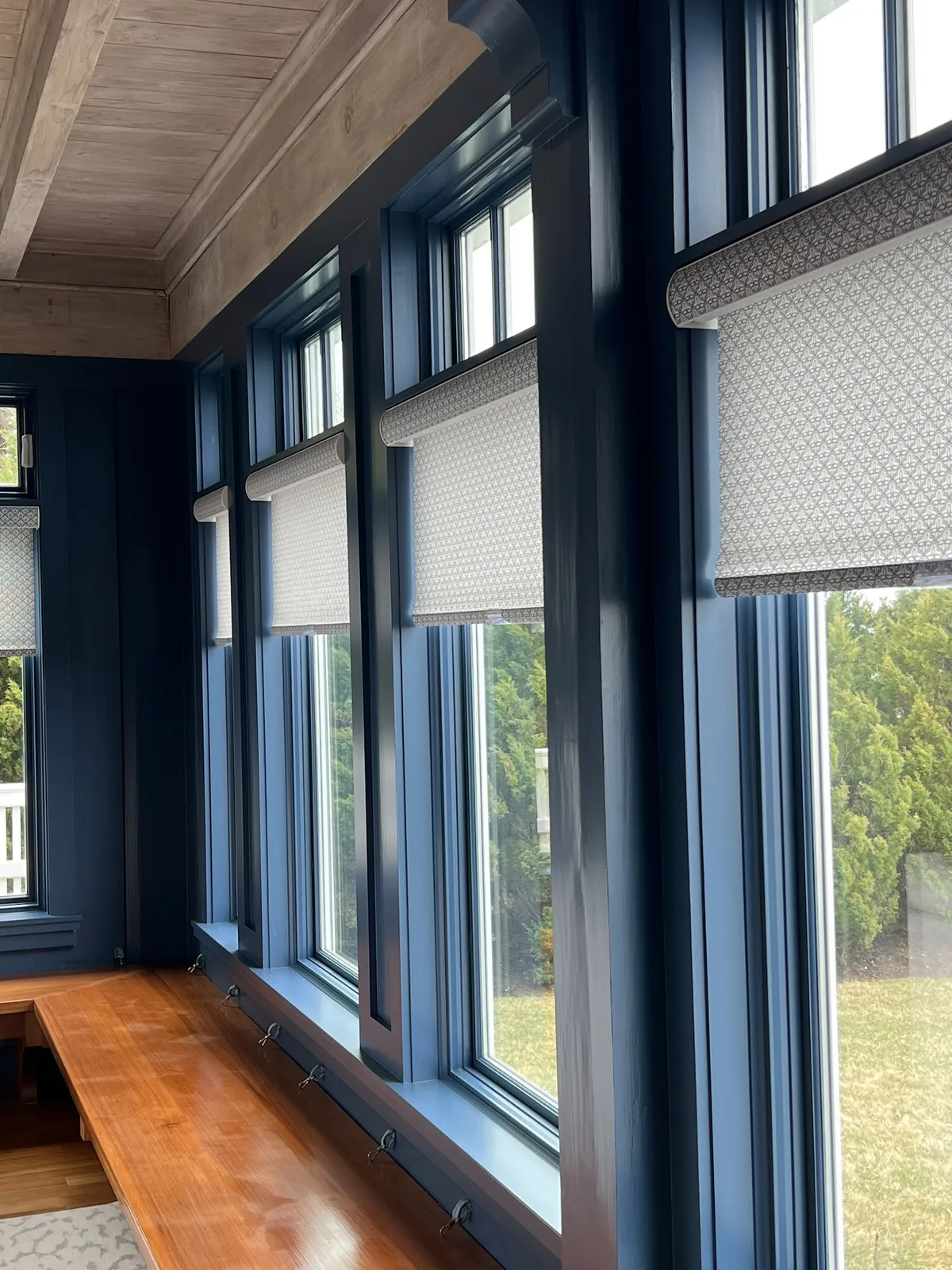
See-through screen
An open weave that takes the sting out of bright sun while the garden, street or river remains visible.
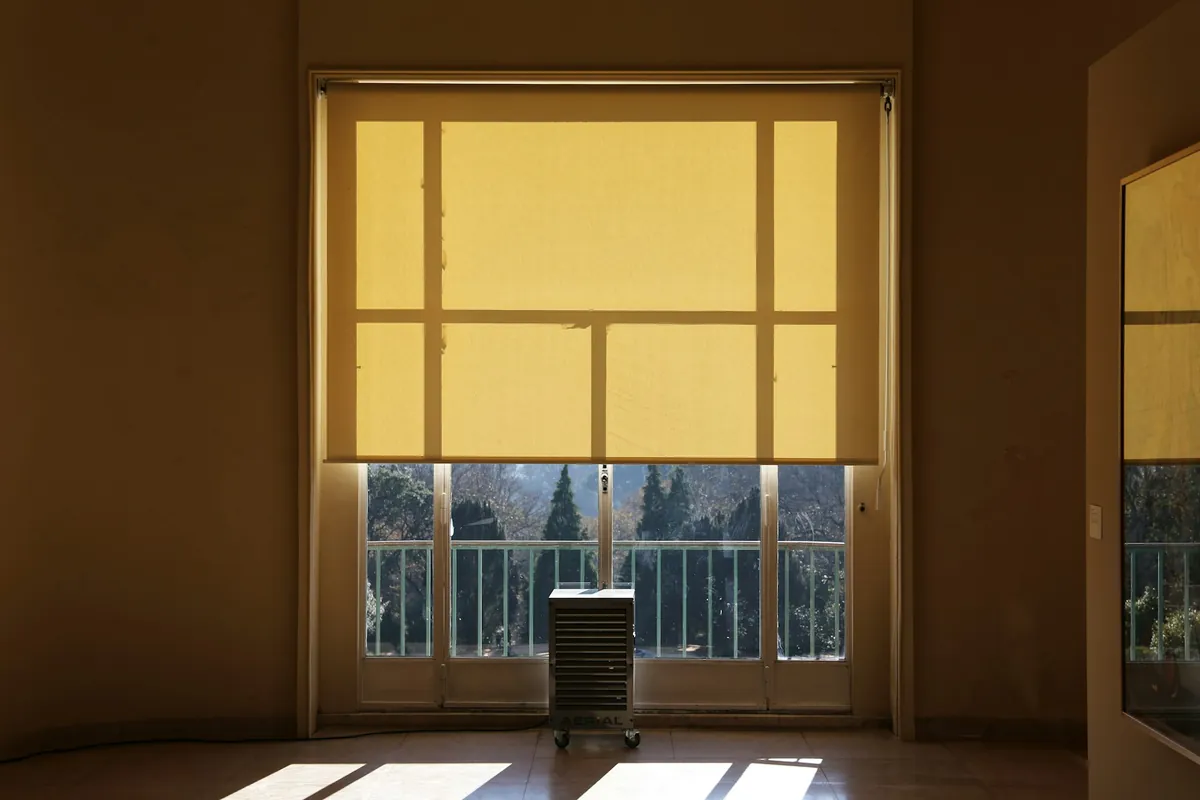
Colour and texture
Plain, woven or strongly coloured, so a shade can disappear against painted trim or become a feature.
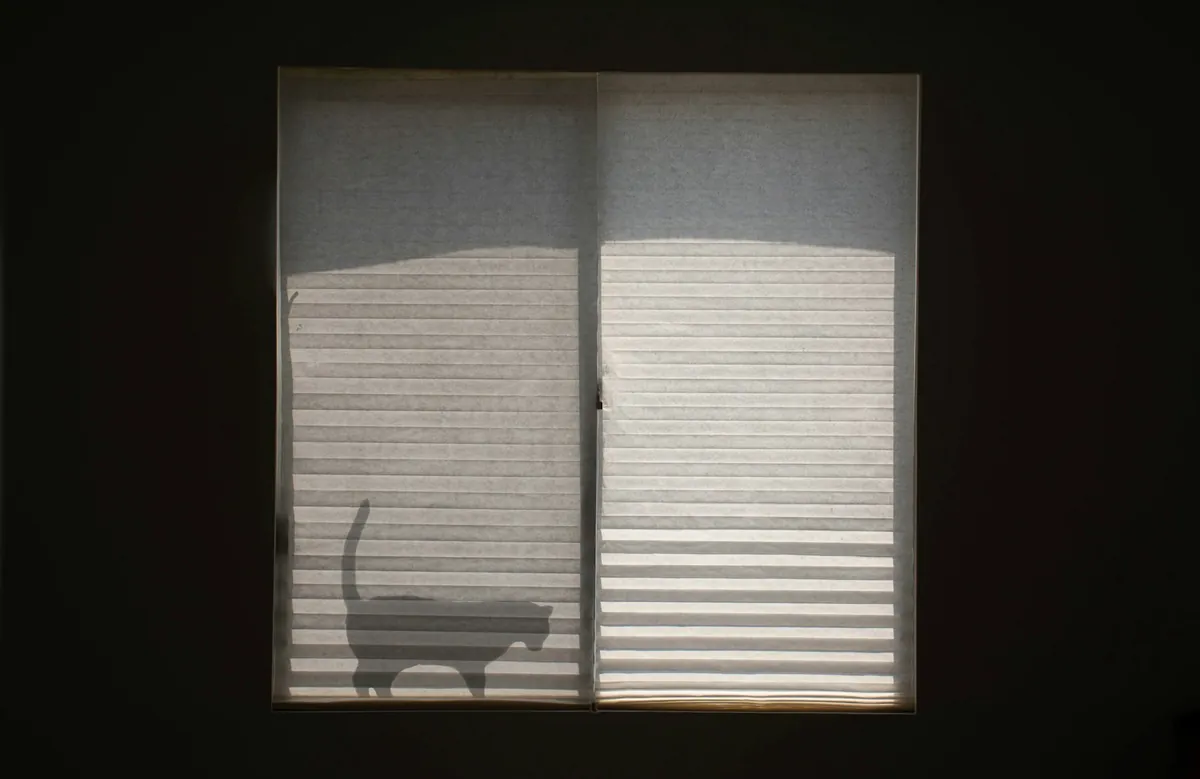
One hem line across a cluster
Neighbouring shades stopped at a common height, so a three-sash cluster still looks like one window when they sit halfway down.

Sized sash by sash
Old Watchemoket frames have usually shifted. We take each sash’s own dimensions instead of trusting that one size fits the house.
Planning Roller Shades in East Providence, RI
Three questions settle most decisions: how are the windows clustered, which compass point does the room face, and how is the room used once evening comes? Answer those and choosing between fabrics becomes straightforward.
Bungalow clusters in Riverside and Rumford
Typically a bungalow cluster is a line of double-hung or casement sashes sharing a long header, separated by narrow posts. A frequent question is whether one broad shade should span everything or each sash should get its own. Either approach can succeed; the posts usually decide it.
Slim posts on a street-facing cluster favour one wide shade spanning the run, which looks cleanest from the pavement and comes down as a single panel. Chunky posts, or a cluster where one sash opens and its neighbours stay fixed, point toward individual shades. That way you pull down only the one beside the sash you are opening. Whichever route, we stop every hem at an identical height, pick one fabric and match how each rolls, so the cluster keeps reading as one.
Plenty of these clusters sit low beneath a deep porch roof. Rooms behind a porch are often gloomier than owners expect, and a pale fabric that lets daylight through keeps them cheerful while still screening the walkway. Something heavier there tends to make the space feel shut in by midday.
Upstairs, many bungalows tuck bedrooms under the slope of the roof, with one small window in each gable end or a dormer. A shade in a room like that needs to clear the glass completely when it is up, because that single window is all the daylight the room gets. A roller shade suits this well: the fabric winds onto its roll above the frame and the opening is left free.
Colonials from those same decades
Riverside and Rumford colonials spread their windows more evenly, usually a symmetrical front with matching sash on both floors. Here the view from outside counts as much as the view from inside. Keeping one colour on every front-facing window makes the house look orderly, even when the rooms behind use different fabrics. A darkening shade upstairs and a daylight fabric downstairs can share a colour and look like one decision from the kerb.
These houses usually have a centre stair with a window on the landing. That window is seen from both floors, so its shade should sit comfortably with the hall colours above and below. Kitchens at the back often have a window over the sink, where a wipeable fabric makes sense.
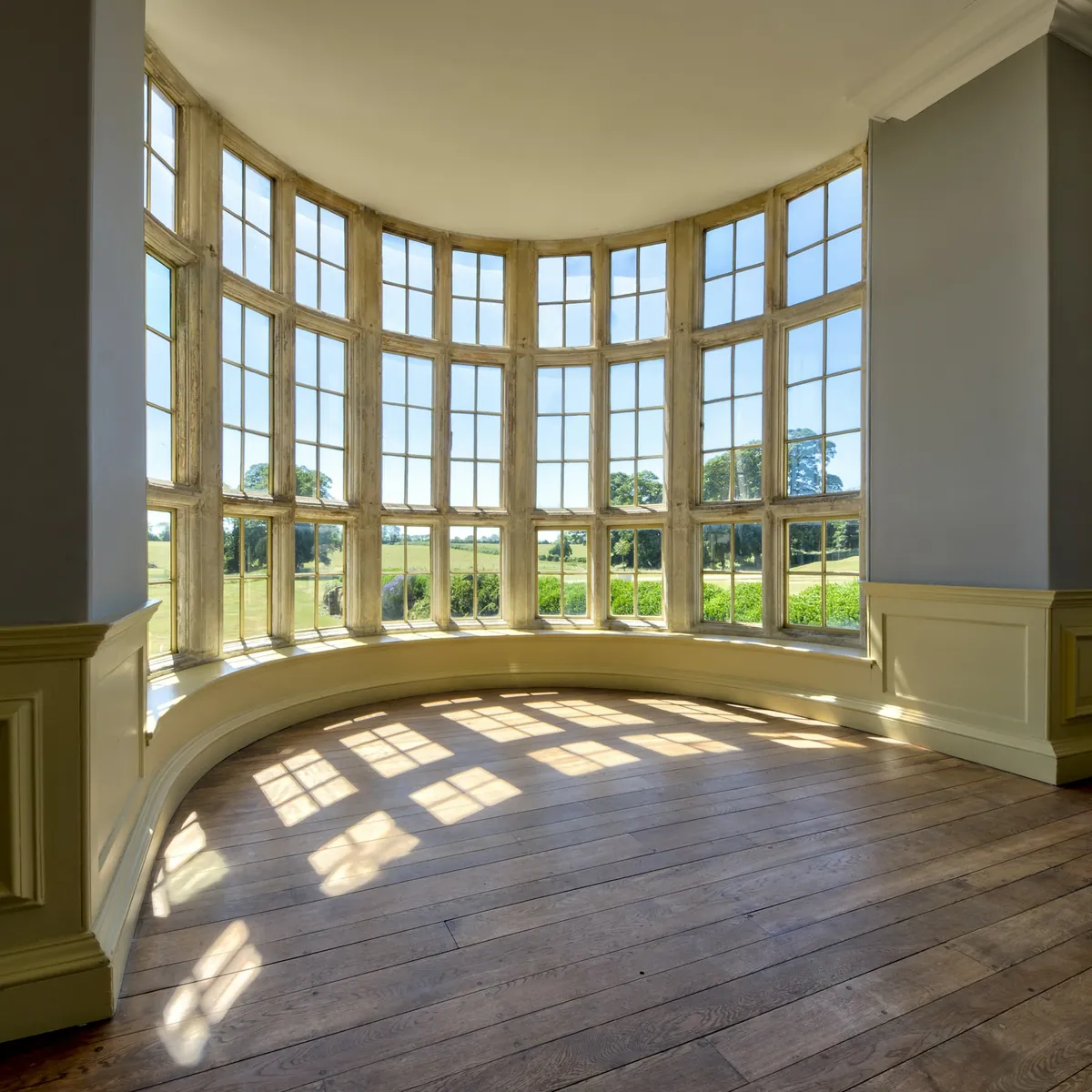
Watchemoket’s older stock
Watchemoket’s earlier houses bring taller sash, deeper trim and frames that have moved over the years. Fitting a shade inside the frame keeps that trim visible, but only where there is enough depth and the opening is close to true. We check depth and both diagonals at every window. Where an inside fit would leave uneven slivers of light, mounting on the wall just above the trim gives a straight line and blocks more light at the edges.
Tall sash in these rooms often makes a roller shade the least fussy treatment available: one flat panel that winds away and leaves the whole height of glass open when it is up. In a front parlour with plaster walls and original woodwork, a fabric in a muted tone lets the woodwork stay the focus.
Newer construction at Kettle Point
Kettle Point’s newer homes generally have bigger panes, wider openings and fewer awkward sizes. Fit is rarely the puzzle, so talk turns to light. Rooms facing the water pick up strong reflected brightness, which is exactly where a solar screen proves its worth. Wide spans here also suit motorised shades, worked from a hand-held remote or a switch beside the door; see our motorised blinds and shades in East Providence page for more.
Open-plan layouts are common in newer houses, with kitchen, dining and living space running together. Using one screen colour across that whole space keeps it calm, and each shade can still be lowered separately as the sun moves round.
Screen, Daylight Fabric or Darkening Cloth
Most homes end up with two or three of these, picked to suit each room.
Solar screen is woven with tiny gaps between the threads. Its openness trades outlook against glare: a looser weave reveals more of the outdoors and admits more daylight, whereas a closer weave cuts more glare and adds privacy. Darker screen colours usually make the scene outside look sharper; lighter ones sit quietly against white trim. We bring screen samples so you can try them against your own glass when the sun is at its harshest.
Daylight fabric is solid, so nobody sees through it, yet light still comes through as a mellow glow. Living rooms, kitchens, dens and bathrooms usually get this.
Darkening cloth stops light passing through the fabric itself. Bedrooms, nurseries and rooms with a television use it. Mounting it on the wall beyond the frame cuts the light that creeps round its sides.
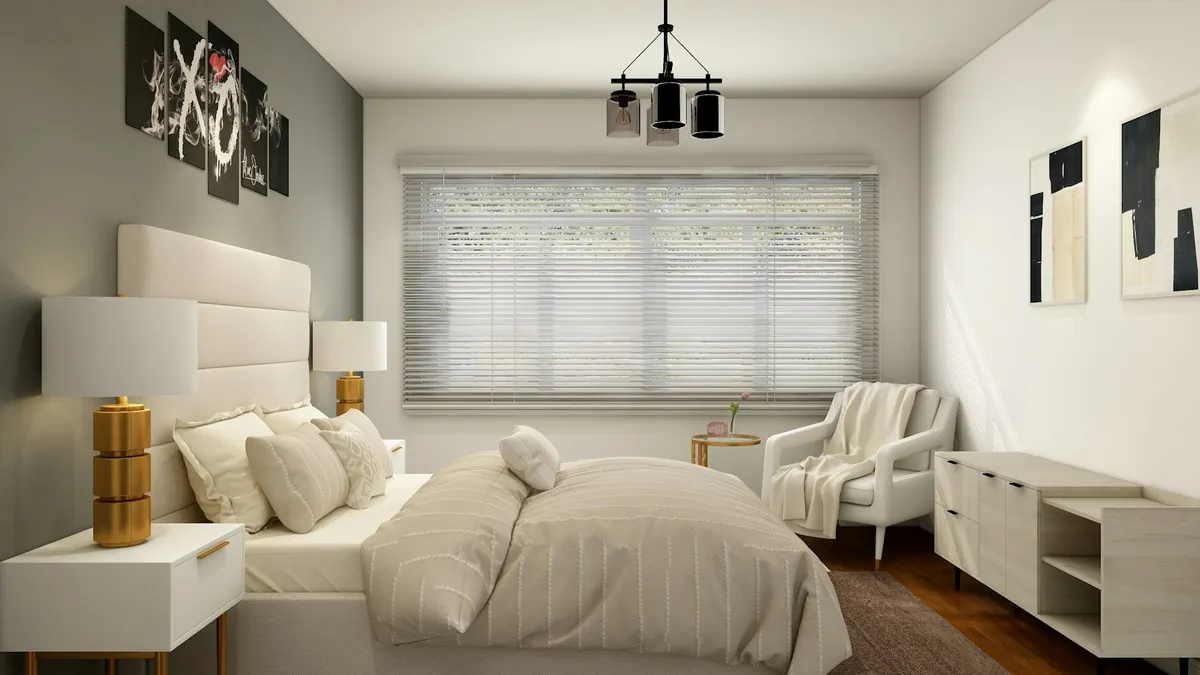
Rooms with two jobs
A bungalow’s front bedroom may face the street and the rising sun together. It wants privacy at night, darkness at dawn and some daylight in between. One solution pairs a darkening shade with side drapes for softness. Another uses a daylight fabric in a deeper shade, which dims the room more than white would. We also make custom drapes in East Providence, so both can be planned at the same appointment.
A den or study often needs the afternoon glare cut without losing sight of the yard. A solar screen manages that, and it can match the colour of the daylight fabrics elsewhere so the house still looks consistent.
Following the sun around the house
Before we suggest a fabric, we ask which way each room faces, because the same window can need a different shade on each side of the house. A bungalow cluster facing east is brightest at breakfast and calm by the afternoon, so a daylight fabric that stays up most of the day often does the job. The same cluster facing west catches low, direct sun in the late afternoon, straight across the living room floor and onto any screen on the wall. That is where most owners asking about roller shades in East Providence, RI end up choosing a solar screen for at least one room.
North-facing rooms rarely need glare control at all. In those, the shade is mostly about privacy after dark, and a light, plain fabric keeps the room from feeling dim. South-facing rooms sit somewhere in between, with steady light most of the day, and they are often where a mix works best: a screen on the main cluster and a solid fabric on a side window that looks straight at a neighbour.
Colonials with windows on all four sides make this especially clear. Walking the house with us, you can see that the front room, the dining room and the den each need something slightly different, even though from the street every shade will look the same colour.
Seasons change the picture as well. Winter sun sits lower and reaches further into a room than summer sun does, so a window that seems fine in July can throw glare across a sofa in January. If you have noticed that, mention it when we measure, and we will factor it into the fabric and screen we suggest.
Kitchens, baths and the back of the house
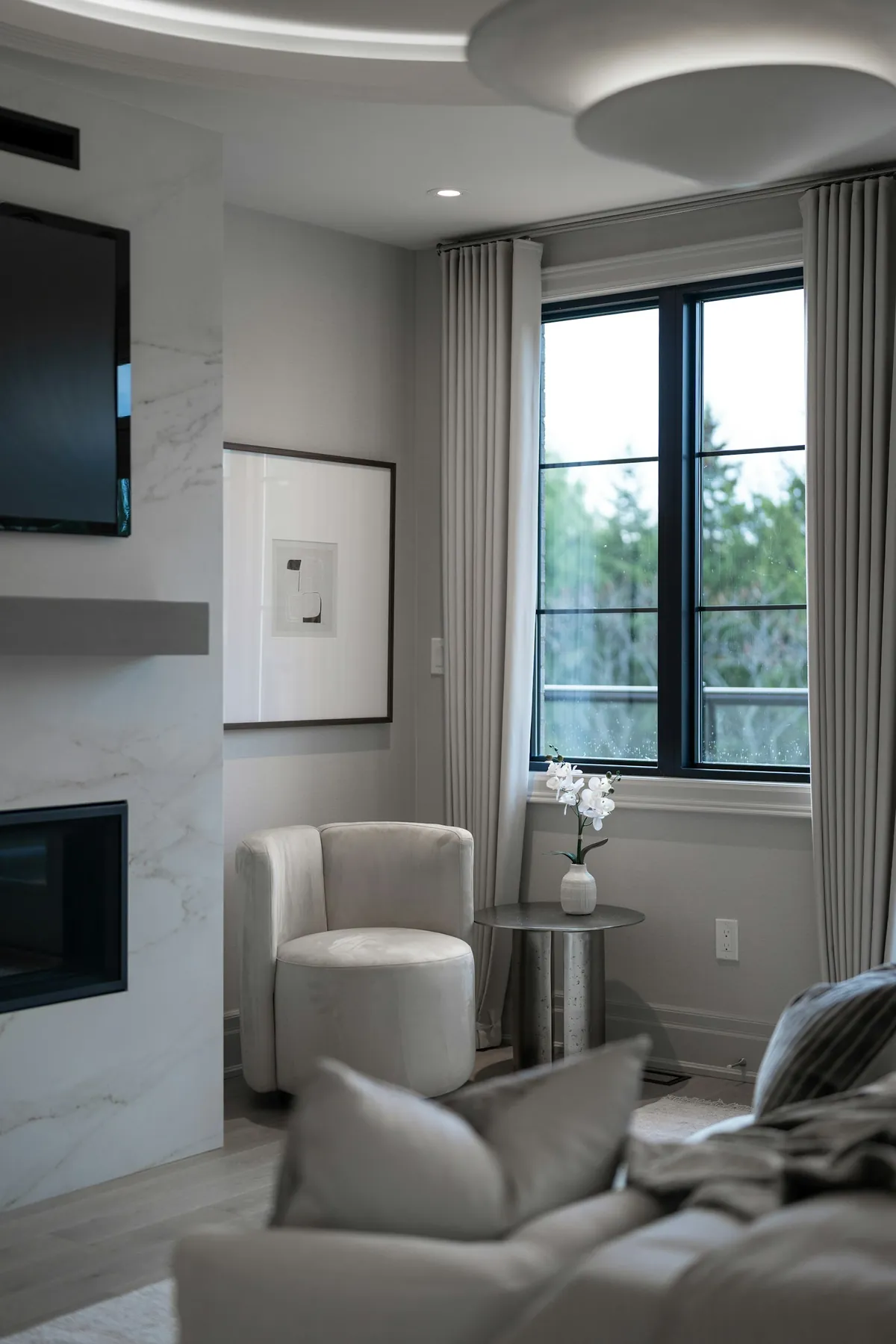
The back rooms of a bungalow or colonial are usually the busiest and the least thought about. A window over the kitchen sink sees steam, splashes and constant use, so a fabric that wipes down easily and a shade that sits clear of the tap matter more than colour. Bathrooms need privacy at every hour, which makes a solid daylight fabric the usual answer, often mounted on the wall above the frame so no gap shows at the sides.
Back doors with a glass panel and small mudroom windows are easy to forget, but a matching shade on each ties the rear of the house together. We note every one of these on the measuring visit, so nothing is left bare simply because it was small. Planning roller shades in East Providence, RI room by room in this way usually means each window gets what it needs and the whole house still feels finished.
What Happens After You Get in Touch
Someone from the store keeps you informed at every step until the last shade is hung. Here is the usual sequence.
- Reach us through the call button or the form, mention the rooms you are thinking about, and set up your free quote.
- One of our specialists visits and sizes each opening, recording clusters, posts, frame depth, crank handles and any frame that has gone out of true.
- You pick fabric, colour and screen openness, trying samples at your own glass or comparing them in the Swansea showroom.
- A written quote arrives, itemised window by window.
- Your shades are produced to the sizes taken in your house.
- Our installers hang them, make sure every shade winds evenly and lines up with its neighbours, then walk you through using them.
Inside the frame or on the wall
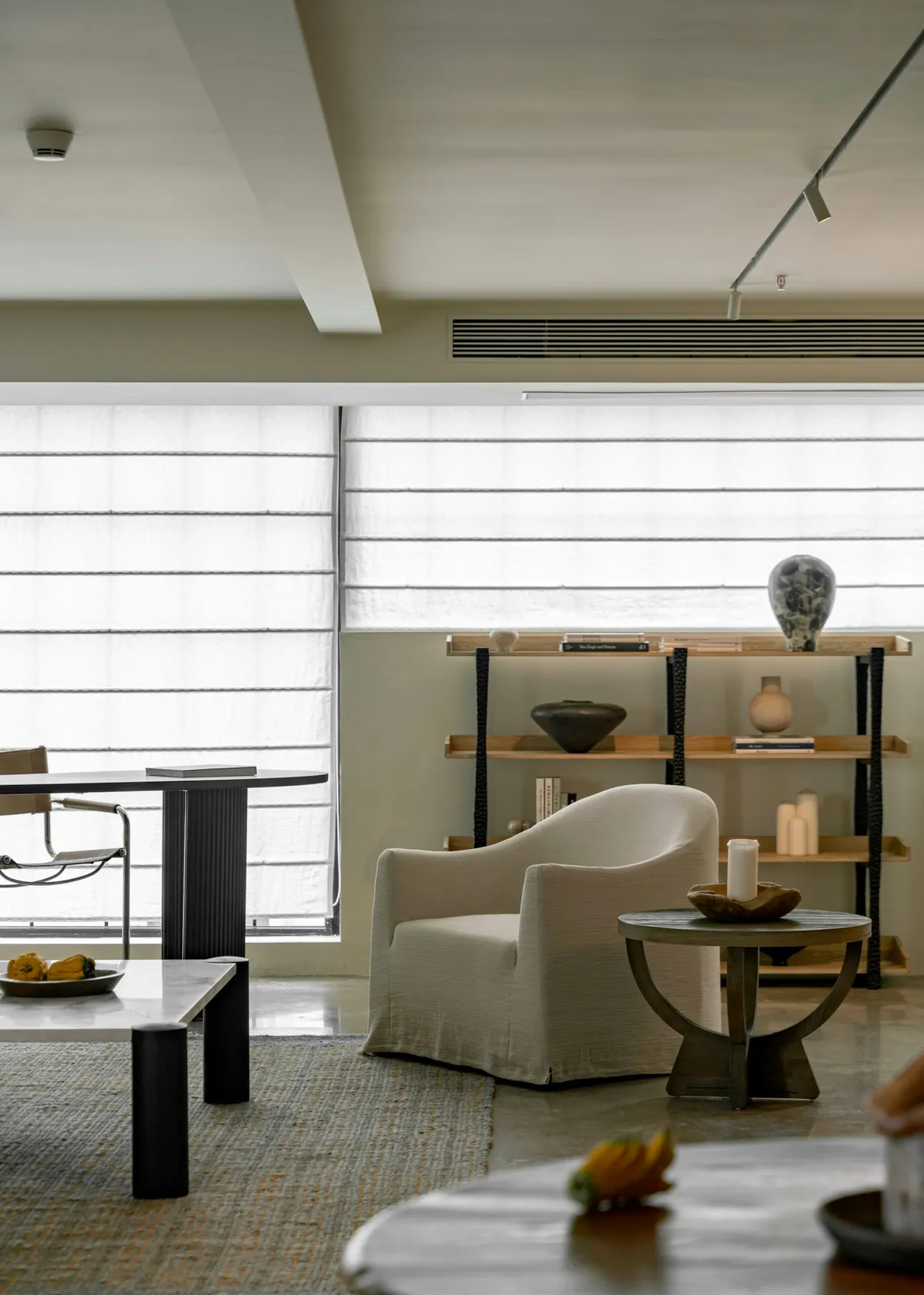
Fitting within the frame shows off the trim and looks crisp in the colonials and many bungalow clusters, as long as there is depth to spare. Fixing to the wall above covers the frame, stops more light at the sides and copes with shallow openings, crooked frames and handles in the way. We measure for each option and recommend one per window, and we flag where a whole cluster ought to share one method so the room looks uniform.
When another treatment suits better
A roller shade is not always the answer. A bungalow bedroom that feels chilly through winter may be better with cellular shades in East Providence, whose cells trap air against the glass. A slider out to the yard tends to work more easily with vertical blinds in East Providence, which gather to one side. If something else would serve a window better, we will tell you plainly. All our services for the city are gathered on the window treatments for East Providence homes page.
Keeping shades clean
Very little upkeep is needed. Go over the fabric occasionally with a soft brush or a low vacuum setting, and spot-clean most fabrics with a slightly damp cloth. Winding a shade all the way up from time to time keeps it rolling true. Should a bracket work loose or a shade begin to track to one side, our team can look at it.
Who Measures and Hangs Your Shades
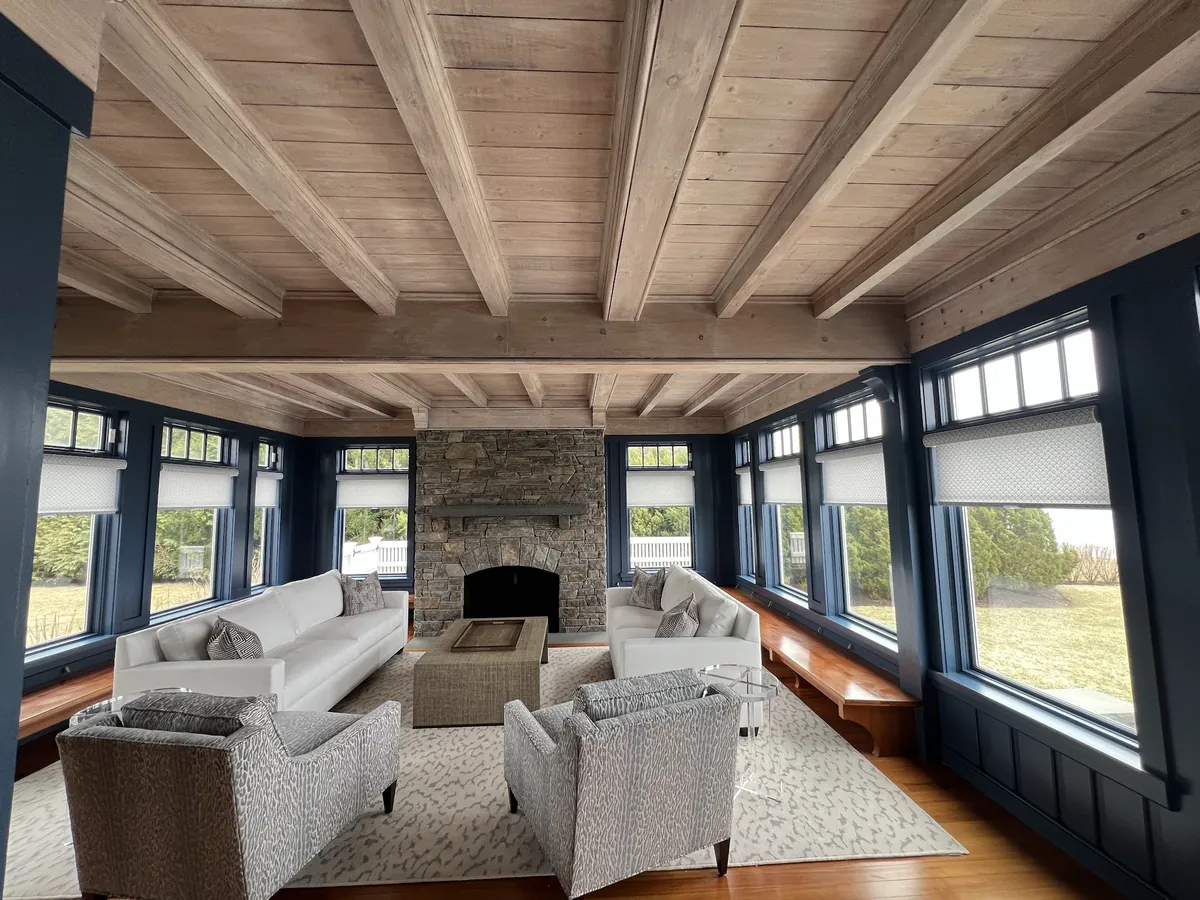
Window Works began in Swansea in 1988 and is now run by its second generation of the same family. Across more than 37 years the store has worked throughout the SouthCoast of Massachusetts and the Rhode Island East Bay, and East Providence is one of the 25 towns on its list.
- Window treatment specialists with years at the job
- Sizing done inside your home, opening by opening
- Shades hung by the store’s own installers
- Regular updates from us right through to completion
- Warranties available on what we supply
A single bedroom shade and a whole bungalow get the same care from first visit to final adjustment.
Compare Fabrics at the Showroom
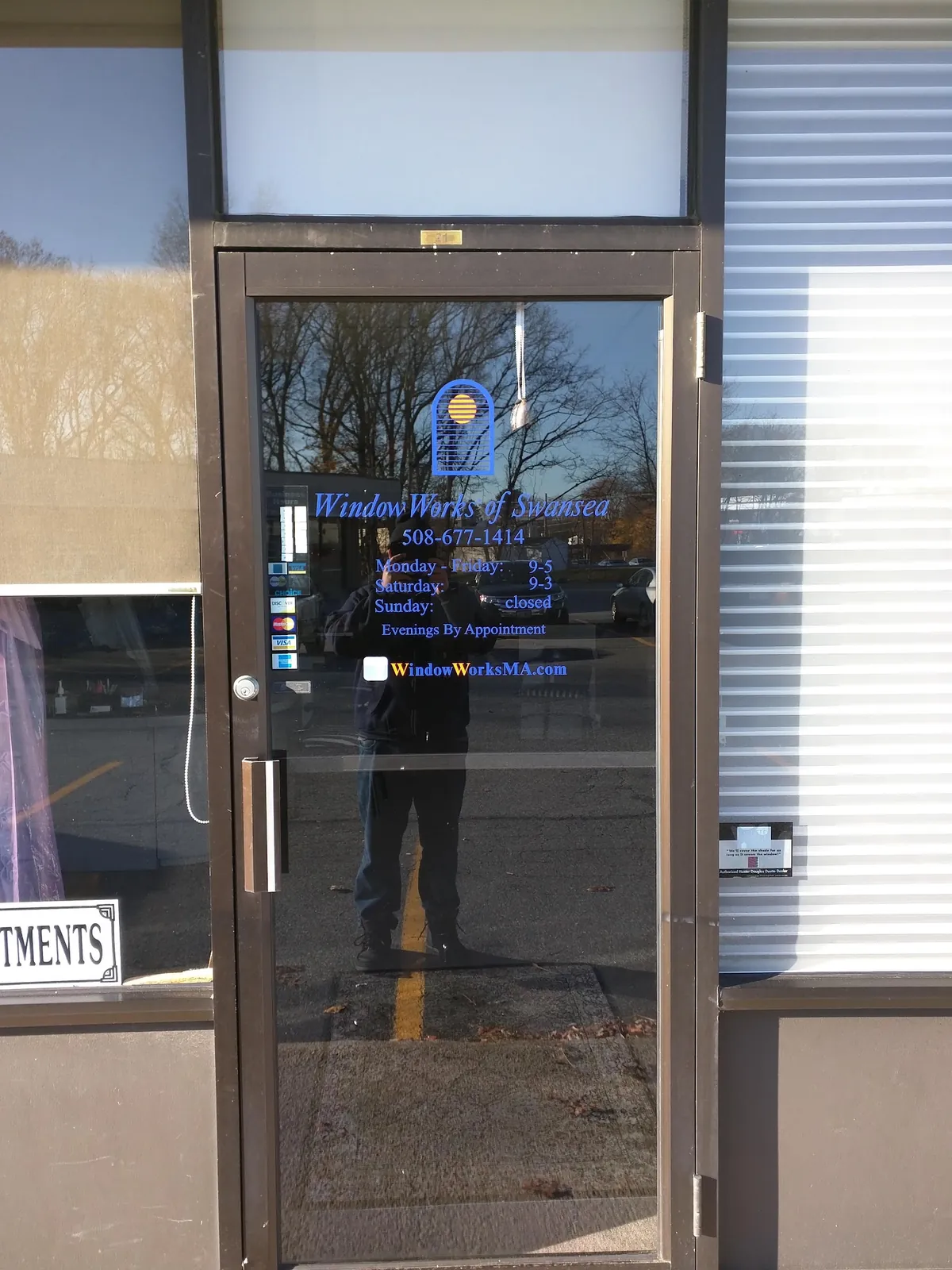
Swansea is a short drive from East Providence, and the showroom is the easiest place to put daylight fabric, darkening cloth and solar screen next to each other and judge them with light behind.
Bring along a photo of your window cluster, a paint chip or a scrap of upholstery, and our specialists will help you settle on roller shades in East Providence, RI that suit the room. The Norman range is on display there too, so those shades can be seen in person.
Questions from East Providence
Should a bungalow window cluster get one shade or several?
The posts between the sashes usually decide. Slim posts on a street-facing cluster often suit one broad shade. Thick posts, or a cluster where only some sashes open, are easier with separate shades stopped at one hem line.
What does a solar screen’s openness change?
It shifts the balance between outlook and glare. A looser weave shows more of the outdoors; a closer weave cuts more glare and gives more privacy. We bring samples to try at your glass.
My Watchemoket frames are out of square. Can a shade still fit well?
Yes. We check depth and diagonals at each opening. If fitting inside would leave uneven gaps, mounting above the trim gives a straight, neat line.
Can the wide windows at Kettle Point be motorised?
Yes. Motorised roller shades run from a hand-held remote or a switch on the wall, which helps on wide or awkward glass.
What does a quote involve?
Quotes cost nothing. Use the call button or the form here, say which rooms you have in mind, and we will book a time to size the windows at your house.
Book Your Free Quote
Ready to start? The call button connects you with the Swansea store to book your free quote and set a time for measuring at your house; or fill in the form and someone will get back to you. Prefer to handle fabrics before deciding? Come by the showroom; directions are on the contact page. Every fabric and screen is described on the main roller shades page. Window Works is rated 5.0 on Google.