
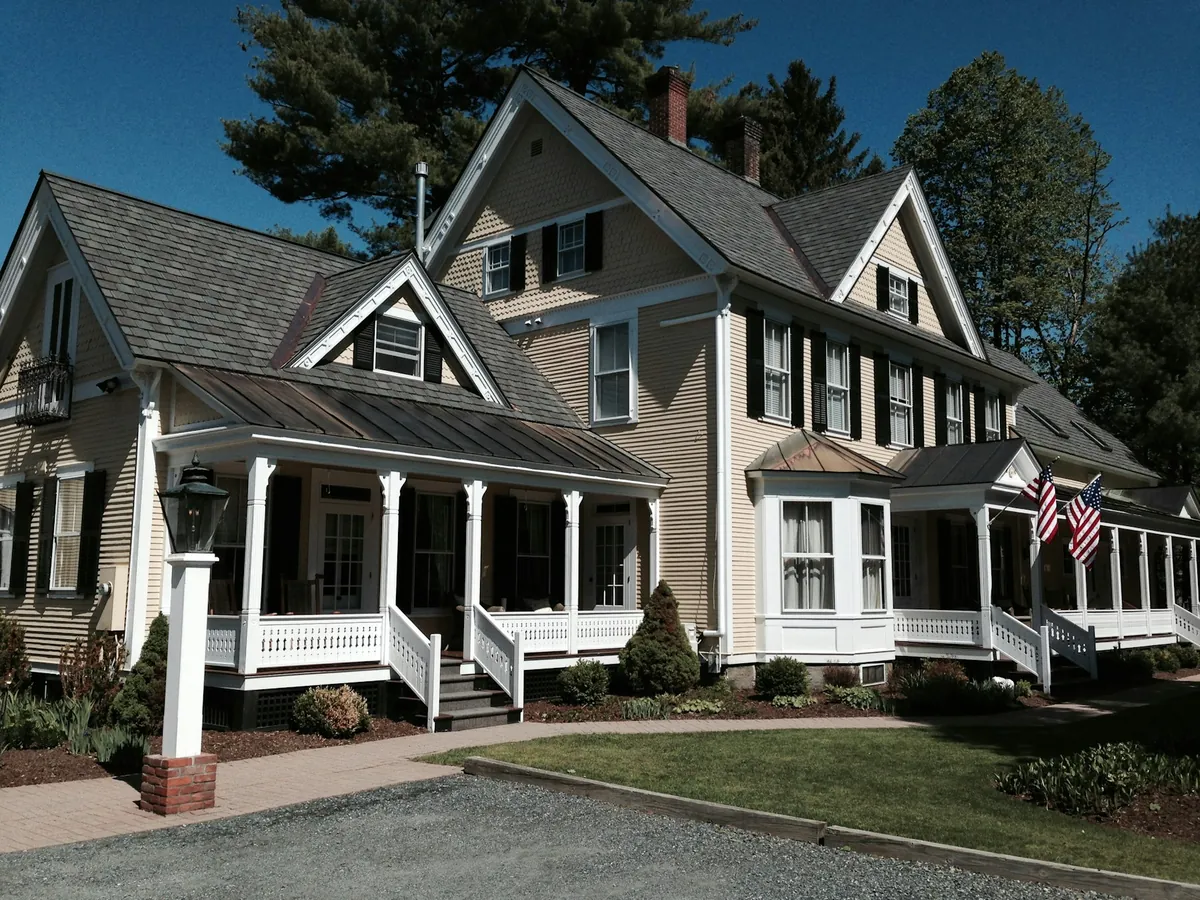
Old Sash, Made to Measure
Very little in an old Newport house is standard. The colonials on the Point and Historic Hill and the shingle-style houses nearby have large multi-pane sash, each window a little different from the next, and many sit within historic districts where the outside of the house is reviewed. Put those together and most window work here has to be made to measure, which is exactly how we approach cellular shades in Newport, RI.
A honeycomb shade suits these houses well. It sits indoors, inside the window, and leaves the outside of the house as it is. And it is the warmest treatment we make: each of its folded cells holds a pocket of still air, and that layer of air between the old glass and the room is what helps the room keep its heat through a coastal winter.
- A single or a double layer of cells, decided per room
- Several readings taken at every window in the house
- Hung by our installers; fabrics on display in Swansea
Cellular Shades for Newport Houses
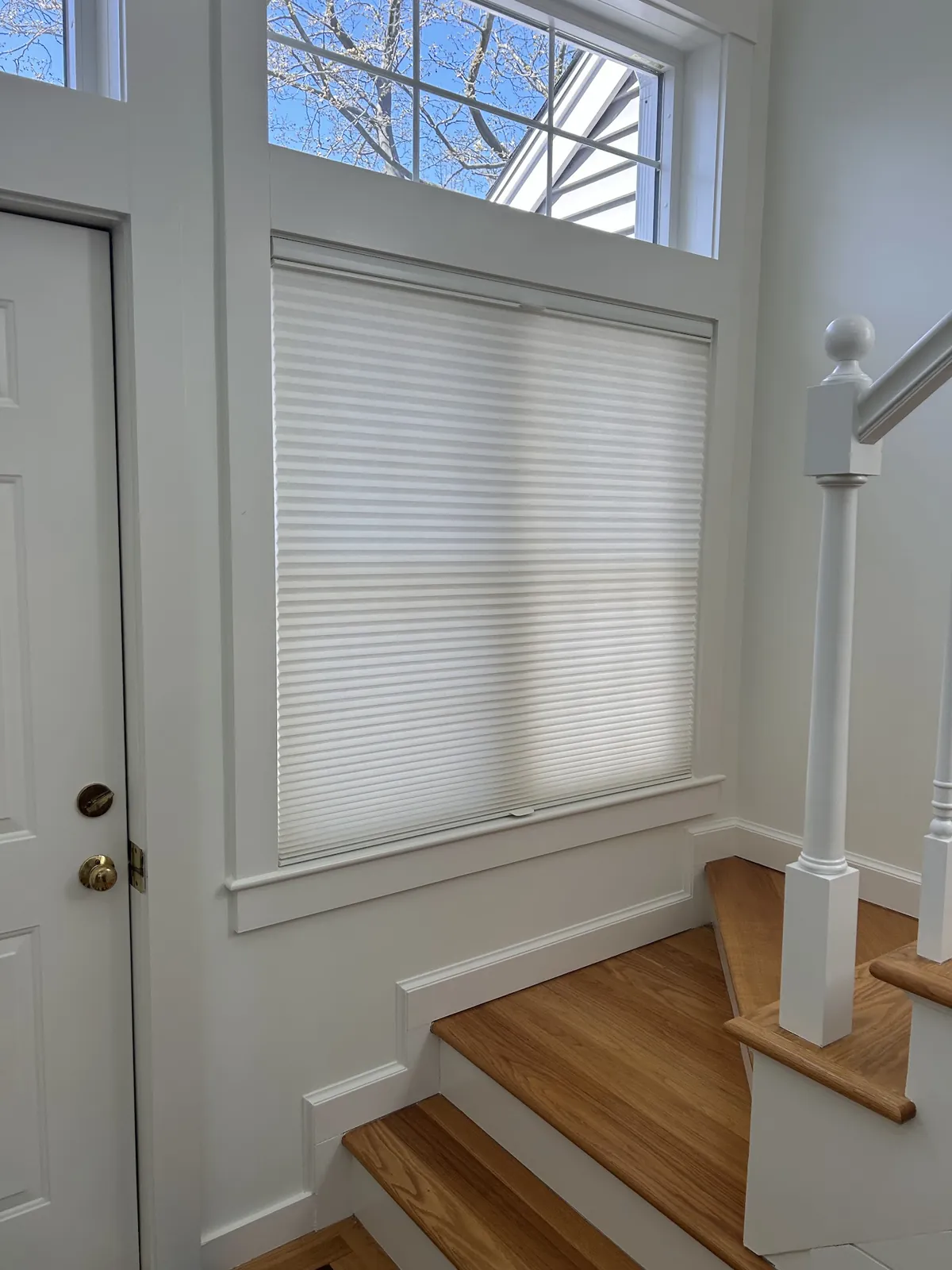
Single cell
One band of pleated pockets. Slim and light, for rooms that keep warm and for windows whose muntins deserve to be seen whenever the shade is up.
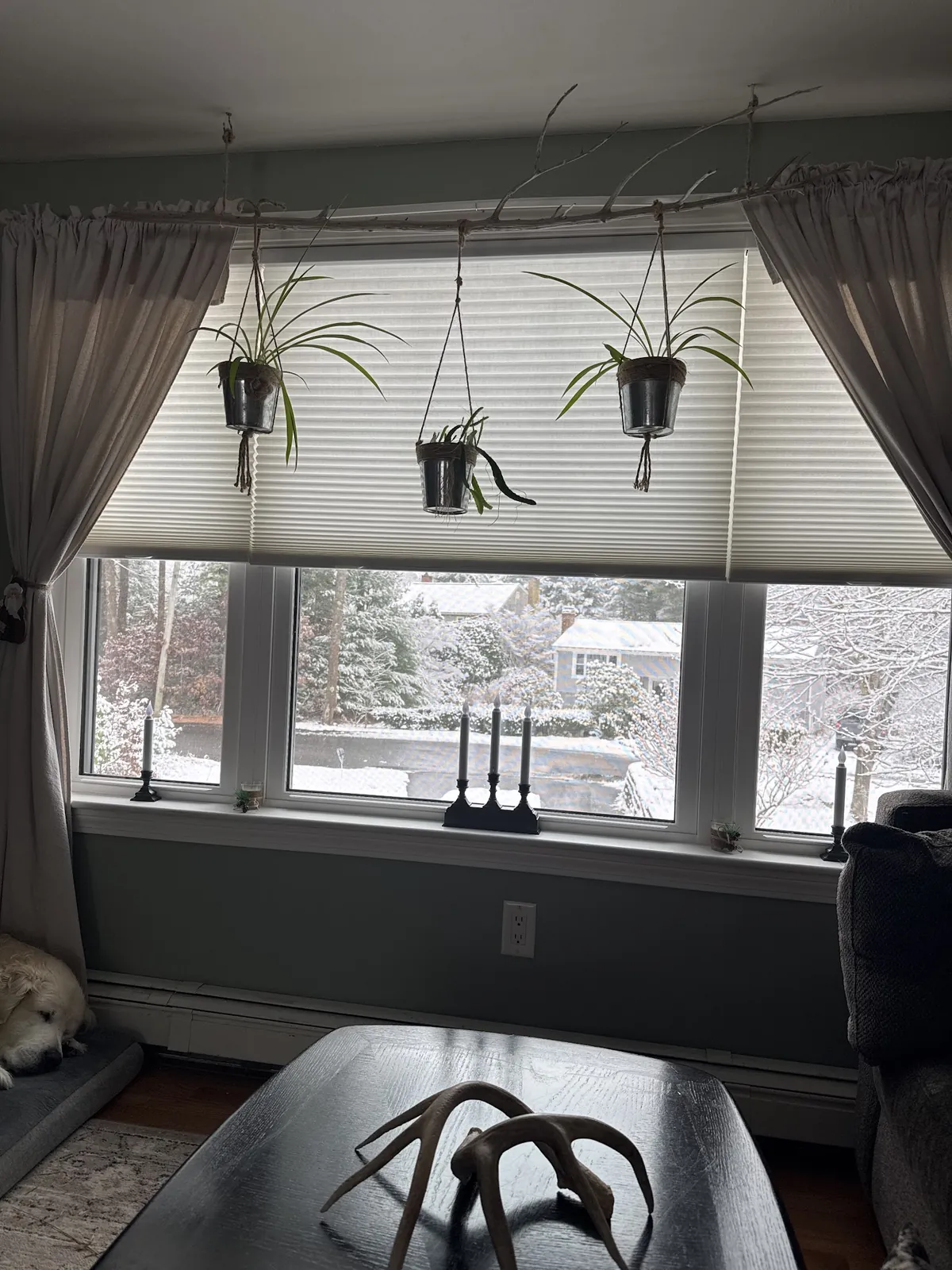
Double cell
Twin bands of pockets, front and back. Meant for harbour and ocean rooms, the top storey of a colonial, and any loose sash the wind can whistle through.

Made to each opening
Old frames are rarely square or alike. Each shade is made from measurements taken at its own window, top, middle and bottom.
Why Old Newport Windows Need Made-to-Measure Shades
Large multi-pane sash
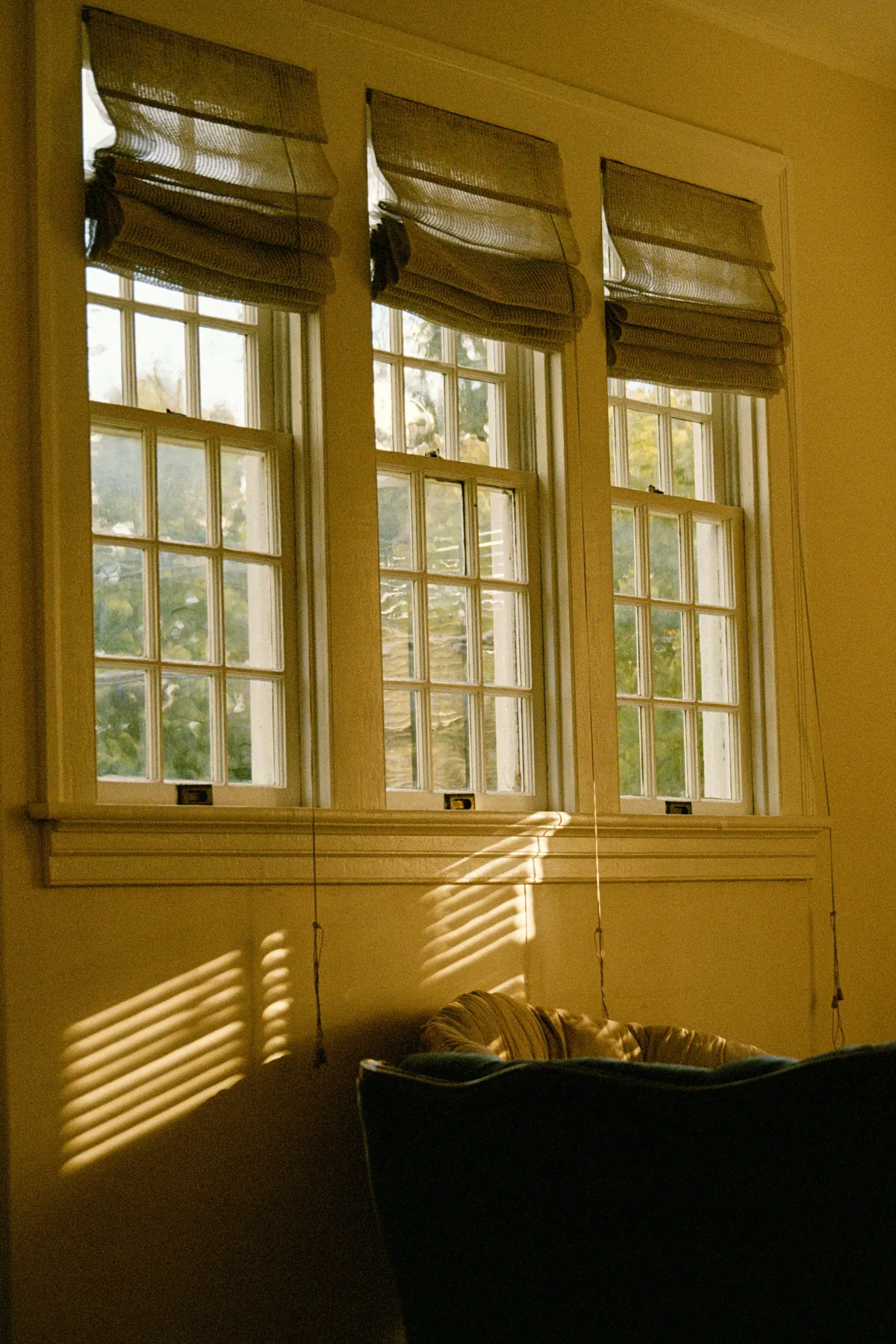
The windows in a Newport colonial or shingle-style house are often large double-hung sash divided into many small panes by wooden muntins. Those windows are part of what makes the house what it is, and a good treatment respects them. Pull a honeycomb shade up and it compresses into a sliver at the head of the frame, giving the whole grid of panes back to the room. Lowered, it covers the window evenly from head to sill.
Large sash also means a lot of old glass, often single-glazed, with the wind finding its way in around the edges of the sash. That is where the warmth of a room goes in winter, and where a shade can help the most.
Frames that have moved
A house that has stood on the Point for a very long time has settled, and its window frames have settled with it. Openings lean, taper and twist a little, and a jamb on one side may sit deeper than its partner. Two windows that match from the street can turn out quite different from inside.
So nothing is assumed. Our specialist reads the width in three places and the height down both sides, checks how deep the frame runs, and lists anything that might get in the way: a sash lock, a pulley, the hinges of an interior shutter. Each shade is then built for its own opening.
Historic-district review and the outside of the house
Much of Newport’s older housing sits within historic districts, where changes to the outside of a house are reviewed. A honeycomb shade leaves the exterior alone. It is mounted indoors, inside the frame, and once raised it is barely noticeable. Lowered, passers-by see a plain field of colour through the old glass.
Give that some thought. All the shades along a façade are read at once, so a single colour behind every front window keeps the house as composed as its architecture. Off-white, cream and quiet greys sit best behind wavy old glass and painted sash.
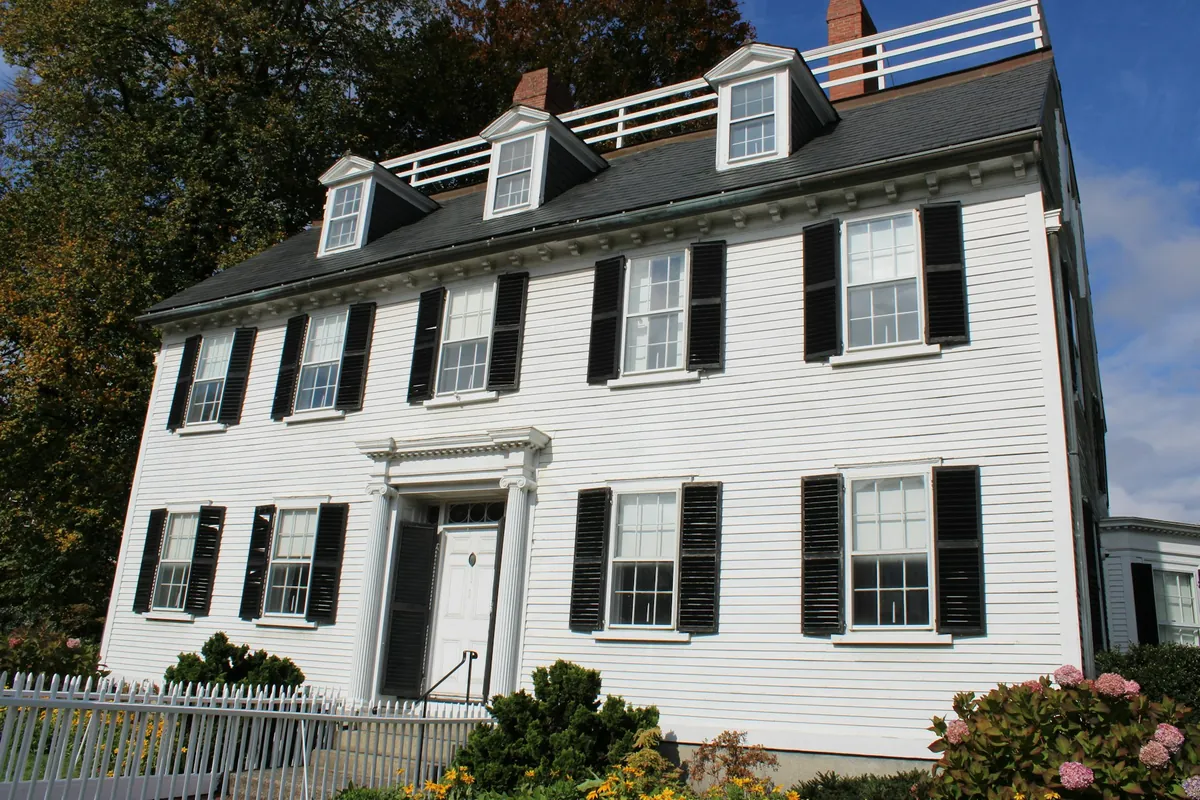
How a Honeycomb Shade Holds the Warmth
Old single glass passes cold into a room readily. The warm air in the room touches it, cools and slides down to the floor, and a room with large sash can feel chilly even with the heating on.
A cellular shade sets a cushion of air in the way. The pleated fabric forms sealed pockets which, with the shade lowered, run the full height of the window, and the air in them stays put. Motionless air is a poor carrier of heat, so the room’s warmth stays on the room side. With double cell, the cold meets one cushion and then a second.
Facing the harbour or the open ocean, where the wind arrives straight off the water, that second cushion usually pays its way. Sheltered rooms and those that are already snug tend to be fine with single cell, chosen in the matching colour.
The Point and Historic Hill
Colonials and their front rooms
The colonials on the Point and Historic Hill tend to have formal front rooms with large sash, deep sills and painted panelling or trim. Fitted inside the frame, a honeycomb shade keeps that woodwork on show and leaves the room’s proportions alone. Where an old frame will not take an inside mount cleanly, the shade can be fixed on the face of the trim and sized to the whole opening, which covers the gaps at the edges of the sash.
Plenty of these houses kept their indoor shutters, folded back into the reveal or tucked into side pockets. Usually a shade can be set just forward of them or positioned to miss their hinges, and that gets settled on the measuring visit.
Shingle-style houses and their bays
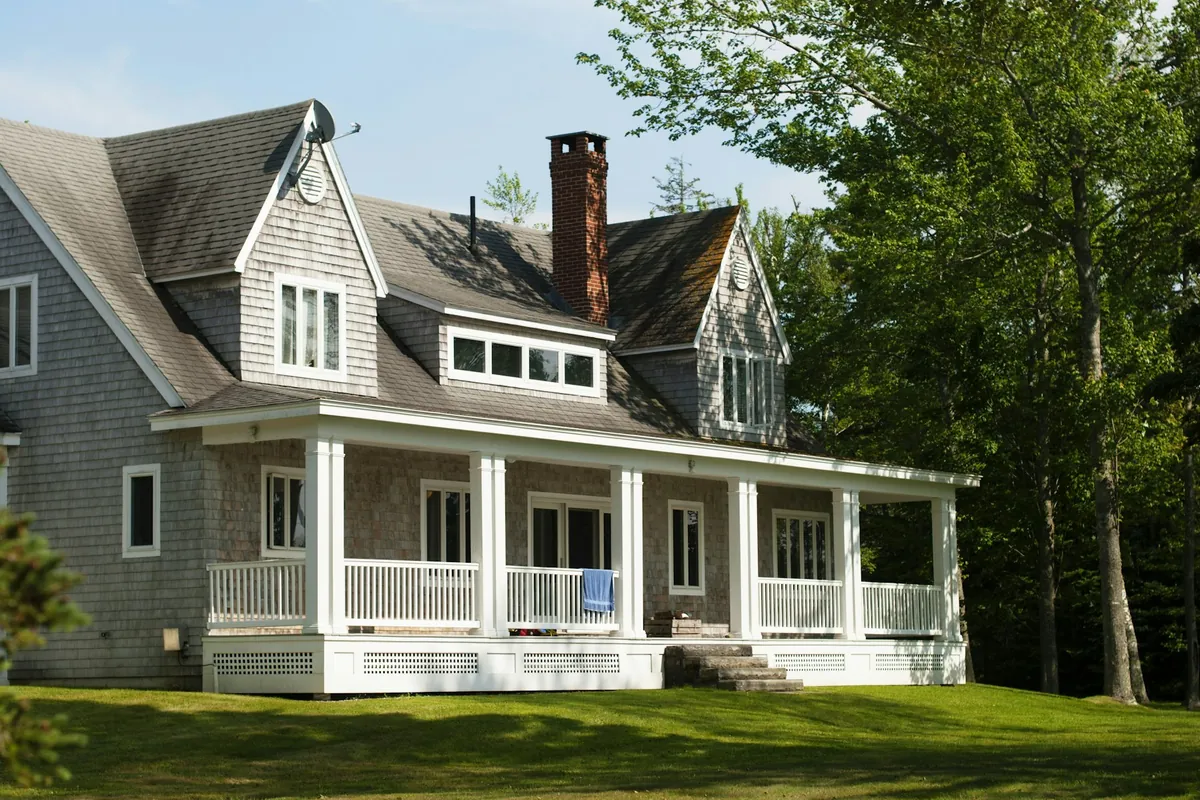
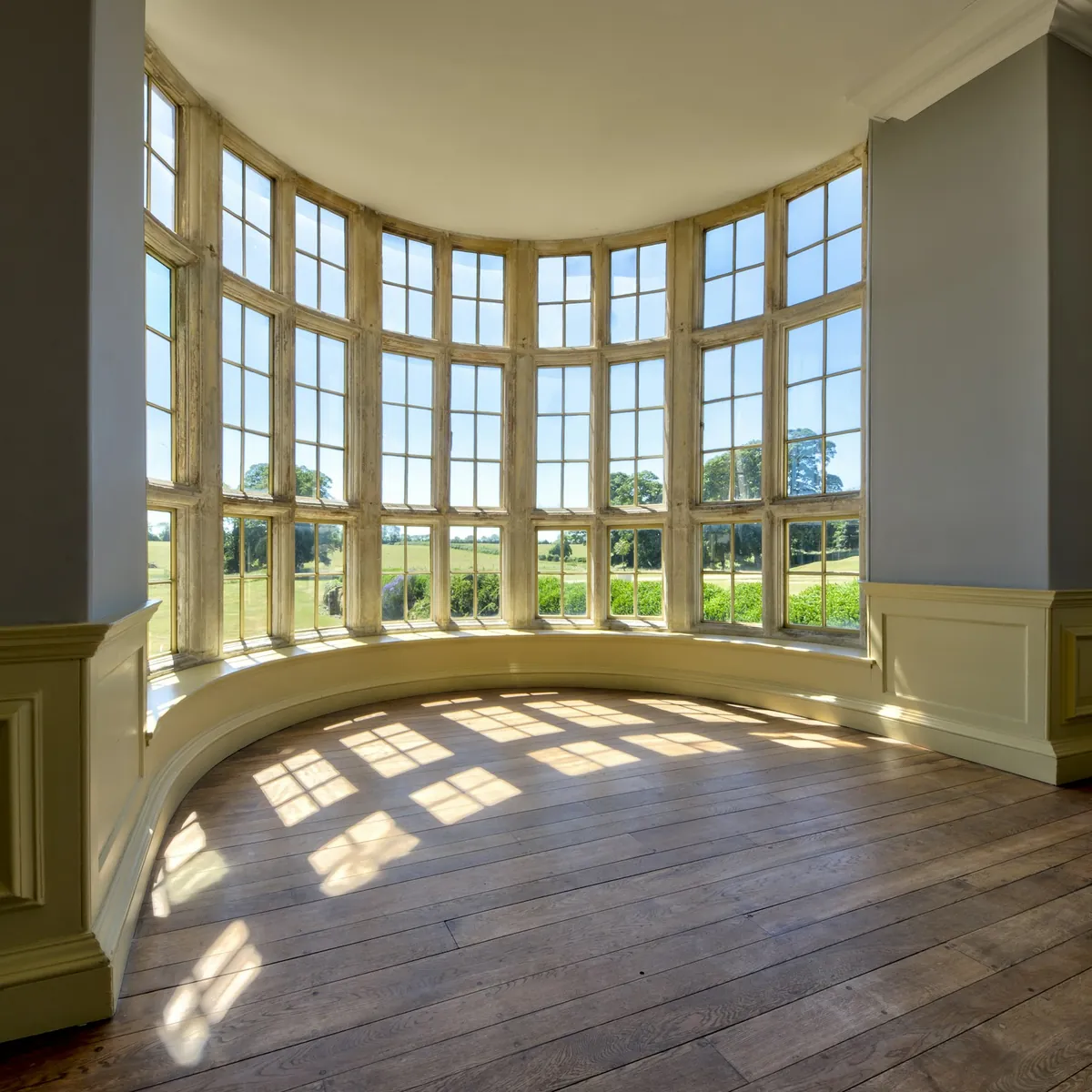
The shingle-style houses bring rounded bays, deep porches and windows grouped in twos and threes, sometimes with a smaller pane above. In a bay, each window gets its own shade, made to its own opening, so the curve is covered fully without fabric bunching where the windows meet. Grouped windows can take matching shades lined up at the top, so the group reads as one.
Large porches shade the ground-floor rooms behind them, so those rooms often need all the light they can get. A lighter fabric keeps them bright with the shades lowered for privacy from the street.
Upper floors under the roof
Climb to the top of a Historic Hill colonial or a shingle-style house and the windows change again. Dormers, gable windows and small attic sash sit in thick roof framing, often with sloping ceilings close on either side. These rooms catch the wind off the harbour before anything below them, and they are usually the coldest bedrooms in the house in winter.
A honeycomb shade fitted inside a dormer or gable frame takes no space from a room that has little to spare, and folds away almost completely when raised. In rooms this exposed, double cell is our usual suggestion. Because these upper windows are often the smallest and oddest-shaped in the house, they are also where careful measuring matters most, and each one is measured on its own.
Fifth Ward’s Close-Built Streets
In the Fifth Ward, houses stand close together and close to the street, and the side windows of one house often look straight into the side windows of the next. That makes privacy as important as warmth, on almost every side of the house.
An airy fabric covers both needs. Daylight still pours in, while anyone on the pavement or at the next window sees only a pale glow. Once the lamps are lit and the street is dark, the shade turns opaque to the outside. On the front windows facing the street, many owners keep the shades part way down through the day and fully closed at night.
Fifth Ward windows are often older double-hung sash in frames that have moved over the years, and they get the same careful measuring as anywhere else in the city. Cellular shades in Newport, RI houses on close-built streets are usually single cell on the sheltered side and double cell on any side that takes the wind.
Small rooms and steep stairs
Fifth Ward houses are often narrow, with small rooms, steep stairs and windows tucked into gable ends or set high on a landing. There is little wall space beside those windows for anything but the window itself. A shade fitted inside the frame takes up no room, folds up small, and in a stairwell keeps the chill from a cold landing window from flowing down into the hall below. Bathrooms and kitchens at the back, often looking onto a tiny yard or the house behind, need privacy at all hours, so a light fabric left part way down works well there. It keeps those rooms bright and screened without anyone having to remember to adjust it through the day.
Ocean Drive’s Larger Properties
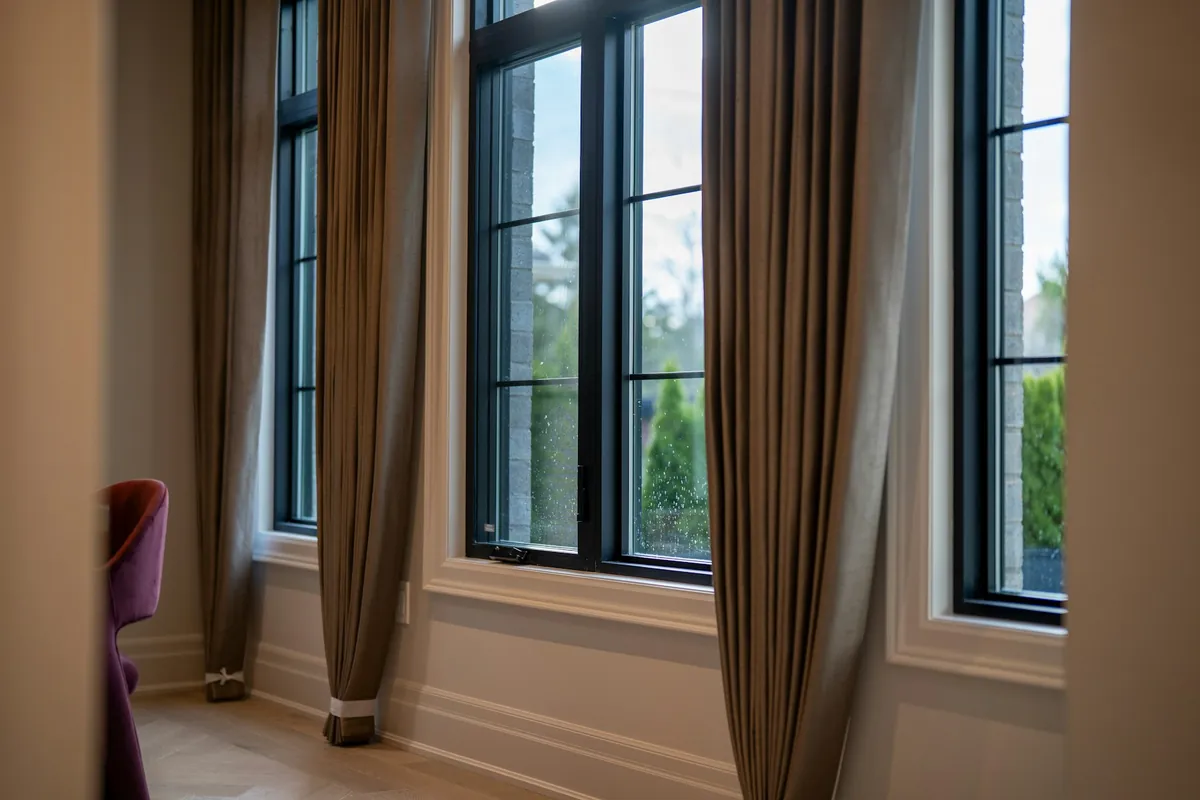
The larger properties along Ocean Drive face the open ocean, and their windows are built to take in the view. That means large panes, tall windows and sometimes whole walls of glass, all facing the weather. In winter, those rooms lose their warmth quickly when the wind is up.
A row of honeycomb shades, one to each pane, covers a large window wall without hiding the frame. Drawn down as the evening comes in, the row spreads trapped air across the entire wall, and double cell spreads two layers. In the morning each shade gathers up to its headrail and the ocean is back in the frame. Very tall panes, or ones out of reach, are good candidates for motorised blinds and shades, worked by a handheld remote or a switch by the door.
Bright light off the ocean can also cause glare, especially when the sun is low. A shade in a lighter fabric, lowered part way, cuts the glare in the lower part of the window while the top stays open. On a sunny winter afternoon, that is often the best of both: the room keeps the view and some of the sun’s warmth, and the shade comes down fully once the light goes.
Bedrooms and guest rooms
In a large house, the bedrooms may face the ocean, the garden or the street, and each needs something a little different. An ocean-facing bedroom takes the wind and the early light, so a double cell shade in a denser fabric suits it. A bedroom facing inland can take single cell in a lighter fabric. Keeping one colour across every shade seen from the drive keeps the house looking consistent.
Planning a large house in stages
A big Ocean Drive house or a rambling shingle-style cottage can have a very long list of windows, and few owners want to do them all at once. A good way in is to start with the rooms that feel the weather first, usually the ocean-facing living spaces and the top-floor bedrooms, and to settle the colour and fabrics for the whole house at the same time. When the rest of the rooms follow, they match from the drive and from the water. Every one of the cellular shades in Newport, RI houses that we make is still measured to its own opening, whether it is part of the first round or the last.
Ordering Cellular Shades in Newport, RI
The store keeps in regular contact with you right through, from the first call to the day the last shade goes up.
- Get in touch through the call button or the form. Mention the rooms, and whether the house sits in a historic district, and a free quote is booked.
- A specialist comes to the house and reads every window in several places, listing interior shutters, sash locks, pulleys and anything else the shade has to clear.
- You decide the cells, fabric and colour for each room. The showroom holds the samples if you want to see and handle them.
- A written quote sets out every opening.
- The shades are made from the visit’s figures.
- Our installers hang each one, make sure it runs square and closes off the window, and show you how to work it.
A shade beneath a fabric shade or drapery
Formal rooms here often want something richer at the window than a honeycomb shade alone. The answer is layers: the cellular shade goes deep in the frame by the glass to keep the room warm and private, and a fabric shade or drapery dresses the front. To see what a fabric shade can look like, visit our Roman shades in Newport page; both layers are planned and measured together.
Care
A coastal house collects salt on every surface. Brush the shades over lightly from time to time, lift any spot with a cloth that is only just damp, and work them up and down without jerking.
Window Works Blinds Shutters and Shades
We are Window Works Blinds Shutters and Shades. Our showroom is in Swansea, Massachusetts, where the store opened in 1988, and the second generation of the same family runs it today. In more than 37 years our specialists have worked in homes up and down the Massachusetts SouthCoast and the East Bay of Rhode Island. Newport is one of 25 towns we serve.
Nothing is ordered until a seasoned window treatment specialist has measured every window at your house. Our own installers fit the shades. Warranties are offered on our products. And you hear from us all the way through, until the work is finished.
Bring a Photo of Your Sash
At the Swansea showroom you can lay one cell next to two, judge each colour in natural light and see how the fabrics pleat. Norman blinds, shades and shutters are on display there too. Photos of your windows from inside and from the street help us pick a colour that will sit happily behind old glass.
Every service we bring to the city is listed on our Newport window treatments page, and the main cellular shades page has more on the shades themselves.
Questions from Newport
Will a honeycomb shade hide my multi-pane sash?
Only while it is lowered. Raised, it shrinks to a sliver at the head of the frame and the whole window, muntins included, shows again.
Does an interior shade affect a house in a historic district?
No exterior change is involved: the shade is mounted indoors, inside the frame. Choosing one colour for all the front windows keeps the façade consistent.
Can you fit shades around interior shutters?
In most cases. The shutters go on the list at the measuring visit, and the shade is placed just forward of them or positioned to miss their hinges.
What suits a large window wall facing the ocean?
A row of shades, one to each pane, in double cell for the most warmth. Motorised operation from a remote or a wall switch suits tall or hard-to-reach panes.
Do you charge for quotes?
No, every quote is free. Ring from the call button or send the form with the rooms in question, and we will pick a day to measure.
Book Your Free Quote
The call button rings our Swansea store. Ask for a free quote, a measuring visit at home or anything about installation. If you want to start with the fabrics, directions to the showroom are on the contact page. On Google, Window Works is rated 5.0.