
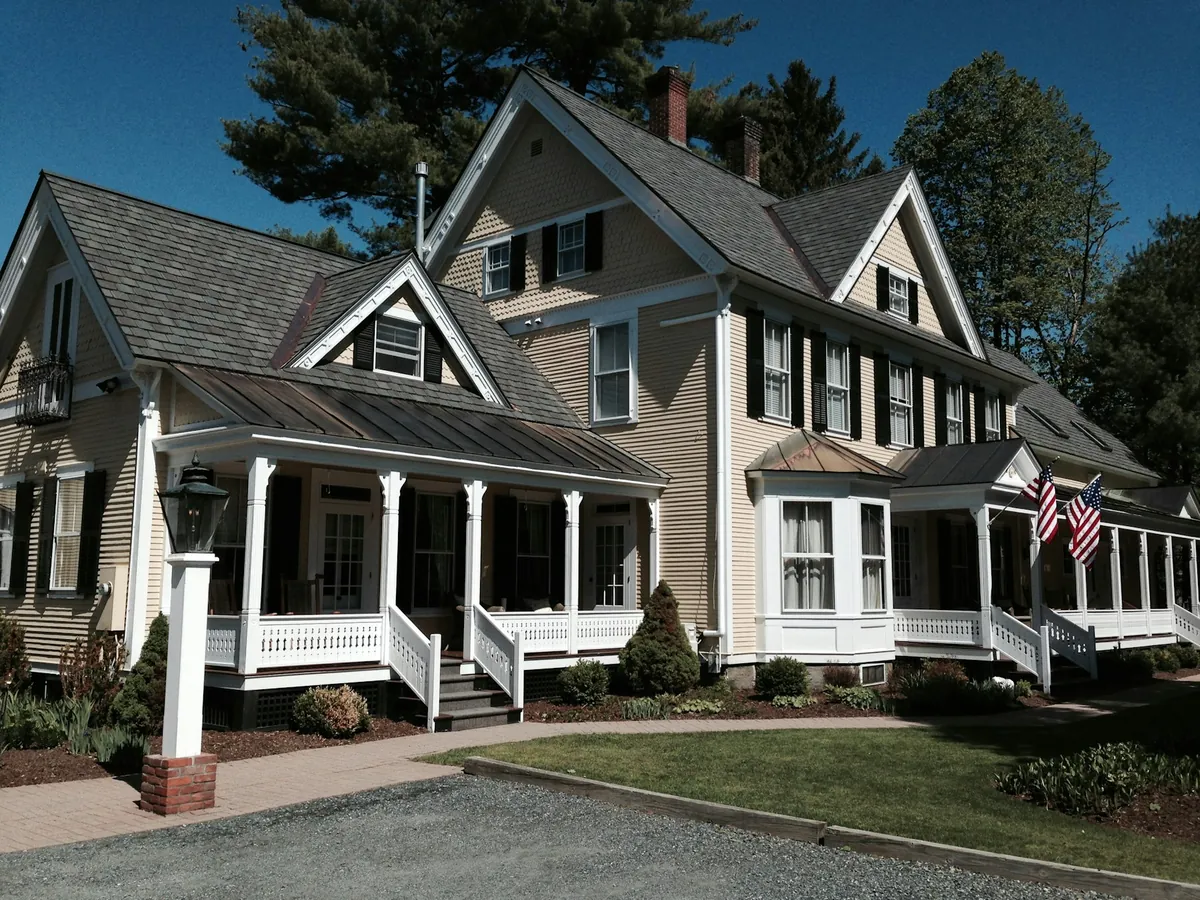
Three Eras in One City
Cranston packs three distinct eras of house into one city. Near the bay, Edgewood’s Victorians have tall sash, high ceilings and frames that have settled over a century and more. In Garden City, the capes and ranches of the 1950s have regular, modest windows and a big front window in the living room. Out in Western Cranston, newer colonials bring square frames, standard sizes and plenty of windows. A blind that suits Garden City rarely suits Edgewood, and neither approach quite fits a new colonial, so custom blinds in Cranston, RI start by asking which of the three you live in.
The materials are the same across all three: wood, faux wood, aluminium and vertical. What changes is the slat width, the mount, the way each blind is operated and how much of the work is about fit versus planning.
- Wood, faux wood, aluminium and vertical slats and vanes
- An approach suited to the age of your house
- Measured at home and installed by our team
One City, Three Approaches
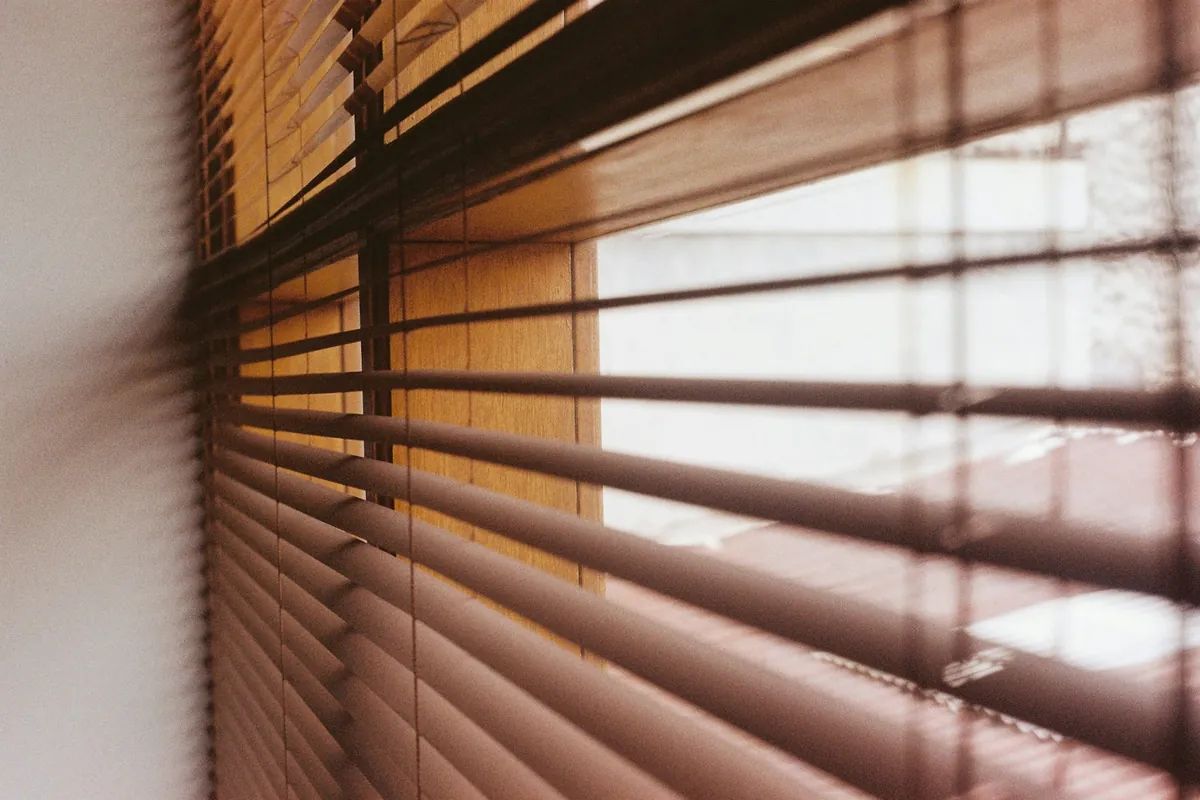
Edgewood Victorians
Long drops, deep trim and frames out of square. Wood blinds made to each window, usually inside the frame, with controls set within reach.
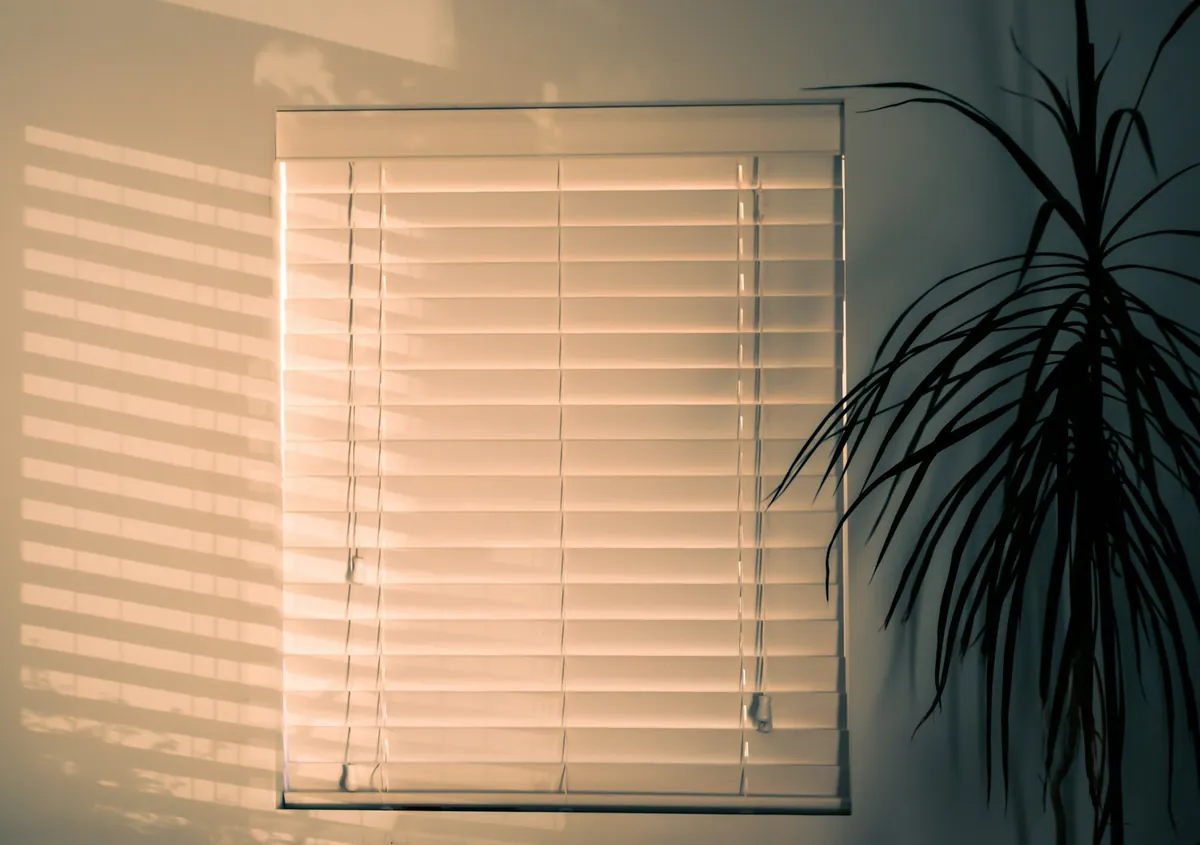
Garden City capes and ranches
Regular windows and one big living room window. The questions are material, slat width and how to handle the wide front glass.
Western Cranston colonials
Square frames and many windows. Planning one consistent set across the house, with operation chosen for the tall great room windows.
Custom Blinds in Cranston, RI: Edgewood
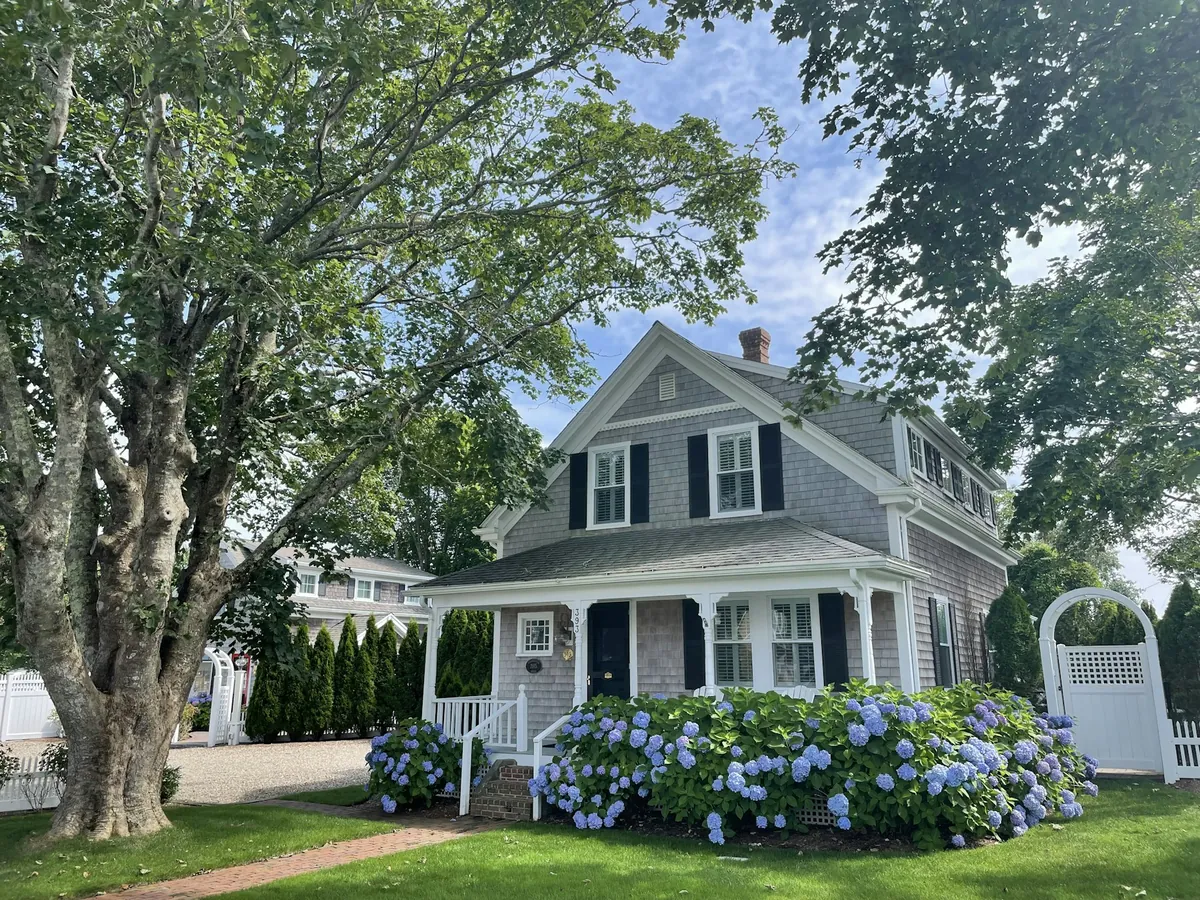
Edgewood sits along the bay, and its Victorians were built with generous windows: tall, often narrow, with moulded trim and high ceilings above. Many have a front bay, a long stair window and a porch along the front. After so many years, the frames have moved, and windows that look alike can differ enough to matter.
What works in an Edgewood house
Every window is measured on its own, at several points across the width and down both sides, and the blind is made to fit the tightest dimension so it lifts cleanly. Where the frame is deep enough, an inside mount keeps the trim on view, which is usually what people want in a house with good woodwork. Where it is too shallow, the headrail sits above the trim, matched to its width.
Wood is the natural material for the main rooms. It is light for a long drop and sits well against painted or stained trim. A wider slat reduces the number of slats on a tall blind, making it lighter to lift and more open when tilted. Controls are set at a comfortable height from the floor, and for the tallest windows a motorised blind run from a remote or a wall switch is worth considering.
What does not work
A Garden City approach in Edgewood, with a standard blind ordered by the nominal size of the window, tends to fail in two ways. It either binds in a frame that has narrowed at one point, or it leaves a strip of light down one side where the frame has widened. On a tall Victorian window, either fault is obvious. The other mistake is choosing a narrow slat for a long window: it multiplies the number of slats, adds weight and makes the stack at the top very deep.
The bay and the porch
Bays are fitted with one blind per window, made to the same drop so the bottom rails line up around the angle. Porch roofs shade the front rooms, which can make them darker than expected, so lighter slat colours and blinds that tilt wide open help. Near the bay itself, rooms facing the water take strong light late in the day, and slats angled against it cut glare while keeping the room bright.
Near the bay: late sun and salt air
The Edgewood streets closest to the water take the low afternoon sun across the bay, and front rooms facing west can be bright enough to make a screen unreadable and fade a rug. Custom blinds in Cranston, RI for those rooms are usually lowered partway in the late afternoon with the slats angled against the sun, leaving the lower glass clear. Rooms that catch the damp air off the water are good places for faux wood, which keeps its shape, and wood stays in the drier rooms toward the back of the house.
Garden City Capes and Ranches
Garden City was laid out in the 1950s, and its houses keep to a recognisable plan. A cape shows a short row of front windows with dormers in the roof and smaller openings on the gable ends. A ranch stretches out with a broad front window lighting the living room, a line of bedroom windows down the wing and a single window above the kitchen sink. Frames are true and the same sizes turn up again and again along a street.
What works in Garden City
With frames this regular, the thinking goes into the finish rather than the fit. Steam and splashes in the kitchen and bath point to faux wood; the sitting rooms and bedrooms can have real wood, or faux wood all through if you want a single material. Up in the dormers, space is tight at the sides and sometimes overhead, so a small headrail with aluminium or a slim slat is the usual pick.
The broad front window deserves the most attention. Covering it with one blind makes for a heavy lift, so many owners divide it into sections, each with its own blind. Others keep one blind but choose a broader slat to cut the weight, and some motorise it.
What does not work
The Edgewood approach overdoes it in Garden City. A wide slat chosen for a tall Victorian window can look heavy on a modest cape window, and a long drop is not needed. The right slat here is usually a mid width, in proportion with the window. Mounting on the wall over a small cape window, rather than inside it, makes the window seem bigger and parks the raised slats above the glass, leaving the whole pane open.
The bedroom wing
A Garden City ranch puts its bedrooms in a line along one side, often with windows set higher in the wall than the living room window, to leave space for furniture beneath. Those windows are short and wide rather than tall, and they usually face a side yard and the house next door. A blind that closes tight is the main need, so we fit them close to the frame and choose a slat that seals well. Because the bedroom windows run along the front or side of the house in a row, keeping them all the same colour and lowered to one line makes the long low front of a ranch look tidy from the road.
Western Cranston Colonials
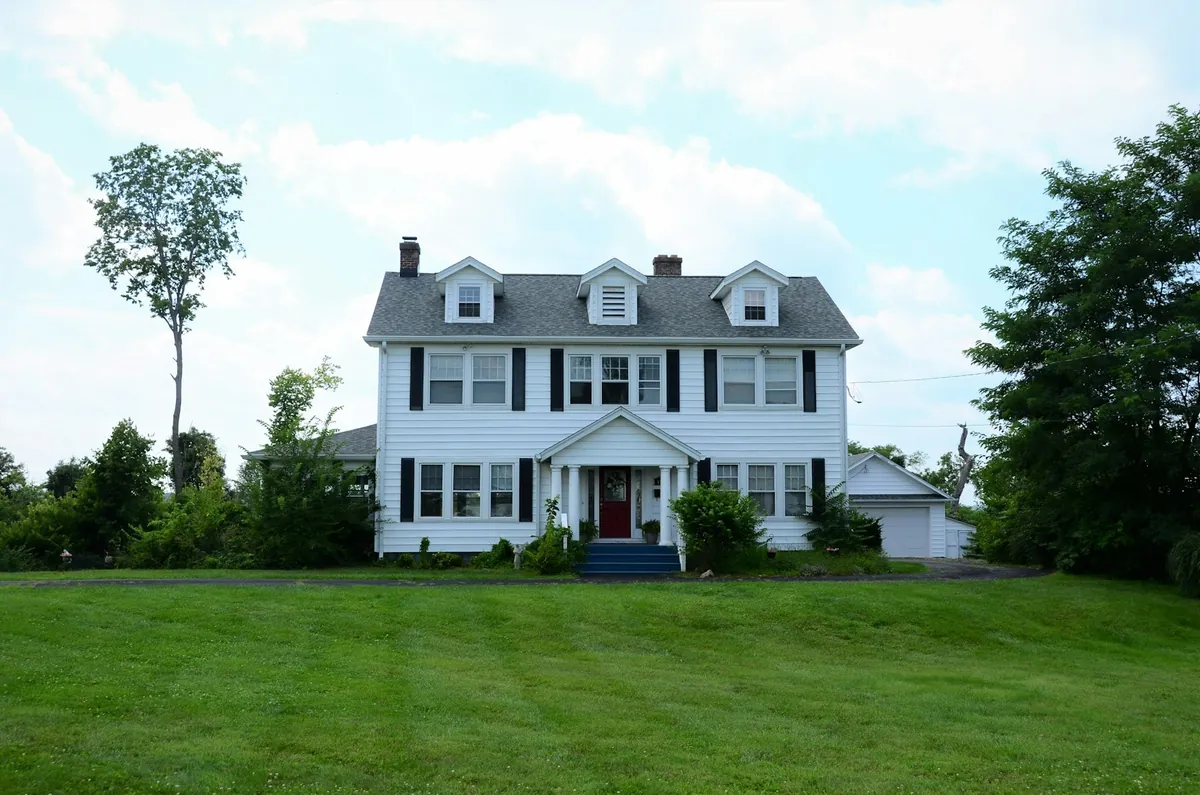
Western Cranston’s newer colonials have the most windows and the fewest fitting problems. Frames are square, sizes are standard, and a typical house has windows in every room on both floors, a great room with tall windows, a dining room bay and a slider from the kitchen to a deck.
What works in Western Cranston
The work is planning. We list every window by room, agree the material room by room, and choose one colour and slat for every window seen from outside, so the house looks even from the street and the yard. Great room windows are taller than the rest, and a wider slat or motorised operation keeps them easy to use. The slider takes a vertical blind, which draws aside so the door opens fully. Upstairs, bedrooms in a newer colonial are usually a matching pair of windows each, which makes them quick to plan and easy to keep consistent with the rooms below.
Additions and finished basements
Many Western Cranston colonials have a finished lower level, and some Garden City houses have been extended with a family room or a second floor. Those spaces bring windows of their own: short high windows below ground, a slider to the yard, or newer windows in an addition that do not match the original house. Each is measured separately. Faux wood or aluminium suits the damp, short windows of a lower level, and a vertical blind handles a walk-out slider. Choosing custom blinds in Cranston, RI for an addition in the same colour as the main house keeps the whole place looking planned rather than pieced together.
What does not work
Treating each room as a separate decision is the common mistake. A colonial’s front windows are seen together, and if the living room, dining room and the bedrooms above use different colours, the front of the house looks patchy. One colour across every street-facing window, whatever the material behind it, keeps it calm.

Comparing the Three at a Glance
- Mount. Edgewood: inside where the depth allows, to keep the trim on show. Garden City: inside or outside, with outside making small windows look larger. Western Cranston: inside, on square standard frames.
- Slat width. Edgewood: wider, for long drops. Garden City: mid width, in proportion with modest windows. Western Cranston: mid width on most windows, wider on the great room.
- Material. All three: wood in living rooms and bedrooms, faux wood in kitchens and bathrooms, aluminium on small windows, vertical on sliders.
- Operation. Edgewood: controls set low on tall windows, motorised on the tallest. Garden City: split or motorise the wide front window. Western Cranston: motorise rows of great room windows if they are hard to reach.
- Main challenge. Edgewood: fit. Garden City: the living room window. Western Cranston: consistency across many windows.
How a Cranston Order Works
- Call the Swansea store or send the form to book a free quote. Tell us which part of the city you are in and which rooms you have in mind.
- A specialist measures every window at your home and talks through mount, slat width, material and operation for each.
- You choose colours and finishes with samples at home or in the showroom.
- Your quote lists every window by room.
- The blinds are made to our measurements.
- Our team installs them, checks each one lifts, lowers and tilts as it should, and shows you how they work.
- We stay in contact with you through the whole order until the job is done.
Where to start in each era
In Edgewood, start with the front parlour or the room with the tallest windows, because settling the slat width and mount there settles them for the house. In Garden City, start with the living room window, which is the biggest decision and the most visible. In Western Cranston, start with a walk through the whole house, since a single order covering every window is the simplest way to keep it consistent. Whichever you choose, custom blinds in Cranston, RI ordered in stages can always be matched later, because we keep the details of each order on file.
Light and privacy, era by era
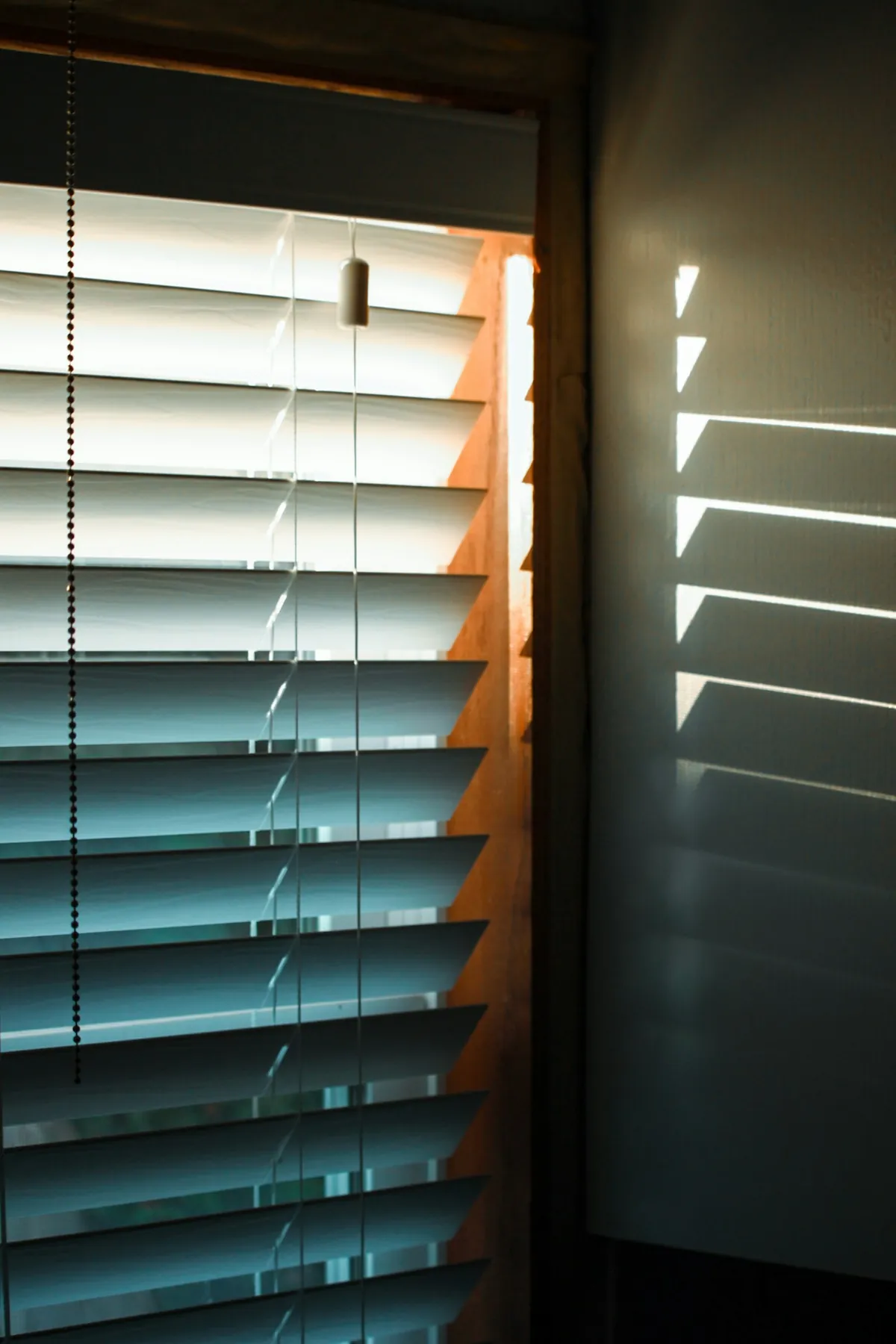
Edgewood’s houses sit close together, so side windows and front rooms often need privacy and light at once. Slats tilted upward give both: light reaches the ceiling while the view in is blocked. Garden City ranches sit a little further back but share driveways and side yards, so the bedroom wing often wants slats that close tight. Western Cranston’s lots are larger, and privacy matters most at night, when closed slats keep lit rooms from showing to the street.
In every era, bedrooms want a close fit and slats that seal well, and a home office does best with slats angled upward so daylight lands on the ceiling instead of a screen.
Blinds with drapes and other treatments
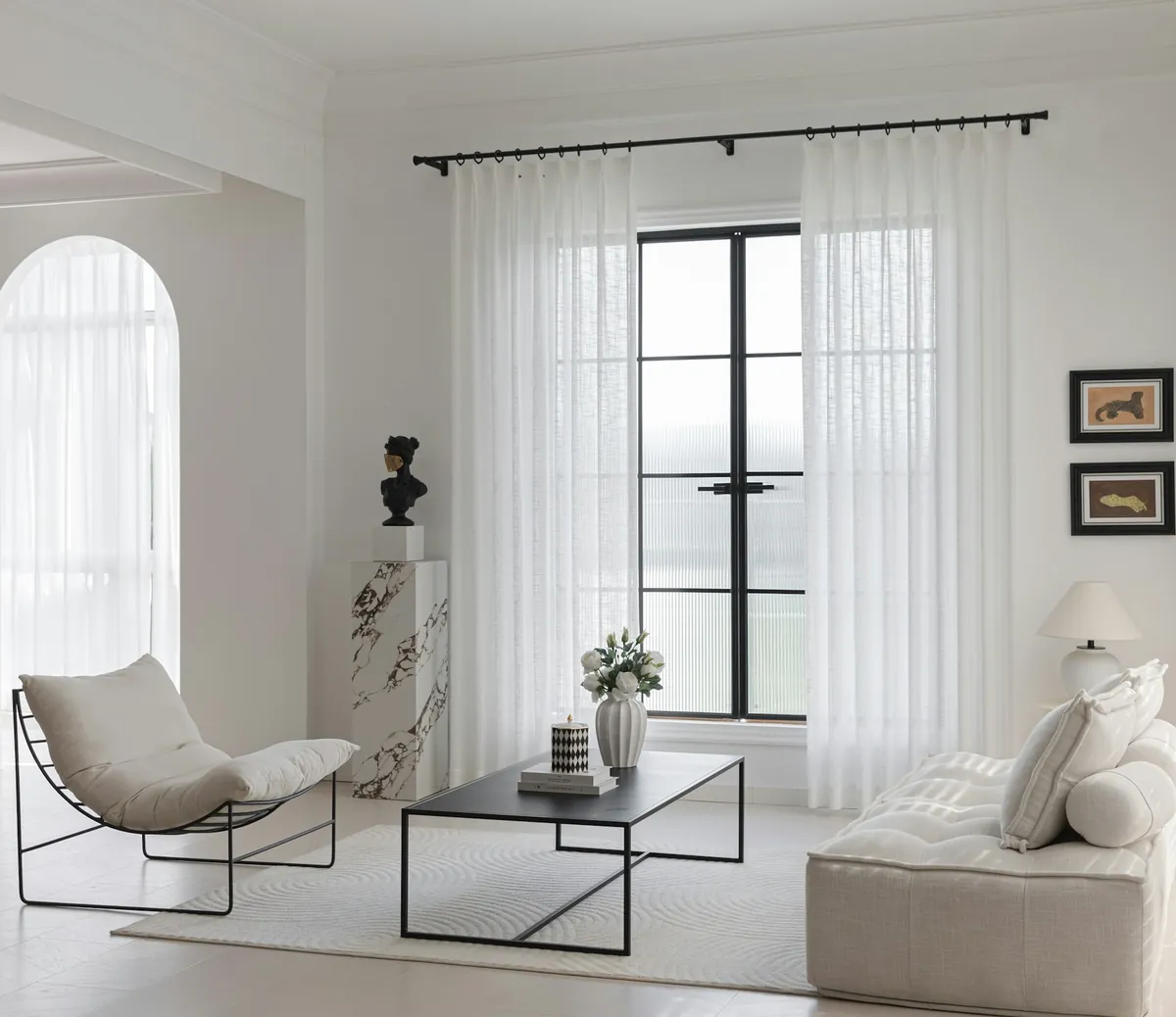
Edgewood’s tall windows suit a blind inside and full-length drapes outside, which emphasise the height and add colour. A Western Cranston dining room bay looks good with the same combination. Window Works makes drapes and custom fabric decor as well as blinds, so both can be planned together. Some windows are better with a different treatment, such as cellular shades in a cold Garden City bedroom or roller shades in a sunroom, and if so we will tell you. See every service we offer in the city on our Cranston window treatments page, sliders on our vertical blinds in Cranston page, and the full blind range on our main custom blinds page.
Upkeep in any era
Whatever the age of the house, blinds ask for little. Dust along the slats every few weeks; a dry cloth for wood, a lightly damp one if a faux wood or aluminium blind in a kitchen needs more. Verticals are cleaned in place. Tall Edgewood blinds are easiest done fully lowered with the slats shut, one face and then the other.
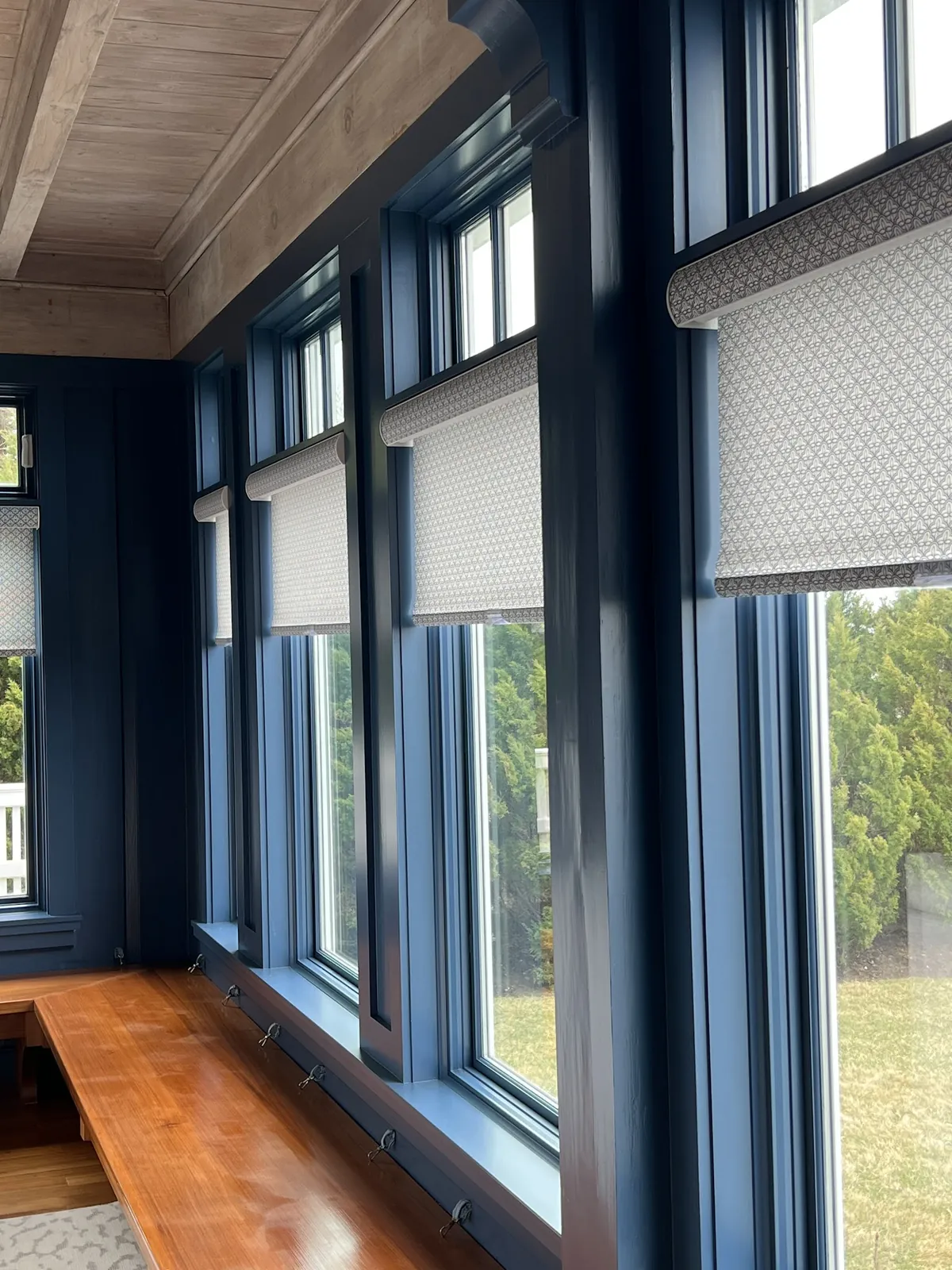
Victorian, Mid-Century or New: We Know All Three
Since 1988 Window Works has operated from Swansea as a family business, and a second generation is now at the helm. In more than 37 years its team has worked on houses from every period you find across the Massachusetts SouthCoast and the Rhode Island East Bay, and Cranston’s three eras are all familiar.
- Specialists in window treatments, whatever the age of the house
- Measuring done in person, at your windows
- Blinds fitted by the Window Works team
- Steady contact from us right through to the end
- Warranties available on what we sell
The Swansea showroom lets you lay a wide slat beside a mid-width one and see which suits your windows, and the Norman range is there to compare.
Questions from Cranston
Why would my Edgewood house need a different blind from a Garden City ranch?
Edgewood’s tall, settled frames need each blind made to the window’s own dimensions, usually with a wider slat for the long drop. Garden City’s regular windows are about material and slat width in proportion with a smaller window.
My Edgewood front rooms are dark under the porch roof. What helps?
A lighter slat colour and blinds that tip wide open by day. Many people also keep these blinds raised, closing them only in the evening.
Can you keep a Western Cranston colonial consistent from the street?
Yes. We choose one colour and slat for every window seen from outside, whatever material each room uses.
Do you come to the house to measure?
Yes. A specialist measures every window at your home, and our team installs the finished blinds.
Does the quote cost anything?
No. Quotes are free; press the call button or fill in the form and tell us whether you are in Edgewood, Garden City or Western Cranston.
Let’s Look at Your Windows
Whichever era your house belongs to, the first step is the same free quote. Through the call button you reach the Swansea store to book it, fix a measuring appointment or ask about fitting; through the form you can write instead. Directions to the showroom, for anyone who wants to handle samples first, are on the contact page. Google rates Window Works 5.0.