
Long Glass and Formal Rooms
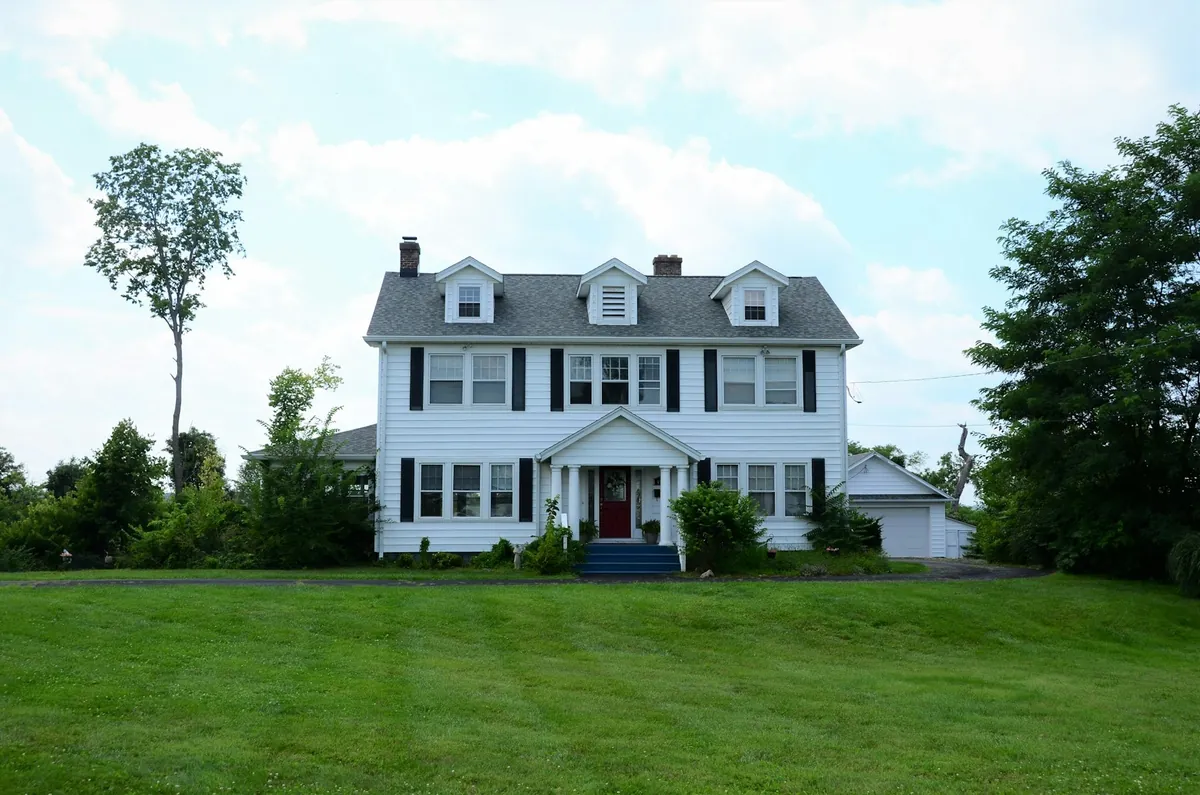
Two kinds of house set the brief for roman shades in Barrington, RI. Along Rumstick Road and Nayatt Road, center-hall colonials sit beside mid-century moderns, and the two could hardly ask more different things of a window treatment. The colonial has a symmetrical front, a formal living room on one side of the hall and a dining room on the other, each with matched sash. The mid-century house has long runs of glass set low in the wall, often facing the Barrington River.
A fabric shade can serve both. In the colonial it softens a formal room and sits happily under side drapery. In the modern house it keeps a long window wall calm and lets the light through cloth instead of slats.
What changes between them is the fold and the fabric, and those two decisions are where every Barrington conversation with us begins.
What a Barrington Roman Shade Can Be
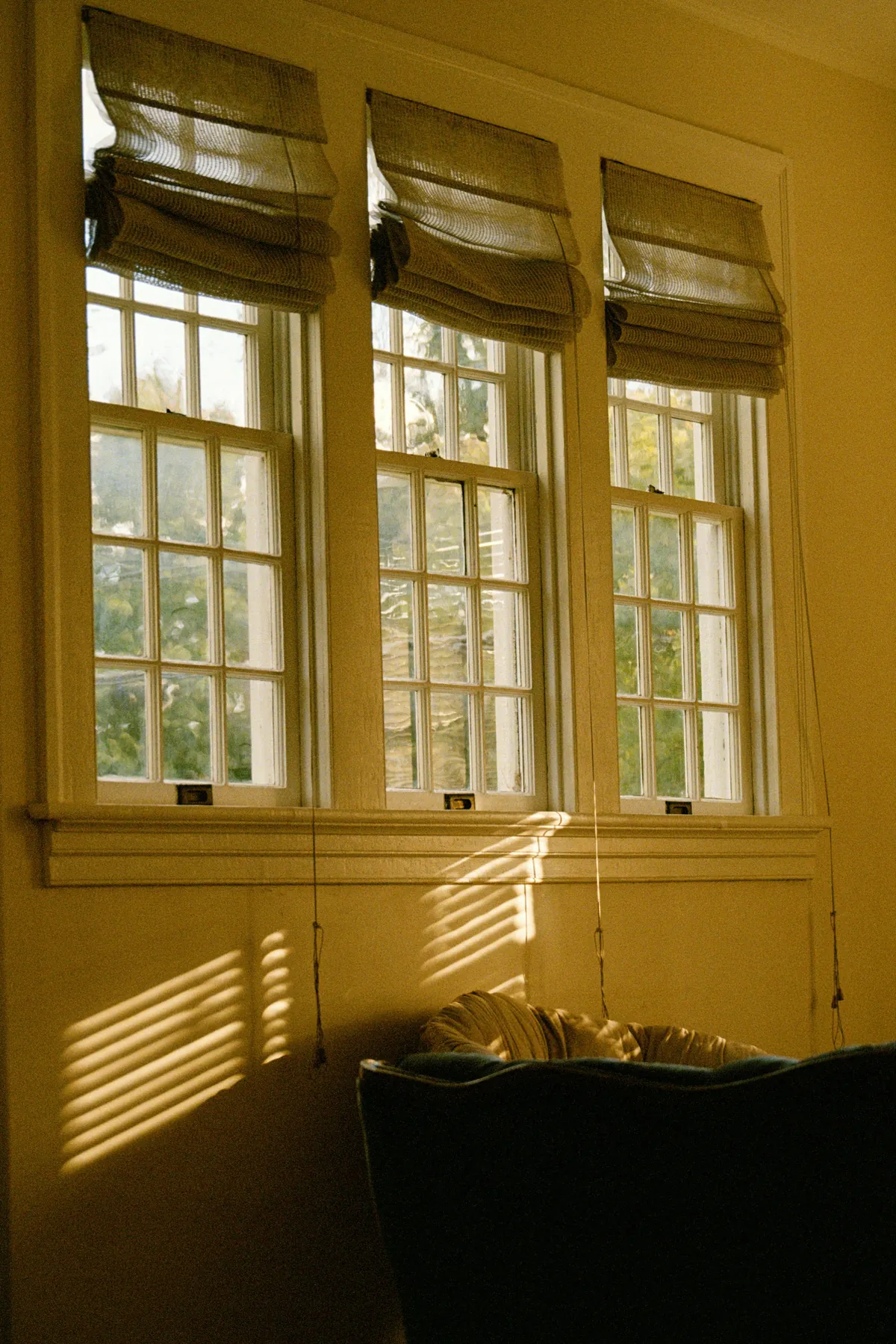
Tailored flat folds
Even, crisp pleats that hang smooth once lowered. They read cleanly across a run of mid-century glass and show a print without breaking it up.

Soft hobbled folds
Fabric gathered into rounded tiers from top to bottom. Rich and full, it belongs in a colonial’s formal dining room.
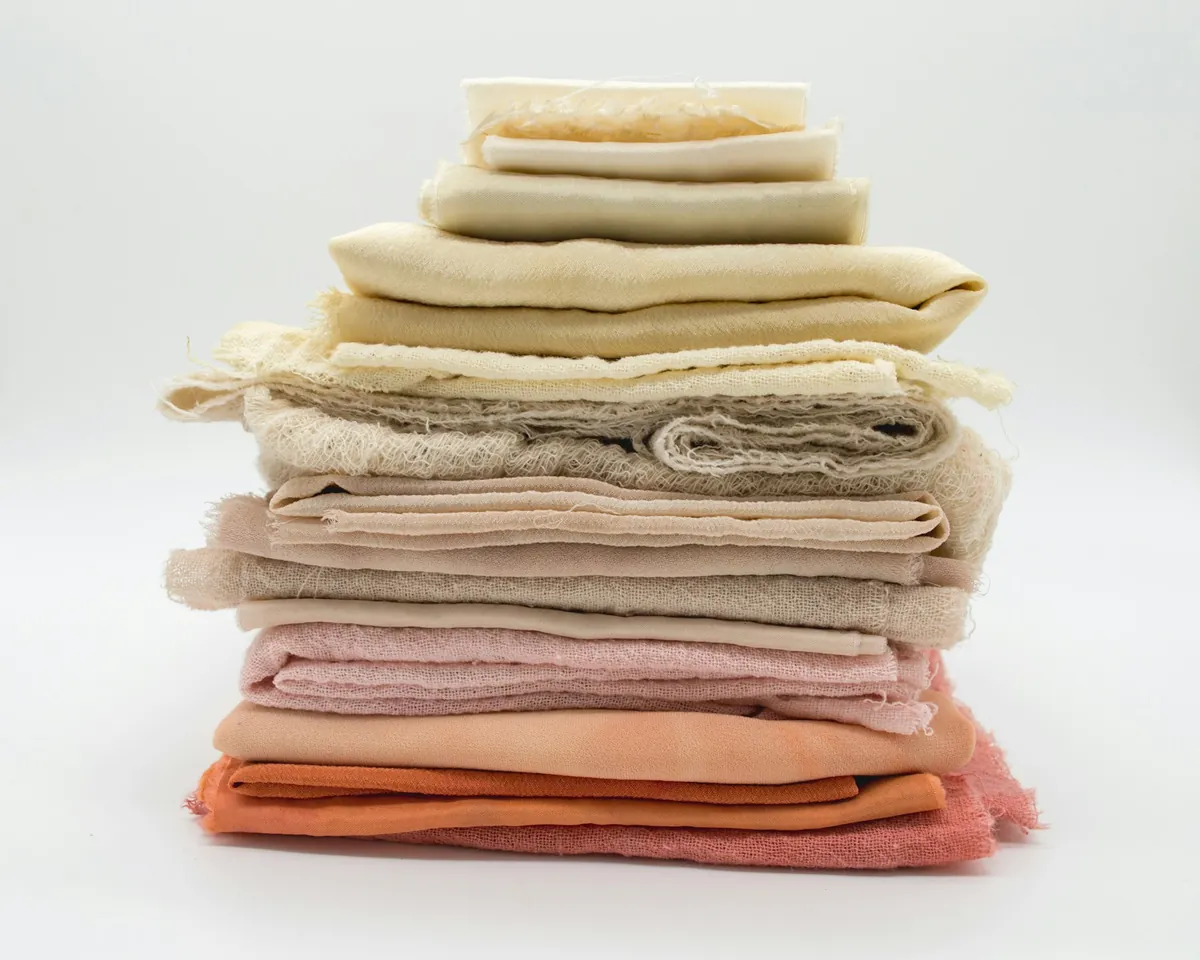
Relaxed folds
A plain face that curves gently at the hem. A gentler, less formal look for a guest room, a study or a kitchen.
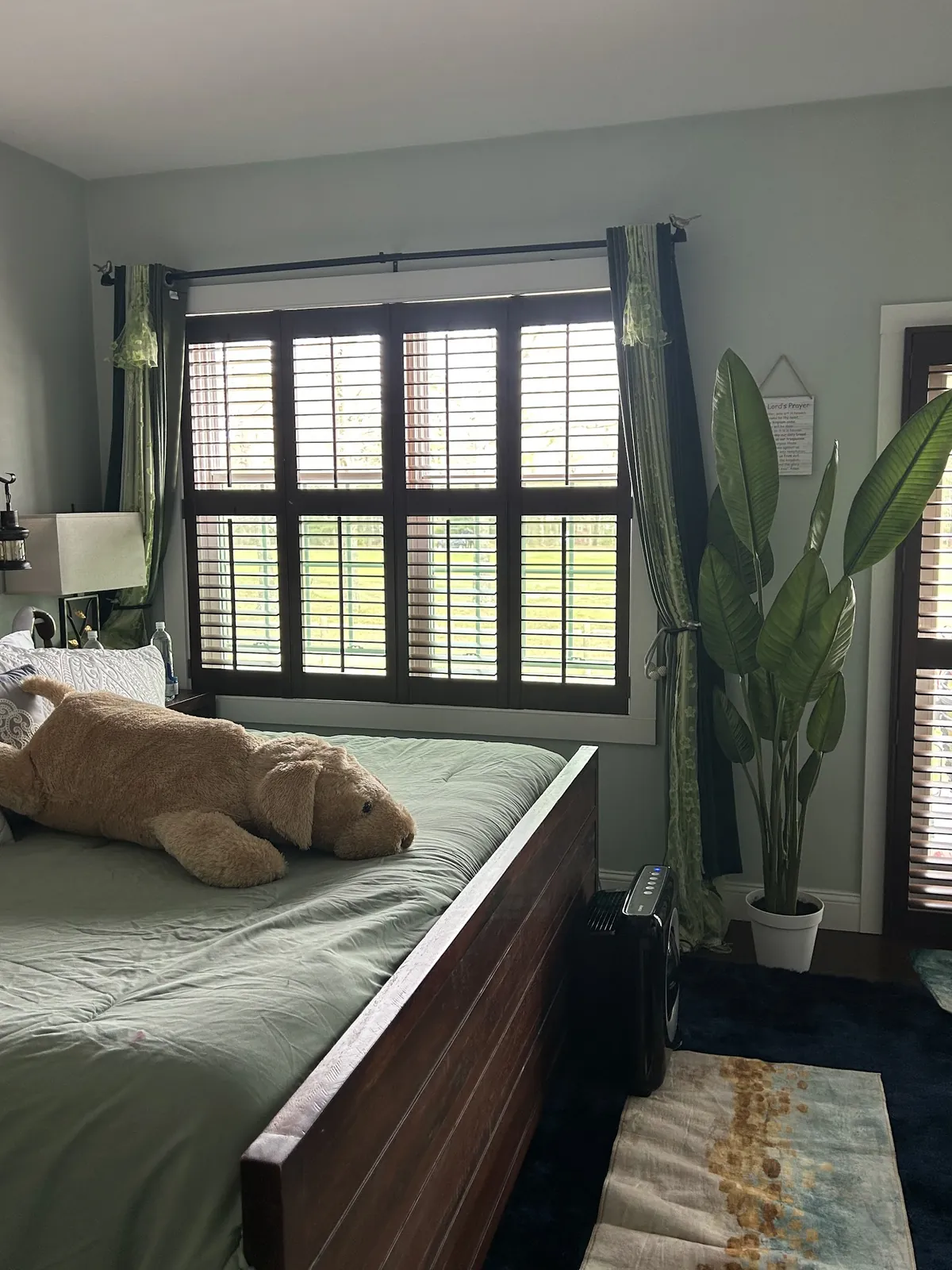
Drapery to frame them
In a formal room, side panels finish the window. Drapery is what this store is best known for, cut from the same showroom cloth.
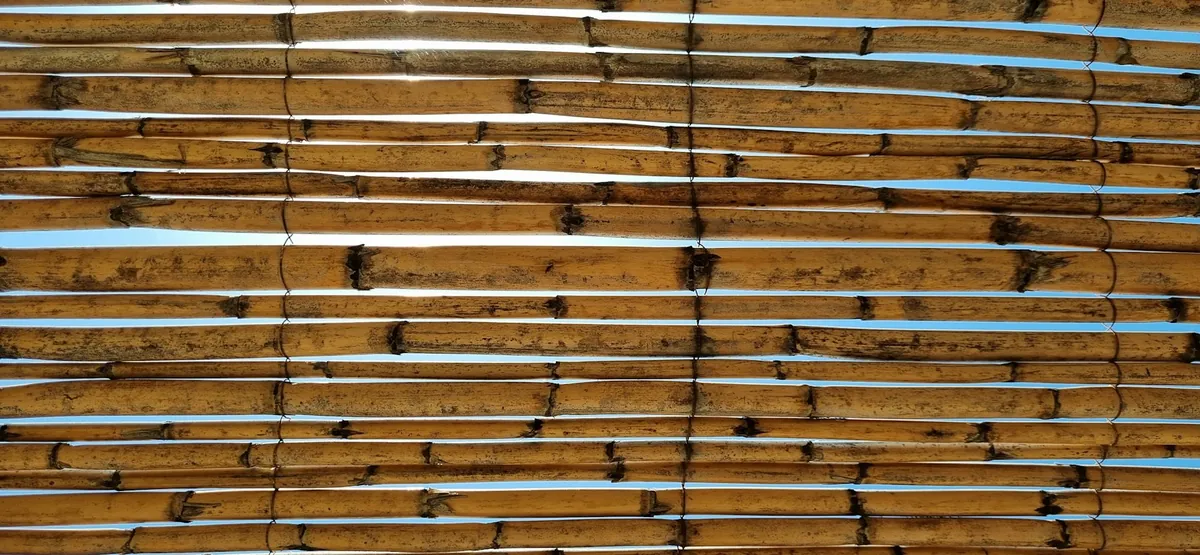
A natural weave instead
For a mid-century room that suits texture more than pattern, a woven wood shade folds up in a similar way.
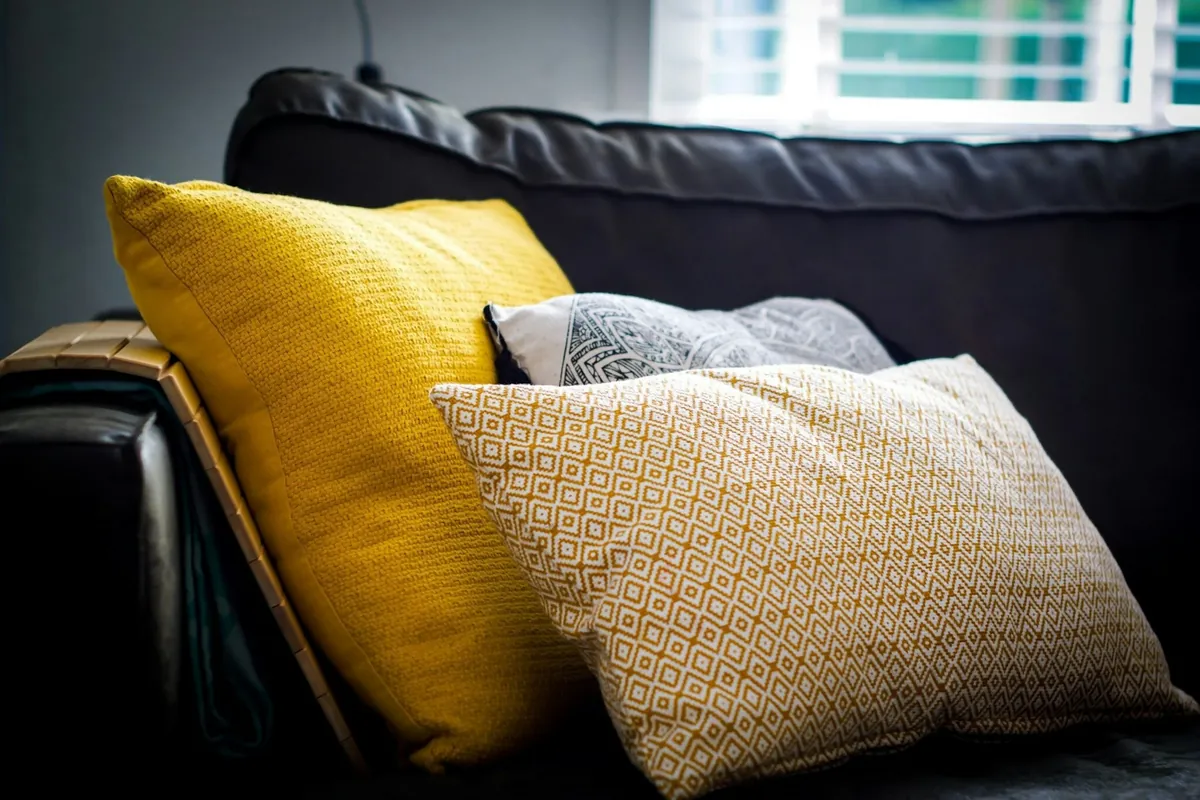
Cushions and bedding to match
Pillows sewn from leftover shade cloth tie a sofa to the window behind it.
Roman Shades in Barrington, RI for the Mid-Century Houses
The mid-century moderns are where roman shades in Barrington, RI need the most planning, because their windows break the usual rules. The glass runs long and low, sometimes from one corner of the room almost to the other, and the sills can sit not far above the floor. A roman shade is a soft panel that rises into folds, so on a window like that we think about three things before ordering: how many shades to make, where the folds will gather, and what the room looks like with every shade down at once.
One shade or several
A single fabric shade stretched across a long window gets heavy and awkward to lift. On most long runs we look at the mullions, the posts between the panes, and plan a separate shade for each section, so each one raises on its own. Lowered together, they read as one even band of fabric. Raised, they let you open the end of the room that gets the morning sun and leave the other end shaded. The joins fall on the posts, where the frame already breaks the glass, so they barely register.
Low sills and furniture
With a sill set low, a lowered shade comes down close to whatever stands in front of it: a sofa back, a desk, a long sideboard. We note where the hem will land and anything that would stop a shade closing fully. A flat fold drops straight and tidy to the sill, which suits a window tucked behind furniture. A relaxed fold, with its soft curve at the hem, looks best where it has some open wall below it.
Corners and open plans
Several of these houses turn a corner with their glass, so two long runs meet at one post. Shades on both walls should rise to the same line and share a fabric, or the corner looks patched together. Where the living and dining areas share one window wall, the same applies along its whole length: one fabric, one fold, one height when raised, even if some sections stay down more often than others.
The river side
Many of these houses face the Barrington River, and the room is built around that view. A roman shade does not have to hide it. Fully up, the gathered folds sit at the head of the glass and the river stays clear. Halfway down in the late afternoon, the shade cuts the low sun across the water while the lower half of the window still shows the view. A lining behind the face fabric shields the cloth in a room that takes a lot of sun, which matters most on the water side.
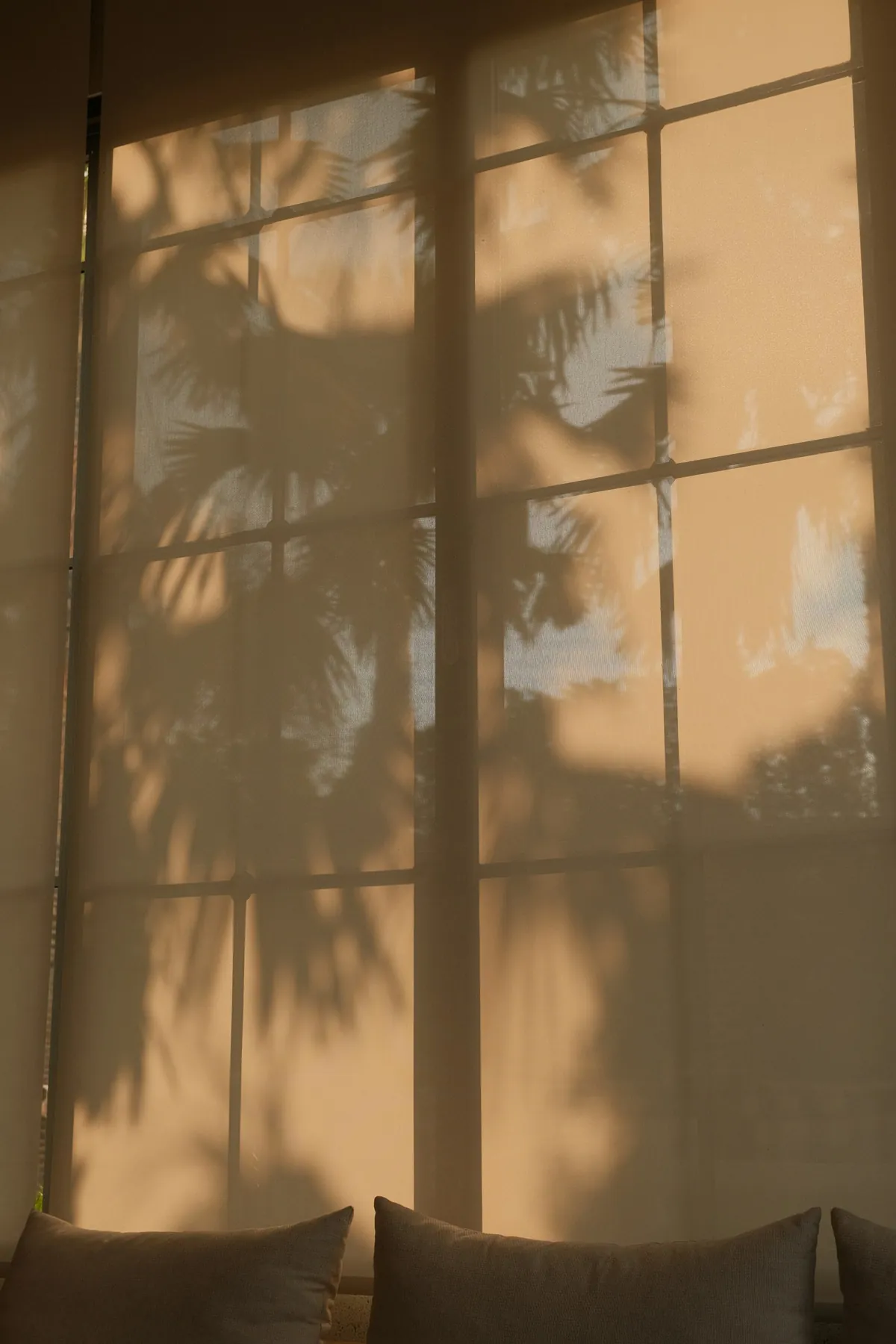
Colour on a long window
On a long run of glass, the shade becomes a large block of colour, so we usually steer toward fabrics that sit quietly with the walls and floor. A linen, a fine weave or a soft neutral keeps the window calm. Pattern can still work, but a small, regular print usually suits a long wall better than a big motif repeated many times over.
Privacy behind long, low glass
Glass that starts near the floor shows more of the room to anyone outside, especially after dark with the lamps on. On the road side of a mid-century house, that makes the evening the real test for roman shades in Barrington, RI. A lined shade lowered to the sill closes the room off completely, and because each section of the run has its own shade, you can close the street end and leave the garden or river end open. In the daytime, a lighter cloth lets in a soft, even light while still blurring the view from outside.
The Center-Hall Colonials
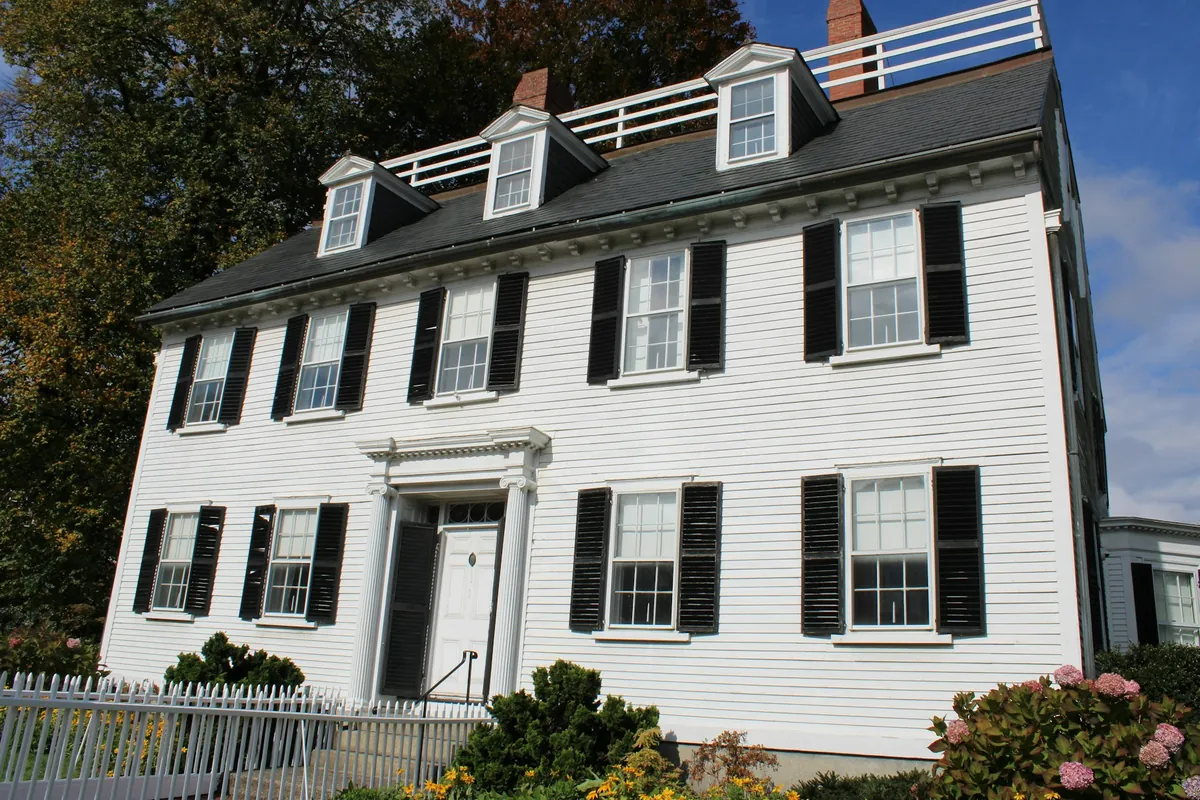
A center-hall colonial on Rumstick Road or Nayatt Road is a very different job. The windows are regular, usually double-hung sash with painted trim, and they appear in matched pairs across the front. The formal rooms are where drapery is expected rather than optional, so in most of these houses a roman shade is one half of a pairing.
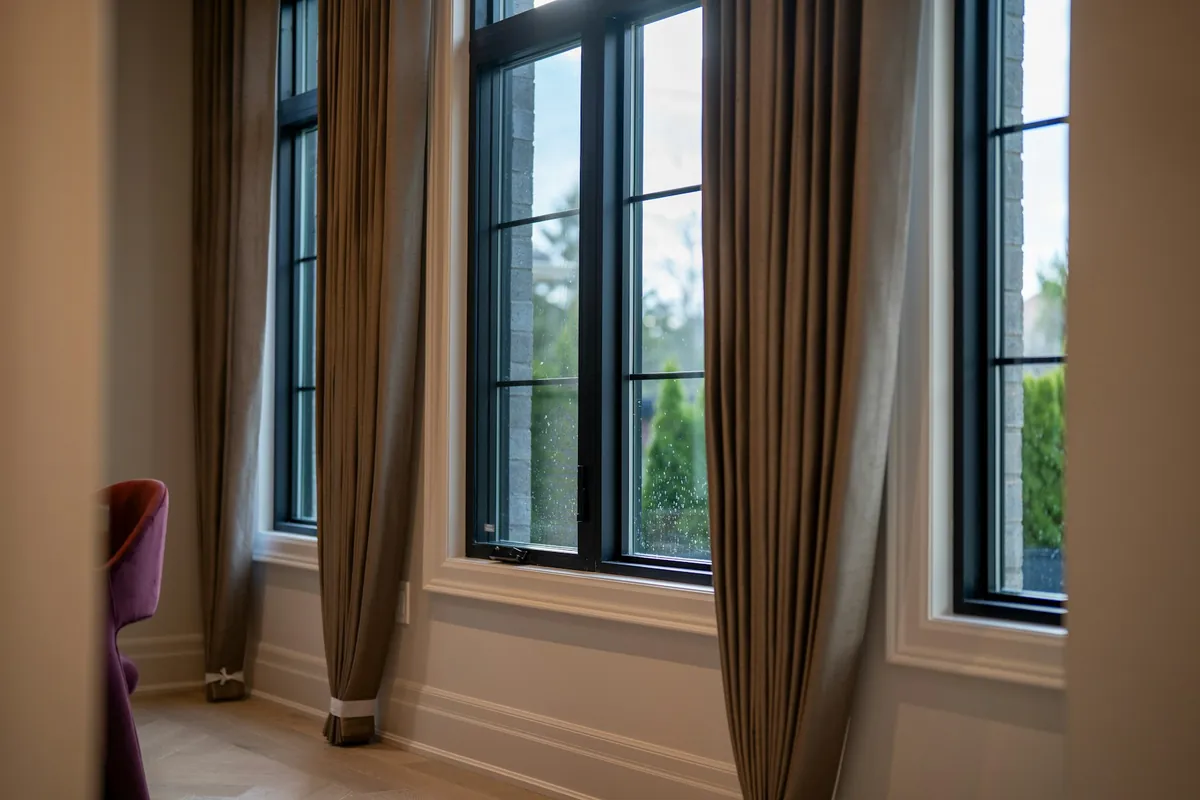
Shade and drapery together
In a colonial living room or dining room, the roman shade does the everyday lifting for light and privacy, while side drapes frame the window and stay put. The two can be cut from one fabric for a quiet, tailored room, or from two that suit each other: a plain linen shade under a patterned drape, or a patterned shade with plain panels. Because both come from one showroom collection, we can lay the two cloths together and judge colour and weight before ordering.
The fold for a formal room
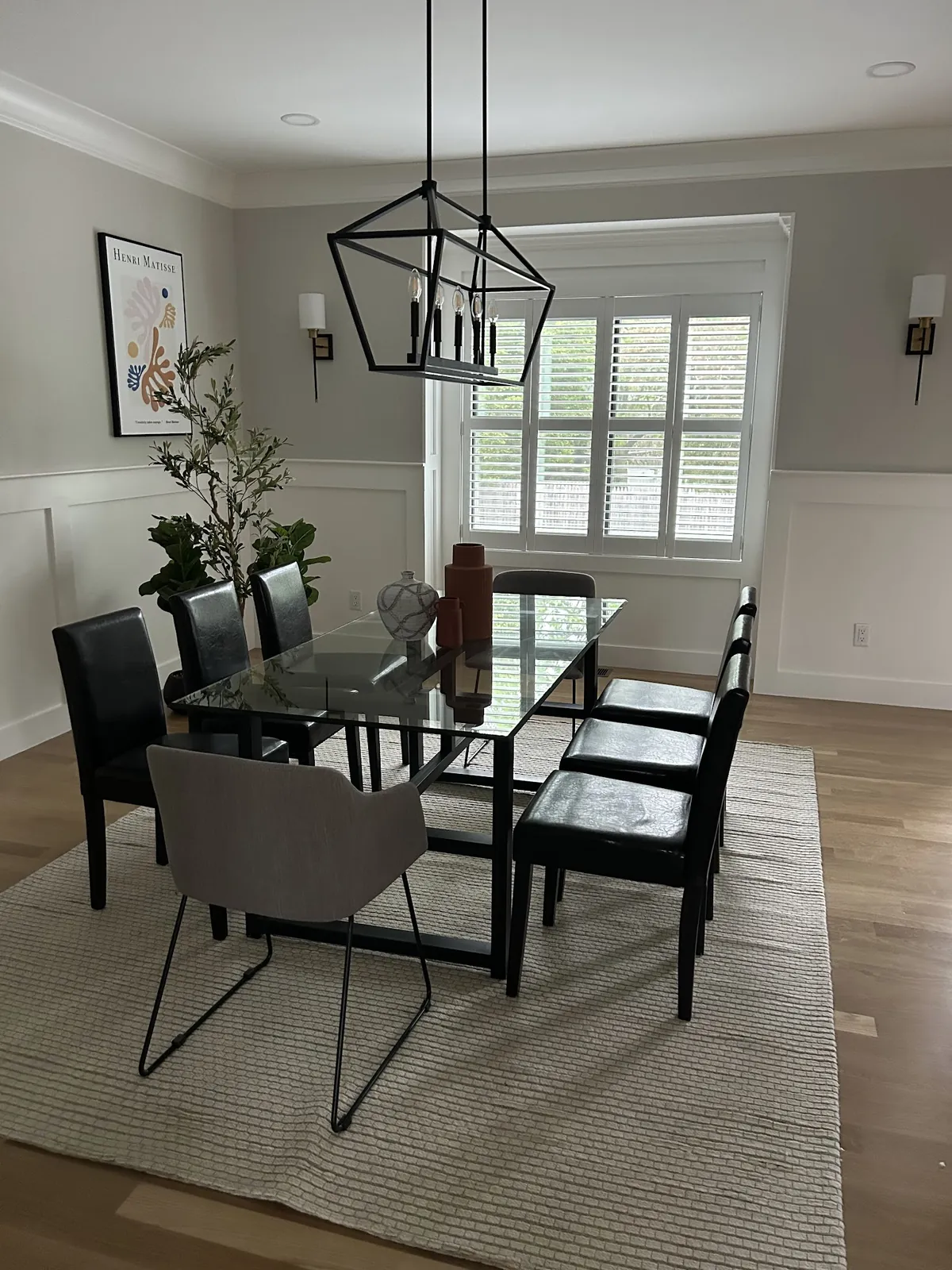
A hobbled fold, with its tiers of soft fabric, gives a dining room a sense of occasion. A flat fold suits a living room that leans classic rather than grand, and it lets a printed fabric show its full pattern. Either can sit within a deep colonial window opening, leaving the painted trim on show, as long as the frame has room for the headrail.
The hall, the stair and the bedrooms
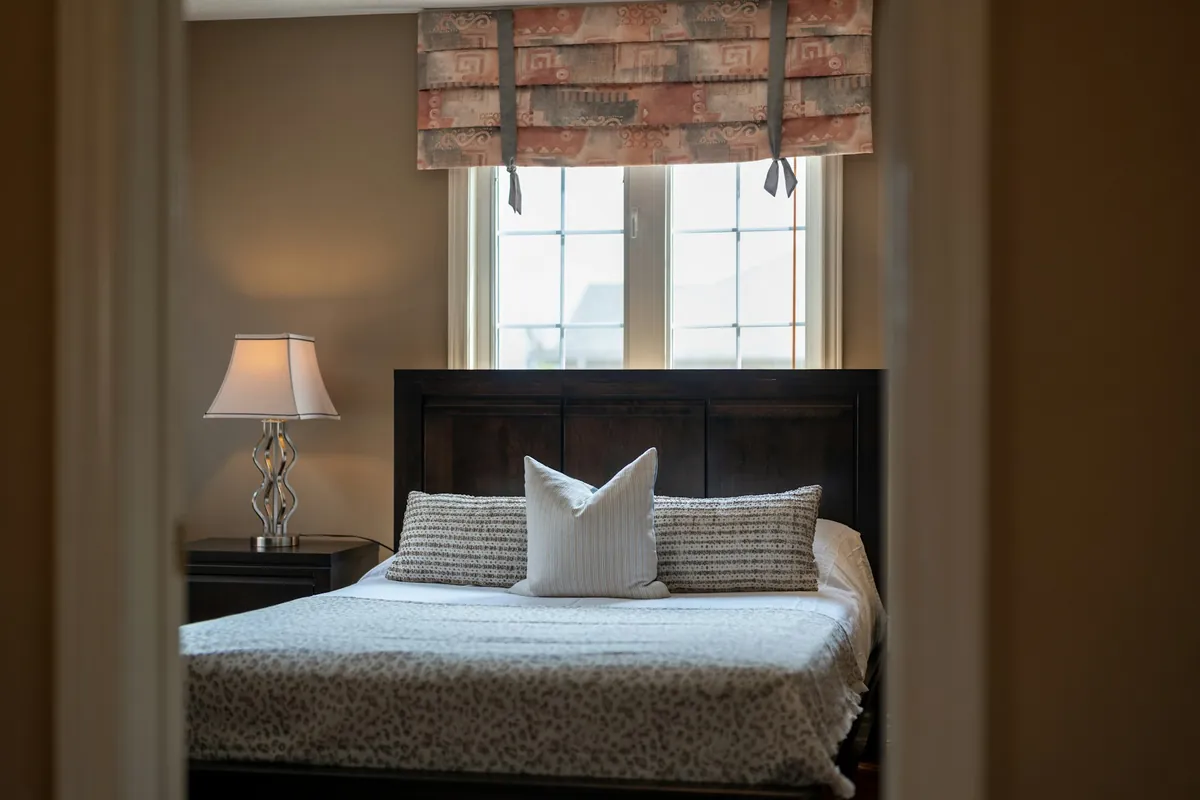
The center hall itself often has a window at the stair landing, seen from both floors and from the front door. A shade there wants a fabric that sits well with both the hall and the upstairs rooms. The bedrooms above usually take a lined shade, since a bedroom wants to be dark at night and early in the morning, and a relaxed fold in a soft colour often suits them better than the formality downstairs.
A matched front
From the street, the front windows of a center-hall colonial read as one composition. We make every shade on that face of the house to the same raised height, so the folds line up across the facade, and back each one with the same lining colour, so the house looks even from the road whatever the rooms behind are wearing.
Colonials near the water
Some colonials along Nayatt Road and the river have formal rooms that face the water as well as the street. Those rooms get strong low sun late in the day, and a formal fabric with a sheen or a deep colour will show it over time. In a room like that we tend to suggest a lining behind every shade and drapes that can be drawn across in the hottest part of the afternoon, so the furniture and the fabric both last. A paler cloth on the water-facing windows, with the richer colour kept for the drapes on the inner walls, is another way to keep the formal look without putting the strongest fabric in the strongest light.
How a Barrington Order Is Put Together
A roman shade involves more choices than a blind, so we take them in order and keep you posted from the first call to the last fitting.
- Book a free quote with the call button or the form, naming the rooms you have in mind.
- A specialist measures each window in the house, noting frame depth, sill height, where the mullions fall and anything a fold could catch on.
- Come to Swansea to look through the fabrics and settle a fold for each room.
- Your quote lists every window with its fold and fabric, so nothing is a surprise.
- The shades are made to those Barrington measurements.
- Our team hangs them, runs each one up and down, and checks the folds stack square.
- If anything needs another look later, the same store answers, and we stay in touch until it is right.
Mounting on each kind of window
The two house types tend to split here. Colonial sash usually has a good, deep frame, so the shade can sit inside the opening with the painted trim showing all round it. The thinner frames on mid-century glass often leave too little depth, and the shade does better fixed above the window on the wall. Mounted that way it covers the frame, gathers above the glass so the full window opens to the light when it is raised, and closes off the edges more completely at night. We decide window by window, not house by house.
Choosing the cloth
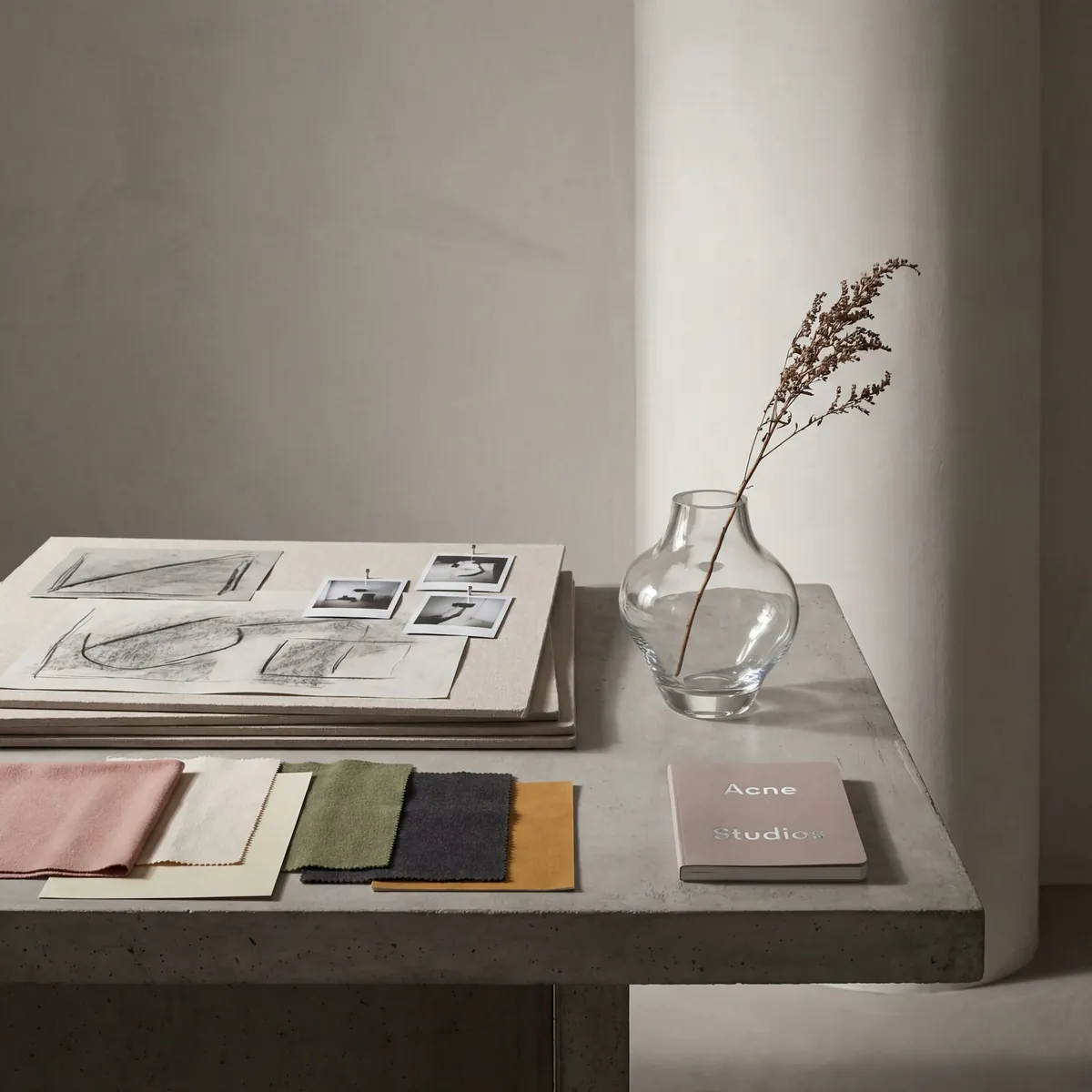
Fabric shapes everything about a roman shade. A crisp, tightly woven cloth holds a sharp flat fold. A softer, heavier one falls into full hobbled tiers. Light fabrics glow when the sun is behind them, which suits a mid-century kitchen or study. Heavier fabrics feel warmer and quieter in a colonial bedroom. Two cloths in the same colour can behave quite differently at a window, so we explain how each one hangs before you commit.
Lined or unlined
A lining matters as much as the fold. It gives the folds body, protects the face fabric, and makes a room darker and more private after dark. An unlined shade in a light fabric lets more daylight through. We settle this room by room, and the shades in one Barrington house often differ: unlined in a sunny breakfast area, lined in the bedrooms and the formal rooms.
Room by room
- Formal living rooms: a flat or hobbled fold under side drapes, lined for body.
- Dining rooms: a hobbled fold in a richer fabric.
- Mid-century living areas: flat folds in a quiet fabric, split across the long run of glass.
- Bedrooms: a lined shade, fixed above the window where the room needs to be dark.
- Kitchens and studies: a relaxed or flat fold in a light cloth the sun can shine through.
Keeping the fabric fresh
Dust is the main enemy, and a soft brush or the upholstery tool of a vacuum deals with it. Spot marks are best dabbed lightly rather than rubbed. Putting a roman shade through the wash tends to shrink the fabric and pull the folds out of line, so a professional cleaner is the safer route when a shade needs more than dusting. The right care depends on the cloth, and we tell you which applies when you choose.
Starting with the room that matters most
Few households do every window at once. In a colonial, the order often begins with the formal rooms at the front, because they are seen first and they carry the drapery. In a mid-century house, it is usually the long living room wall, because that is the window that defines the house. Later rooms can follow at your own pace. Your quote lists the fabric, fold and raised height for every window, so roman shades added in Barrington, RI a year or two on can be planned to sit with the first ones on the same face of the house.
Where a different product fits
Not every window in Barrington suits a fabric shade. A window over the sink might be better with a blind, a sunroom with roller shades, and a bedroom that faces east with shutters. When something else would serve a window better, we say so. The full range for the town is on our Barrington window treatments page, and every fold and fabric we make is on the main roman shades page.
What Sets Window Works Apart
Window Works opened in Swansea in 1988 and the second generation of the family runs it today. Over 37 years it has fitted window treatments in houses across the SouthCoast of Massachusetts and the Rhode Island East Bay, Barrington among them.
- Drapery and fabric are the store’s specialty, which is why roman shades suit us
- An experienced team of window treatment specialists
- Measuring in the home and installation by our own team
- Warranties offered on what we sell
- In constant contact with you until the job is done
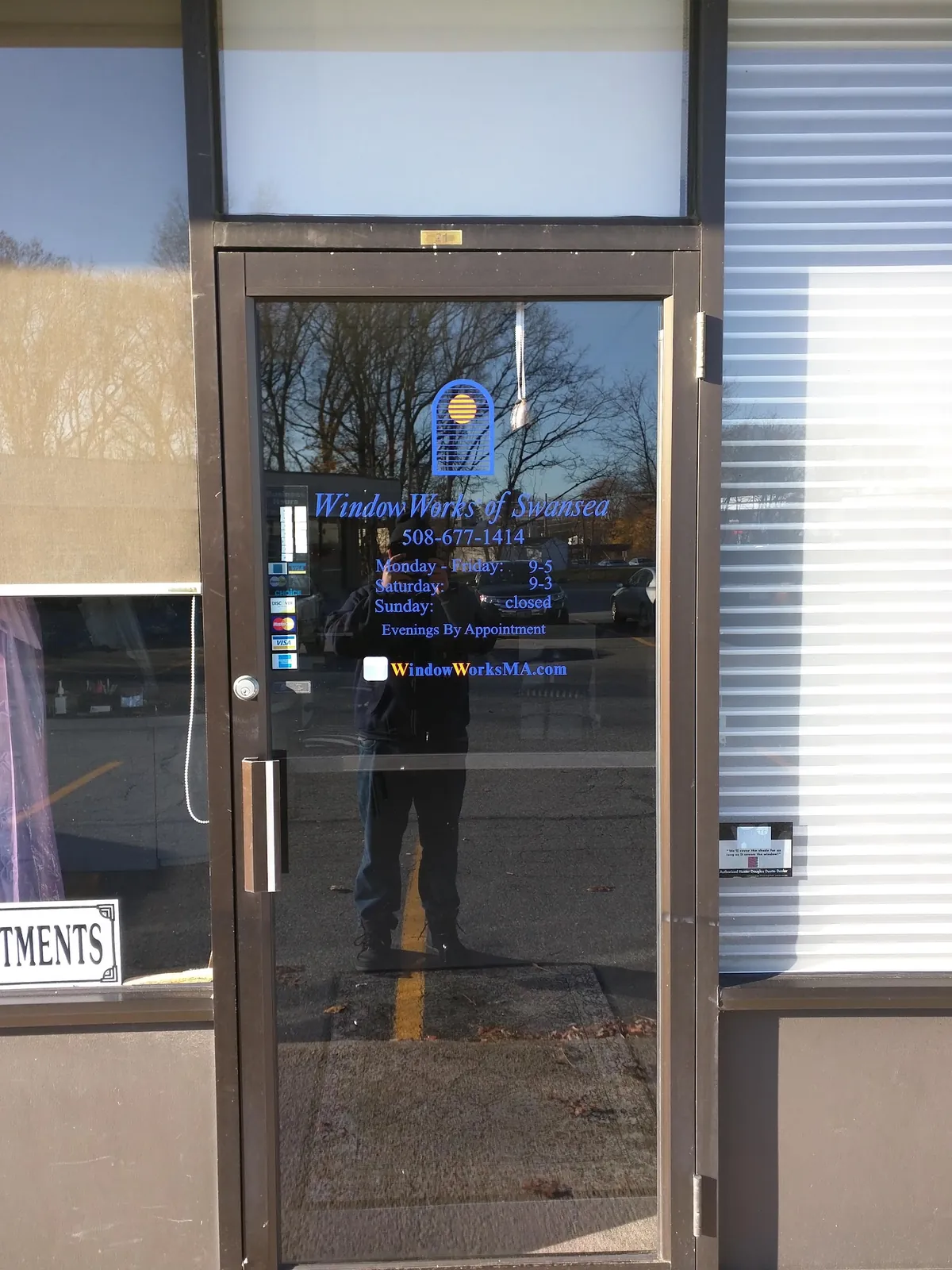
Handle the Fabrics in Swansea
Colour and texture are hard to judge from a picture, so the showroom is the best place to choose. Hold the fabrics up in daylight, compare a flat fold with a hobbled one and see how a lining changes the cloth.
Bring a cushion, a paint chip or a photo of the room. If drapes are part of the plan, pick both cloths on the same visit. The showroom also carries the Norman range.
Questions from Barrington
Can roman shades cover a long mid-century window?
Yes, usually as several shades, one for each section of glass, so each raises easily. Lowered together, they look like one band of fabric.
Will a shade work on a window with a very low sill?
Yes. We check where the hem will land and what furniture stands in front. A flat fold drops neatly to a low sill.
Do roman shades go with drapes in a formal room?
Very well. The shade handles light and privacy and the drapes frame the window. Both come from our showroom fabrics, so they can be matched.
Which fold suits a colonial dining room?
A hobbled fold in a richer fabric is the traditional choice. A flat fold works if you want a cleaner look or a print shown in full.
How do I start?
Book a free quote with the call button or the form. We then measure each window in your home.
Your Next Step
Whether it is one dining room or every window on a mid-century wall, the first move toward roman shades for your Barrington home is a free quote. The call button reaches the Swansea store, where we can arrange measuring in your home and talk through installation. Prefer to type? Send the form. Or start with the fabrics themselves at the showroom, with directions on the contact page. Window Works holds a 5.0 rating on Google.